THE FORMATION OF AN ARTISTIC CAREER
Rafig Mahmud oglu Mehdiyev was born on 10 June 1933 in the Shahbuz district of Nakhchivan. From 1948 to 1953, he studied at the Azim Azimzade Art School, followed by the Faculty of Graphic Arts at the Surikov Moscow State Art Institute from 1953 to 1958. His professional training provided a foundation for his subsequent exploration of various graphic techniques and book illustration.
Mehdiyev’s artistic career encompassed book graphics, independent graphic art and painting. These fields were connected by his exploration of different means of constructing an image and his pursuit of visual expression as a means of conveying artistic ideas.
THE VISUAL INTERPRETATION OF LITERARY IMAGERY
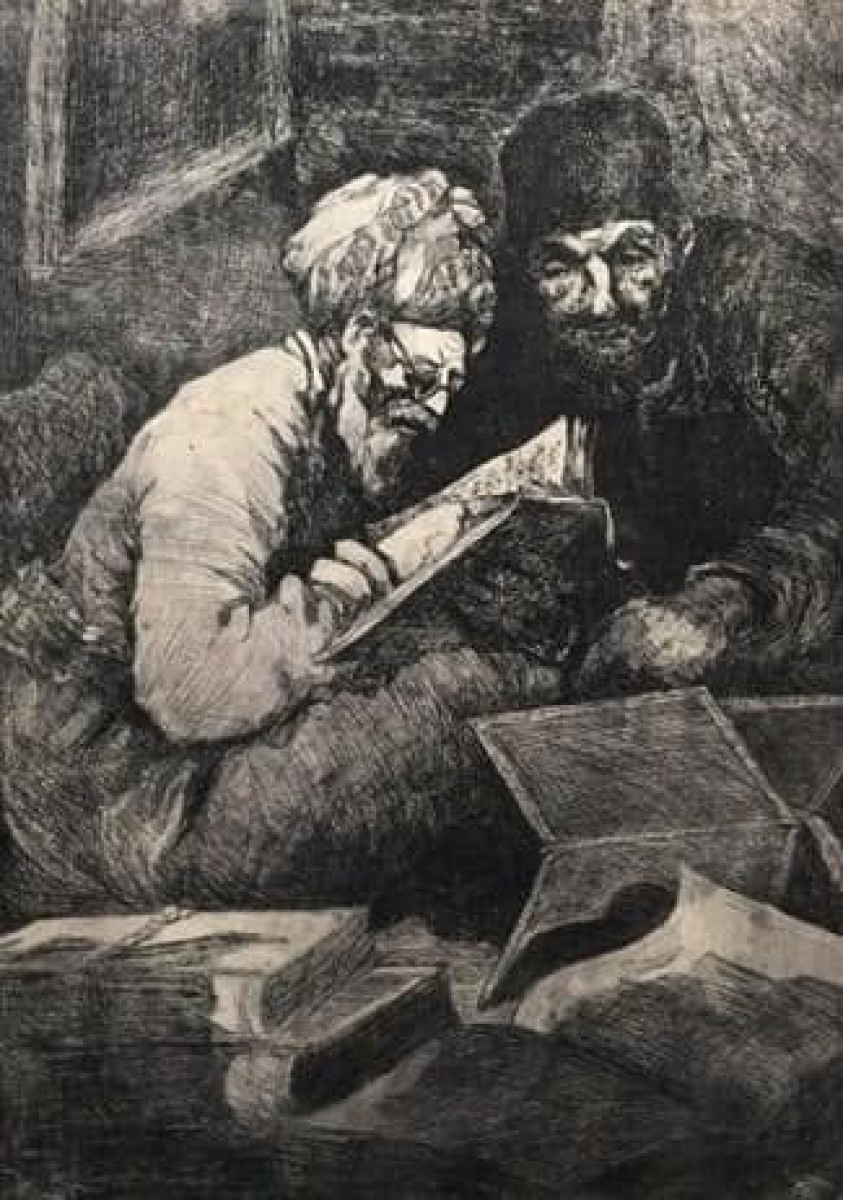
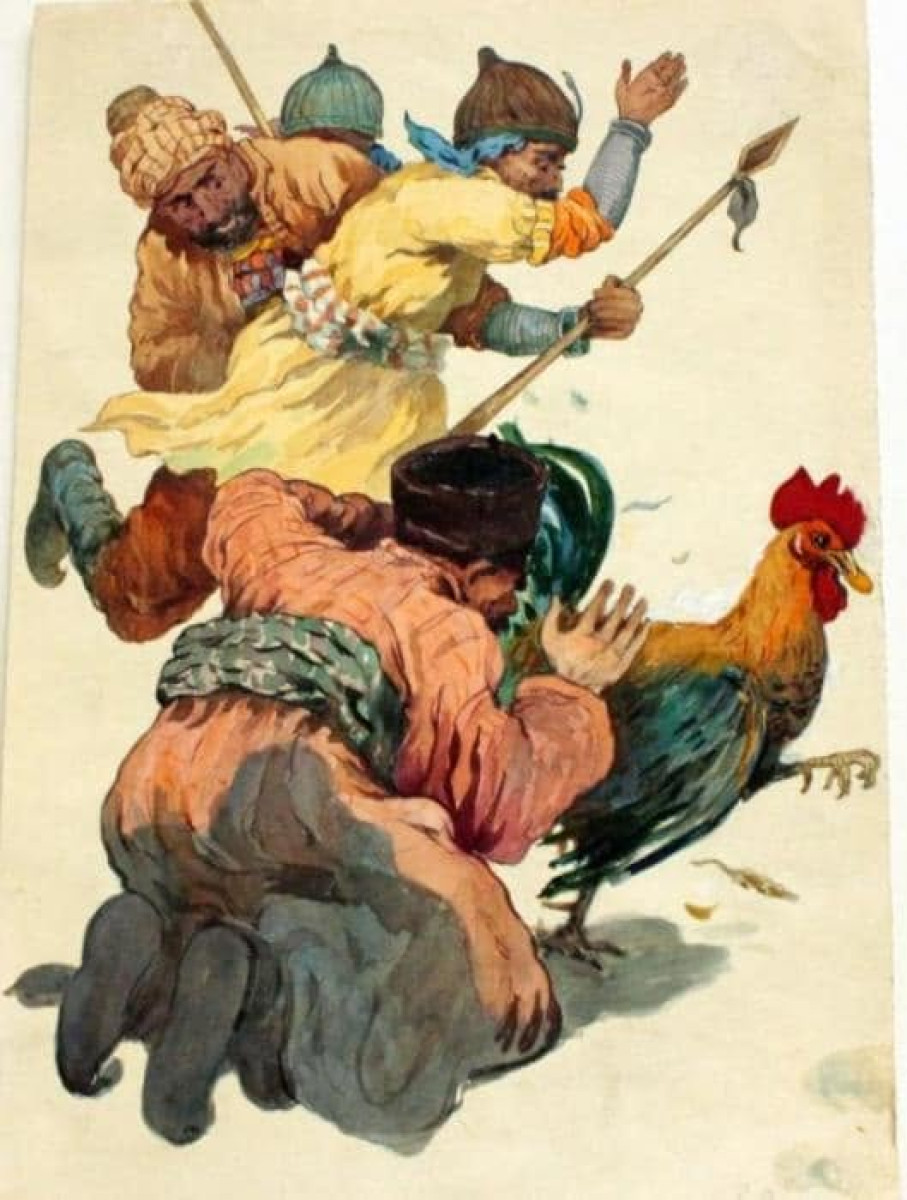
Rafig Mehdiyev’s work in book illustration was associated with significant examples of Azerbaijani literature. He created illustrations for Jalil Mammadguluzadeh’s works The Postbox, The Beardless Child, The Story of the Village of Danabash and Mr. Gurbanali.
The visual presentation of a literary work establishes a relationship between text and image. The artist’s task extends beyond depicting events: the visual interpretation of characters also influences how readers perceive the literary content. Mehdiyev’s engagement with book graphics defined an important direction in his practice, connecting the visual arts with literature.
ETCHING AND LINO-CUT: THE POSSIBILITIES OF LINE AND IMAGE
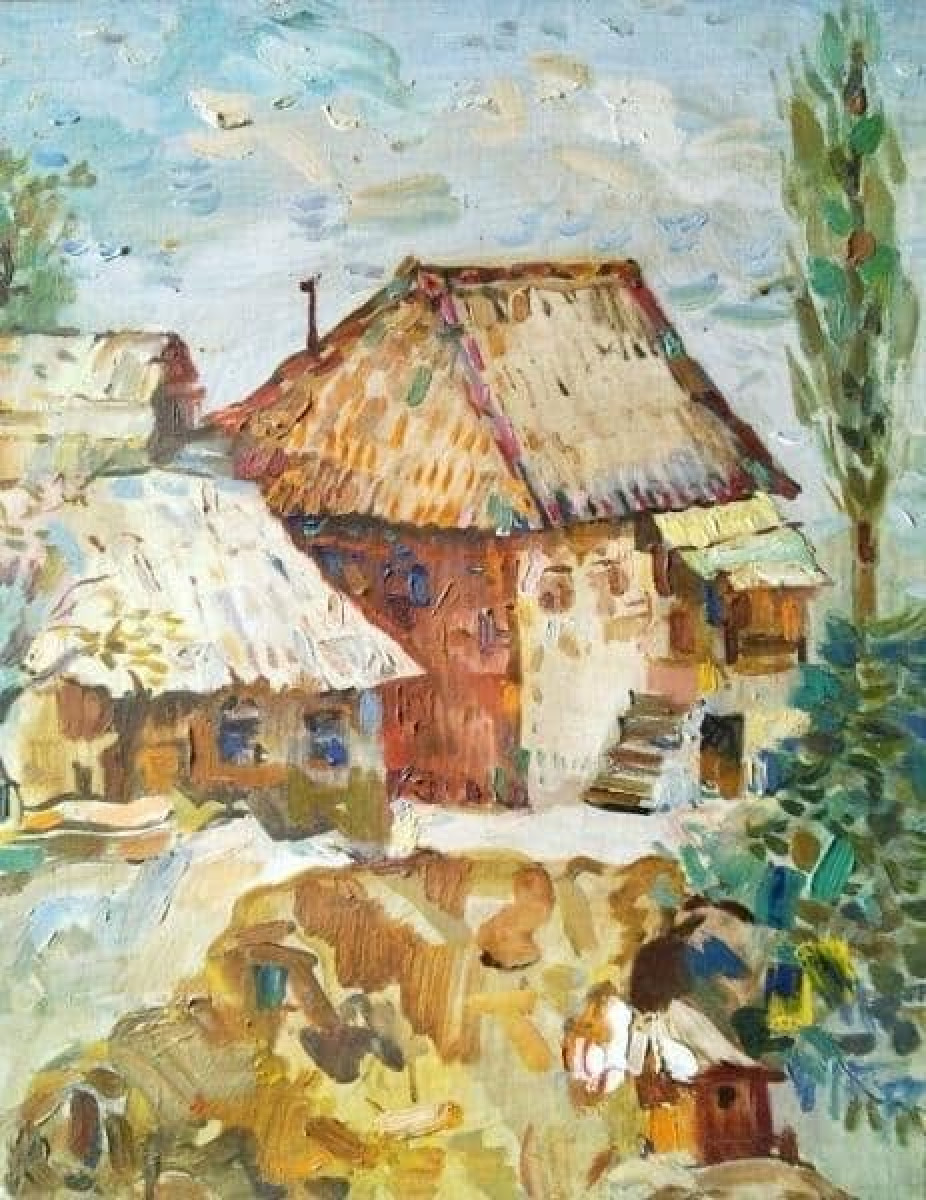
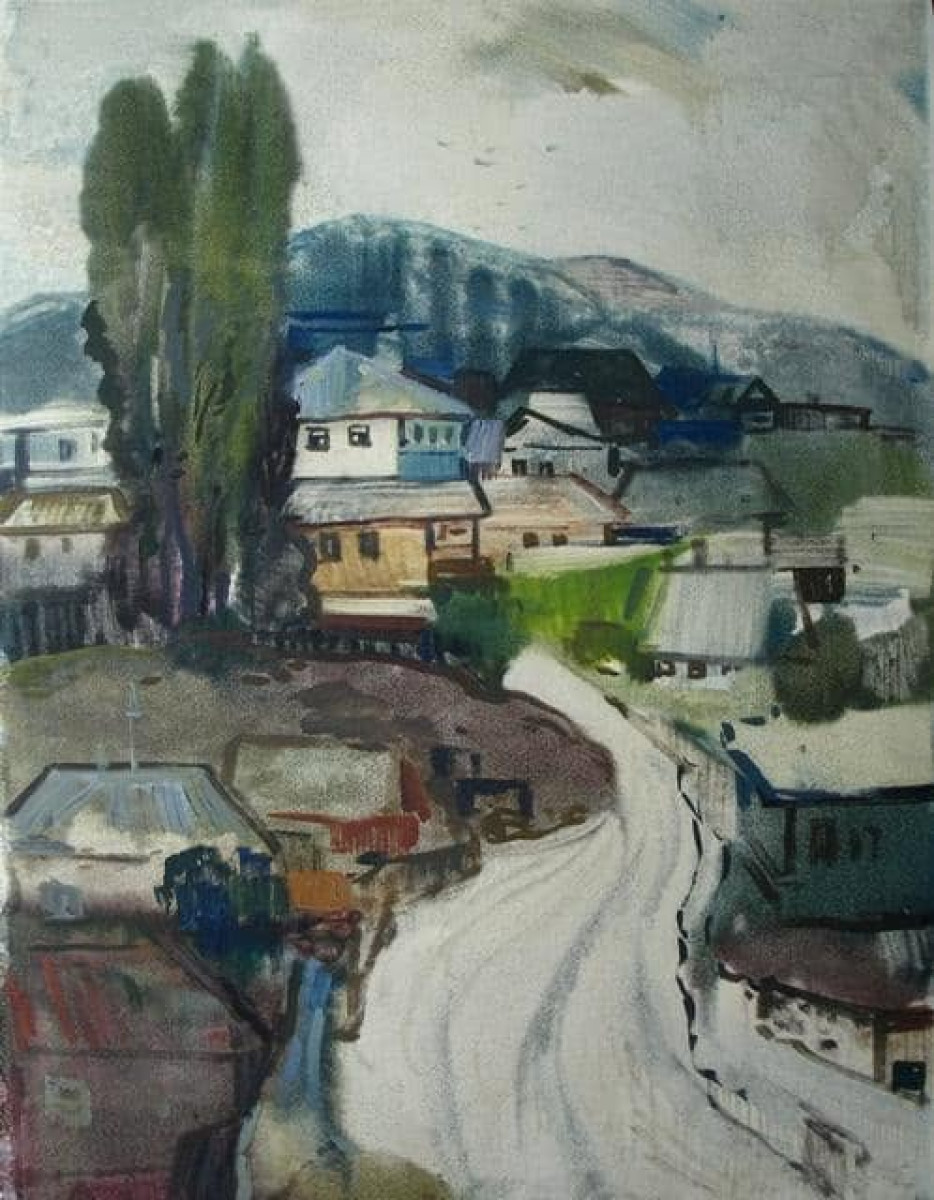
Among Mehdiyev’s graphic works, the etchings Evening and Morning deserve particular mention. Created in the 1970s, these works depict rural landscapes. His use of graphic techniques to explore this subject demonstrates his approach to representing nature and the living environment through the possibilities of printmaking.
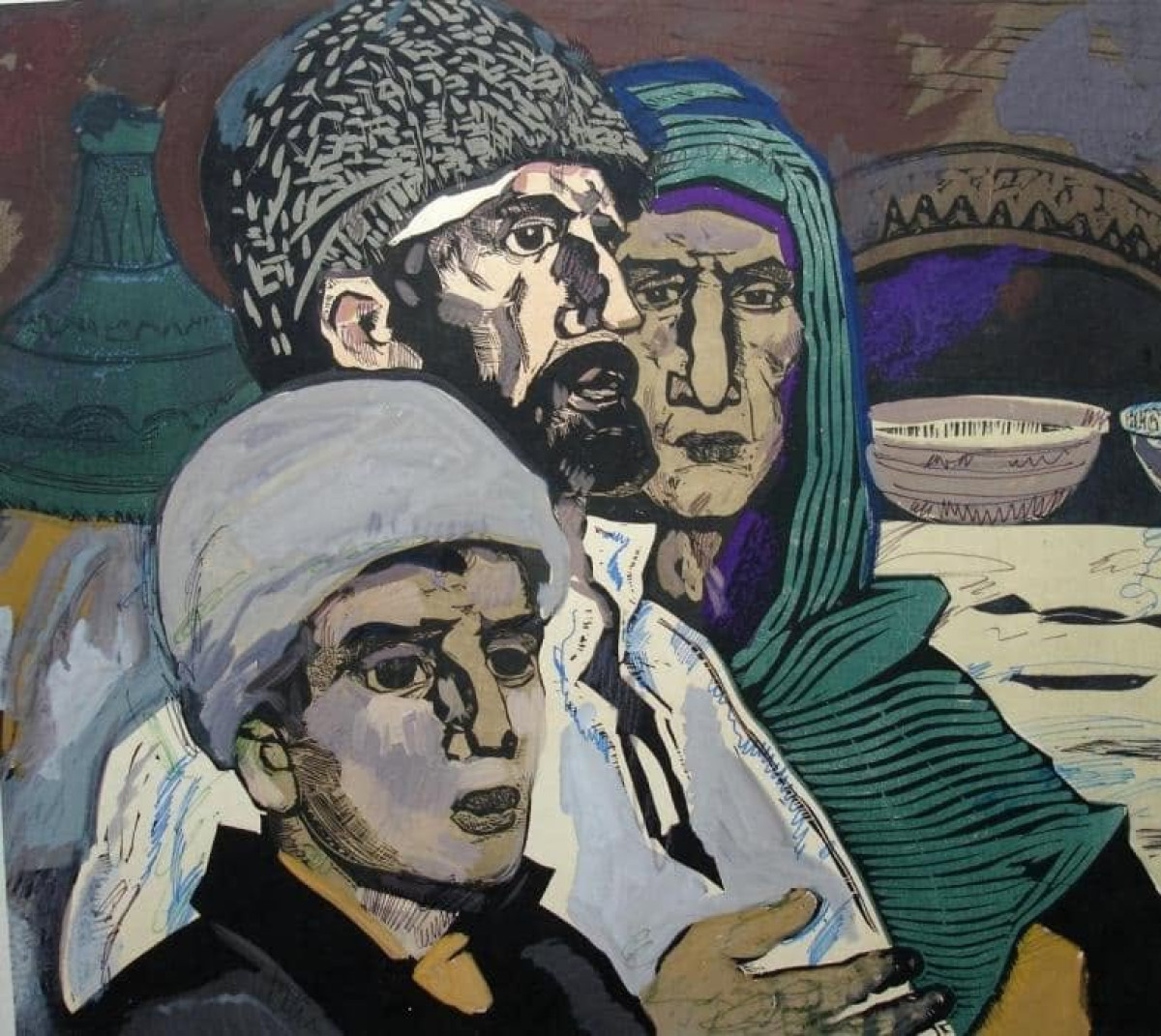
Linocut also formed part of his artistic practice. His linocuts for Nikolai Pogodin’s The Man with a Gun and Mirza Ibrahimov’s novel The Coming Day were exhibited in Moscow in 1959 during the Decade of Azerbaijani Literature and Art.
Etching and linocut are technically distinct processes. Their presence side by side in Mehdiyev’s work reflects his engagement with different possibilities within graphic art. A comparative analysis of the line, composition and printing characteristics of these works could help define his individual artistic approach more precisely.
MONOTYPE AND OBSERVATIONS OF LIFE
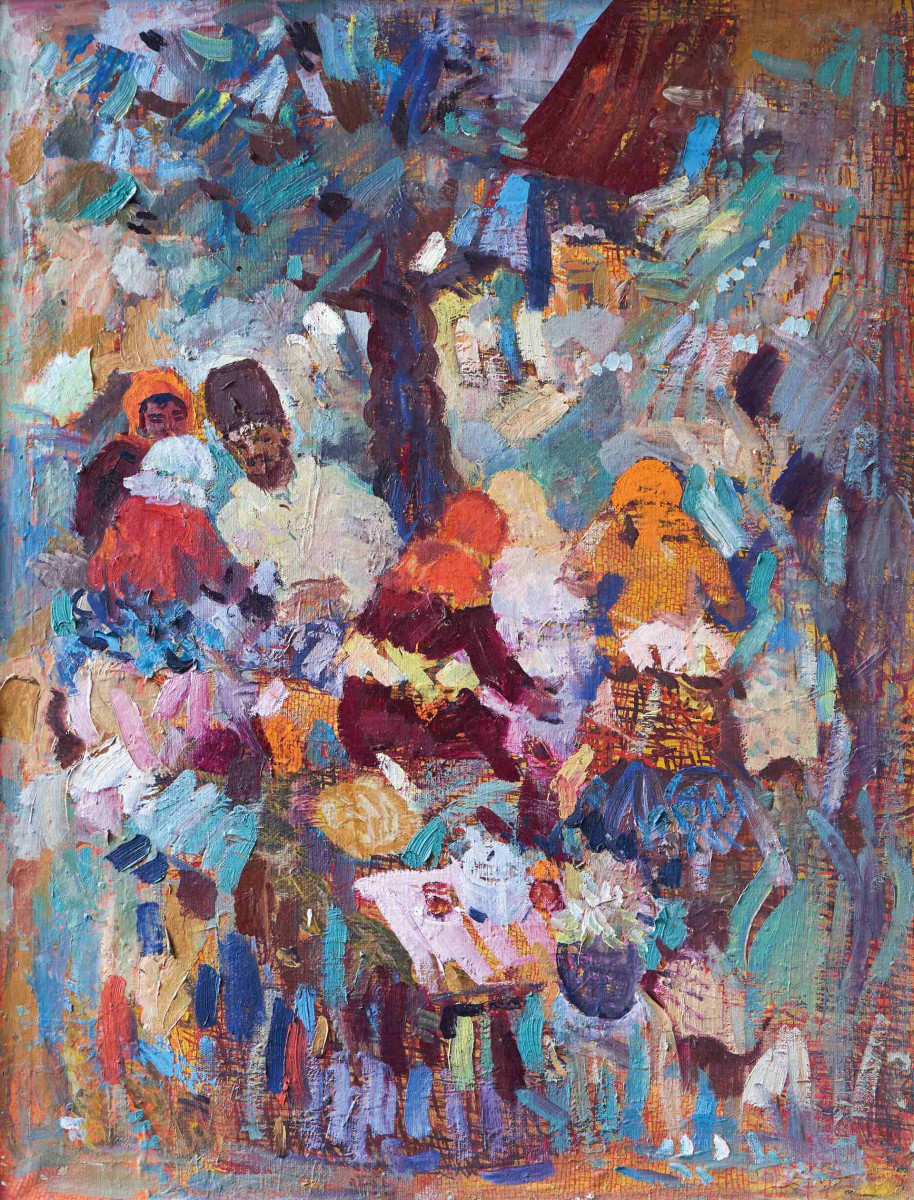
Rafig Mehdiyev created a number of works using the monotype technique, including Village, Children, Woman with a Child, At the Market, A Row, The Last Day, Execution and After the Rain. Their titles indicate a range of subjects encompassing people, everyday life and various events.
The distinctive printing process of monotype gives the technical procedure a particular role in the formation of an image. A thorough assessment of Mehdiyev’s works in this medium requires more than their titles: examining the original works, their compositions, visual structures and material characteristics is essential.
PAINTING AND EXHIBITION EXPERIENCE
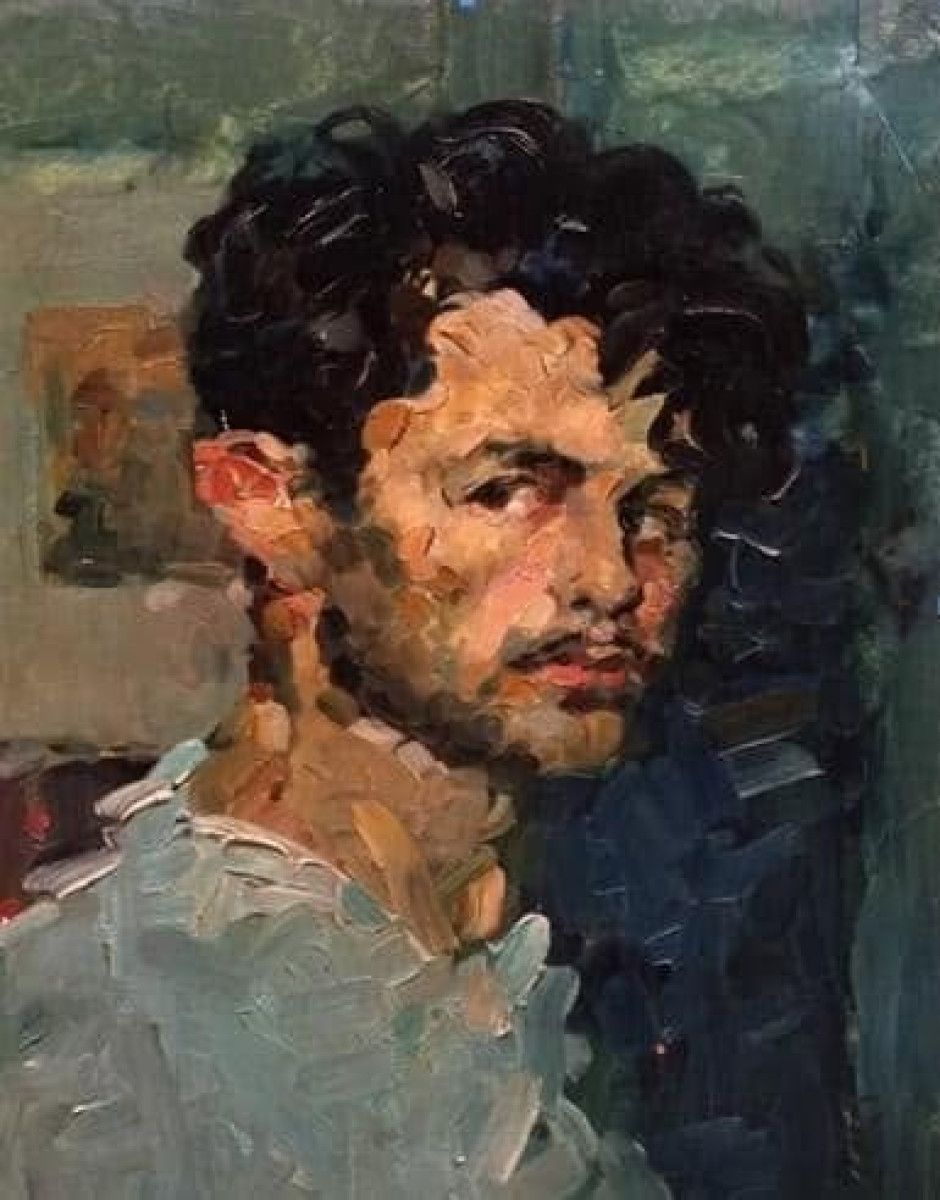
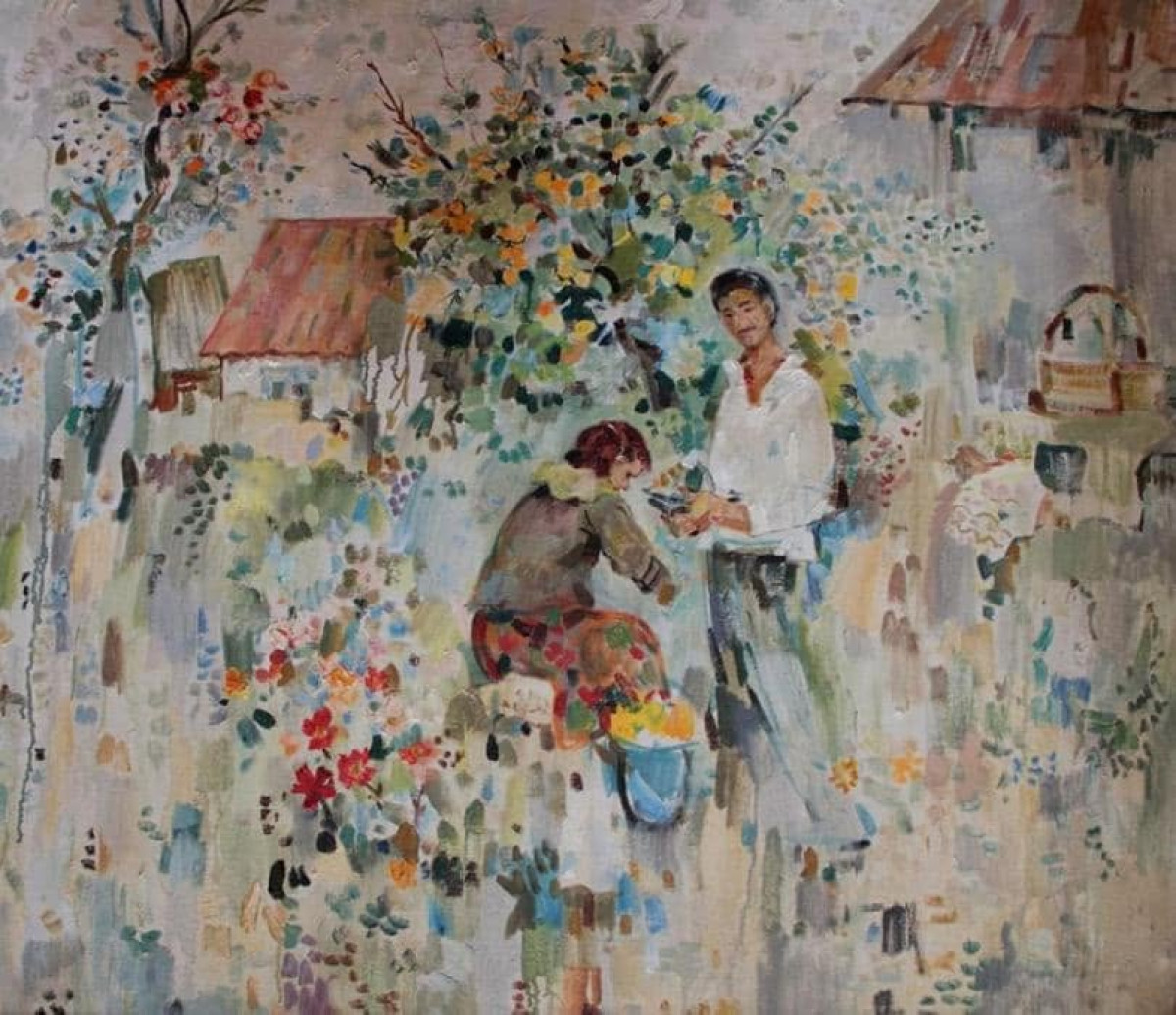
Alongside graphic art, Mehdiyev’s practice also included painting. His work Life was exhibited in 1965 at the All-Union art exhibition On Guard for Peace in Moscow. His paintings Grape Gatherers, Fresh News, Rest and Still Life were presented at the republican exhibition Long Live Labour.
The exhibition history of these works confirms that Mehdiyev’s art was presented across different genres and formats. A comparative study of his graphic and painted works could provide a fuller understanding of how he approached visual representation through different techniques.
PEOPLE’S ARTIST AND EDUCATOR
Rafig Mehdiyev began teaching in 1962. In later years, he served as dean at the Azerbaijan State Institute of Arts and taught at the Azerbaijan State Academy of Fine Arts.
In 1980, he was awarded the honorary title of Honoured Artist of Azerbaijan, and in 1988 he attained the academic rank of associate professor. In 1992, he received the academic title of professor and the honorary title of People’s Artist of the Republic of Azerbaijan. From 2003, he received an individual presidential pension.
THE PLACE OF HIS ARTISTIC LEGACY
In Rafig Mehdiyev’s work, book graphics are associated with the visual interpretation of literary texts, while independent graphic art explores the possibilities of various printmaking techniques. His paintings represent another dimension of his artistic practice. Considered together, these fields reveal the breadth of his professional experience.
A comprehensive assessment of Mehdiyev’s artistic legacy would benefit from systematic research into original artworks, book editions, exhibition catalogues and archival materials. Such an approach would make it possible to examine his individual artistic characteristics within the historical context of Azerbaijani graphic art, distinguishing them from general biographical information.
Rafig Mehdiyev died in Baku on 28 November 2009.
Art Space Gallery MEDIA