THE FORMATION OF THE ARTIST
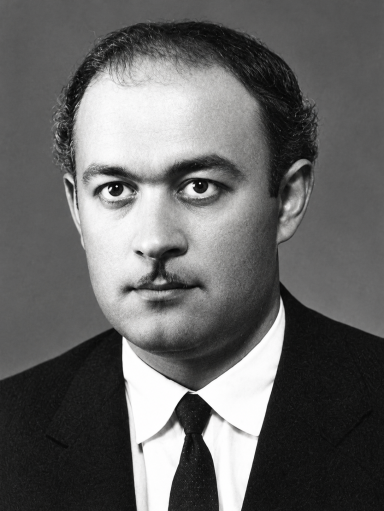
Nadir Sadiq oglu Gasimov was born in Baku on 22 May 1928. From 1941 to 1946, he studied at the Azim Azimzade Baku Art School, followed by studies at the Ilya Repin Academy of Arts in Leningrad (now St Petersburg) from 1947 to 1953, in the studio of Johanson. His career, spanning more than five decades, is distinguished by a varied treatment of industry, labour, landscape and the human figure in Azerbaijani painting.
THE REPRESENTATION OF INDUSTRIAL SPACE IN PAINTING
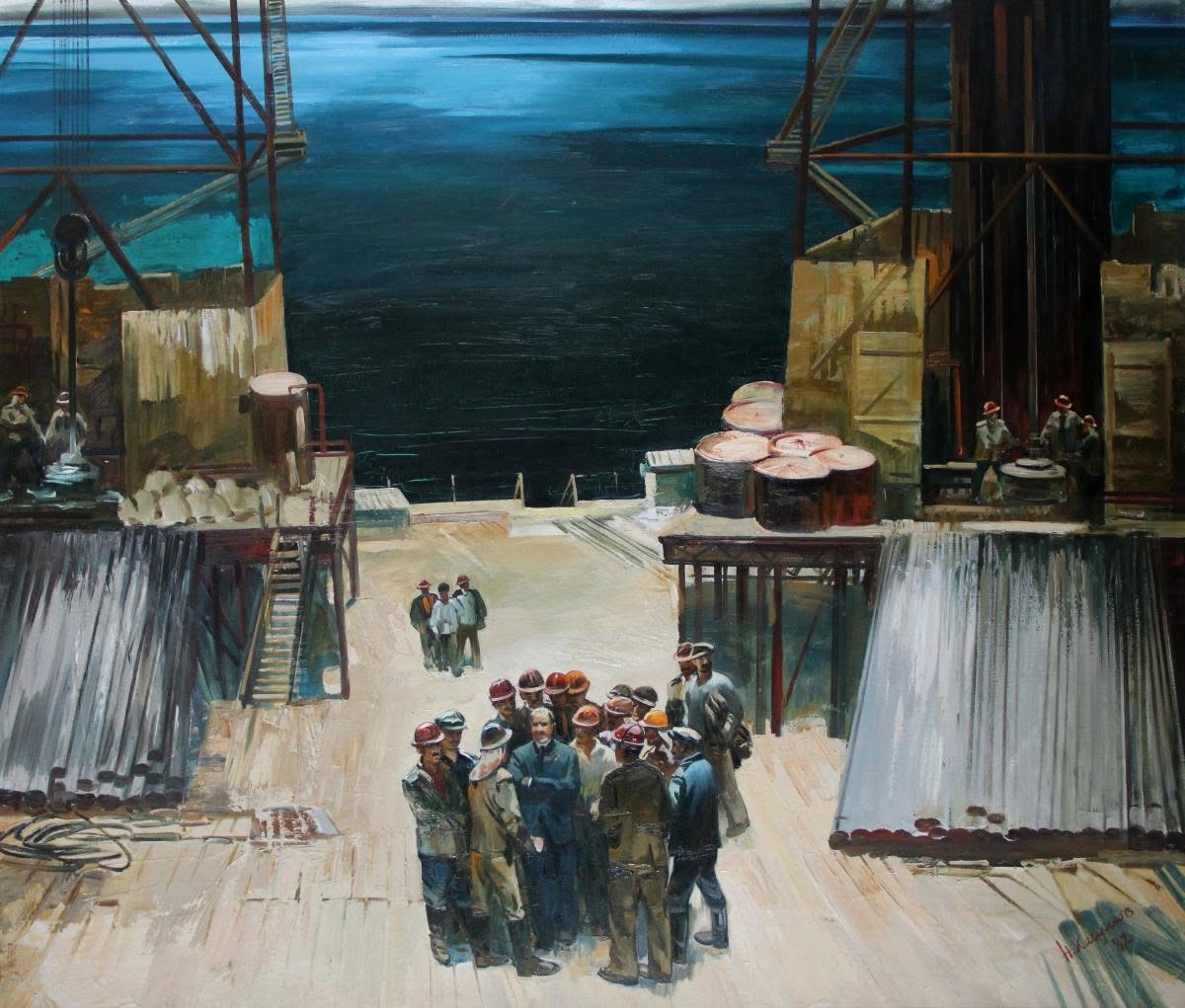
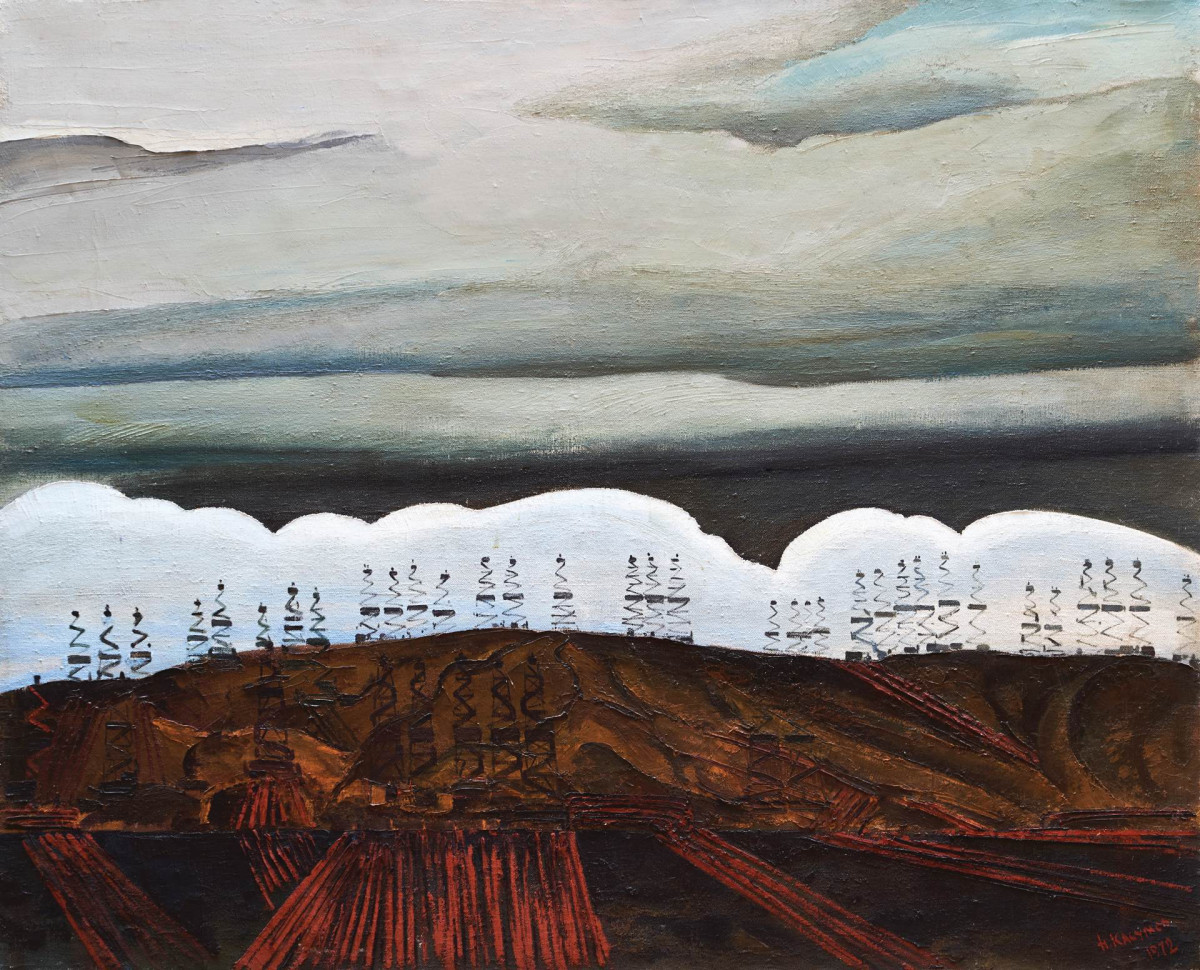
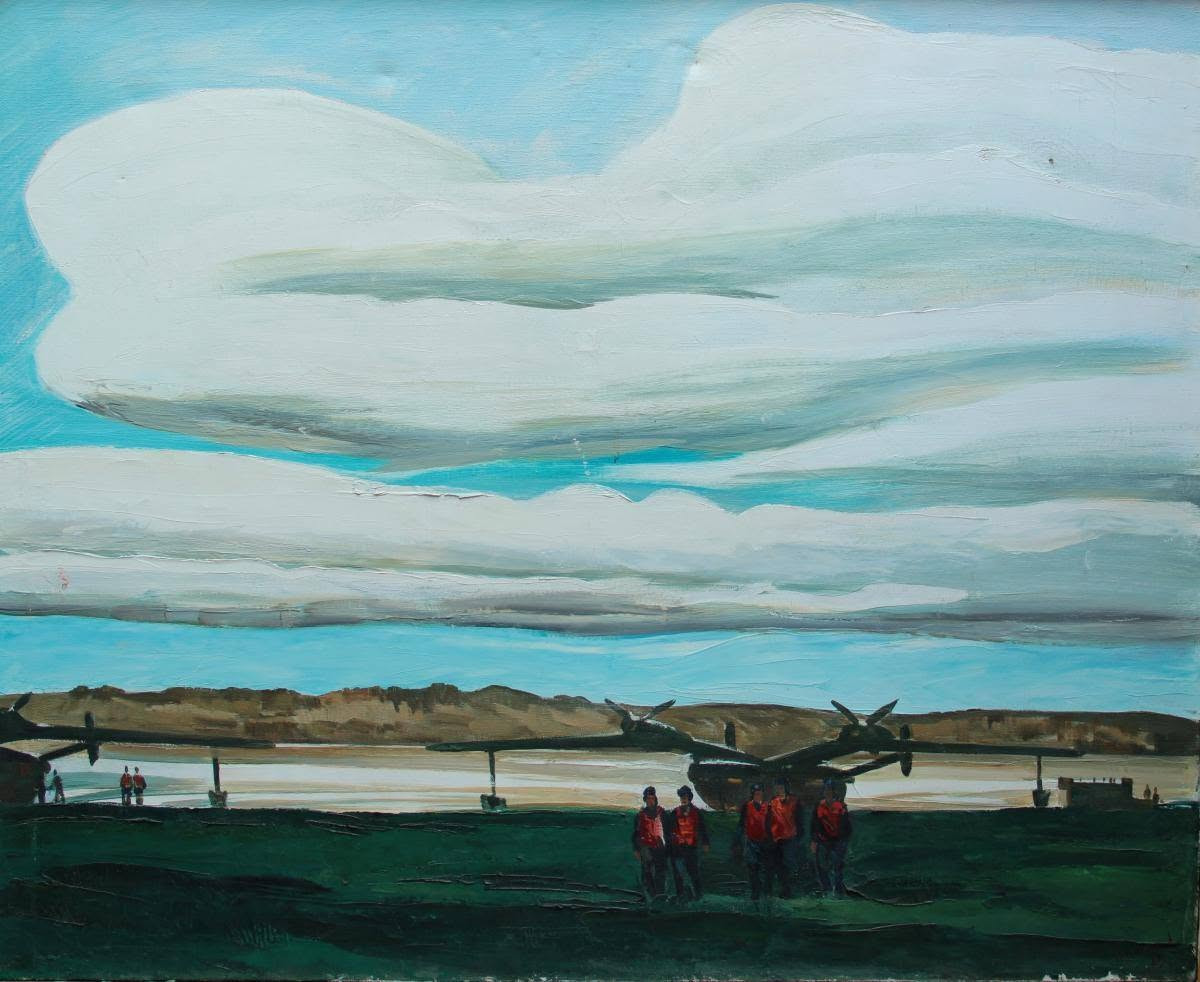
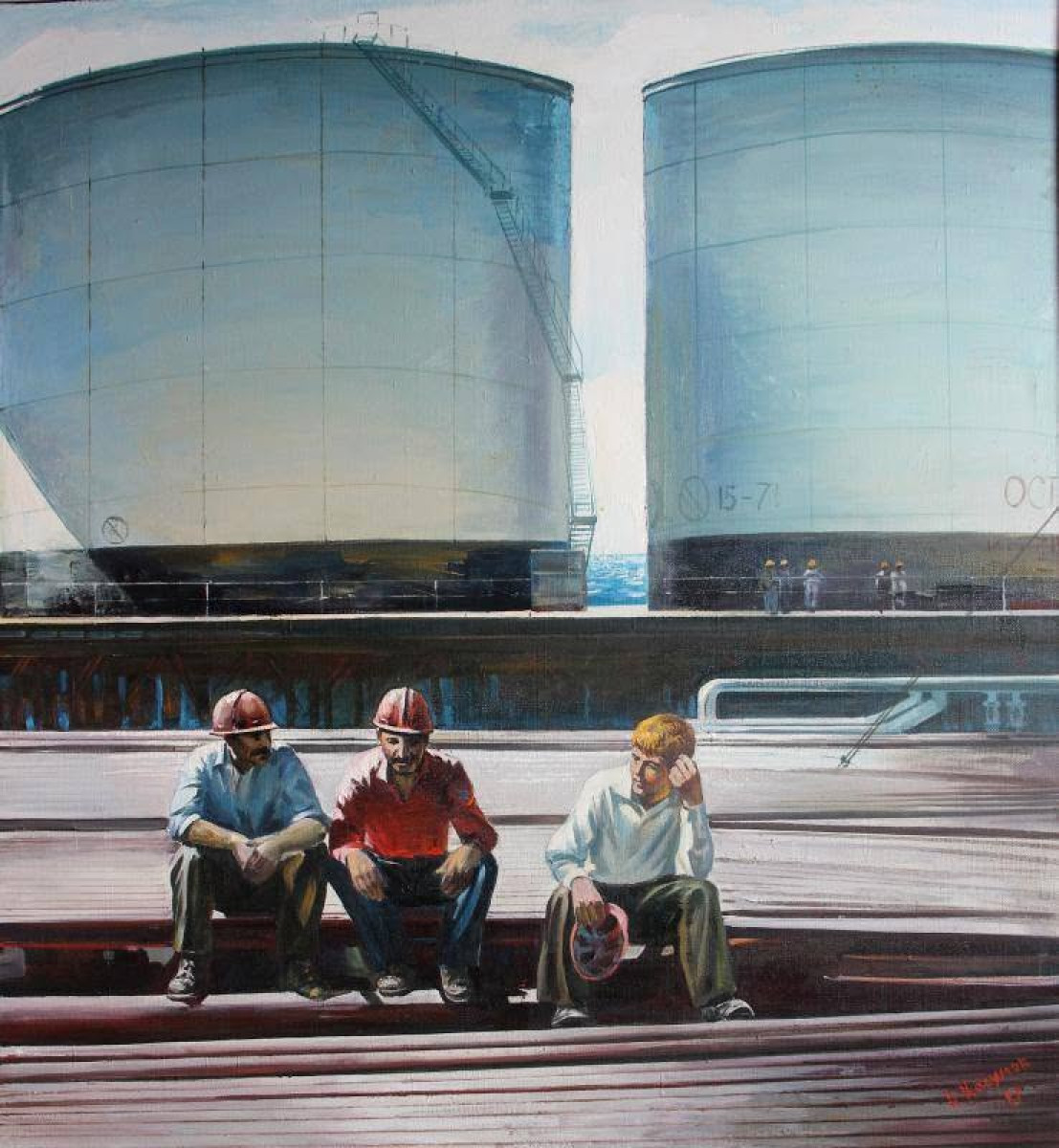
In Gasimov’s work, the industrial landscape serves as a tangible expression of modern life. Oil derricks, industrial structures, mining sites and views of the Caspian coast direct the artist’s attention towards spaces shaped by human activity. These industrial settings are not merely backgrounds: their scale and structure influence the composition, the placement of figures and the overall visual impact of the work.
The artist’s interest in industrial subjects is closely connected with Baku’s history as an oil-producing city and with the distinctive landscape of the Absheron Peninsula. Yet his paintings cannot be understood simply as depictions of industrial life. By placing the production environment in relation to people’s everyday activities, Gasimov makes labour a central element of his artistic vision.
THE DRAINAGE OF ILICH BAY: COMPOSITION AND LABOUR
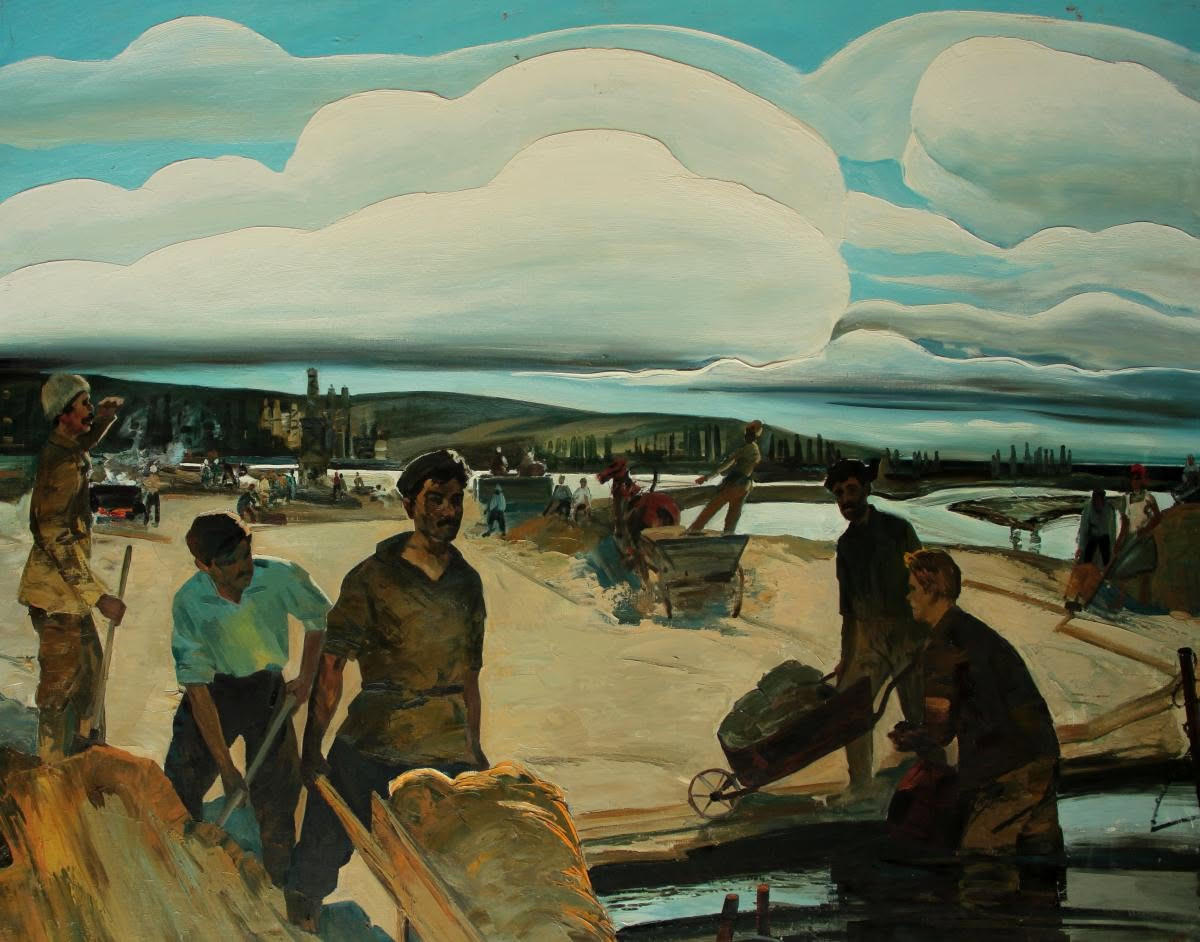
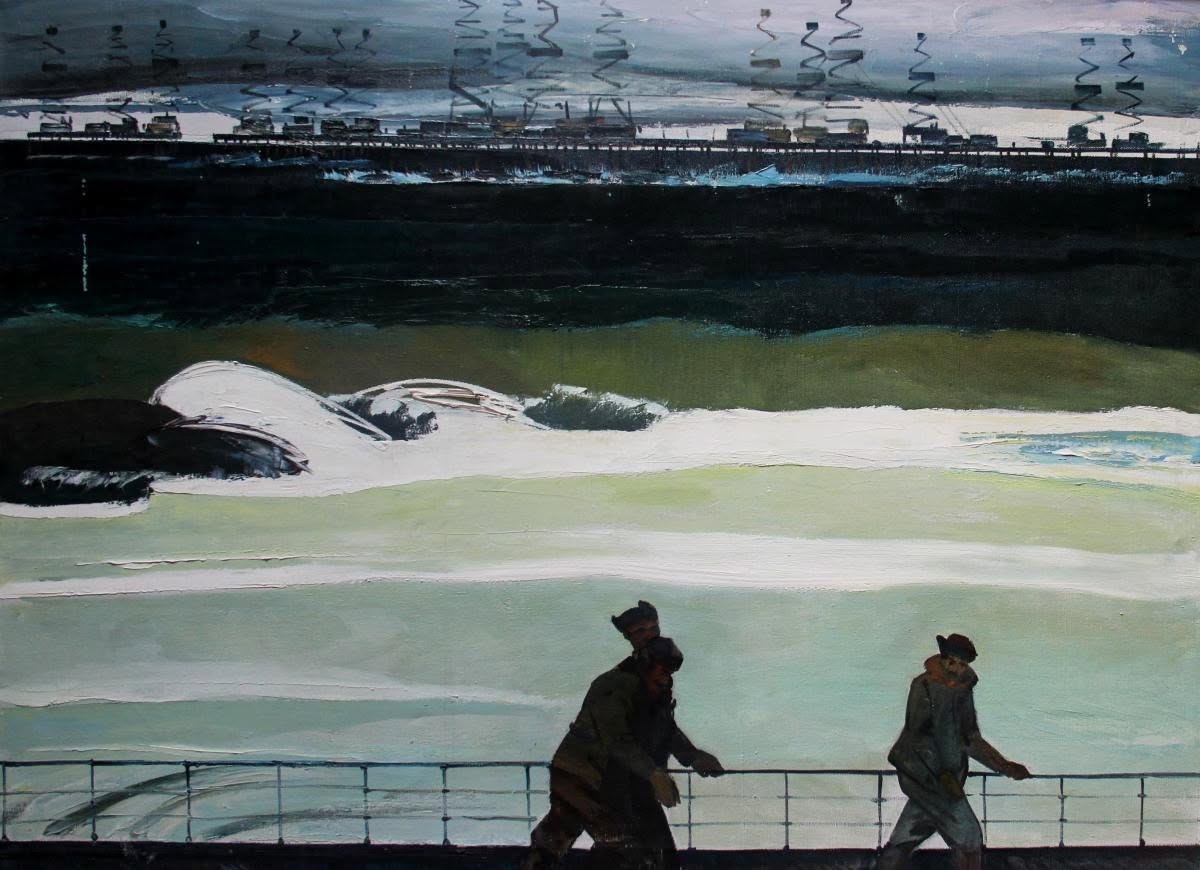
Painted in 1958, The Drainage of Ilich Bay is a representative example of Gasimov’s approach to the theme of labour. According to material published by the Azerbaijan State Art Gallery, the painting depicts workers engaged in filling the bay within a multi-figure composition.
One of the work’s defining features is the active role played by the human figures in the overall composition. Their movements, the relationships between them and the depth of the depicted space bring the labour process together as a unified visual event. Transitions between light and shadow, along with the interplay of warm and cool colours, contribute to the painting’s dynamism. Rather than merely recording an event, Gasimov uses the expressive and compositional possibilities of painting to shape its meaning.
THE HUMAN FIGURE AND EVERYDAY LIFE
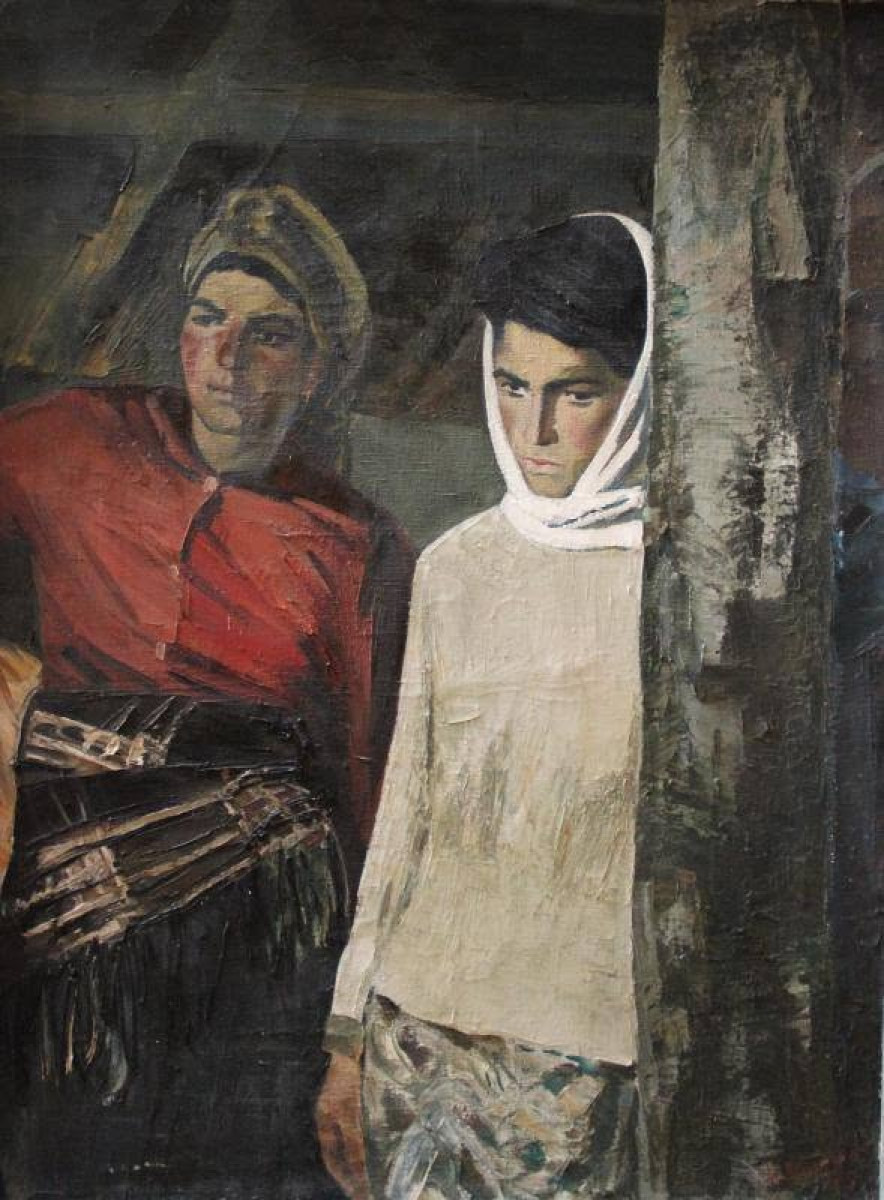
In Gasimov’s art, the human figure appears in a range of working environments and social contexts. Works such as Friends (1969), Girls of Lankaran and At the Cotton Stack (1963) reflect the artist’s interest in everyday life, women’s activities and the lives of rural workers.
These works suggest an approach that extends beyond presenting people solely as representatives of particular occupations. The arrangement of figures, their relationships and the surrounding environment contribute to the meaning of each composition. In Friends, in particular, the female figures form the compositional centre, bringing human relationships and the experience of working life into a unified artistic structure.
Gasimov’s engagement with everyday subjects observed during his artistic journeys across Azerbaijan also reveals the breadth of his thematic interests. His works associated with Lankaran, agricultural landscapes and industrial regions complement one another in this respect.
THE DASHKESAN SERIES: INDUSTRY AND THE DYNAMICS OF SPACE
Works created between 1961 and 1964, including Returning from the Mine, Morning in Dashkesan, The Last Trip, People of Dashkesan, In the Mountains of Dashkesan and Winter in Dashkesan, demonstrate the artist’s exploration of industrial life in a different geographical setting. The focus shifts from the oil industry to mining and the people working within that environment.
In Dashkesan Landscape (1967), the movement of heavy vehicles along mountain roads is among the principal elements shaping the composition’s dynamism. The vehicles, the direction of the road and the mountainous terrain connect the structure of the landscape with movement. The landscape thus becomes more than a static depiction of nature: it presents an environment transformed by production and human activity.
THE CASPIAN AS AN ARTISTIC IMAGE
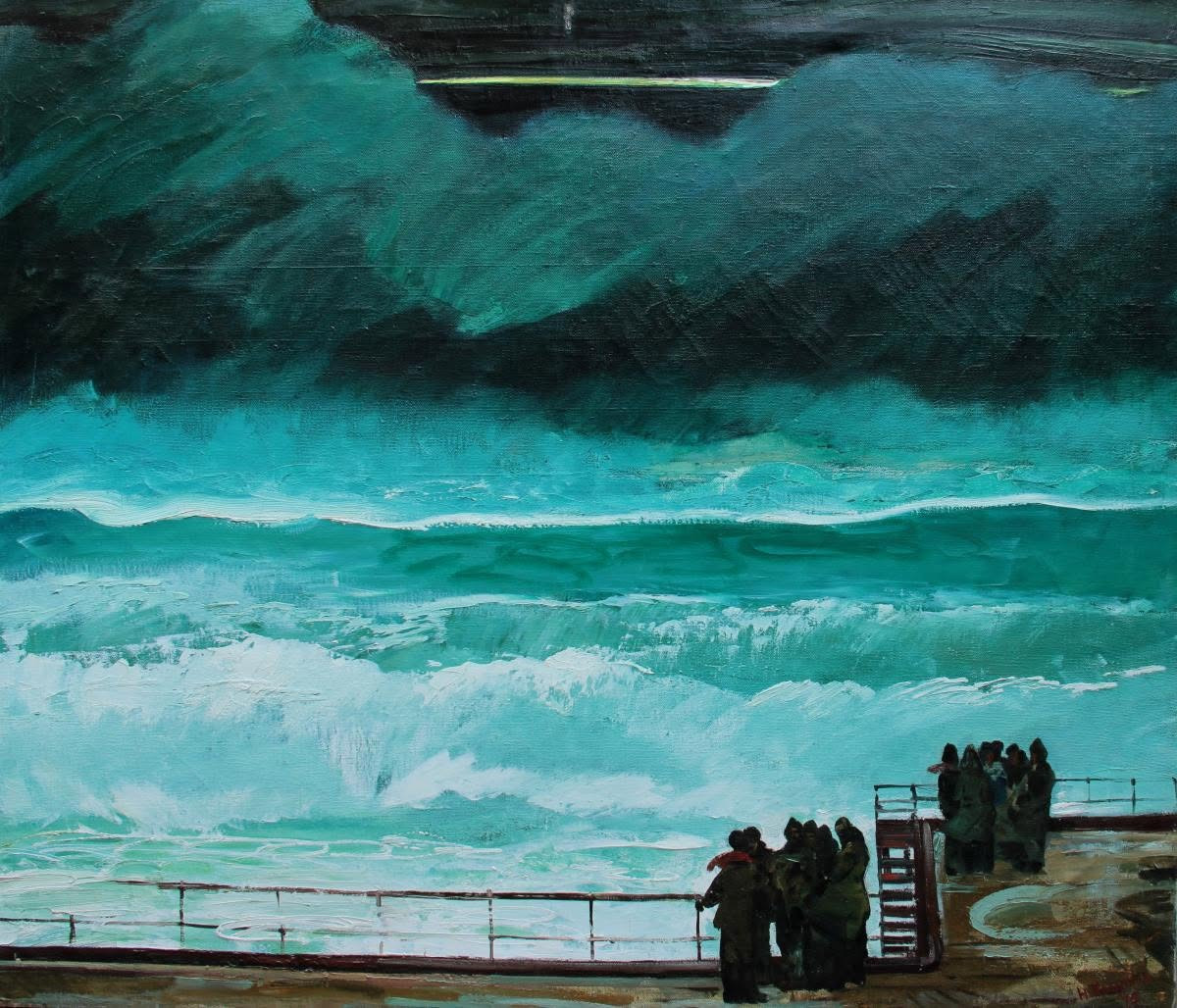
The Caspian Sea is an important subject in Gasimov’s work. Paintings such as The Sea Is Angry, Golden Rays over the Caspian and Oil Derricks demonstrate his parallel interest in industrial landscapes and natural scenery.
The significance of the Caspian theme lies not only in the depiction of the sea itself. The sea, the shoreline, industrial structures and changing weather conditions establish a range of visual relationships within the artist’s observations. The recurrence of these subjects suggests that the natural environment of Absheron and its industrial life form interconnected aspects of Gasimov’s artistic experience.
LEGACY AND PLACE IN ART HISTORY
From 1958 to 1969, Gasimov served on the Board of the Union of Artists of Azerbaijan. Between 1970 and 2000, he taught at the Azerbaijan State University of Culture and Arts. In 1992, he was awarded the honorary title of People’s Artist of Azerbaijan. His works are held in the collections of the Azerbaijan National Art Museum, the Azerbaijan State Art Gallery and the State Tretyakov Gallery.
One of the defining characteristics of Gasimov’s painting is the way it brings industrial subjects and everyday life together through the human figure. Composition, movement and the organisation of space serve to express the experience of labour. His Caspian landscapes and works devoted to life in Azerbaijan’s regions also demonstrate that his artistic interests extend beyond industrial production alone.
Nadir Gasimov died in 2000. His work remains significant for the study of how Azerbaijani painting explores the relationship between industrial environments, working people and the natural landscape.
Art Space Gallery MEDIA