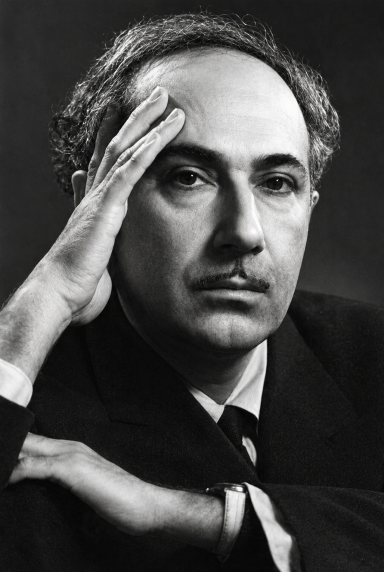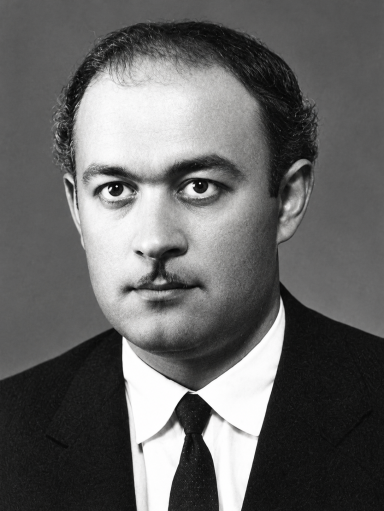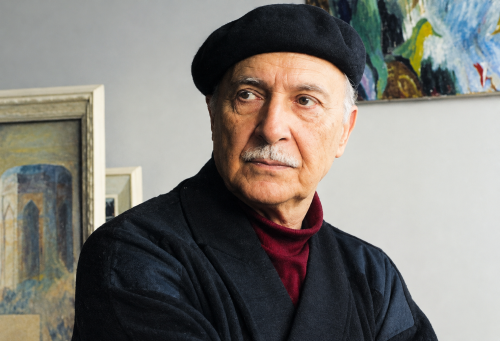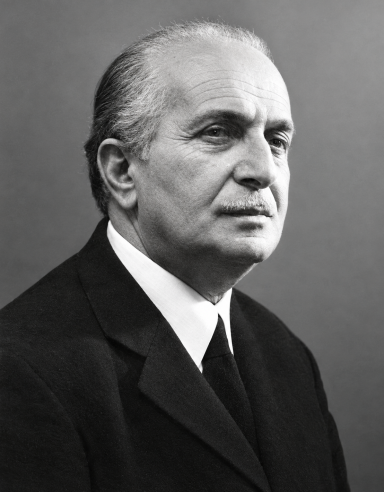
Kazim Mammadali oglu Kazimzade was born in Baku on 10 August 1913. A recognised figure in Azerbaijani visual art, he worked in book graphics, literary illustration, easel graphics, and theatrical and cinematic design. The visual interpretation of literary texts and the representation of classical Azerbaijani literature through the visual arts occupied an important place in his work.
After graduating from the Azerbaijan Art Technical School in 1936, Kazimzade continued his studies at the I. E. Repin Leningrad Institute of Painting, Sculpture and Architecture, completing his higher education in 1960. Alongside his professional training, book illustration became one of the principal fields that shaped his artistic practice.
THE ARTISTIC INTERPRETATION OF LITERARY TEXTS
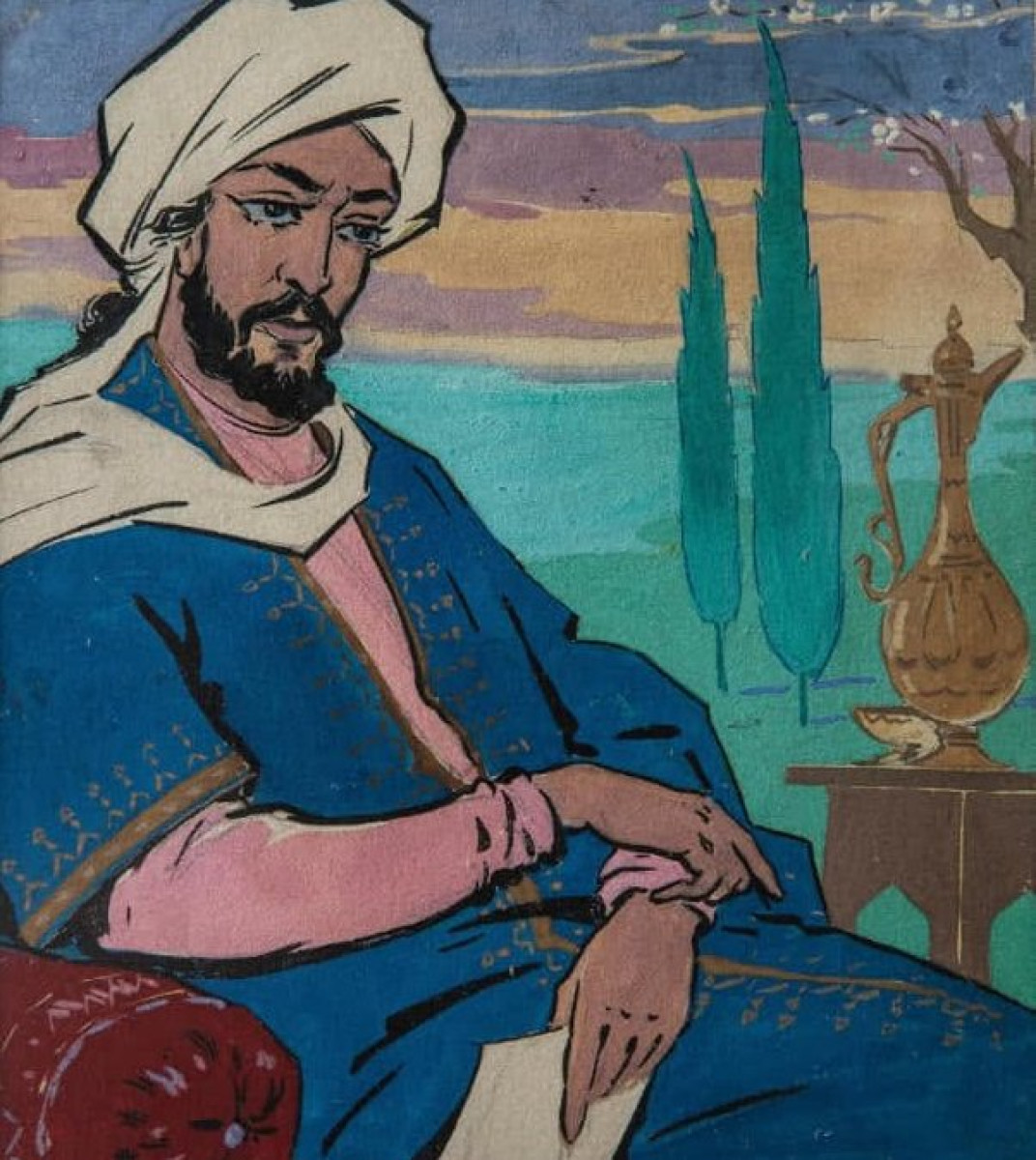
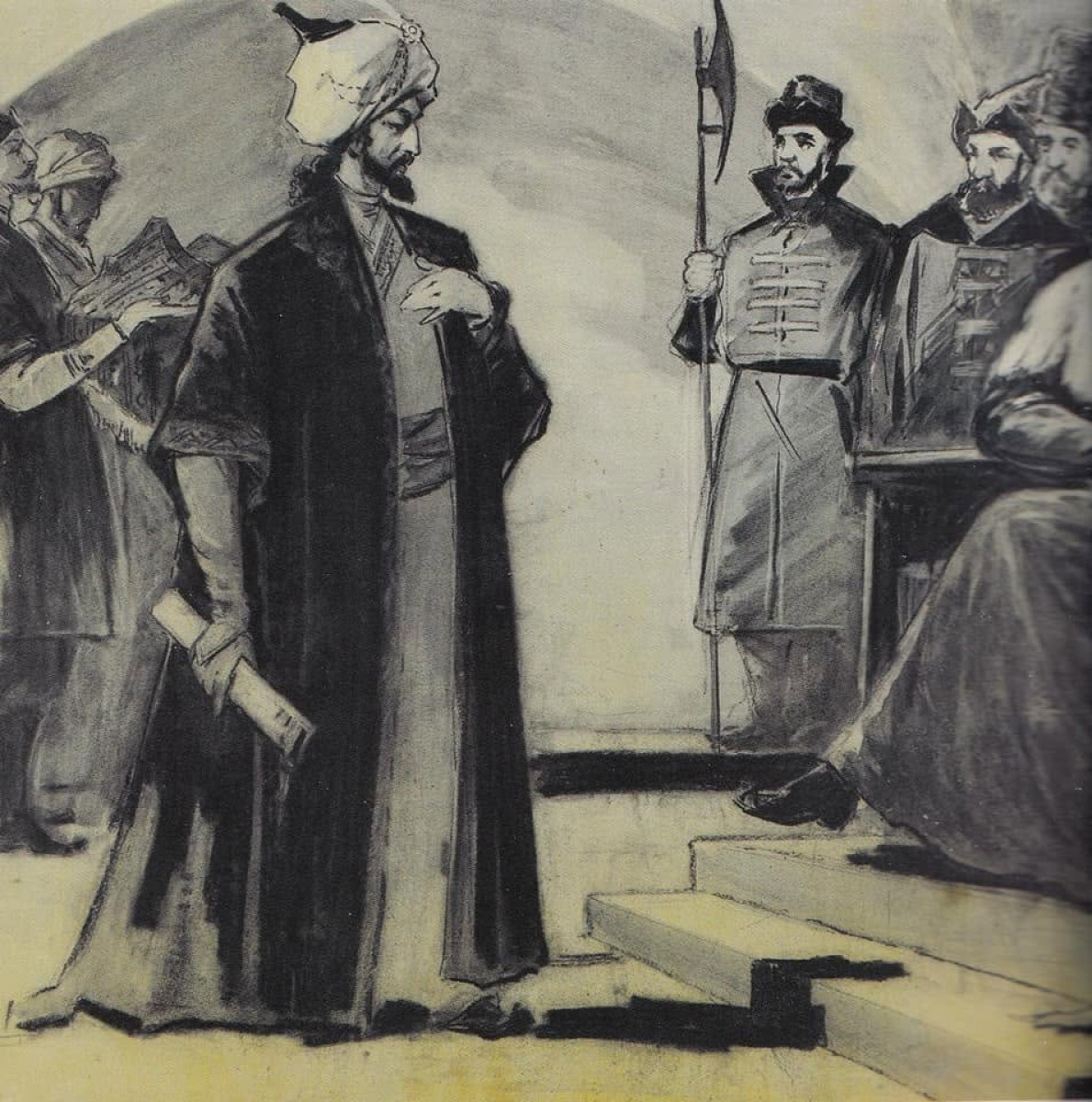
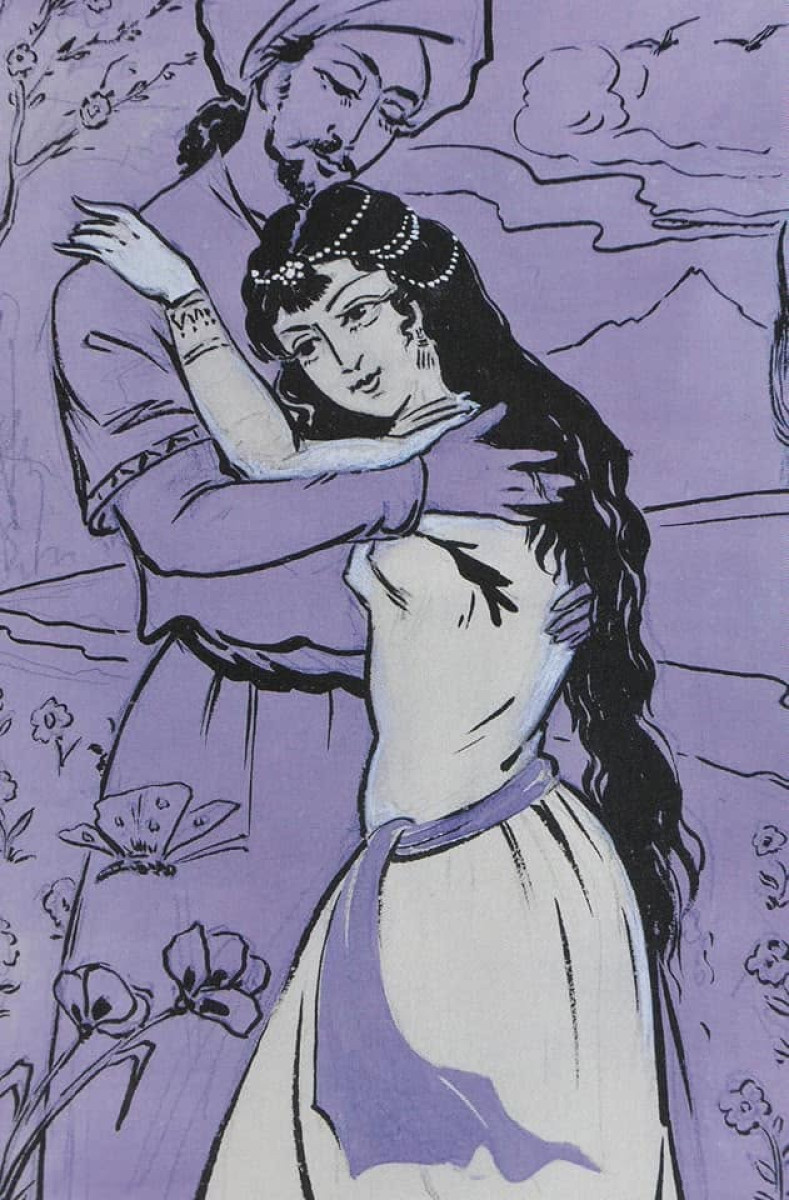
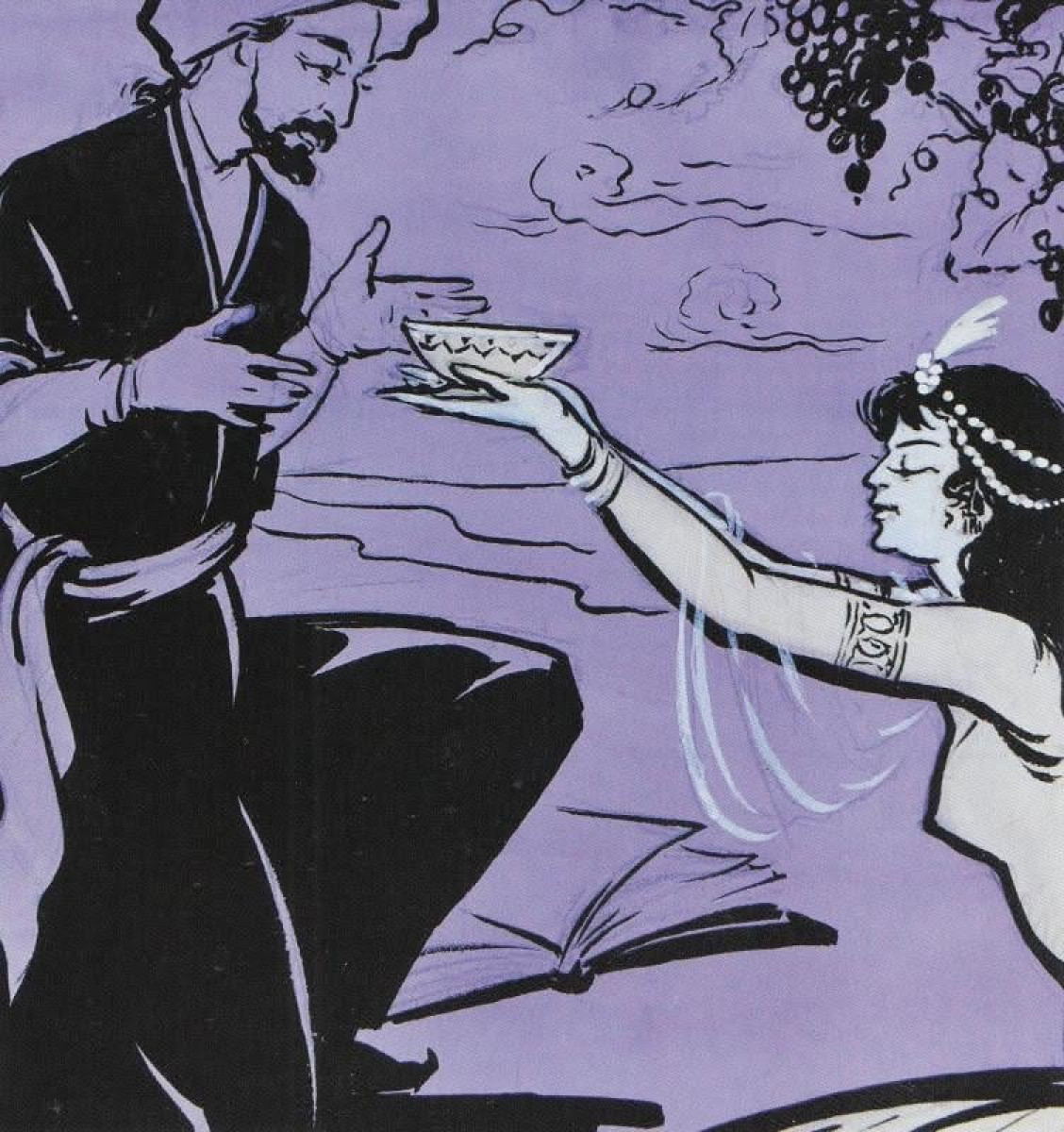
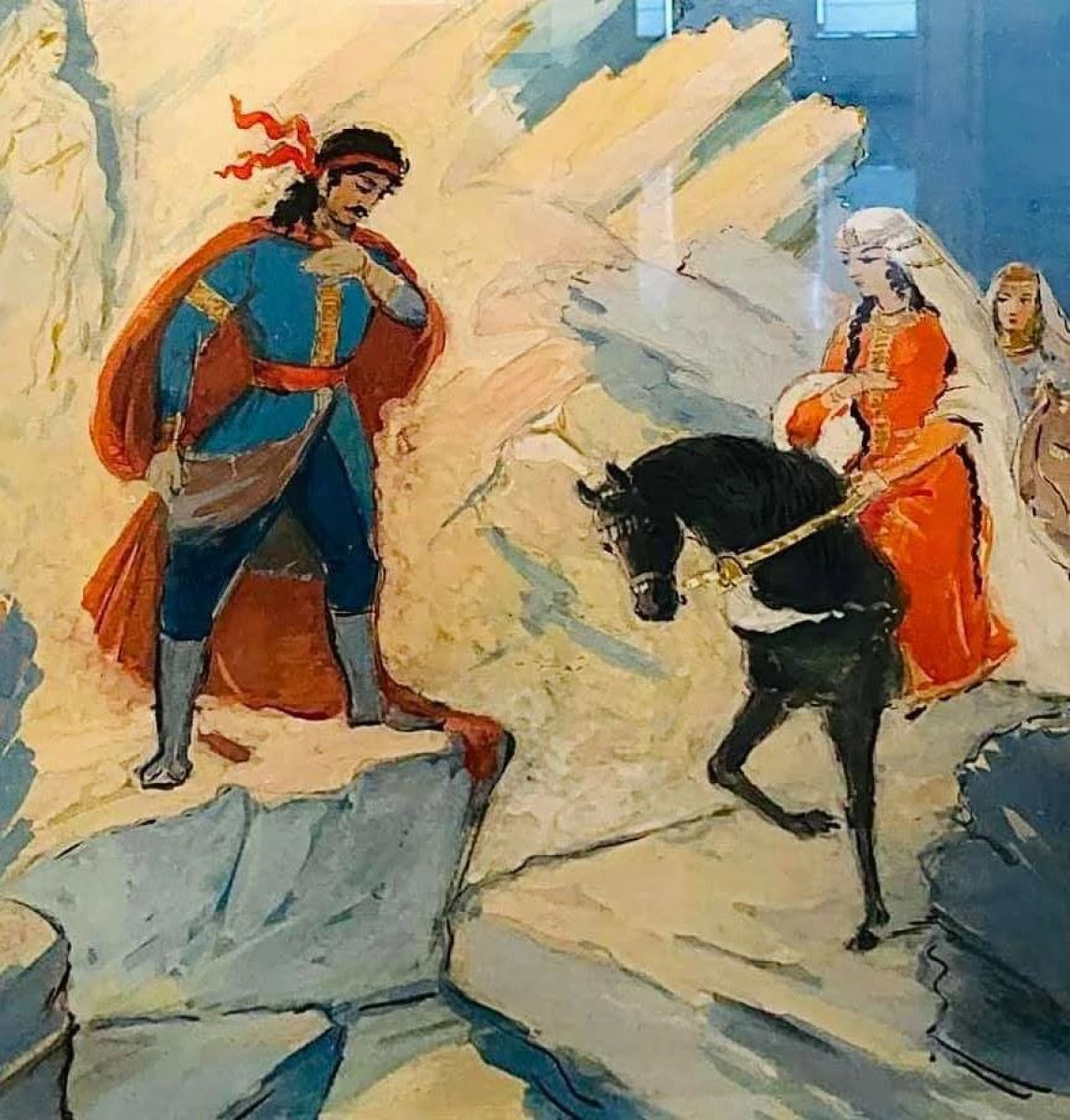
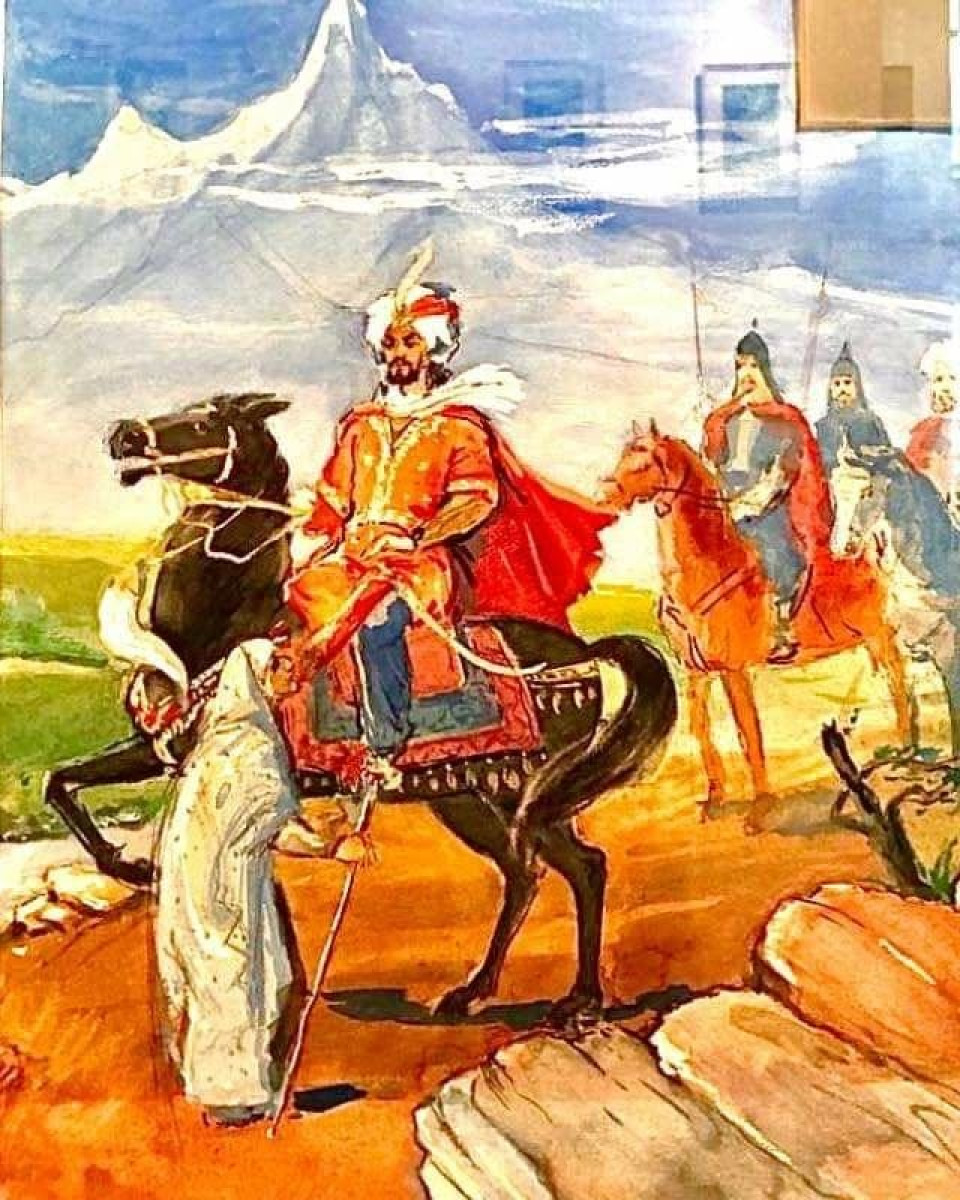
Kazimzade’s illustrations for Nizami Ganjavi’s poems, including The Treasury of Mysteries, Layla and Majnun, Khosrow and Shirin and The Book of Alexander, represent significant examples of his engagement with classical literary heritage. The relationship between word and image in these works allows his practice to be understood as more than the visual presentation of a narrative.
Book illustration conveys the character of literary figures, the relationships between events and the imaginative environment created by a text. In this respect, Kazimzade’s engagement with classical poetry is significant within the broader context of presenting Azerbaijani literature through visual art and enriching the reader’s experience through imagery.
SUBJECT AND FIGURE IN GRAPHIC ART
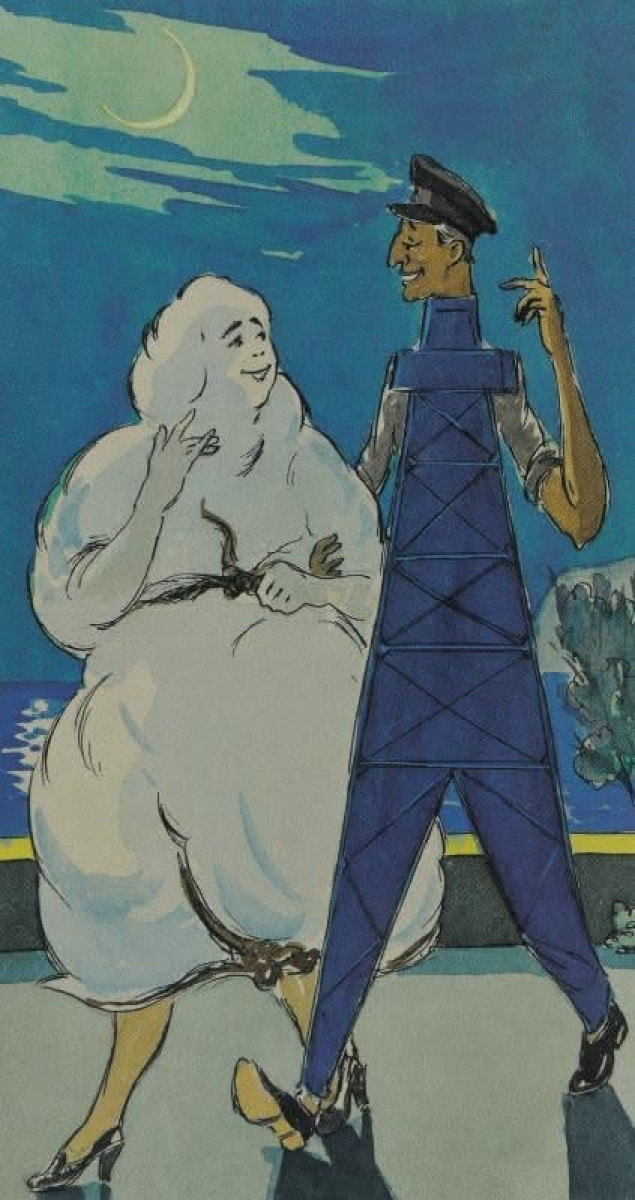
Kazimzade’s work was not confined to classical poetry. His illustrations for children’s books, including Fitna, The Magic Ring and Alexander and the Shepherd, demonstrate his work for different readerships. His graphic series On the Roads of the Front (1943) reflects his engagement with wartime subject matter. His work in posters and caricature further illustrates the breadth of his artistic activity.
An examination of these works requires attention not only to subject matter but also to compositional structure, the relationships between figures and the expressive possibilities of line. Such an approach can help establish more precisely how the artist translated different themes into graphic form.
STAGE DESIGN AND VISUAL EXPRESSION
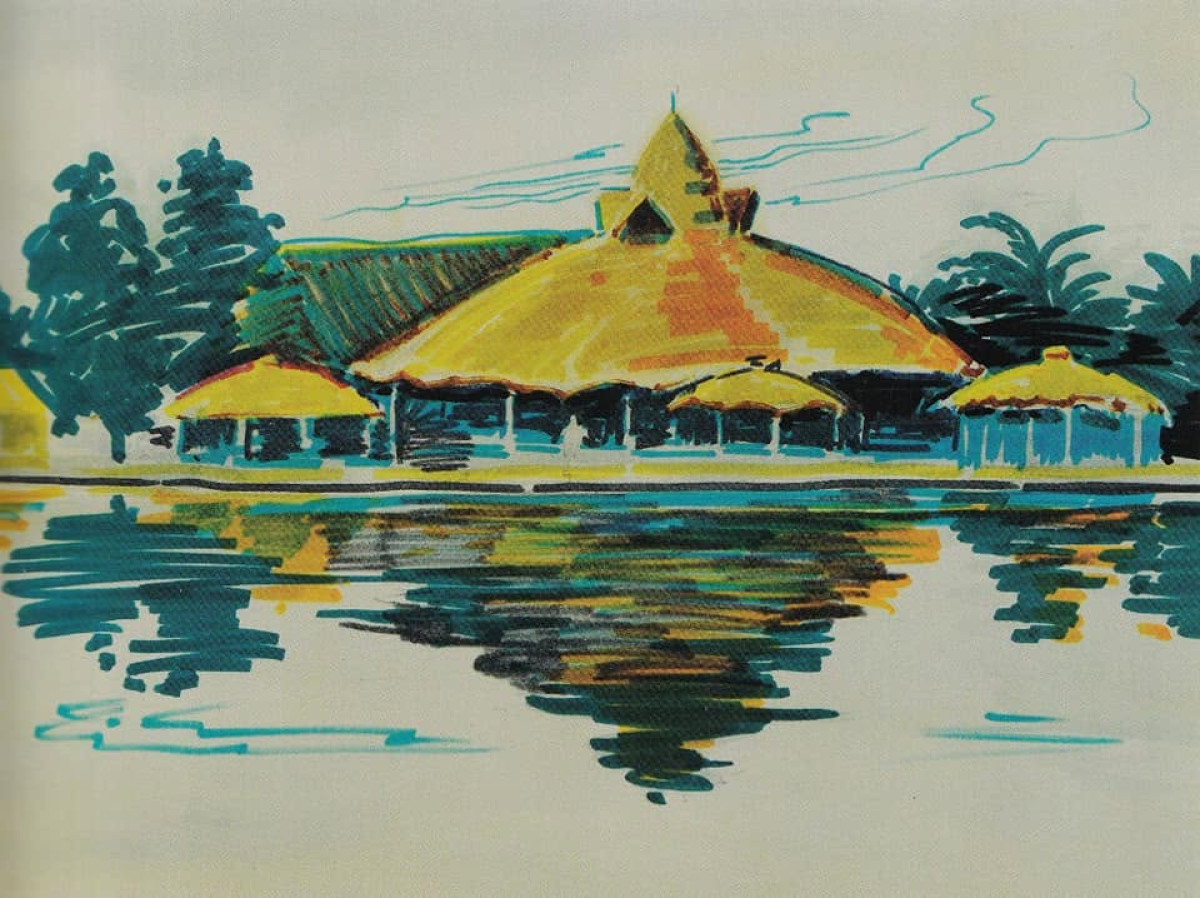
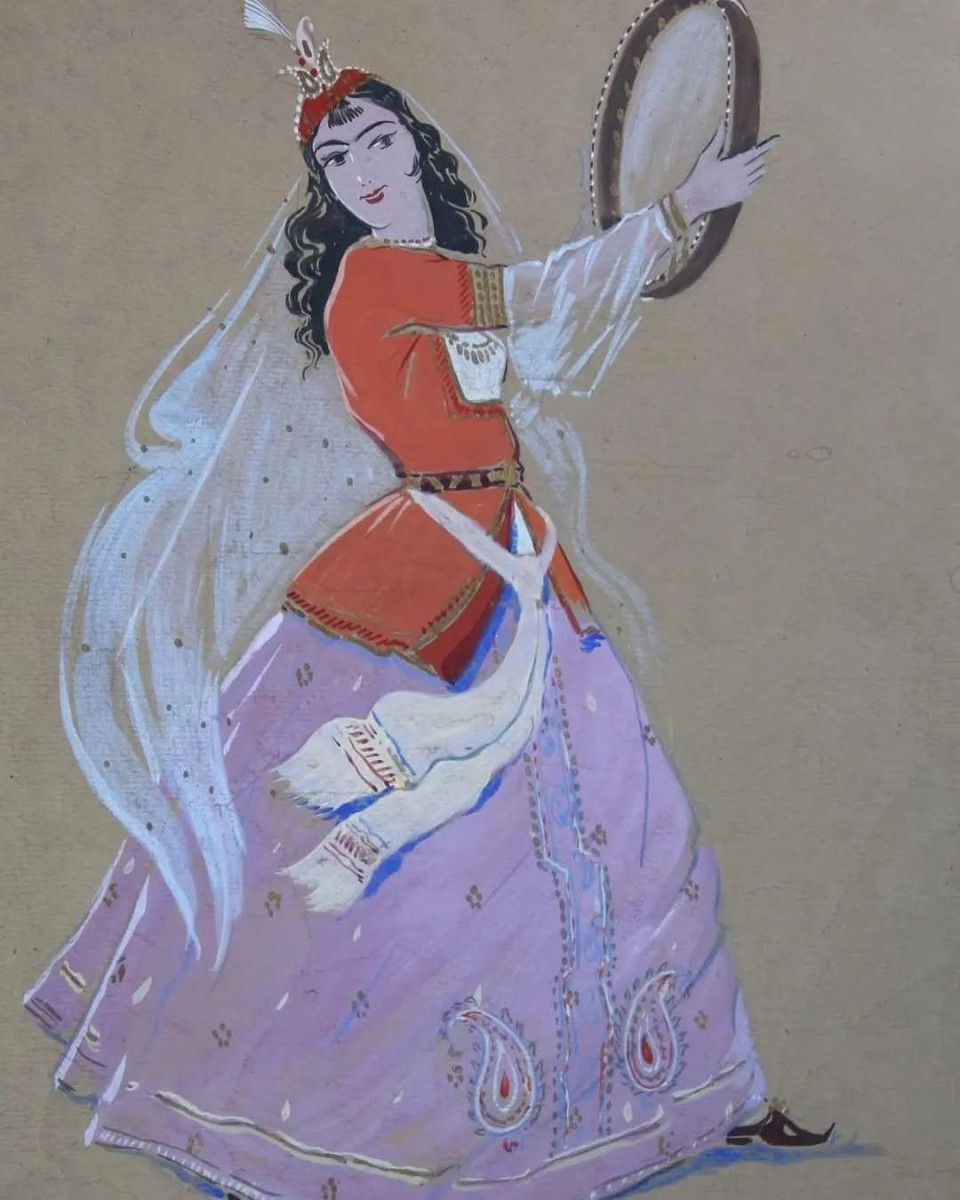
Kazim Kazimzade also worked on artistic designs for theatre and cinema, including costume sketches. This activity demonstrates how his visual thinking extended beyond the printed page into the distinct environment of the stage.
In book illustration, an image is constructed within the compositional boundaries of a page. In stage design, visual expression is connected to space, movement and the overall structure of a performance. Kazimzade’s work in both fields provides a basis for examining his legacy through the relationship between different forms of visual expression rather than through a single genre alone.
ART AND MUSEUM CULTURE
Kazimzade’s professional career encompassed museum work as well as individual artistic practice. From 1942, he headed the Azerbaijan State Art Museum. His role as one of the key members of the Soviet Committee of the International Council of Museums in 1954 also reflects his professional connections within the museum field.
Museum leadership involves the preservation of artworks, the organisation of collections and the presentation of cultural heritage to the public. A fuller assessment of Kazimzade’s specific contribution in this area would require more detailed examination of museum archives, collection records and exhibition histories.
HIS LEGACY IN THE HISTORY OF BOOK GRAPHICS
Kazim Kazimzade’s artistic practice brought together several fields, including the illustration of classical literature, graphic art and theatrical and cinematic design. These areas of activity provide valuable material for studying the visual presentation of literary texts and the construction of graphic imagery in Azerbaijani art.
A deeper study of his legacy would benefit from a comparative examination of original graphic works, books published in different years and surviving stage designs. Such research could help establish more precisely his compositional principles, his use of visual techniques and his relationship with classical literary texts.
Kazim Mammadali oglu Kazimzade died on 4 October 1992. His work remains significant to the study of Azerbaijani book graphics, the visual interpretation of literary heritage and the development of museum culture.
Art Space Gallery MEDIA