From the Observation of Life to the Artistic Image of an Era
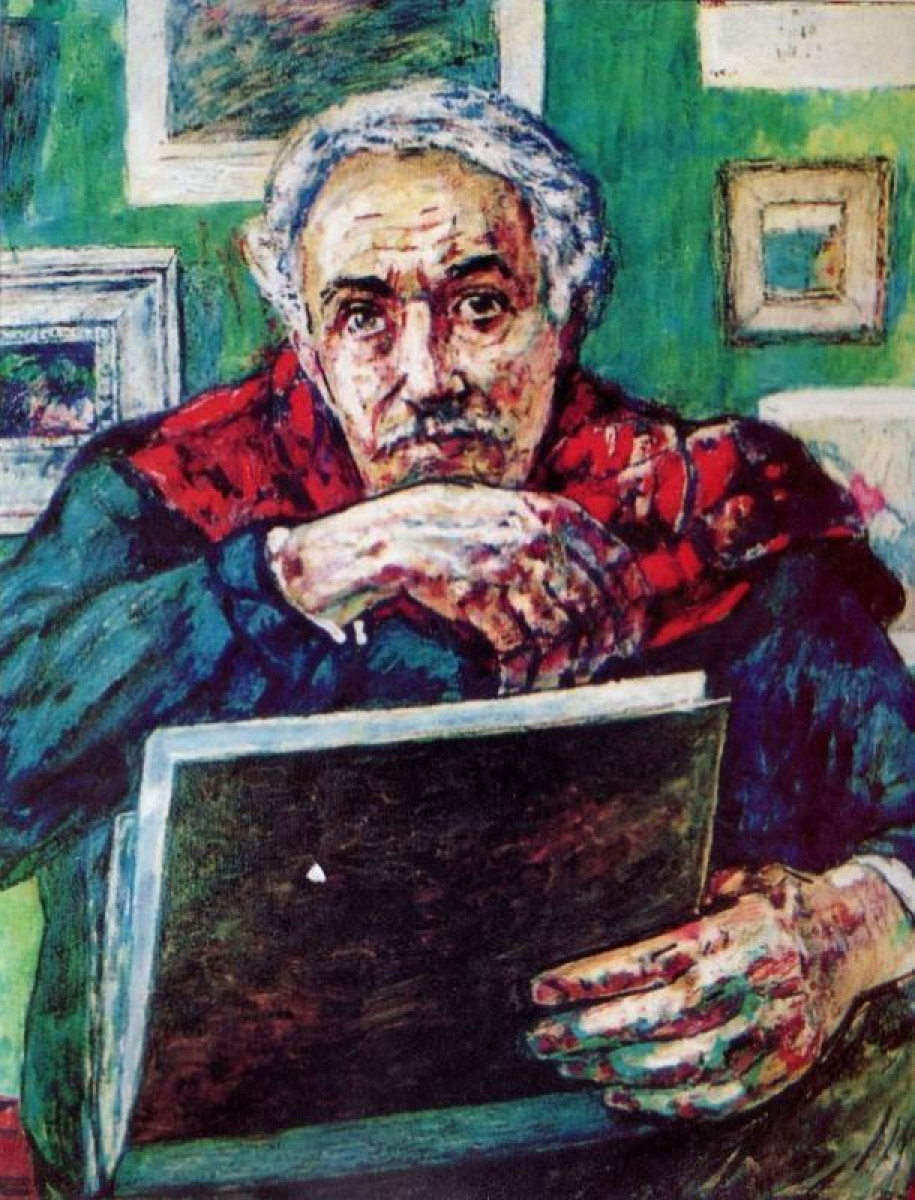
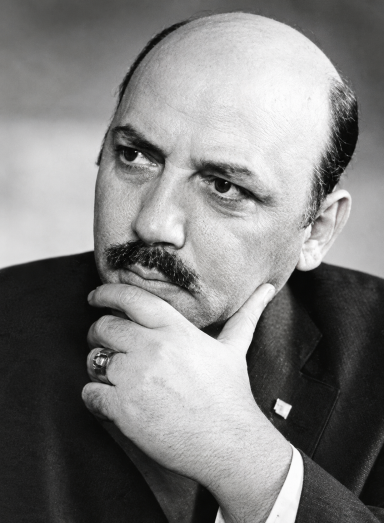
Mahmud Taghiyev was born in Baku on 11 June 1923. He graduated from the Azerbaijan State Art School in 1941. He continued his professional training at the painting faculty of the All-Union State Institute of Cinematography in Moscow (1949–1953), followed by the I. E. Repin Institute of Painting, Sculpture and Architecture in Leningrad (1953–1956). A member of the Union of Artists of Azerbaijan since 1946, Taghiyev occupies a distinctive place in the development of Azerbaijani painting in the twentieth century.
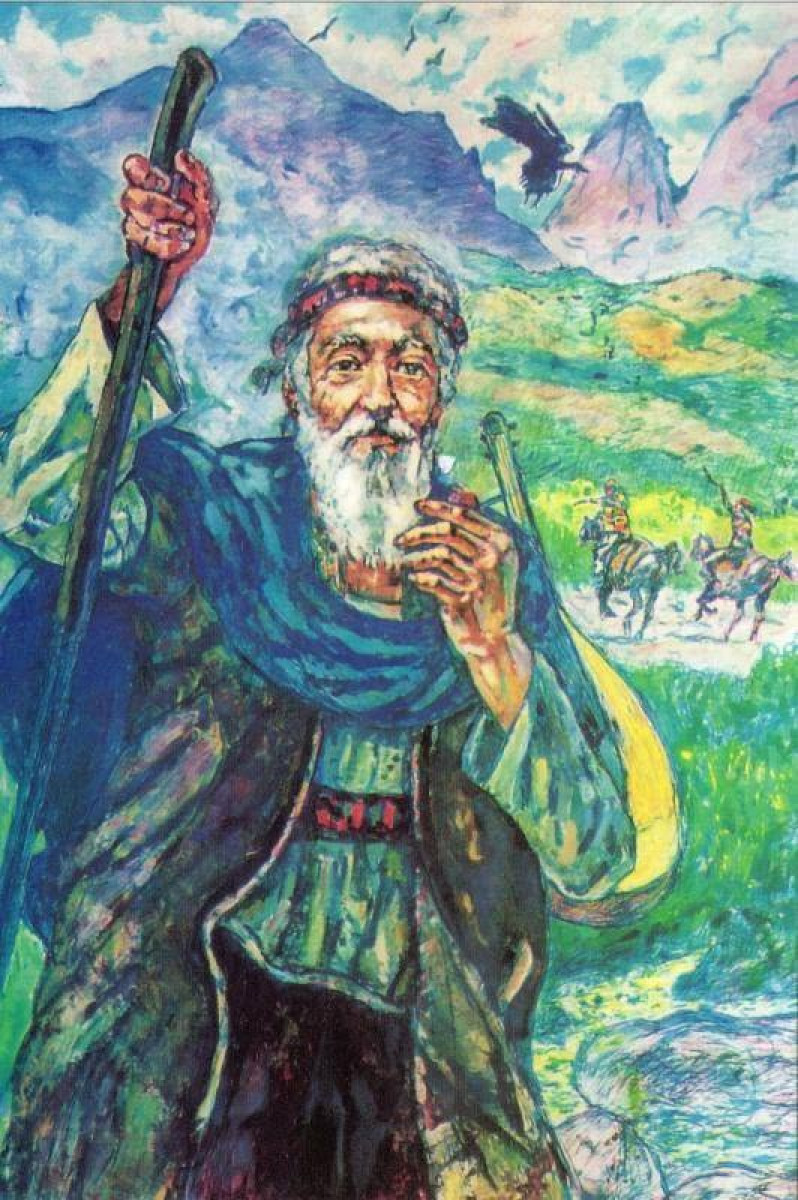
To approach Taghiyev’s art merely as a representation of a particular historical period would limit the scope of his work. In his paintings, the changing appearance of the city, the world of labour, nature and everyday life emerge as distinct subjects while remaining connected through a unified artistic vision that explores the relationship between people and the world they inhabit.
THE FORMATION OF AN ARTISTIC VISION
Taghiyev’s academic training is reflected in his attention to composition, volume and colour relationships. Yet academic preparation in his work is more than a technical foundation: it also informs the artistic structure through which each subject is presented.
His engagement with different genres reveals the breadth of his creative interests. Landscapes explore the structure of nature, still lifes examine the relationships between objects, while compositions centred on labour bring the individual into focus within an industrial environment. What connects these different approaches is the transformation of observation into a coherent visual image.
THE CHANGING CITY AND THE THEME OF LABOUR
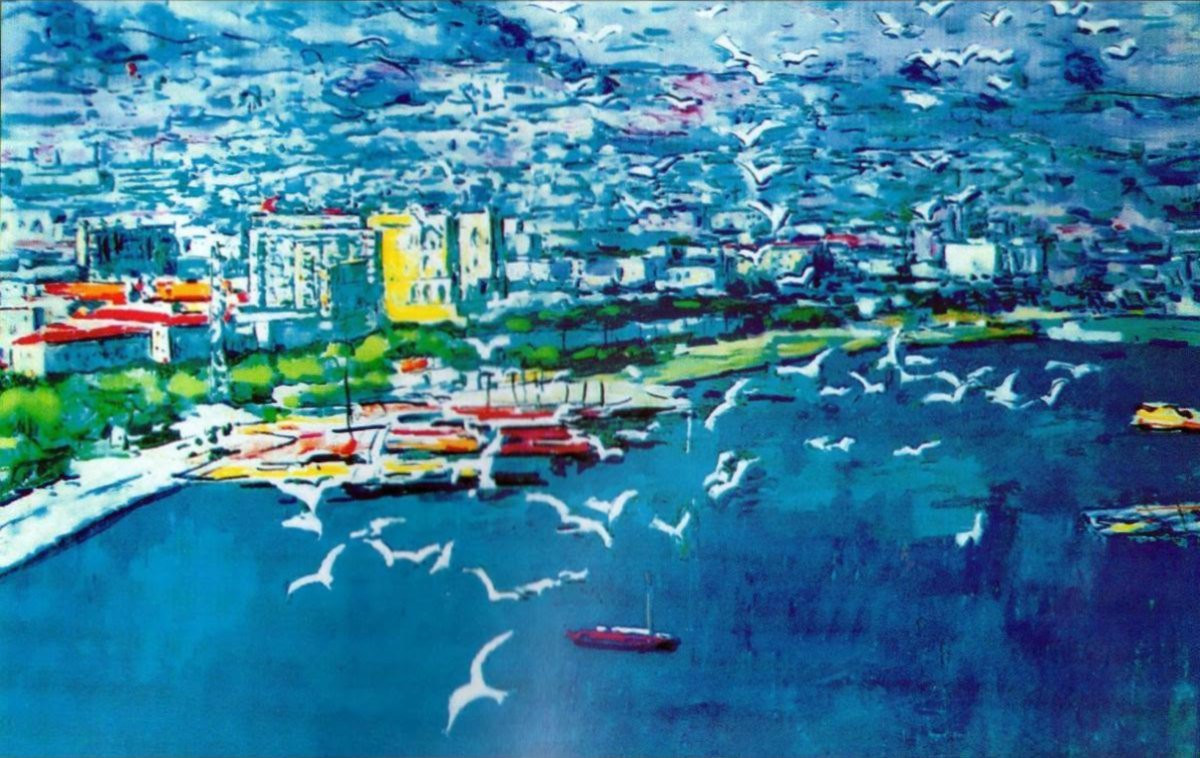
Urban development, industry and agriculture occupy an important place in Mahmud Taghiyev’s work. His painting Rising Baku, together with works associated with the Mingachevir Reservoir and the Sumgayit aluminium plant, reflects his interest in the changing realities of his time. In these works, the city and the industrial environment are not merely subjects to be depicted; they become visual expressions of a world shaped by human activity.
During the mid-twentieth century, Azerbaijani cities underwent rapid transformation through industrialisation and the construction of new production facilities. Taghiyev’s engagement with these developments connects his work to the social and economic realities of the period. The theme of labour enabled him to bring people, industrial activity and their surrounding environment into a unified compositional framework.
The historical significance of these paintings lies not only in their preservation of the urban and industrial landscape of the period, but also in what they reveal about the ways social change found expression in painting.
LANDSCAPE AND STILL LIFE
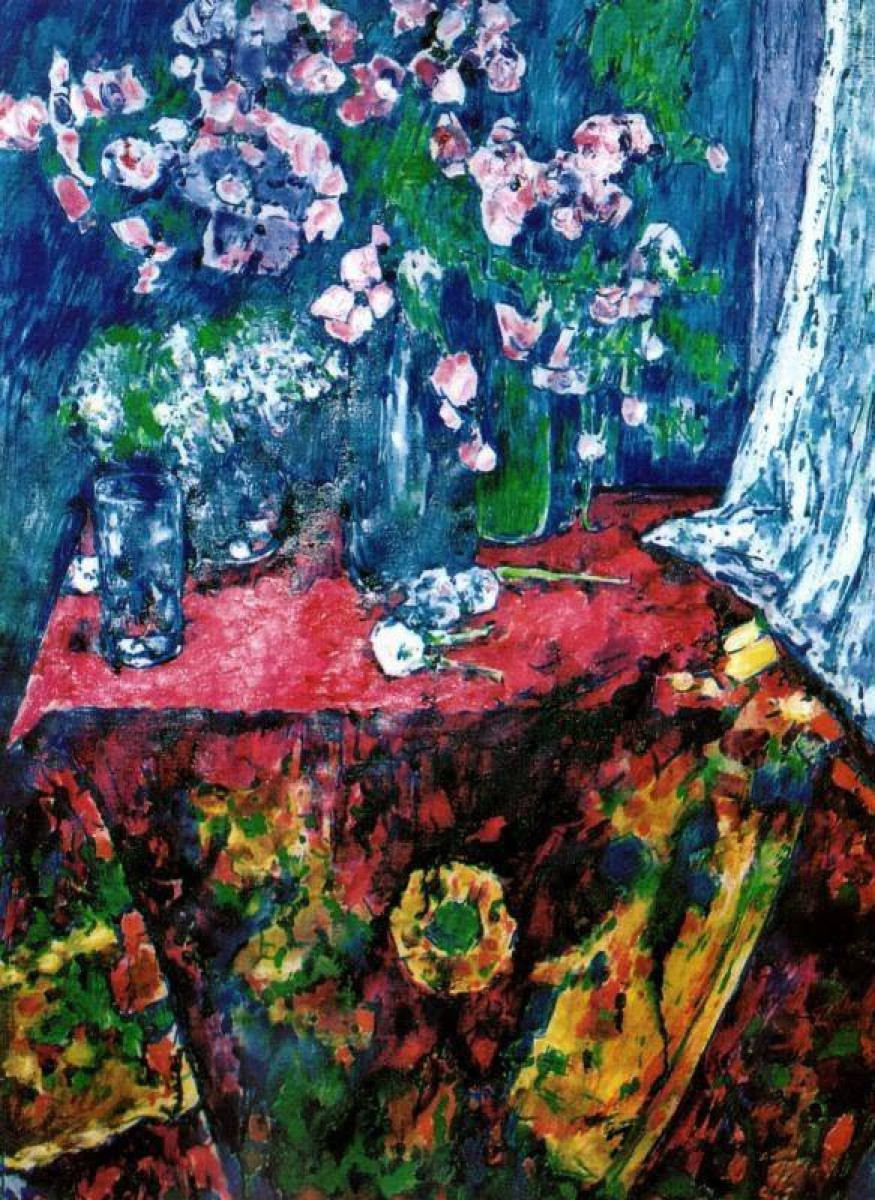
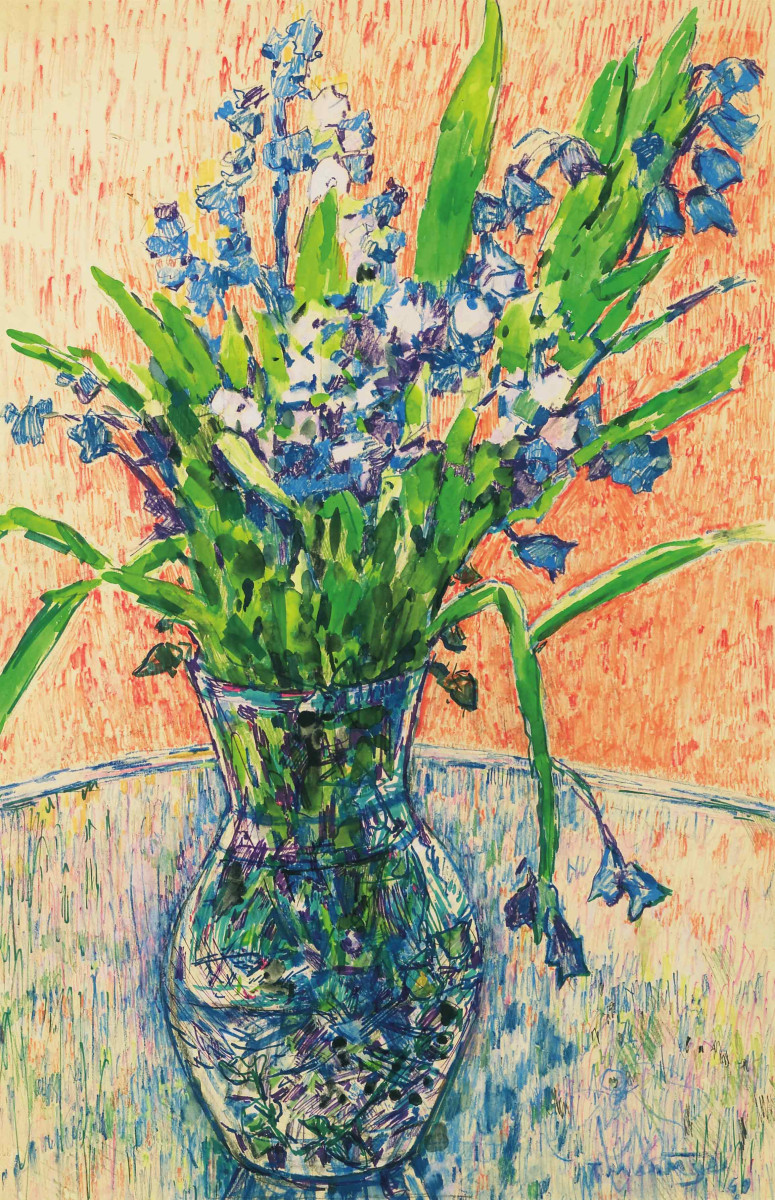
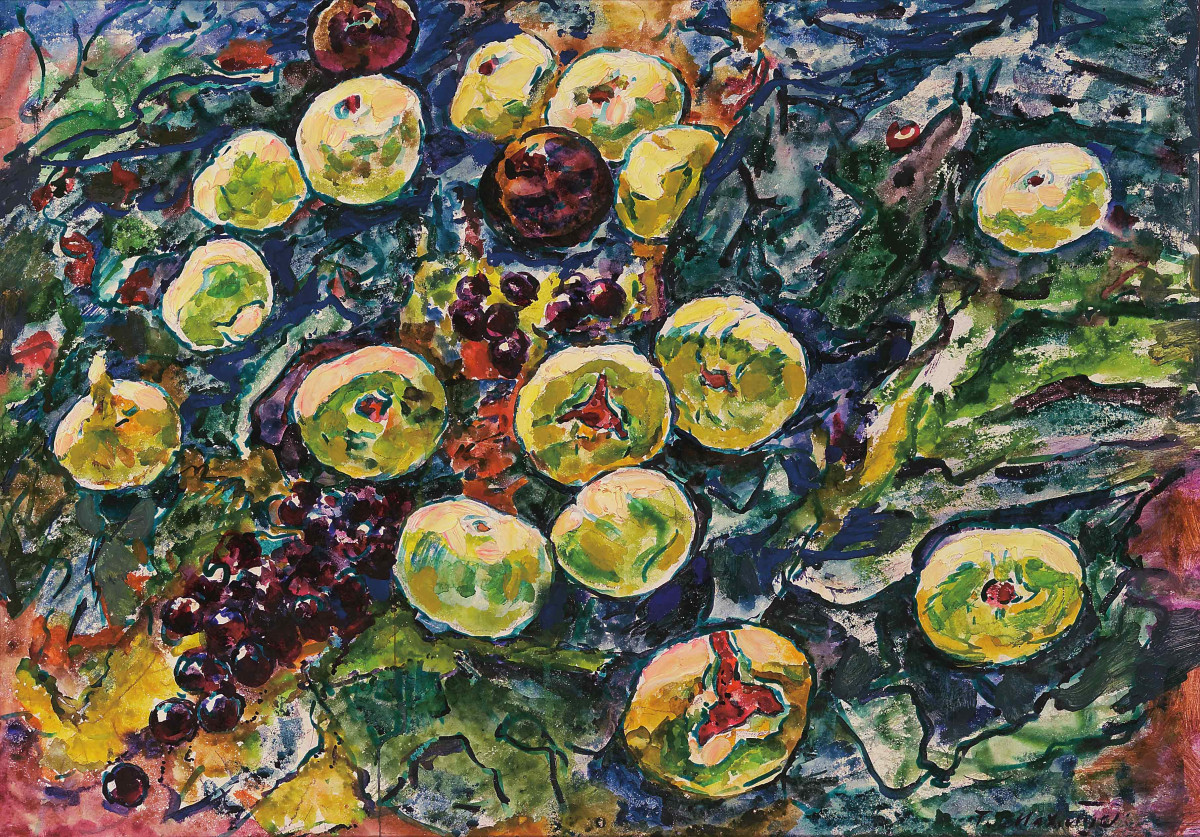
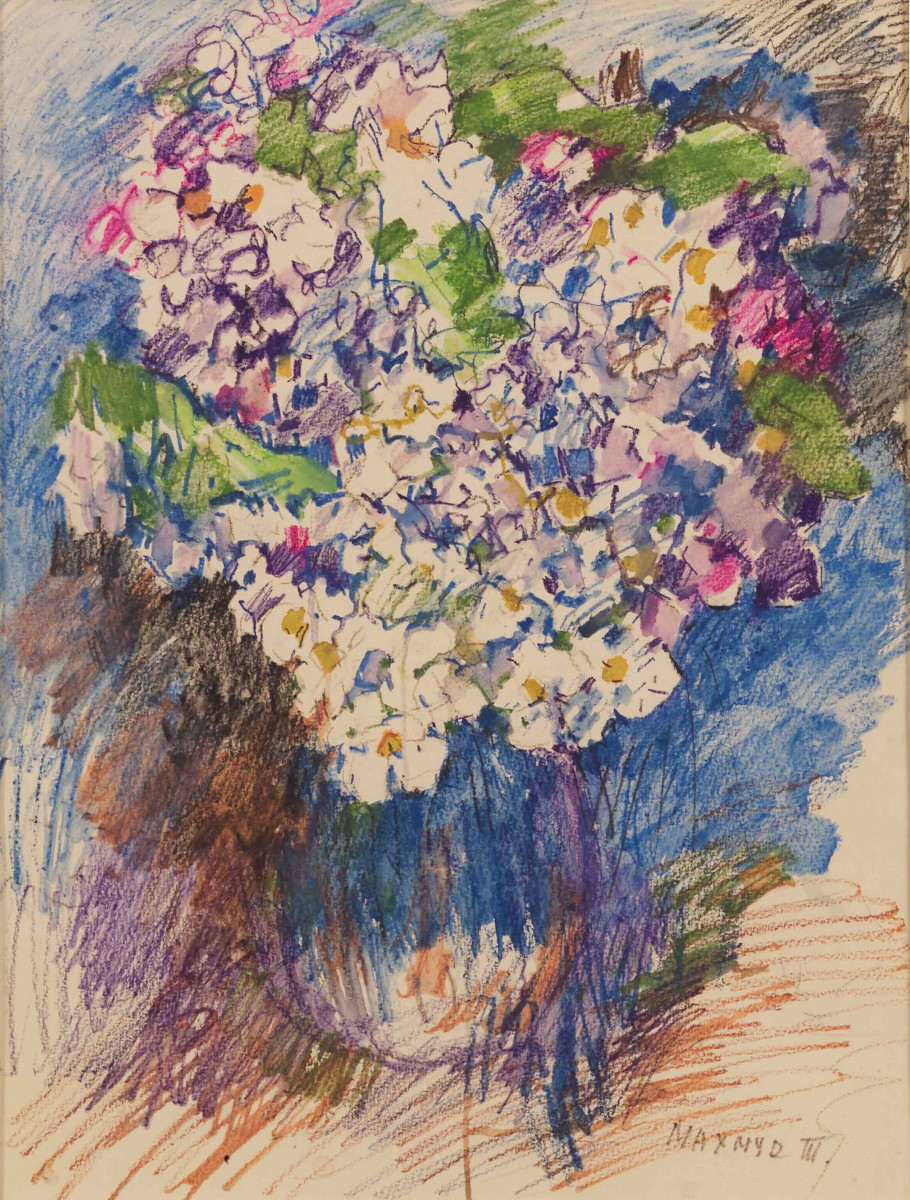
Taghiyev’s landscapes and still lifes complement his approach to painting through everyday observation. Works such as Apricots (1969), Figs (1974), Balcony (1987), Apples and Spring Flowers (1993) direct attention to the structure of objects, relationships between colours and the overall coherence of the composition.
These genres demonstrate that his work was not confined to public and industrial subjects. It also encompassed both large-scale transformations and the quieter observations of everyday life. In still lifes, the selection and arrangement of objects are central; in landscapes, the relationships between natural forms contribute to the unity of the image.
COLOUR AND COMPOSITION
Taghiyev’s use of colour cannot be fully understood in isolation from his compositional approach. The interaction of colours, the placement of forms on the picture plane and the visual weight of individual elements all contribute to the structure of a painting. His engagement with different subjects also reflects an effort to find solutions appropriate to the specific demands of each genre.
The value of his work should therefore not be measured solely by the historical importance of its subject matter. The organisation of the composition, the relationships between colours and the way observation is translated into a visual form are essential to understanding the distinctive qualities of each painting.
HISTORICAL CONTEXT AND ARTISTIC LEGACY
Mahmud Taghiyev’s career is closely connected with the development of Azerbaijani painting during the Soviet period. Artists of those years drew on academic traditions while responding to new subjects emerging from a changing social environment. Yet the artistic practices of the period were far from uniform: painters working within the same historical circumstances developed different visual approaches and creative directions.
Within this diversity, Taghiyev’s work is notable for bringing together broad depictions of public life with observations of nature and everyday surroundings. His paintings offer valuable material for examining how the city, labour and ordinary life were represented in twentieth-century Azerbaijani art.
Further research into his legacy would benefit from the systematic documentation of the dates, dimensions and materials of individual works, as well as their collection histories and exhibition records. Such research would support a more precise art-historical assessment and contribute to the documentation of Azerbaijan’s cultural heritage.
Mahmud Taghiyev died in Baku on 21 November 2001. His work remains significant for the study of Azerbaijani painting and its artistic exploration of people, labour and a changing world.
Art Space Gallery MEDIA