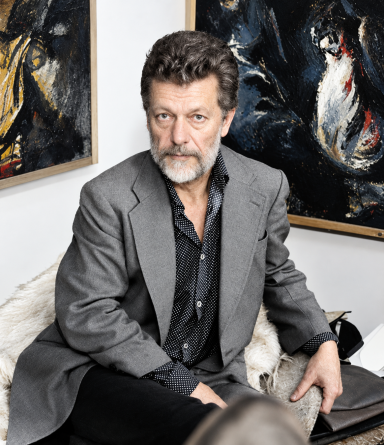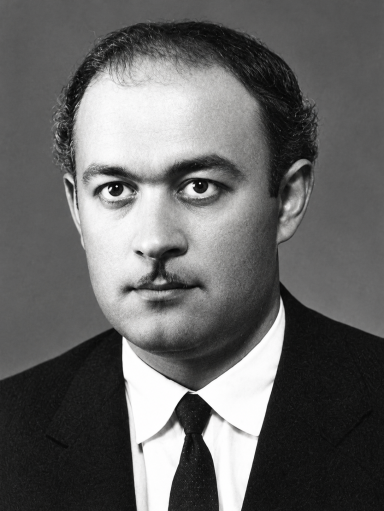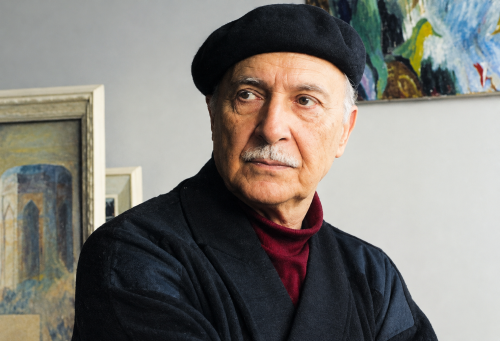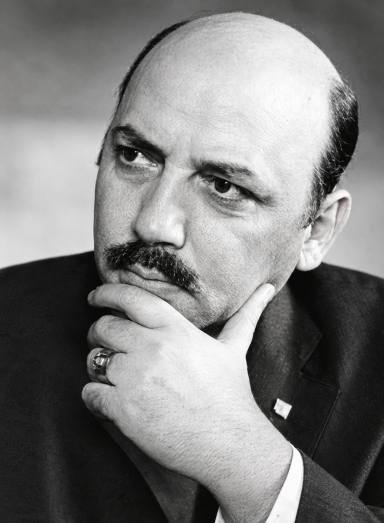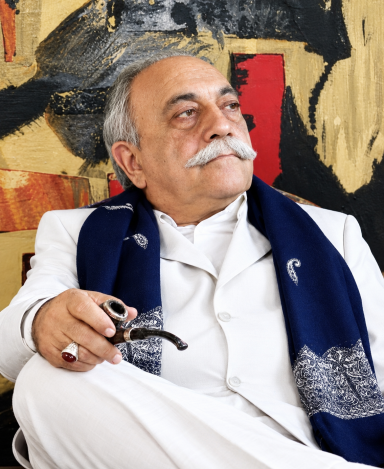
Mirnadir Zeynalov was born in Baku on 12 November 1942. In 1963, he graduated from the Azerbaijan State Art School named after Azim Azimzade, followed in 1973 by the Faculty of Art Graphics at the Moscow Polygraphic Institute. Distinguished by his engagement with Absheron themes, abstract compositions and experimentation with different materials, his artistic practice encompassed a range of genres and modes of expression.
From Observations of Absheron to an Individual Style
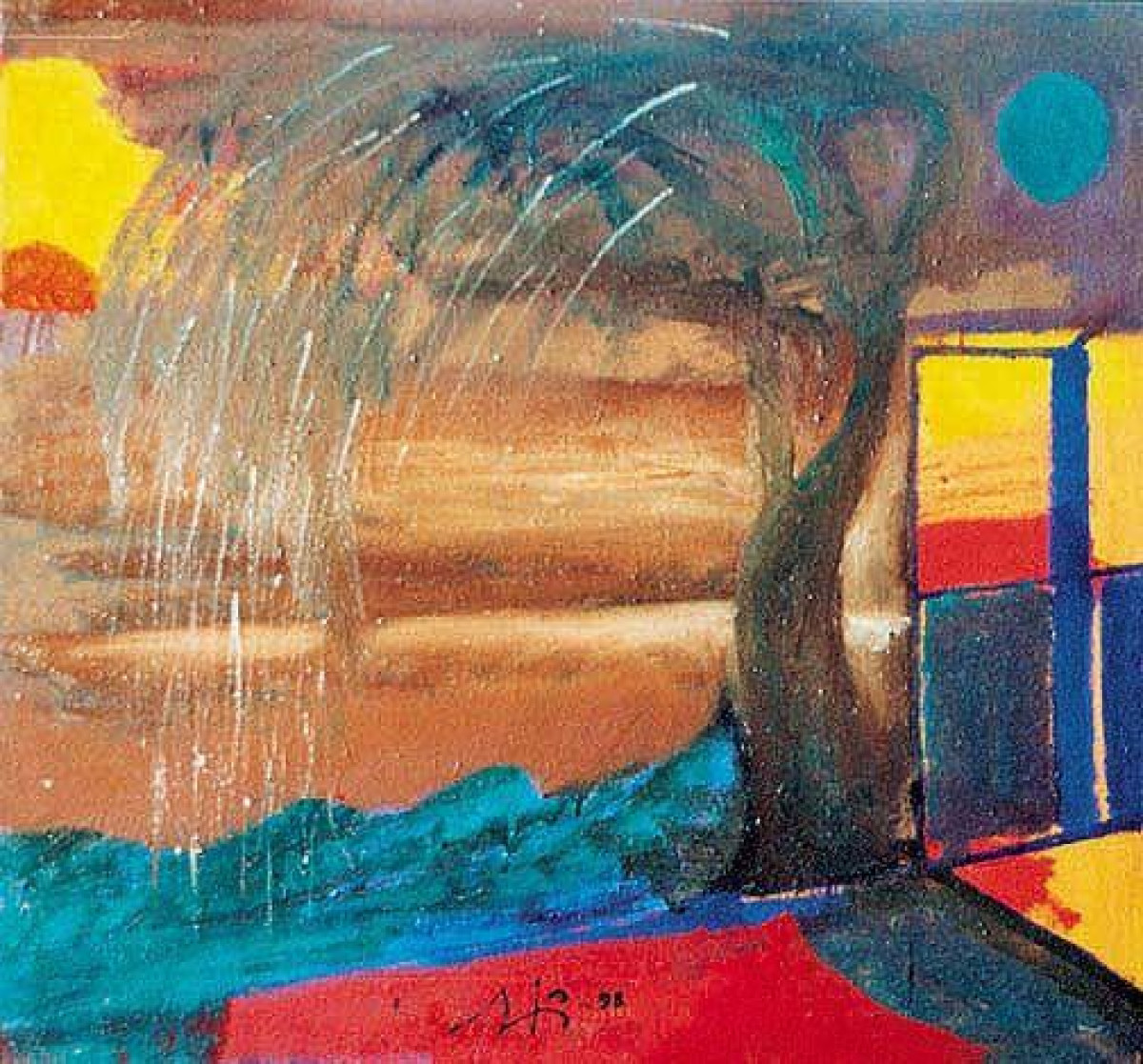
The Absheron Peninsula occupies a distinctive place in Zeynalov’s work. For the artist, this landscape was more than a subject for depiction; it was a source of personal observation, emotional impressions and artistic reflection. Land, sea, light and traces of human presence recur in different forms throughout his paintings.
In works such as The Returning Sea (1980) and Green Morning (1991), landscape is not limited to the representation of visible reality. The natural environment acquires a new artistic structure through the painter’s individual perception. This approach establishes a relationship between direct observation and compositional freedom.
The Expressive Power of Colour
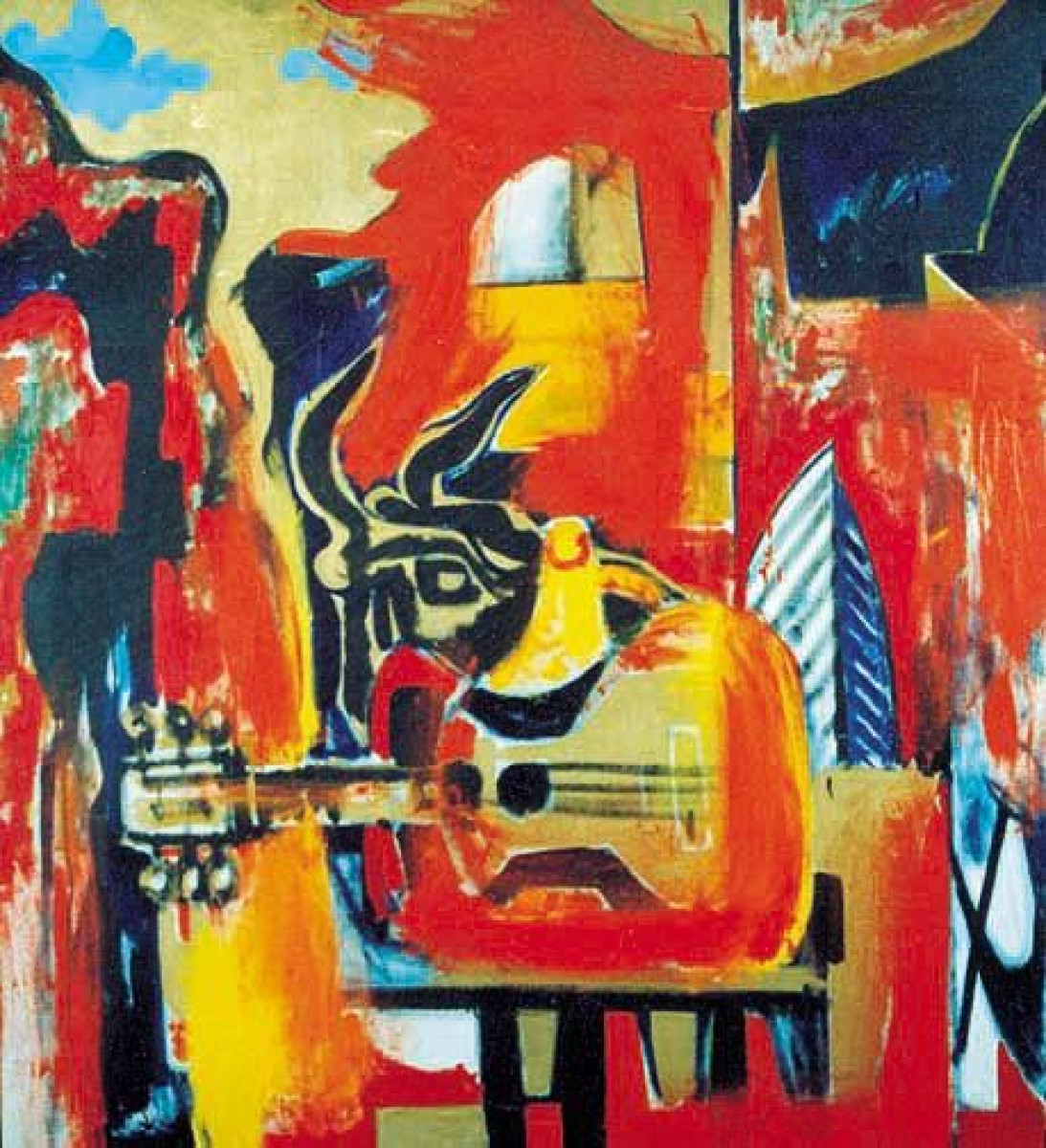
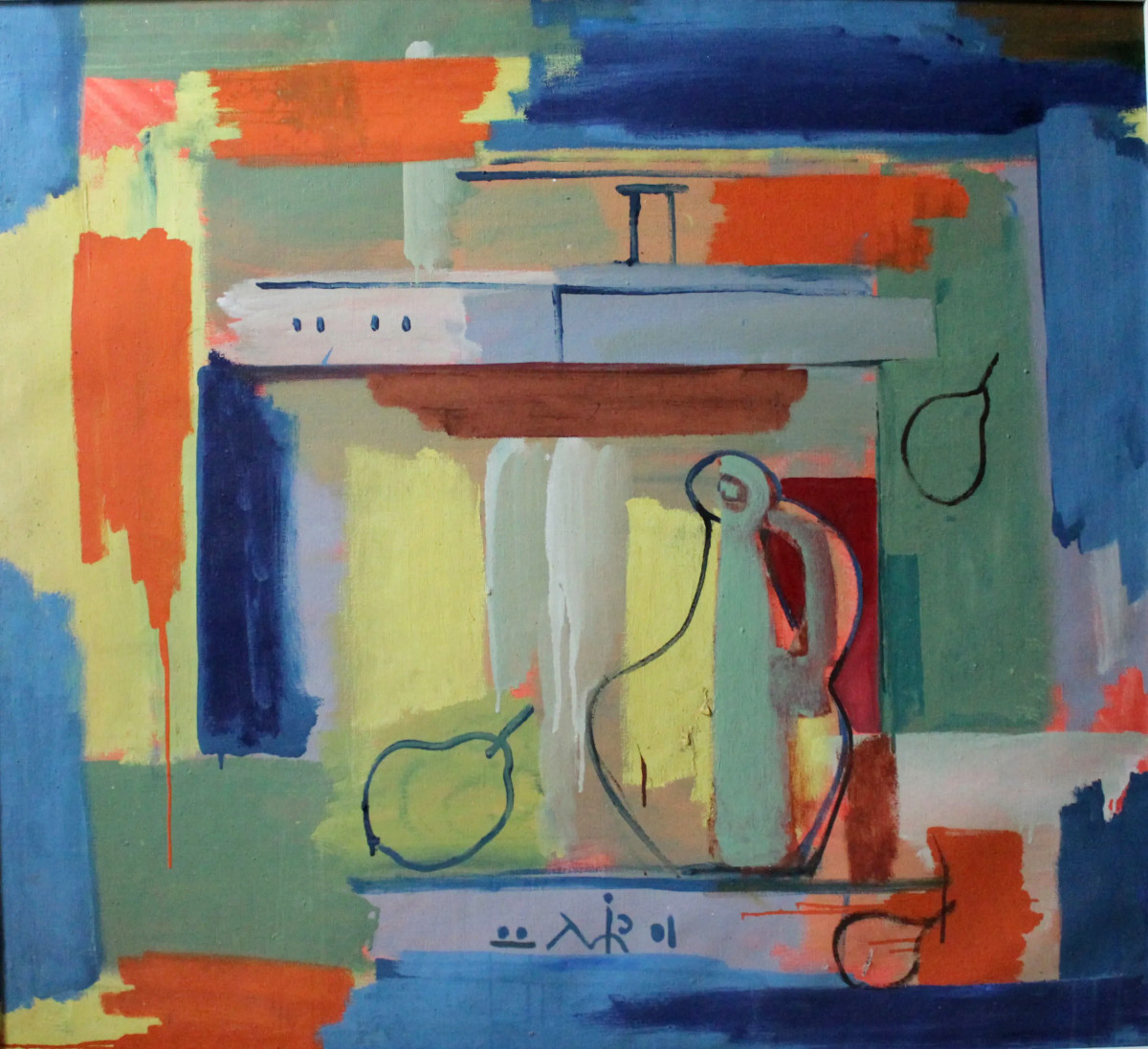
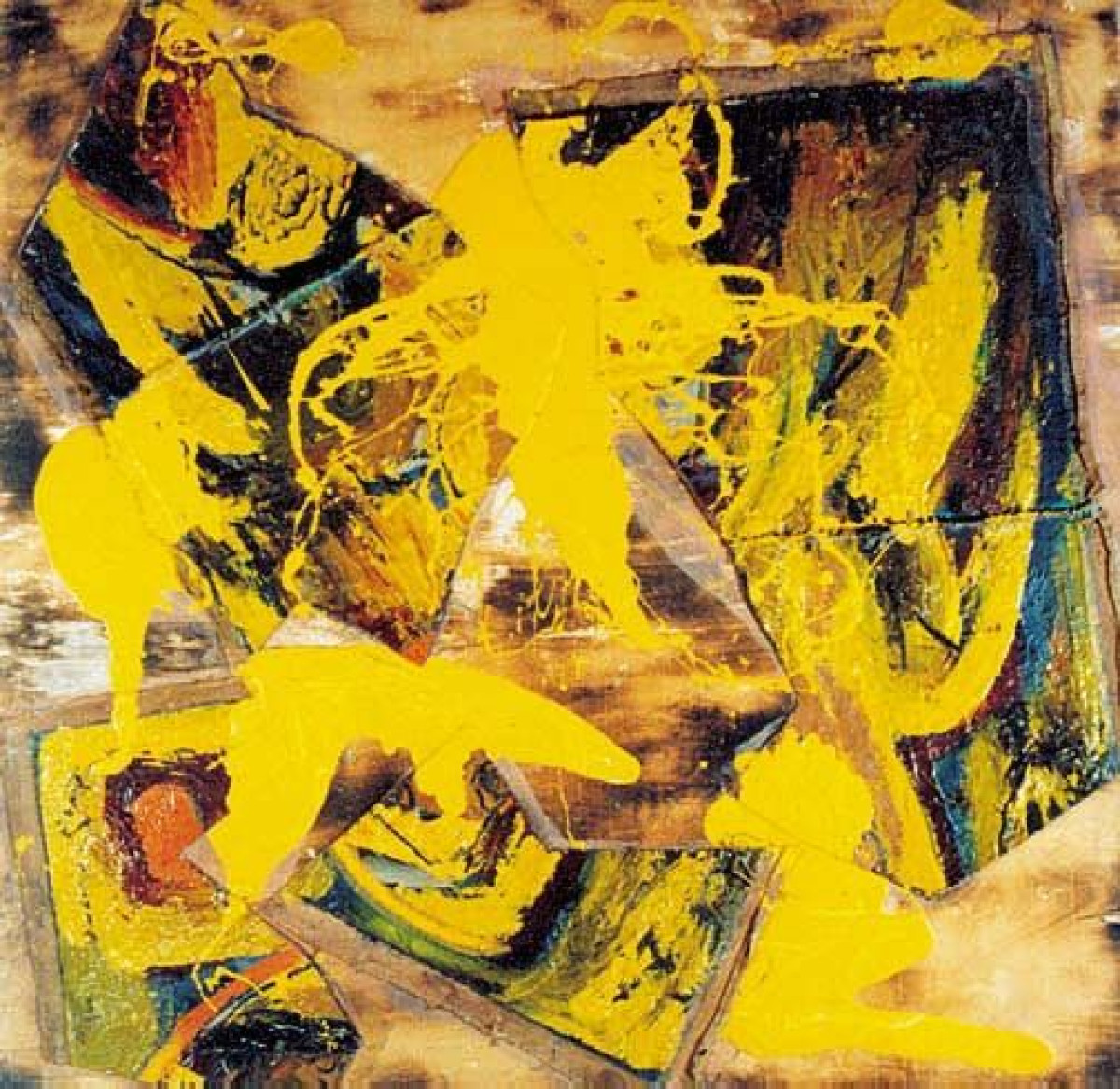
In Zeynalov’s painting, colour serves more than a descriptive purpose. It shapes the emotional impact of a composition, establishes relationships between forms and defines the character of the work. In paintings such as Intuition (1988) and Mystical Life (2015), meaning is not determined solely by a recognisable subject. Colour relationships, the interaction of forms and the structure of the composition play an essential role in the viewer’s experience.
His engagement with abstraction reflects an interest in exploring the possibilities of painting itself. The relationship between recognisable imagery and freer forms allows his works to support different interpretations. Colour and composition thus become more than means of conveying a predetermined idea; they function as independent forms of artistic expression.
The Human Figure and Interest in Other Cultures
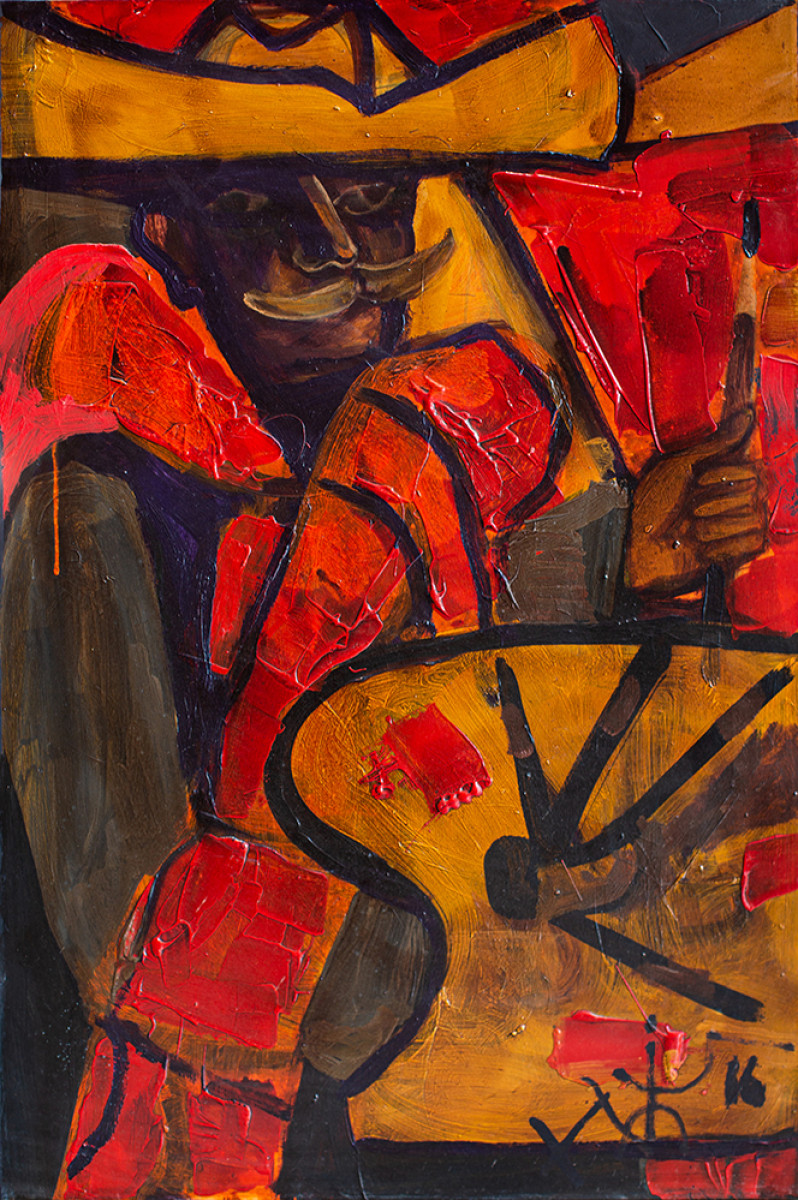
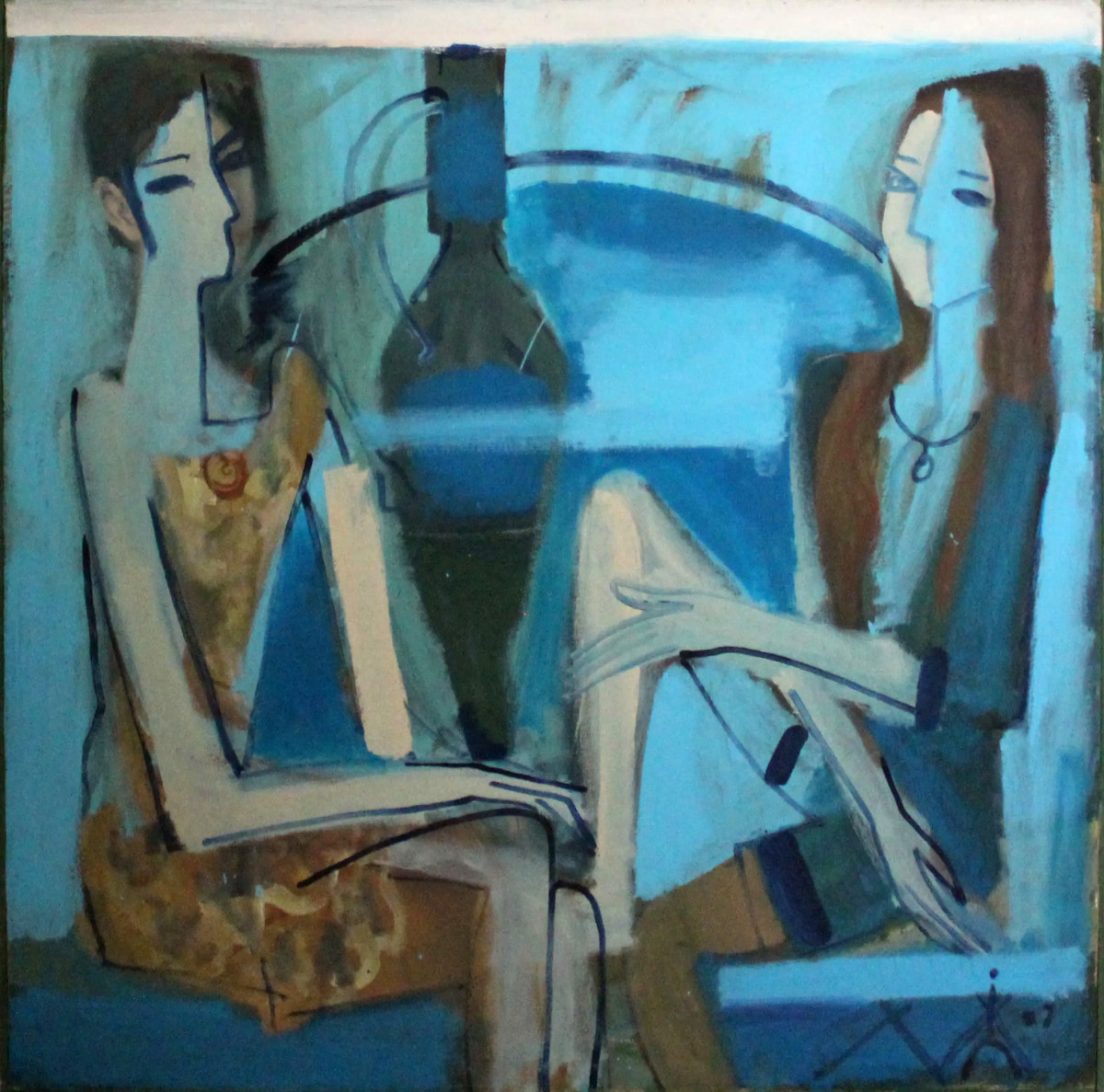
The human figure is an important aspect of Zeynalov’s artistic practice. In his portraits, he sought to convey not only outward appearance but also the individual character of the person depicted. Self-Portrait with Palette (2016), for example, draws attention to the relationship between the artist’s identity and his creative practice.
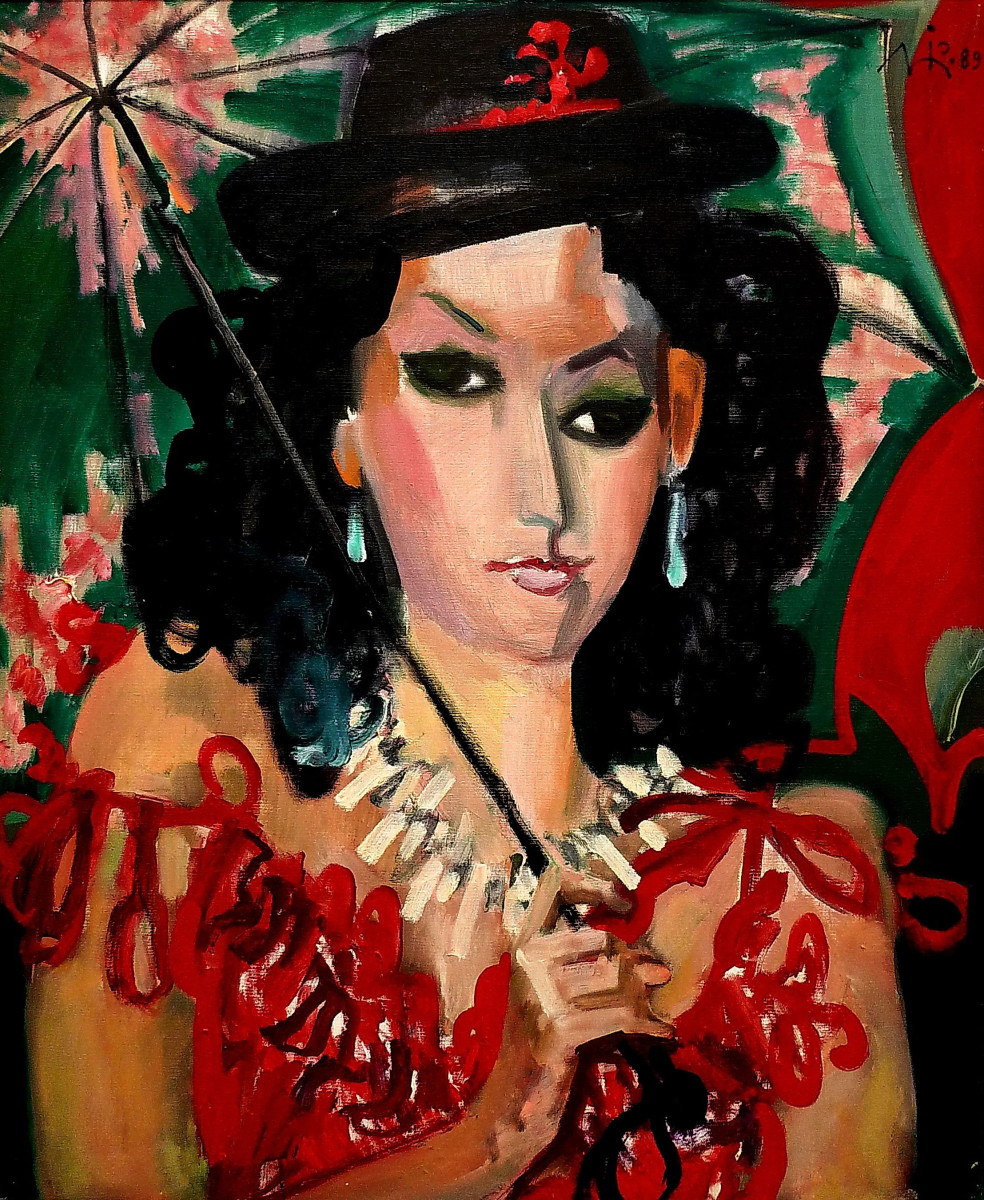
Zeynalov’s artistic interests extended beyond Absheron. Works associated with India, including Bengali Girl and Portrait of Vasantha, reflect his interest in a different cultural environment and new visual impressions. These subjects broadened the range of his imagery while remaining part of his individual artistic exploration.
From Canvas to Collage and Installation
Zeynalov’s practice was not confined to traditional oil painting. He experimented with different materials and forms of presentation, exploring collage and installation. His Carpet Composition (2017), conceived as a triptych, demonstrates his interest in ornamental structures and their reinterpretation within the context of contemporary art.
The installation Mirnadir Zeynalov’s Poems (1969–2020), incorporating papers, an old telephone and sound, reveals another dimension of his work. Here, artistic expression extends beyond the canvas, bringing together visual objects, language and auditory experience. These experiments demonstrate his willingness to explore the possibilities of different artistic media.
Exhibitions and Place in Art History
Zeynalov’s works were exhibited in Azerbaijan and abroad. In 1976, he received a diploma from the USSR Academy of Arts at an all-Union exhibition in Moscow. In 1989, his painting Spring Garden (1988) was awarded a bronze medal at the Baku Biennale of the Caspian republics.
In 1992, he was awarded the honorary title of Honoured Artist of Azerbaijan, followed by the title of People’s Artist of Azerbaijan in 2006. His solo exhibitions were held in Baku and Moscow, as well as at the Radishchev Art Museum in Saratov. His works are held in the collections of the Azerbaijan National Museum of Art, the Azerbaijan State Art Gallery, the Baku Museum of Modern Art, the State Tretyakov Gallery in Moscow and other public and private collections.
A retrospective exhibition titled The Life of a Mystical Spirit, held in 2021–2022, presented more than sixty of his works. It offered an opportunity to consider the range of his artistic interests and the development of his individual visual language.
The Distinctive Features of His Artistic Legacy
Mirnadir Zeynalov’s contribution to Azerbaijani art is characterised by the diversity of his artistic exploration. In his work, the landscapes of Absheron intersect with abstract compositions, human figures with personal symbolism, and painting with other forms of artistic expression. Rather than remaining within a single, unchanging stylistic framework, he developed an individual approach in which different artistic methods could coexist.
The significance of his legacy lies in his ability to move from observation to abstraction and from material form to personal association, while preserving the individuality of his artistic vision.
Mirnadir Zeynalov died in Baku on 10 March 2021.
Art Space Gallery MEDIA