Education and Artistic Formation
Asaf Ali Iskandar oglu Jafarov was born in 1927 in Baku, in the historic district of Icherisheher. He studied at the Azerbaijan State Art School named after Azim Azimzade from 1945 to 1950 and continued his education at the Surikov Moscow State Art Institute between 1951 and 1957. This training marked a formative stage in his development as a professional artist.
A recognised figure in Azerbaijani fine art, Jafarov was awarded the honorary title of People’s Artist of the Azerbaijan SSR. His work encompasses thematic painting, portraiture, landscape and still life. Across these genres, he explored the human figure, familiar environments and different aspects of everyday life.
Portraiture: The Artistic Expression of Individuality
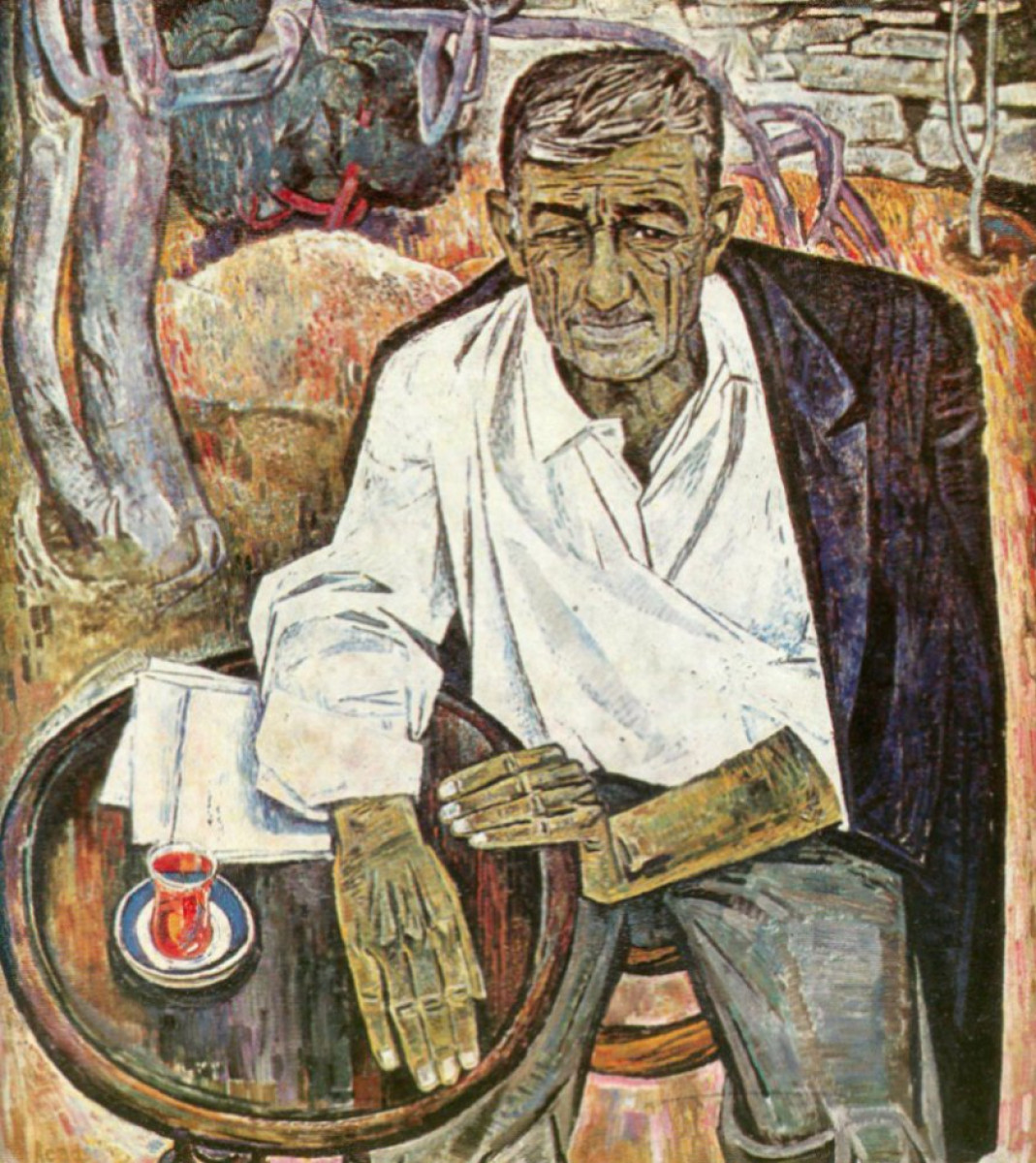
Portraiture is one of the important strands of Jafarov’s work. His portraits of prominent cultural figures, including Aliagha Vahid, Rashid Behbudov, Vagif Mustafazadeh and Sattar Bahlulzade, represent a significant part of his contribution to the genre.
These works go beyond the recording of physical appearance. Composition, facial expression and the treatment of colour contribute to the individuality of each image. In his portrait of Vagif Mustafazadeh, in particular, the attempt to convey the musician’s character and inner intensity through painting is especially noteworthy.
His Self-Portrait (1975) turns the artist’s attention towards his own image and offers a more personal point of reference within his portrait practice.
Landscape: The Character of Place and Atmosphere
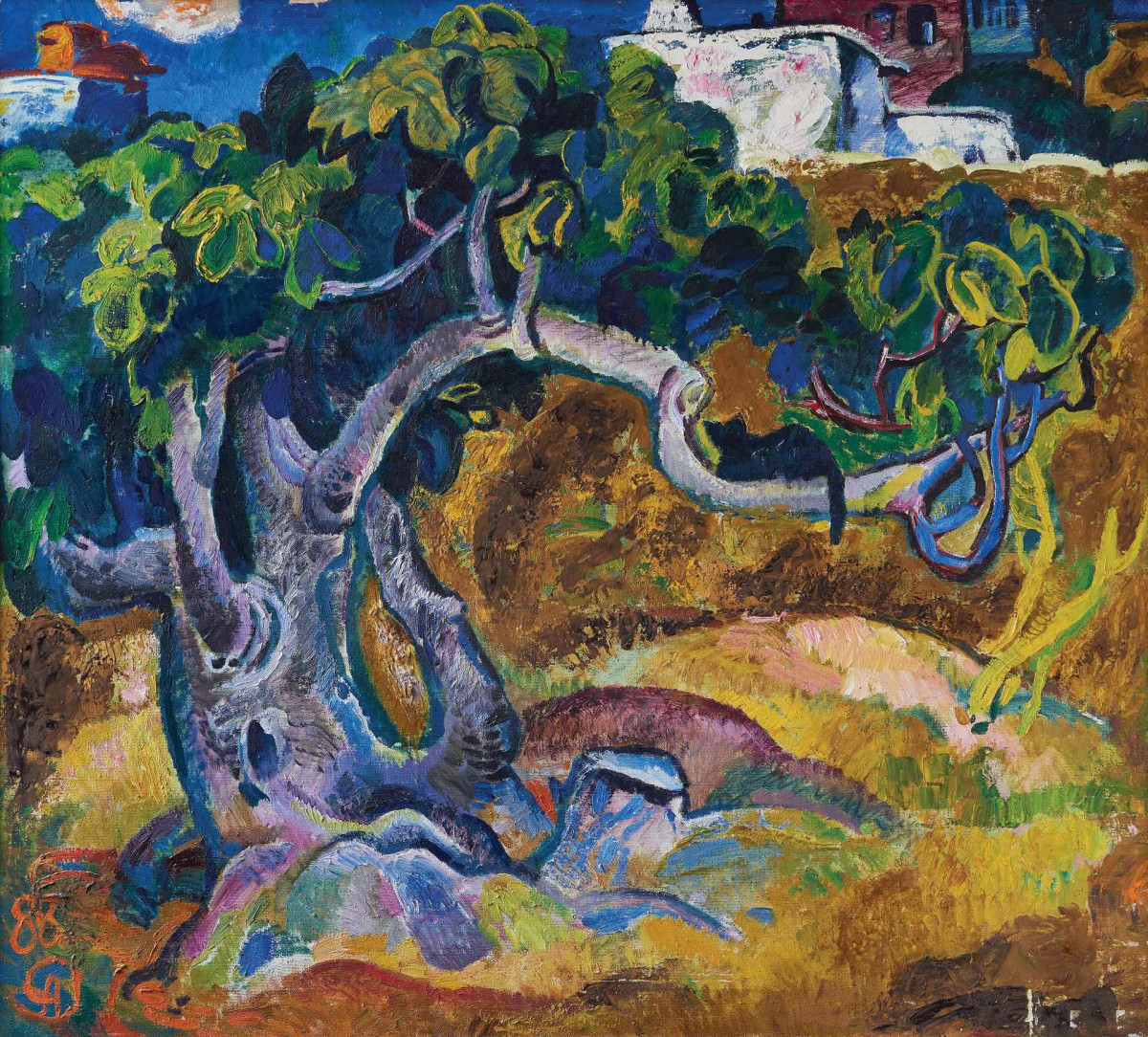
Landscape reveals Jafarov’s engagement with Azerbaijan’s natural and urban environments. In works such as Buzovna Village (1965), Snow in Baku (1974) and The Caspian Sea (1976), the atmosphere of a place becomes as important to the composition as its visible features.
For Jafarov, landscape was not simply a means of recording the appearance of nature or a city. The choice of location, the organisation of the image and the treatment of the surrounding environment all contribute to the overall mood of a painting. His landscapes can therefore be viewed as personal interpretations of different aspects of his native surroundings.
My Azerbaijan (1972) extends this interest beyond the depiction of a particular location towards a broader national subject. Both its title and theme express the artist’s engagement with the image of Azerbaijan.
Thematic Painting and Everyday Life
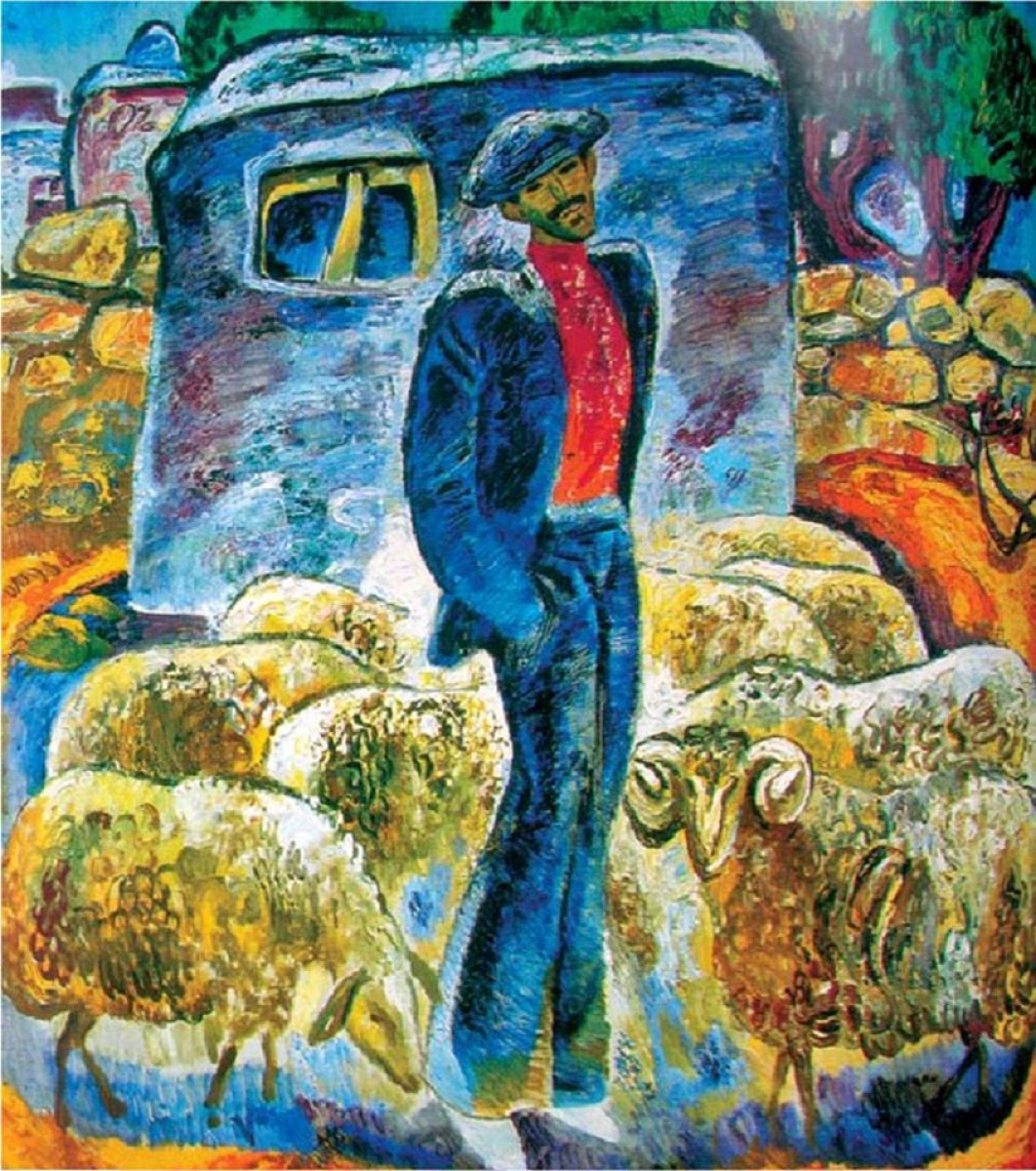
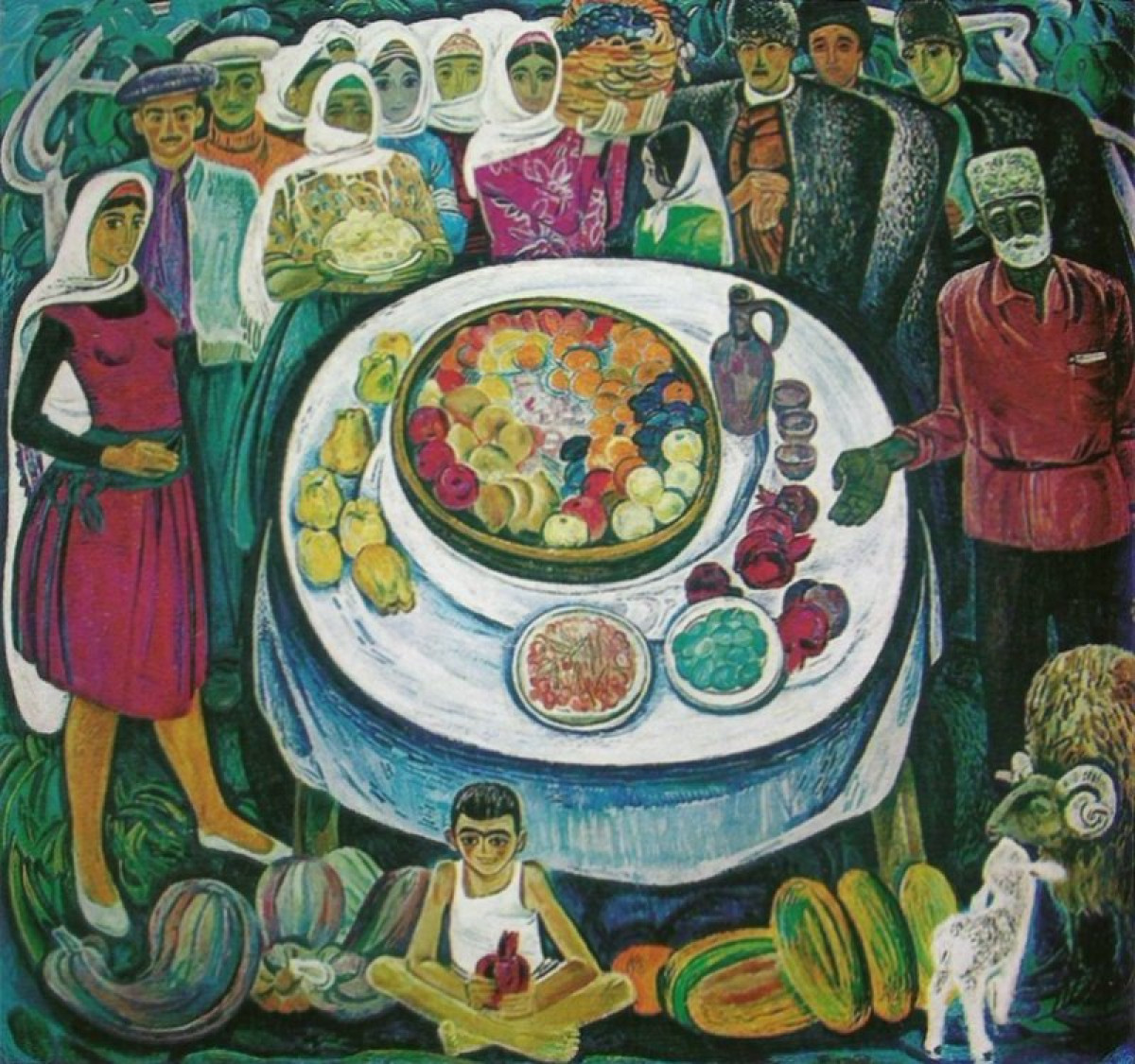
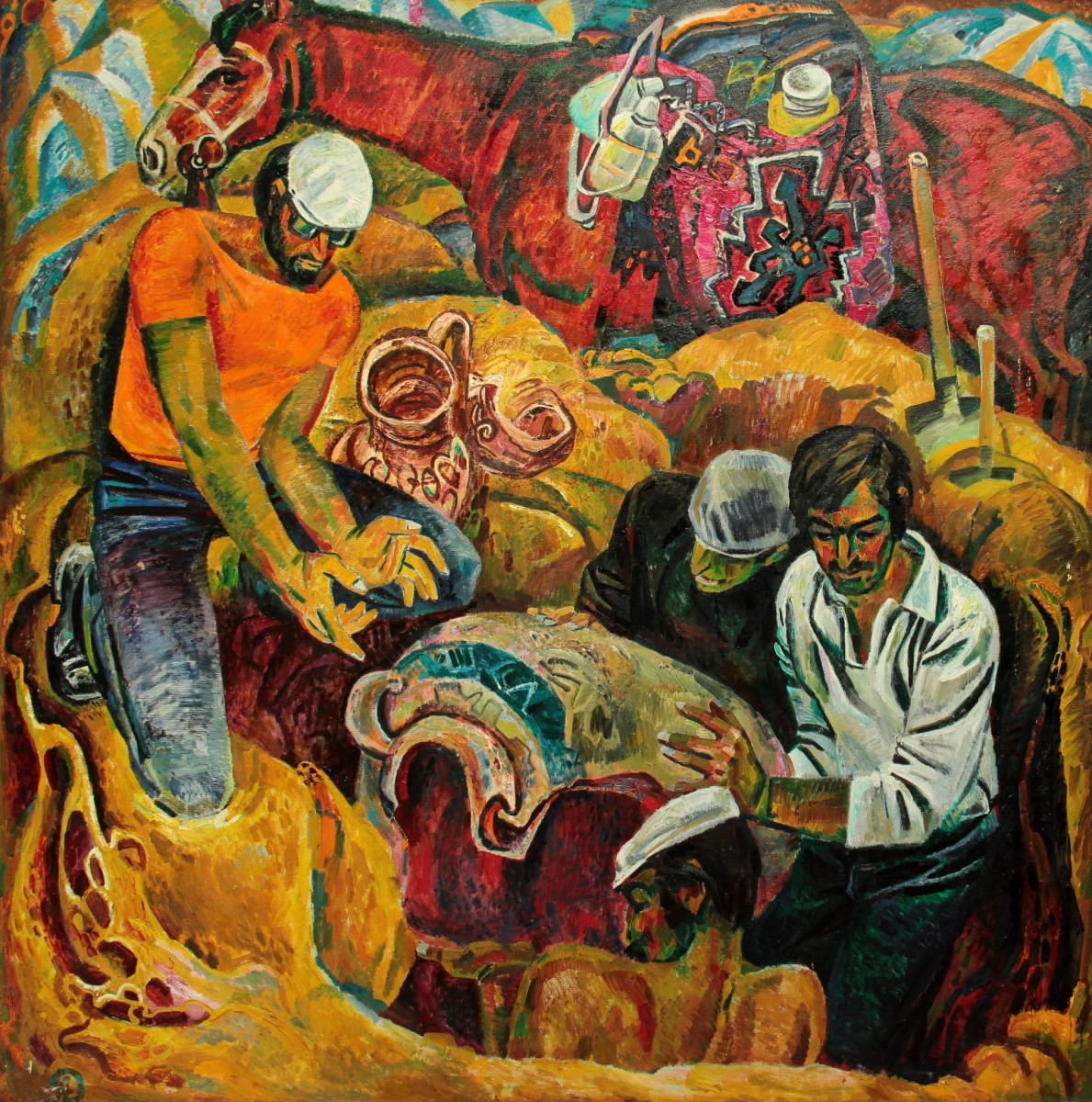
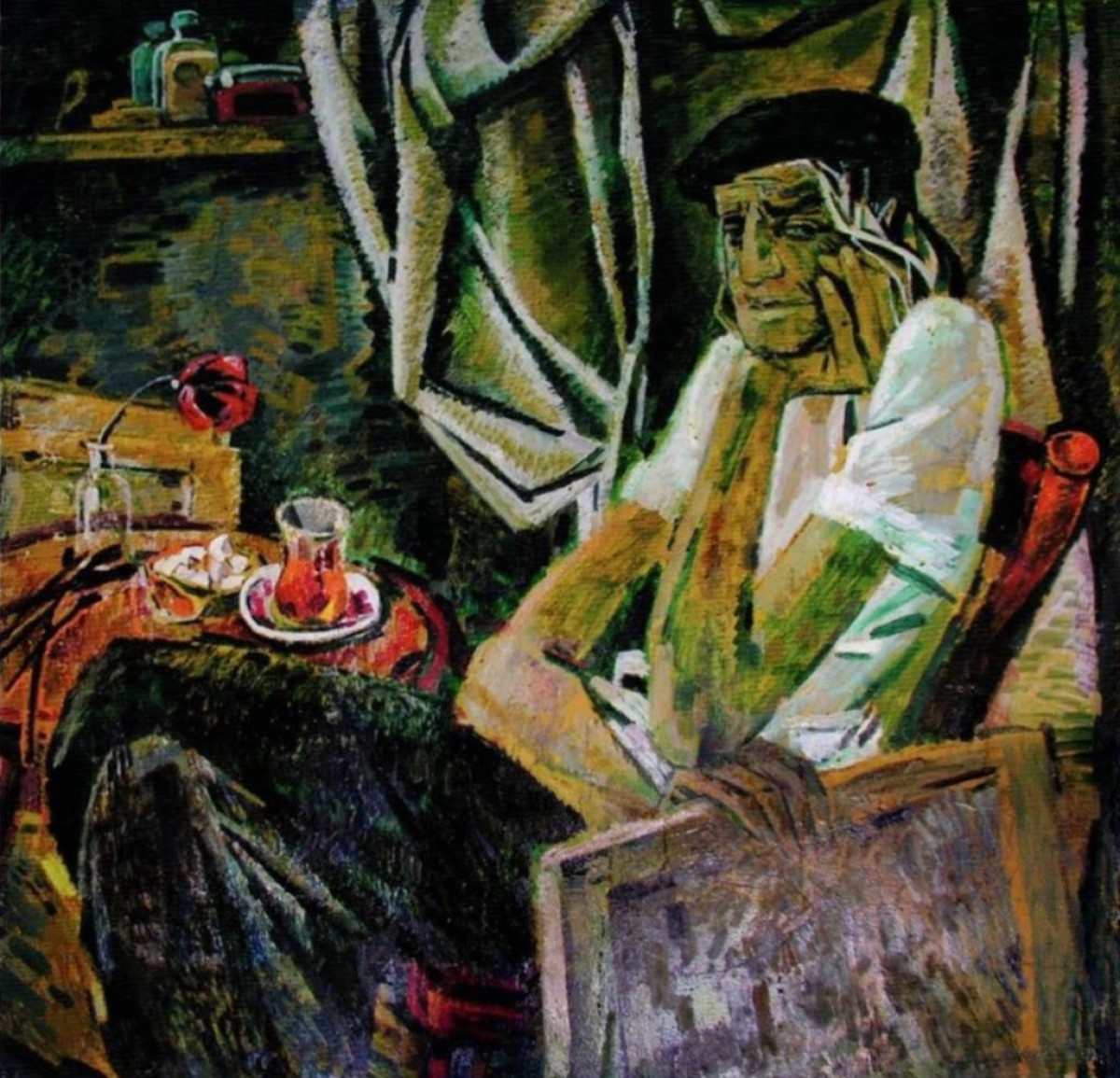
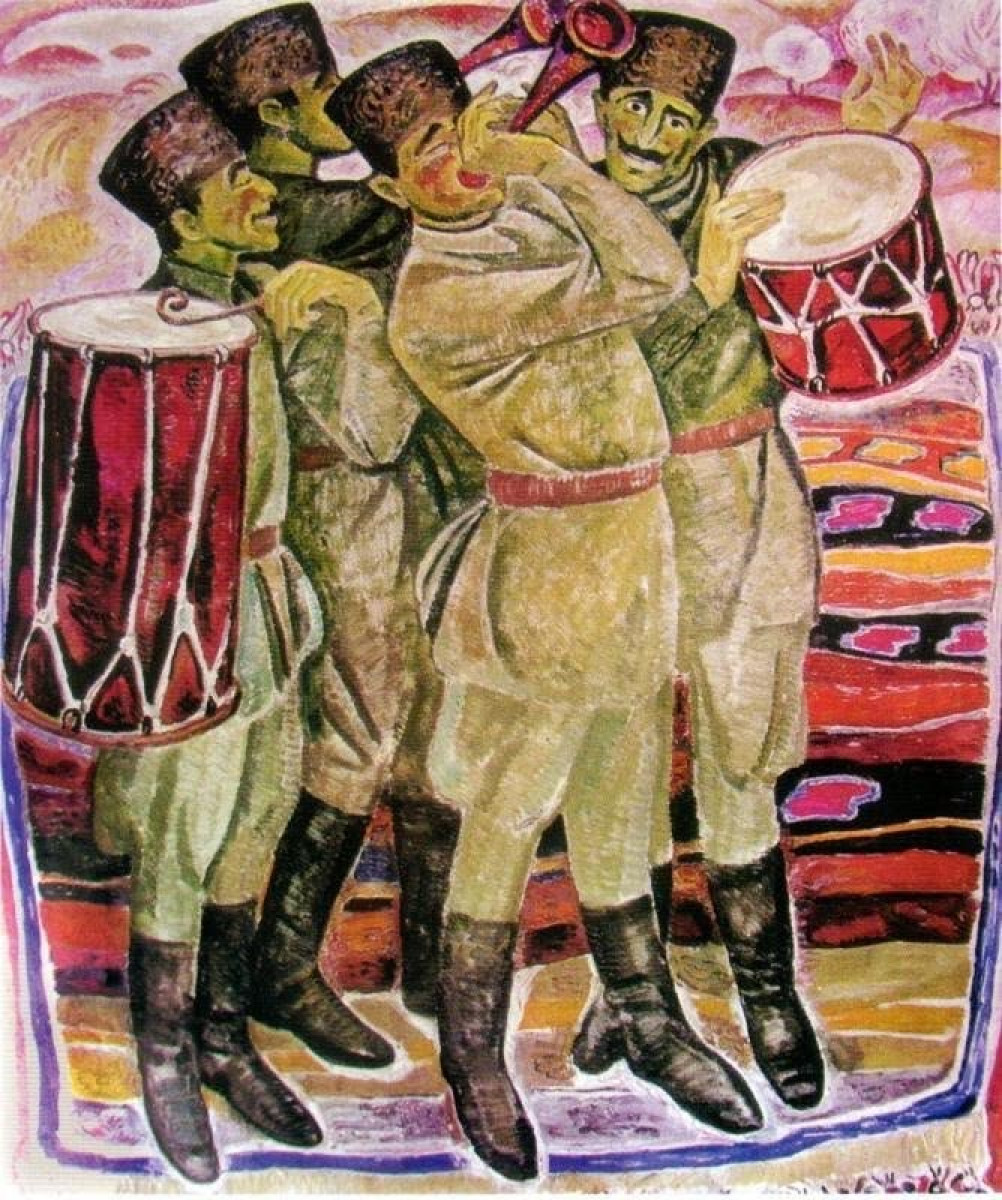
Jafarov’s thematic paintings address human relationships, work and different aspects of everyday experience. Works such as Sons and Cockfight, alongside The Choice of a Bracelet (1957), In the Field, By the Sea, Meeting and Musicians, demonstrate the range of subjects he explored.
Created in 1957, The Choice of a Bracelet belongs to his early work. His creative travels to India and Pakistan were significant in broadening his experience and range of subjects. However, it would be reductive to explain the content of individual paintings solely through travel; each composition needs to be considered on its own artistic terms.
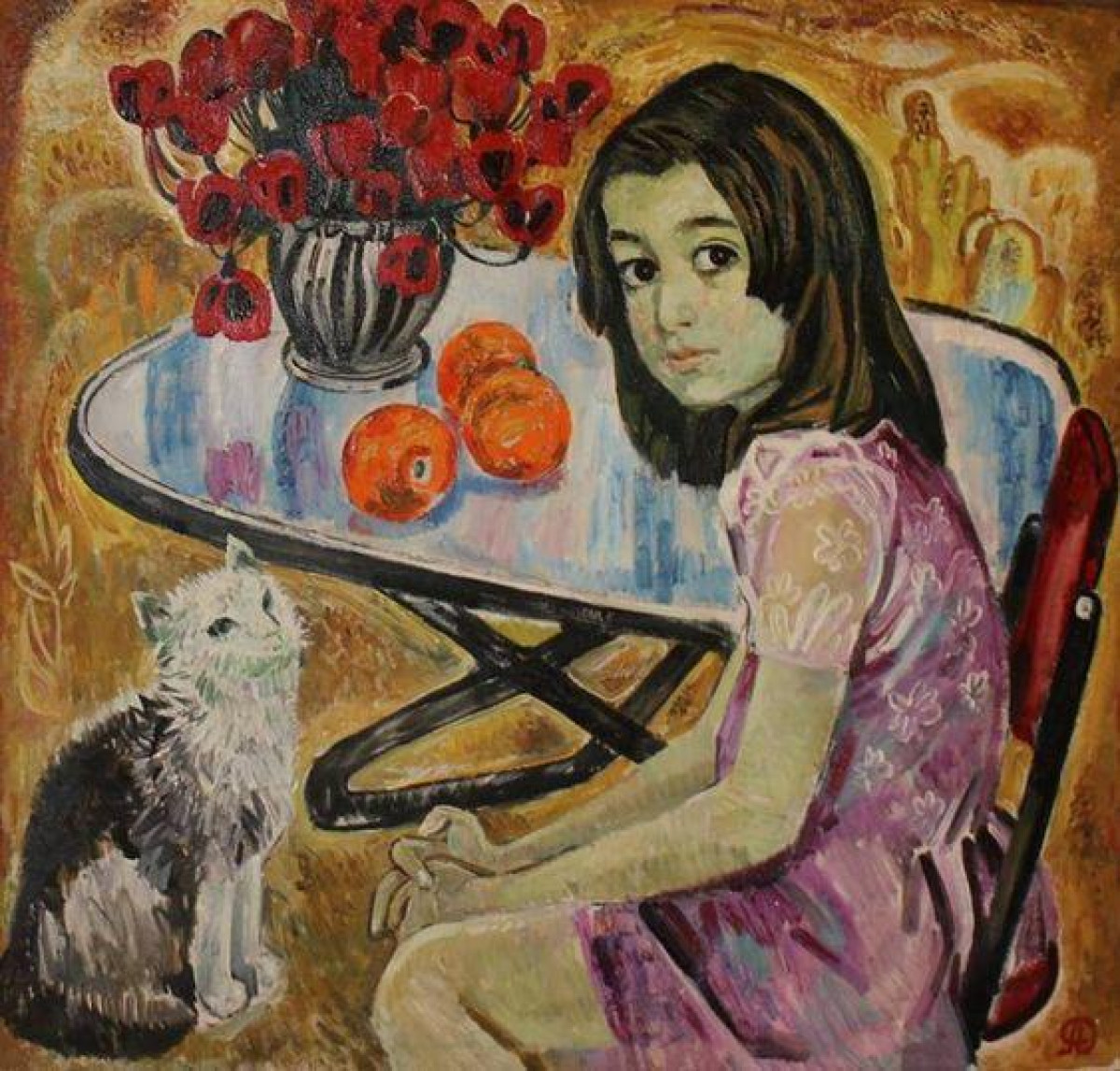
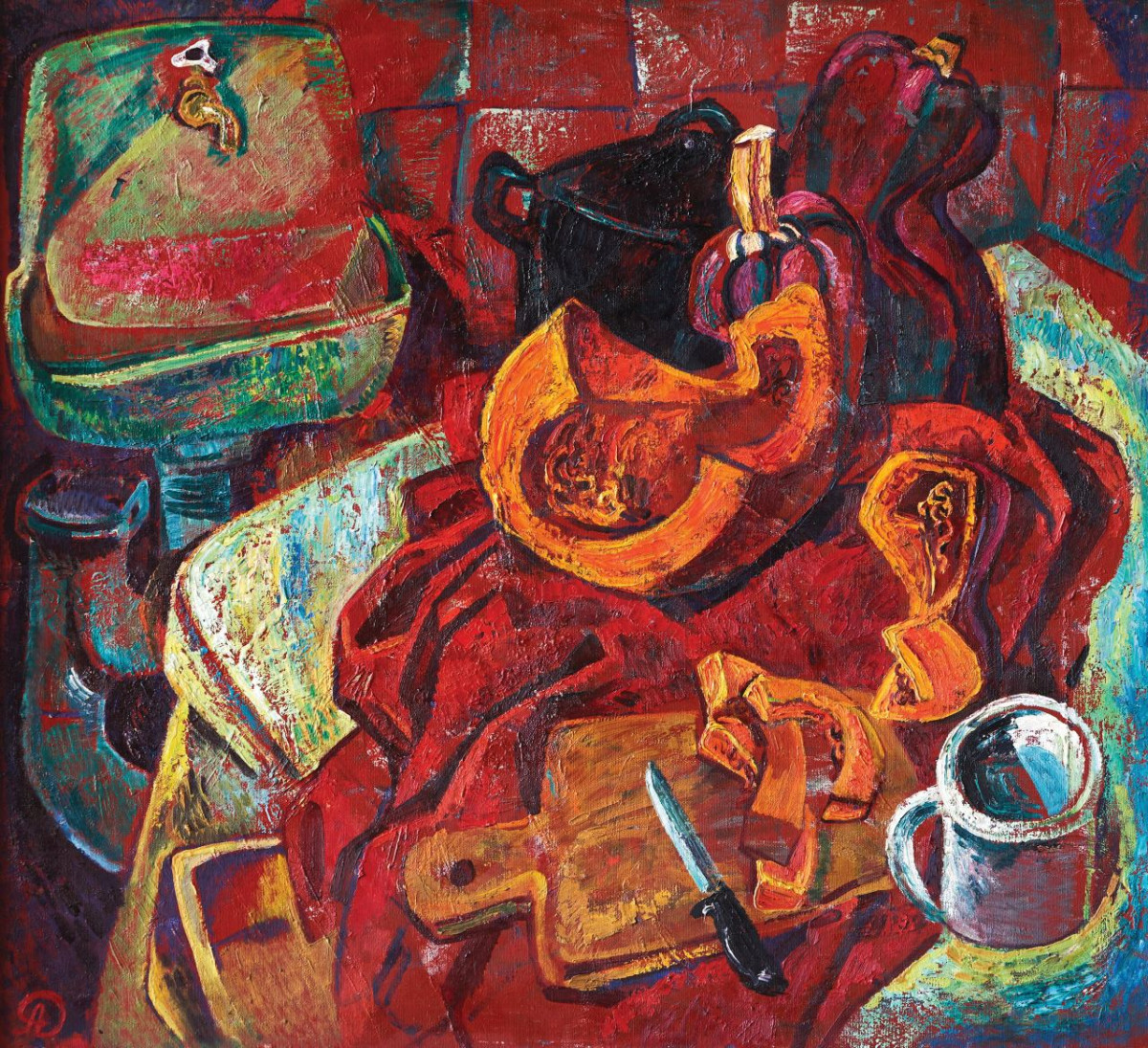
The still life Lilac (1968) demonstrates his interest in natural forms and the representation of objects. His work across several genres reveals an attention not only to subject matter but also to compositional structure.
Exhibitions and Artistic Recognition
From 1954 onwards, Jafarov participated in international, all-union and republican exhibitions. His solo exhibitions were held in 1979, 1983 and 1998, presenting different stages of his artistic development to wider audiences.
In 1980, he received the Grand Prix at the World Art Exhibition held in Austria. In 1998, he was also awarded the international Humay Prize. These distinctions form part of the record of his professional recognition.
Artistic Legacy and Place in Azerbaijani Painting
Jafarov’s body of work demonstrates how portraiture, landscape, thematic painting and still life can coexist within one artistic vision. His portraits focus on individual personalities; his landscapes explore the character of place; and his thematic compositions address the relationship between people and everyday life.
This range makes it difficult to define his legacy through a single subject or genre. His paintings form part of the development of Azerbaijani fine art in the twentieth century, offering artistic perspectives on the people, places and experiences of their time.
Asaf Jafarov died in Baku in 2000.
Art Space Gallery MEDIA