Altay Hajiyev (1931–2019) was an Azerbaijani artist whose practice encompassed graphic art, painting and book illustration. His work addressed historical figures, literary subjects and observations of everyday life through a range of visual means. Attention to the construction of the image, the expressive potential of line and the coherence of composition provides an important basis for understanding his artistic approach.
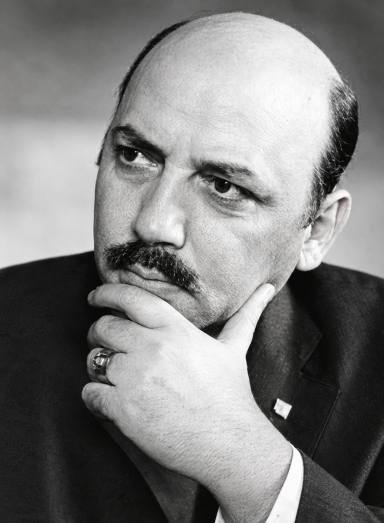
Altay Amir oglu Hajiyev was born in Baku on 2 April 1931, into the family of artist Amir Hajiyev. He graduated from the Azim Azimzade Azerbaijan State Art School in 1951 and studied in the graphic arts department of the Kyiv State Art Institute from 1954 to 1959. In 1960, he was admitted to the USSR Union of Artists. From 1962 to 1967, he served as chief artist at the State Press Committee under the Council of Ministers of the Azerbaijan SSR.
Hajiyev was awarded the honorary title of Honoured Artist in 1982 and People's Artist of Azerbaijan in 2002. In 1995, he received the Humay Award.
Graphic Art and Visual Expression
Graphic art is one of the principal areas of Hajiyev’s practice. Line, silhouette and composition play important roles in shaping his images. The selection of characteristic features and the arrangement of visual elements contribute to the expressive quality of his work.
Book illustration was another significant part of his career. An illustration does more than accompany a literary text: it can convey its imagery and emotional content through visual form. Hajiyev’s experience in graphic art provided a foundation for presenting literary characters and events through considered compositional solutions.
The Artistic Interpretation of Historical Figures
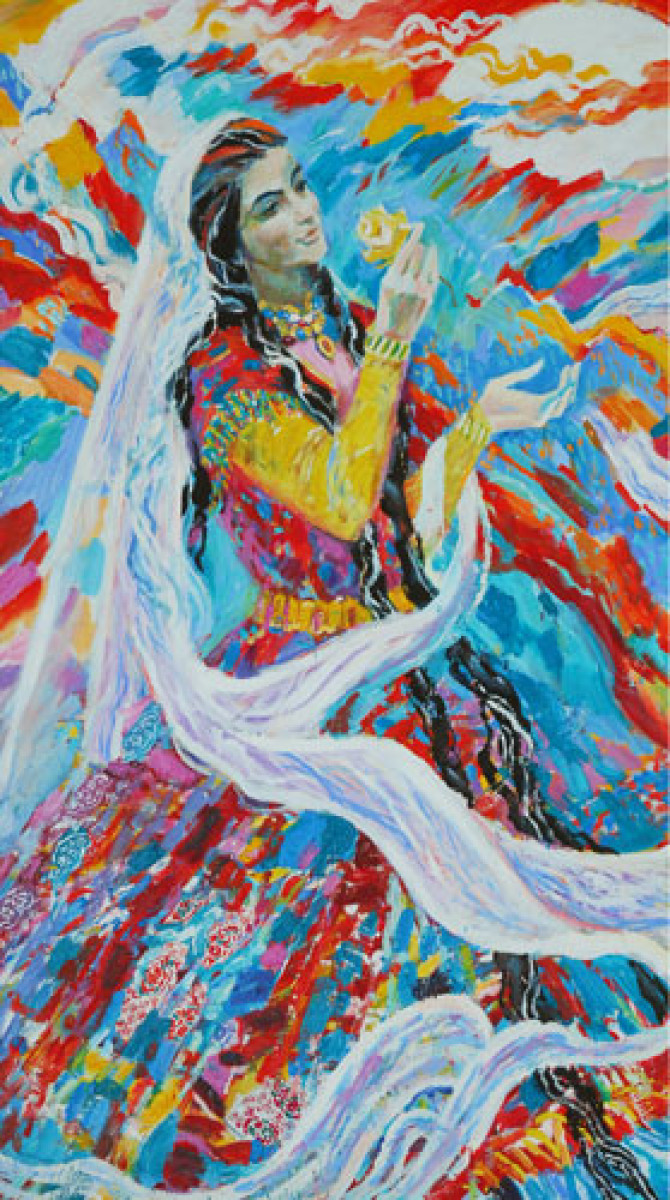
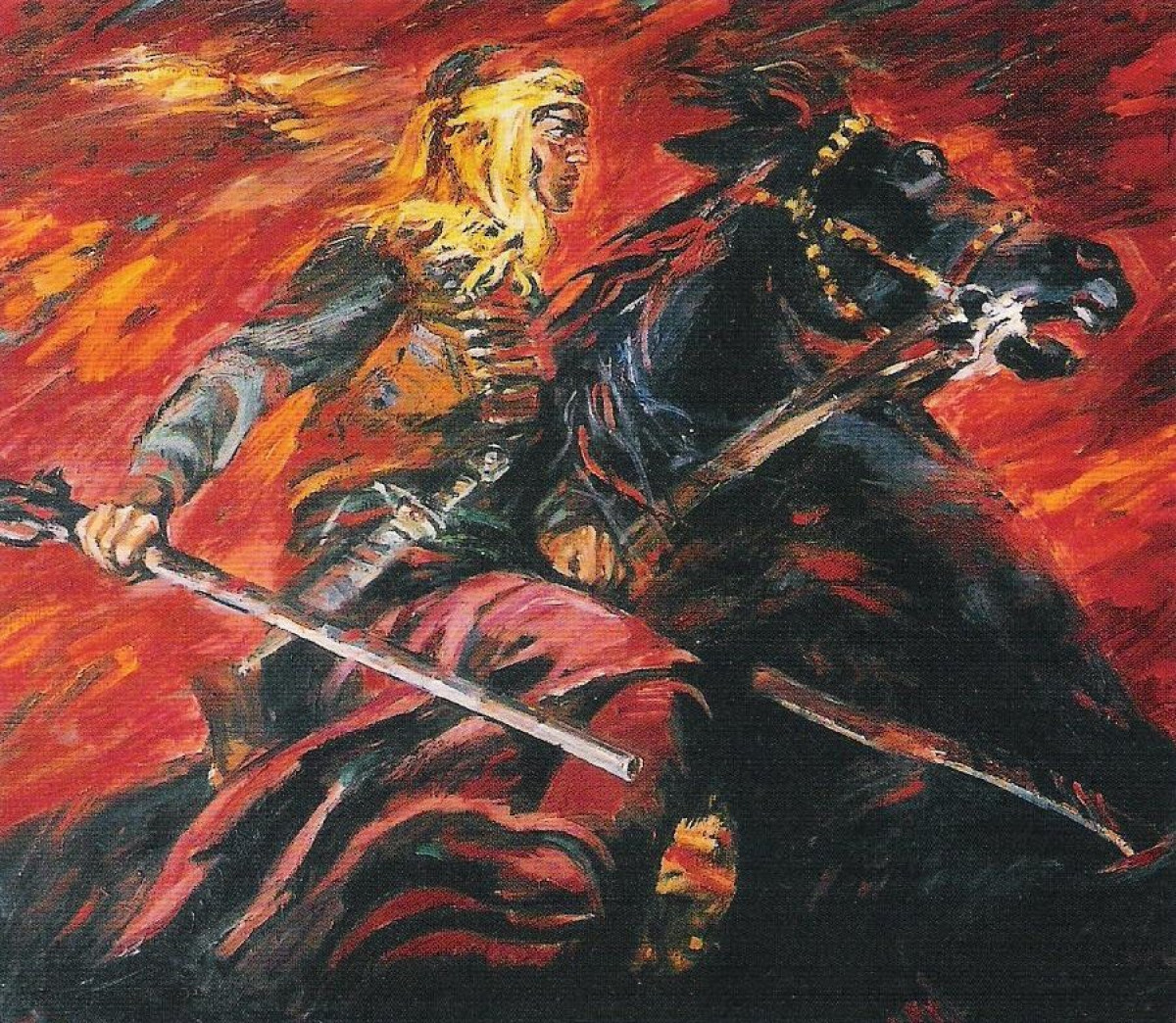
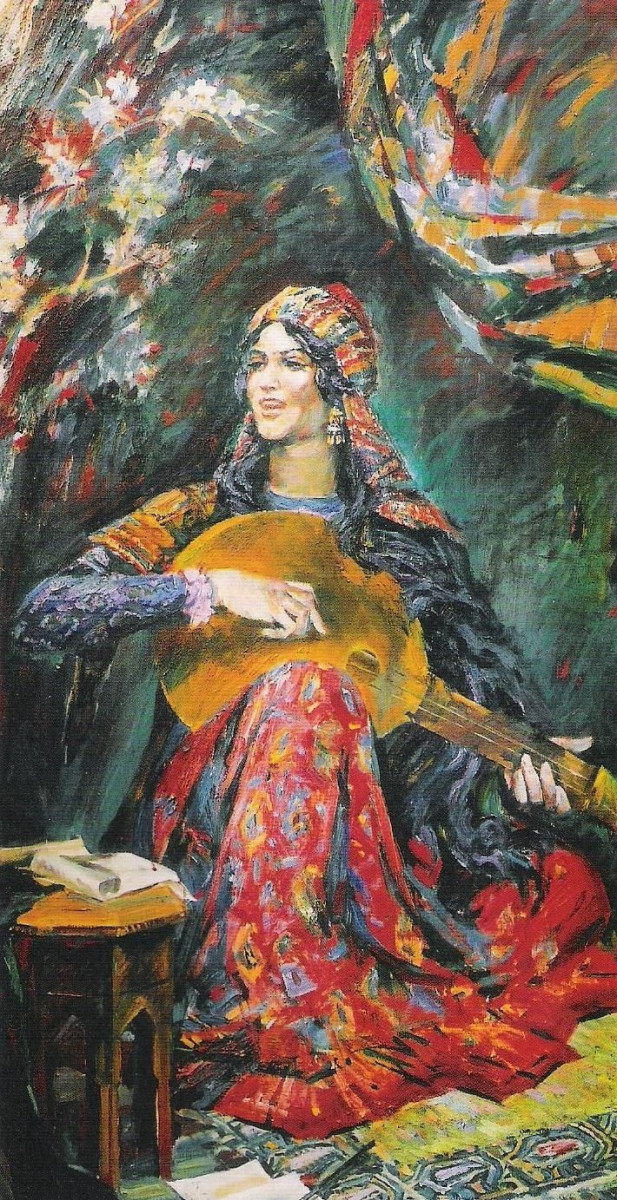
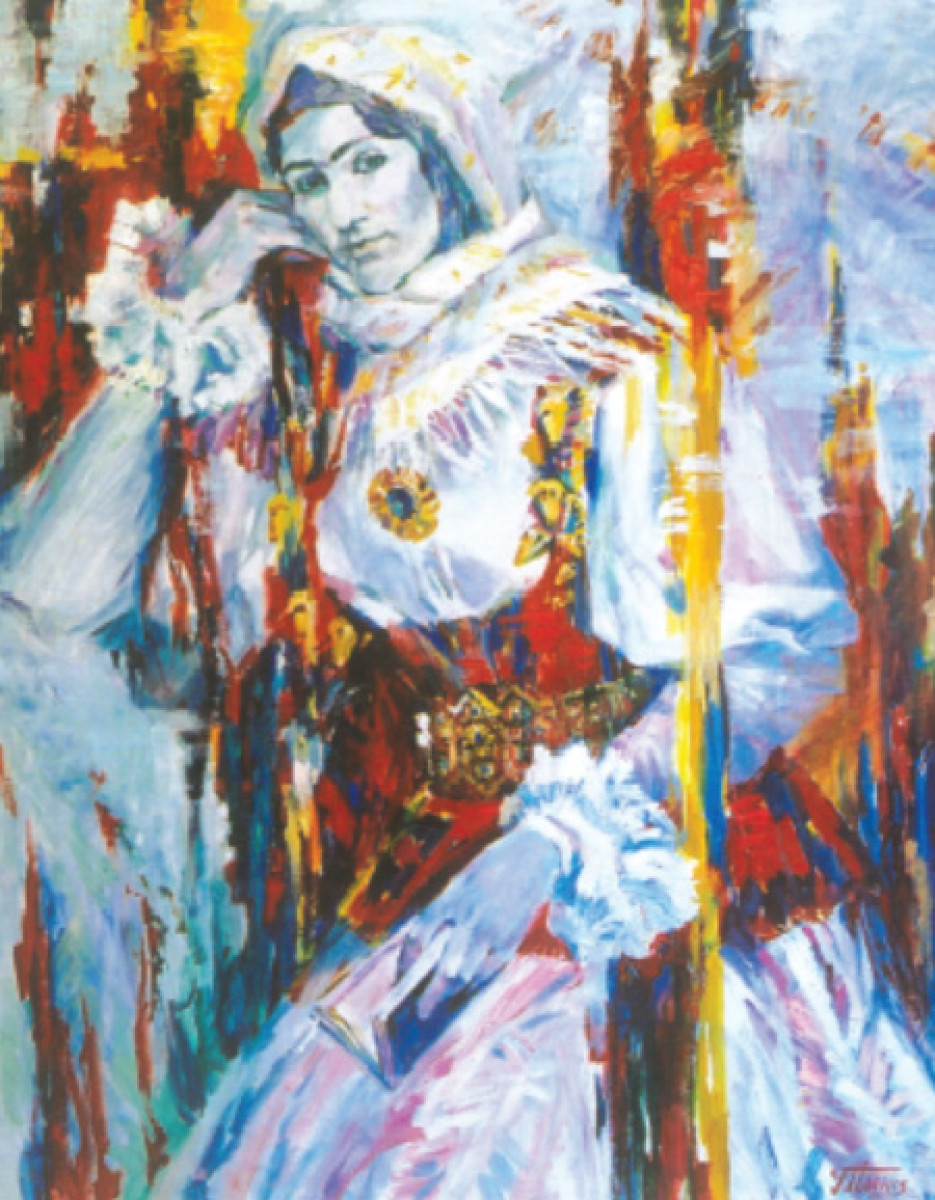
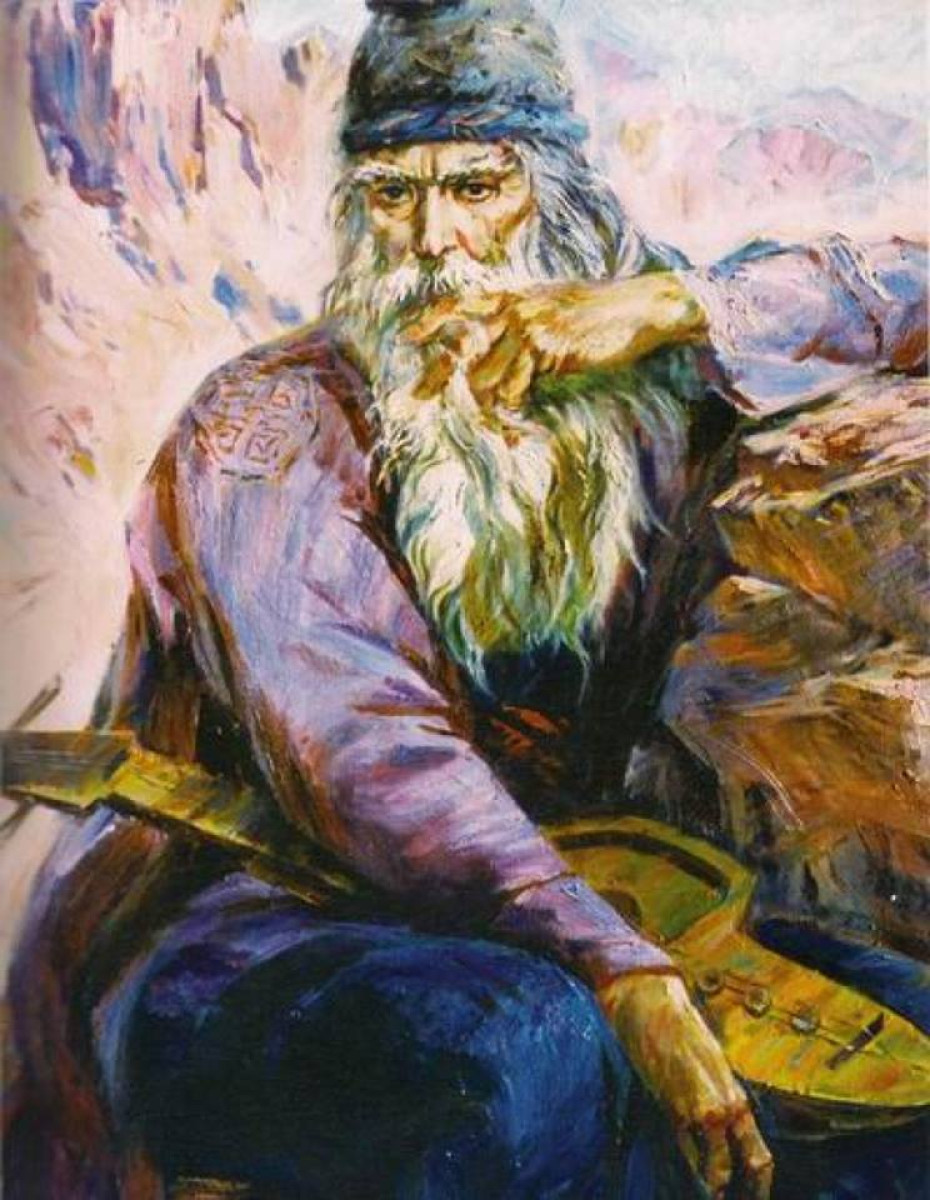
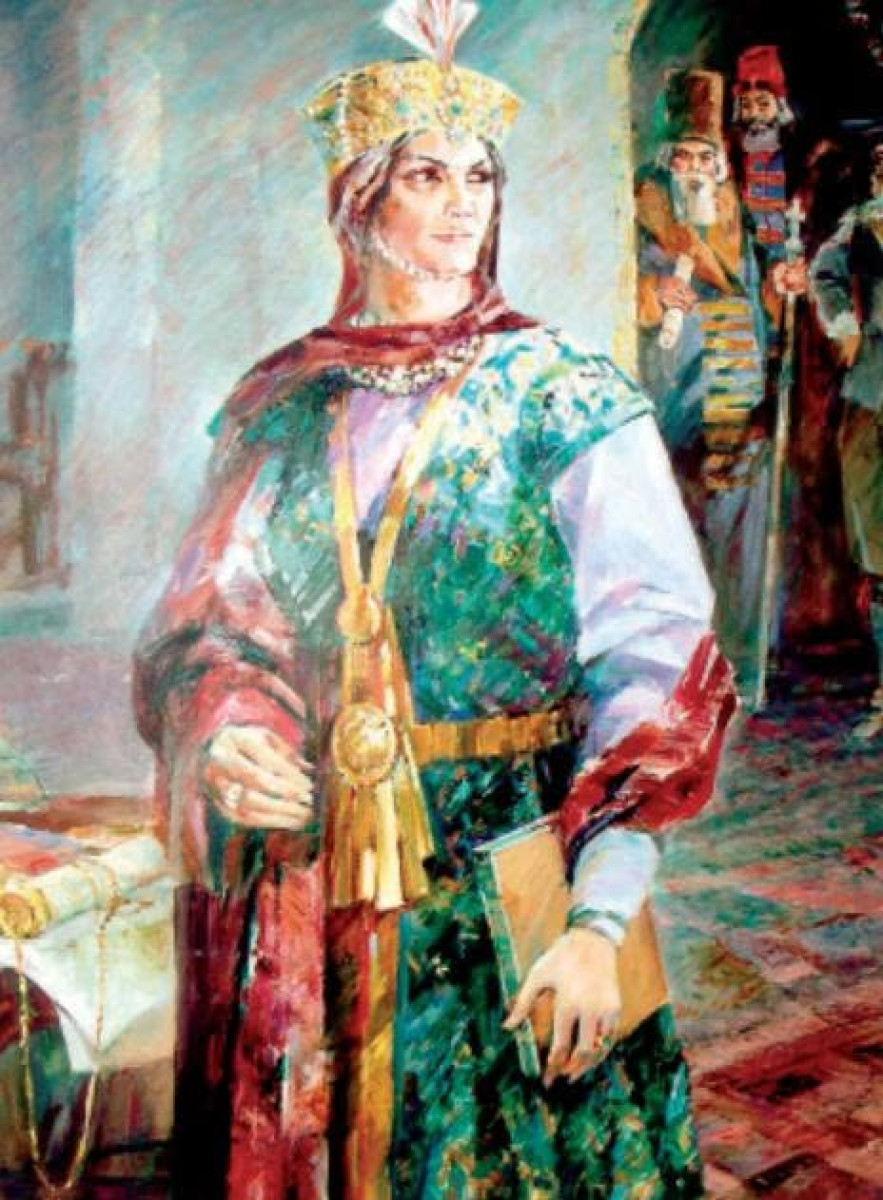
The series Stars of Our People (Xalqımızın ulduzları) occupies a distinctive place in Hajiyev’s work. It includes representations of historical and cultural figures such as Tomyris, Mahsati Ganjavi, Sara Khatun, Khurshidbanu Natavan and Ashig Pari.
These portraits may be considered not only depictions of individuals, but also visual interpretations of their place in historical and cultural memory. The construction of the image, the choice of clothing and attributes, and the overall composition influence how a historical figure is perceived. In this respect, the series offers examples of the artistic representation of national history and cultural heritage.
Bringing figures from different historical periods together within a single series creates a visual framework through which distinct aspects of the past can be considered as part of a shared cultural memory. This approach also demonstrates how portraiture can convey meanings that extend beyond individual likeness.
Painting and Diversity of Genres
Hajiyev’s artistic legacy is not confined to graphic art. Painting forms another important part of his oeuvre. Art-historical research has noted connections between aspects of his visual language and certain formal characteristics of miniature painting. These connections may be understood not as the direct repetition of a traditional style, but as the use of earlier artistic principles in new compositional solutions.
The Museum Centre’s online catalogue records Hajiyev’s Nostalgia as an oil painting on canvas measuring 60 × 80 cm. The catalogue entry provides a documented example of painting within his broader practice.
Graphic art, illustration and painting each offer distinct expressive possibilities and allow different aspects of Hajiyev’s work to be examined. Considered together, these fields show the limitations of assessing his artistic contribution through a single technique or genre.
The Significance of His Artistic Legacy
Altay Hajiyev’s work offers valuable material for exploring the relationship between graphic art and painting, literary texts and visual imagery, and historical subjects and their artistic representation in Azerbaijani art. His portraits of historical figures contribute to the visual representation of cultural heritage, while his book illustrations demonstrate how literature can be interpreted through the visual arts.
A comprehensive assessment of Hajiyev’s legacy requires attention not only to the subjects he chose, but also to the variety of visual means he employed and his approach to image-making. His work merits consideration as part of the artistic practice that developed in Azerbaijani visual art during the second half of the twentieth century.
Altay Hajiyev died on 12 February 2019.
Art Space Gallery MEDIA