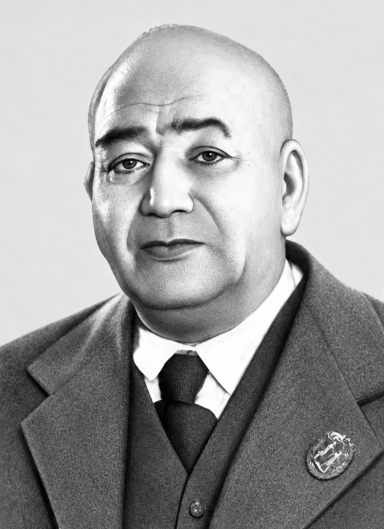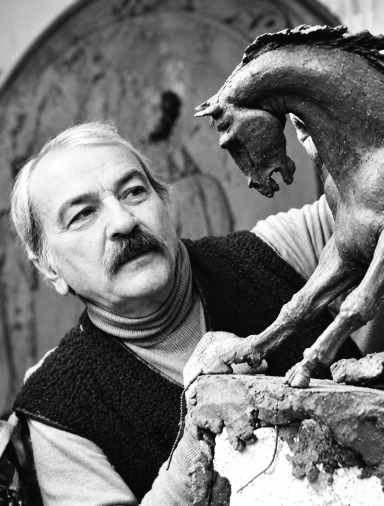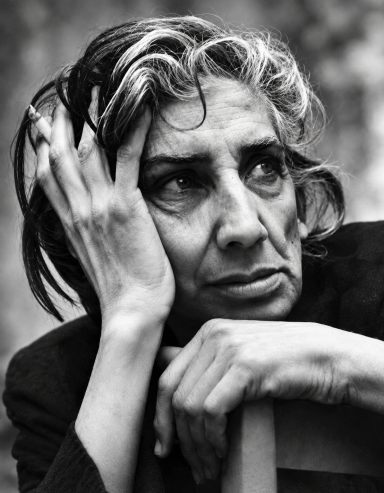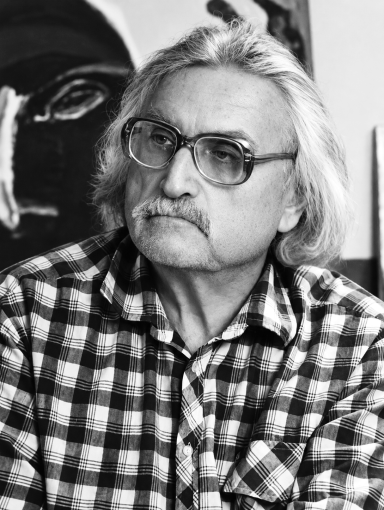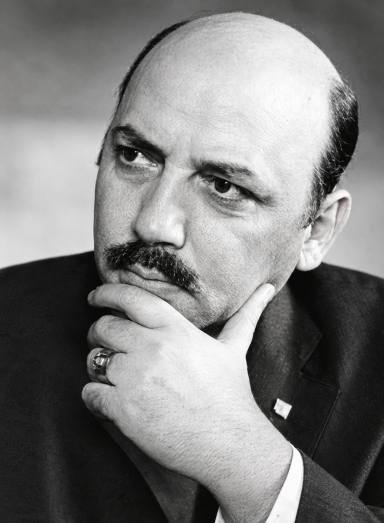
Najafgulu Abdulrahim oglu Ismayilov (15 March 1923 – 25 March 1990) was an Azerbaijani artist who worked in painting and graphic art, becoming particularly known for his satirical drawings and caricatures. His work invites attention not only to the outward appearance of the depicted figure but also to the ways an image can convey character and social relationships.
The Visual Language of Satire
Ismayilov studied at the Azim Azimzade Azerbaijan State Art Technical School from 1936 to 1940. The Second World War prevented him from continuing his education at a higher level. His appointment as chief artist of the satirical magazine Kirpi from 1952 to 1979 became one of the defining stages of his career.
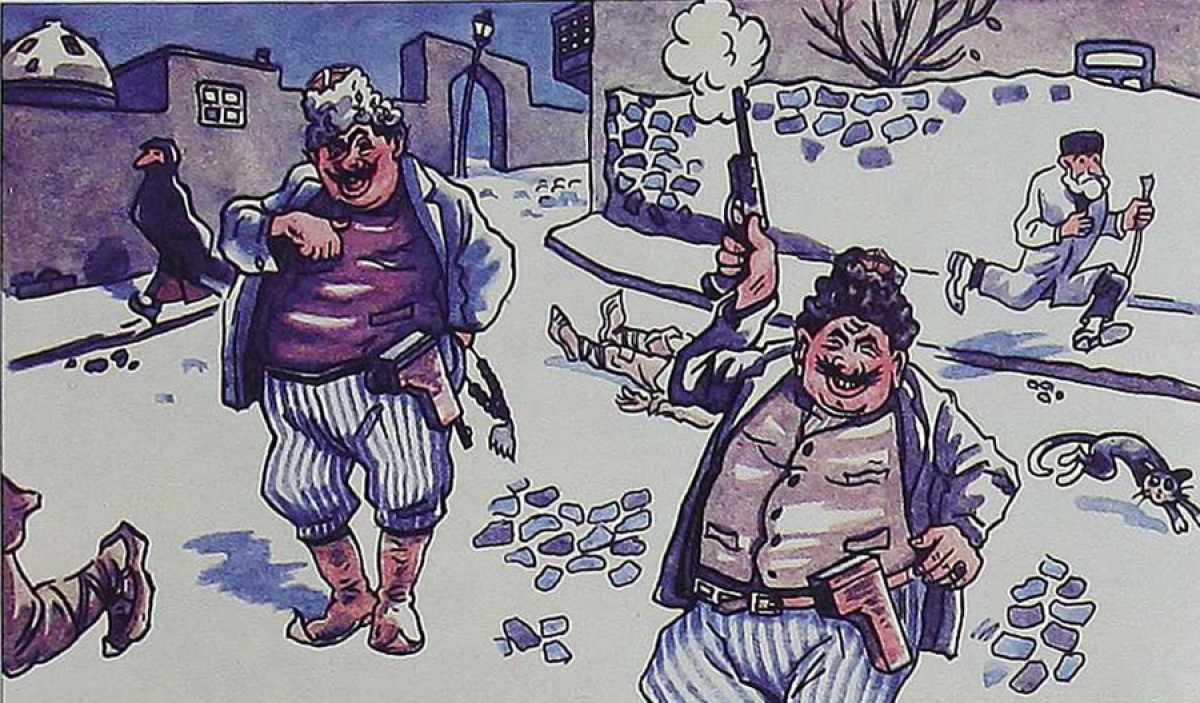
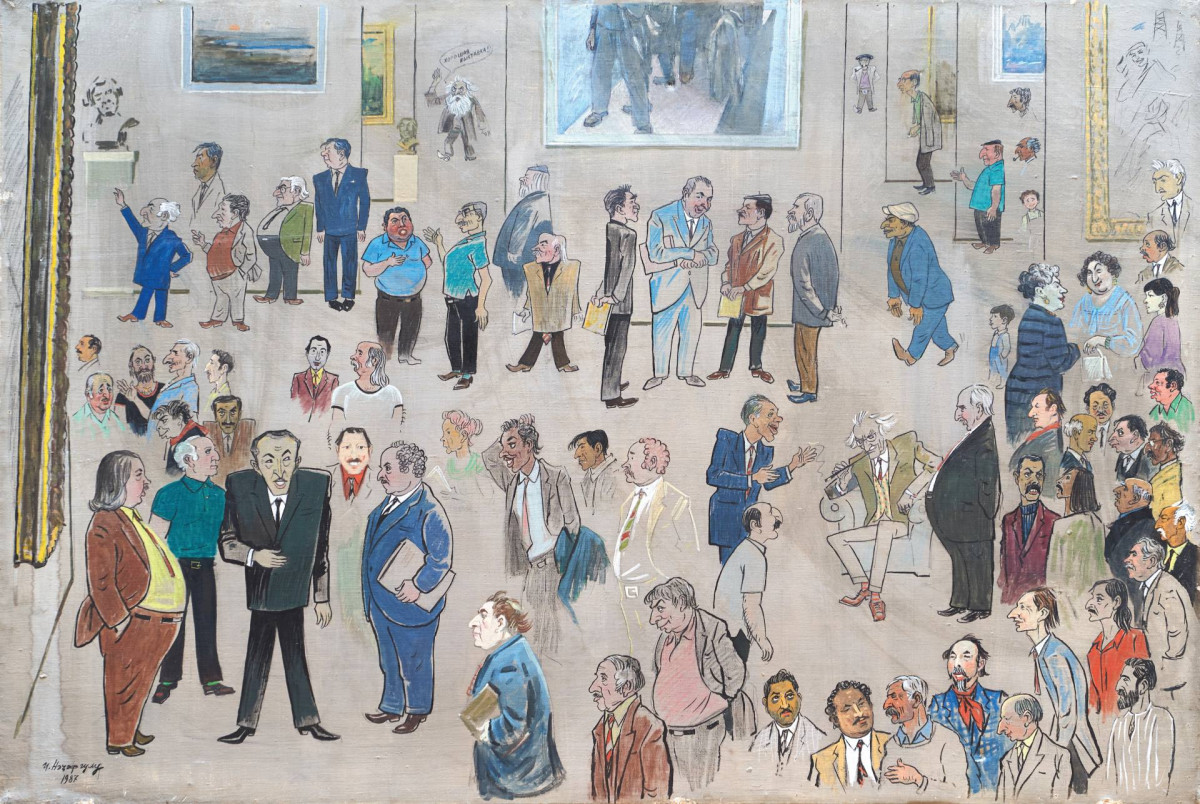
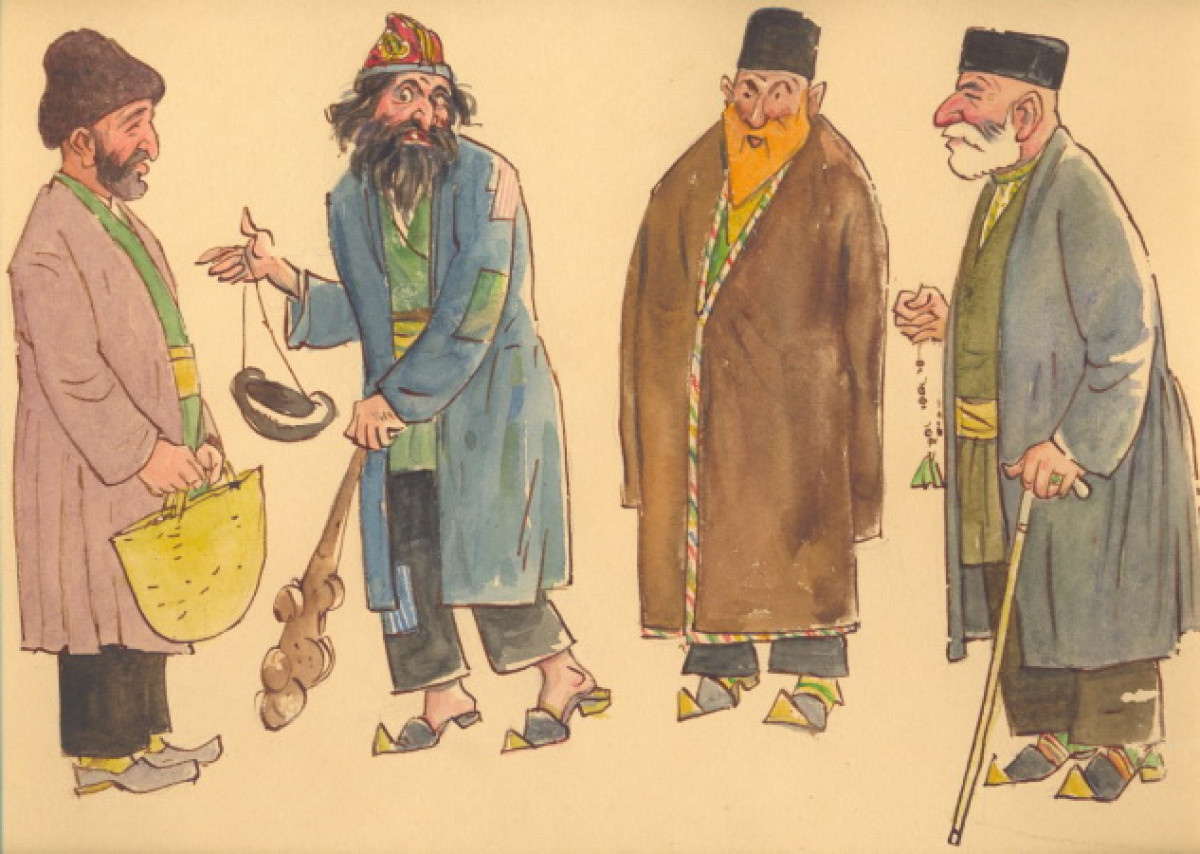
In his caricatures and friendly caricatures, line serves to emphasise distinctive features and communicate an idea concisely. The impact of these genres often depends on the precision of a selected detail and the artist’s ability to reveal characteristic aspects of human behaviour. From this perspective, Ismayilov’s satirical graphics demonstrate the importance of observation and visual expression in his artistic practice.
His illustrations for the stories of Jalil Mammadguluzadeh and Mirza Alakbar Sabir’s Hophopname reveal the relationship he established between literary texts and visual imagery. Translating written content into a visual form became a distinct dimension of his artistic work.
Portraiture and Individual Identity
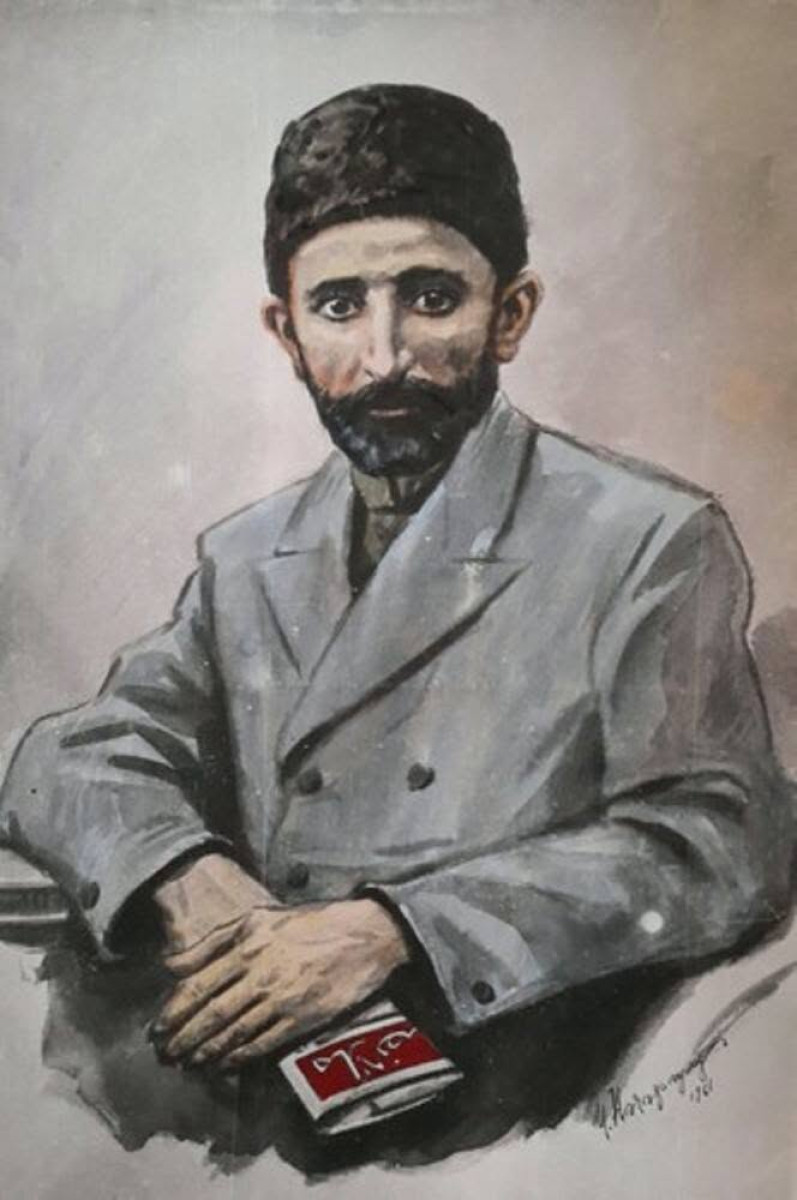
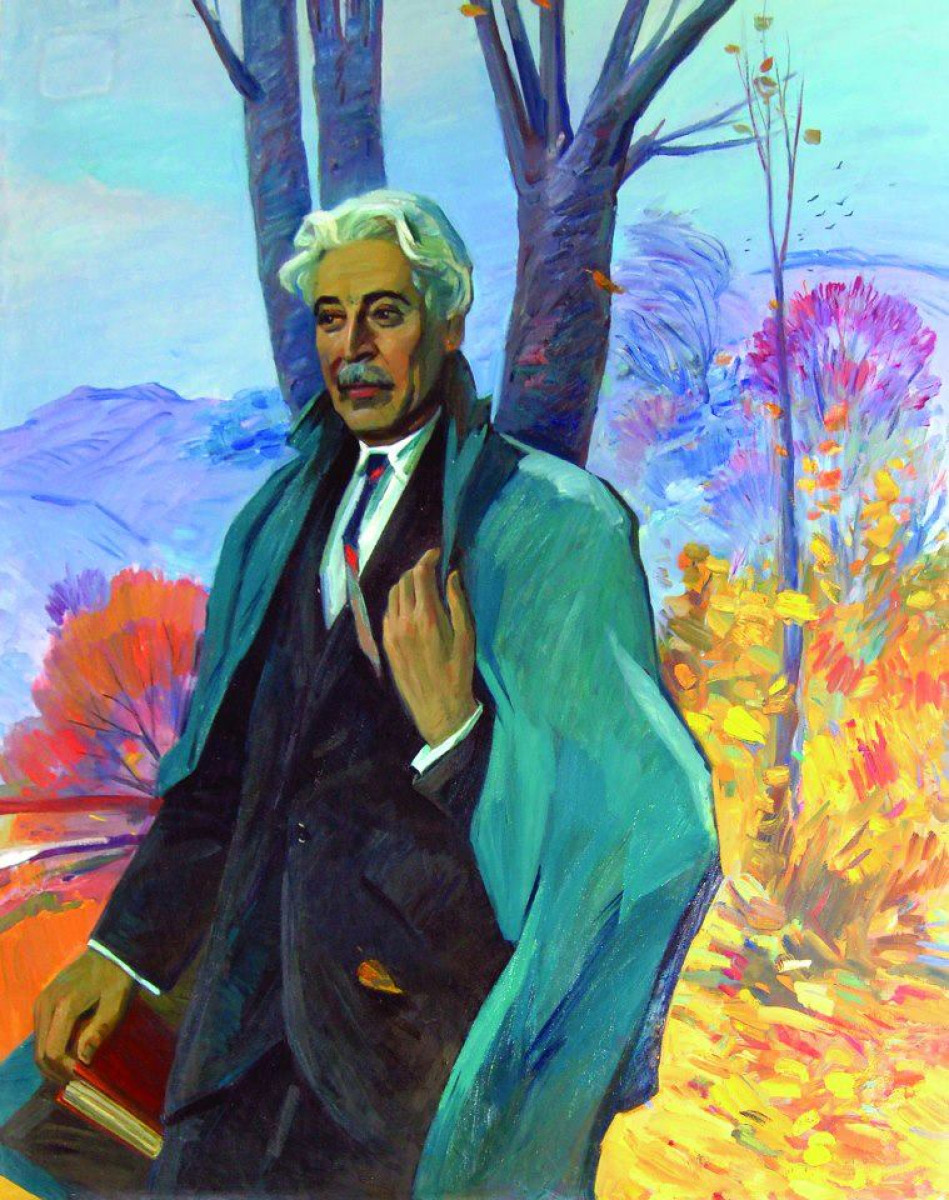
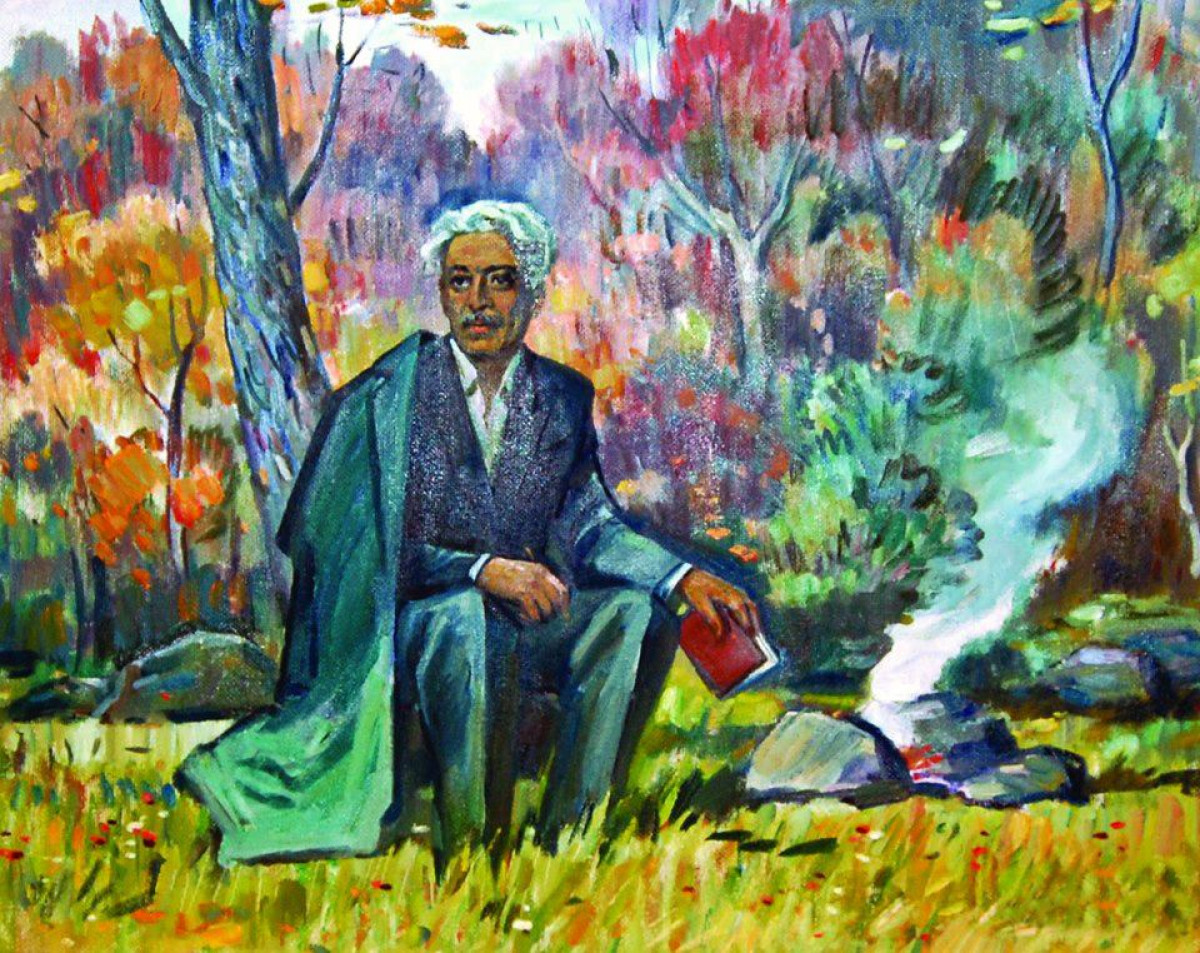
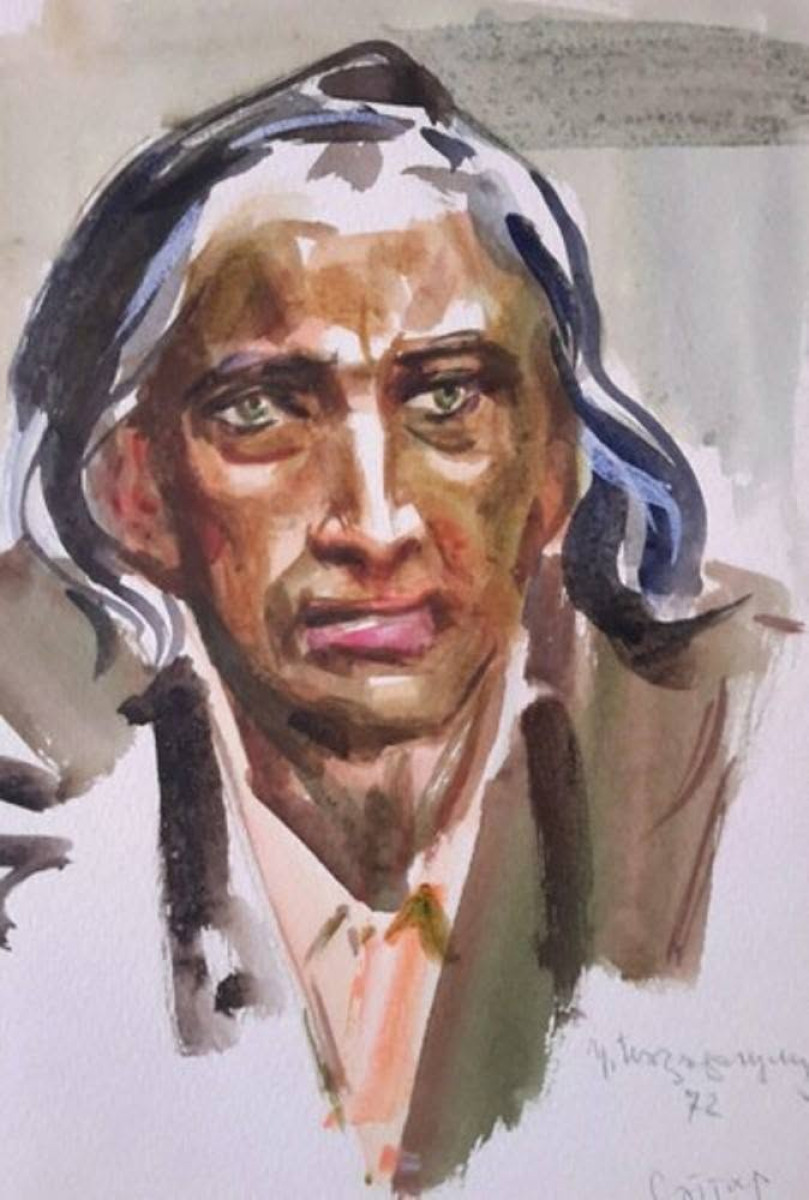
Portraiture also occupies an important place in Ismayilov’s oeuvre. His depictions of historical and cultural figures, including Uzeyir Hajibeyov, Gubali Fatali Khan, General Hazi Aslanov, Sara Ashurbeyli, Jalil Mammadguluzadeh, Samad Vurgun and Sattar Bahlulzade, demonstrate the breadth of his interests.
From an art-historical perspective, the significance of a portrait extends beyond the recognition of the person depicted. The construction of the image, the selection of individual features and the manner of presentation all contribute to the viewer’s perception of a personality. Ismayilov’s friendly caricatures of cultural figures offered a different mode of expression. Formal portraiture and humorous interpretation thus coexisted within his artistic practice.
Painting and the Diversity of Subjects
Ismayilov’s work was not confined to satirical graphics. Titles such as A Street in Icherisheher, Happiness, Realist Artist and Grand Opera indicate his engagement with a range of subjects. The Execution of Nasimi is also listed among the works associated with his treatment of historical themes.
Painting and graphic art offered Ismayilov different possibilities of expression. In satirical drawing, the selected detail and concise line play a central role, while painting allows for a broader visual treatment of a subject. This distinction highlights the limitations of interpreting his artistic contribution through a single genre.
Beyond the Image
A contemporary curatorial perspective allows Ismayilov’s work across different genres to be considered as parts of a broader artistic practice. The observation of human behaviour in satirical graphics, the representation of individual identity in portraiture and the variety of subjects explored in painting reveal distinct yet complementary directions in his work.
The central question is not simply which subjects the artist depicted, but how he constructed an image and how visual expression conveyed its meaning. This approach situates Ismayilov’s work within the wider relationships between graphic art, portraiture and painting in Azerbaijani art.
Najafgulu Ismayilov died in Baku on 25 March 1990. His artistic legacy remains relevant to the study of satirical graphics and portraiture in Azerbaijani visual art.
Art Space Gallery MEDIA