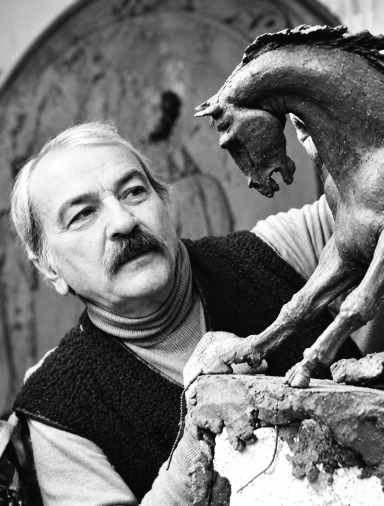
Tokay Mammadov (1927–2018) occupies a distinctive place in the development of Azerbaijani sculpture in the twentieth century. His artistic practice encompassed portraiture and monumental sculpture, with a particular interest in the expressive possibilities of sculptural form and the creative potential of different materials.
Artistic Education and the Formation of an Individual Approach
Tokay Mammadov was born in Baku on 18 July 1927. His early encounter with sculpture was influenced by his mother, Zivar Mammadova, a prominent Azerbaijani sculptor. In 1942, he entered the Azim Azimzade Baku Art School and subsequently continued his studies at the Ilya Repin Institute of Painting, Sculpture and Architecture in Leningrad. There, he studied under artists including V. Senayski, A. Matveyev and M. Kerzin, an experience that played an important role in his professional development.
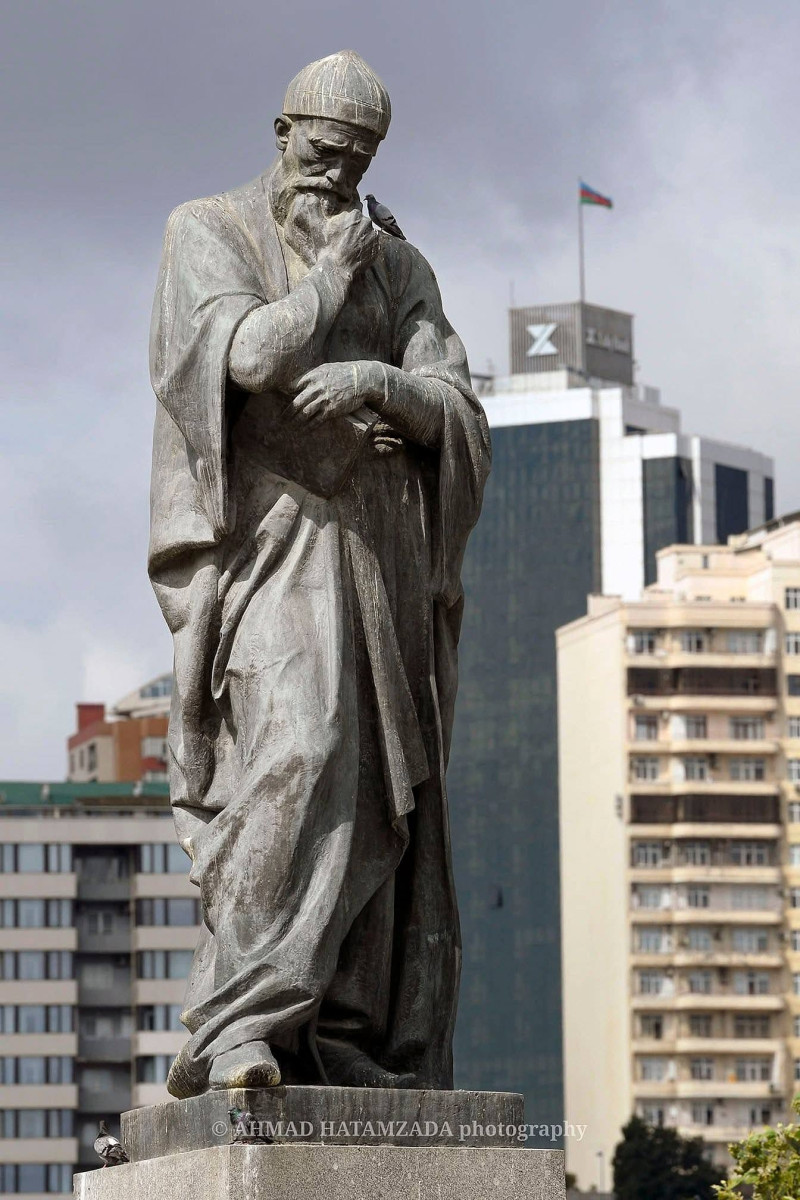
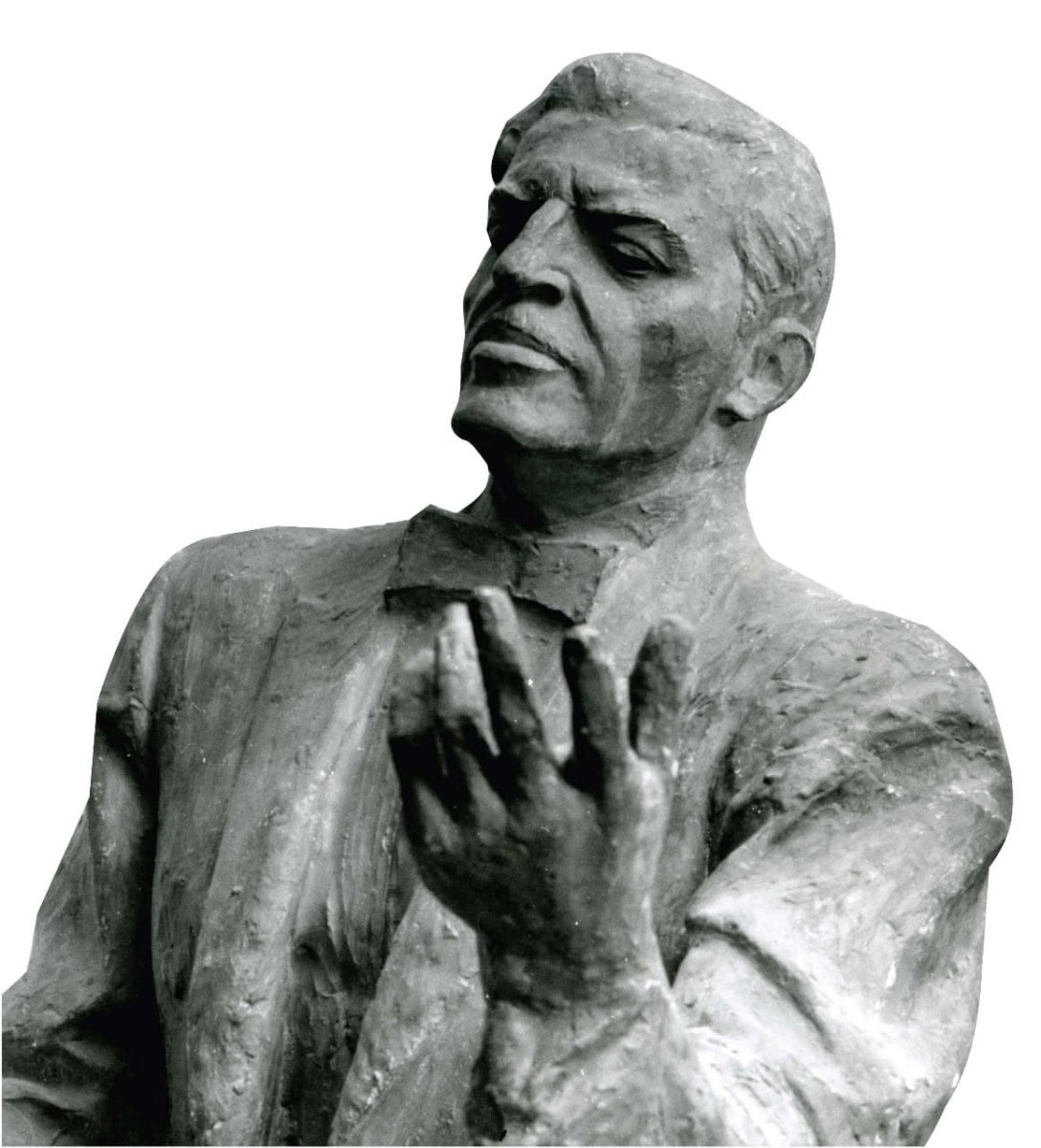
Wood holds a significant place in Mammadov’s artistic practice. He is recognised as one of the sculptors who made sustained use of this material in Azerbaijani sculpture. His 1953 wooden portrait of Nizami Ganjavi is a notable example of this direction. The natural structure of wood and the demands of carving offered particular possibilities for shaping sculptural form. Mammadov’s engagement with the material became an important aspect of his artistic exploration.
Portraiture: Material and Image
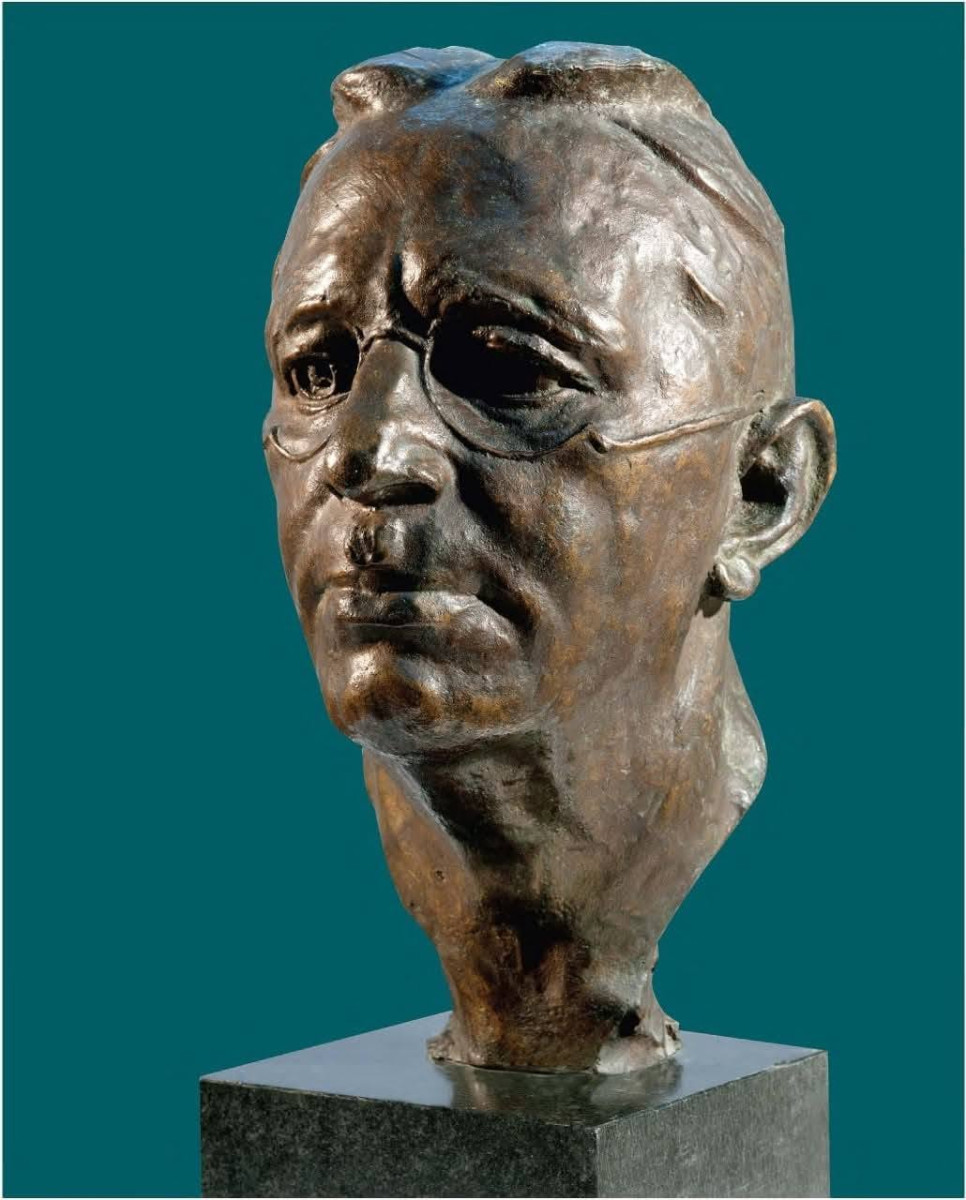
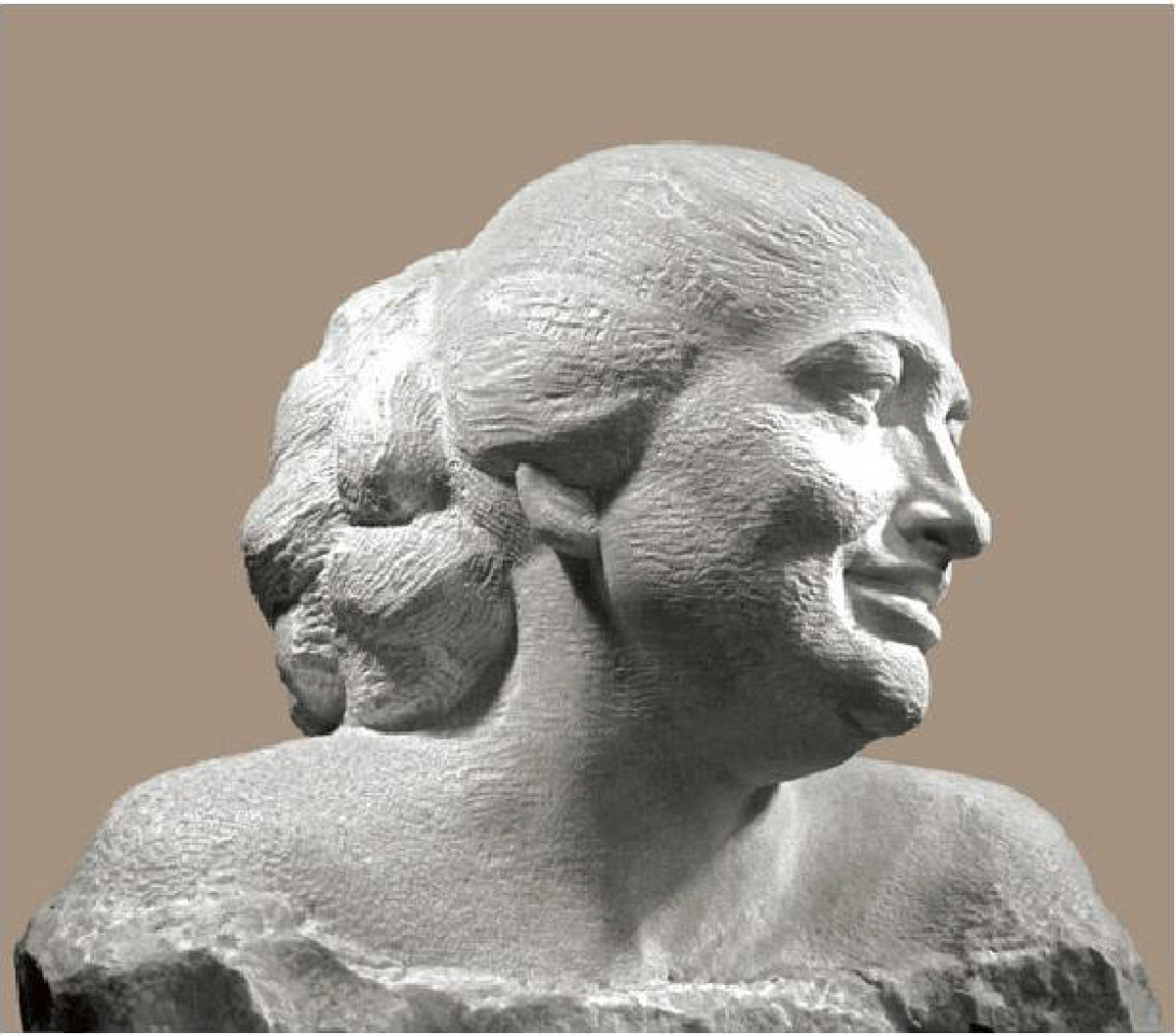
Mammadov’s portraits provide an opportunity to examine his approach to different sculptural materials. The wooden portrait of Samed Vurgun, created in 1957; the bronze portrait of Uzeyir Hajibeyli, dated 1958; and the marble portrait of Mehdi Huseynzade, created in 1960, are held in the collection of the Azerbaijan National Museum of Art.
The significance of these works lies not only in the cultural and historical importance of the individuals portrayed. They also demonstrate the different ways in which sculptural form can be developed through distinct materials. Wood, bronze and marble each impose their own technical demands and offer different possibilities for working with volume. Mammadov’s use of these materials reveals the range of approaches he explored within portrait sculpture.
Viewed from this perspective, his portraits can be considered not merely representations of notable individuals, but also expressions of a broader sculptural inquiry into the relationship between material, form and image.
Monumental Form and Public Space
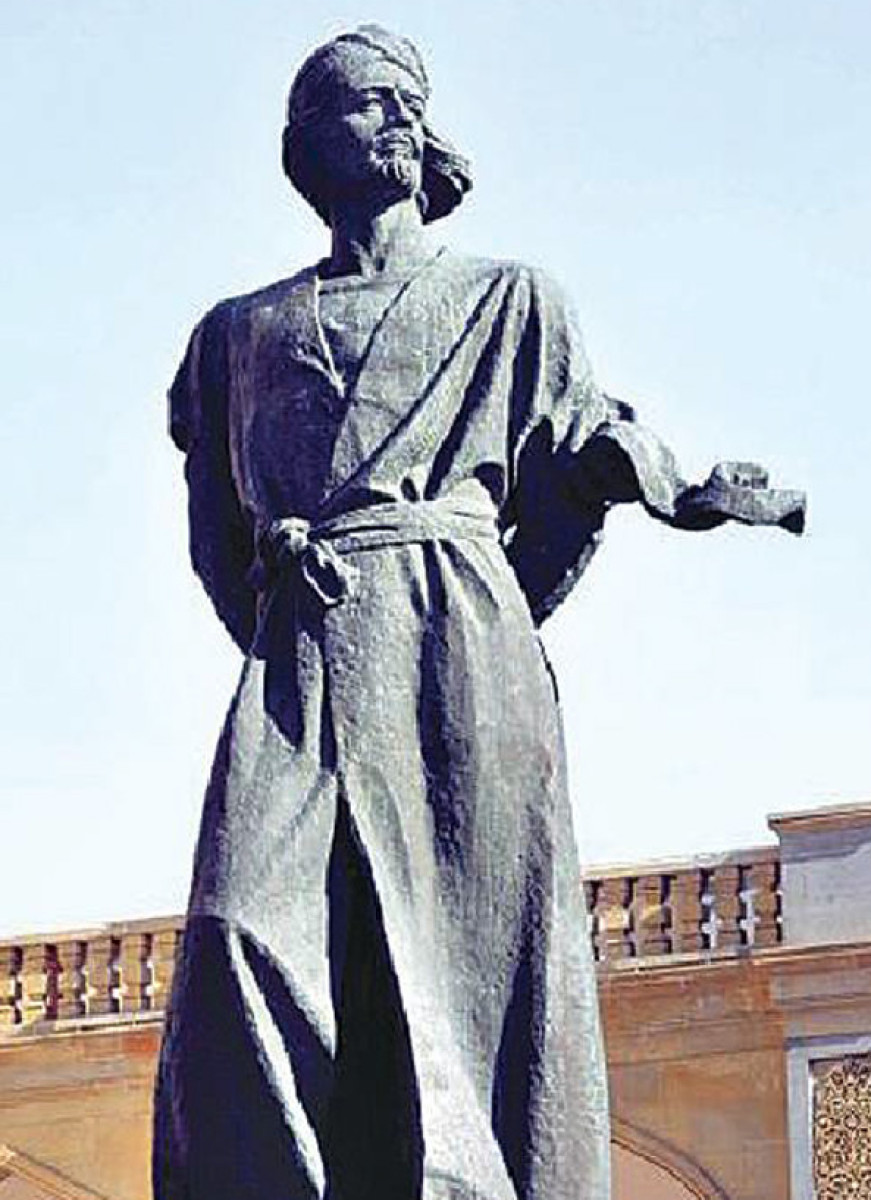
Monumental sculpture constitutes another important dimension of Mammadov’s work. His engagement with the figure of Koroghlu reflects an interest in translating a culturally significant character into a monumental sculptural form. Koroghlu, a hero of Azerbaijani epic tradition, presents not only a subject for artistic interpretation but also a broader question of how national cultural symbols are expressed in public art.
The Koroghlu monument in Baku was unveiled on 21 February 2012. The work offers an opportunity to consider the role of sculpture in the urban environment, where historical and cultural figures acquire a visible presence in public space. Scale, location and the relationship between the represented figure and collective memory are central to the interpretation of monumental sculpture.
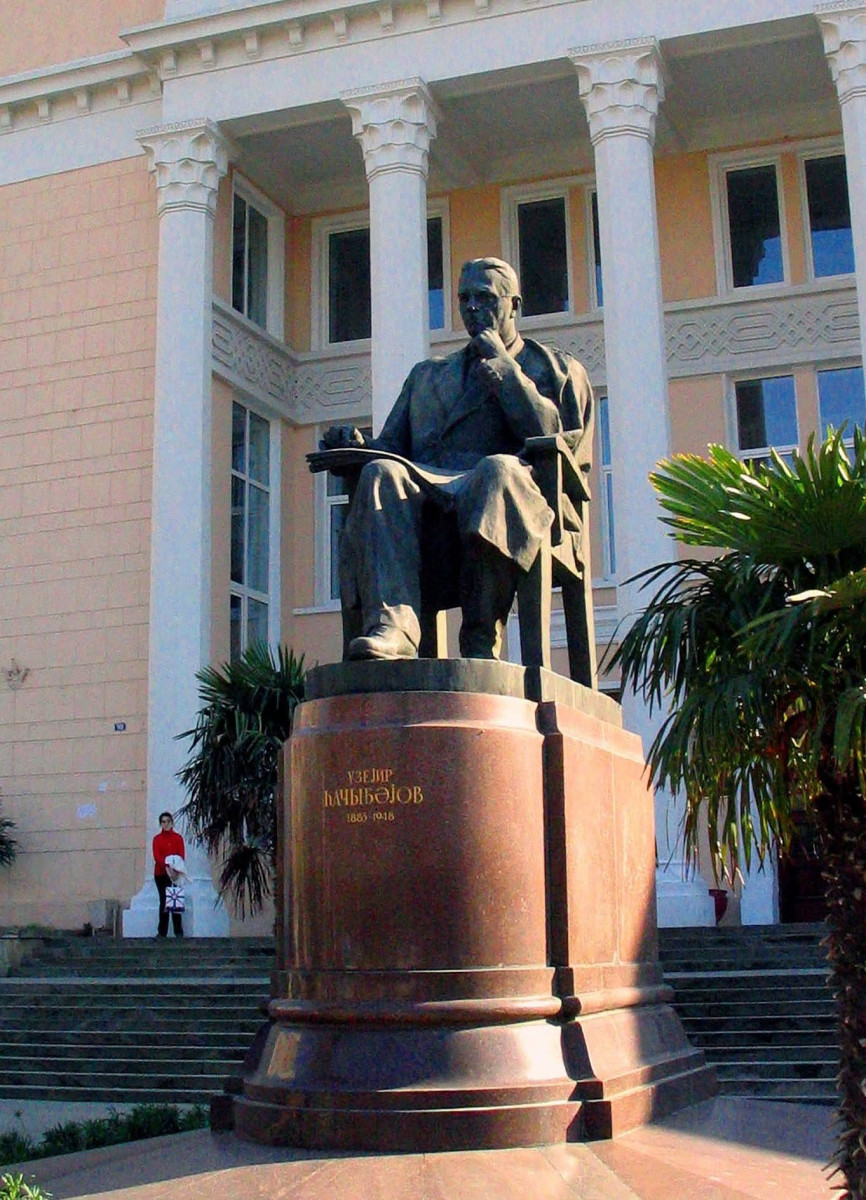
Mammadov also created works depicting figures from public life, literature and culture. His contribution extended beyond his individual artistic practice. From 1970 to 1972, he chaired the board of the Union of Artists of Azerbaijan, and in 1977 he was awarded the academic title of professor. In 1978, he received the USSR State Prize.
An Enduring Artistic Legacy
Tokay Mammadov’s legacy remains important to the study of material, portraiture and monumental form in Azerbaijani sculpture. His body of work brings together different scales, subjects and sculptural materials, allowing his artistic contribution to be considered beyond the boundaries of a single genre or technique.
A contemporary assessment of Mammadov’s work calls for attention to the relationship between formal structure, material choice and the presentation of the sculptural image. These connections provide an important perspective on his place in the history of Azerbaijani sculpture.
Tokay Mammadov died on 2 May 2018. His works remain significant examples for understanding the development of Azerbaijani sculpture throughout the twentieth century.
Art Space Gallery MEDIA