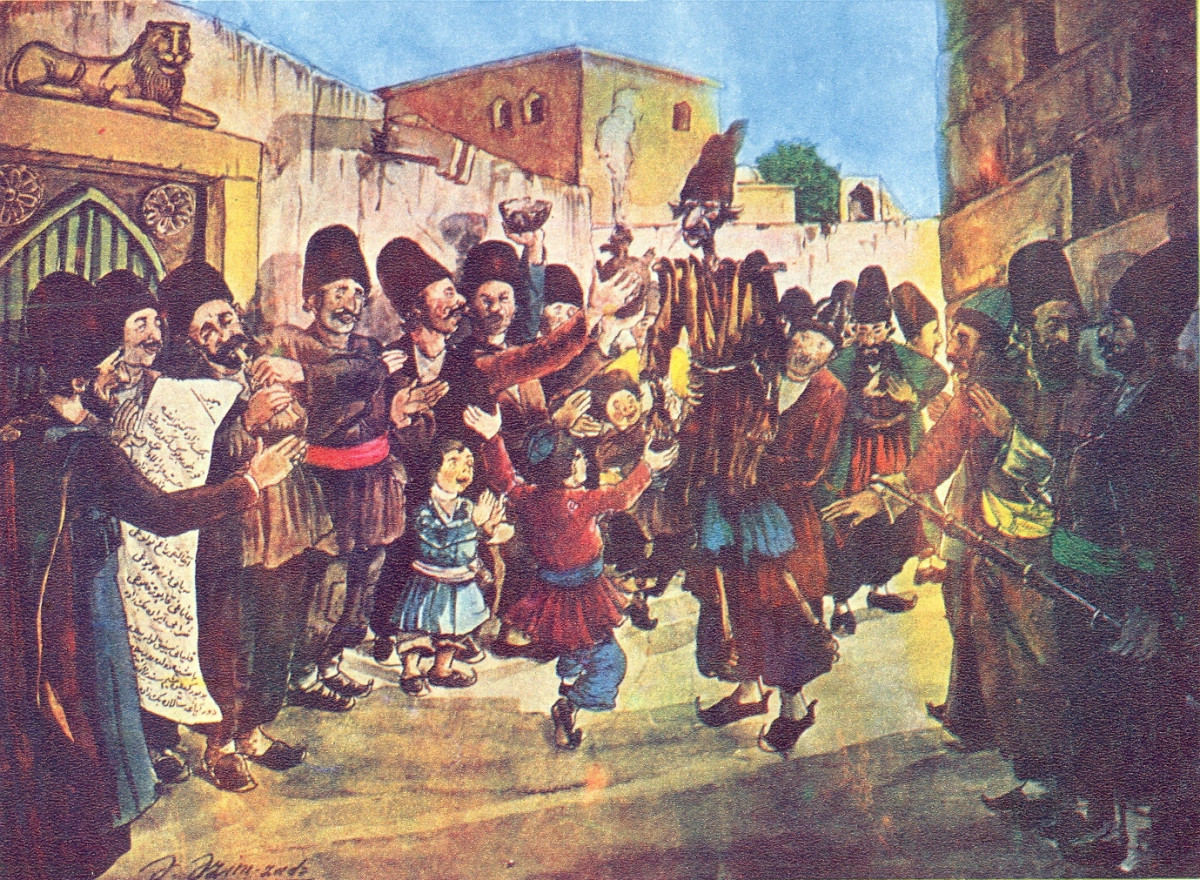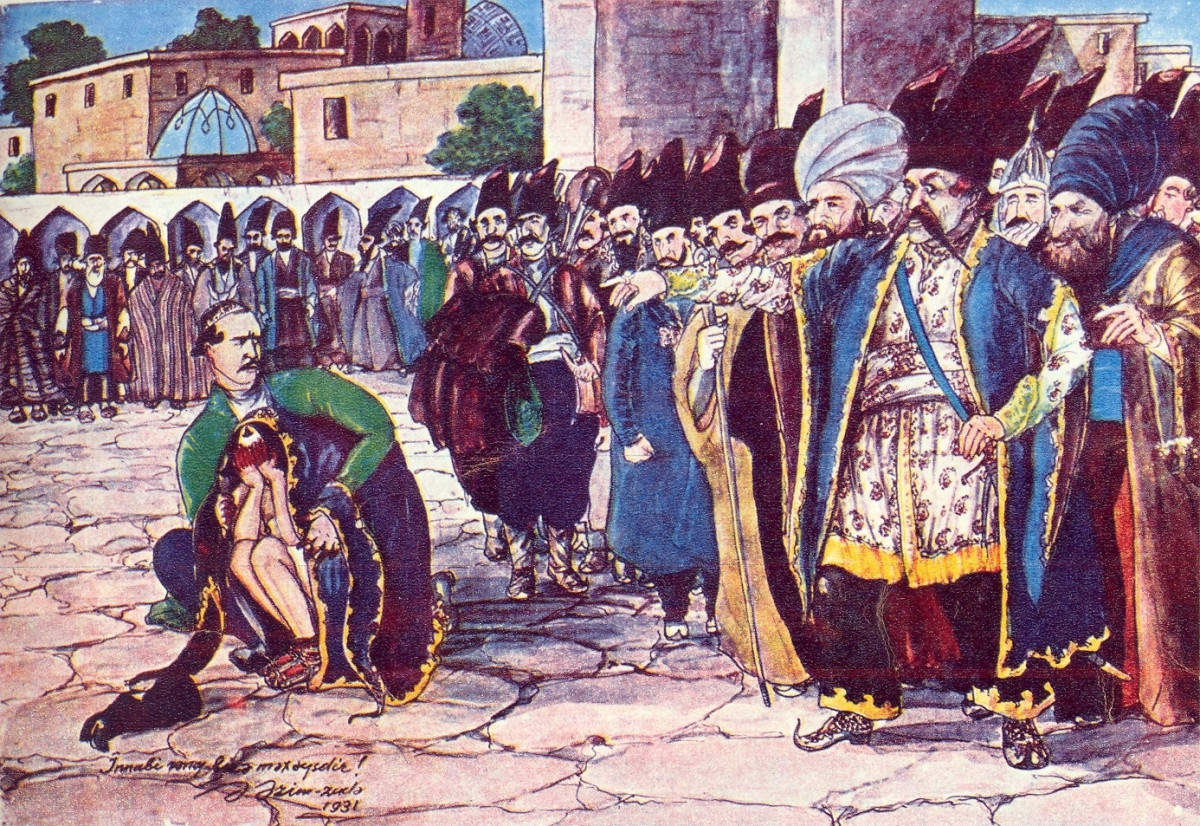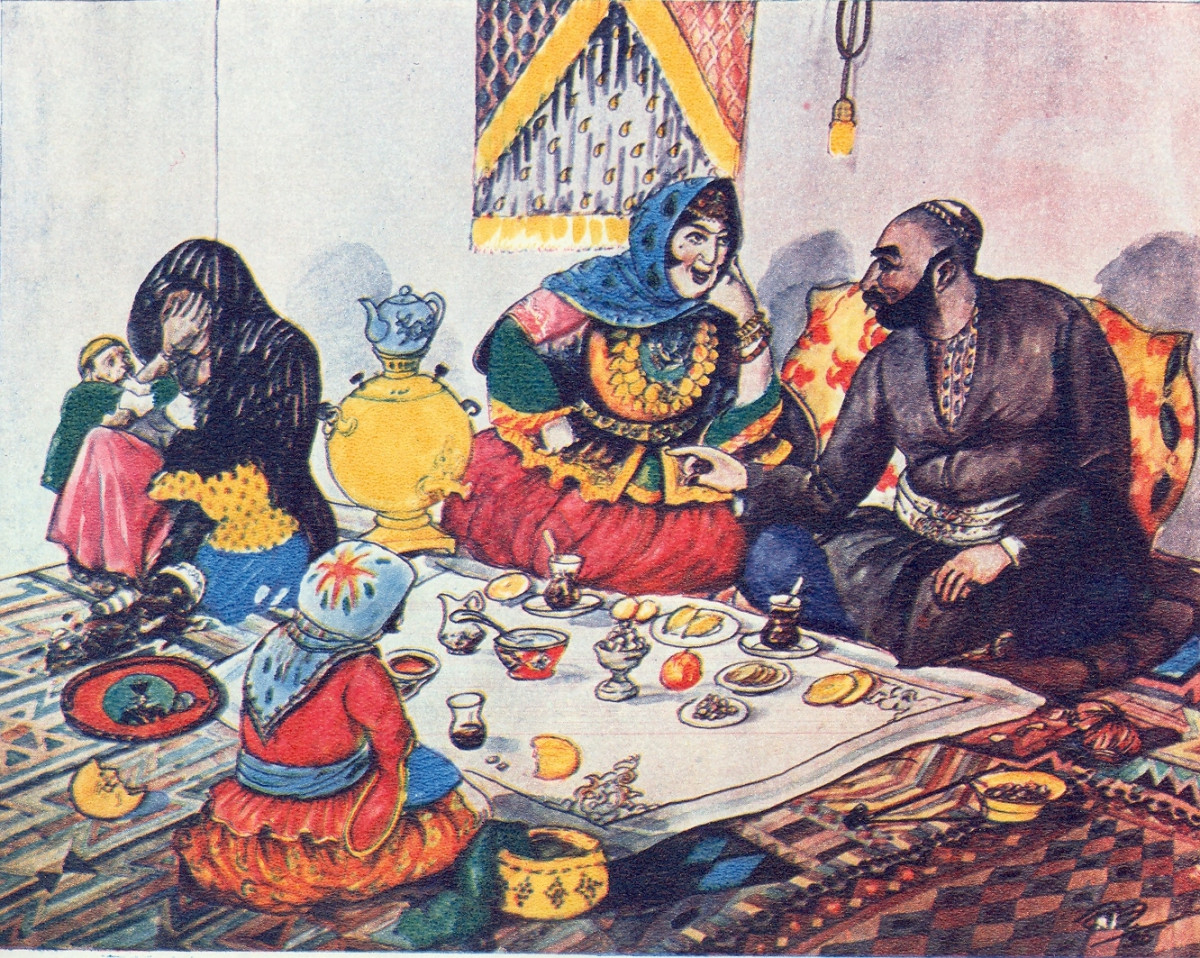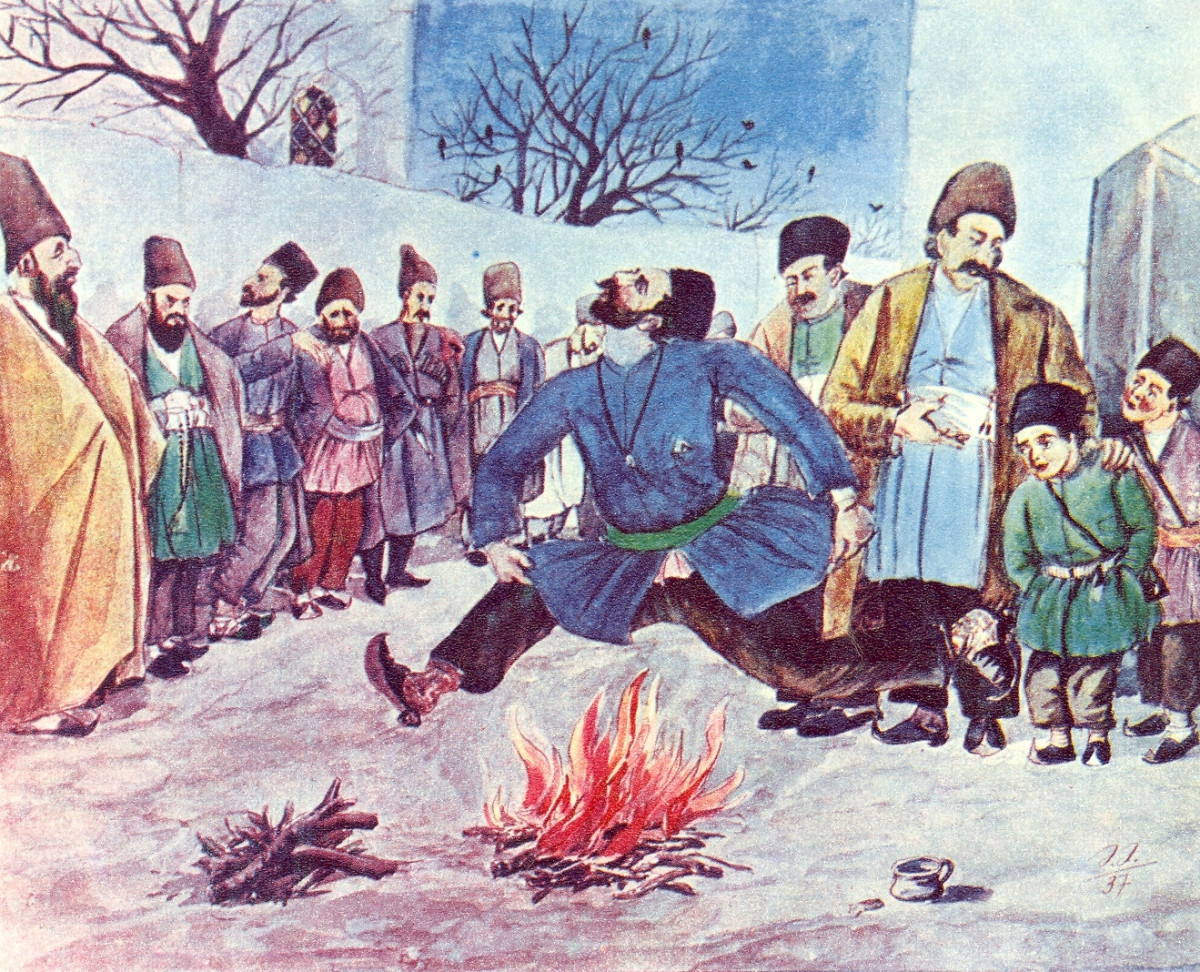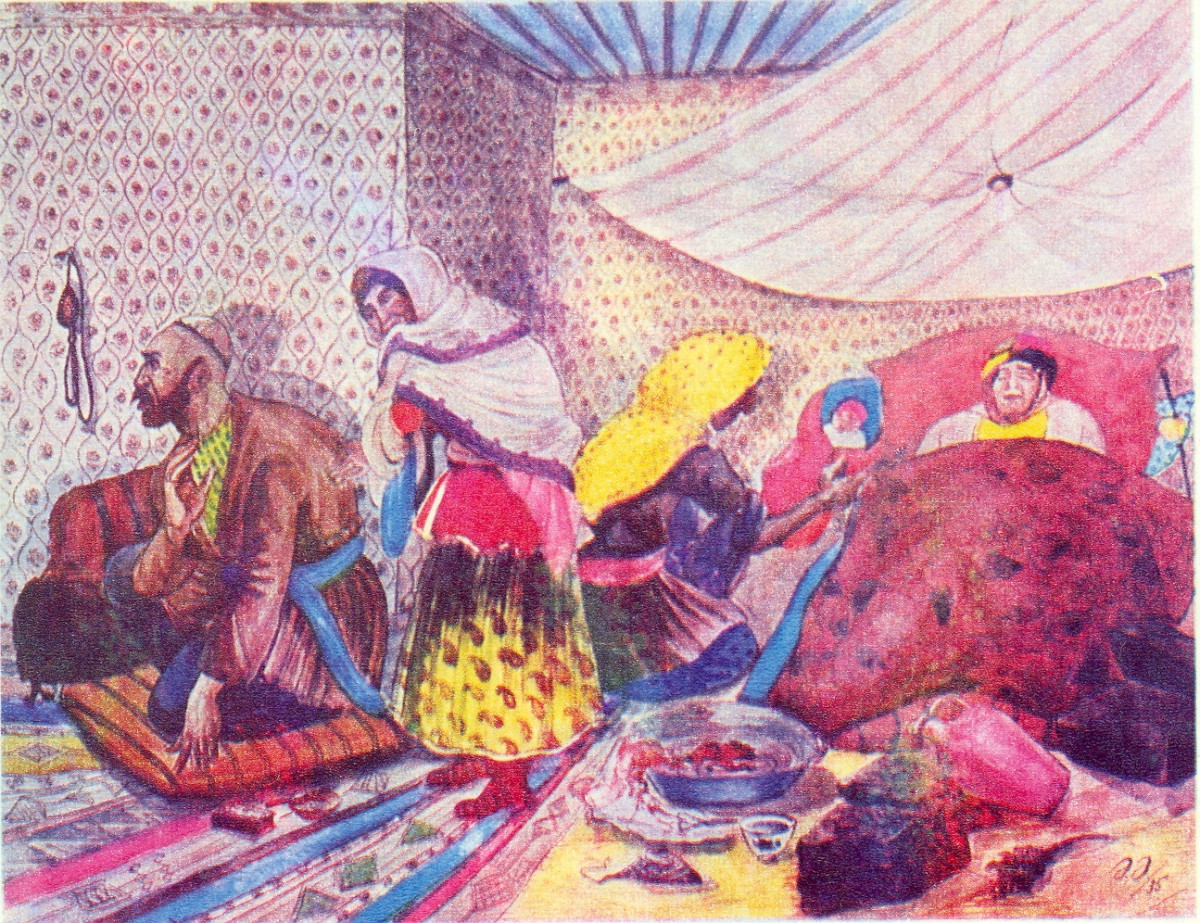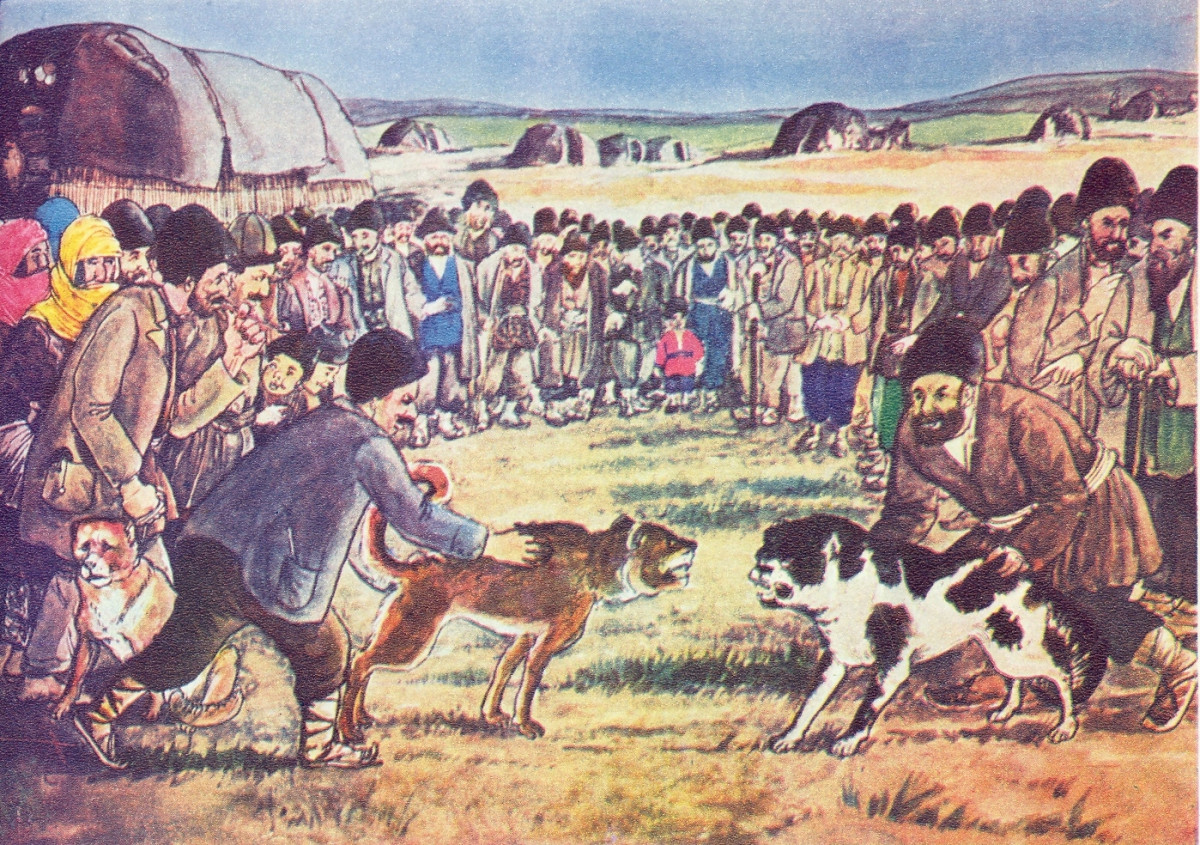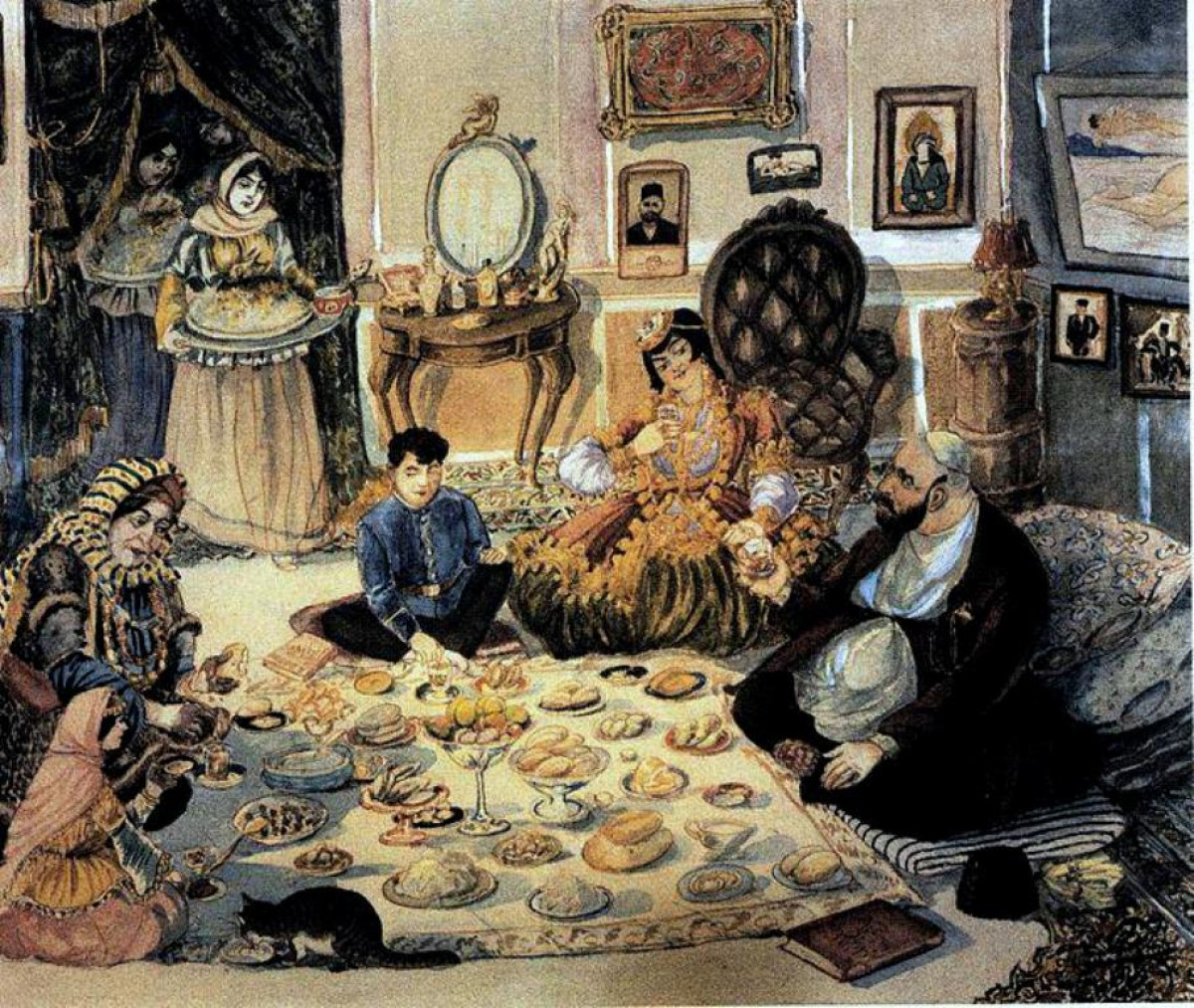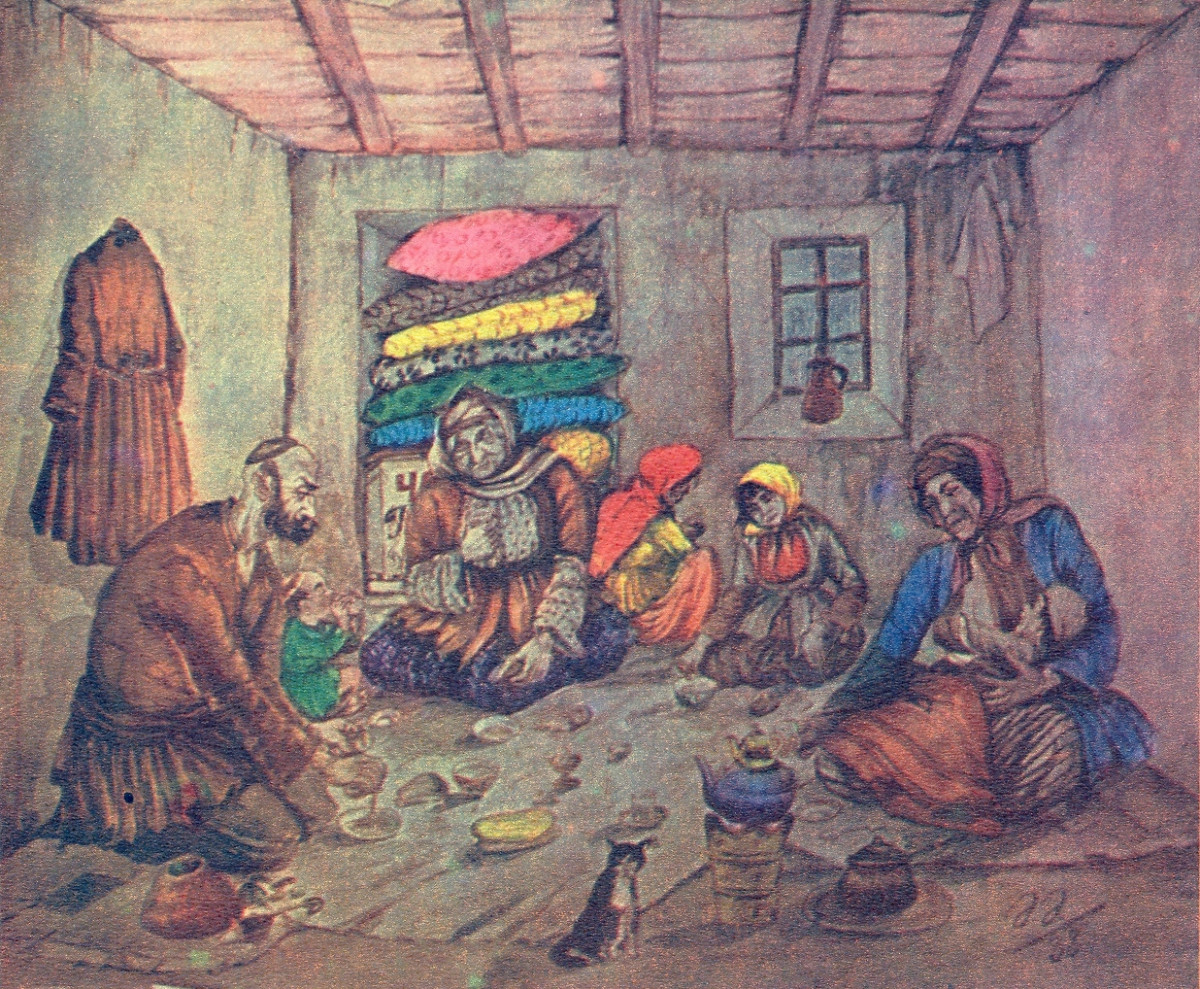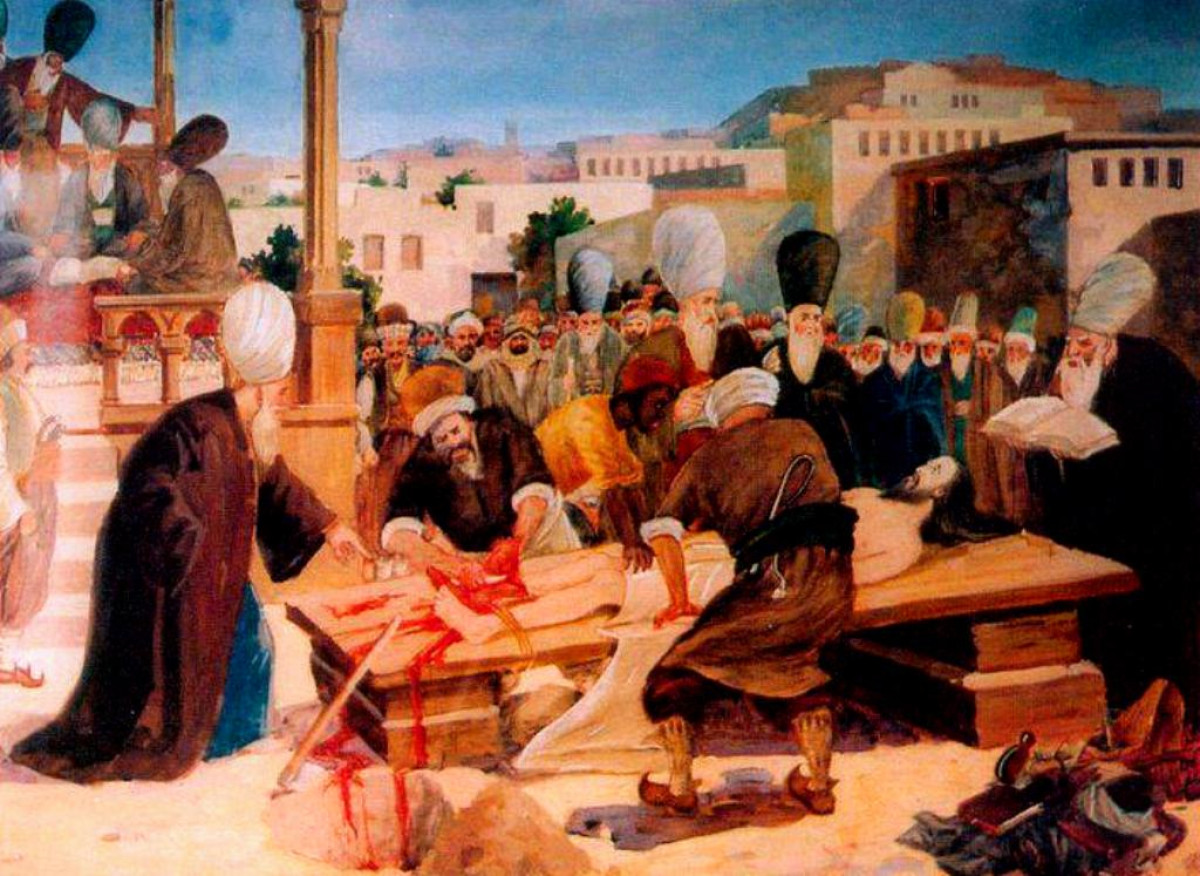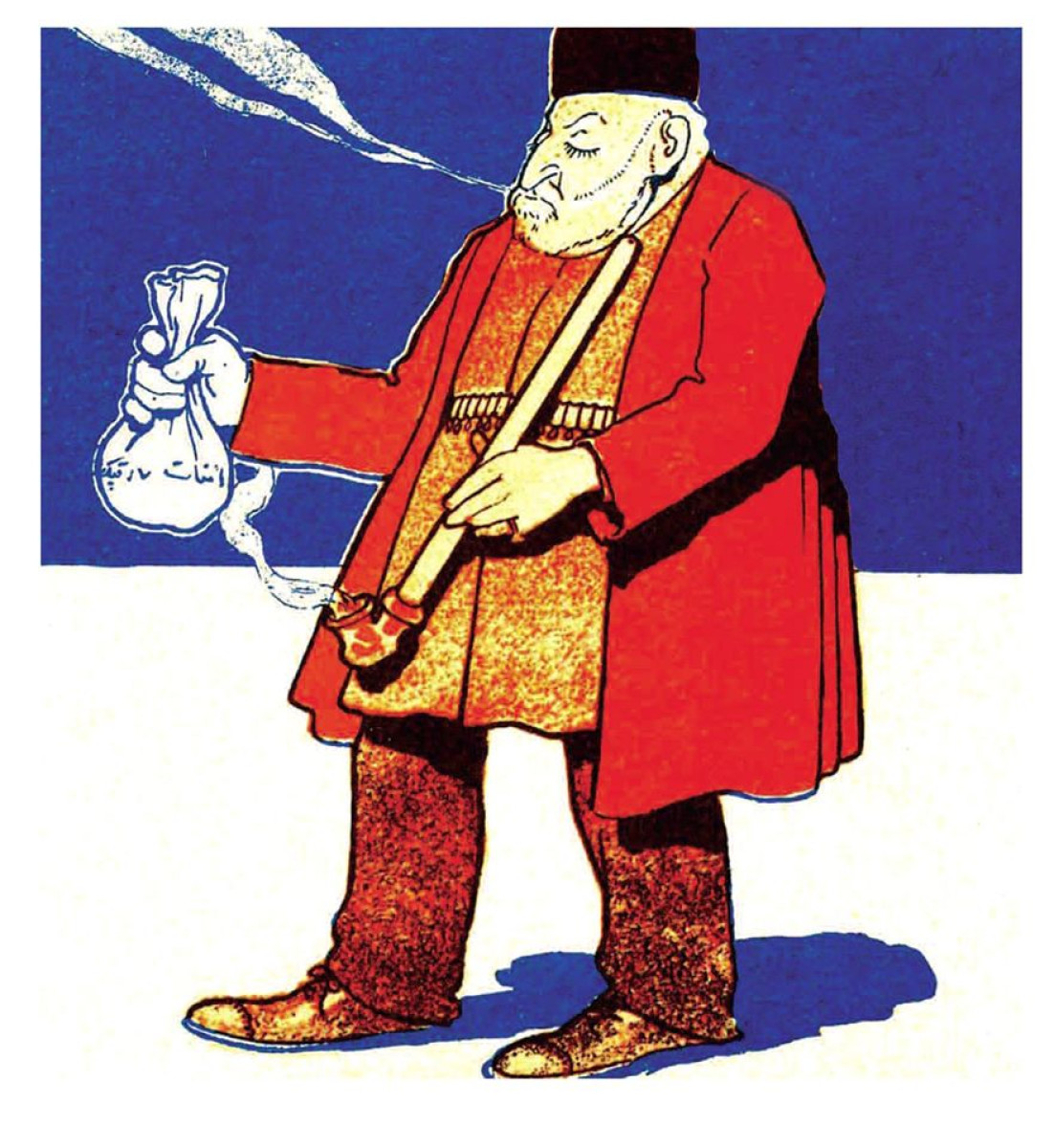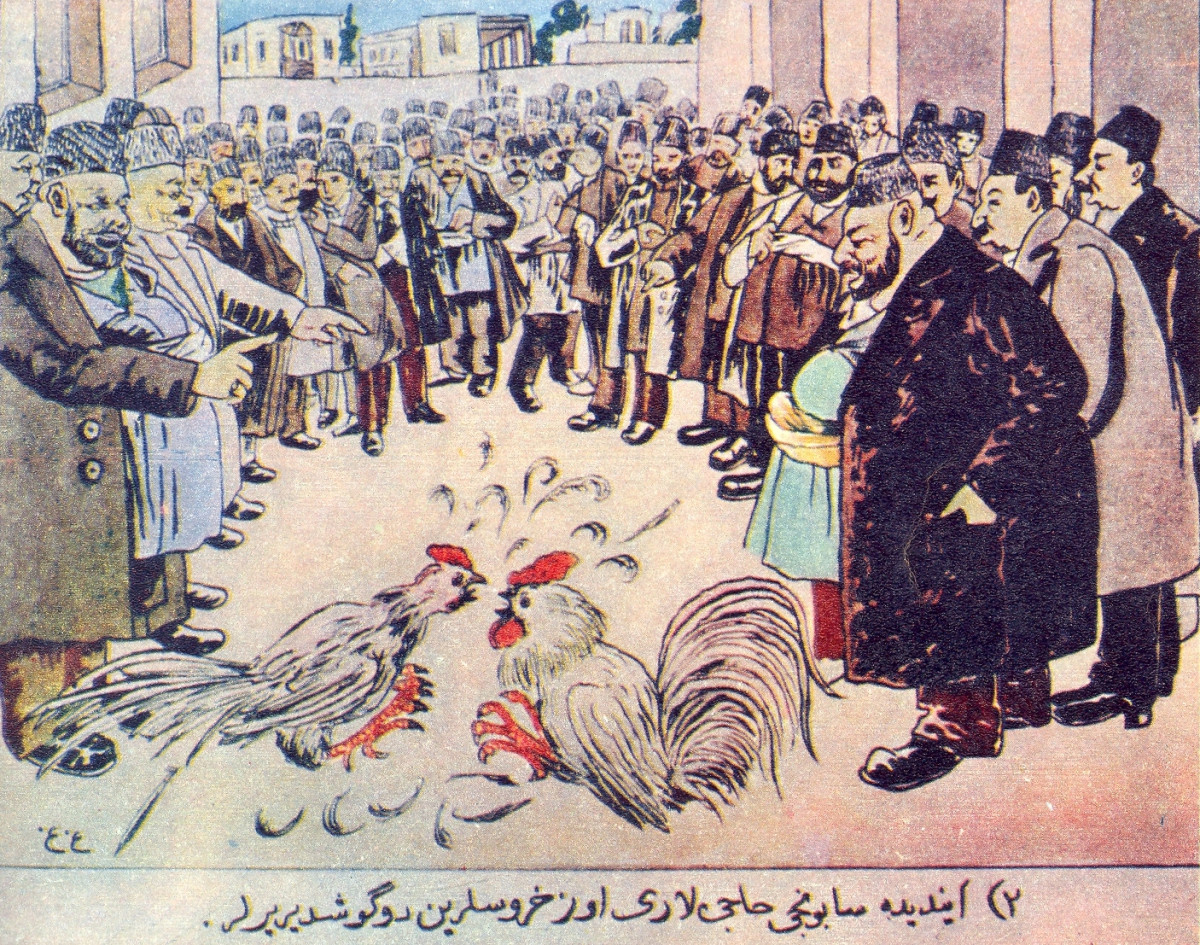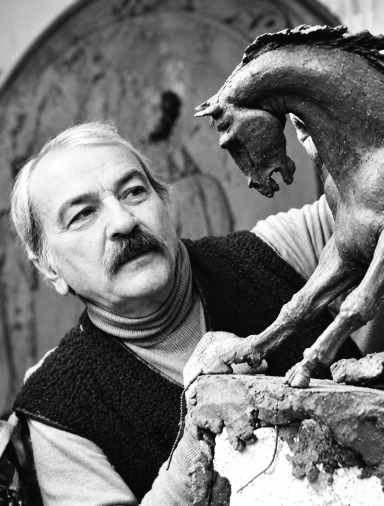
The work of Azim Azimzade (1880–1943) represents a significant contribution to Azerbaijani visual art, expanding the expressive possibilities of satirical graphics and bringing together social observation and a distinctive approach to visual characterisation. In his works, line, composition and carefully chosen details do more than depict visible reality: they reveal nuances of human character, social relationships and the contradictions of the era, giving scenes of everyday life a deeper artistic meaning.
The Formation of an Artist
Azim Aslan oglu Azimzade was born in 1880 in the village of Novkhani, near Baku. His artistic development without formal professional training is one of the distinctive features of his career. Drawing on the traditions of Eastern miniature painting and the Russian school of art, he developed an individual visual language in which clarity of line, characteristic features and concise composition played an essential role.
At the beginning of the twentieth century, the growing influence of the press on public life helped shape Azimzade’s artistic direction. His satirical drawings published in Molla Nasreddin, Baraban, Zanbur, Tuti and other periodicals made graphic art an effective means of public commentary and social debate.
The Artistic Image Shaped by Line
In Azimzade’s graphics, the expressive force of an image emerges through precise linework, the relationships between figures, and the deliberate use of facial expressions and gestures. Every detail contributes to the overall meaning of the composition. A character’s posture, expression and position within the image reveal individual traits while also defining the social significance of the depicted situation.
In works such as Dog Fighting, A Man Beating His Wife, A Wedding in a Wealthy Household and A Quarrel over Water, scenes of everyday life move beyond straightforward observation. Through ordinary incidents, the artist exposes contradictions in human behaviour, social relationships and the characteristic attitudes of different sections of society.
Azimzade’s satire is not intended merely to provoke laughter. The distinctive features of his figures and the way events are arranged within the composition reinforce the critical message. Graphic representation thus becomes both an aesthetic construction and a means of conveying social meaning.
Word and Image in Book Illustration
Azim Azimzade’s illustrations for Hophopname, the collection of poetry by Mirza Alakbar Sabir, constitute an important part of his artistic legacy. Between 1914 and 1922, the artist created 55 illustrations for Sabir’s poems.
These illustrations do not simply reproduce the content of the texts; they extend their satirical meaning through visual means. The relationship between literary and graphic imagery demonstrates Azimzade’s ability to interpret a text’s ideas within an independent visual composition. His work on Hophopname is an important example of his contribution to book illustration and of the artistic dialogue he established between words and images.
From Graphic Art to the Theatrical Space
Azimzade’s work extended beyond satirical graphics and book illustration. He also created costume sketches and stage designs for theatrical productions. In this field, his artistic thinking is evident in the way he coordinated stage space, the appearance of characters and the overall visual concept of a performance.
Where line and composition shape an image in graphic art, theatre brings that image to life through space, costume and stage design. This aspect of his career demonstrates the breadth of Azimzade’s visual thinking and his ability to work across different artistic disciplines.
Artistic and Educational Legacy
Azim Azimzade also contributed to the development of art education in Azerbaijan. From 1920, he taught at the Azerbaijan Art Technical School and served as its director from 1932 to 1937. In 1927, he was awarded the honorary title of People’s Artist of the Azerbaijan SSR. His first solo exhibition was held in 1940.
Azimzade’s place in art history is defined not only by his choice of satirical subjects but also by his ability to transform observation into precise graphic expression. In his works, line reveals character, composition establishes the essence of an event, and satire gives the image social significance. These qualities make his art an important subject for understanding the development of Azerbaijani graphic art.
Azim Azimzade died in 1943. His legacy remains significant for understanding the development of satirical graphics, book illustration and socially observant artistic imagery in Azerbaijani visual art.
Art Space Gallery MEDIA