In sculpture, form is more than the representation of physical appearance. The structure of the body, the direction of movement and the expressive possibilities of the material help define the character of an image. In the work of Miralasgar Mirgasimov, form serves not only as a means of representation but also as an essential vehicle for artistic meaning.
Miralasgar Mirasadulla oghlu Mirgasimov was born in Baku on 9 February 1924, into the family of the distinguished scientist and academician Mirasadulla Mirgasimov. He graduated from the Azim Azimzade Azerbaijan State Art School in 1944 and completed his studies at the I. E. Repin Institute of Painting, Sculpture and Architecture in Leningrad in 1950. His work occupies an important place in the development of Azerbaijani sculpture.
The Plastic Structure of the Image
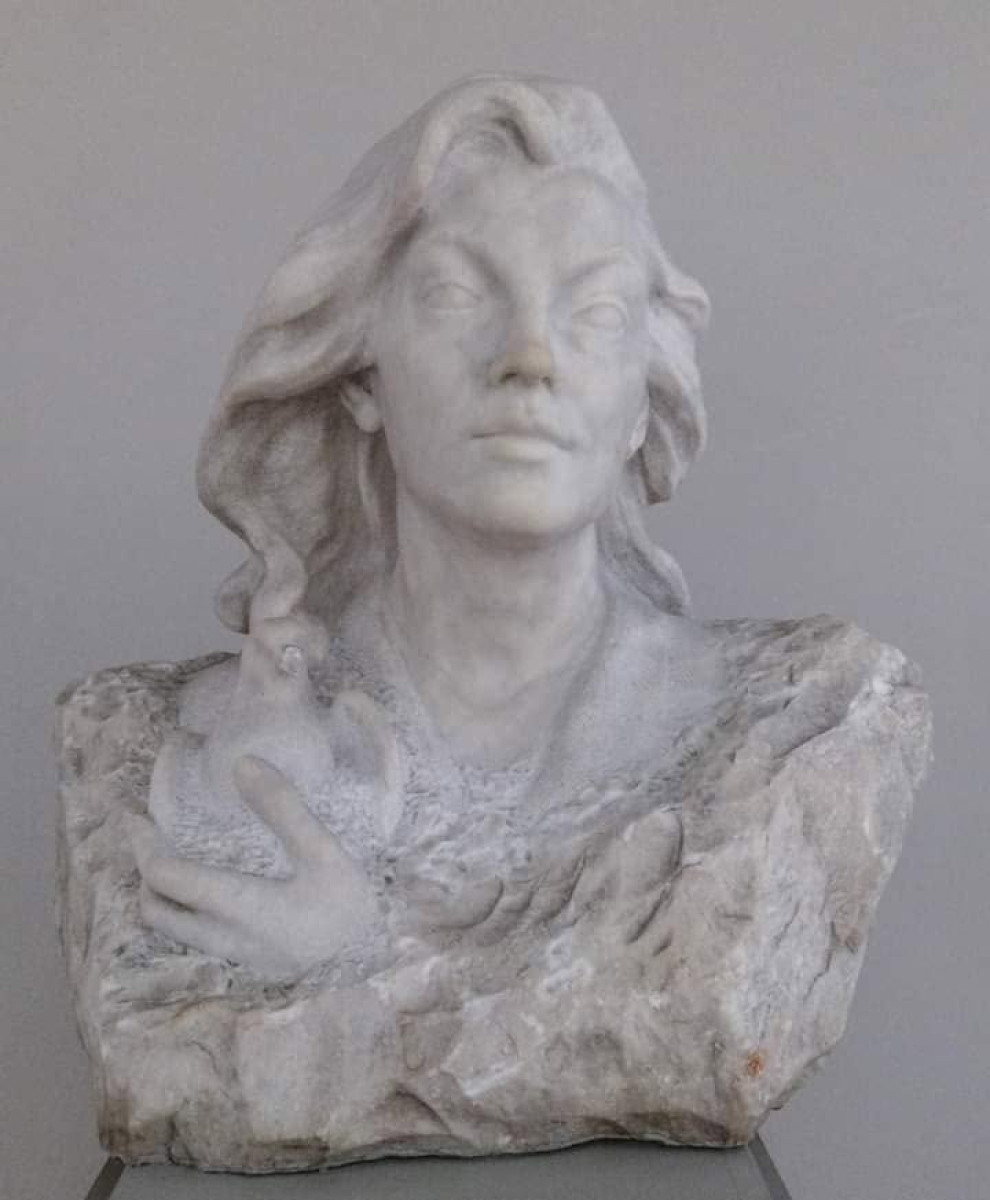
Mirgasimov’s oeuvre encompasses portraiture, sculpture in the round and monumental sculpture. Works such as Portrait of a Girl, Portrait of a Mother, Girl with a Pigeon, Oilman Gurban, Icarus and Khazri reflect the range of subjects and sculptural approaches explored throughout his career.
In his work, physical likeness is only one aspect of artistic expression. The position of the body, the relationships between volumes, the treatment of the surface and the overall structure of the composition contribute to the character of the image. Together, these elements reveal the physical presence of the subject as well as the expressive potential of sculptural form.
Khazri — The Plastic Expression of Movement
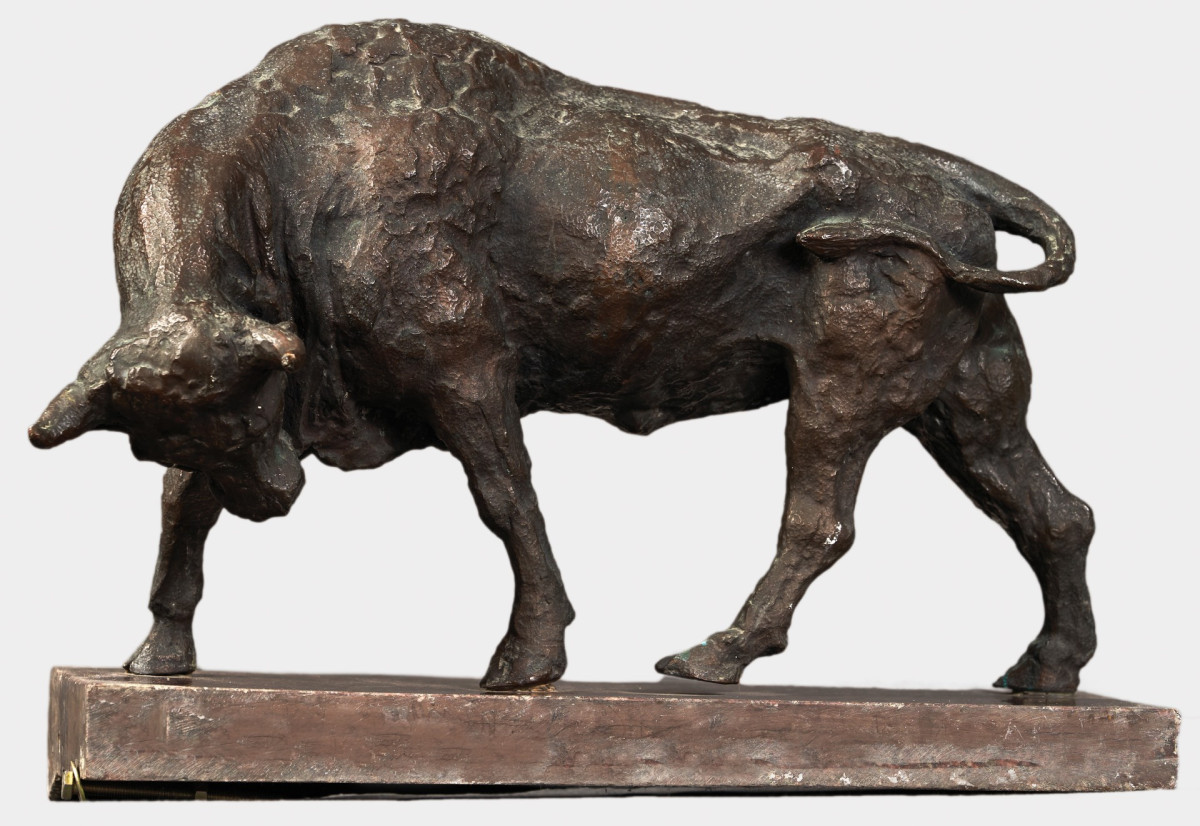
Mirgasimov’s Khazri is a notable example of a natural phenomenon translated into sculpture. The northerly wind characteristic of the Absheron Peninsula is not depicted directly; its force is conveyed through the dynamics of the composition and the sculptural structure of the human figure.
The work’s expressive strength lies in transforming an invisible force into form. The position of the body and the direction of movement communicate the effects of nature through the language of sculpture. A specific natural phenomenon thus becomes more than a subject of representation: it acquires an independent artistic presence.
In Khazri, observation is transformed into sculptural expression, demonstrating the possibilities of the medium. The work’s coherence emerges not from isolated details but from the overall sensation of movement created by the composition.
Monumental Form and Public Memory
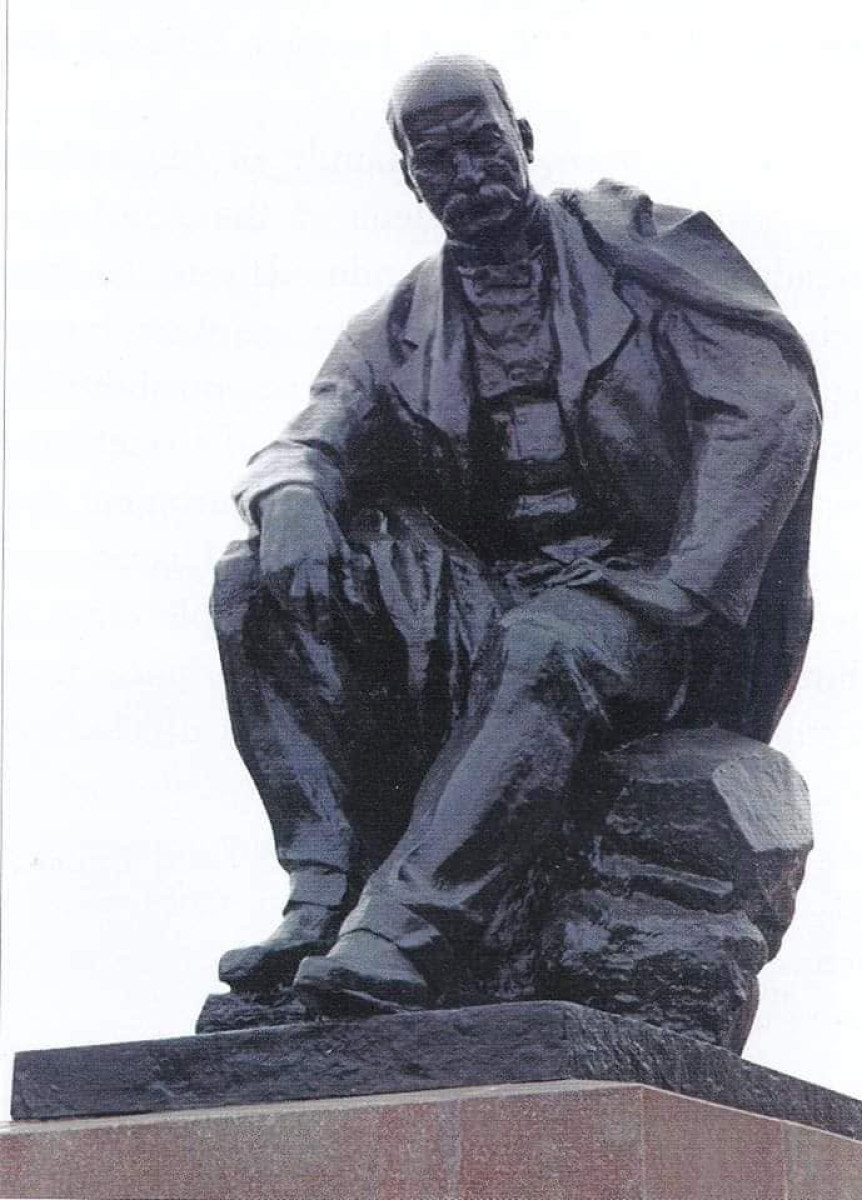
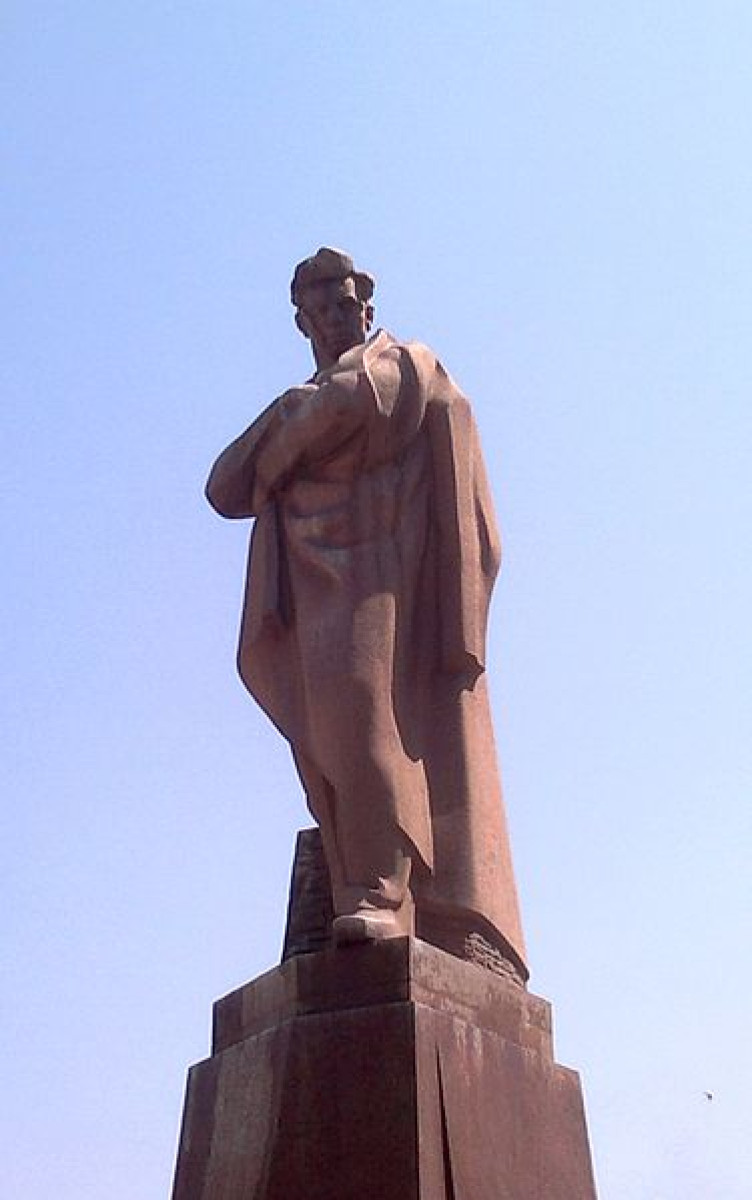
Monumental sculpture occupies an important place in Mirgasimov’s oeuvre. His recognised works in this field include the monument to Jafar Jabbarli in Baku, the monument to Jalil Mammadguluzadeh in Nakhchivan and the monument-bust of Nariman Narimanov in Sumgait.
A monumental work must preserve the recognisable features of a historical figure while also expressing that person’s public and cultural significance through artistic form. The figure’s stance, the scale of the composition and the qualities of the material all contribute to the monument’s overall impact.
The monument to Jafar Jabbarli in Baku was made of pink granite and erected in 1982. The solidity and mass of the material contribute to its monumental character. Beyond commemorating the writer, the work presents his image through the language of sculpture in a public setting.
In Mirgasimov’s work, material selection forms part of the relationship between form and content. Materials such as granite, marble and bronze influence the physical structure of a sculpture, its visual impact and its relationship with the surrounding environment.
The Thought Behind Form
One of the defining features of Mirgasimov’s work is the importance he gives to the sculptural organisation of different subjects. In Khazri, the force of nature emerges through the dynamics of the composition; in his monumental works, the image of a historical figure is expressed through the structure of the figure and the coherence of the composition.
In this approach, form is more than a visible surface: it becomes a principal vehicle of artistic thought. The sculptural expression of movement, the relationships between volumes and the integrity of monumental composition are among the notable features of Mirgasimov’s artistic legacy.
Miralasgar Mirgasimov died in Baku on 9 November 2003. His work holds a distinctive place in the history of Azerbaijani sculpture. His sculptures remain significant for examining the relationship between form, material and image, and for understanding the expressive possibilities of the medium.
Art Space Gallery MEDIA