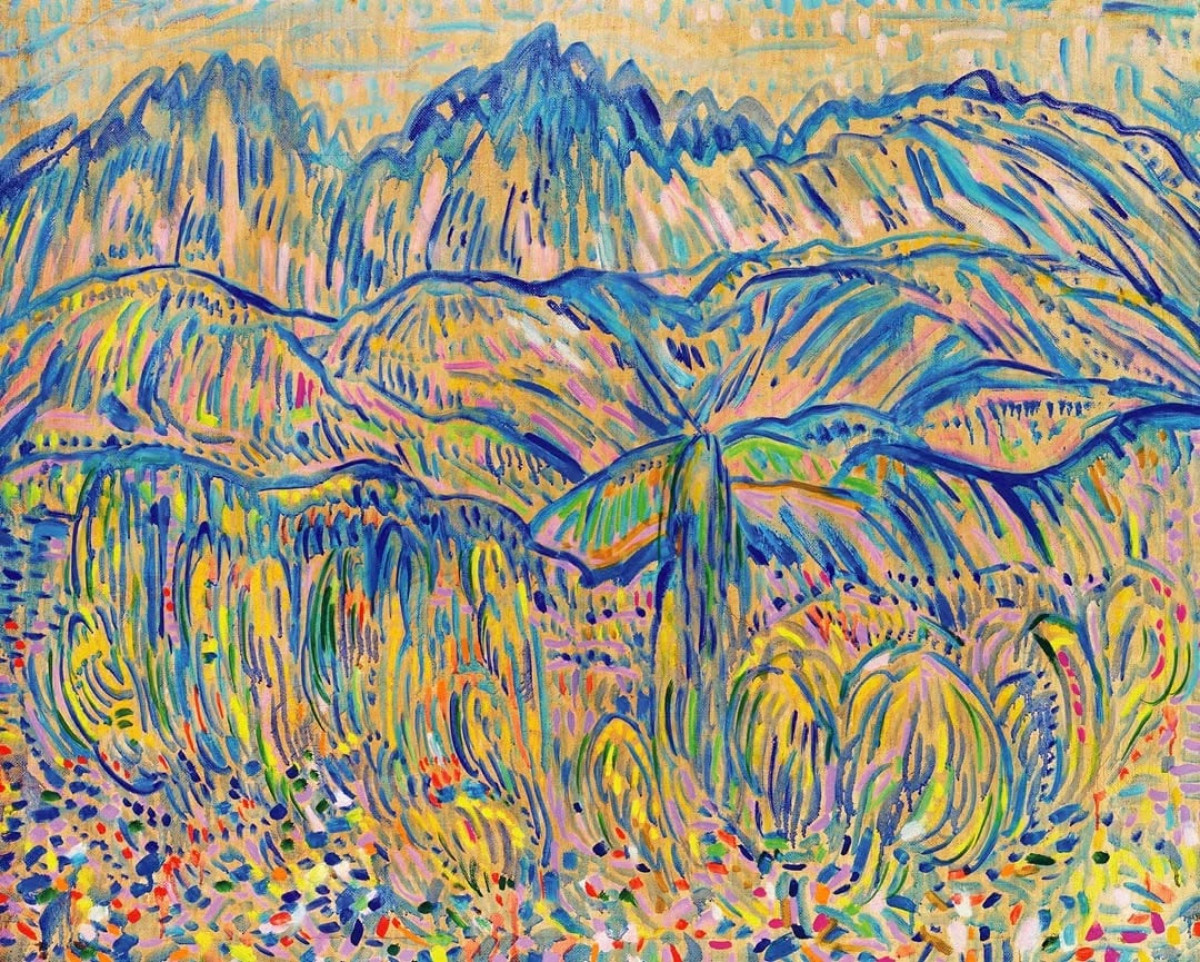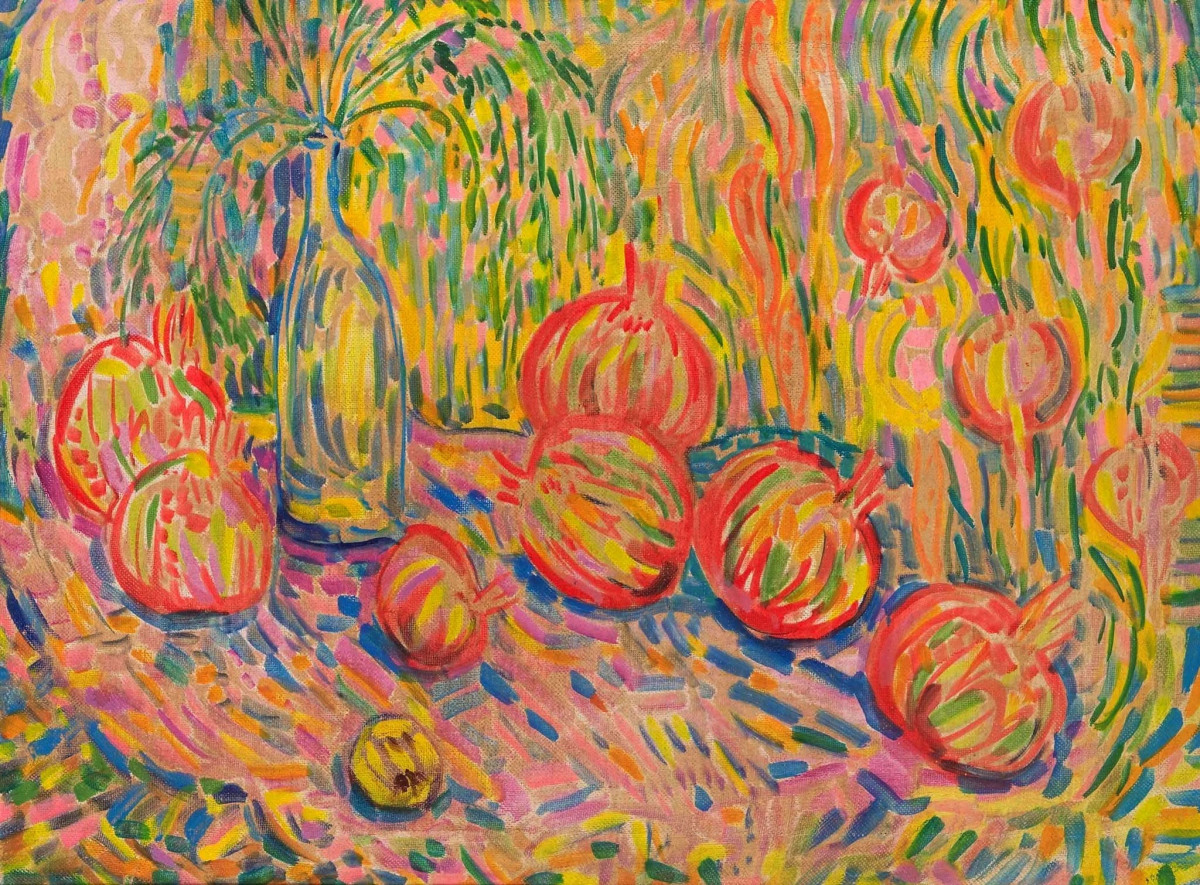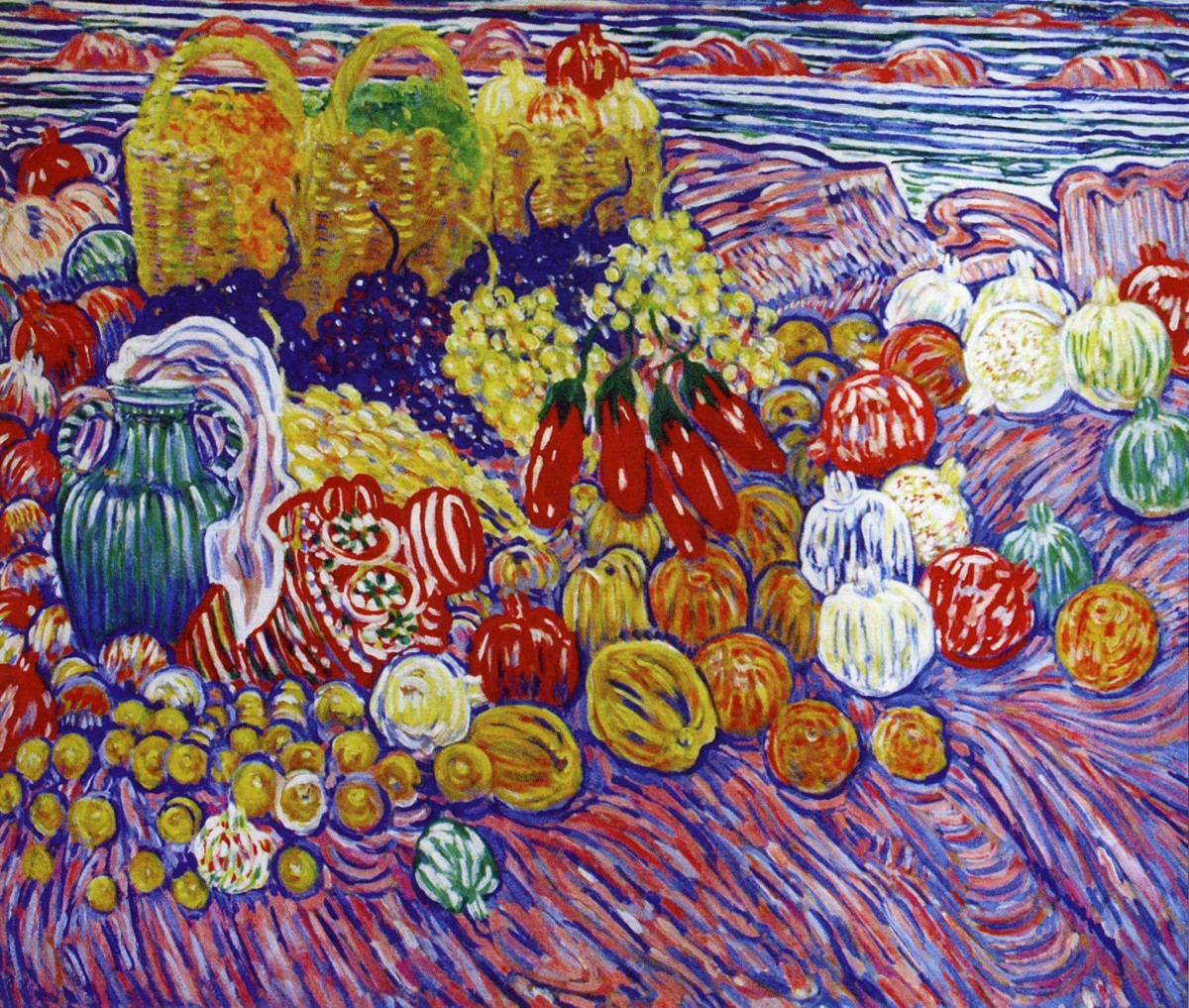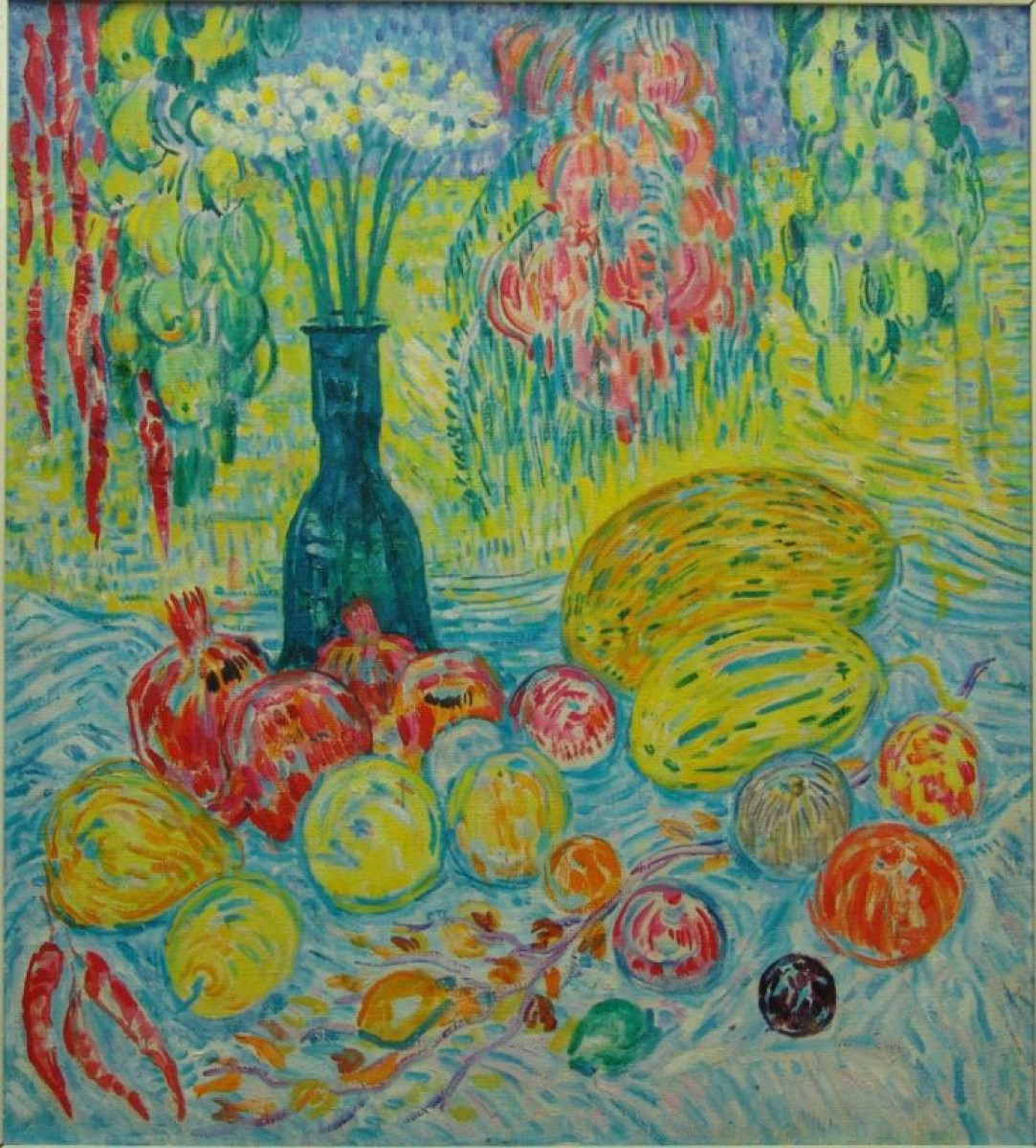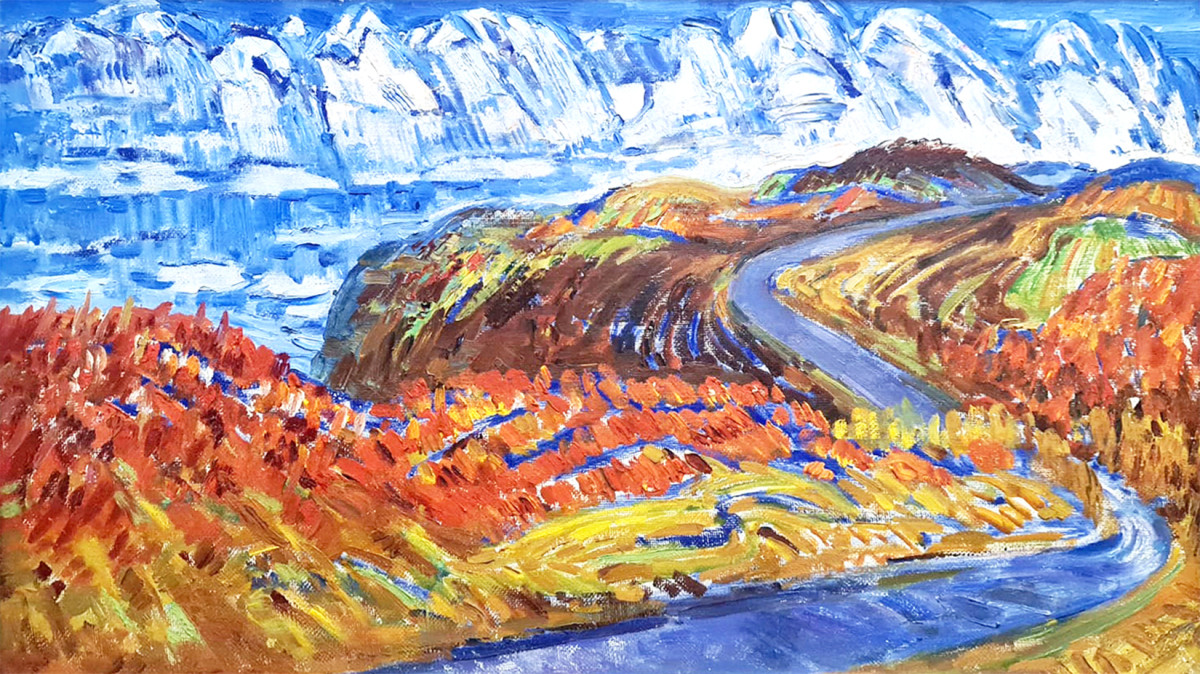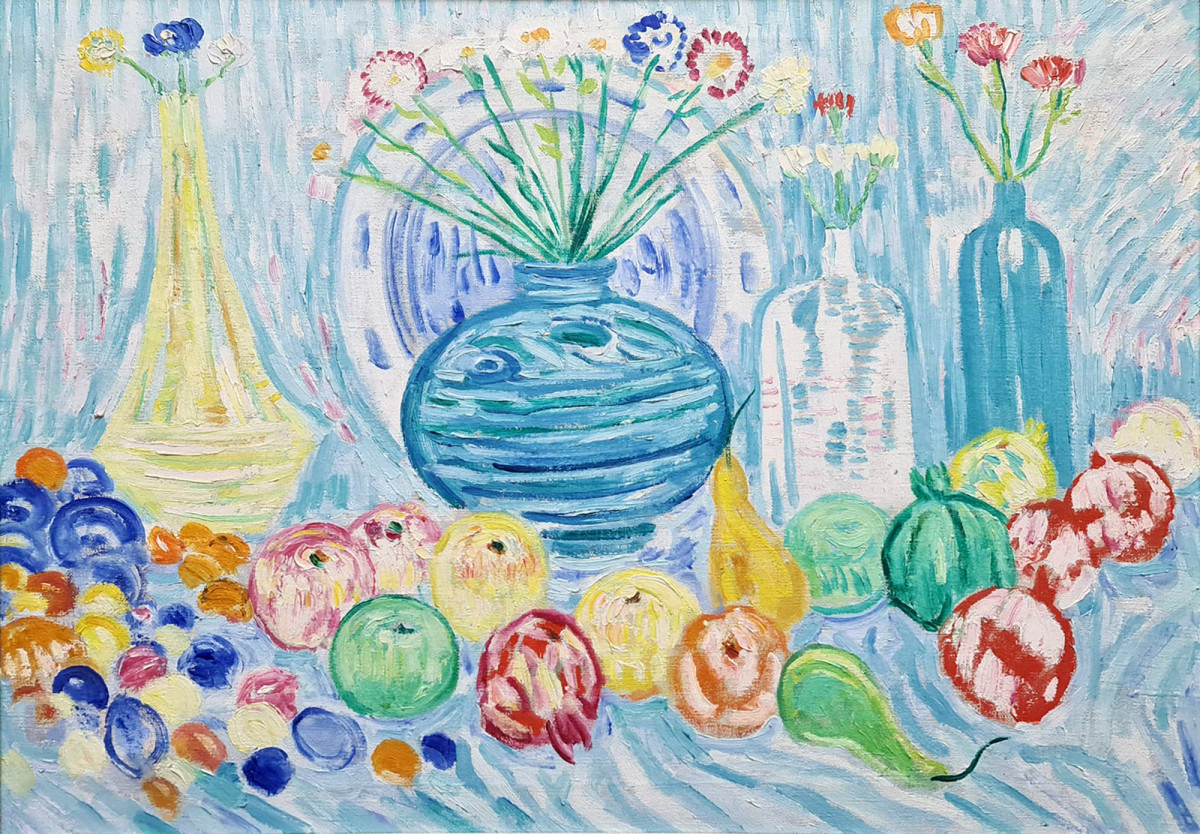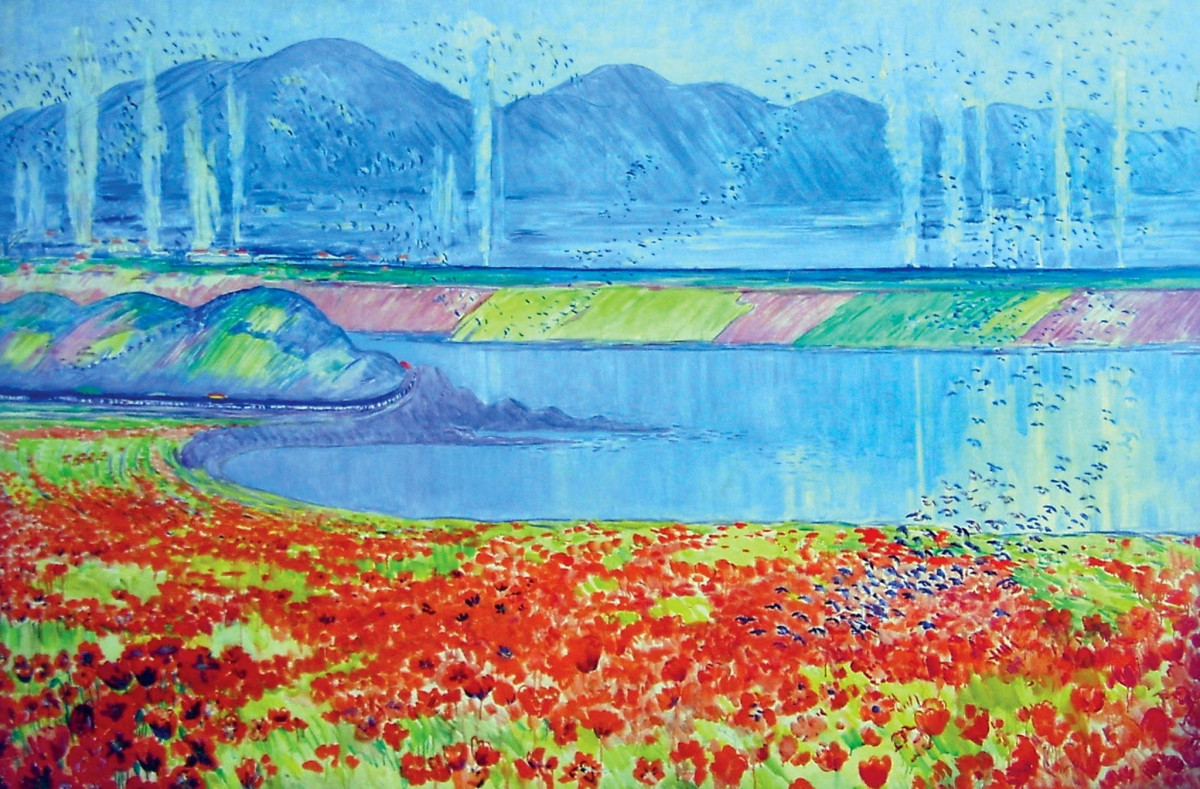
In Sattar Bahlulzade’s art, nature is not a ready-made landscape but an expression of the artist’s way of seeing and understanding the world. In his paintings, the geography of Azerbaijan acquires a meaning that extends beyond the depiction of specific places: mountains, gardens, coastlines and vegetation become integral to his individual painterly vision. When looking at these works, attention turns not only to the landscape depicted, but also to how it is constructed and which visual relationships are brought to the foreground.
What makes Bahlulzade’s individual style compelling is the distance between observation and artistic interpretation. Rather than reproducing nature as it appears, the artist reorganises the relationships he perceives within it through colour and form. In this way, a new artistic unity emerges between the real landscape and the artist’s inner perception. In his work, nature is both the starting point of observation and a means of expressing an independent artistic vision.
The Formation of the Artist’s Vision
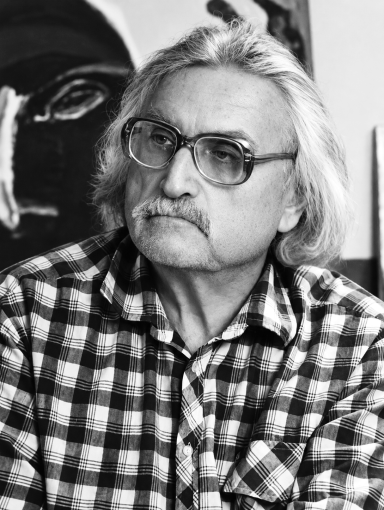
Born in 1909 in Amirjan, a village near Baku, Sattar Bahlulzade began studying at the Art School in 1927. On the advice of Azim Azimzade, he worked as a caricaturist for the newspaper Kommunist. In 1933, he entered the graphics faculty of the Moscow State Art Institute and later transferred to the painting faculty. Vladimir Favorsky and Grigory Shegal were among the artists who contributed to his professional development. From 1941 to 1943, he taught at the Azerbaijan Art School.
The transition from graphic art to painting was an important stage in the development of the artist’s practice, enriching it with different means of expression. Graphic thinking requires attention to the selection of forms and the organisation of line and composition; painting expands these relationships through areas of colour and their interaction. Approaching Bahlulzade’s works from this perspective makes it possible to assess his style not only through the richness of colour, but also through the internal structure of the image.
The development of his art cannot be explained solely through the institutions where he studied and worked. His individual position emerges through the choices visible in his paintings: what is brought to the foreground, the degree to which forms are simplified, and the way colour functions within the composition are all factors that shape his artistic thinking.
Visual Unity Constructed Through Colour
When analysing Sattar Bahlulzade’s painting, it is more productive to examine the function of colour within the overall structure of a work than to assess individual colours in isolation. Relationships between colours influence the depth of the image, the definition of forms and the direction of the viewer’s gaze. Composition brings these elements together in a particular arrangement, establishing the visual unity of the painting.
Spring Morning in Baku, created in 1959, is an important example for this discussion. According to information published by the Azerbaijan National Museum of Art, the work includes a city panorama, the Caspian Sea, birds and spring flowers. While these elements establish the subject of the painting, understanding its artistic qualities requires going beyond a simple inventory of what is depicted. The presence of the panoramic cityscape alongside details associated with the season introduces different layers to the perception of the landscape.
The Banks of the Gudyalchay (1953), Native Places (1957) and Summer Evening (1963) also demonstrate the artist’s engagement with landscape across different periods. Their dates and technical details are recorded in the catalogue of the Sattar Bahlulzade House Museum. Comparing these works provides a basis for exploring how the artist approached different motifs and how compositional and chromatic solutions could vary from one painting to another.
The essential point is not to explain every work through the same description. Each painting must be examined within the logic of its own structure. The richness of Bahlulzade’s art lies not only in his choice of colours, but also in his ability to approach different subjects through an individual artistic vision.
An Individual Interpretation of the Azerbaijani Landscape
Different regions of Azerbaijan occupy a substantial place in Bahlulzade’s work. The Caspian coast, Absheron, mountainous areas and garden landscapes are among the subjects to which he returned repeatedly. Nevertheless, it would be insufficient to define the national character of his art solely through the depiction of local geography. National identity is also expressed in the individual perspective through which a landscape is presented and in the way forms and colour relationships are organised.
In the Gardens of Amsar, dated 1950, and The Desire of the Land, created in 1963, are two works from different periods with distinct titles. Their presence in the artist’s oeuvre demonstrates his sustained engagement with the subject of nature. However, a comparison of their artistic content cannot be based on dates and titles alone; the compositions, colour relationships and methods of representation must be examined individually.
This distinction also determines how we approach art itself. To regard a painting solely as a depiction of a particular region is to limit the possibilities offered by its visual structure. Geographic recognition is the first step; the next is to investigate the artistic choices through which the painter transforms a place into an individual image. Bahlulzade’s work invites us to consider both levels together.
A Source for Understanding the Artist’s Thought
Sattar Bahlulzade’s diaries are of particular importance for the study of his work. According to the House Museum, these notes contain his reflections on art, analyses of individual paintings, ideas about compositional and colour solutions, plans for future works and sketches. The diaries make it possible to investigate aspects of his creative process through the artist’s own records.
Their value lies not merely in the biographical information they provide. They allow the creation of an artwork to be considered as a process broader than the finished result visible to the viewer. At the same time, any connection drawn between the artist’s notes and a completed painting must take the characteristics of both sources into account. A thought recorded in a diary does not automatically become the sole explanation of a painting; the work’s visual structure requires independent analysis as well.
This approach makes it possible to engage with Bahlulzade’s art through observation and comparison rather than relying on ready-made descriptions. His paintings matter not only because they depict recognisable landscapes, but also because they invite us to examine how those landscapes are reorganised within the language of painting.
From Visible Landscape to Artistic Image
A contemporary consideration of Sattar Bahlulzade’s work should not be limited to viewing his paintings merely as examples of art from a particular period. Examining each work individually, including its compositional structure and relationships of colour, helps us understand the distinctive features of his artistic vision more precisely.
In his art, nature is not a ready-made image placed before the painter. It emerges through the selection and transformation of observed reality and its reconstruction into an artistic whole. This is where the title’s central idea becomes clear: nature is not simply depicted through colour; through colour, it becomes a distinctive artistic image.
Sattar Bahlulzade died in 1974. His work remains an important resource for exploring landscape painting in Azerbaijani art through individual artistic thought, composition and the relationships between colours.
Art Space Gallery MEDIA