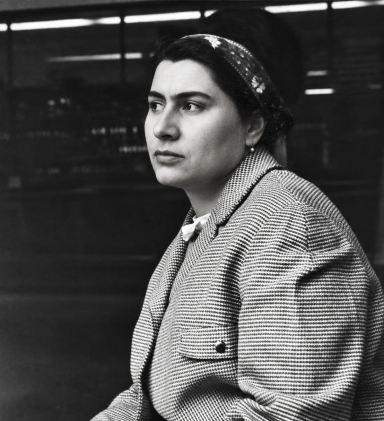
Maral Rahmanzadeh’s work represents a significant contribution to the development of graphic art in twentieth-century Azerbaijan, expanding its thematic range and expressive possibilities. Everyday life, female figures, working environments, landscapes and observations of different places come together in her art as distinct aspects of the artist’s engagement with the world.
Born on 23 July 1916 in the village of Mardakan, Rahmanzadeh entered the Azerbaijan State Art Technical School in 1930 and continued her studies at the V. I. Surikov Moscow State Academic Art Institute. Her work at the Moscow publishing house Khudozhestvennaya Literatura played an important role in developing her experience in book illustration. The visual interpretation of literary works subsequently became one of the principal directions of her artistic practice.
From Literary Text to Visual Image
Rahmanzadeh’s book illustrations demonstrate her ability to interpret different literary worlds through visual means. Her illustrations for M. S. Ordubadi’s Sword and Pen, M. F. Akhundov’s The Deceived Stars, Alexander Pushkin’s Eugene Onegin and Mikhail Lermontov’s A Hero of Our Time are notable examples of this aspect of her work.
Illustration involves more than depicting the events of a literary text. It requires translating the character of the narrative, relationships between figures and the emotional substance of events into a visual form. In this respect, Rahmanzadeh’s book graphics constitute an important part of her artistic legacy, revealing different dimensions of her approach to image-making.
Female Figures and Individual Experience
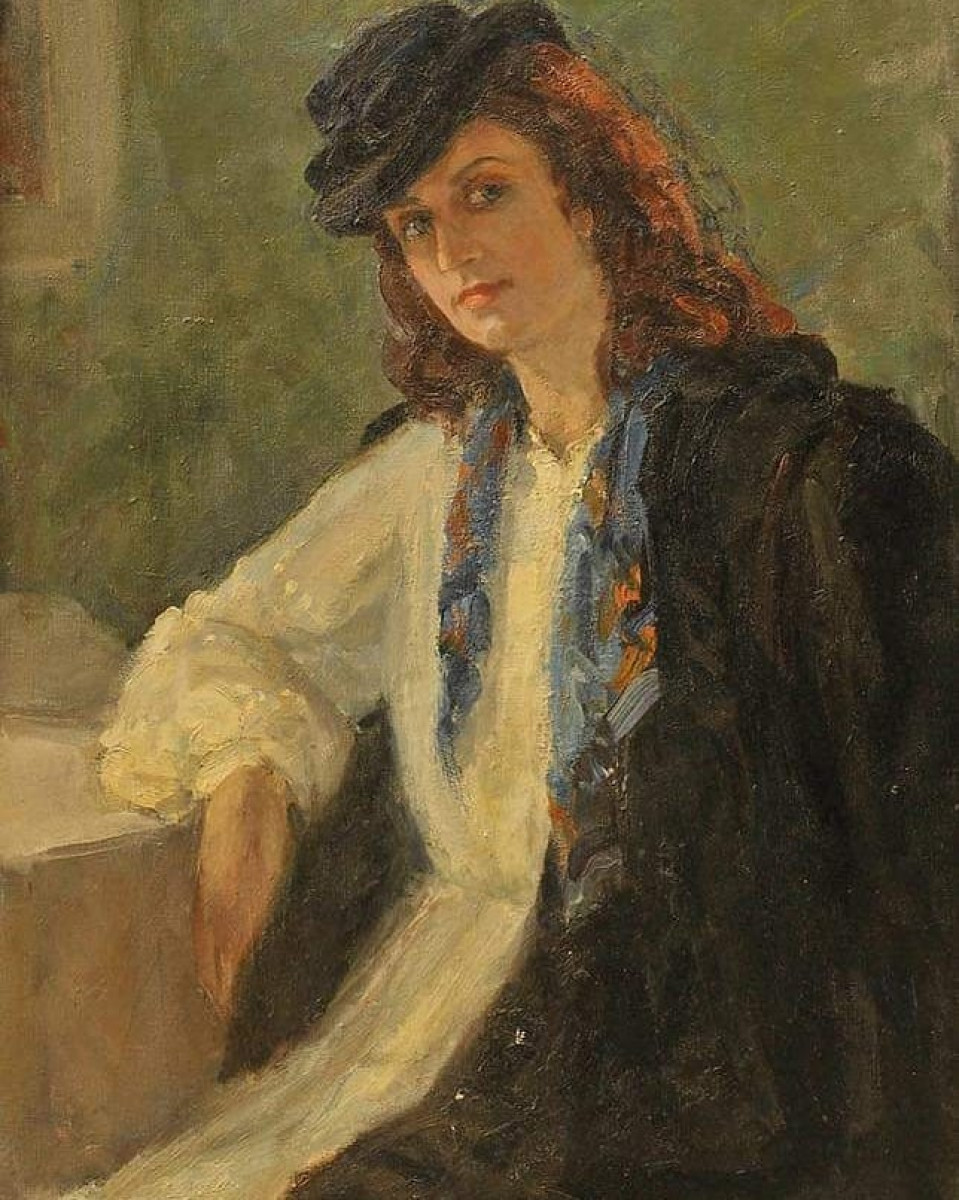
Works associated with themes such as Azerbaijani Women: Past and Present, My Sisters and Daughters of the Land of Fire reflect the artist’s sustained interest in the human figure. These works may be considered not only as representations of a particular social environment but also as artistic interpretations of different life experiences and human relationships.
The human figure occupies an important place within Rahmanzadeh’s broad range of subjects. The specificity of everyday life, individual activity and the surrounding environment gives her work significance both as art and as a record of its time.
Industrial Landscapes and Human Labour
Industrial life forms another notable direction in Rahmanzadeh’s practice. They Brought Supplies, part of her Oil Rocks series, is held in the collection of the Azerbaijan National Museum of Art. According to the museum’s catalogue, the work was created in 1957 using colour autolithography on paper.
Its subject relates to everyday life in an industrial setting. Rather than focusing exclusively on the industrial environment, the work also draws attention to the people who live and work within it. Titles such as Azerbaijan Is an Oil Country, On Our Caspian and Sumgait–Rustavi further demonstrate the significance of industrial themes and changing living conditions in her artistic practice.
Rahmanzadeh’s industrial works are also valuable for understanding the visual landscape of a particular historical period. Labour and production emerge in relation to the everyday experiences of the people whose lives are shaped by these environments.
Graphic Techniques and the Structure of the Image
One of the distinctive features of Rahmanzadeh’s work is her engagement with different graphic techniques. The collection of the Azerbaijan National Museum of Art includes works by the artist executed in colour autolithography and linocut. They Brought Supplies and Golden Hands offer specific examples of this technical diversity.
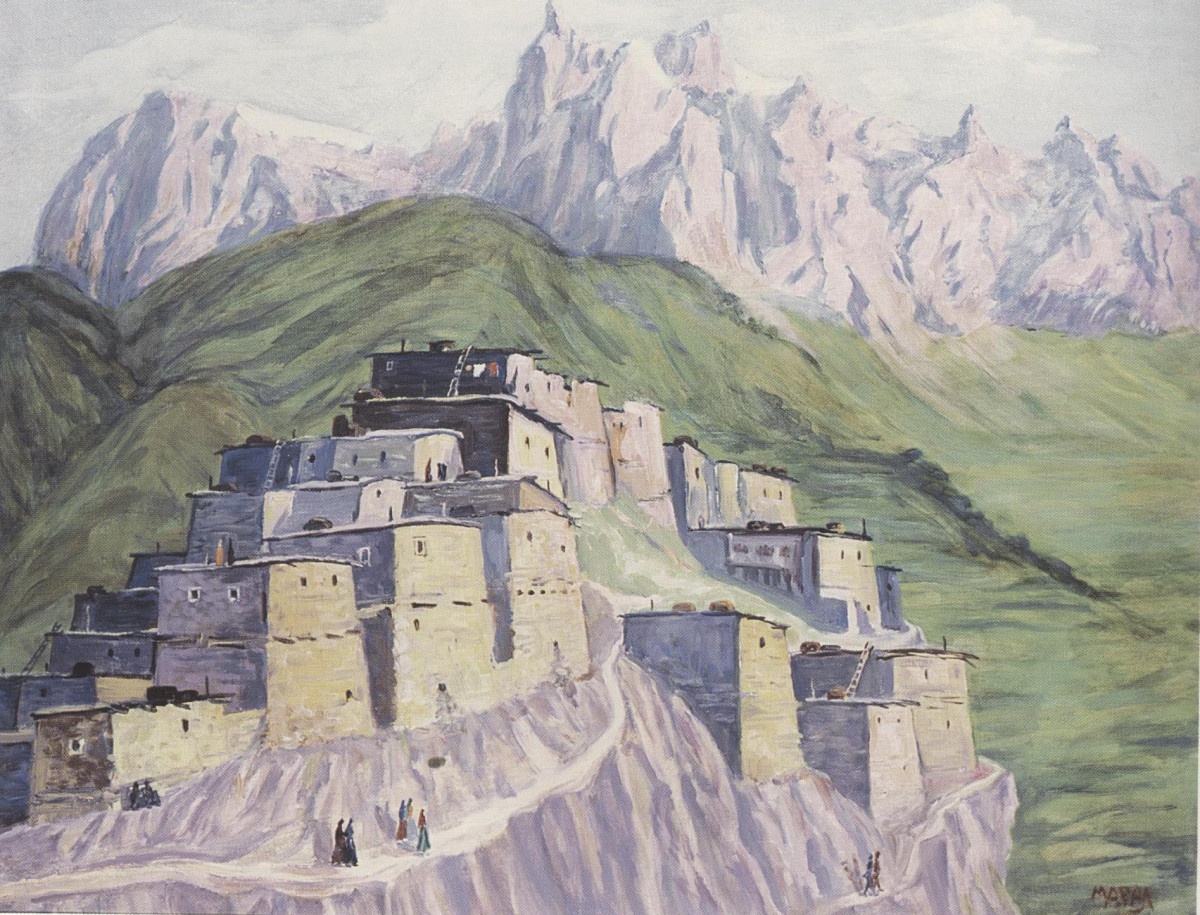
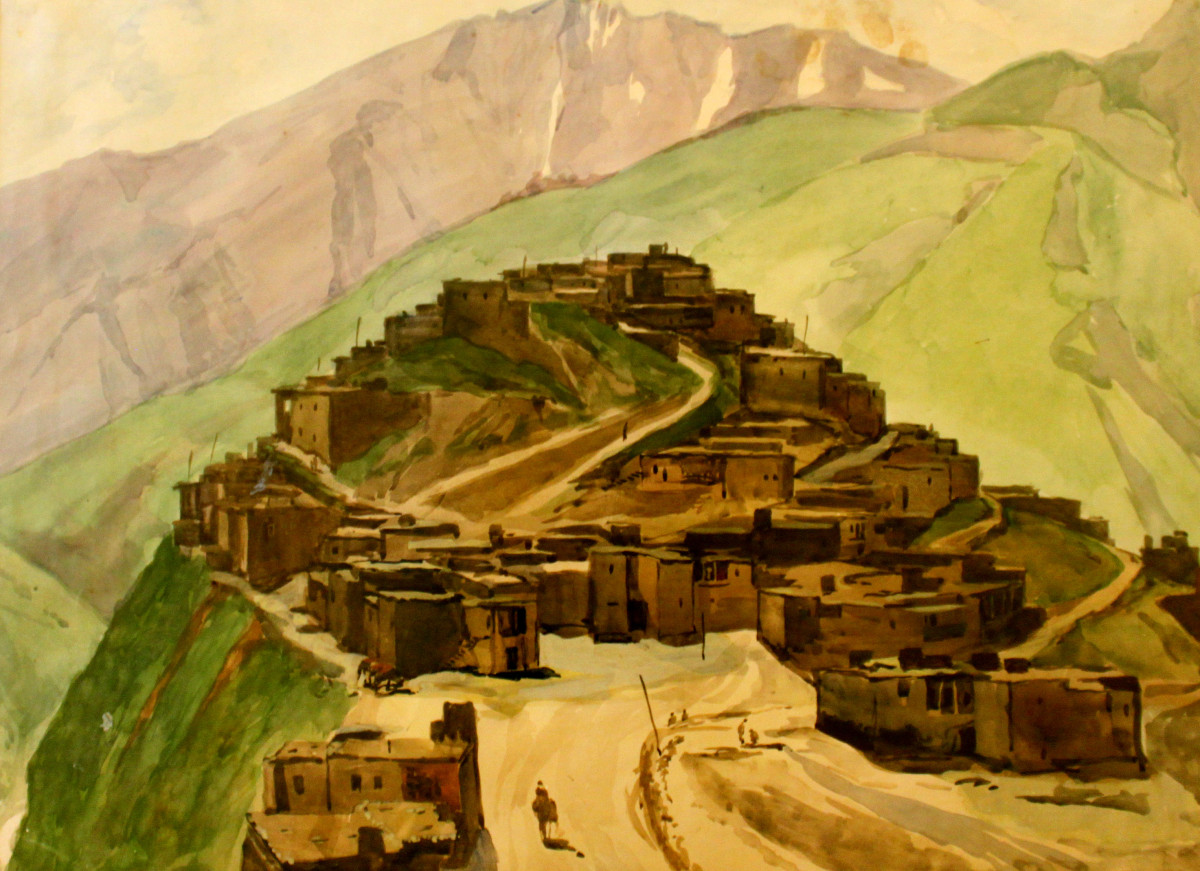
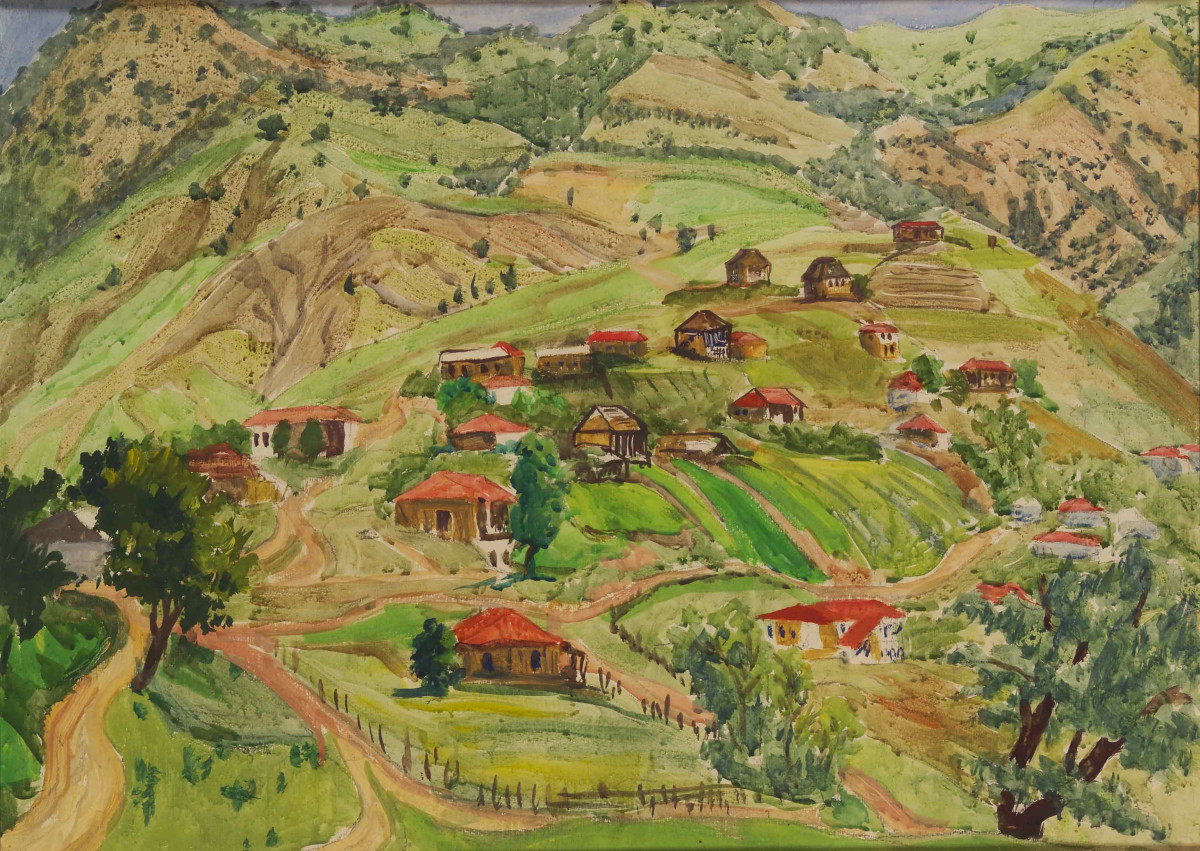
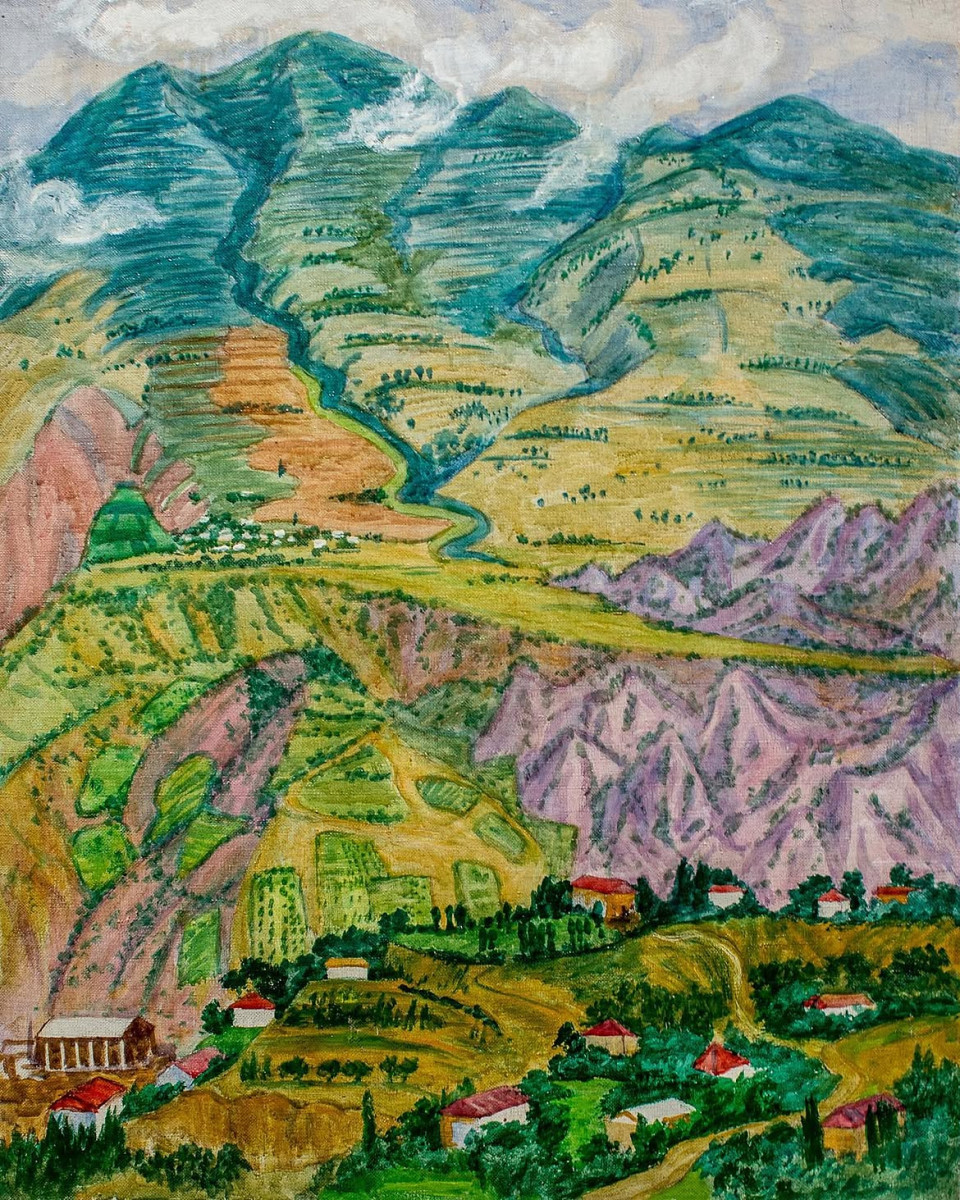
Created in 1967, Golden Hands belongs to the Our Girls series and was produced using the linocut technique. Her 1963 work Khinalig Village demonstrates her interest in the landscapes and living environments of Azerbaijan’s regions. Taken together, these examples reveal the breadth of her practice, extending from human figures and labour to landscape and the representation of inhabited places.
Beyond Azerbaijan
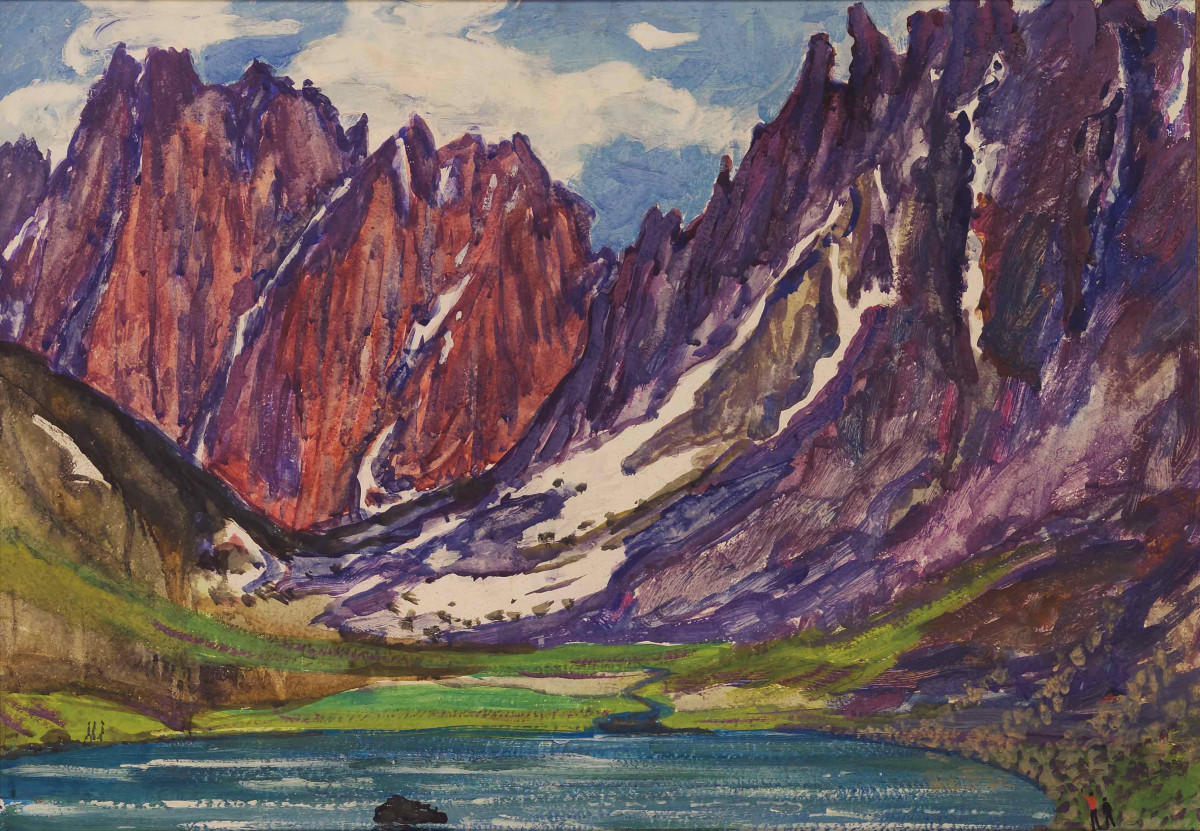
According to the Presidential Library’s biographical account, Rahmanzadeh’s works were exhibited in numerous countries, and solo exhibitions of her art were held in Sri Lanka, Cuba and Iran. She also created graphic series inspired by life in other countries, demonstrating that her field of observation extended beyond Azerbaijani subjects.
Her engagement with different geographical and cultural environments offers another perspective on her artistic legacy. These works make it possible to examine how unfamiliar settings entered her visual experience and how graphic art provided a means of interpreting those observations.
A Contemporary Perspective on Her Legacy
Book illustration, female figures, industrial life, landscapes and impressions gathered through travel represent different strands of Rahmanzadeh’s extensive artistic practice. Her legacy is significant for understanding both the development of Azerbaijani graphic art and the range of subjects it came to encompass.
A contemporary engagement with Rahmanzadeh’s work involves more than revisiting images of the past. The choice of subject, the position of the human figure within the composition and the artist’s visual approach all contribute to the meaning of an artwork. Attending to these elements allows her work to be approached as a living and continuing part of art history.
Maral Rahmanzadeh died on 18 March 2008.
Art Space Gallery MEDIA