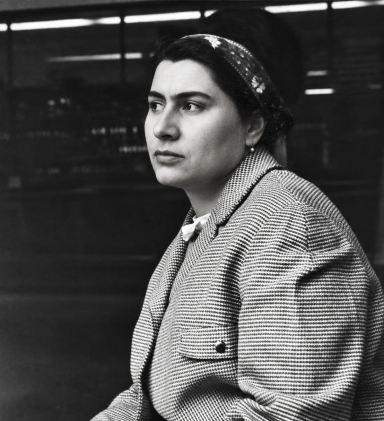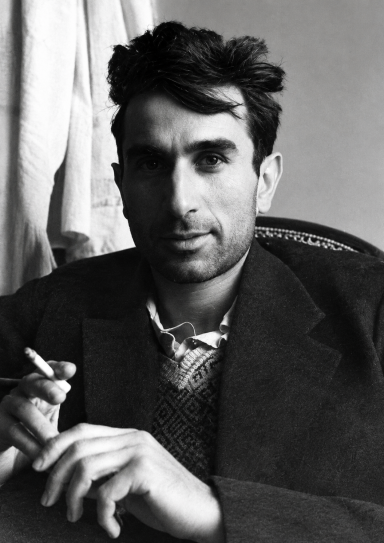
Tofig Javadov was born in Baku on 7 February 1925. From 1948 to 1952, he studied painting at the Azim Azimzade Azerbaijan State School of Art. Sources name among his teachers Ayyub Mammadov, Abdul Khalig, Ayyub Huseynov and Baba Aliyev. The years in which Javadov developed as an artist coincided with a period of growing new artistic searches in Azerbaijani visual art. From the second half of the 1950s, oil production, labour, urban life, portraiture and the Absheron landscape became recurring subjects in his work. Yet Javadov’s art cannot be fully understood through its subject matter alone. At its core lies the transformation of observed reality into a painterly idea.
Industry and the Human Figure
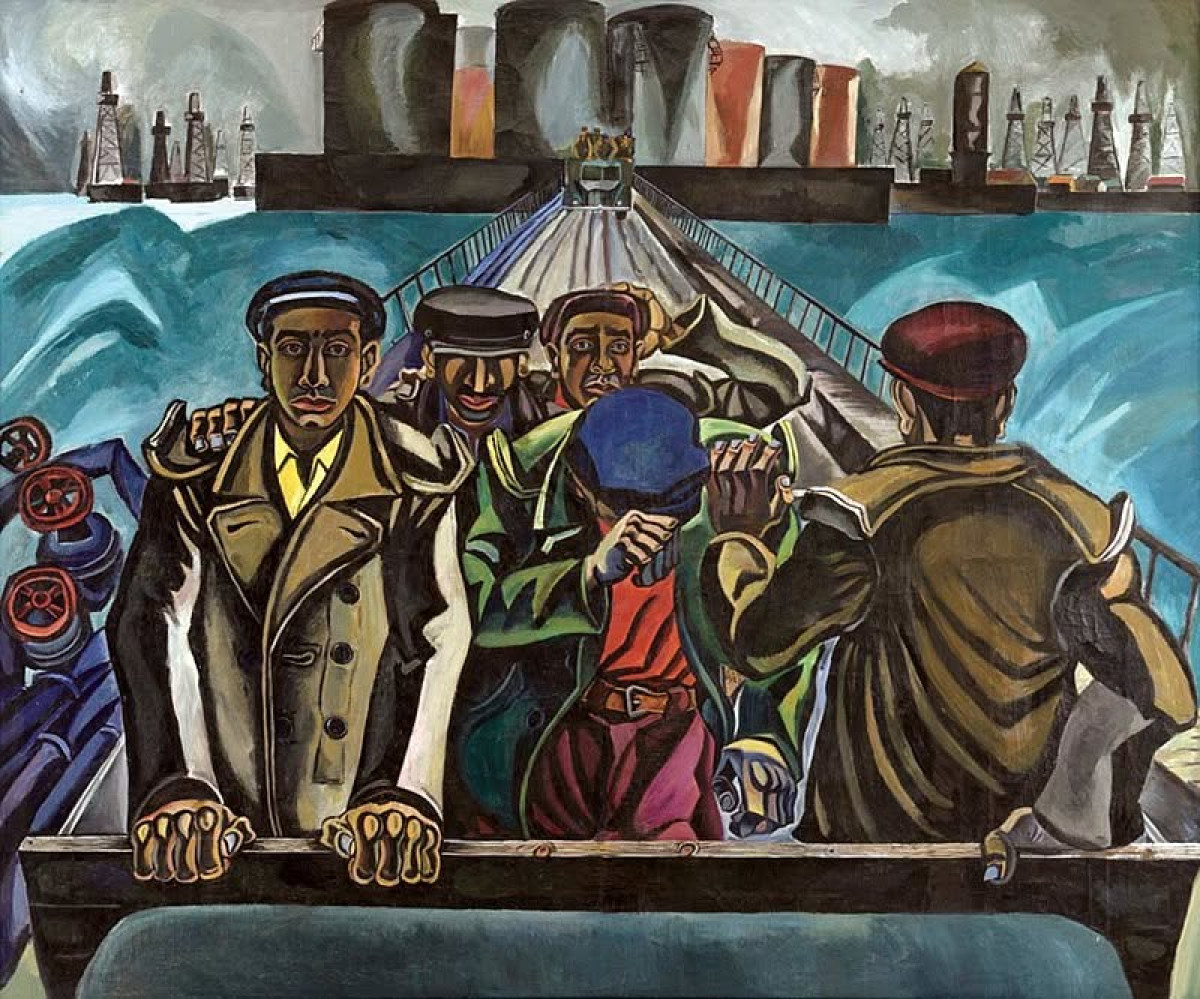
From the second half of the 1950s, oil production and heavy industry occupied an important place in Javadov’s work. Oil Workers, Industrial Landscape, Operator Girl, Oil Worker, In the Steelmaking Shop and Portrait of a Steelworker are among the notable works associated with this direction. Academic research notes that the artist observed industrial enterprises in Baku and Sumgait and turned repeatedly to images of oil workers and labourers. For Javadov, the industrial environment was not merely a subject, but a complex visual field in which modern life, labour and physical activity came together. The oil worker, operator and labourer were not defined solely by their professions; they represented people situated within the concrete realities of their time.
Buzovna and Everyday Life
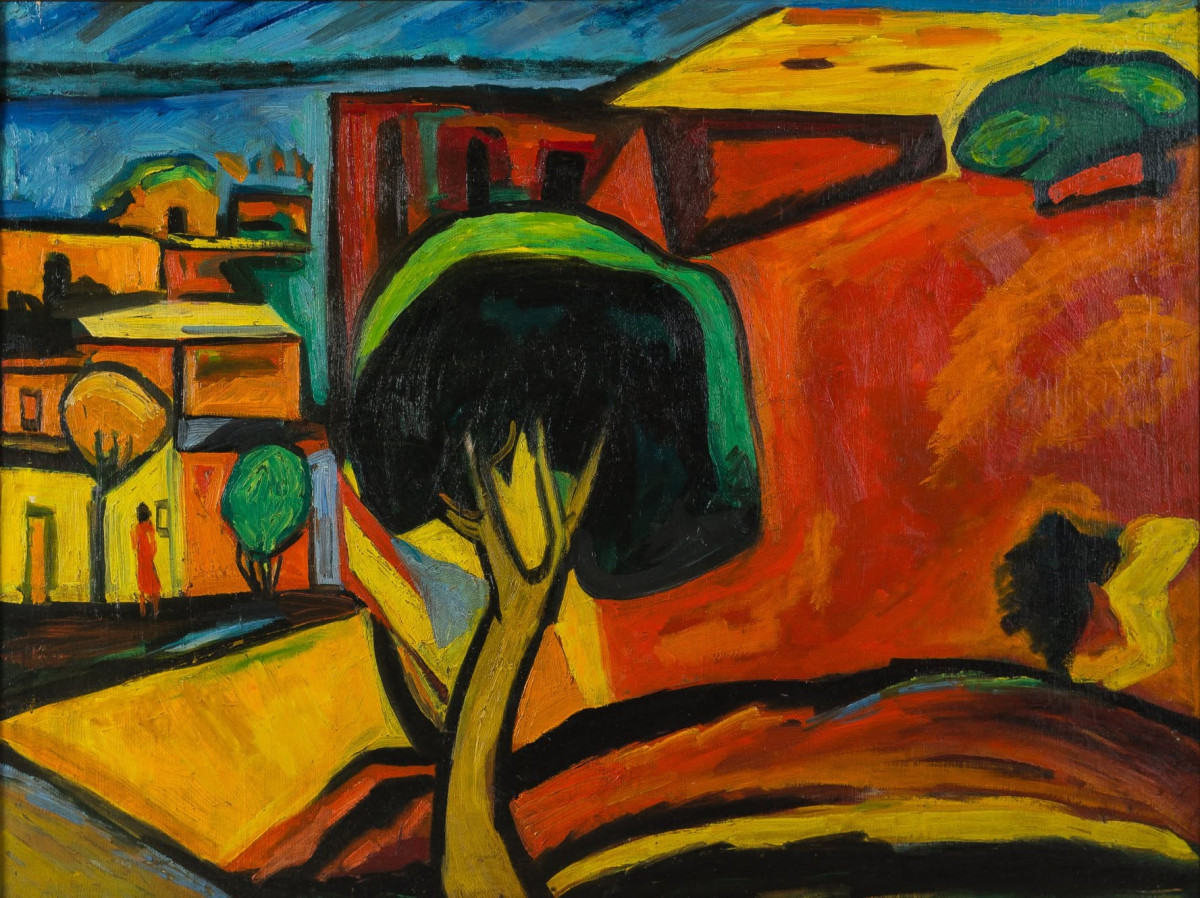
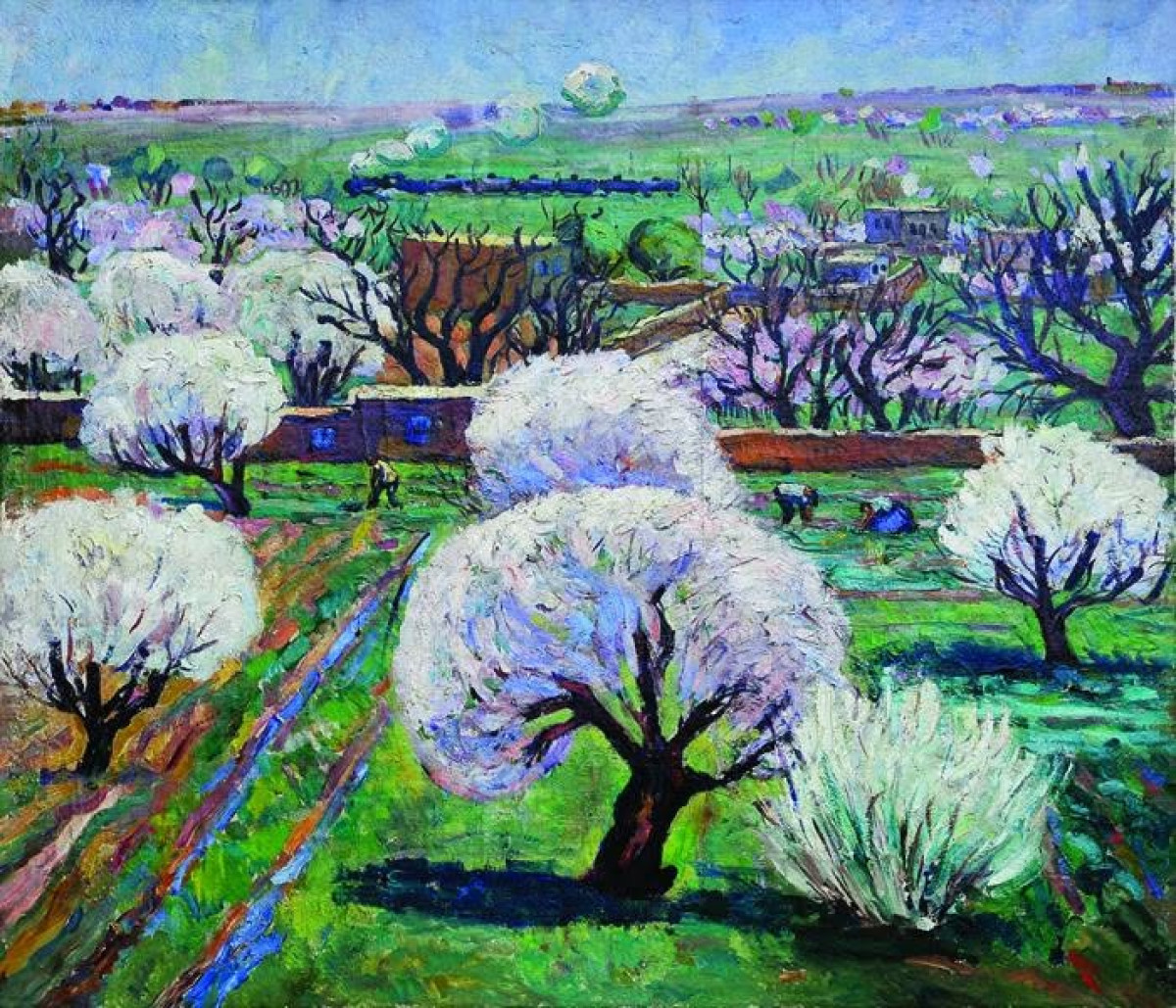
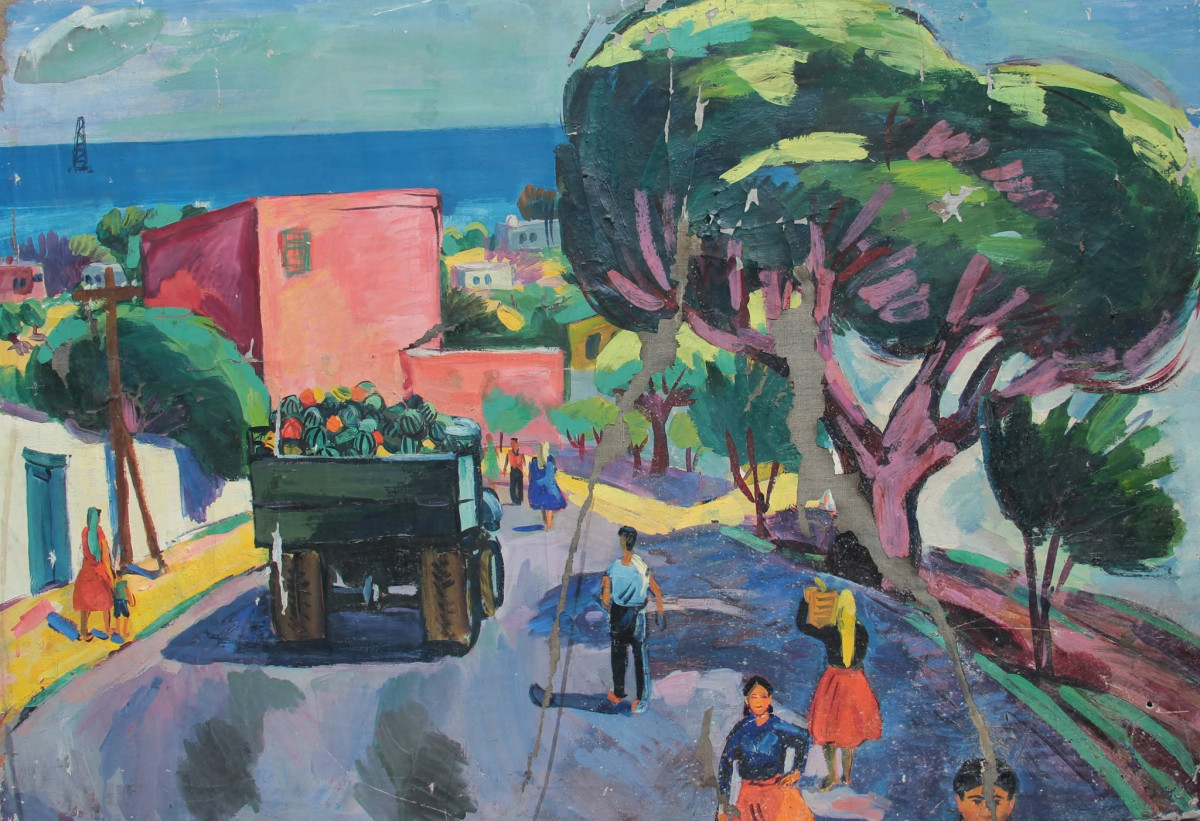
From the second half of the 1950s, Buzovna and Absheron also became important subjects in Javadov’s art. Works such as Street in Buzovna, Village Landscape and Buzovna Pass belong to this body of work. To regard them simply as landscapes would limit the scope of his artistic vision. Streets, buildings, open spaces, earth and sky are combined with observations of everyday life. Javadov reorganised what he saw on the picture surface, transforming an initial observation into an independent artistic whole.
From Image to Painting
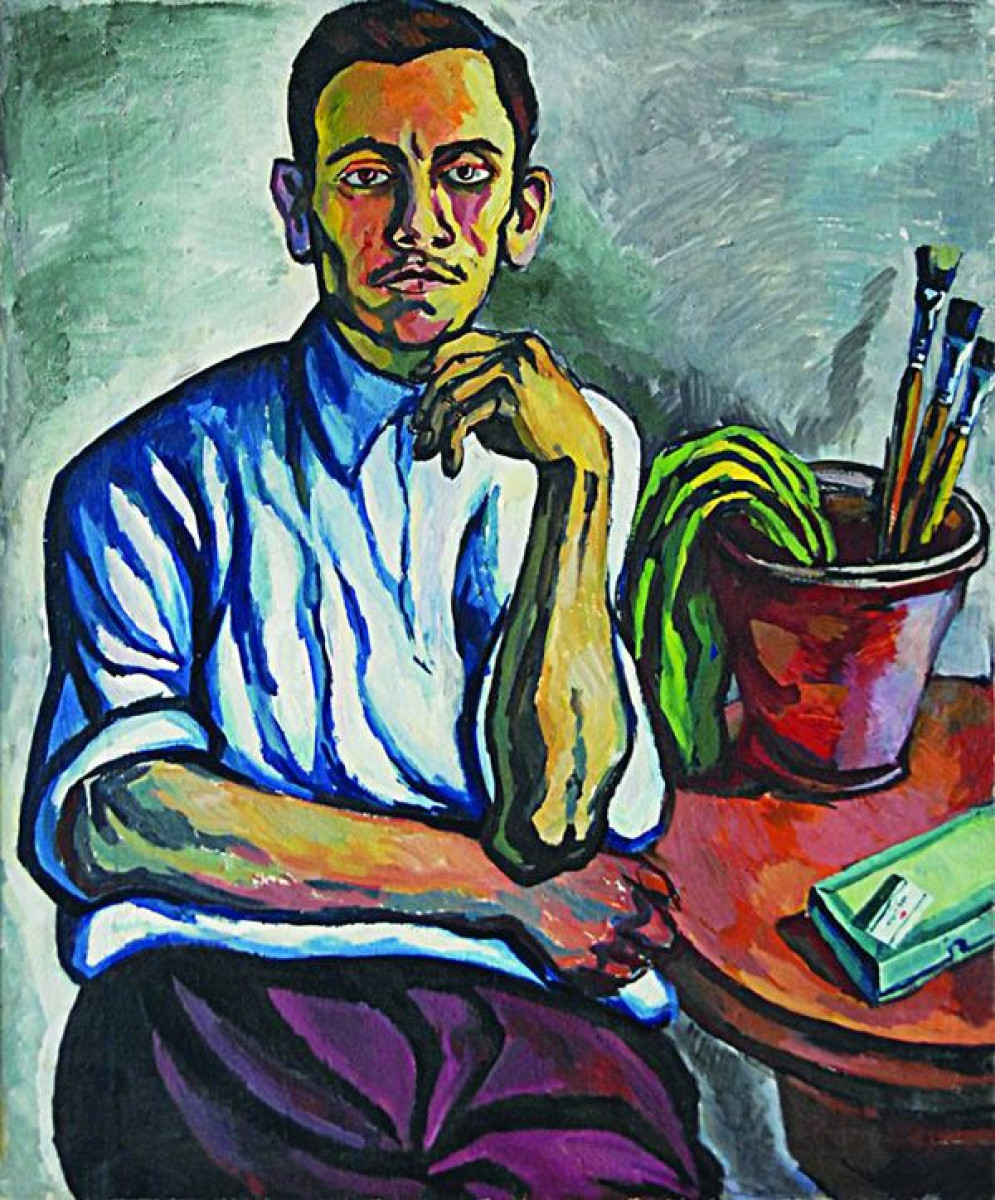
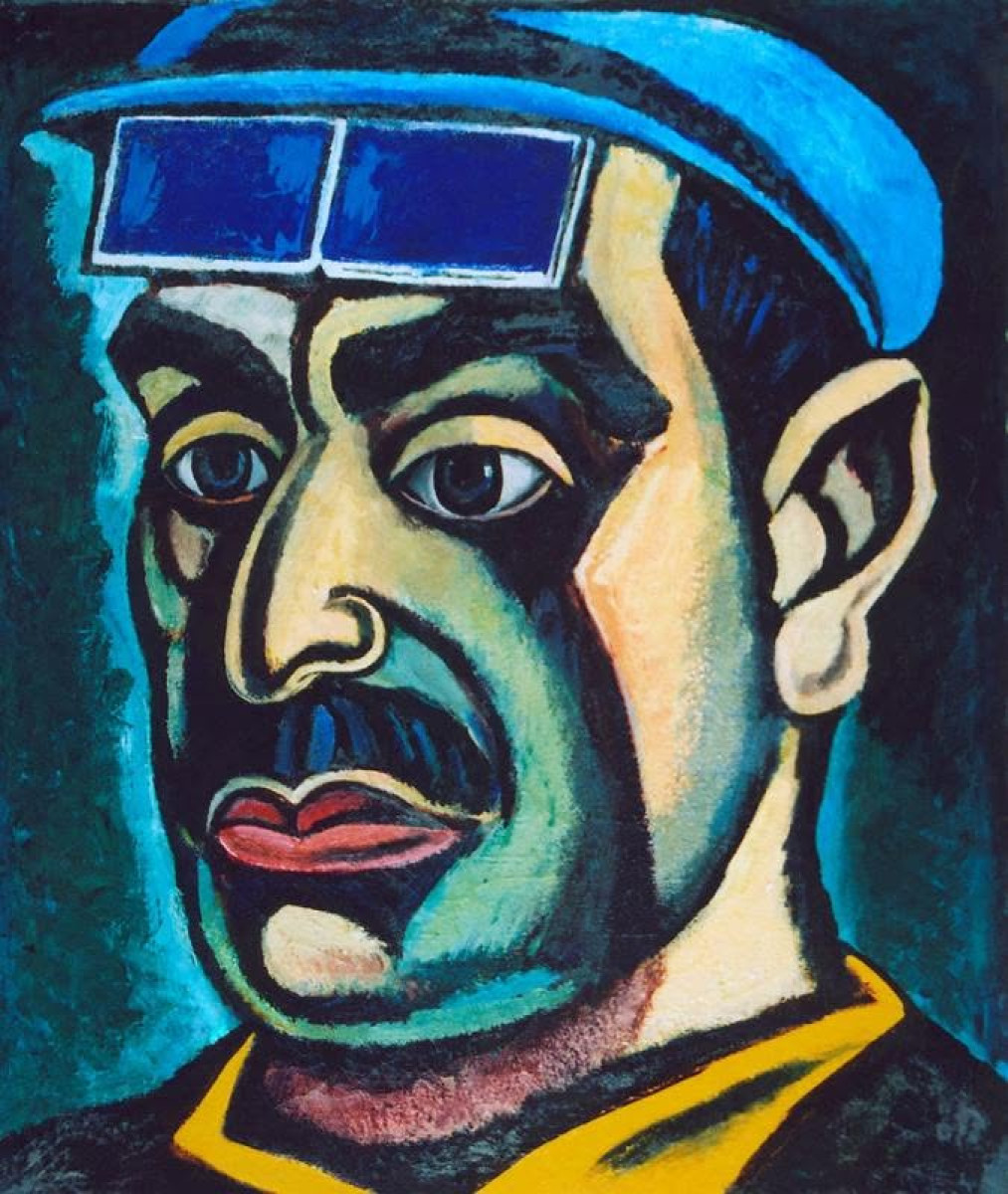
There is no rigid boundary between industry and landscape in Javadov’s work. Industrial Landscape (1960), Lokbatan (1961), In the Martin Furnace Shop (1961–1962), At the Pipe-Rolling Plant (1961), Oil Tanks (1961), Steelworker (1962) and City Landscape (1962) address different subjects, yet they are connected by the same artistic principle: the reconstruction of observed life within the language of painting. The same approach can be felt in works such as Tofig’s Portrait, Portrait of the Operator and Self-Portrait. The figure’s posture, gaze and position within the composition carry meaning beyond physical resemblance. Thus, the figure is not merely a concept belonging to portraiture; it is reality transformed through the artist’s gaze into a new visual meaning.
The Hardening of Form
During the 1960s, Javadov’s painterly language acquired a more tense character. Studies of his work note the active use of black, a heightened dramatic quality and a freer treatment of form during this period. Still Life with Lamps, Industrial Landscape, Lokbatan, Tanks, City Landscape, Sleeping Child and Wind are among the works associated with this stage. The Azerbaijan National Museum of Art also presents Javadov as one of the representatives of Azerbaijani avant-garde art of the 20th century. Its 2025 exhibition An Unfinished Life, dedicated to the artist’s centenary, presented 91 works, including paintings, graphic works, book illustrations and sketches.
Wind
Wind is one of the most compelling works of the final stage of Javadov’s career. The work is dated to 1963. In later years, various symbolic interpretations emerged around it, including the idea that the artist somehow sensed his approaching death. This, however, is not an established biographical fact. From a purely artistic perspective, another quality becomes more significant: wind cannot be seen; its presence is understood through movement. The position of the figure, the movement of the clothing and the overall tension of the composition transform an invisible force into visible form. This reveals one of the broader principles of Javadov’s art — the expression of what can be sensed through what can be seen.
A Continuing Place in Art History
Javadov’s work has continued to be reconsidered through exhibitions and research. In 2015, his works were presented at the Venice Biennale within the Azerbaijani pavilion’s Beyond the Line project. In 2016, they were included in Stars of Absheron. Azerbaijani Artists of the 1960s–1980s at the State Tretyakov Gallery in Moscow. His centenary exhibition at the Azerbaijan National Museum of Art in 2025, with 91 works on view, provided another substantial opportunity to reassess the breadth of his artistic legacy.
To limit Tofig Javadov’s art to concepts such as neorealism, the “hard style” or the Absheron school of painting would not fully convey the individuality of his vision. These terms are important for understanding his place in art history, but closer observation of his works reveals another process: observed life passes through the artist’s gaze and becomes a figure. The oil worker is no longer merely a profession, the factory is no longer simply an industrial structure, Buzovna is no longer merely a landscape, and wind is no longer simply a natural phenomenon. Each acquires a new artistic meaning through the artist’s choices, compositional thinking and attitude towards form.
For me, this is precisely what continues to make Javadov’s art relevant: he did not simply transfer what he saw onto canvas; he searched for what the things he saw could become in painting. In his work, the image is not the final point — it is the beginning of the figure.
Tofig Javadov died on 20 August 1963, at the age of 38. Sources record that he lost his life in an accident involving the Moscow–Serpukhov electric train.
Art Space Gallery MEDIA