The world of painting and graphic art shaped by the observation of people, places and everyday life
The Formation of an Artist
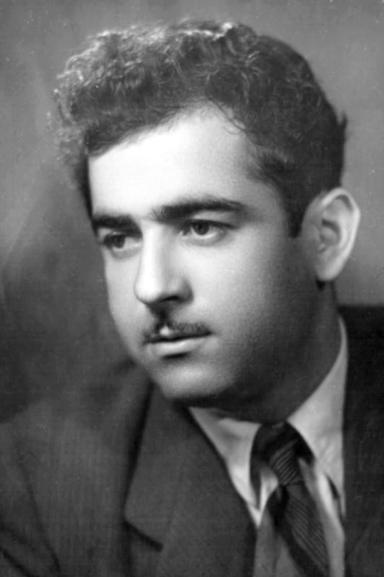
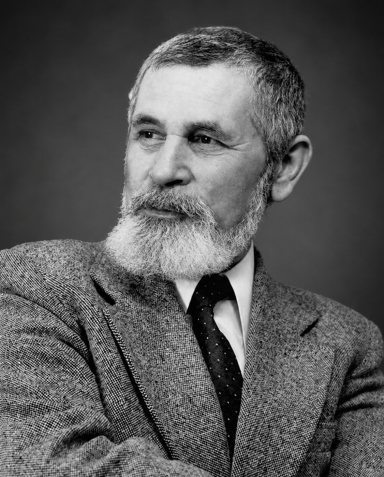
Davud Mehdi oglu Kazimov was born in Baku on 9 November 1926. From 1941 to 1945, he studied at the Azim Azimzade Baku Art School. In 1946, he became a member of the Union of Artists of Azerbaijan. From 1947 onward, he participated in republican and All-Union exhibitions.
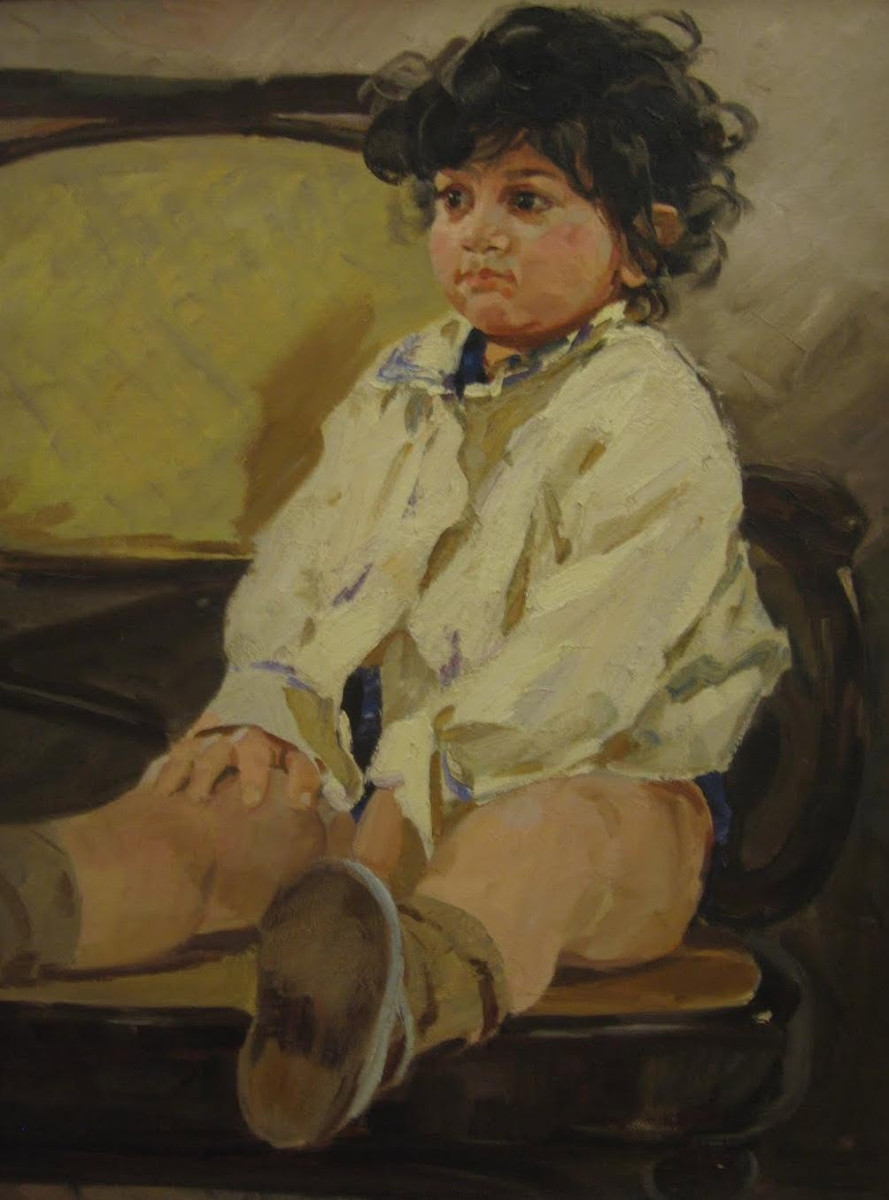
The early period of Kazimov’s professional career coincided with the post-war years. His works of this period addressed themes related to war heroes, children and everyday life. Among the works from this period are The Reception of the Soldier, Concert-Riddle, At the Beach and Children’s Consultation.
The Human Figure
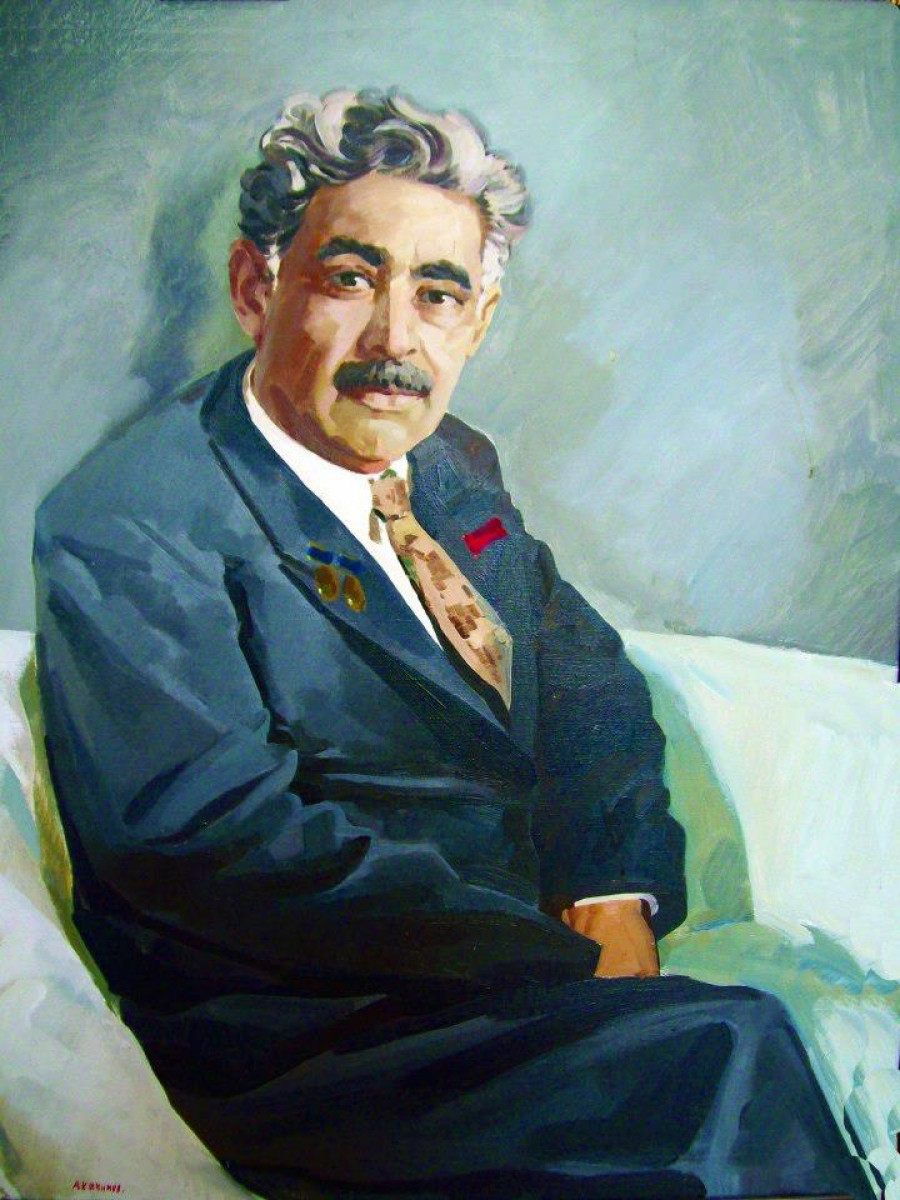
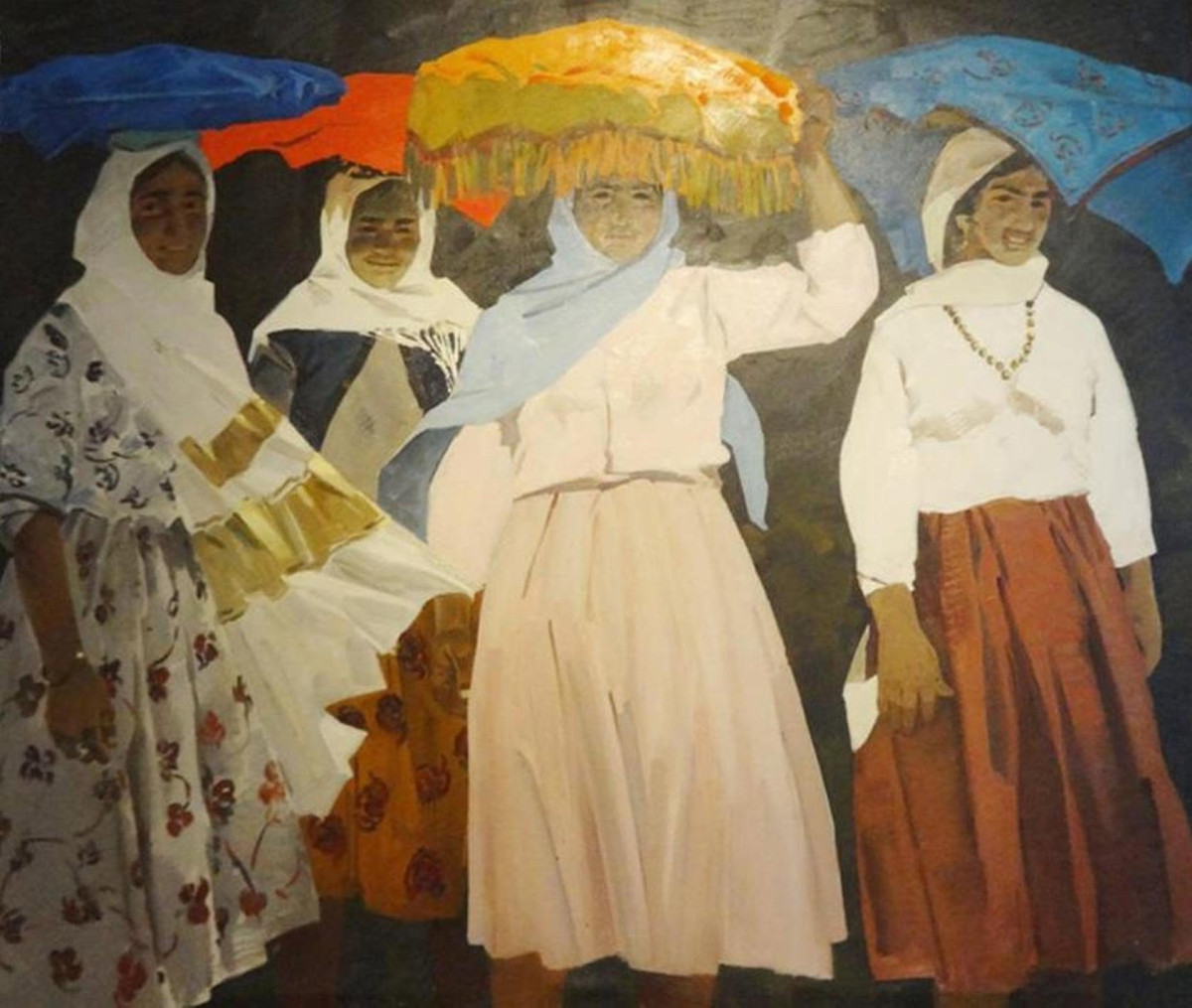
The human figure became one of the central subjects in Kazimov’s painting. People from different professions and social environments appear throughout his narrative compositions and portraits.
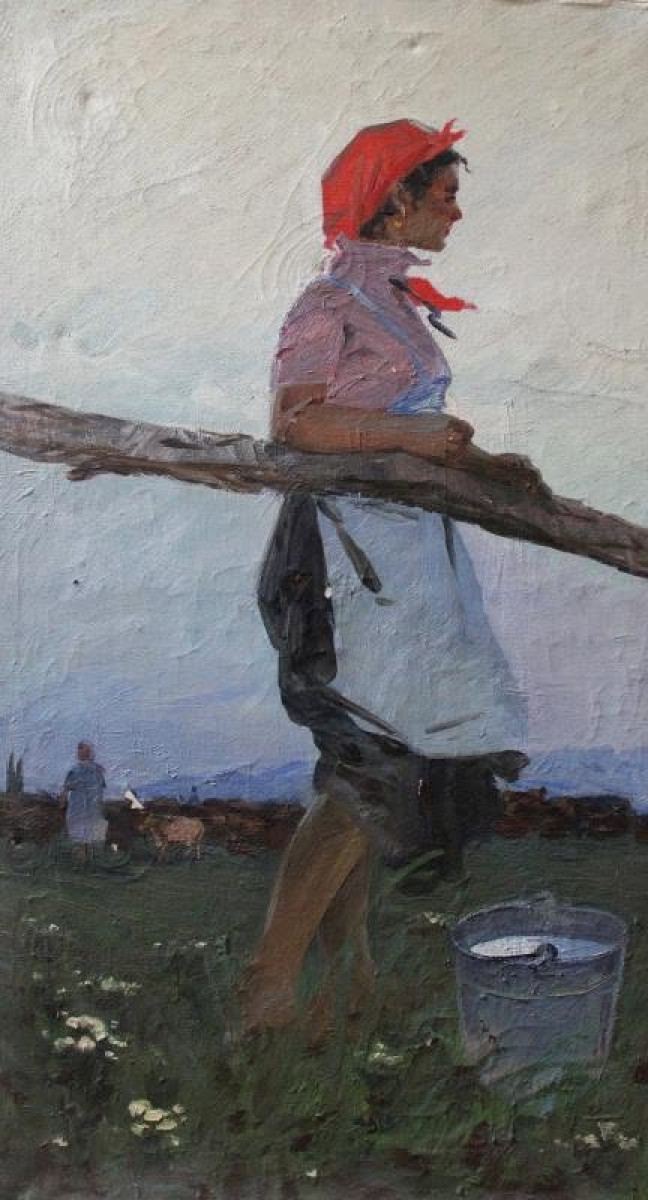
Workers from the oil industry, agricultural labourers and representatives of various professions feature in his works devoted to labour. Milkmaids, In the Field, Women of Absheron, Sumgayit Motif, Tea Seller Elmira and Friends belong to this body of work.
The Caspian and the Theme of Labour
The Caspian Sea and the Absheron landscape occupy an important place in Davud Kazimov’s artistic output. The oil industry, coastal life and different forms of human labour became subjects of a number of his works.
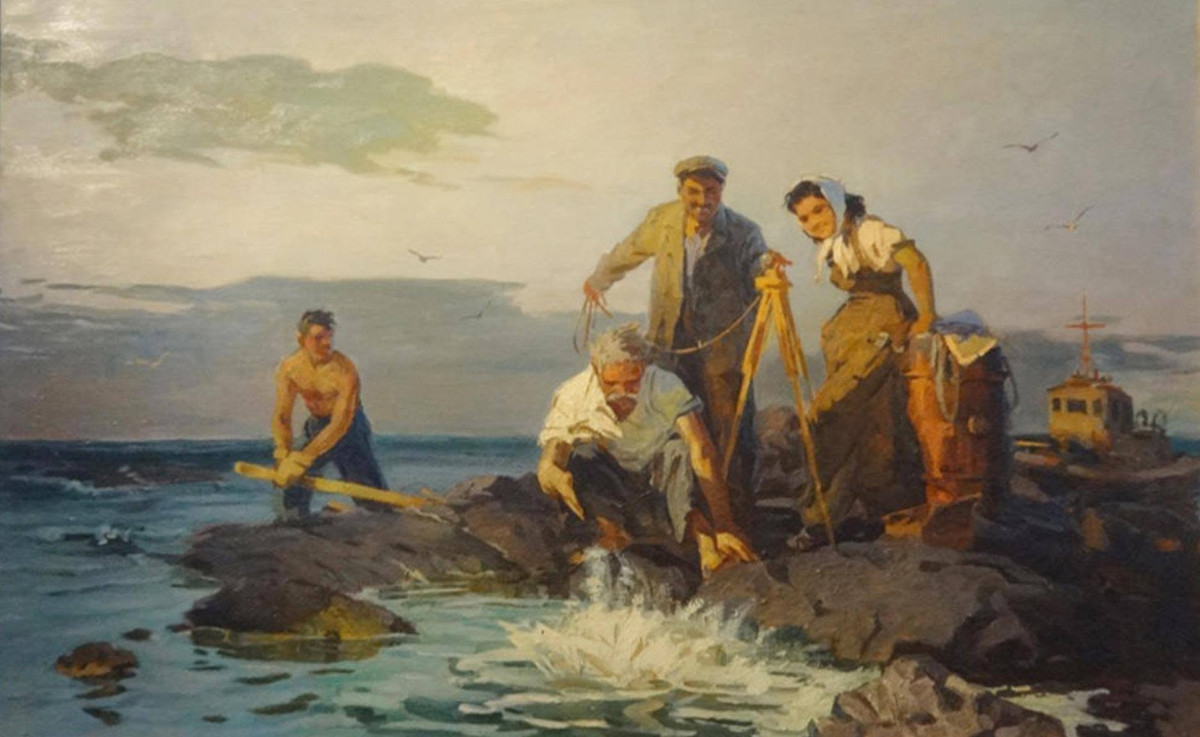
Created in 1957, The Underground Resources of the Caspian depicts the work of Azerbaijani oil workers. Four figures are presented on the Caspian coast, with the working environment of the oil workers forming the principal setting of the composition.
In works such as Roads, Milkmaids and Women of Absheron, the relationship between people and the environment in which they live and work remains an important subject.
Landscape
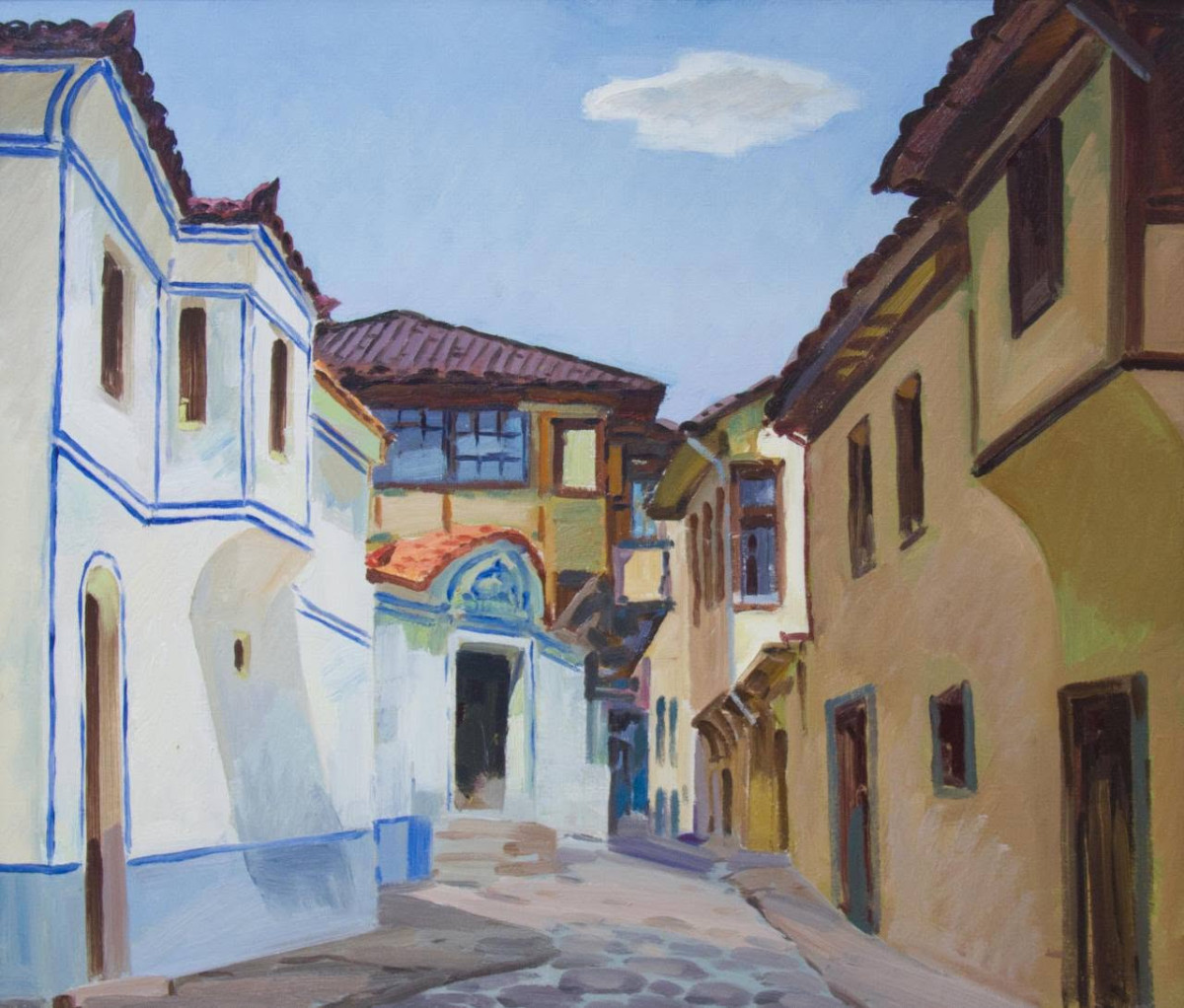
Landscape developed as a distinct direction in Kazimov’s work. Alongside Baku and Absheron, views of cities and natural surroundings encountered during his travels also became part of his artistic practice.
Beginning with early landscapes such as Zagulba and Seashore, Kazimov repeatedly turned to the Caspian coast, the Absheron landscape and different inhabited environments.
In 1979, he travelled to Bulgaria and, at the end of 1980, to Spain. These journeys resulted in works belonging to his Bulgaria Series and Spain Series.
Graphic Art and Illustration
Alongside painting, Davud Kazimov worked extensively in graphic art. Book illustration constituted an important part of his creative practice.
He produced illustrations for works by such Azerbaijani literary figures as Jalil Mammadguluzadeh, Jafar Jabbarly and Mirza Ali Mojuz. Illustrations created for children’s literature also formed part of this aspect of his work.
Teaching
Kazimov’s artistic career developed alongside a long period of teaching. From 1947 to 1966, he taught at the Azim Azimzade Baku Art School. In 1979, he graduated from the theatre studies faculty of the M. Aliyev Azerbaijan State Institute of Arts.
From 1984 to 2001, he worked at the Azerbaijan State University of Culture and Arts, becoming an associate professor in 1994 and a professor in 1996. From 2001, he served as a professor in the Department of Academic Painting at the Azerbaijan State Academy of Arts.
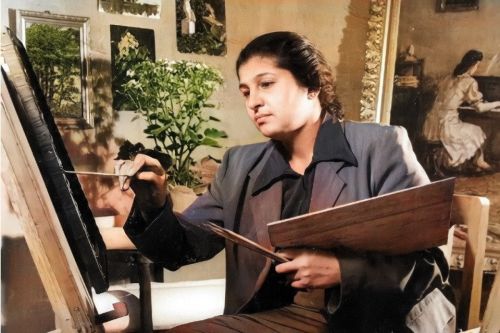
Davud Kazimov’s artistic practice encompassed painting, graphic art, portraiture, landscape, narrative composition and book illustration.
Davud Kazimov died in Baku on 14 February 2015.
Art Space Gallery MEDIA