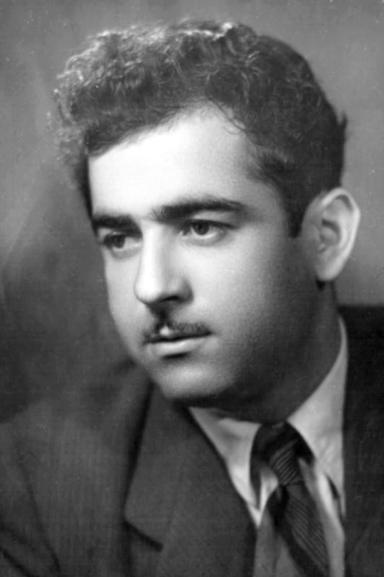
A multifaceted creative journey from film design to painting, theatre and graphic art
The Beginning of His Artistic Path
Kamil Najafzadeh was born on 29 December 1929 in Lankaran. From 1943 to 1948, he studied at the Azim Azimzade Art School. In 1949, he entered the All-Union State Institute of Cinematography in Moscow, completing his higher education in 1955. That same year, he began working as a production designer at Azerbaijanfilm studio.
From the outset, Najafzadeh’s artistic path extended beyond a single discipline. Alongside cinema, painting, graphic art and theatre became central fields of his creative practice.
The Film Artist
Cinema remained a major part of Najafzadeh’s career for decades. During his work at Azerbaijanfilm, he contributed as production designer to nearly forty feature films. His preparatory drawings addressed sets, costumes, environments and the visual construction of characters before they reached the screen.
This experience also shaped his artistic language. Cinema encouraged him to think not only in terms of an individual image, but through changing spaces, viewpoints and sequences of time. His film sketches reveal a sustained interest in composition, perspective and the relationship between light and shadow.
His work for films including On Distant Shores, Two Boys from One Neighborhood and A True Friend represents an important part of his contribution to Azerbaijani film art.
Painting and Graphic Art
Alongside cinema, Najafzadeh continued to work extensively in painting and graphic art. The city, the sea, people, labour and different geographical environments became recurring subjects.
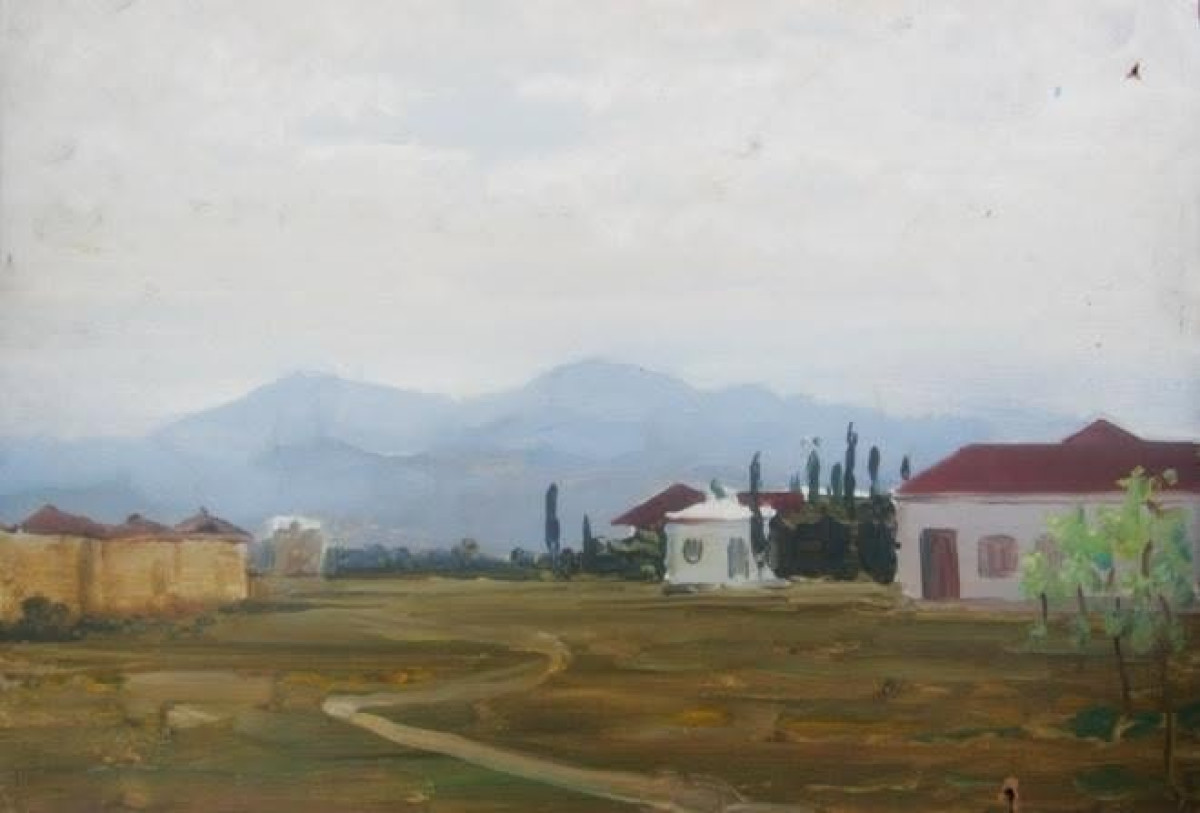
Baku and Absheron, the Caspian Sea, old ships, the oil industry and everyday life appear throughout his paintings in different forms. In works such as Oil Rocks, Old City, Black Rocks, Morning in Absheron and Evening, space is not merely a background; it becomes an active structural element of the composition.
In his graphic works, he worked with materials including pastel, ink, watercolour and graphite. The drawings produced during his travels formed another important aspect of his practice, reflecting his close observation of unfamiliar places and cultures.
The Vietnam Series
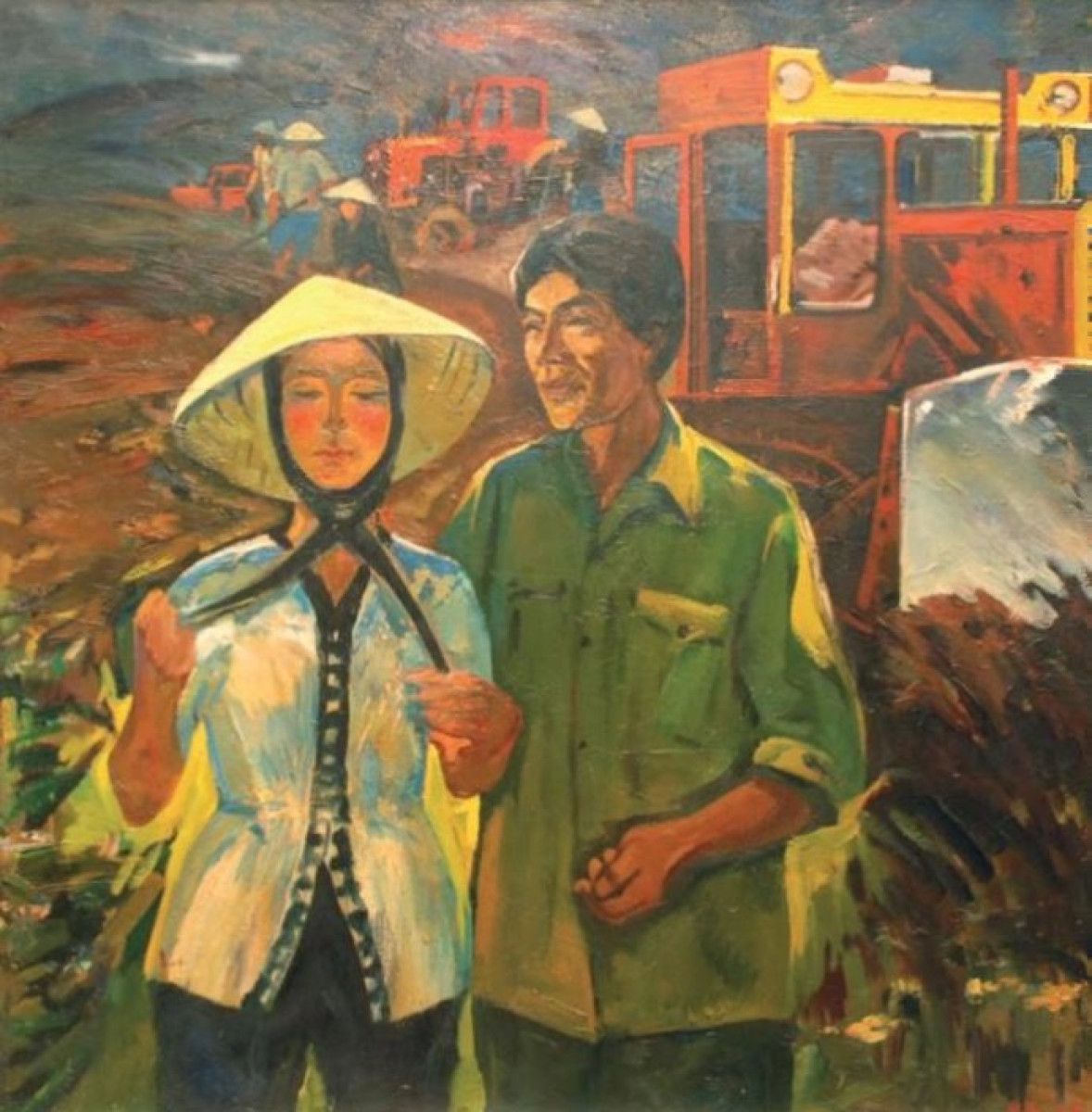
A journey to Vietnam in 1981 as part of an Azerbaijani delegation occupies a distinctive place in Najafzadeh’s artistic biography. During the approximately twenty-day journey, he observed different environments and gathered sketches and visual material.
The trip resulted in a series devoted to Vietnam. Among its known works are Ploughing, Drying Rice, Vietnamese Fishermen, Fisherwoman, Twilight, Rain and Girl in a Yellow Dress.
Everyday life, labour and the human figure form the central subjects of the series. For Najafzadeh, the foreign landscape was not simply a new visual setting; it became an opportunity to observe a different social environment and rhythm of life.
Travel and Graphic Observation
Travel played an important role in Najafzadeh’s work. In Venice, Cologne, Istanbul and Jerusalem, architecture, streets and urban structures became central subjects of his drawings and paintings.
Rather than treating a city only as a panoramic view, he often approached it through individual perspectives and architectural details. His treatment of architectural forms became one of the clearest expressions of his sensitivity to space.
Historical Events
Historical and social events also occupy an important place in Najafzadeh’s work. Among these subjects, the events of January 1990 hold particular significance.
Following the events of January 1990, works such as The Cry of Azerbaijan became artistic responses to an experience he had personally witnessed. In an interview, the artist recalled visiting hospitals and morgues in the aftermath of the events.
Here, history is not presented merely as a recorded event. It becomes a subject of human suffering and collective memory.
Theatre
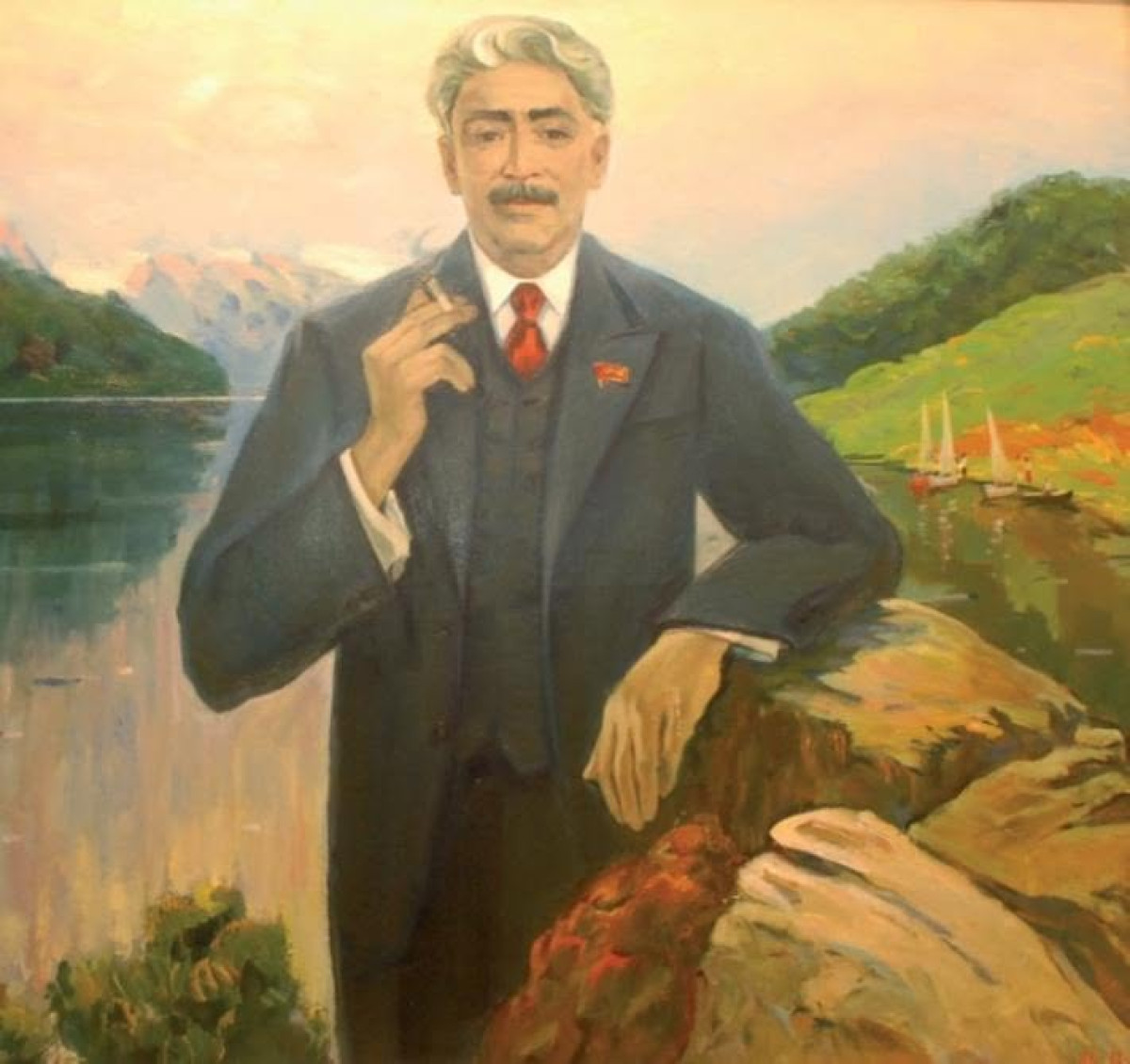
Theatre formed another important field within Najafzadeh’s practice. He worked on the artistic design of stage productions, including Huseyn Javid’s The Prince and Samad Vurgun’s Farhad and Shirin.
This work allowed Najafzadeh to explore spatial construction in a different form. For him, stage design was not simply a visual setting but part of the artistic structure of the environment in which the action unfolded.
Creative and Teaching Practice
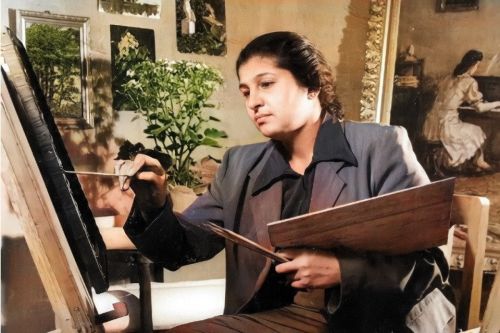
Alongside his artistic work, Najafzadeh maintained a long teaching career. He served as a professor at the Azerbaijan University of Culture and Arts and the Azerbaijan State Academy of Arts.
His career represents a broad artistic practice in which painting, cinema, graphic art and theatre were not isolated disciplines. The human figure, city, landscape, architecture and historical events appear across these fields through different techniques and forms.
Kamil Najafzadeh died on 29 June 2011. His body of work remains an important artistic experience connecting several major directions of twentieth-century Azerbaijani visual culture and film design.
Art Space Gallery MEDIA