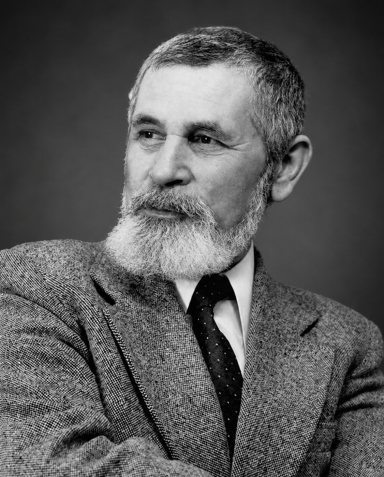
The artistic journey of a painter shaped by literature, from painting to graphic art and portraiture
Ogtay Sadigzade was born in 1921 in Khizi into the family of writer and literary critic Seyid Huseyn and poet Ummugulsum. Growing up in a family closely connected with literature created the conditions for the development of one of the important directions of his later artistic work — the relationship between literary text and visual art. His interest in art emerged at an early age, and in 1935 he entered the Baku Art Technical School. His education there between 1935 and 1939 became a fundamental stage in his formation as a professional artist.
Early Works
Sadigzade began his artistic career in the late 1930s. During this period, he worked primarily in painting and produced works such as “Draft Call,” “Walk,” “Communist Street” and “Schoolgirls.” The human figure, everyday life and the observation of the surrounding environment already occupied an important place in these early works. The 1941 version of “Communist Street” is among the documented works of this formative period.
The exhibition of “Draft Call” in Moscow in 1940 was an important event in the early career of the young artist.
Exile and a New Stage in His Artistic Life
In 1941, Sadigzade was exiled as a member of a family subjected to political repression. This created a prolonged interruption in his life. Despite the difficult circumstances, however, he maintained his connection with art and continued his creative activity. His return to Baku in 1946 marked the beginning of a new stage in his professional career.
After returning to Baku, he turned toward book graphics, which brought an important change to his artistic practice. He later continued his education at the Surikov Moscow State Art Institute and graduated in graphic art in 1956.
Book Graphics
Book graphics became one of the principal directions of Sadigzade’s artistic work for many years. His work as an art editor at Azerneshr expanded his involvement in publishing and illustration. He illustrated a wide range of works from Azerbaijani and world literature, interpreting their plots, characters and emotional atmosphere through graphic language.
Among the works he illustrated were Ivan Turgenev’s “Fathers and Sons,” Maxim Gorky’s “The Artamonov Business,” Honoré de Balzac’s “Father Goriot,” Victor Hugo’s “Les Misérables,” Reşat Nuri Güntekin’s “Çalıkuşu,” Suat Derviş’s “Fosforlu Cevriye,” Imran Gasimov and Hasan Seyidbeyli’s “Far Shores,” Jalil Mammadguluzadeh’s “The Events of the Village of Danabash,” Huseyn Javid’s “Siyavush,” “Iblis” and “Afat,” as well as works related to Nasimi and writings by his father, Seyid Huseyn.
The years 1949–1980 are identified as one of the most productive periods of Sadigzade’s work in book graphics. During this period, his illustrations developed beyond the simple accompaniment of literary texts and became a broader form of artistic interpretation, bringing plot, human figure and composition together within a unified graphic structure.
Portraiture
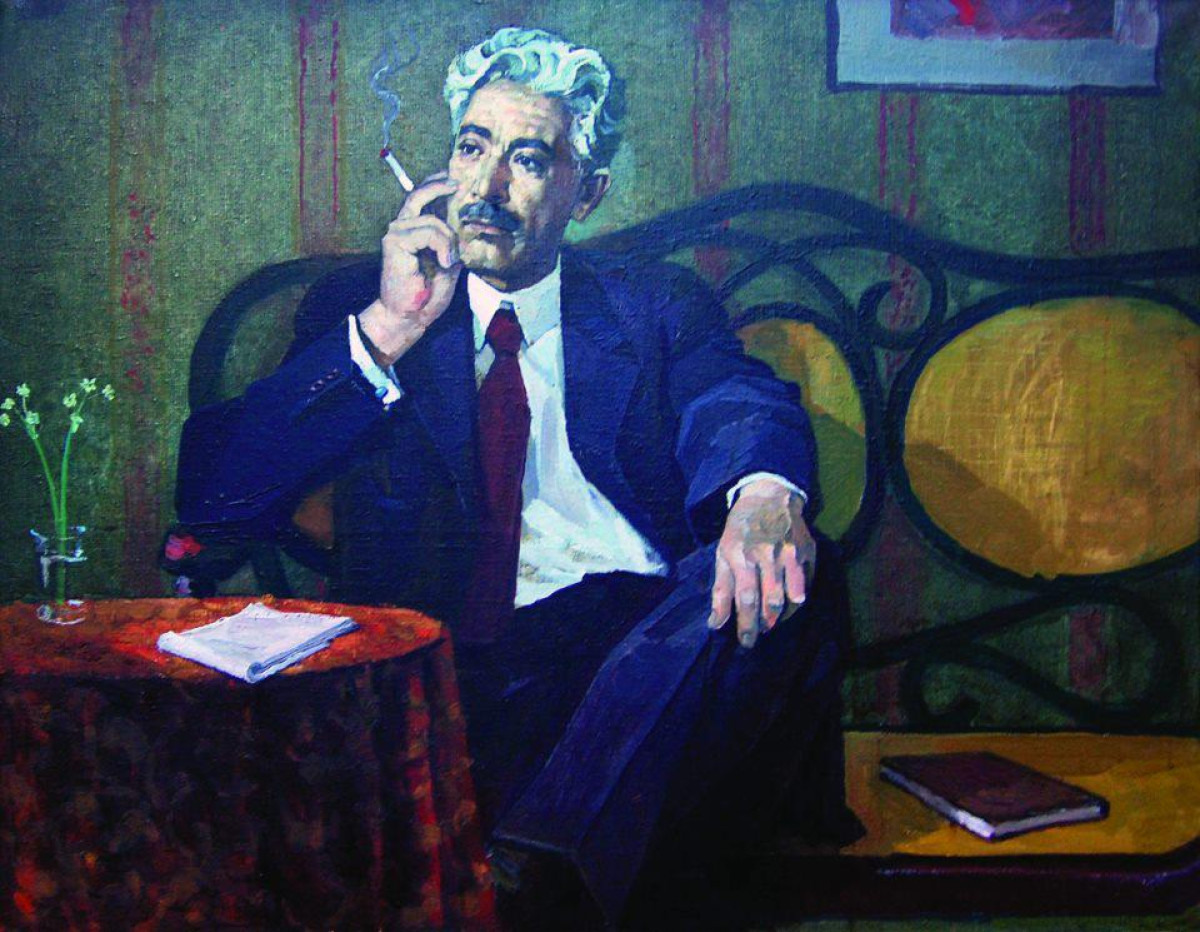
Portraiture formed a distinct and sustained direction within Sadigzade’s artistic career. At different stages, he portrayed writers, poets, figures of culture and science, public personalities and people of labour.
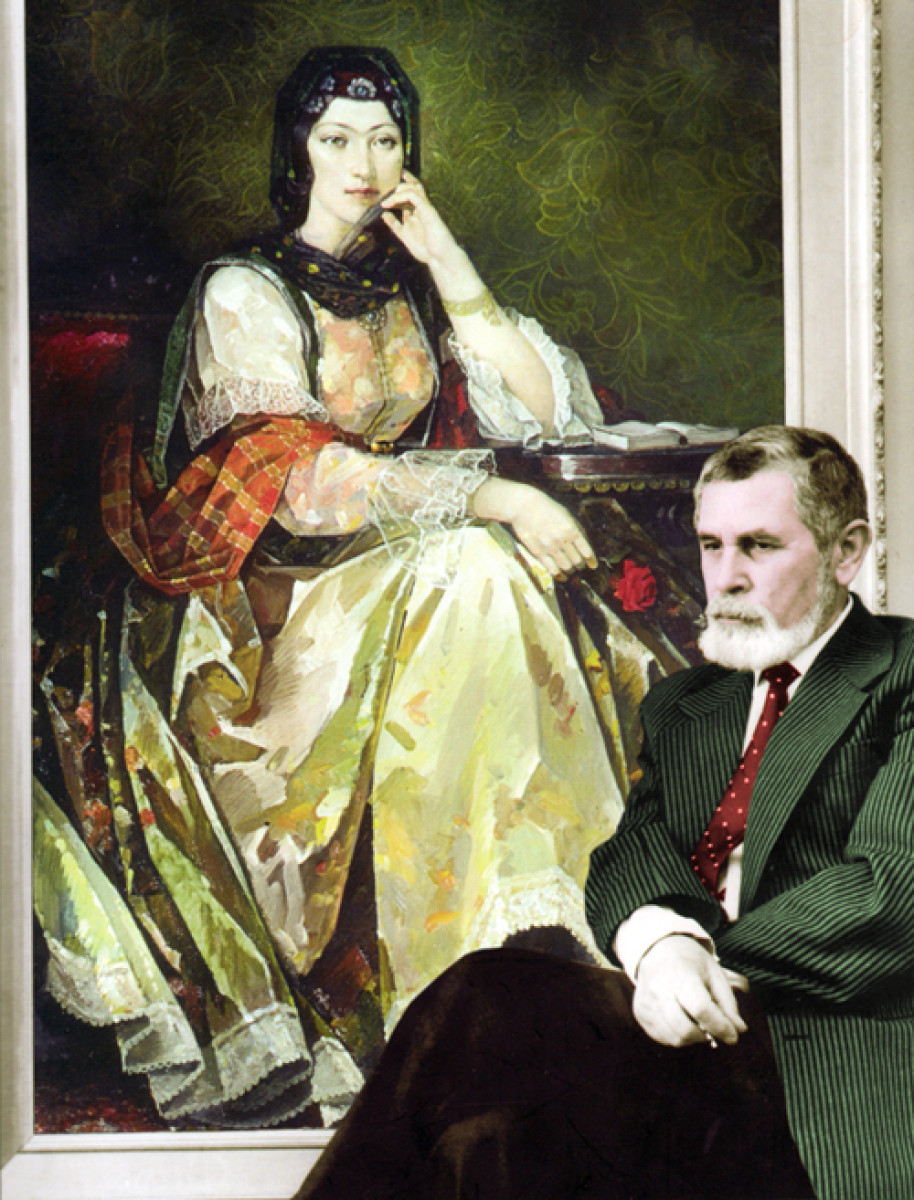
His connection with literature is also evident in this field. His portraits of literary figures such as Mirza Fatali Akhundzade, Mirza Alakbar Sabir, Qatran Tabrizi, Khurshidbanu Natavan, Ummugulsum, Huseyn Javid and Samad Vurgun demonstrate that his engagement with literature extended beyond illustration.
In later periods, he also created portraits of Heydar Aliyev, Zarifa Aliyeva, Queen Elizabeth II and other prominent figures. A lecture devoted to Sadigzade’s work at the Azerbaijan National Museum of Art in 2025 specifically highlighted his portraits of Heydar Aliyev, Zarifa Aliyeva and Queen Elizabeth II, as well as those of Khurshidbanu Natavan and Ummugulsum.
In his portraits, the principal concern was not simply physical resemblance. Art-historical studies emphasize his attention to compositional structure, colour and the revelation of human character. Several portraits created during the 1980s have also been examined specifically in relation to their compositional and colour solutions.
Nizami and Literary-Historical Themes
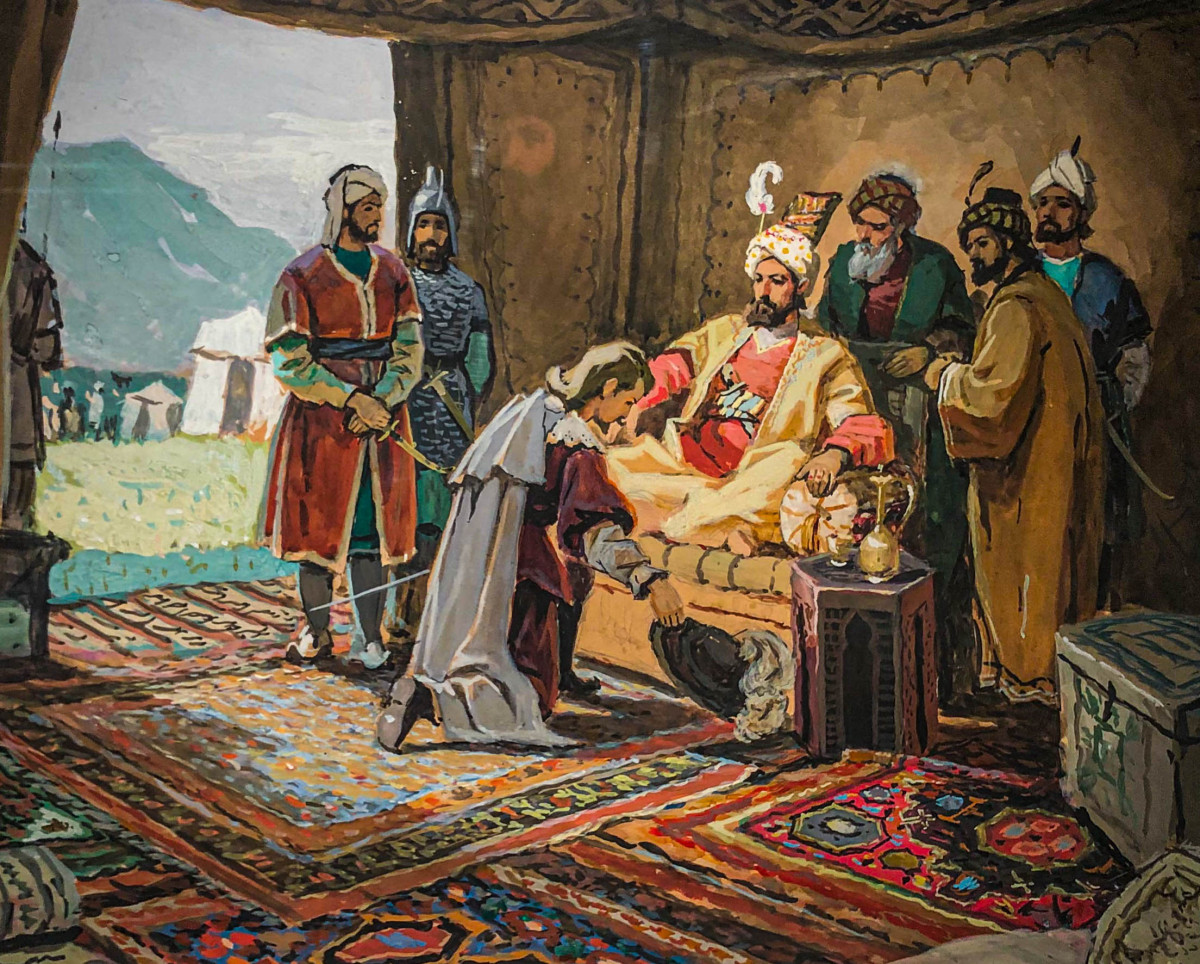
One of the areas in which literary and historical subjects assumed a broader scale in Sadigzade’s work was his engagement with the legacy of Nizami Ganjavi. The series “Nizami Ganjavi and World Culture” is regarded in art-historical literature as an important stage in his artistic development.
In these works, literary material is not limited to the depiction of a particular narrative. The world of the poet is transformed into a broader visual structure through human figures, historical and cultural associations, and the organization of the composition.
From Painting to Graphic Art, from Graphic Art to the Figure
A defining characteristic of Sadigzade’s work is that different artistic disciplines were never isolated from one another. Painting formed the foundation of his early professional experience; graphic art opened new possibilities for working with literature; and portraiture allowed him to examine human character and individual qualities more directly.
The 2013 publication “Oqtay Sadigzade: Painting, Graphic Arts,” which presents both dimensions of his artistic legacy together, also reflects this unity. The publication was authored by art historian Gulrena Gajar.
Although literature, history and everyday life appear as different subjects in Sadigzade’s art, they converge around a common point: the human being. A literary protagonist, a historical figure, a contemporary individual or a person of labour could each become a means through which the artist explored character, destiny and the relationship between the individual and time.
For this reason, Ogtay Sadigzade’s artistic journey cannot be understood simply as a transition from one genre to another. It was a continuous artistic search that expanded from painting to graphic art and from graphic art to portraiture, while returning throughout its different stages to the human figure and its inner world.
Art Space Gallery MEDIA