A creative journey that began in Baku, images of Azerbaijani life, and an individual artistic language that expanded from painting to monumental art and theatrical space
A Visual World Shaped by Colour
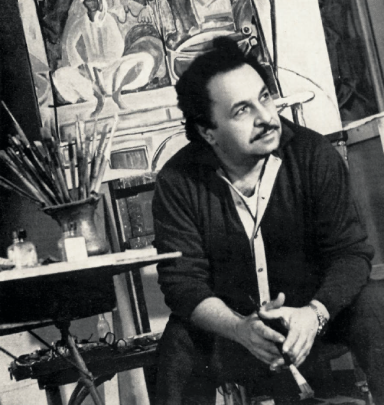
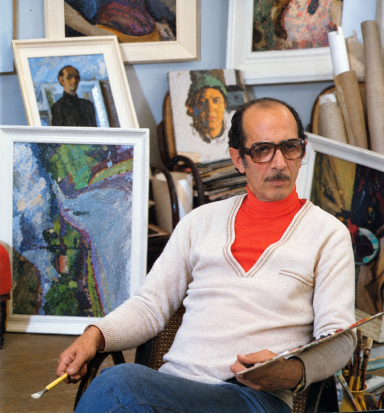
Toghrul Farman oghlu Narimanbekov was born in Baku on 7 August 1930. He graduated from the Baku Art School in 1950 and from the Lithuanian State Art Institute in 1955. He had participated in art exhibitions since 1952. Alongside painting, his creative activity also encompassed monumental art and theatrical design.
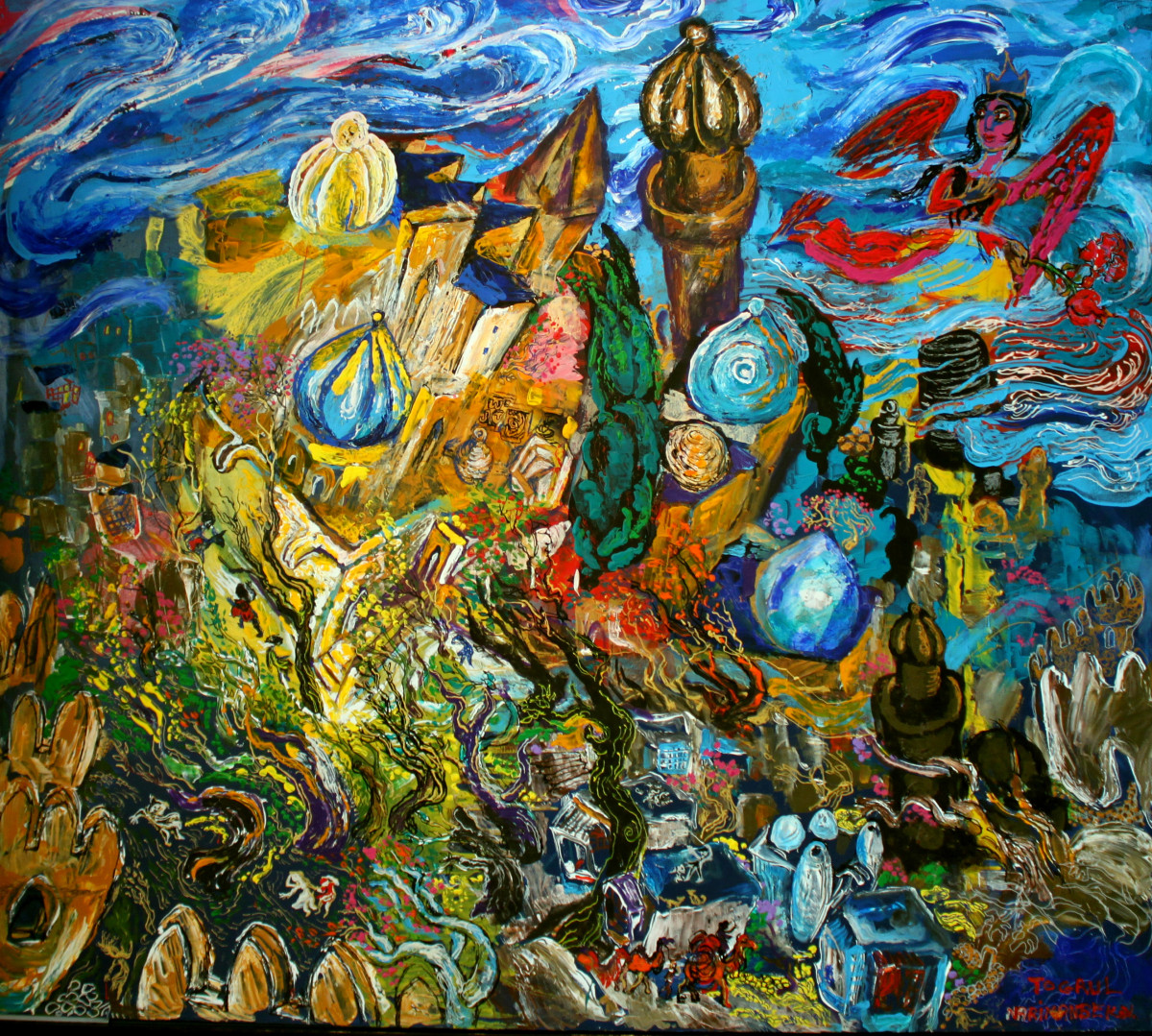
In Narimanbekov’s painting, representation is not limited to depicting a subject. Colour, form and composition become essential elements in constructing the work itself. Works such as “Dawn over the Caspian”, “Baltic Fishermen”, “Sattar Bahlulzade”, “In the Studio”, “Song”, “Productivity”, “Polka” and “Joy” present different scenes of life and human figures through distinct compositional solutions.
Azerbaijani Life and Place
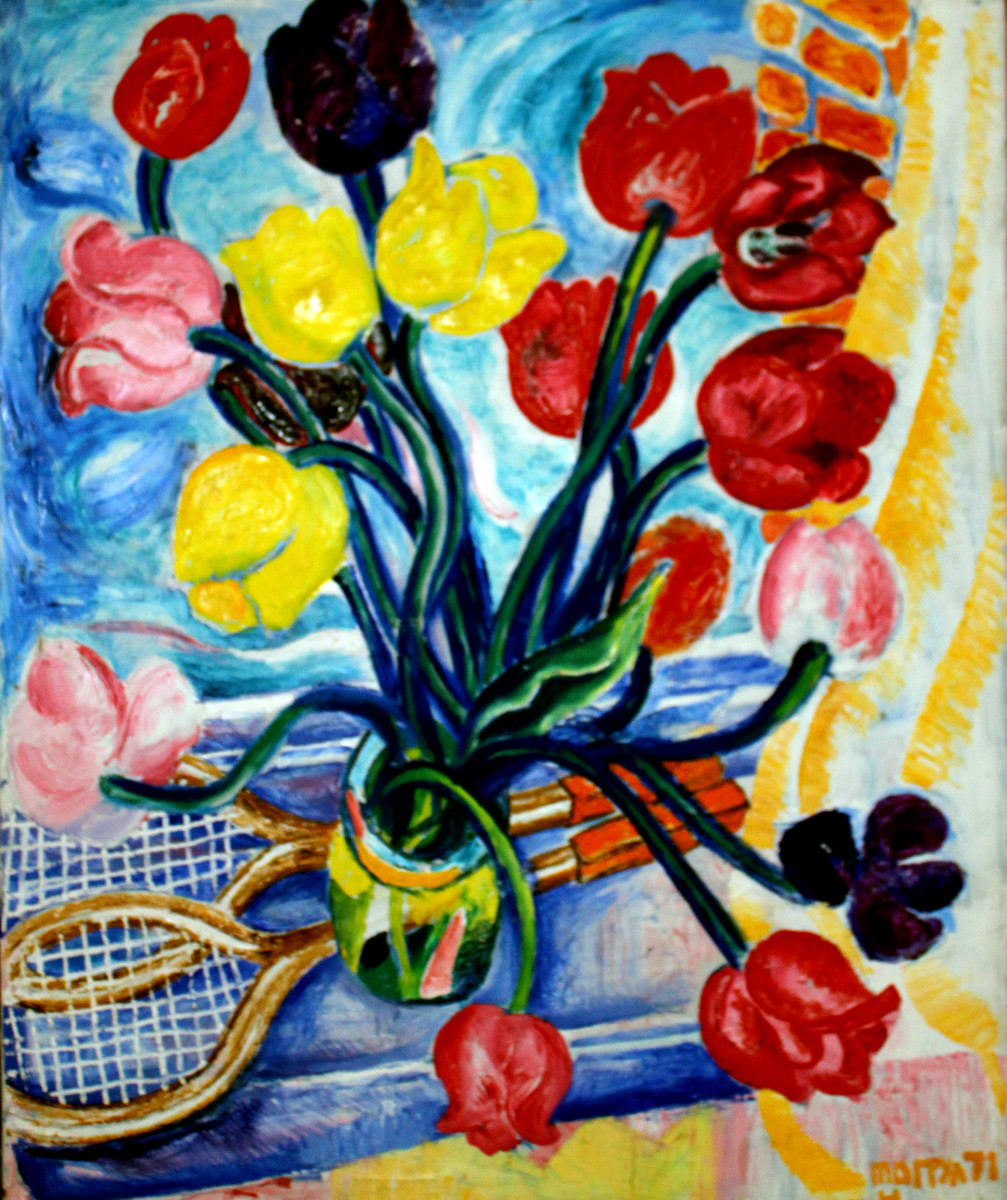
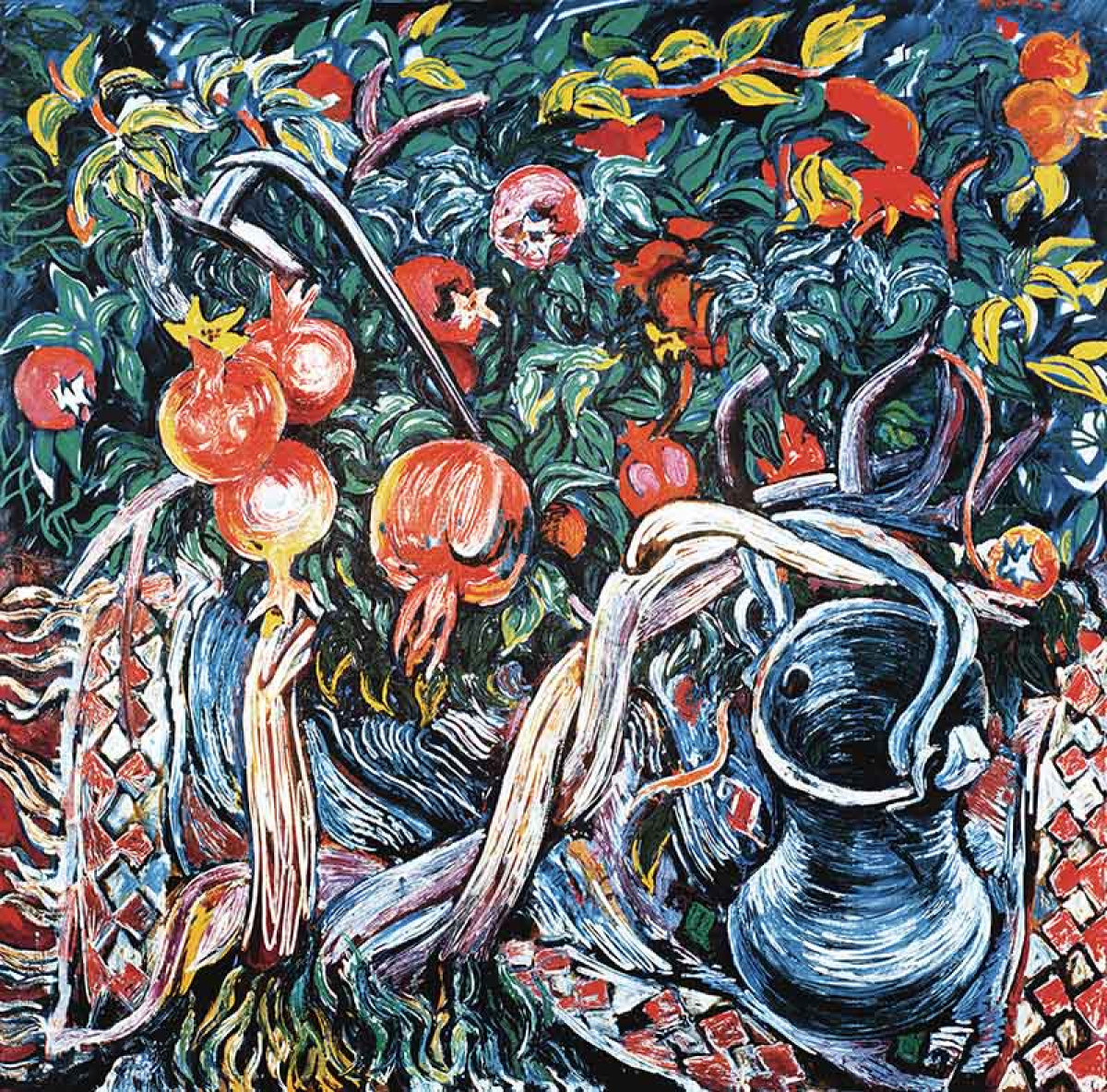
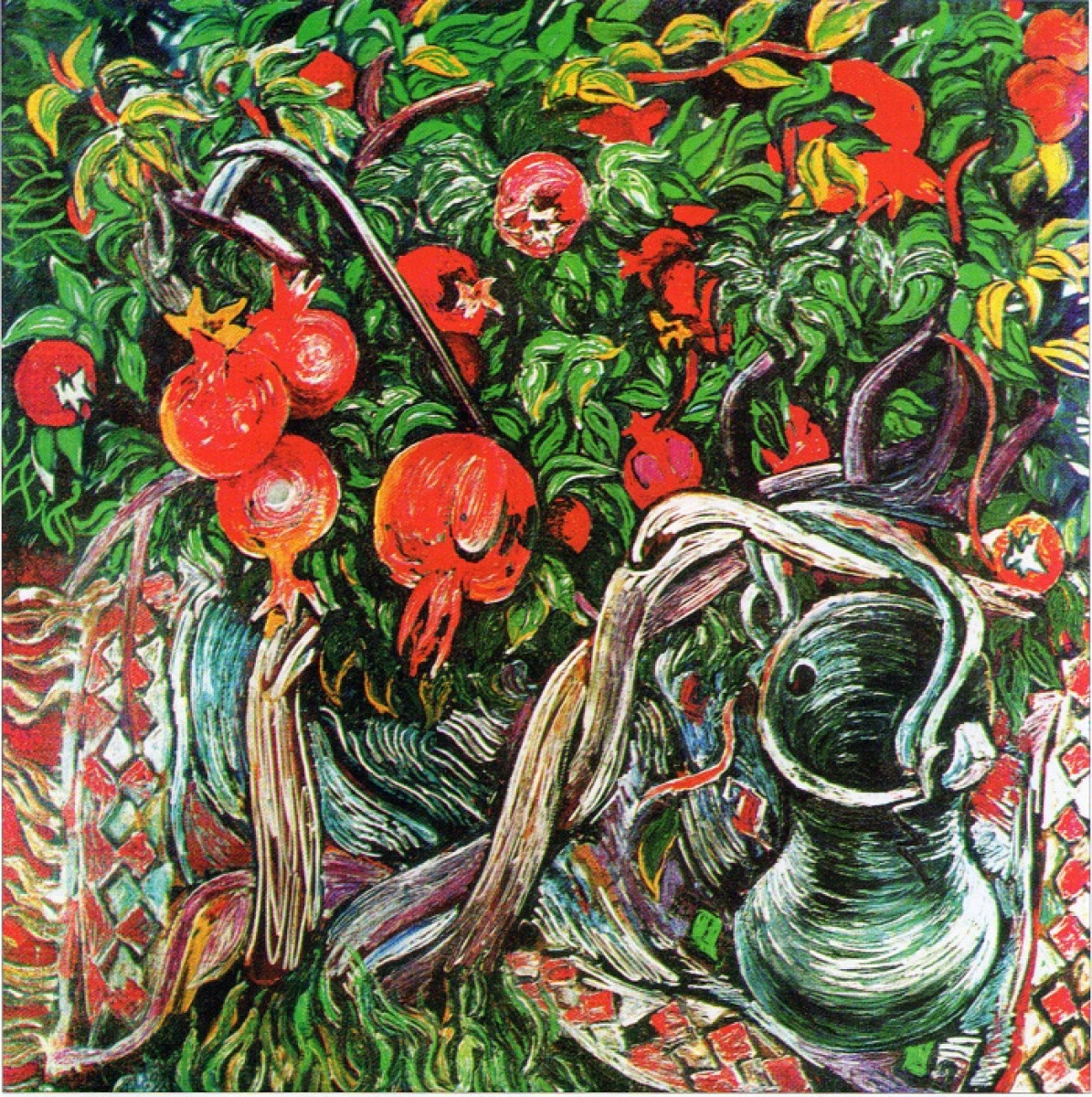
Azerbaijani nature and everyday life occupy an important place in Narimanbekov’s artistic output. Works such as “In the Gardens of Goychay”, “Spring Fair”, “Pomegranates and Pears”, “Flowers”, “The Old Plane Tree” and “Maiden Tower” draw on different places, elements of nature and scenes of everyday life.
The presence of Absheron, Goychay, Zagatala and Lankaran in his artistic geography suggests that the Azerbaijani environment functioned not merely as a background, but as one of the elements shaping the structure of the image.
The Human Figure
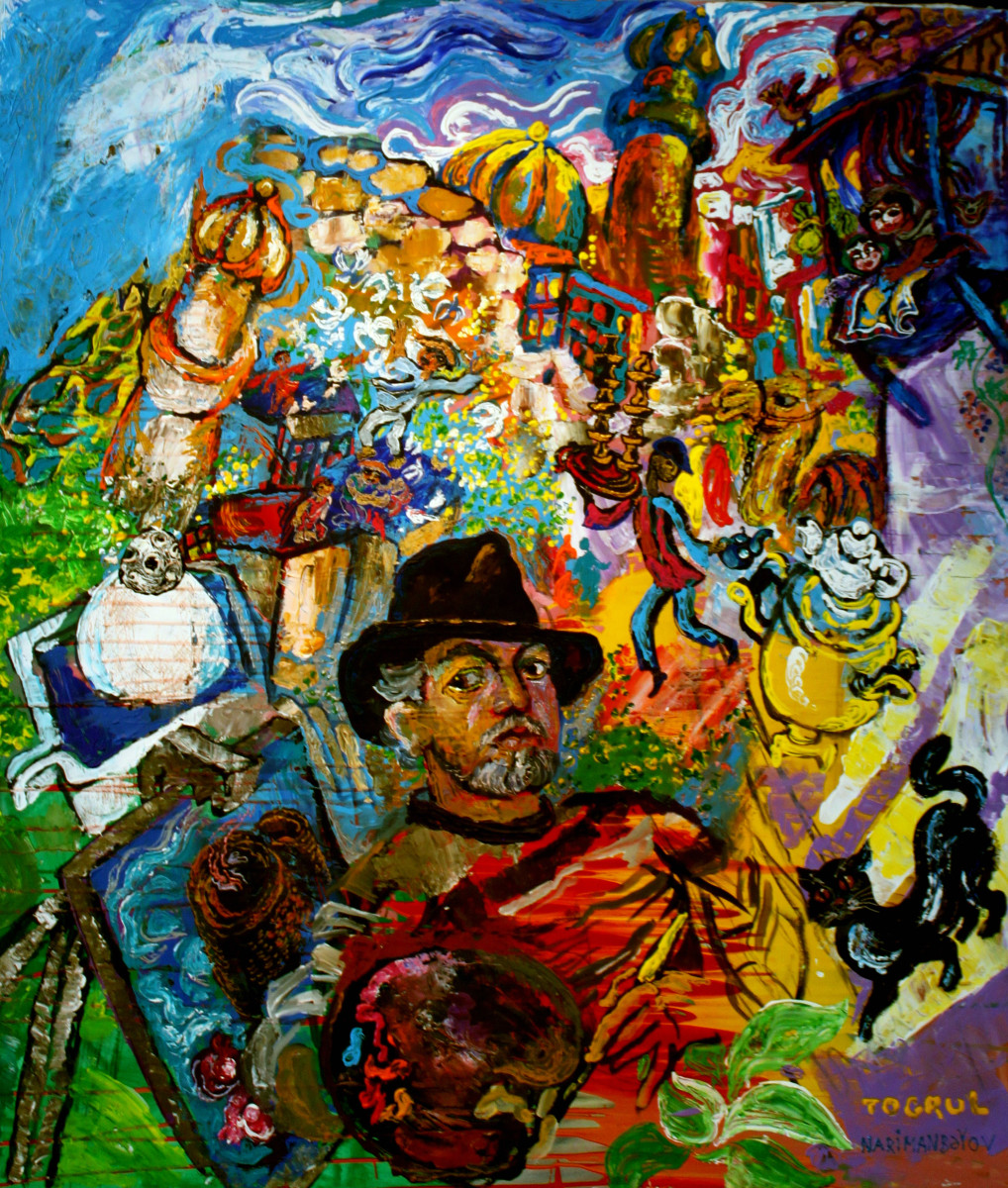
The human figure occupies a distinct place in Narimanbekov’s work. In his portraits and figure compositions, the person is not presented solely as an individual likeness, but also as an important visual element within the overall construction of the painting.
Works such as “Sattar Bahlulzade” and “In the Studio” demonstrate an approach in which the human figure is closely connected with its surrounding space. Character, environment and pictorial surface become parts of a unified visual structure.
“Mugham” — A National Theme in Painting
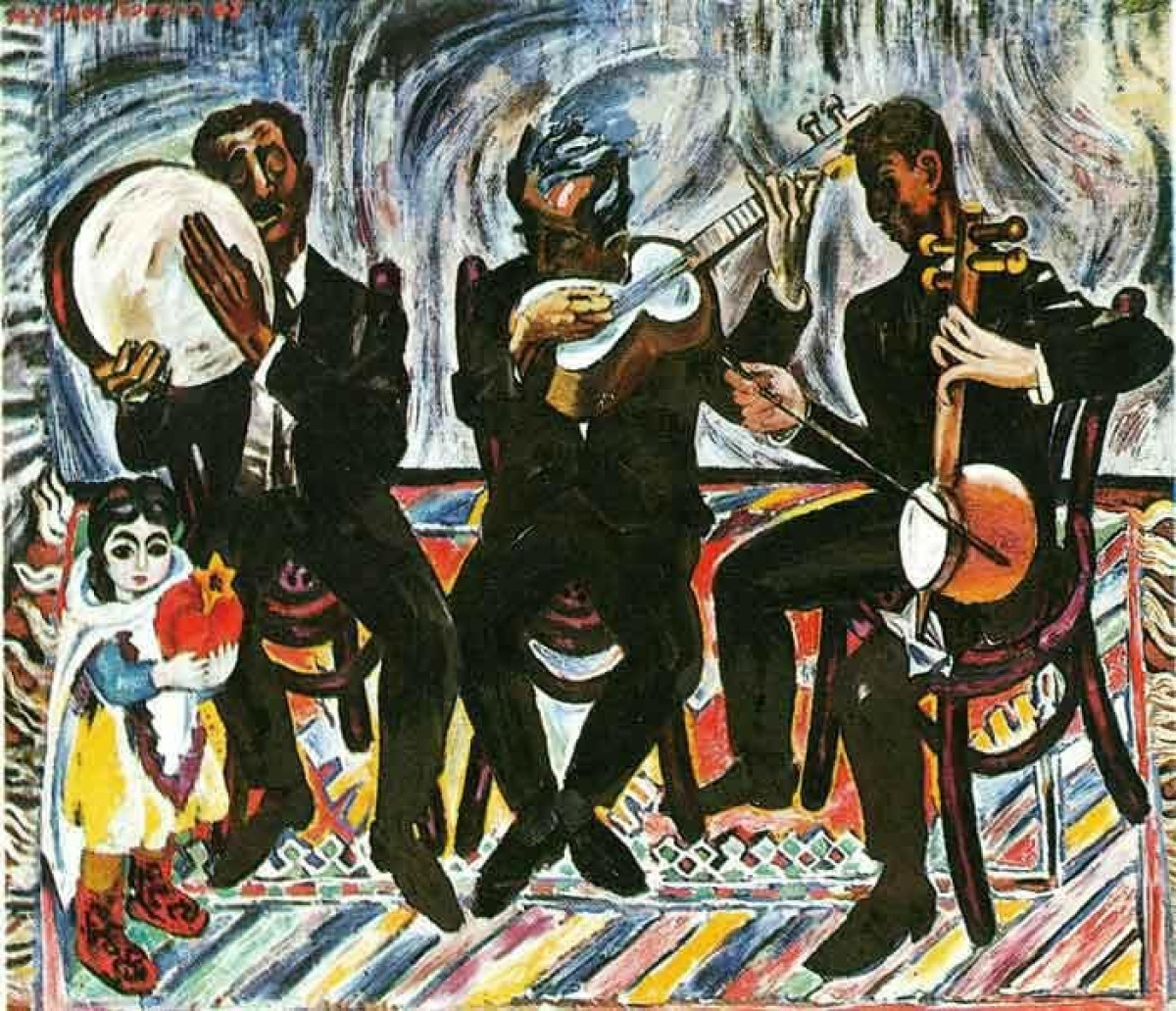
Created in 1965, “Mugham” is an important example of Narimanbekov’s engagement with the subject of Azerbaijani musical culture within painting. Executed in oil on canvas, the work is held in the collection of the Azerbaijan National Museum of Art.
Its significance lies not only in its subject. Music unfolds through time, whereas painting exists as a fixed visual structure. Translating a musical concept into painting therefore presents a particular compositional challenge. Narimanbekov approaches this subject through colour, figures and the overall organization of the pictorial space.
From Painting to Monumental Space
One of the important directions of Narimanbekov’s creative development was the movement from the scale of the painted canvas towards larger architectural environments. In monumental art, the artistic panel in the hall of the Puppet Theatre in Baku and the wall paintings at the “Moscow” Hotel in Baku are among the works associated with this aspect of his practice.
At this stage, the task was no longer limited to creating an independent painting. The artwork had to exist in direct relationship with architecture and its physical environment. The compositional thinking developed through painting therefore acquired a different scale within a broader spatial context.
Theatrical Space and an Expanding Artistic Language
Theatrical design formed another important field of Narimanbekov’s work. He worked on the stage design of Fikret Amirov’s choreographic poem “Nesimi dastani”, the ballet “One Thousand and One Nights”, and Gara Garayev’s ballet “The Shadows of Gobustan”.
In 1974, he was awarded the Azerbaijan SSR State Prize for the stage design of “Nesimi dastani”. In 1980, he received the USSR State Prize for the design of Fikret Amirov’s ballet “One Thousand and One Nights”.
Theatre was not simply an extension of easel painting into a larger format. It created a different artistic environment in which space, light, movement and stage structure operated together. His work in this field demonstrates how his experience in painting could expand into a spatial and performative context.
An Expanding Exhibition Geography
Narimanbekov’s work was also presented beyond Azerbaijan. His solo exhibitions and international exhibition activities extended to Cuba, India, Poland, the Czech Republic, Slovakia, Germany, France, Italy, Moscow and the United States.
This geography indicates the range of contexts in which his work was presented. At the same time, his continued engagement with Azerbaijani life, nature and cultural surroundings created a parallel relationship between international exhibition contexts and subjects rooted in his native environment.
The Artist’s Legacy
Narimanbekov was named People’s Artist of the USSR and Azerbaijan and was a laureate of the State Prizes of the USSR and Azerbaijan. He received the Order of Istiglal in 2000 and the Order of Sharaf in 2010 for his services to the development of Azerbaijani painting.
In 2013, the publication “Toghrul Narimanbekov: 1930–2013: Painting, Graphic Arts” was issued. The 104-page volume was produced under the project direction of Chingiz Farzaliyev, with the text written by Asmar Abdullayeva. Narimanbekov’s work is also discussed in Möhbəddin Samad’s “The Melody of Vivid Colours” and Asad Guliyev’s “Essays on Azerbaijani Art of the 20th Century”.
Toghrul Narimanbekov died in Paris on 2 June 2013 and was buried at Passy Cemetery.
A Legacy from Painting to Monumental Space
Viewed as a whole, Narimanbekov’s artistic career reveals a continuous movement between different forms of visual expression. The compositional thinking developed in painting acquired another scale in monumental surfaces, while theatrical work connected it with movement and stage space.
His legacy can therefore be considered not simply as a collection of individual works, but as an artistic search that repeatedly expanded the scale of representation. The movement from the canvas towards architectural and theatrical space reveals one of the defining characteristics of Toghrul Narimanbekov’s practice: the ability to establish connections between different forms of artistic expression.
Art Space Gallery MEDIA