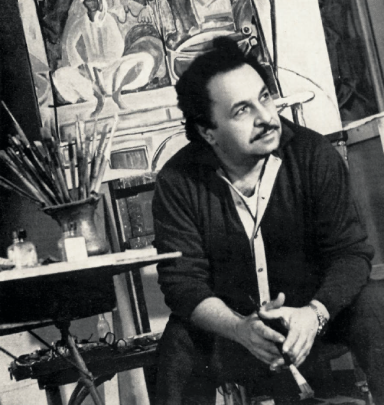
An artistic journey that began in Lachin, diverse images of Azerbaijani life, and a distinctive artistic language formed within painting
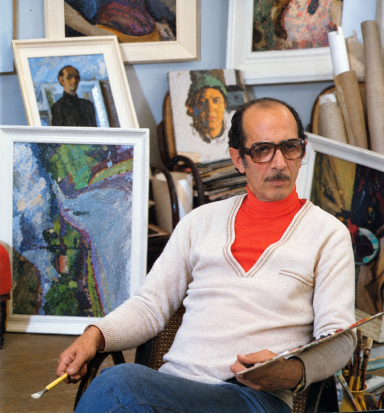
Nadir Gambar oglu Abdurrahmanov was born on 5 December 1925 in Lachin. Having developed an interest in art from an early age, he studied at the Azim Azimzade Azerbaijan State Art School from 1941 to 1944. From 1944 to 1947, he studied at the Azerbaijan State Medical Institute. He subsequently returned to the field of art and continued his education from 1947 to 1953 at the I. Y. Repin Leningrad Institute of Painting, Sculpture and Architecture. The rich museum environment of St. Petersburg, together with its academic traditions of painting, played an important role in shaping his professional artistic outlook.
After returning to Baku in 1953, Abdurrahmanov worked in various genres, broadening the scope of his artistic practice. His works brought together contemporary life, industry, the everyday life of rural and mountainous regions, human figures, and landscapes. Created in 1957, At the Sumgait Aluminium Plant is one of the notable examples of his engagement with industrial themes.
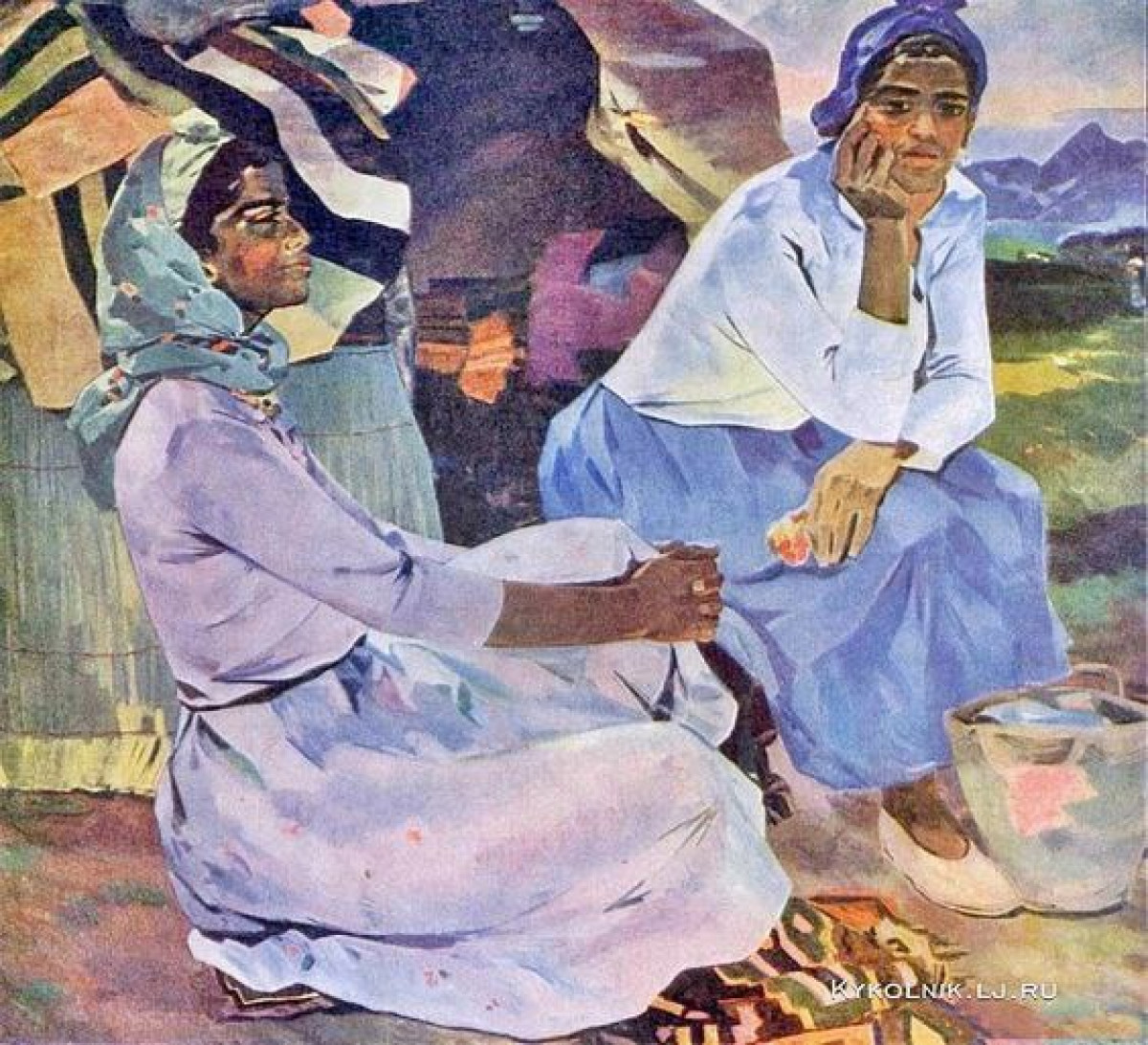
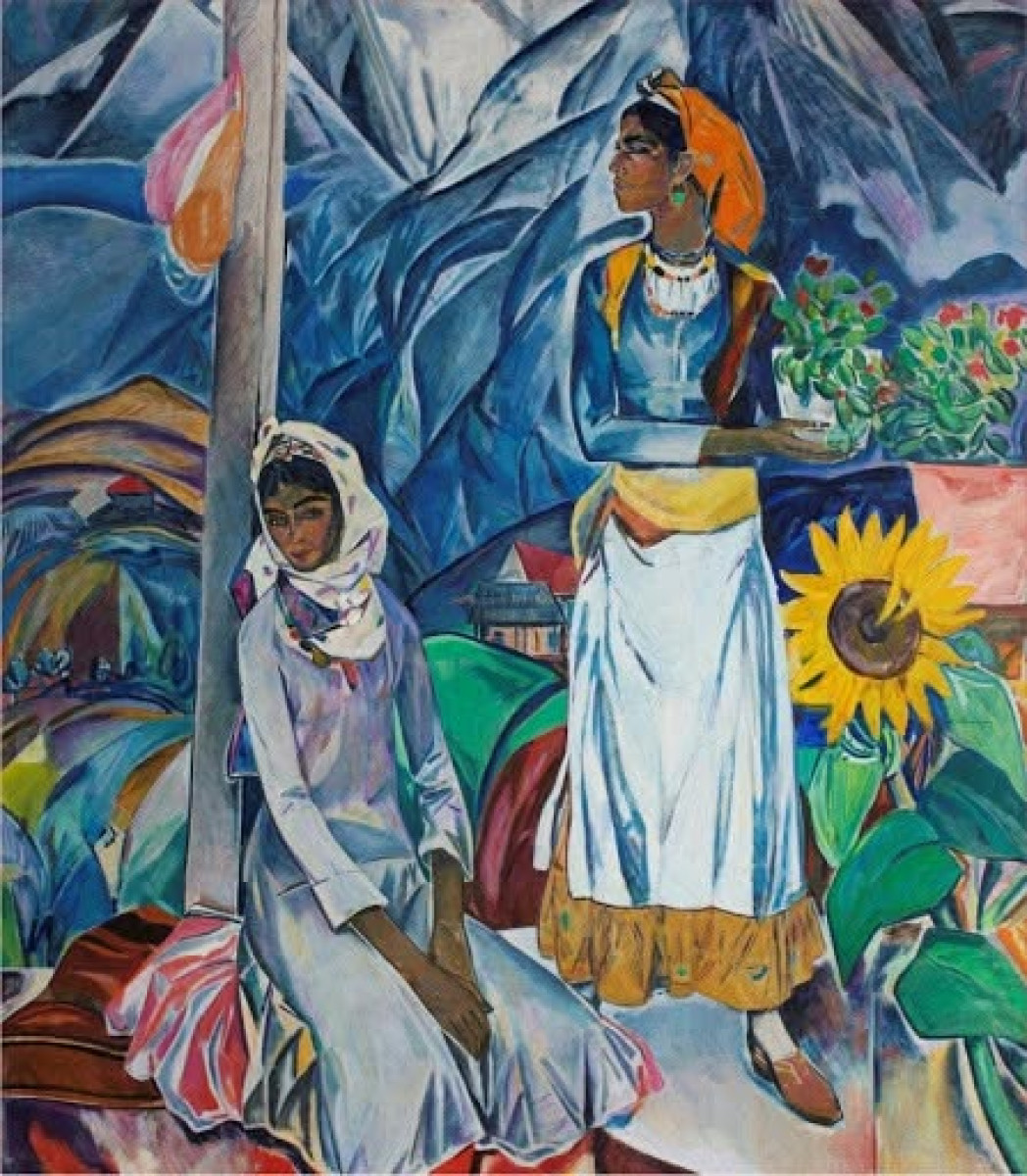
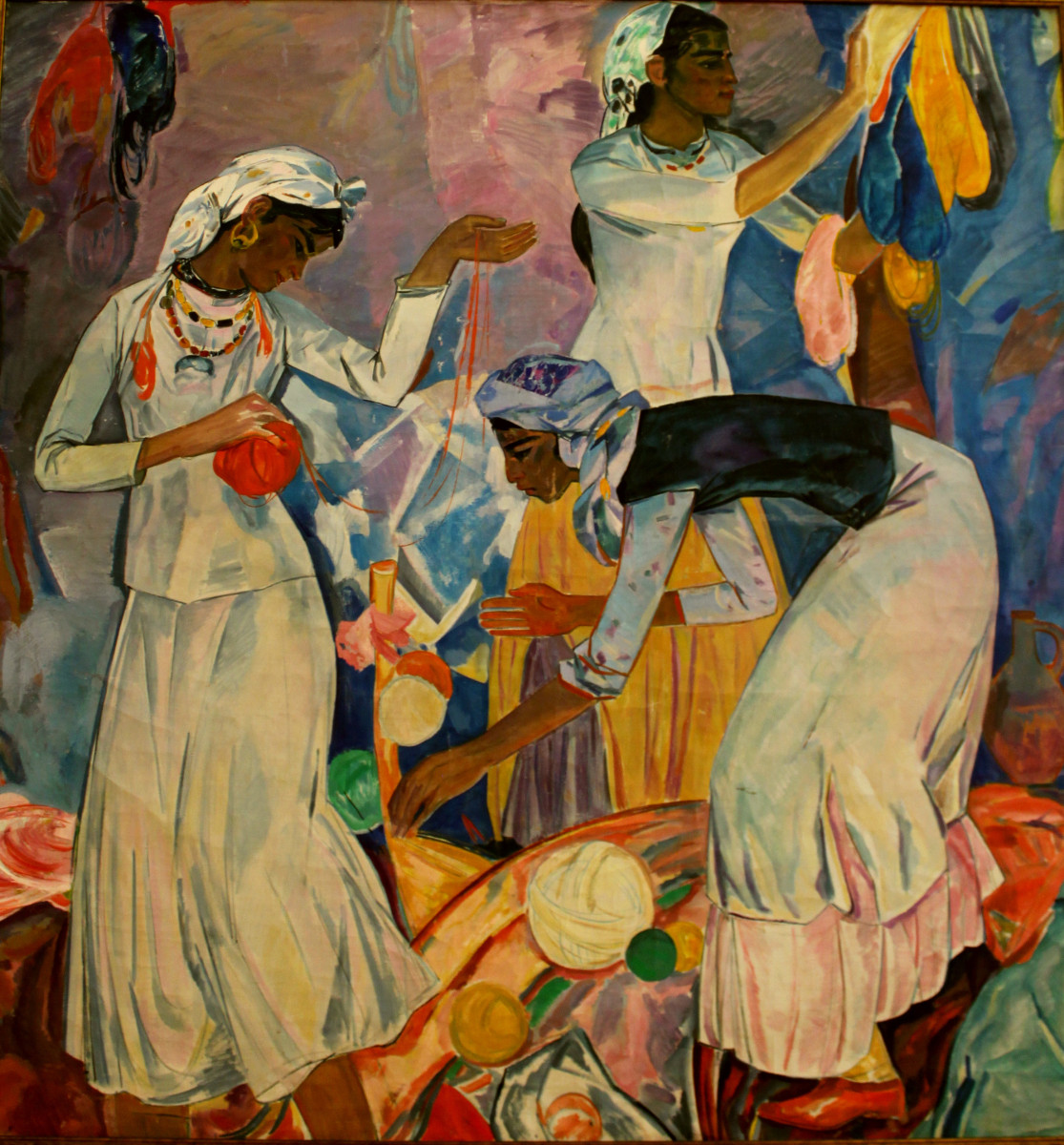
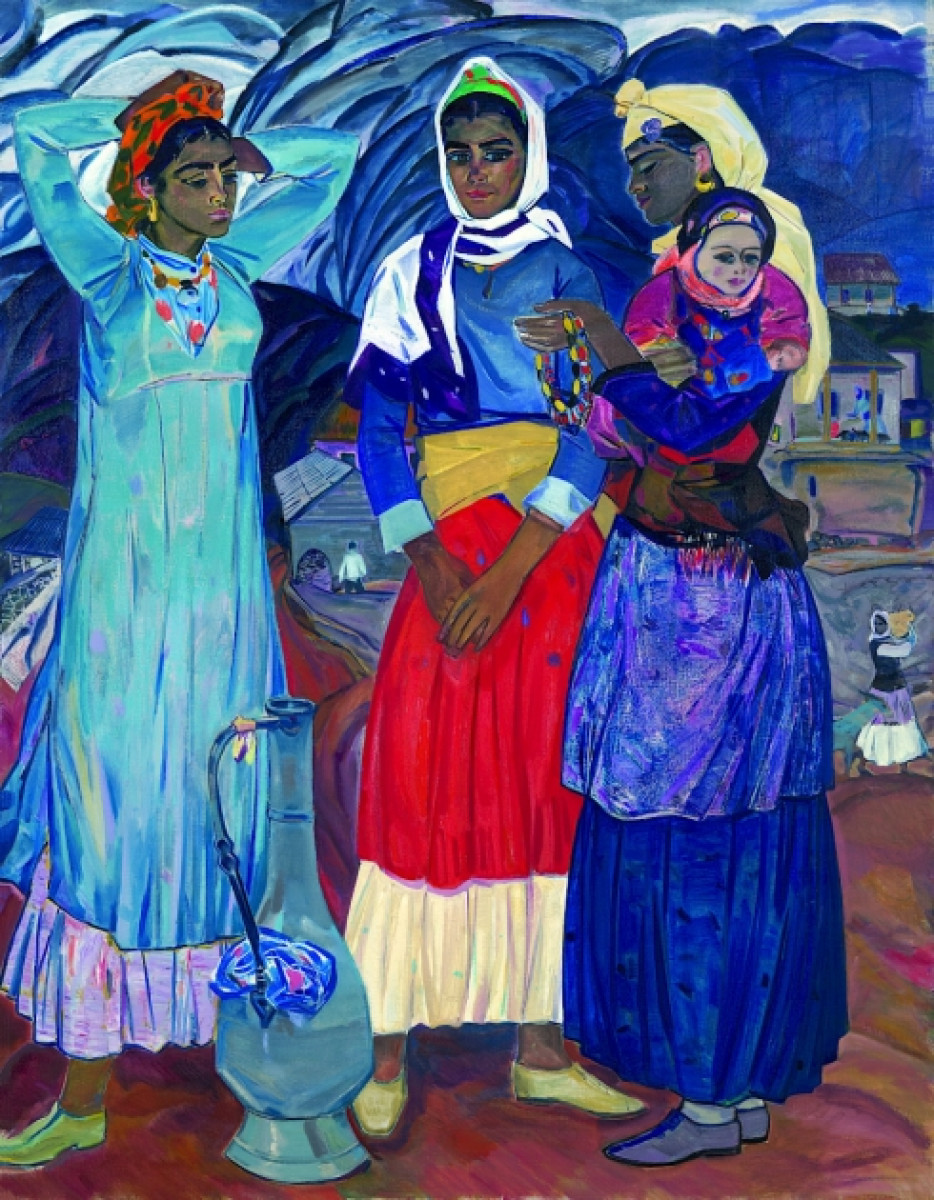
In Abdurrahmanov’s painting, realist observation developed alongside decorative expression. The search for new forms, rich colour, a distinctive approach to decorative qualities, and affinities with Azerbaijani miniature art are among the principal characteristics of his individual style. These qualities are particularly evident in the large-scale narrative compositions he created across different genres.
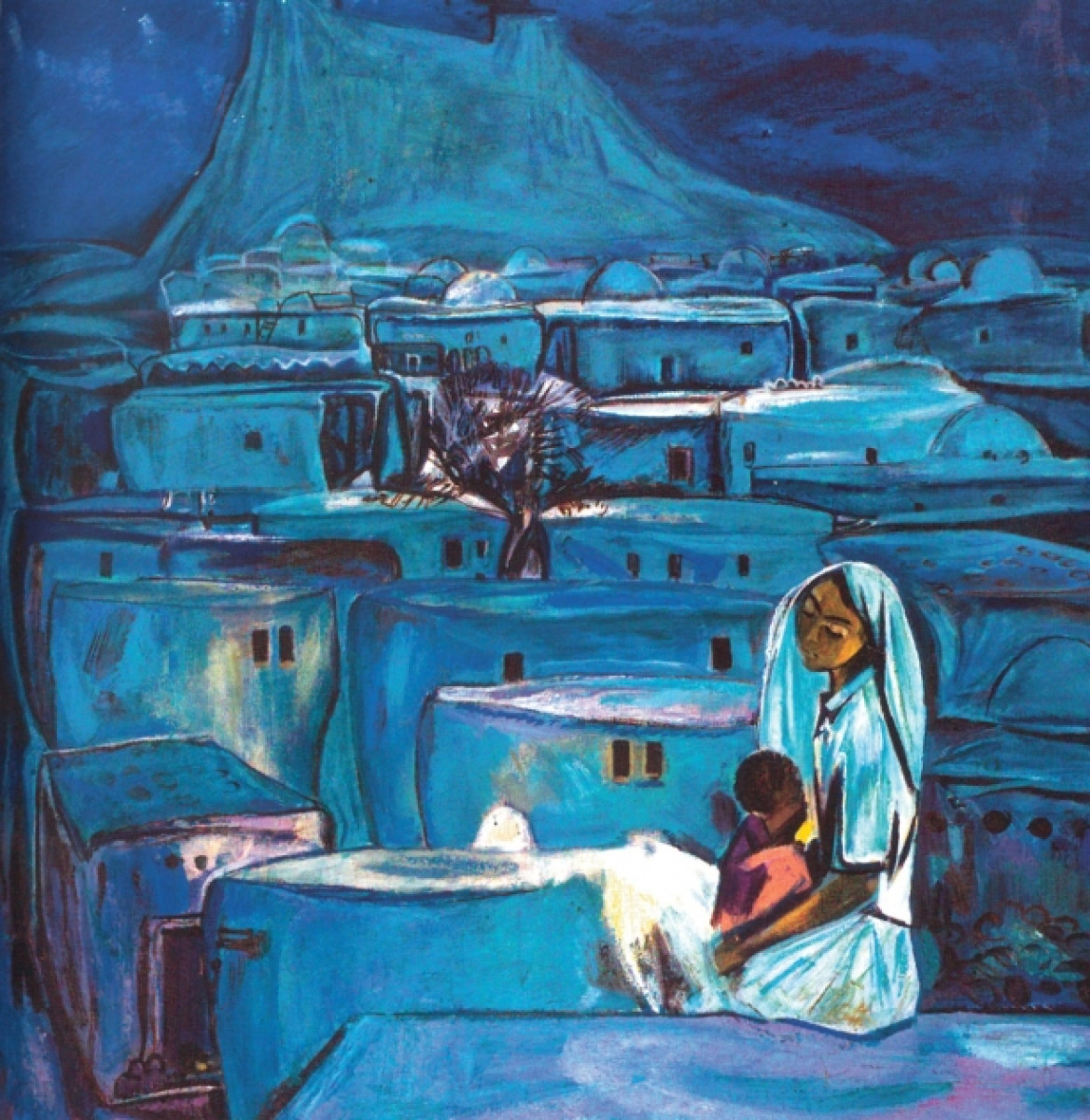
In the artist’s works, people and nature are not depicted separately from one another. In works such as Spring in the Mountains, Talysh Girls, People of Our Mountains, Favourite Patterns, Twilight in the Mountains, and Turquoise World, different aspects of life are presented through varied compositional and colour solutions. In his art, the subject is not merely a depiction of an event, but also a visual expression of a particular environment and way of life.
Karabakh and Lachin
Karabakh constitutes a distinctive creative line in Nadir Abdurrahmanov’s art. His birth in Lachin and childhood spent in this geographical region contributed to the enduring presence of the subject in his painting.
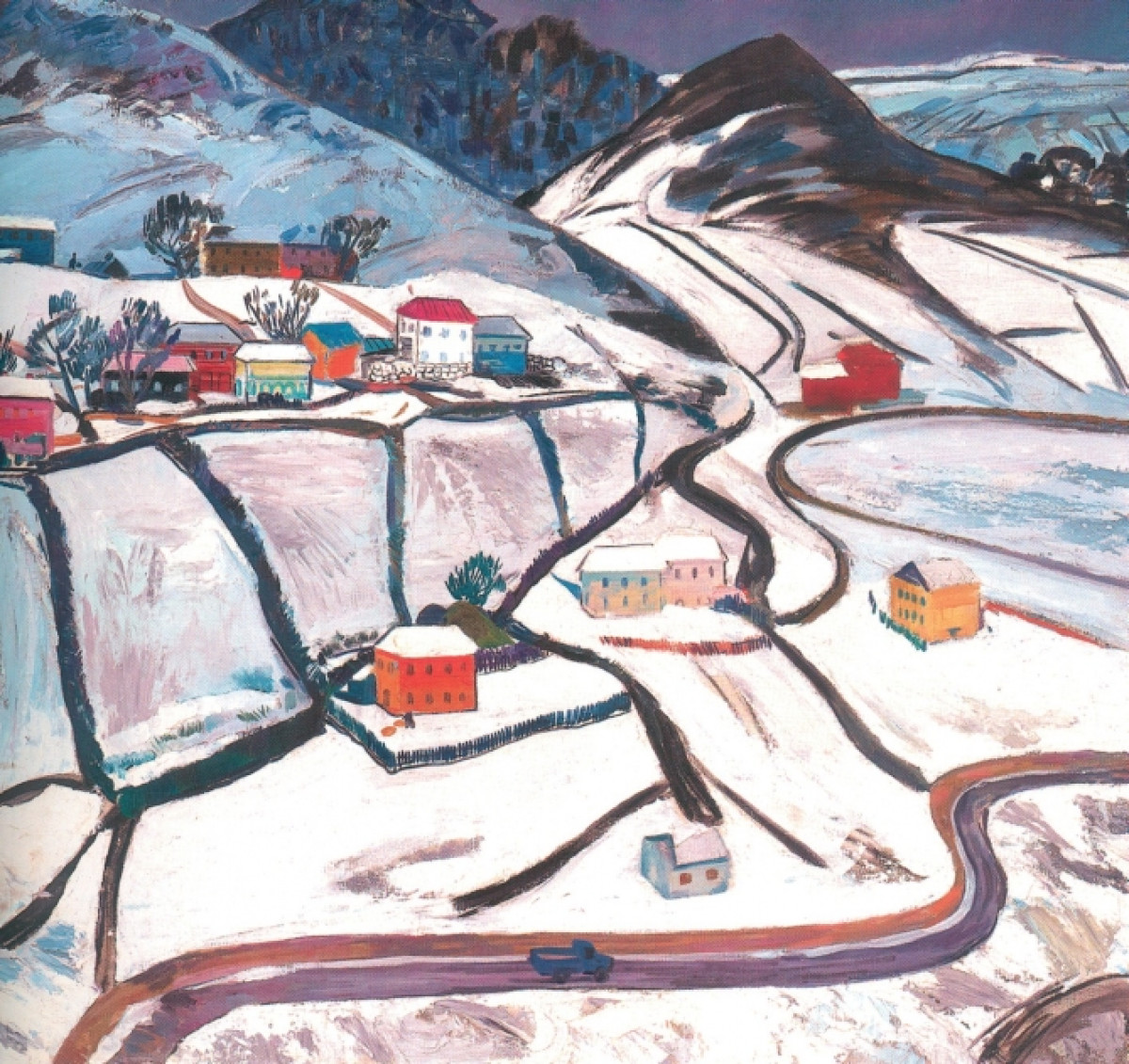
In works such as Twilight in the Mountains, Lachin. Minkend, Vineyards of Zangilan, At Lake Garagol, Winter Landscape, Karabakh Carpets, and Turshsu, the nature, settlements, and human life of Karabakh are conveyed through the artist’s individual perspective. Alongside landscapes, these works also include examples that address traditional life and the human figure.
In 1985, he was awarded the State Prize of the Azerbaijan SSR for works dedicated to the people of Karabakh, an important fact confirming the significance of this subject within his artistic career.
A Creative Geography Opening to the World
Abdurrahmanov’s artistic practice was not limited to Azerbaijan. He undertook creative assignments in countries including France, Italy, Norway, Bulgaria, North Korea, Iraq, and Afghanistan. These journeys broadened the scope of his subjects and created opportunities for new artistic observations of different peoples, urban environments, and everyday life. His works were exhibited in solo exhibitions abroad and entered various museums, galleries, and private collections.
Thus, alongside his profound connection with Azerbaijani life, his art developed an openness to different geographical and cultural environments. This quality reflects a broad artistic outlook that extended beyond exclusively national subjects.
Artist and Educator
Abdurrahmanov’s artistic career was complemented by long-term pedagogical activity. From 1954, he taught at the Azerbaijan School of Art, and from 1984 he worked as a professor at the Azerbaijan University of Culture and Arts. In subsequent years, he served as a professor and head of a creative studio at the Azerbaijan State Academy of Fine Arts.
This activity allowed his artistic legacy to continue not only through the works he created but also through the artists he trained. For Abdurrahmanov, painting represented both an individual creative practice and a means of transmitting professional artistic traditions.
Artist and Public Figure
Nadir Abdurrahmanov also played an important role in the organisational and public life of Azerbaijan’s artistic community. From 1961 to 1970, he served as Chairman of the Board of the Union of Artists of Azerbaijan, and from 1963 to 1973, as Secretary of the Union of Artists of the USSR. He also served as a deputy of the Supreme Soviet of Azerbaijan.
In 1960, he was awarded the honorary title of Honoured Art Worker, and in 1964, the honorary title of People’s Artist. He was a laureate of the State Prize of the Azerbaijan SSR and was awarded the Order of Glory.
A Lasting Trace in Art
Nadir Abdurrahmanov died in Baku on 26 July 2008. His artistic legacy is preserved in important collections of Azerbaijani art. Forty-two works by the artist are held in the collection of the Azerbaijan State Art Gallery. A publication dedicated to his artistic legacy, Nadir Abdurrahmanov: 1925–2008: Painting, Graphics, was published in Azerbaijani and English in 2013; the project was led by Chingiz Farzaliyev, with the text written by Gulrana Gajar.
Nadir Abdurrahmanov’s artistic journey encompasses various directions of 20th-century Azerbaijani painting. Within this broad range of subjects — extending from the mountain landscapes of Lachin to industrial enterprises, from human figures to the life of foreign countries — the principal qualities defining his individual style remain consistent: realist observation, decorative expression, rich colour, and a connection with national artistic traditions.
In his works, Karabakh is not only a separate subject but also becomes one of the most enduring directions of his artistic journey. Lachin, Minkend, Turshsu, Garagol, and other locations of Karabakh appear in his works not merely as geographical names, but together with concrete representations of human life and nature.
From this perspective, Nadir Abdurrahmanov’s legacy continues to retain its significance as a rich artistic trajectory that brings together the national themes of 20th-century Azerbaijani painting and broader artistic explorations.
Art Space Gallery MEDIA