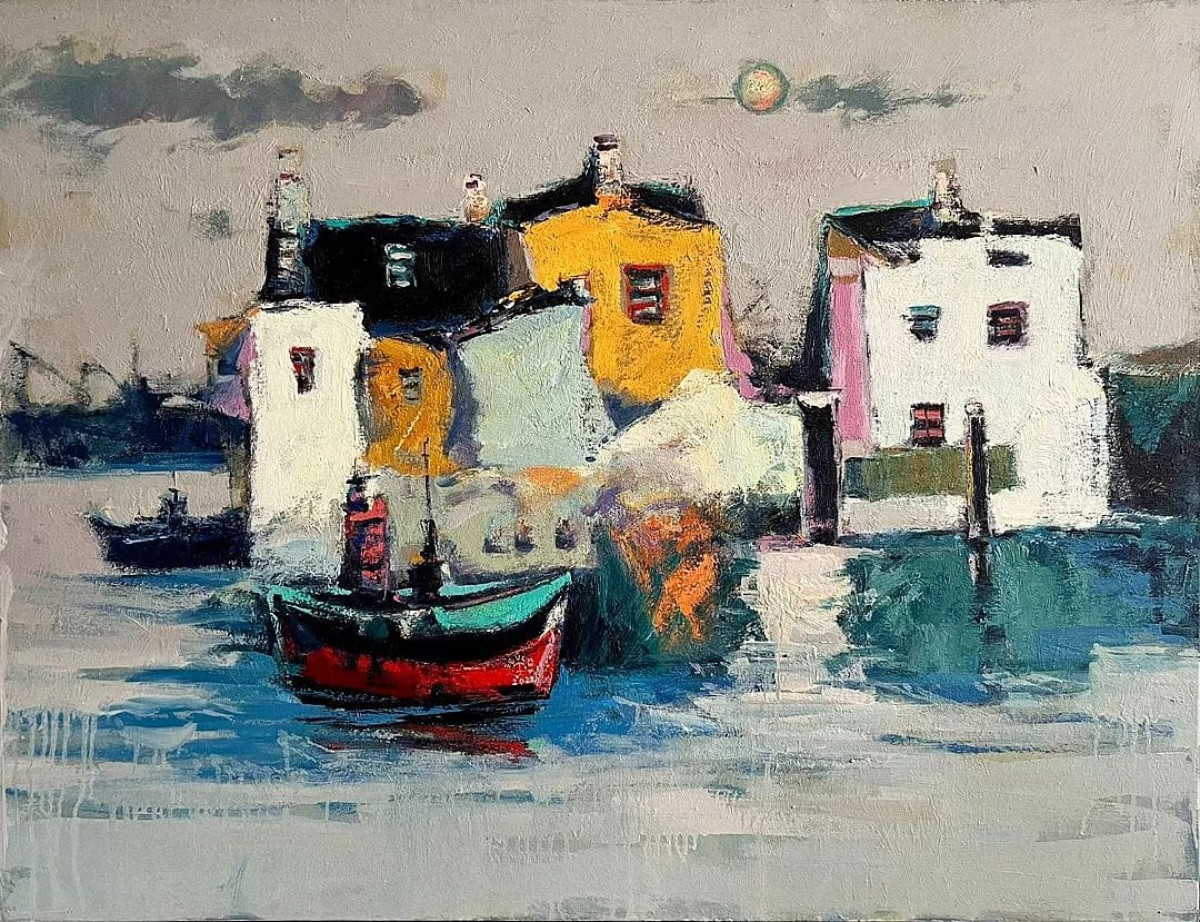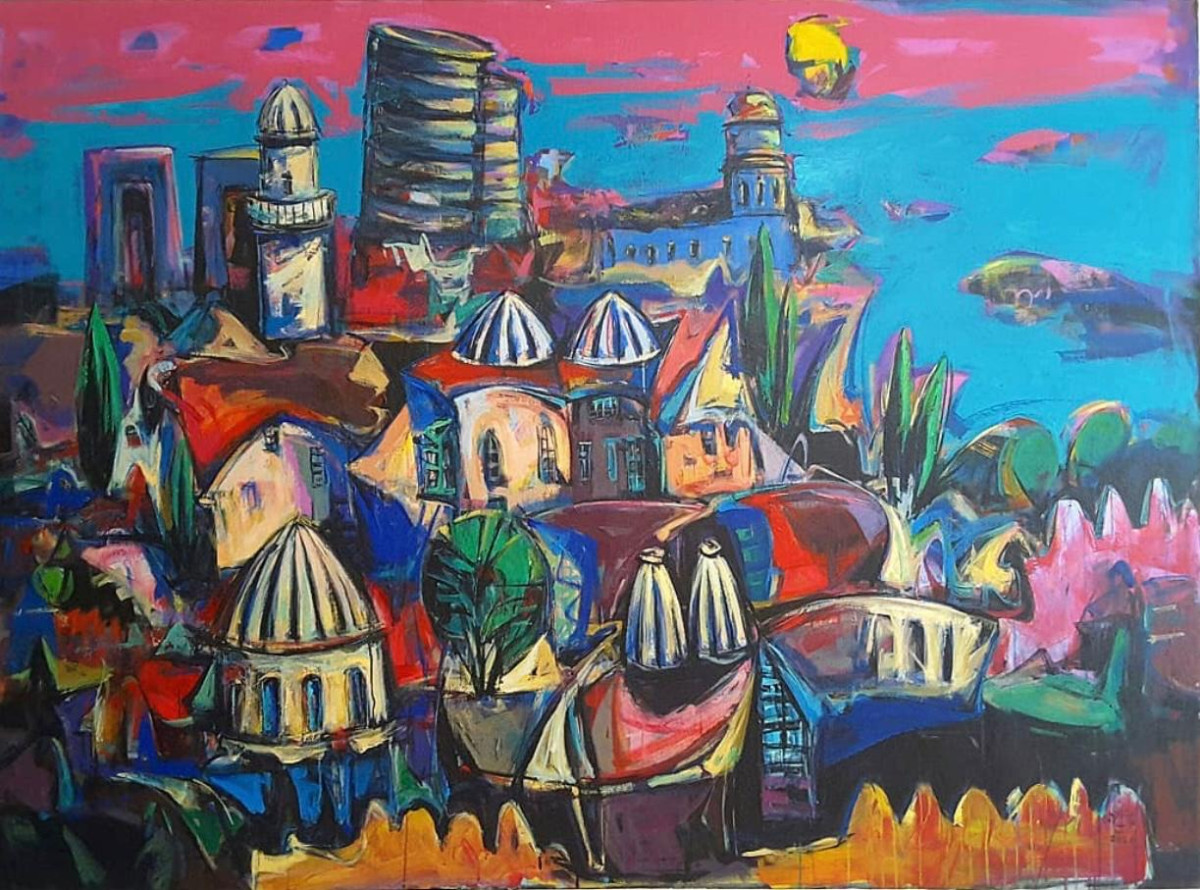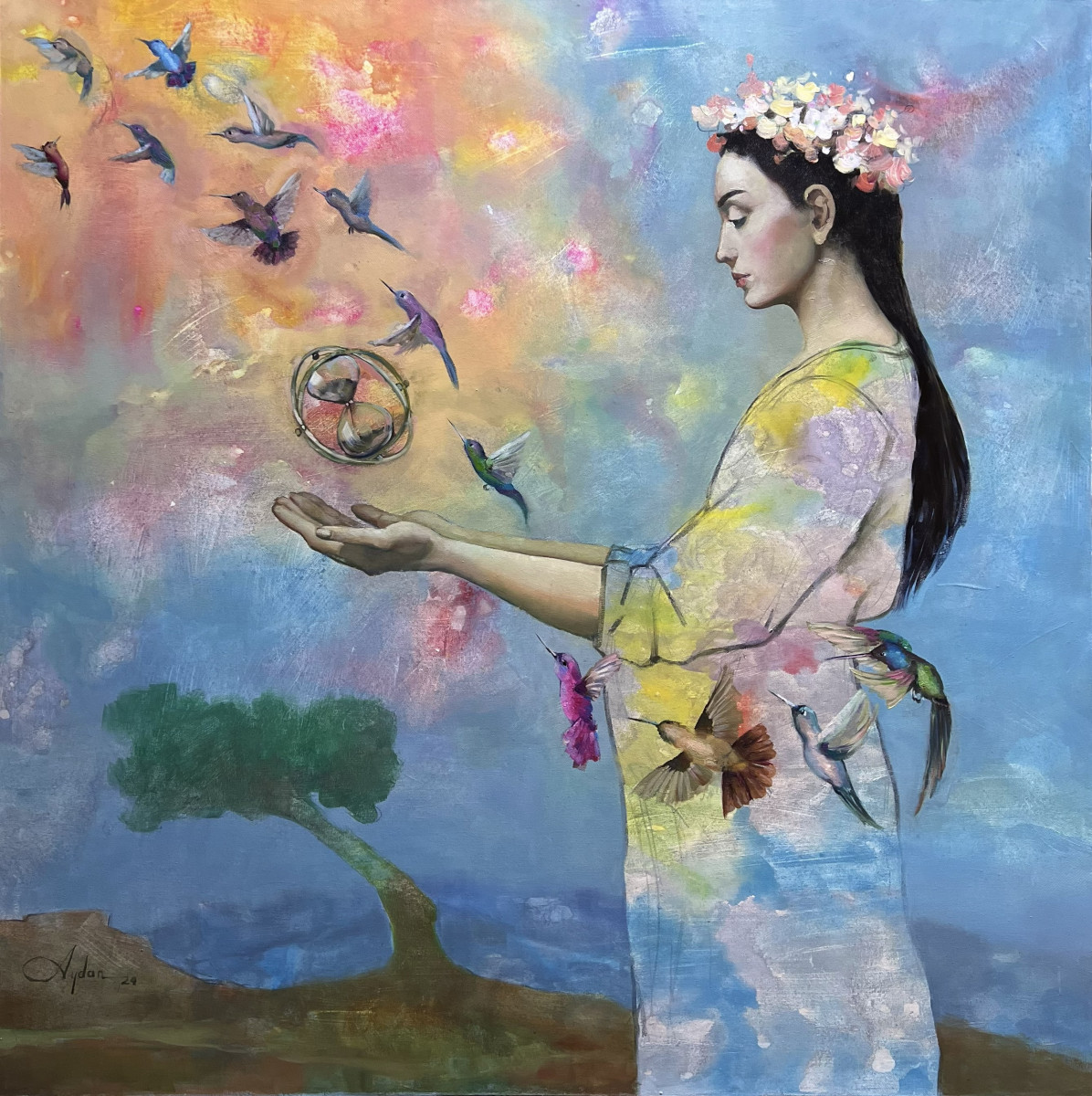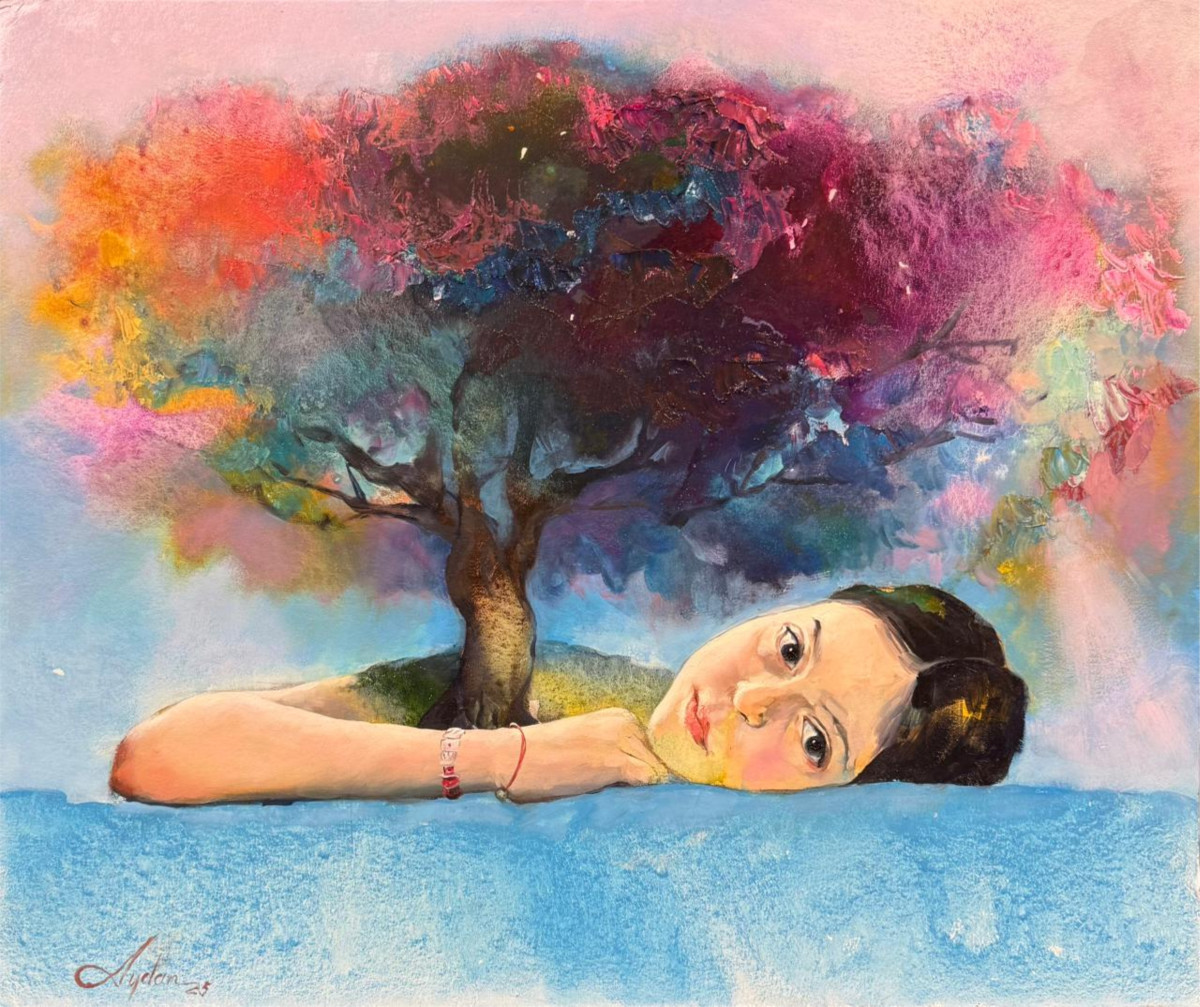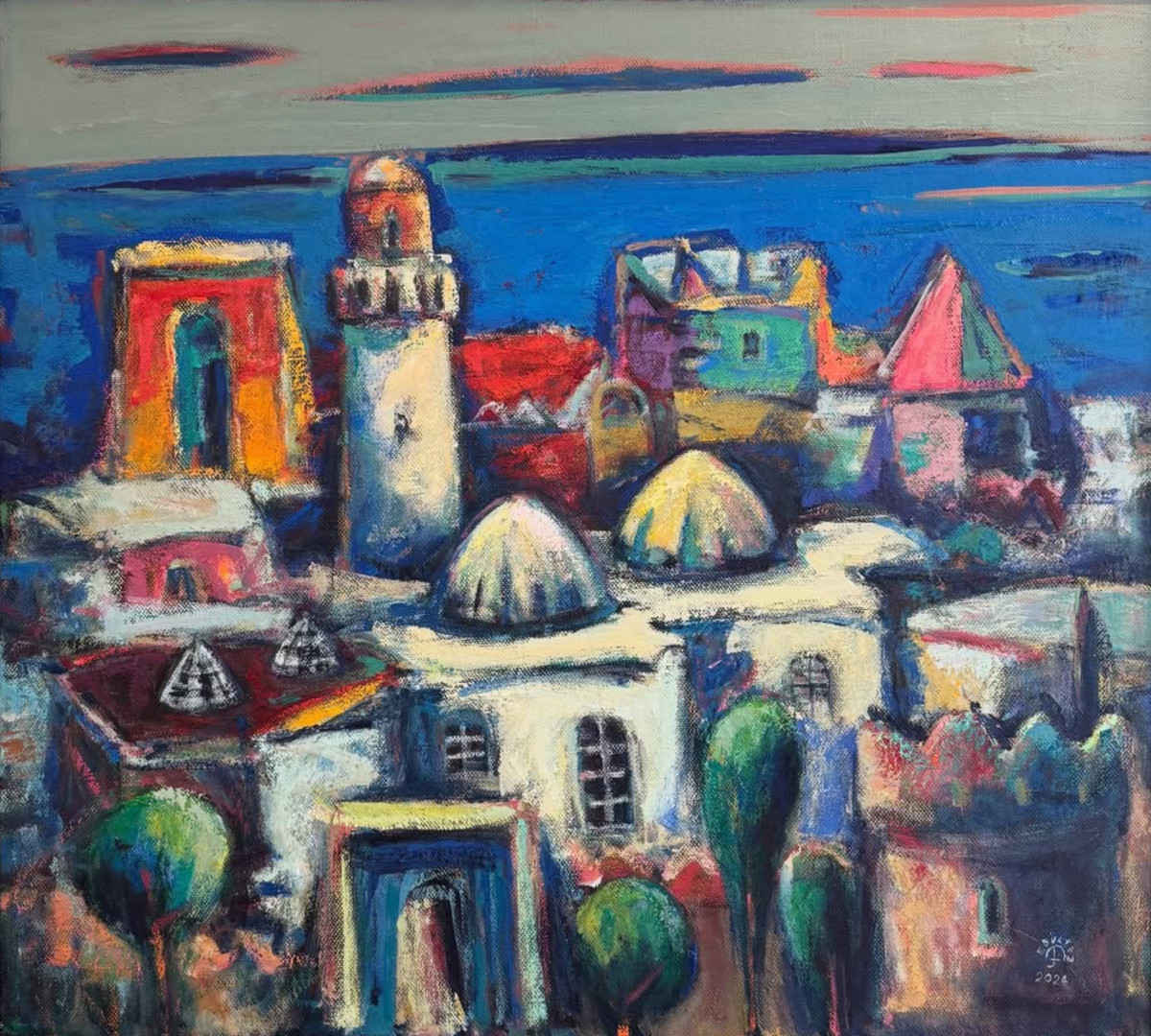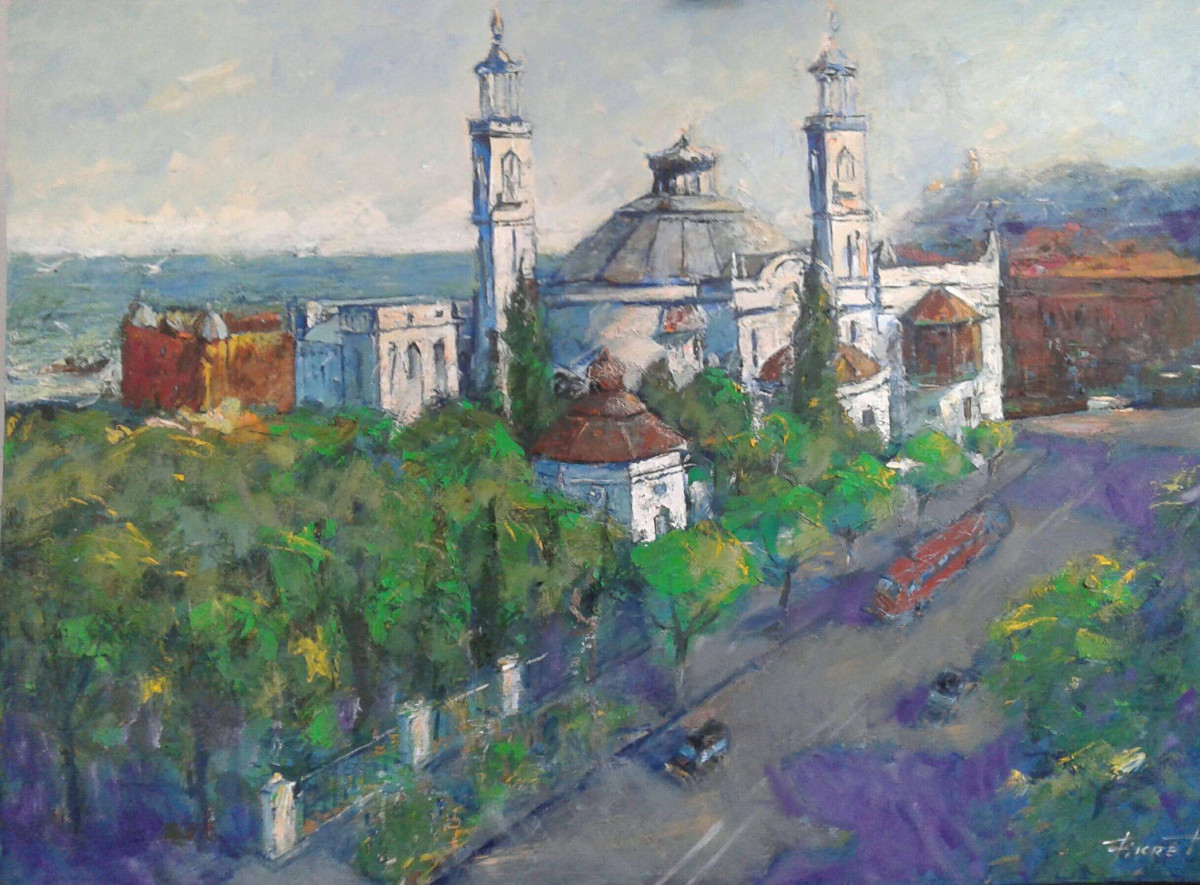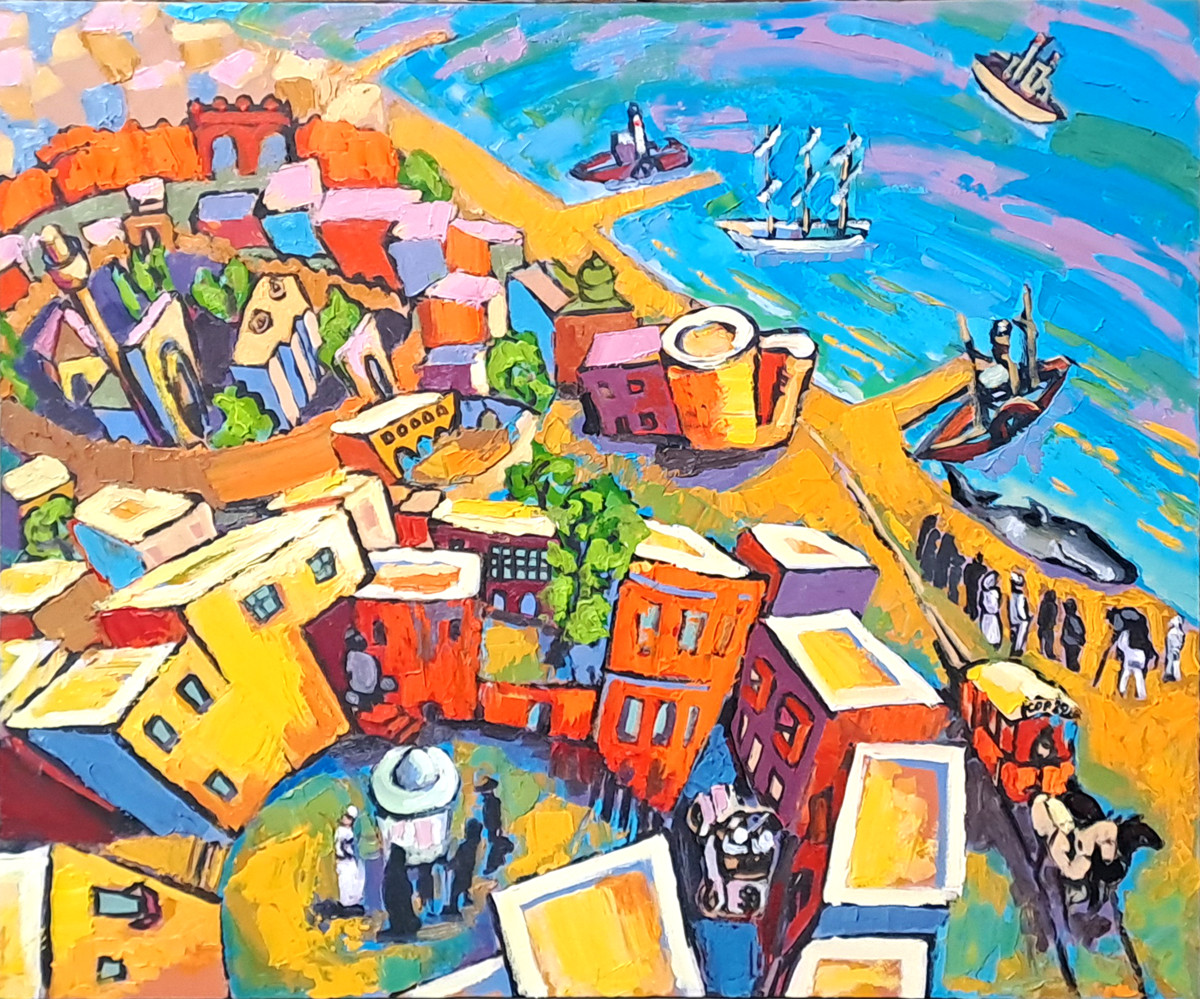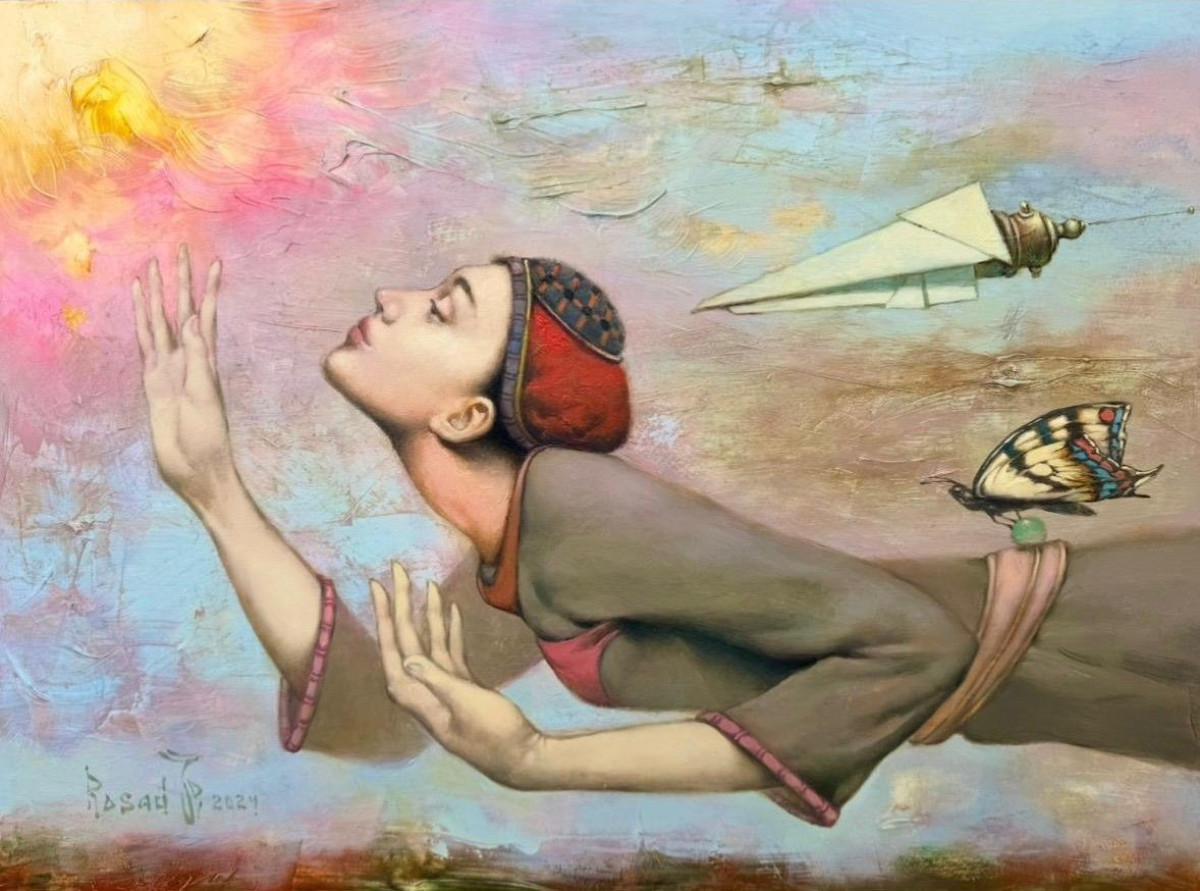
The presentation of Azerbaijani art in the digital space, the emerging culture of collecting, and new opportunities for reaching the world
The Space of Art Presentation Is Changing
The value of an artwork does not depend on where it is exhibited, yet the way an artwork is presented has a significant influence on its relationship with the viewer. For many years, galleries, museums and exhibition halls were the primary settings for this relationship. Today, this tradition is expanding into the digital space. An online gallery is no longer simply a catalogue of artworks placed on the internet; it is a new space of presentation that introduces an artist’s creative practice, provides context for the artwork, creates an initial connection between viewers and collectors, and allows art to move beyond geographical boundaries.
According to the 2026 Global Art Market Report, jointly prepared by Art Basel and UBS, the Swiss global financial services group UBS Group AG, the global art market reached USD 59.6 billion in 2025, representing a 4% increase compared with the previous year. The same report states that online art sales reached USD 9.2 billion, accounting for 15% of the global market. These figures demonstrate that the digital environment is no longer merely an additional platform for displaying art; it has become one of the contemporary cultural spaces connecting artworks with audiences, artists with new viewers, and the art world with different geographies. While physical galleries and exhibition spaces preserve the experience of encountering art in person, digital space creates additional opportunities for reaching broader audiences, documenting artistic practices and developing new perspectives.
A Digital Gallery Is More Than a Showcase
The fundamental value of a contemporary digital gallery lies not simply in its technological capabilities, but in its culture of selection and presentation. As the number of artworks available online continues to grow, the importance of curation also increases. Which artist is presented, which artwork is selected and in what context it is introduced are no longer merely technical decisions; they are indicators of a gallery’s professional approach. Presenting an artist is not enough; their creative direction, artistic language, distinctive characteristics and creative context also need to be communicated. The title, dimensions and medium of an artwork provide essential information, but for the contemporary viewer and collector, professional descriptions, articles, interviews, video materials and archival information have also become important elements of the art experience.
In this sense, a digital gallery is not simply an electronic showcase, but a space for selection, curation, documentation and communication. The quality of an artwork’s digital image, the accuracy of its information, the professionalism of its accompanying text and the ease of communication with the audience together form a new gallery culture.
The Digital Potential of Azerbaijani Art
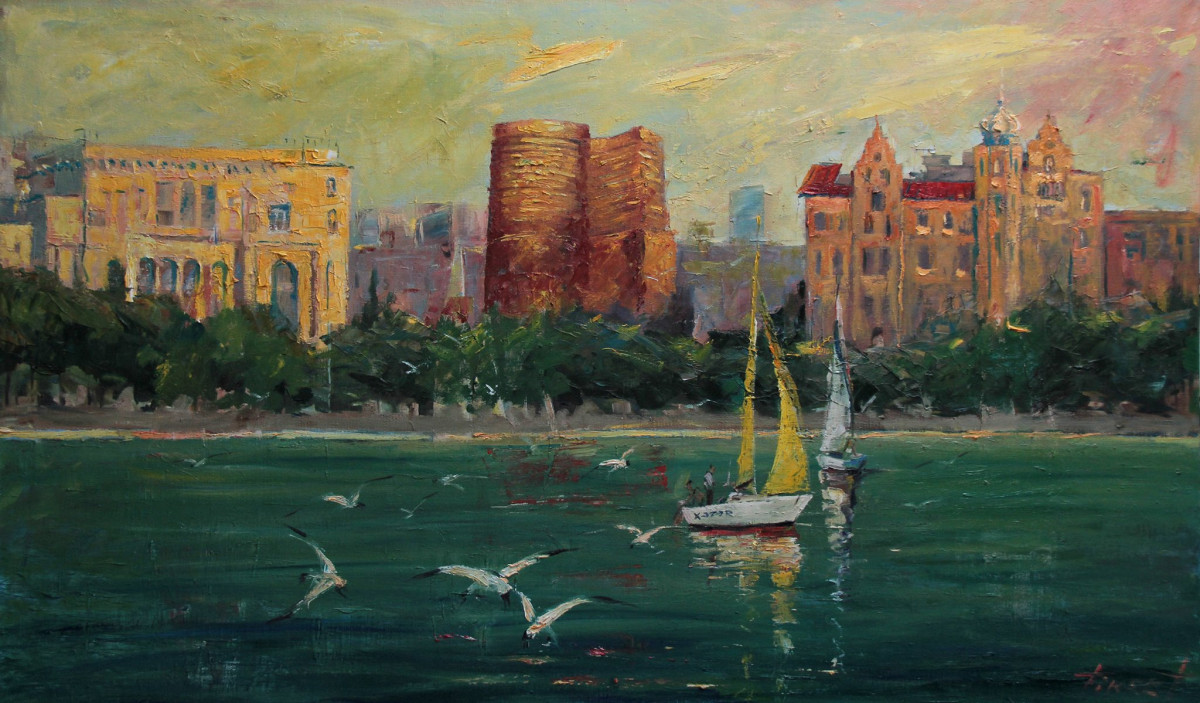
Azerbaijani art possesses a substantial historical and cultural body of material that can be presented digitally. The digital collection of the Azerbaijan National Museum of Art features works by artists including Ali bey Huseynzade, Mikayil Abdullayev, Sattar Bahlulzade, Boyukaga Mirzazade, Nadir Abdurrahmanov, Togrul Narimanbekov, Rasim Babayev, Tahir Salahov, Kamal Ahmad, Javad Mirjavadov and other artists. By presenting artworks together with information about their authors, titles, dates, materials and other details, the museum’s digital collection enables artworks to be understood not only as visual objects but also as documented cultural content.
This foundation creates significant opportunities for a more systematic presentation of Azerbaijani art in the digital environment. Making information about the artist, date of creation, medium, artistic direction and art-historical context accessible alongside the image of an artwork increases the cultural value of digital presentation. Such an approach can contribute both to the documentation of historical heritage and to bringing the work of contemporary artists to wider audiences.
From Cultural Heritage to Contemporary Presentation
Azerbaijan’s cultural heritage extends far beyond the visual arts. UNESCO’s information on Azerbaijan includes mugham, the art of ashugs, the craftsmanship and performance of the tar, carpet-making, tea culture, illumination, balaban craftsmanship, mother-of-pearl craftsmanship, Novruz, tandir craftsmanship and other elements of intangible cultural heritage. The continued addition of new Azerbaijani elements to UNESCO’s lists also reflects the living and evolving nature of the country’s cultural heritage.
Presenting this heritage alongside contemporary art in the digital environment can contribute to a broader and more coherent understanding of Azerbaijan’s cultural identity. The aim is not to merge different artistic fields into one another, but to make their existing cultural connections visible. When visual art, decorative and applied arts, and traditional craftsmanship are presented through digital archives, professional texts, photography and video, additional opportunities emerge not only for preserving cultural heritage but also for keeping it alive within the contemporary information environment.
A New Culture of Presentation
The next stage in the digital presentation of Azerbaijani art is not simply placing more artworks online, but raising the quality of presentation. The colour and texture of an artwork should be represented as accurately as possible; its dimensions and medium should be clearly documented; information about the artist should be professionally prepared; the context and artistic characteristics of the work should be explained; and communication and enquiry options should be clear for collectors. Photography, video, text, curation, information architecture and user experience are therefore not separate technical elements, but components of a unified culture of presentation.
The digital collection of the Azerbaijan National Museum of Art provides a concrete institutional example of this approach to documentation. The digital gallery model can further develop these principles in response to the needs of contemporary audiences, collectors and international viewers.
A Digital Space Opening Azerbaijani Art to the World
One of the significant possibilities of the digital environment is its ability to reduce the importance of geographical distance. A viewer or collector living in another country can explore the work of an artist based in Baku without making a physical journey, learn about the artist and examine the technical characteristics of an artwork. This creates an additional channel through which Azerbaijani art can enter international cultural circulation.
The purpose is not to diminish the importance of physical exhibitions. On the contrary, the 2025 findings of the Art Basel & UBS report demonstrate that physical experience continues to play an important role in the art world, while digital channels retain their role in the discovery of art and access to new audiences. In 2025, the share of online sales in the global art market declined to 15%, yet remained above the 9% level recorded in 2019, before the pandemic.
For Azerbaijan, the significance of this model extends beyond commercial considerations. Digitally documenting artists’ creative practices, presenting artworks in multiple languages, building professional photographic and video archives, and developing reliable editorial content about art can contribute to greater cultural visibility. In this way, a digital gallery serves not only as a space for the potential sale of an artwork, but also as a place where art can first be encountered, studied and understood within its cultural context.
Art Space Gallery and a New Approach to the Digital Gallery
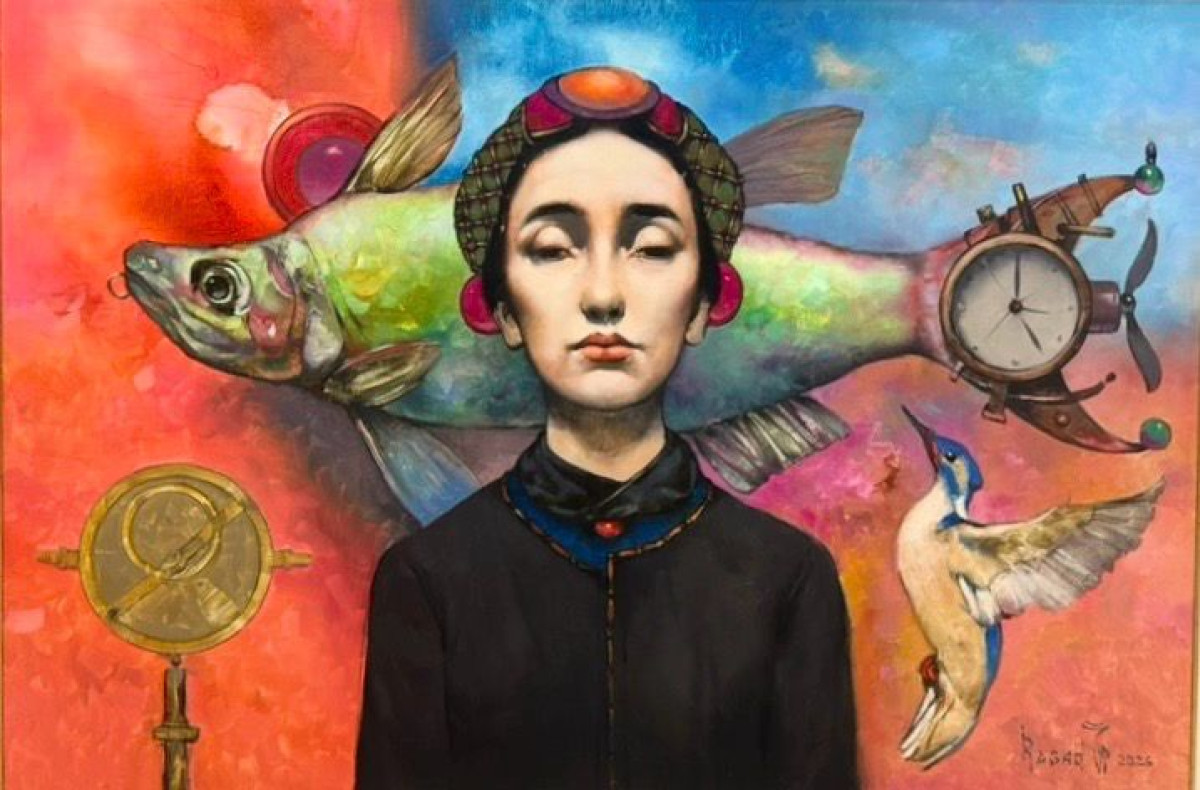
One contemporary example of this approach in Azerbaijan is the online gallery model developed by Art Space Gallery. Its focus extends beyond simply displaying artworks to bringing together the artist’s creative world, the professional presentation of artworks and information about art within a unified digital environment. Artist information, visual presentation of artworks, technical characteristics, editorial materials on art, video content and communication with collectors become interconnected elements of a single digital experience.
Within this model, the gallery functions not merely as a sales page, but as a space of cultural communication connecting artists with audiences, artworks with collectors, and Azerbaijani art with international viewers.
A New Perspective on the Future of Art
The digital gallery can be understood not as an alternative to the physical gallery, but as a new stage that expands its possibilities. The 2025 figures of the global art market demonstrate the parallel existence of digital and physical channels. The significance of digital space lies not only in sales figures, but also in its ability to increase the visibility of art, document creative practices, establish connections with new audiences and create cultural dialogue across different geographies.
For Azerbaijan, this process carries a broader significance. A digital gallery can create new audiences for local artists, enable Azerbaijani art to appear more consistently and professionally within the international cultural information space, and contribute to the formation of a digital memory of the country’s artistic heritage for future generations.
The essential purpose of a digital gallery is not simply to bring an artwork onto a screen. It is to create a contemporary space of presentation that connects artists, artworks and culture with new audiences. The defining boundary of the gallery of the future is no longer limited to physical space; it lies in the quality of presentation, the value of selection and the breadth of the audience that art can reach.
Art Space Gallery MEDIA