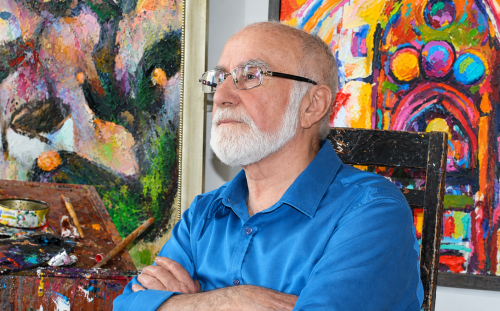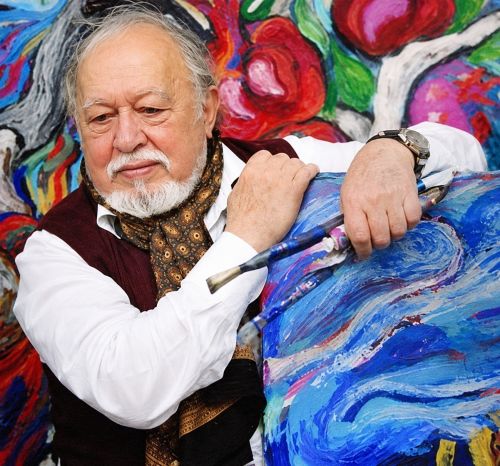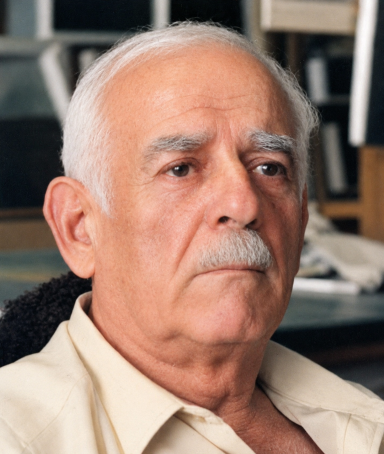
Kamil Najaf oglu Najafzadeh was born on 29 December 1929 in Lankaran, Azerbaijan. He studied at the Azim Azimzade Art School from 1943 to 1948, before entering the art department of the All-Union State Institute of Cinematography in Moscow, where he completed his studies in 1955. That year, he began working as a production designer at Azerbaijanfilm and went on to contribute to approximately forty films. He was a member of the Union of Artists of Azerbaijan and the Union of Cinematographers of Azerbaijan. His distinctions included the titles of Honoured Art Worker of Azerbaijan and People's Artist of the Azerbaijan SSR, as well as the title of Honoured Art Worker of the Chechen-Ingush Republic. He was a two-time State Prize laureate and received the Order of Shohrat. Alongside his artistic practice, he taught as a professor at the Azerbaijan University of Culture and Arts and the Azerbaijan Academy of Arts.
Film design became one of the defining dimensions of his professional life. His work as a production designer included such films as Black Rocks, Two Boys from One Neighbourhood, On Distant Shores, In a Southern City, Birthday, Our Street and Ulduz. The production designer's task extends beyond the construction of a convincing setting. It involves creating the visual conditions in which a story can unfold: the character of an interior, the scale and rhythm of a street, the relationship between architecture and human presence, and the atmosphere through which the viewer experiences the narrative. Najafzadeh approached these elements as parts of a unified dramatic structure.
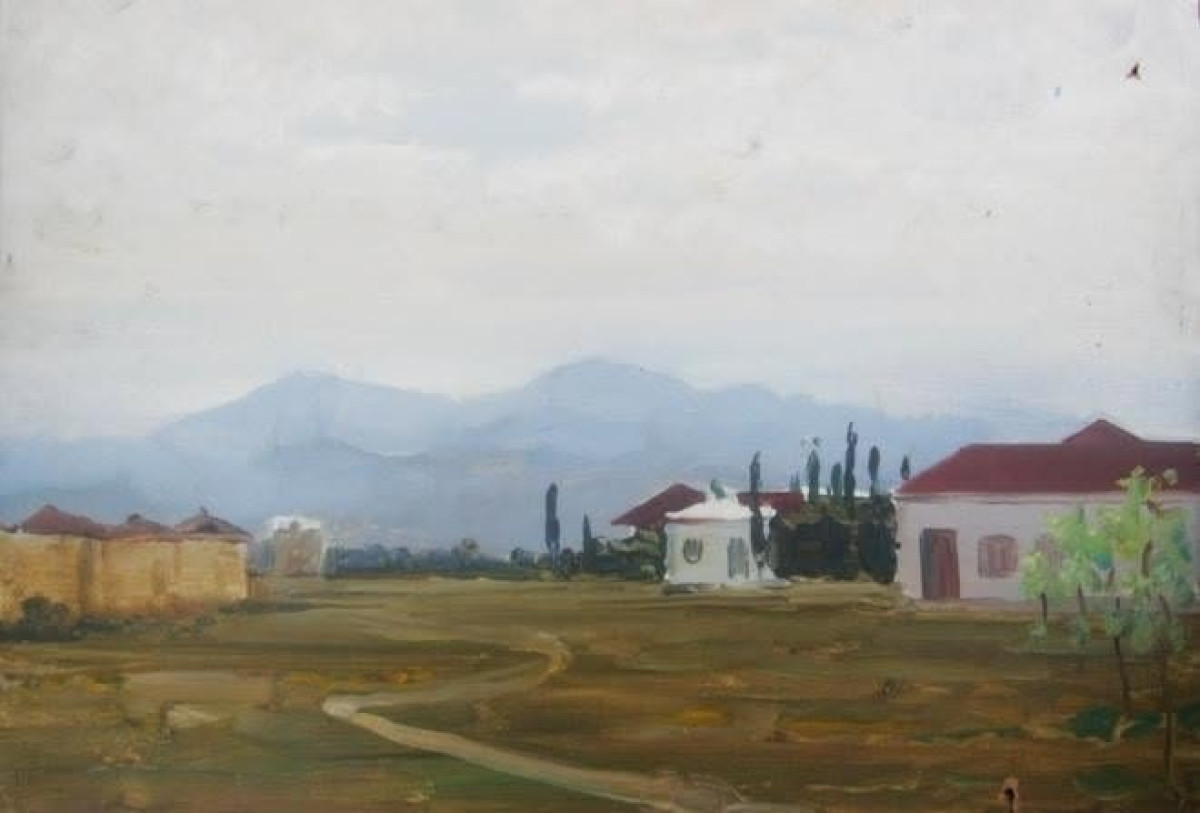
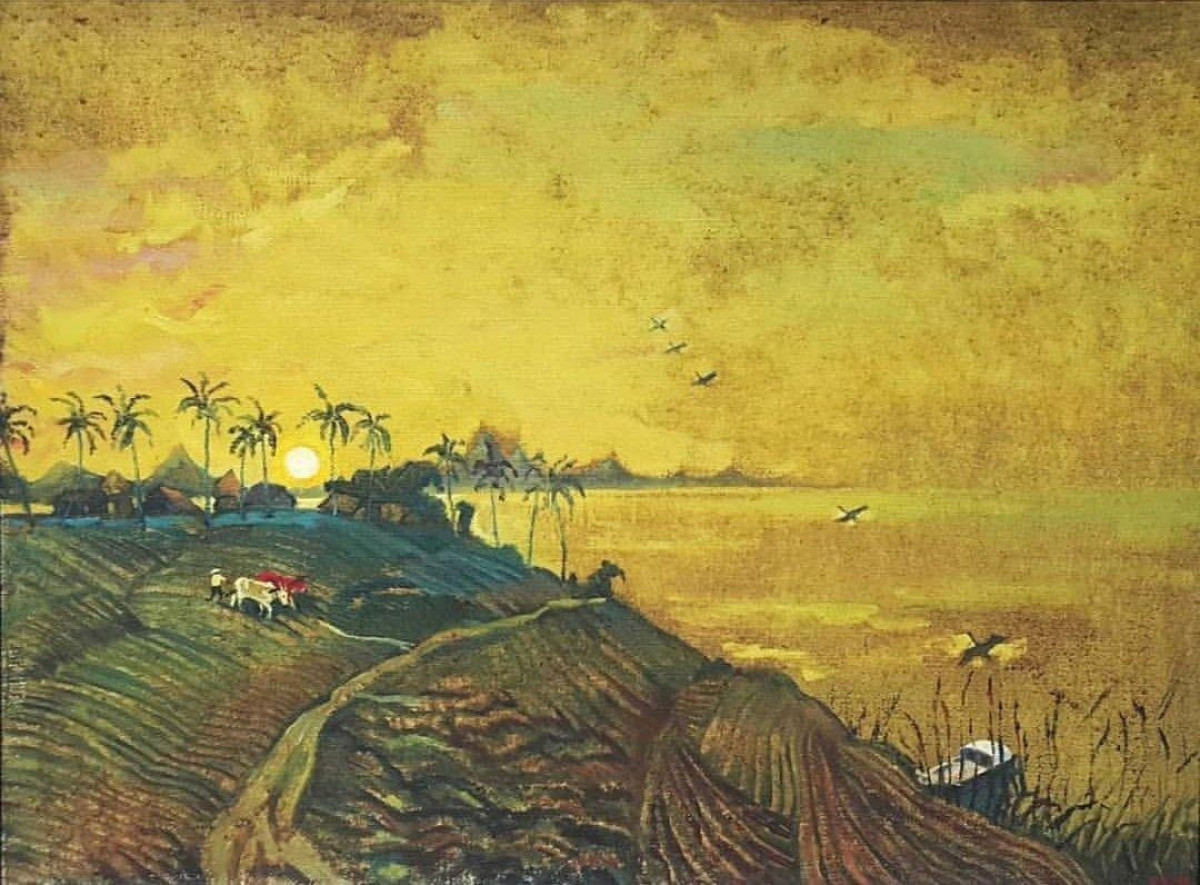
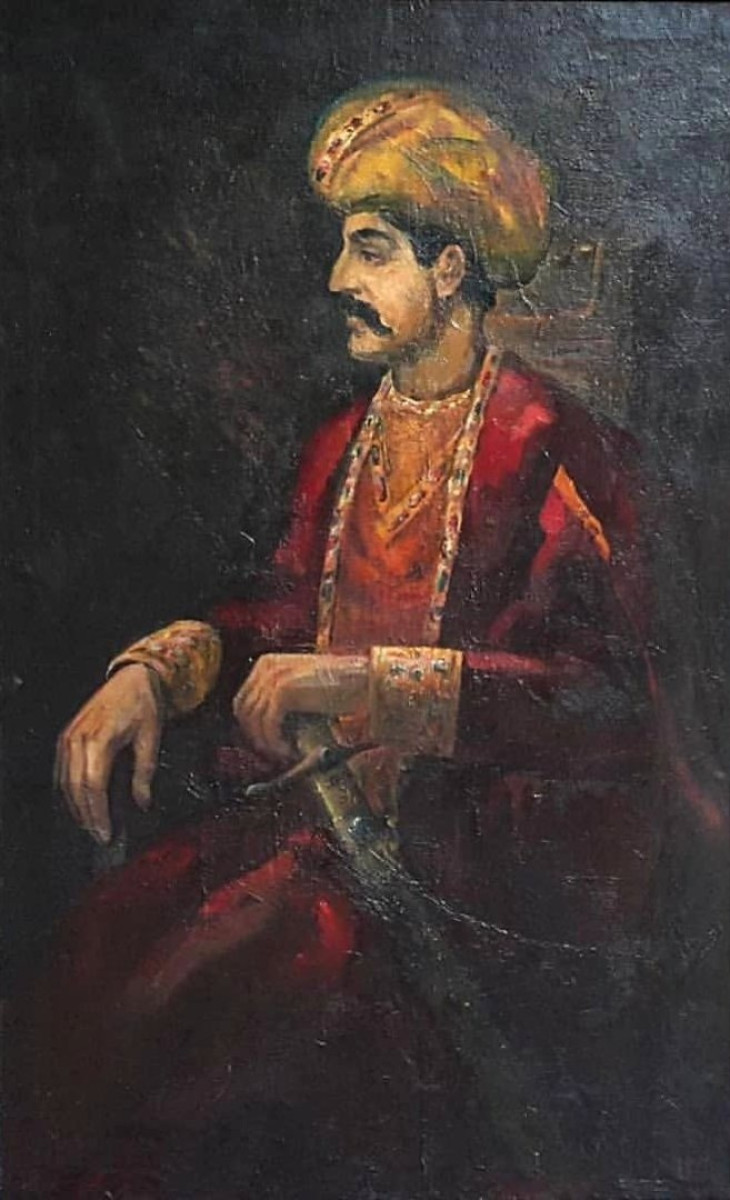
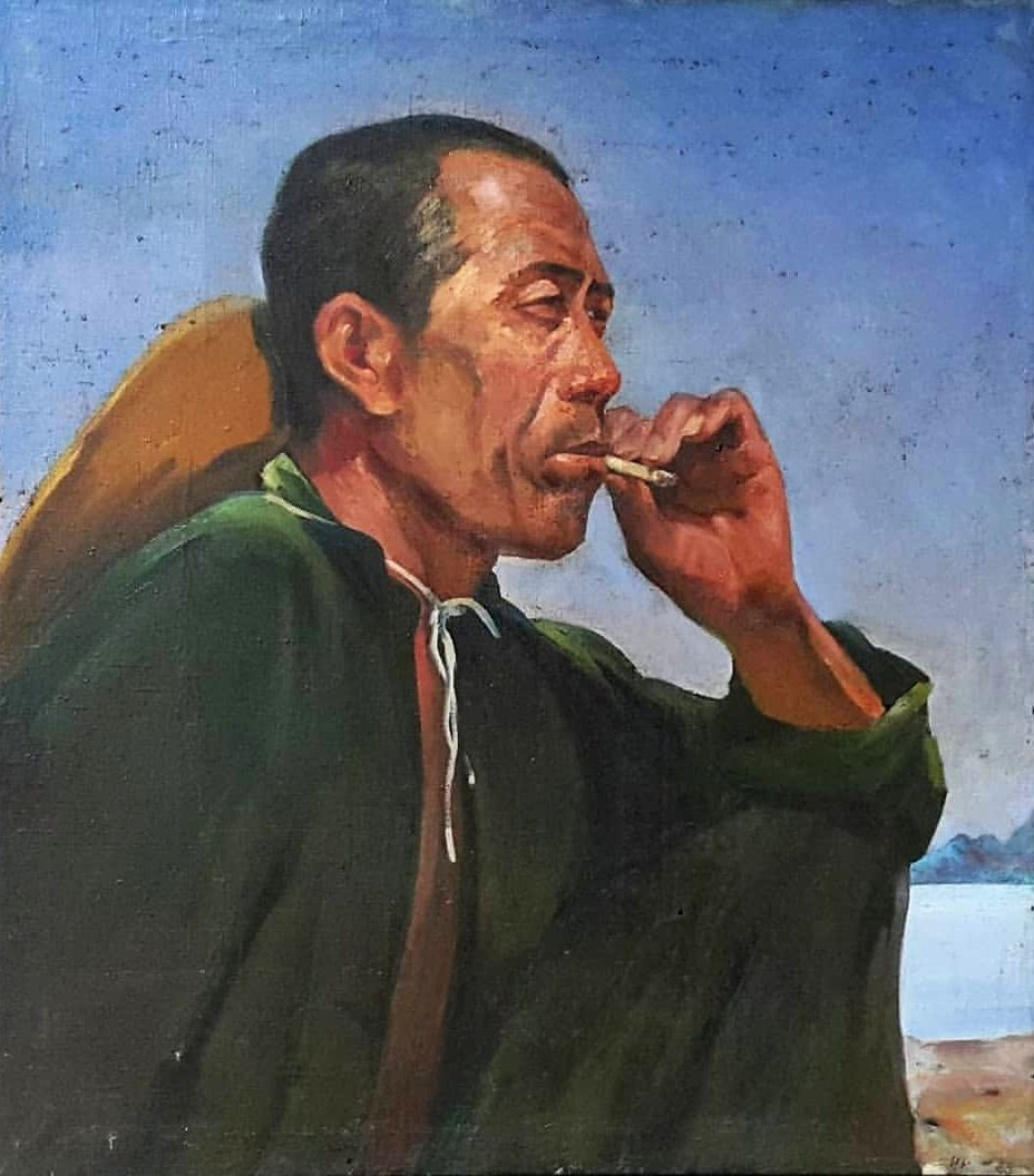
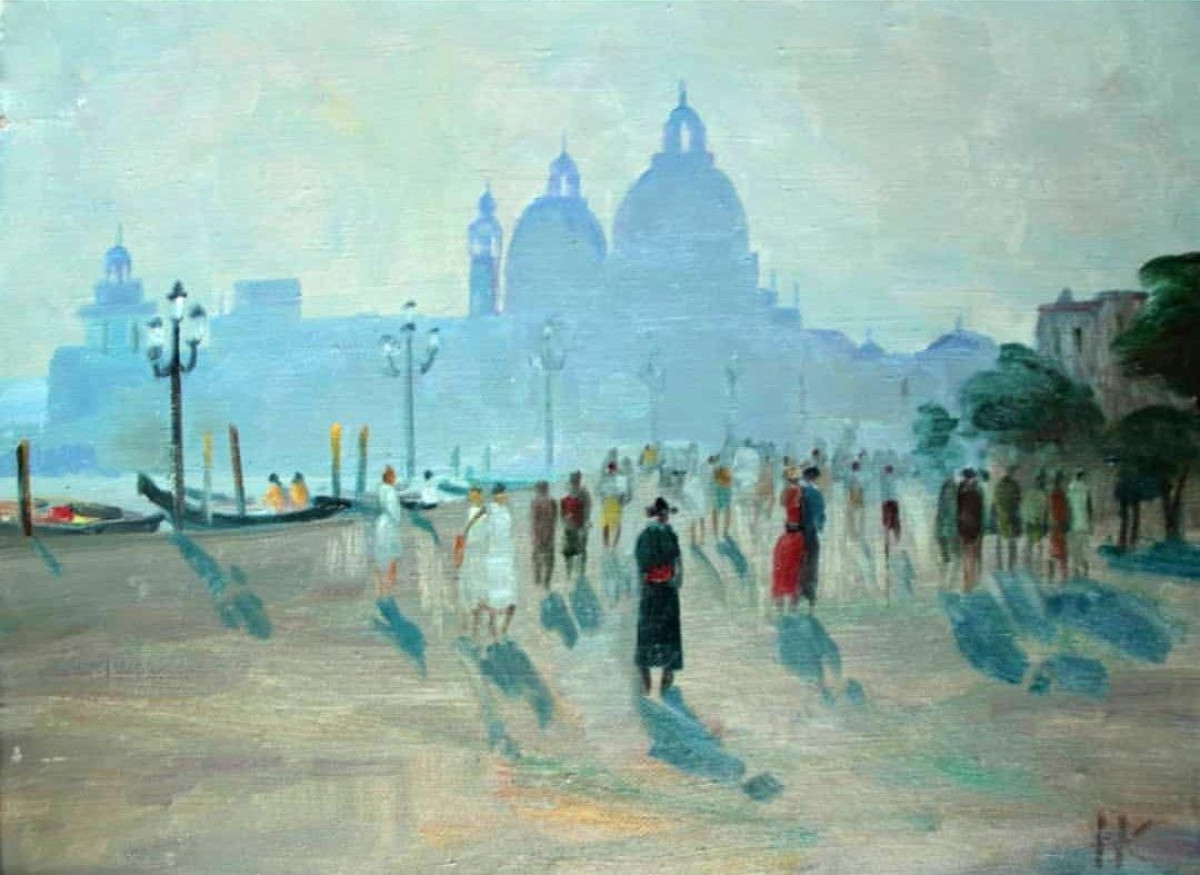
In easel painting, his attention extended to landscapes, urban environments, portraits and subjects drawn from historical experience. His landscapes are not simply records of geographical appearance. The organisation of foreground and distance, the relationship between colour fields and the rhythm of natural forms transform the observed environment into a personal visual interpretation. Mountains, streets and architectural motifs become elements through which the artist investigates the expressive potential of space. The image is shaped by the interaction of what is seen and the way it is remembered.
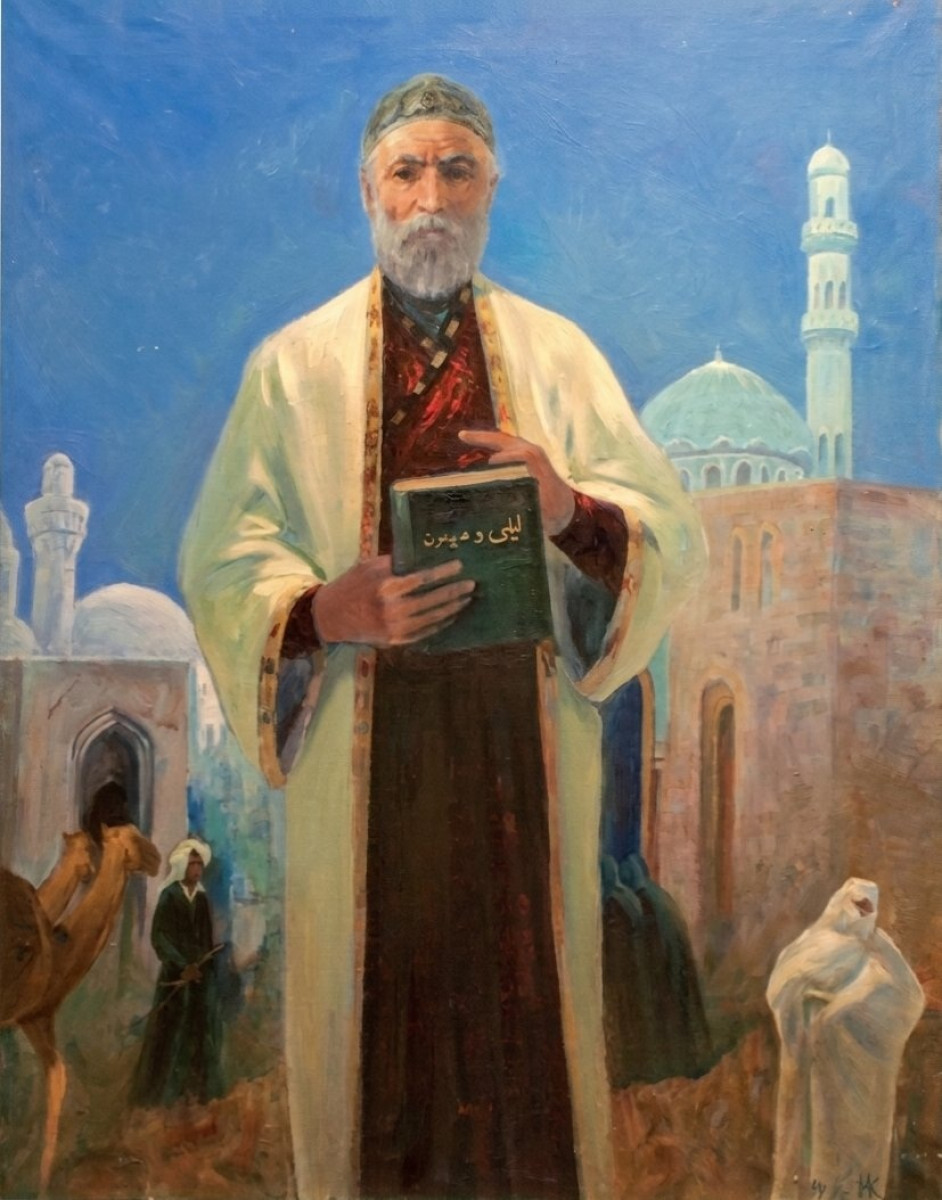
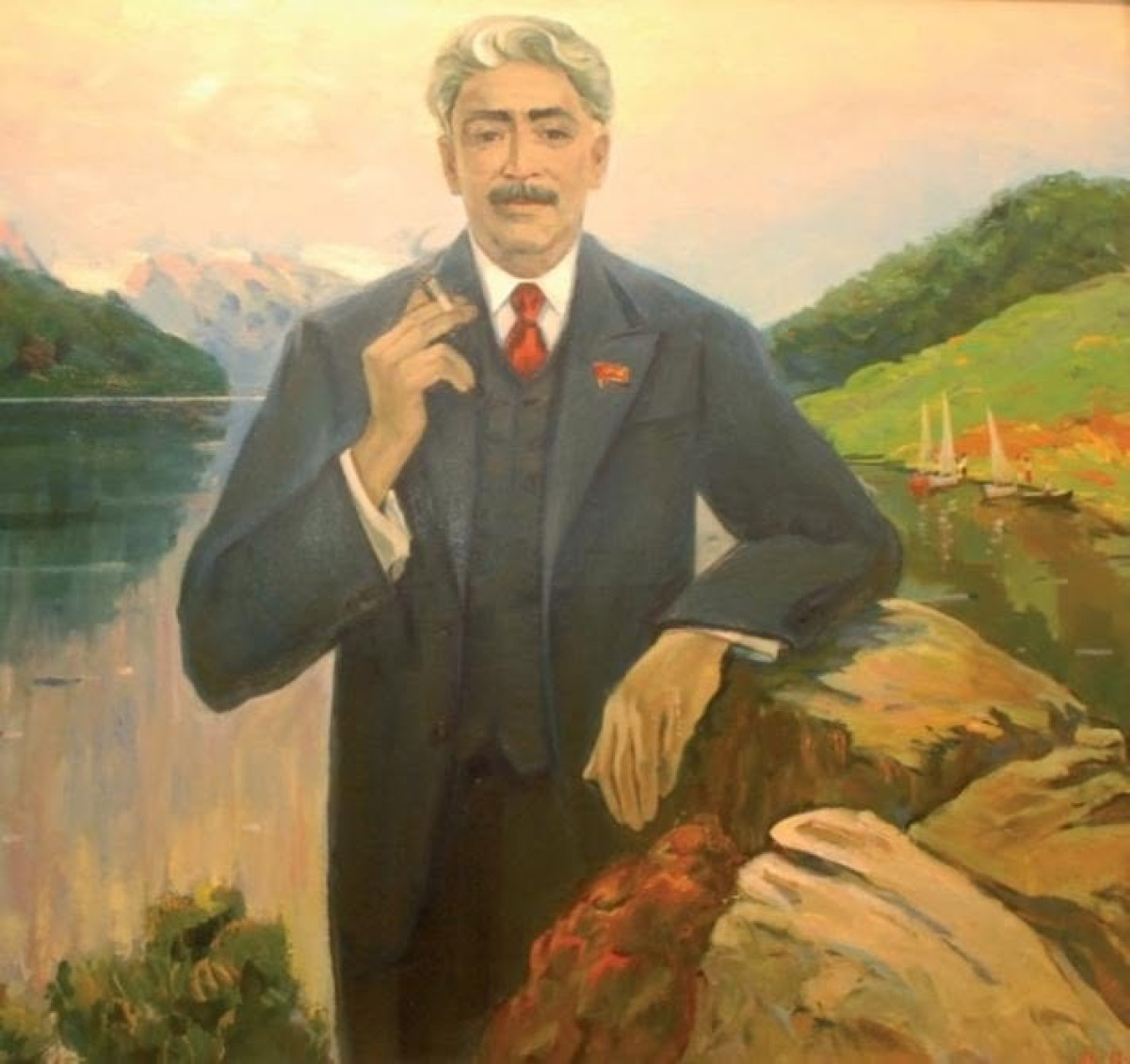
Historical and social themes occupy a particularly important place in Najafzadeh's painting. The events of January 1990 became the subject of a group of works, among them Azerbaijan's Cry — 1990 and History Is Not Forgiving. In an interview, the artist recalled witnessing the aftermath of the tragedy in hospitals and morgues. The experience left a profound impression and became the starting point for his artistic response. In Azerbaijan's Cry — 1990, the contrast between dark and illuminated areas gives the composition a moral and emotional structure. The image of a child extending his hands above the dead introduces a sign of continuing life into a scene of devastation. The work thus moves beyond the documentation of an event and addresses the human meaning of collective trauma.
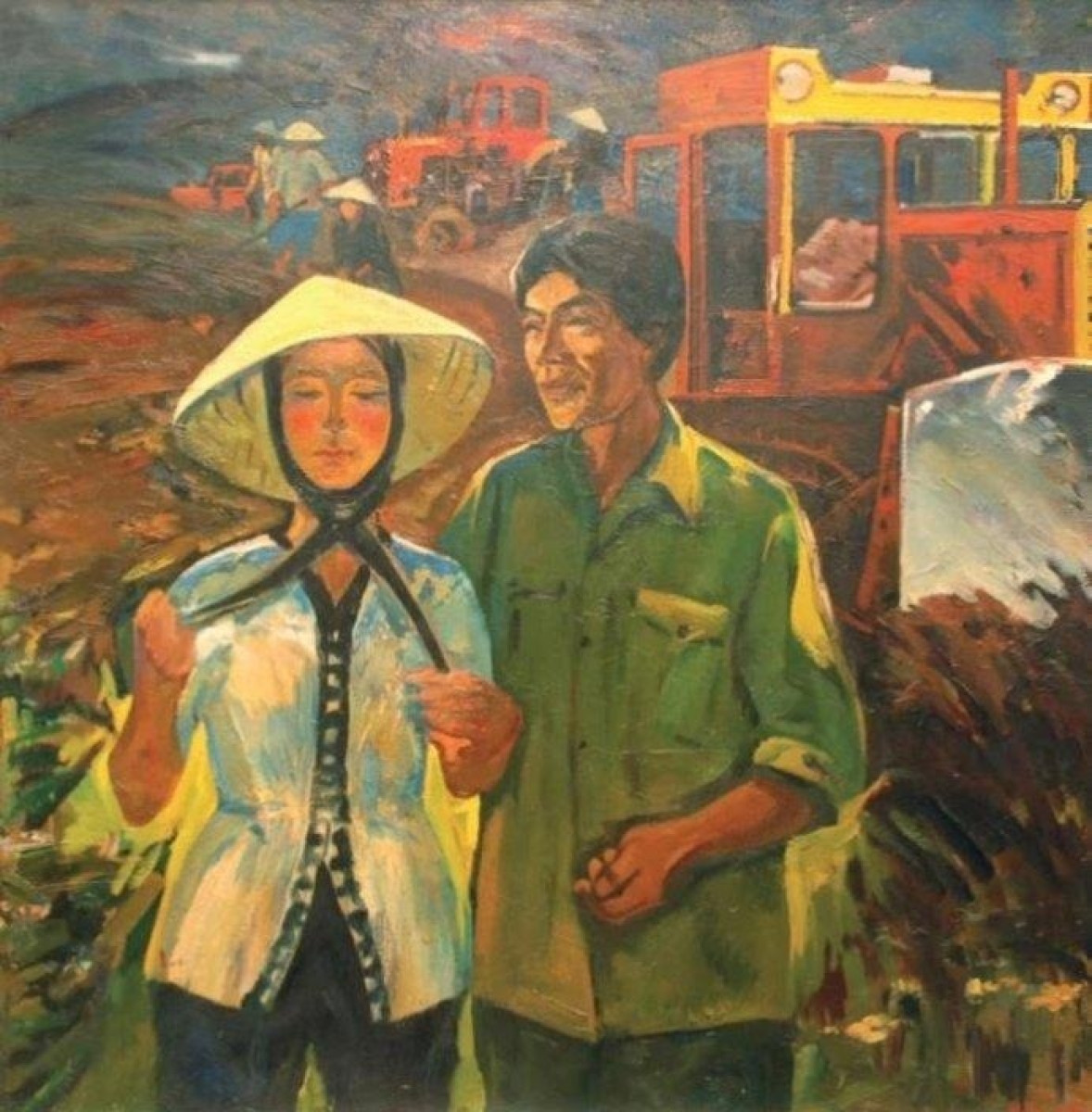
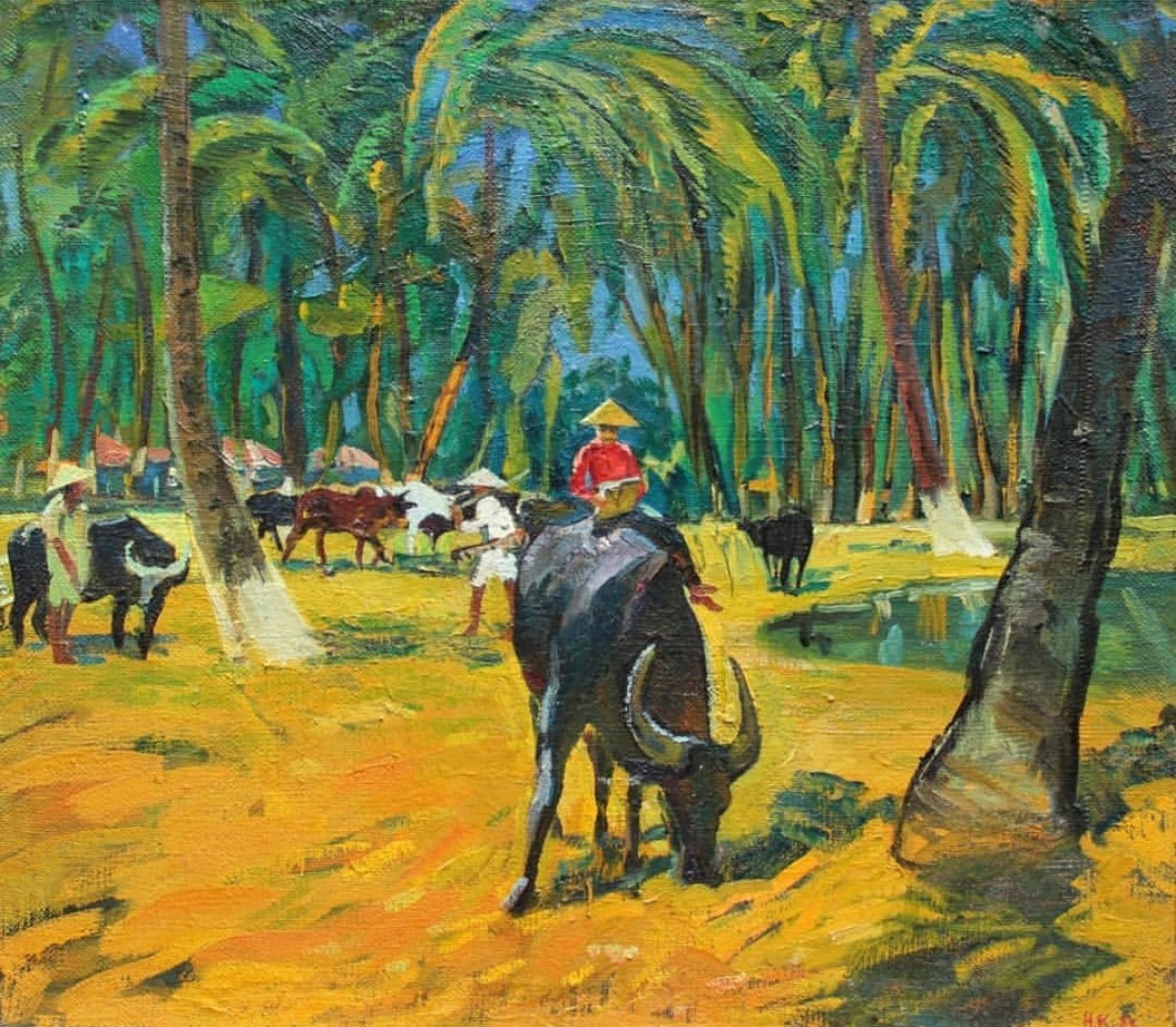
His travels abroad also expanded the geographical and cultural range of his work. A particularly significant journey took place in Vietnam in 1981. The sketches and observations gathered during the visit became the basis for a cycle of forty-five paintings, completed over approximately three years. In 1985, he presented an exhibition entitled Vietnam in Moscow and later donated twenty-nine works to an art gallery in Vietnam. The subjects included agricultural labour, fishing, landscapes and everyday life. Rather than treating the country as an exotic spectacle, Najafzadeh concentrated on the rhythms of ordinary activity and the relationship between people and their environment. Repeated gestures, the movement of figures and the organisation of the landscape give the cycle its visual coherence.
Najafzadeh's exhibition history extended beyond Azerbaijan. According to a 2011 interview, he had held nine solo exhibitions since 1946, including exhibitions in Washington in 1997 and 2001. His works entered private collections in several countries, while his Vietnam cycle also reached an international audience. These activities reflect a career in which the artist's visual language developed through both local cultural experience and sustained engagement with different societies.
Kamil Najafzadeh occupies a distinctive place at the intersection of Azerbaijani painting, graphic art, cinema and theatre. His contribution is defined by the continuity of his visual thinking across different media and by his capacity to connect spatial construction with human and historical experience. He died in Baku on 29 June 2011. His legacy remains significant not only for the range of disciplines he served, but also for the way his work brought questions of memory, place and human dignity into the visual culture of Azerbaijan.
Art Space Gallery MEDIA