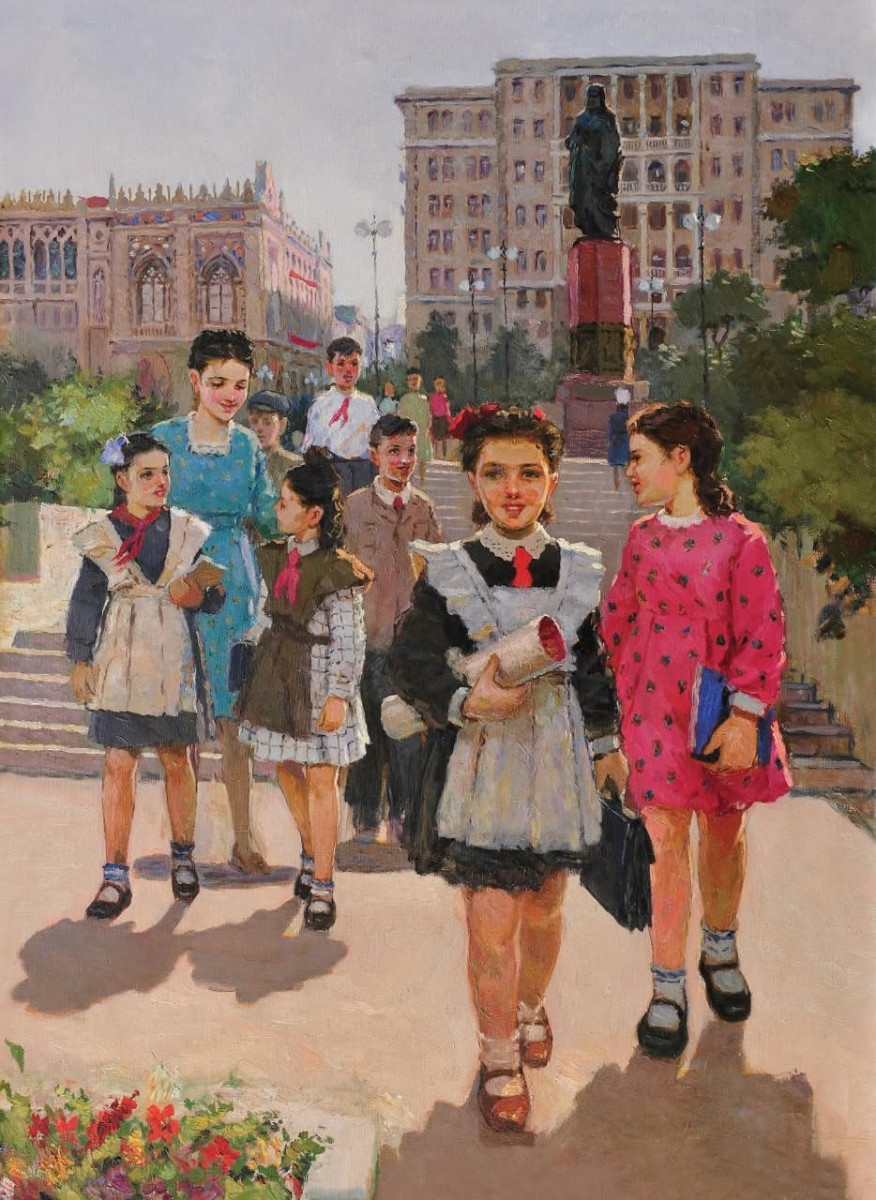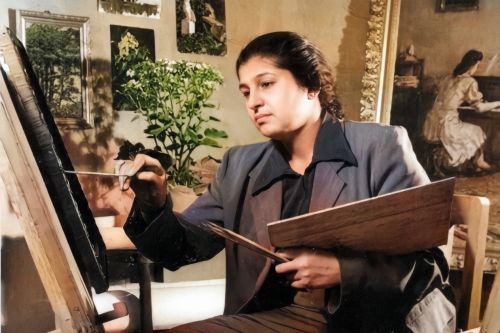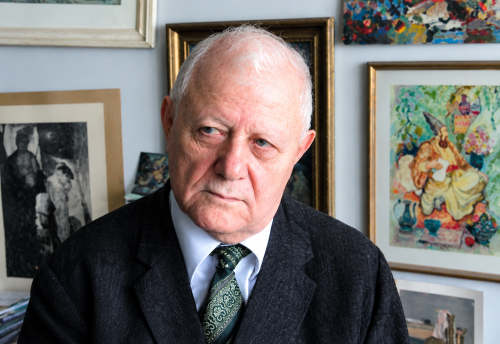
Ogtay Seyid Huseyn oglu Sadigzade was born on 24 February 1921 in Khizi, into the family of writer Seyid Huseyn and poet Ummugulsum. Growing up in an environment closely connected with literature helped shape one of the defining directions of his artistic vision: the relationship between the written word and the visual image. From 1935 to 1939, he studied at the Baku Art Technical School, where his professional formation began. In 1941, following the repression of his family, he was exiled. He returned to Baku in 1946 and continued his artistic work before pursuing further studies in graphic art at the Surikov Moscow State Art Institute, graduating in 1956. He subsequently worked as an art editor at Azerneshr. His contribution to Azerbaijani art was recognised through the titles of Honoured Art Worker and People's Artist of Azerbaijan, the Shohrat and Sharaf Orders, and the State Prize of the Republic of Azerbaijan.
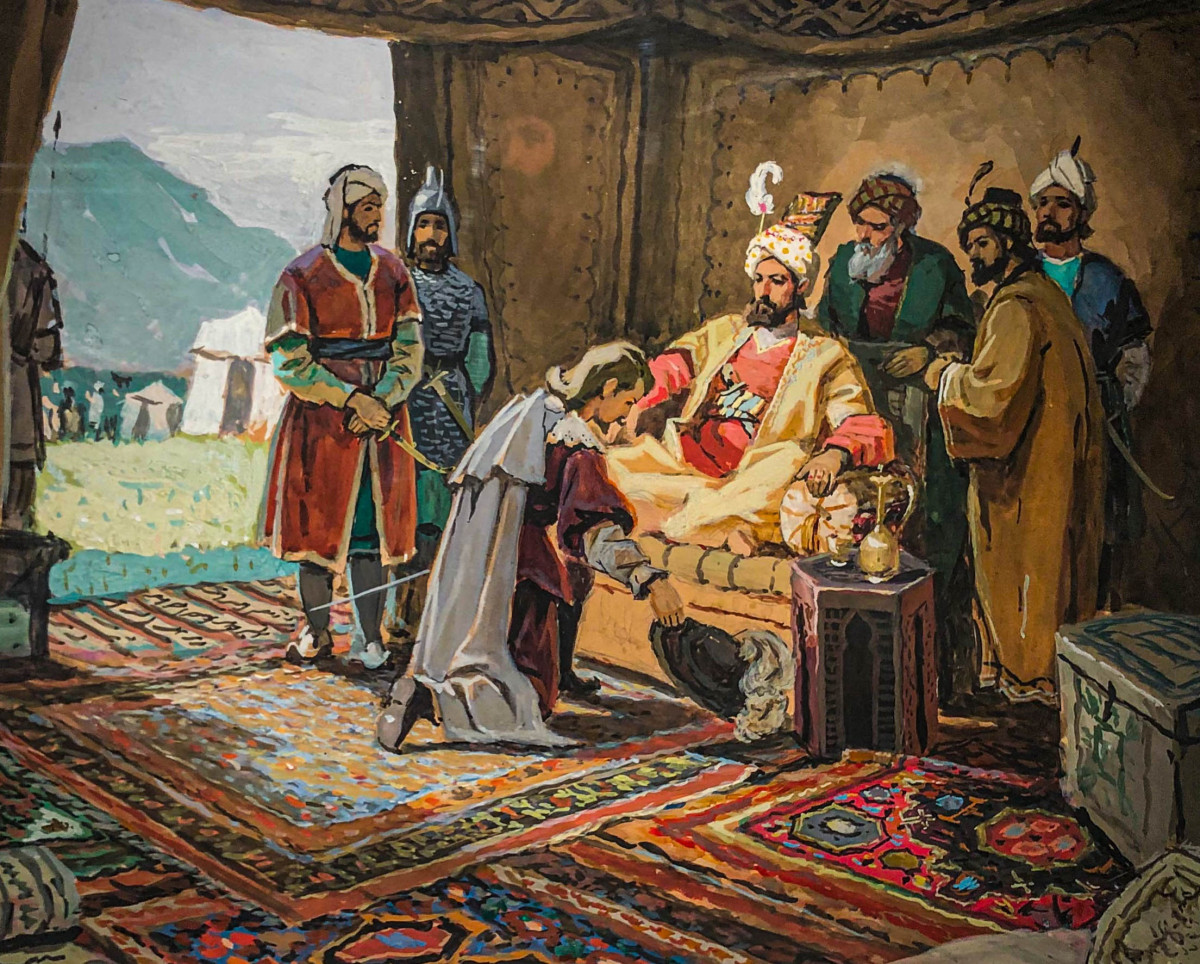
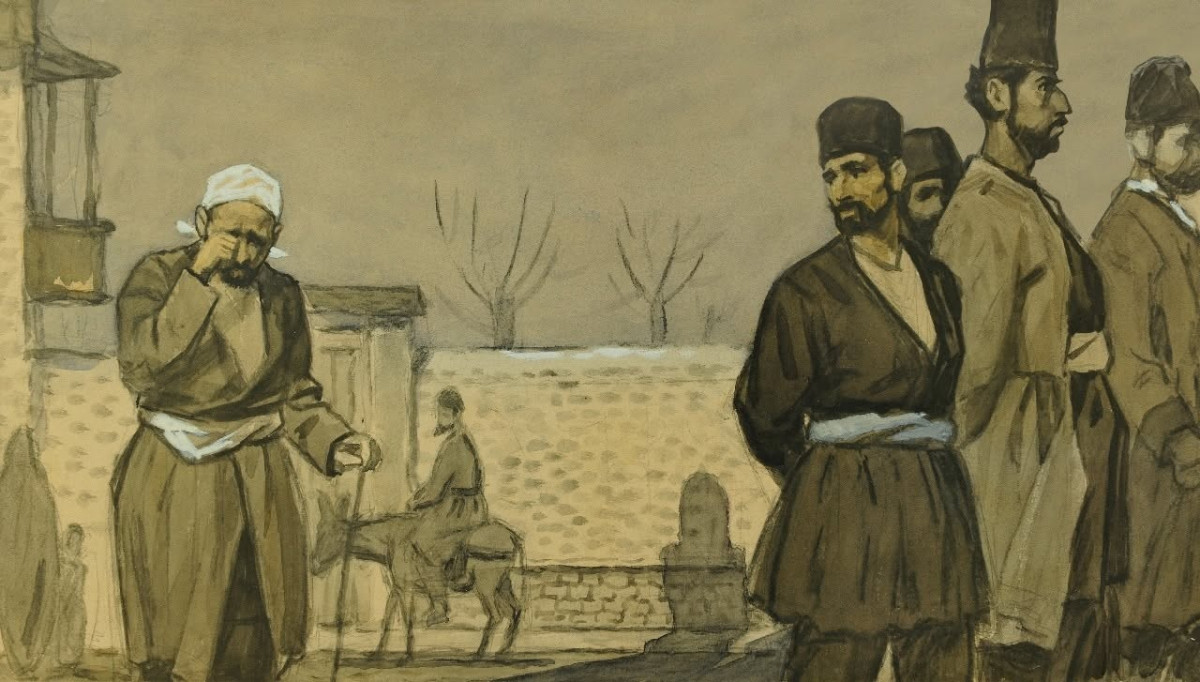
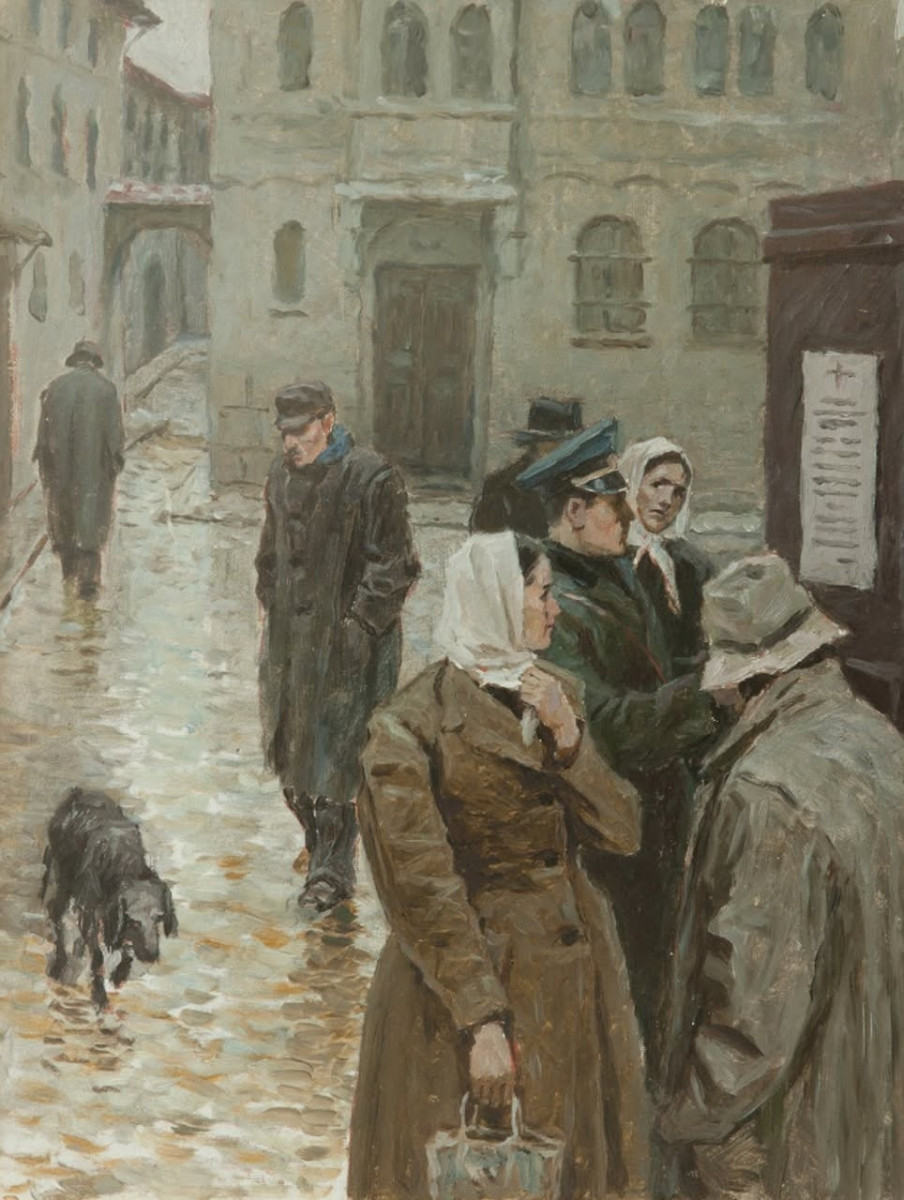
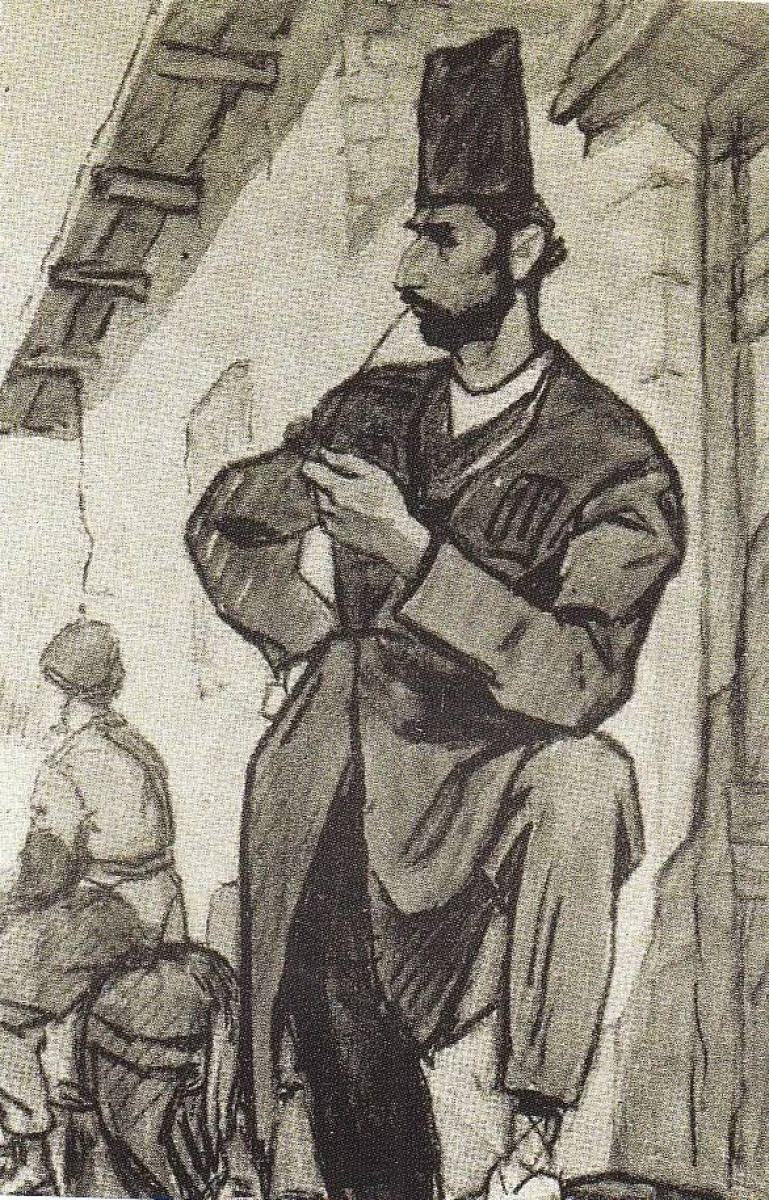
A central feature of Sadigzade's art is his ability to reinterpret literary works through an independent visual language. For him, book illustration was not merely a means of accompanying a text. It was an opportunity to reveal its intellectual, emotional and psychological dimensions through composition, gesture and image. His illustrations for works by Honoré de Balzac, Victor Hugo, Ivan Turgenev, Maxim Gorky, Mirza Fatali Akhundzade, Huseyn Javid and Jafar Jabbarly demonstrate the breadth of this approach. Rather than limiting himself to the outward appearance of literary characters, the artist sought to convey their inner lives and the historical atmosphere in which they existed.
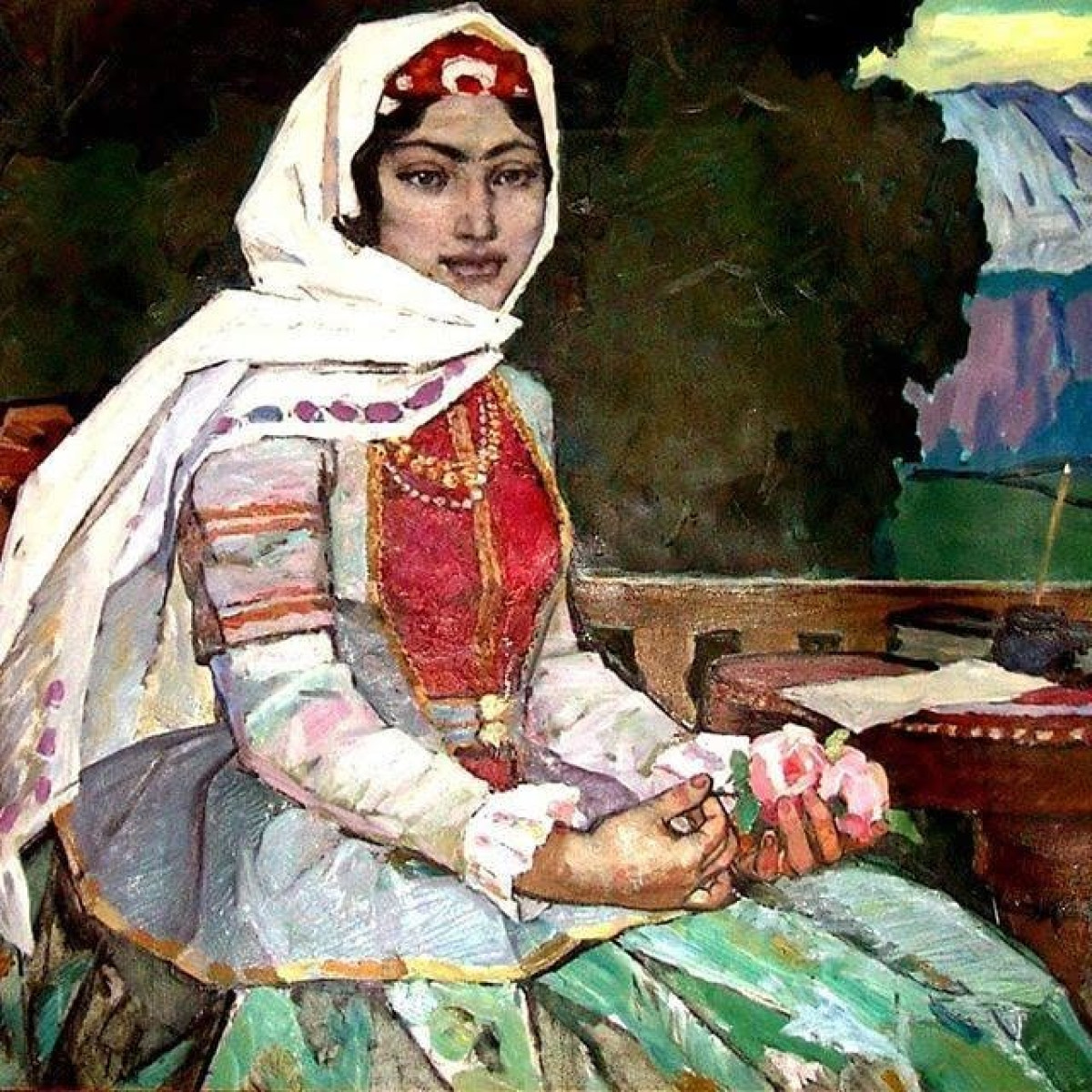
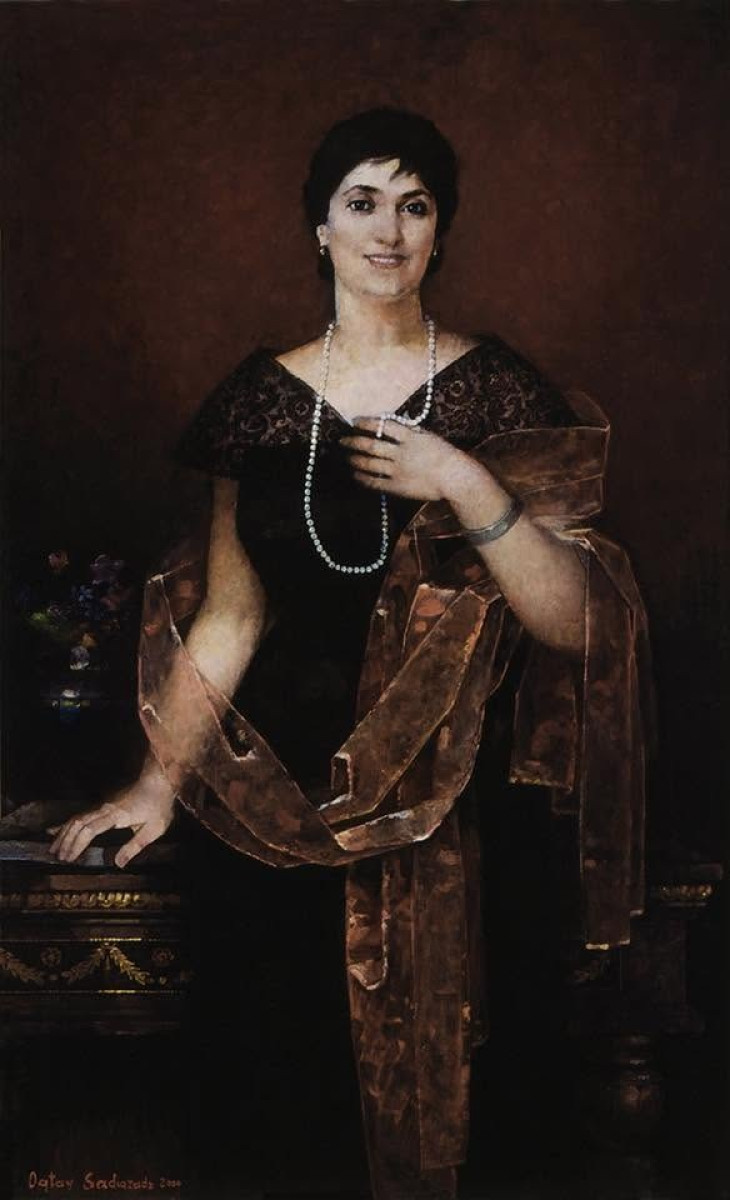
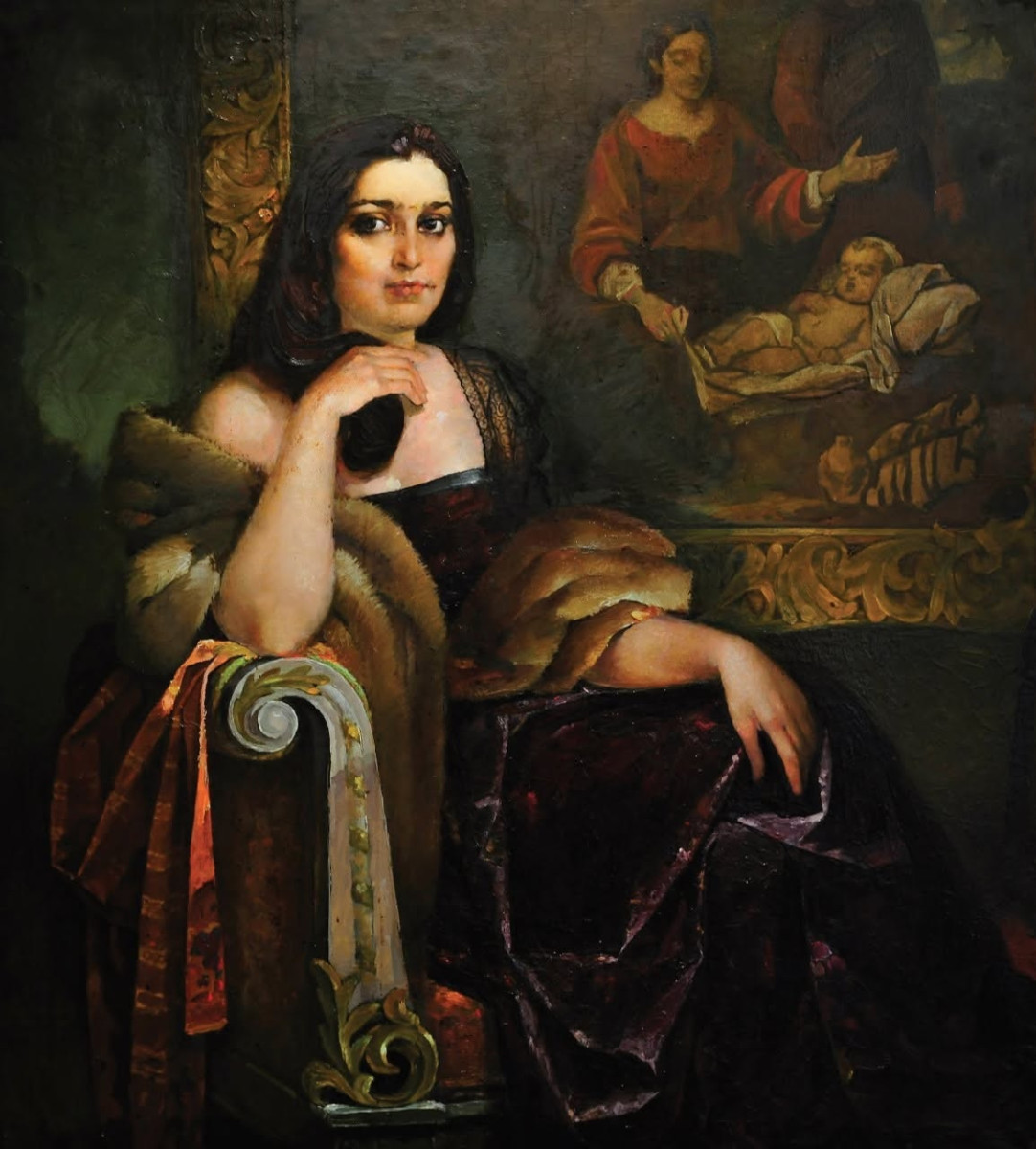
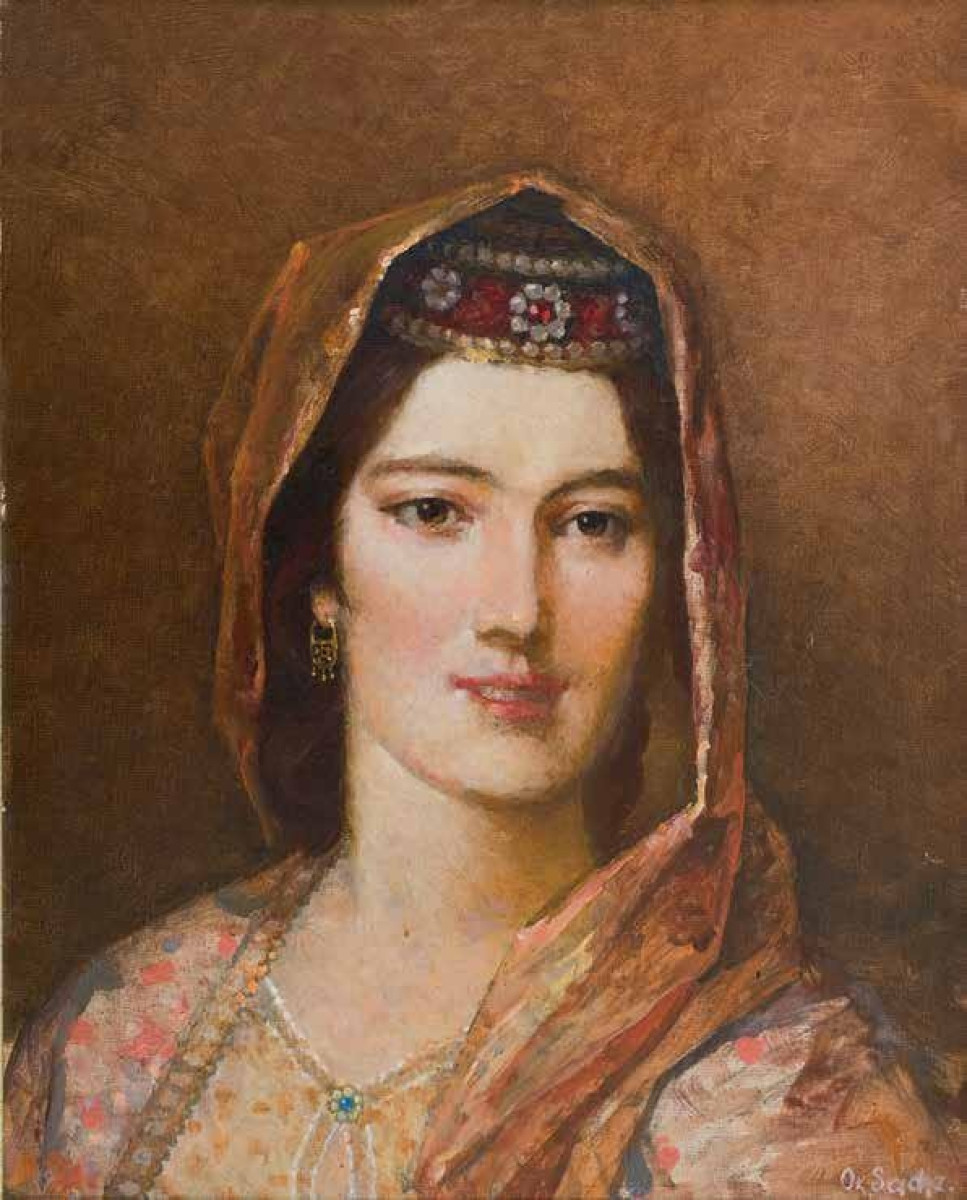
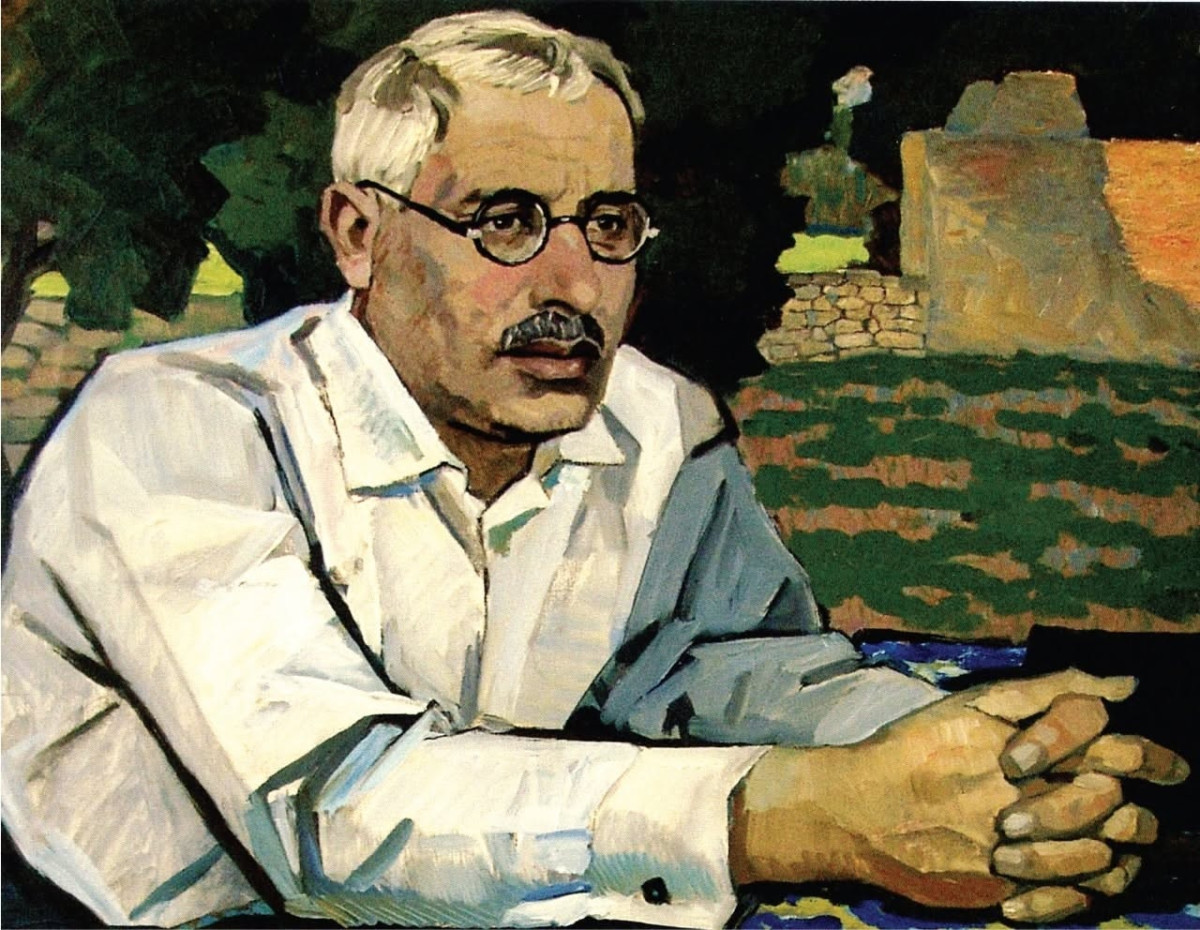
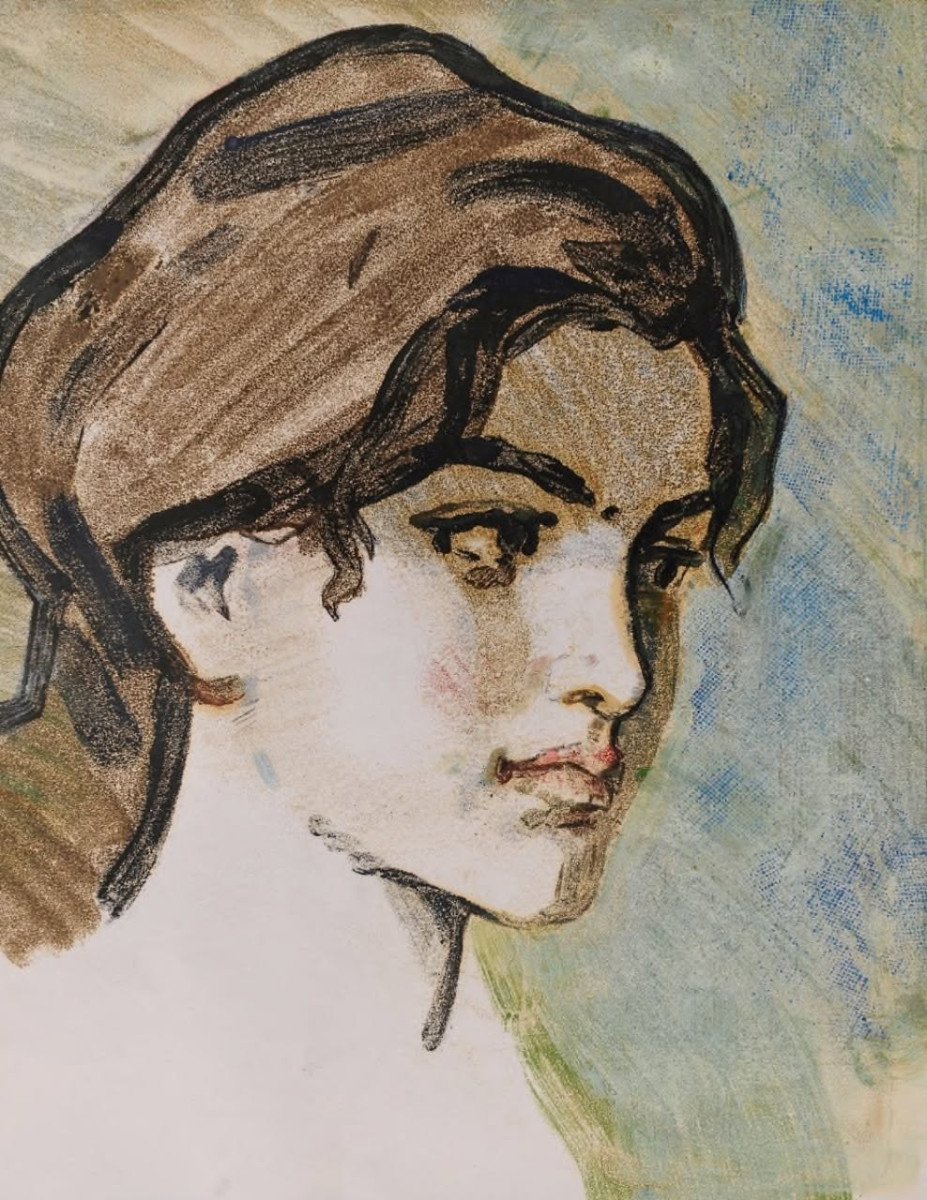
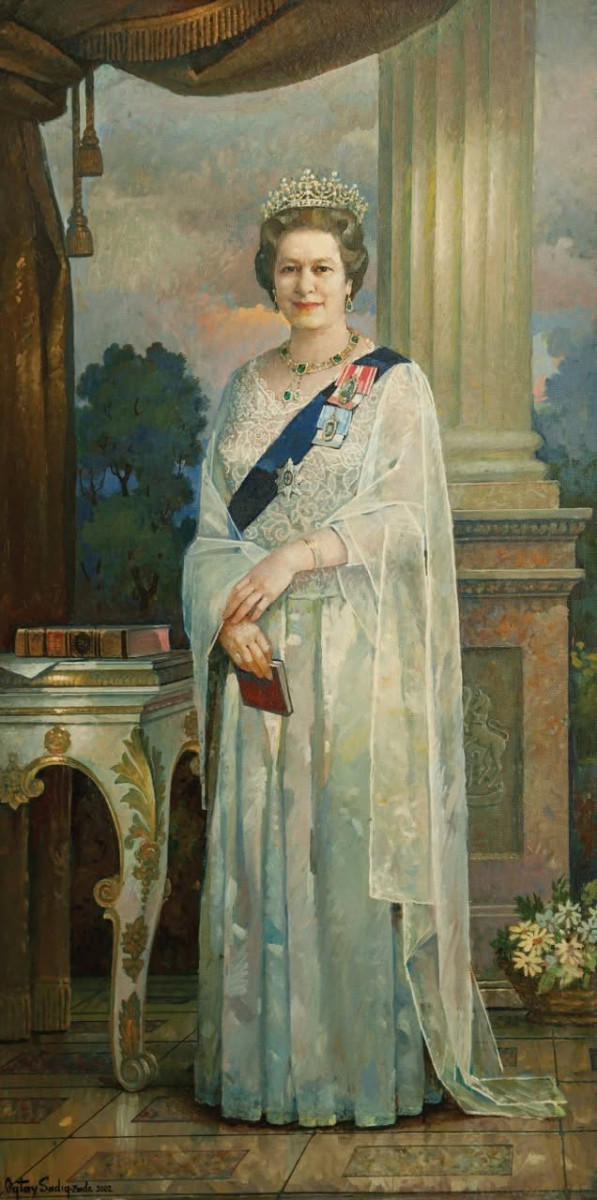
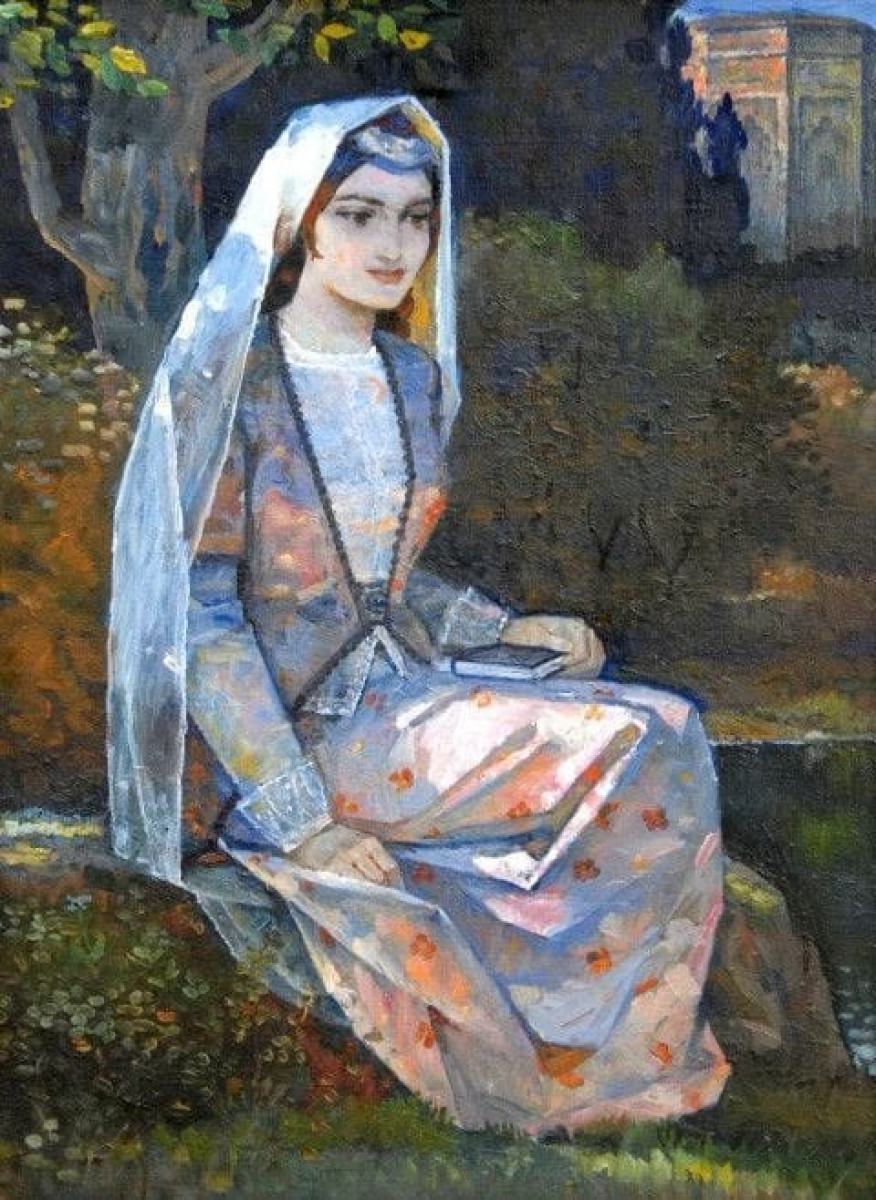
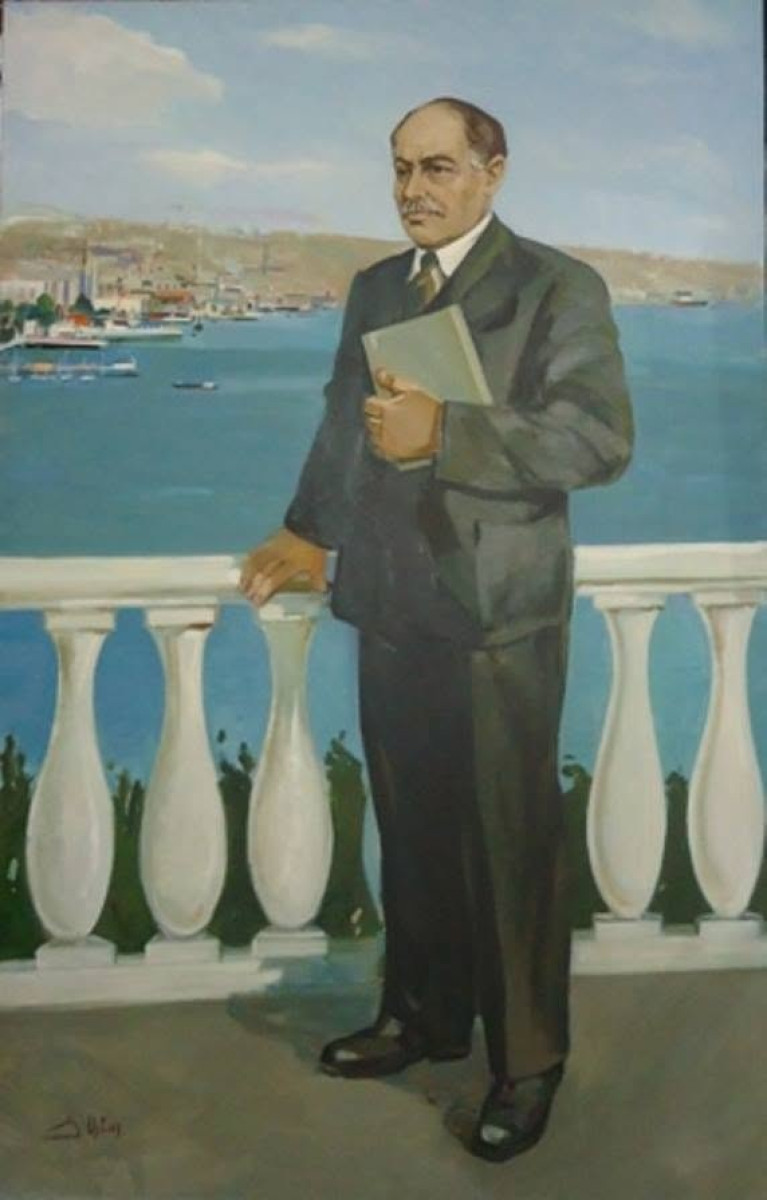
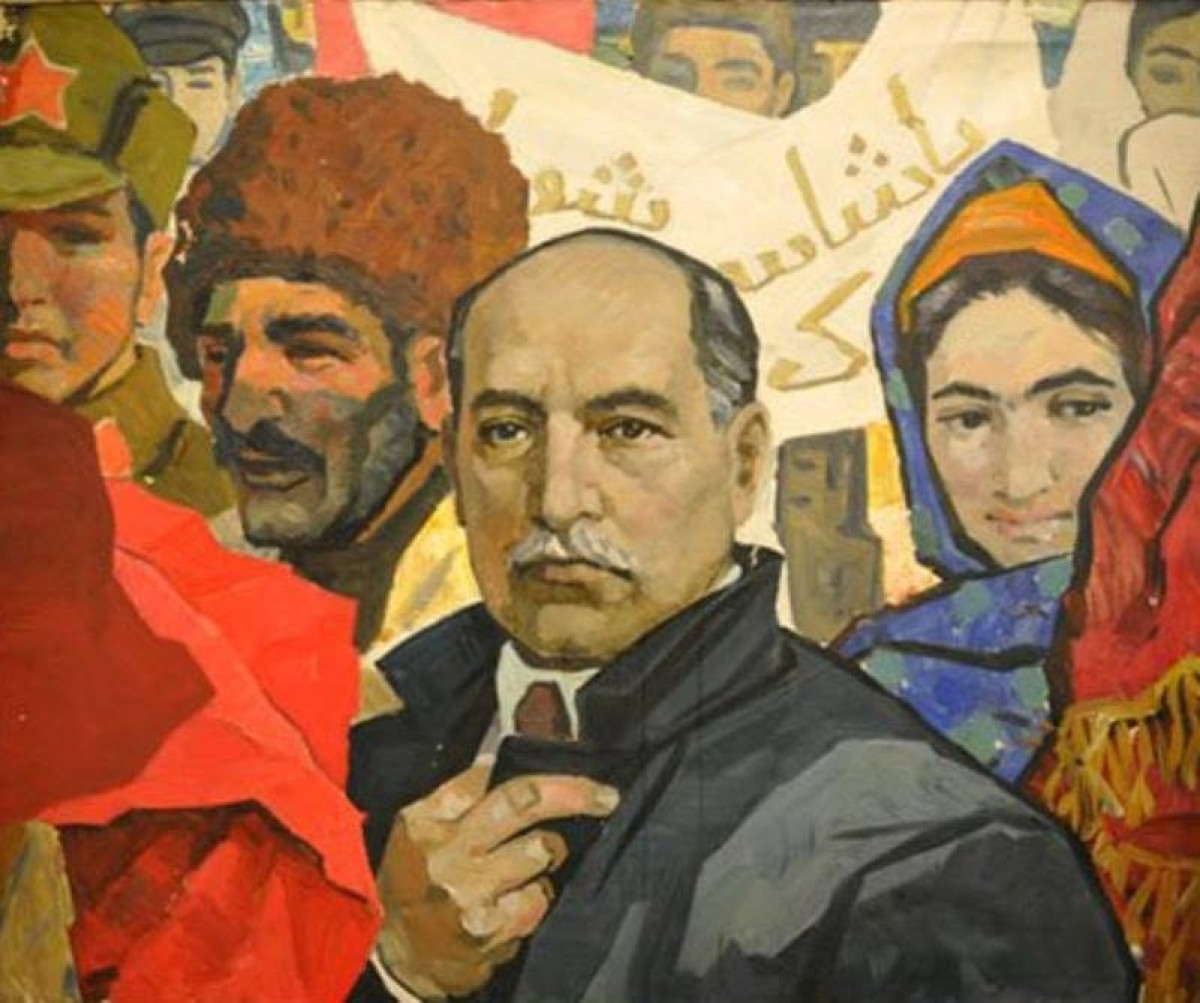
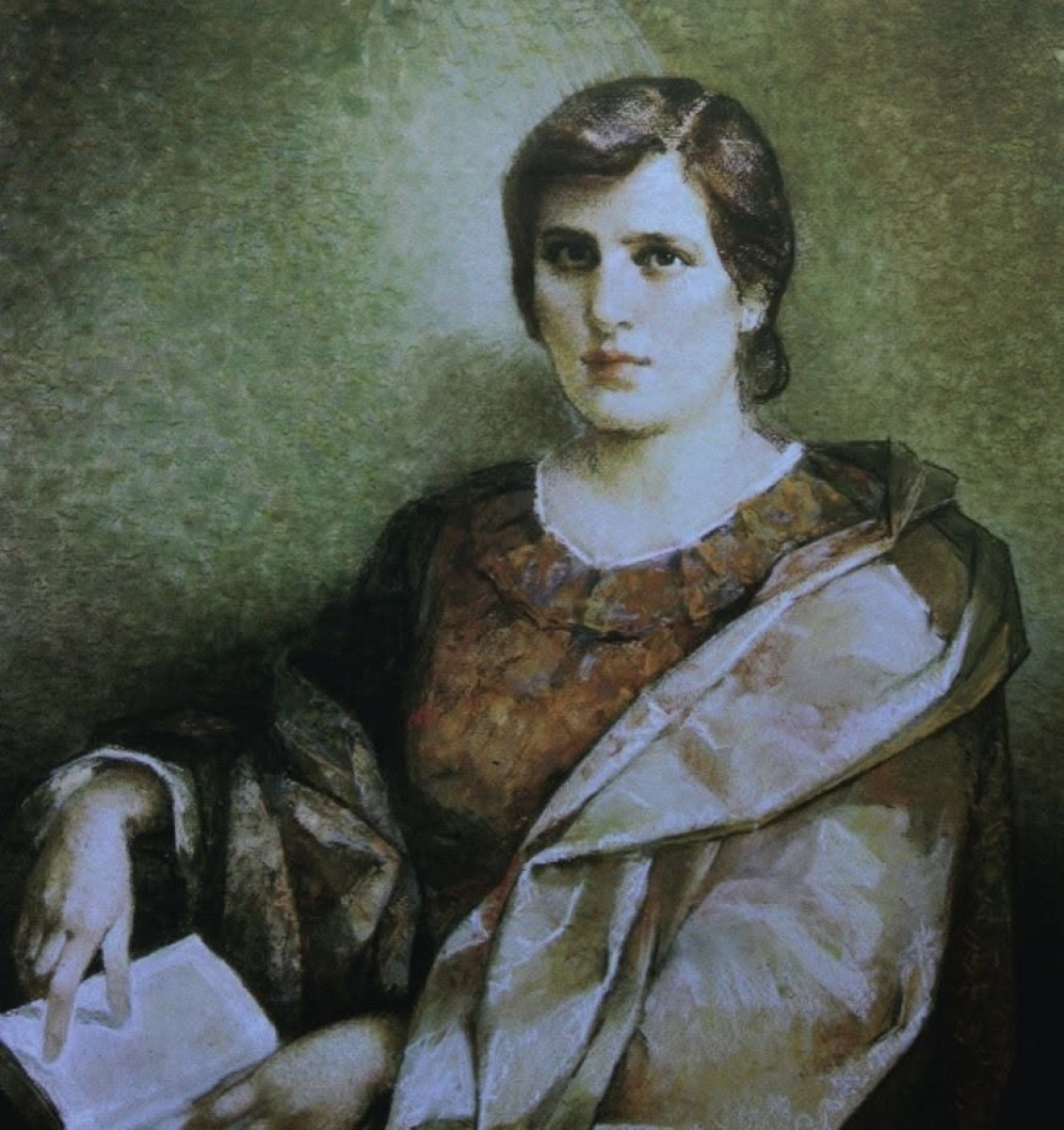
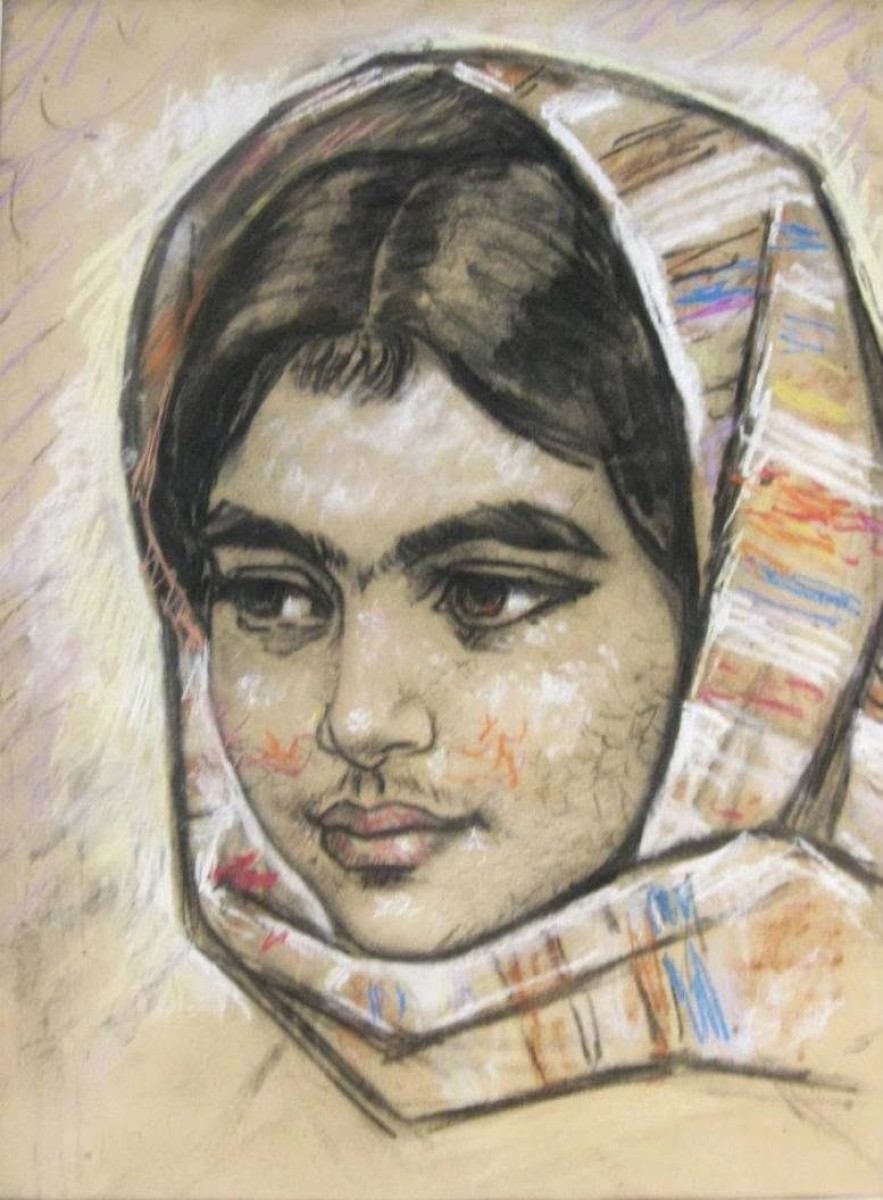
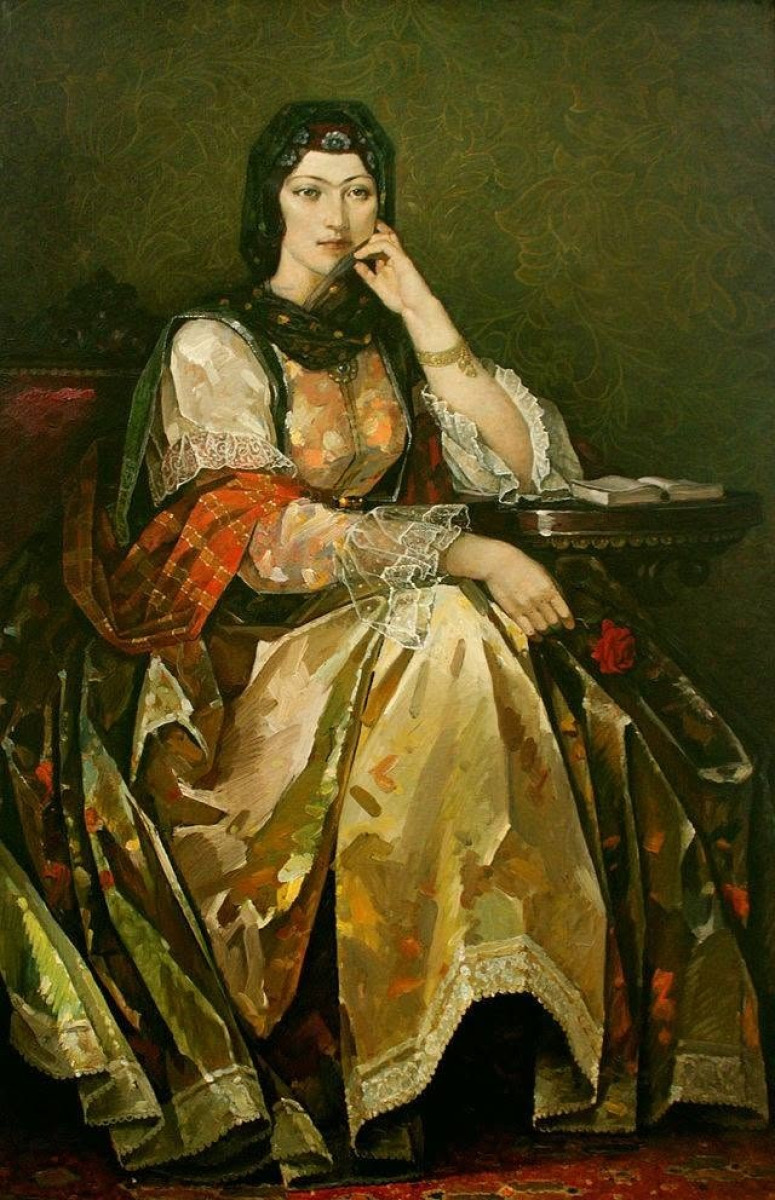
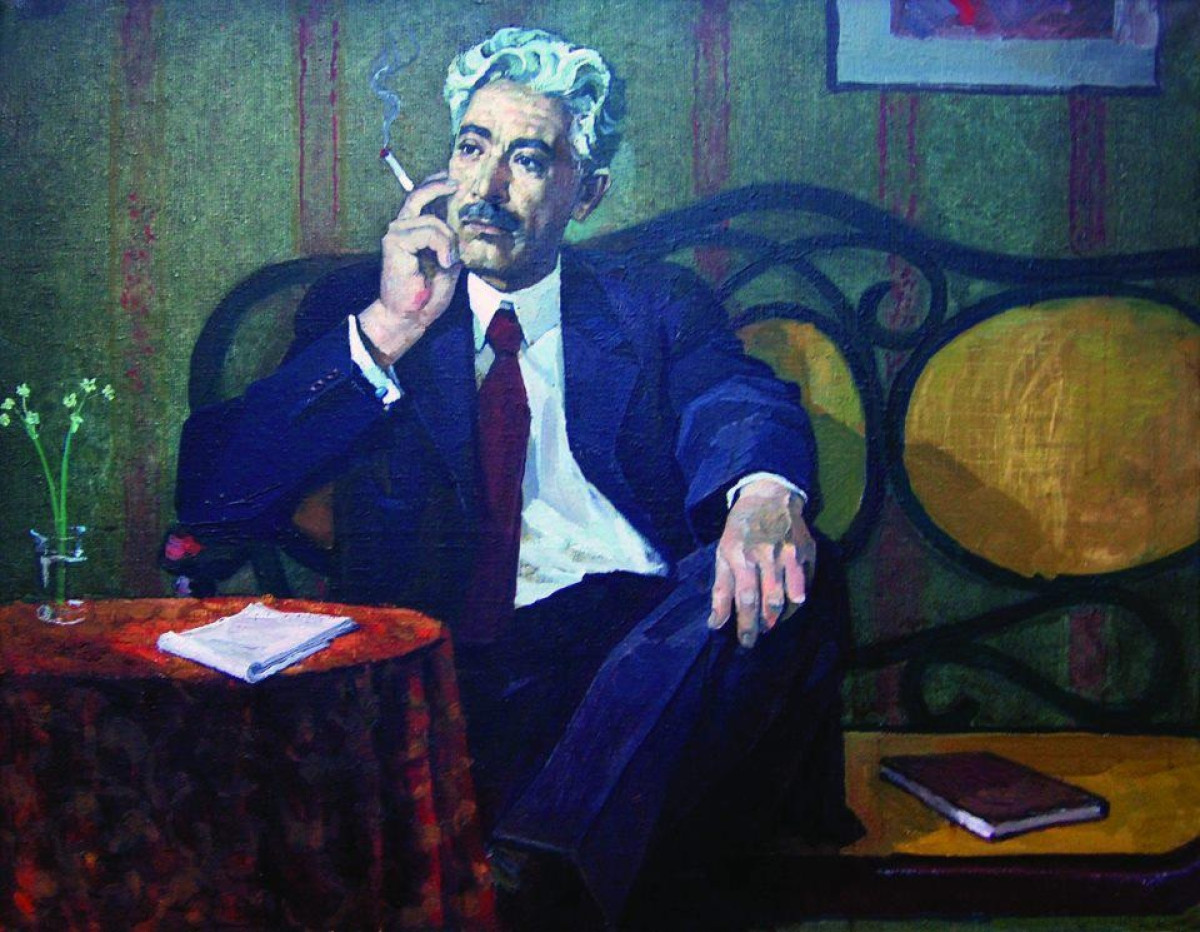
Portraiture occupies a significant place in Sadigzade's artistic legacy. His portraits of historical figures and cultural personalities go beyond the recording of individual features. They seek to express intellectual presence, personal character and the wider cultural significance of their subjects. The portraits of Qatran Tabrizi, Khurshidbanu Natavan, Mirza Fatali Akhundzade, Mirza Alakbar Sabir and Huseyn Javid reflect his sustained engagement with the figures who shaped the intellectual and literary history of Azerbaijan. In these works, the individual portrait becomes a means of evoking an entire cultural period.
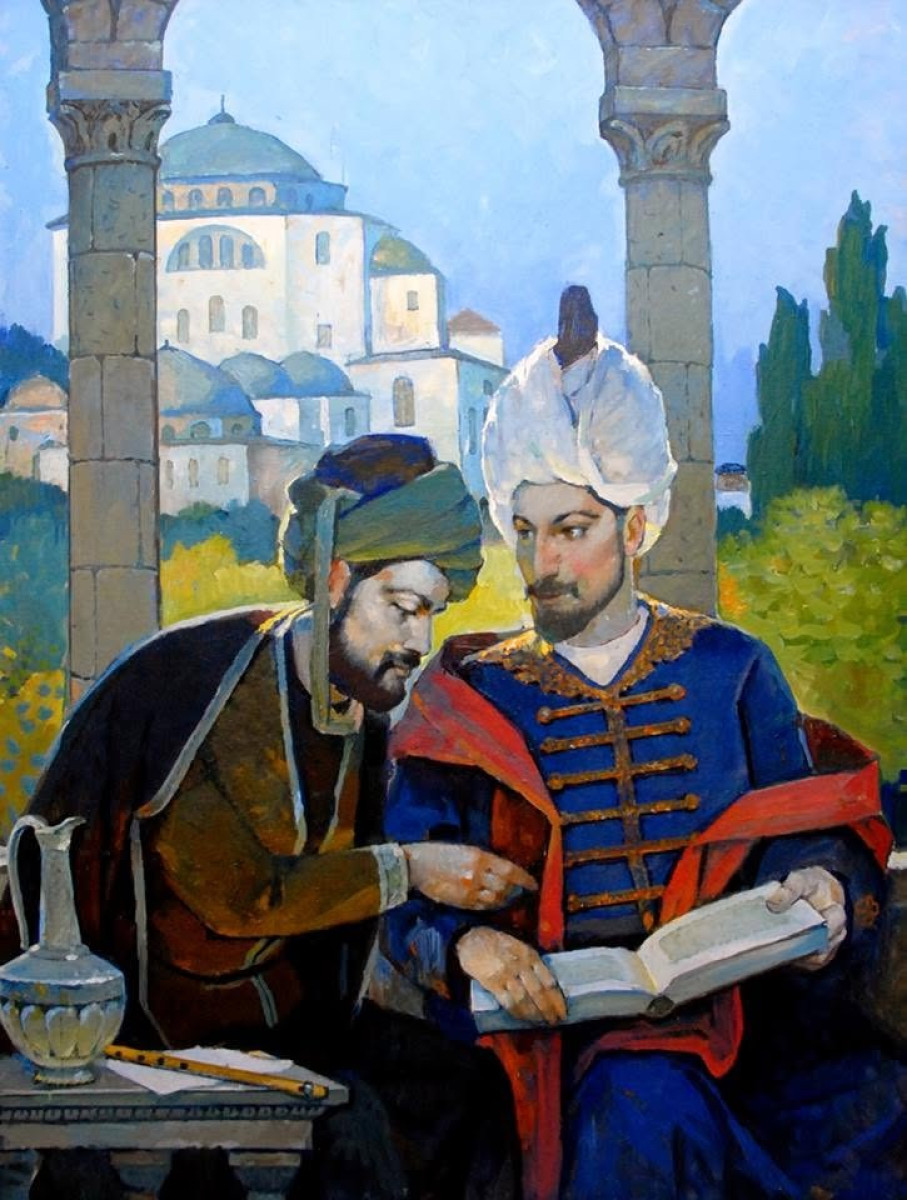
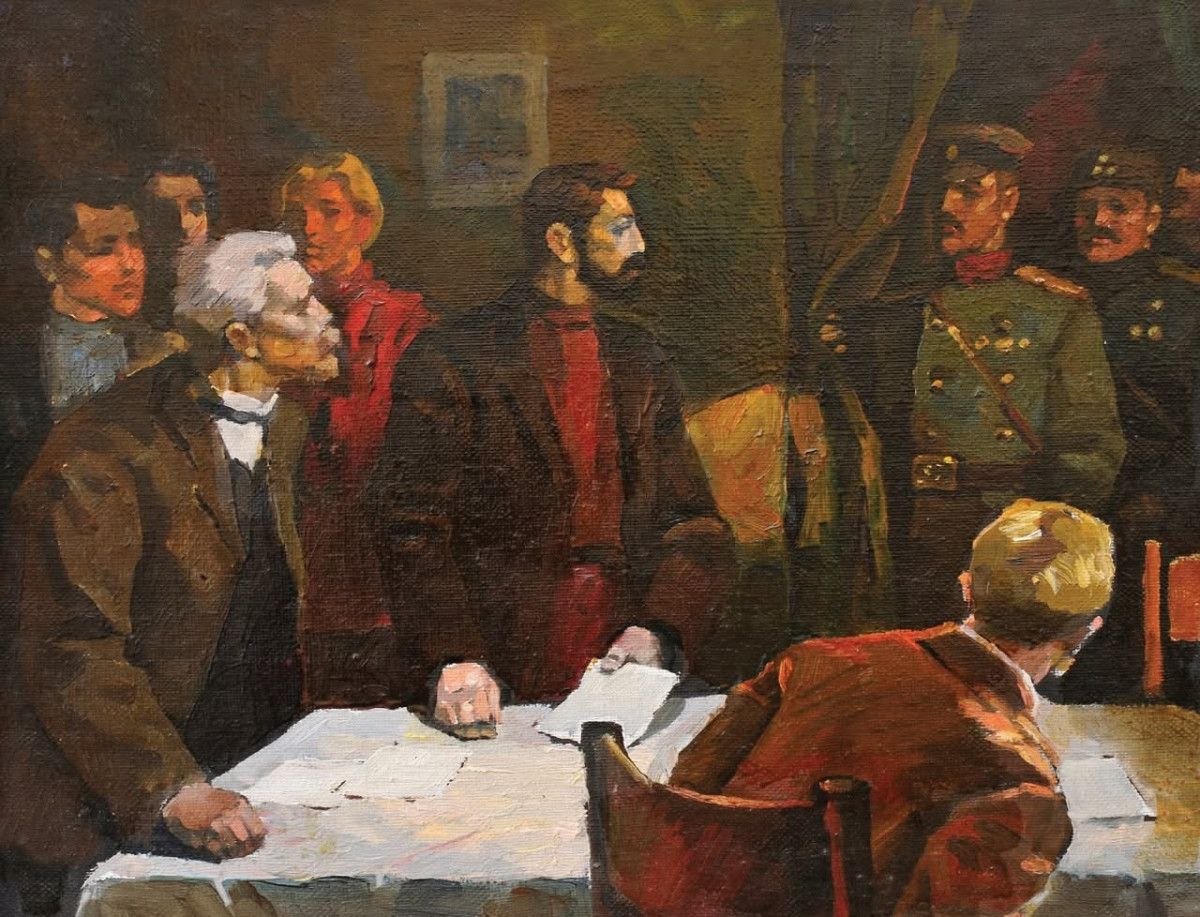
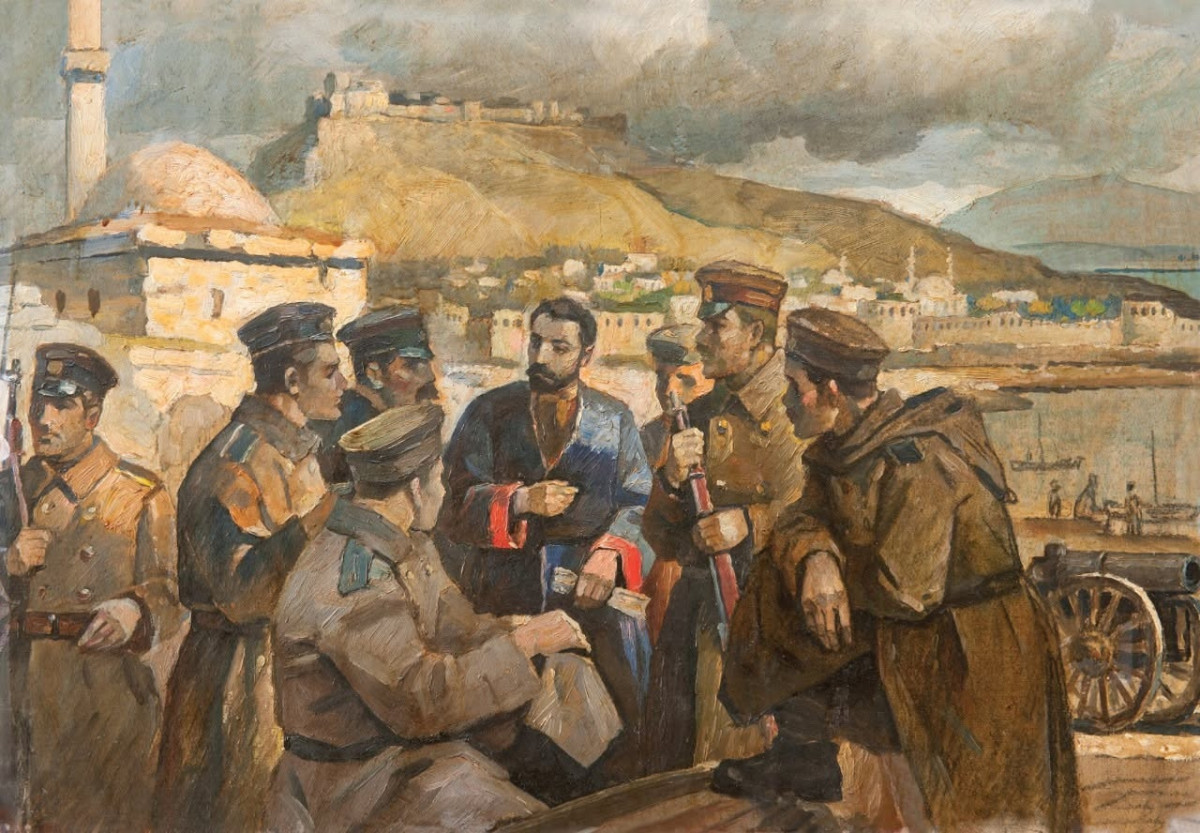
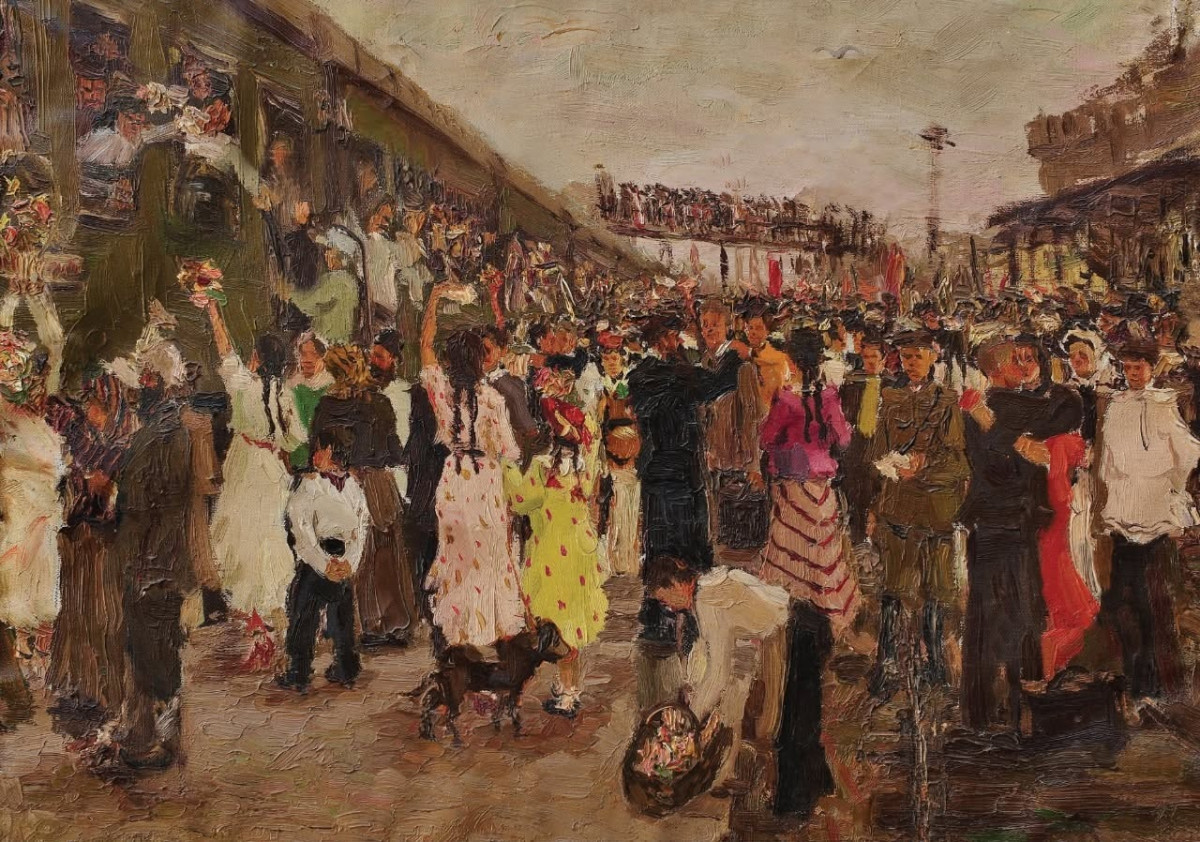
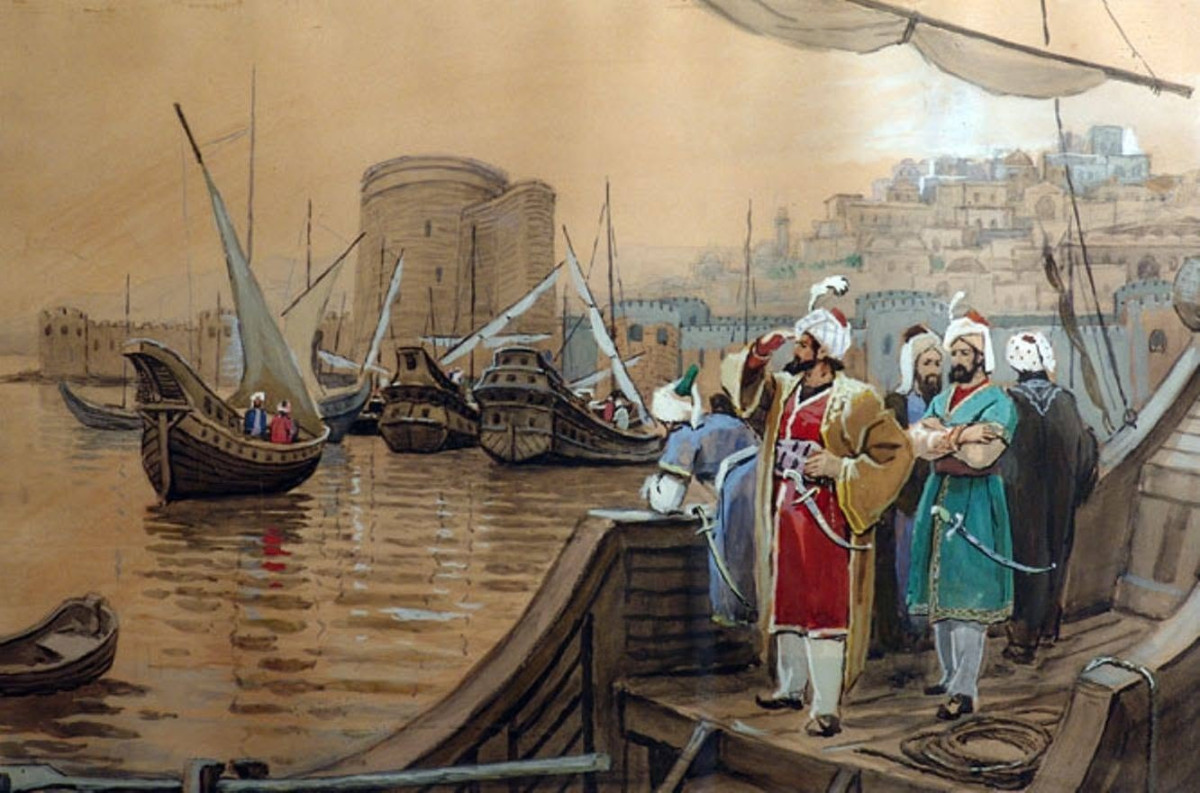
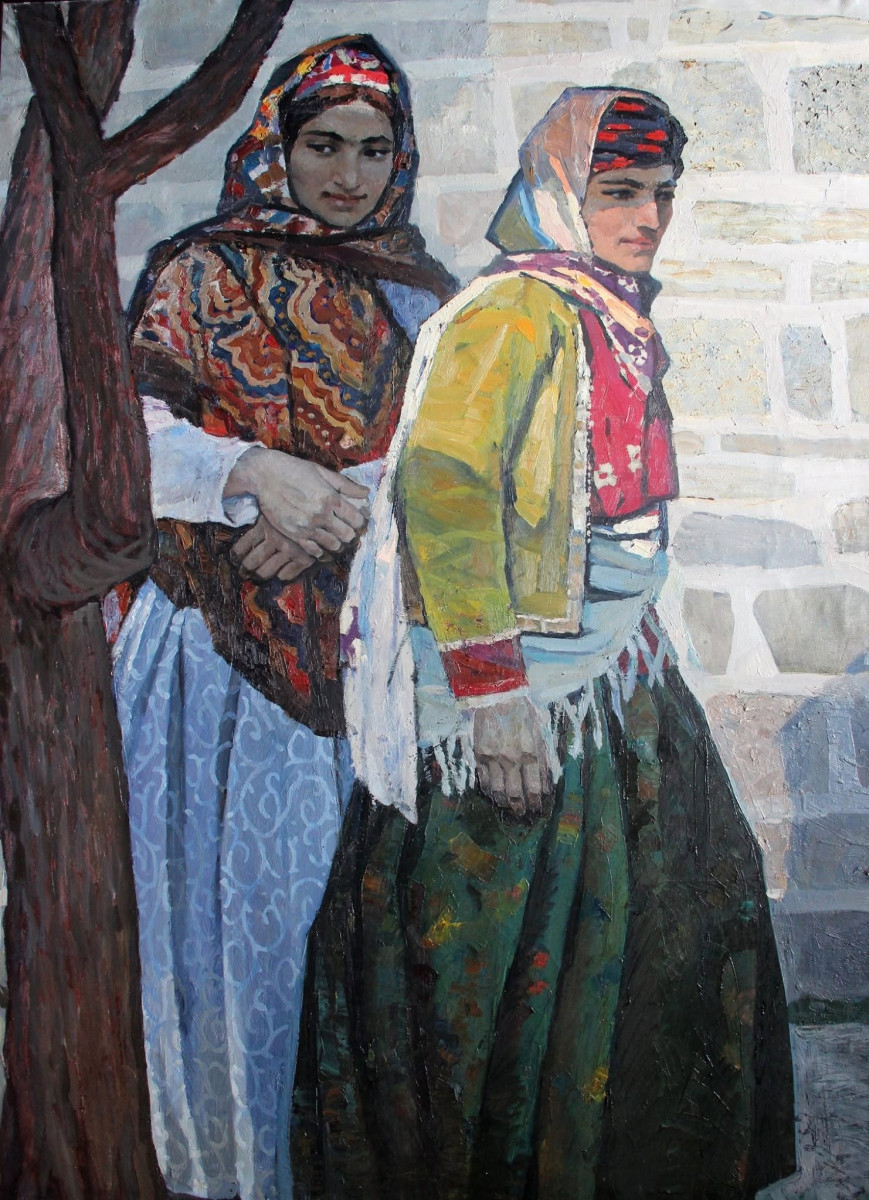
His large-scale historical compositions extend this concern from the individual to the collective dimension of memory. The series Nizami Ganjavi and World Culture places the Azerbaijani literary heritage within a broader international context, bringing together figures from different periods and intellectual traditions. The theme of the victims of the 1937 repressions, meanwhile, addresses one of the most painful chapters of modern history. Through such subjects, Sadigzade's work connects artistic representation with historical consciousness and the preservation of cultural memory.
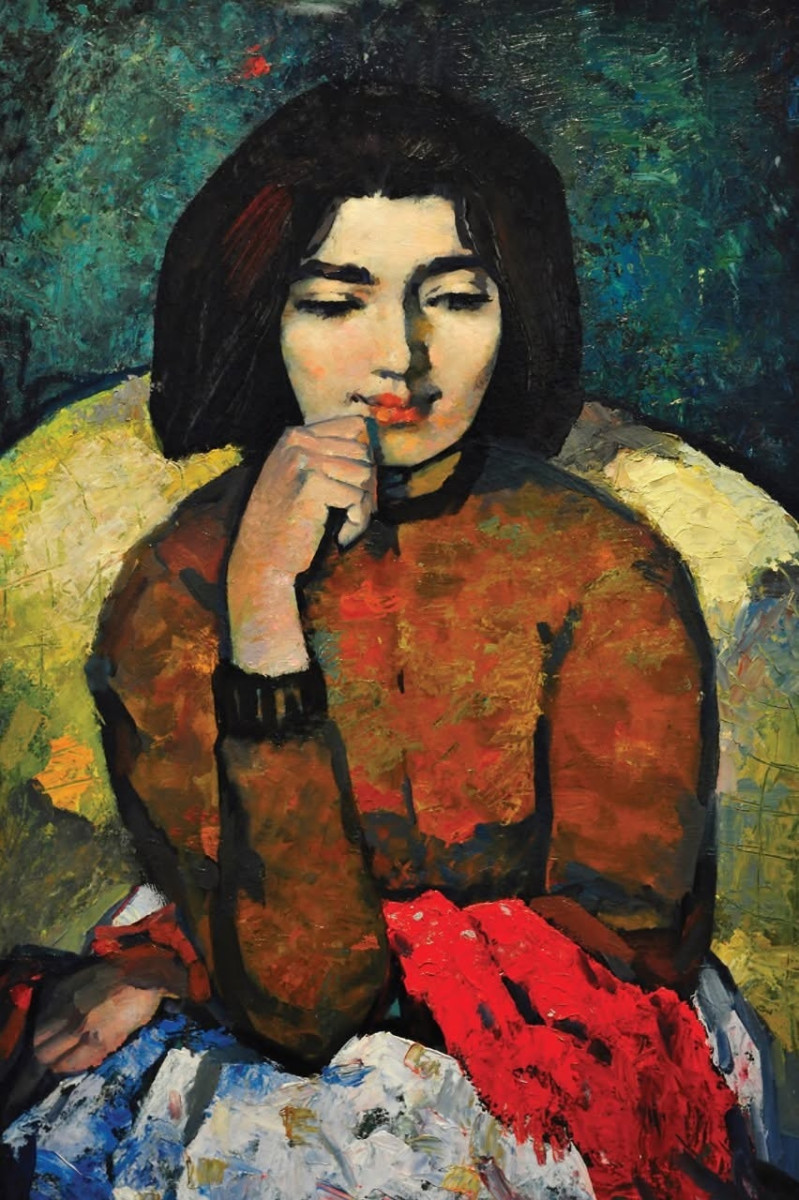
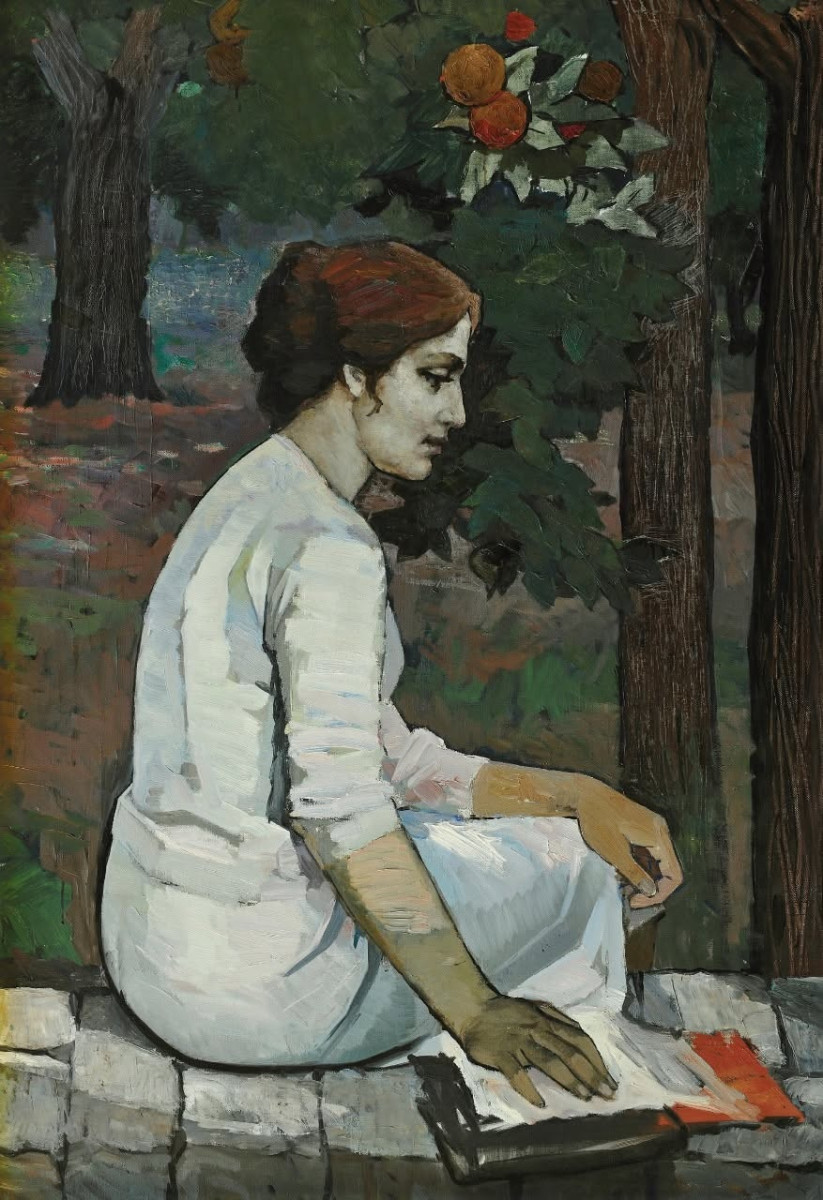
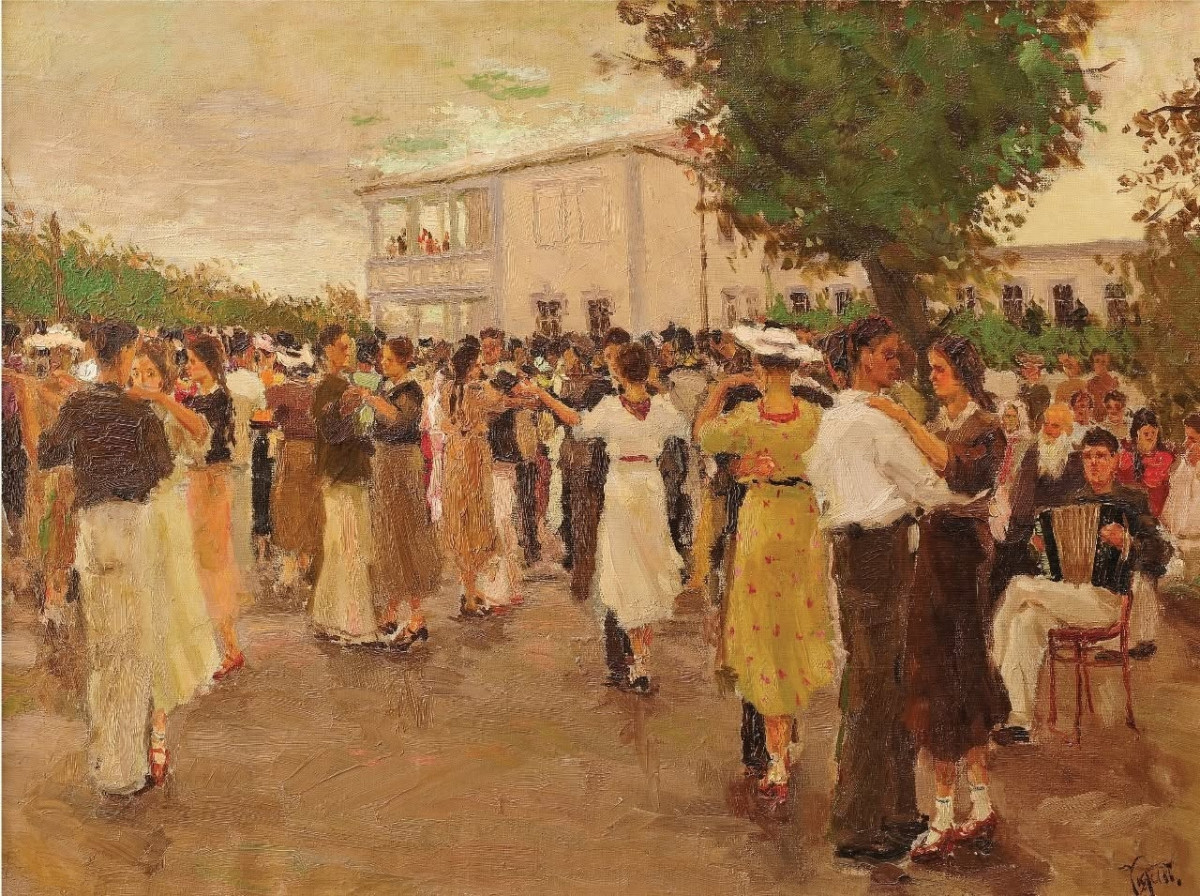
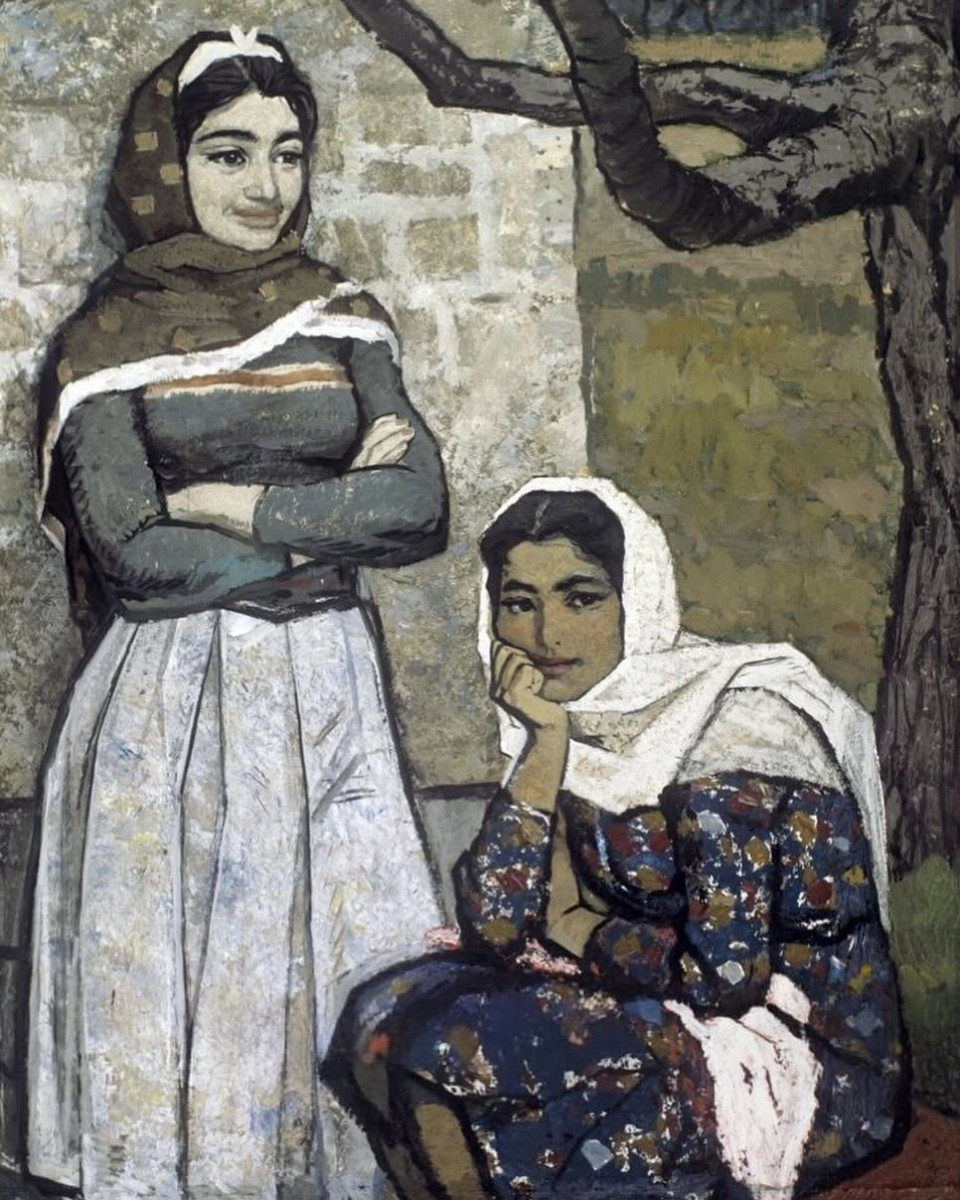
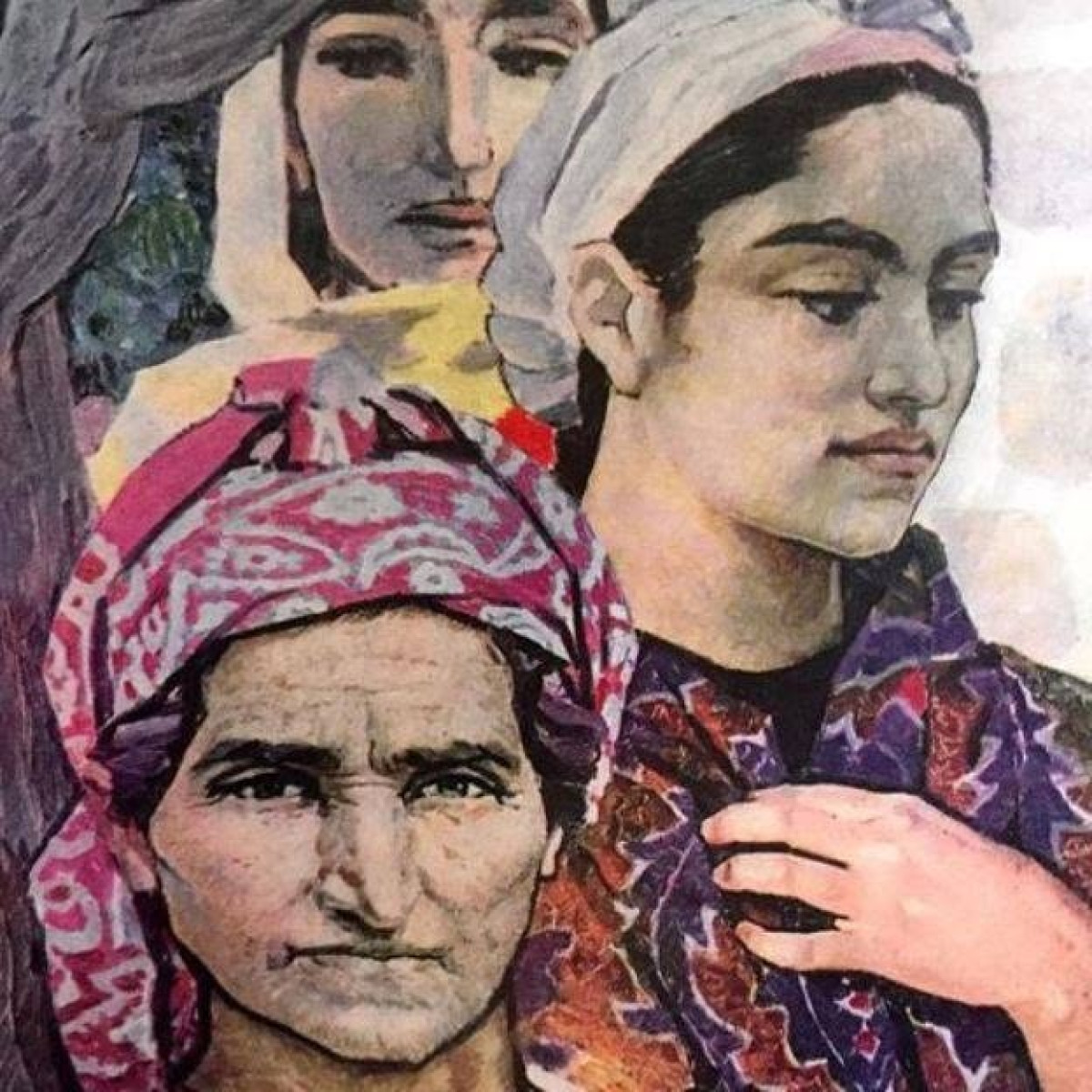
Colour, line and composition in his art serve not simply descriptive purposes but contribute to the psychological character of the image. The arrangement of figures, the direction of a gaze and the treatment of facial features all help establish the emotional structure of a work. His graphic training is also perceptible in his paintings: clarity of form, disciplined composition and a strong sense of visual unity remain consistent features of his artistic language. Whether working with literary subjects, portraits or historical themes, he maintained an approach in which formal precision supported the deeper meaning of the image.
The concepts of time and memory are closely intertwined in Sadigzade's art. When he turns to a historical figure, the past is not treated merely as a sequence of events. The artist seeks to bring together the individual's intellectual character, cultural environment and place in the memory of later generations. This gives his portraits and historical compositions a significance that extends beyond documentary representation. The balance between individual features and historical meaning encourages viewers to consider not only the person depicted but also the period and cultural world to which that person belonged. His images therefore become artistic reflections on both individual lives and the continuity of collective memory.
His experience in book illustration also informs the way he approaches historical subjects. Translating a literary text into an image requires an understanding of narrative rhythm, the relationships between characters and the structure of the work as a whole. These demands are reflected in his historical compositions, where individual figures are not isolated presences but participants in a larger visual argument. Their arrangement, gestures and relationships contribute to the gradual unfolding of the subject. Rather than treating illustration, portraiture and historical painting as unrelated disciplines, Sadigzade developed a visual approach in which each field could enrich the others while retaining its own formal character.
Ogtay Sadigzade occupies an important place in Azerbaijani art through the relationship he established between book illustration, portraiture and historical composition. His legacy demonstrates how literature, history and visual art can converge in a shared space of cultural memory. He died in Baku on 20 December 2014.
Art Space Gallery MEDIA