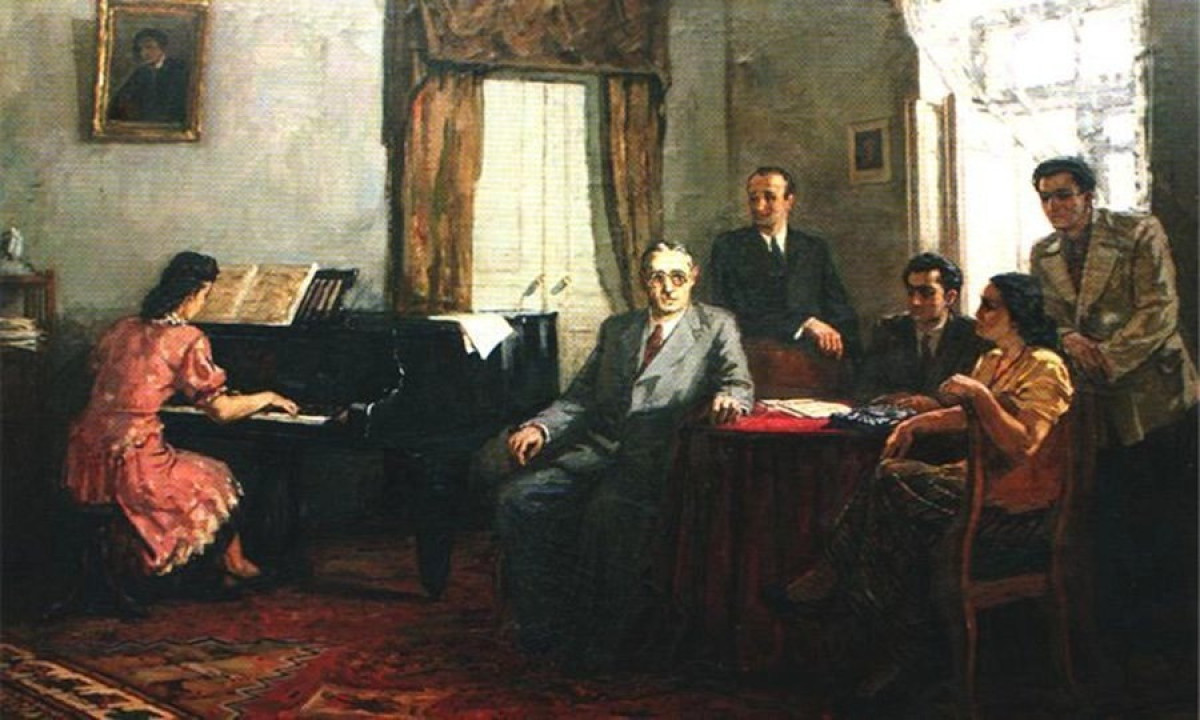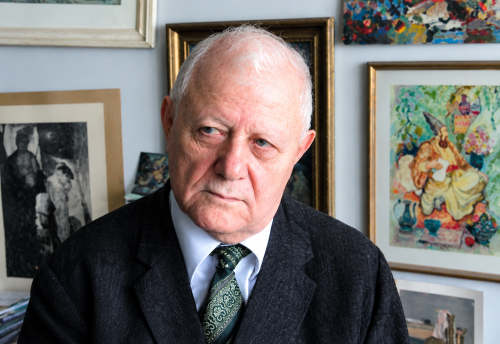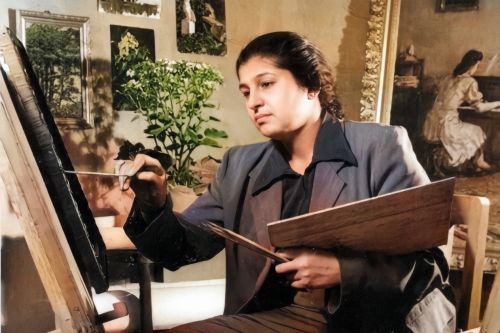
Vajiha Ali gizi Samadova was born in Baku on 24 November 1924. She studied at the Azim Azimzade Azerbaijan State Art School from 1939 to 1944, then continued her training at the Moscow State Academic Art Institute named after V. I. Surikov, in the studios of Vasily Yakovlev and Pavel Korin. In 1951 she completed her diploma painting, “Azerbaijani Composers.” After postgraduate study, she returned to Baku and pursued a career as a painter and teacher. In 1960 she became a member of the Board of the Artists’ Union of Azerbaijan and chair of its Painting Section. In 1965 she was awarded the honorary title of Honoured Art Worker of the Azerbaijan SSR.
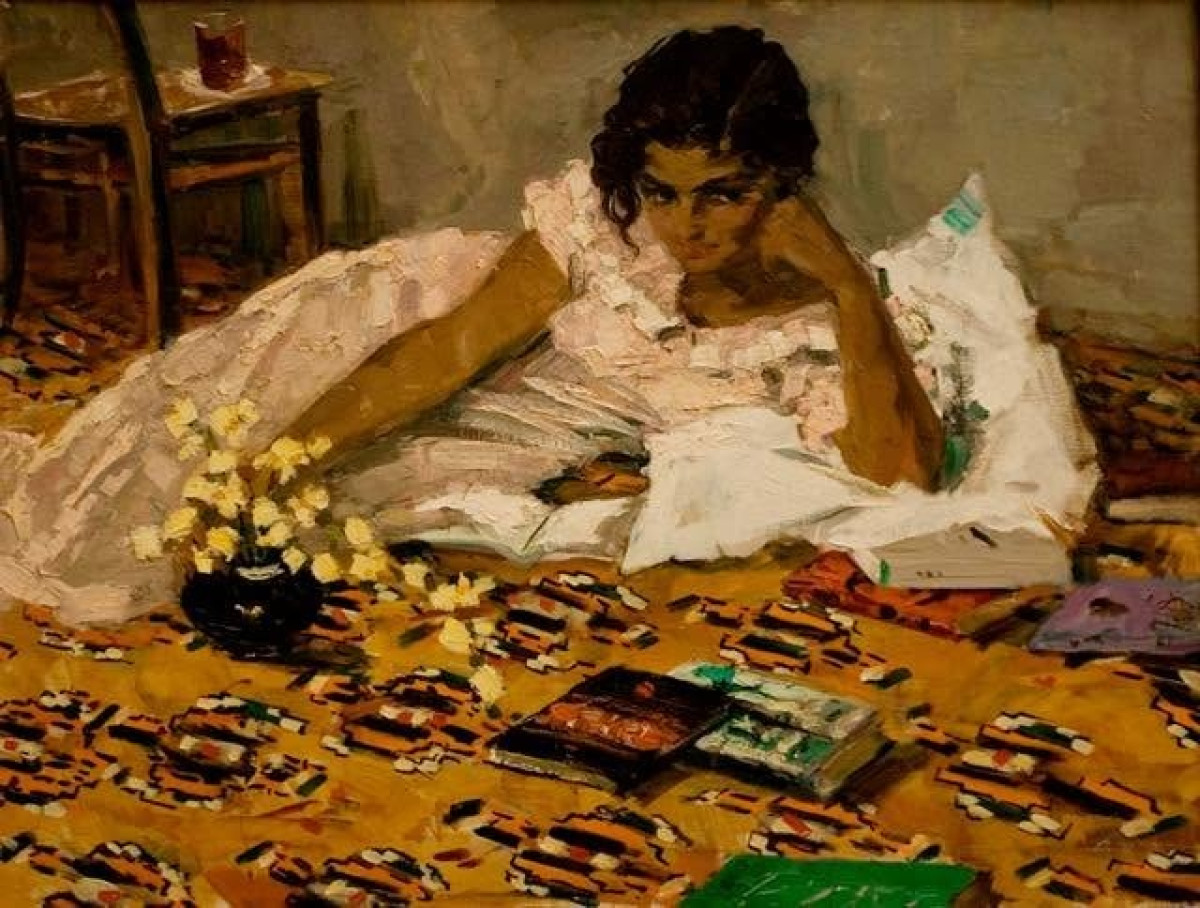
Samadova’s achievement cannot be contained within a single genre. Portraiture, thematic composition and landscape are not separate compartments in her work; together, they form a connected account of people, their social relationships and the environments in which they live. Her paintings treat the human figure not simply as a subject to be depicted, but as a presence shaped by a particular time and place.
Her 1951 diploma painting, “Azerbaijani Composers,” reveals an early command of multi-figure composition. By placing Uzeyir Hajibeyli alongside younger composers, Samadova presents more than a group of individual likenesses. The gathering becomes an image of a cultural generation taking shape. This approach anticipates a recurring concern in her later work: the individual understood within the wider fabric of collective life.
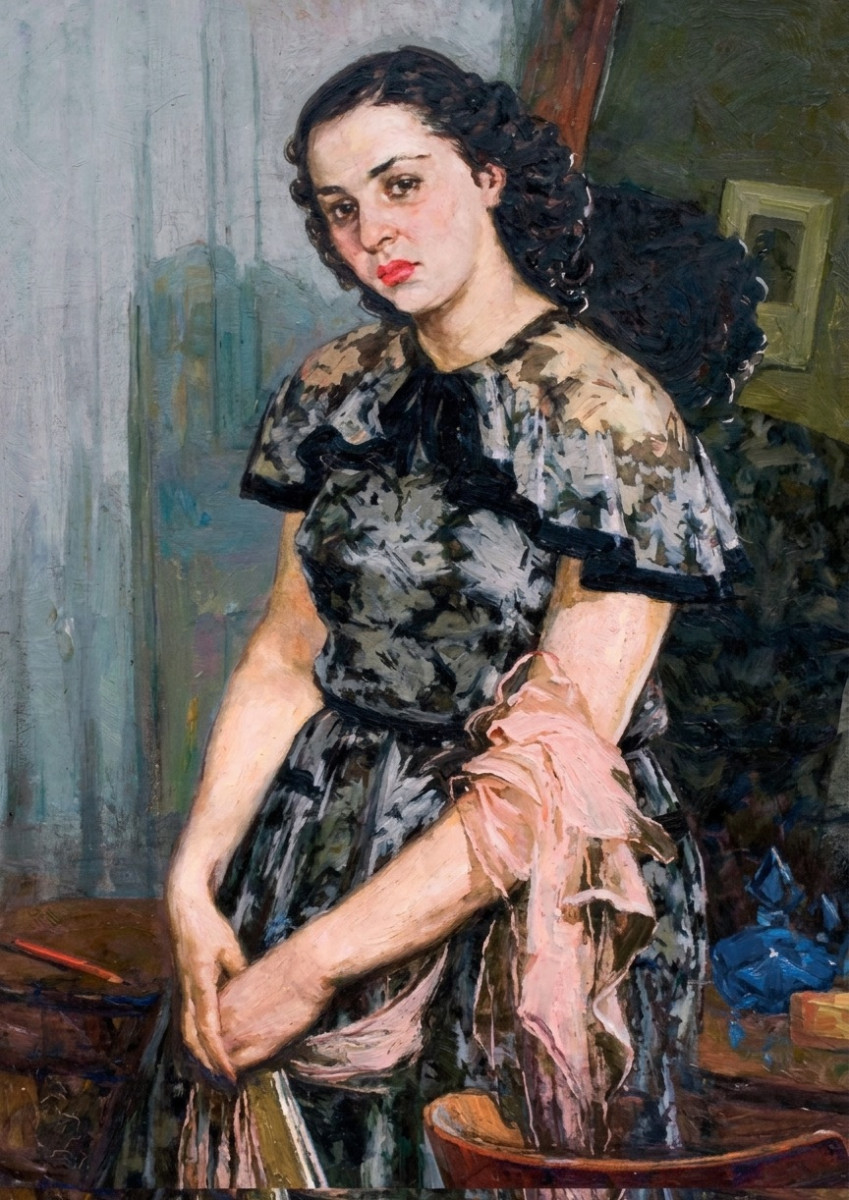
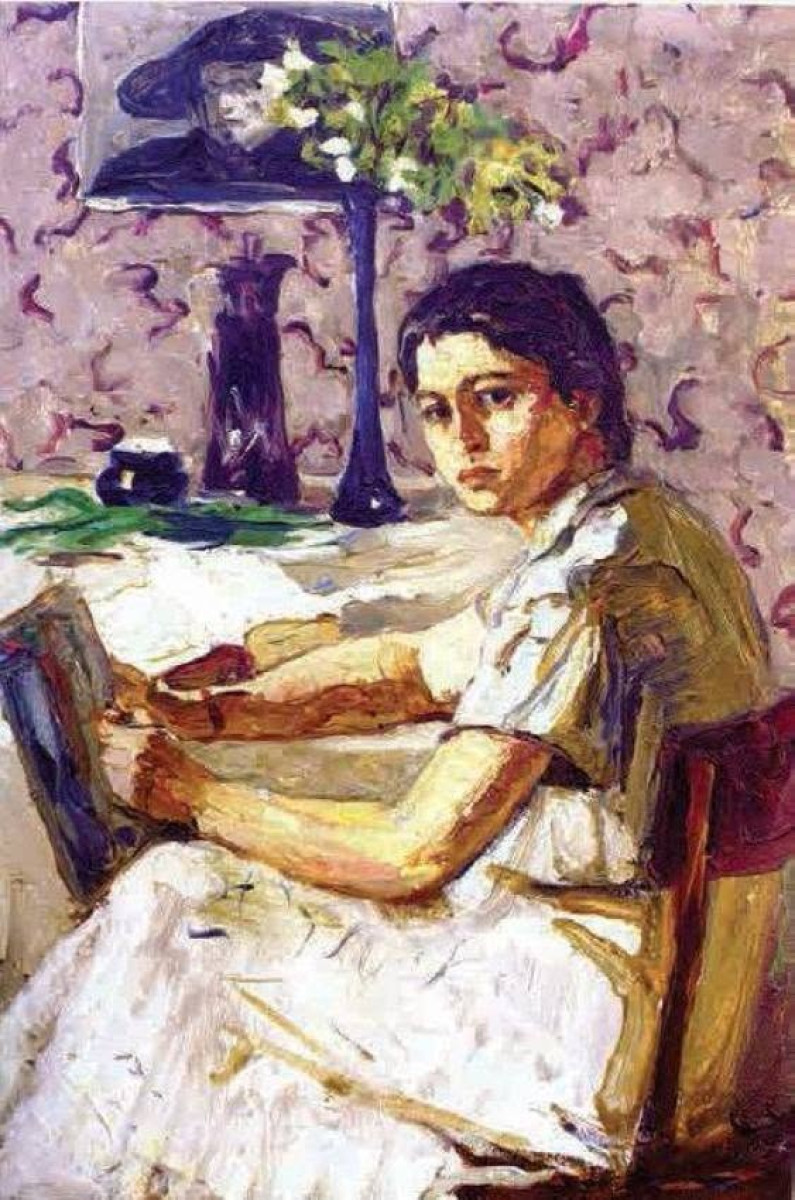
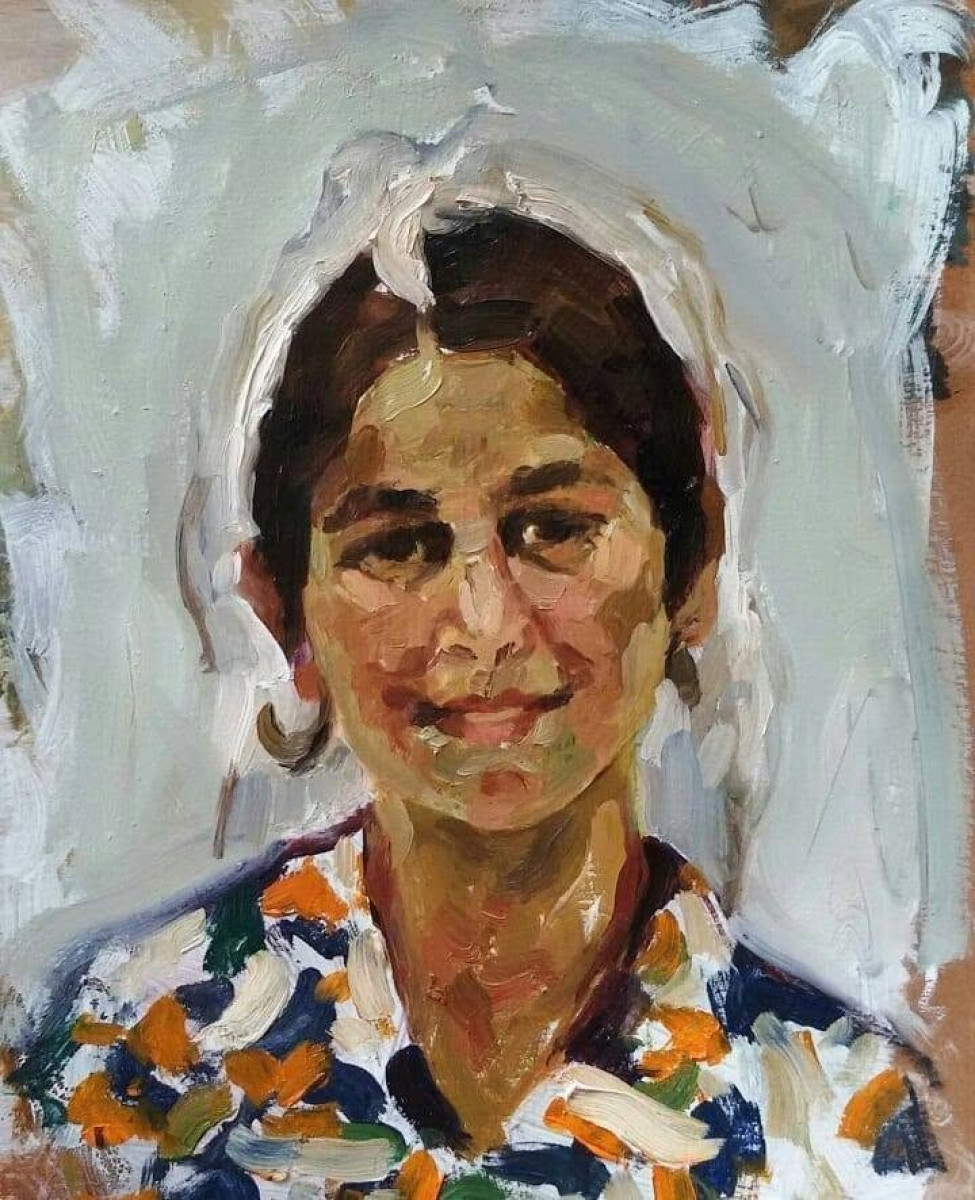
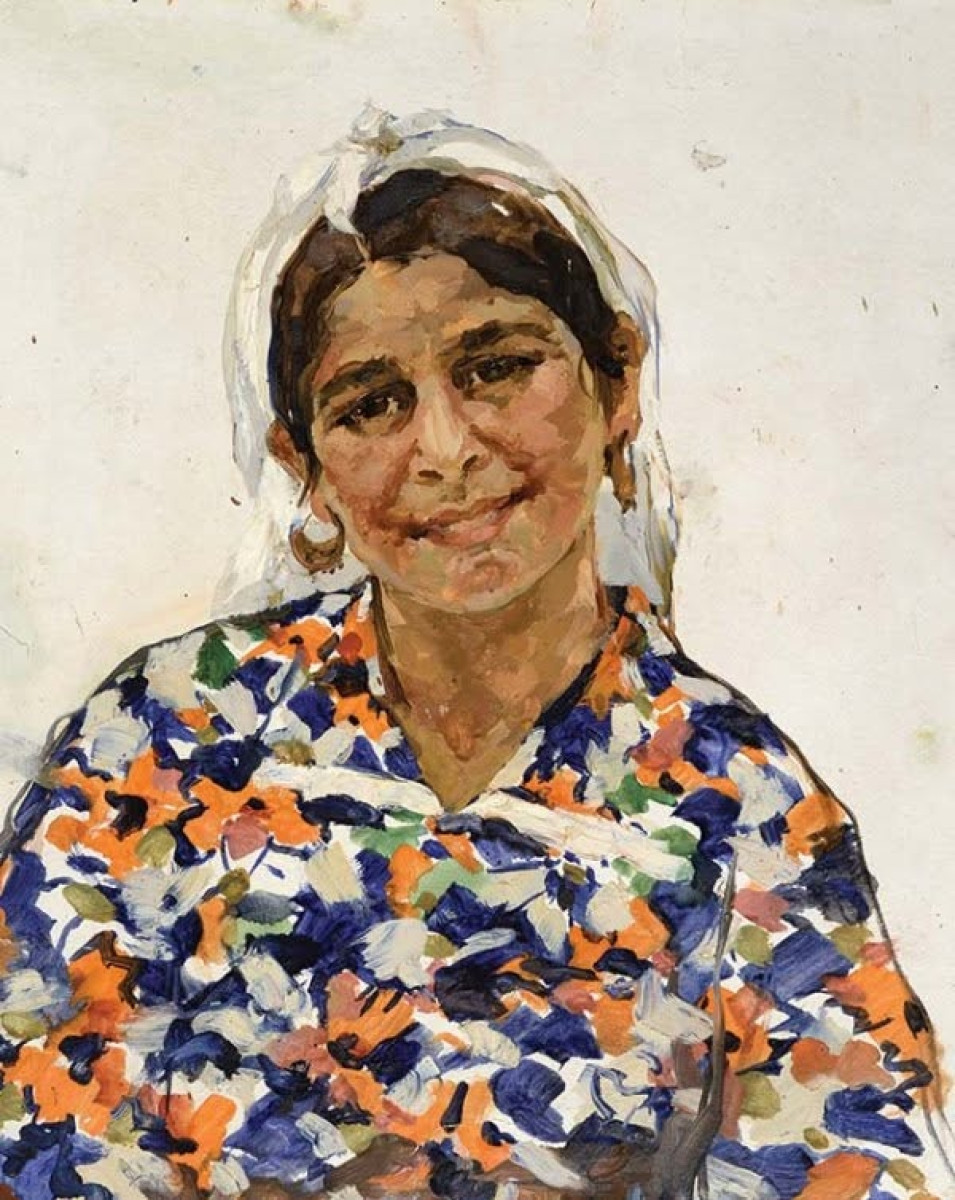
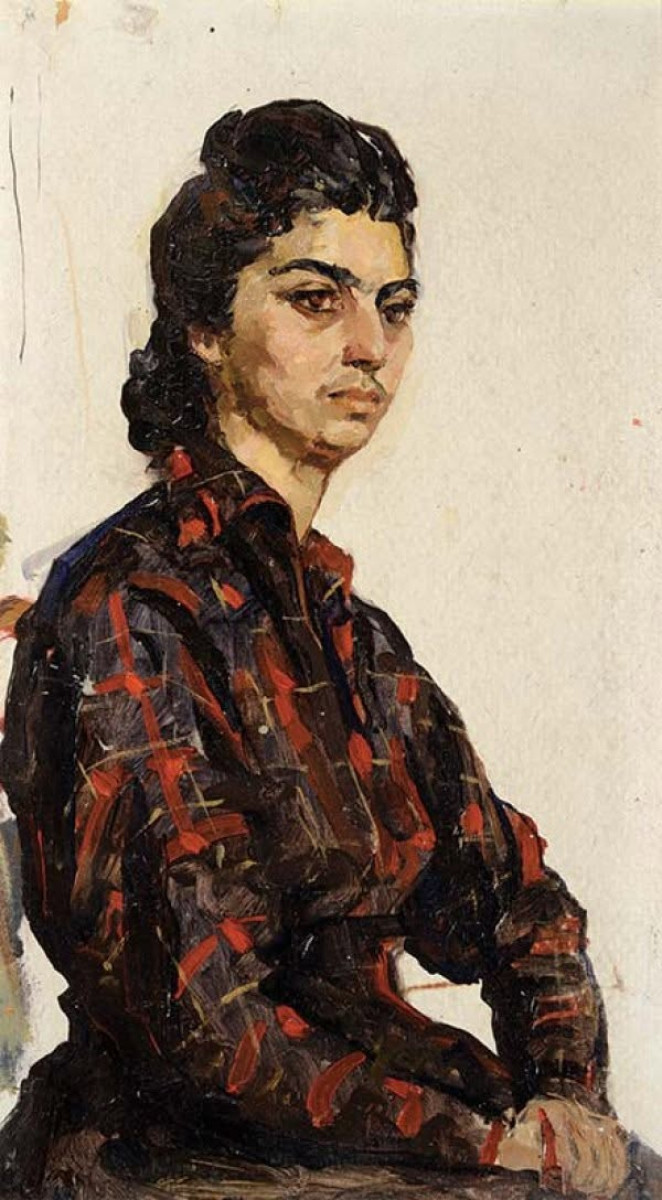
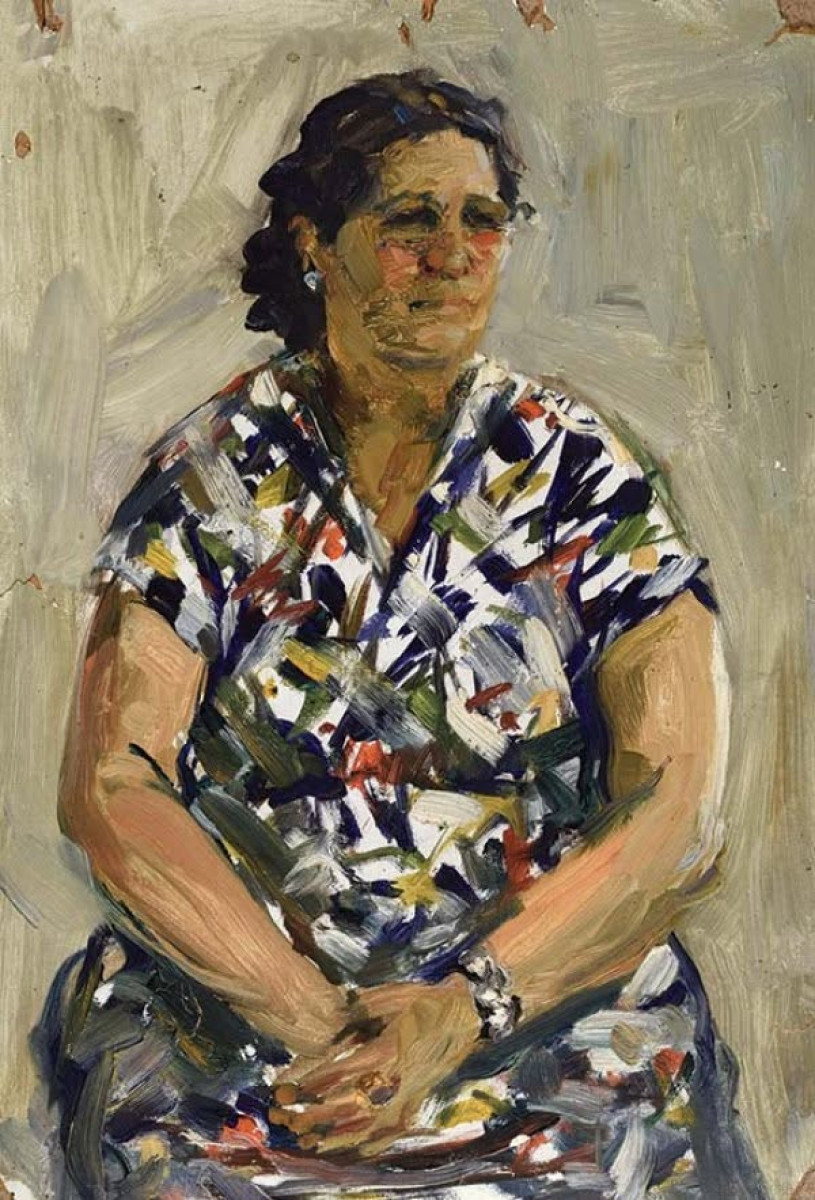
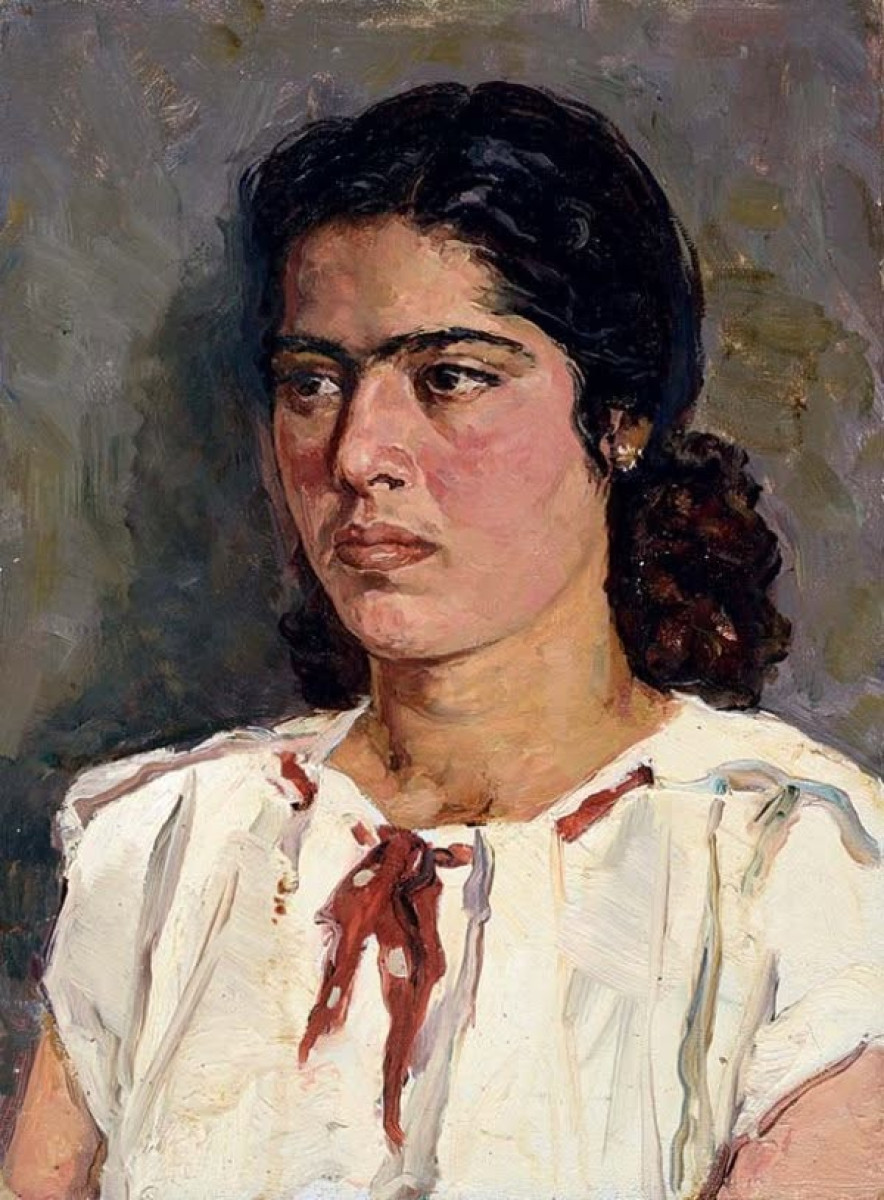
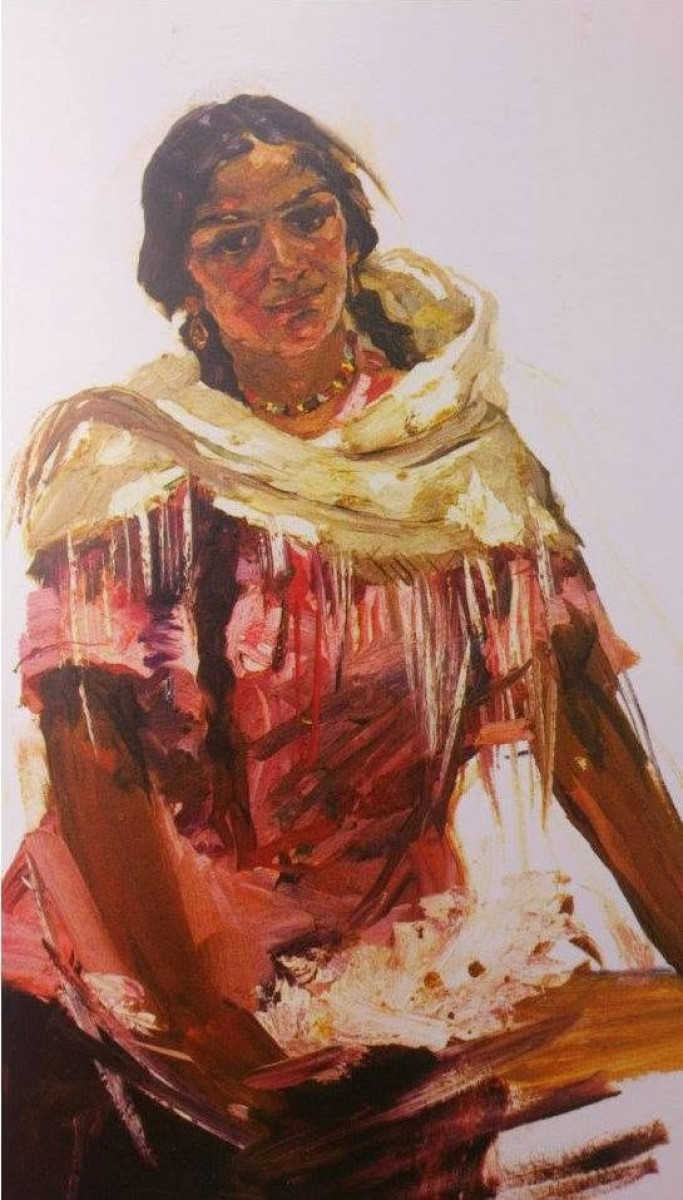
The range of people represented in her portraits — from actress Leyla Badirbeyli and geologist Minira Mammadbeyli to Surayya Karimova and Sohbat Ibrahimova — reflects an attentive interest in different professions and social settings. Portraiture, in this context, is not reduced to the recording of appearance. It becomes a means of registering character and individual presence. Her sitters do not dissolve into a generalized social type; each retains a distinct identity.
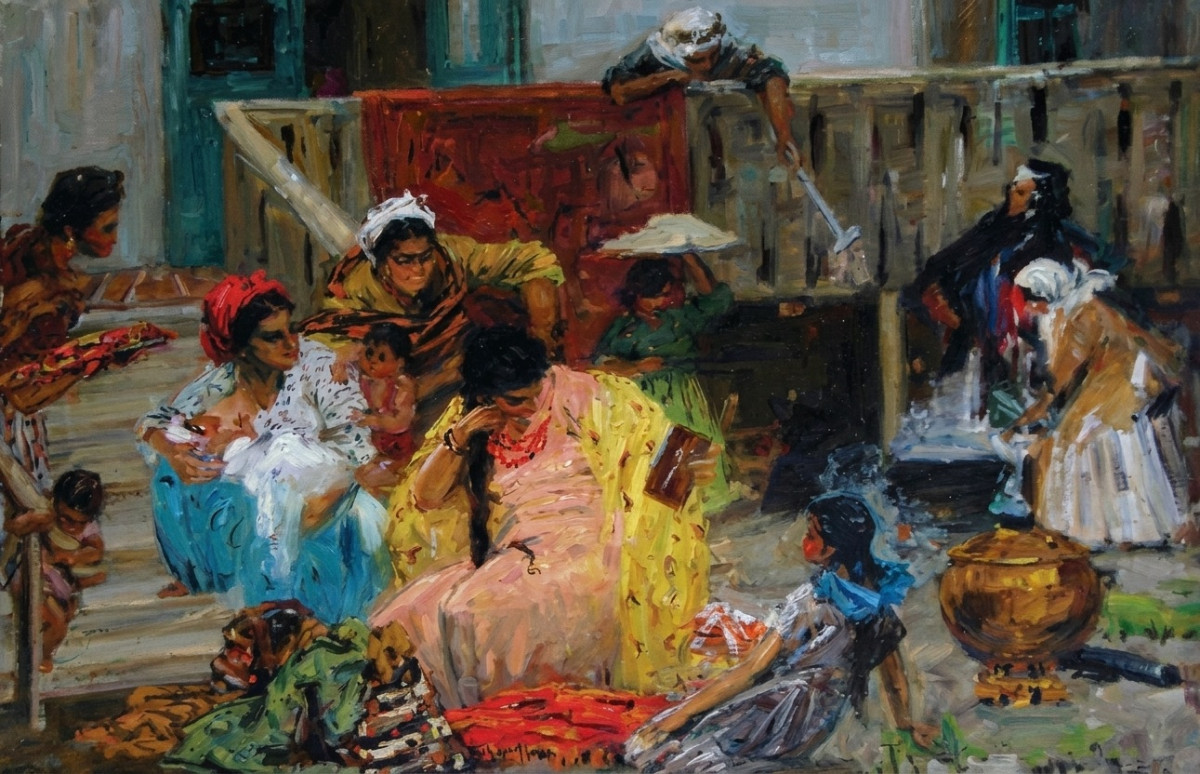
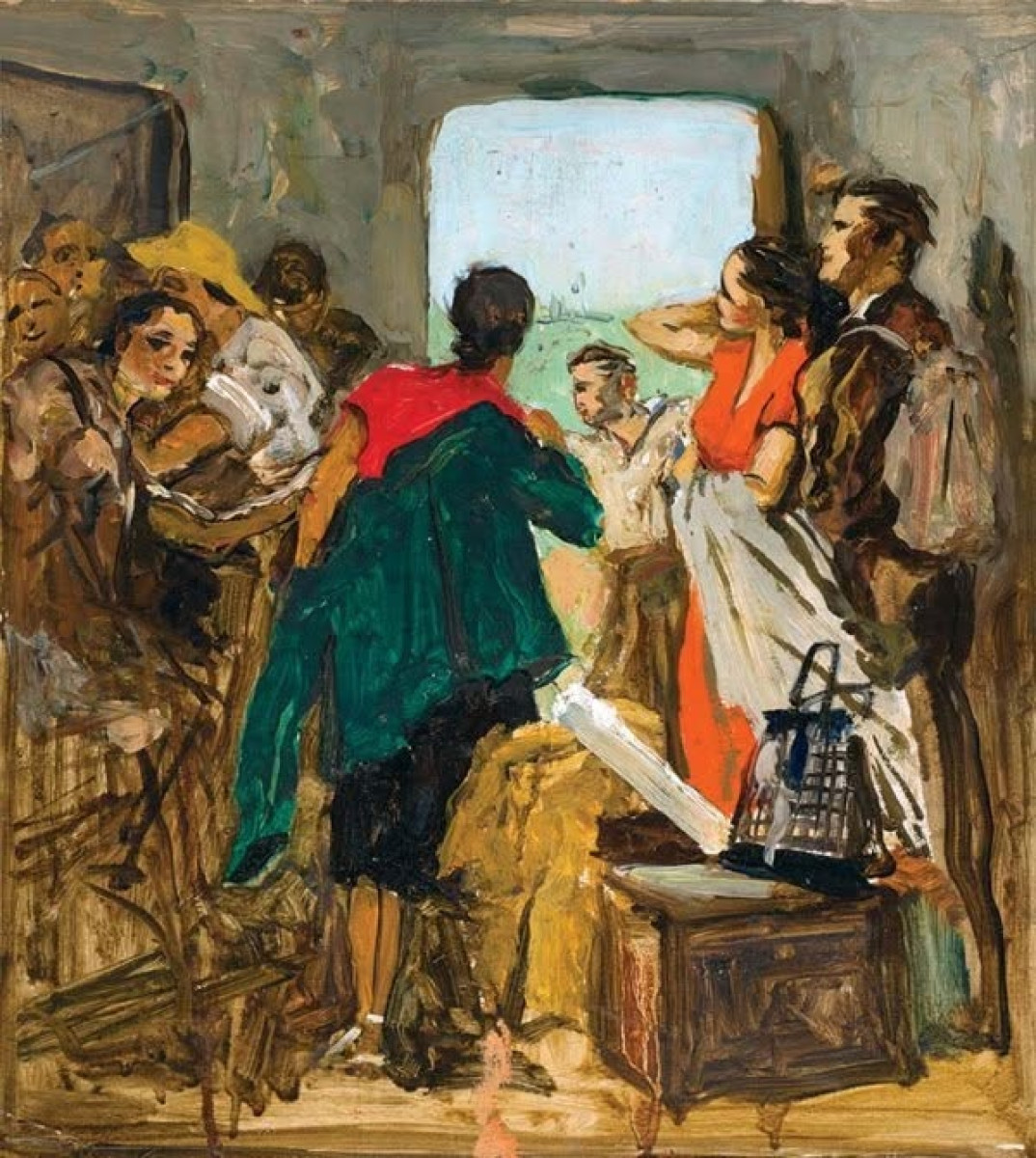
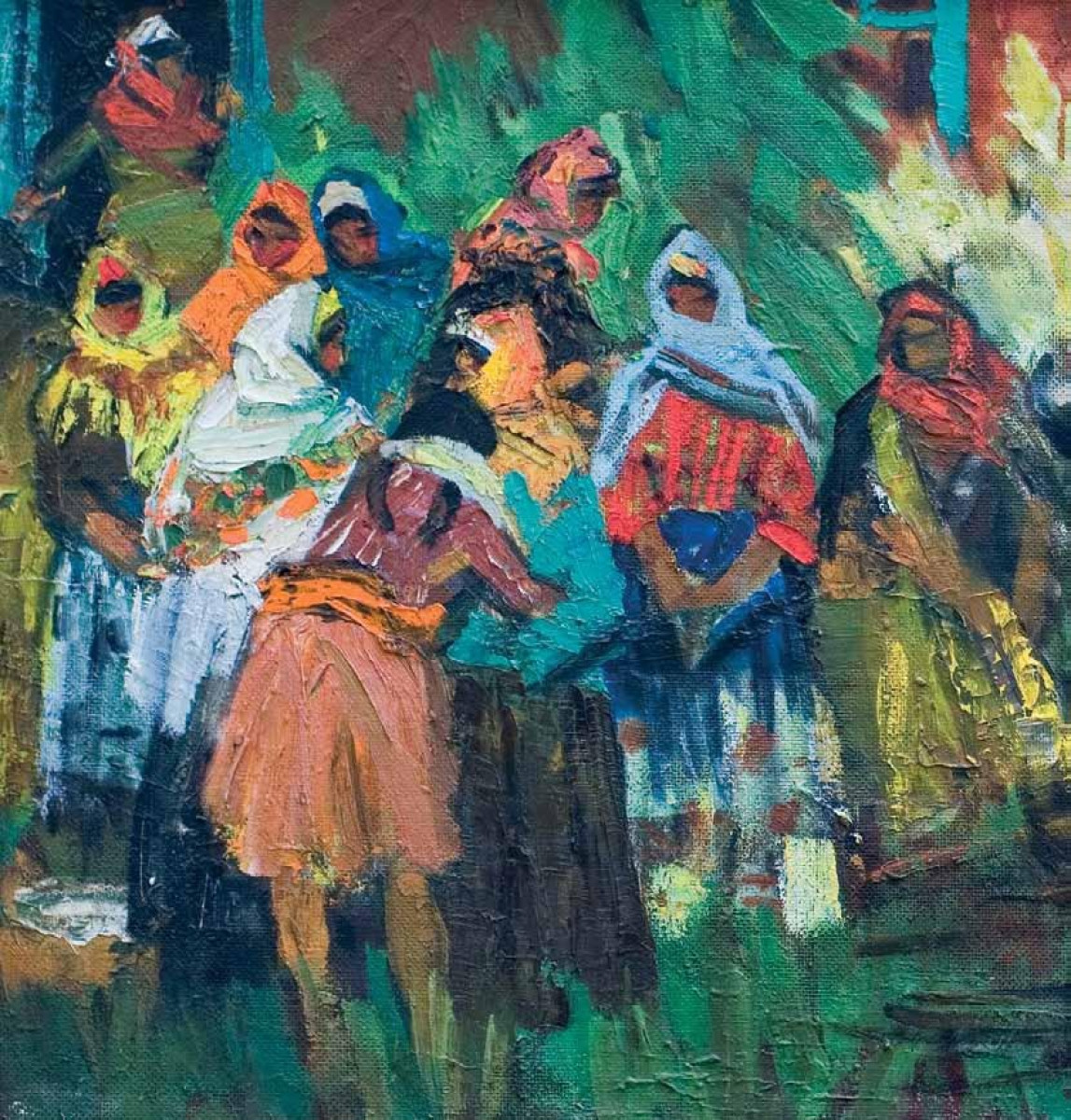
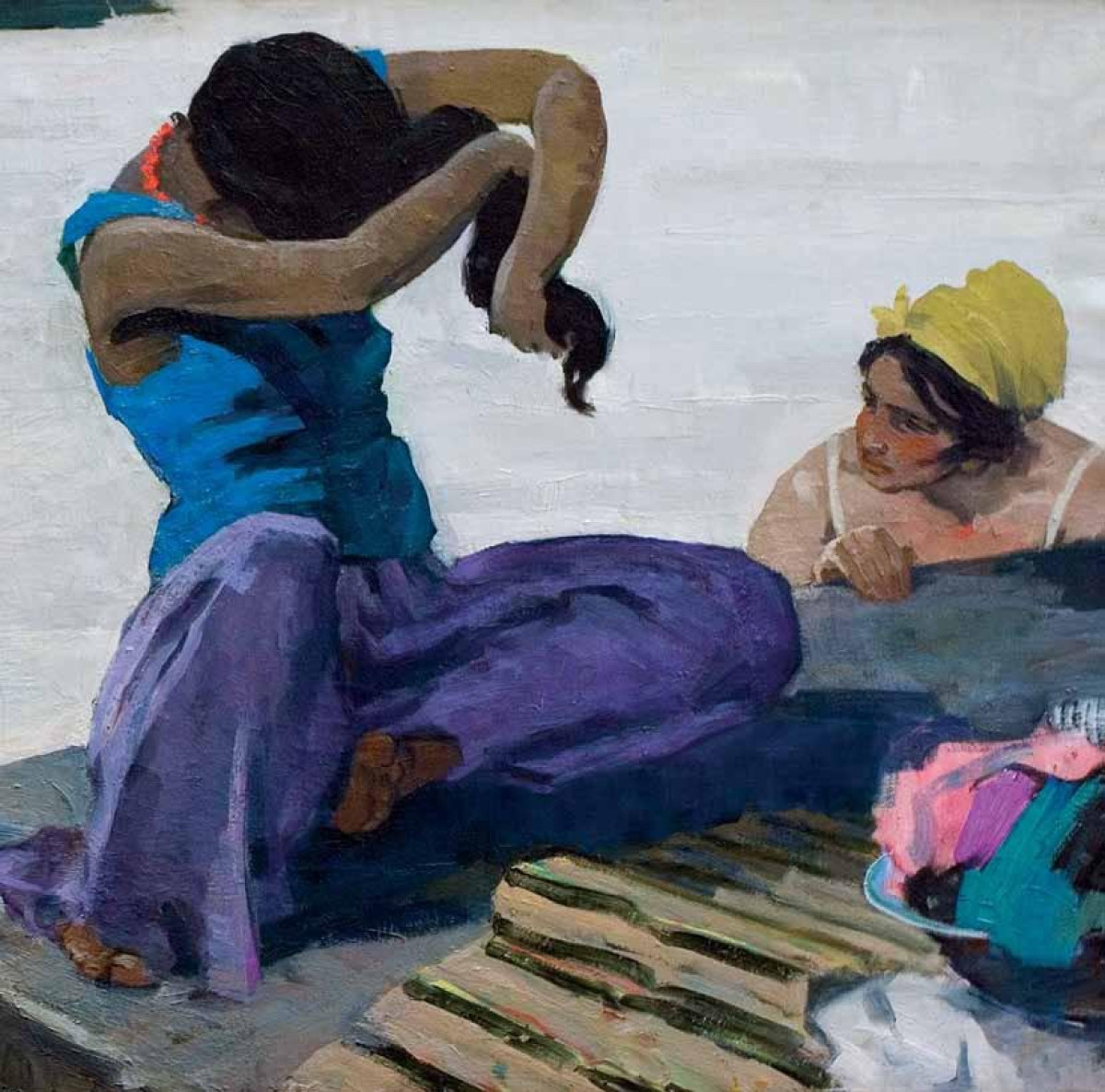
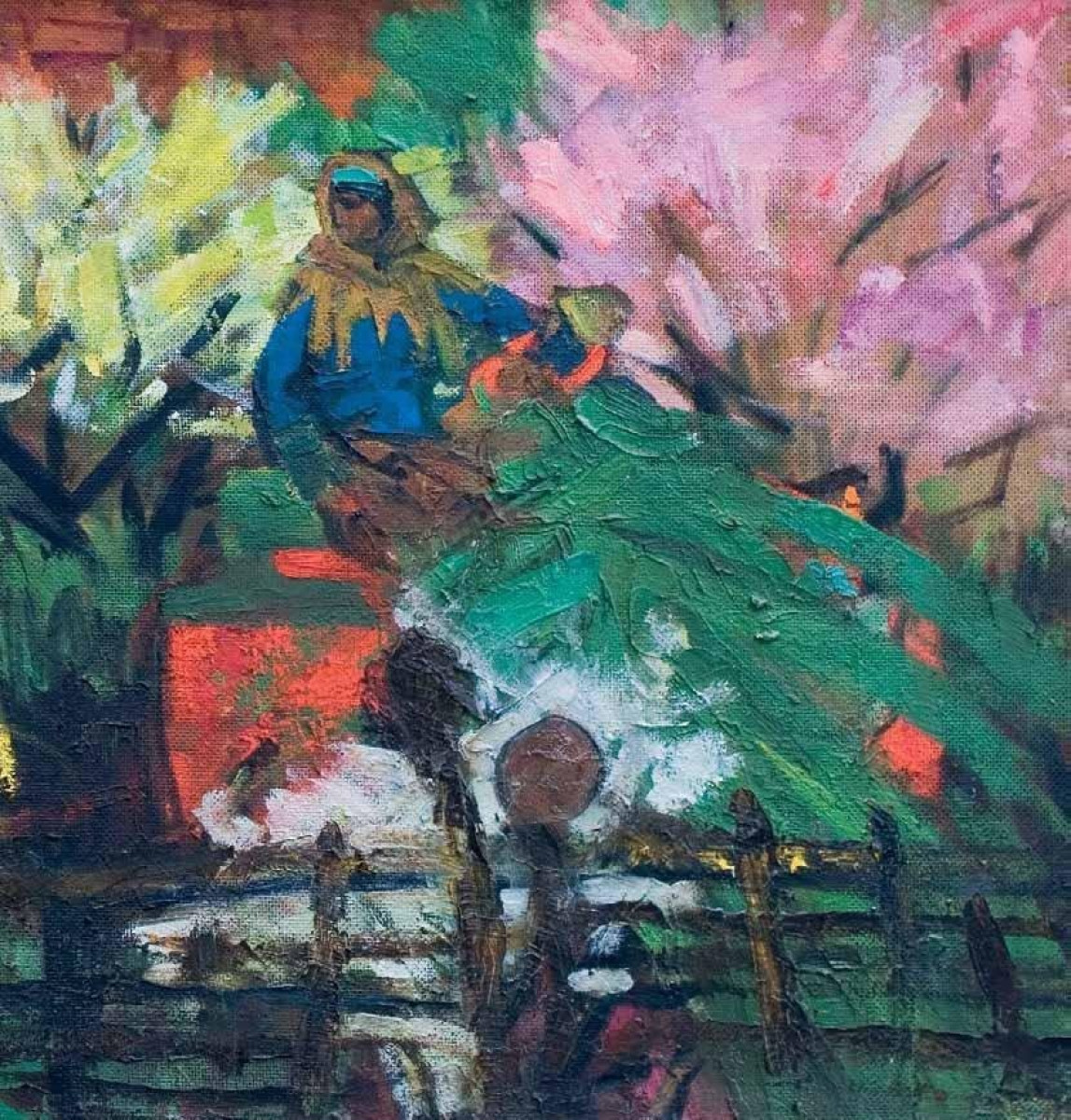
In thematic works such as “Wedding Day,” “Those Bringing the Engagement,” “Song,” “Before the Examination” and “Those Waiting for News,” ordinary events provide a framework for observing human relations. Waiting, preparation, conversation and shared activity become visible forms of social experience. In “On the Banks of the Kura,” the setting itself takes an active role in the composition. The riverbank, the surface of the water and the evening light are not merely a backdrop to the figures; they establish the atmosphere and emotional rhythm of the scene. Landscape and human activity are bound together.
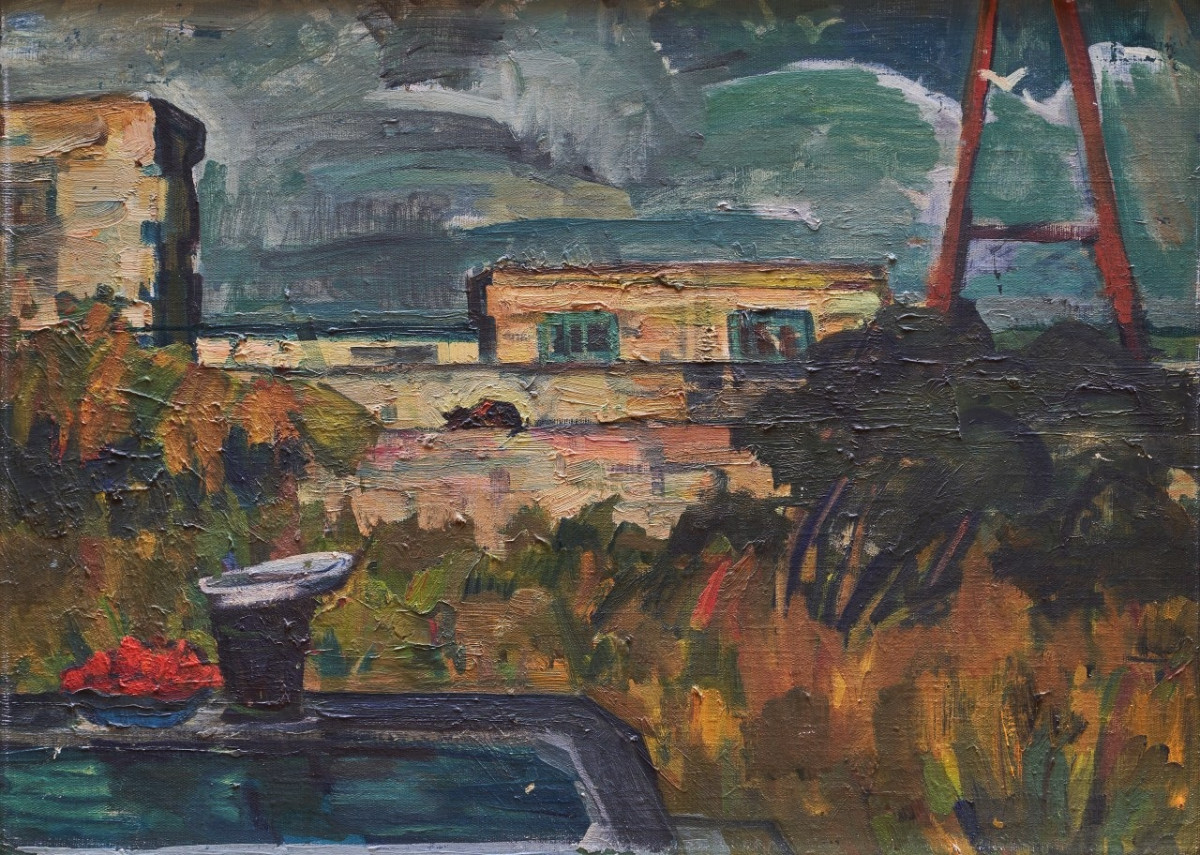
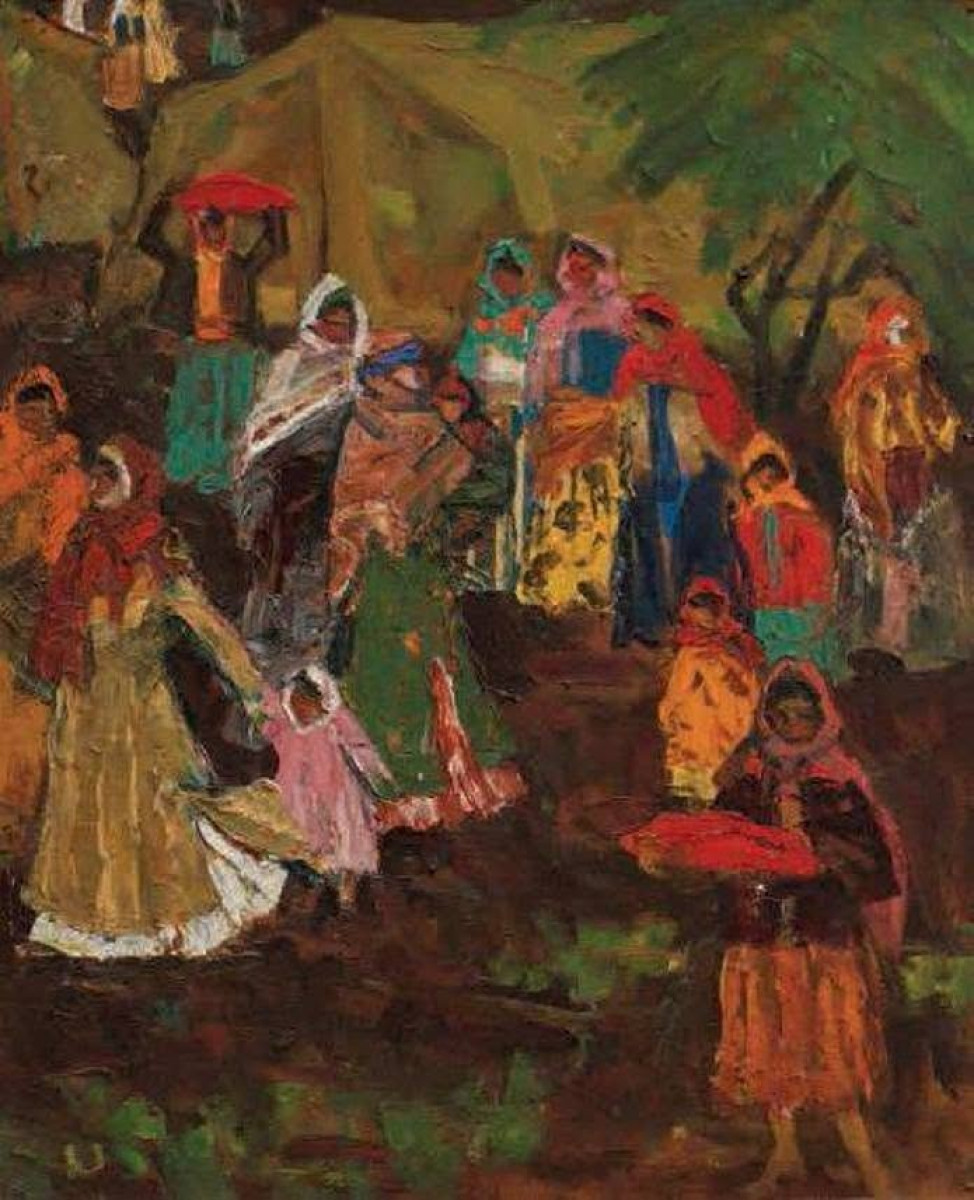
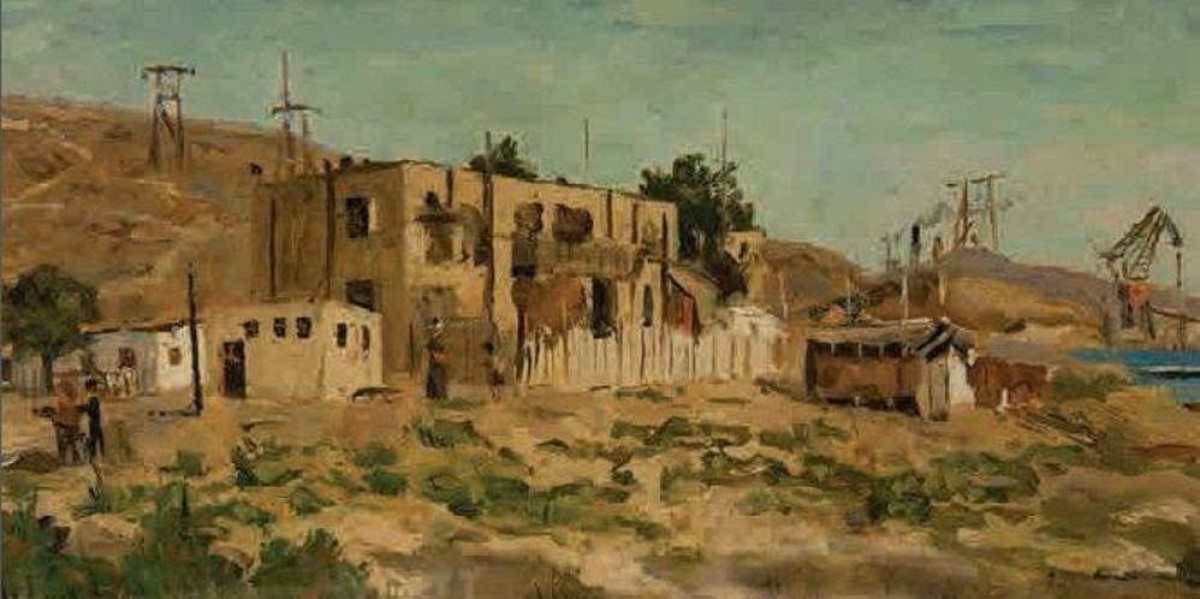
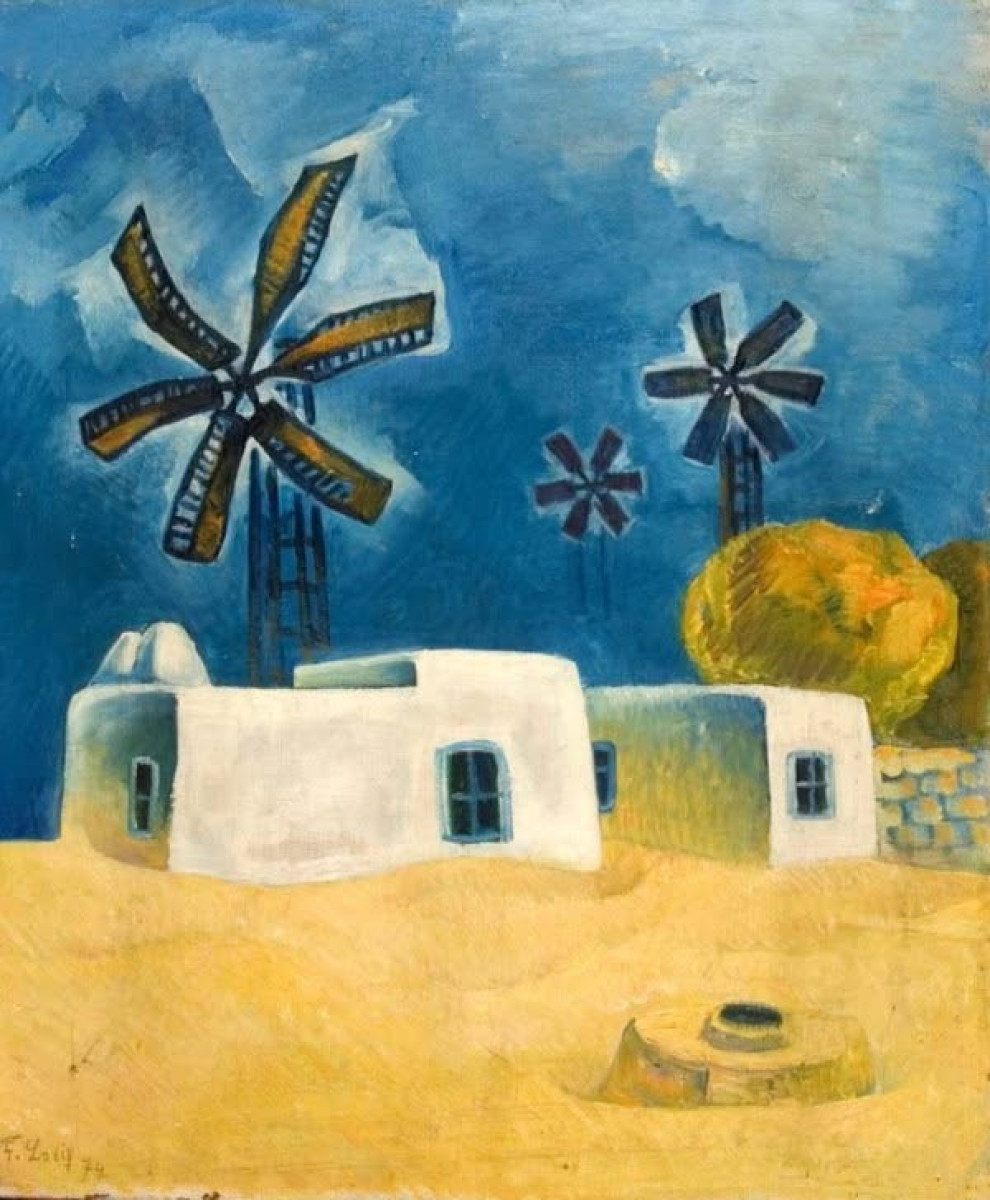
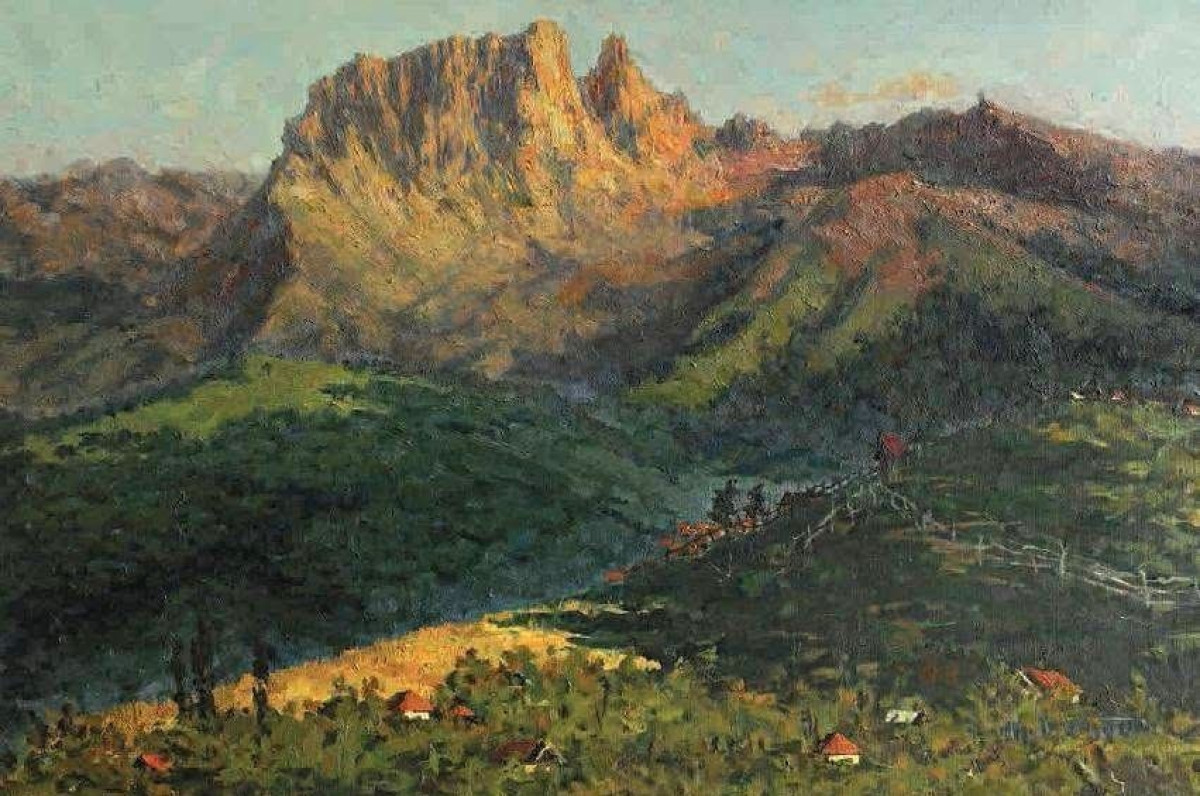
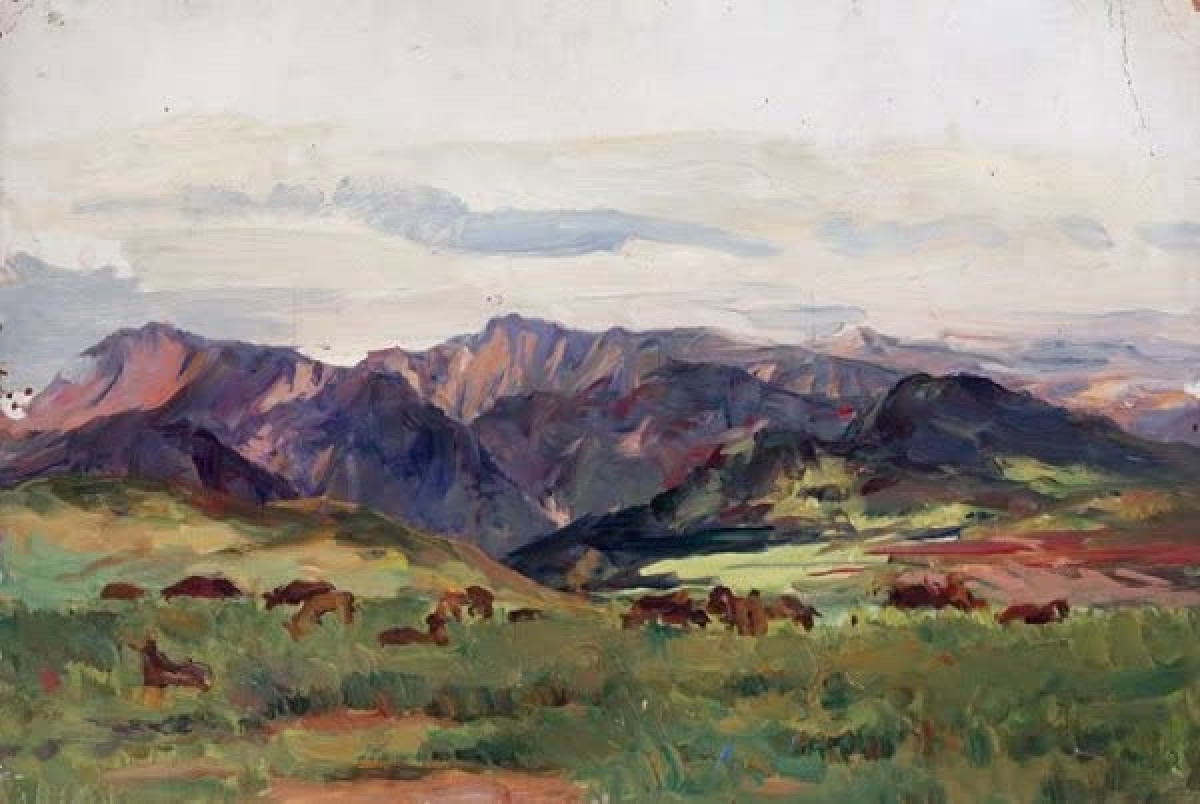
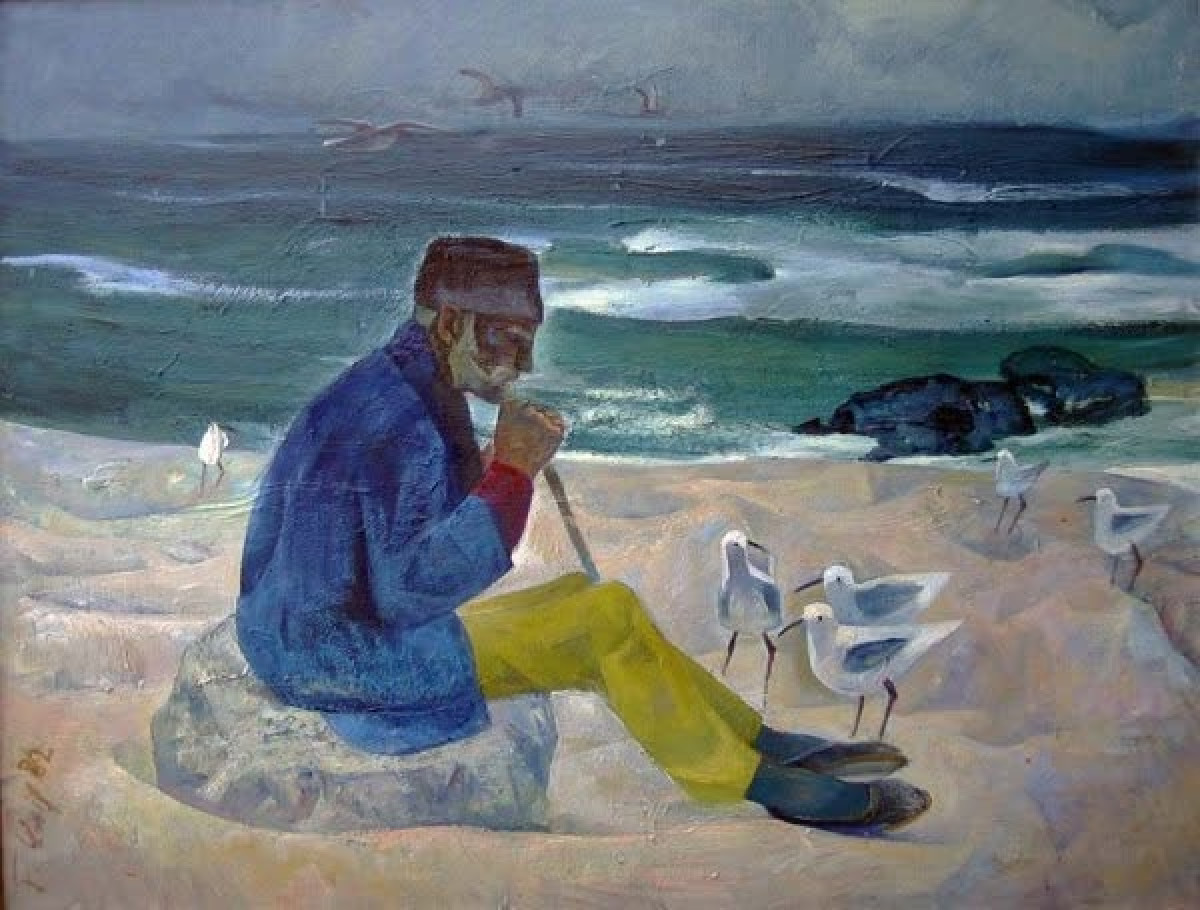
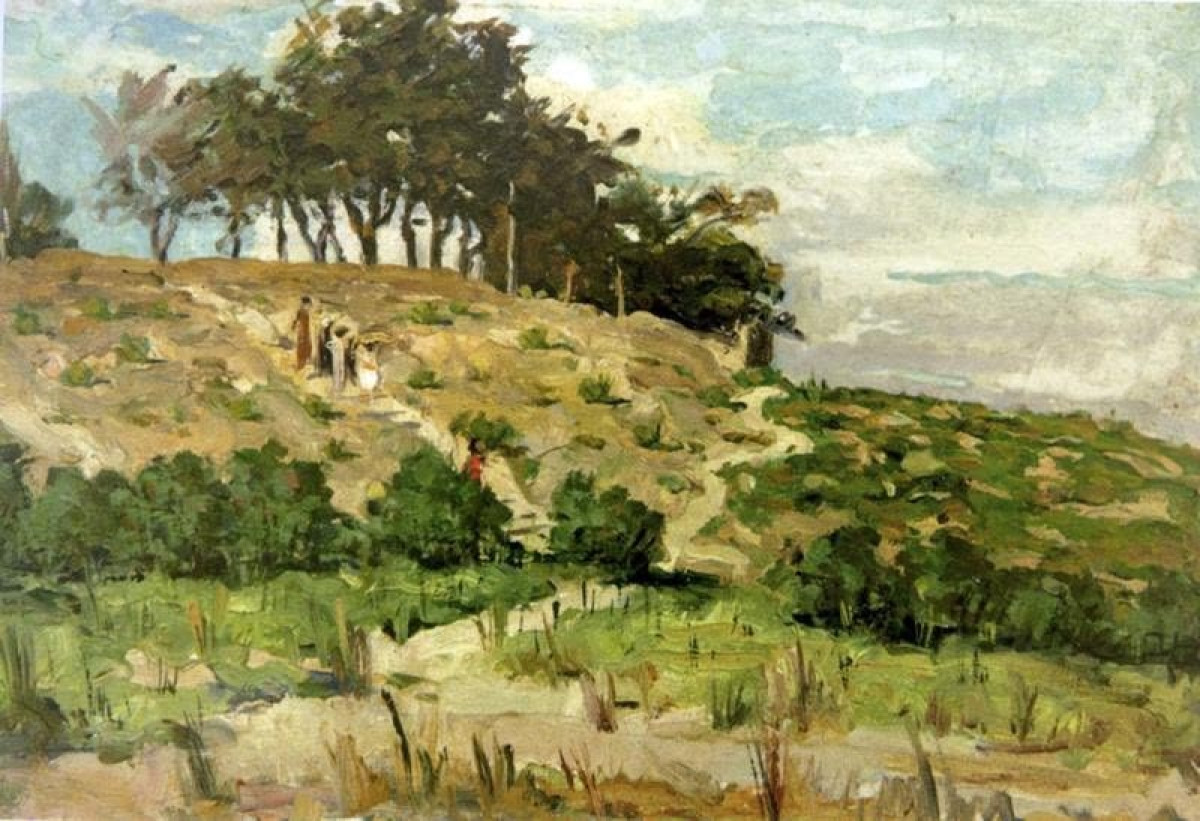
Samadova’s landscapes — including “Lake Goygol,” “Mount Kapaz,” “On the Banks of the Kura,” “Zigh,” “Tents” and “At the Goshgar Summer Pasture” — are grounded in direct encounters with particular places in Azerbaijan. Recognition of the location and its transformation through colour operate together. Colour does more than describe natural appearances: it conveys atmosphere, changing light and the painter’s response to a specific environment.
A creative journey to Bulgaria in 1962 extended this visual experience beyond Azerbaijan. Works such as “Market in Sofia,” “Old Bulgarian Women,” “The Rocks of Plovdiv,” “Turkish Girl,” “Tarnovo” and “View of Sozopol from the Sea” do not treat travel as an opportunity for picturesque exoticism. Instead, Samadova observed people, architecture and landscape in a new setting, testing her established pictorial language against another visual culture. The Bulgarian works reveal an exchange between a locally grounded artistic sensibility and a wider field of observation.
Although her career was brief, Samadova established a coherent relationship between portraiture, thematic painting and landscape that gives her work a distinctive place in Azerbaijani art of the 1950s and 1960s. She died in Baku on 24 October 1965. The Artists’ Union exhibition hall has borne her name since that year. Her legacy remains significant for the way it brings the human figure, everyday experience and a sense of place into a unified pictorial vision.
Art Space Gallery MEDIA