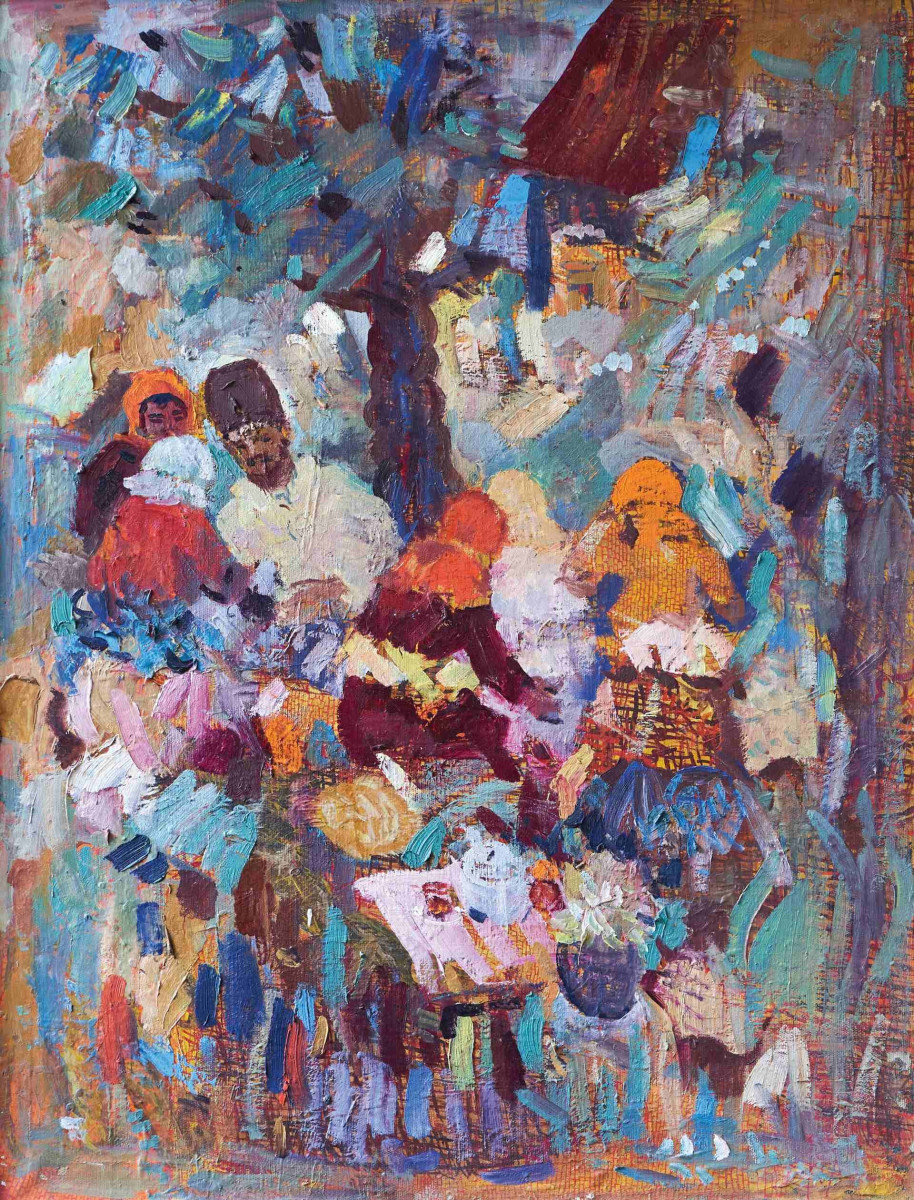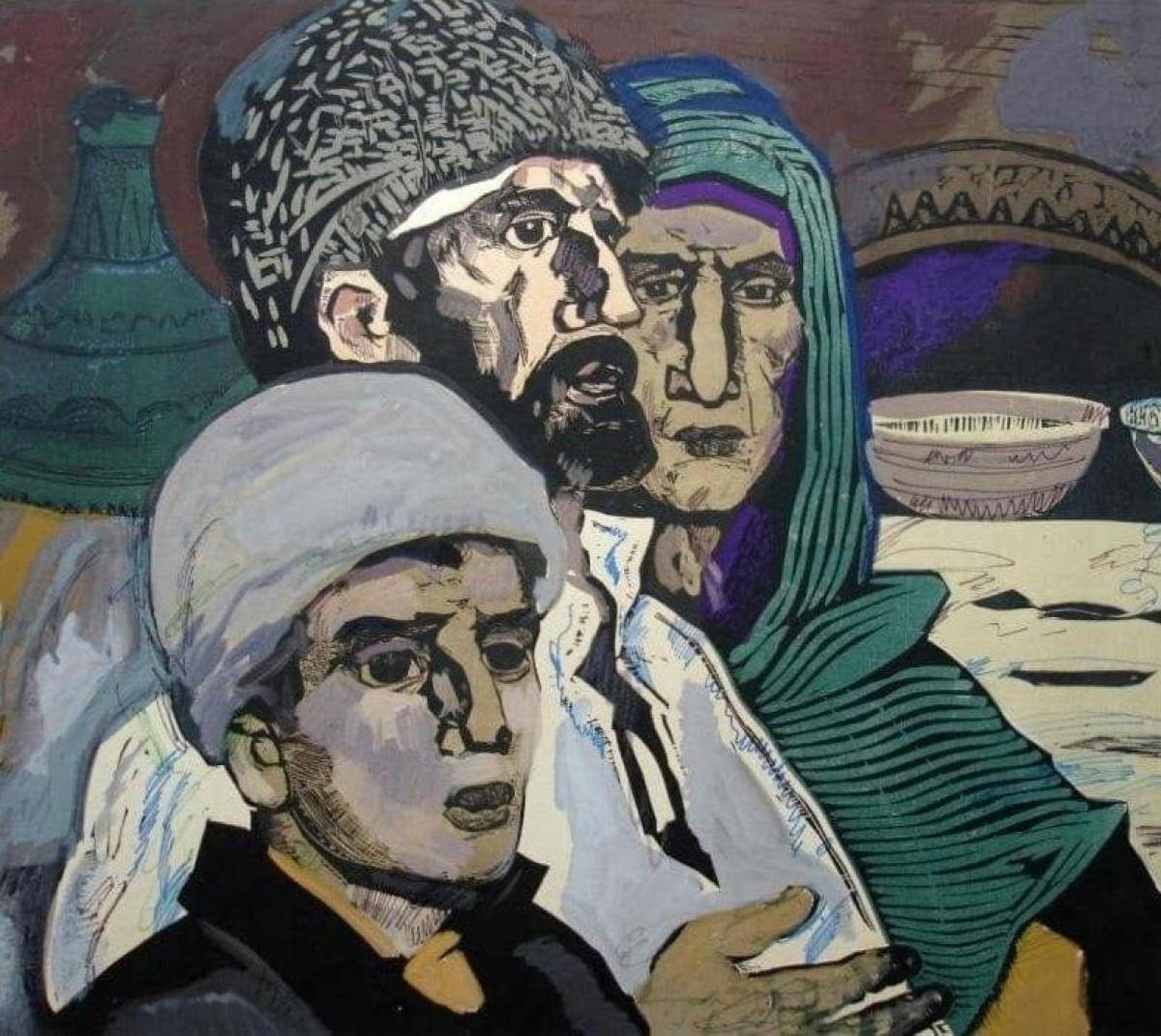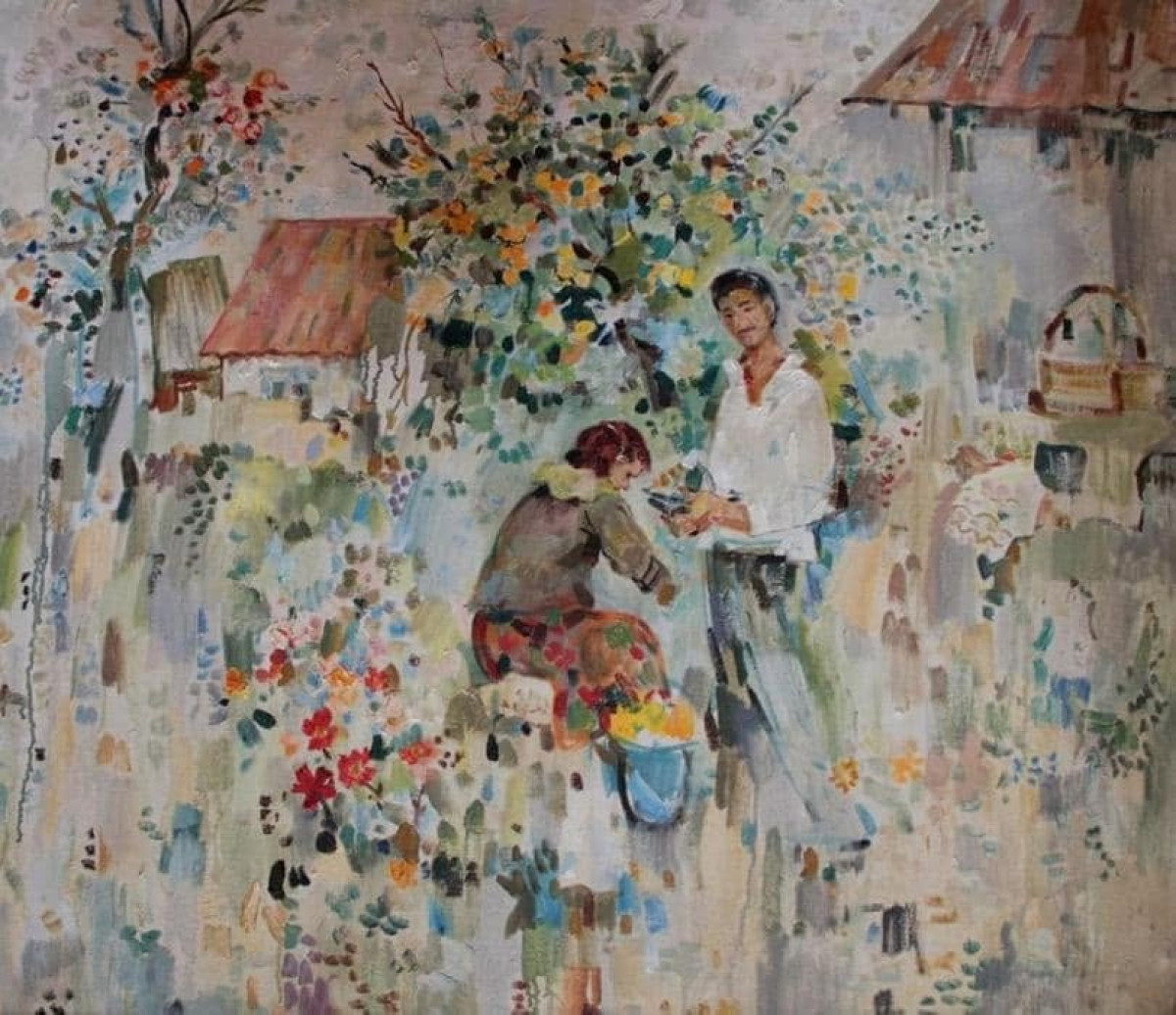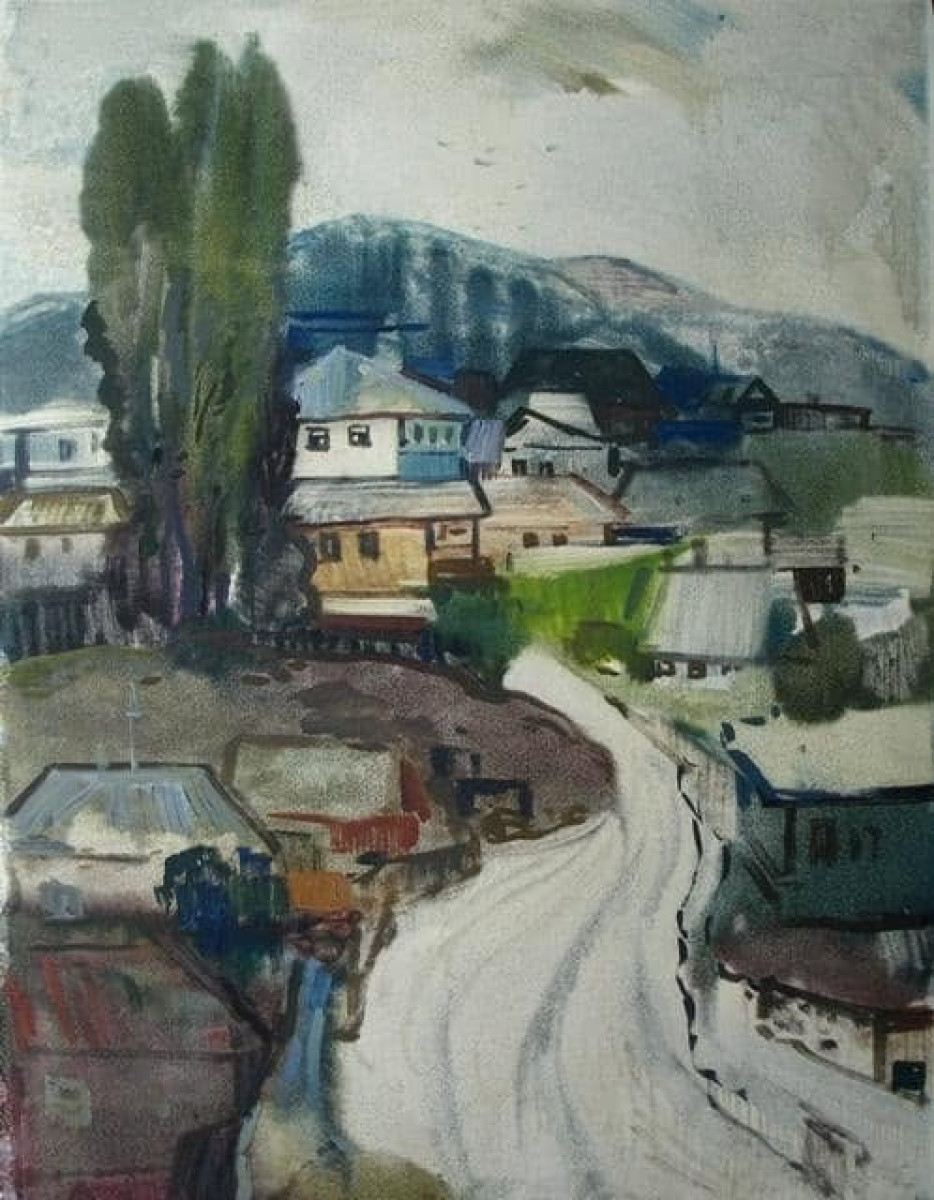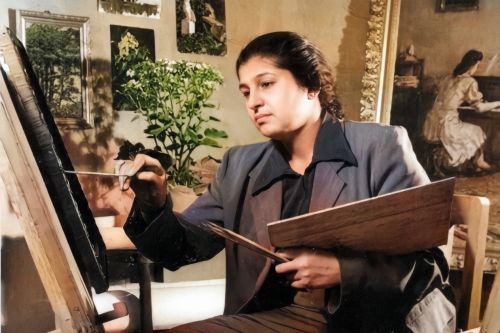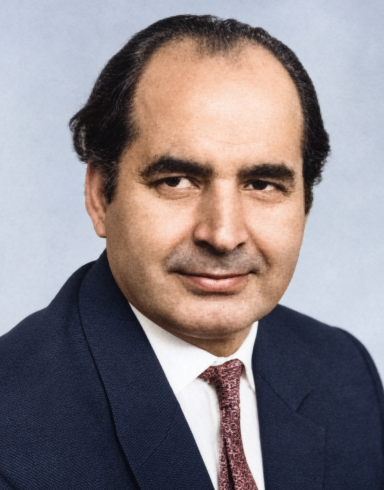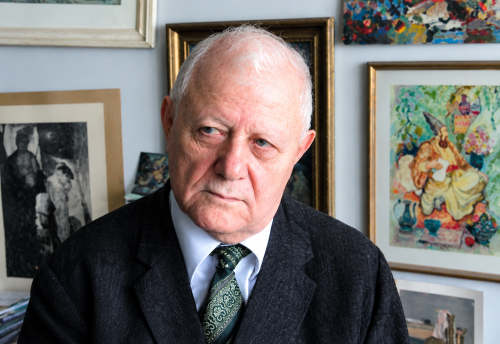
Rafig Mahmud oglu Mehdiyev was born on 10 June 1933 in the Shahbuz district of Nakhchivan. He studied at the Azim Azimzade Art School from 1948 to 1953 and at the Faculty of Graphics of the Surikov State Art Institute in Moscow from 1953 to 1958. From 1962, he taught at the Azim Azimzade Art School, the Azerbaijan State Institute of Arts and the Azerbaijan State Academy of Fine Arts, where he also served as dean. He chaired the Graphics Section of the Union of Artists of Azerbaijan. He was named Honoured Artist of Azerbaijan in 1980 and People’s Artist of Azerbaijan in 1992, attained the rank of professor and received an individual presidential pension from 2003.
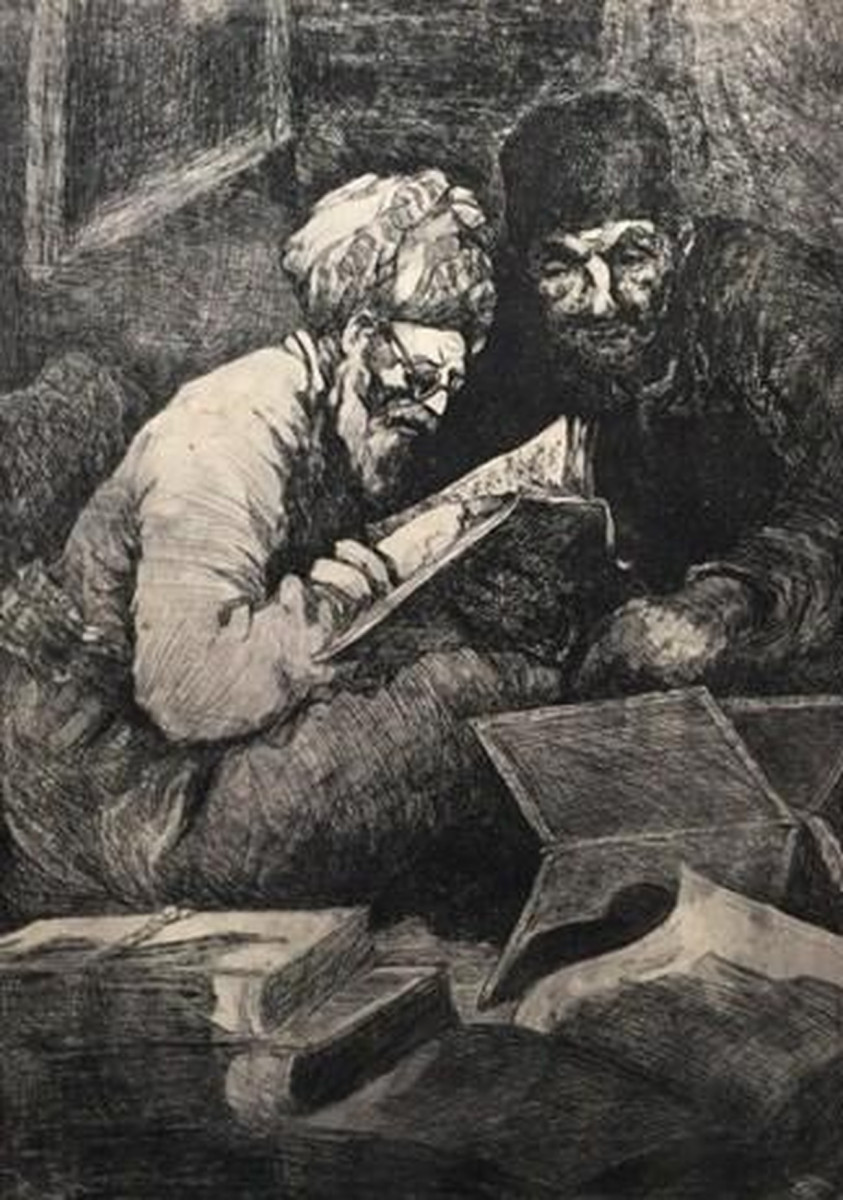
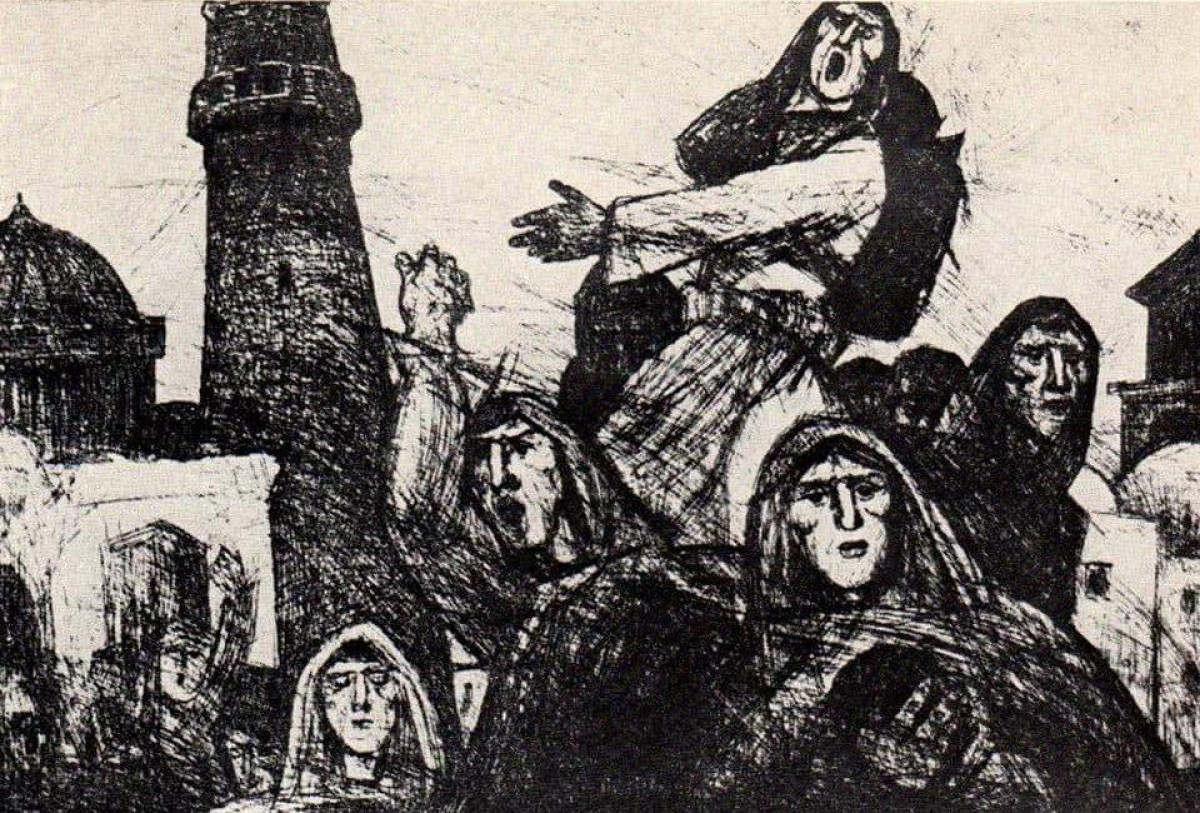
Graphic art was Mehdiyev’s principal means of observing the world and translating human experience into images. His practice included etching, linocut, lithography, monotype and watercolour. The range of techniques points to an interest in the distinct expressive possibilities of line, texture, tonal area and printmaking processes. Yet this variety did not divide his artistic vision. People, labour, familiar places and the rhythms of ordinary life remained its recurring concerns.
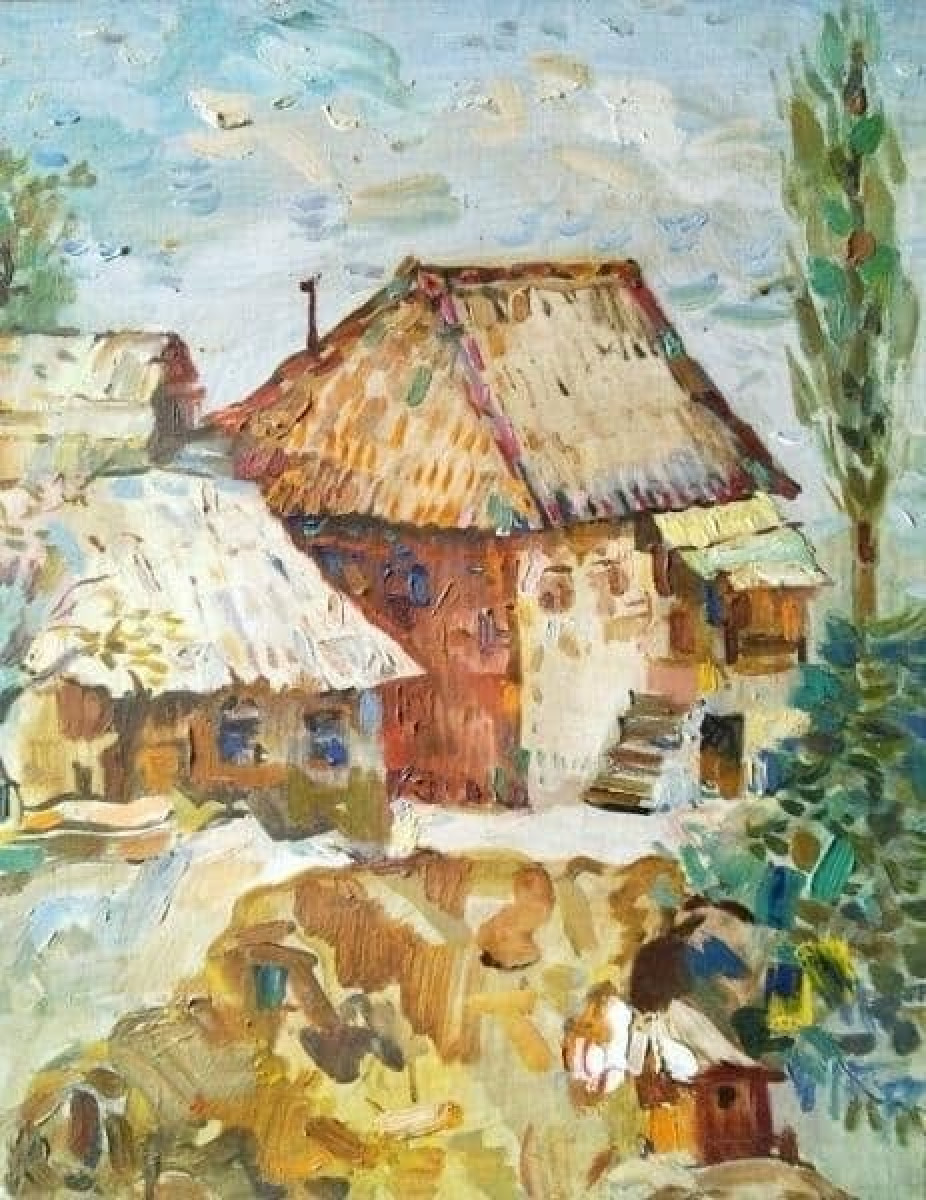
The etchings Morning and Evening approach rural life through two moments in the daily cycle. Time is conveyed not merely through changing light but through the rhythm of human activity: the beginning of work in the morning and the return to rest in the evening. The village thus becomes more than a landscape motif. It is a lived environment shaped by routine and memory. The series Motifs of Ismayilli, Our Village, Our Land and People of Our Village extend this attention from individual scenes towards a broader sense of place and shared experience.
Monotypes such as Village, Woman with a Child, At the Market and After the Rain focus on recognisable situations from everyday life. The singular print produced by monotype combines intentional composition with the distinctive marks of the process itself. Texture and chance are not incidental effects; they form part of the medium’s expressive character. In these works, ordinary subjects become occasions for close visual observation.
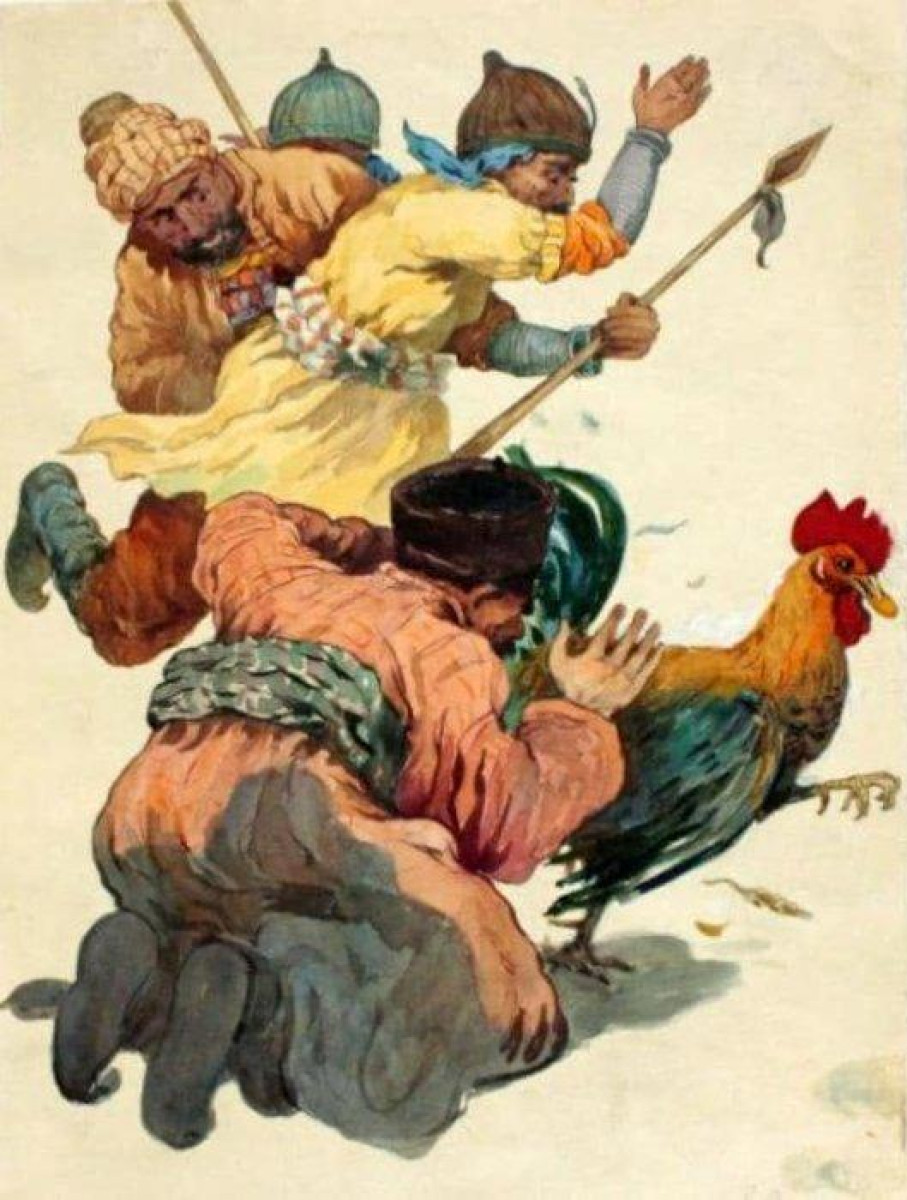
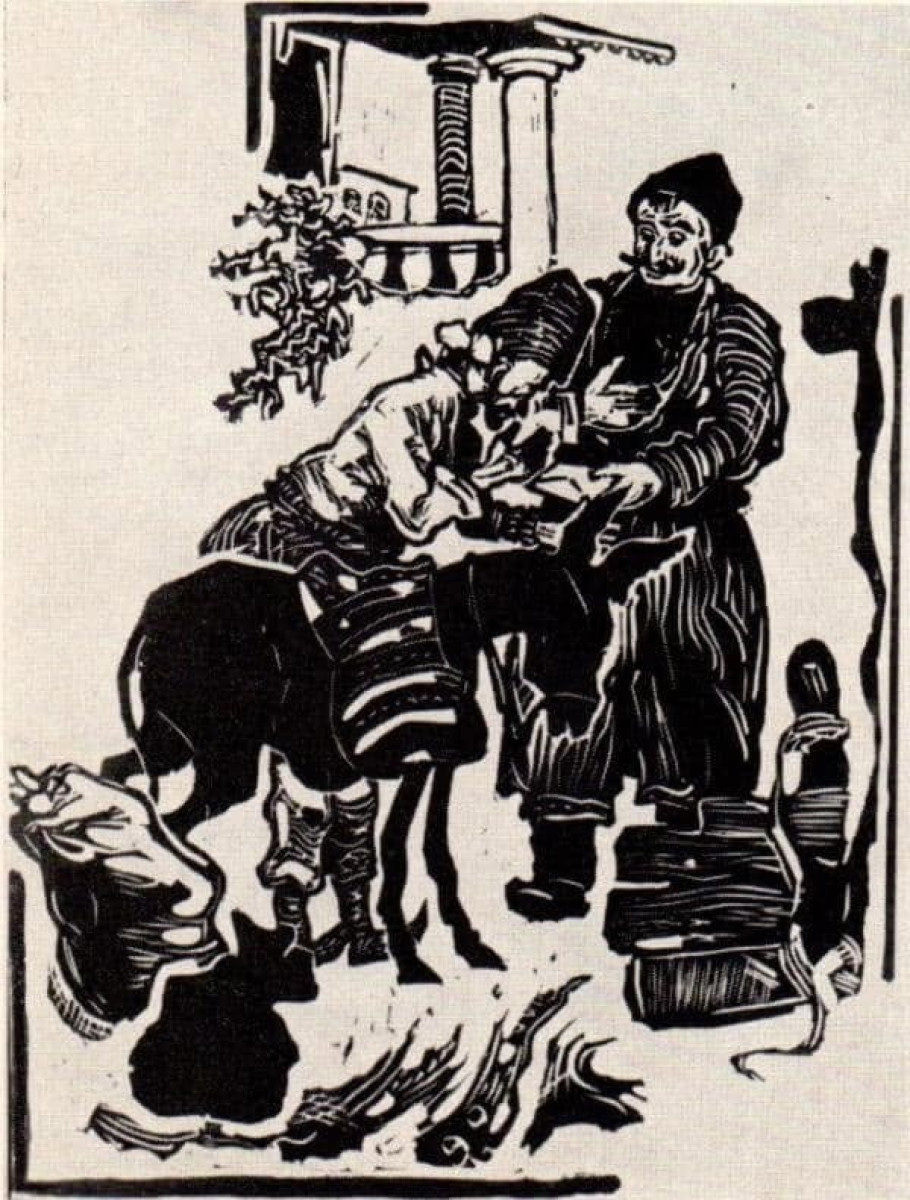
Book illustration was another major field of Mehdiyev’s activity. He illustrated works by Jalil Mammadguluzadeh, including The Postbox, The Bearded Child, The Story of Danabash Village and Qurbanali Bey, as well as Mirza Ibrahimov’s The Day Will Come and Imran Gasimov and Hasan Seyidbeyli’s On Distant Shores. These projects involved more than depicting literary episodes. They required the translation of social setting, character and narrative tone into a visual language. Mammadguluzadeh’s attentive and often satirical prose offered a particularly rich context for this work.
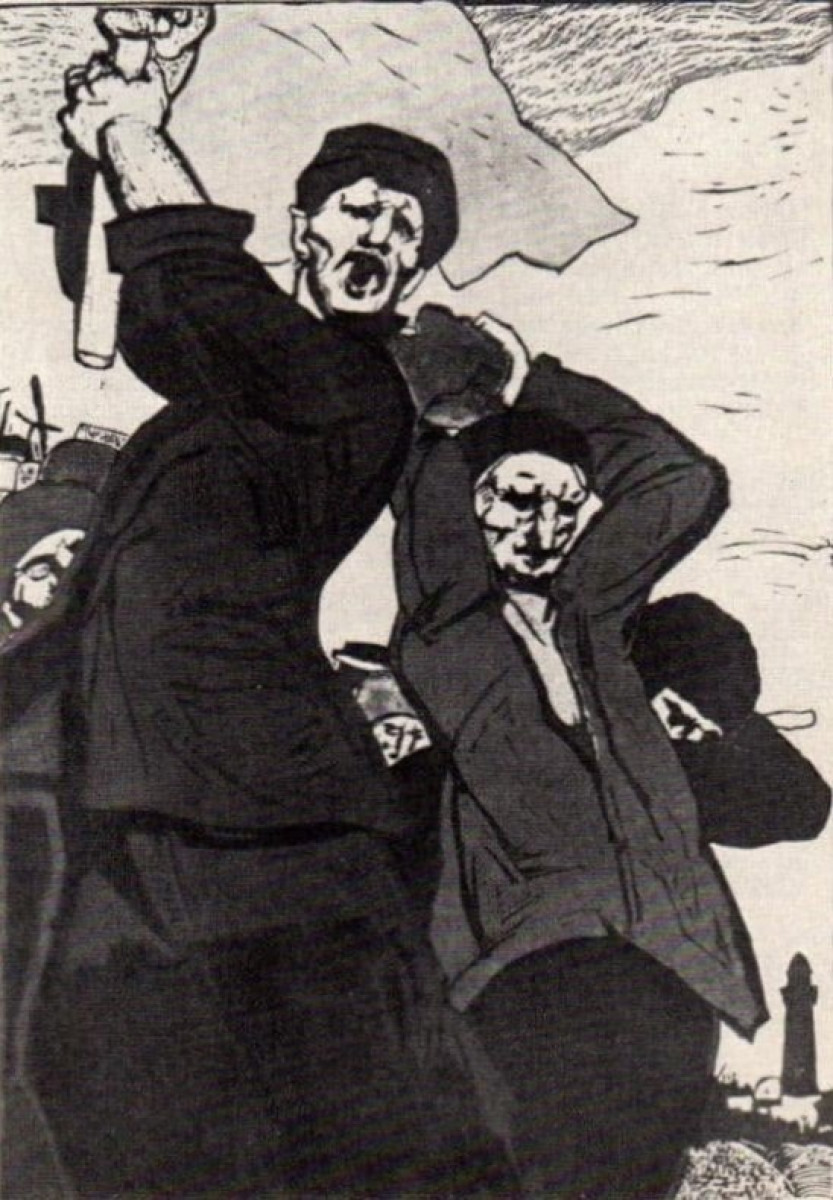
Mehdiyev’s linocuts for The Man with the Gun and The Day Will Come were shown during the Azerbaijani Literature and Arts Decade in Moscow in 1959. His illustrations for On Distant Shores were presented at the Azerbaijani Culture Decade in Cuba in 1968. His painting Life was included in an All-Union exhibition in Moscow in 1965. These presentations document the circulation of his work within cultural programmes beyond Azerbaijan.
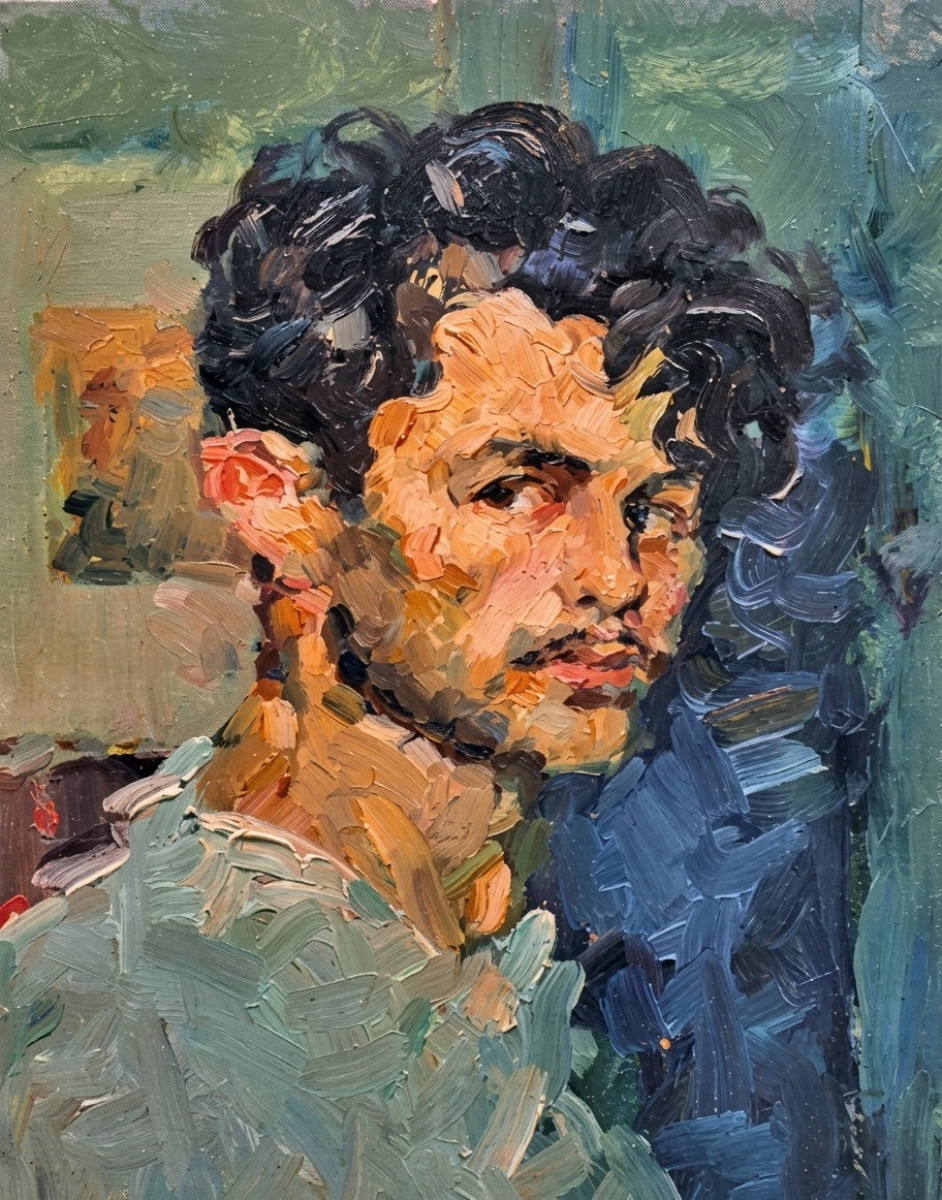
Painting also formed part of his practice. Works including Grape Gatherers, Rest, Fresh News, In the Land of Peace and Life continue his interest in the relationship between people, their surroundings and labour. Printmaking and painting are therefore best understood as complementary parts of a consistent artistic outlook, rather than as separate chapters.
Mehdiyev’s contribution extended beyond his own work through decades of teaching and academic activity. He helped pass on the professional experience of graphic art to younger generations. He died in Baku on 28 November 2009. His prints, illustrated books and graphic series remain important subjects for further study, particularly in relation to the visual documentation of everyday life, regional identity and collective memory. The lasting coherence of his art lies in his ability to bring diverse techniques into the service of a sustained, attentive vision of human experience.
Art Space Gallery MEDIA