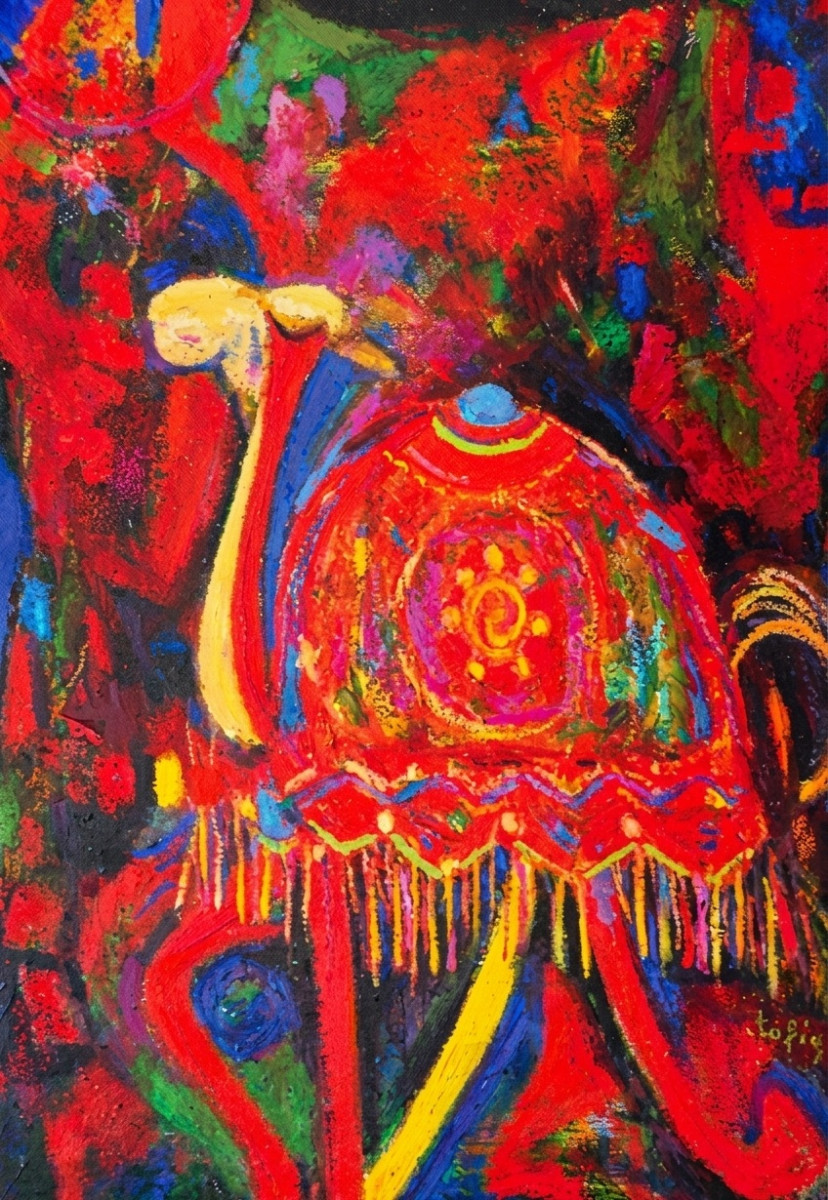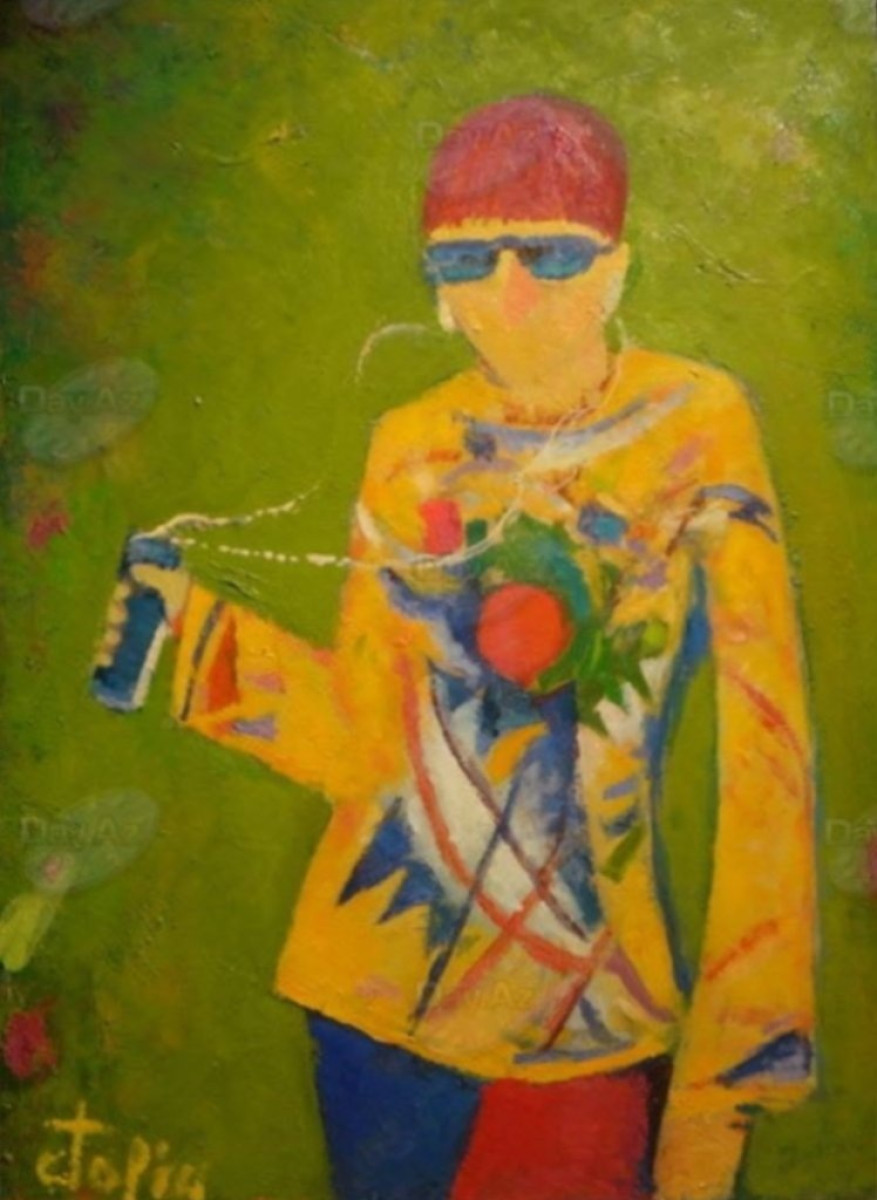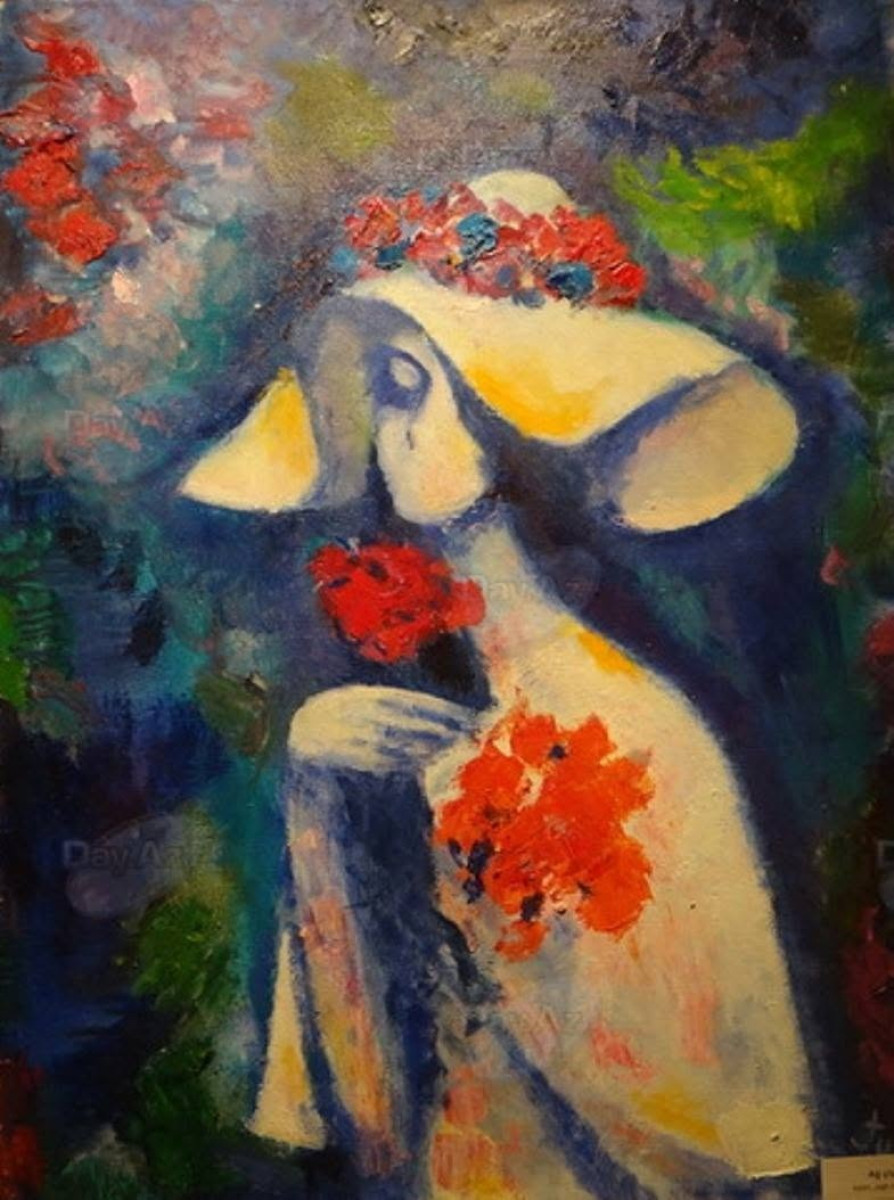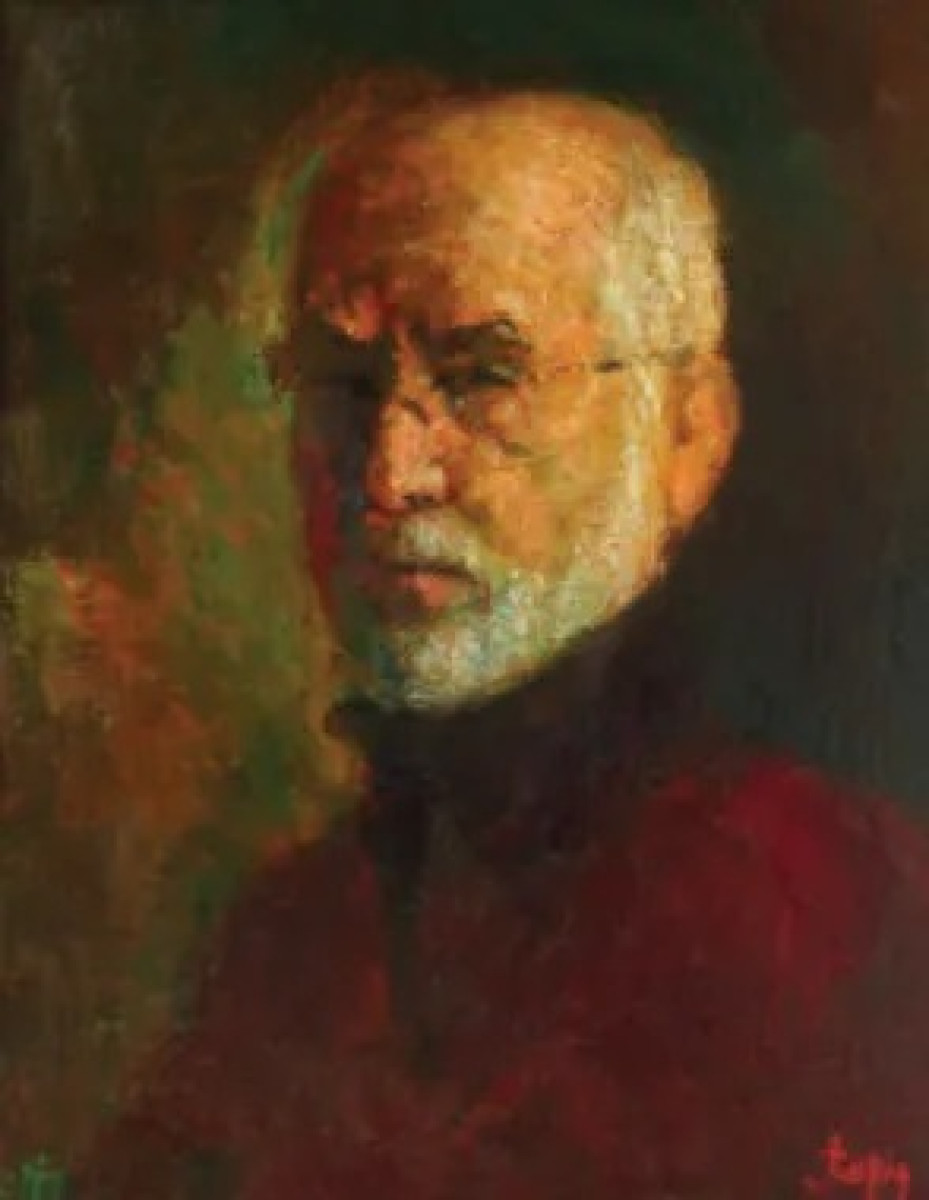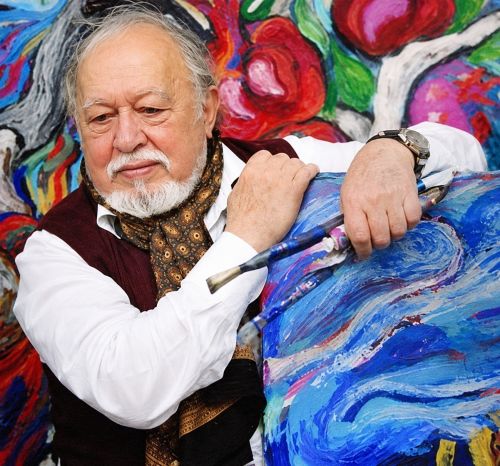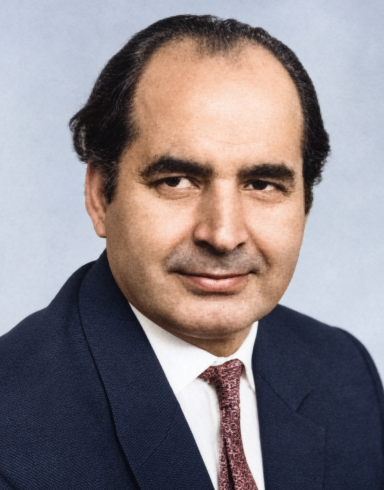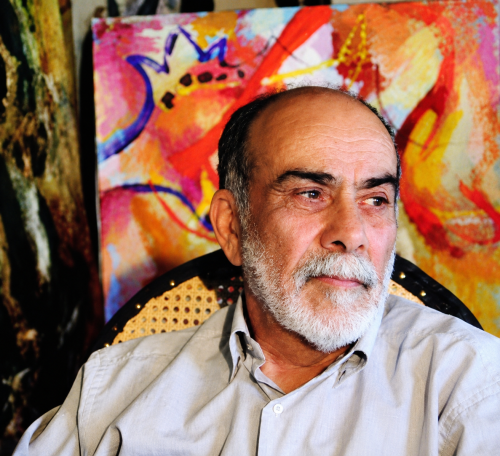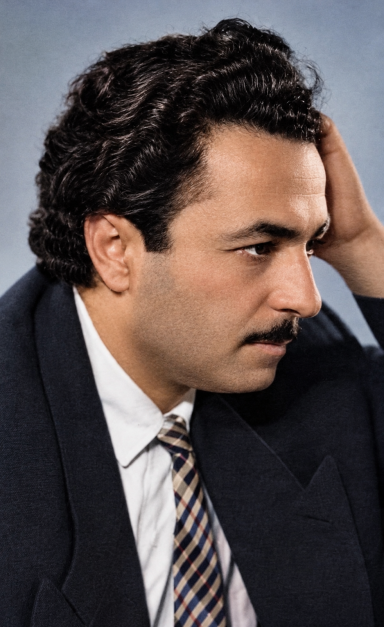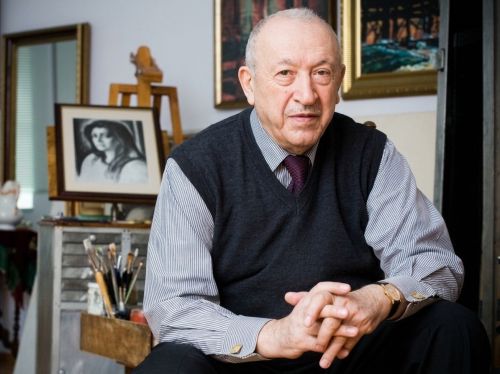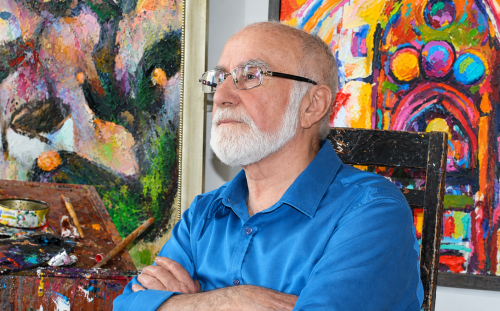
Tofig Mammadali oglu Agababayev was born in Baku on 8 September 1928. From 1946 to 1951, he studied at the Azerbaijan State Art School named after Azim Azimzade. He continued his education from 1953 to 1959 at the Glass and Ceramics Department of the V. Mukhina Higher School of Art and Industry in Leningrad. In 1961, he became a member of the Union of Artists of the USSR. Between 1966 and 1968, he served as Baku's first Chief Artist. He subsequently taught at the Azerbaijan State Academy of Arts and headed its Drawing Department from 2005 to 2008. His distinctions included the title of Honoured Higher Education Worker in 1981, Honoured Art Worker of Azerbaijan in 1992 and People's Artist of Azerbaijan in 2006. He received the Presidential Individual Pension in 2008 and was awarded the Order of Shohrat in 2023.
One of the defining characteristics of Agababayev's artistic practice was his ability to establish connections between different materials and forms of visual expression. His education in glass and ceramics broadened his understanding of material properties, surface structure and the relationships between light, colour and volume. These experiences became an important foundation for his subsequent work across several artistic disciplines.
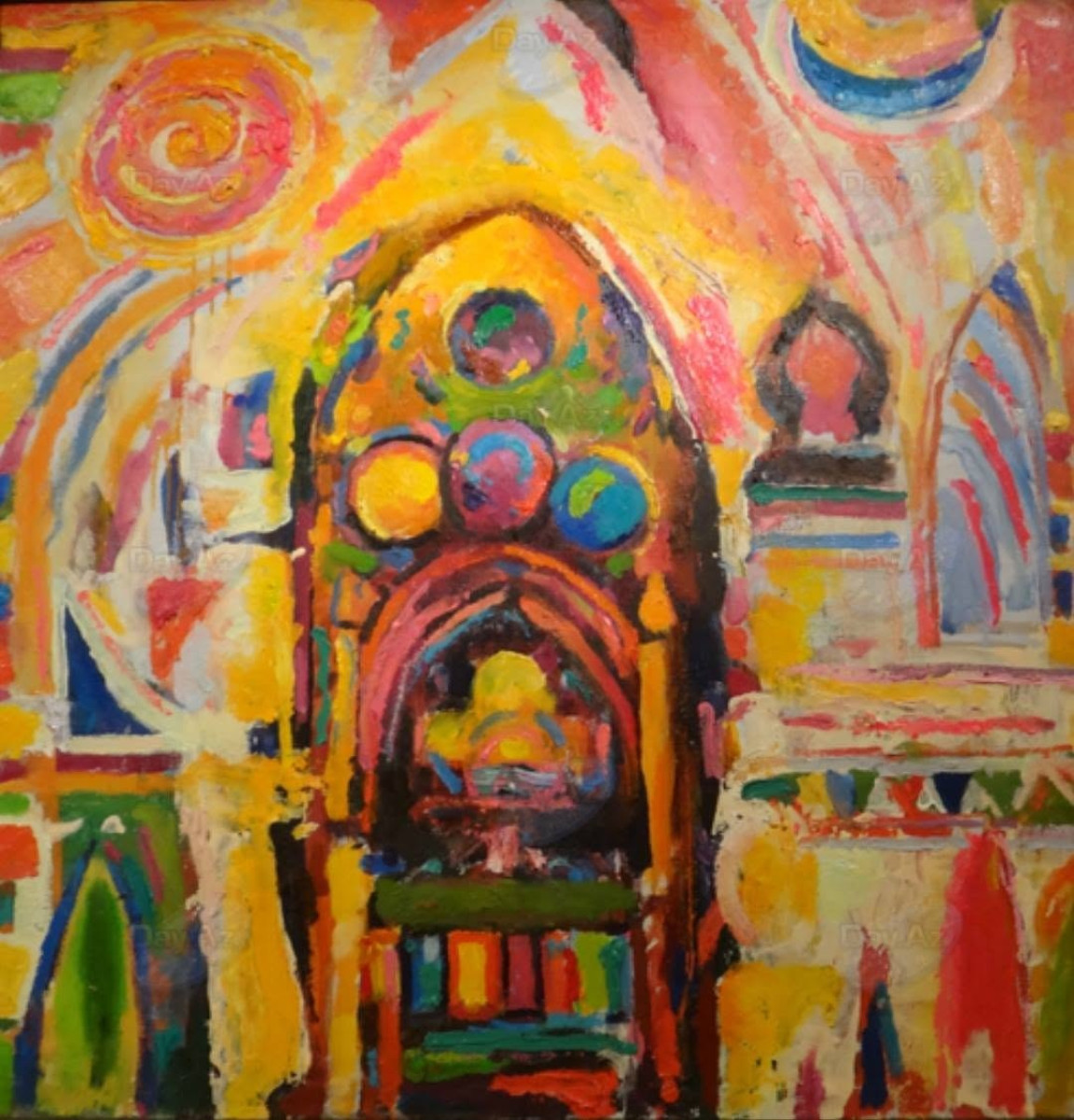
His ceramic triptych Azerbaijani Lyricism (1960) is an early example of this approach. Ceramic is not merely a decorative medium in the work; it becomes an independent artistic element connecting plastic form and image. His subsequent engagement with monumental art developed this principle further. The mosaic Azerbaijani Circus, created for the interior of the Baku State Circus in 1967, and the monumental panel Spring (1970) demonstrate his interest in the relationship between artistic composition and architectural space. In these works, colour functions as more than a combination of individual visual elements: it establishes rhythm and coherence across the entire surface.
His appointment as Baku's first Chief Artist in 1966 expanded his professional responsibilities beyond individual artistic production. His work became connected with the visual organisation and symbolic identity of the capital. His involvement in the restoration of the emblem on the Baku Soviet building and the creation of the symbolic key to the city reflects his engagement with the relationship between art and public space.
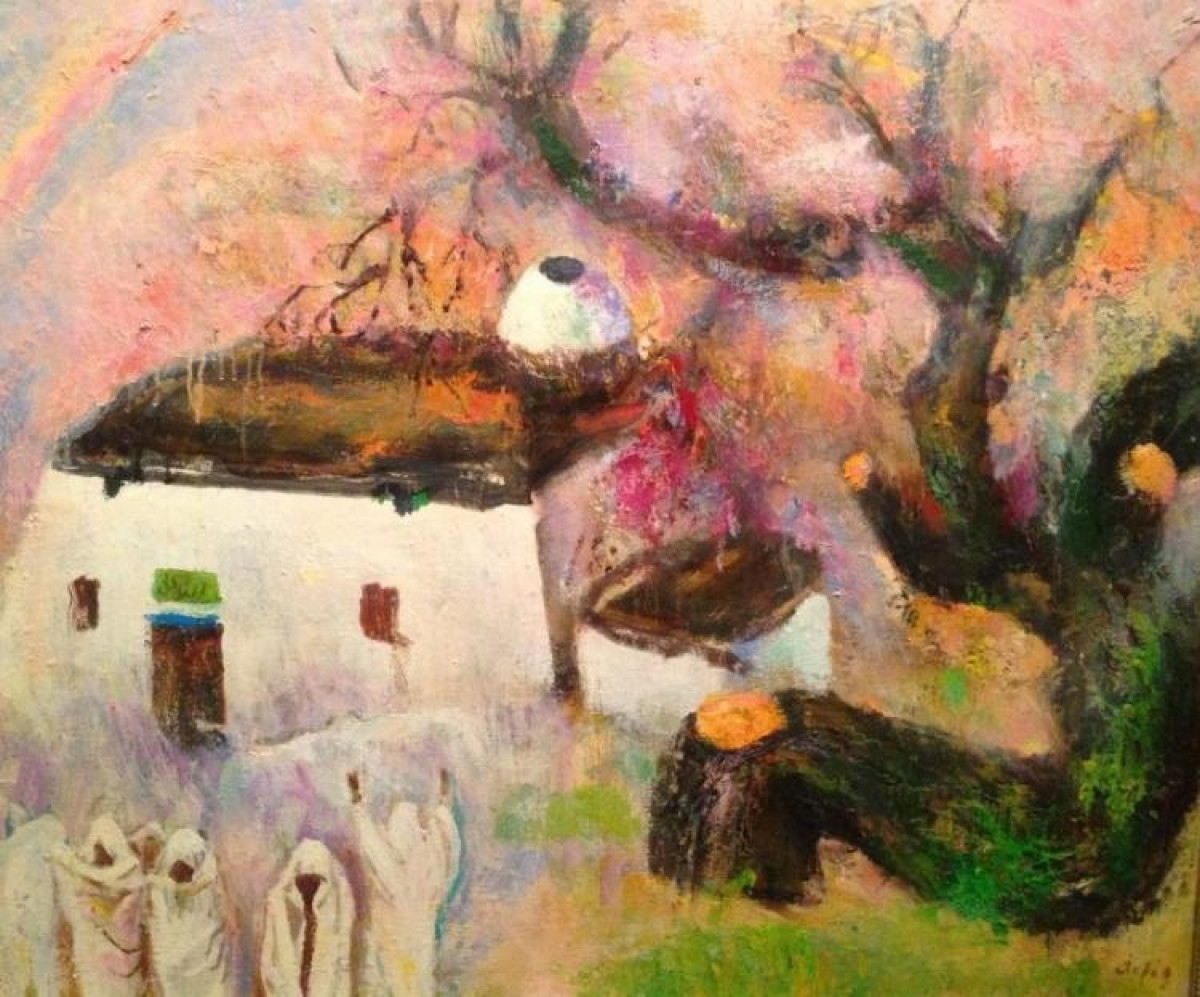
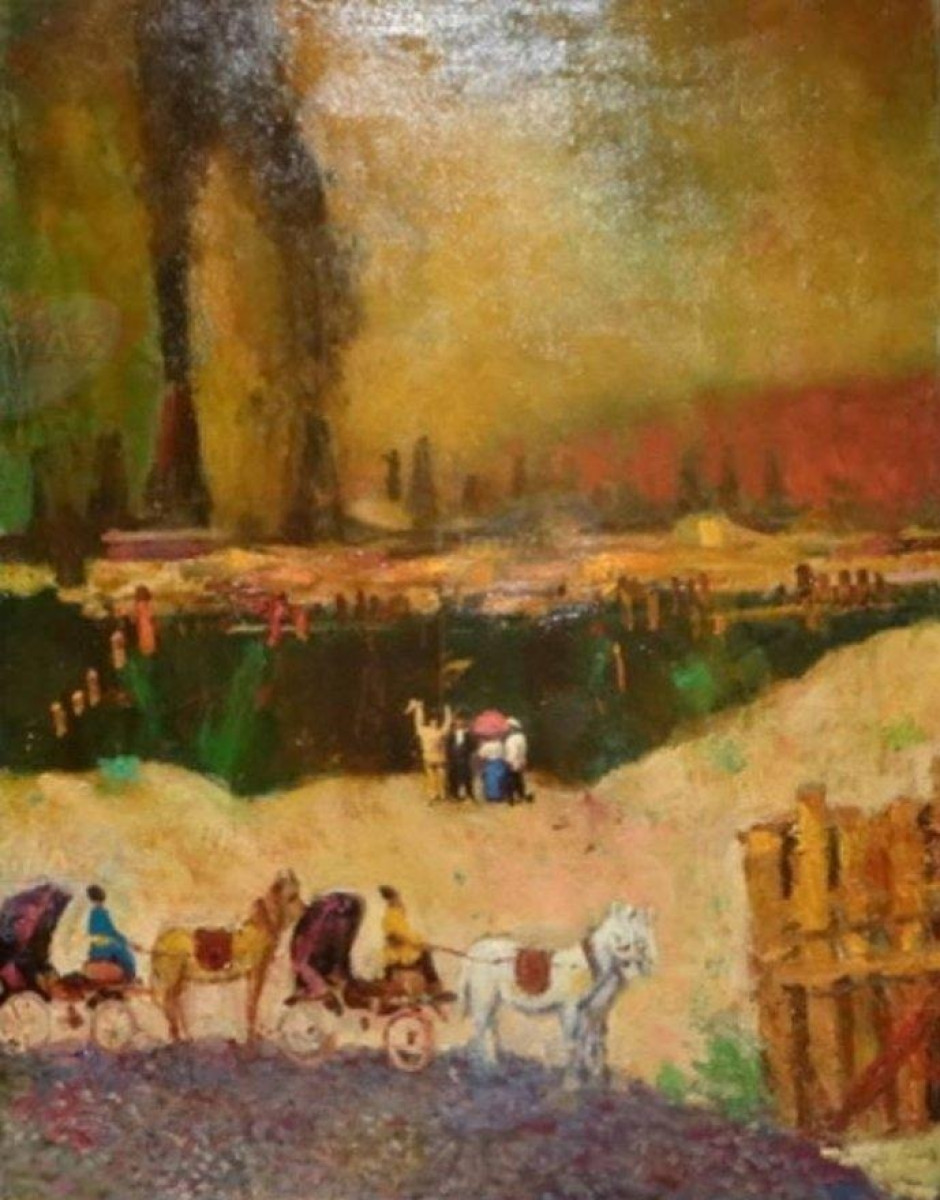
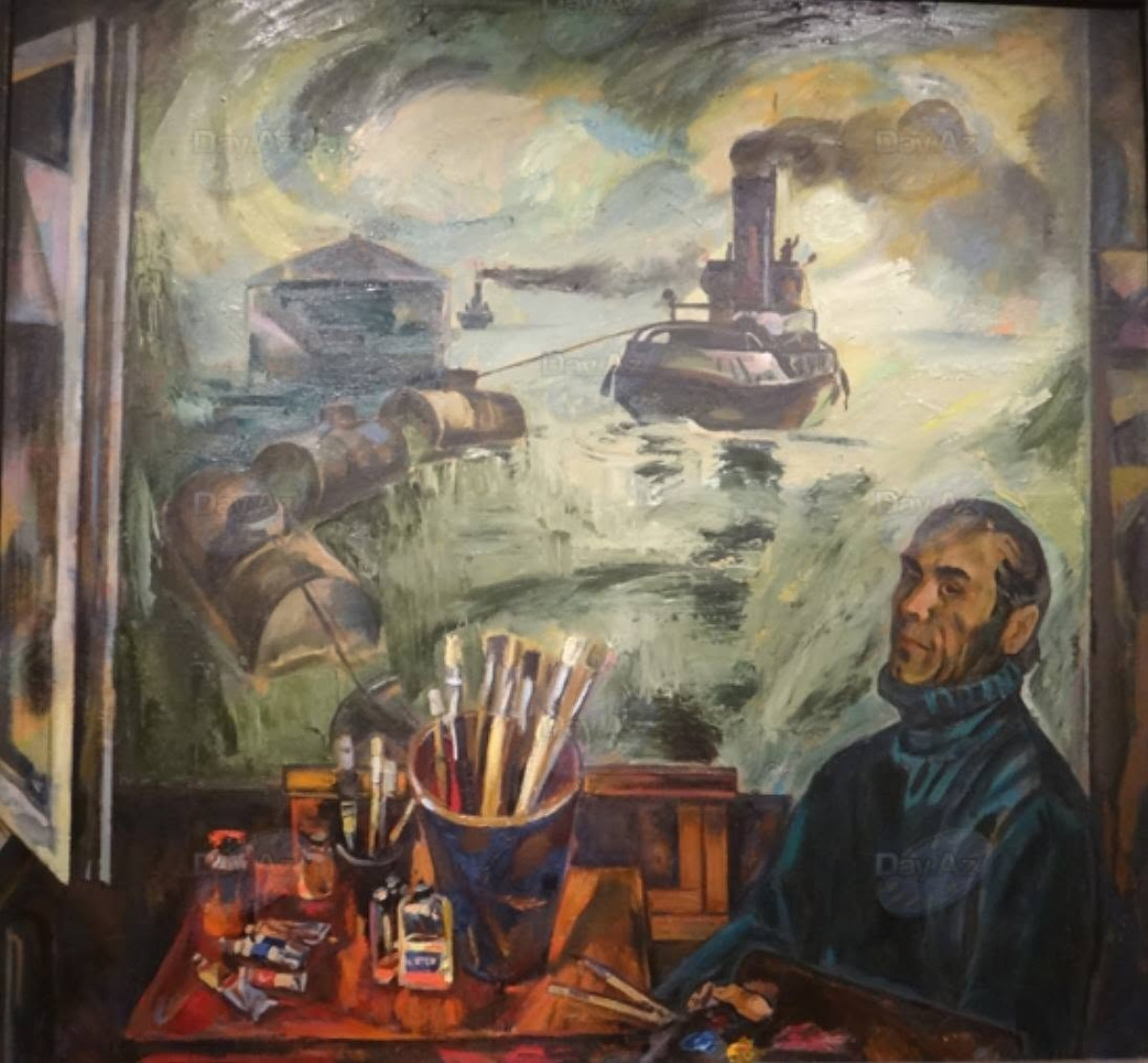
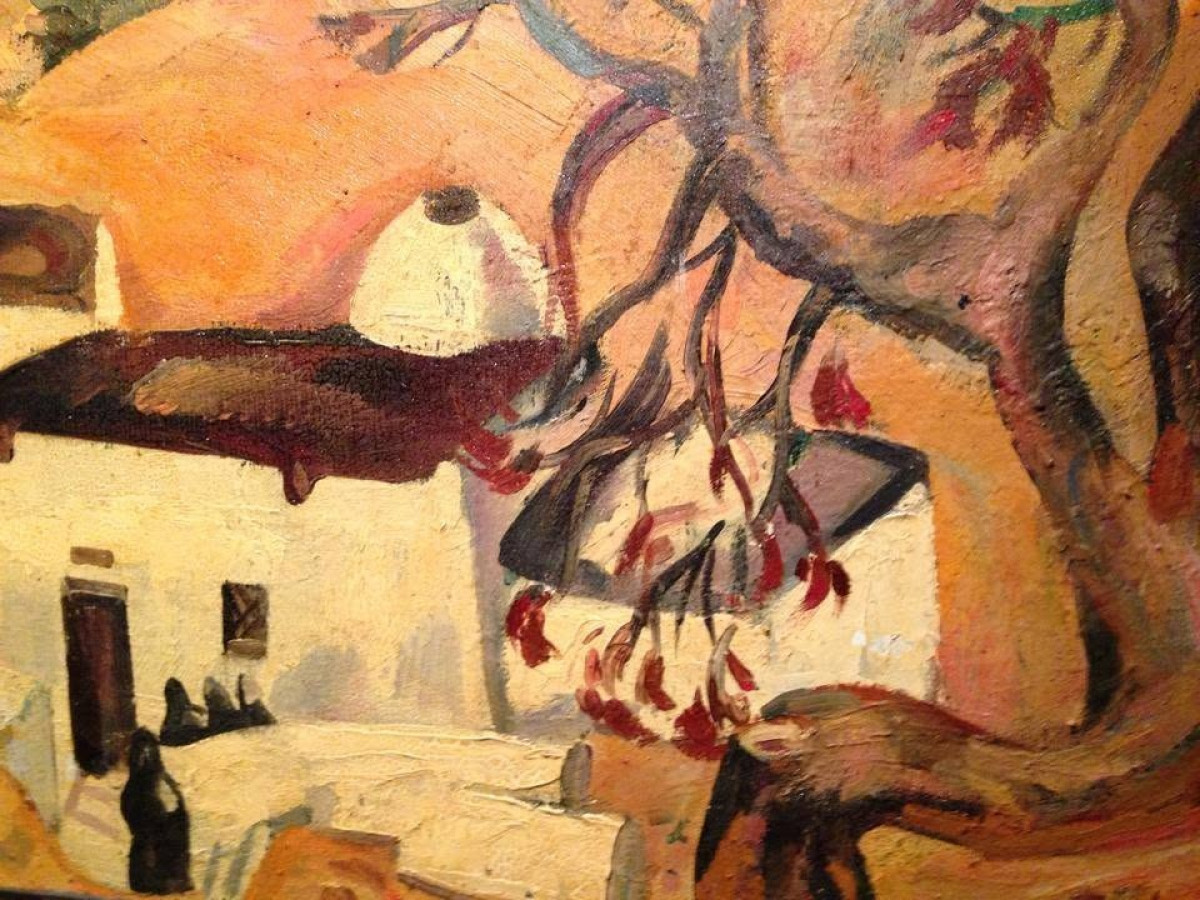
Baku and the Absheron Peninsula occupy a significant place in Agababayev's easel painting. Works such as Absheron Village, Khazri in Absheron, Zira Vegetable Garden, The Old Baku Bathhouse and Oil Gusher in the Old Baku Oil Fields reveal an interest in the relationship between landscape, habitation and human activity. The artist does not approach these subjects merely as geographical views. He brings together the natural environment, traces of everyday life and the historical character of the region within a unified visual composition.
The distinctive light and colours of Absheron, the appearance of its land and architecture, and the visual presence of its industrial environment form important elements of his artistic language. His landscapes can therefore be understood not only as depictions of particular places but also as interpretations of a cultural environment undergoing change.
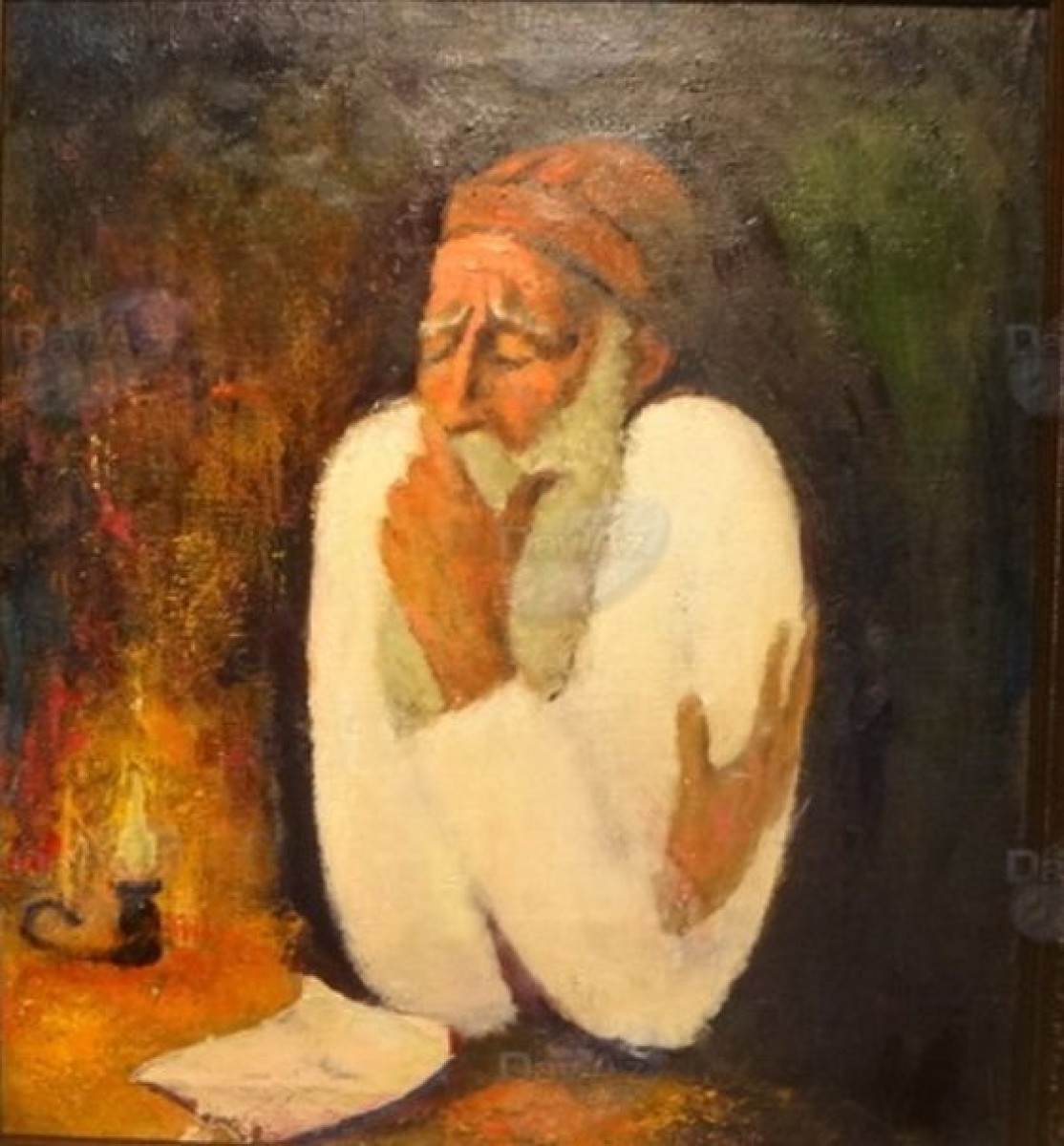
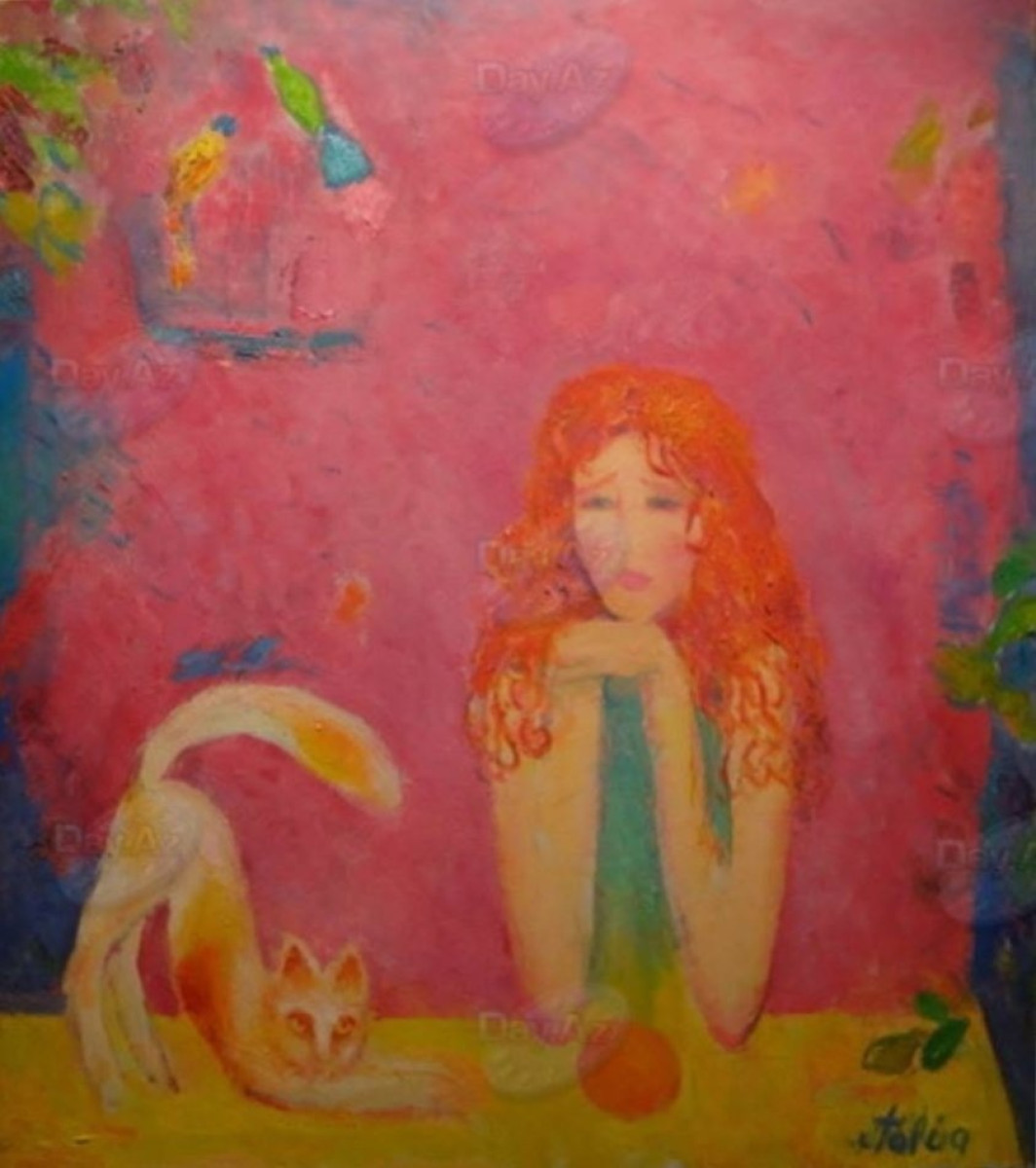
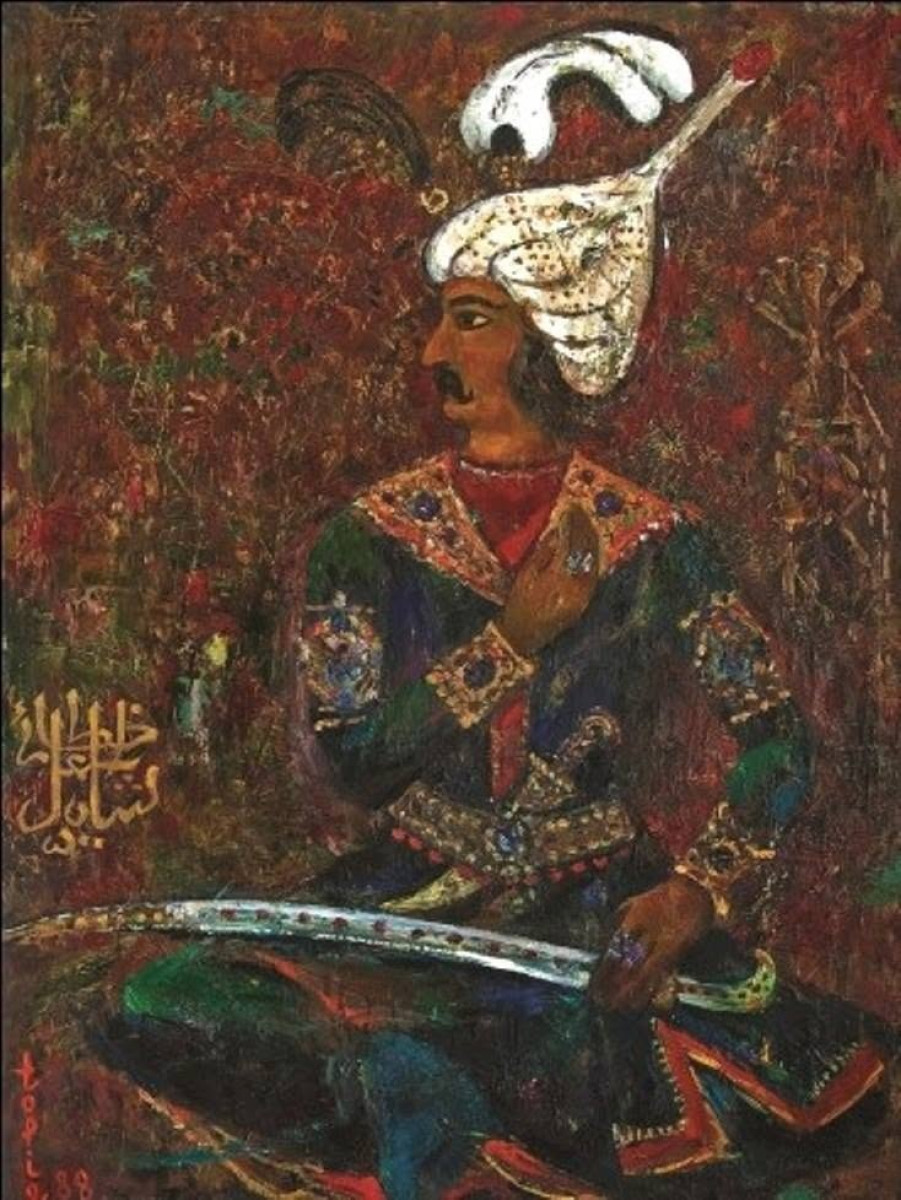
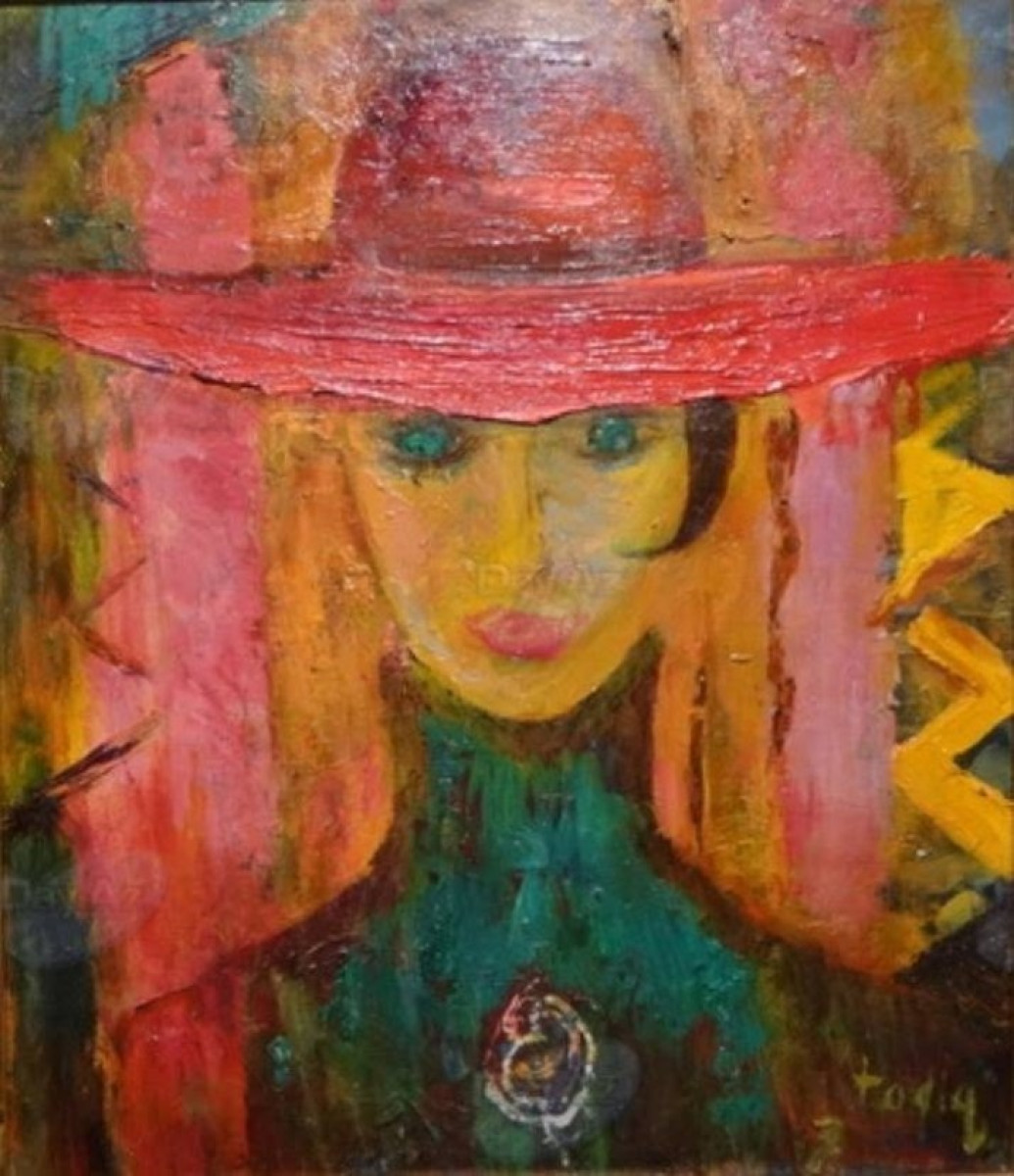
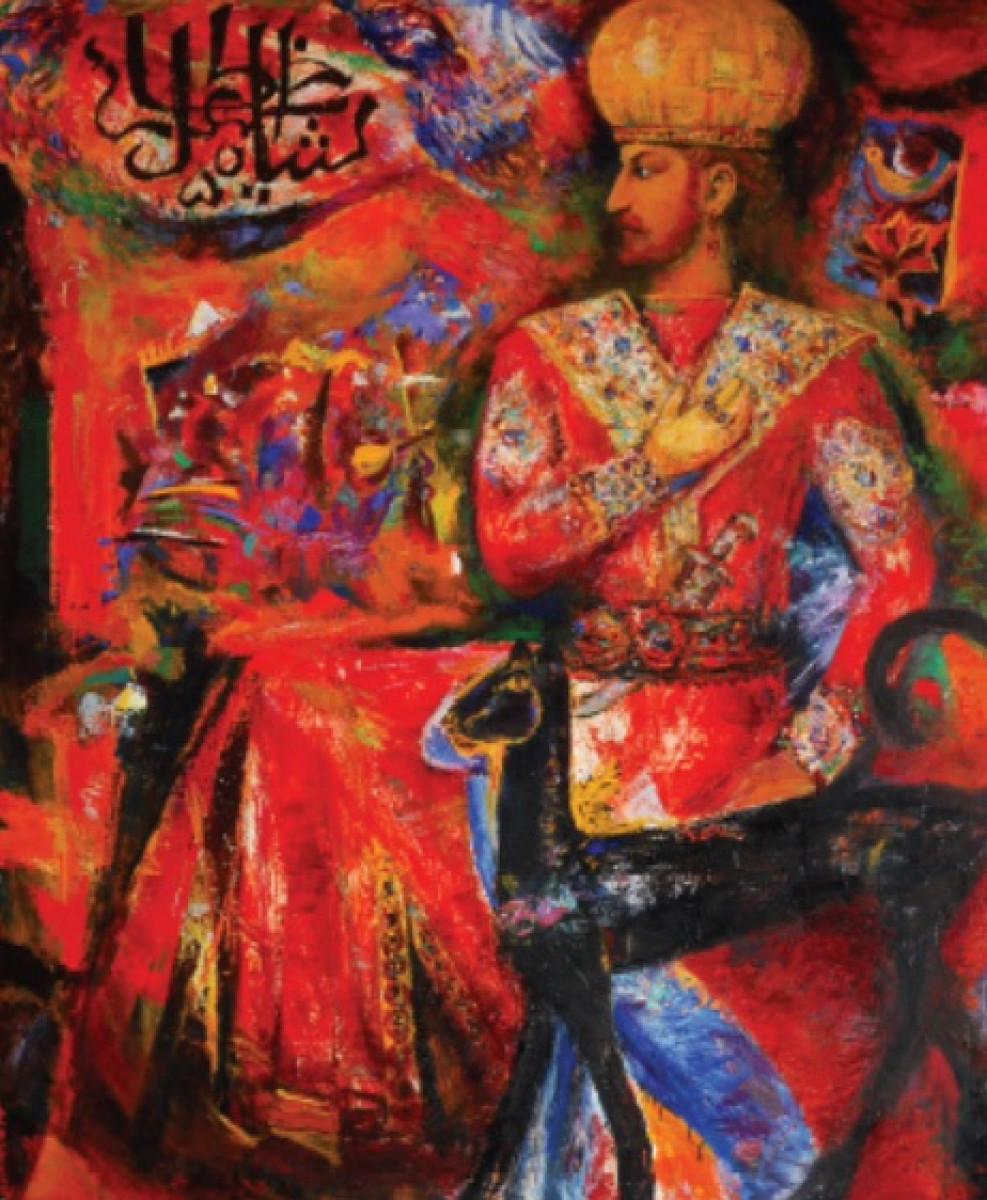
Portraiture represents another important dimension of his artistic legacy. Among his works are Student Girl (1972), portraits of academician Ziya Bunyadov and academician Izzat Orujova (1978), Uzeyir Hajibeyli (1992), and Shah Ismail Khatai (1988–1989). These works bring individual identity into contact with wider historical and cultural memory. The representation of significant figures becomes a means of exploring their place within the intellectual and historical consciousness of Azerbaijani society.
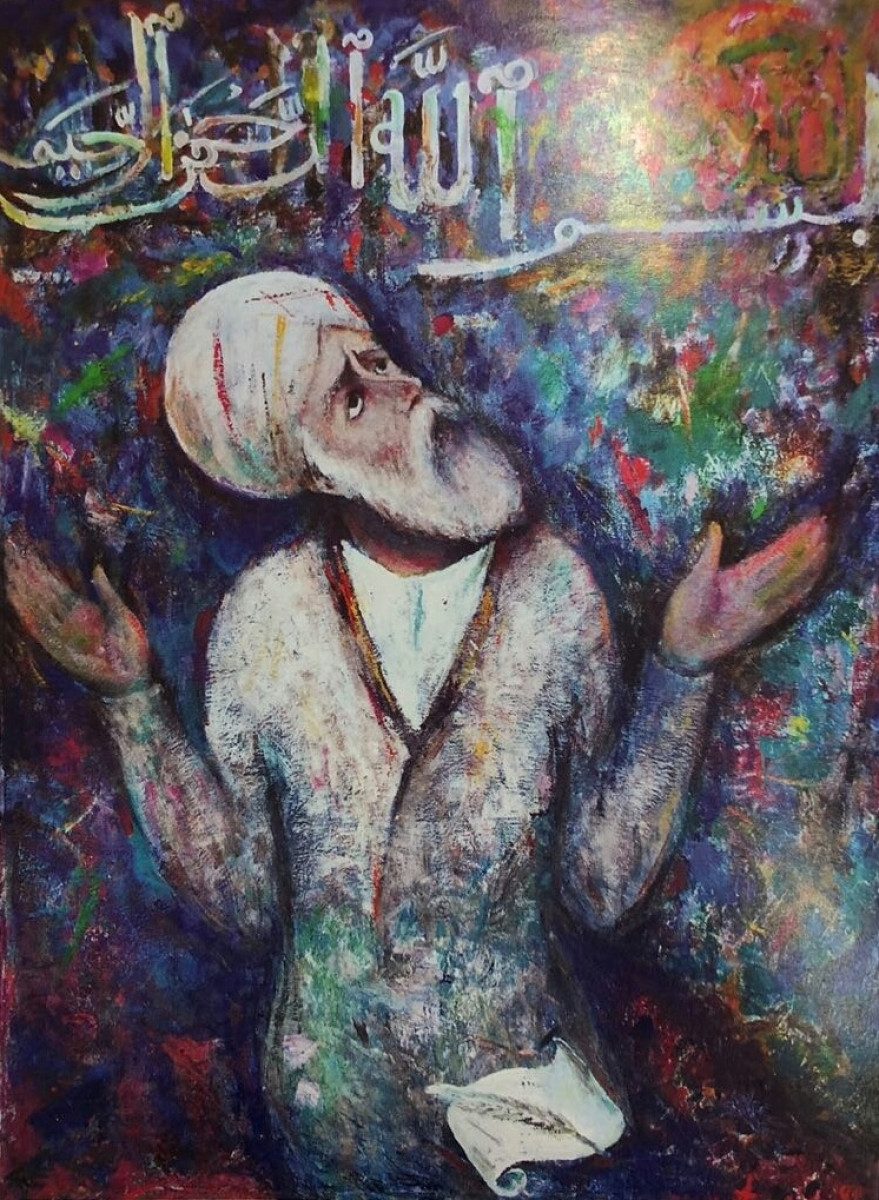
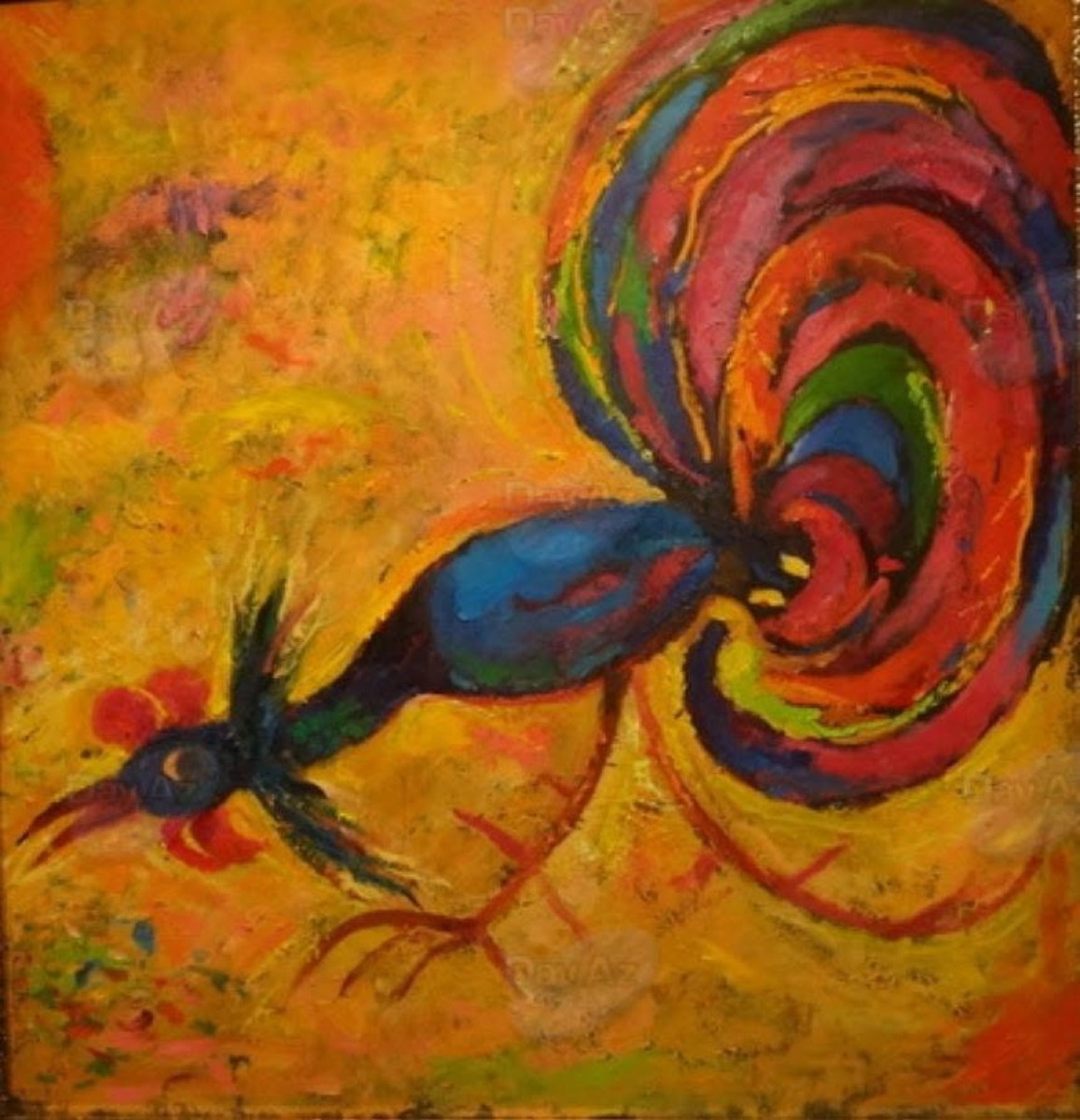
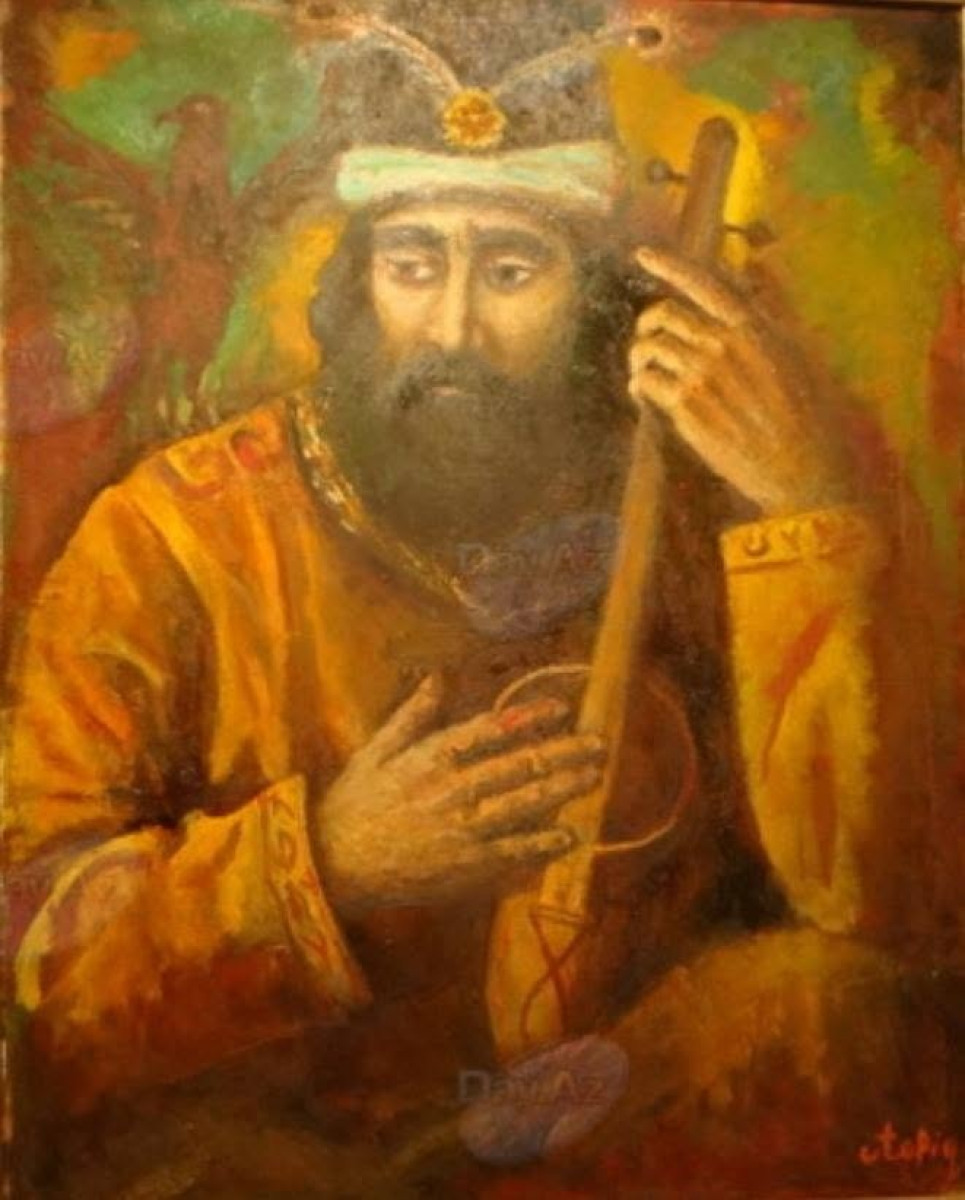
His interpretations of Muhammad Fuzuli and Dede Gorgud further demonstrate his engagement with the literary and historical traditions of Azerbaijan. Historical personalities, literary figures, Absheron landscapes and everyday subjects are not isolated themes in his work. Together, they represent different dimensions of a shared cultural environment.
In 2023, the Azerbaijan National Museum of Art presented the anniversary exhibition A Dialogue with Time, featuring approximately fifty works from different periods of the artist's career. The exhibition brought together painting, graphics, ceramics and glass works, offering an opportunity to examine the breadth of his practice and the aesthetic continuity that connected his work across different materials.
Agababayev's position in Azerbaijani art history is defined not simply by his versatility, but by his ability to establish meaningful relationships between material, form, colour and architectural space. His interpretation of Baku and Absheron's visual identity, his contribution to monumental and decorative art, and his educational work constitute an important part of the history of twentieth-century Azerbaijani art.
Tofig Agababayev died in Baku on 20 December 2024. His artistic legacy continues to hold an important place in Azerbaijan's cultural heritage, bringing together different artistic disciplines and expressing the country's urban and national cultural memory through an individual visual language.
Art Space Gallery MEDIA