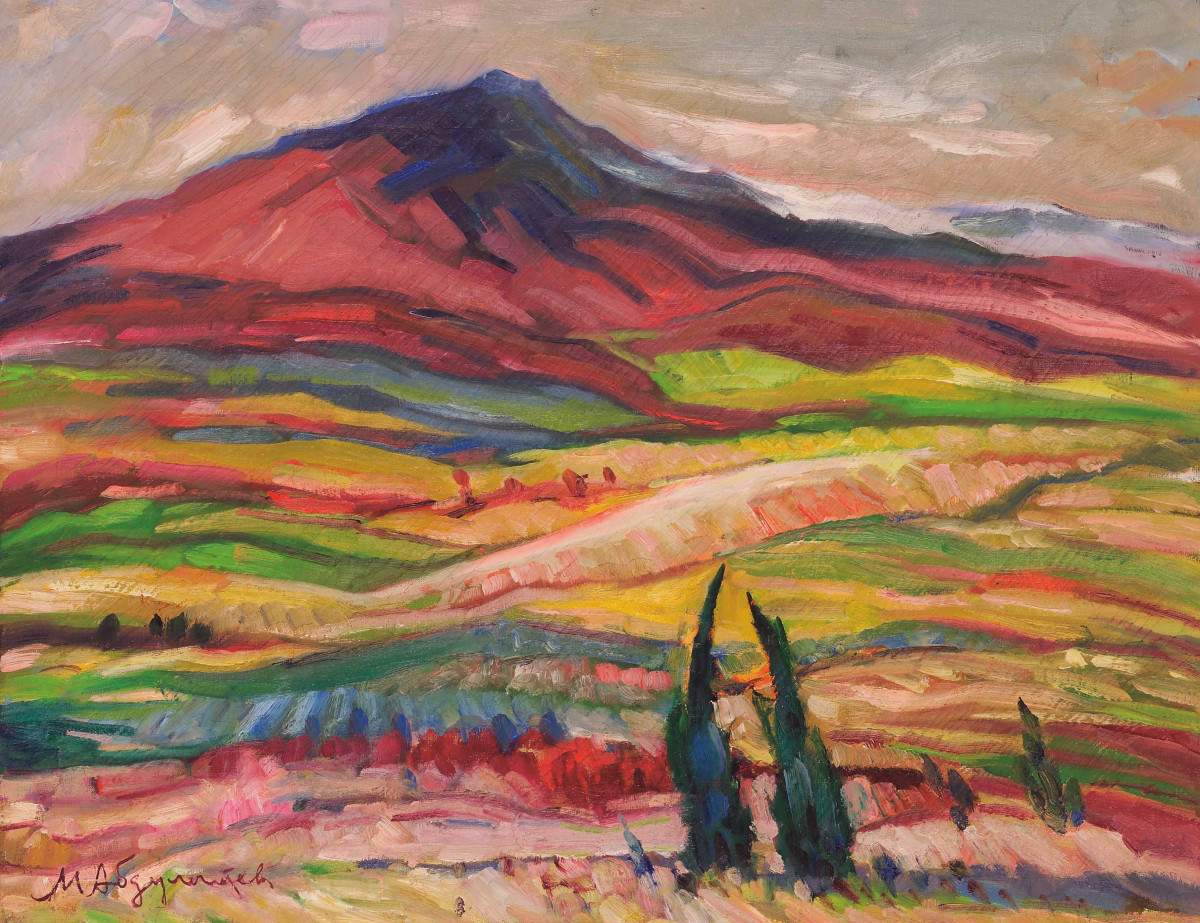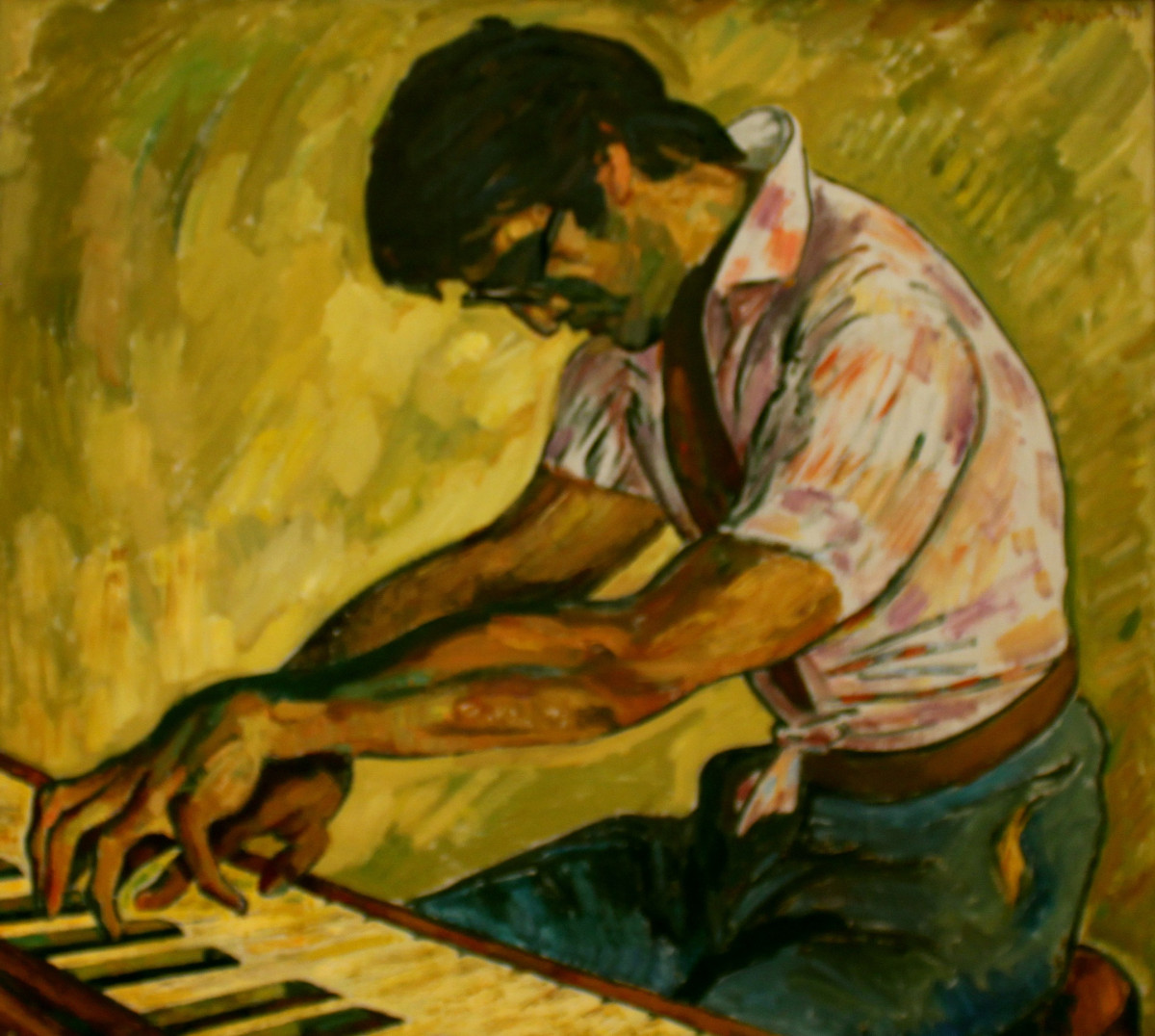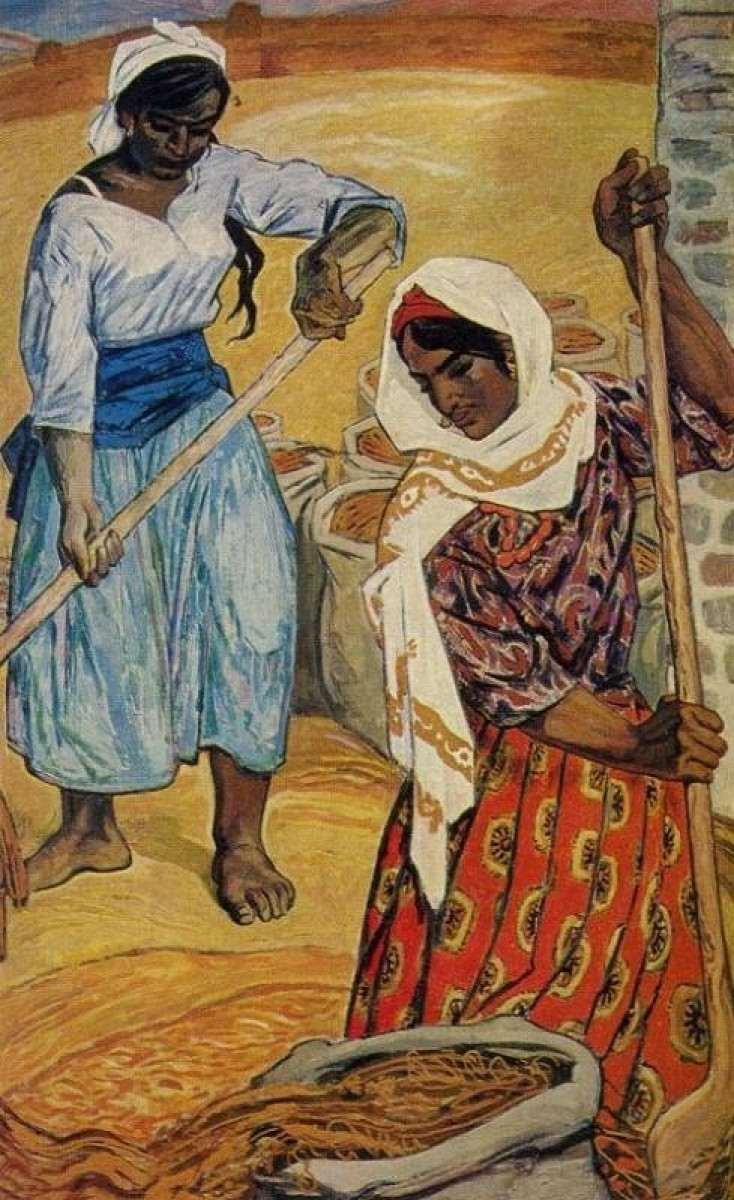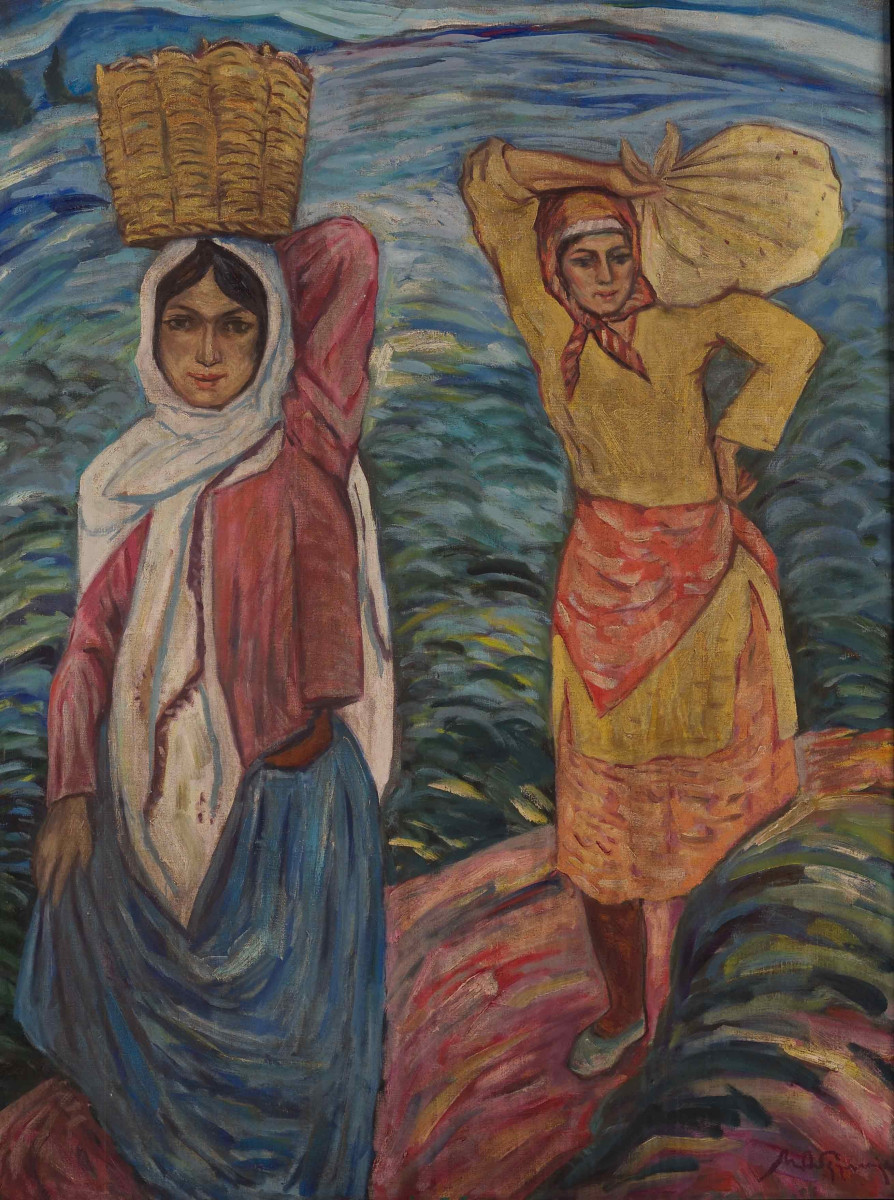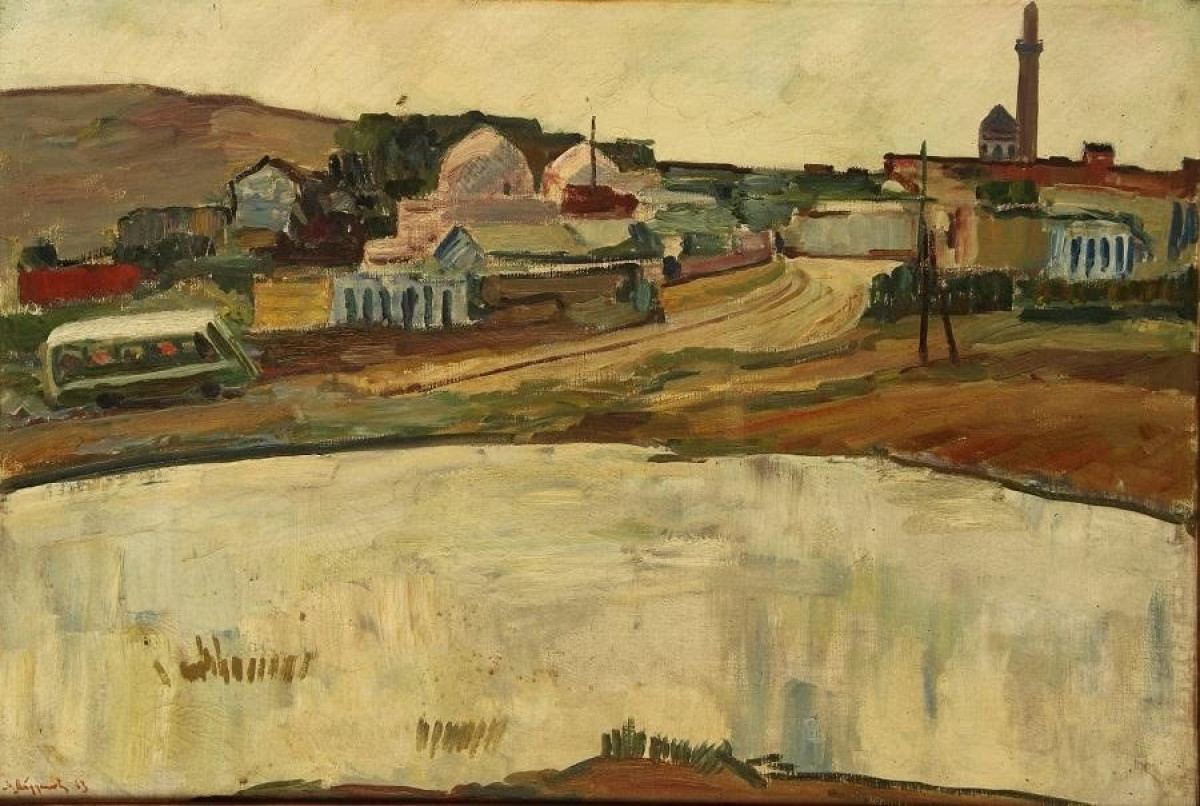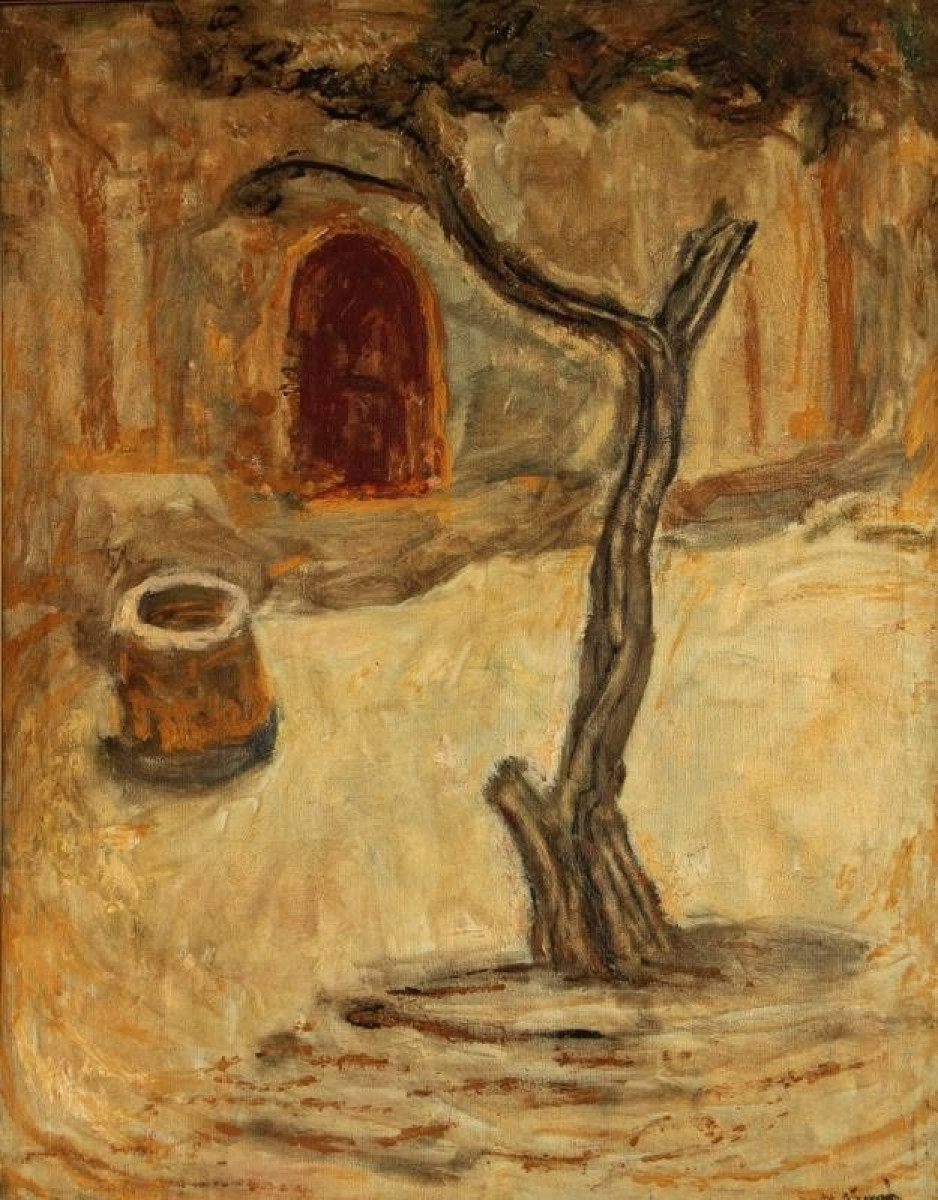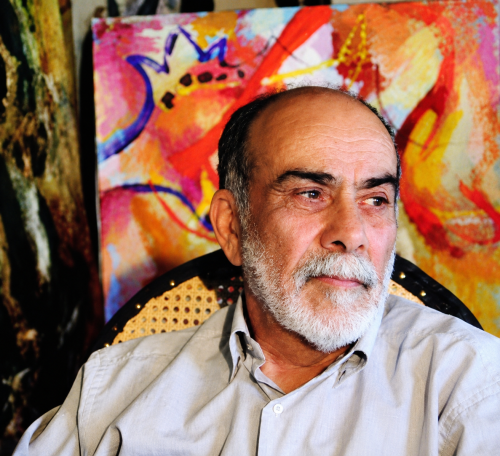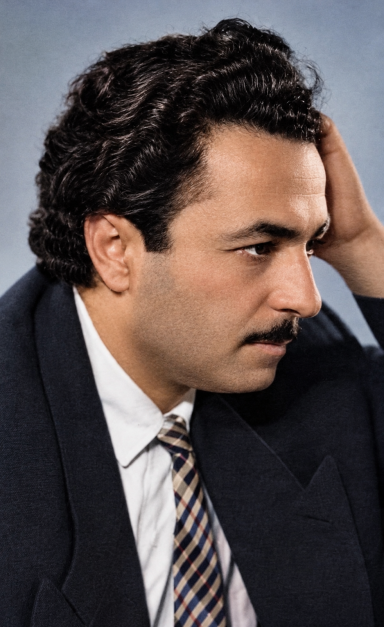
Mikayil Huseyn oglu Abdullayev was born in Baku on 19 December 1921. A distinguished Azerbaijani painter, graphic artist and master of monumental art, he created a substantial body of work across several fields of visual culture. From 1935 to 1939, he studied at the Azerbaijan Art College in the class of Sattar Bahlulzade. In 1939, he entered the V. I. Surikov Moscow State Art Institute. His studies were interrupted in 1941 by the war; he resumed them in 1944 and graduated in 1949. At the institute, he studied under Sergey Gerasimov, Vladimir Favorsky and Ivan Chekmazov. From 1941 to 1943, he taught at the A. Azimzade Azerbaijan Art School, and from 1965 he taught at the Azerbaijan State Institute of Arts. He was awarded the title of Professor in 1973. In 1955, he received the honorary title of Honoured Art Worker of the Azerbaijan SSR, followed by that of People’s Artist of the USSR in 1963. He was elected a corresponding member of the USSR Academy of Arts in 1958 and a full member in 1988. His achievements were recognised with the Jawaharlal Nehru International Award and the State Prize of the Azerbaijan SSR.
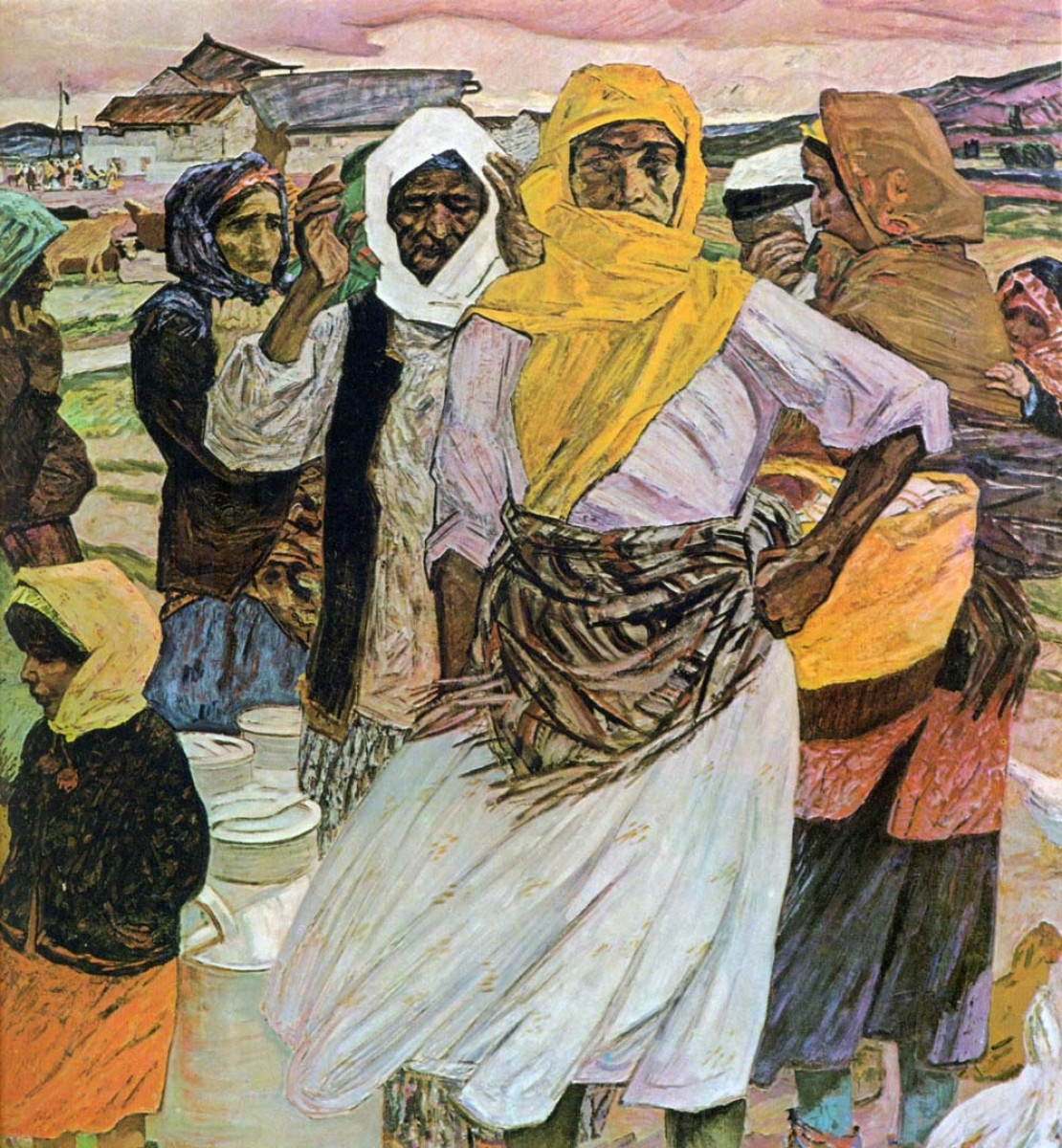
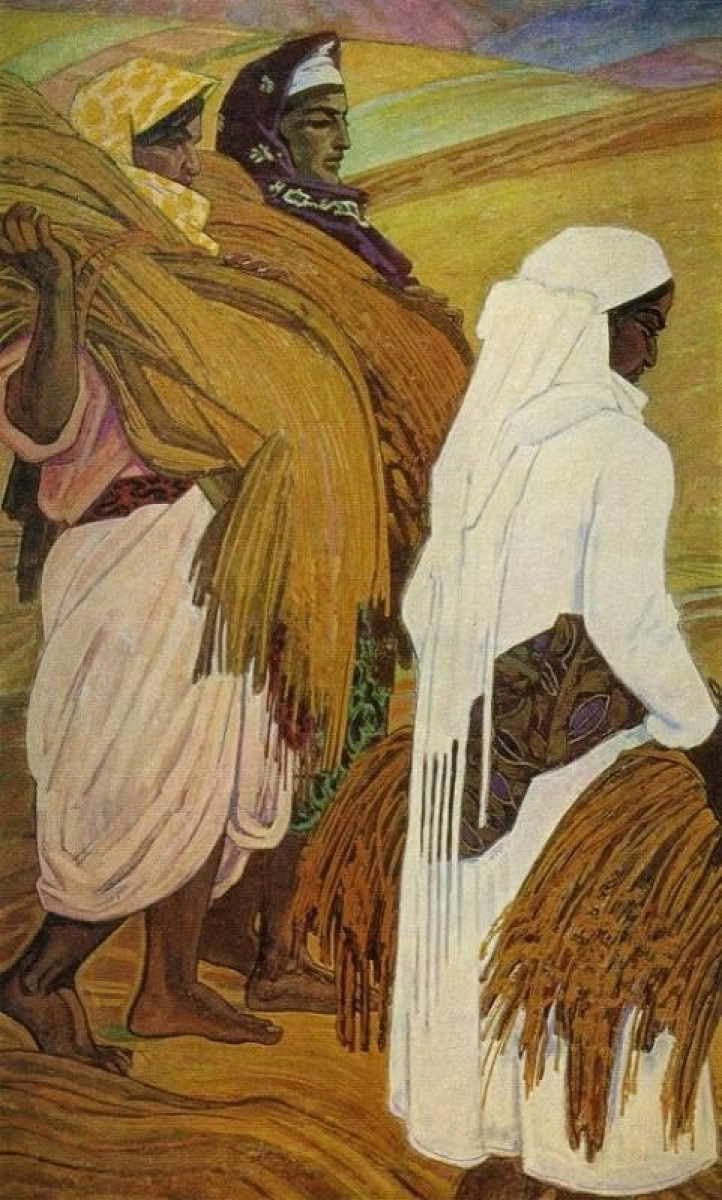
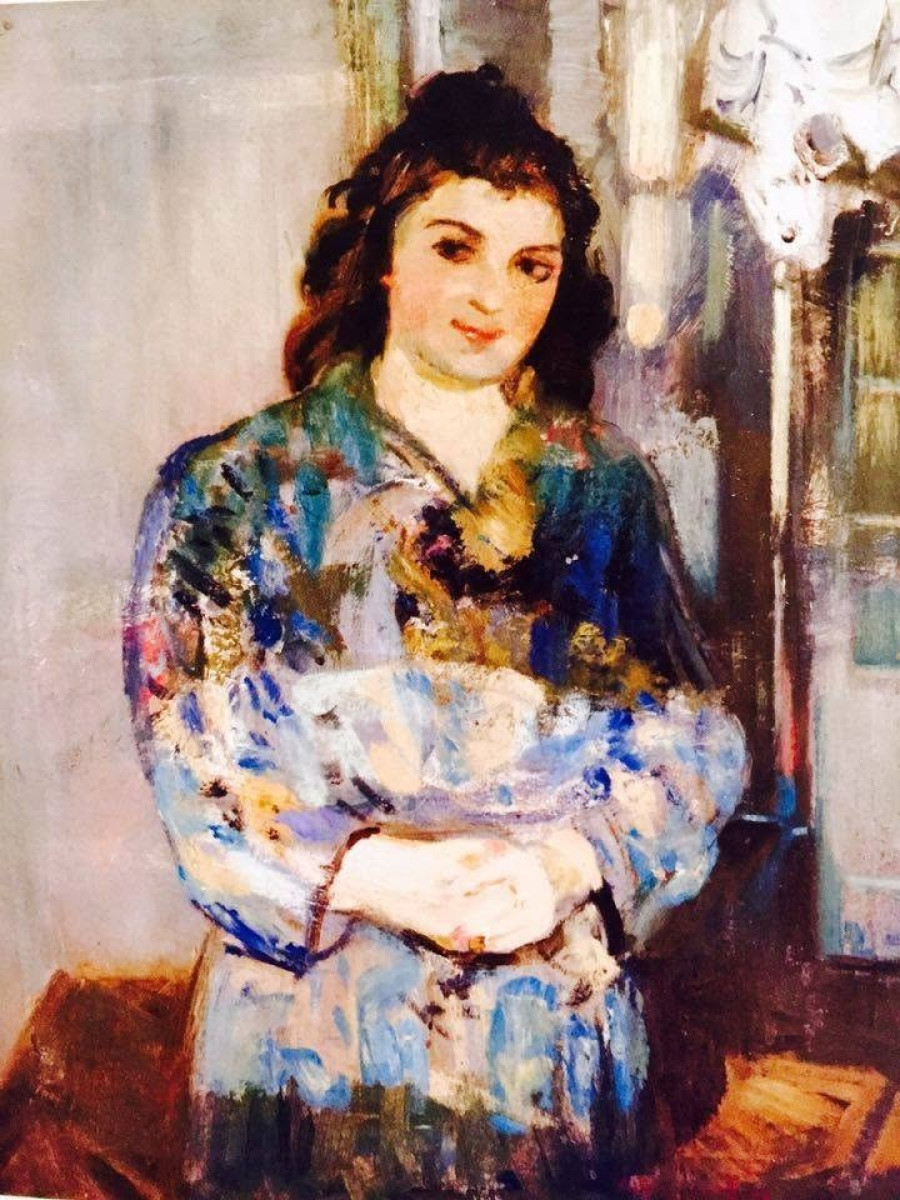
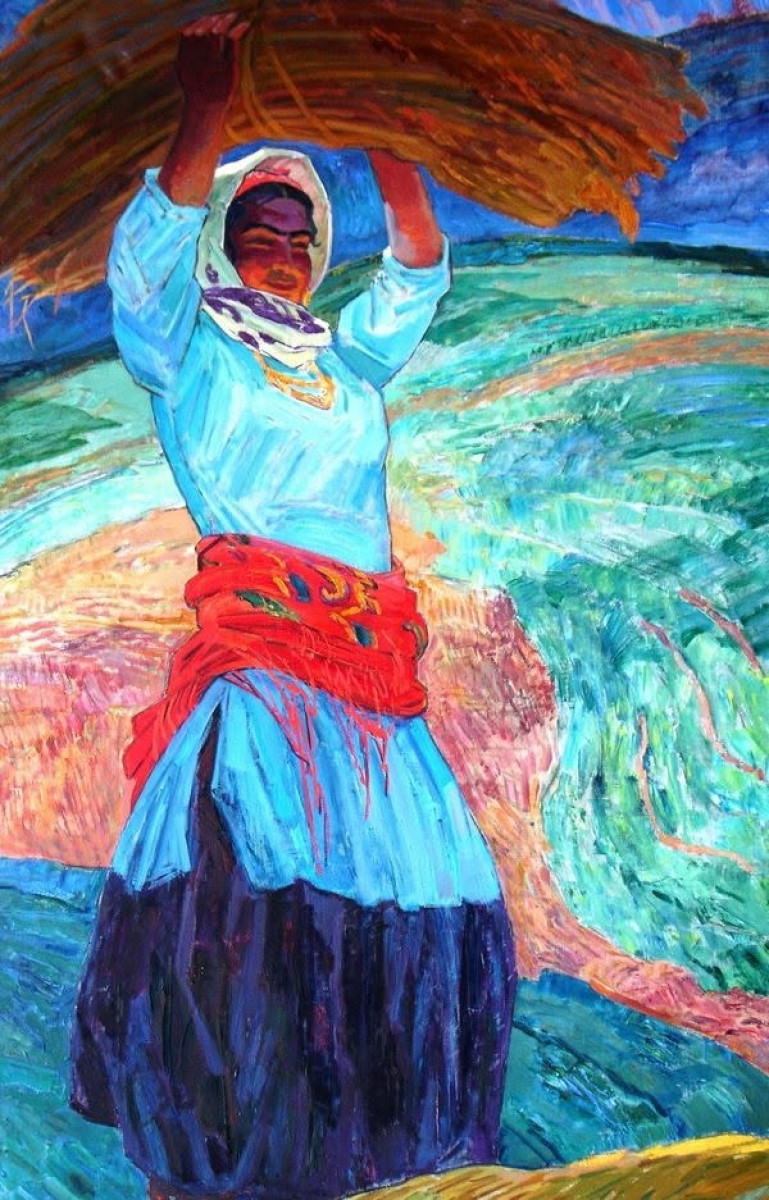
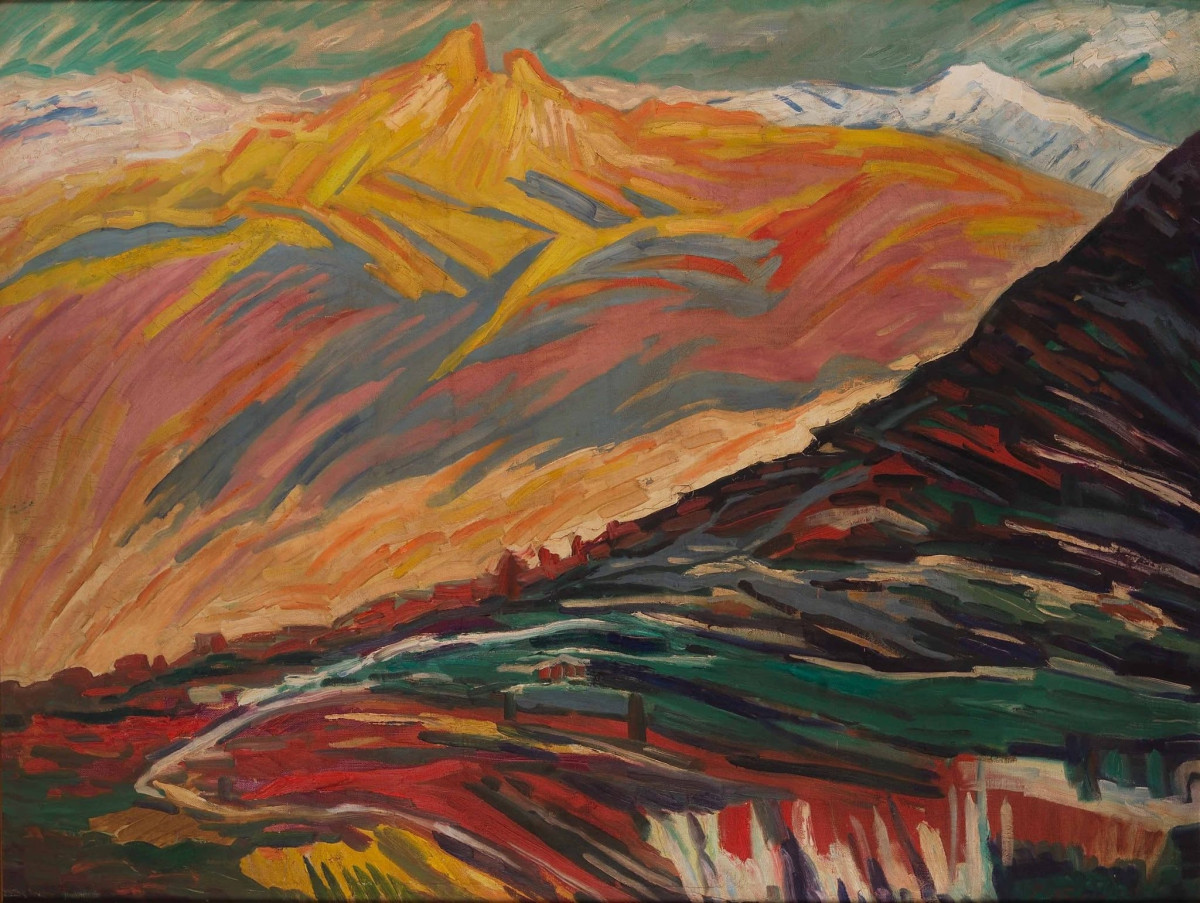
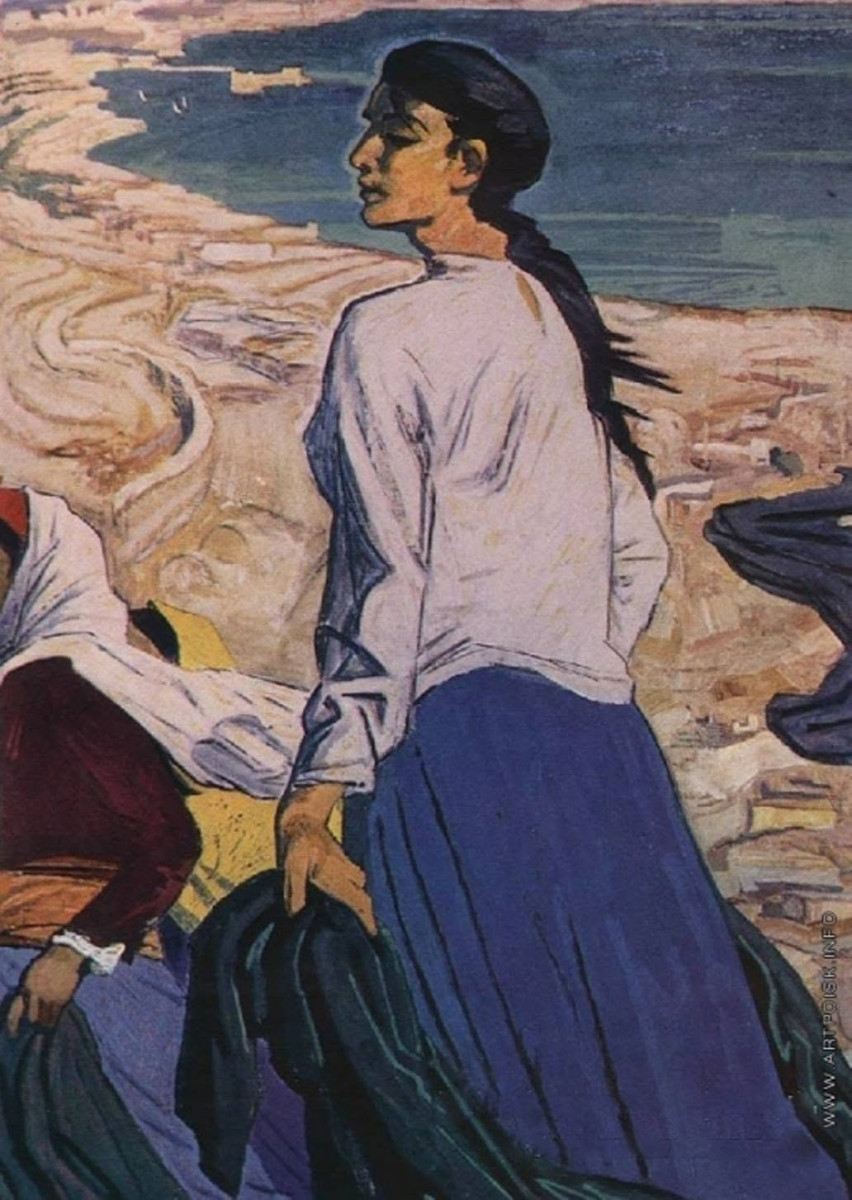
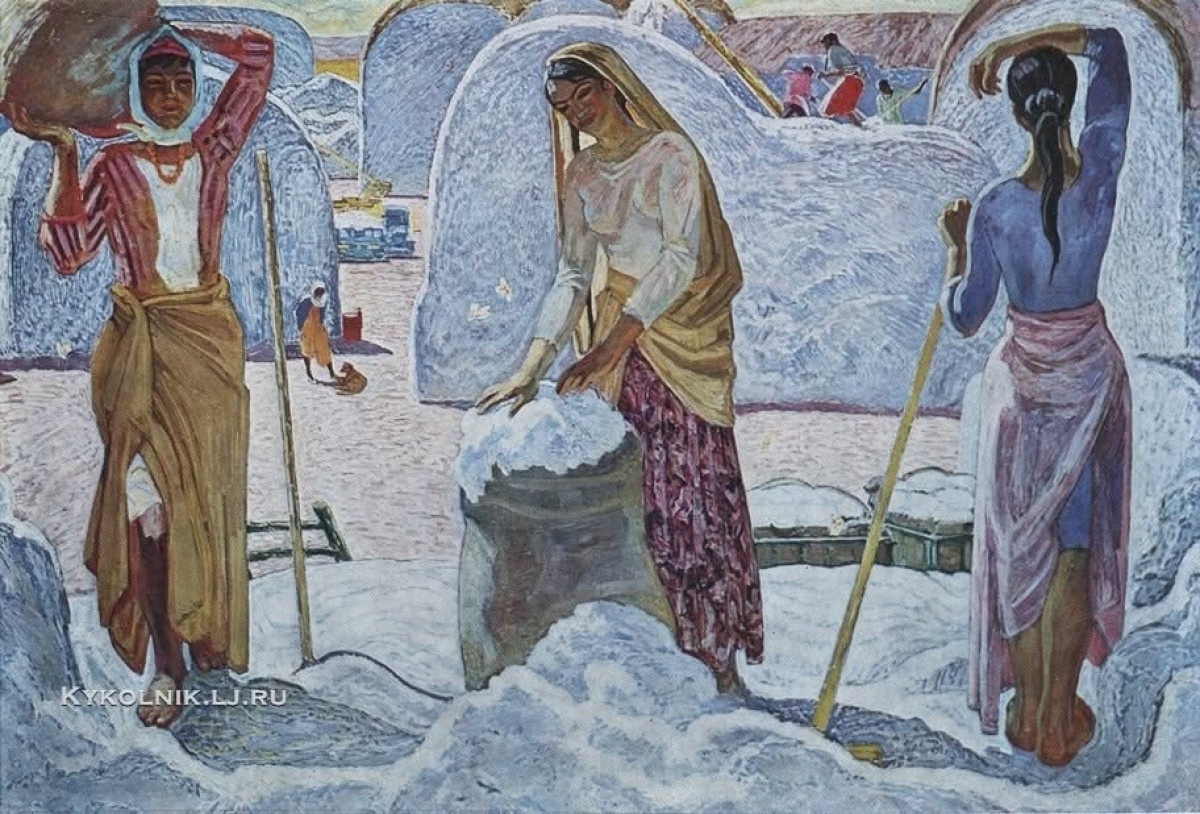
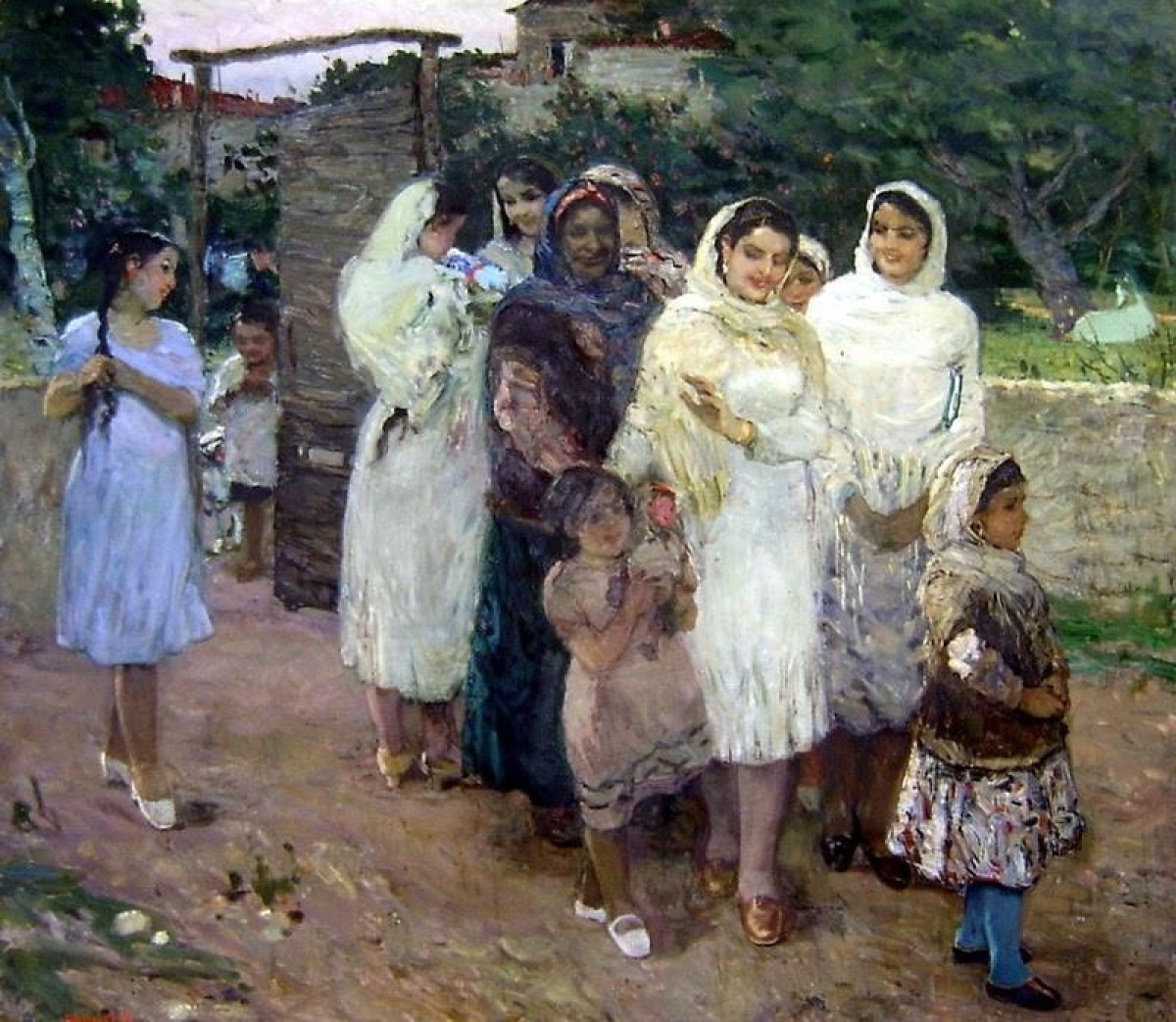
A defining feature of Abdullayev’s artistic vision was his treatment of the human figure and its environment as inseparable elements of a unified composition. His subjects are not merely individuals situated within a particular place or social setting; they embody the experience of their time, their relationships and their inner lives. Ordinary moments acquire emotional and psychological significance through the artist’s attentive observation. Labour, domestic life, human relationships and the natural environment are brought together through a distinctive balance of lyrical sensitivity and compositional strength. This approach moves his work beyond straightforward depiction and transforms observed reality into an artistic reflection on human experience. The relationships between figures, the harmony of colour and the organisation of pictorial space all contribute to the expressive structure of his compositions.
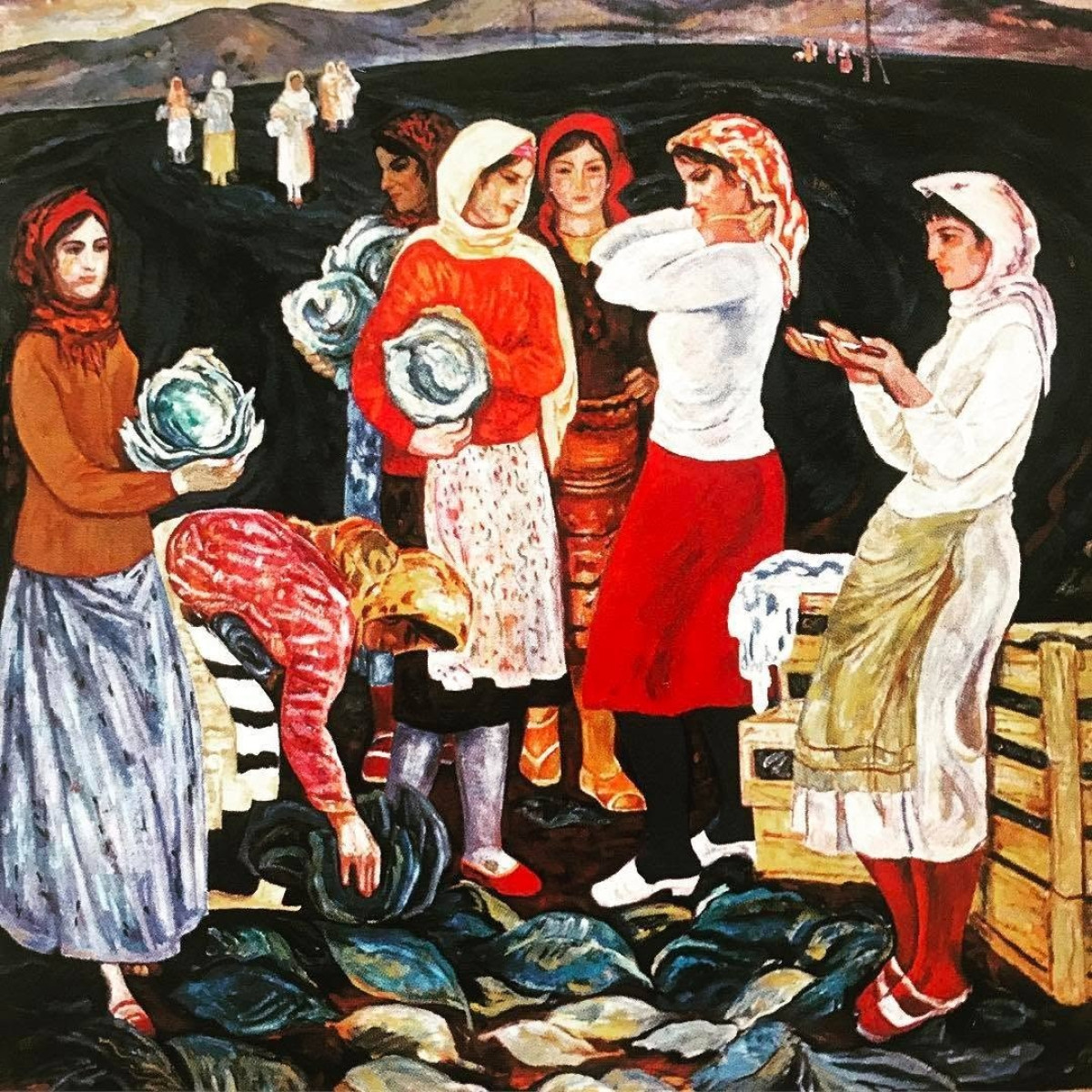
Mingachevir became a significant subject in Abdullayev’s work. Paintings such as The Lights of Mingachevir (1948) and Builders of Happiness (1951) explore the construction of a new city, human labour and the transformation of everyday life. In Builders of Happiness, the construction site is more than a setting for the depiction of work: it becomes an image of a new social environment and of hopes directed towards the future. The relationships between the figures, their activities and the surrounding space give the composition its human dimension. Abdullayev does not approach the social theme as a mere record of events; he interprets it through individual experience and emotional response. His Mingachevir works are therefore significant for the way they convey the changing realities of the period through the lives of ordinary people.
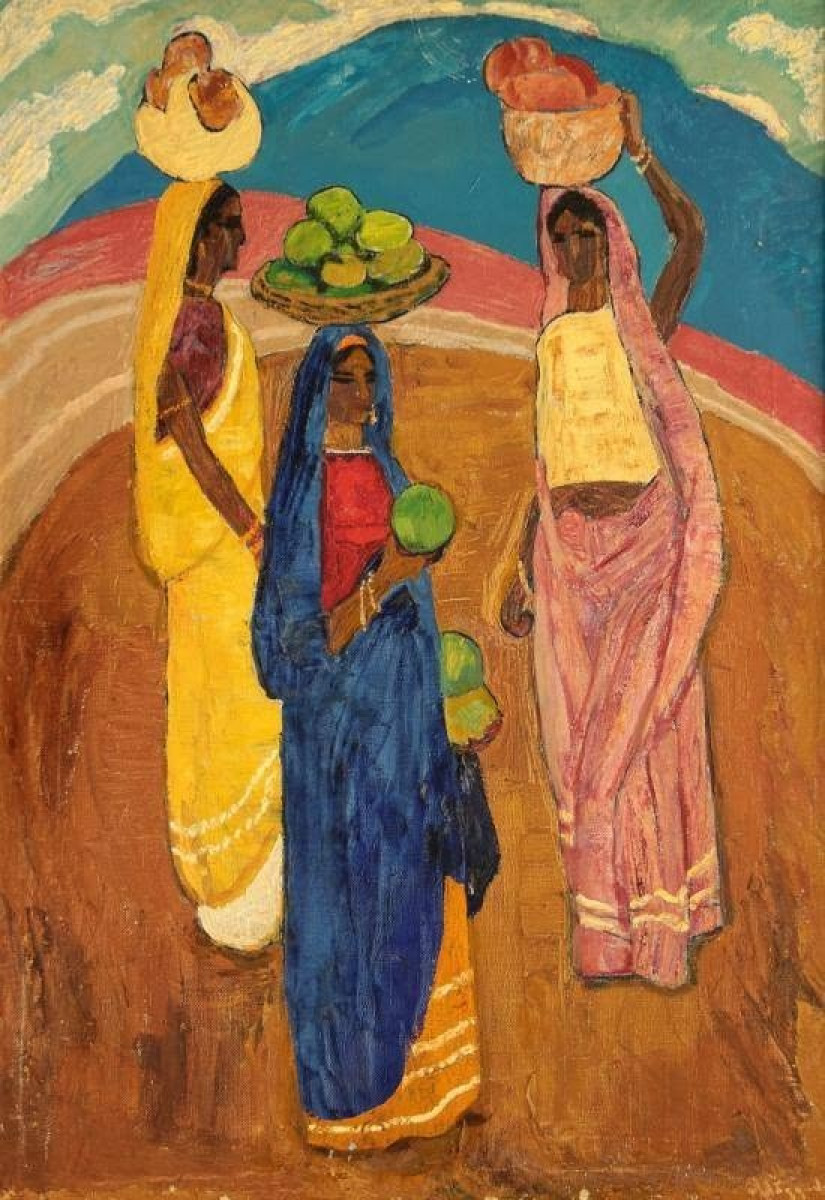
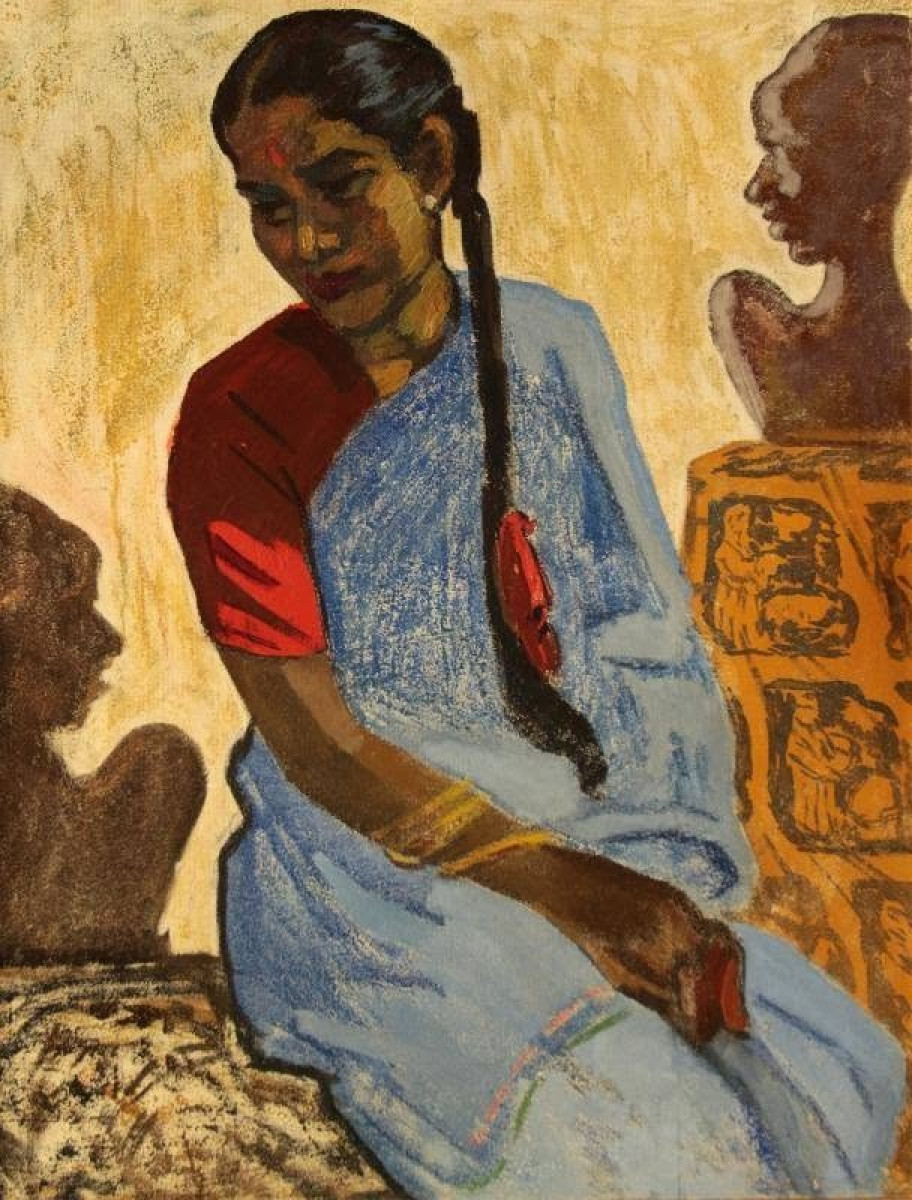
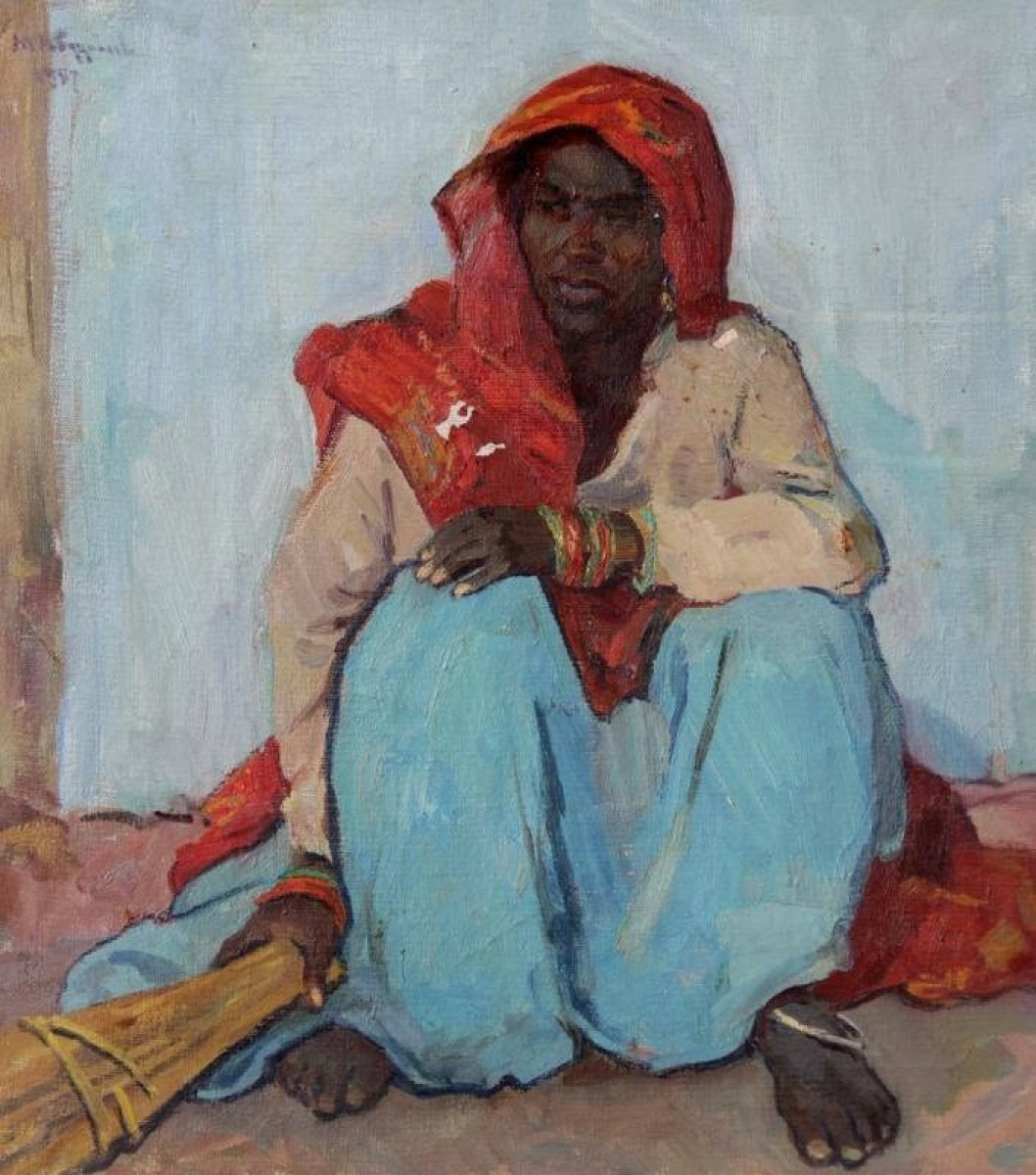
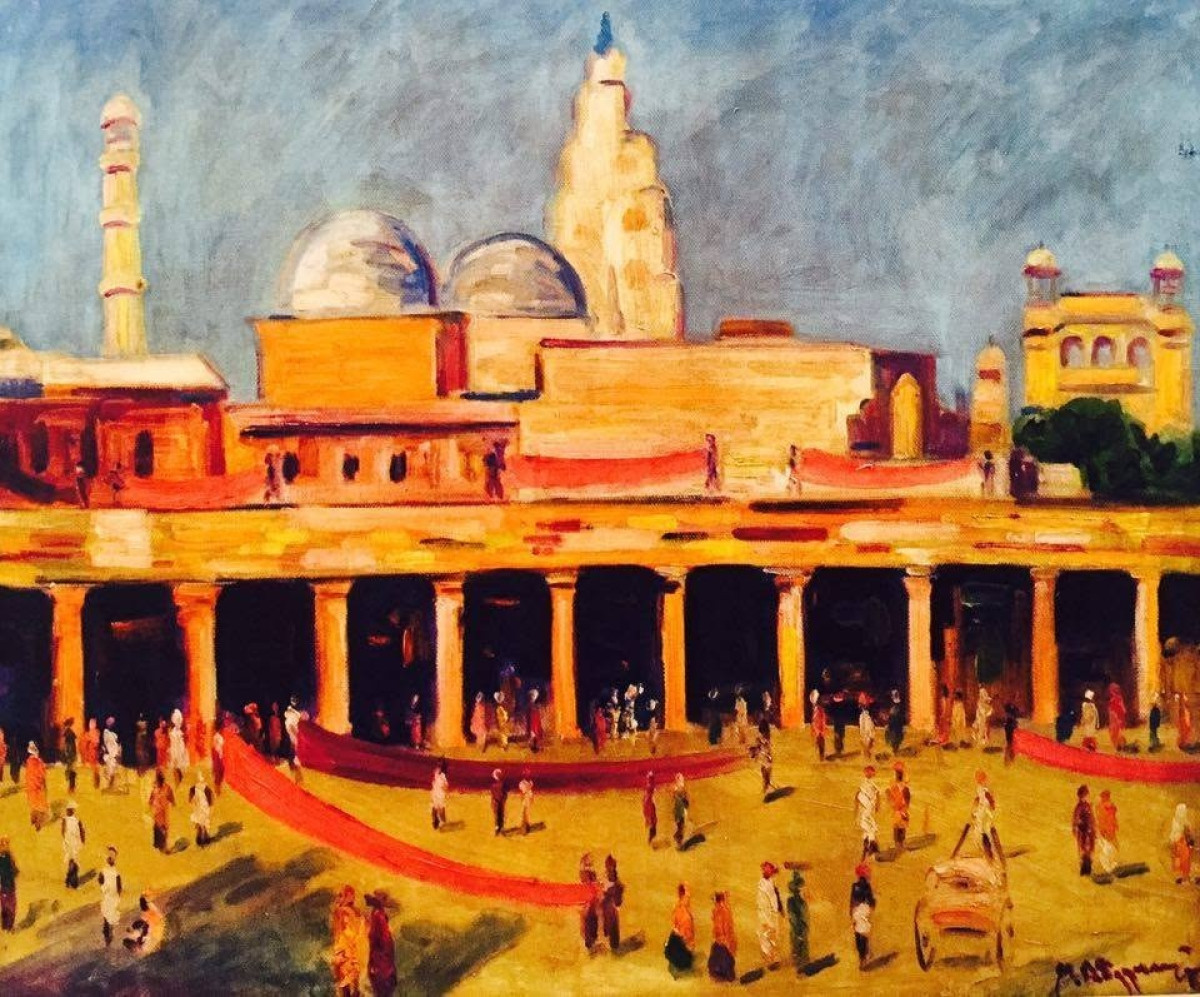
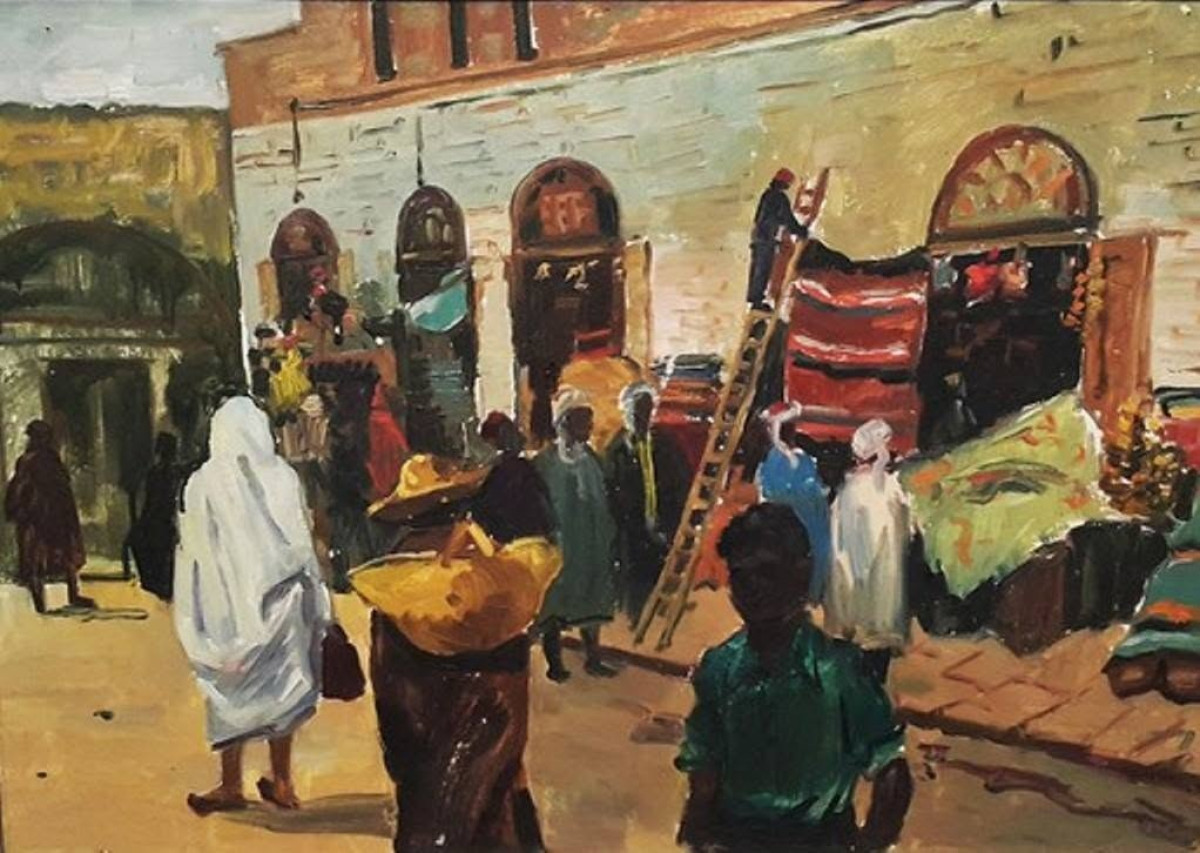
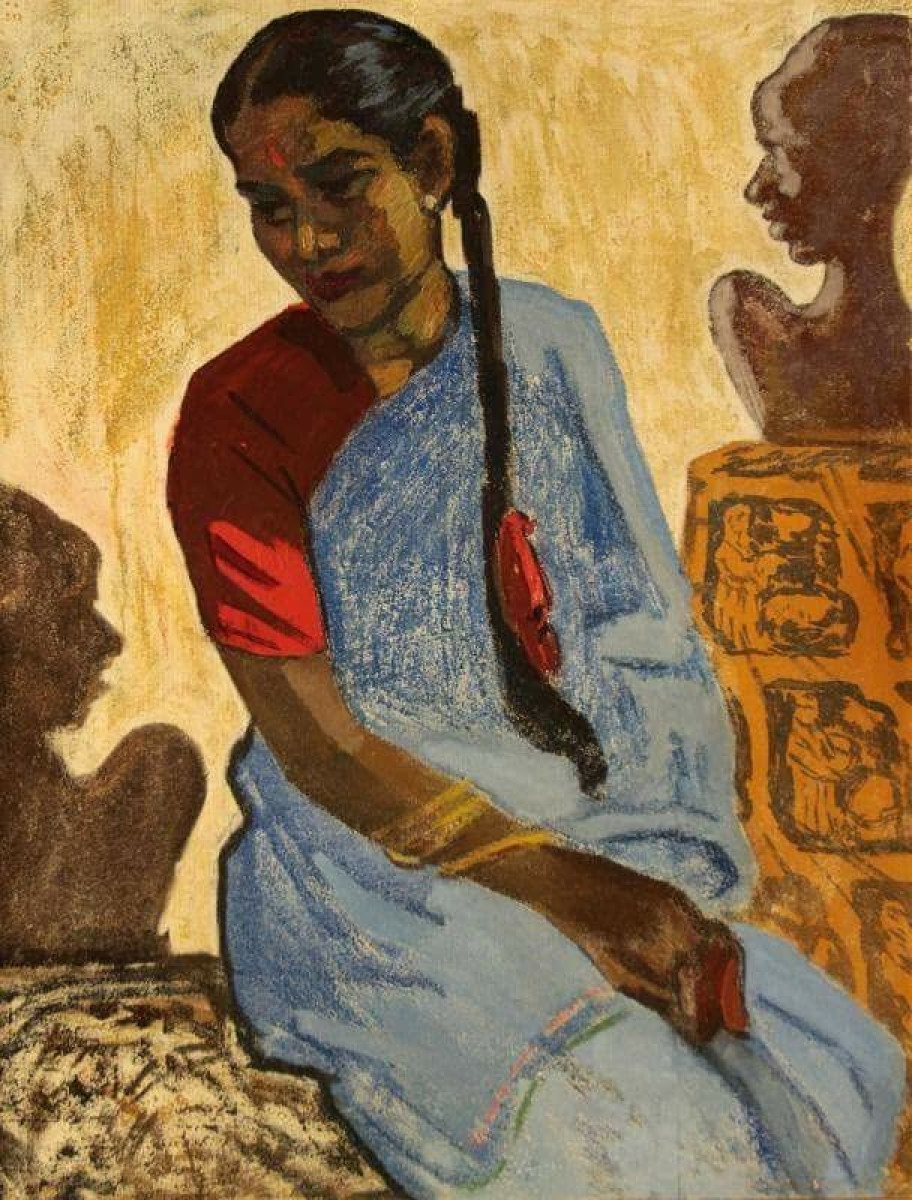
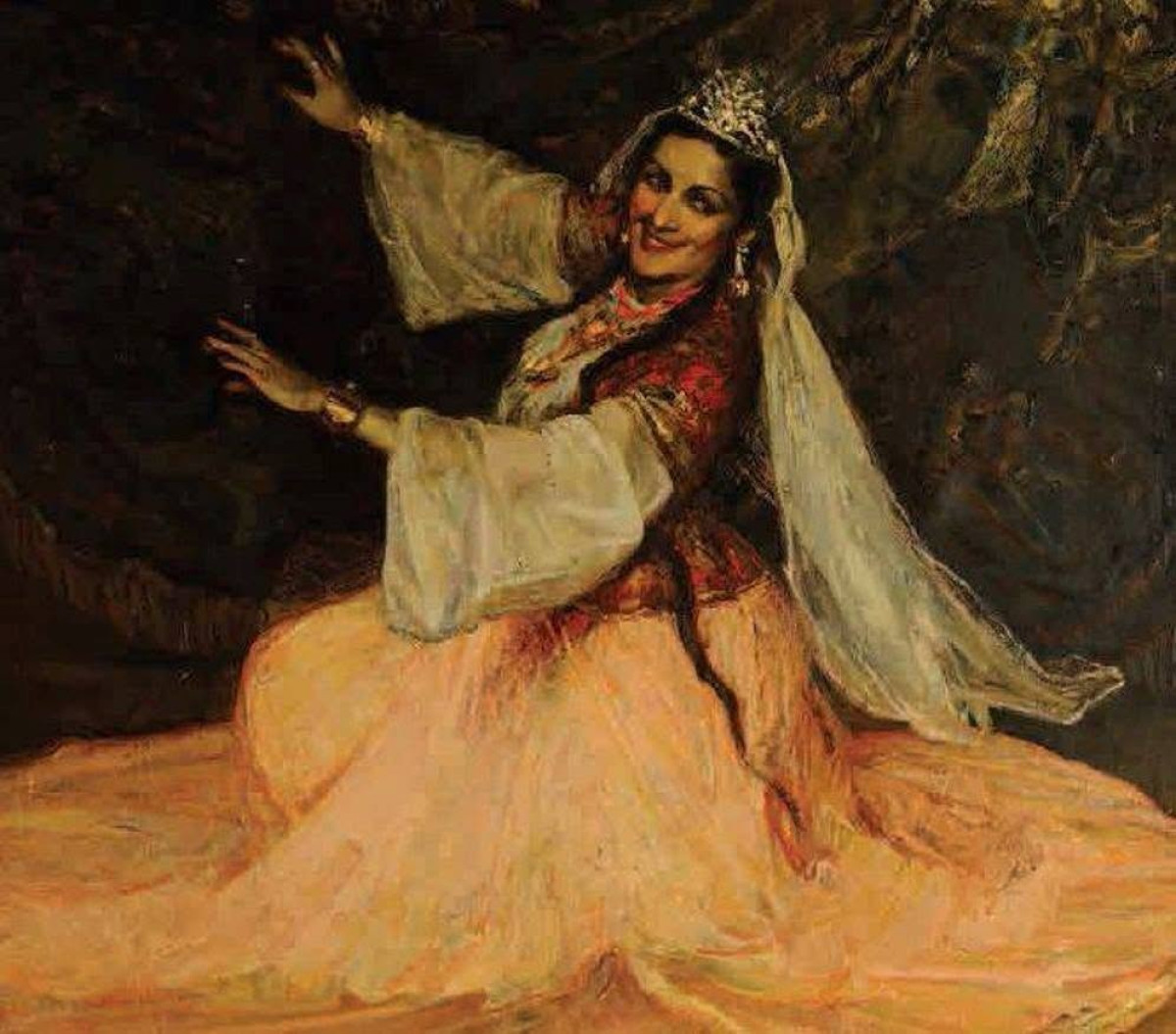
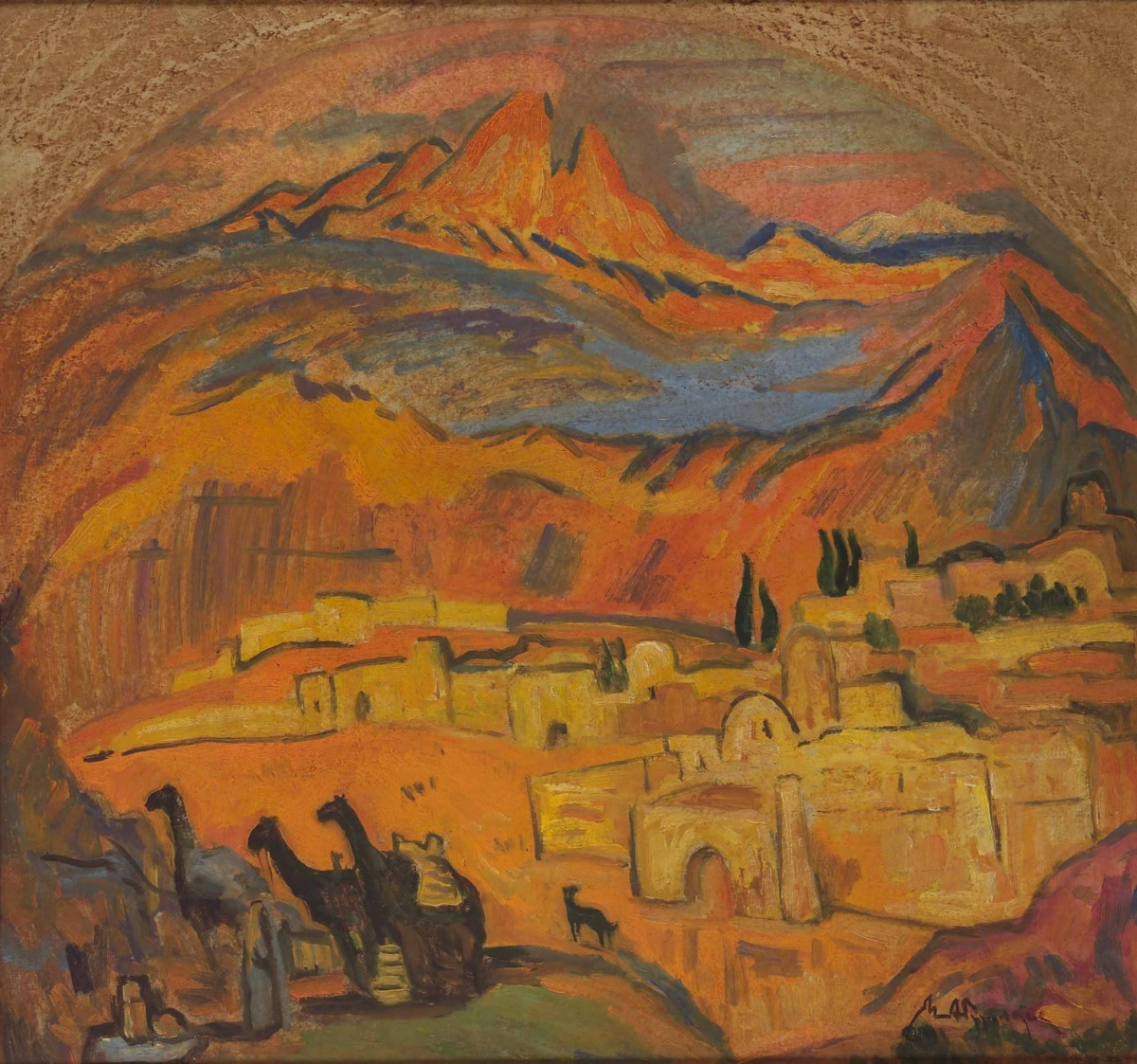
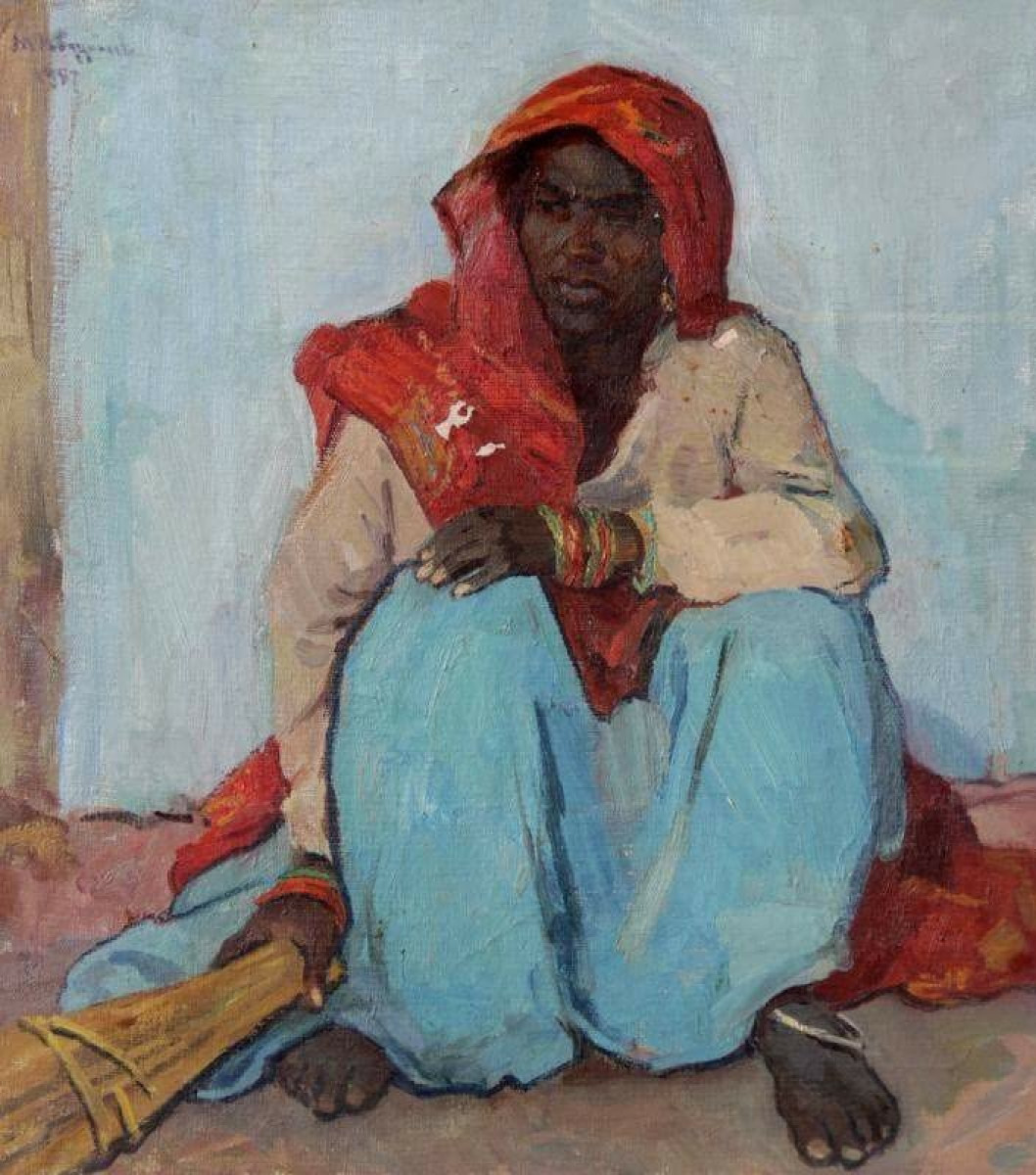
India became one of the most important subjects in the expansion of the artist’s creative horizons. His journey to India in 1957 gave rise to the India series, introducing new subjects, colour relationships and cultural observations into his work. Paintings such as Bengali Girls, Little Chandra, Women of Jaipur and Women of Rajasthan present people, clothing, everyday life and social environments through the artist’s personal observations. Abdullayev was not simply documenting the outward appearance of another country. He sought to understand its people, their way of life and their inner world through the language of painting. The expressive possibilities of colour, the individuality of the figures and the compositional character of these works established the India theme as a distinctive strand of his artistic practice. In 1970, this series was recognised by the Government of India with the Jawaharlal Nehru International Award and a gold medal.
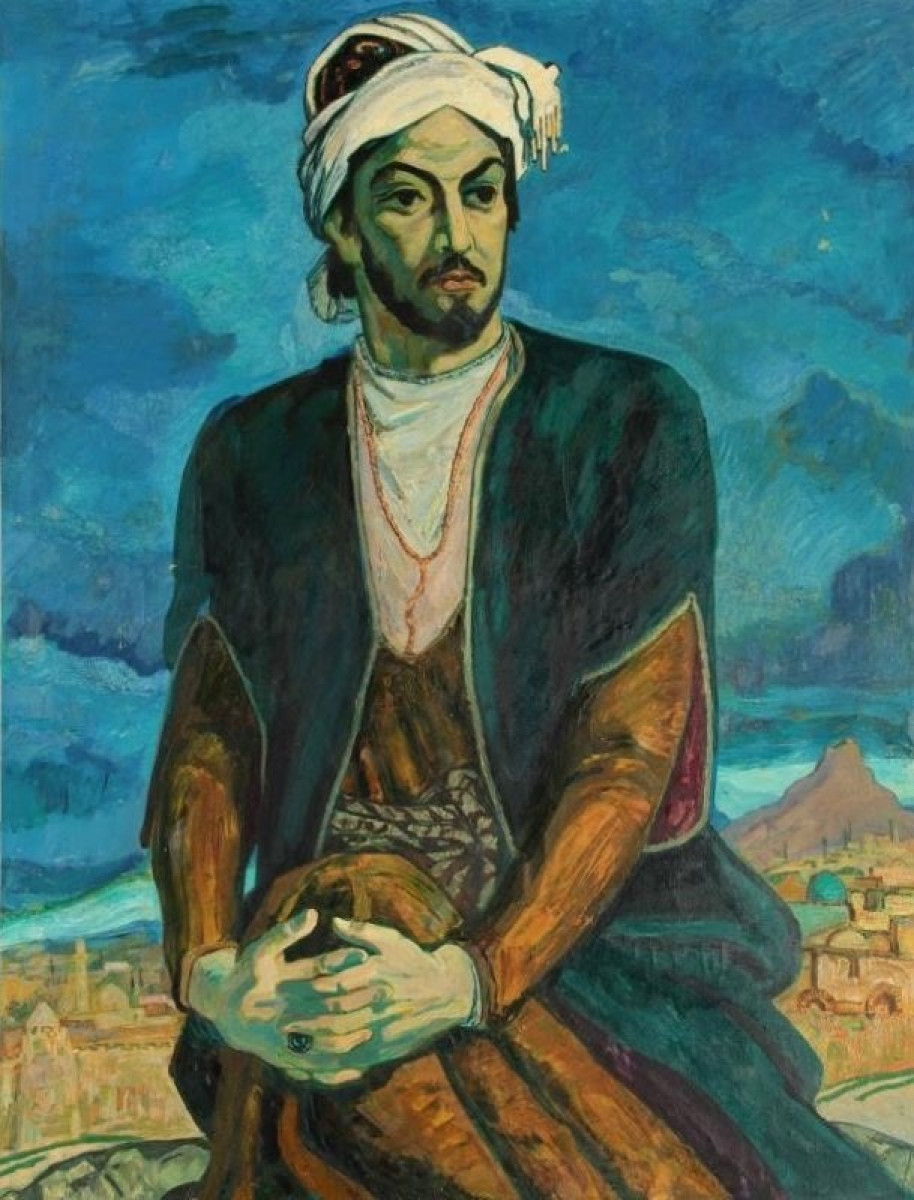
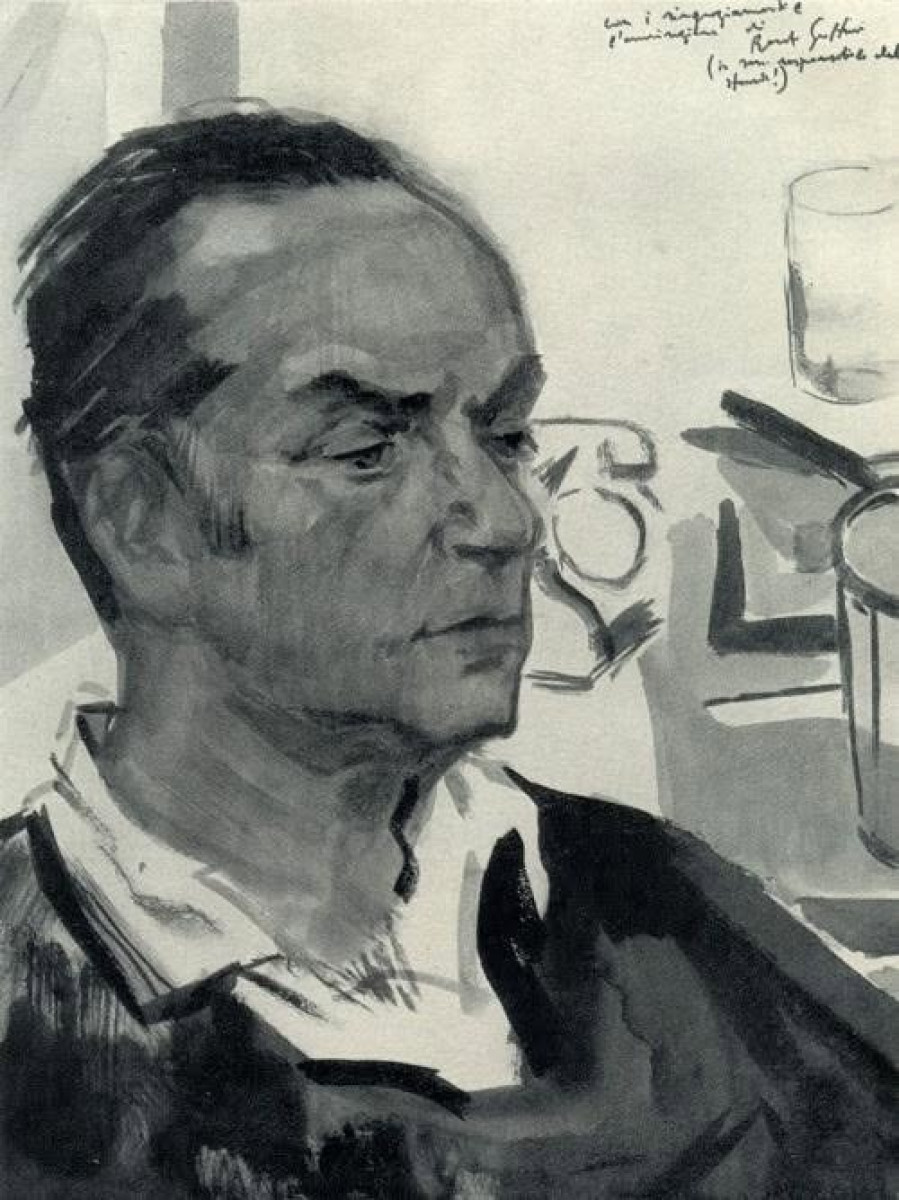
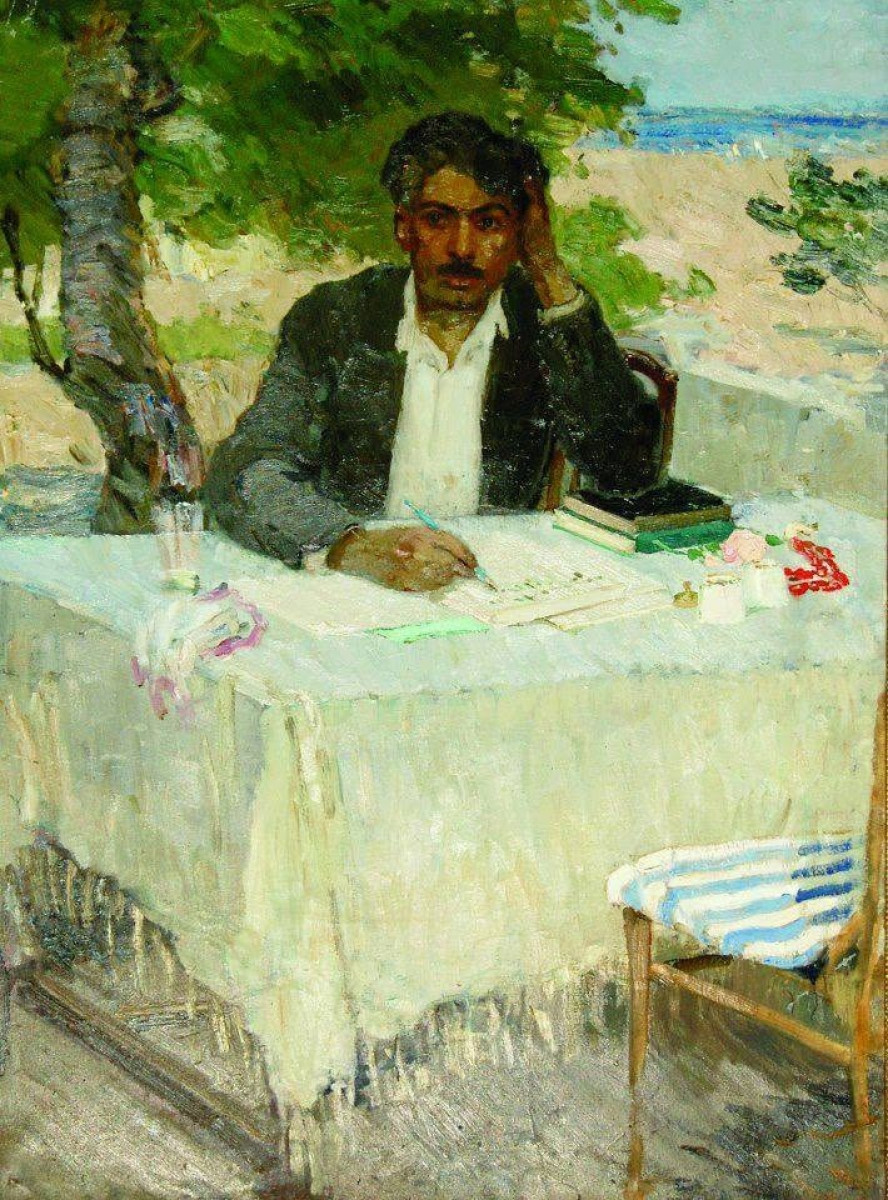
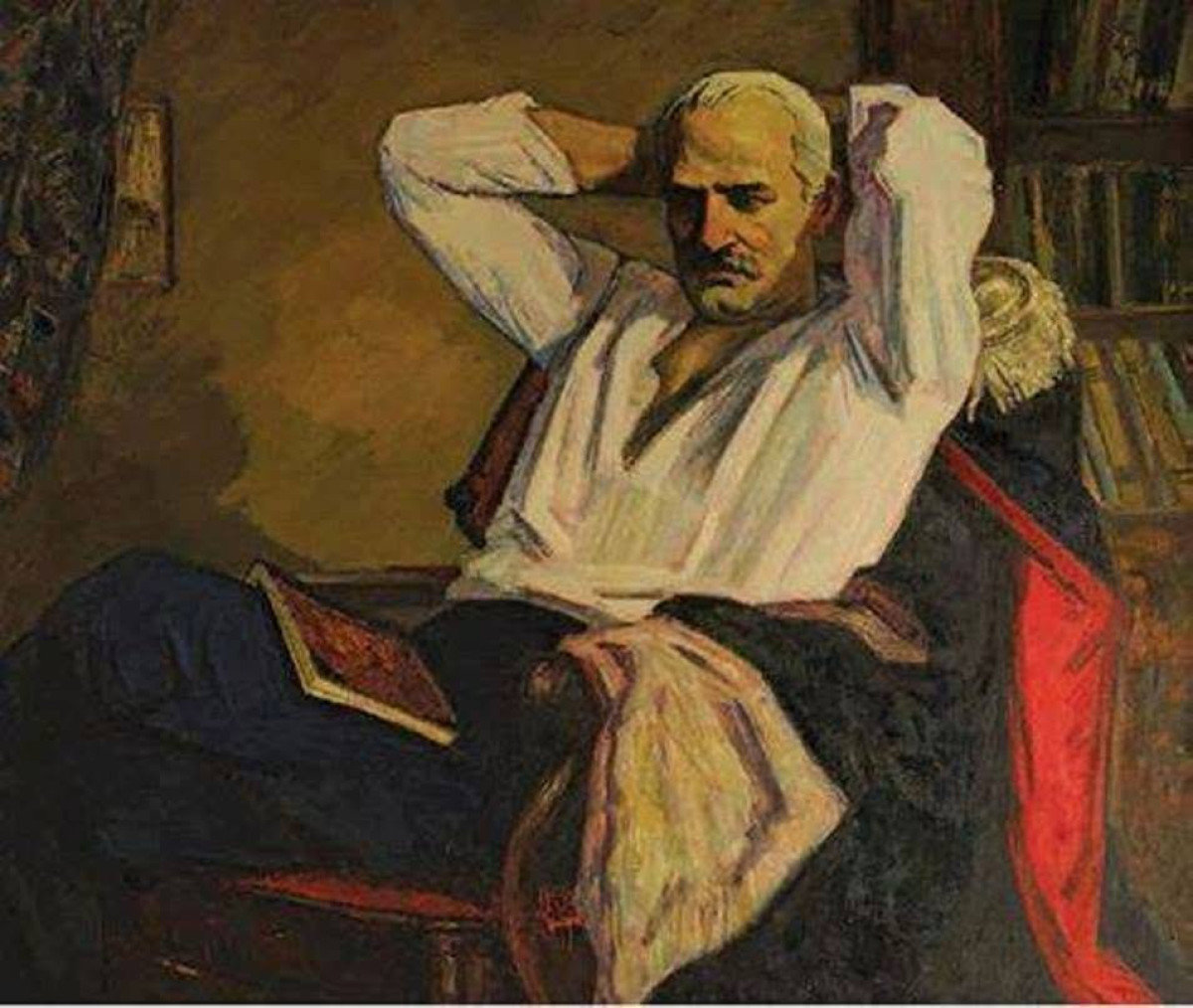
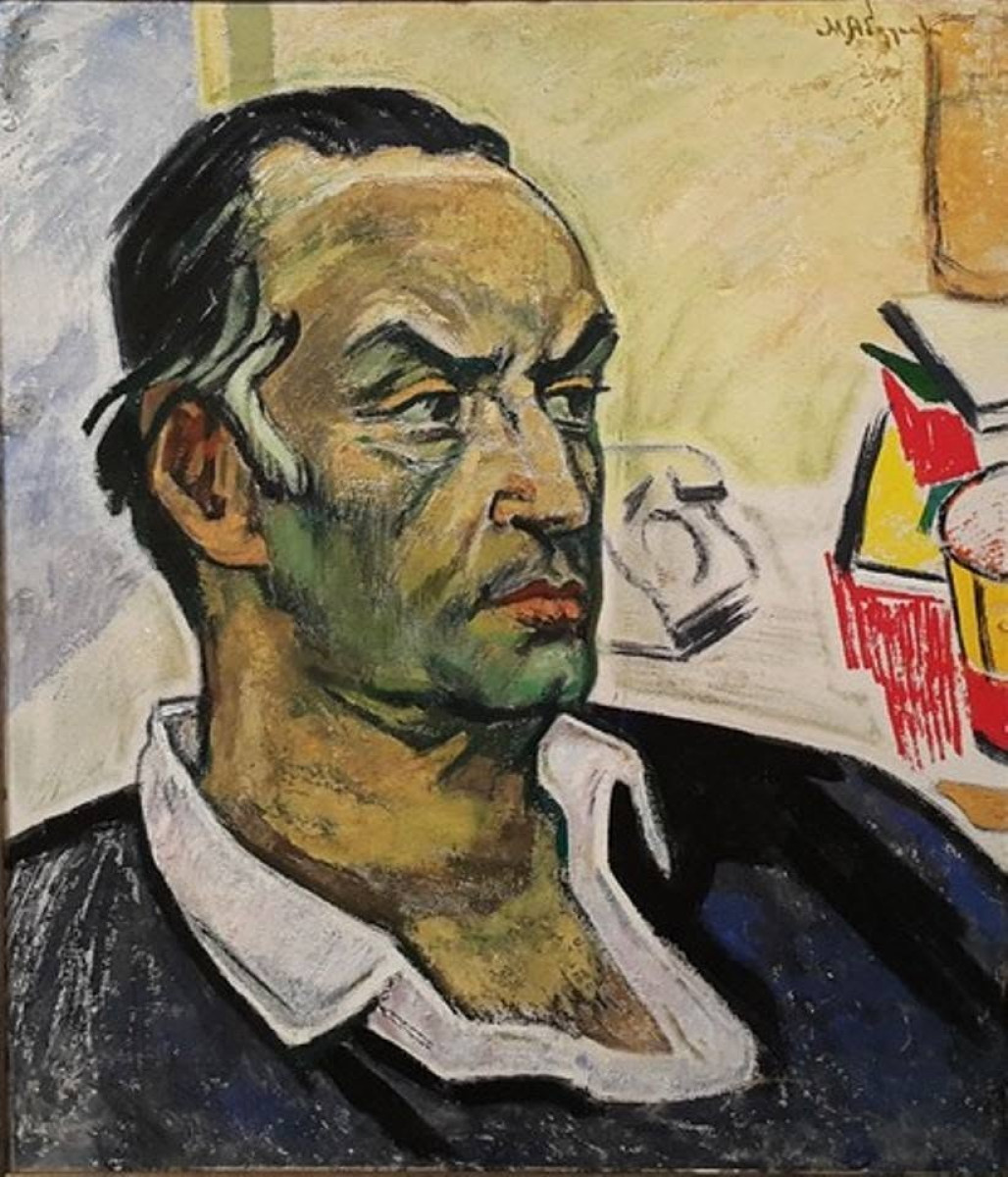
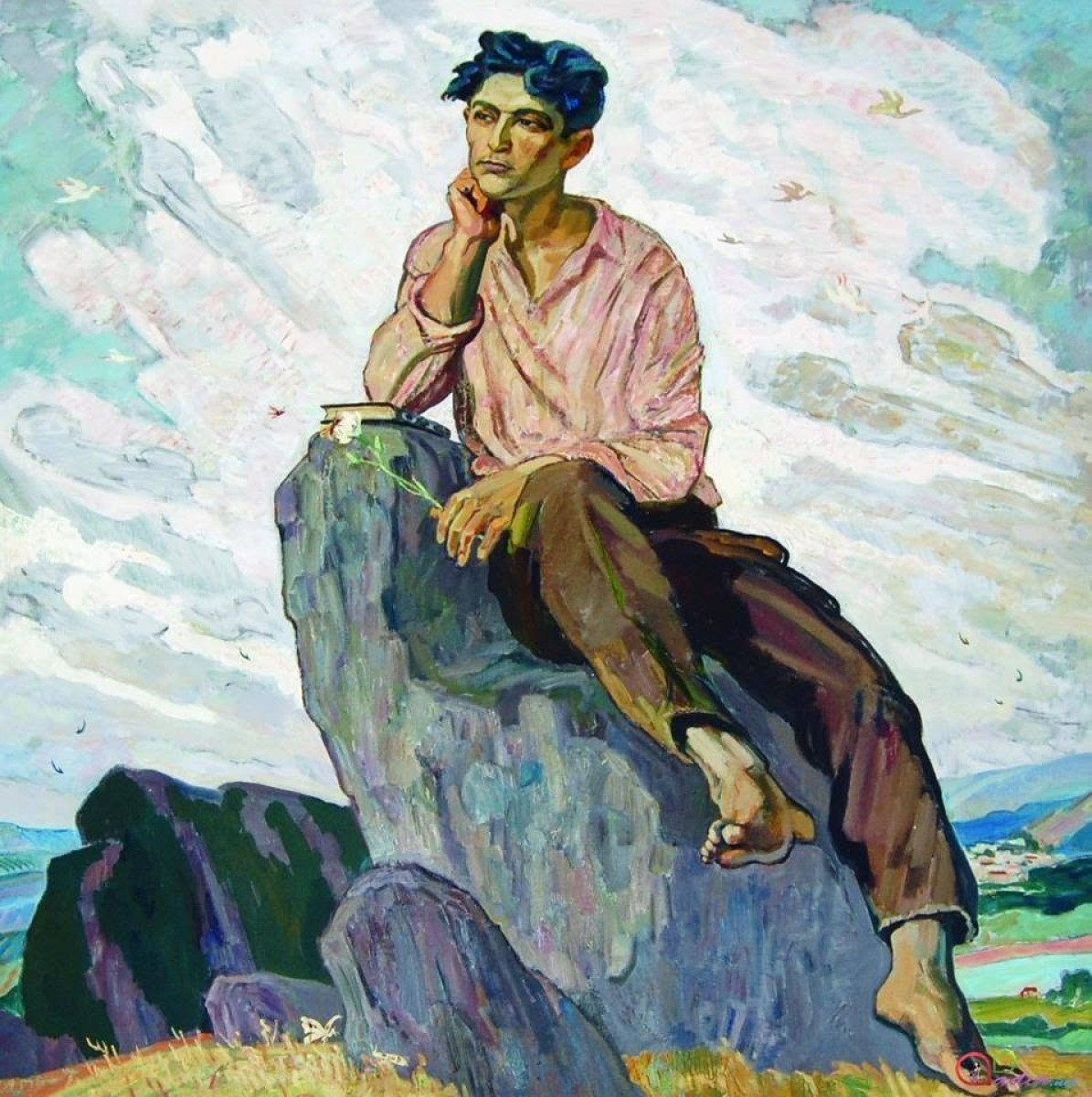
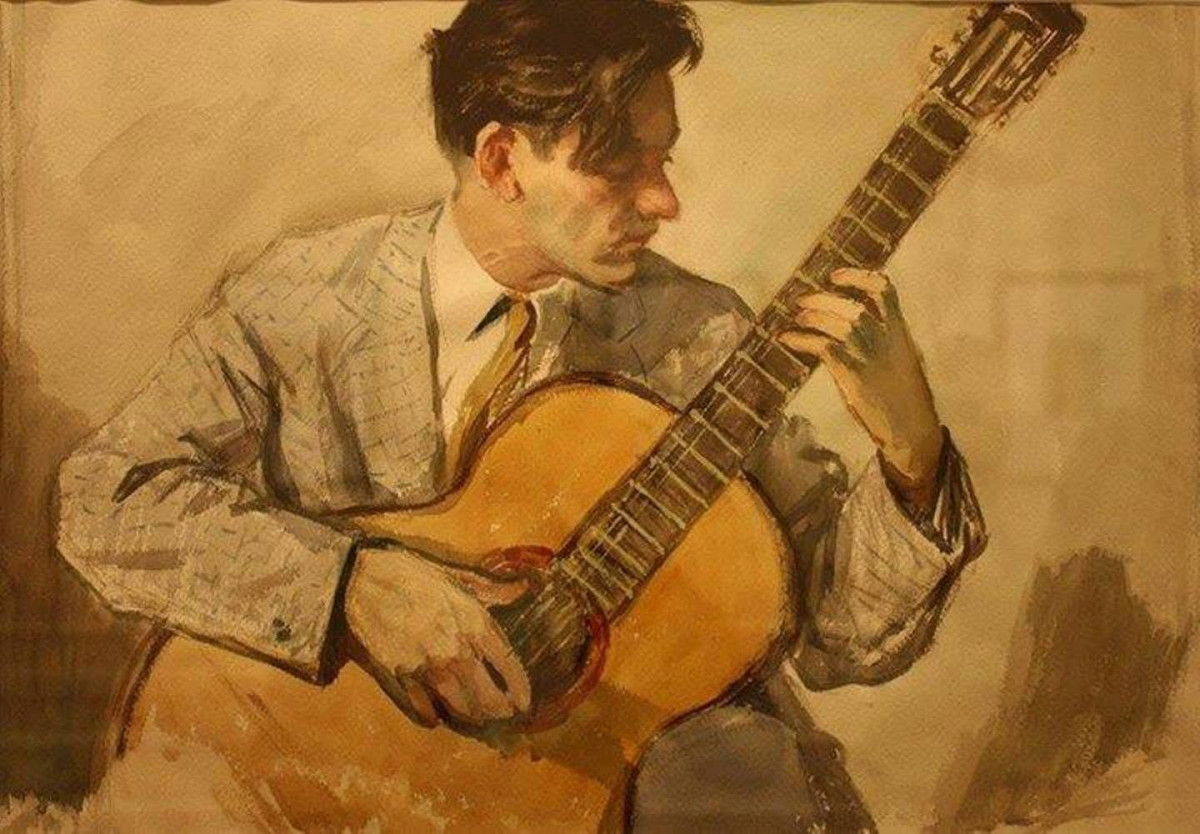
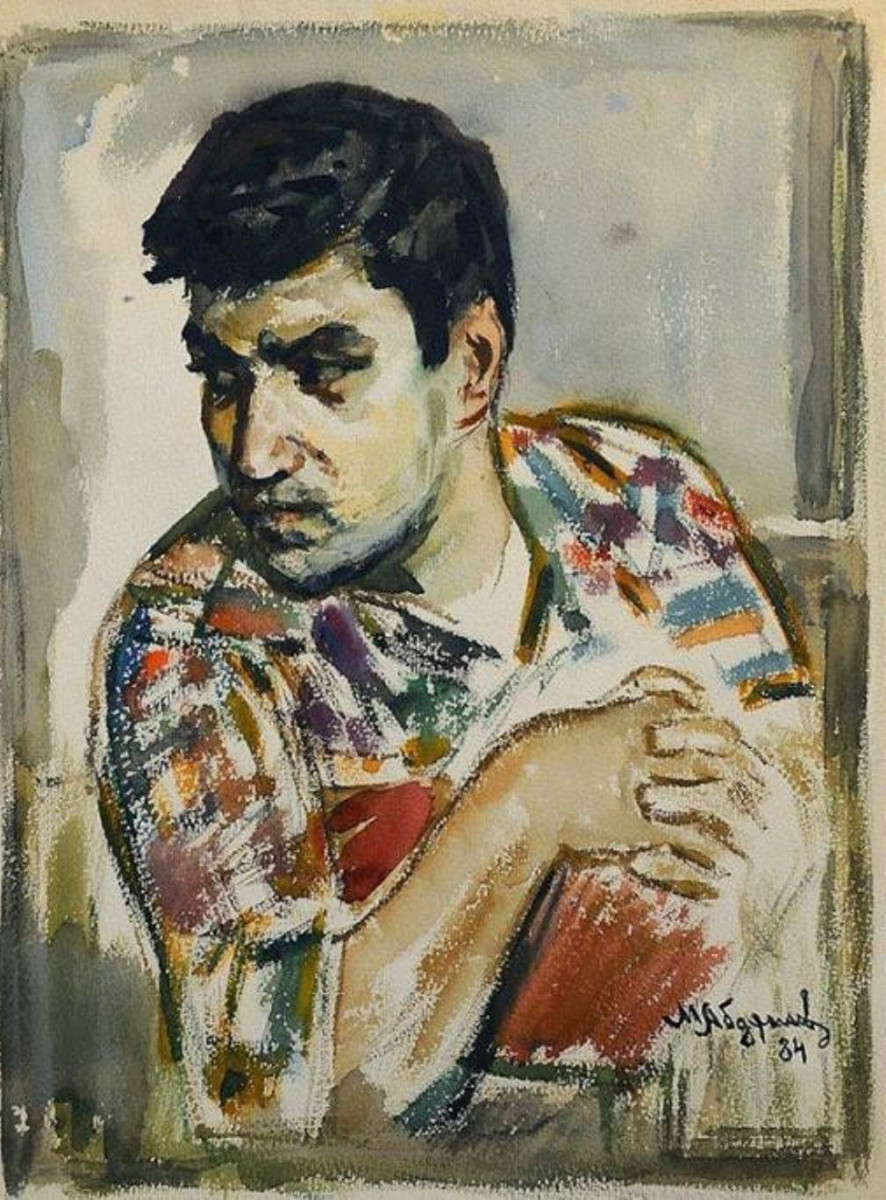
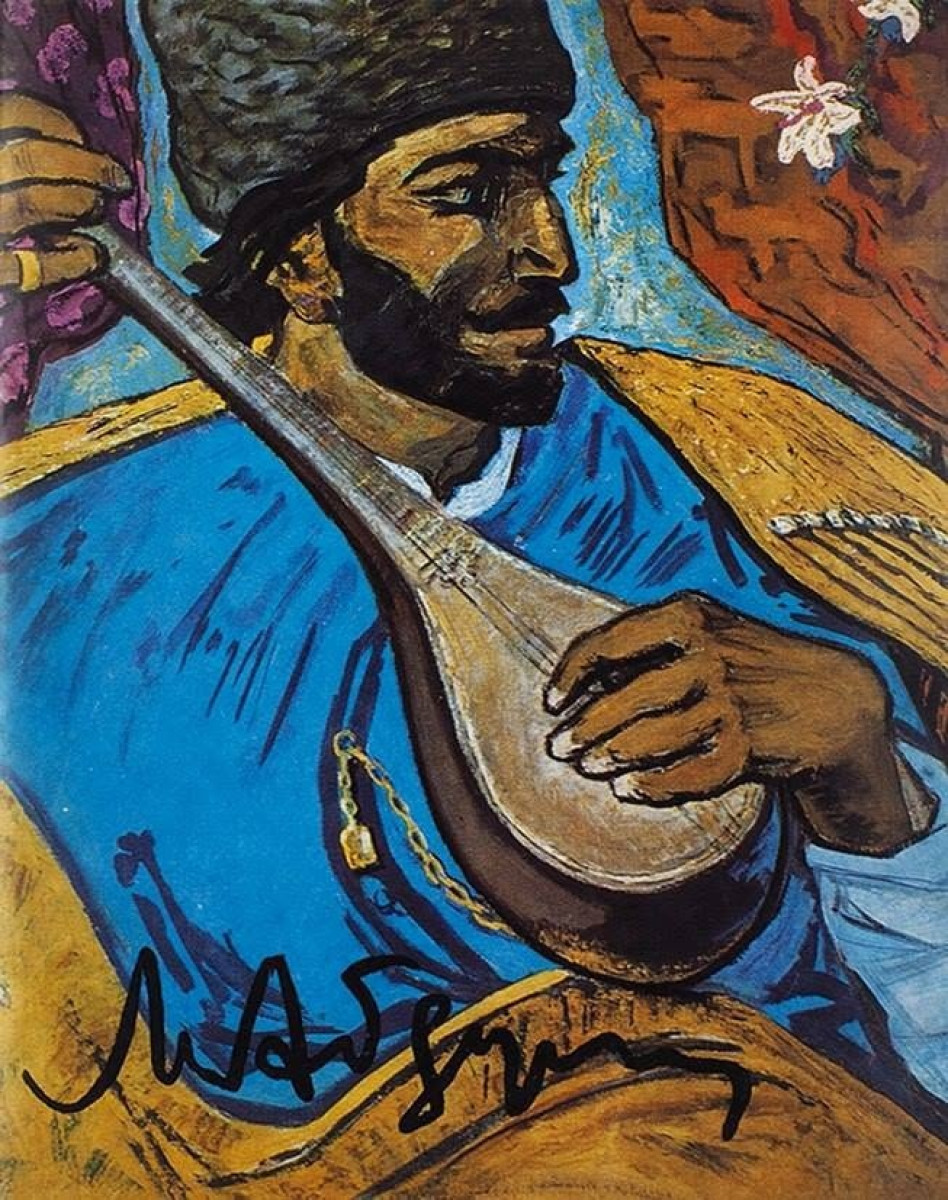
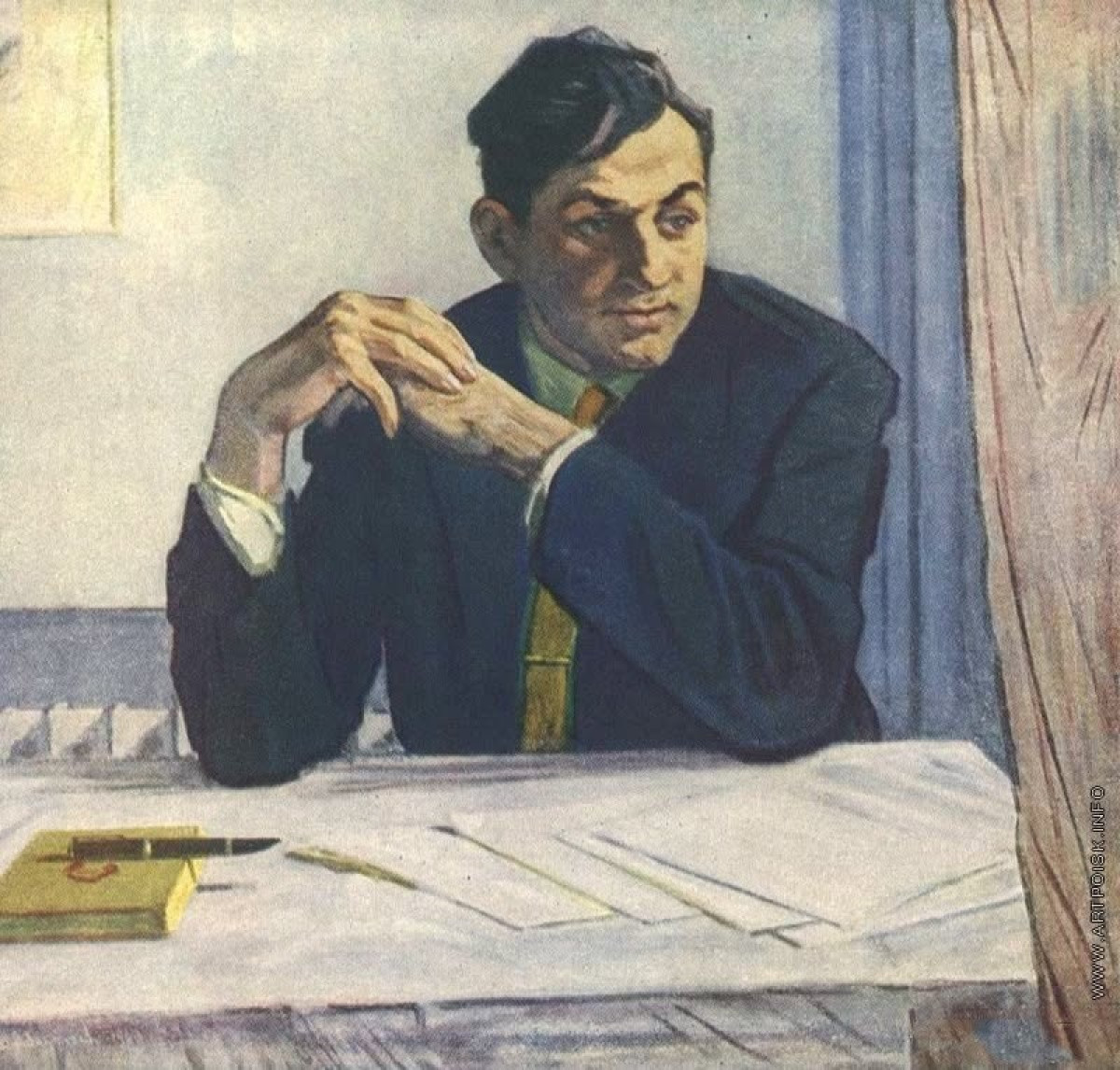
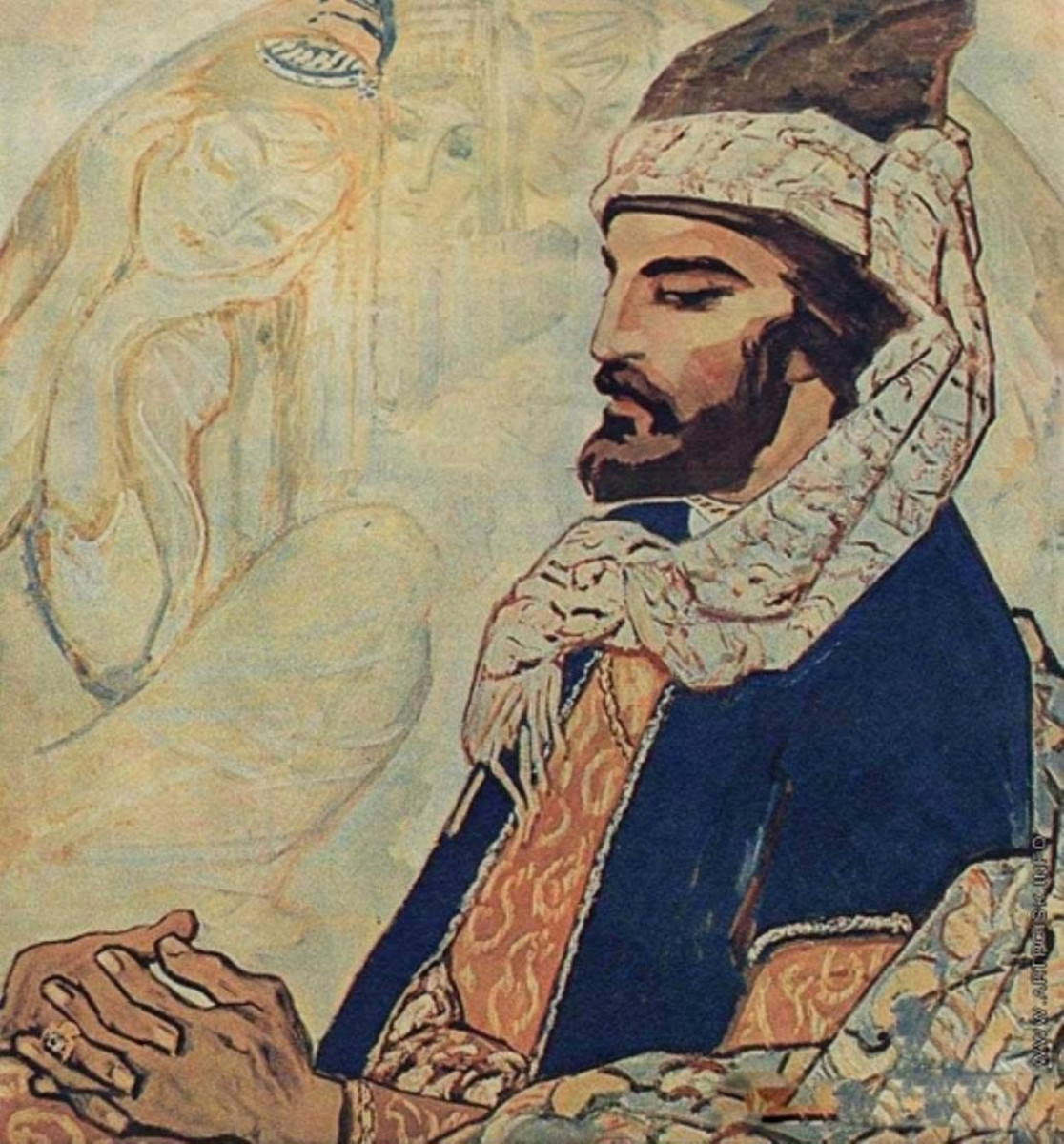
Portraiture occupies a distinct place in Abdullayev’s oeuvre. In portraying prominent figures of Azerbaijani culture, including Uzeyir Hajibeyli, Jafar Jabbarli, Samad Vurgun, Mirza Fatali Akhundov and Imadaddin Nasimi, he sought to go beyond physical likeness. His portraits reveal an interest in the inner character, intellectual presence and spiritual qualities of the individual. Psychological expression, the direction of the gaze and the overall compositional arrangement contribute to the distinctive character of each image. These works are not merely representations of individual personalities; they also form part of the visual memory of Azerbaijani literary and cultural history.
Abdullayev’s artistic activity extended beyond easel painting and portraiture into graphic art, book illustration, theatre design and monumental art. His engagement with the literary heritage of Azerbaijan is evident in his illustrations inspired by Nizami Ganjavi, Muhammad Fuzuli, Molla Panah Vagif and other classical authors. His illustrations for the Book of Dede Korkut and the poem Leyli and Majnun are important examples of the visual interpretation of national literary heritage. The mosaic panels he created between 1973 and 1979 in the underground hall of Baku Metro’s Nizami Ganjavi station are among his best-known monumental works. Based on episodes from Nizami’s literary world, these compositions bring literature, colour and architecture into a unified visual environment. Abdullayev also designed the stage settings for Uzeyir Hajibeyli’s operas Leyli and Majnun and Koroglu, as well as Niyazi’s ballet Chitra.
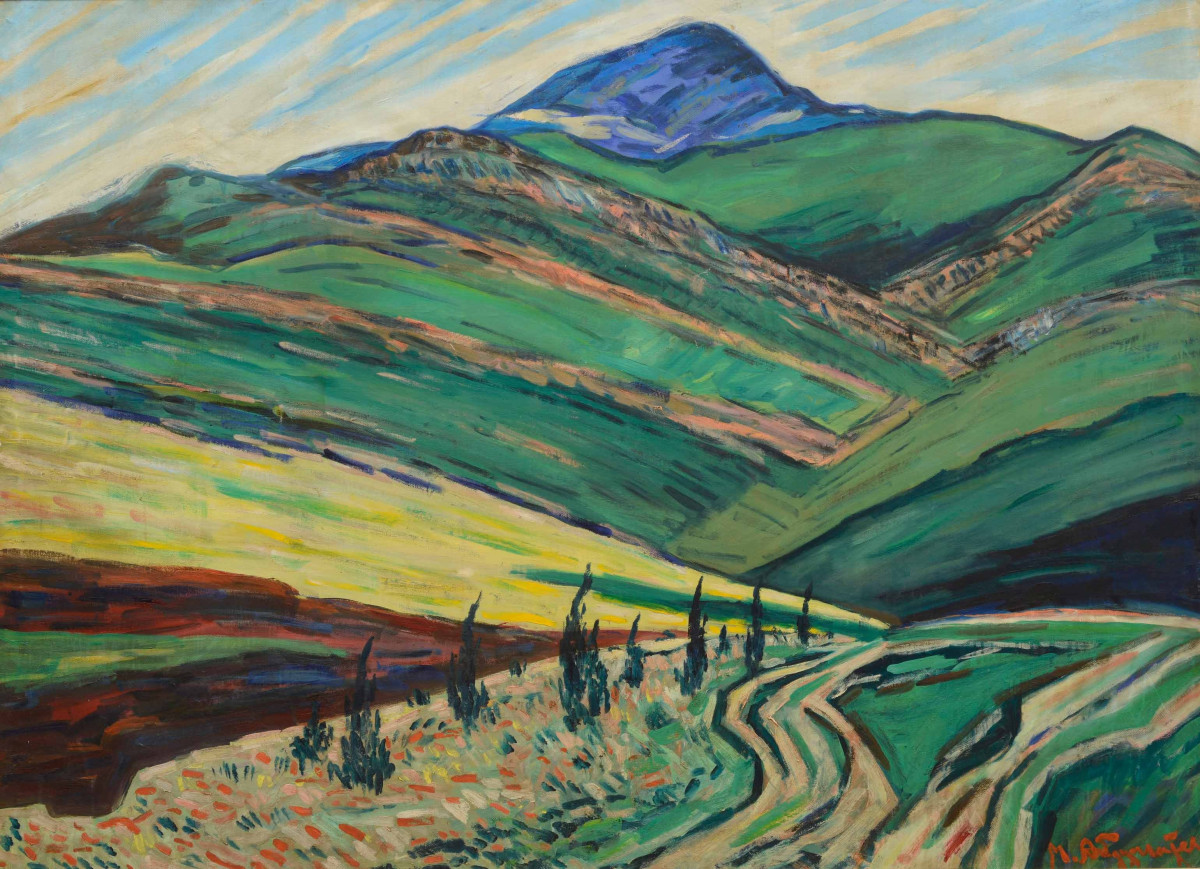
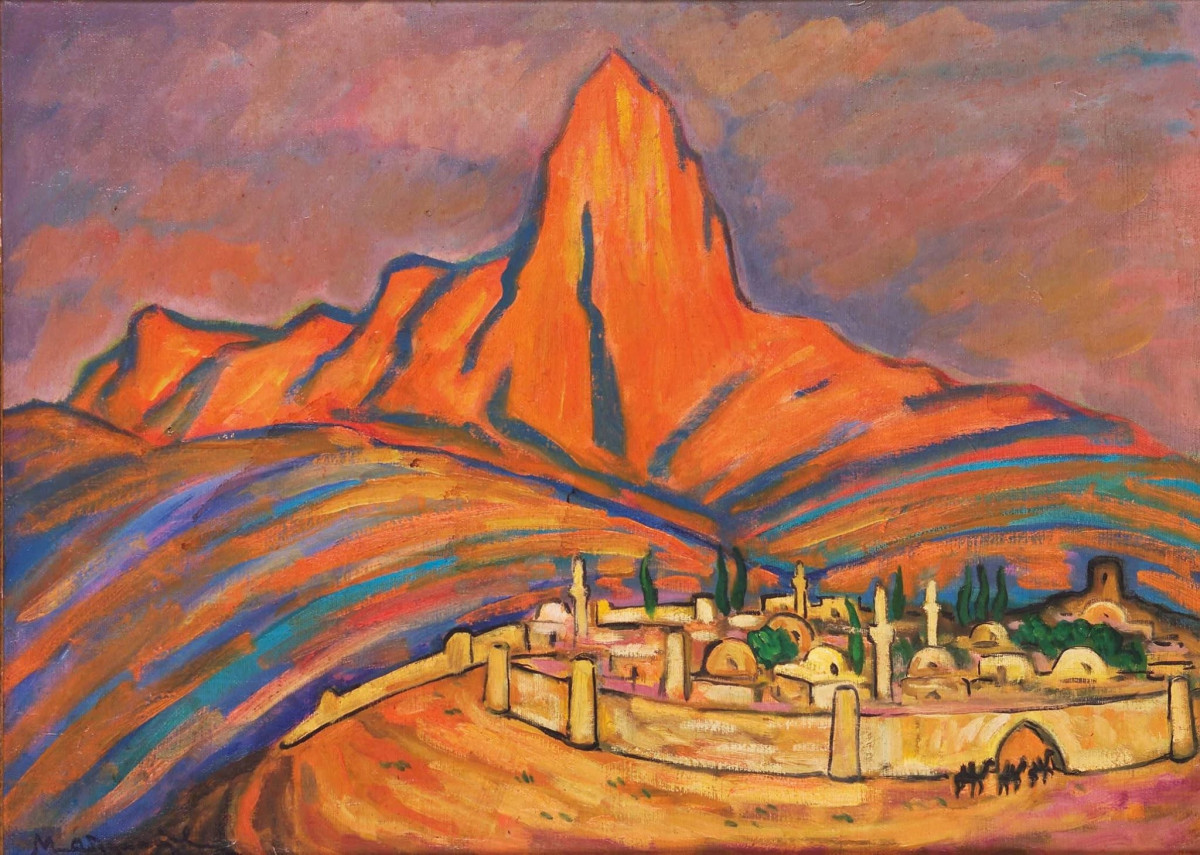
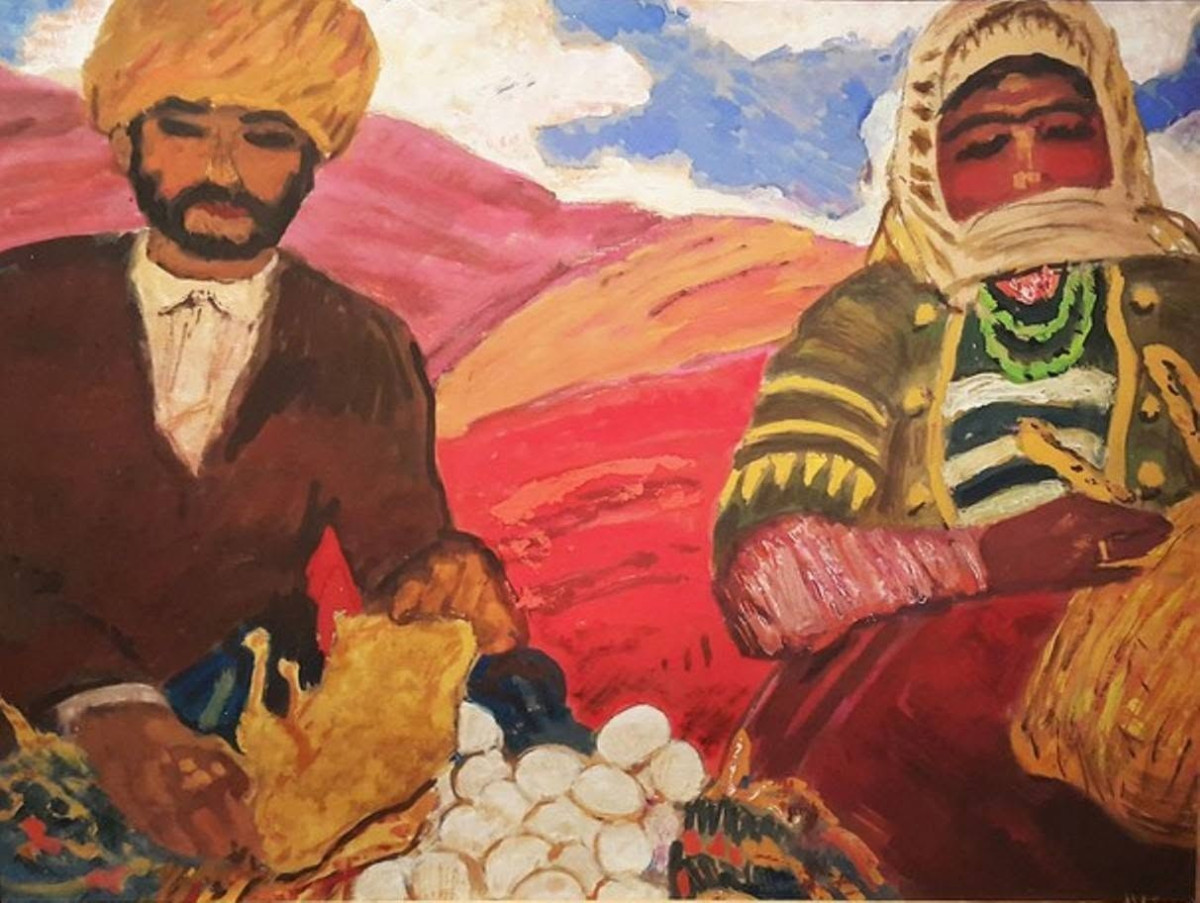
The artistic legacy of Mikayil Abdullayev reflects a dialogue between Azerbaijani painting traditions, professional academic training and international artistic experience. His work brings together scenes of Azerbaijani life, encounters with different cultures, the imagery of classical literature and a sustained interest in the human condition. Emotional colour, psychological depth and a sense of monumental composition are among the defining features of his individual artistic language. The exhibition of his works in different countries and their presence in museum collections contributed to the international recognition of his art. Abdullayev remains an important figure in Azerbaijani visual culture, whose paintings and monumental compositions express the lives of people and the memory of their cultural world through the poetic possibilities of colour.
Mikayil Abdullayev died in Baku on 21 August 2002 and was buried in the Alley of Honour.
Art Space Gallery MEDIA