Born in Baku on 31 December 1927, Rasim Hanif oglu Babayev was a prominent figure in twentieth-century Azerbaijani visual art. He received his first professional art education at the Azim Azimzade Azerbaijan State Art School from 1945 to 1949, then continued his studies at the V. I. Surikov Moscow State Academic Art Institute from 1949 to 1955. His diploma work was rejected for failing to meet the official aesthetic requirements of the period. Admitted to the Union of Artists of Azerbaijan in 1959, he was awarded the honorary title Honoured Artist in 1964 and People's Artist in 1988, and received the Azerbaijan SSR State Prize in 1991.
A defining feature of Babayev's art is his fusion of national folk memory with an individual, modern visual language. Folk tales, legends, ancient mythological conceptions and the Absheron environment are not merely subjects drawn from the past; they are sources through which he explores the human inner world and the contradictions of society. His mythological figures therefore go beyond fantastic characters, becoming symbols that reveal the complexity of human nature.
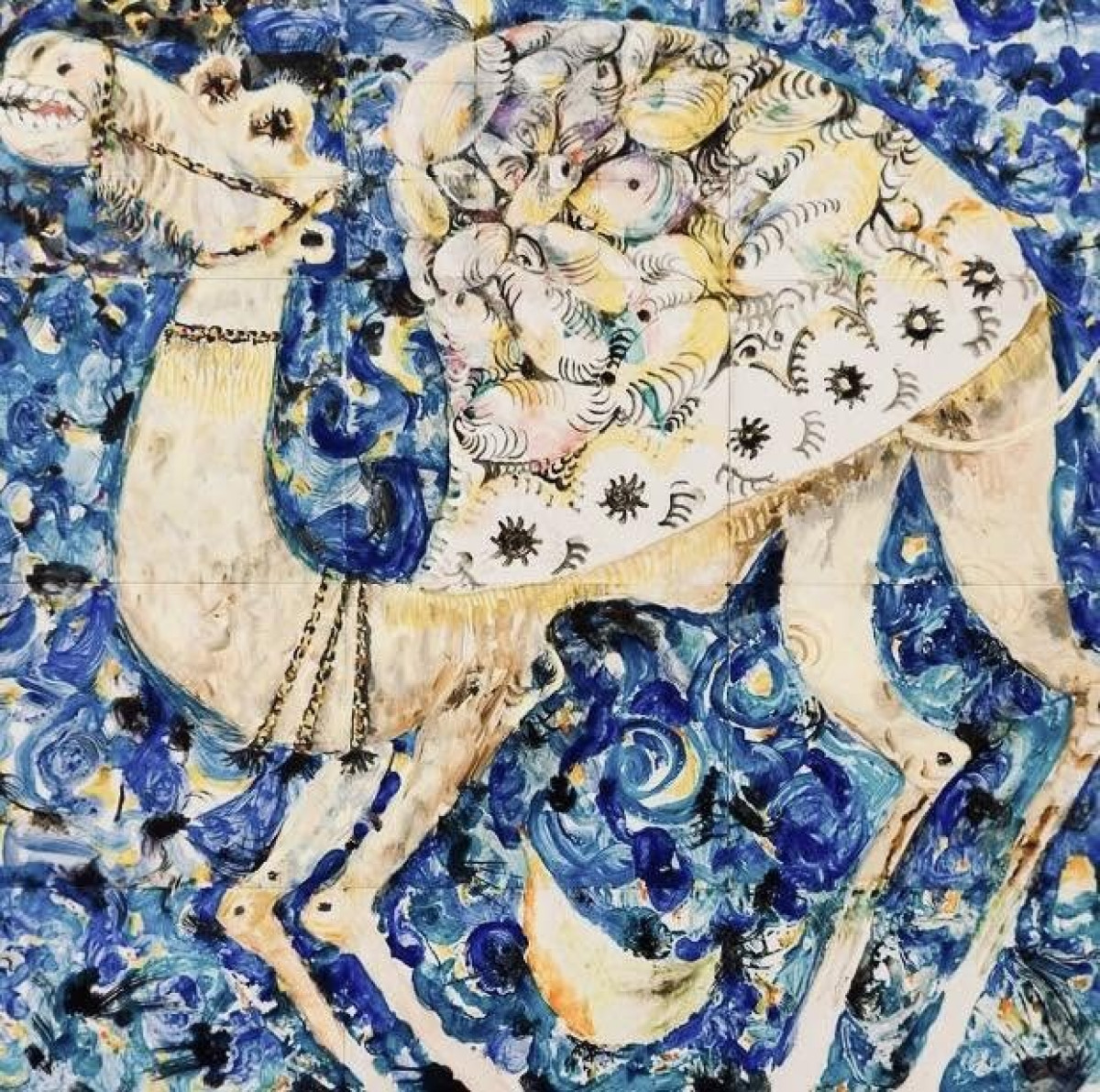
In the early period of his career, graphic art, lithography, linocut and book illustration occupied an important place. This work sharpened his sensitivity to line, rhythm and composition. In works such as “Black City” (1958), “Oil Refuelling” (1960), “Earth” (1961), “Sky” (1962) and “Camels” (1966), industrial settings, labour and the Absheron landscape are presented through concise graphic forms. He conveys not only the appearance of a place but also the traces of human work and its atmosphere.
Book illustration was another significant field in his practice. He created illustrations for Nazim Hikmet's “The Skull”, Theodore Dreiser's “The Genius” and Rabindranath Tagore's “The Catastrophe”, as well as for Azerbaijani literature and folk tales. His illustrations emphasize the character of an image and the emotional layers of the narrative.
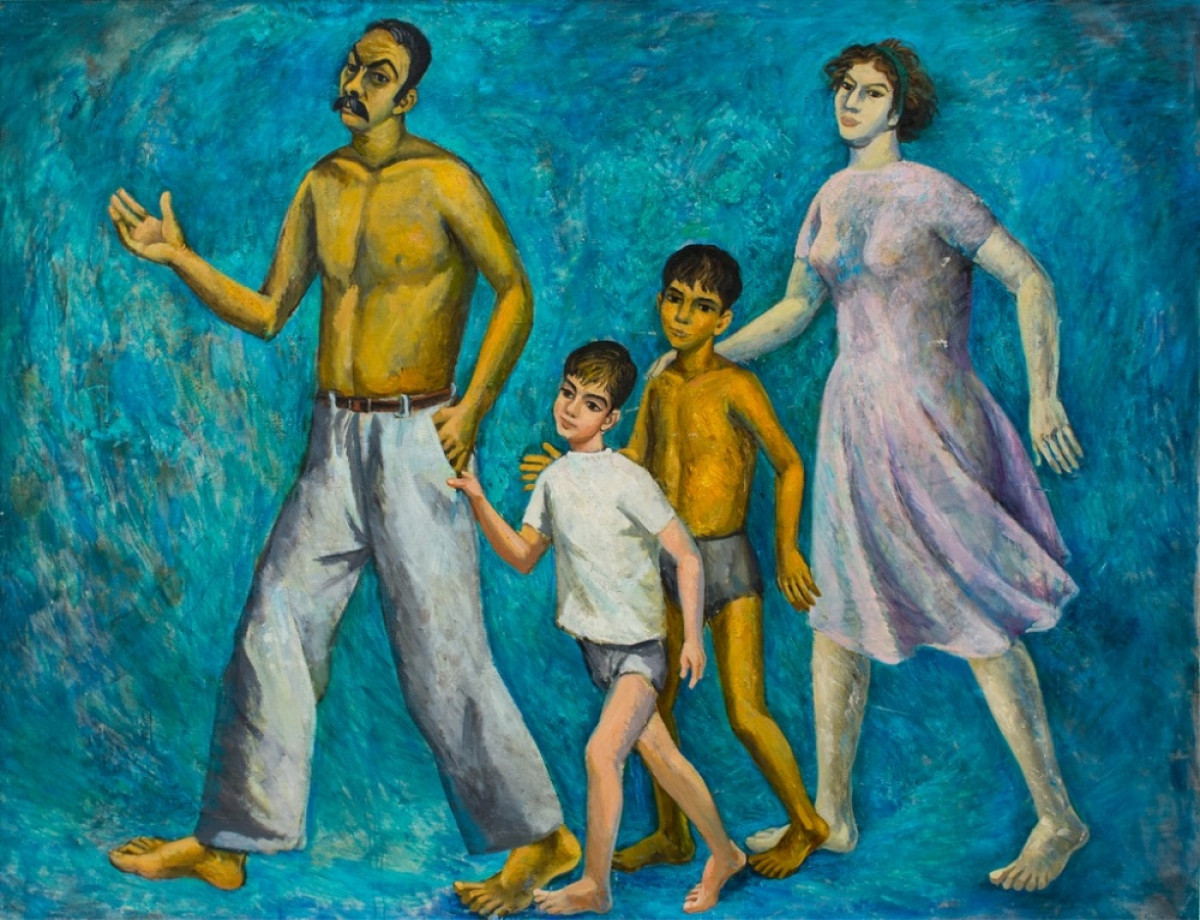
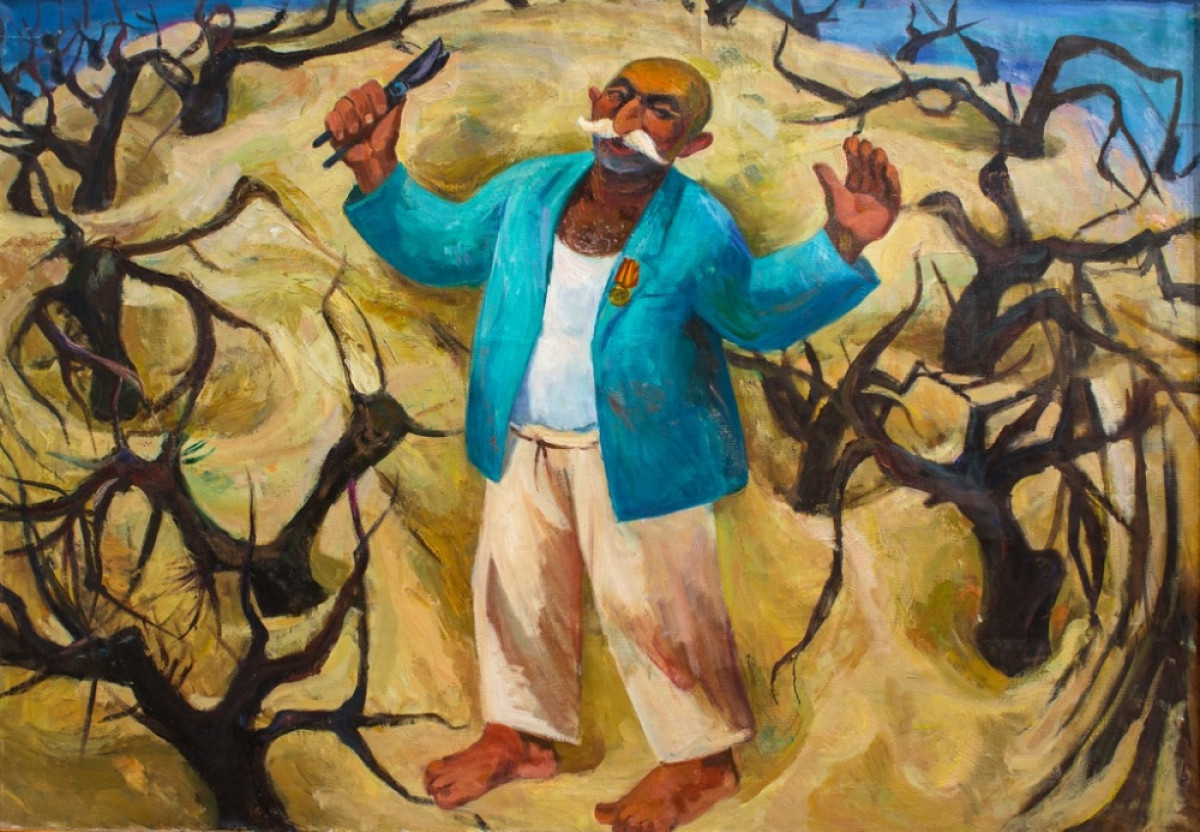
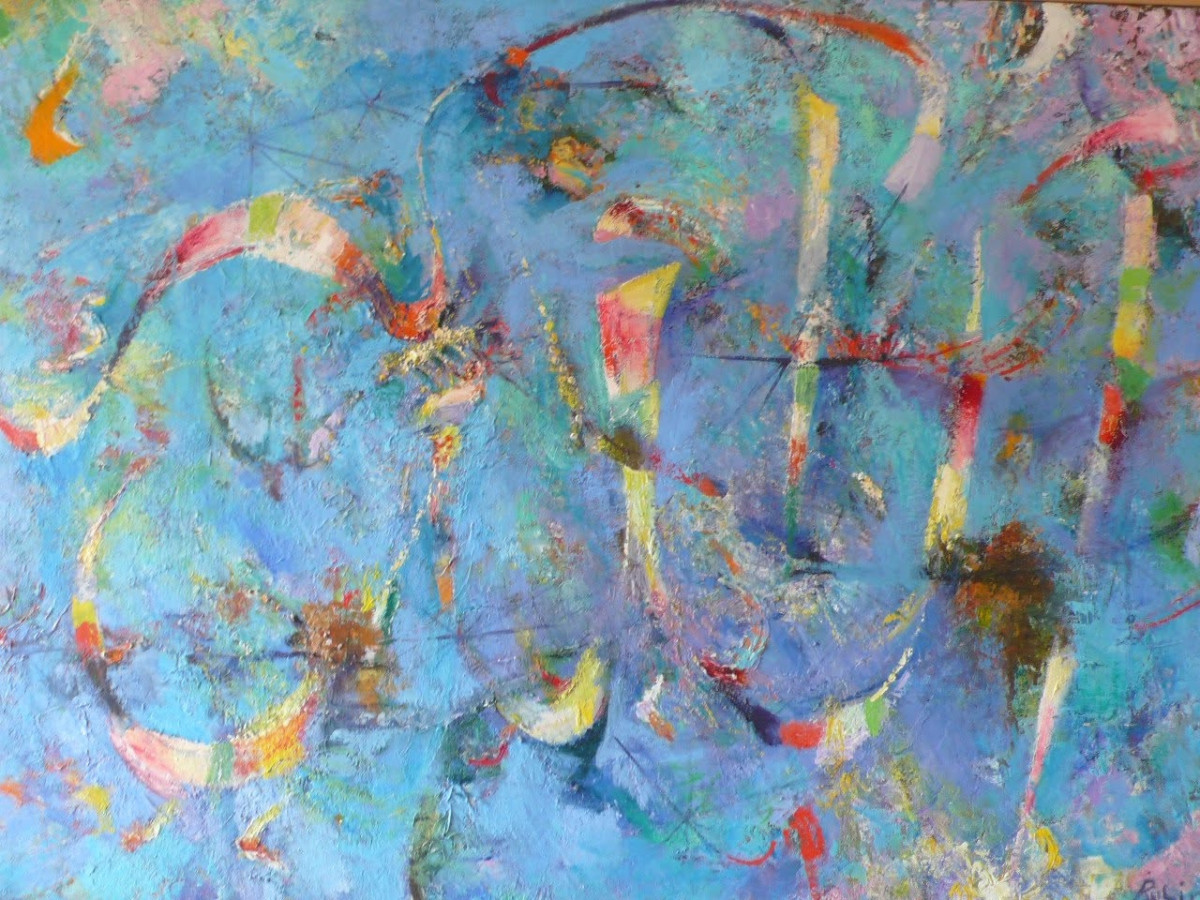
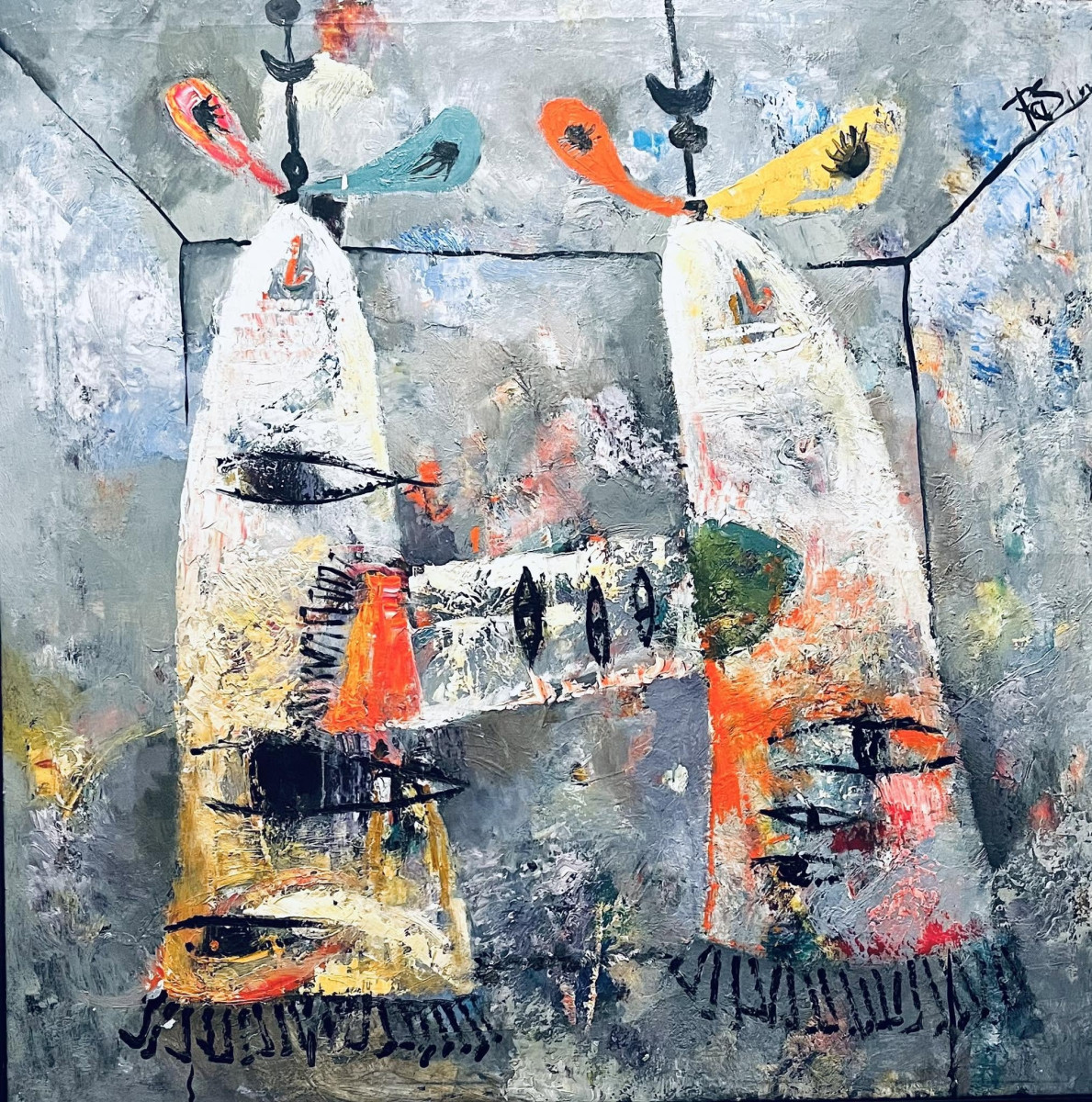
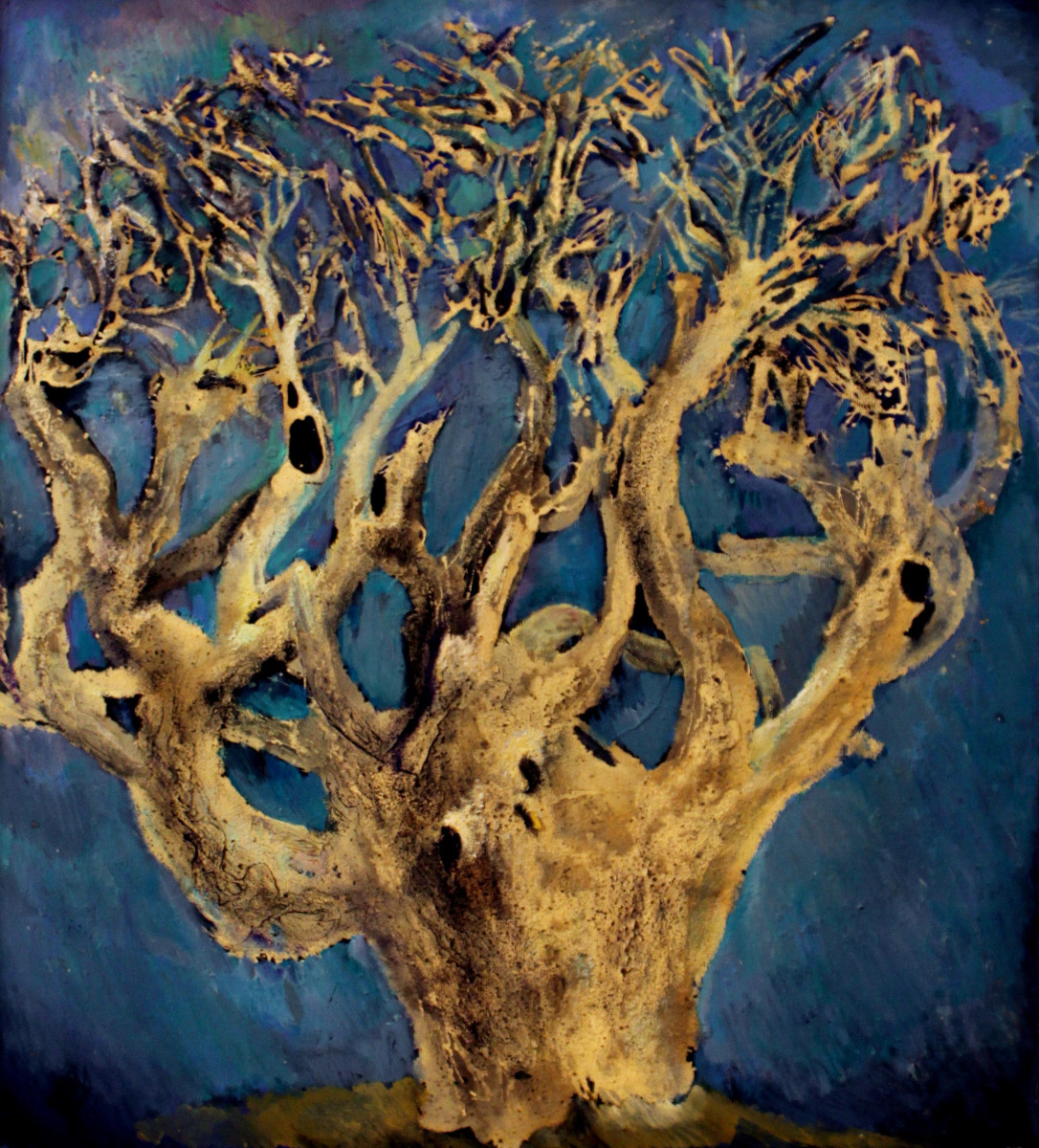
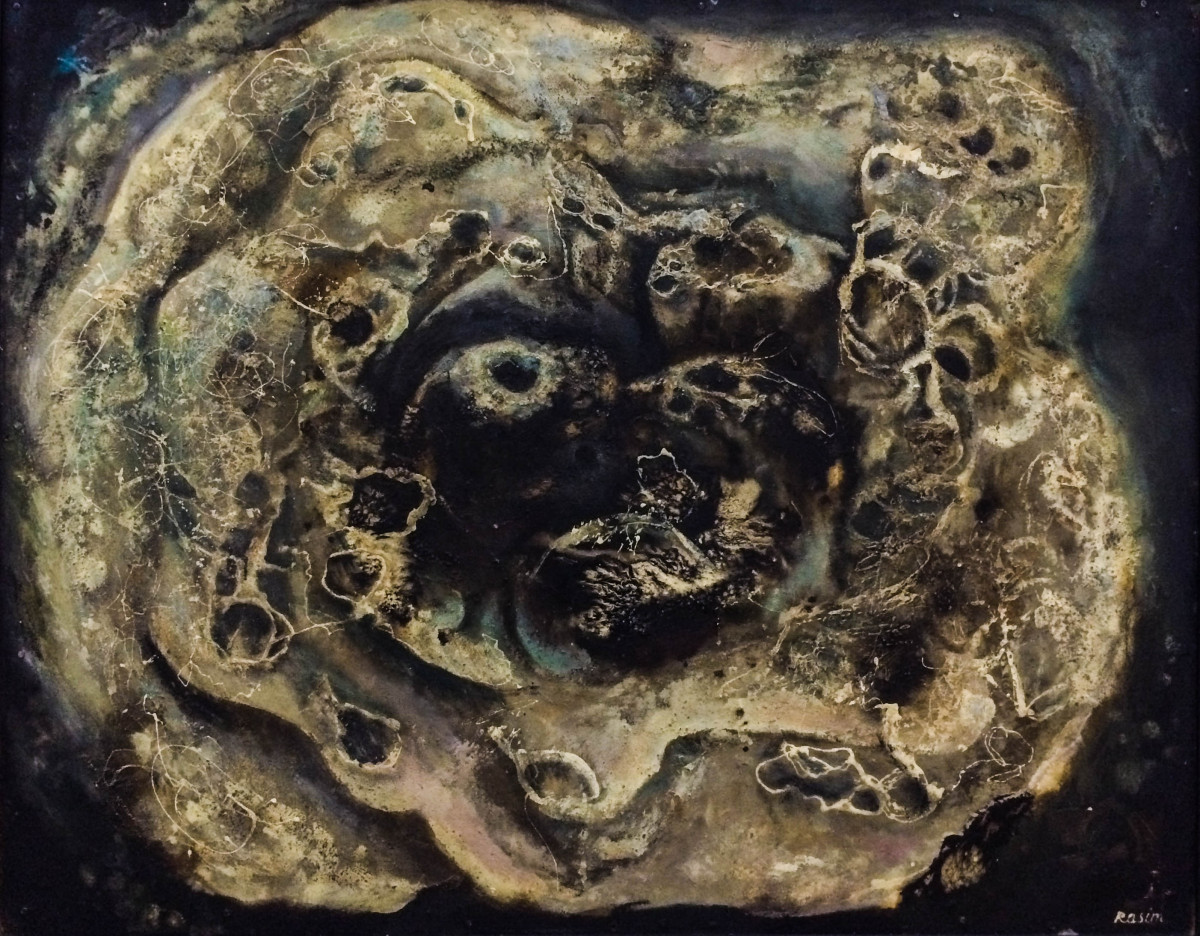
From the 1960s onwards, the Absheron theme and his search for a freer painterly language became increasingly prominent. The region's luminous, wind-swept nature, its stony landscape, Baku's everyday life and human figures became central motifs. He reconstructed space and the human figure through memory and emotion, emphasizing compositional rhythm, colour relationships and psychological content over conventional perspective or outward likeness.
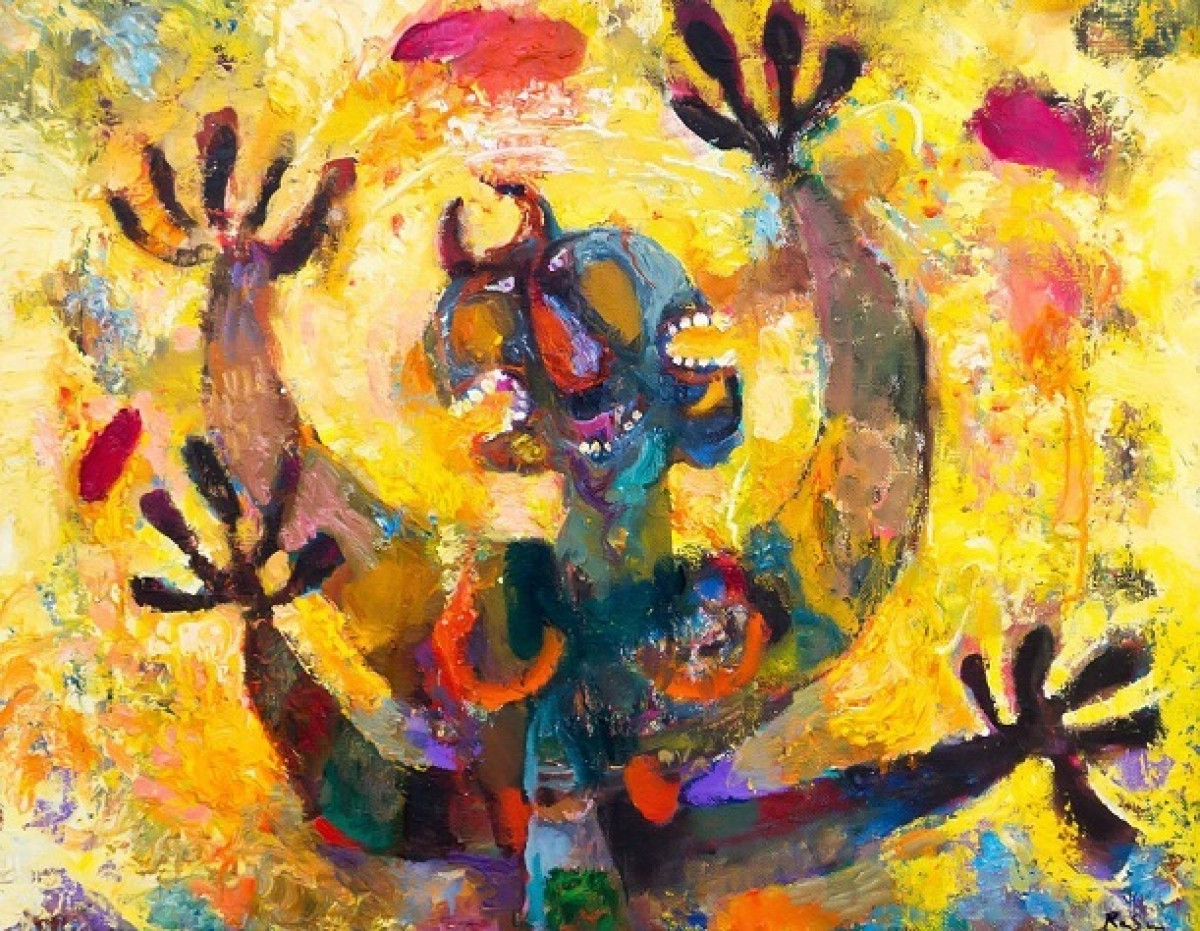
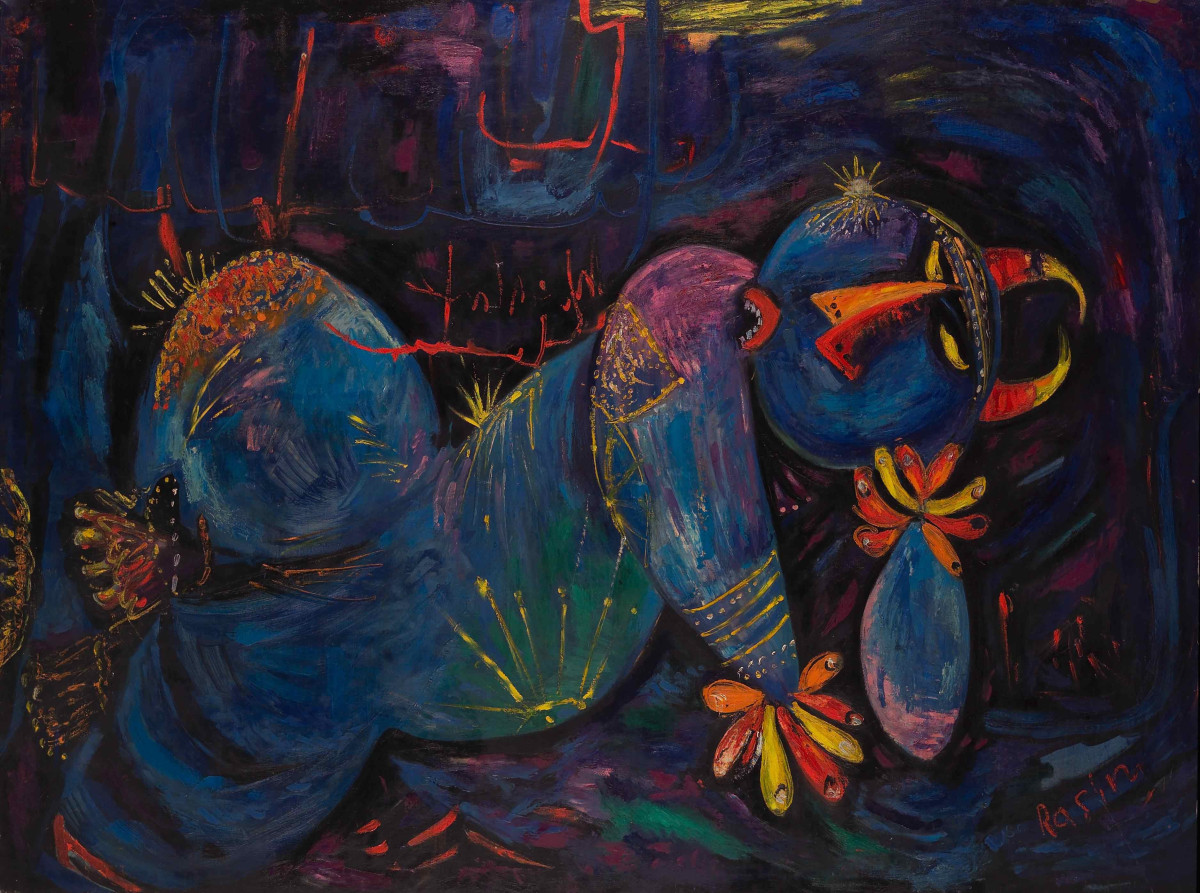
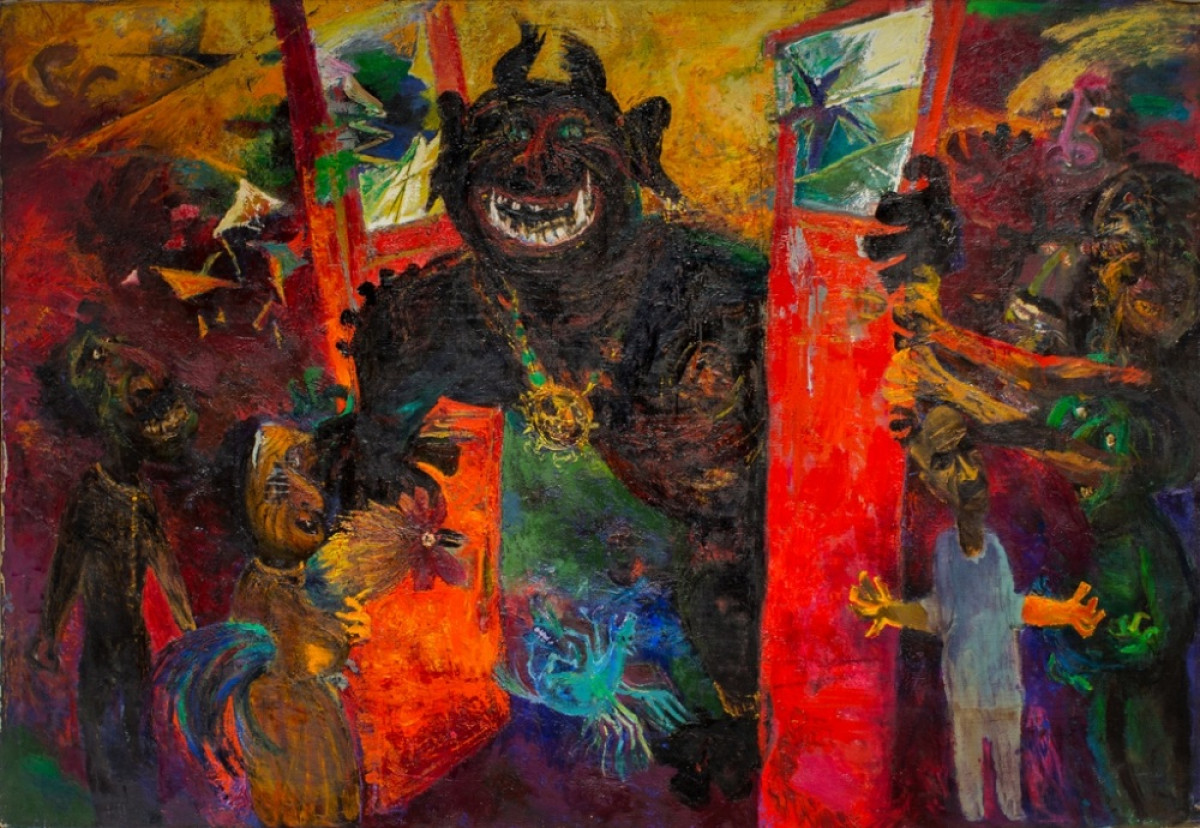
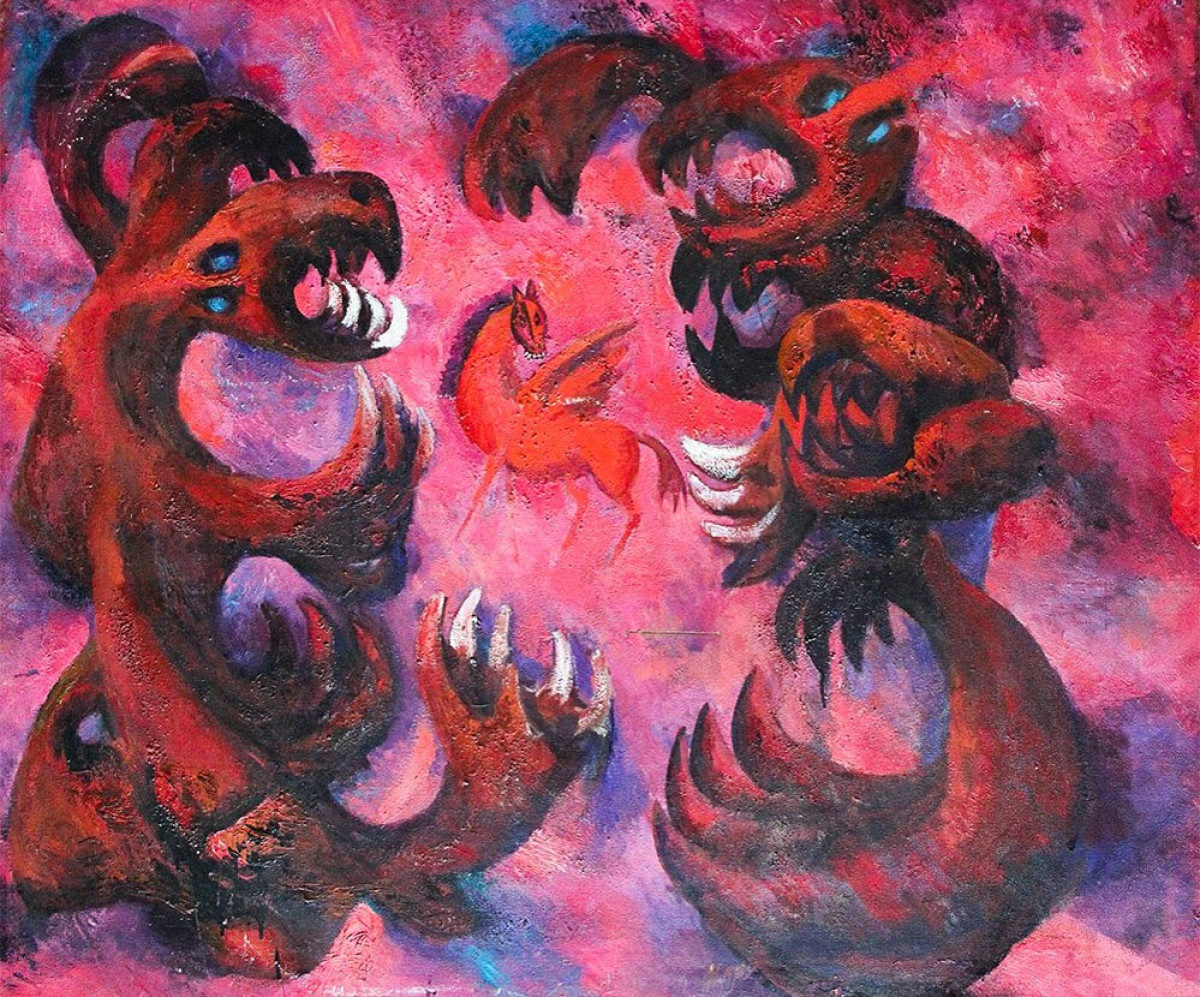
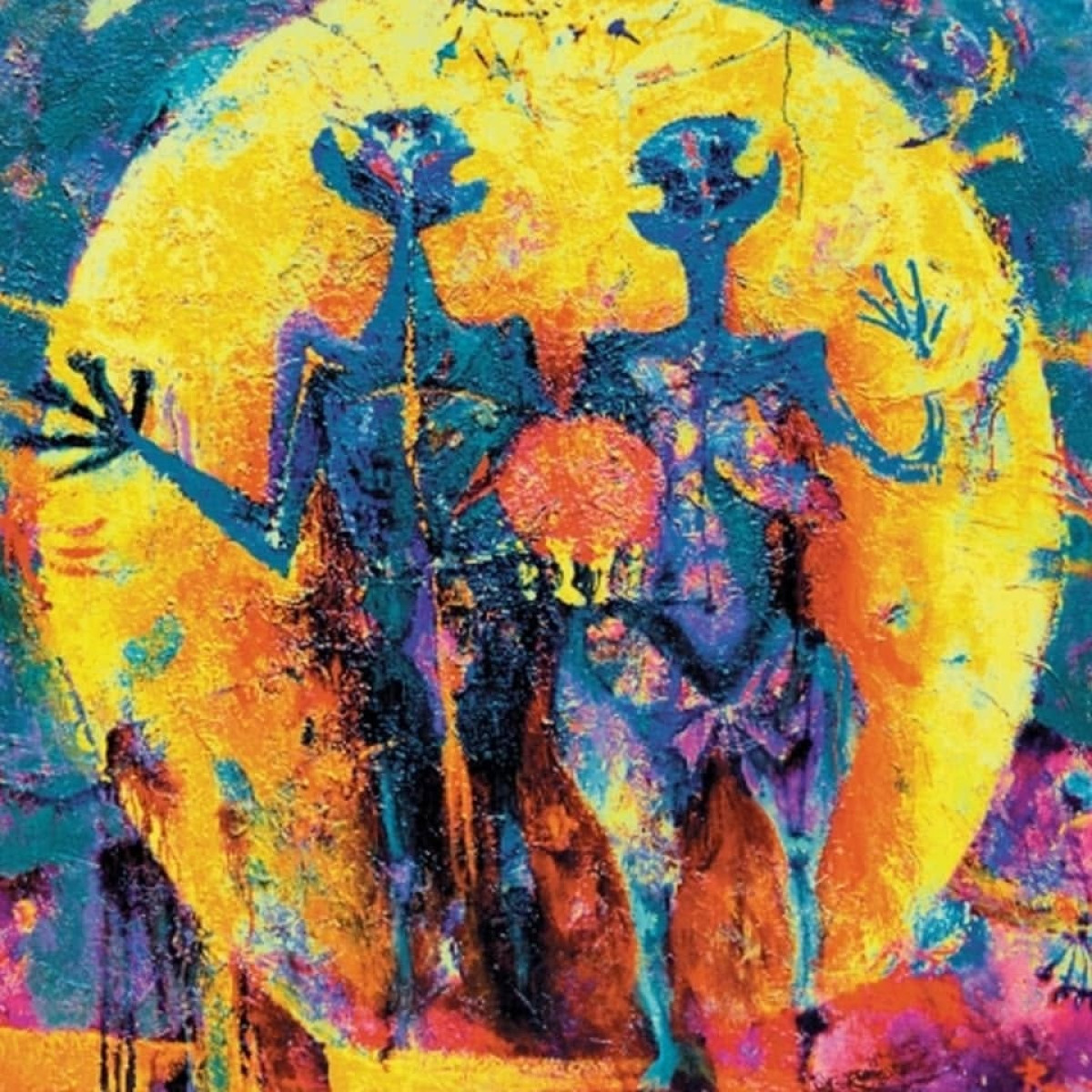
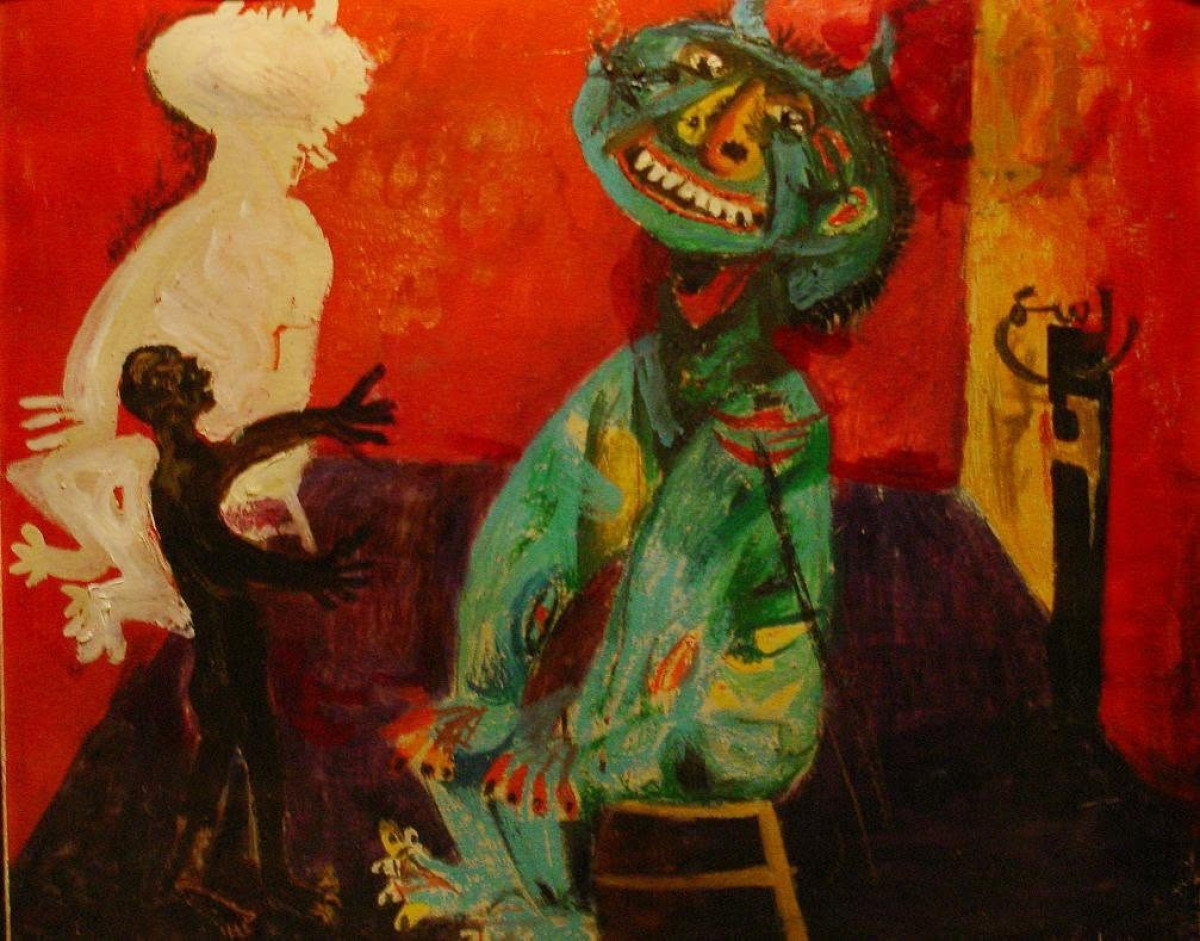
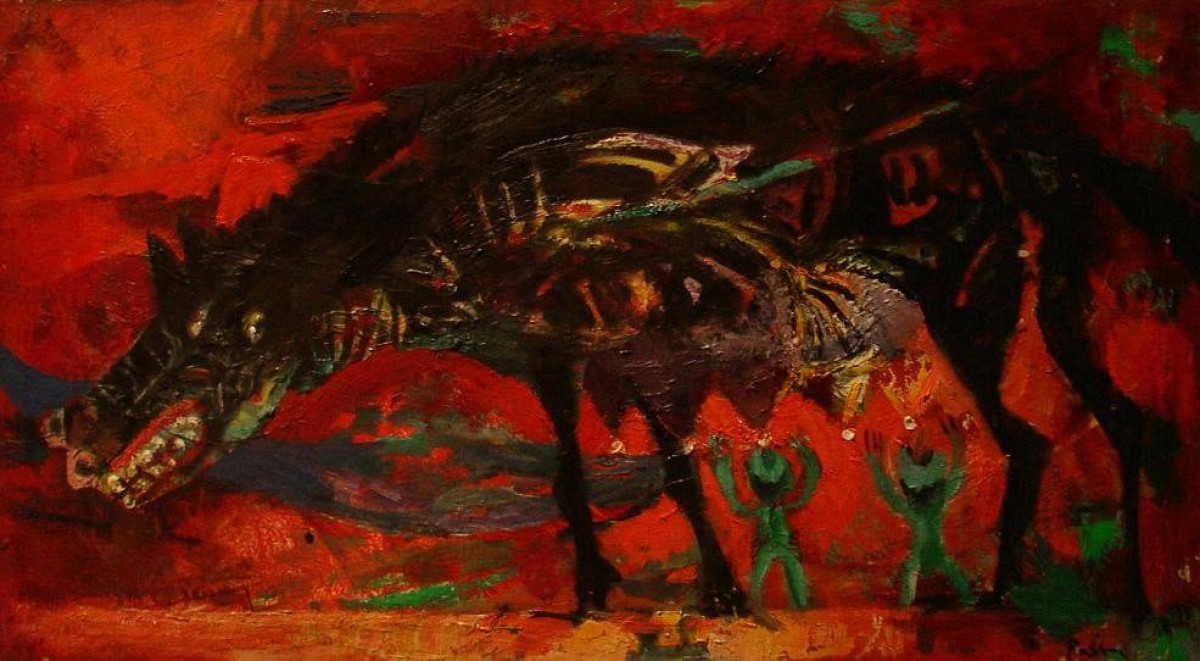
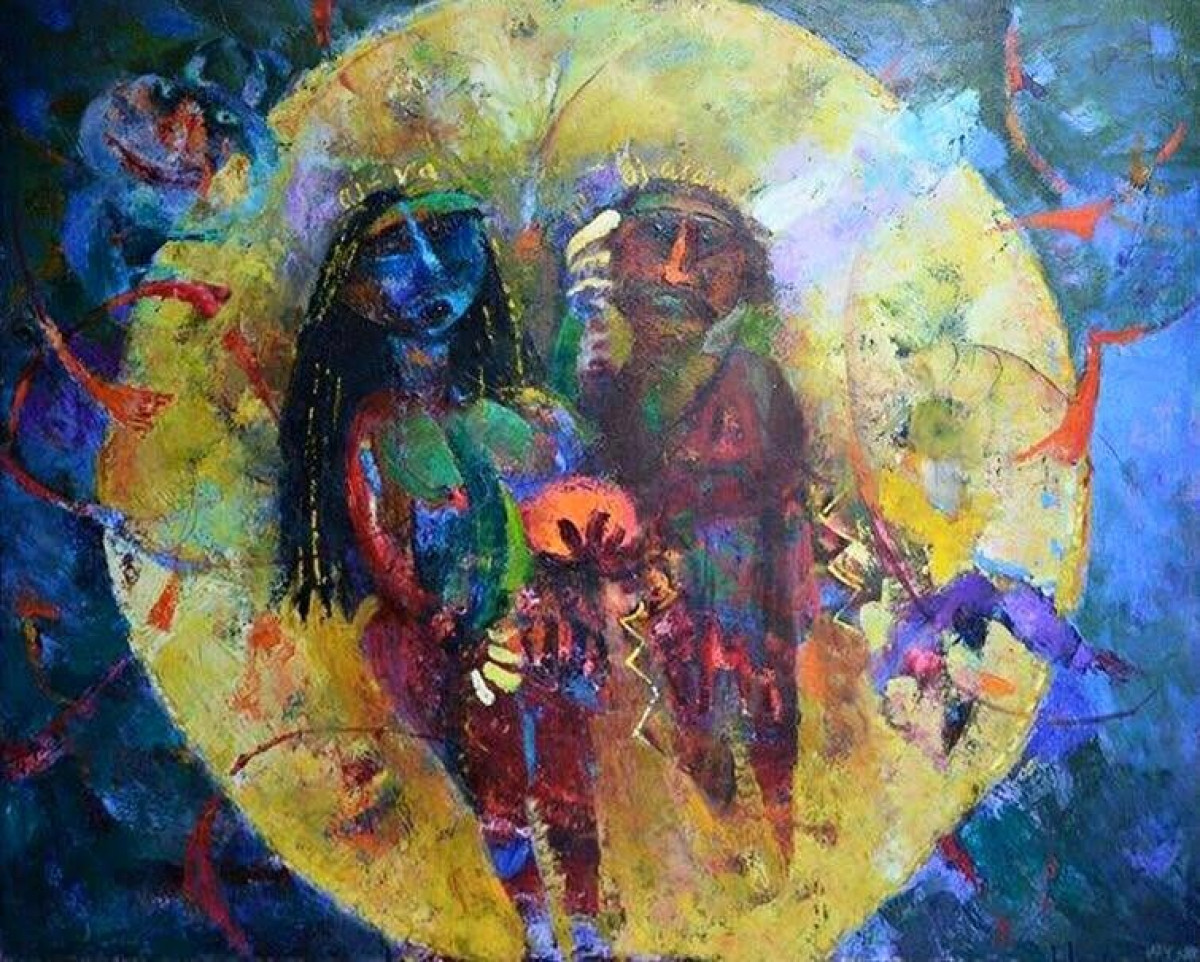
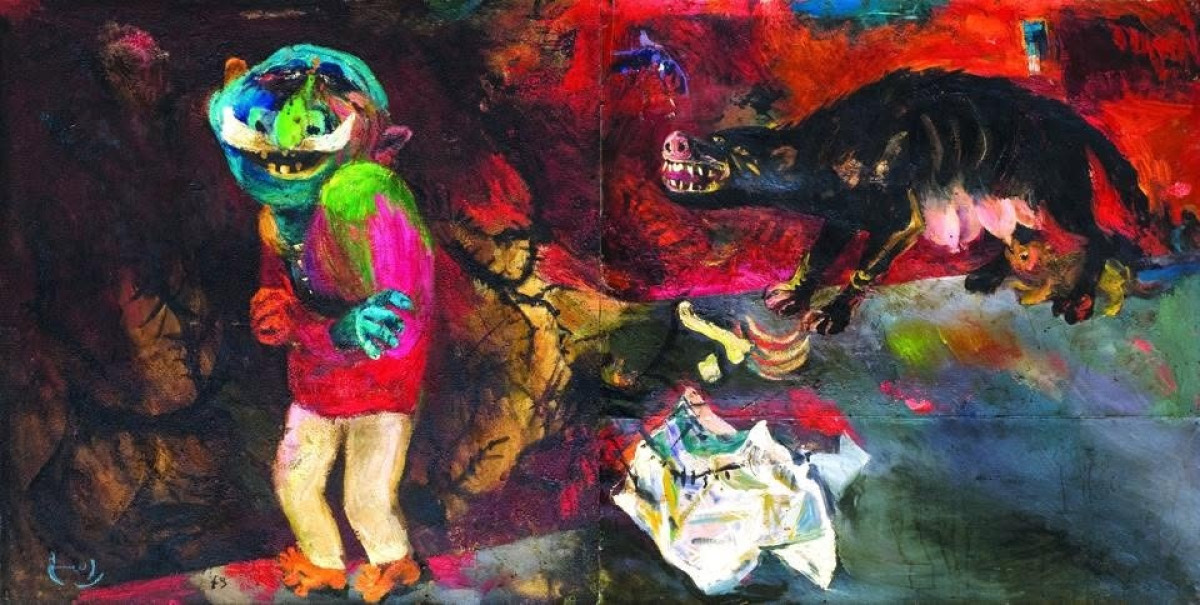
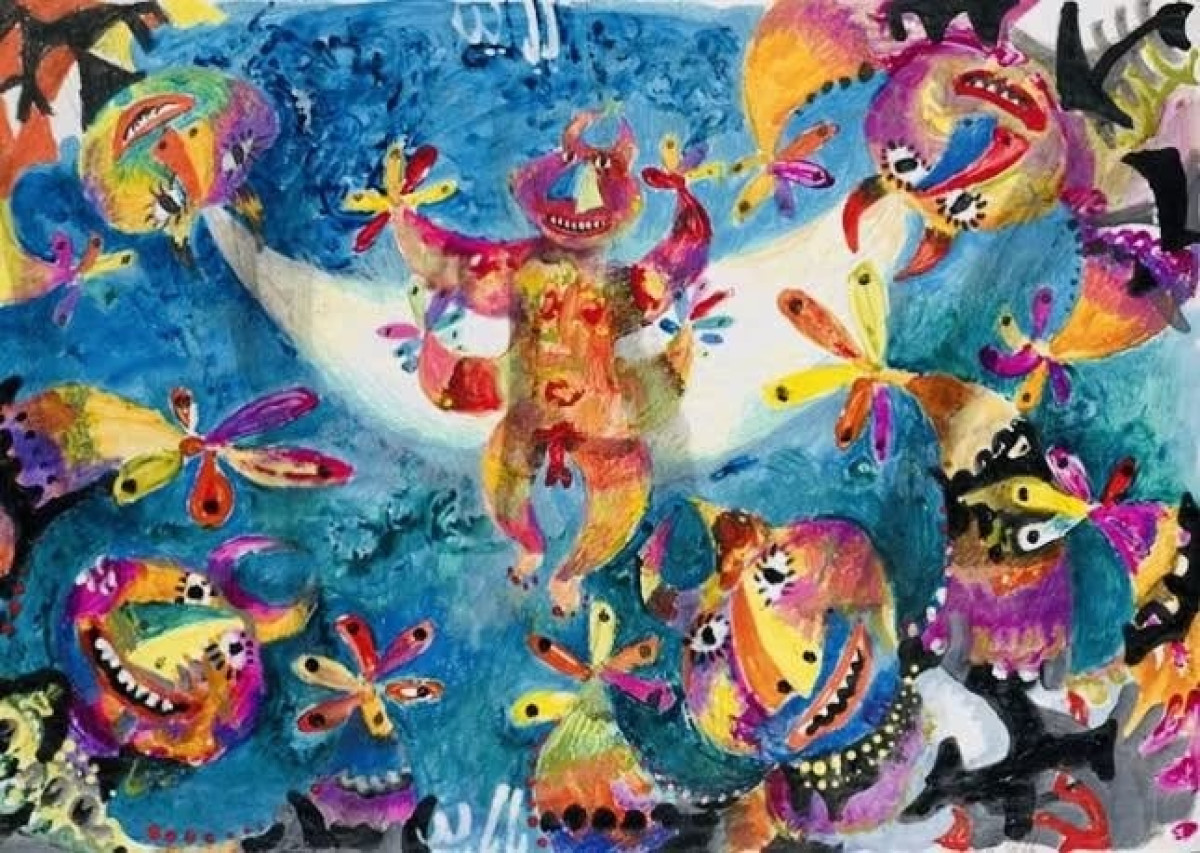
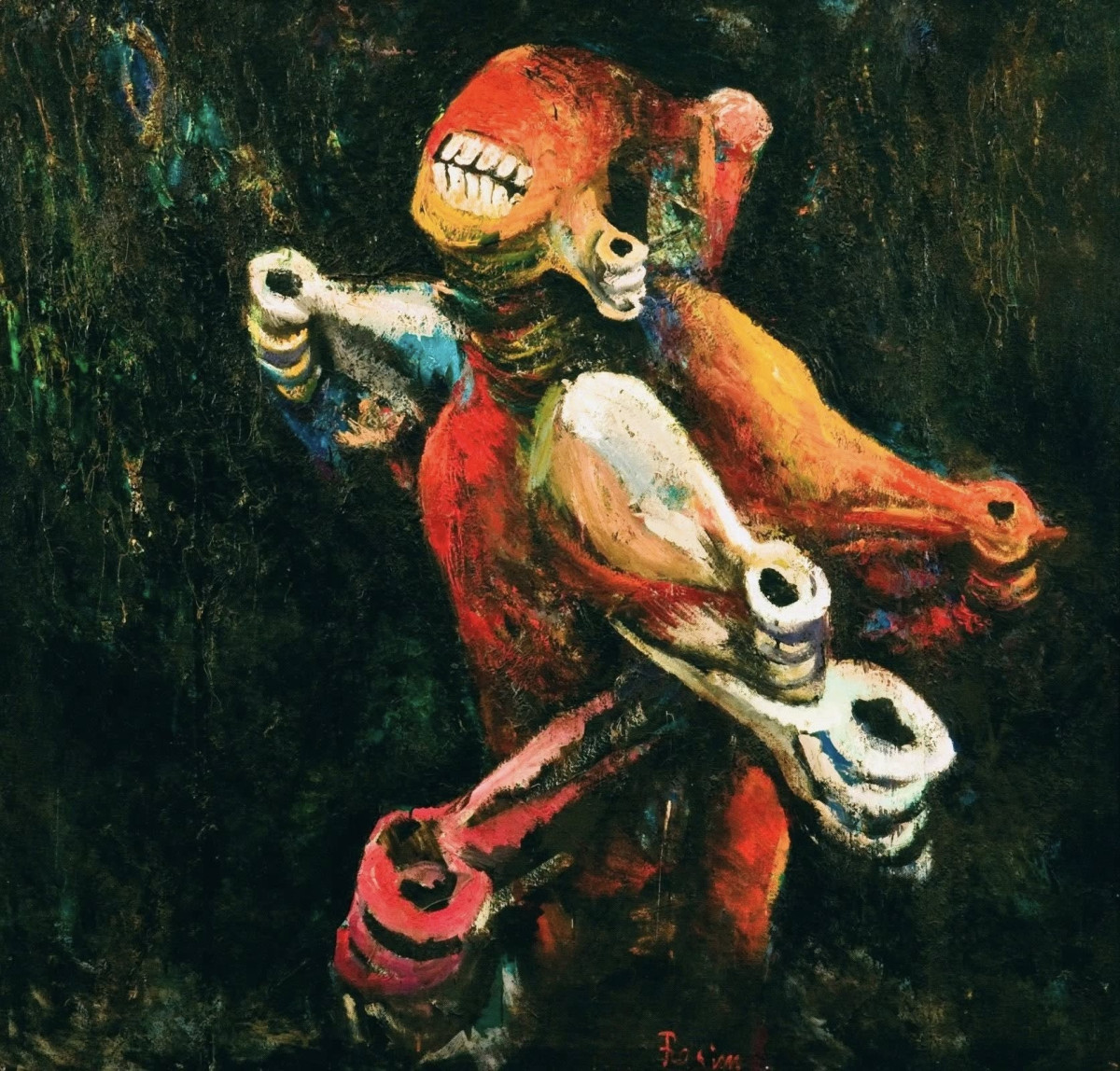
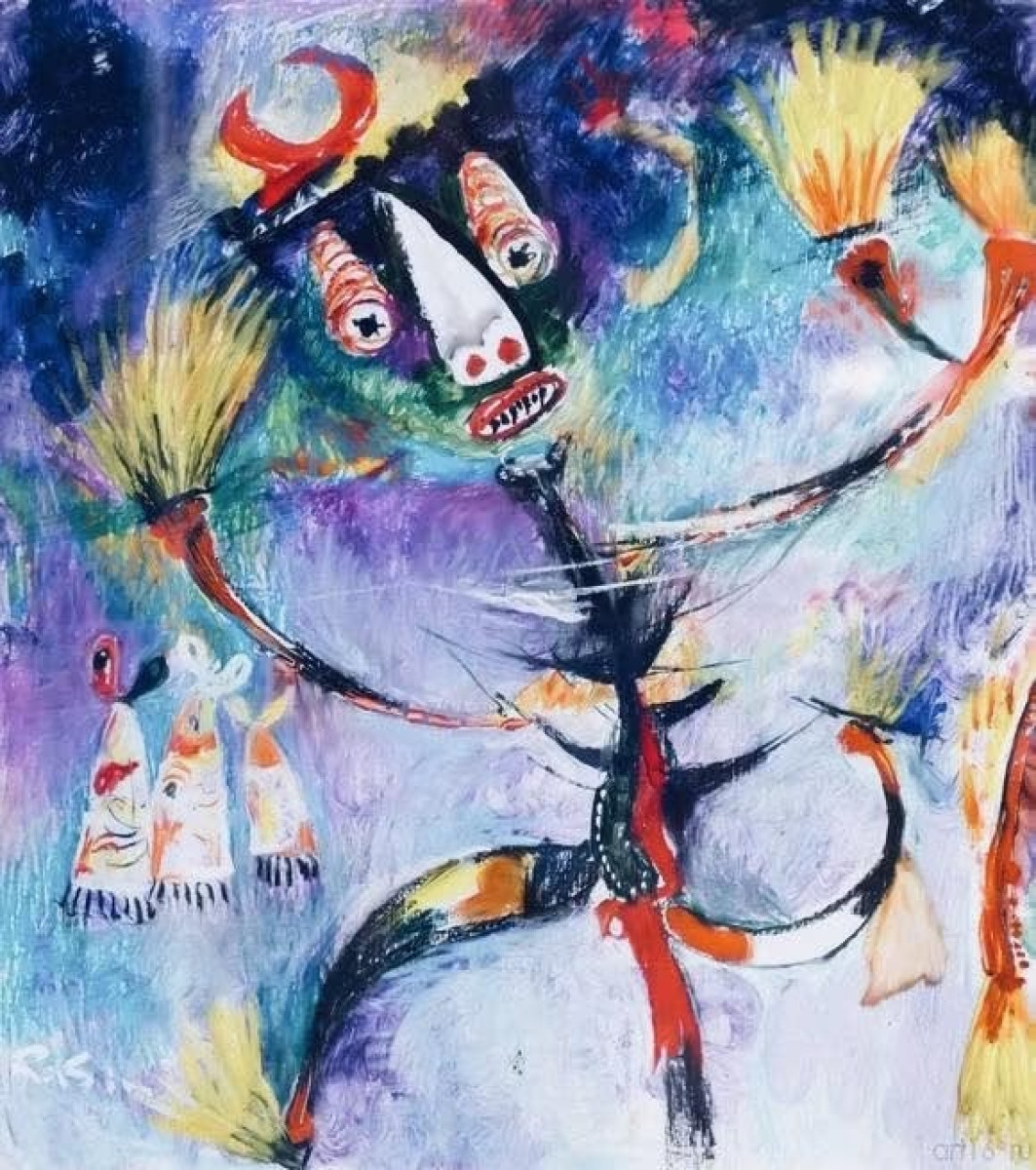
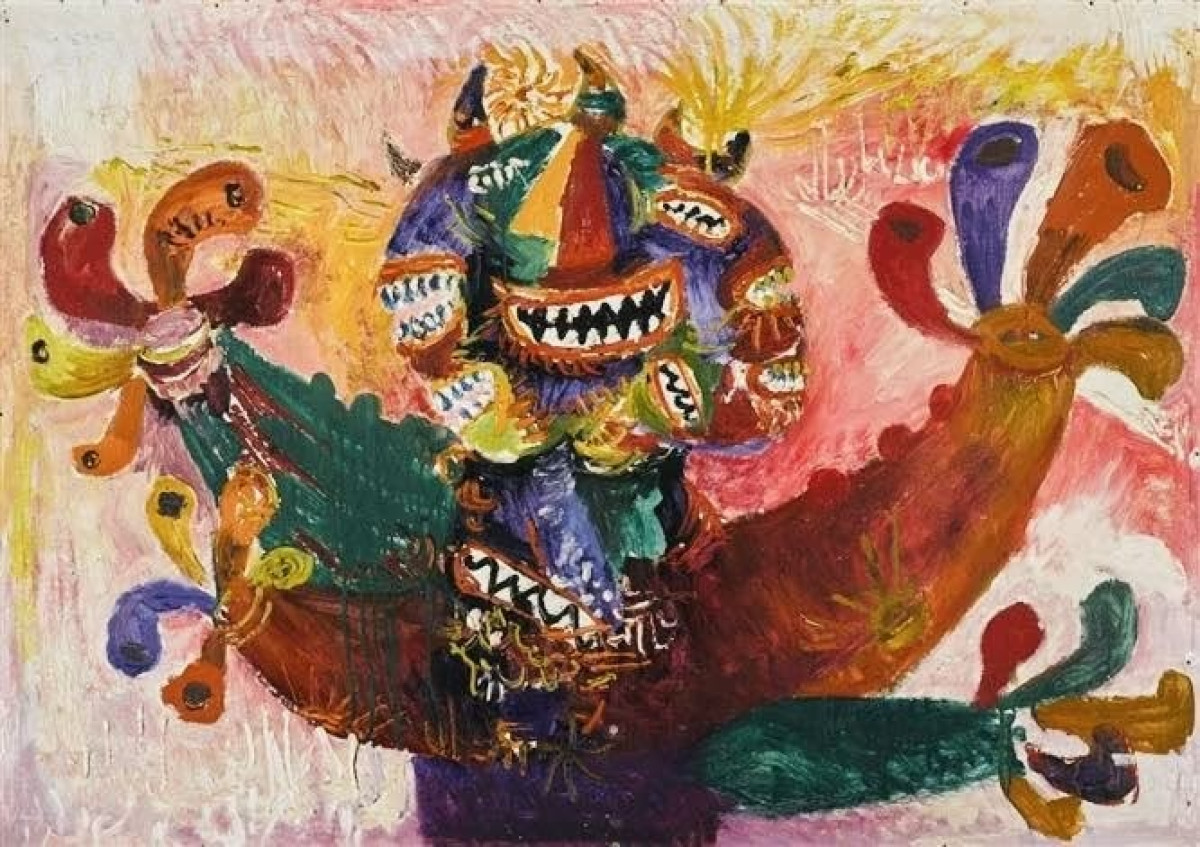
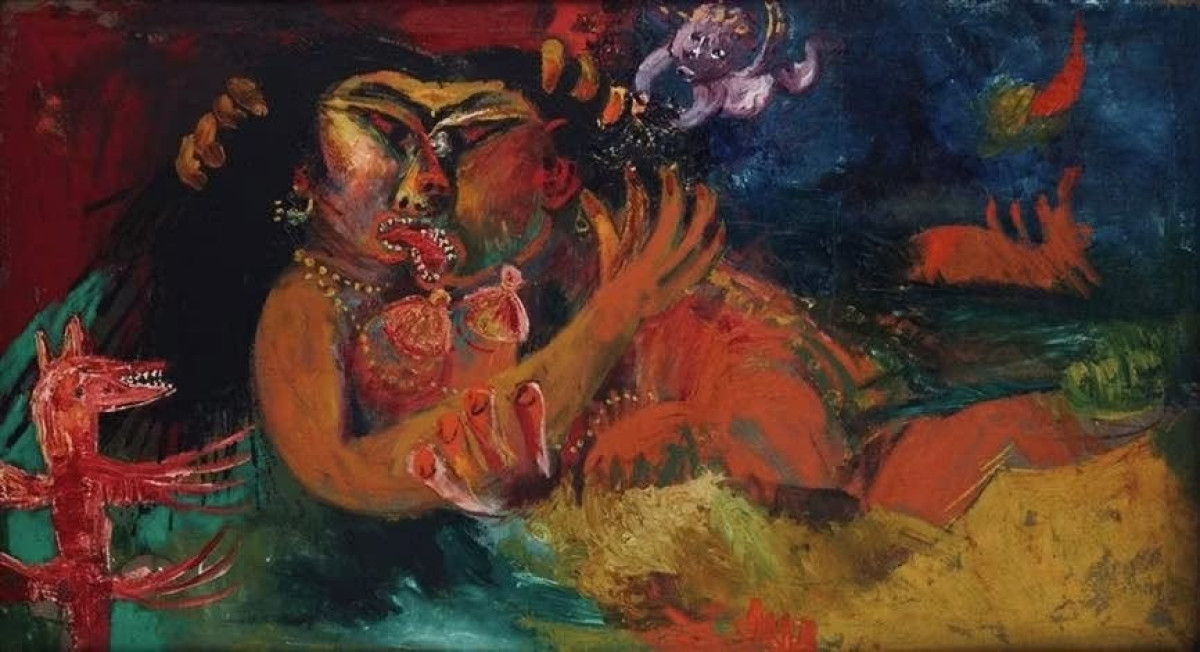
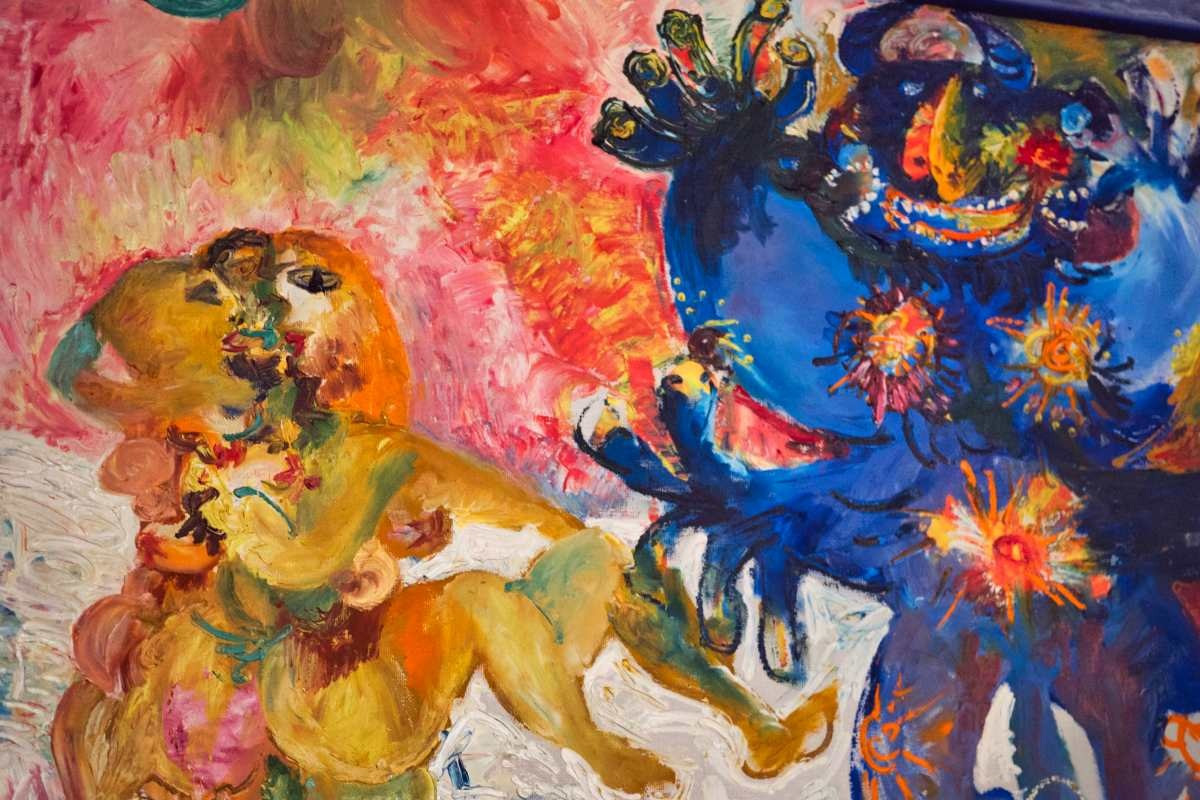
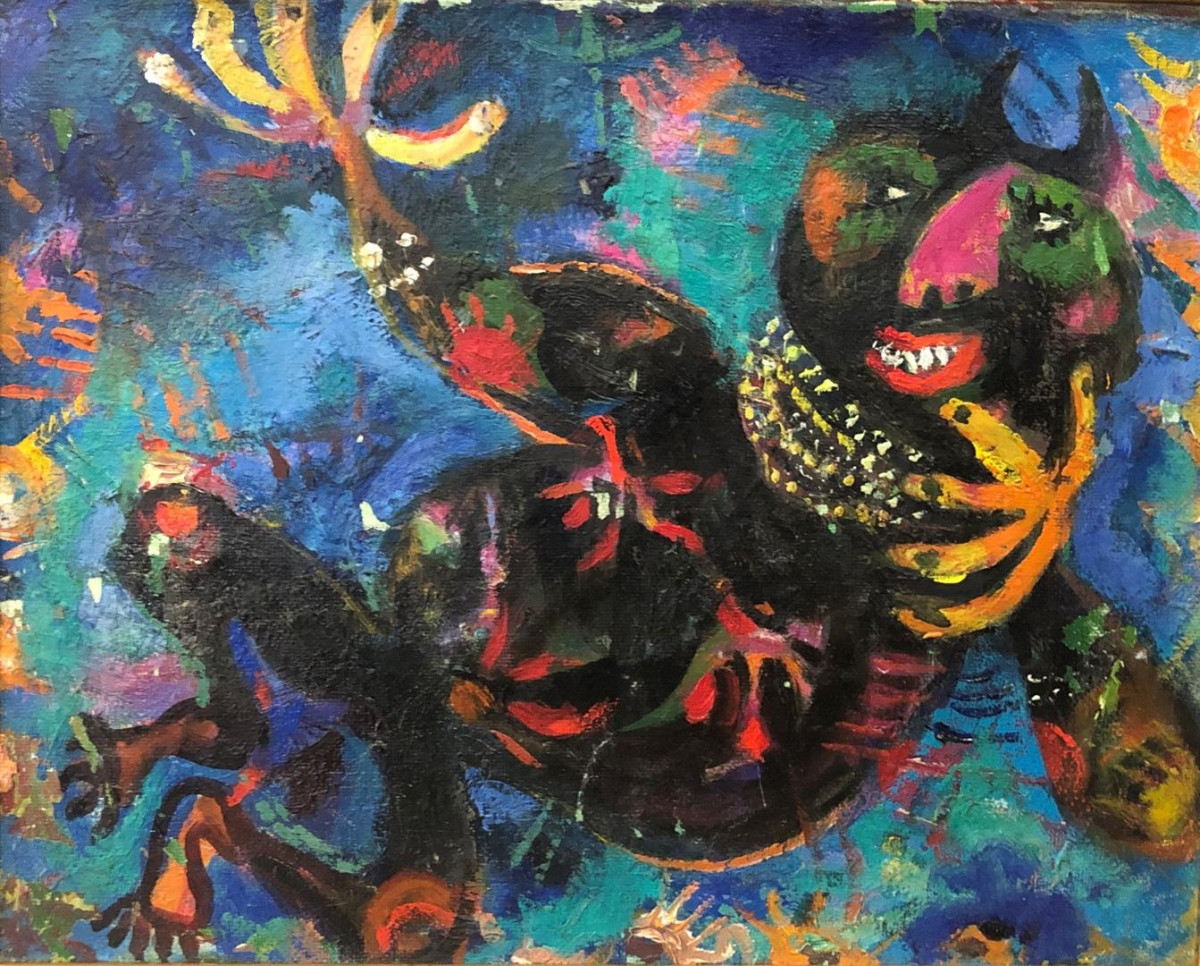
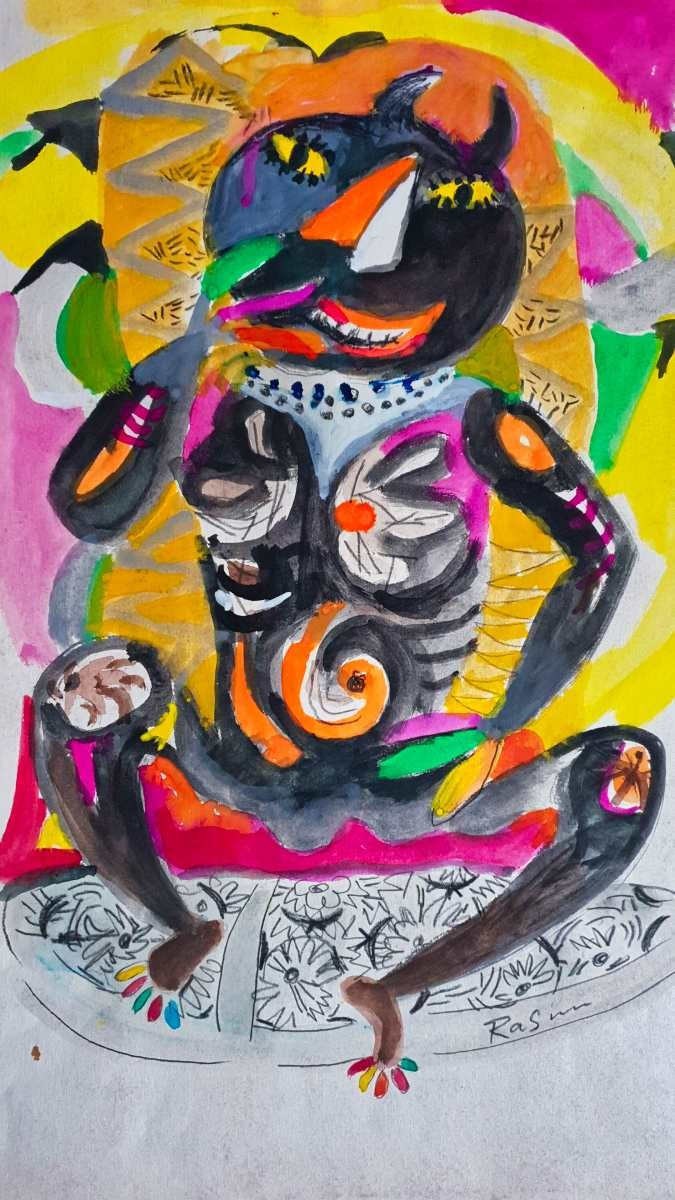
From the 1970s, his paintings increasingly featured divs, angels and fantastic creatures. Rooted in Azerbaijani folklore, these figures move beyond the framework of traditional fairy-tale illustration. The div symbolizes fear, violence, destructive force and the darkness within the human being. Angels and other fantastic figures acquire symbolic associations with goodness, hope and spiritual searching. The mythological world becomes a philosophical space for exploring good and evil, light and darkness.
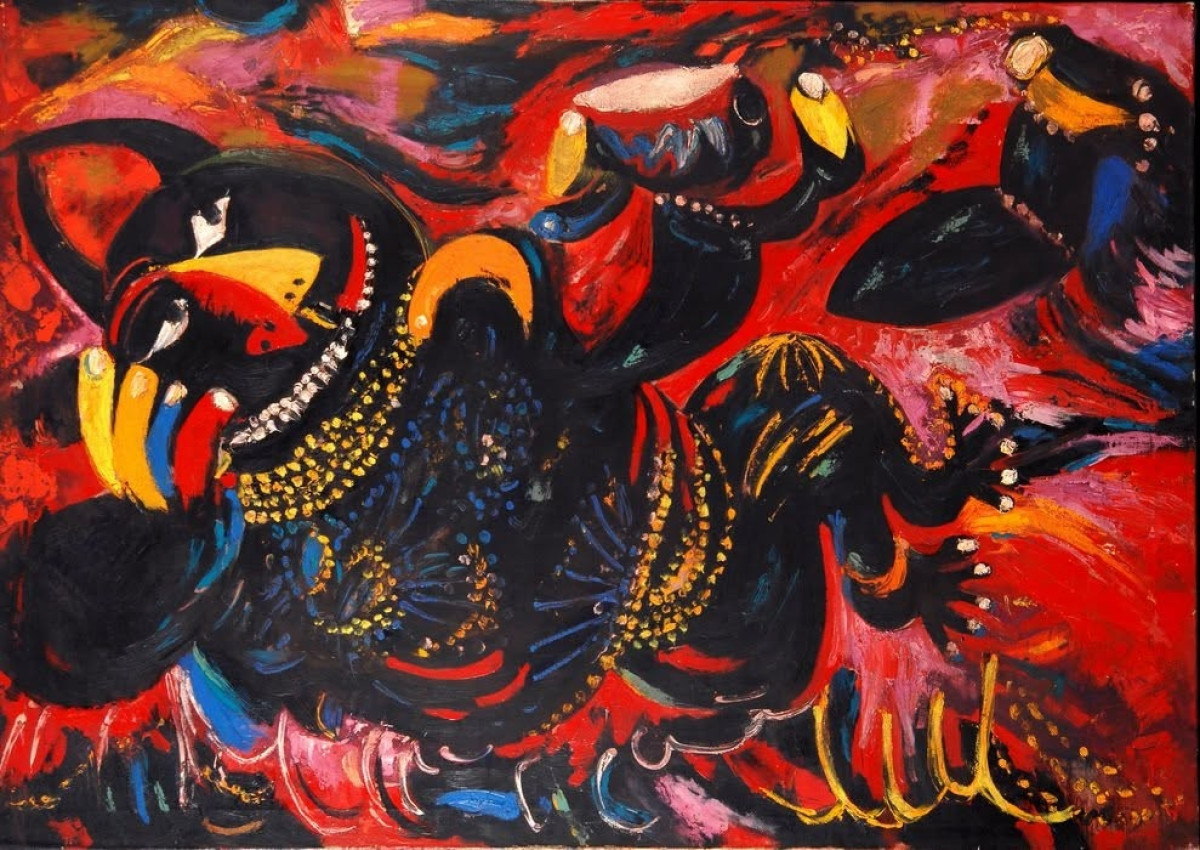
Babayev's mythological series are distinguished not only by their subject matter but also by their distinctive formal language. Figures serve emotional meaning rather than anatomical accuracy. Altered proportions, free contours and unexpected compositional relationships intensify their psychological impact. Colour establishes the work's inner tension and spiritual atmosphere rather than reproducing nature. The contrast between vivid colour fields and dark tones creates a dramatic visual expression.
National tradition is not repeated historical form but a living source for modern artistic thought. Folklore, ancient beliefs, the rhythms and colour sensibility of folk art, and the figurative principles of miniature painting acquire new meaning in Babayev's individual imagination. His work also reveals affinities with aspects of twentieth-century European modernism, particularly the expressive possibilities of Expressionist and Surrealist approaches. These affinities reflect his reworking of national visual memory through modern means.
Babayev's works are held in the collections of the National Art Museum of Azerbaijan, the State Tretyakov Gallery, the State Russian Museum and the State Museum of Oriental Art, and private collections. His solo exhibition at the Marble Palace of the State Russian Museum in St Petersburg in 2014 brought international attention to his paintings and graphic works.
Rasim Babayev's artistic legacy broadened the possibilities of individual artistic freedom, the modern interpretation of folk memory and mythological thought in Azerbaijani visual art. In his works, reality and fantasy, everyday life and myth, humour and tragedy form a unified figurative system that explores the human inner world and the contradictions of existence. He connected national culture with modern means of expression.
Rasim Babayev died in Baku on 24 April 2007.
Art Space Gallery MEDIA