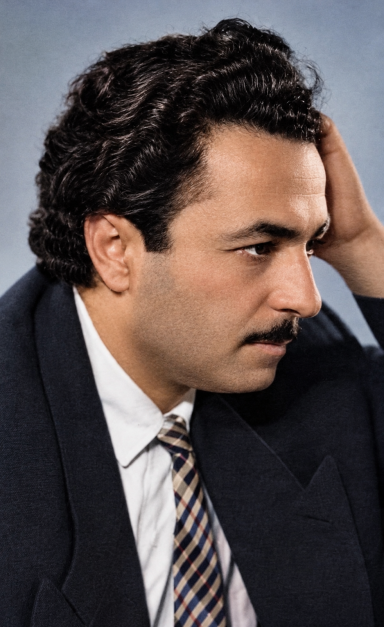
NADIR ABDURRAHMANOV — A PICTORIAL CHRONICLE OF KARABAKH'S LANDSCAPES AND HUMAN FIGURES
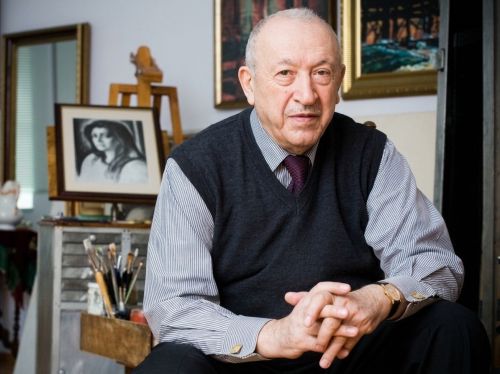
Born on 5 December 1925 in Lachin, Nadir Gambar oglu Abdurrahmanov occupies a distinctive place in the history of twentieth-century Azerbaijani painting. He studied at the Azim Azimzade Azerbaijan State Art School from 1941 to 1944, continued his education at the Azerbaijan State Medical Institute between 1944 and 1947, and subsequently trained at the Ilya Repin Institute of Painting, Sculpture and Architecture in Leningrad, graduating in 1953. Alongside his artistic practice, he held prominent positions within the Union of Artists of Azerbaijan and the Union of Artists of the USSR, served as a deputy of the Supreme Soviet of Azerbaijan, and devoted many years to teaching. He became a professor and later headed a creative studio at the Azerbaijan State Academy of Fine Arts. Awarded the titles of Honoured Artist in 1960 and People's Artist in 1964, he received the Azerbaijan SSR State Prize in 1985 and was decorated with the Shohrat Order.
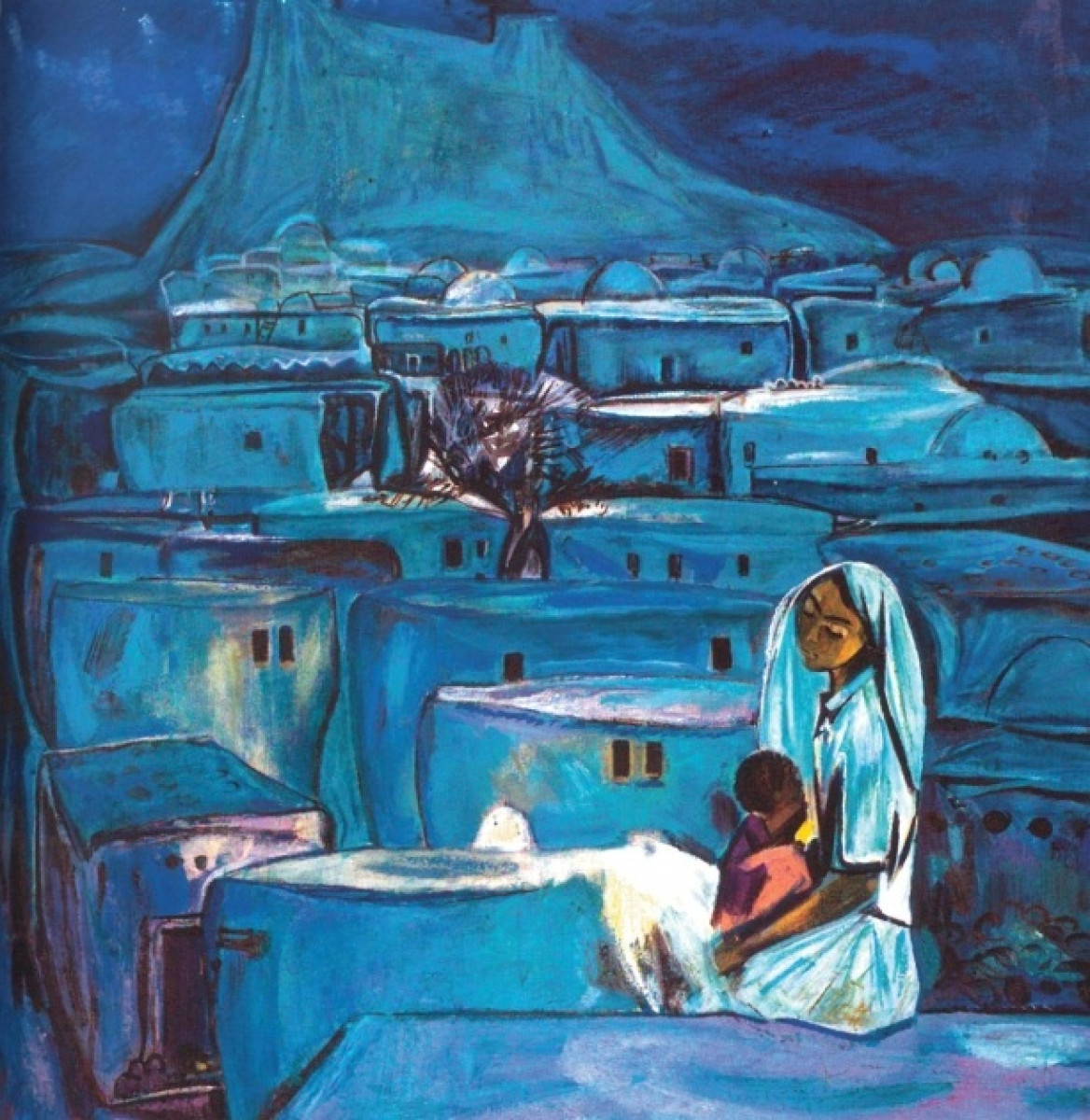
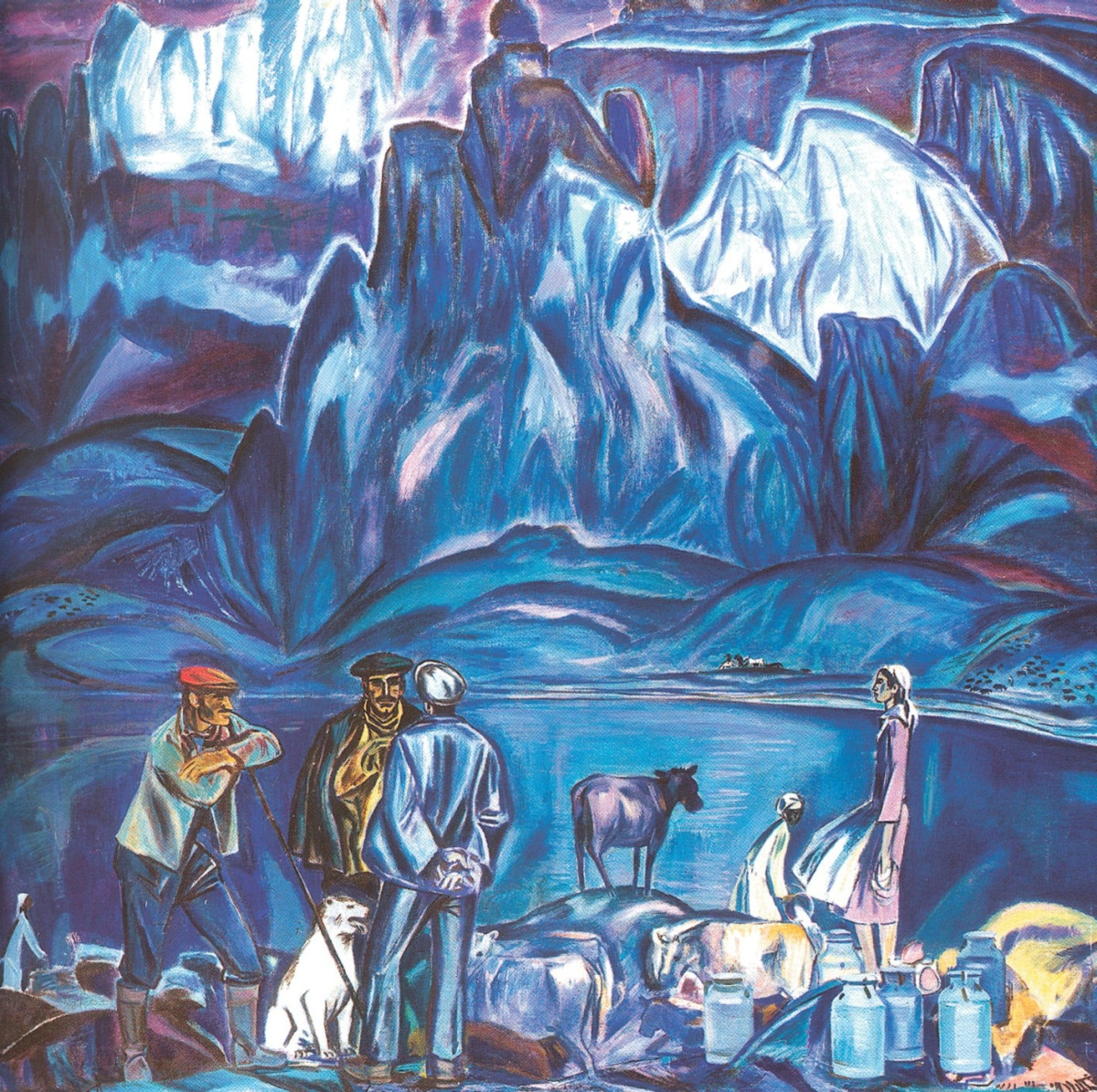
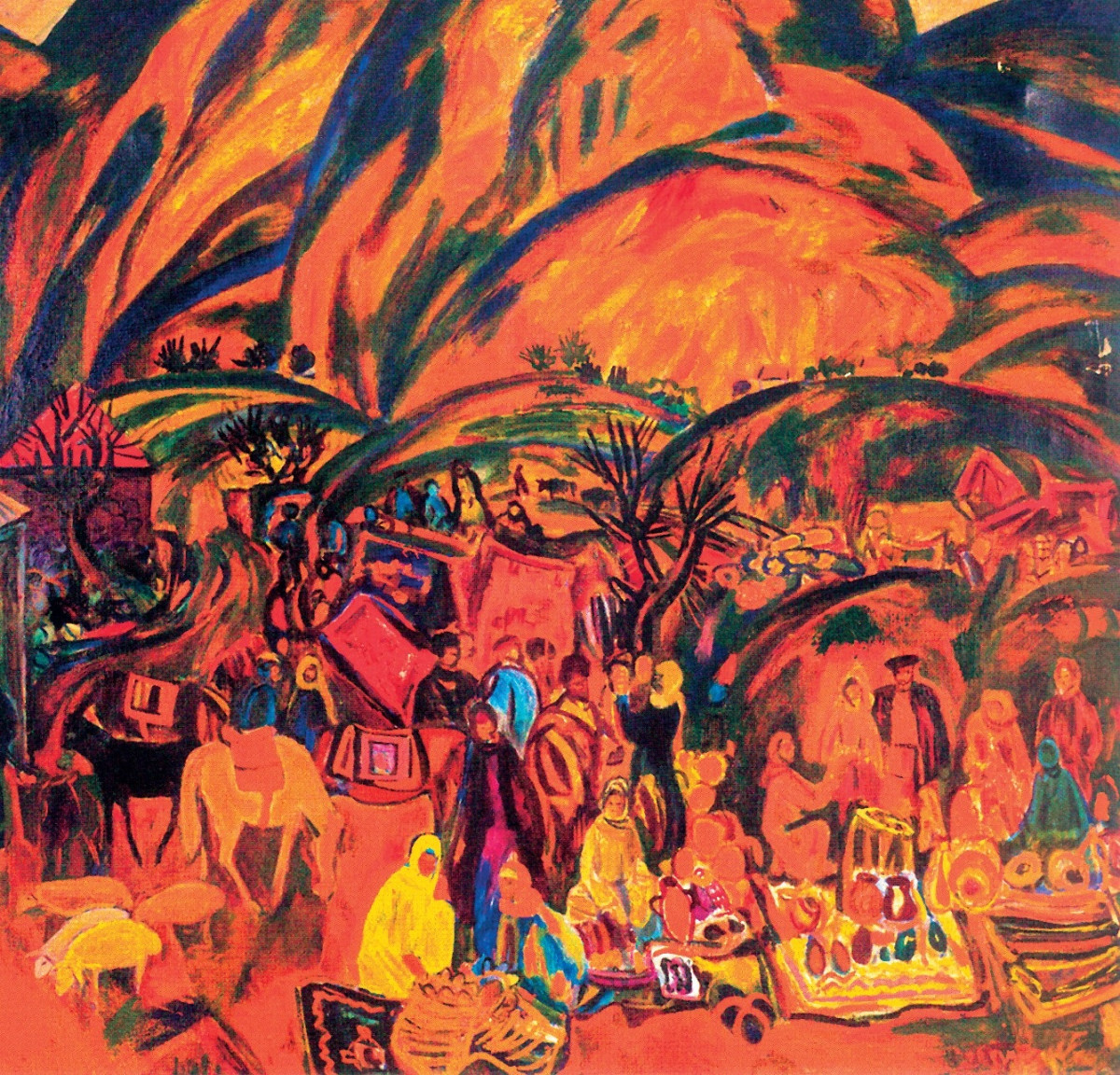
The defining concern of Abdurrahmanov's art is the relationship between people and the geographical and cultural environments that shape their lives. In his paintings, landscape is never merely a background, nor is the human figure simply an element of narrative composition. Nature, labour, domestic life and cultural identity form an interconnected visual world. The mountainous surroundings of Lachin, the settlements of Karabakh and the distinctive ways of life found across Azerbaijan provided lasting sources of inspiration for his artistic imagination.
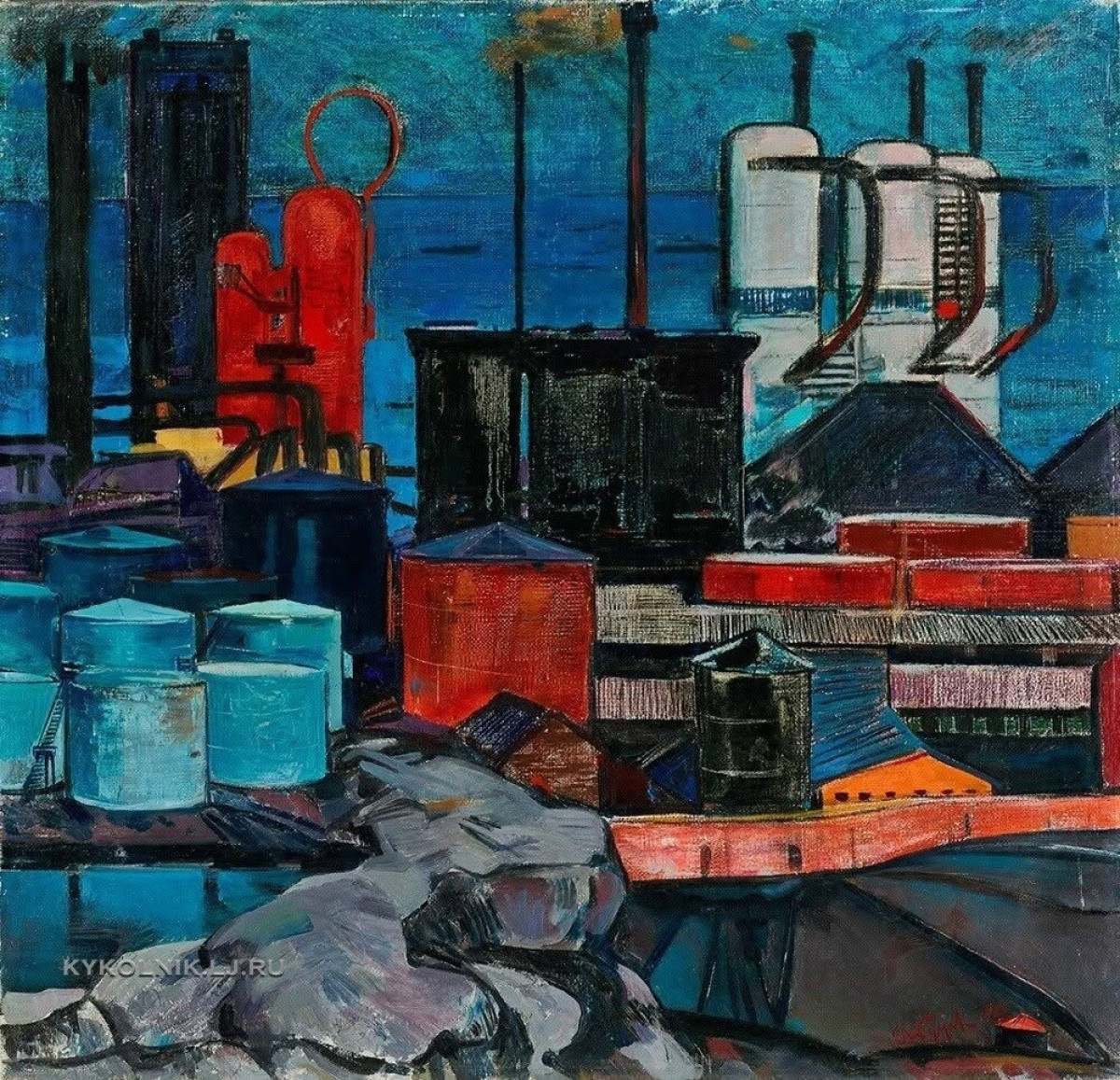
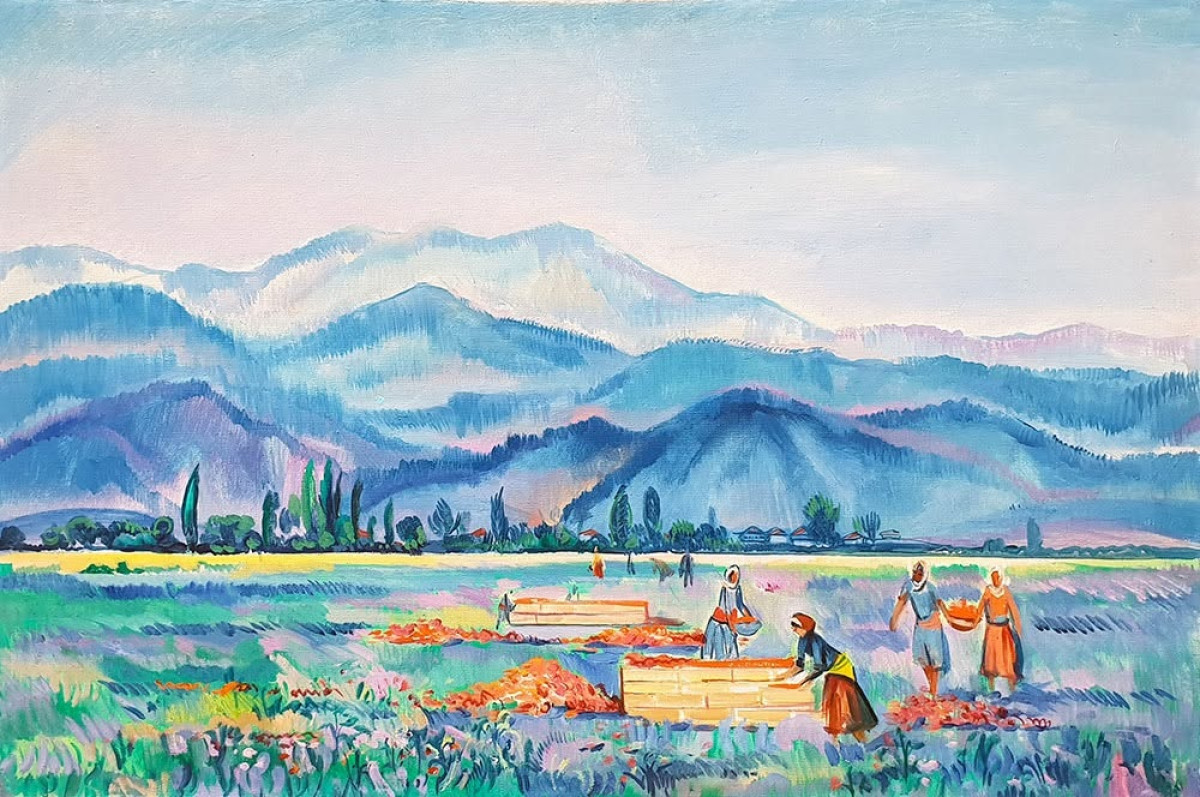
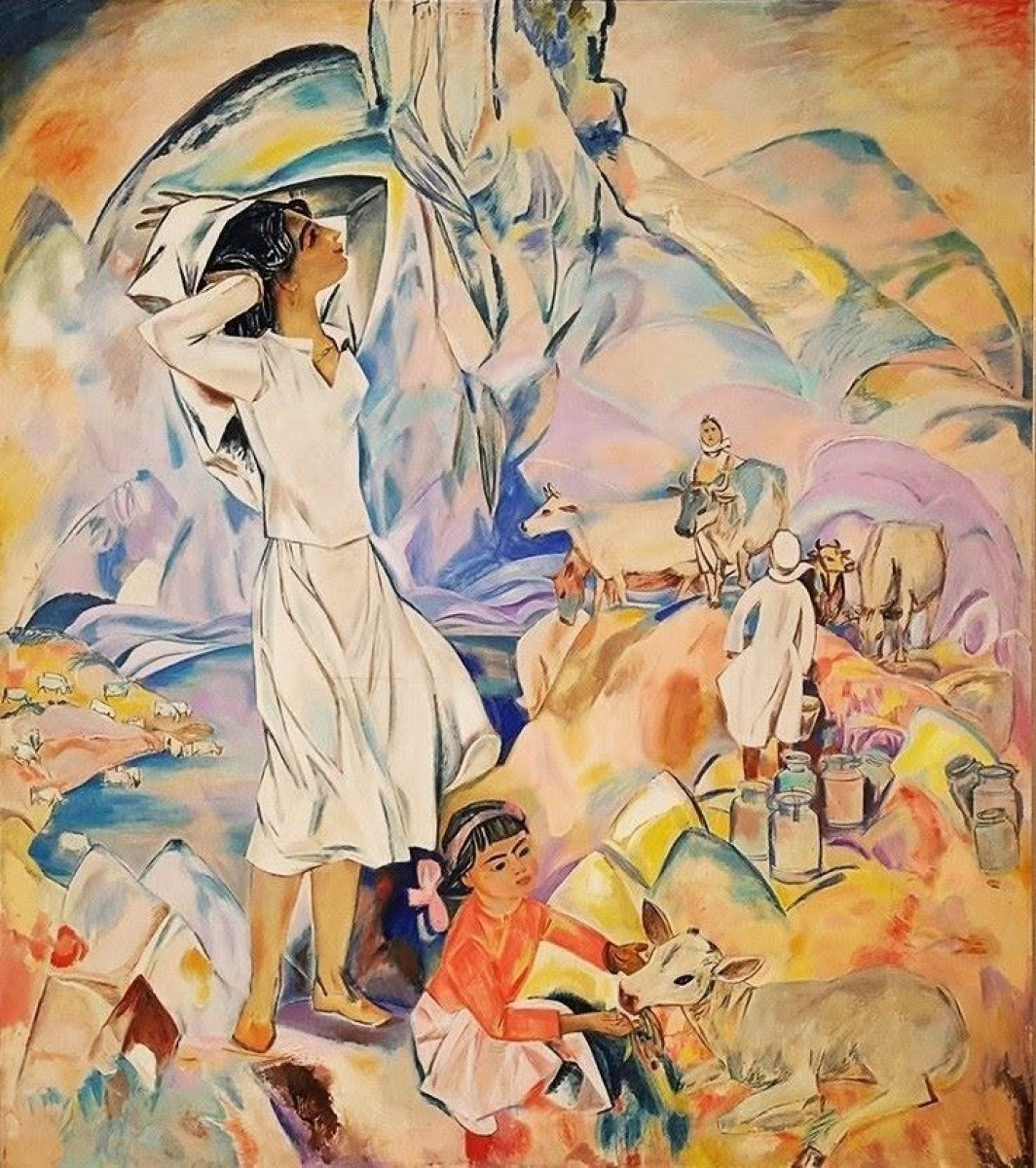
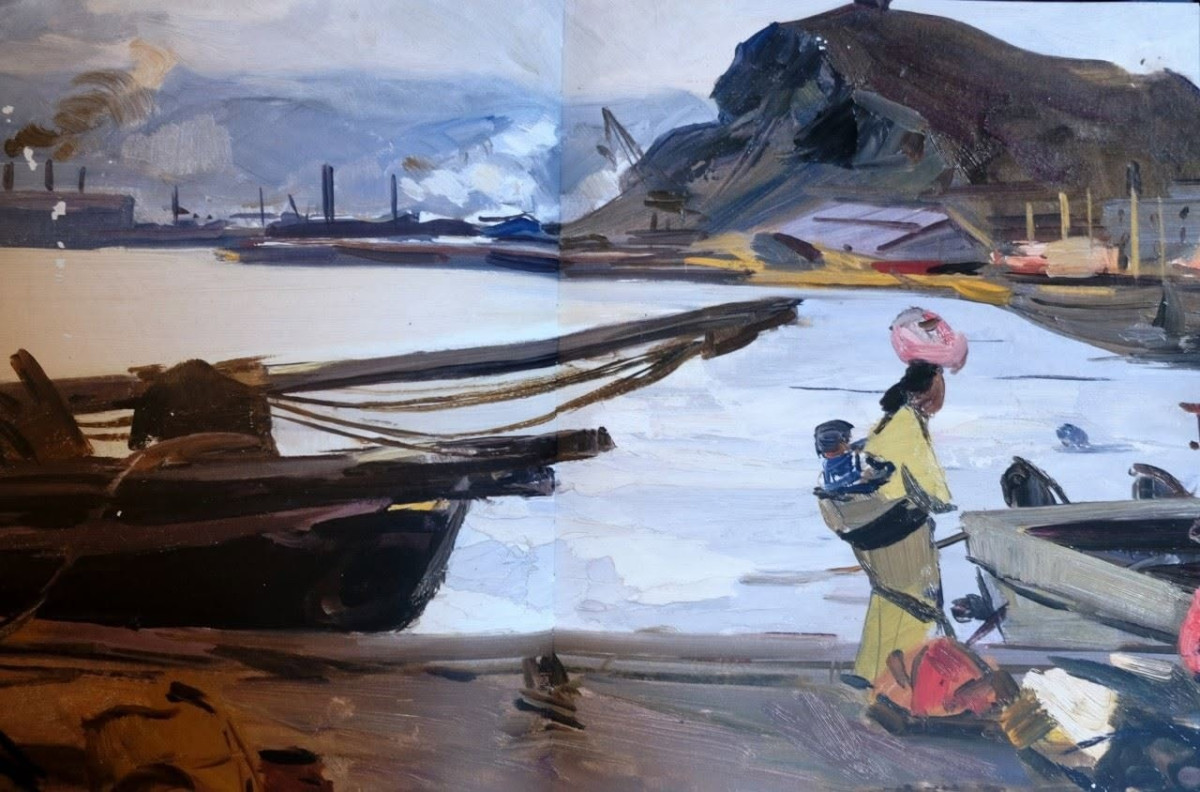
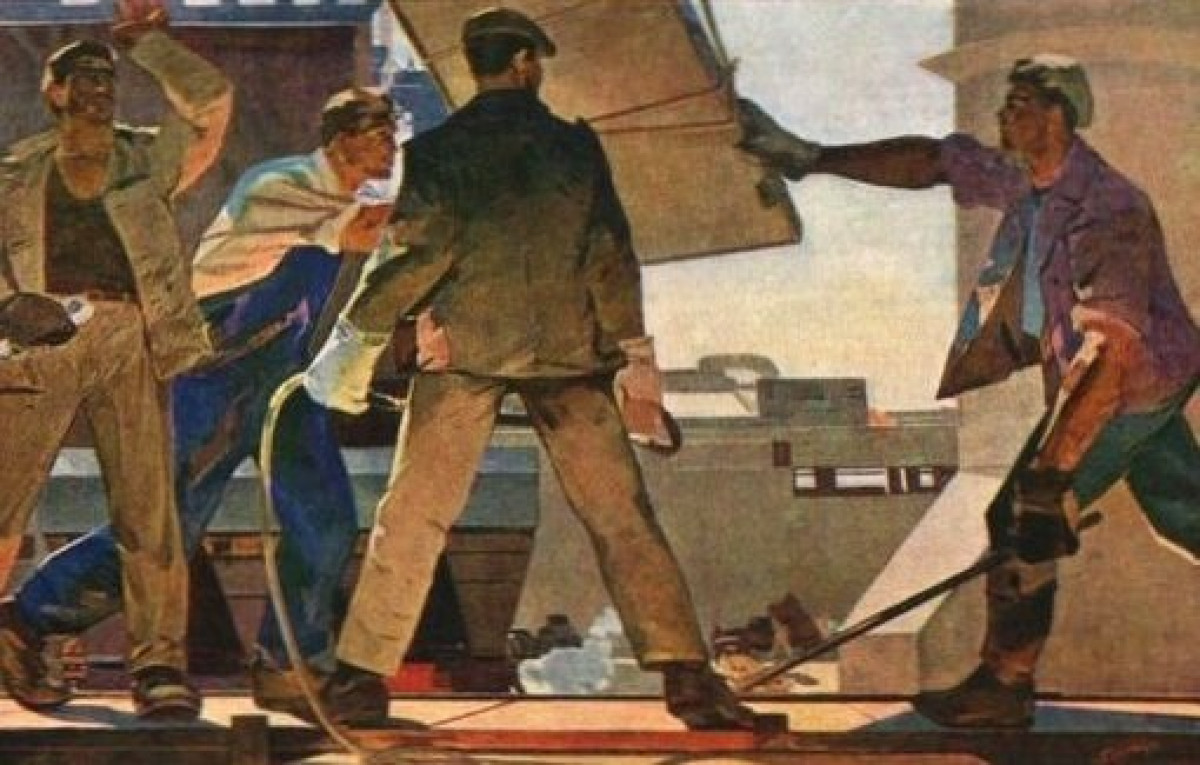
His works of the 1950s reveal the development of an individual approach grounded in academic training but increasingly responsive to the complexity of contemporary life. In View of Baku (1954), Industrial Landscape (1954), At the Summer Pasture (1957) and Morning in the Mountains (1958), he explores urban, industrial and rural environments through contrasting compositional structures. Industrial subjects emphasise spatial construction and the scale of collective labour, while landscapes are shaped by the physical character of the terrain and the expressive relationships between colours. These paintings demonstrate his ability to combine the observation of everyday reality with a distinctly lyrical perception of the natural world.
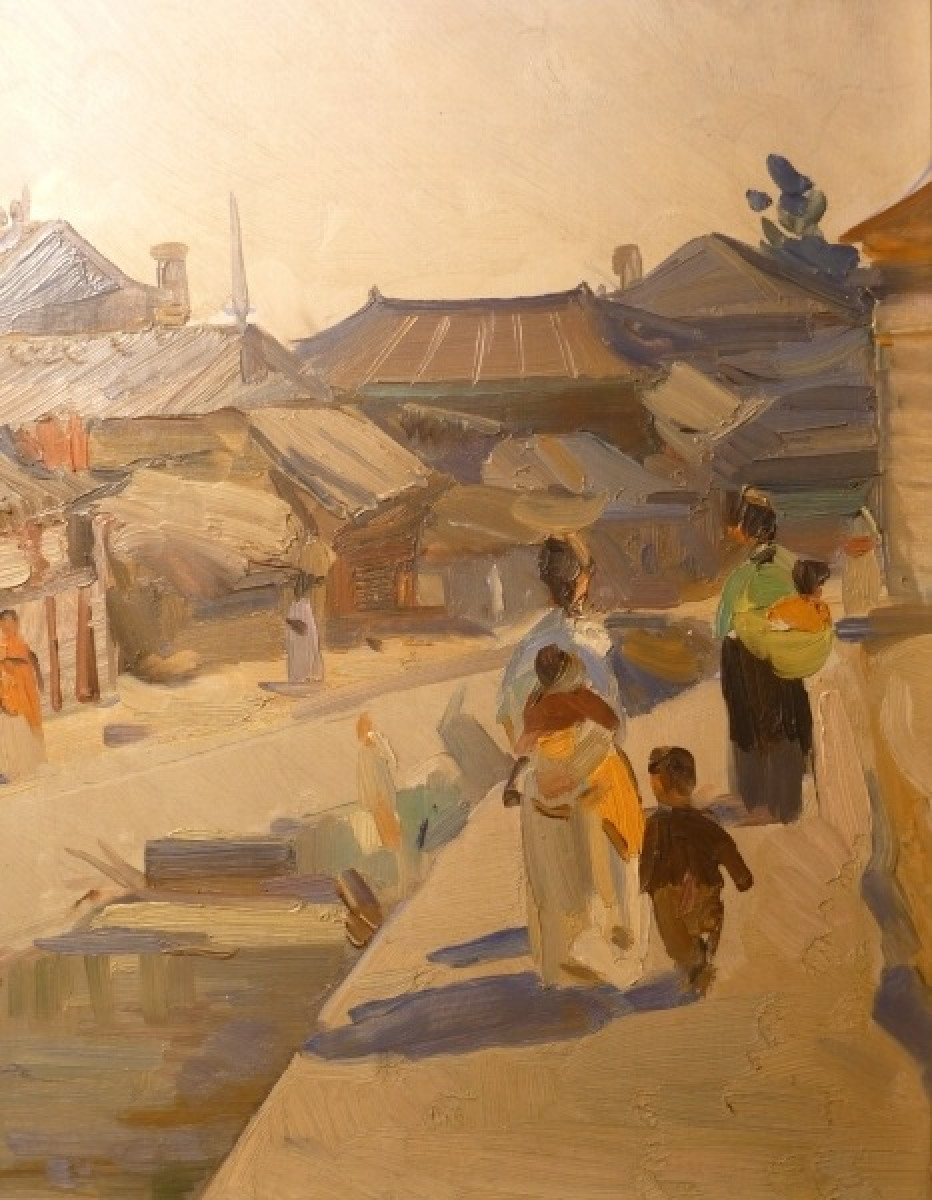
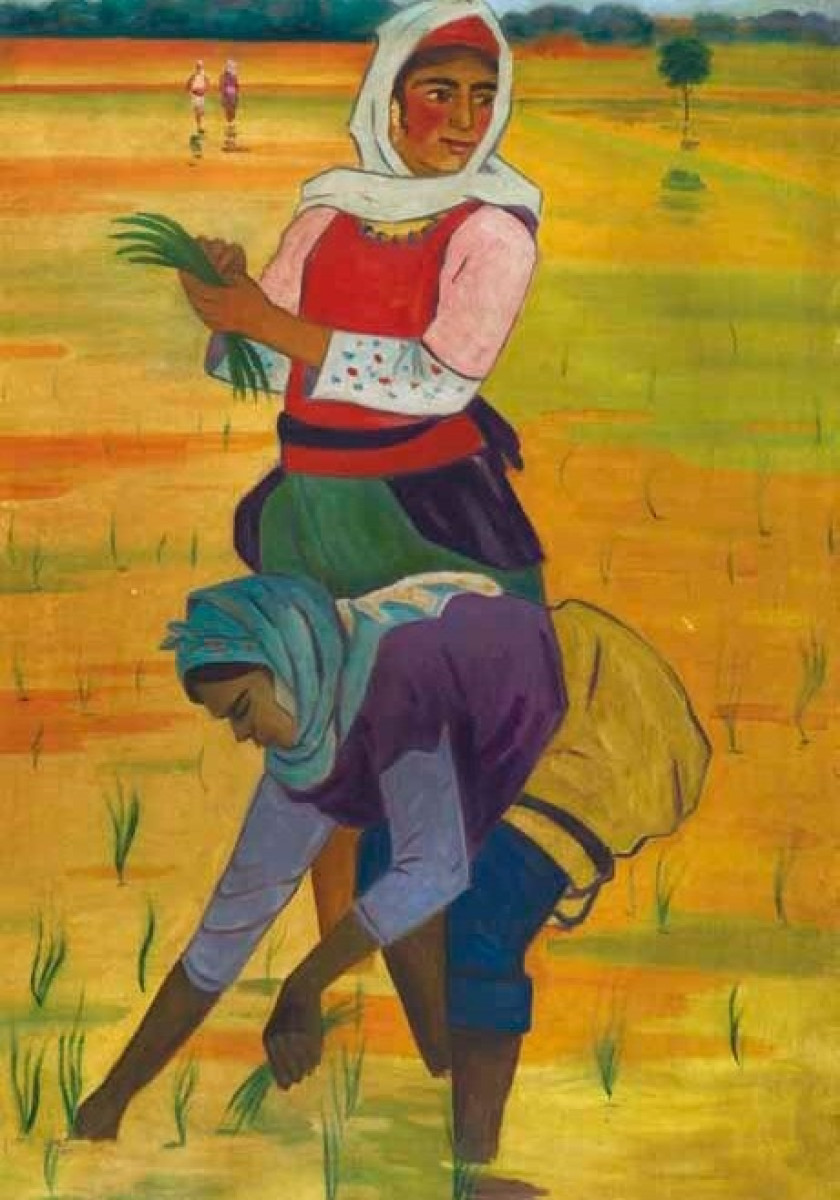
A significant stage in his development began with his creative journey to North Korea in 1958. The resulting New Korea series reflects his interest in the country's people, landscapes and working traditions. More importantly, the experience broadened his understanding of how artistic observation could connect different cultural environments. He later brought this perspective to his depictions of agricultural life in southern Azerbaijan. In Rice Planting (1960), the process of cultivation becomes more than a record of rural labour: it establishes a relationship between human activity, natural conditions and the recurring rhythms of everyday existence. The ability to recognise shared experiences across different geographical settings became an important aspect of his artistic outlook.
In Builders of the Ali-Bayramli Hydroelectric Power Station (1961) and Builders of the Seven-Year Plan, Abdurrahmanov developed a more monumental approach to composition. The arrangement of figures, the distribution of colour masses and the scale of the surrounding environment convey the collective dimension of industrial work. Yet his artistic significance cannot be reduced to the social themes of the period. Beneath these subjects lies a sustained interest in the relationship between people and their surroundings, and in the visual expression of collective experience.
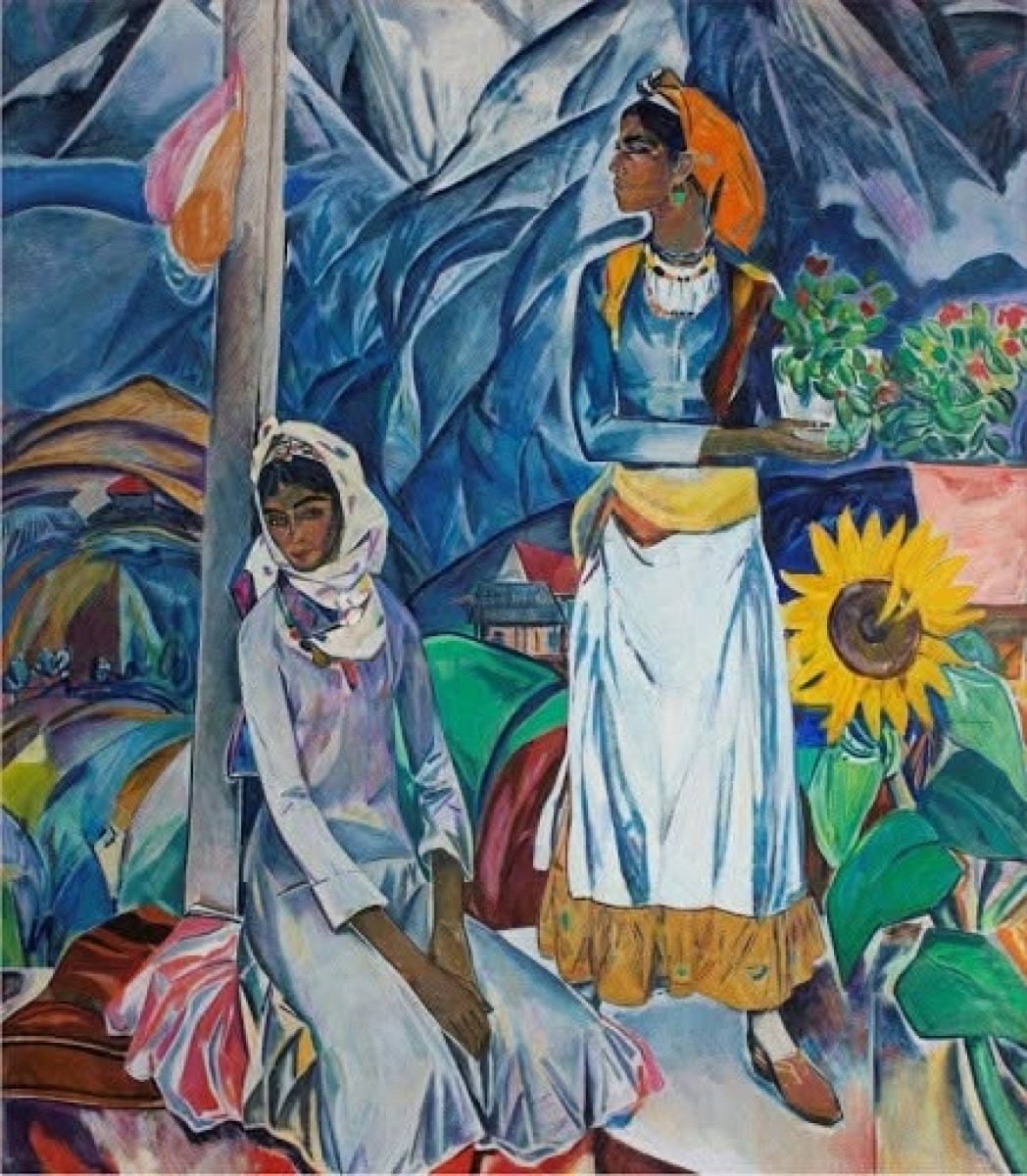
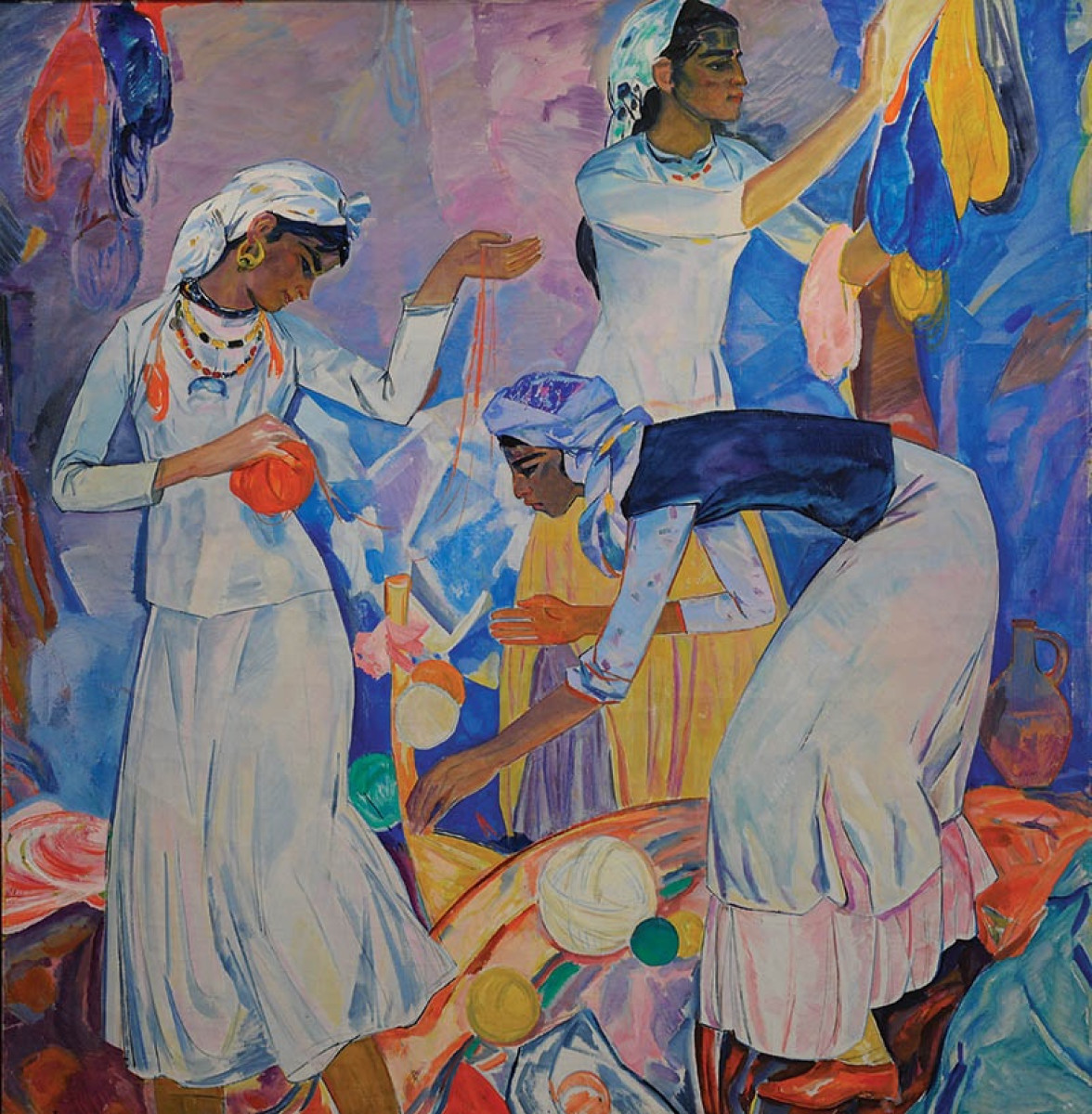
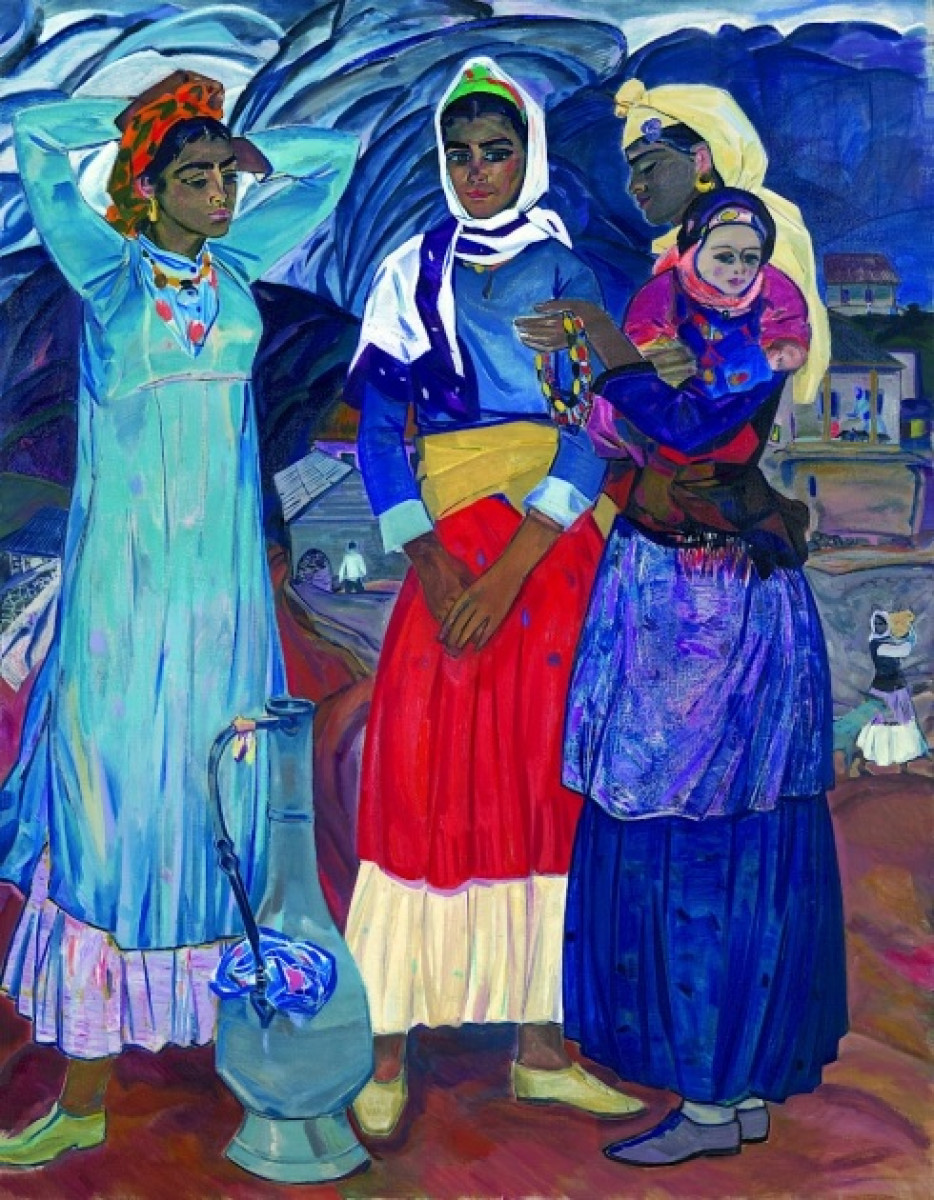
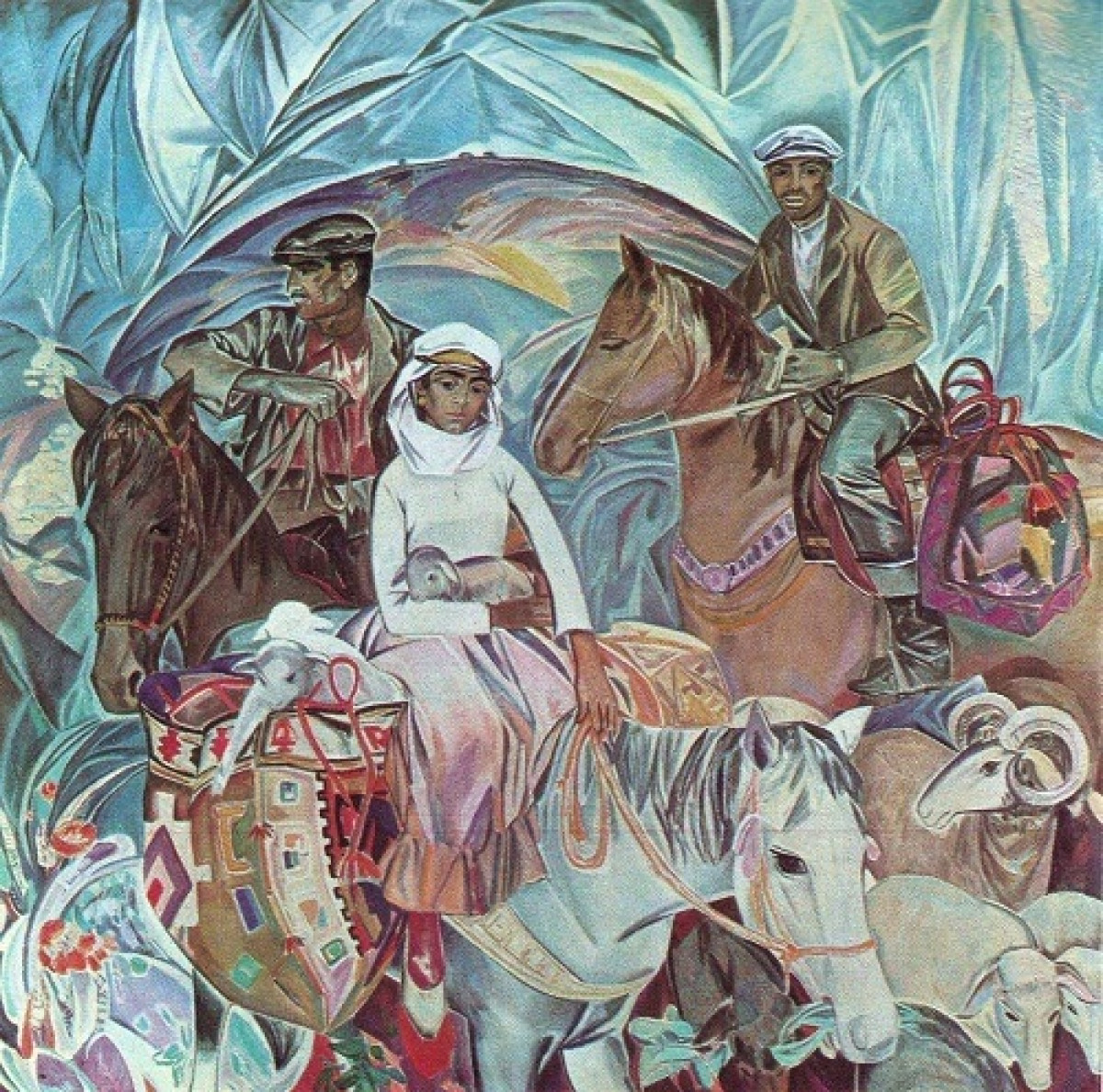
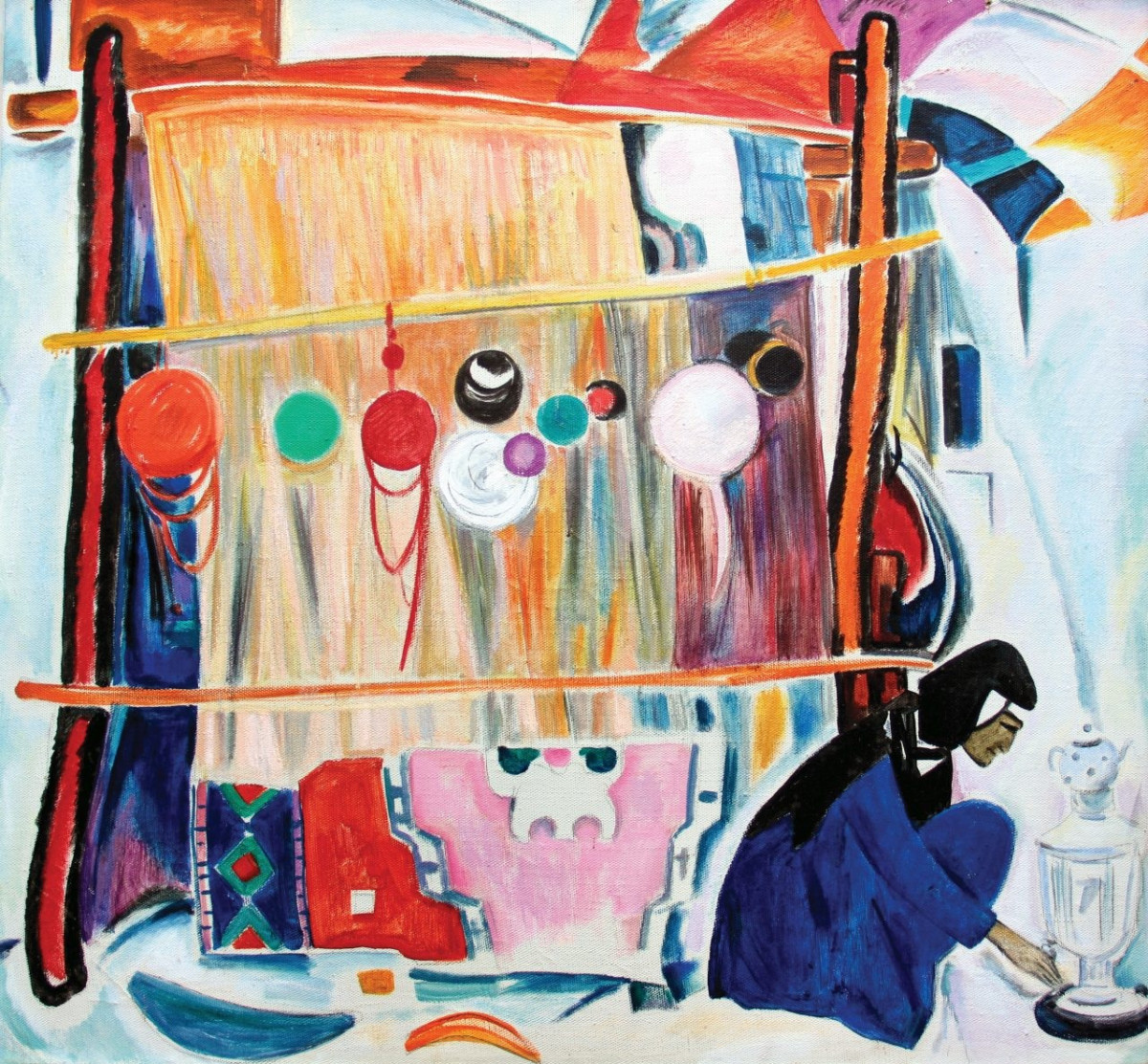
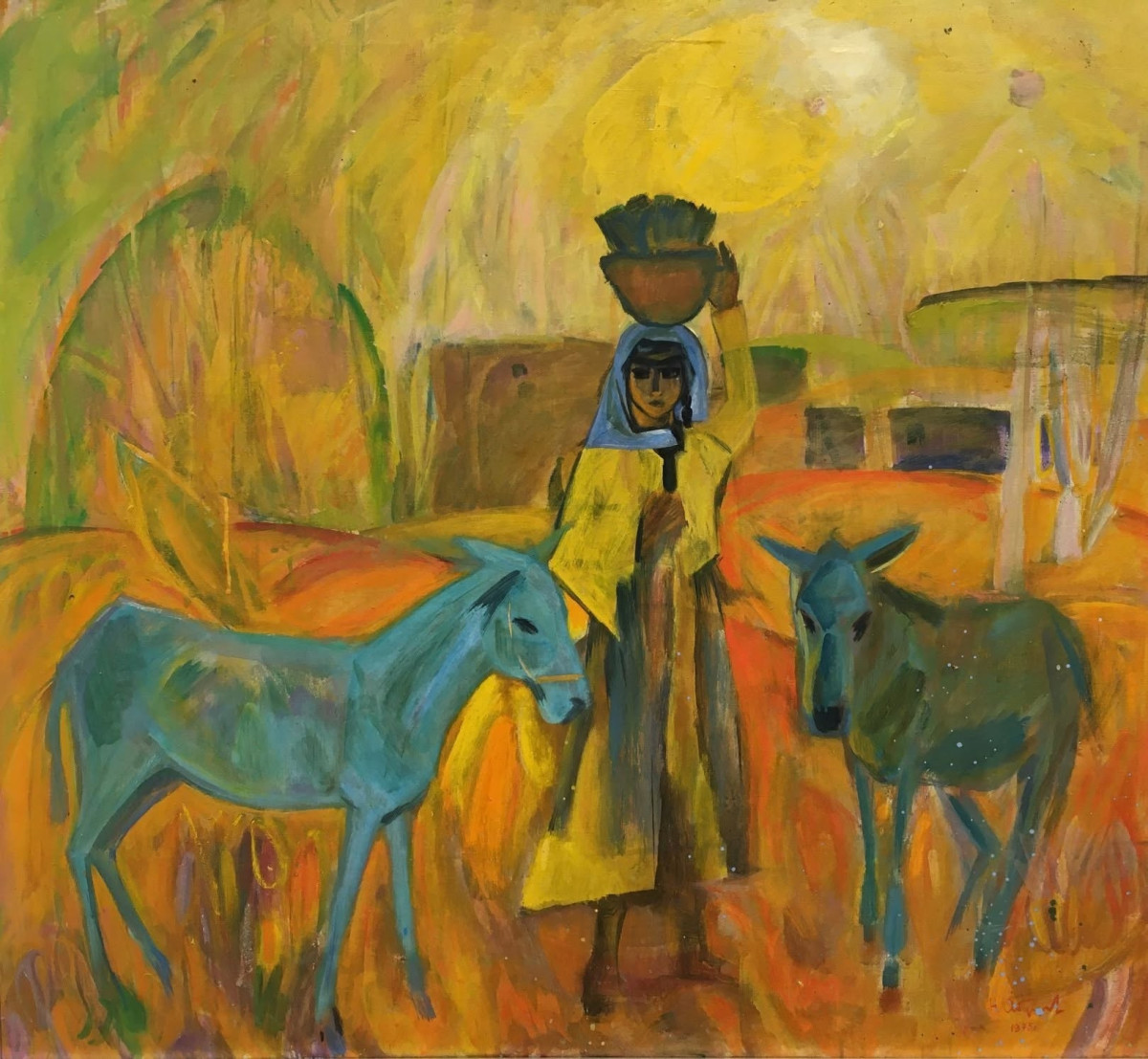
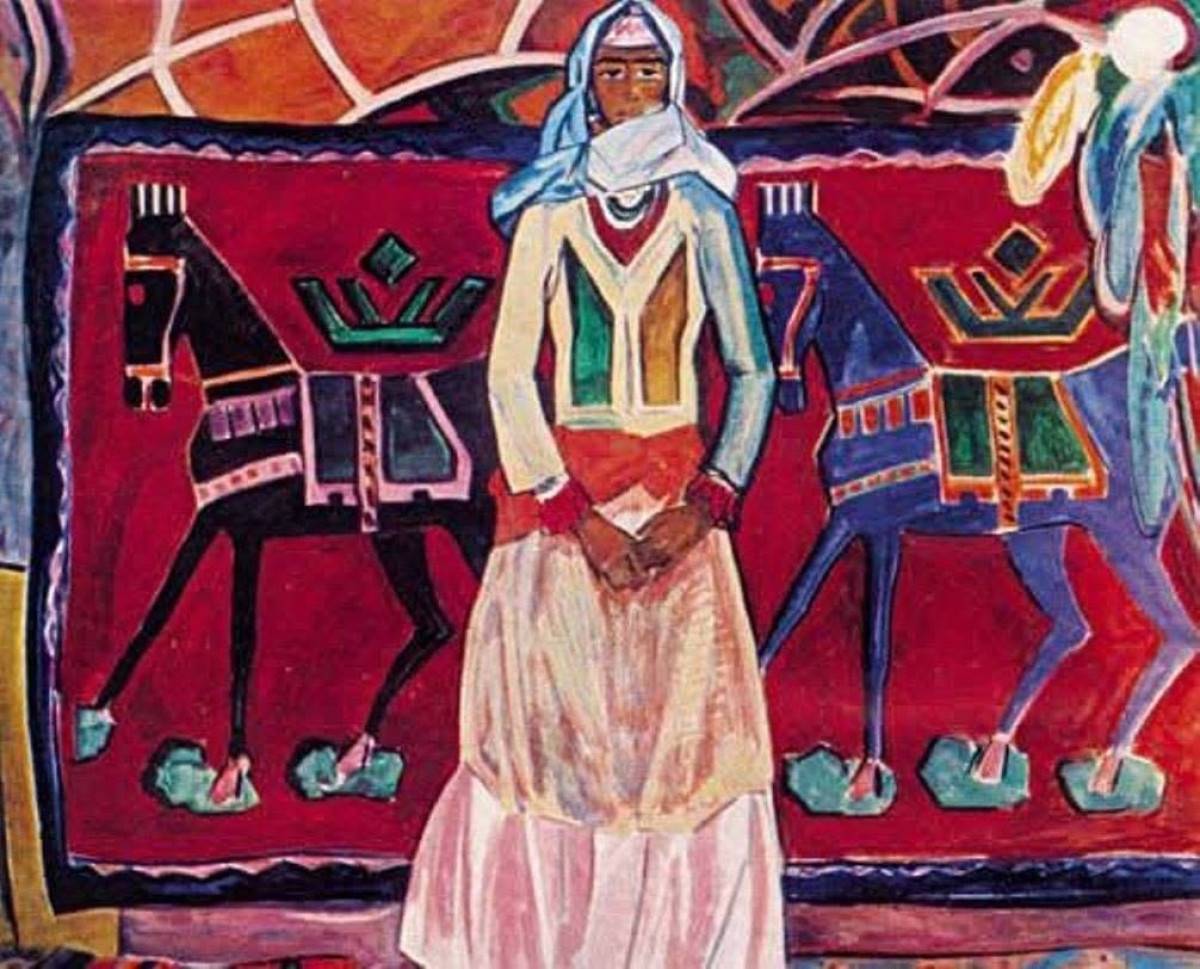
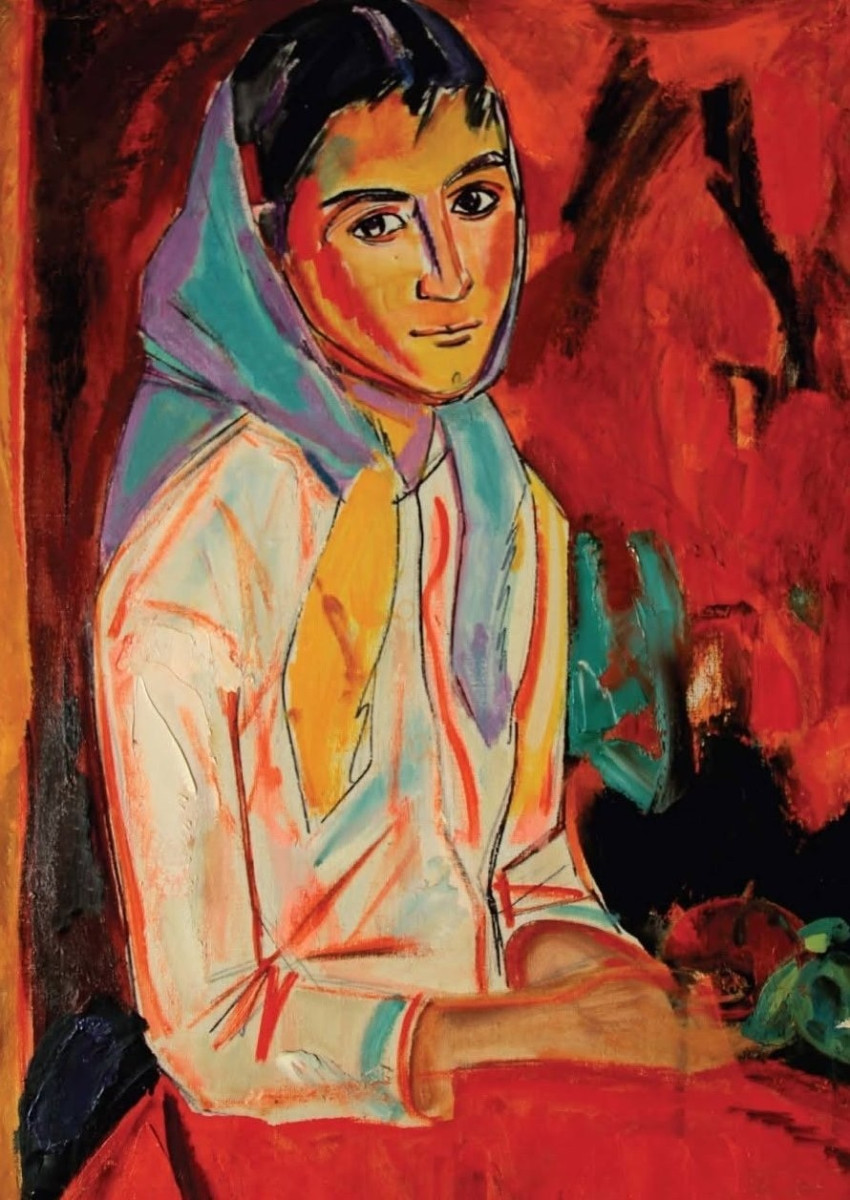
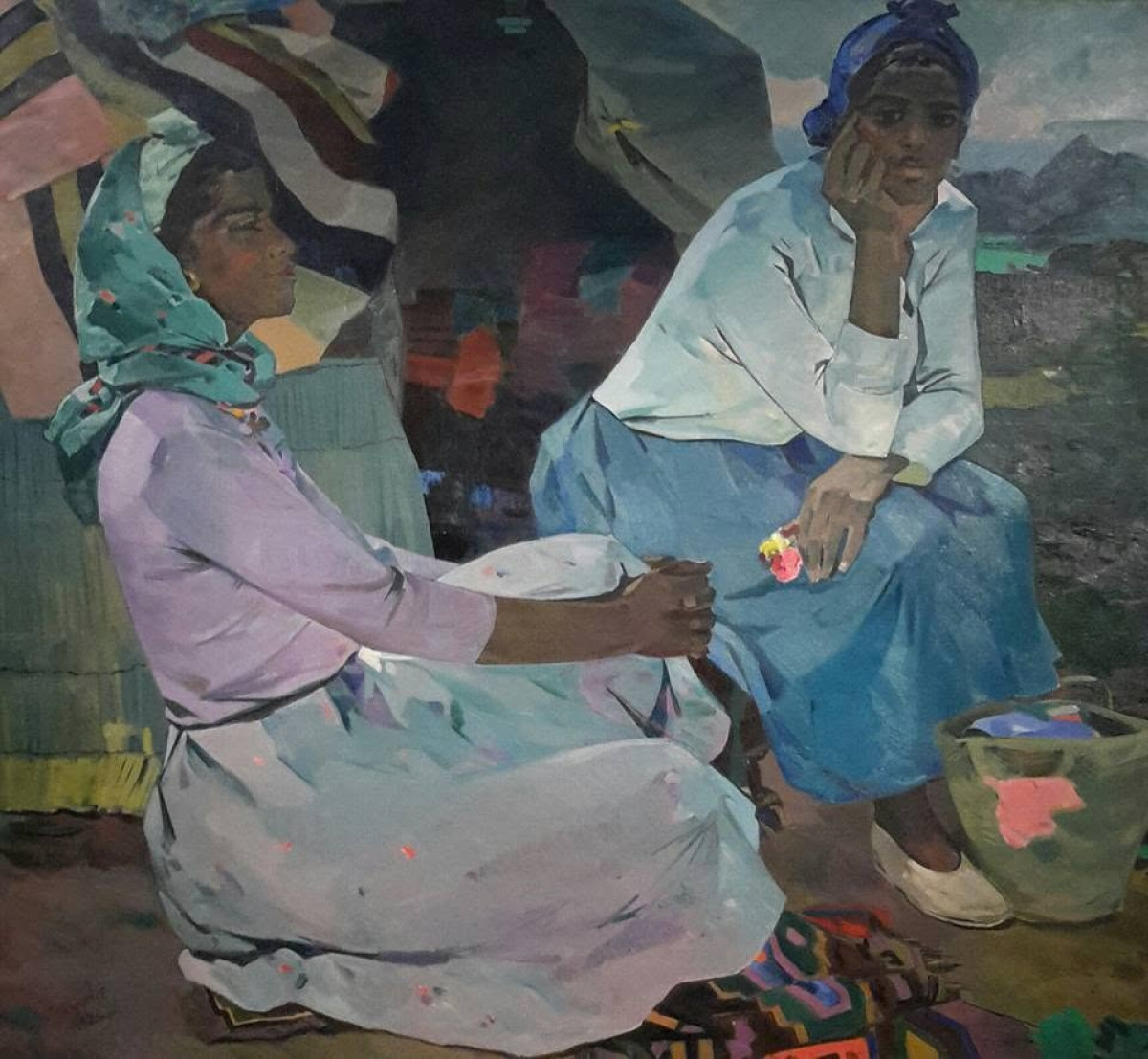
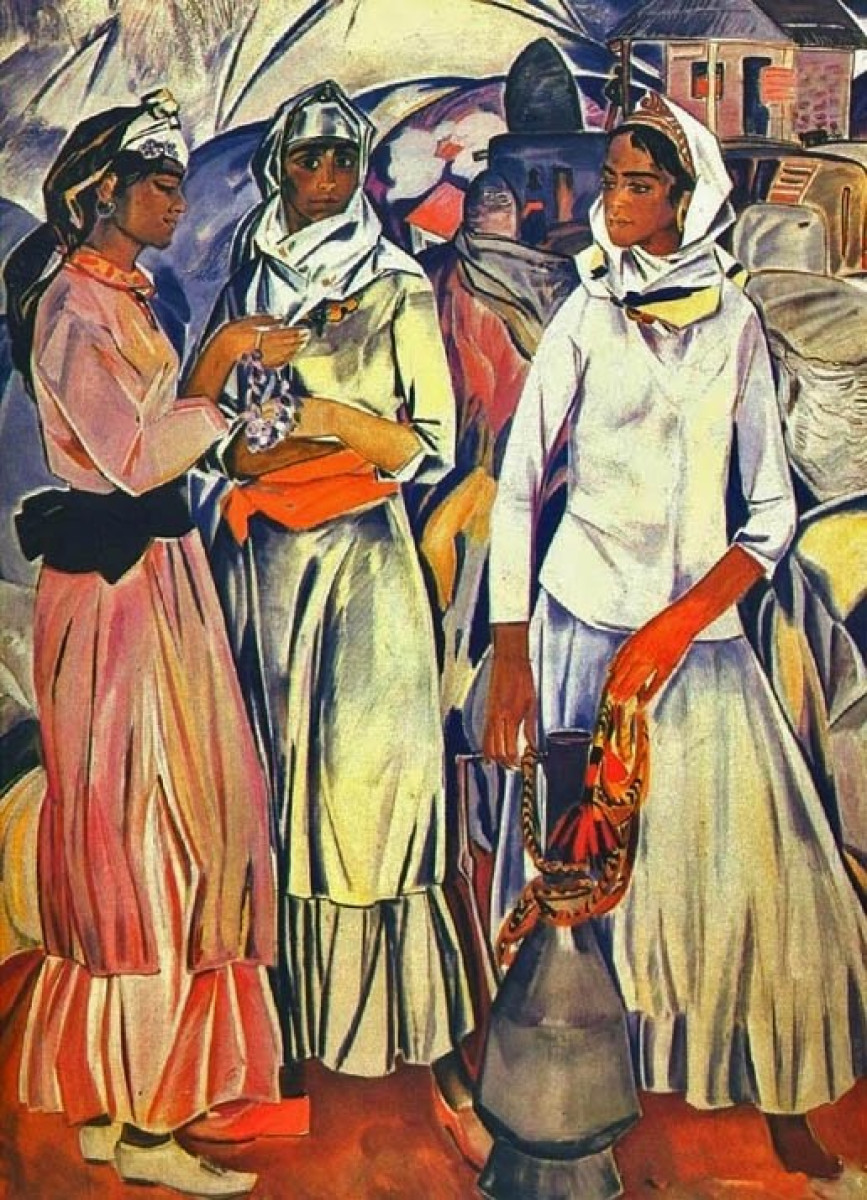
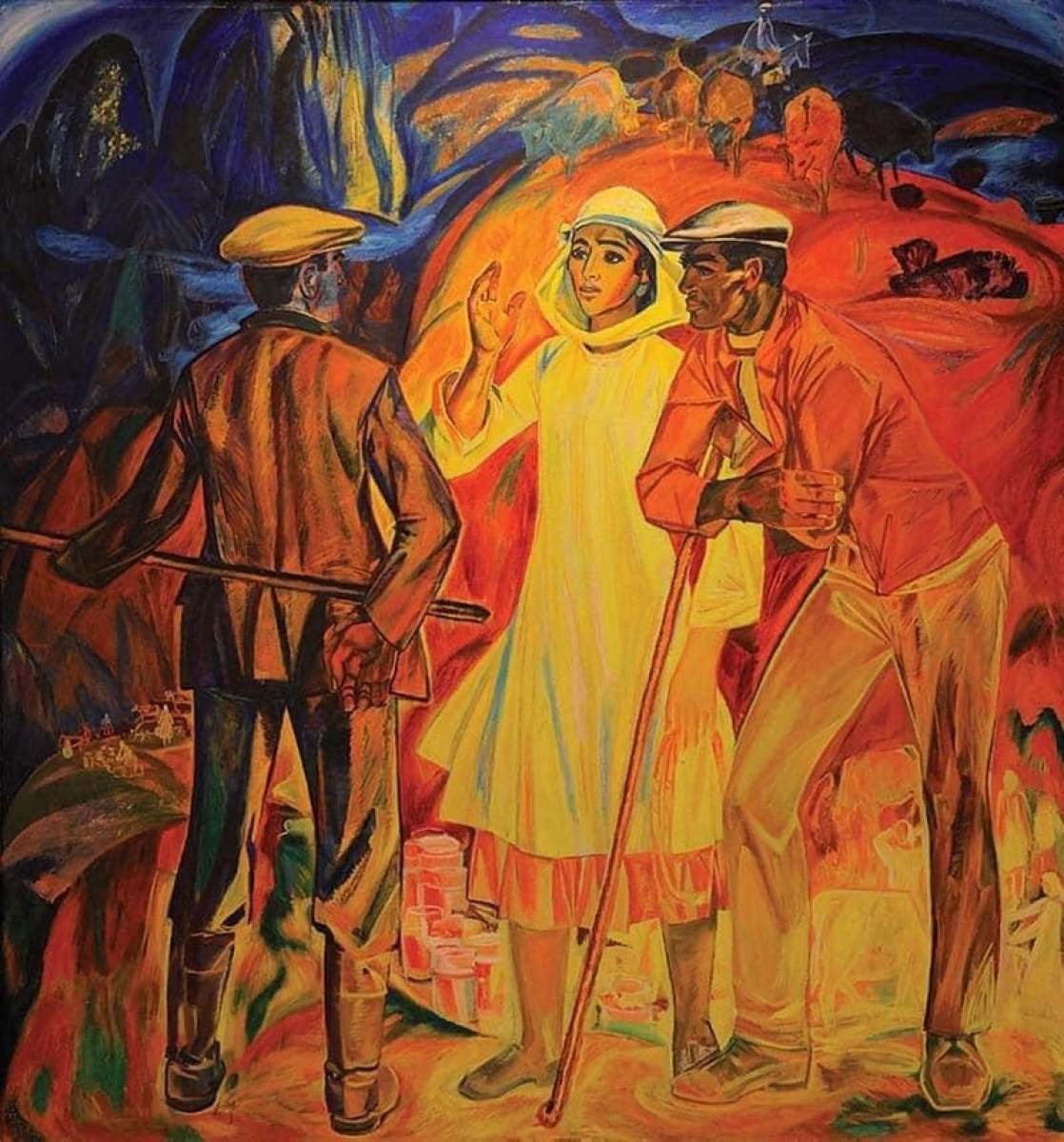
From the second half of the 1960s, regional traditions, female figures and everyday cultural practices became increasingly prominent in his work. Favourite Patterns (1967) is particularly revealing. Carpet weaving is presented not simply as a traditional occupation but as a source of visual movement and compositional structure. The figures of the women, the weaving process and the interplay of coloured patterns create an integrated pictorial rhythm. Traditional craftsmanship thus becomes an active element of modern painting. In works such as Talysh Women, Talysh Girl and Mountain Girl, the human figure also conveys the distinctive cultural character of particular communities through clothing, gesture and the relationship with the surrounding environment.
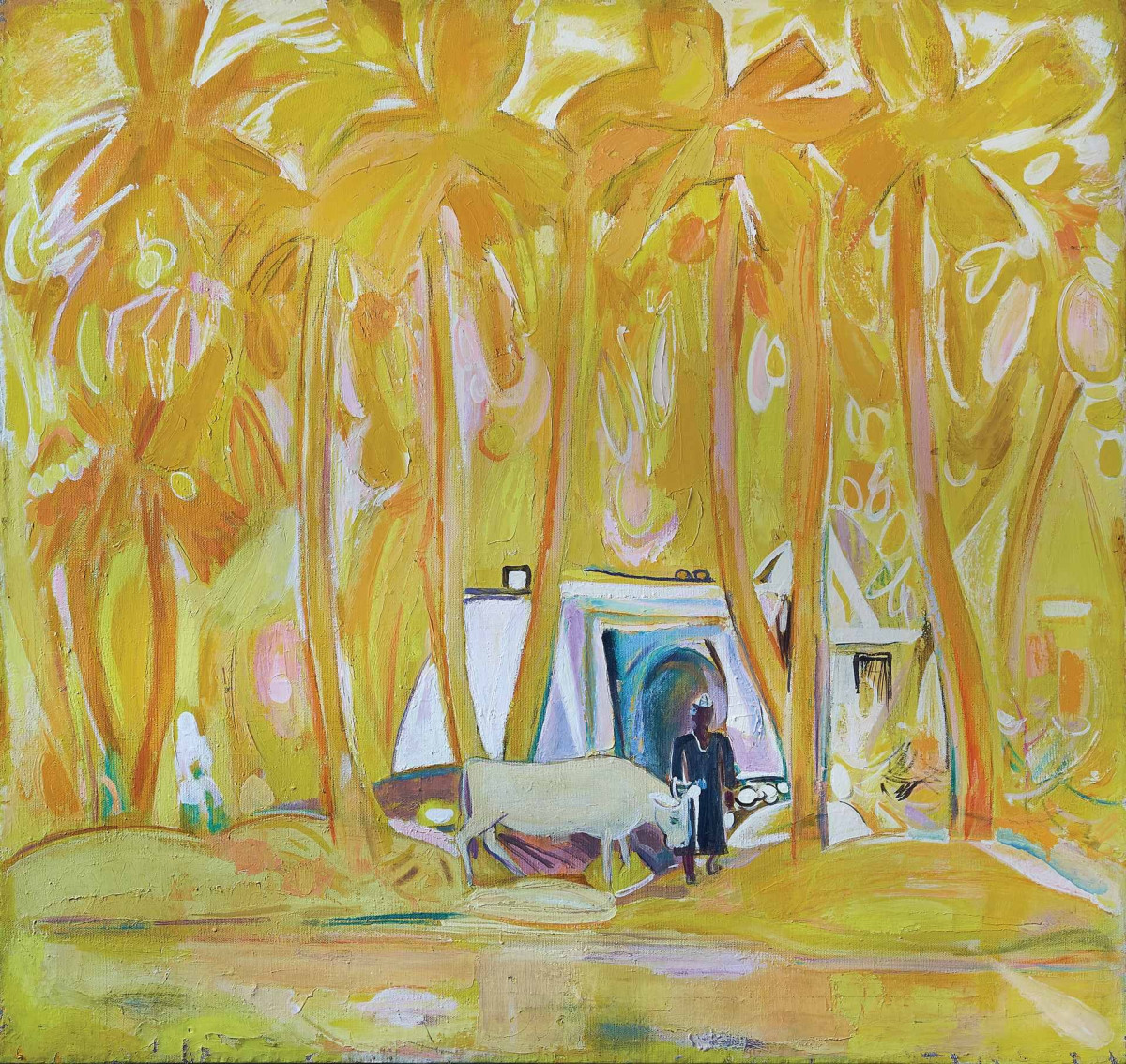
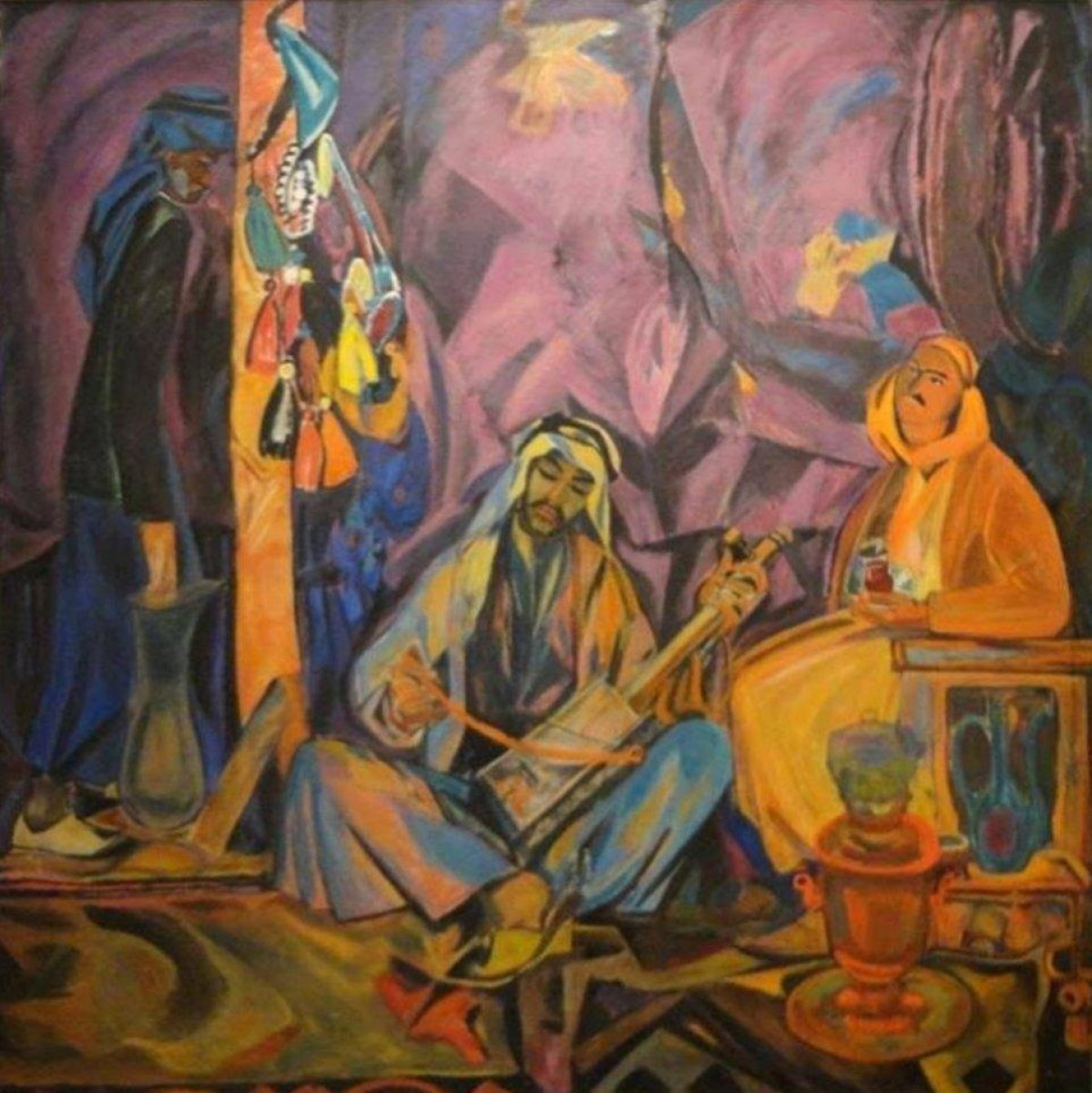
Colour is central to Abdurrahmanov's artistic language. Rather than serving only to reproduce the appearance of objects, it establishes the internal movement of the composition and determines its emotional atmosphere. The plasticity of the figures and the organisation of colour fields reveal an affinity with the visual principles of Azerbaijani miniature painting, particularly its sensitivity to rhythm and the relationship between forms. This connection, however, is not an imitation of historical models. It is a reinterpretation of national artistic traditions within the framework of modern figurative painting.
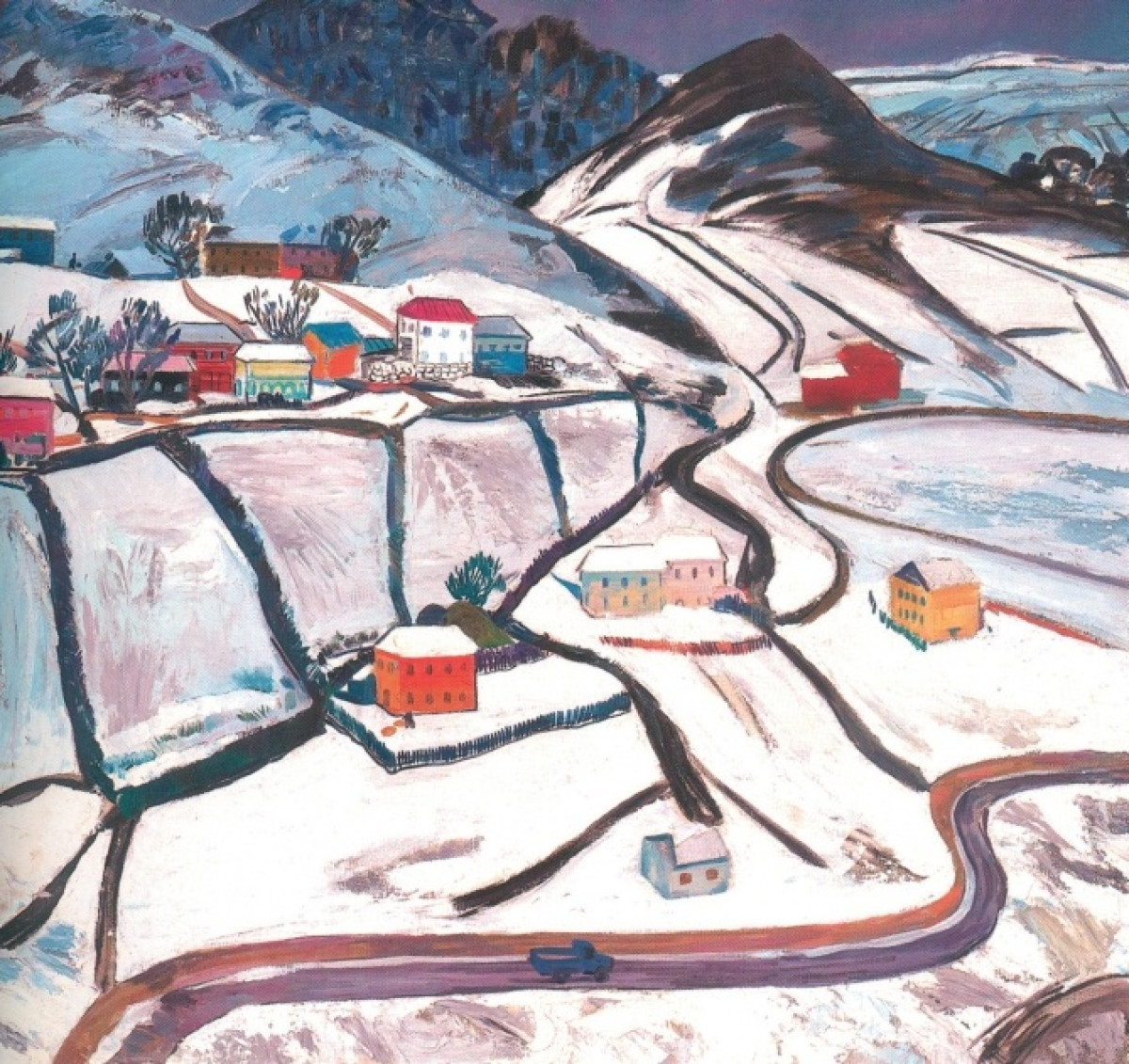
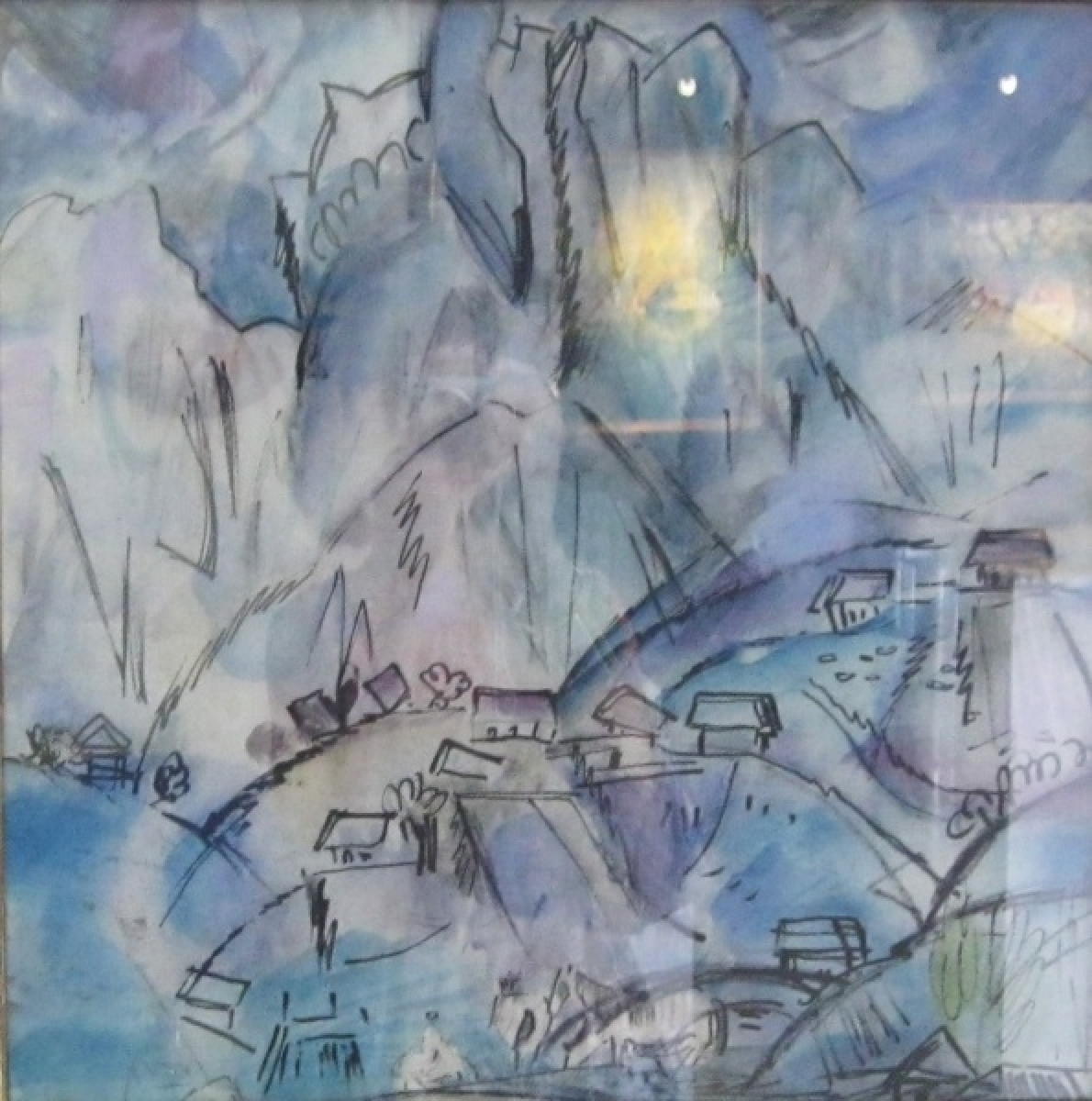
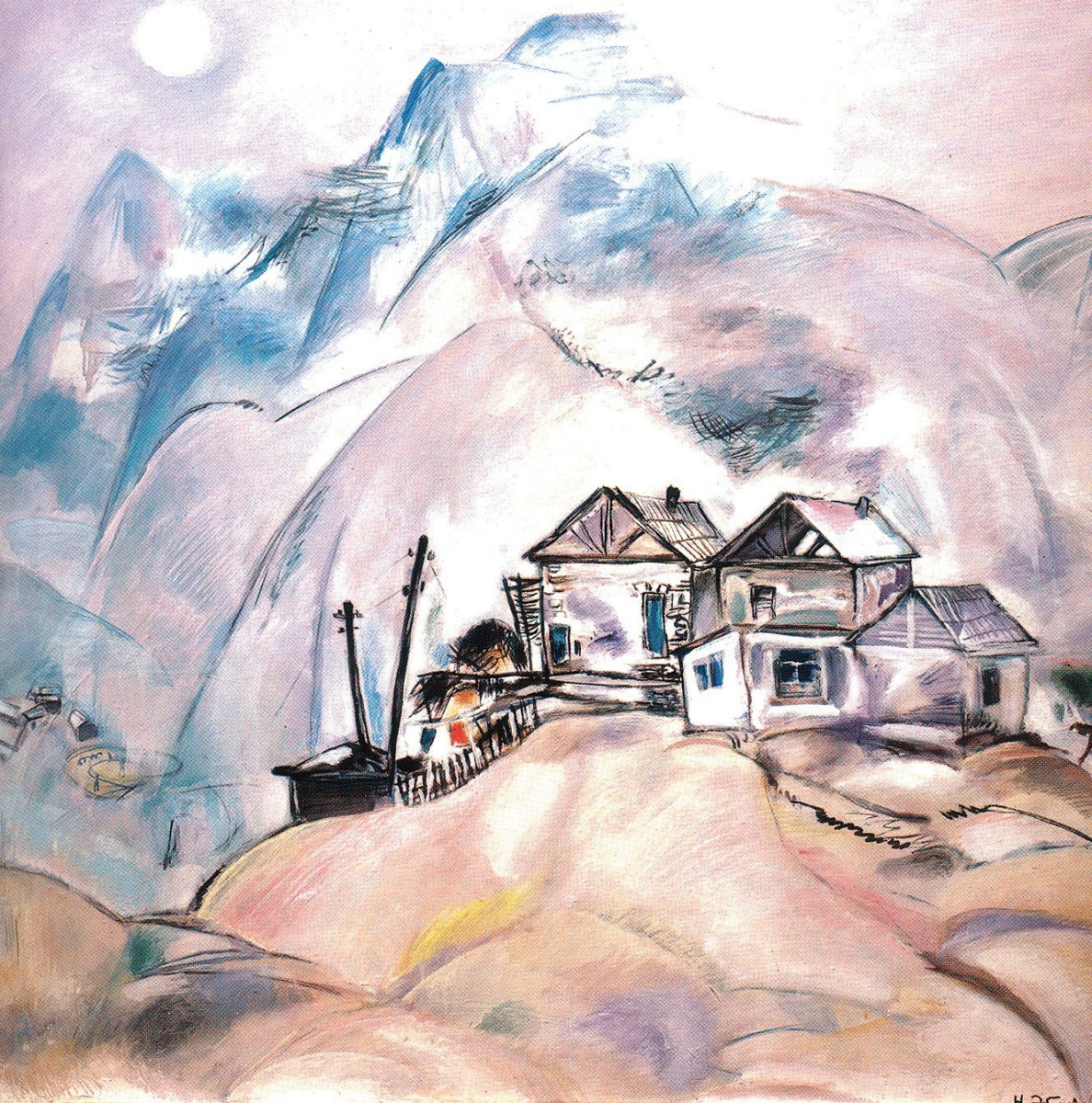
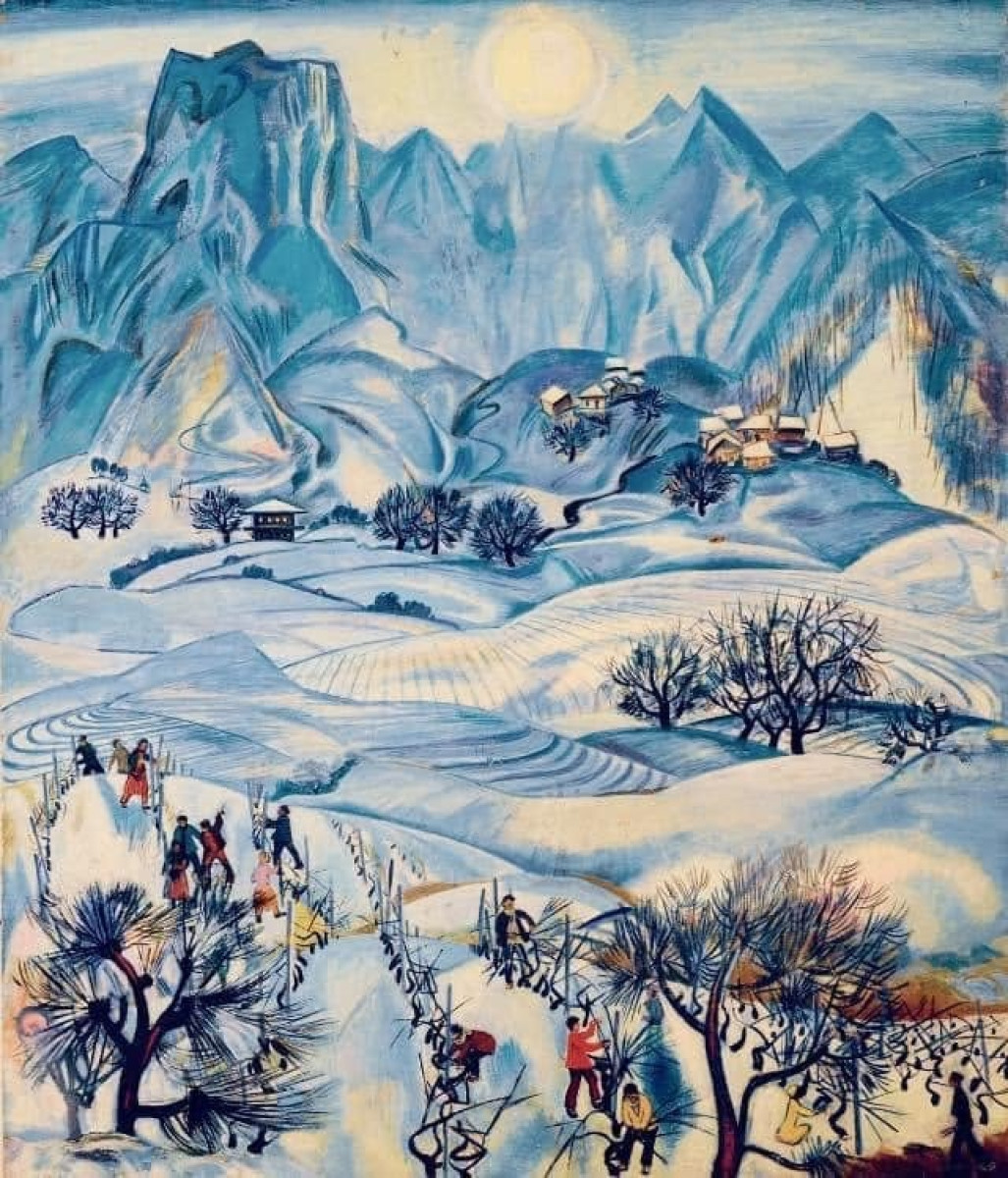
The landscapes of Karabakh occupy a particularly important place in his legacy. His paintings associated with Lachin, Minkend, Turshsu, Lake Garagol and other localities transform geographical observation into a visual expression of cultural memory. Mountain formations, settlements, seasonal changes and the presence of human life become interconnected elements of a larger artistic image. The Azerbaijan SSR State Prize awarded to him in 1985 for works devoted to Karabakh further confirms the significance of this subject in his career.
His journeys to Korea, Iraq, Yugoslavia, Italy, France and other countries broadened the geographical scope of his artistic experience. Encounters with different landscapes and cultures enriched his visual vocabulary without displacing his attachment to Azerbaijan. International observation became a means of understanding the distinctive qualities of his own cultural environment from a wider perspective.
Abdurrahmanov's contribution to Azerbaijani painting lies in his ability to unite the traditions of academic realism with national colour sensibility, regional identity and an individual understanding of pictorial space. His paintings preserve not only the appearance of particular landscapes and communities, but also the relationships between people, nature and cultural heritage. His long teaching career extended this contribution beyond his own canvases, influencing subsequent generations of Azerbaijani artists. His legacy remains an important chapter in the development of national painting, offering a lasting artistic record of Karabakh's landscapes, people and cultural memory.
Nadir Abdurrahmanov died in Baku on 26 July 2008.
Art Space Gallery MEDIA