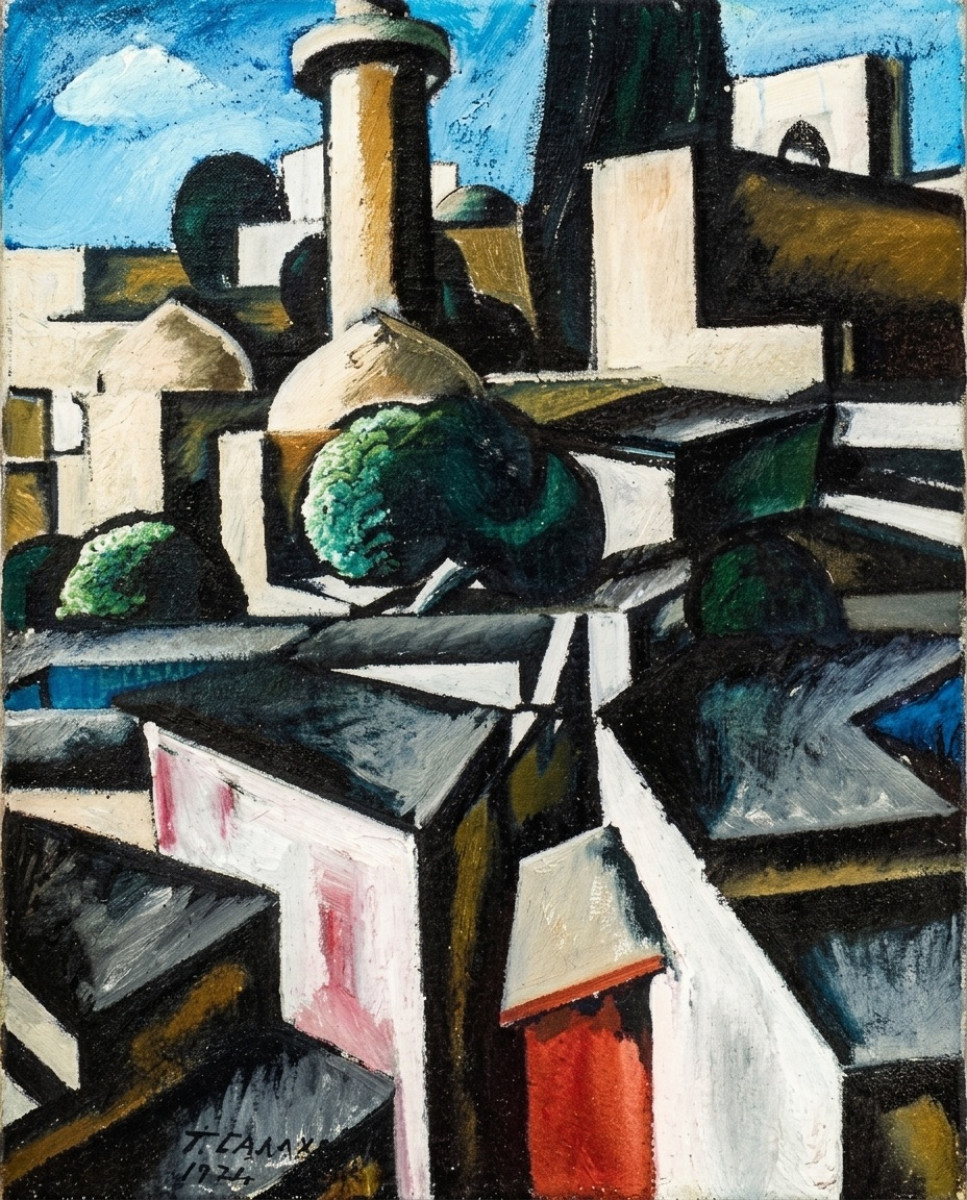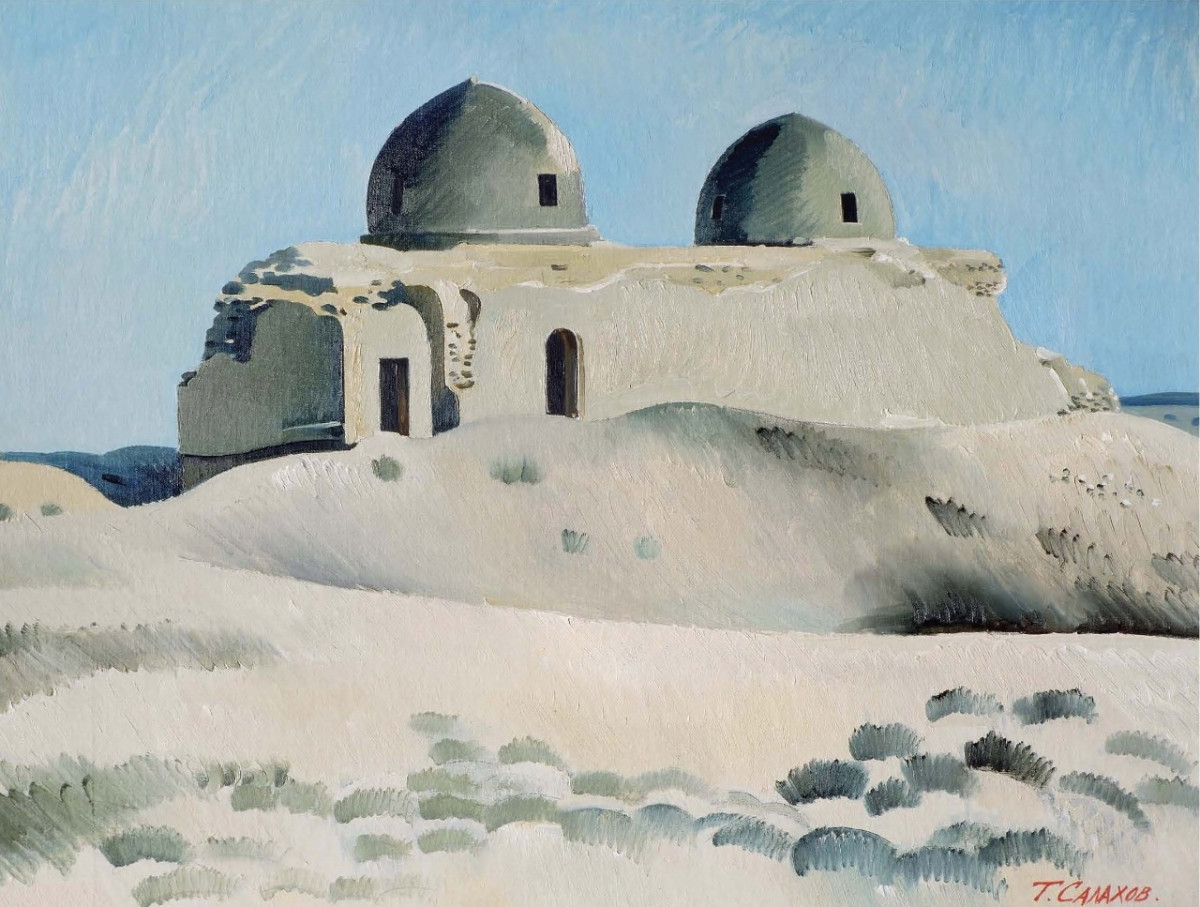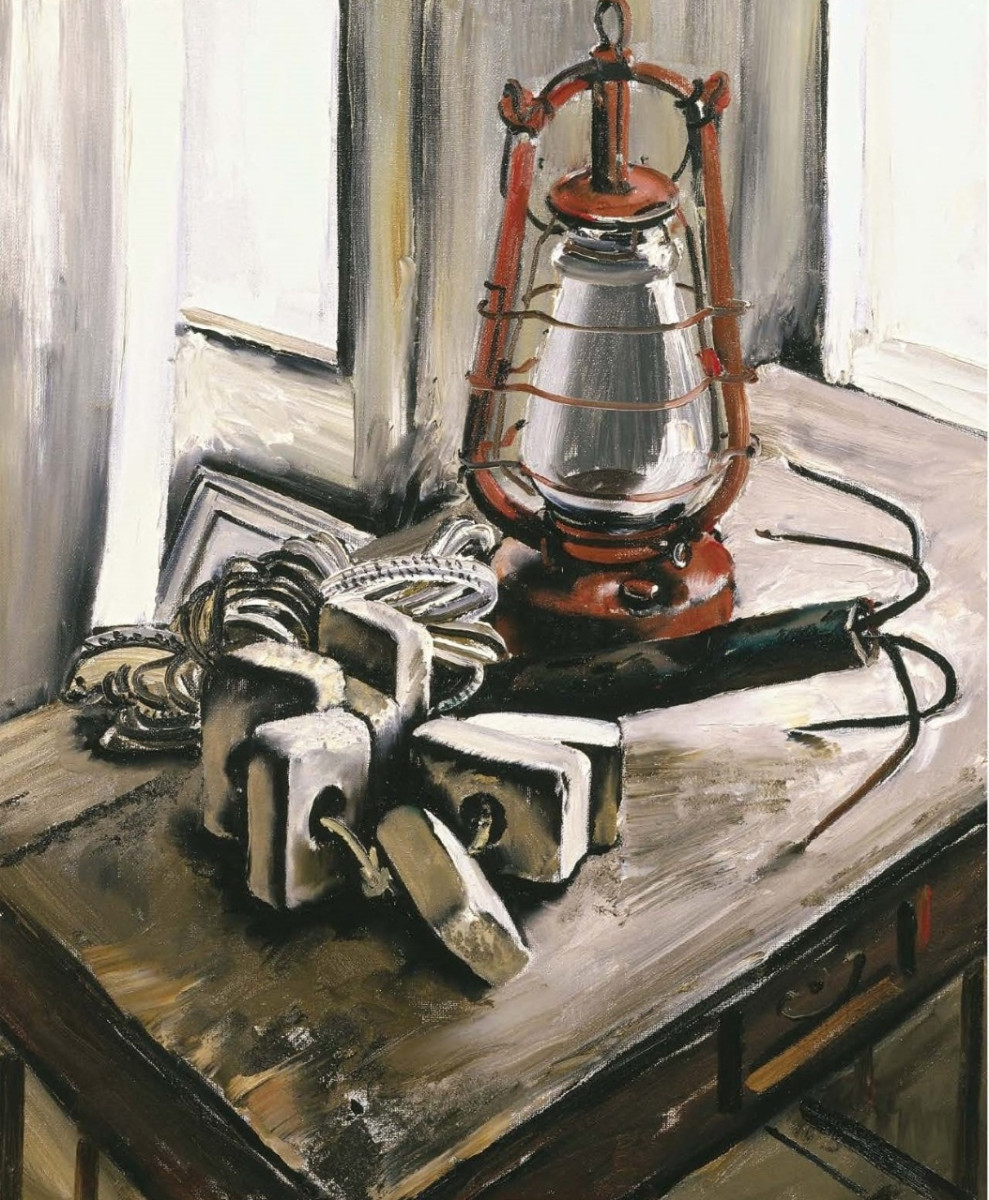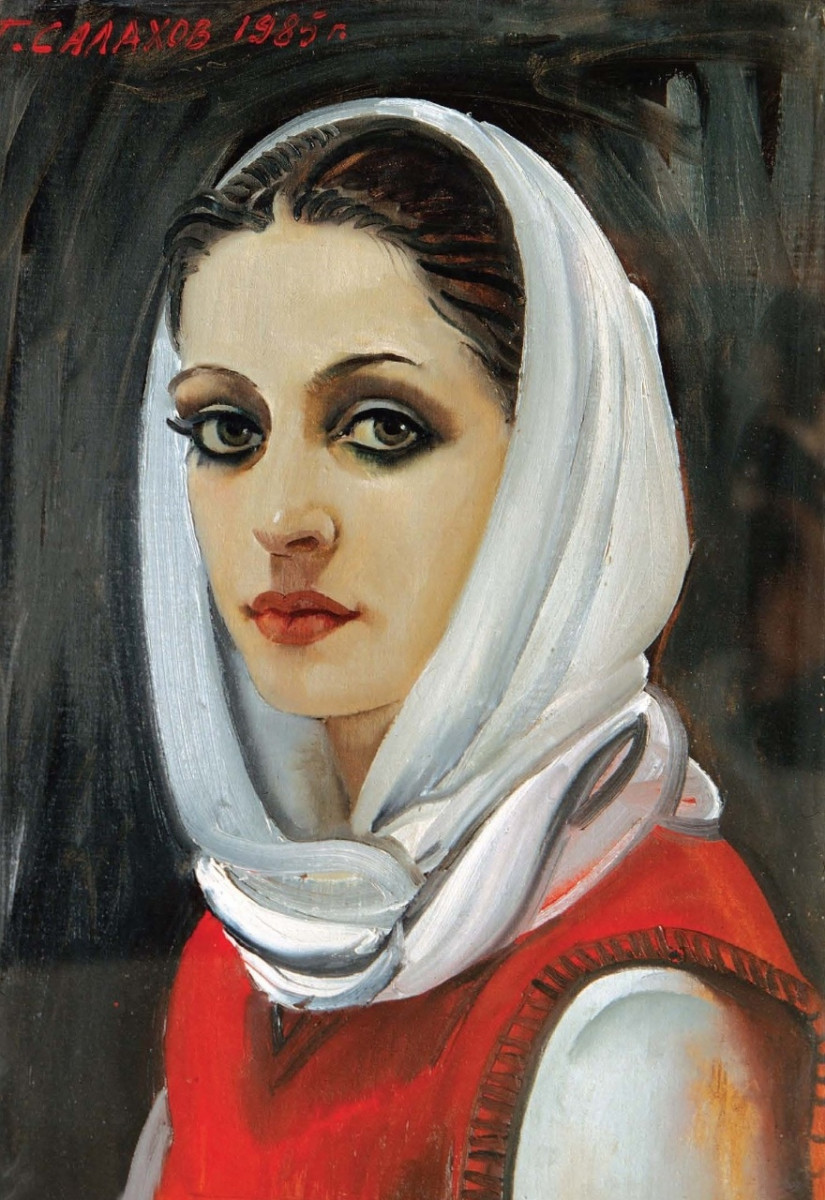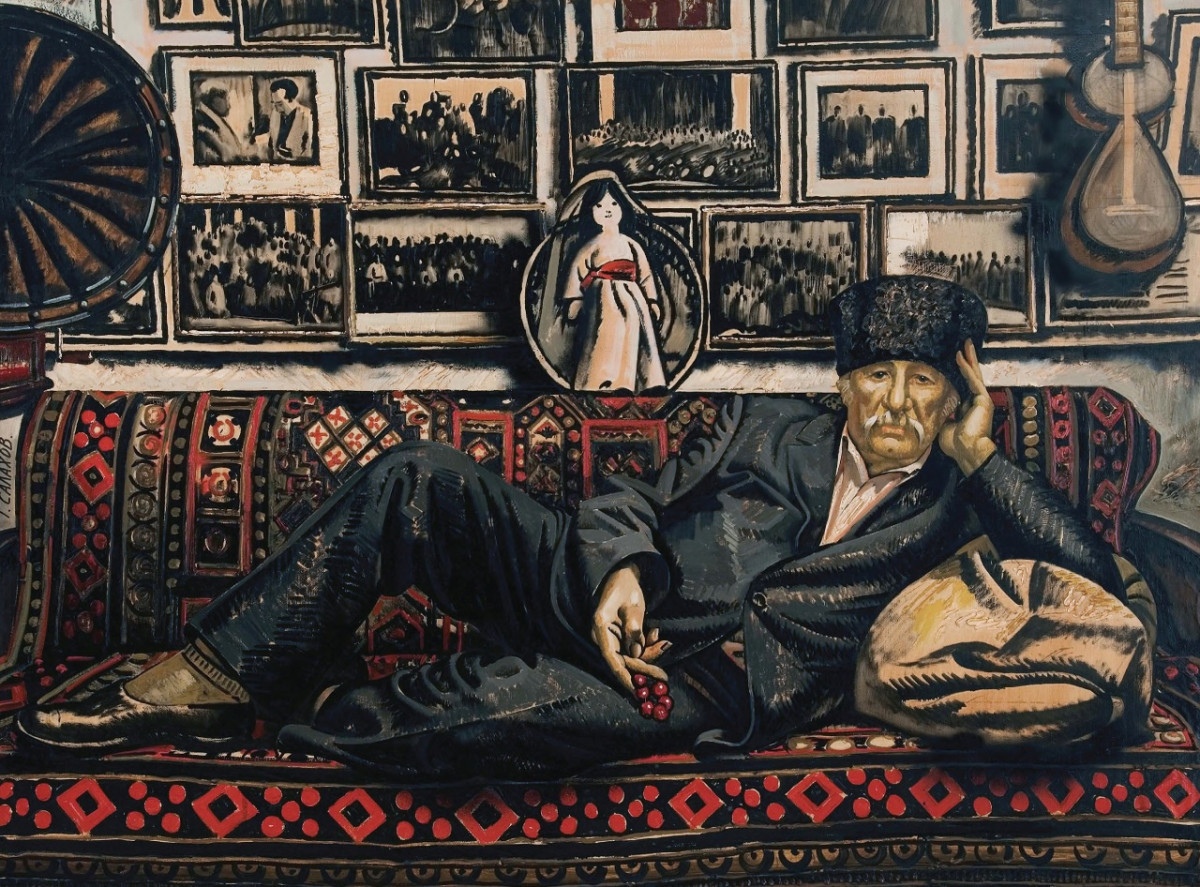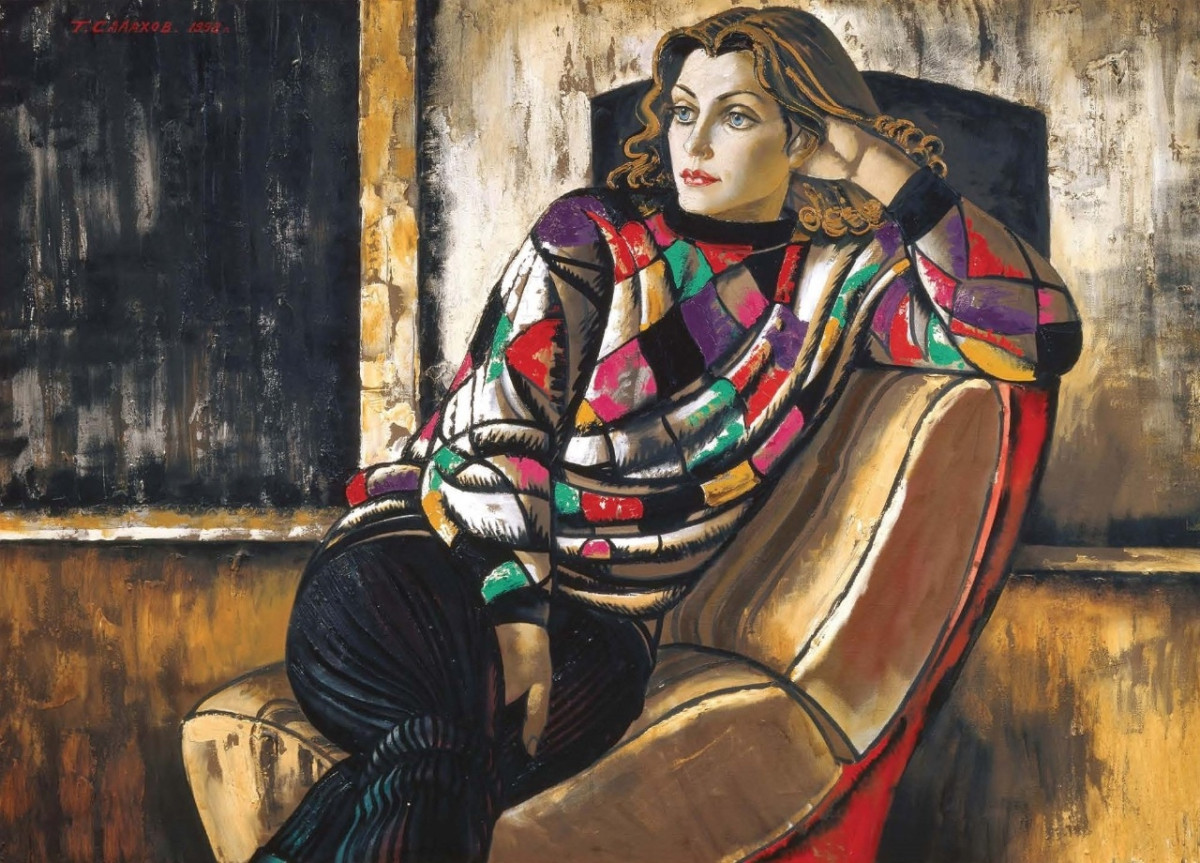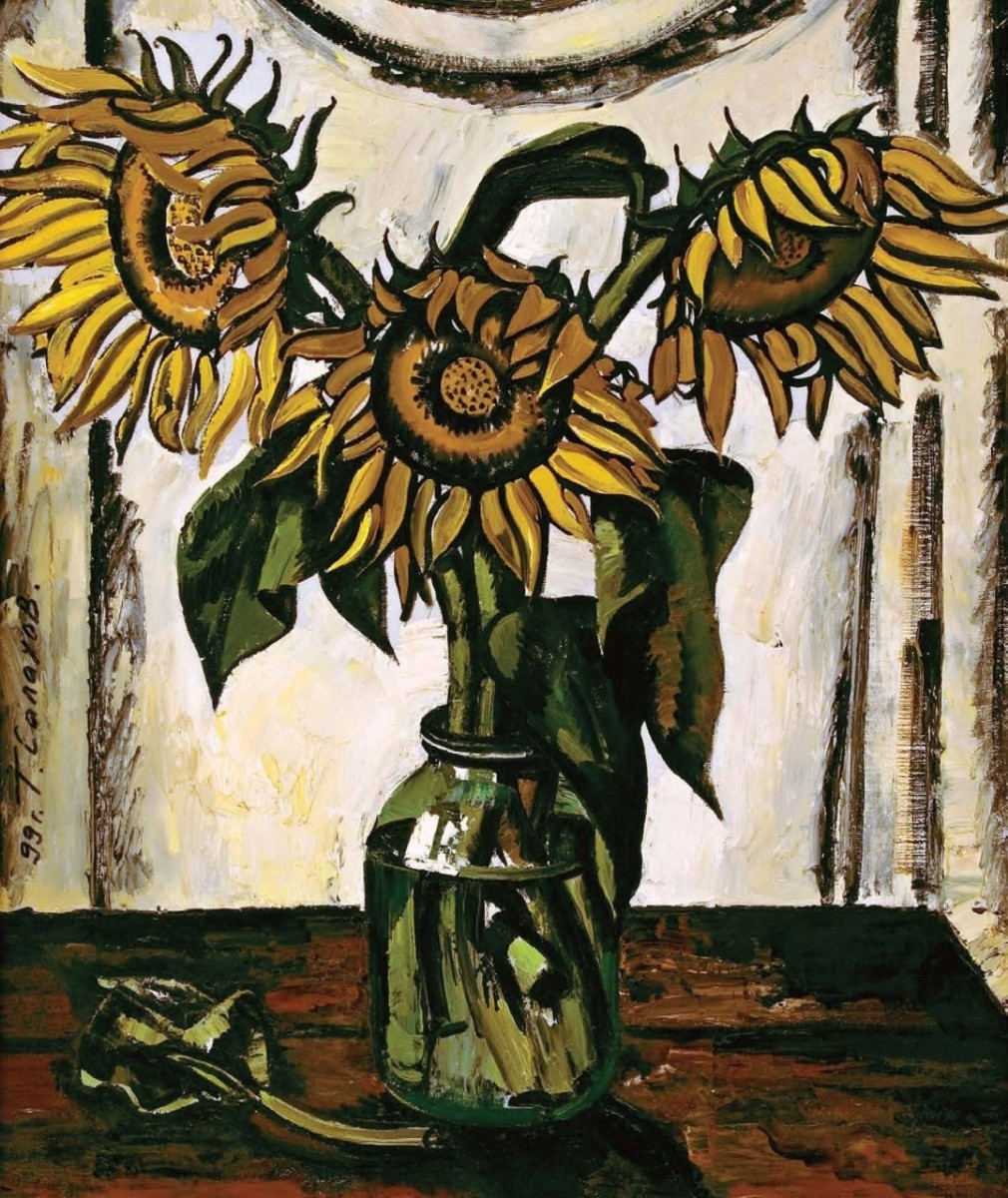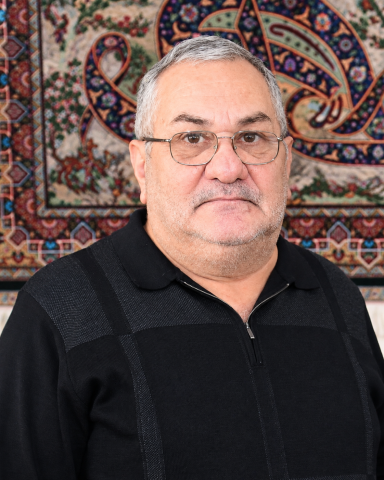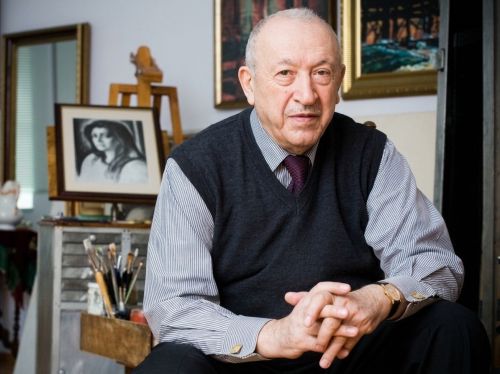
Born in Baku on 29 November 1928, Tahir Teymur oglu Salakhov was one of the most influential figures in twentieth-century Azerbaijani art. A painter, graphic artist and theatre designer, he studied at the Azim Azimzade Art School in Baku from 1945 to 1950 and at the Surikov Moscow State Art Institute from 1951 to 1957. His artistic career brought together the heritage of Azerbaijani visual culture and the formal language of modern painting, contributing to the transformation of the country's artistic identity. He was awarded the titles of People's Artist of Azerbaijan and the USSR, became a Hero of Socialist Labour, received state awards, and served as Vice-President of the Russian Academy of Arts.
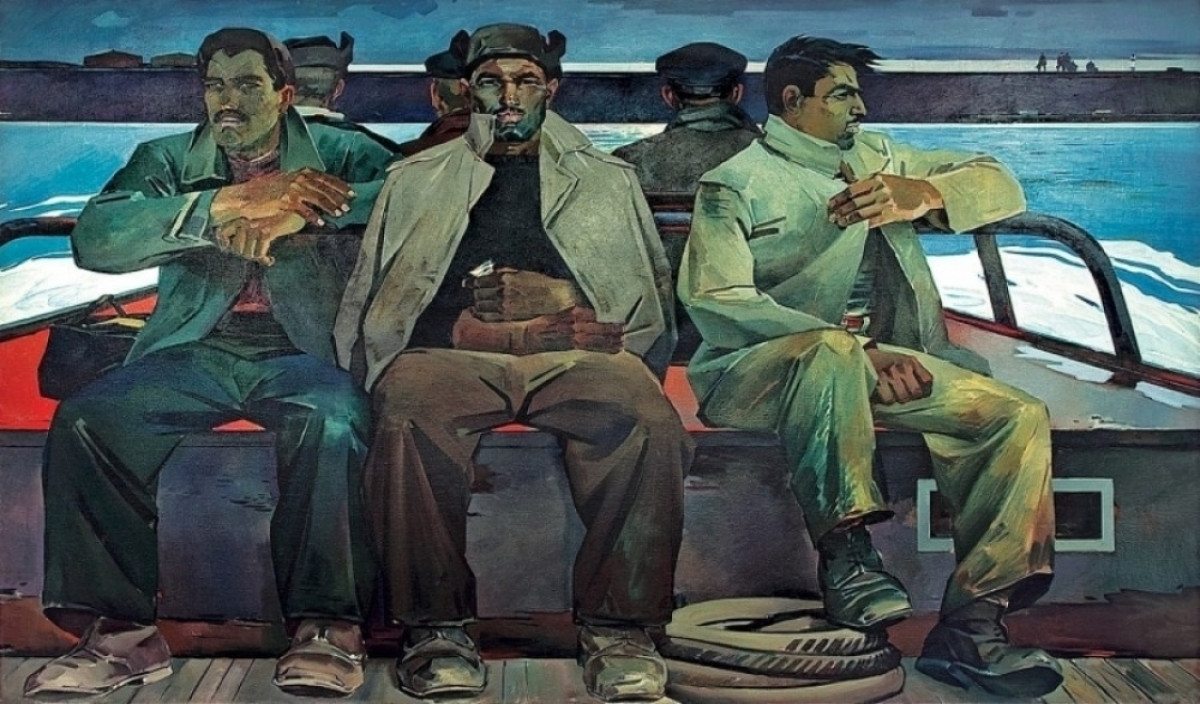
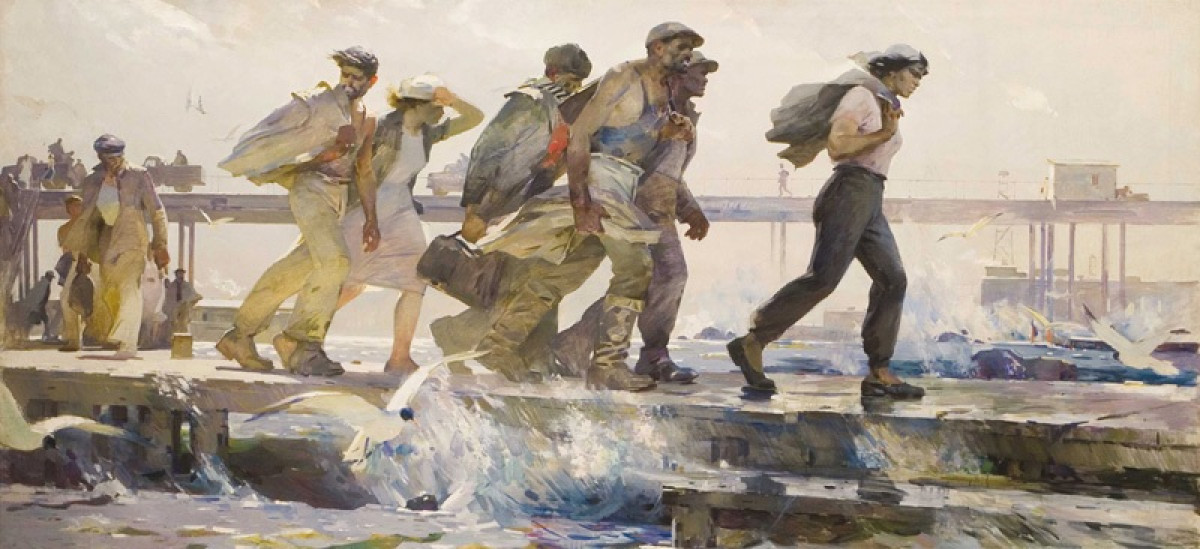
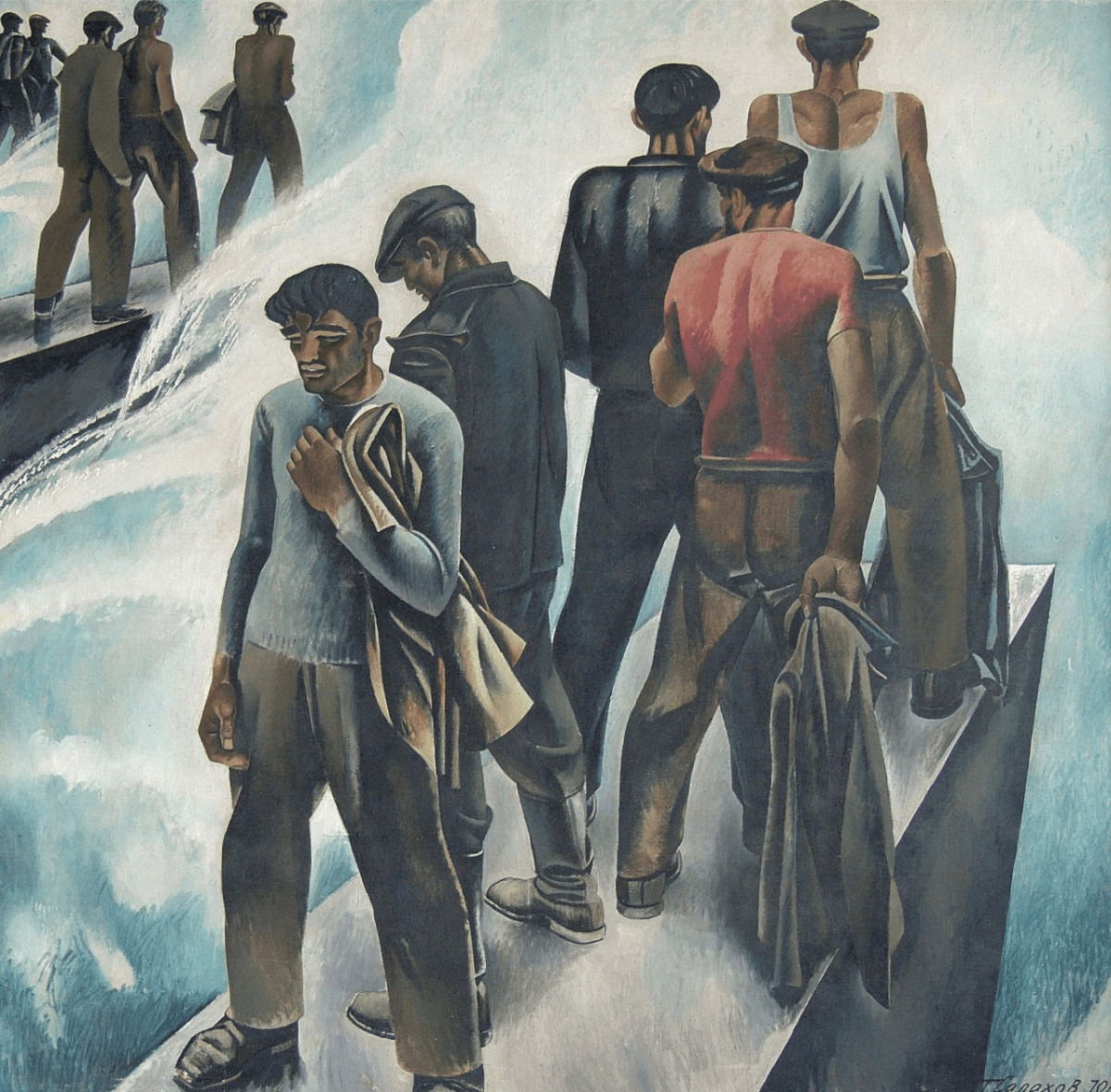
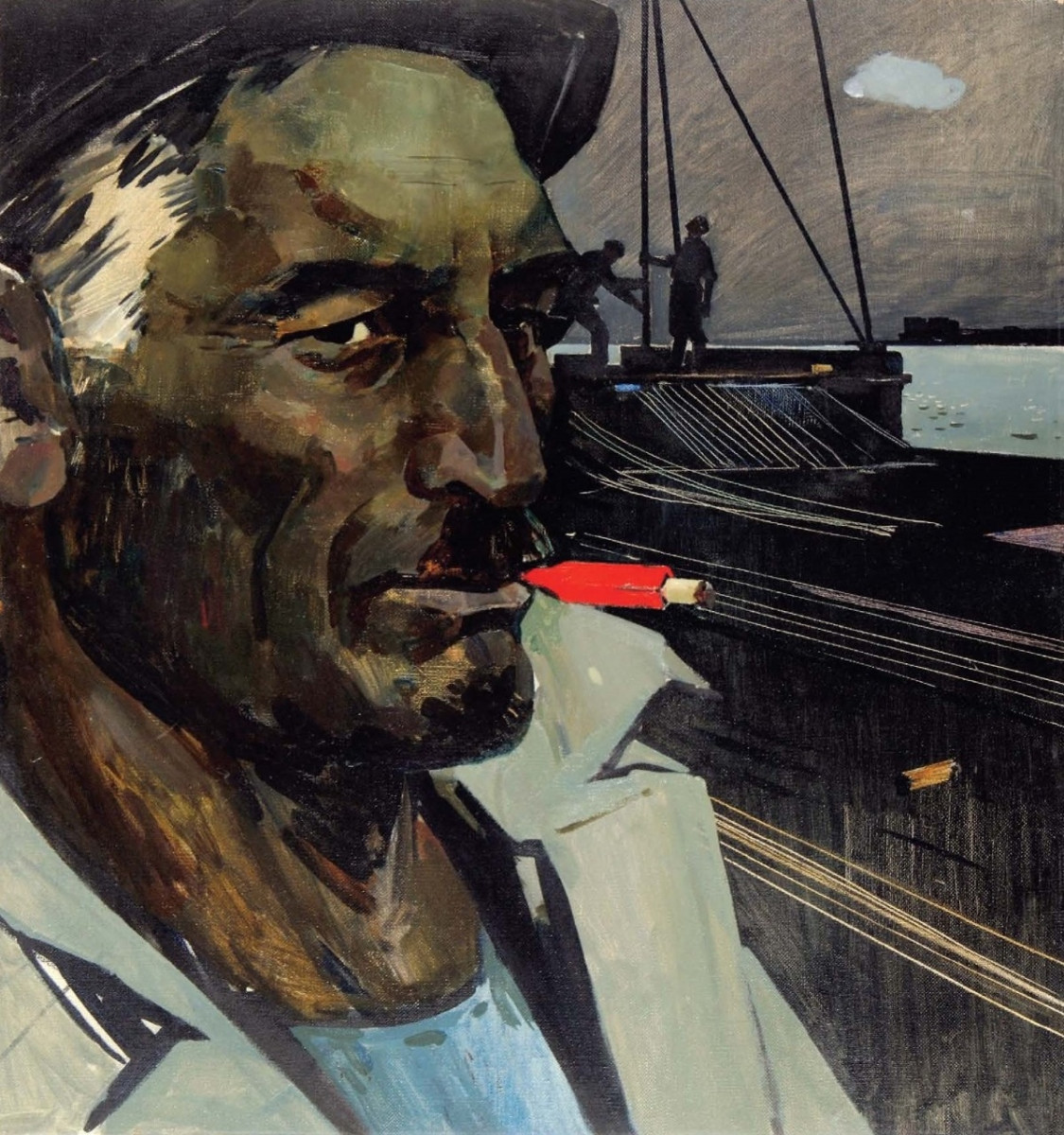
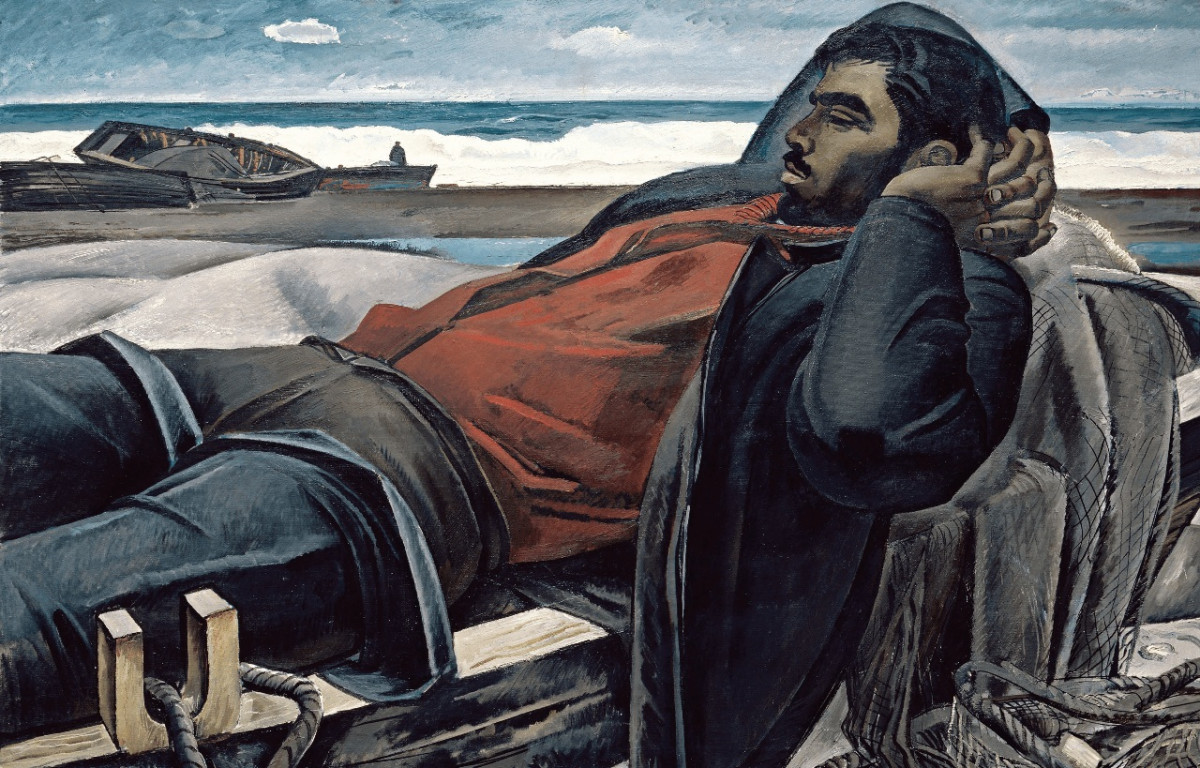
The relationship between the individual and labour occupies a central place in Salakhov's work. From the late 1950s onwards, his paintings of oil workers, industrial landscapes and working communities developed into a distinctive visual language in which labour is presented not merely as a social reality, but as a means of revealing human character and the spirit of an age. In works such as The Shift Is Over, Morning Echelon, Oil Worker and Repairmen, firmly constructed figures, compressed compositions and strong rhythmic structures convey both physical endurance and inner resilience. Rather than idealising his subjects, Salakhov gives their everyday experience a monumental artistic presence.
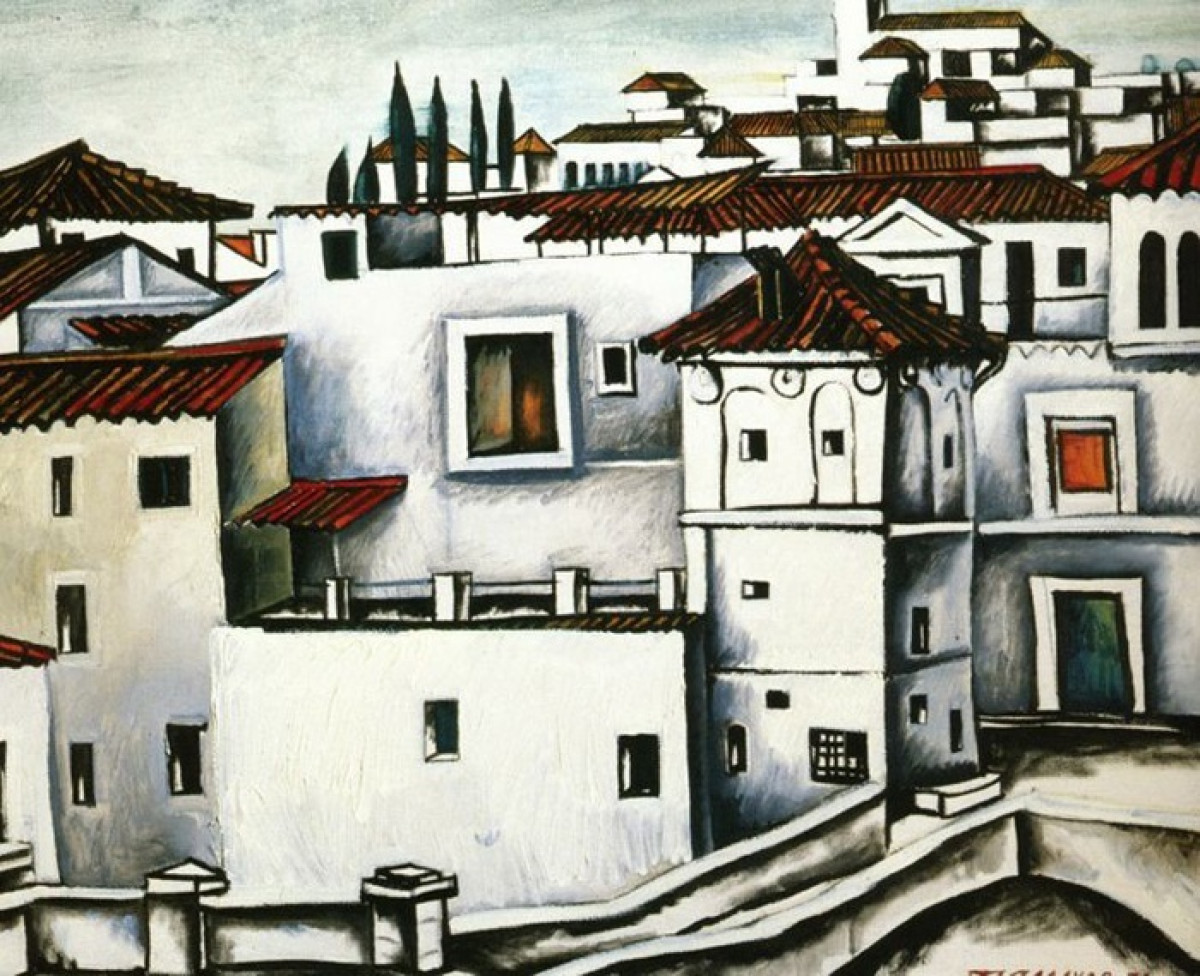
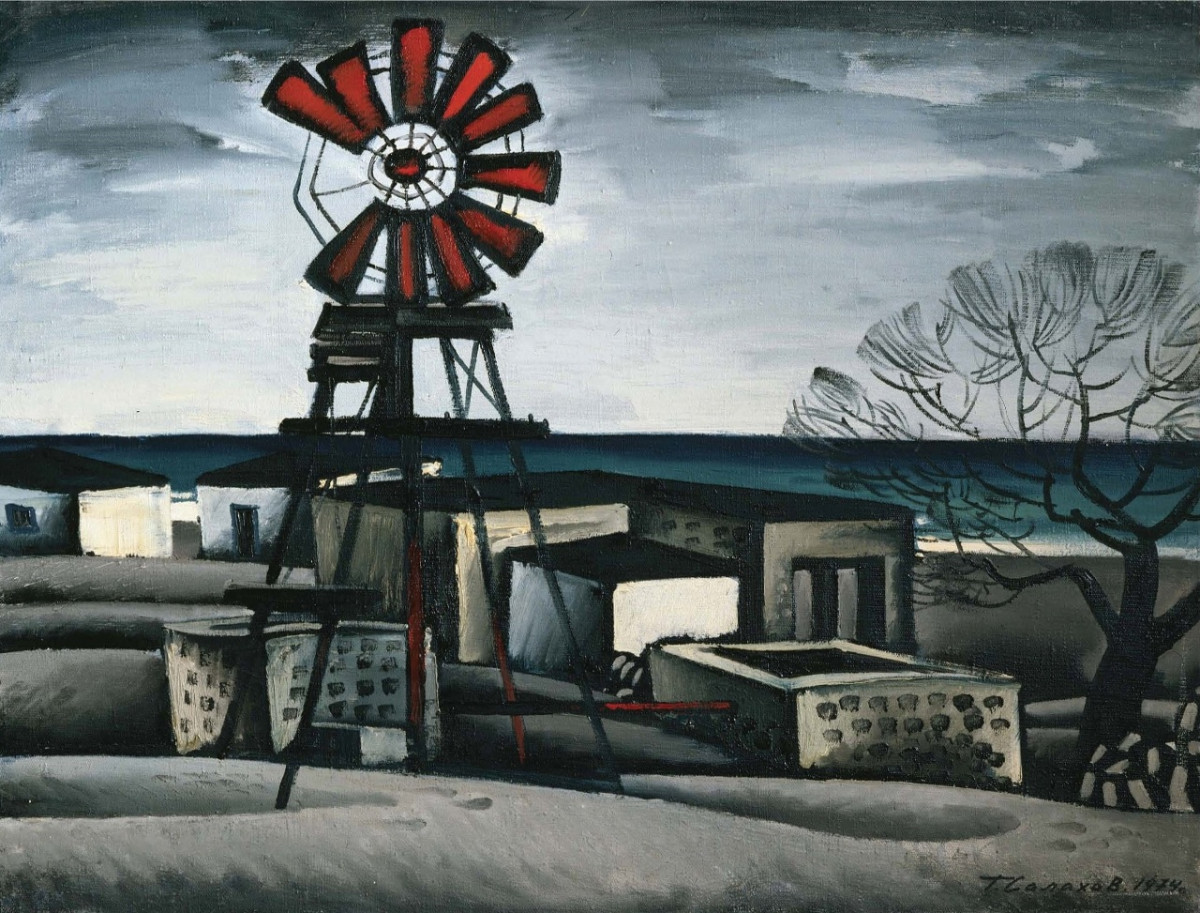
His name is closely associated with the development of the Severe Style, an important movement in Soviet painting that emerged in the late 1950s and became particularly influential during the following decade. In Salakhov's art, its principles are expressed through simplified forms, sharply defined silhouettes, disciplined composition and a restrained palette. His figures possess a powerful physical presence, yet their significance extends beyond their monumental appearance. They embody dignity, determination and the psychological complexity of people shaped by their historical circumstances. Contrasts of red, black and grey, together with the controlled distribution of light and shadow, reinforce the structural and emotional force of his compositions.
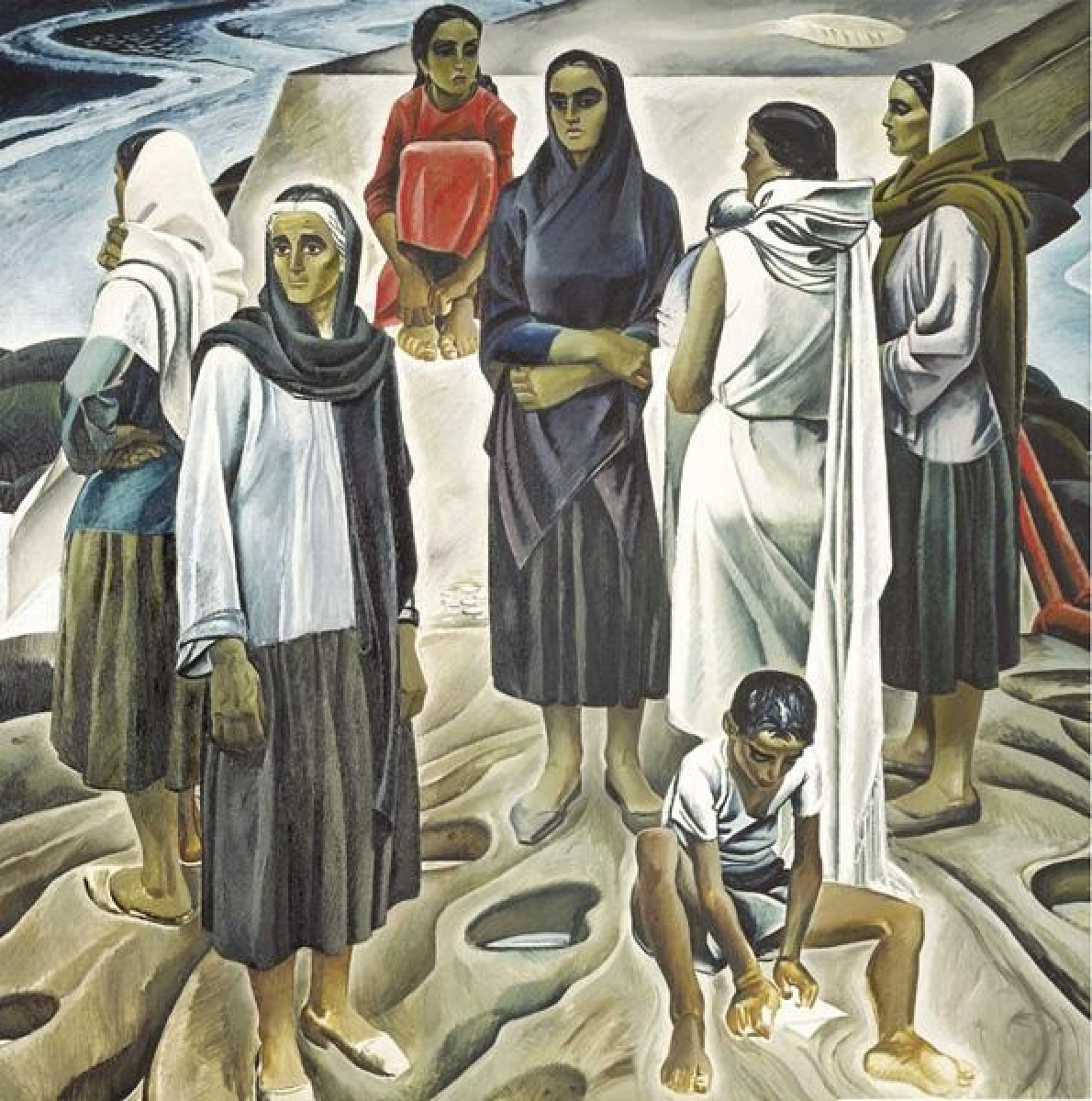
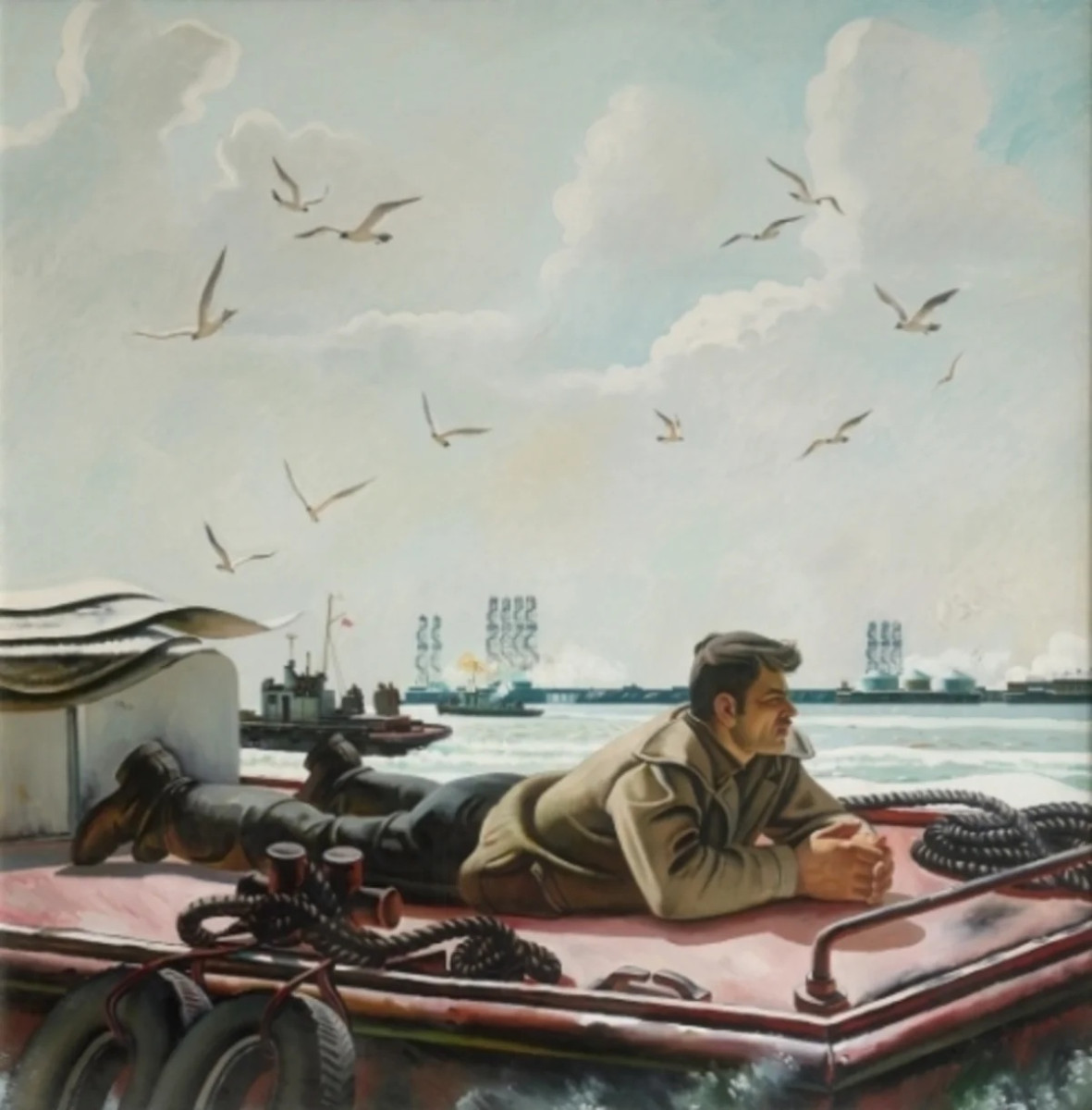
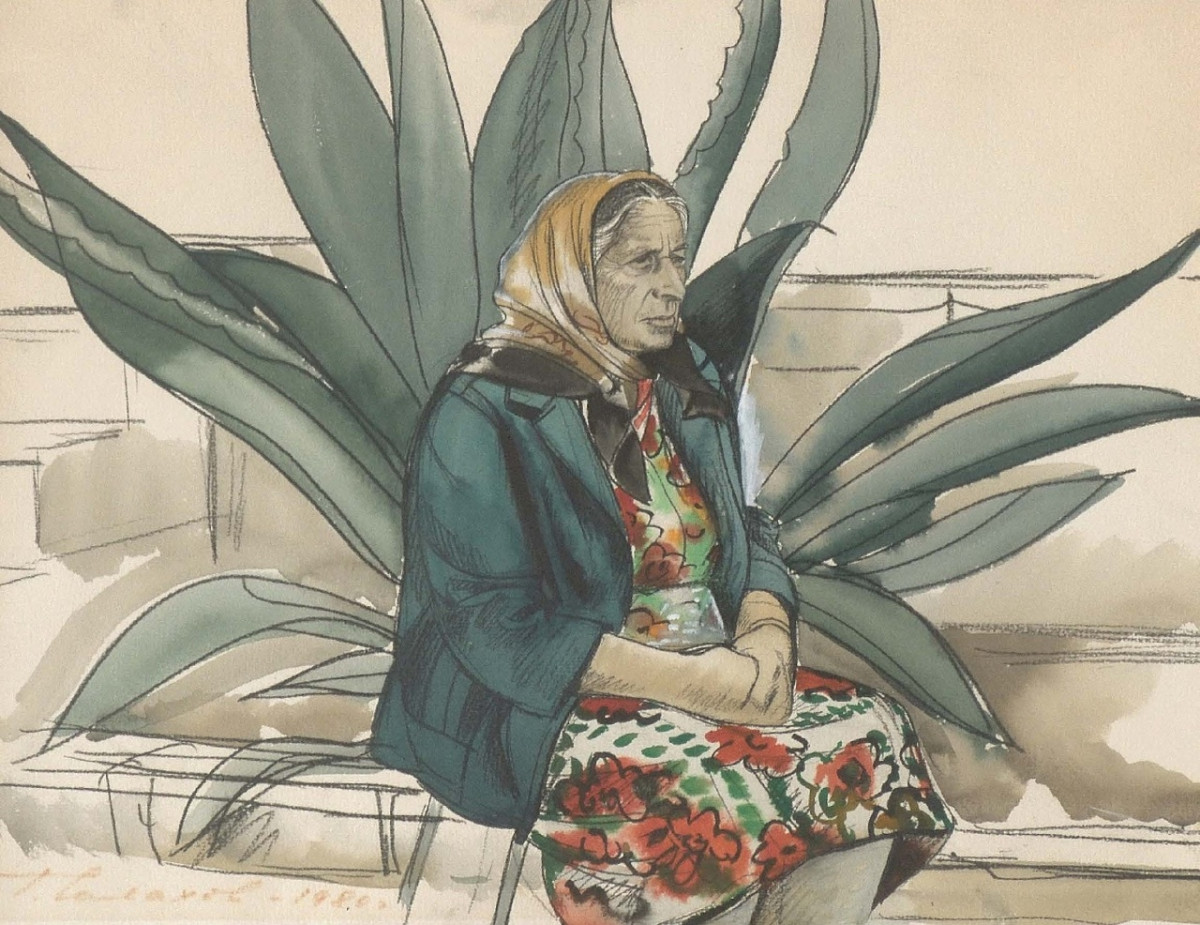
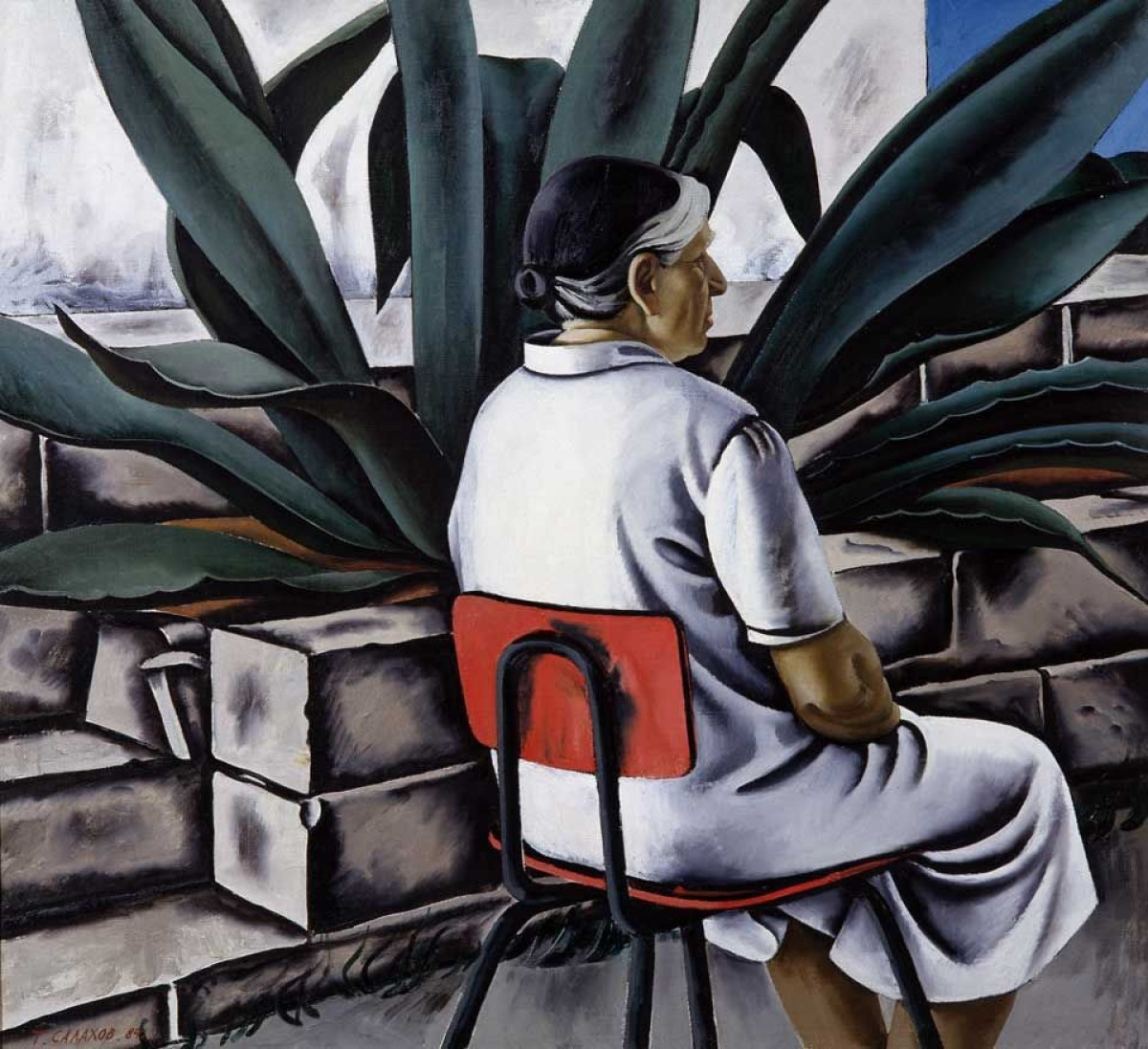
The Caspian Sea and the Absheron Peninsula form a distinctive geographical and symbolic landscape throughout Salakhov's oeuvre. Oil rigs, industrial structures, the sea and human figures are brought together in compositions that transcend the documentation of a particular environment. They become visual reflections of Azerbaijan's twentieth-century transformation, its labour history and its relationship with modernity. In Women of Absheron, the human figure acquires another dimension: the monumental presence of the women conveys dignity, endurance and an inner strength rooted in everyday life.
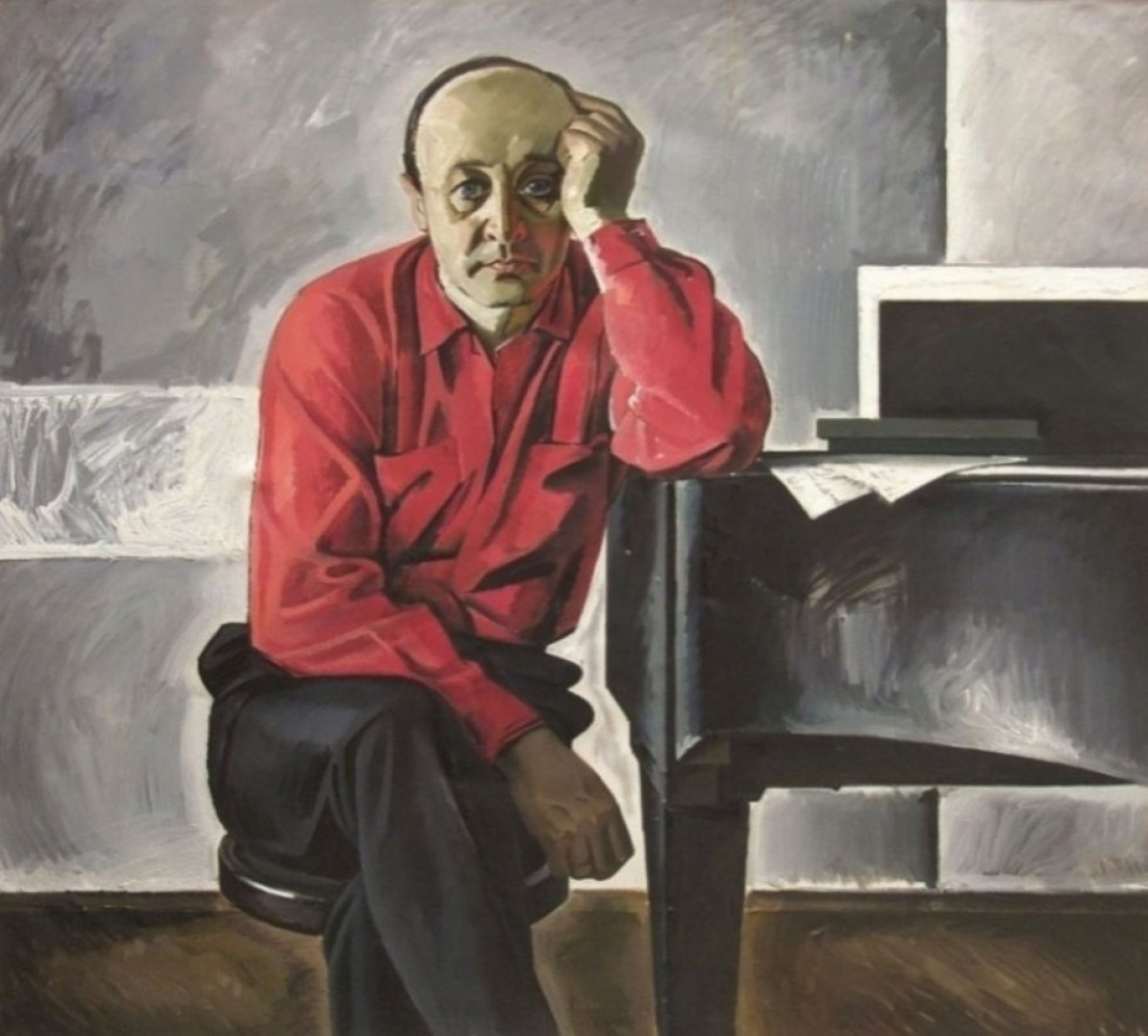
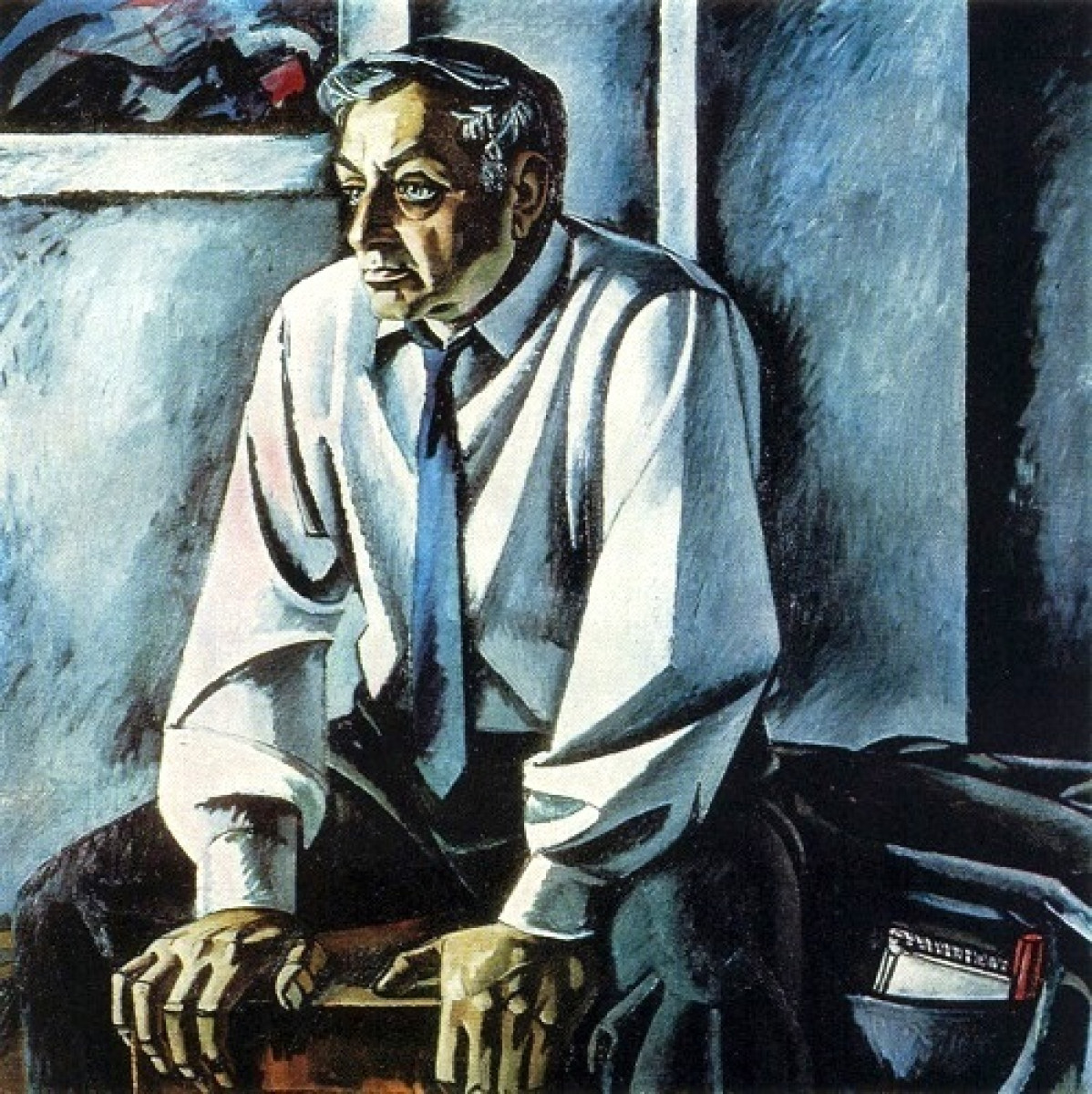
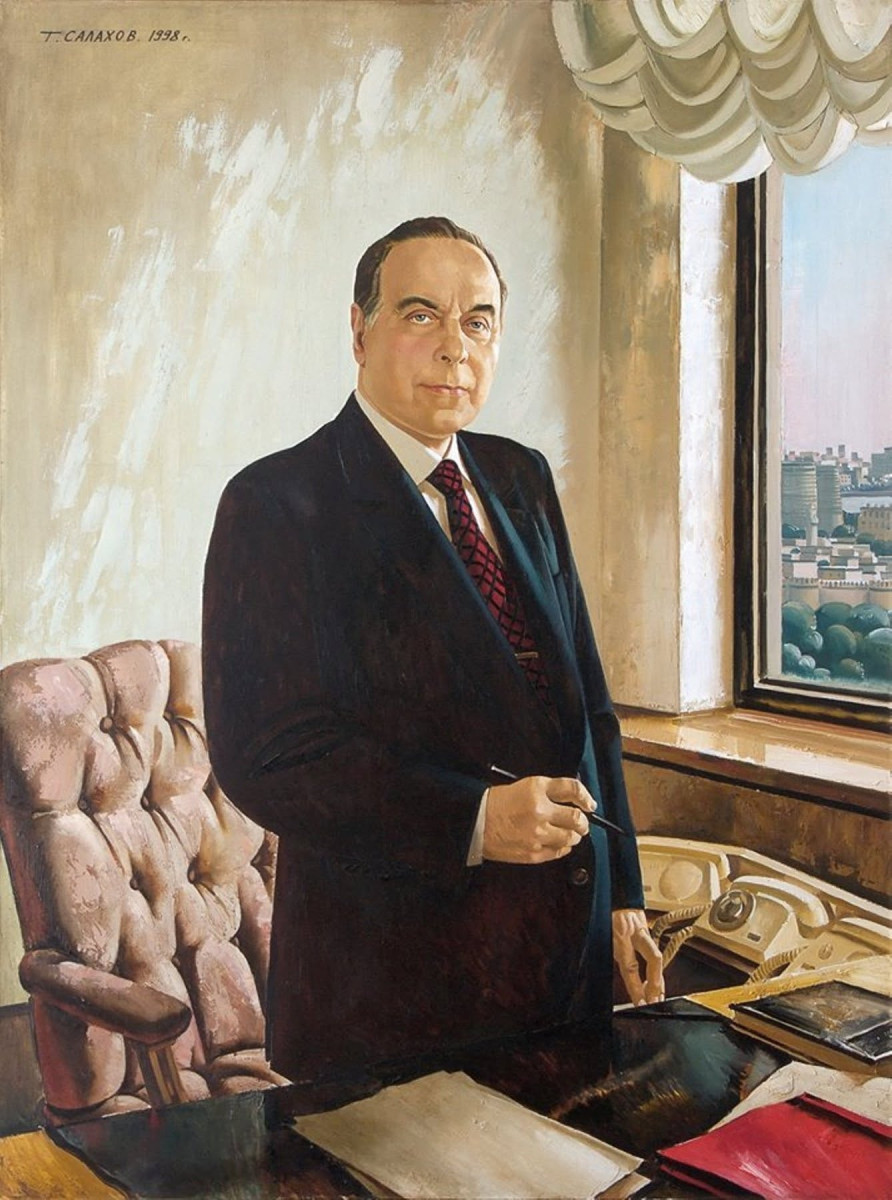
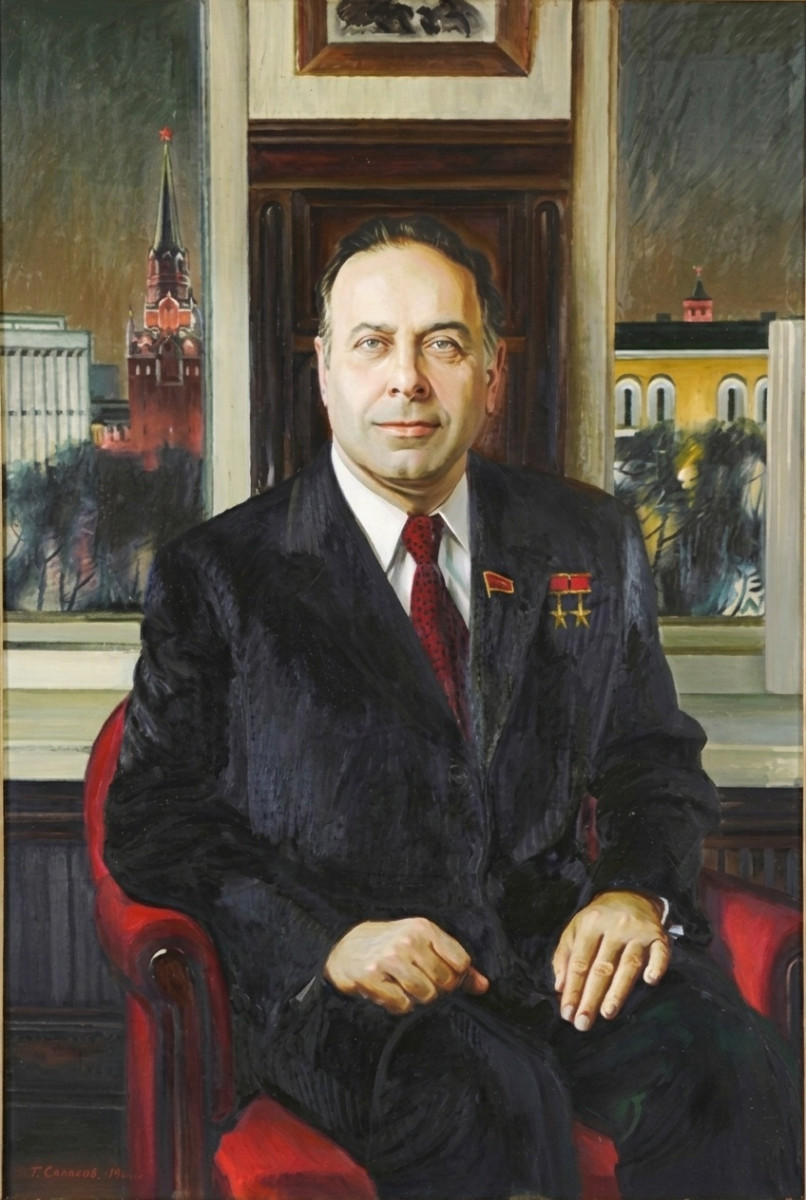
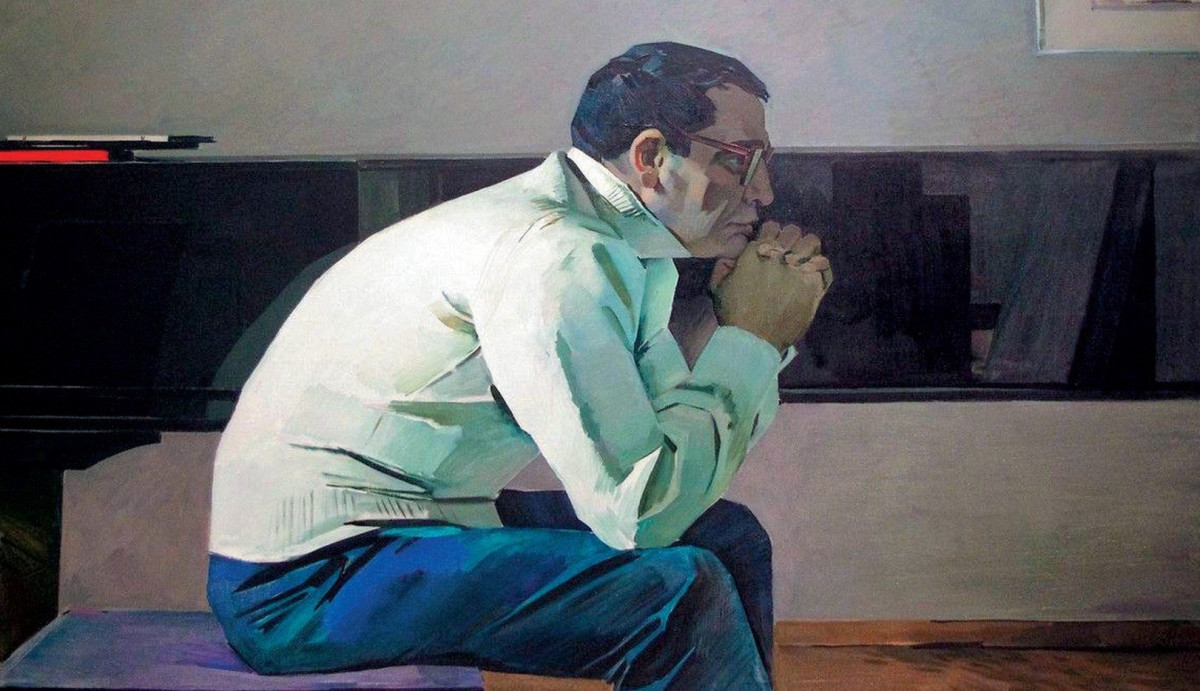
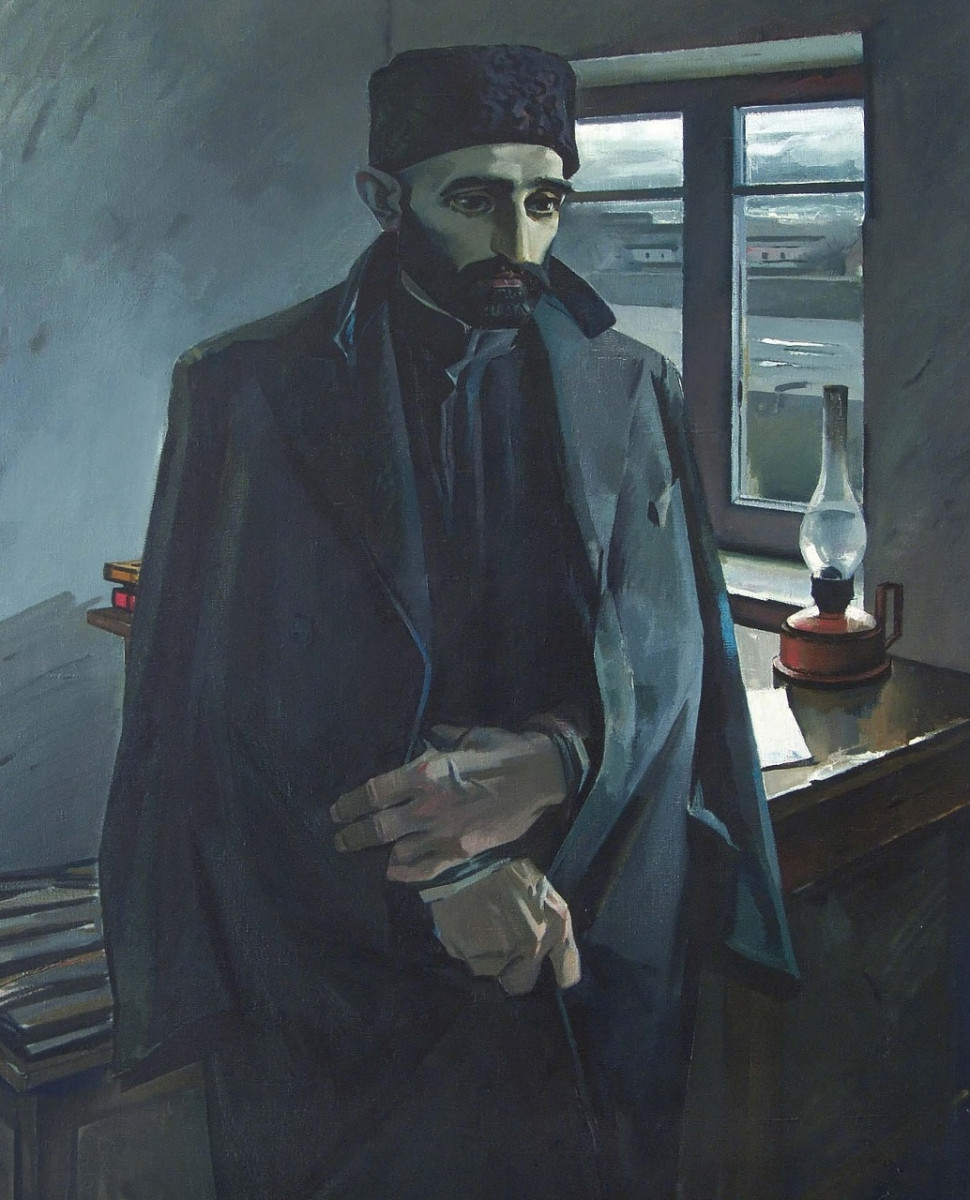
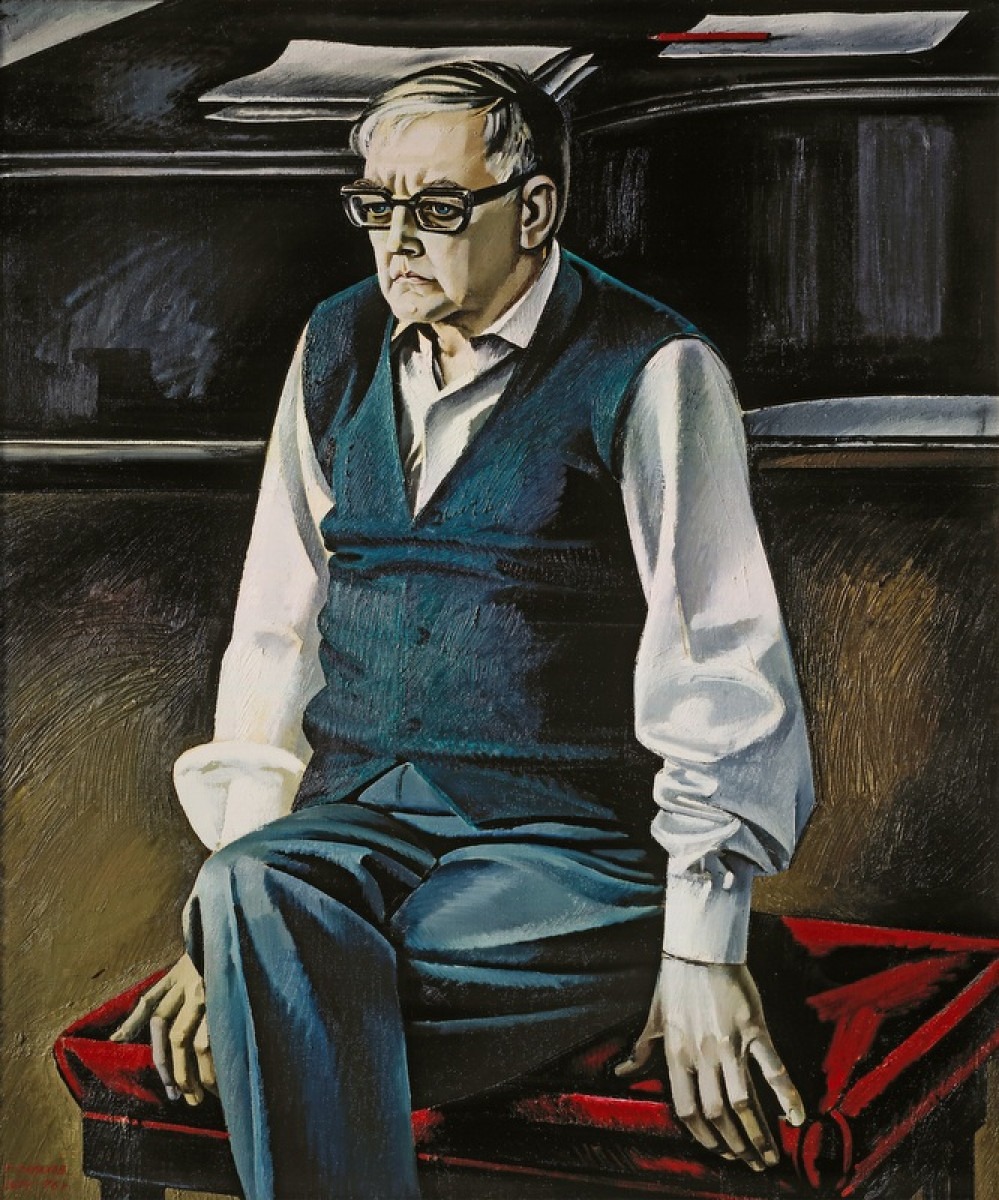
Portraiture offered Salakhov a means of exploring the intellectual and psychological character of individuals. His portraits of Gara Garayev, Dmitri Shostakovich and other prominent figures are built around carefully considered relationships between pose, gaze, colour and composition. These elements do not simply describe physical appearance; they establish a visual interpretation of personality. In For You, Mankind!, Salakhov expands his artistic vision beyond the immediate realities of industrial life. The painting's cosmic imagery reflects a belief in human intelligence, discovery and the possibilities of the future, transforming the theme of space exploration into a broader humanistic statement.
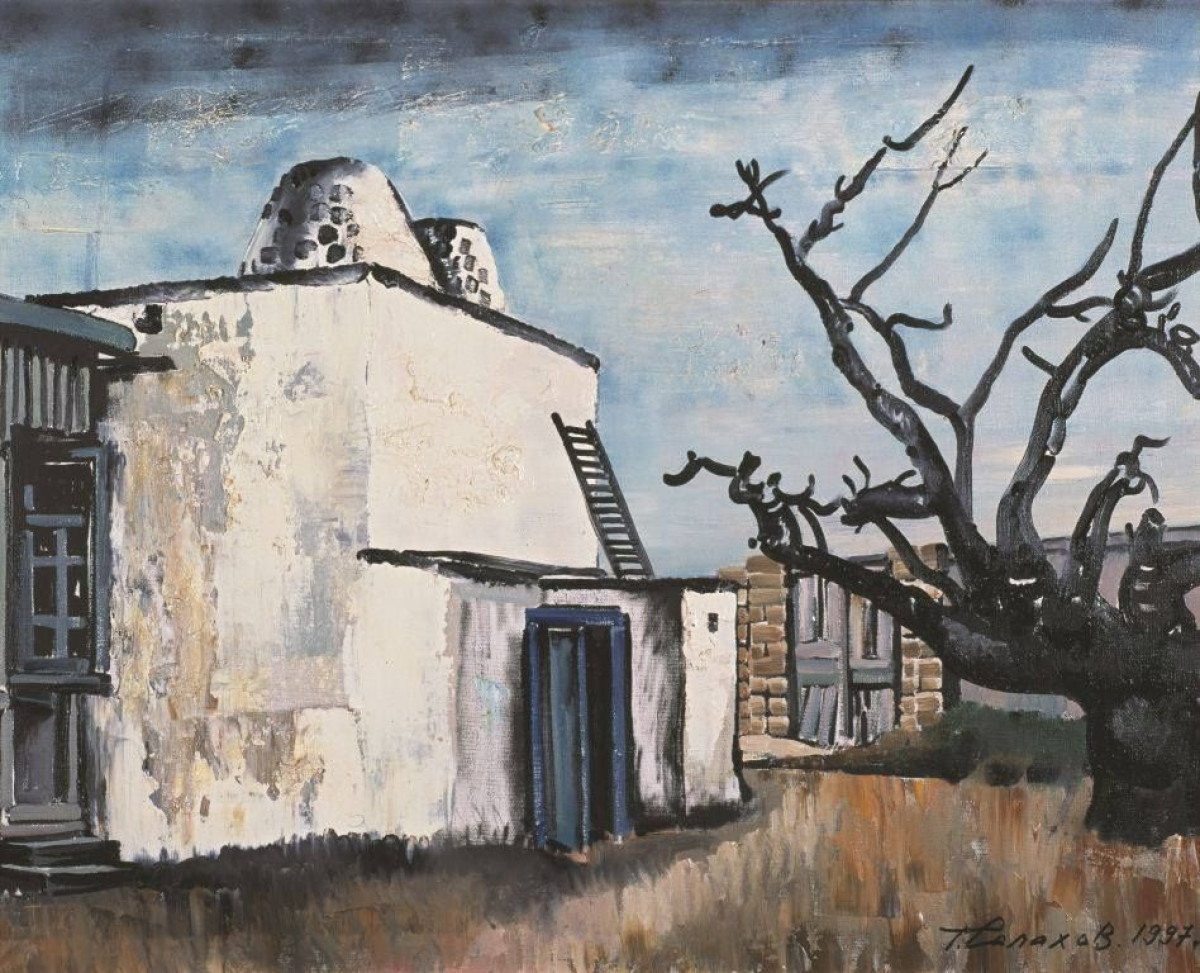
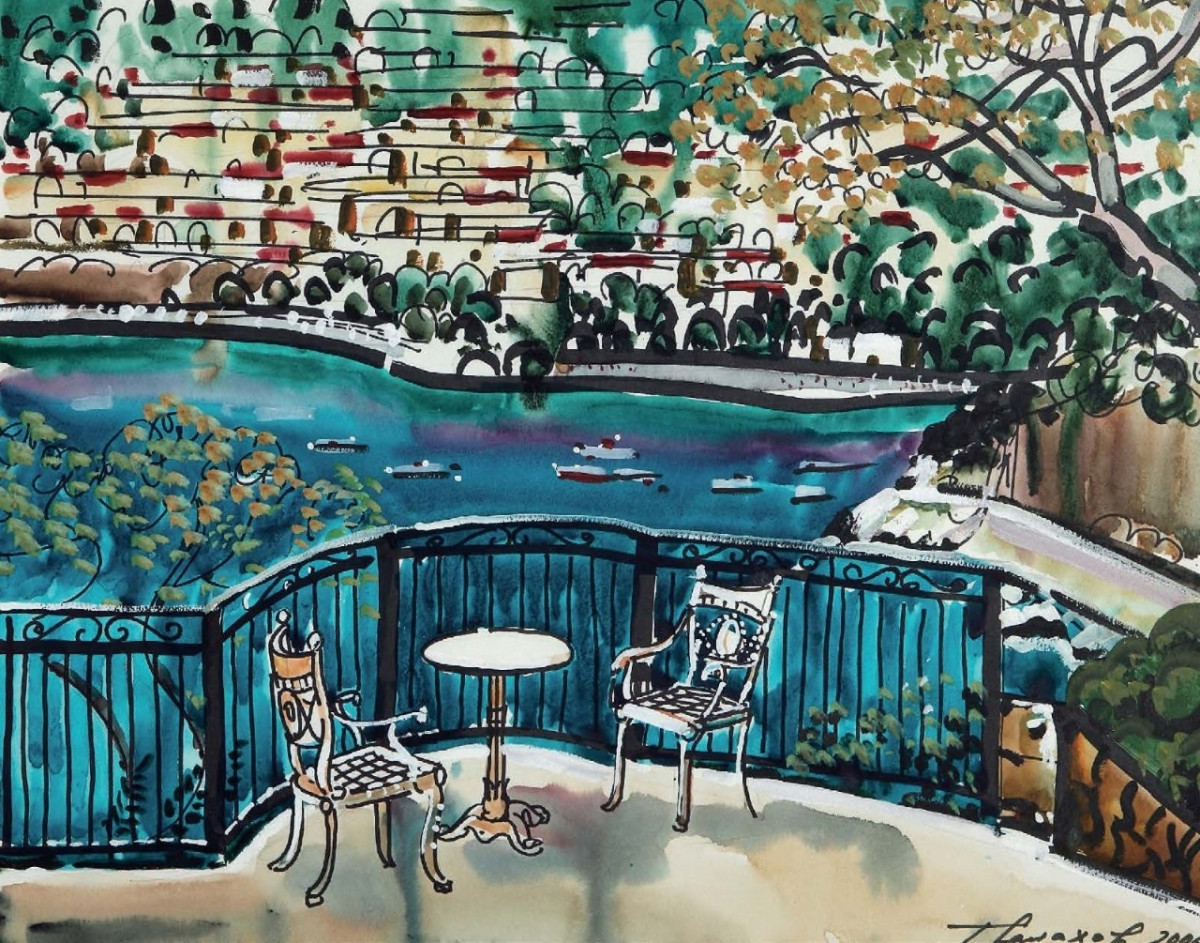
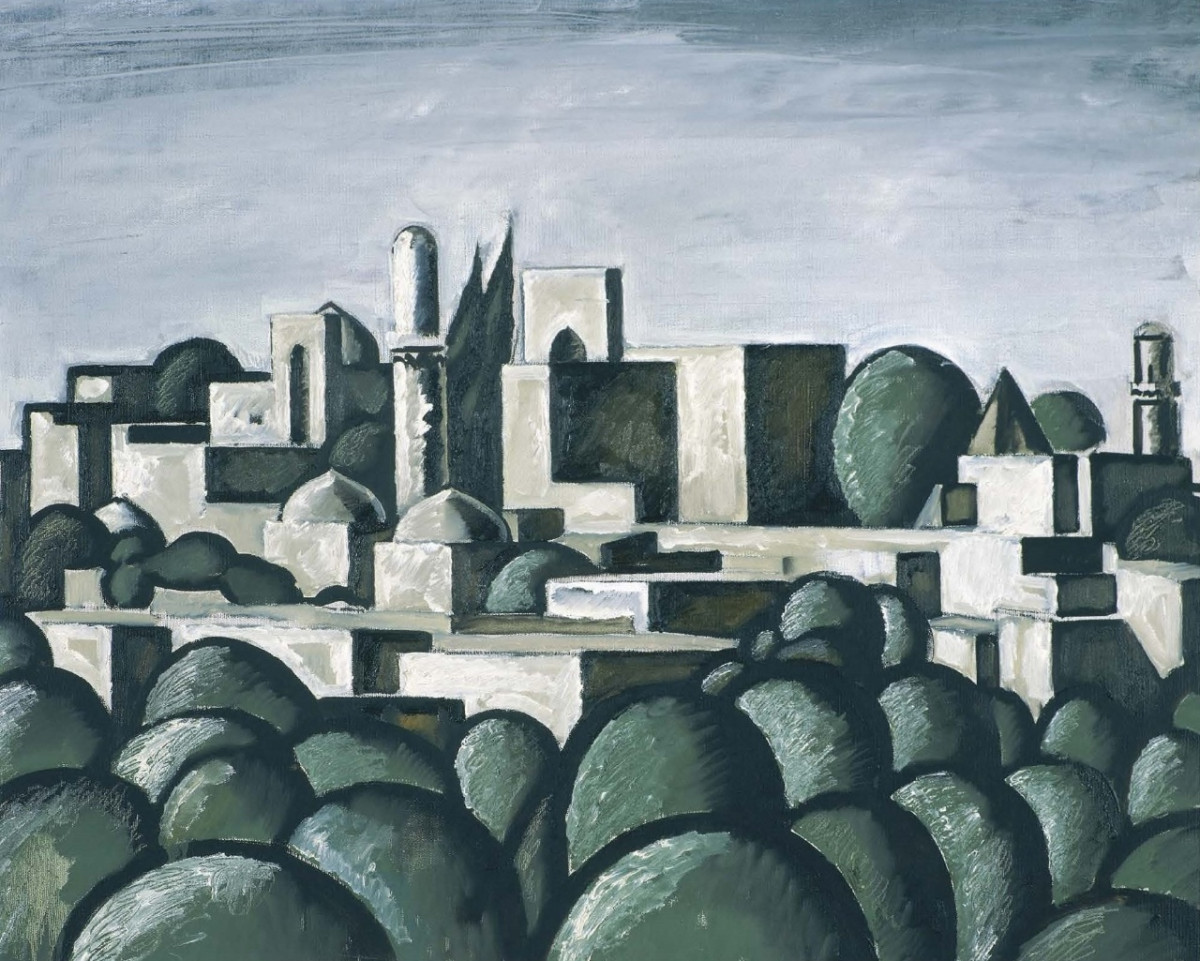
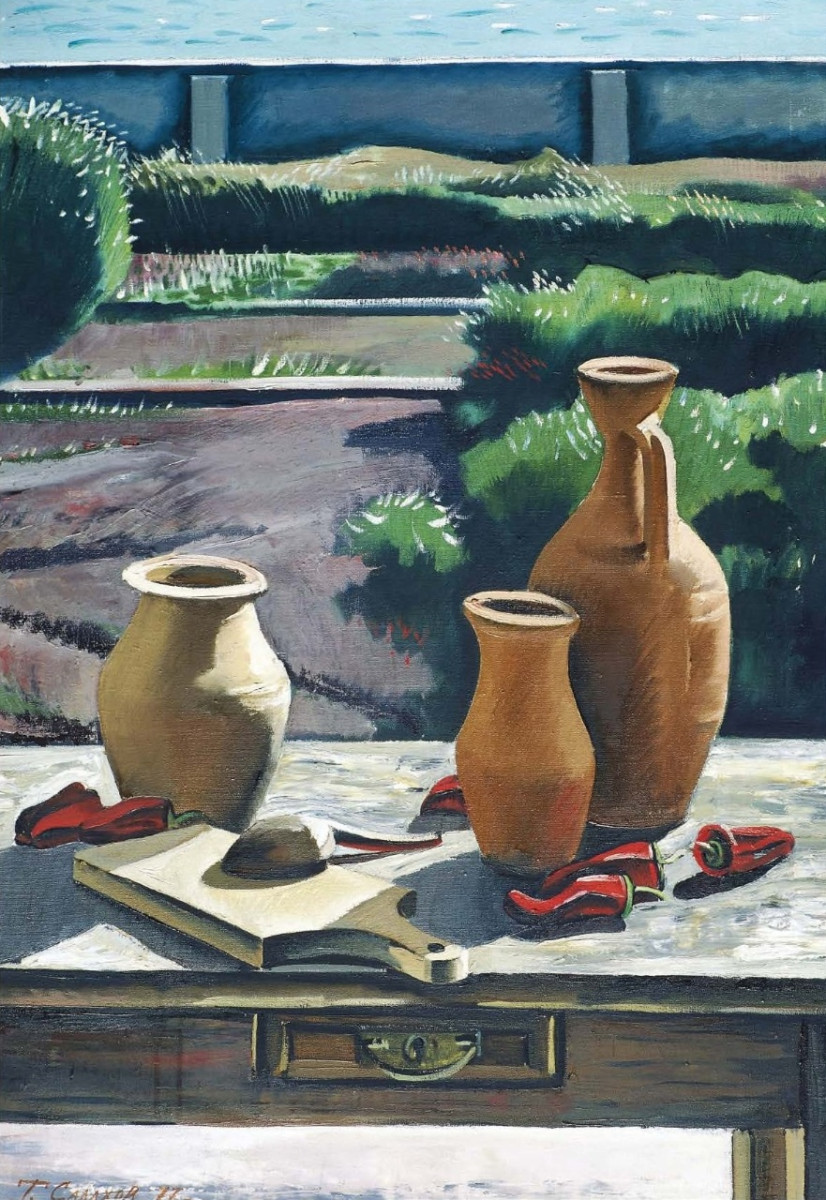
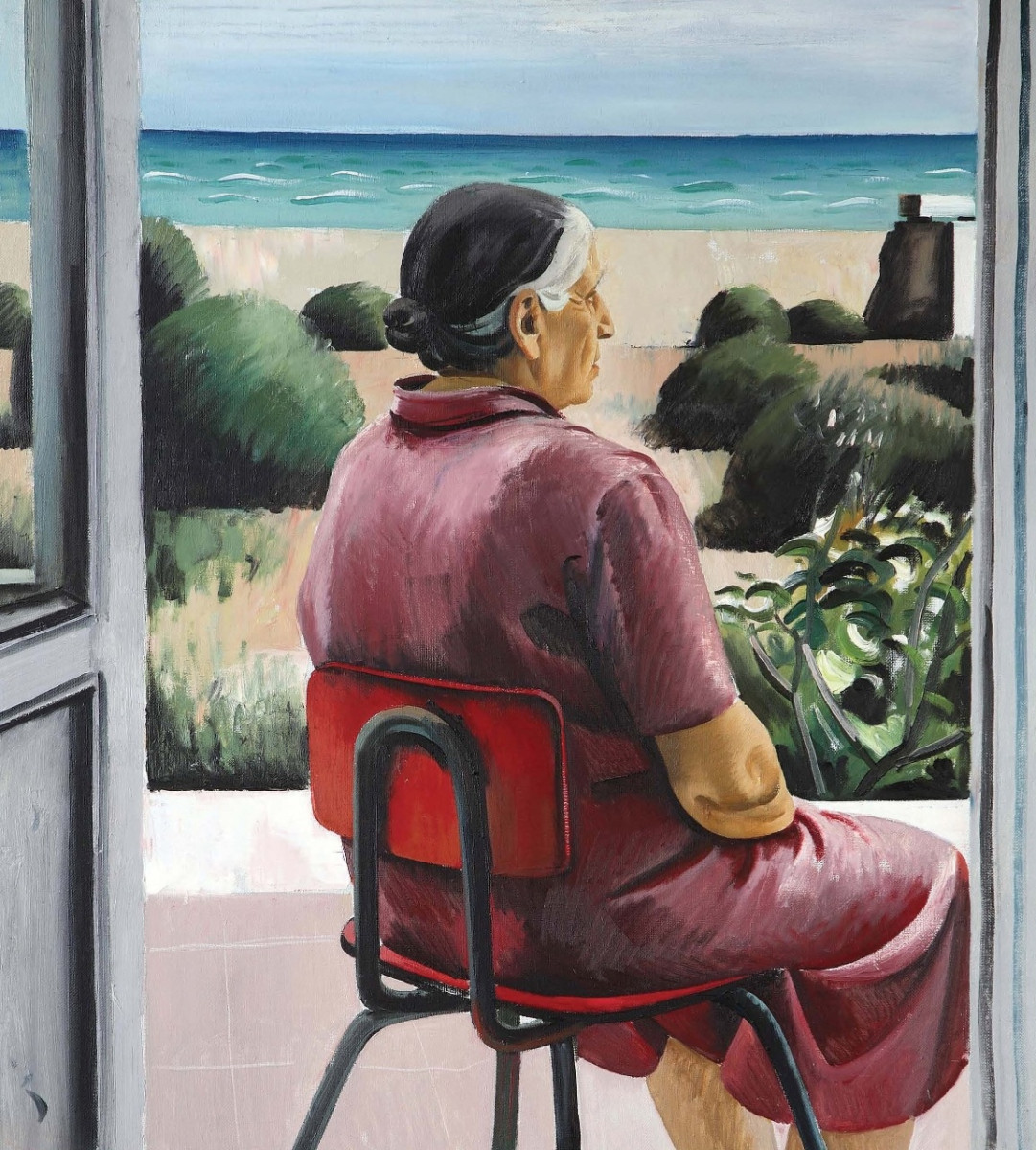
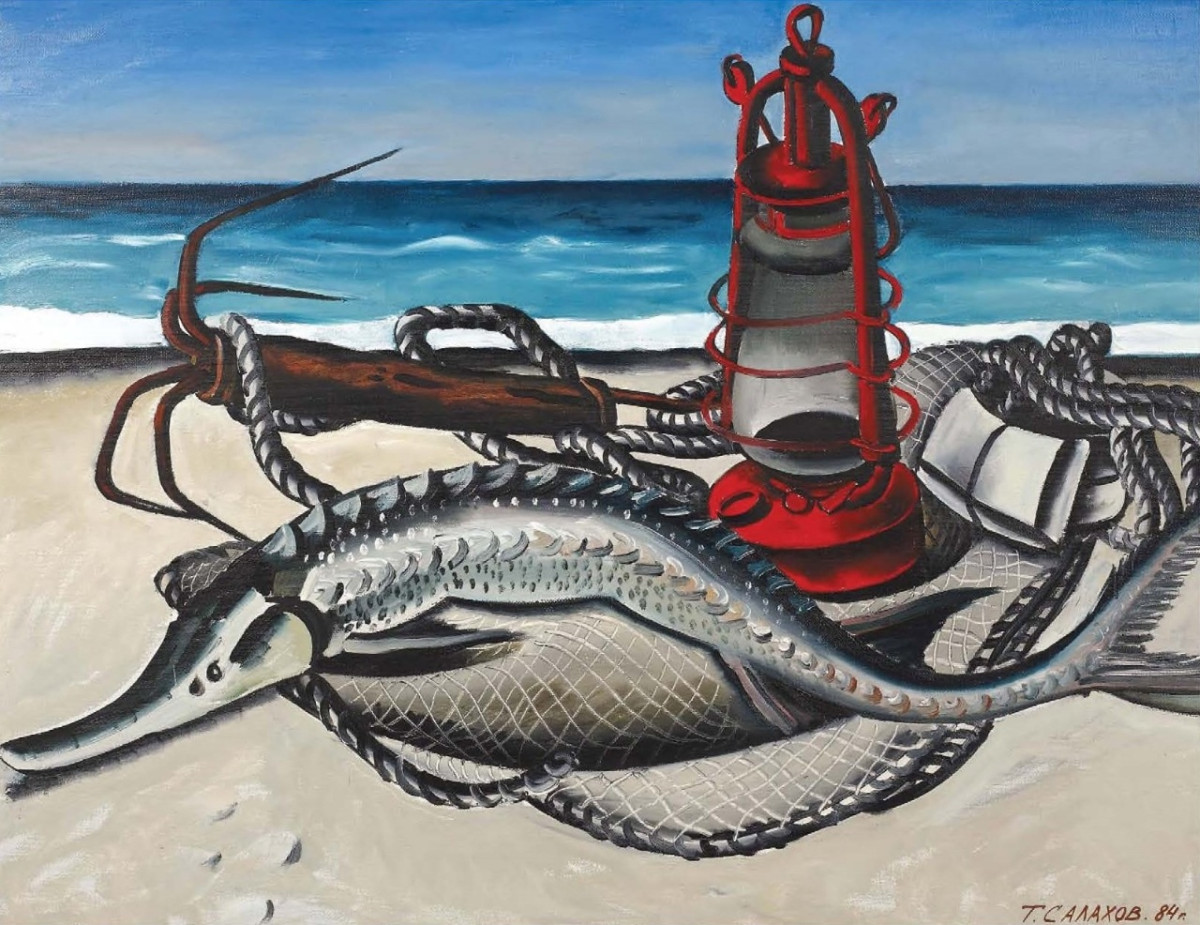
In his later works, the artist's palette became more nuanced and his compositional rhythms more fluid, while the structural clarity that defined his earlier paintings remained an essential part of his visual language. His contribution extended beyond the studio. Through teaching, institutional leadership and international cultural activity, Salakhov helped shape the artistic education of younger generations and strengthened the international presence of Azerbaijani art.
Tahir Salakhov's legacy occupies a significant place in the history of modern Azerbaijani painting and in the wider narrative of twentieth-century art. His work brings together the experience of labour, the dignity of the individual, historical memory and the formal discipline of modernism. The enduring strength of his paintings lies in their ability to transform the particular realities of a time and place into images of broader human significance. Tahir Salakhov died in Berlin, Germany, on 21 May 2021, and was buried in the First Alley of Honour in Baku.
Art Space Gallery MEDIA