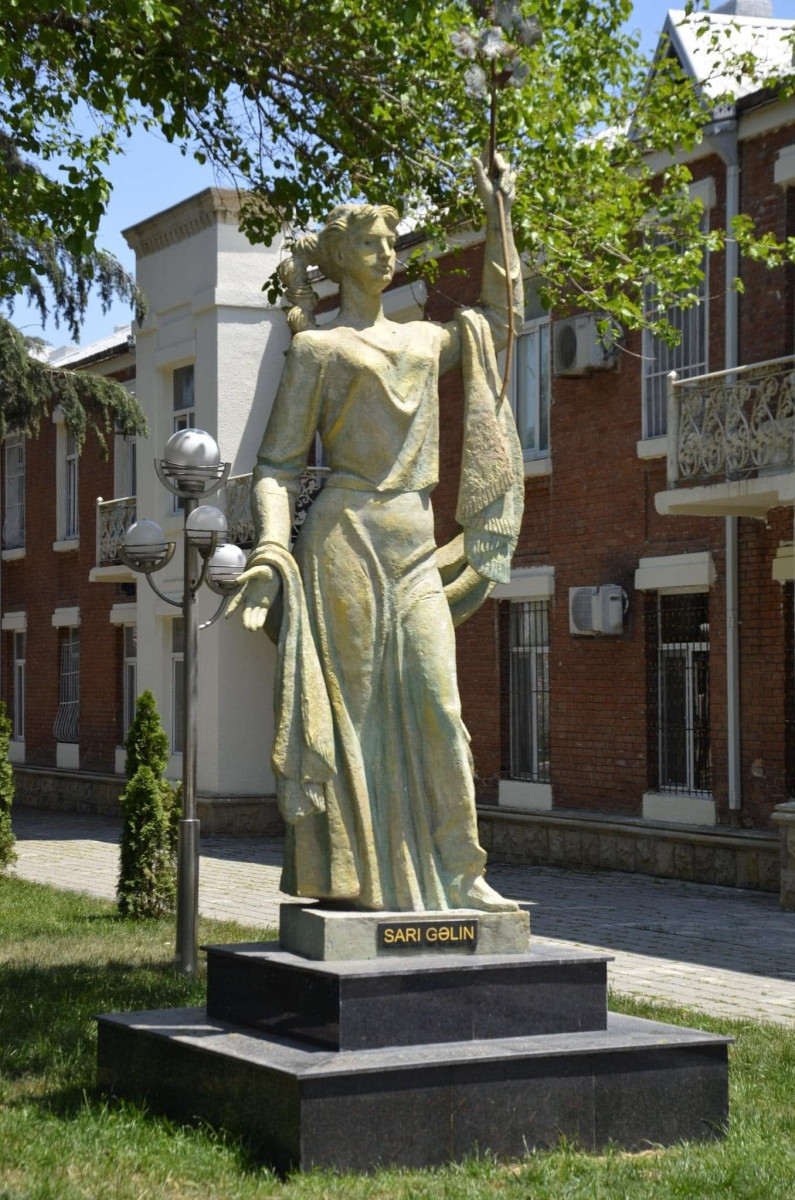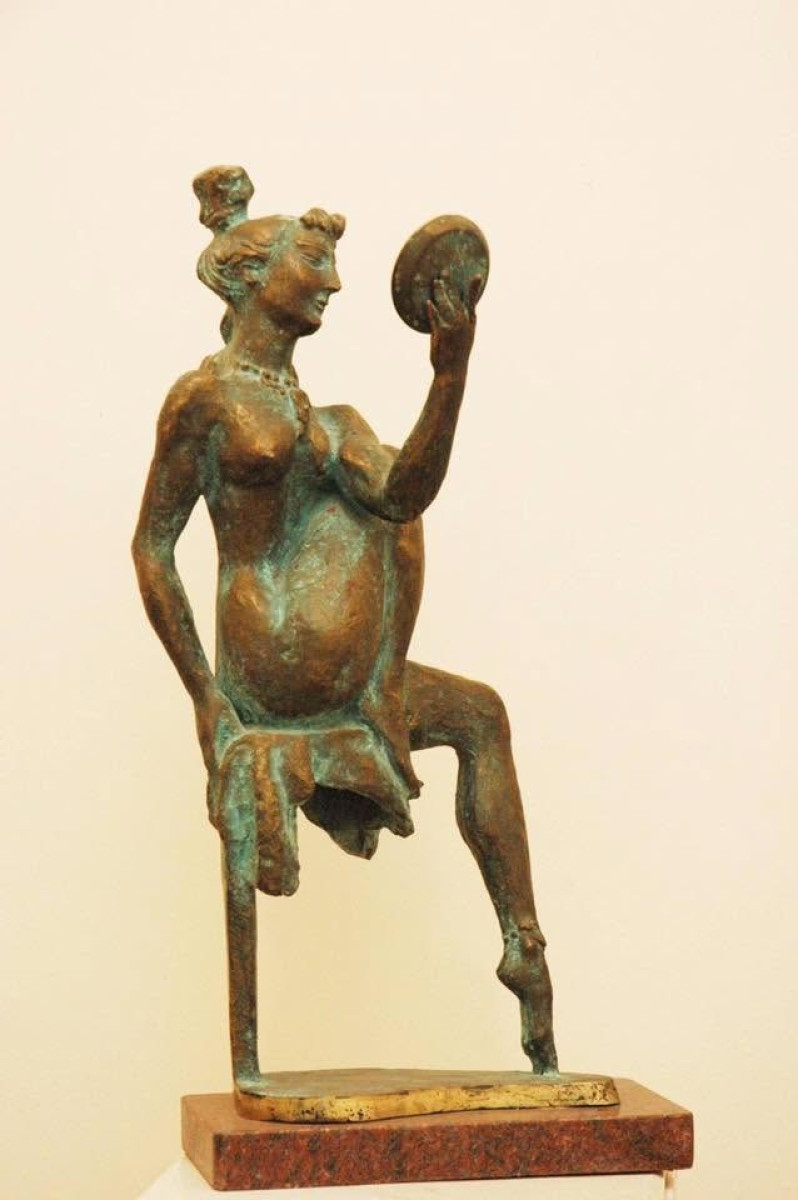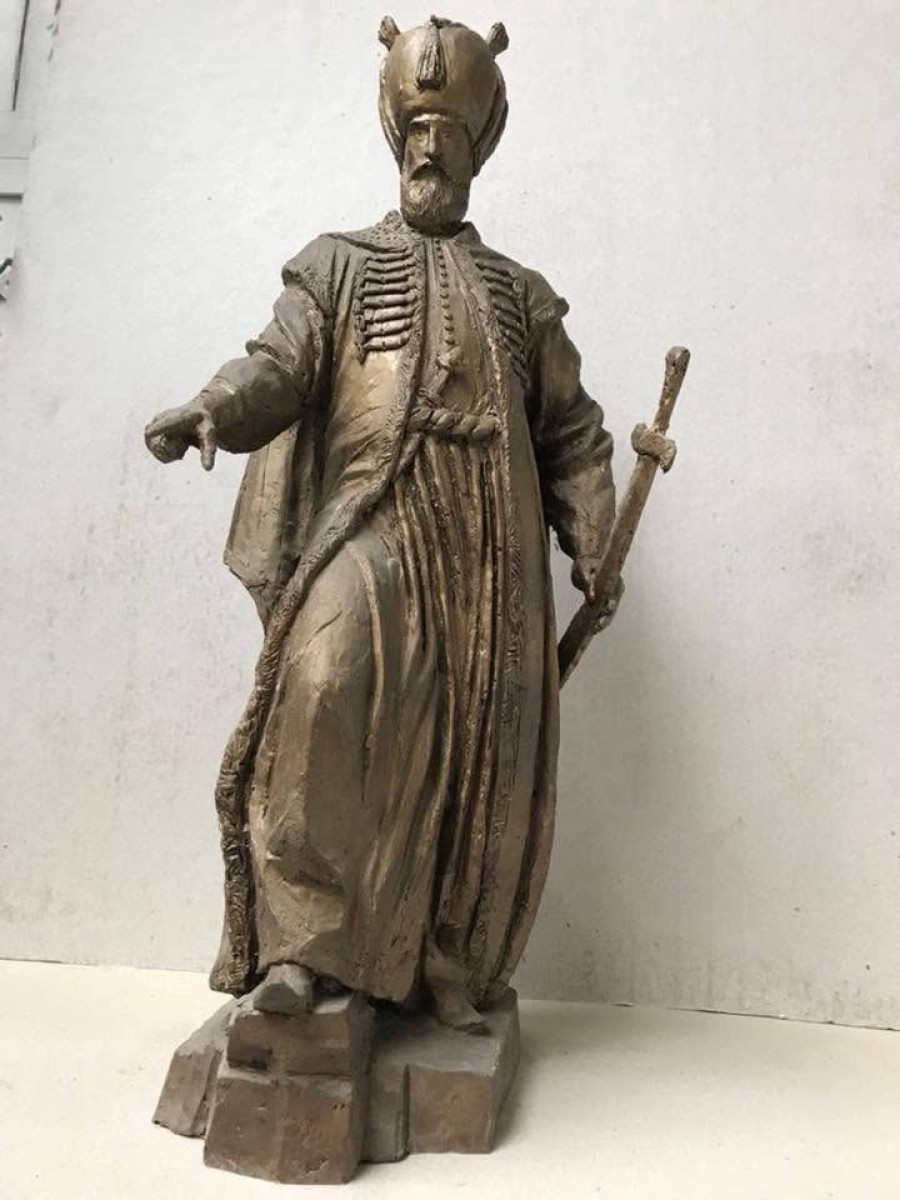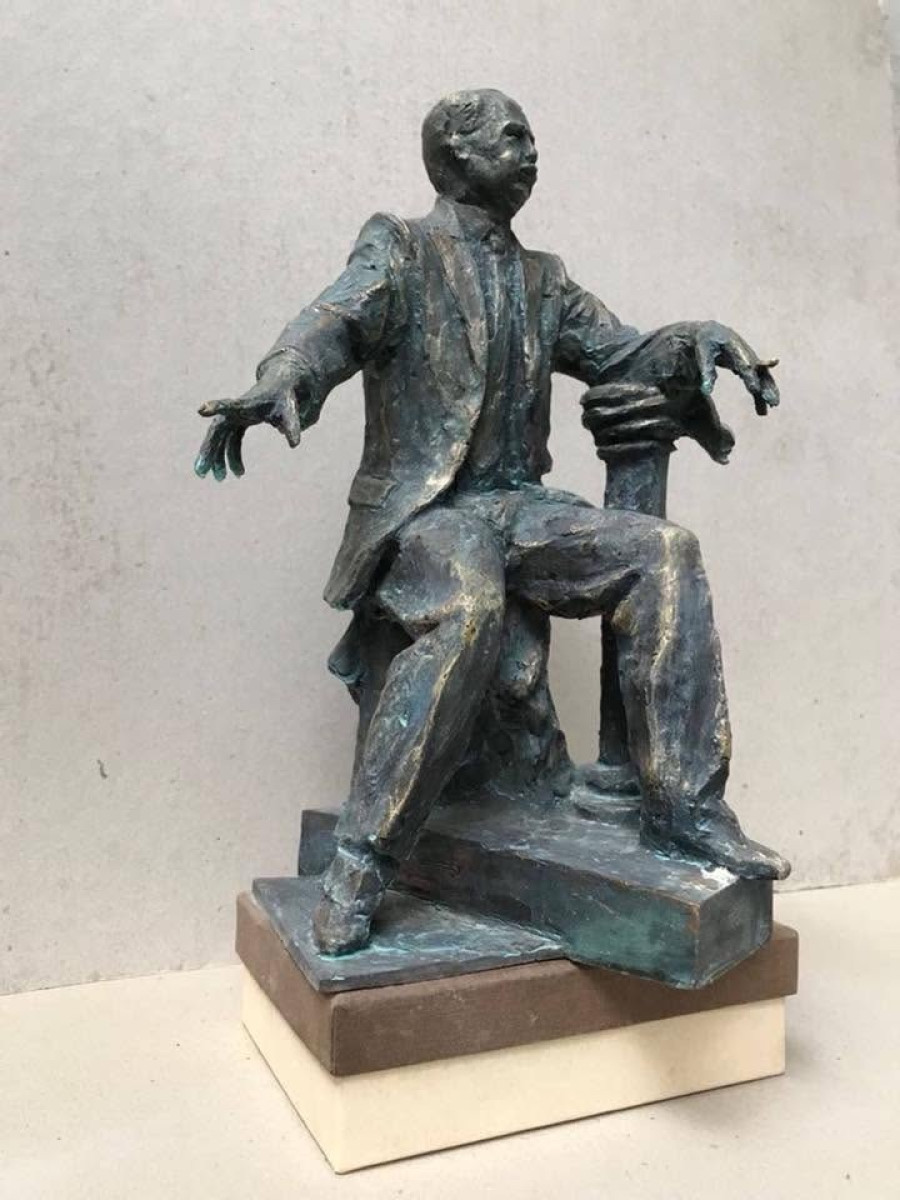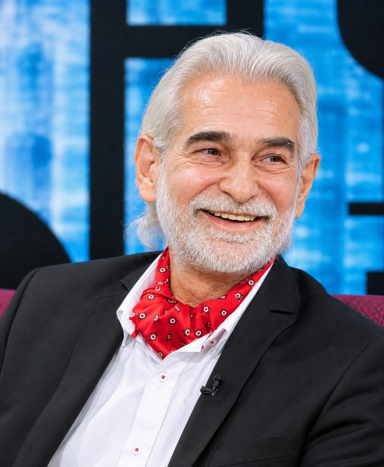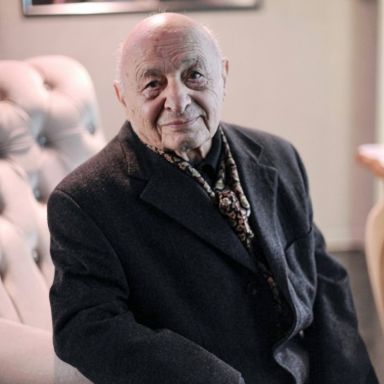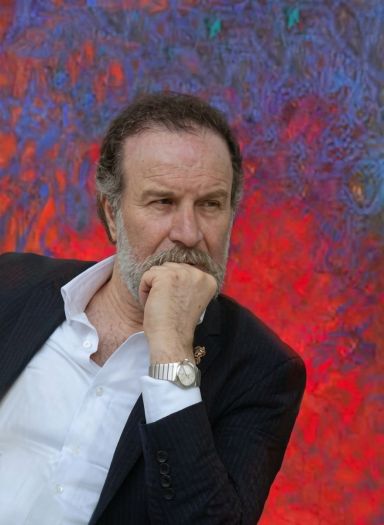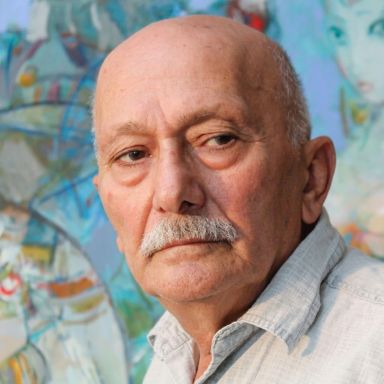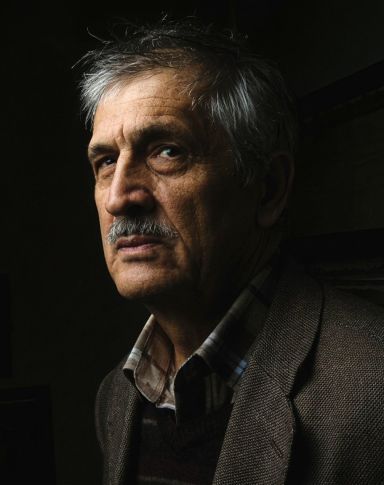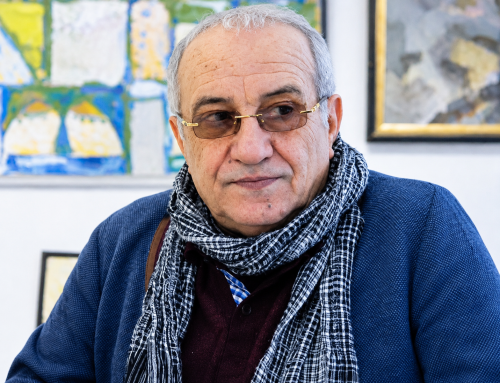
Khanlar Ahmad oglu Ahmadov was born in Baku on 12 June 1946. He studied at the Azim Azimzade State Art School from 1961 to 1966 and at the A. Ostrovsky Institute of Art in Tashkent from 1966 to 1972, followed by postgraduate study between 1972 and 1975. A member of the Union of Artists of the USSR since 1975, he received the honorary title of Honoured Artist in 2002 and People's Artist in 2006. His practice encompasses monumental and studio sculpture, while his academic career has included teaching at the Azerbaijan State University of Culture and Arts.
The human figure is the central point of reference in Ahmadov's sculpture, yet his work goes beyond the description of physical appearance. Character emerges through posture, bodily structure, gesture and the treatment of surface. His portraits retain the recognisable individuality of their subjects while seeking a broader human significance. This approach gives his realism a flexible, expressive character rather than confining it to strict academic conventions.
Wood occupies an important place in his early sculptural exploration. In “Women of Lankaran”, a multi-figure composition, the arrangement and rhythm of the figures establish the work's internal structure. The natural qualities of wood contribute not only to the technical execution but also to the continuity of form and the expressive character of the surface. The figures are connected through a visual rhythm that turns separate presences into a coherent sculptural whole.
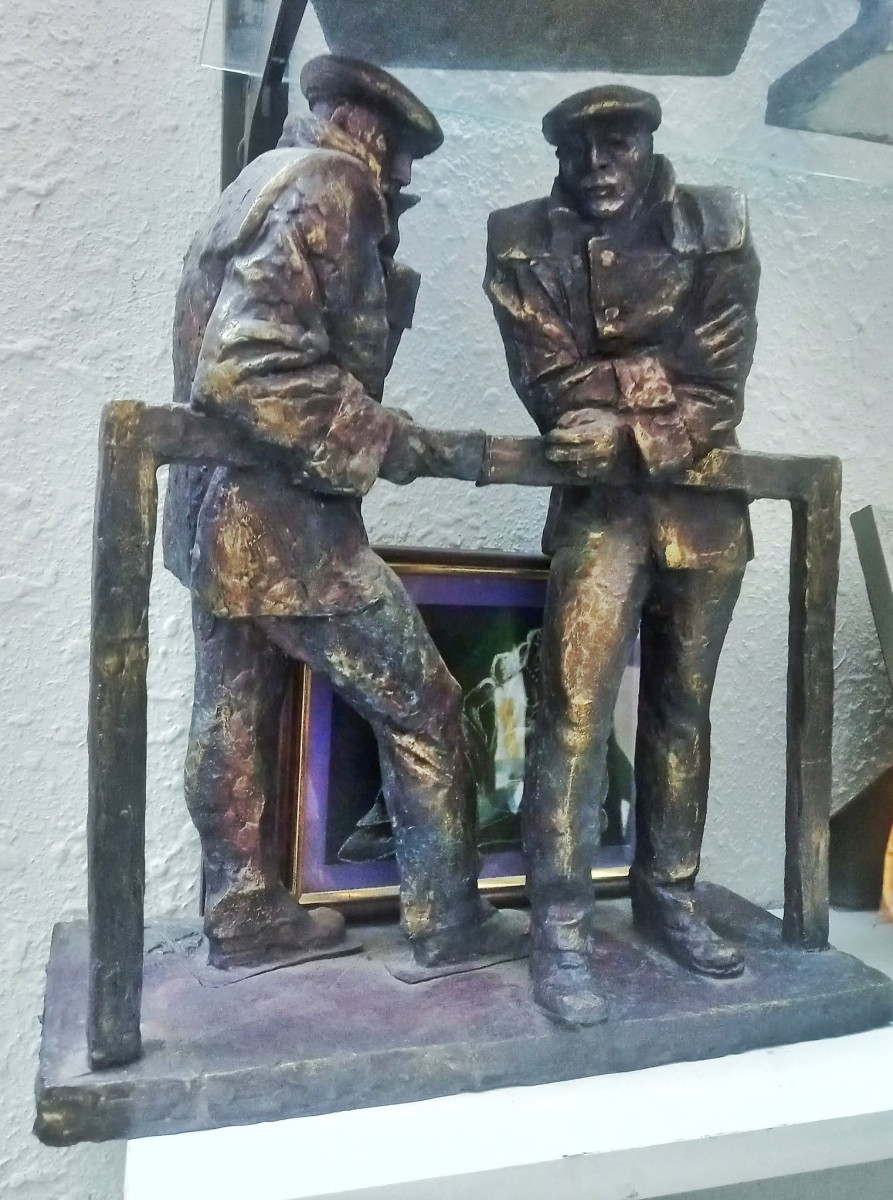
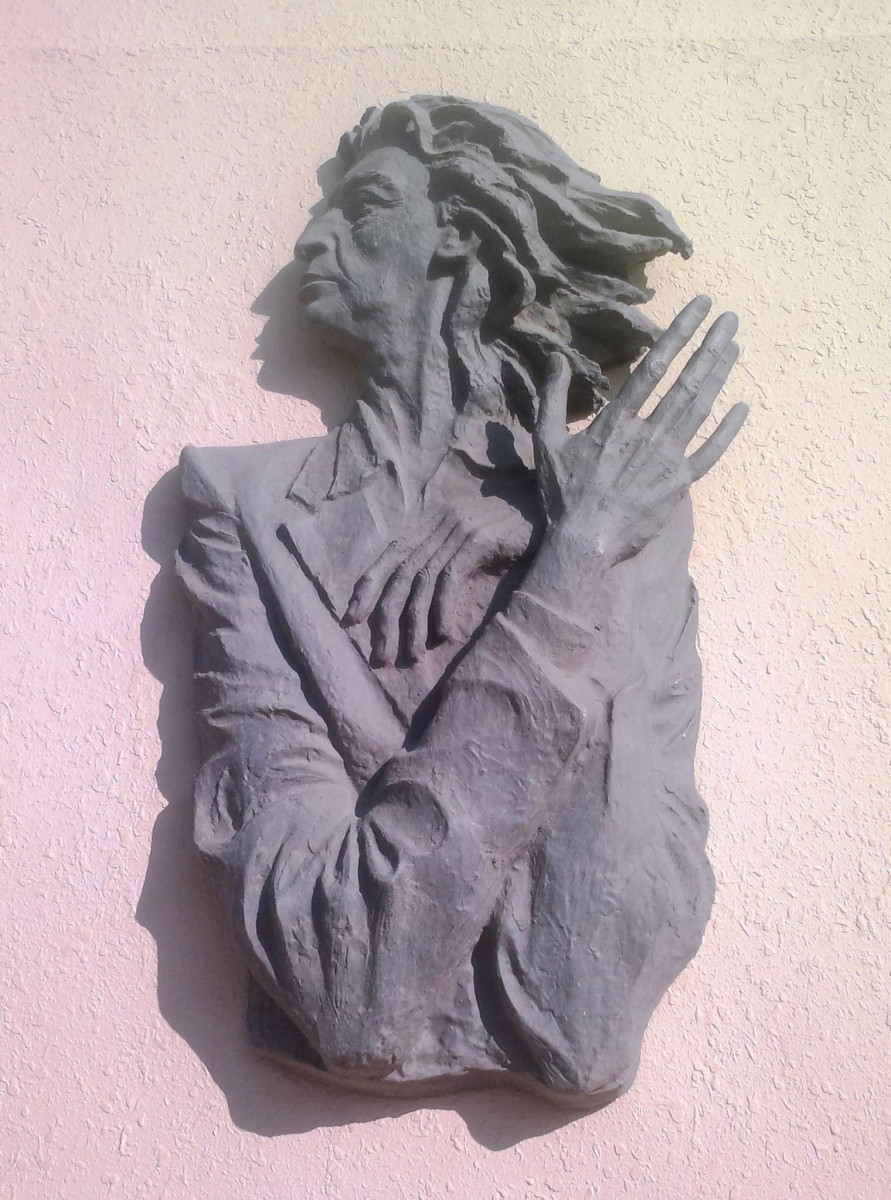
Works such as “Girl Student”, “Collective Farmer Woman”, “Driver Mirza”, “Girl Gymnast”, “Portrait of a Worker” and “Wrestler Isa”, alongside portraits of singer Habil Aliyev and sculptor M. Mirgasimov, reveal the artist's sustained interest in individual character. Physical likeness is accompanied by an attempt to convey temperament, profession and lived experience. Monumentality in these works does not depend solely on scale; it arises from the inner integrity of the figure.
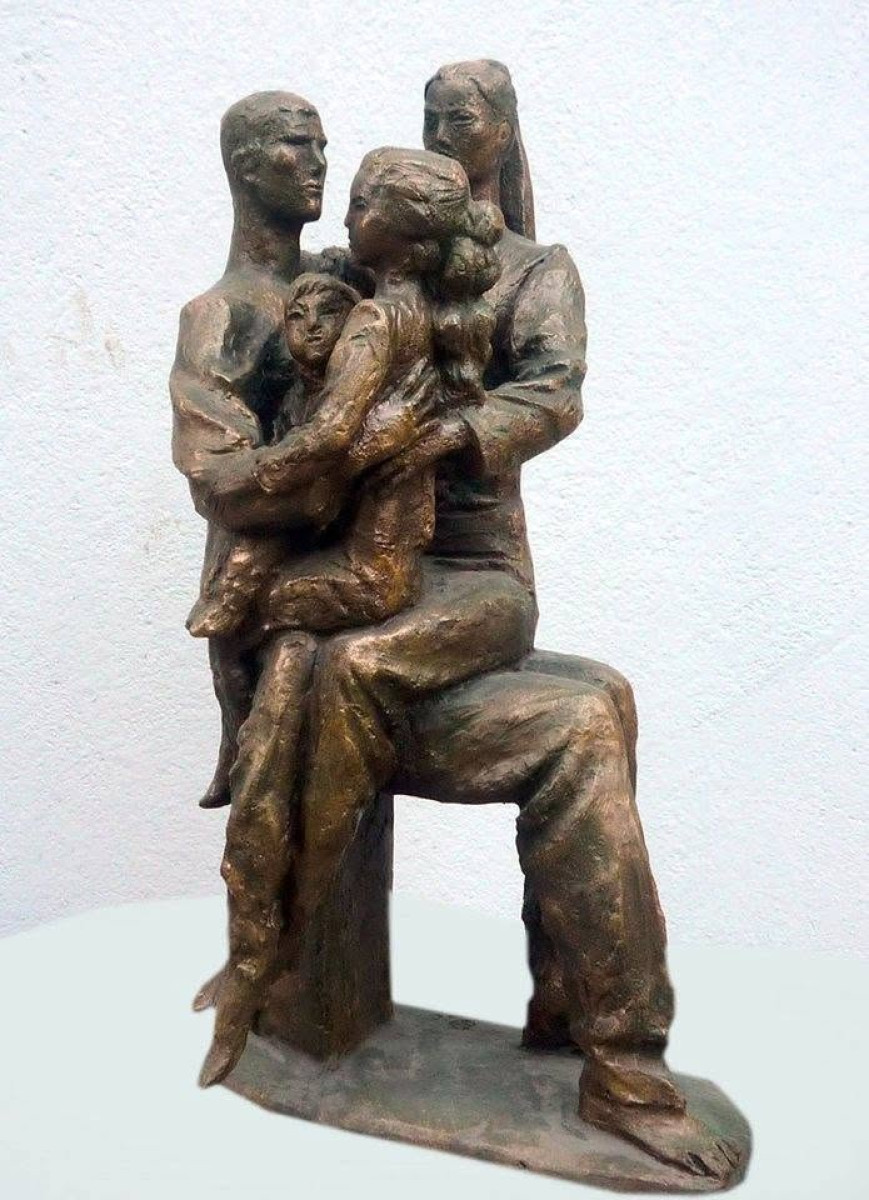
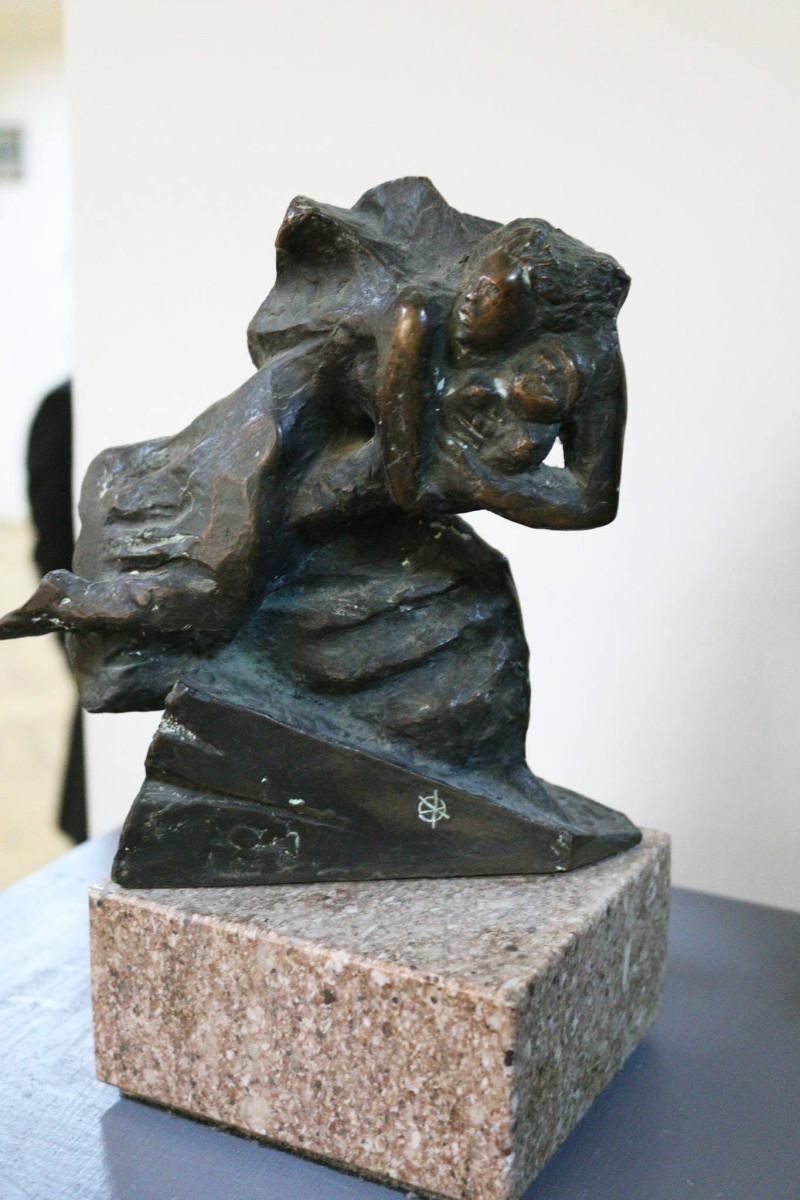
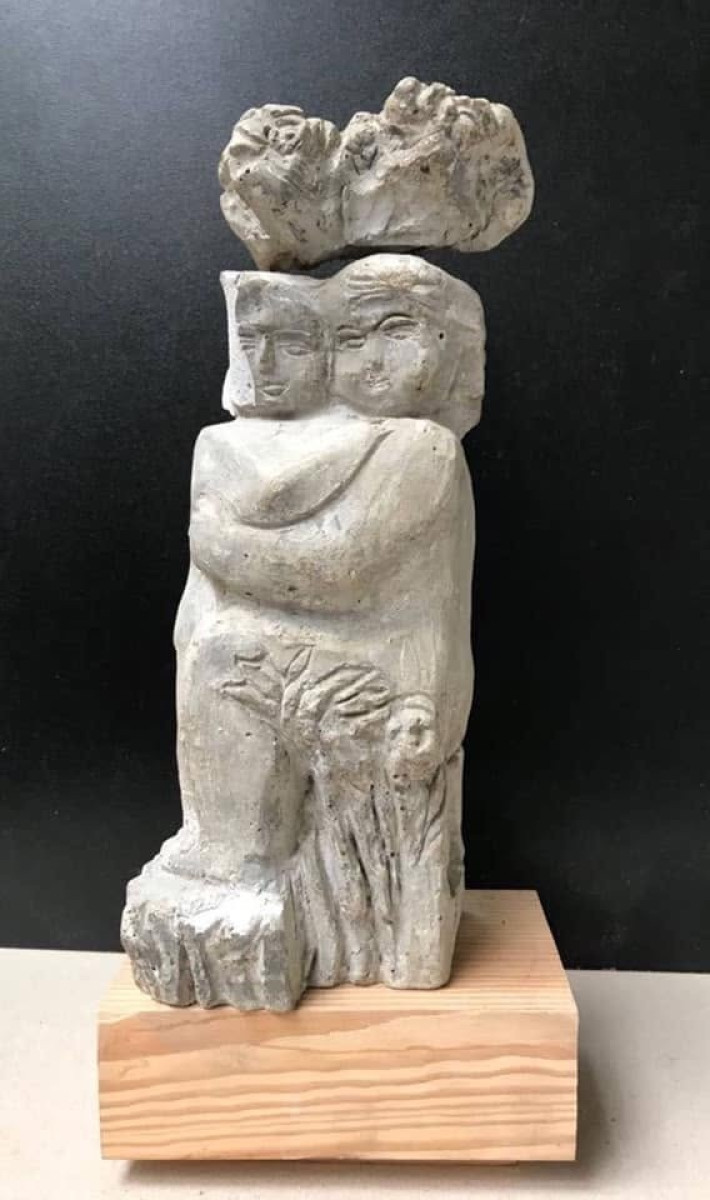
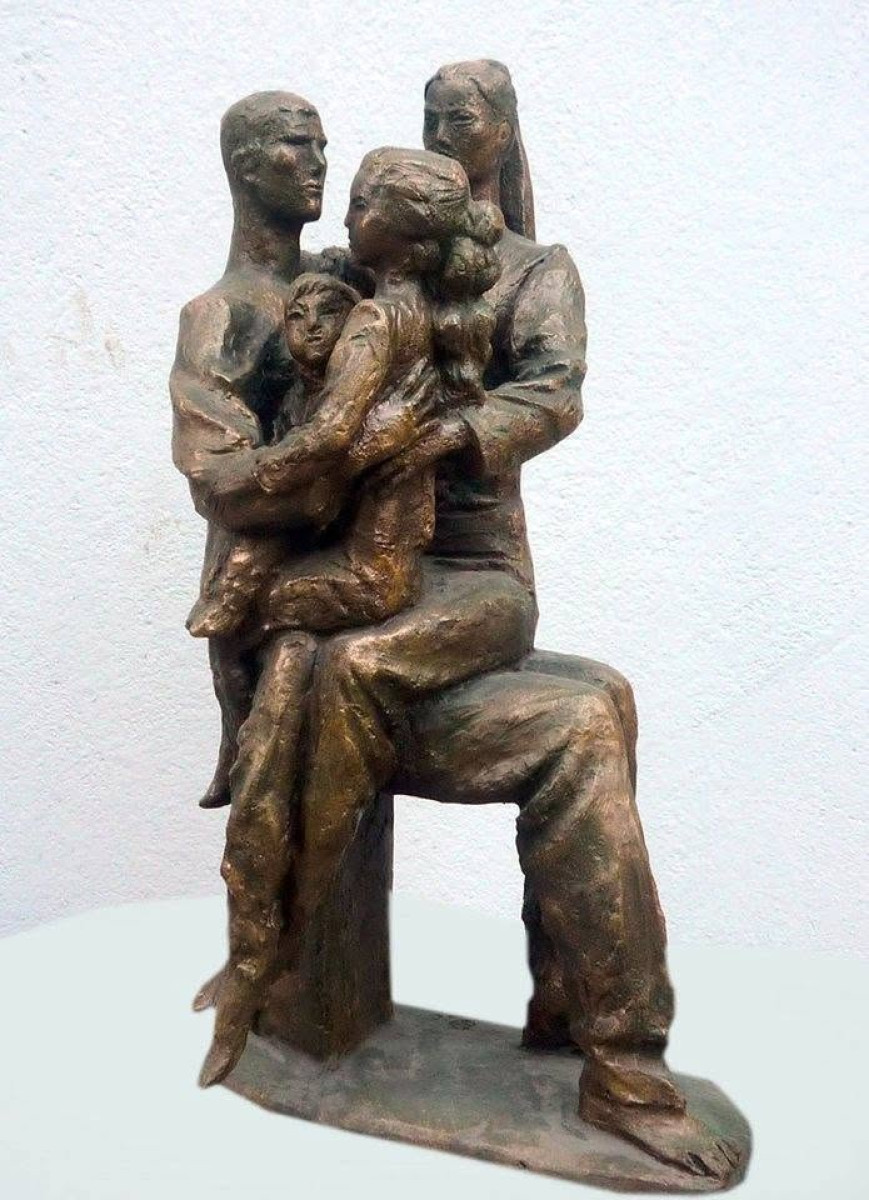
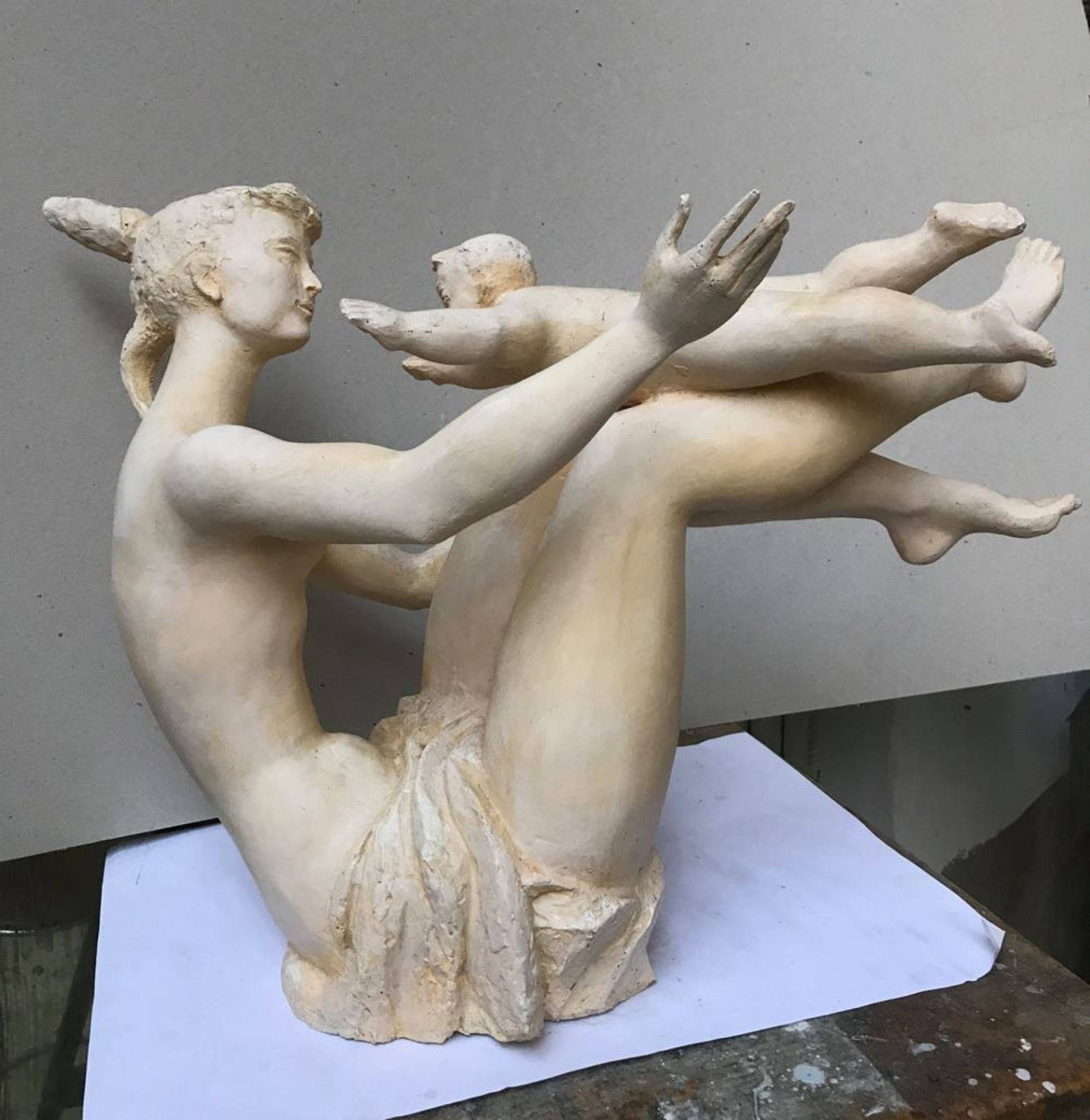
The theme of motherhood forms a distinct emotional strand in Ahmadov's practice. Compositions such as “Young Mother”, “Happiness”, “Mother” and “Mother with Child” explore care, attachment and protection as fundamental human experiences. Their expressive force lies in the relationship between the figures rather than in elaborate narrative detail. The closeness of mother and child becomes both the emotional and spatial centre of the composition.
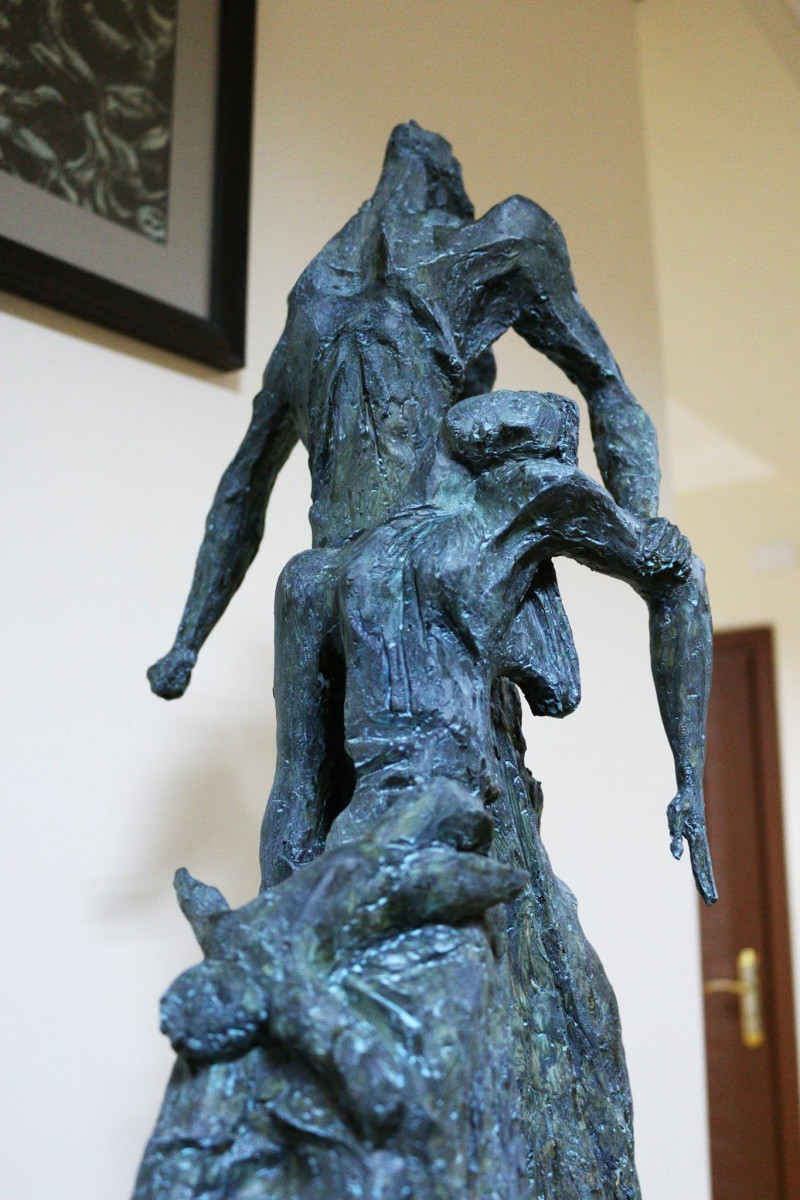
A major historical dimension of his work is represented by the sculptural and graphic series devoted to the Khojaly tragedy. “Lament”, “Mother's Cry”, “Burnt Woman”, “Father's Cry”, “Displaced People”, “The Frozen”, “Refugees” and “Bullet” approach the subject through individual human suffering. Expressive bodily forms and tense compositions confront the viewer with the consequences of violence. Historical memory is transformed into a visual account of human vulnerability rather than remaining an abstract reference to the past.
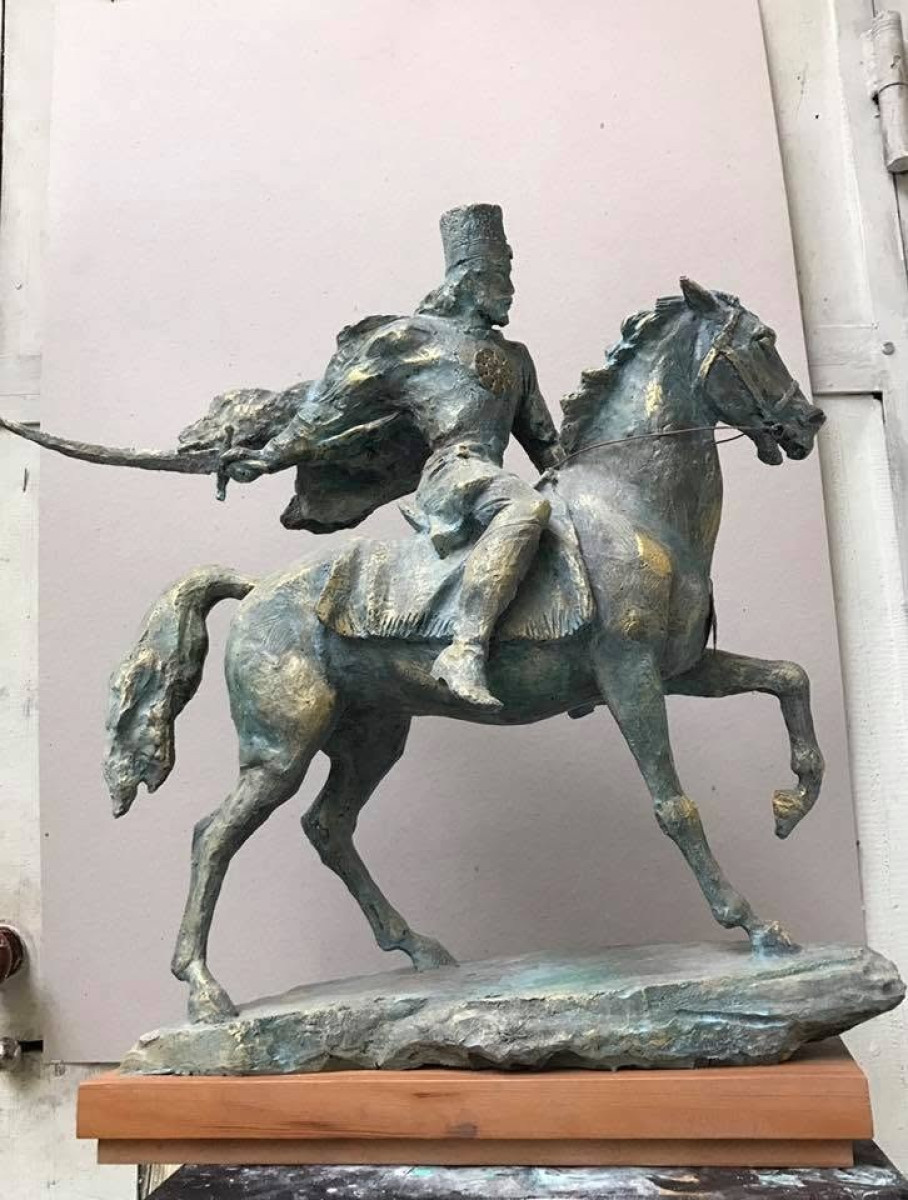
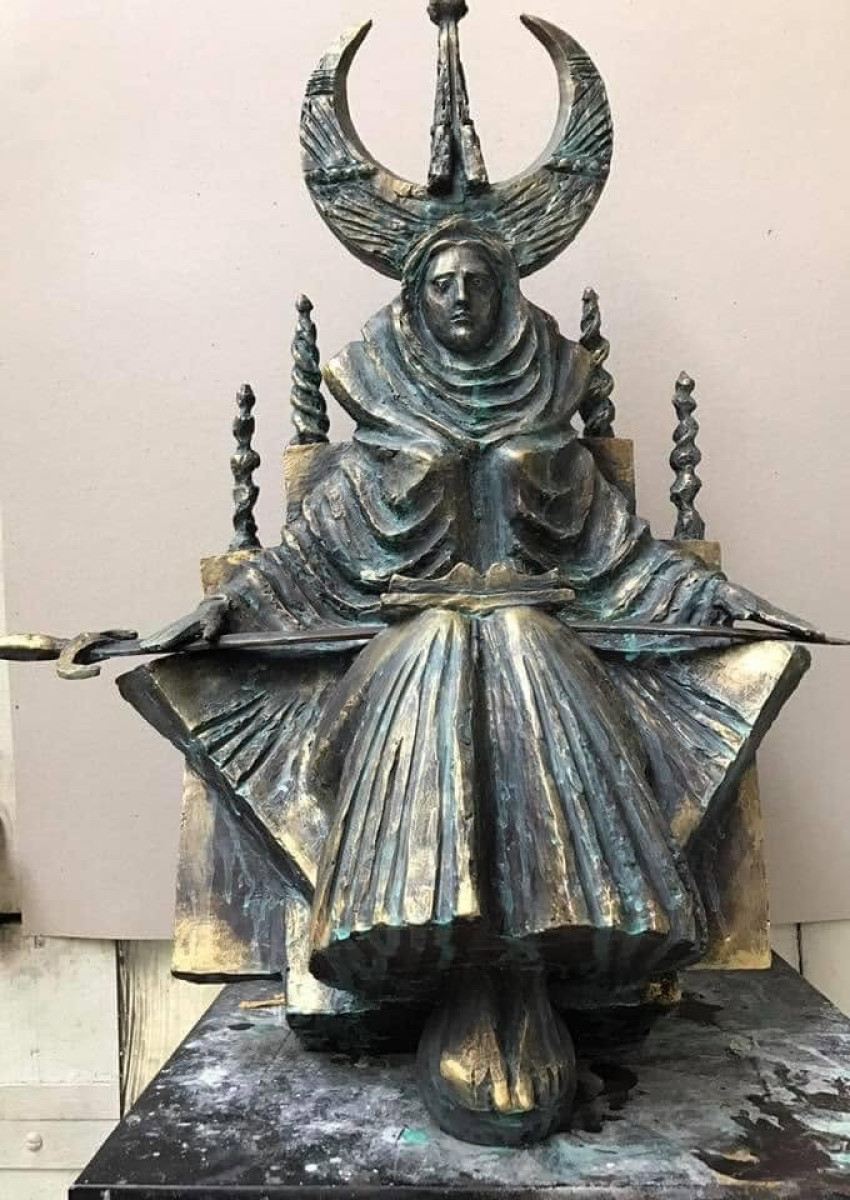
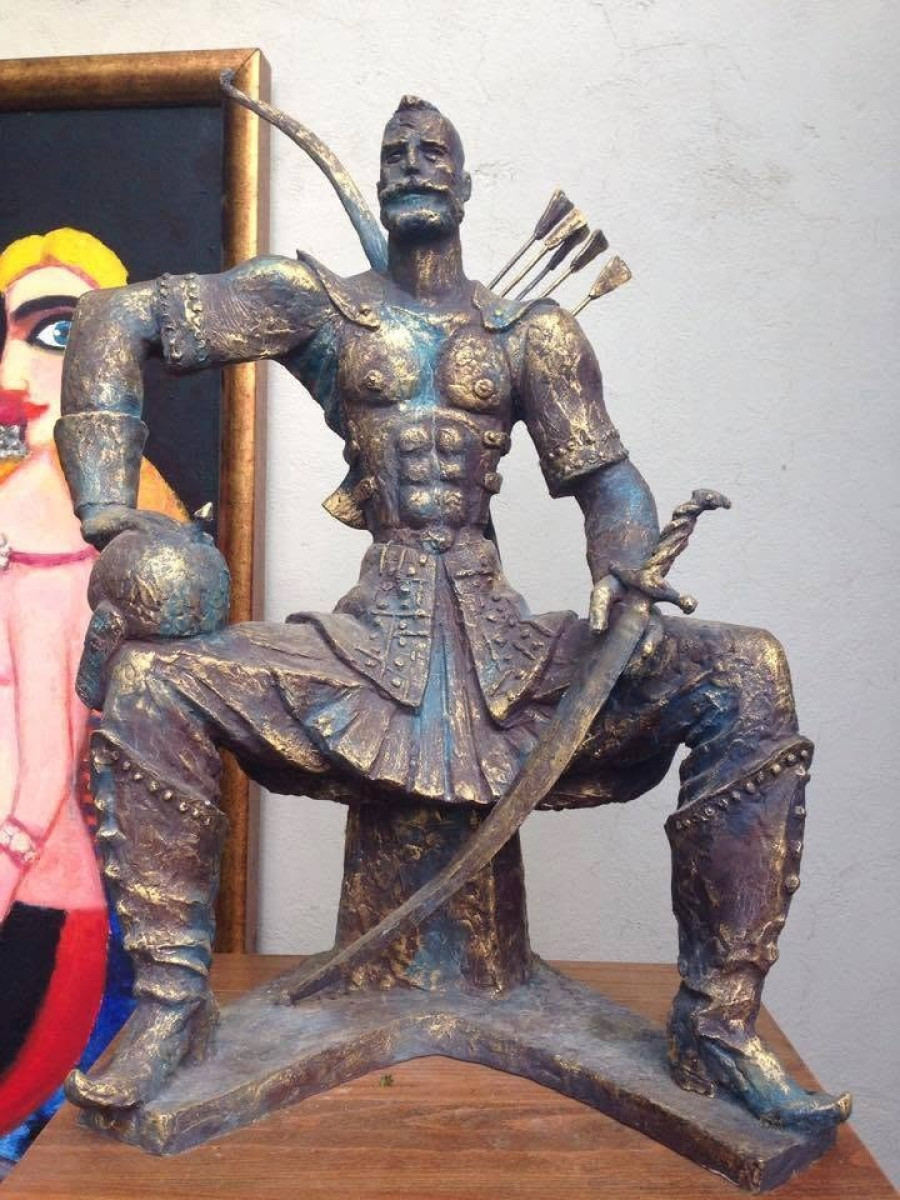
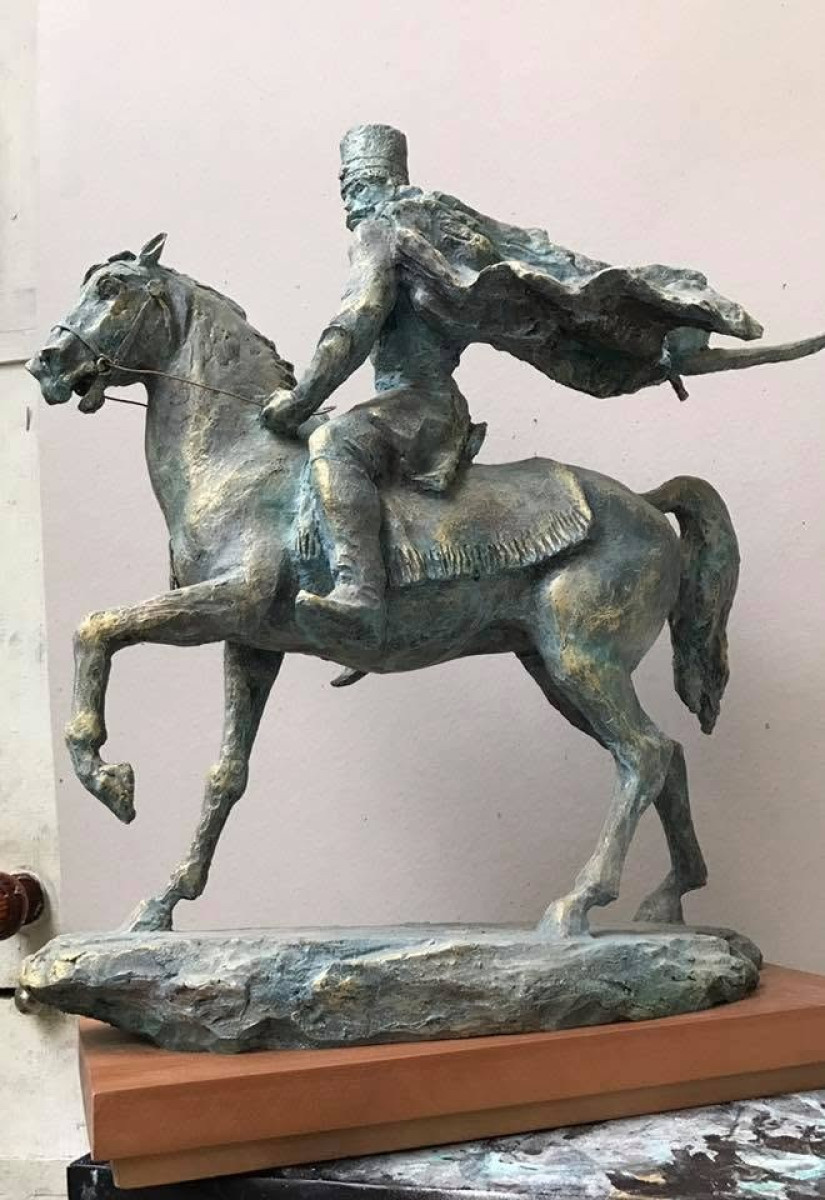
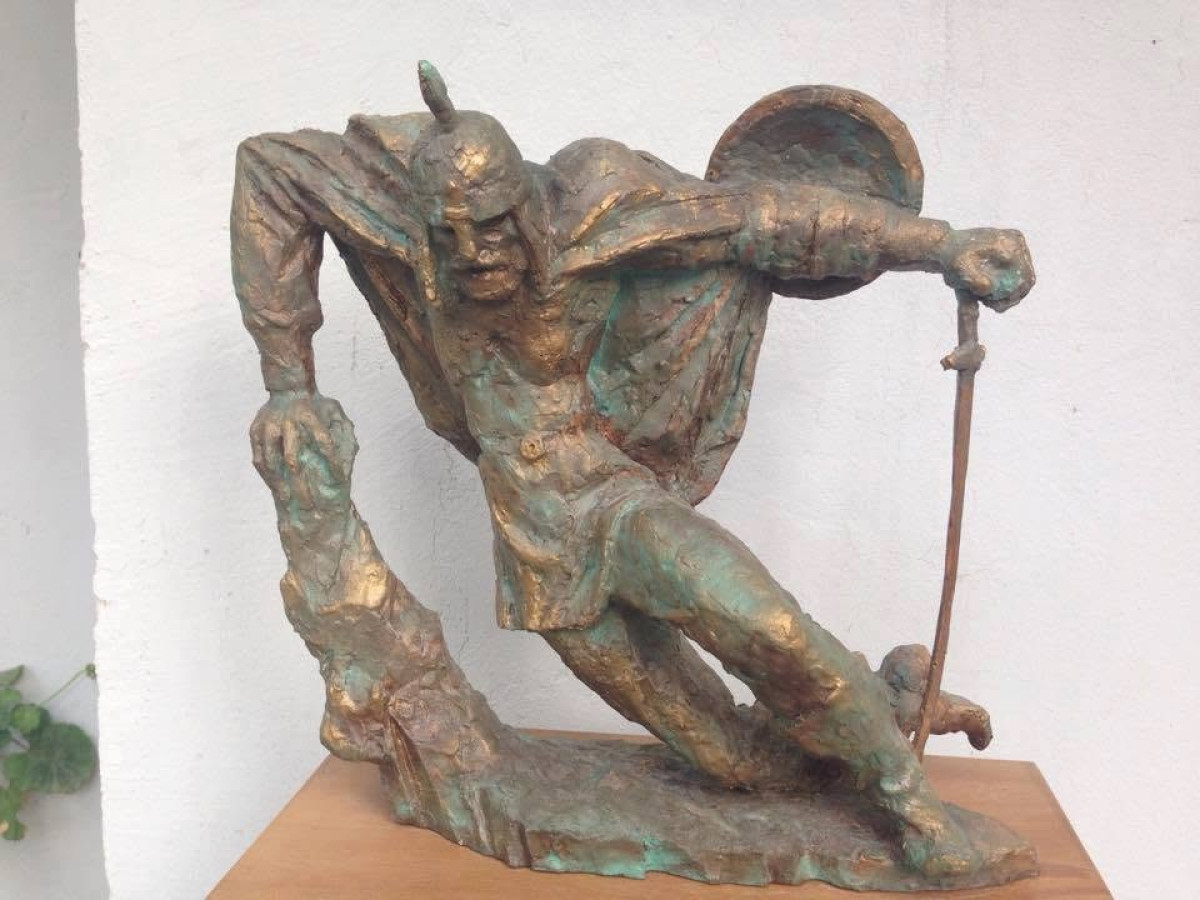
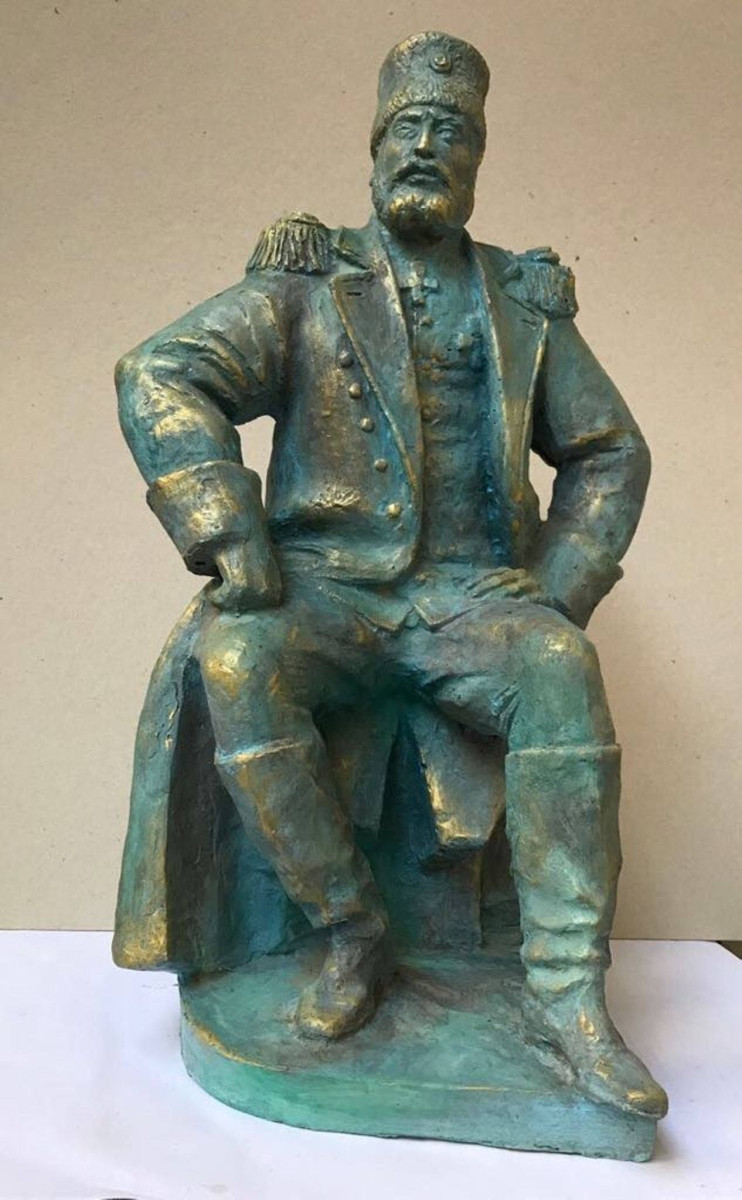
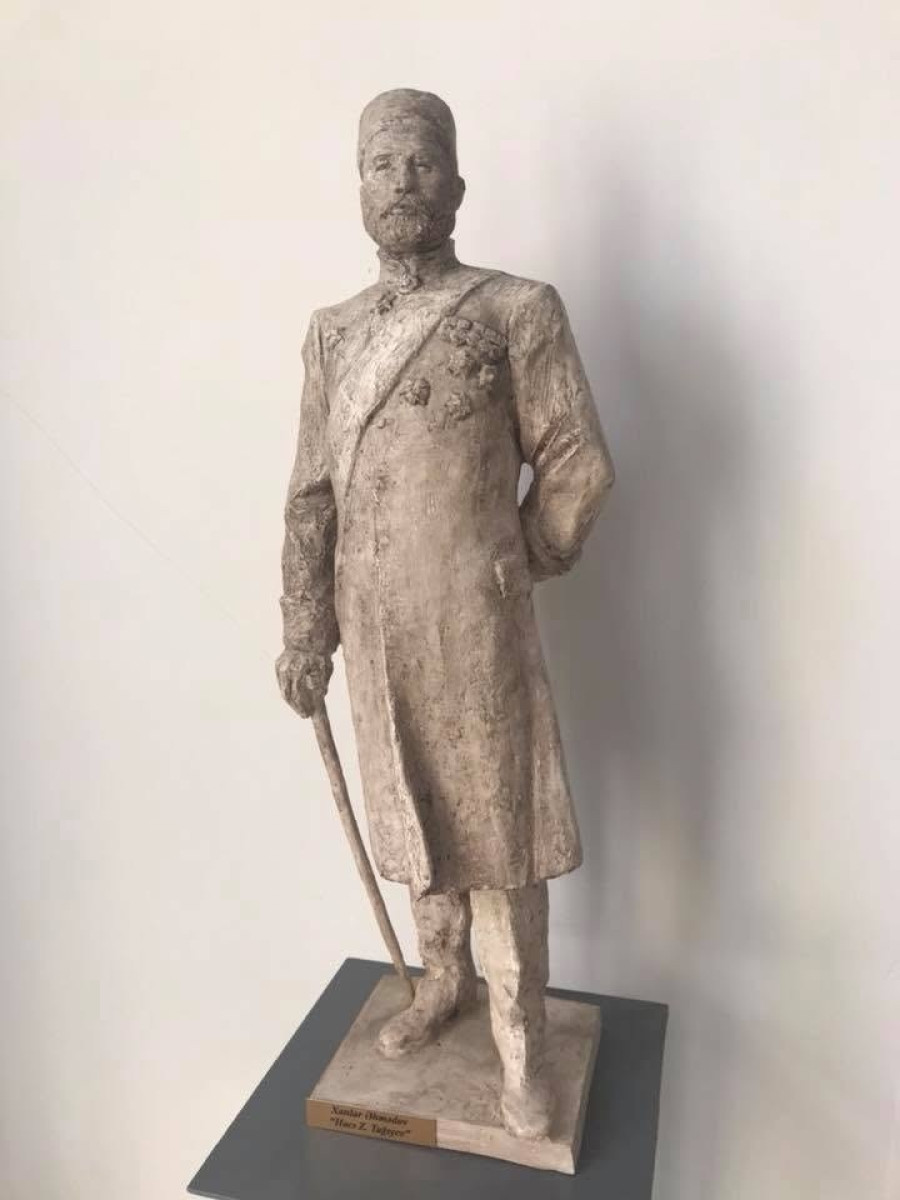
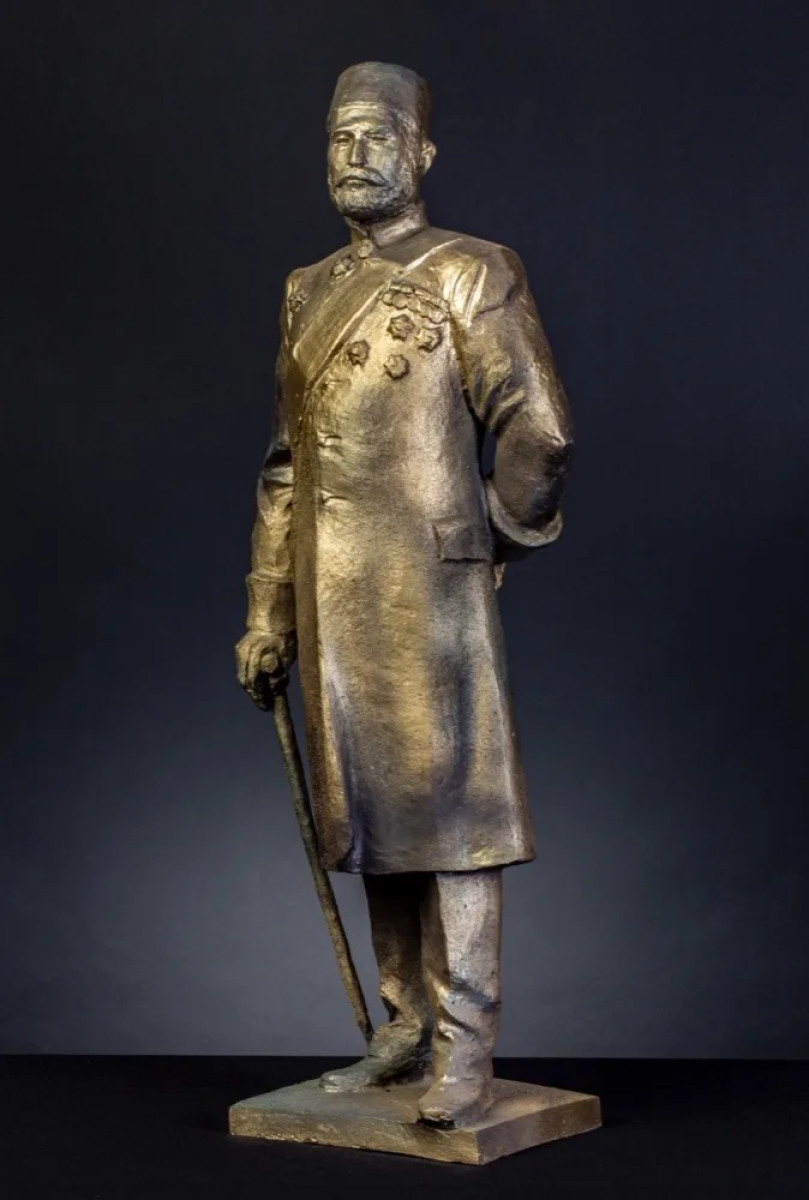
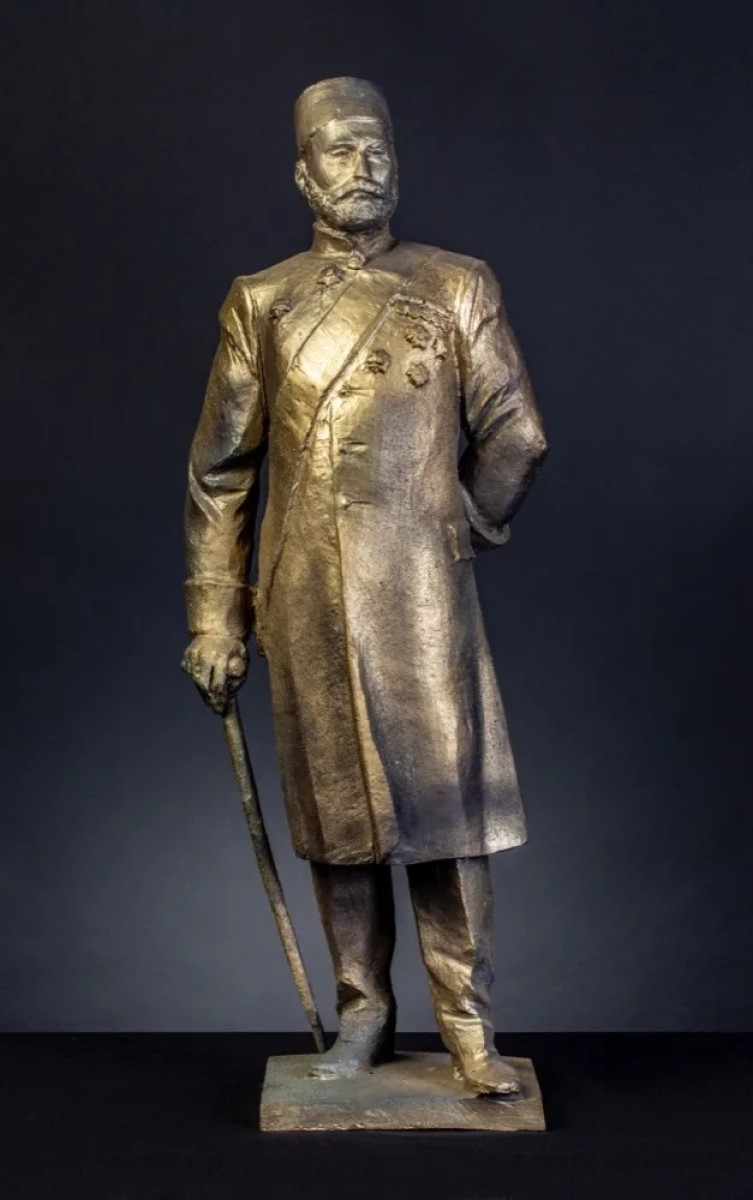
Ahmadov has also created a substantial body of works devoted to historical and cultural figures. His subjects include Aliaga Shikhlinski, Samad bey Mehmandarov, Nizami Ganjavi, Javad Khan, Tomyris, Haji Zeynalabdin Taghiyev, Molla Panah Vagif, Mirza Alakbar Sabir and Uzeyir Hajibeyli. These portraits and monuments bring different periods of national history into the language of sculpture. A central artistic challenge in such works is to balance the public significance of a historical figure with the individuality of the represented person.
His large-scale reliefs at the Azadlig Avenue and Darnagul metro stations in Baku, the sculptural representations of Sabir and Rasul Rza on the façade of the National Library, and monuments to prominent cultural figures in Ganja demonstrate his engagement with public space. In these projects, sculpture becomes part of the architectural environment. The urban setting is not merely a location for the work; it shapes how the work is encountered and understood.
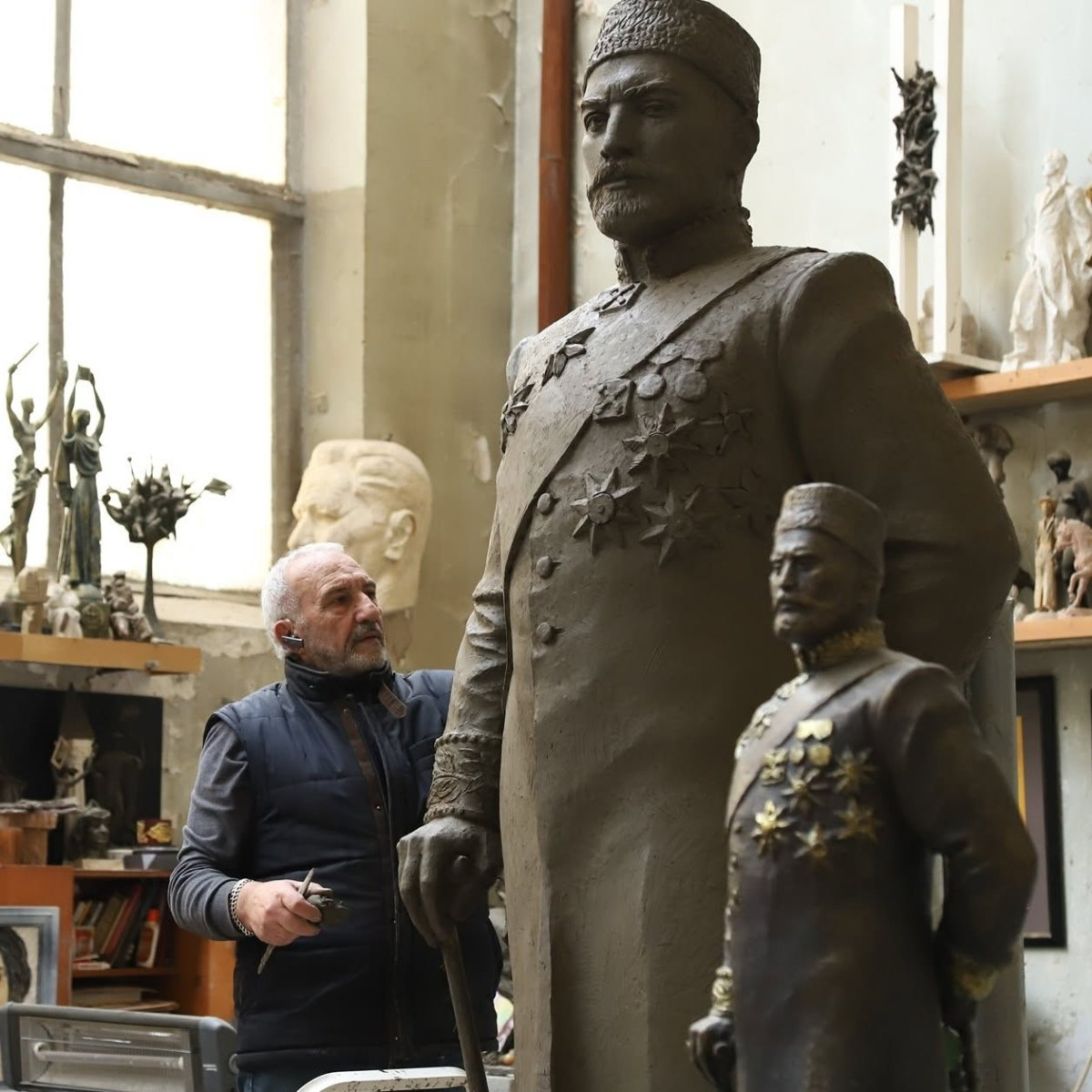
The bronze monument to Haji Zeynalabdin Taghiyev in Baku is a significant example of Ahmadov's monumental practice. His project won the open competition announced in 2019, and the monument was unveiled on 18 January 2022 in the square opposite Icherisheher metro station. Its public placement brings the historical figure into the everyday experience of the city, making remembrance part of contemporary urban life.
Ahmadov's participation in the restoration and reinstallation of memorial works in Shusha adds another dimension to his understanding of sculptural heritage. His work on the memorial plaque for Bulbul's House Museum and his involvement, together with Namiq Dadashov, in the return of the monuments to Bulbul and Uzeyir Hajibeyli demonstrate that sculpture can serve not only to create new images but also to restore damaged cultural memory.
Across portraiture, memorial sculpture and public monuments, Ahmadov consistently returns to the relationship between individual identity and collective history. His practice brings realistic modelling into dialogue with the demands of remembrance and the visual life of public space. This combination places him among the significant contemporary Azerbaijani sculptors whose work connects human character, historical consciousness and the enduring presence of sculpture in the urban environment.
Art Space Gallery MEDIA