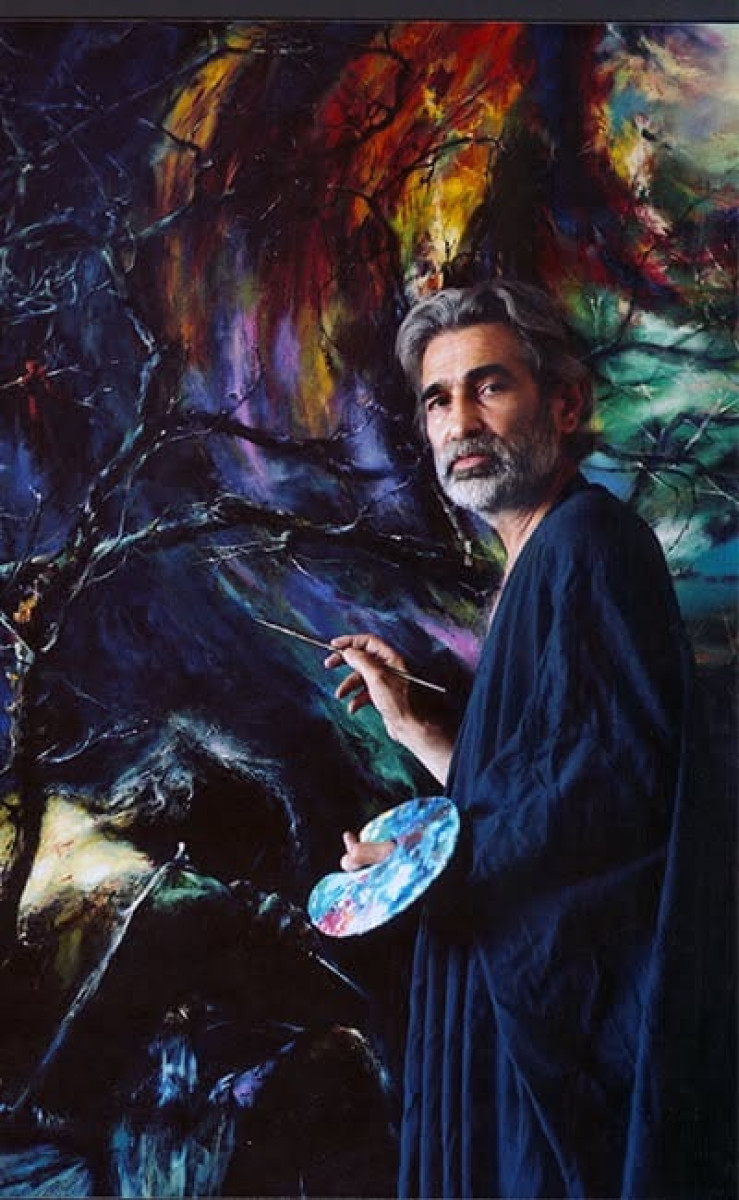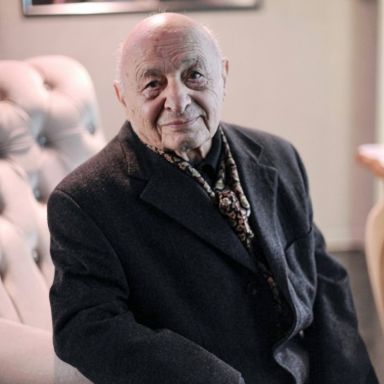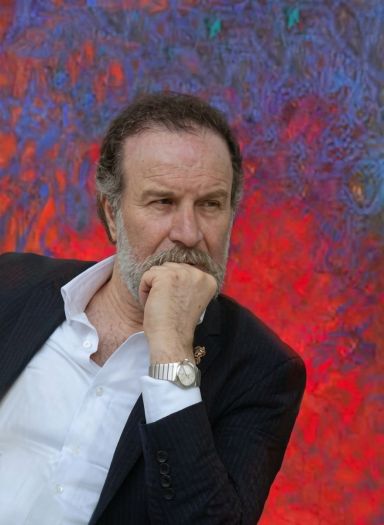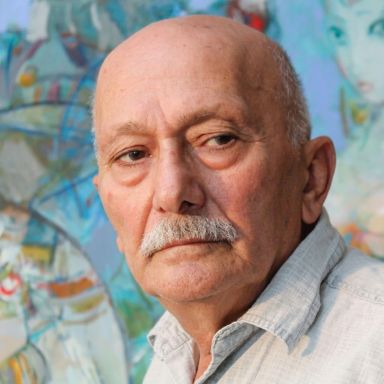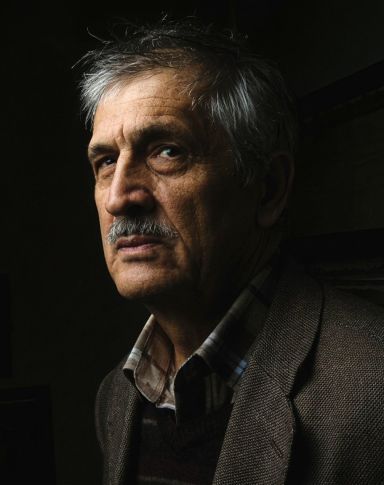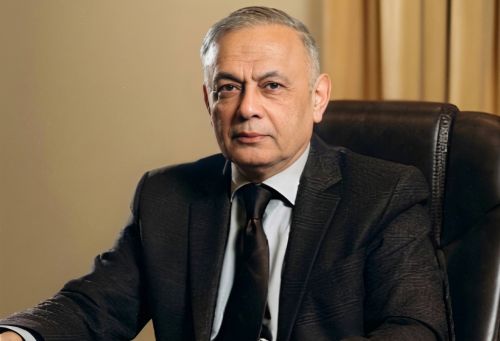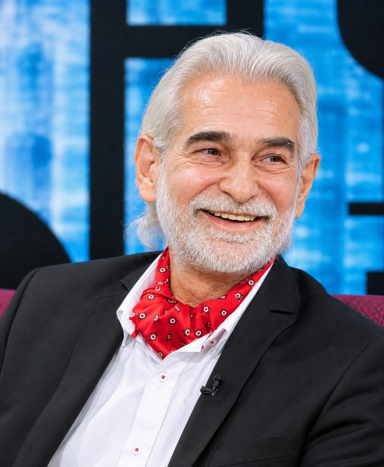
Aghali Musallim oglu Ibrahimov was born in Baku on 6 February 1946. He studied at the Azim Azimzade State Art School from 1960 to 1966 and at the Mirza Agha Aliyev Azerbaijan State Institute of Art from 1969 to 1974. A member of the Union of Artists of Azerbaijan since 1975, he has served as its secretary since 1995. He received the honorary title of Honoured Art Worker in 2002 and People's Artist in 2006. In 2018, he became an Honorary Foreign Member of the Russian Academy of Arts. He is a professor at the Azerbaijan State University of Culture and Arts and is also known as an art collector.
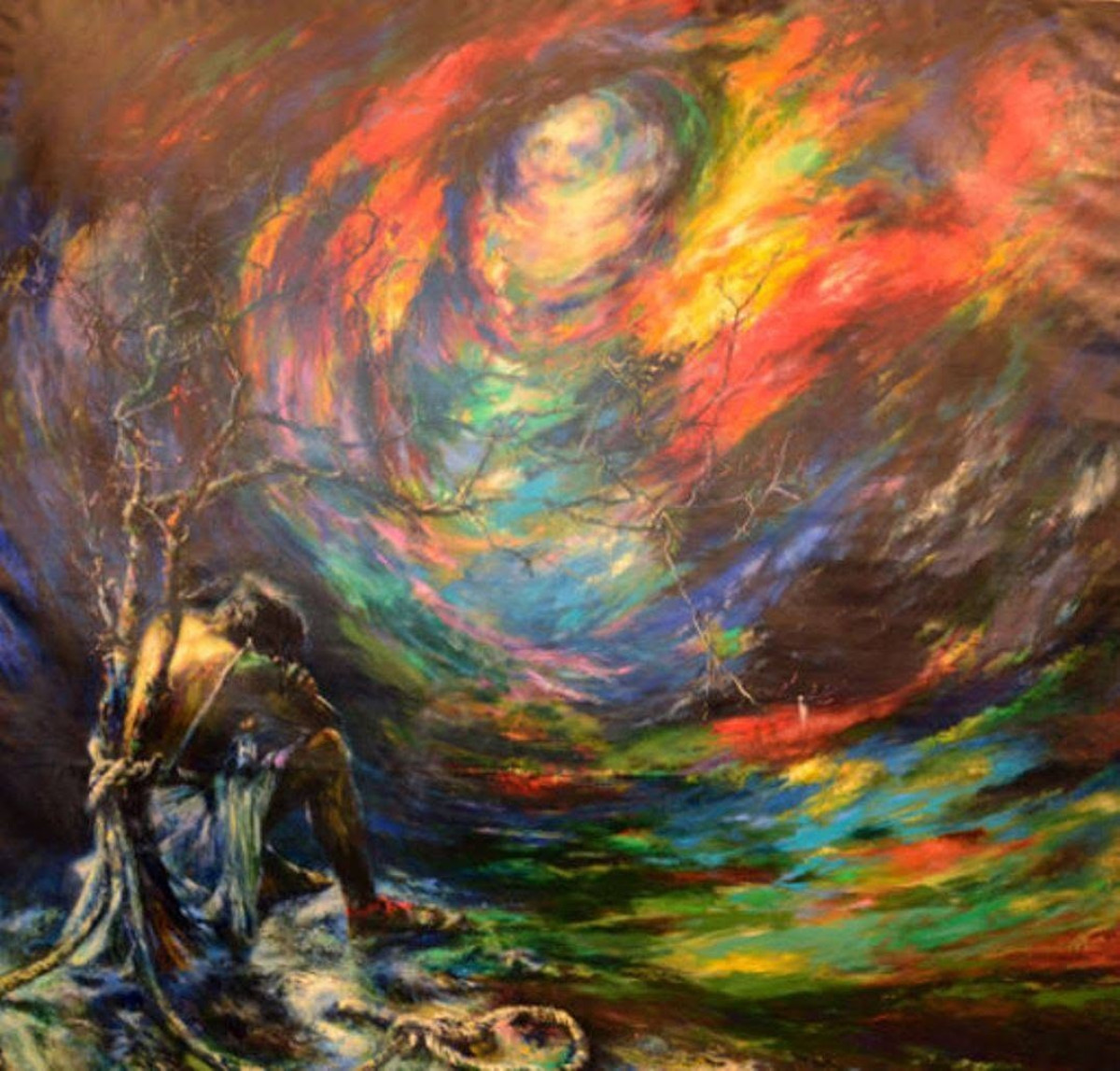
In Ibrahimov's work, visible reality often extends beyond the immediate subject. Human figures, nature, everyday life and cultural traditions become means of exploring the inner dimensions of existence. The interaction between recognisable imagery and symbolic meaning is central to his artistic language, giving his paintings a reflective character that reaches beyond straightforward narrative.
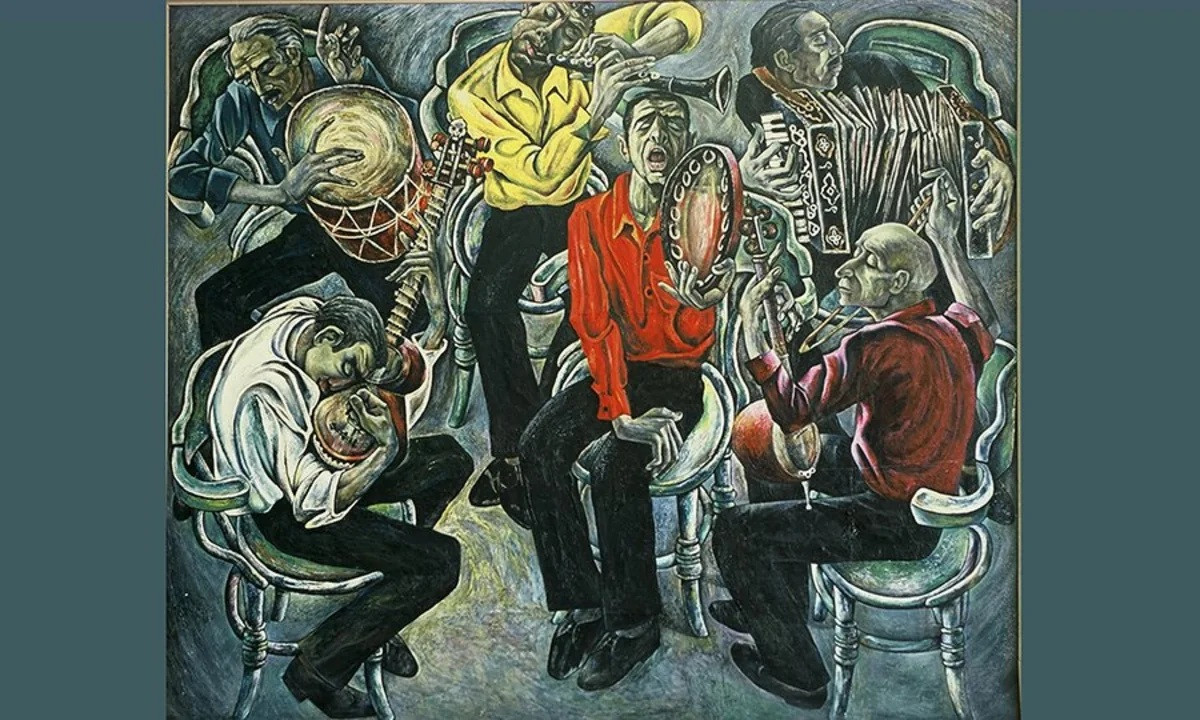
One of his notable early works, “Sona Bulbullar” (1972), is dedicated to the performance of singer Gadir Rustamov. Its multi-figure composition connects musical rhythm with pictorial structure. The singer and accompanying musicians form a unified scene while retaining their individual presence. Music functions not simply as the subject but as an organising principle that shapes the movement of the composition.
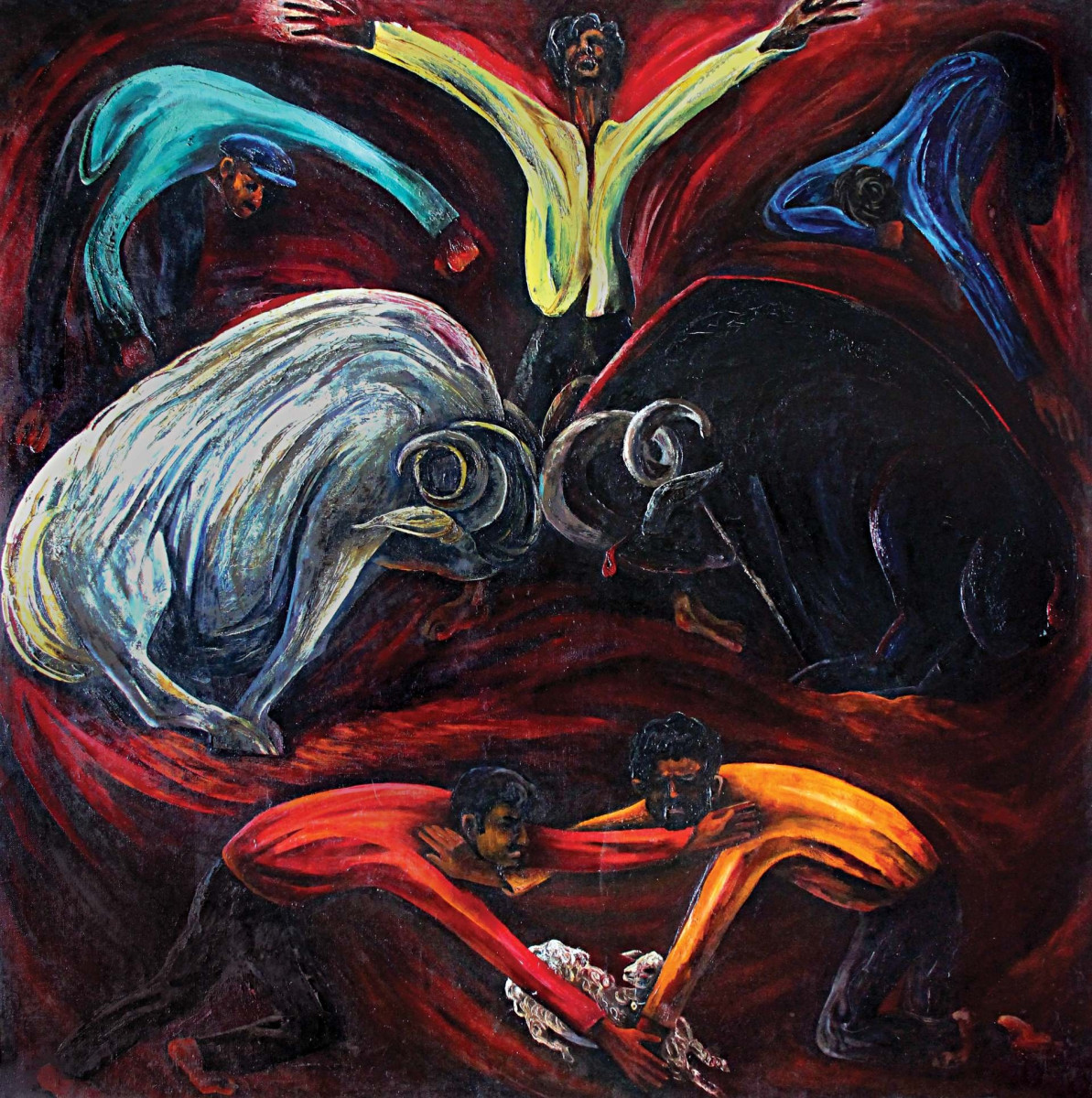
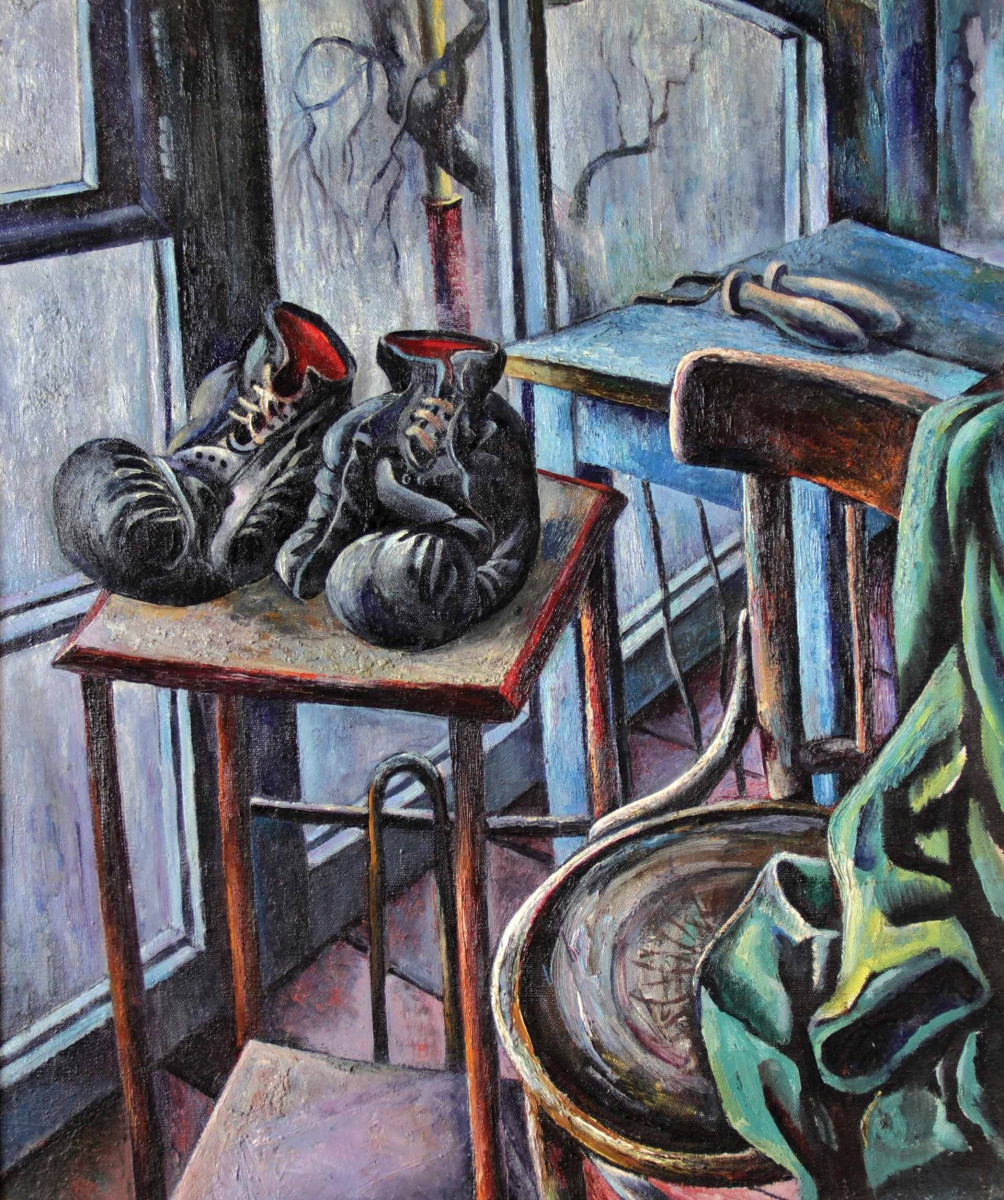
Works such as “Ram Fight”, “Karabakh Shepherds”, “Still Life with a Lamp”, “Self-Portrait”, “The Running Man”, “The Twentieth Century” and “Pomegranate Seed” reveal the range of his interests. Everyday observation is combined with studies of character and symbolic interpretation. In his still lifes, the selection and arrangement of objects, together with their colour relationships, transform familiar things into images with poetic associations.
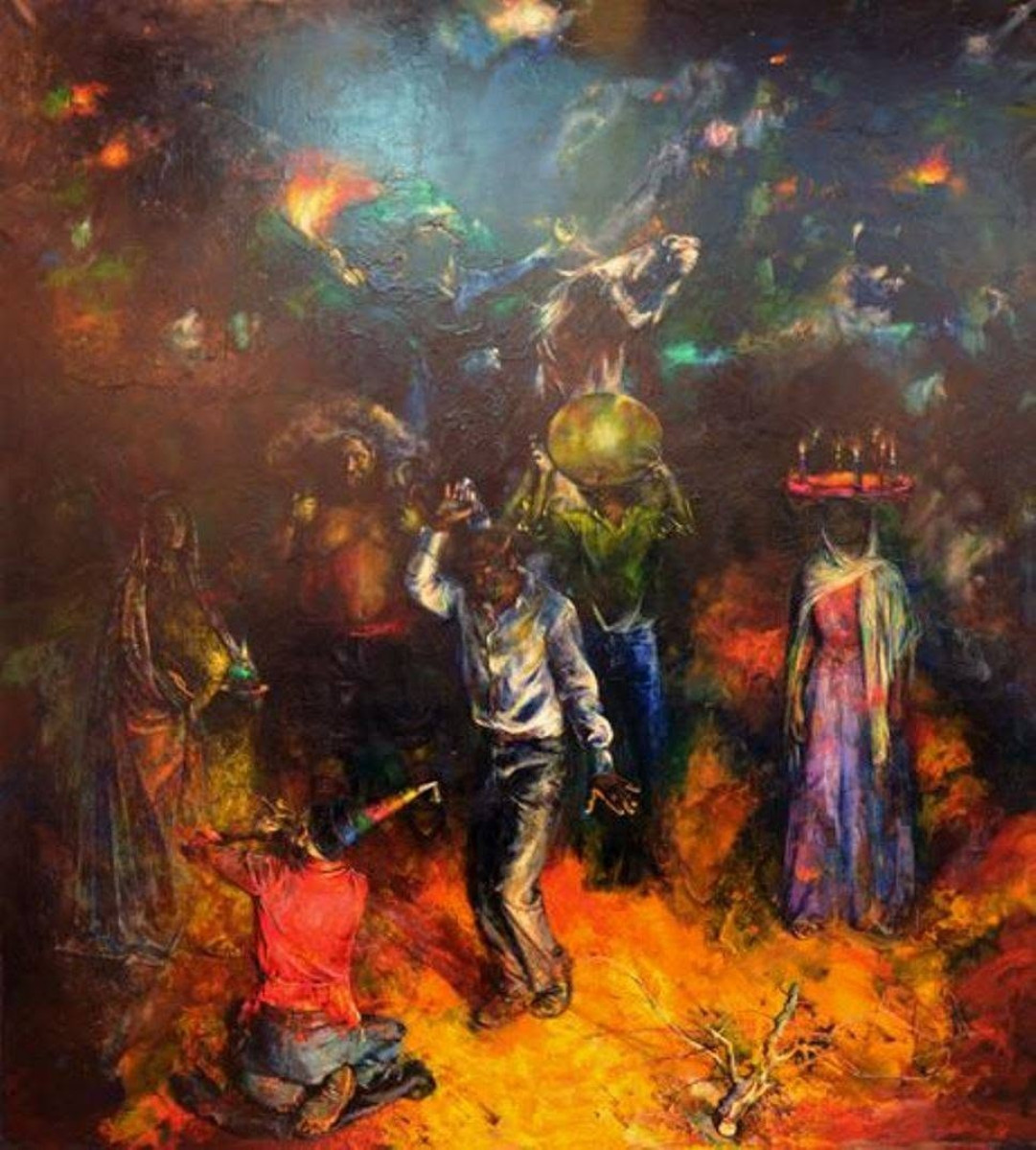
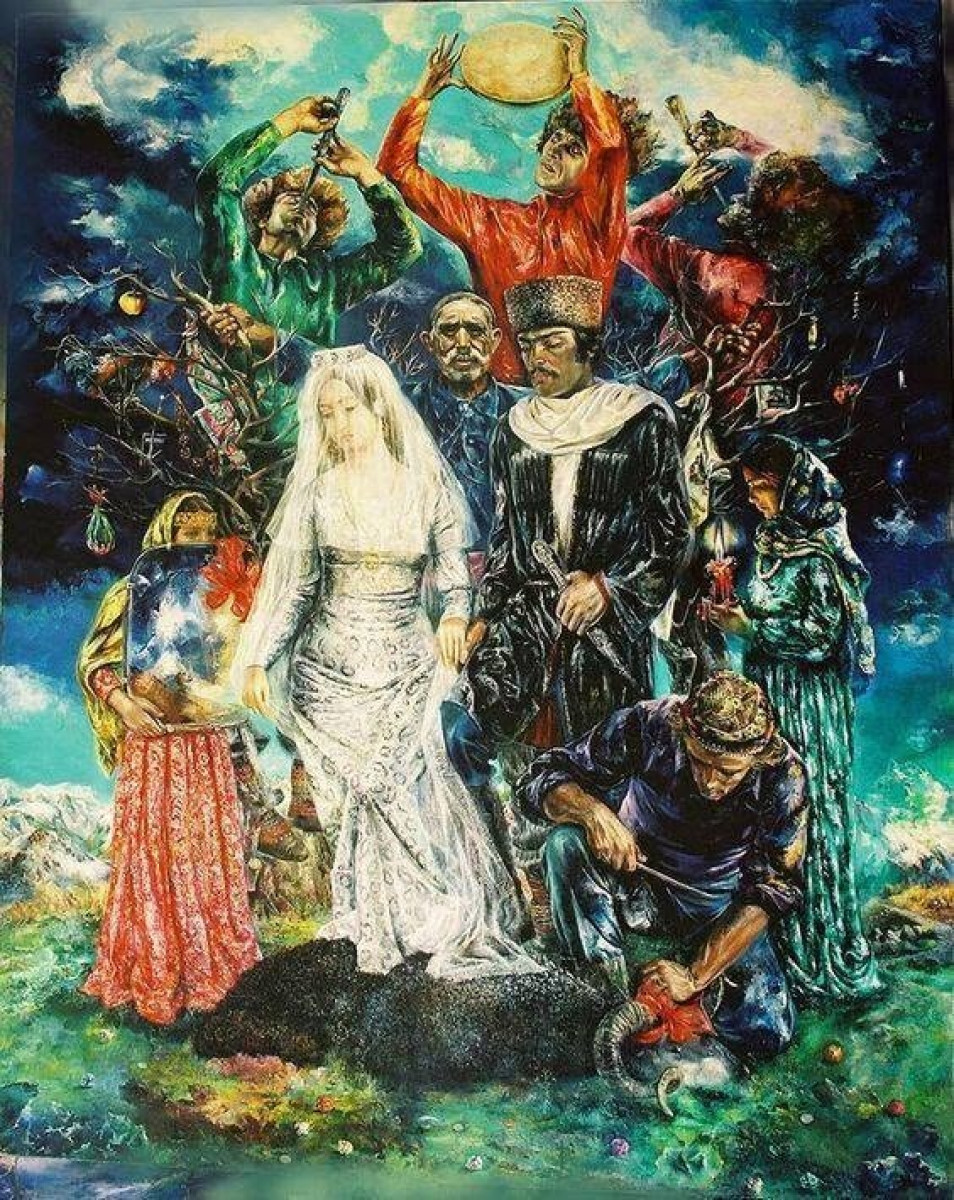
In “Wedding” and “Novruz Celebration”, communal rituals and the rhythm of collective life take centre stage. The multi-figure compositions present tradition not merely as ethnographic subject matter but as an expression of social bonds, cultural memory and continuity between generations. Other works, including “Unity of the Soul”, “The Fourth Dimension”, “Before the Truth” and “Awakening”, turn towards more explicitly spiritual and philosophical questions.
Portraiture forms another important dimension of Ibrahimov's practice. In “Self-Portrait”, the artist's own image becomes a point of reflection on time and human vulnerability. Works such as “The Nest”, “My Temple”, “Contact” and “Why?” explore inner experience through the relationships between figures, pictorial space and symbolic elements. Although grounded in figurative representation, his approach seeks meanings beyond physical likeness.
In his later work, themes of mortality, moral choice and the conflict between good and evil become increasingly prominent. “The Return of Judas”, “Those Who Have Joined Eternity”, “In Memory of My Parents” and “The End of the Earth” connect individual experience with broader human concerns. In “The Beginning of the End” and “The Call”, symbolic imagery invites interpretation rather than offering a fixed conclusion.
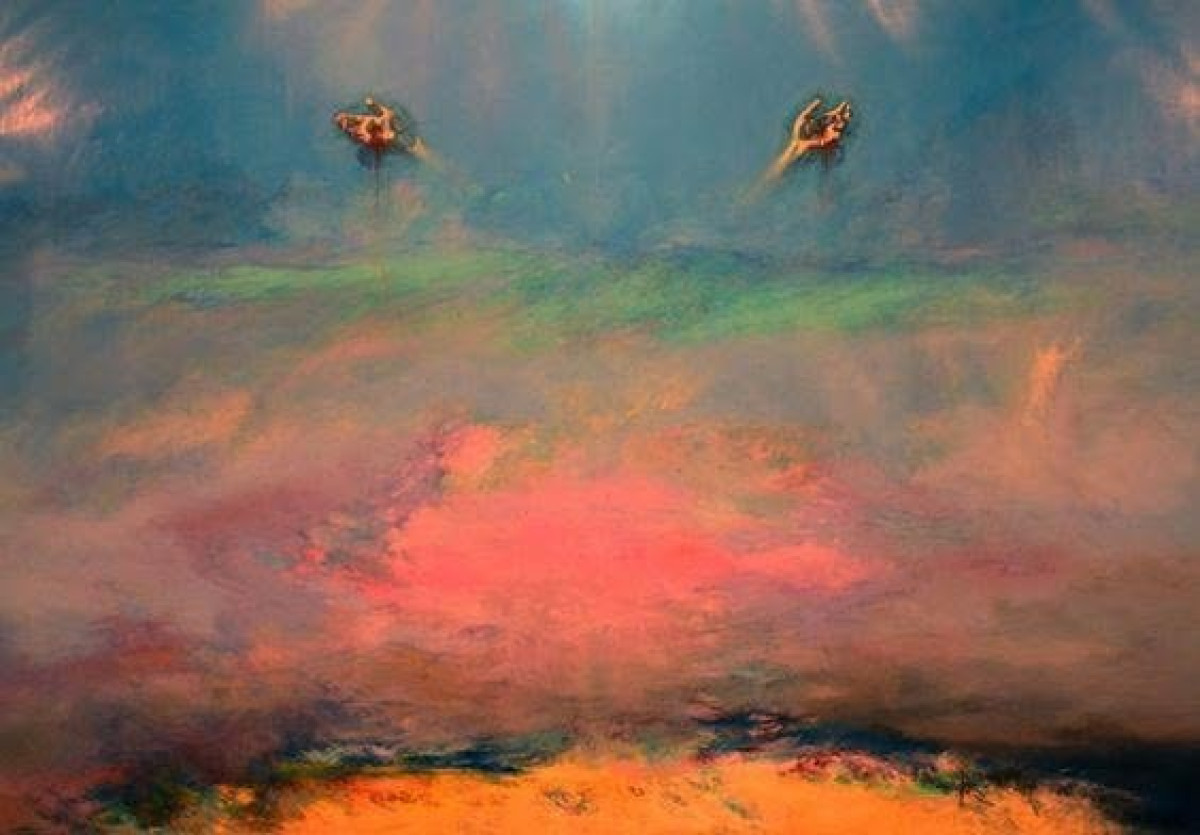
Completed in 2012, the approximately ten-metre-long painting “Genocide” is a major example of the artist's engagement with historical memory. Dedicated to the events of 1918, its expansive horizontal composition and the visual tension between earth and sky convey the scale of collective tragedy. History becomes not only a subject of representation but also a reflection on suffering and the responsibility of memory.
A defining feature of Ibrahimov's art is the dialogue between national traditions and individual philosophical thought. Folklore, ritual, everyday experience and spiritual symbolism form interconnected elements of his visual language. His participation in international exhibitions has introduced aspects of Azerbaijani painting to wider audiences. His first solo exhibition, held in Baku in 2011, presented a substantial overview of a practice developed over several decades.
For Ibrahimov, colour is more than a descriptive device: it carries emotional intensity and contributes to the philosophical structure of the image. His paintings seek to reveal the deeper questions concealed within familiar realities. His contribution to contemporary Azerbaijani painting lies in this sustained encounter between cultural tradition, human experience and philosophical inquiry.
Art Space Gallery MEDIA