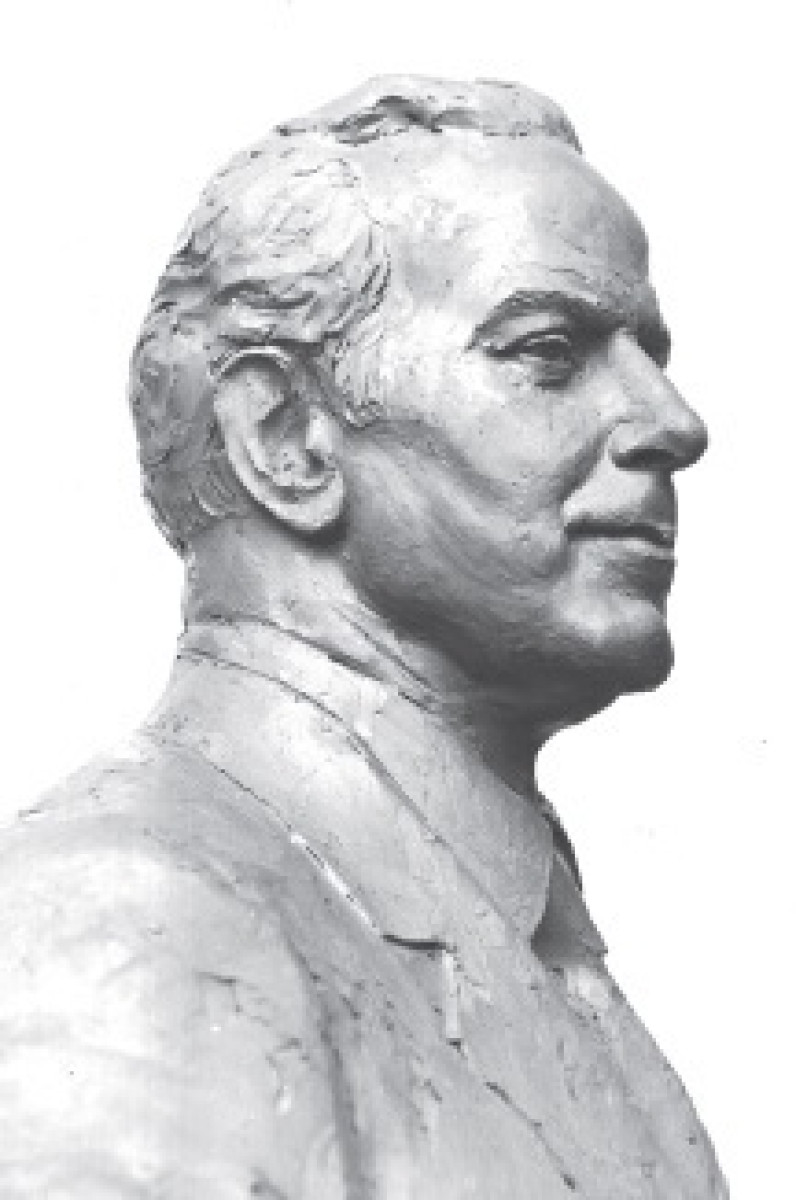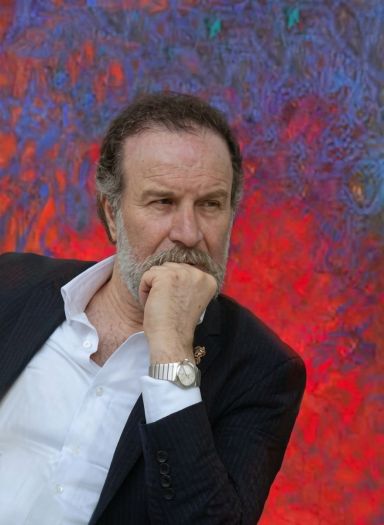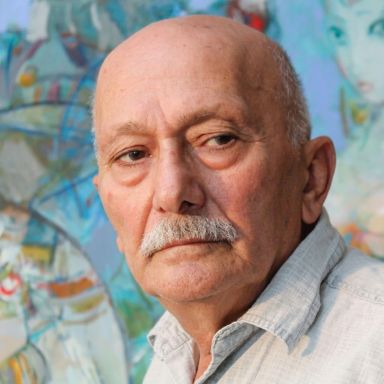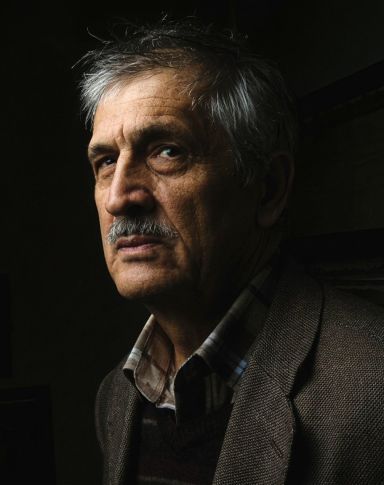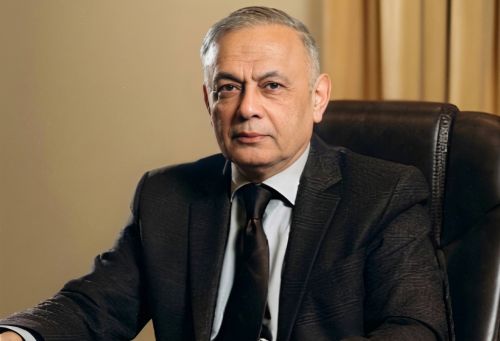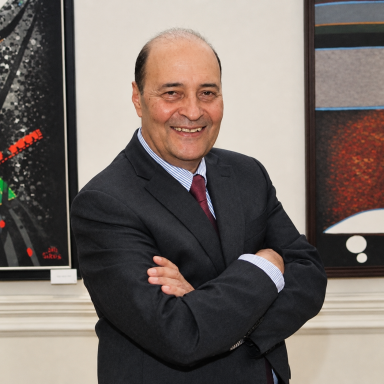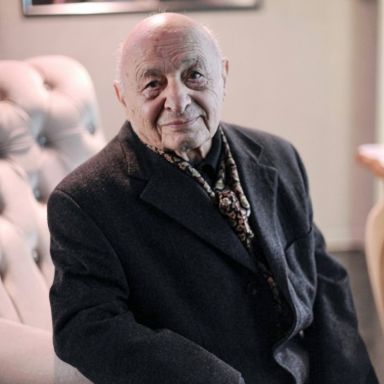
Omar Hasan oglu Eldarov was born on 21 December 1927 in Derbent. From 1941 to 1945, he studied at the Azerbaijan Art School named after Azim Azimzade, followed by the Faculty of Sculpture at the Ilya Repin Institute of Painting, Sculpture and Architecture in Leningrad from 1945 to 1951. A member of the Artists’ Union since 1953, he was awarded the title of Honoured Art Worker of the Azerbaijan SSR in 1963 and named People’s Artist in 1982. He is a recipient of the USSR and Azerbaijan State Prizes, a professor, a full member of the Azerbaijan National Academy of Sciences since 2001 and an honorary member of the Russian Academy of Arts. He also served as the first rector of the Azerbaijan State Academy of Fine Arts.
A defining feature of Eldarov’s artistic approach is his understanding of sculpture not merely as physical volume, but as a means of expressing human individuality and historical memory. Portraiture, monumental sculpture and memorial composition form interconnected aspects of his oeuvre. The inner substance of a figure emerges through its facial features, posture, silhouette, gesture and relationship with the surrounding space.
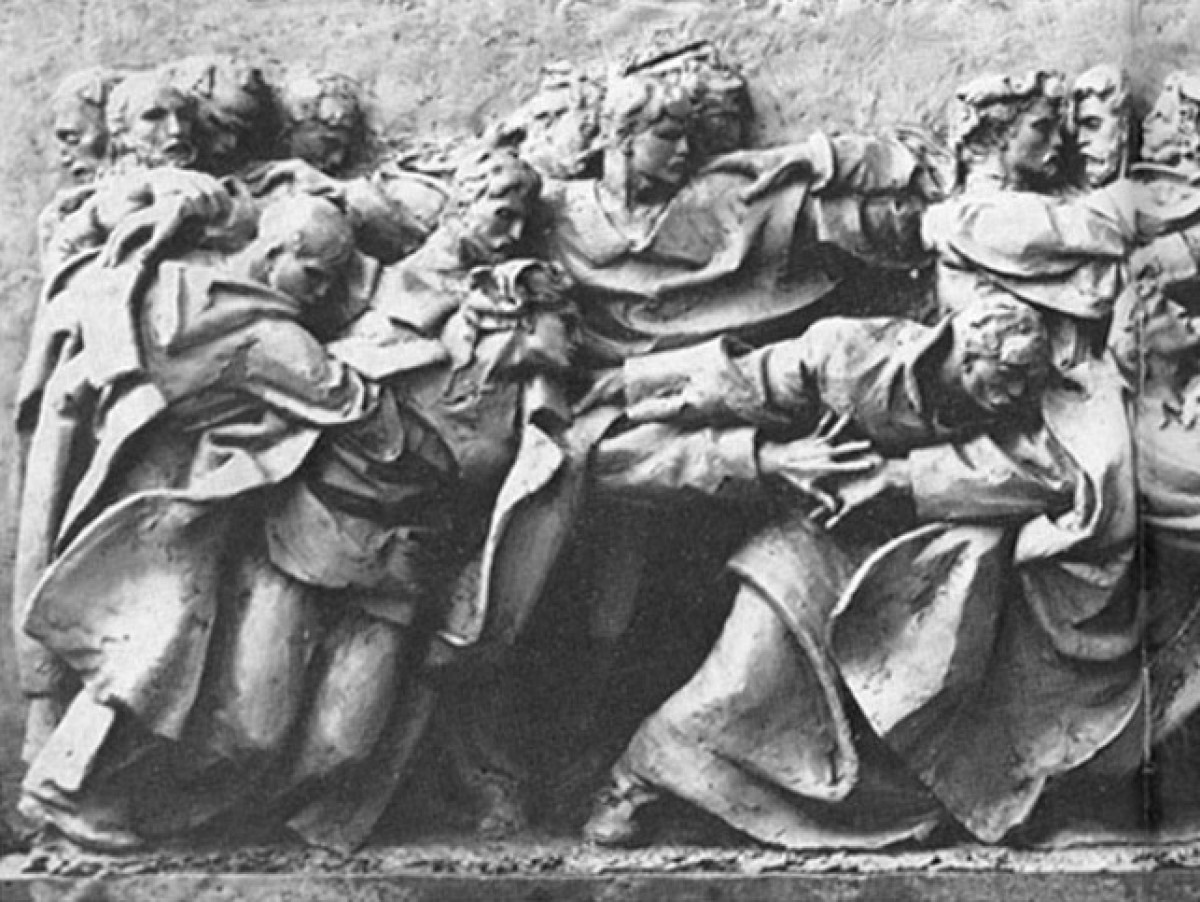
Among his early works, the composition “Happiness” and the 1963 wooden sculpture “Oil Workers” reveal different aspects of this approach. In “Oil Workers”, individual figures are brought together in a unified composition, creating an image of collective labour. Each figure retains its distinct character while contributing to a shared sense of movement and struggle. The work also reveals the early development of Eldarov’s monumental vision within studio sculpture.
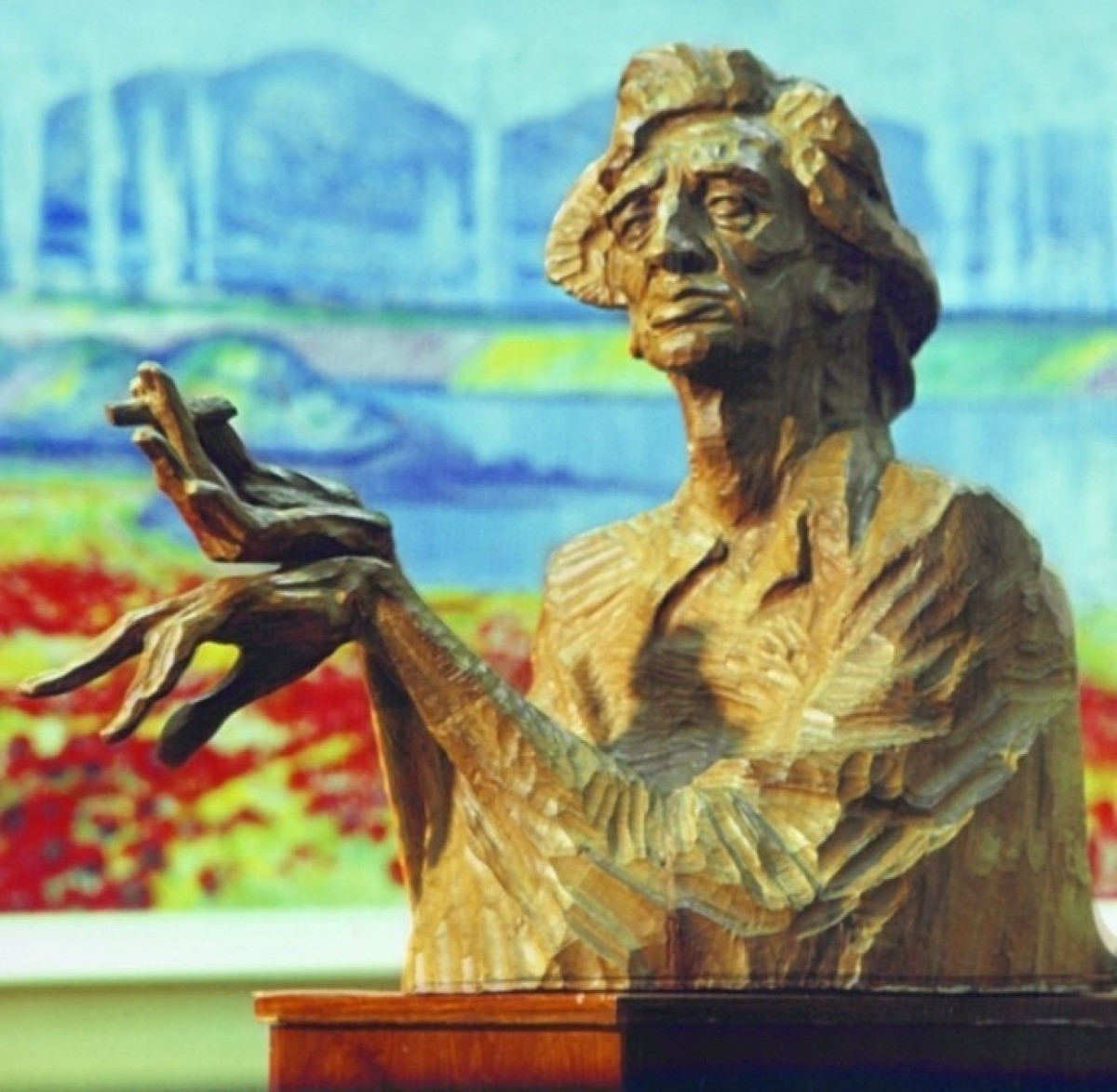
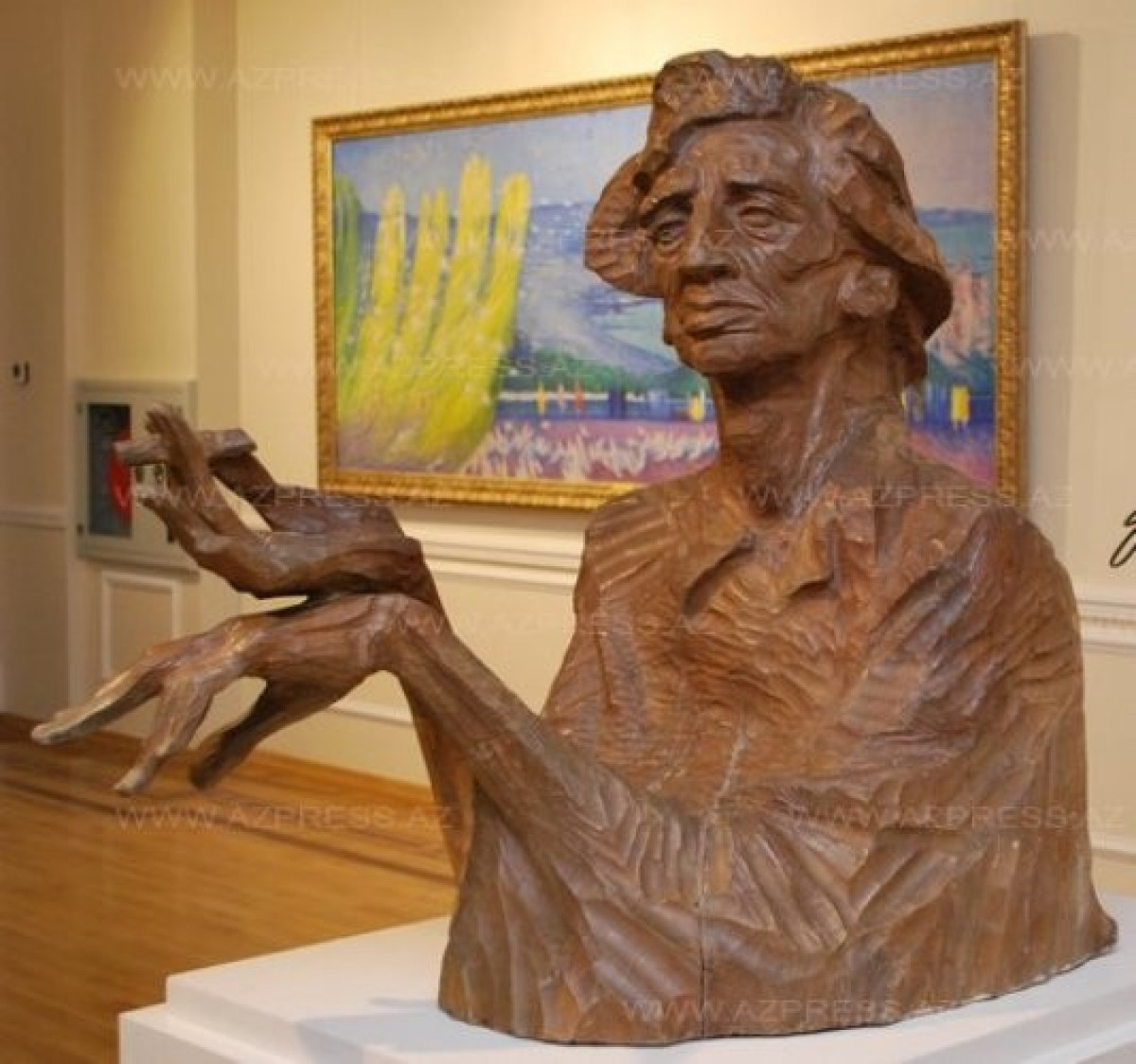
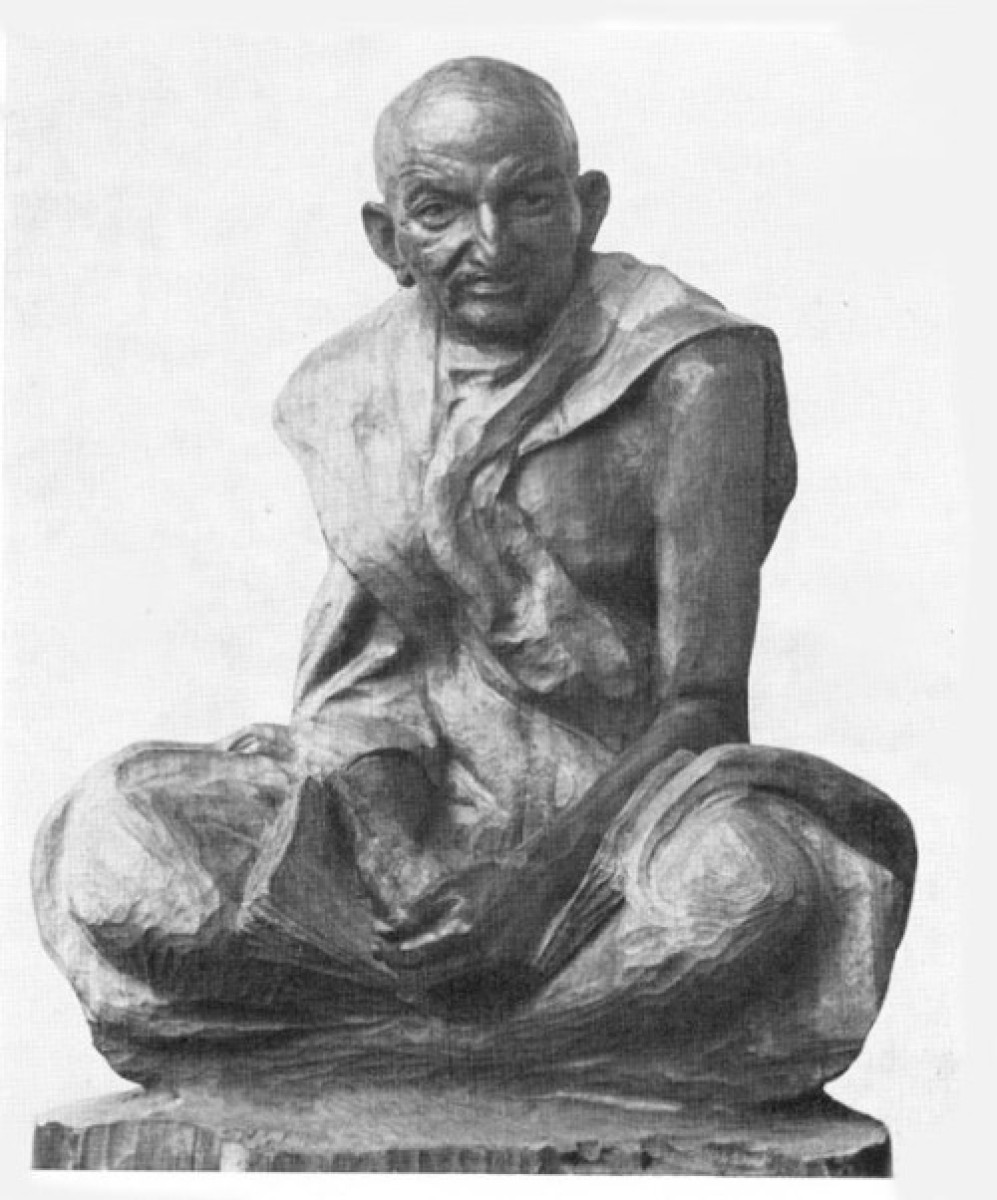
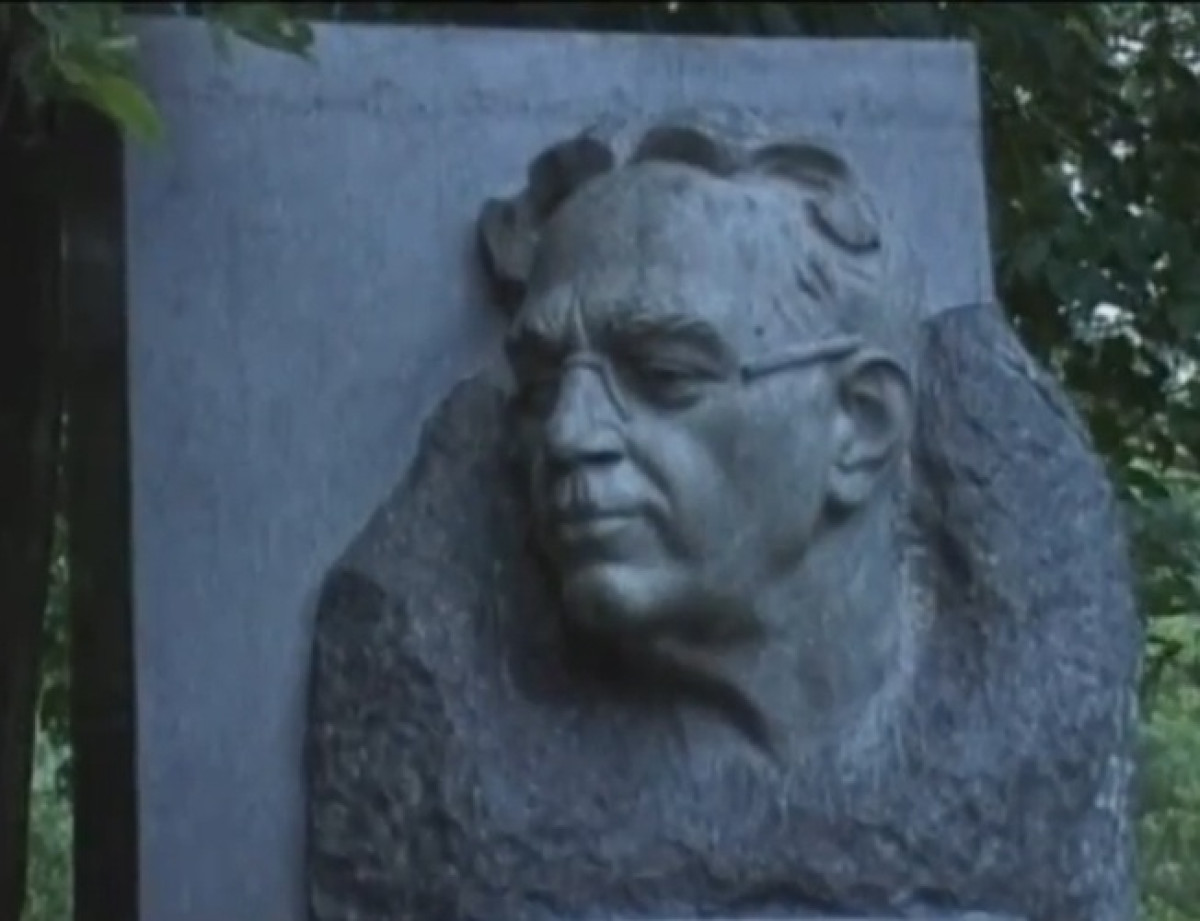
The wooden portraits of Sattar Bahlulzade, created in 1965 and 1968, occupy an important place in Eldarov’s portrait sculpture. Two distinct interpretations of the same individual demonstrate that his understanding of portraiture extends beyond physical resemblance. Silhouette, the direction of the head, bodily posture and the generalisation of form become essential means of conveying character. The natural structure of wood and the possibilities of carving further shape the expressive quality of these works.
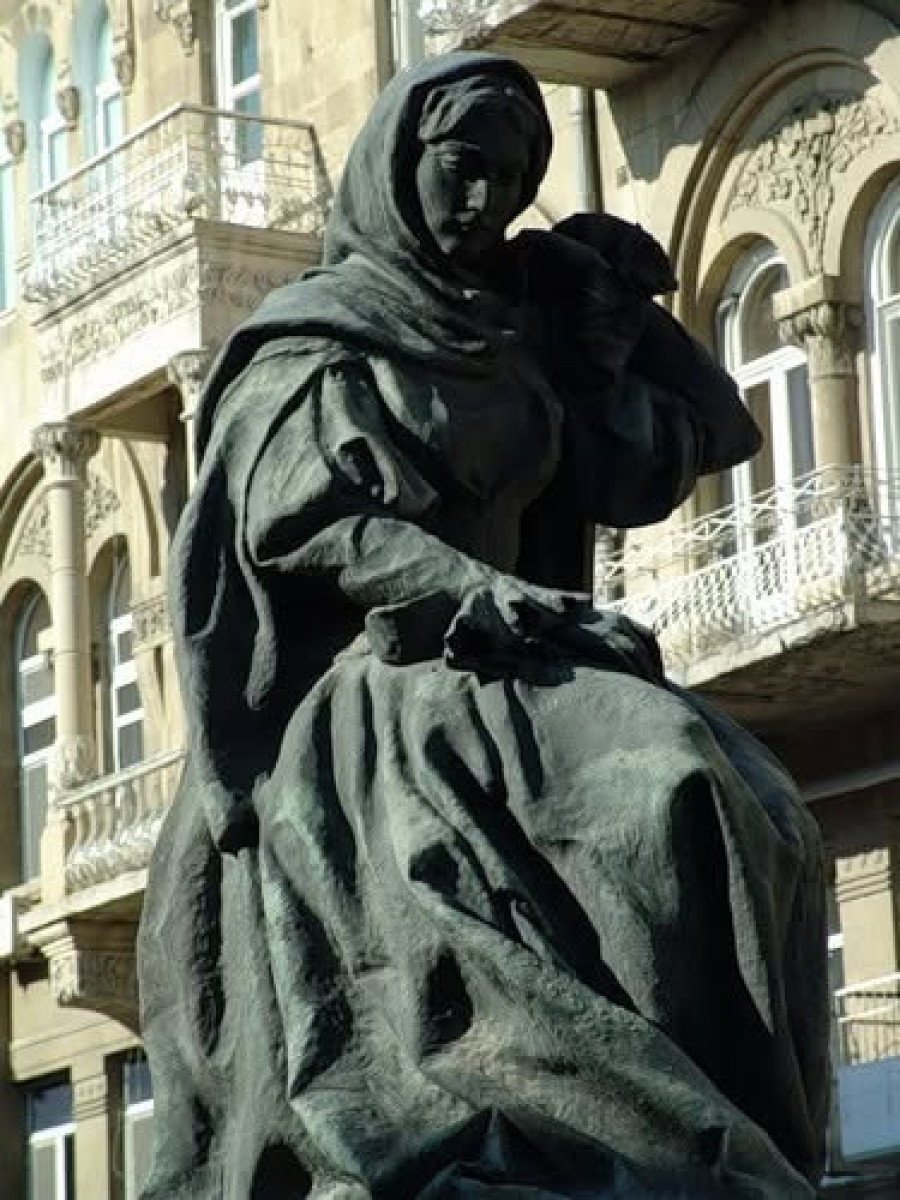
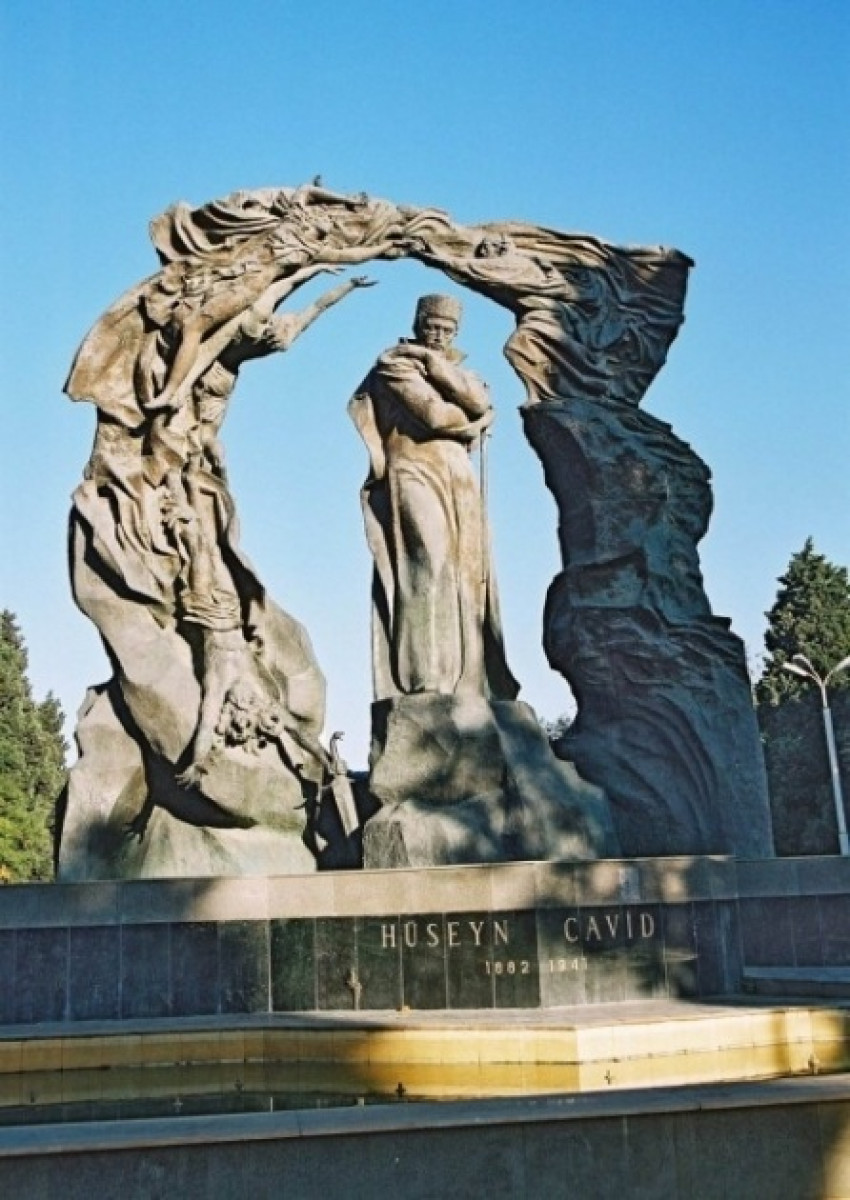
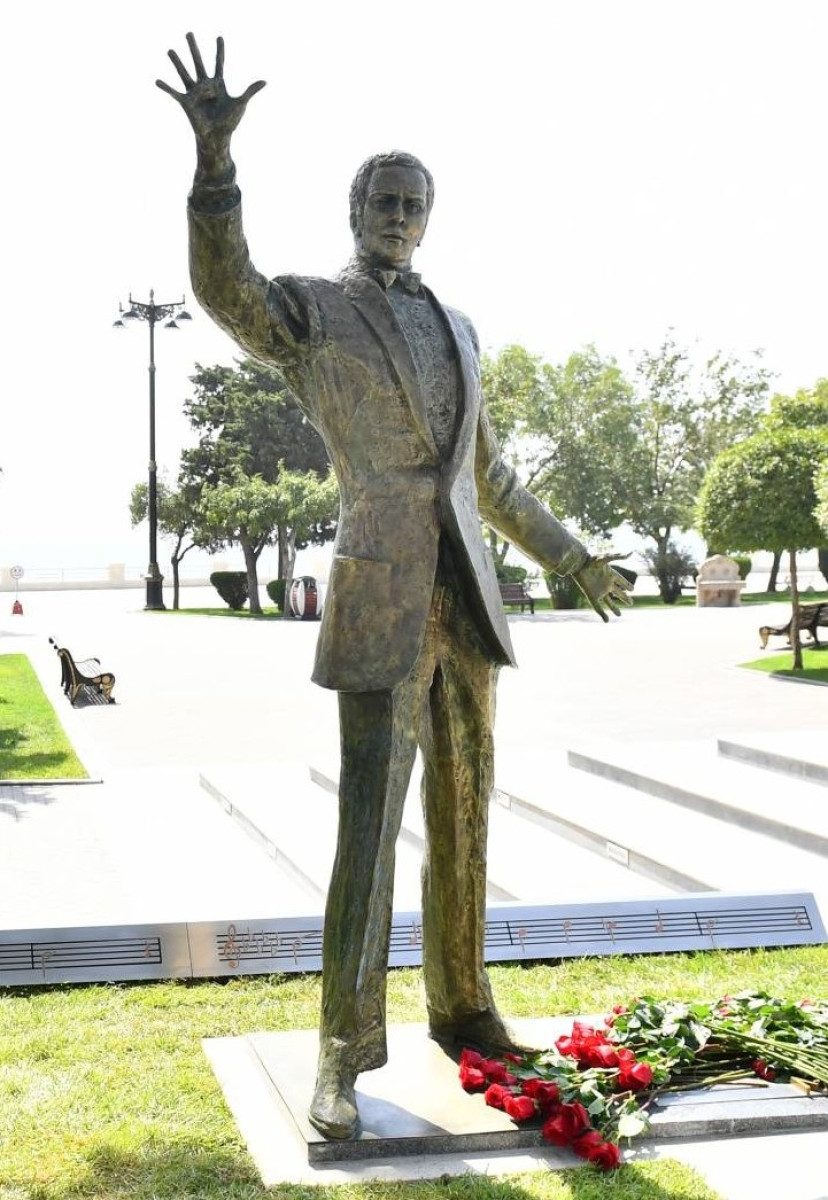
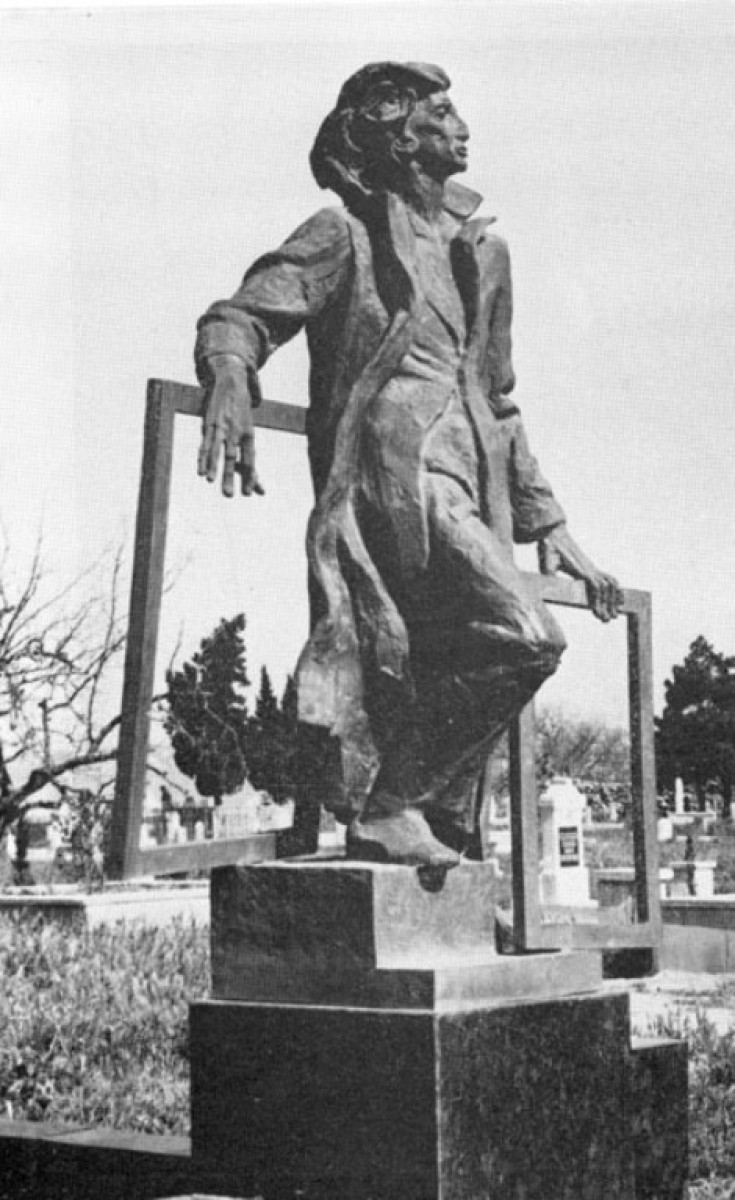
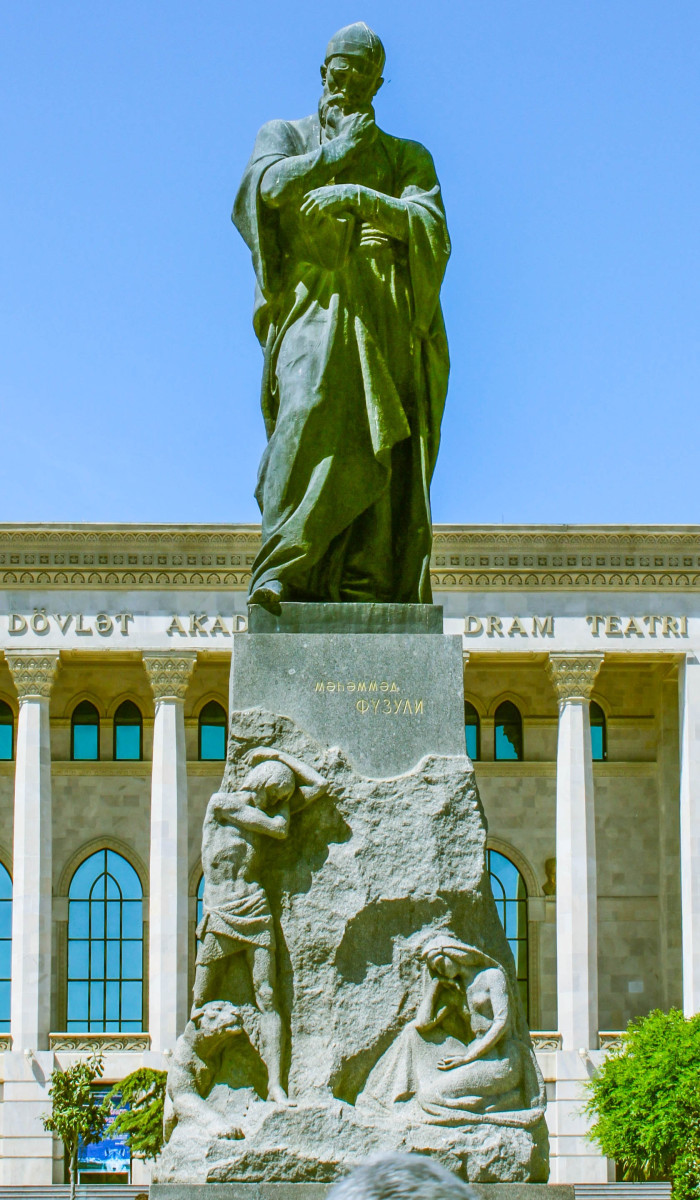
The relationship between sculpture and public space is central to Eldarov’s monumental practice. The monument to Khurshidbanu Natavan in Baku, the monument to Muhammad Fuzuli created jointly with Tokay Mammadov, and the monumental image of Huseyn Javid transform individual personalities into enduring elements of national and cultural memory. The scale of the figures, the pedestals and the surrounding architectural environment form integrated artistic structures. The Fuzuli monument is also notable for bringing together the sculptural visions of two artists in a shared public image.
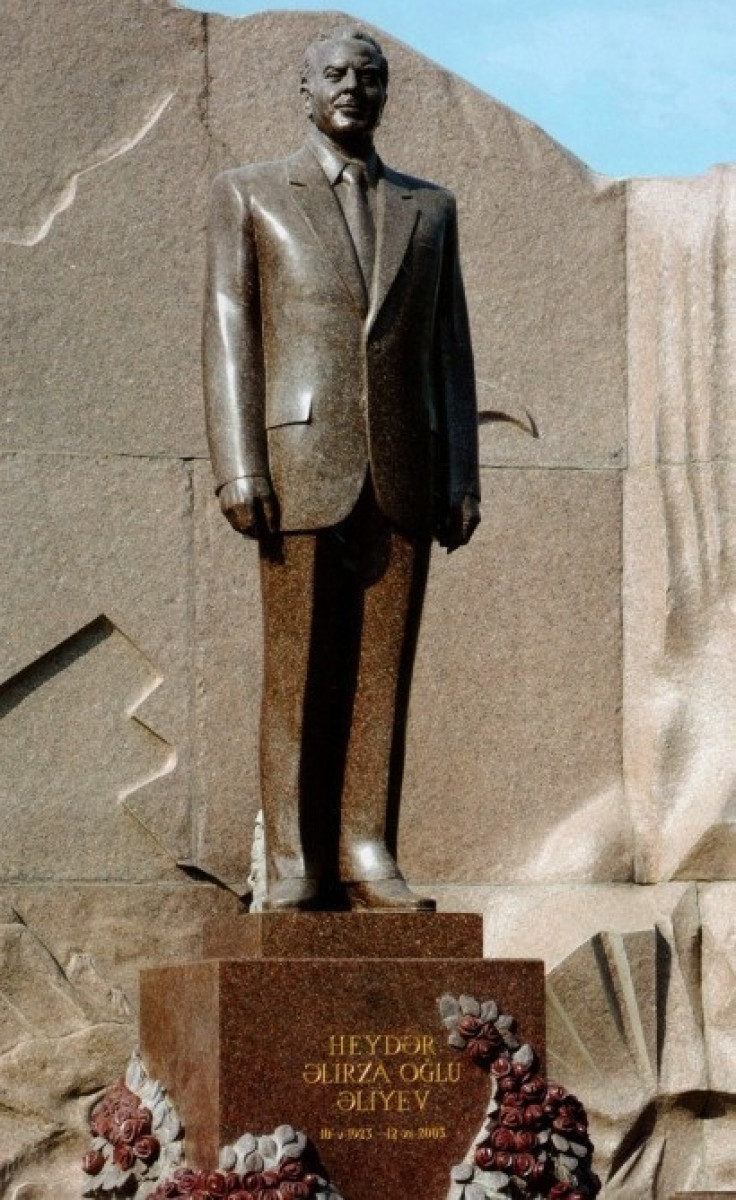
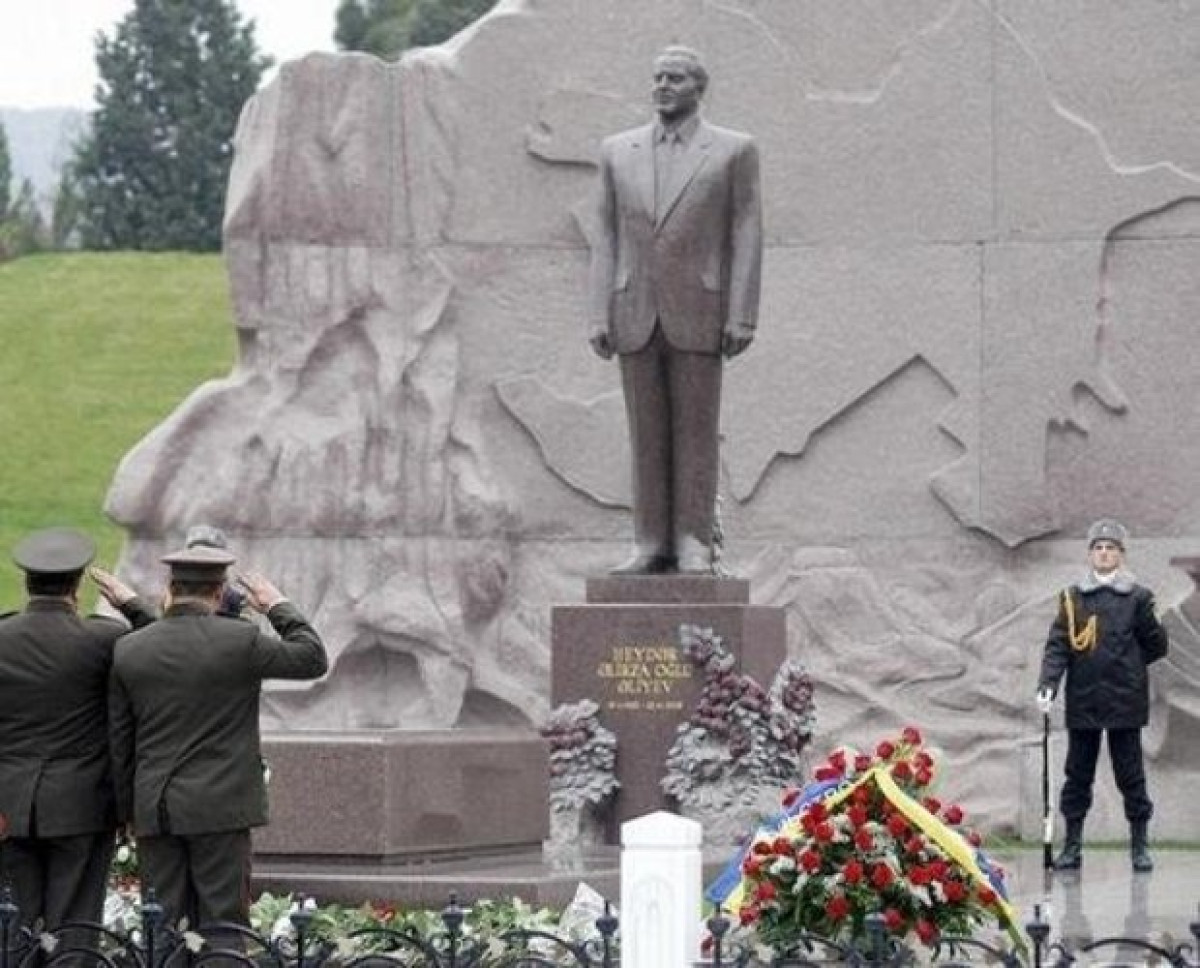
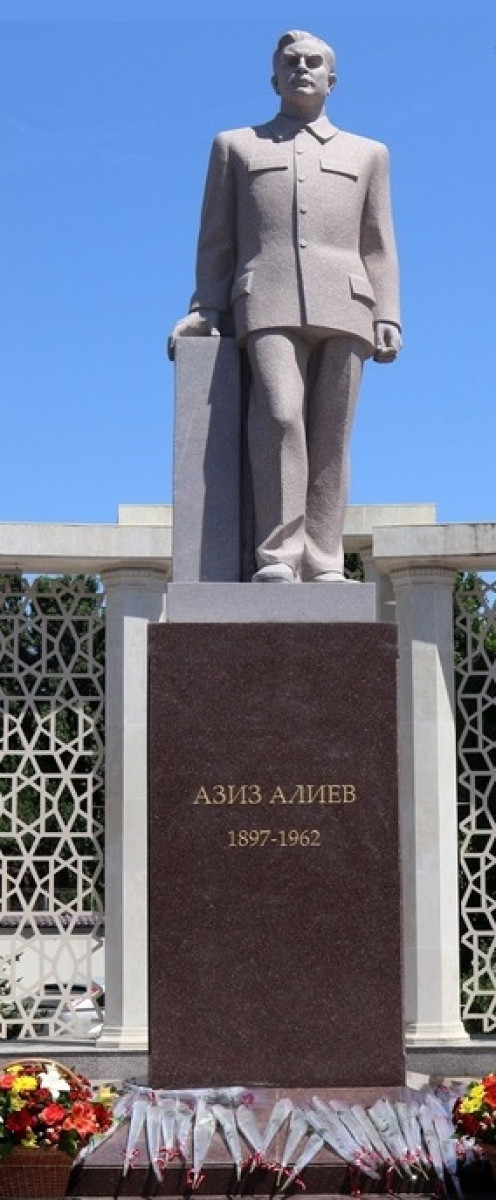
The image of Heydar Aliyev occupies a distinctive place in Eldarov’s monumental oeuvre. The sculptor created the first sculptural representation of Aliyev during his lifetime, erected in Nakhchivan. He returned to this subject in later years, culminating in the Heydar Aliyev Memorial Complex, created in Baku’s Alley of Honour in 2004. The four-metre-high granite monument, including its pedestal, depicts the statesman standing in a composed and dignified posture. Designed by architect Rasim Aliyev, the complex unites sculpture and architectural elements in a single composition. The relief structure in the background, evoking the outline of Azerbaijan, connects the figure with the memory of national statehood. Eldarov thus combines portrait likeness with monumental expression to create a lasting public image of a historical figure.
Eldarov’s monumental vision also extends beyond Azerbaijan. His monuments to Sadriddin Ayni and Abu Ali ibn Sina in Dushanbe, the memorial to the 77th Azerbaijani Division in Sevastopol, and works dedicated to Heydar Aliyev and Ihsan Dogramaci in various Turkish cities demonstrate his engagement with different historical and cultural contexts. In these works, sculpture becomes more than a representation of an individual: it serves as a public expression of historical memory.
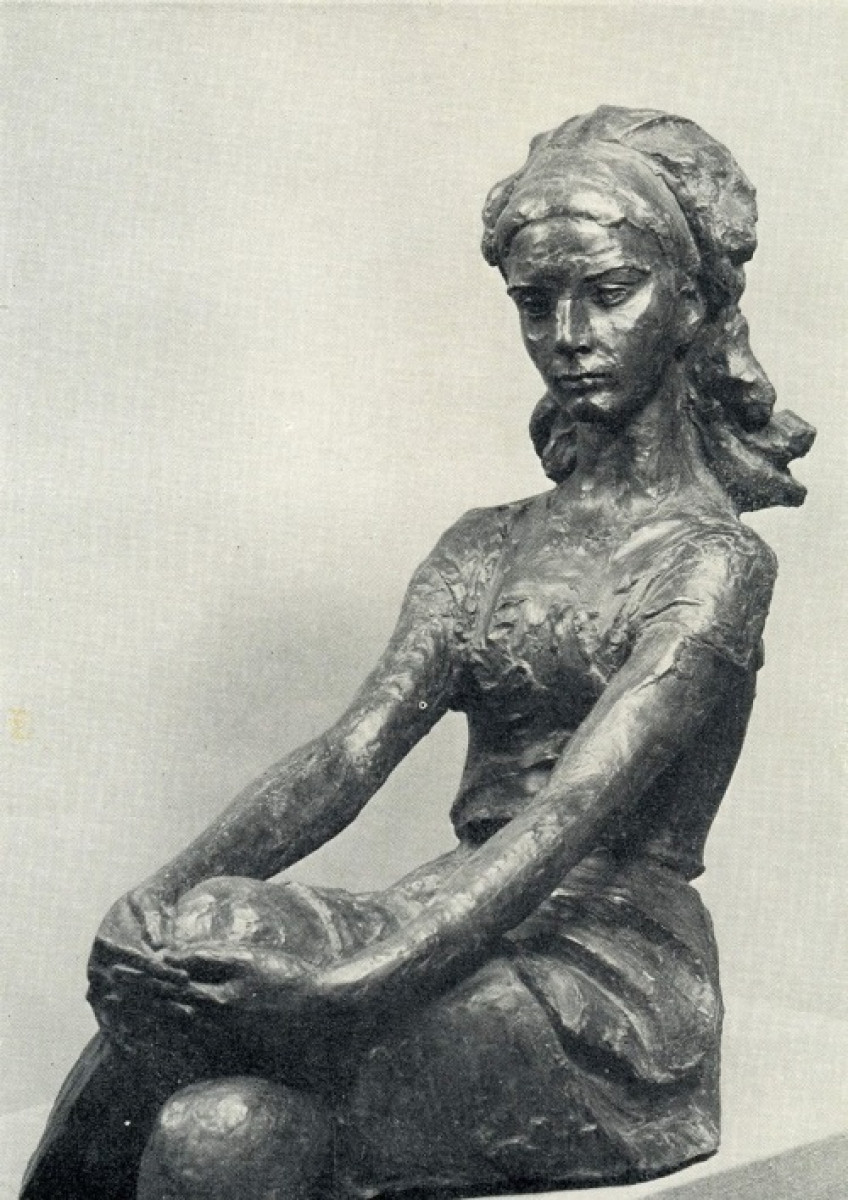
Studio sculpture forms an independent part of Eldarov’s oeuvre. In “The Four Colours of Time”, four female figures evoke the passage of time and the stages of human life. The composition derives its meaning from the relationships between the figures and the rhythm of their arrangement.
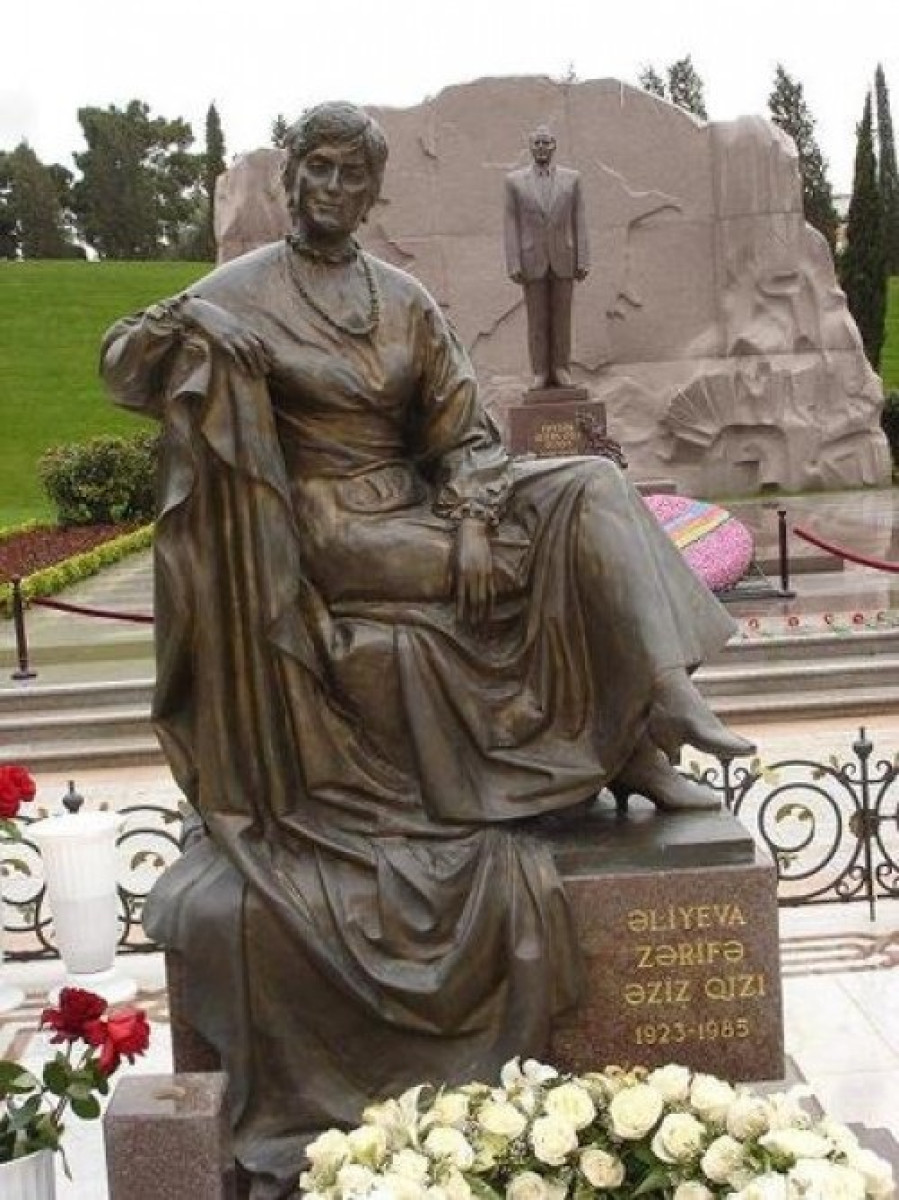
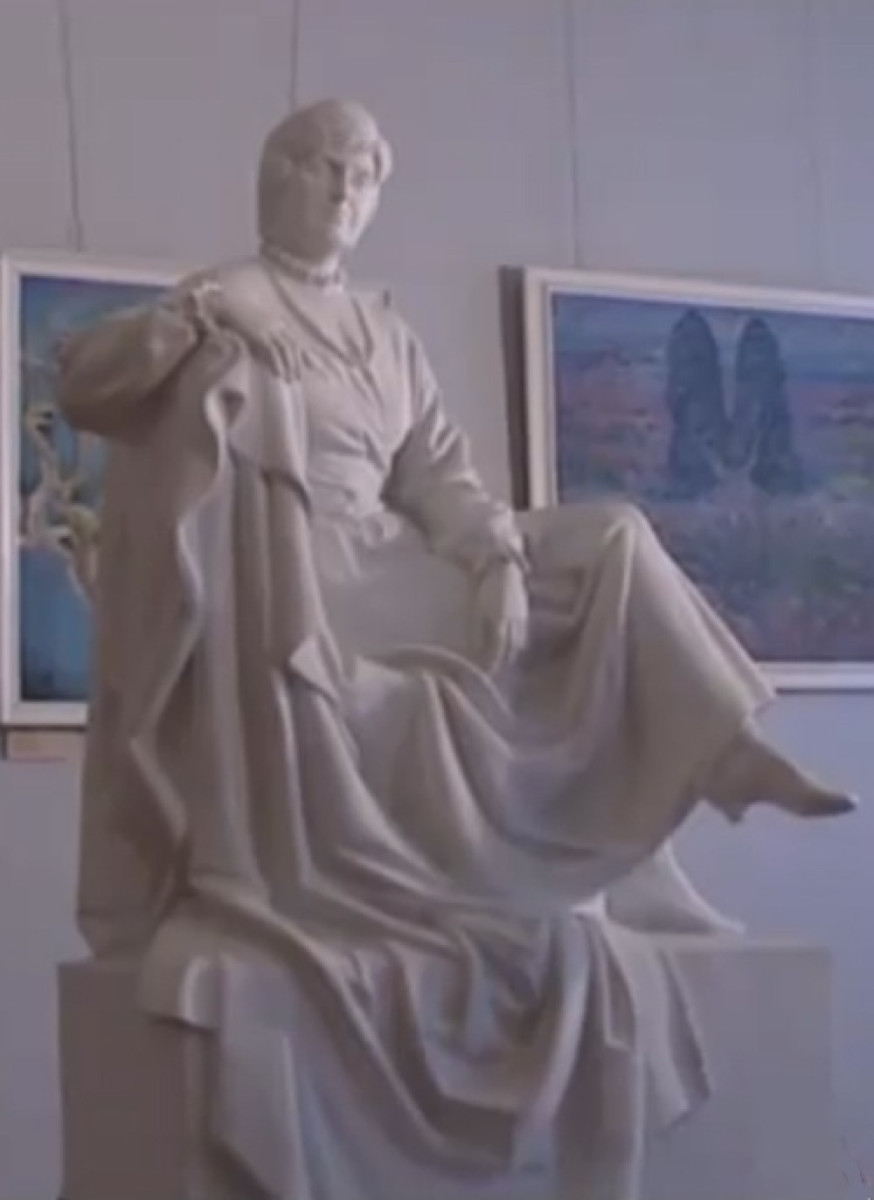
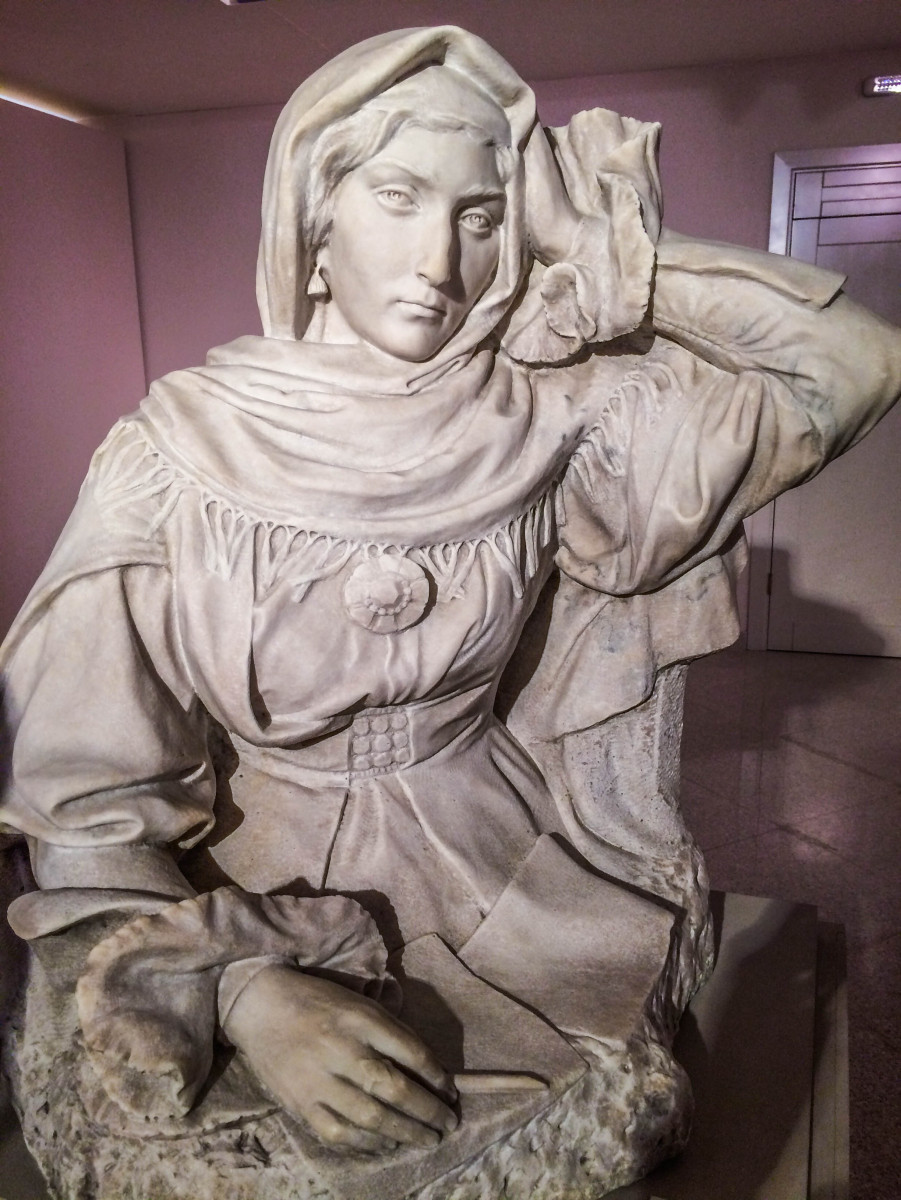
A distinctive place in Eldarov’s memorial sculpture is occupied by “Elegy”, a marble work dedicated to the memory of Academician Zarifa Aliyeva. Completed in 1989, the work uses the unified mass of white marble, restrained forms and the contemplative presence of the figure to convey remembrance and spiritual depth. Rather than relying solely on physical likeness, Eldarov seeks to express the inner integrity of an individual and the enduring presence of their image in memory. The work was formally presented on 15 April 1997, at a ceremony attended by Heydar Aliyev, who praised its artistic significance.
Eldarov’s educational activity is another important dimension of his legacy. Through his leadership of creative studios and his work at the Azerbaijan State Academy of Fine Arts, he contributed to the continuity of professional sculptural education. The 2017 exhibition “Beauty and Monumentality” at the Heydar Aliyev Centre brought together important directions of his multifaceted artistic practice.
The significance of Eldarov’s legacy cannot be measured solely by the scale of his monuments. His work demonstrates how the human figure, historical personality and collective memory can be expressed through sculpture. His distinctive contribution lies in his understanding of public space in monumental art and individual character in portraiture, securing a notable place for his work in the development of Azerbaijani sculpture.
Art Space Gallery MEDIA