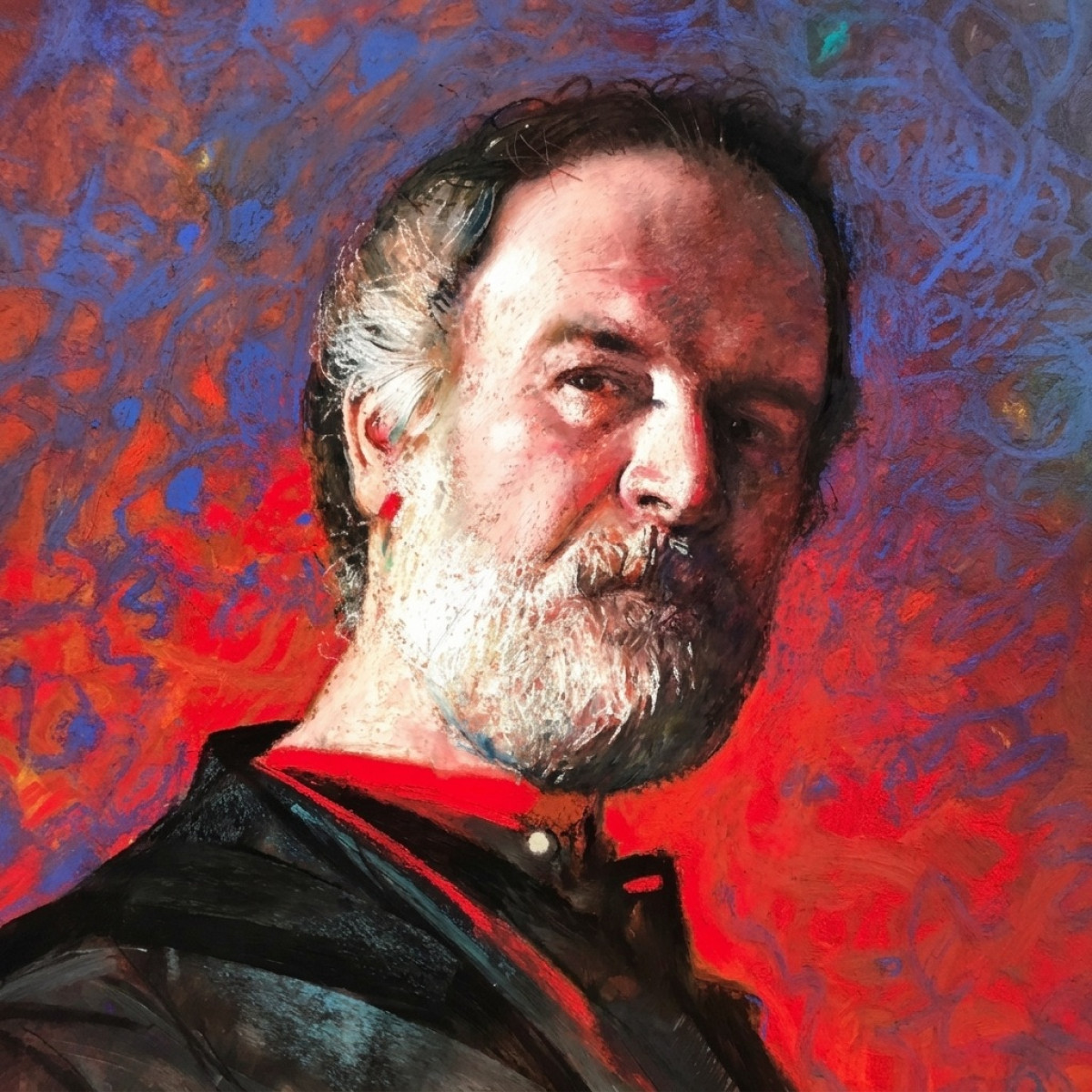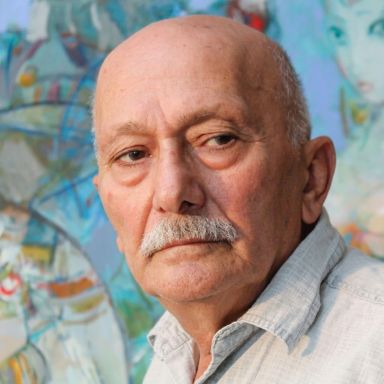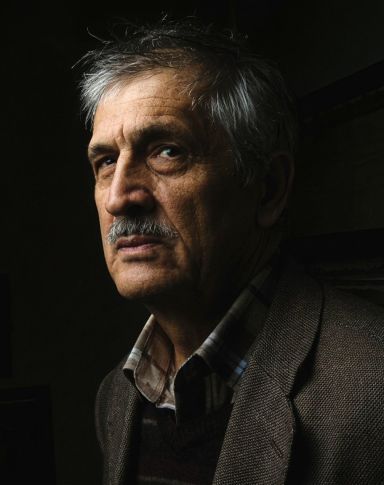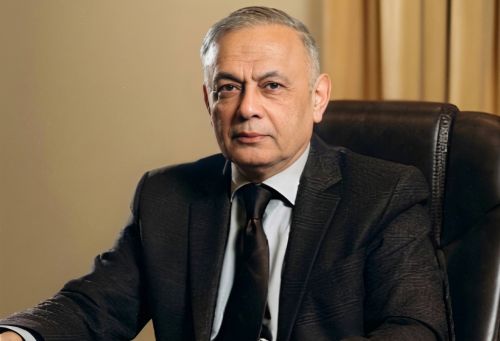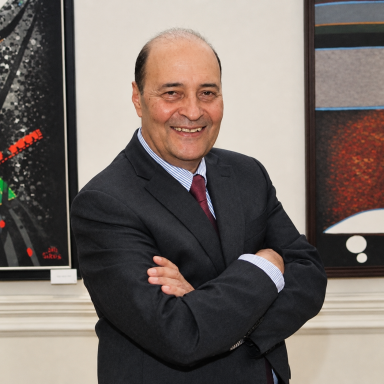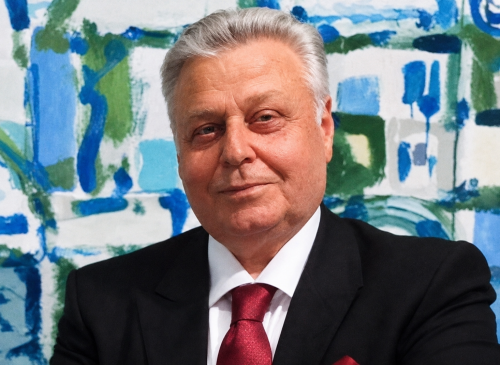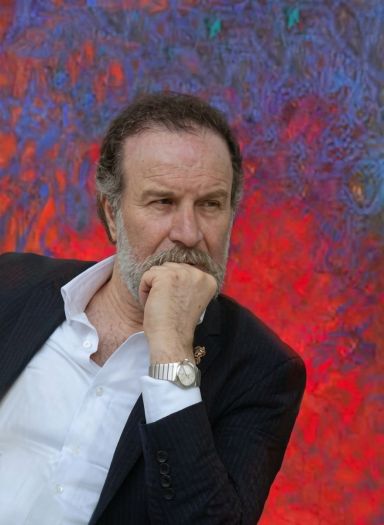
Sakit Mammadov was born on 5 August 1958 in Neftchala, Azerbaijan. He began his artistic education at the Azim Azimzade Azerbaijan State Art School and continued his studies at the Faculty of Painting of the Ilya Repin Leningrad Institute of Painting, Sculpture and Architecture from 1981 to 1987. He has been a member of the Union of Artists of Azerbaijan since 1988. In 2007, he was awarded the honorary title of Honoured Artist of Azerbaijan, followed by the title of People's Artist of Azerbaijan in 2018. He was also awarded the academic title of Professor in 2018. Since 2011, he has been an honorary foreign member of the Russian Academy of Arts.
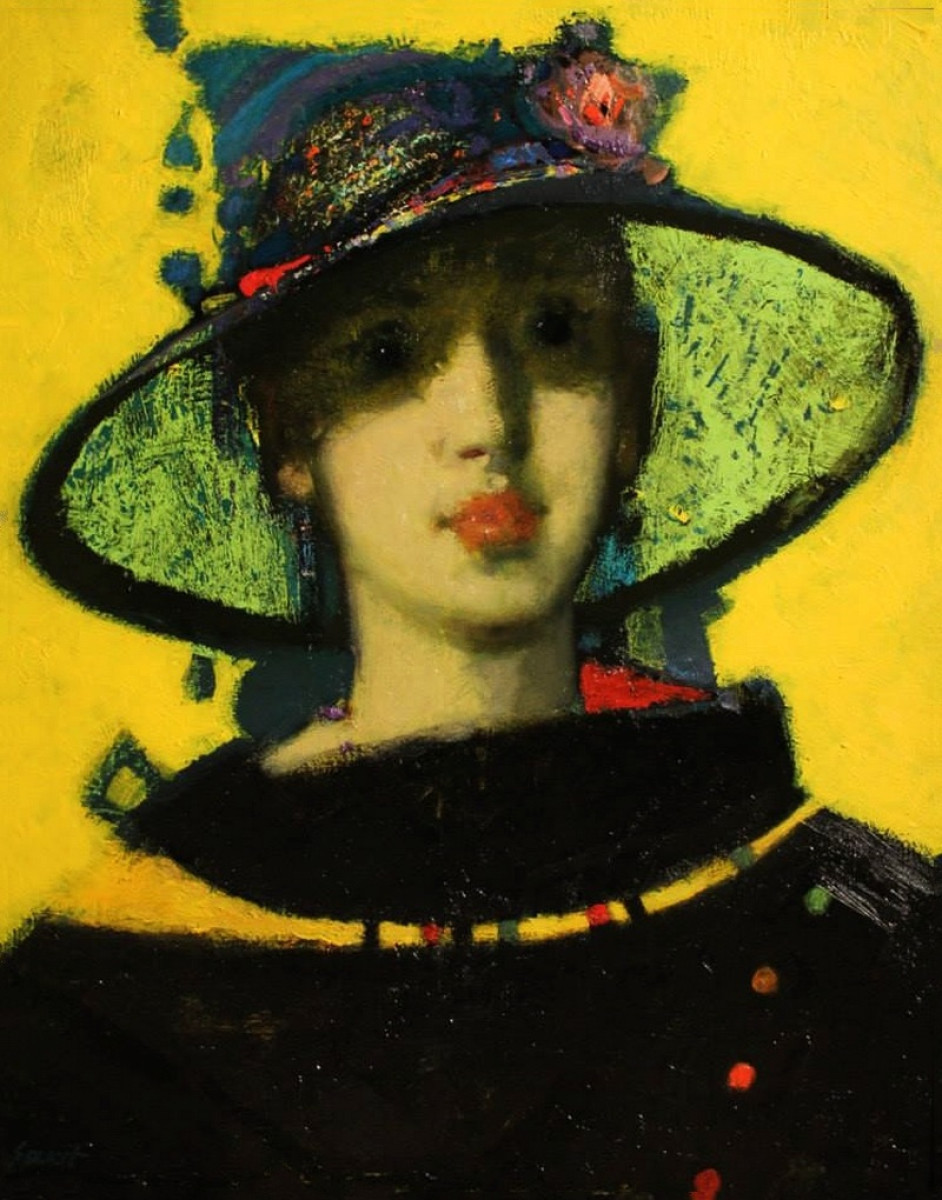
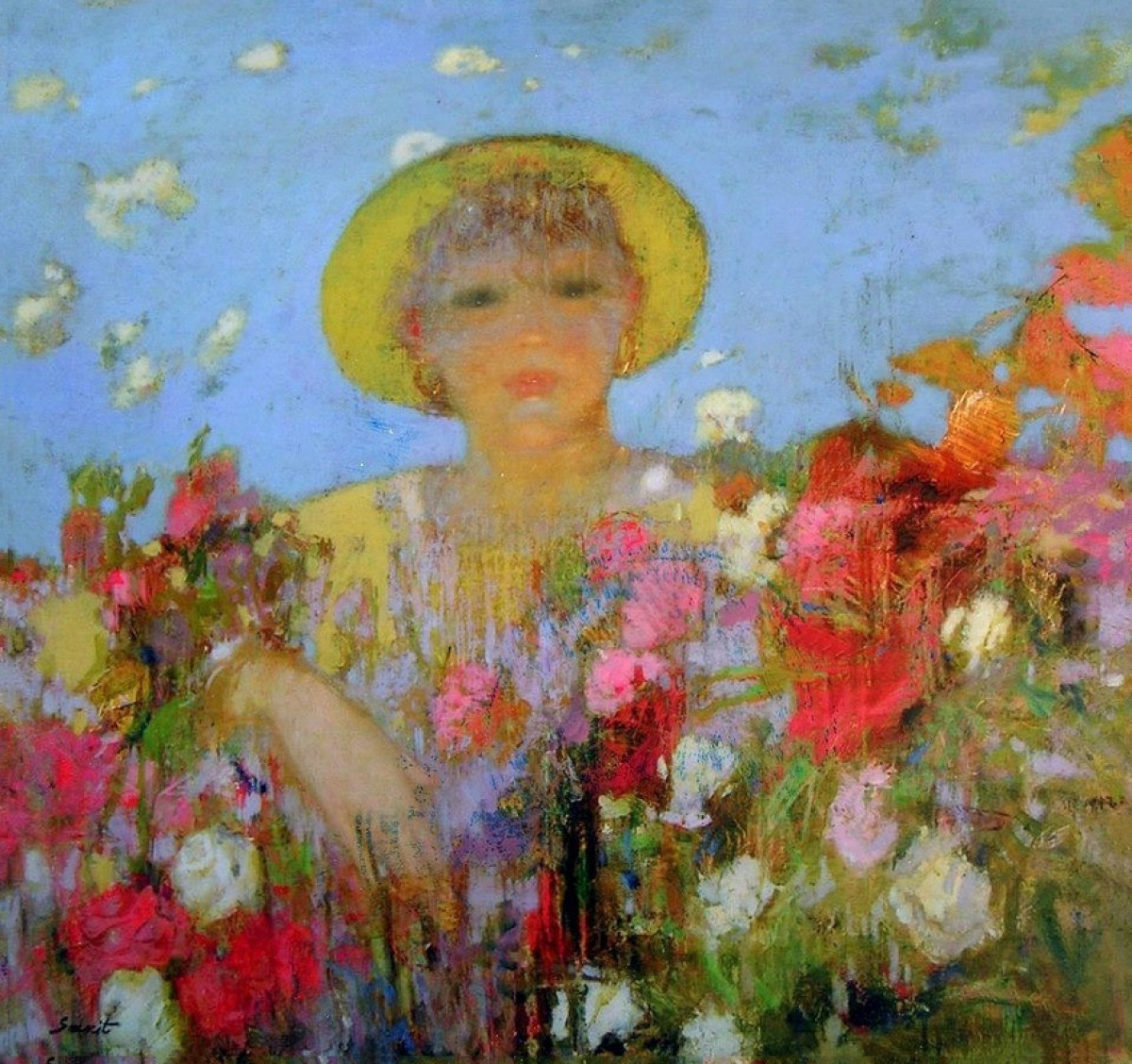
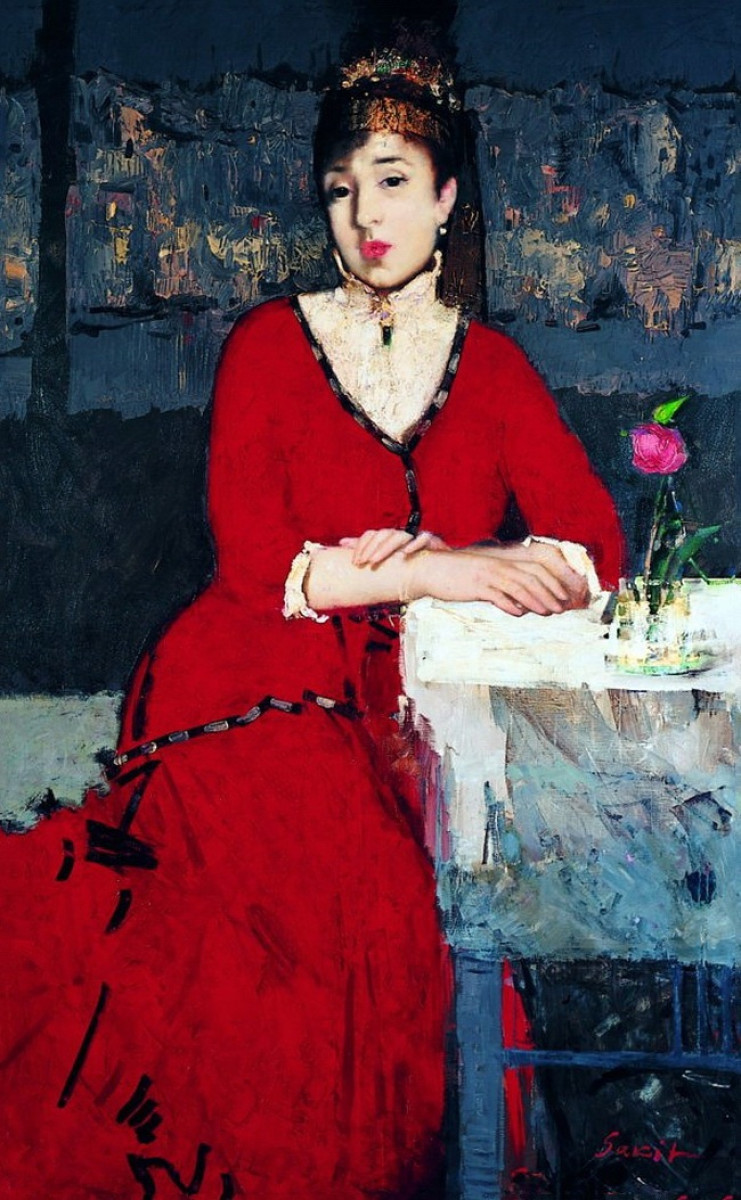
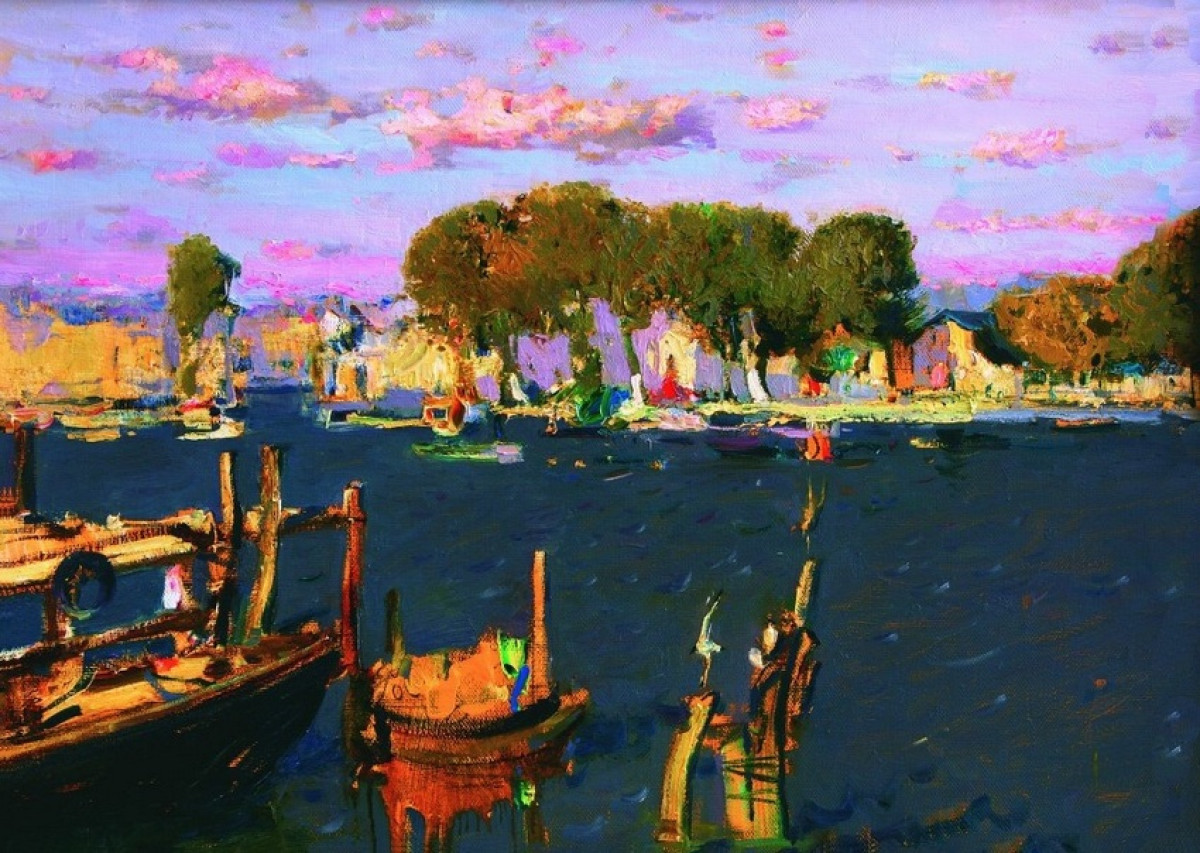
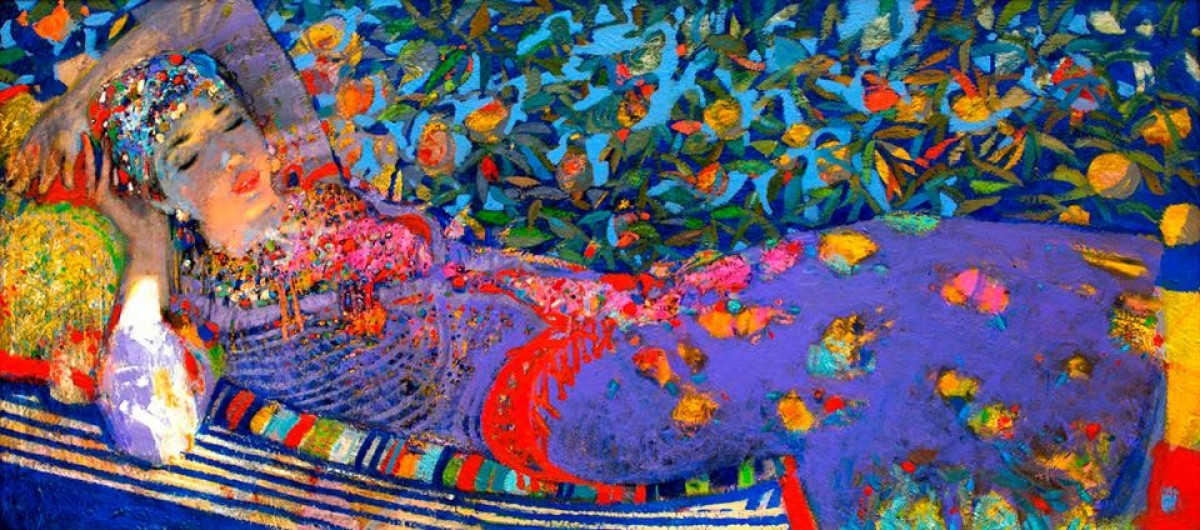
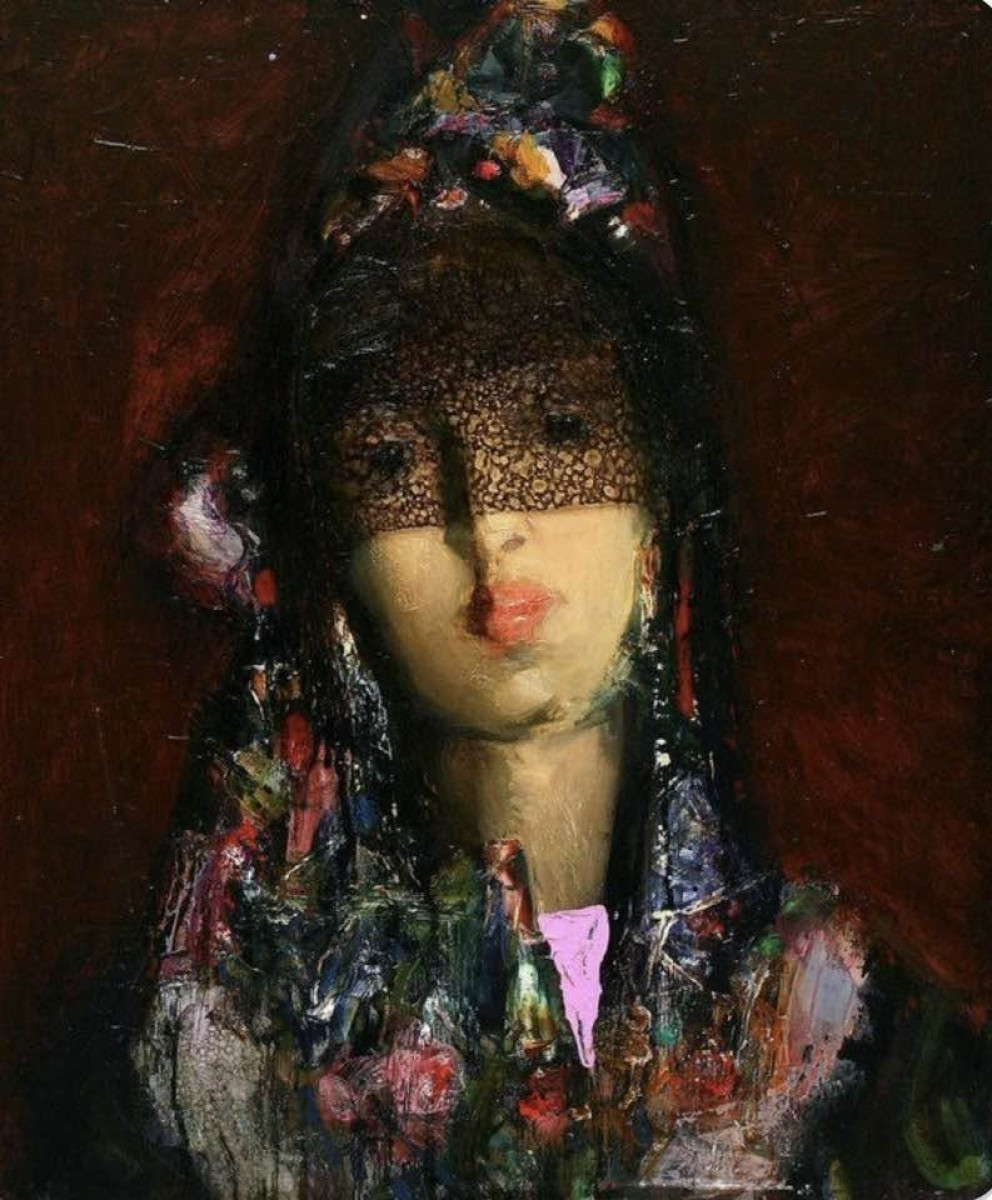
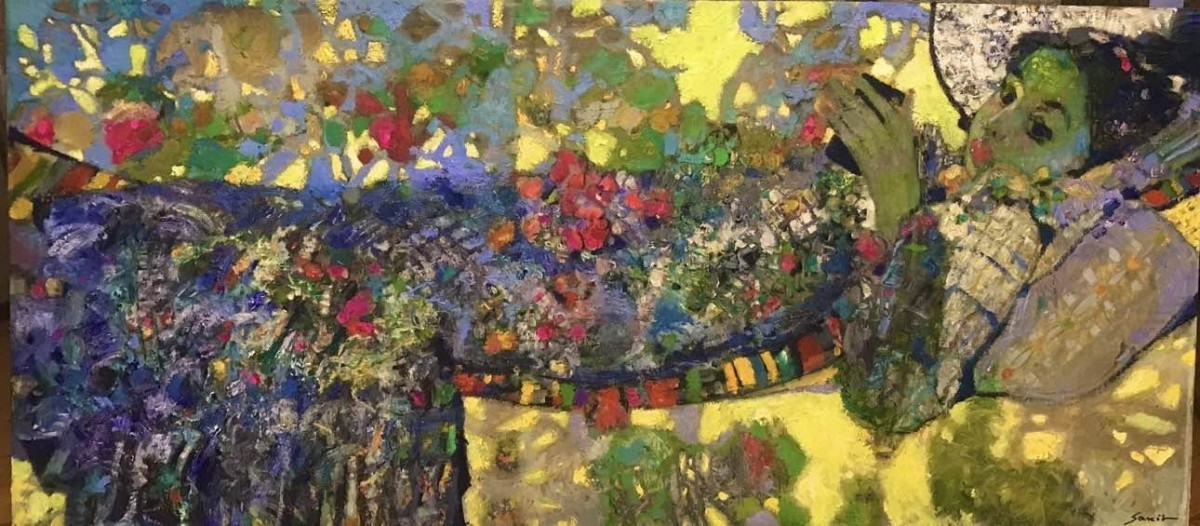
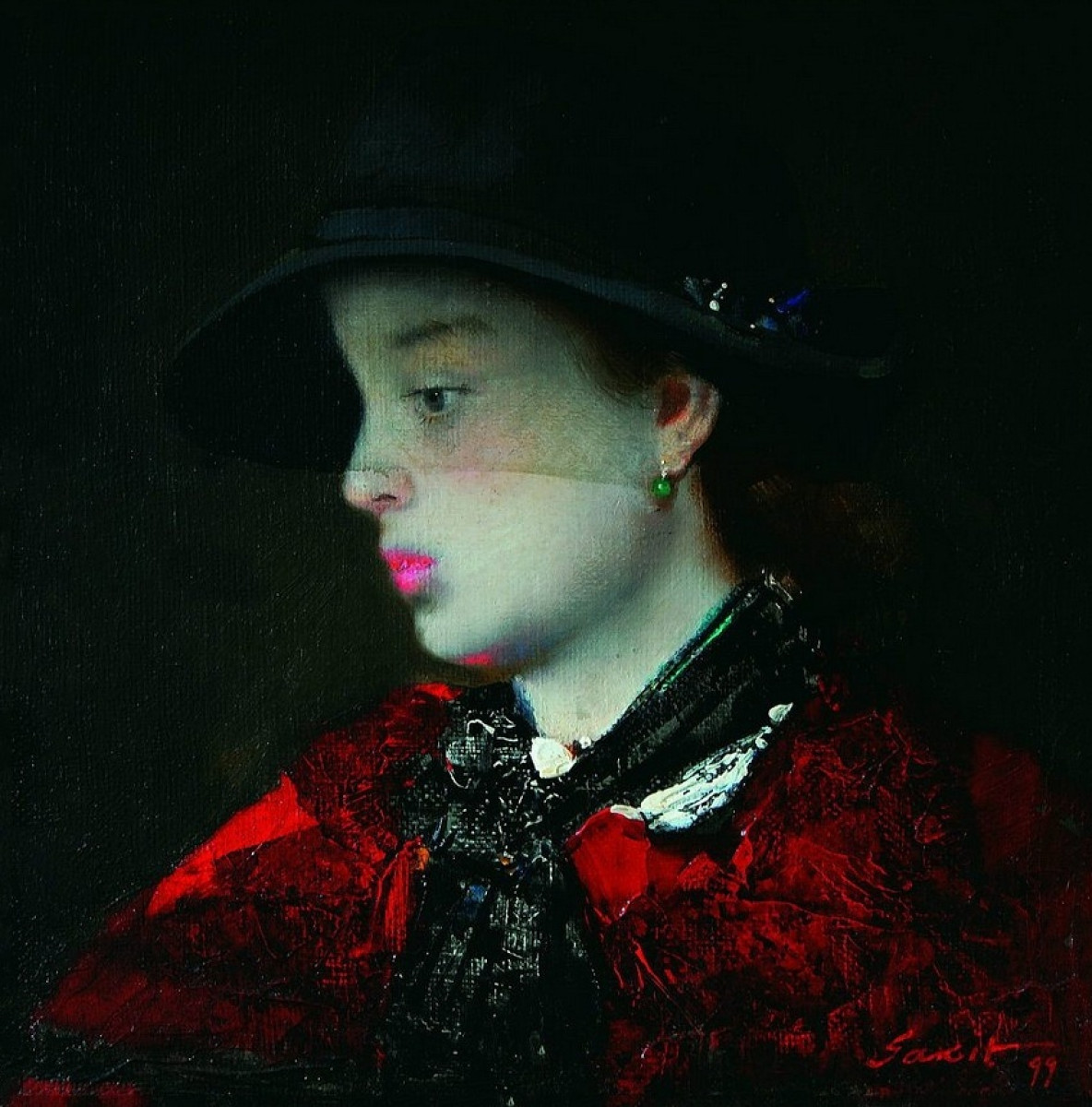
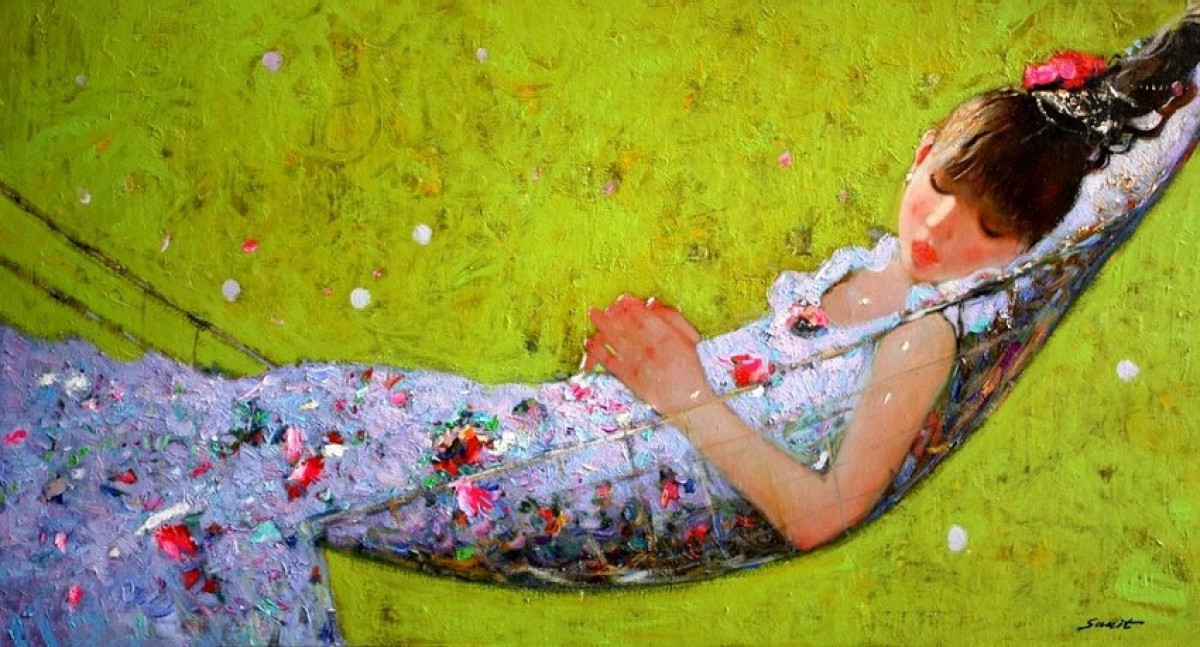
Mammadov's artistic development represents a distinctive chapter in the evolution of Azerbaijani painting, particularly in the formation of an individual visual language. His earlier works are characterised by restrained colour relationships, darker backgrounds and an emphasis on the psychological dimension of the portrayed subject. In works such as “Portrait of My Father” and “Aynur”, the artist explores not only physical appearance but also character, emotional presence and individual identity. In later periods, his palette becomes more expansive, while the increasingly free interaction of light and colour introduces new expressive possibilities into his painting.
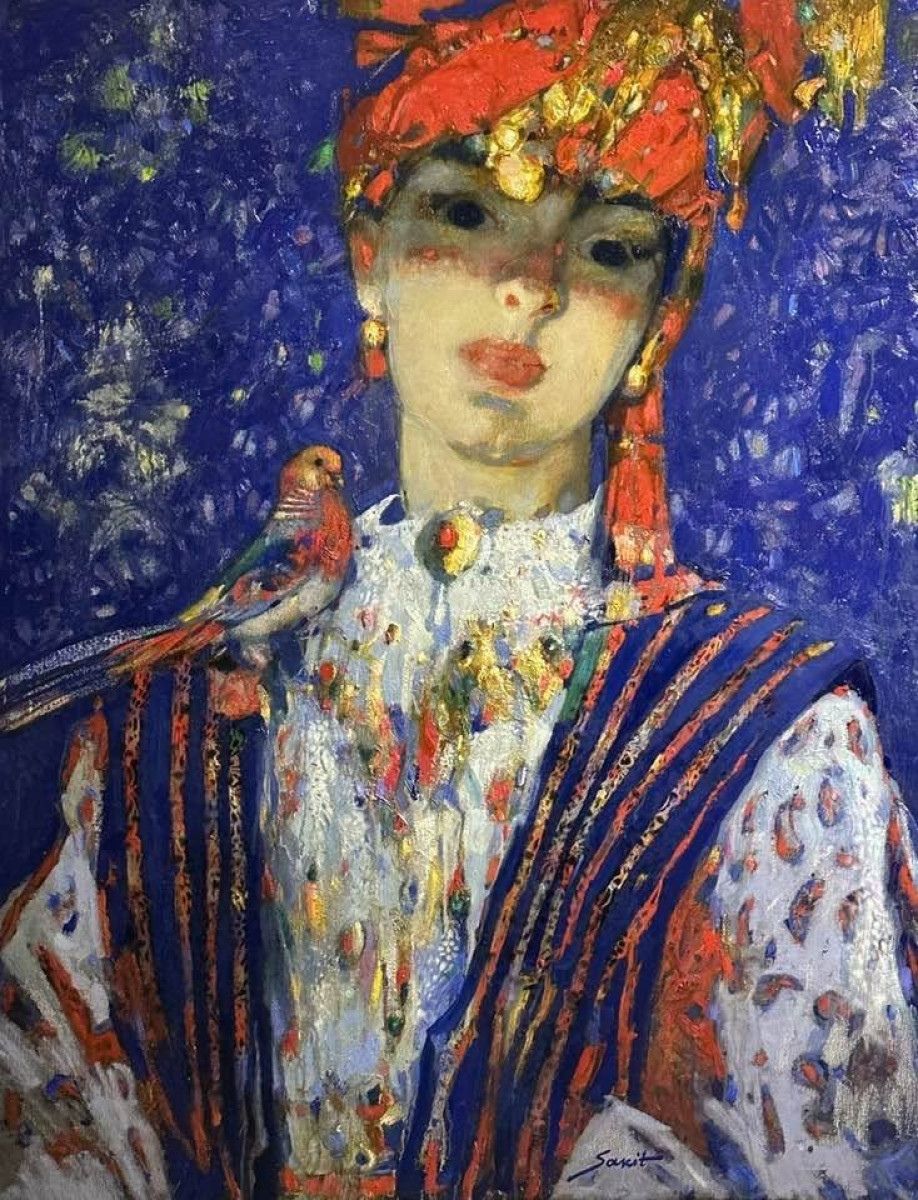
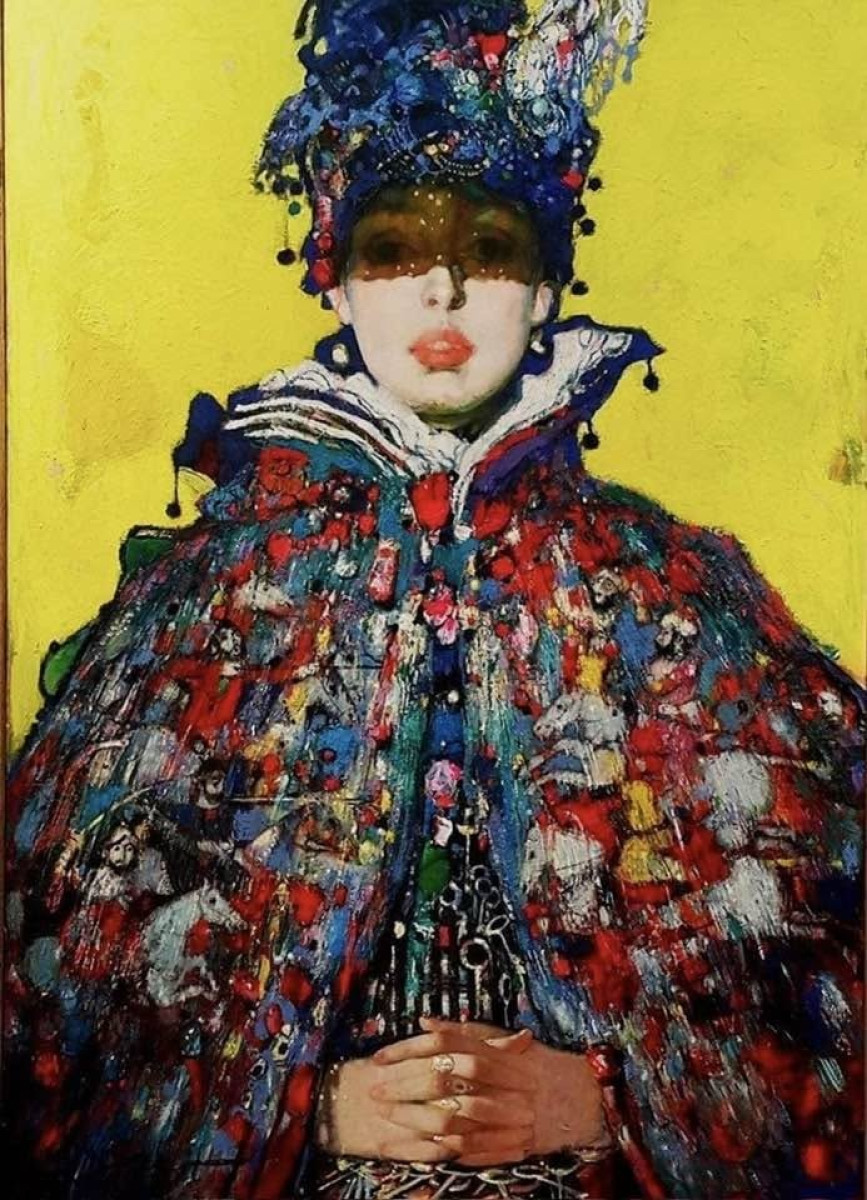
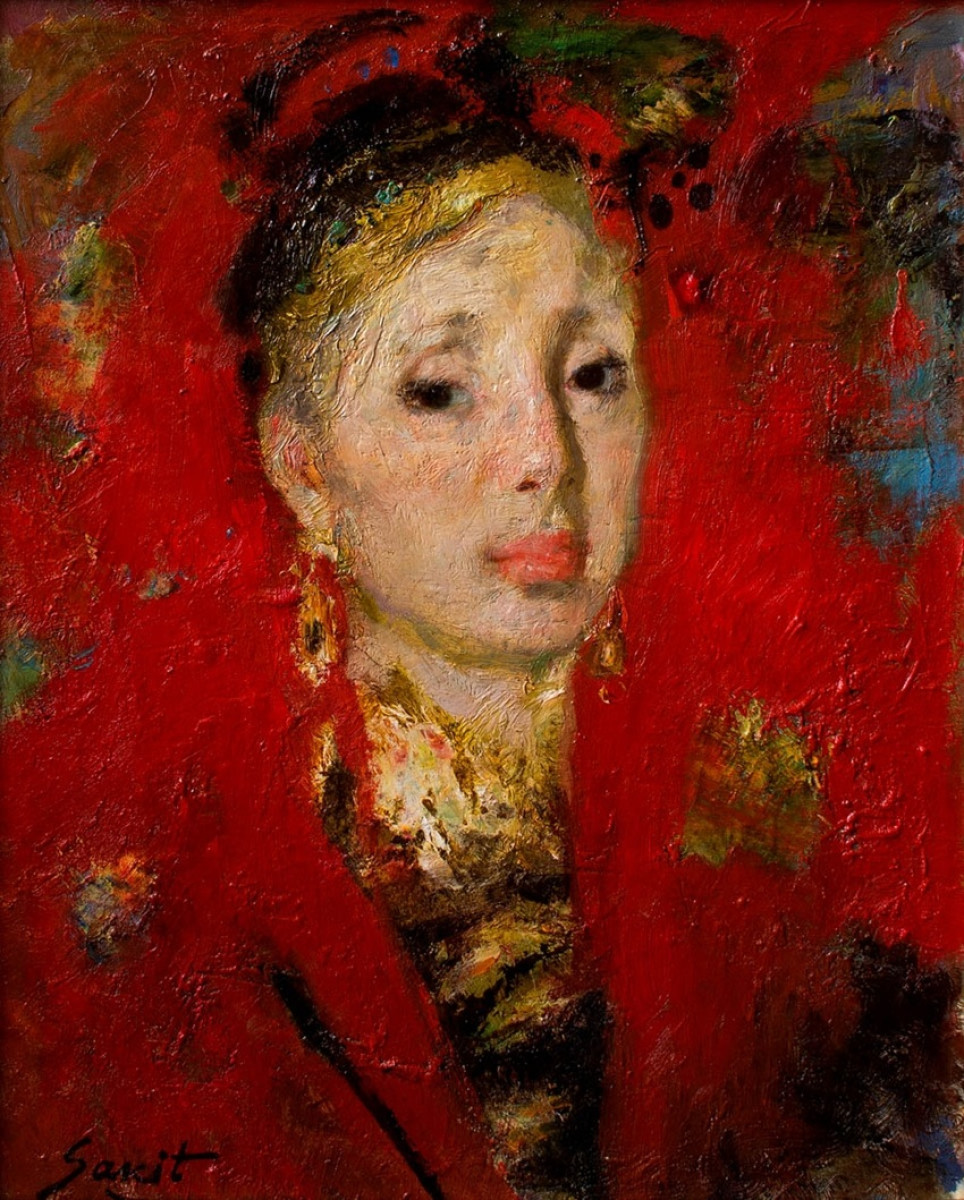
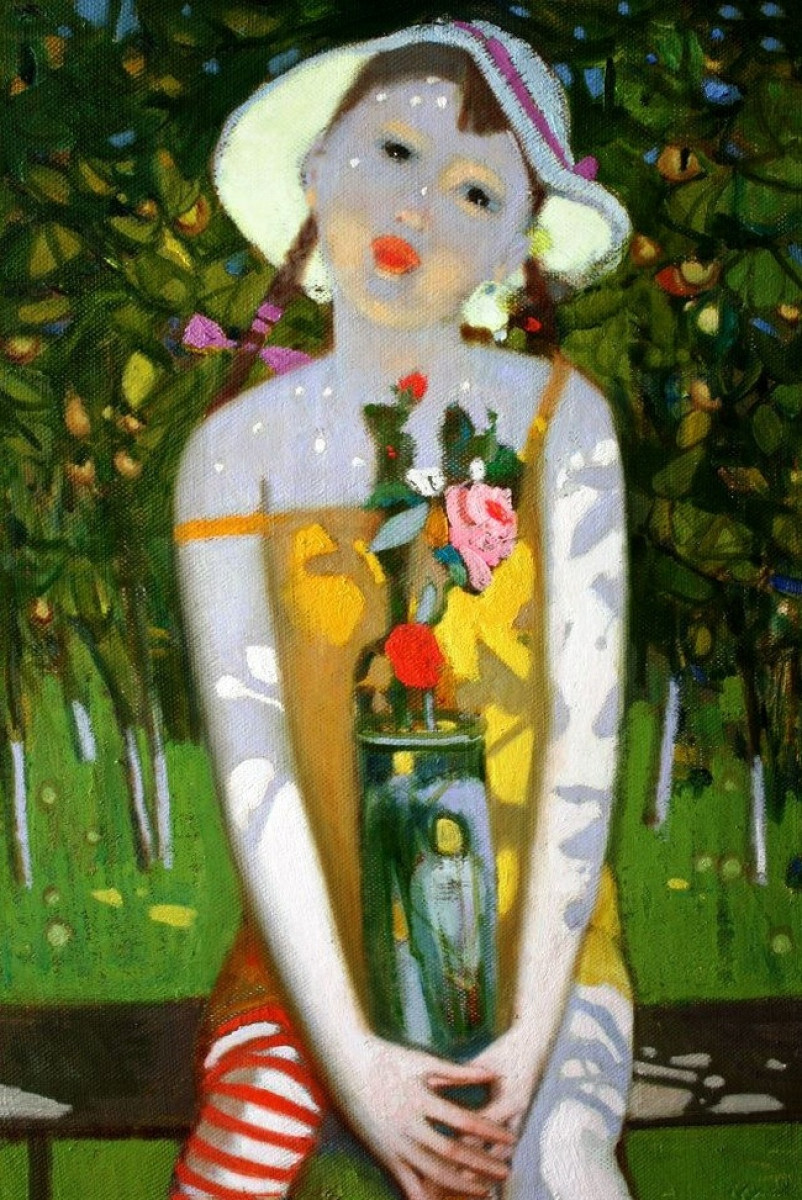
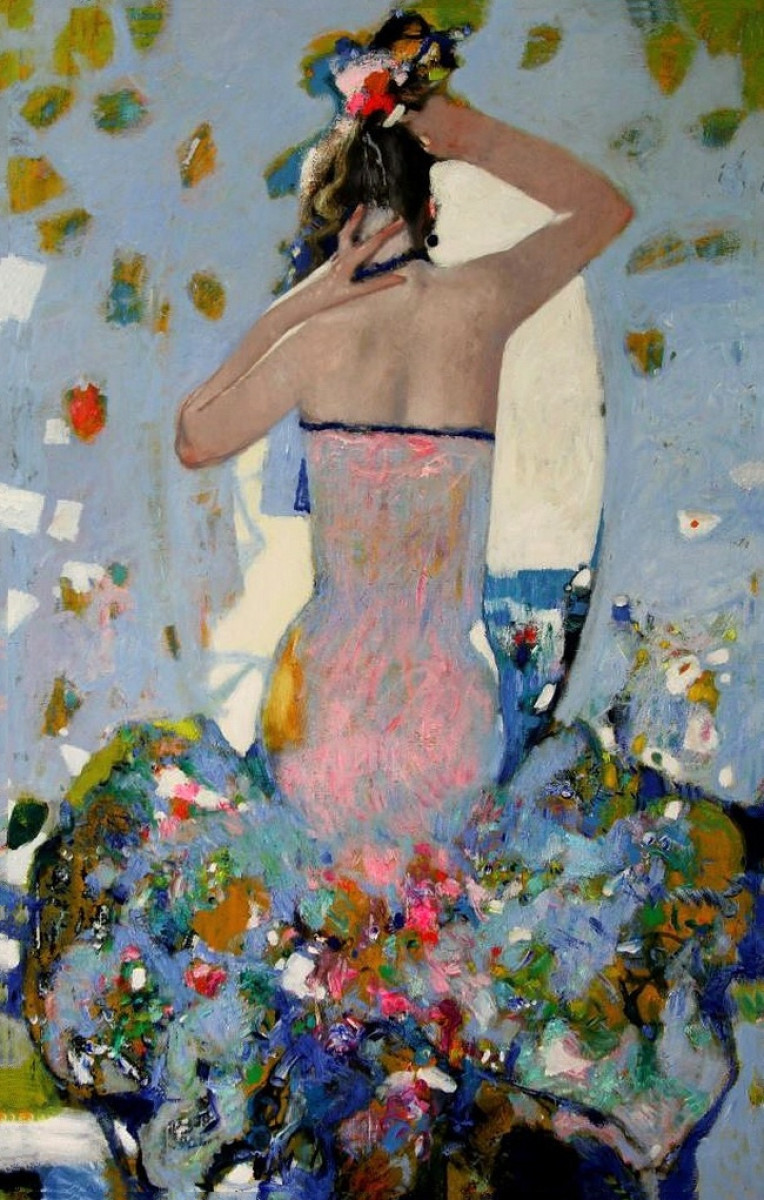
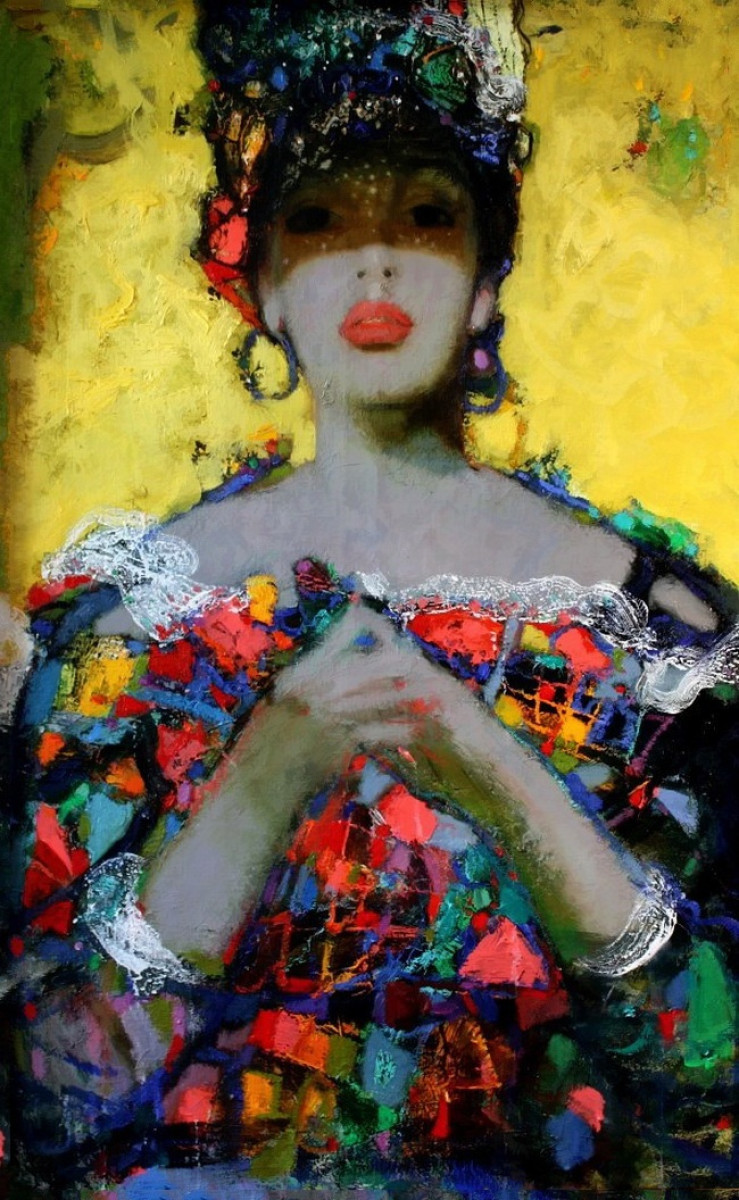
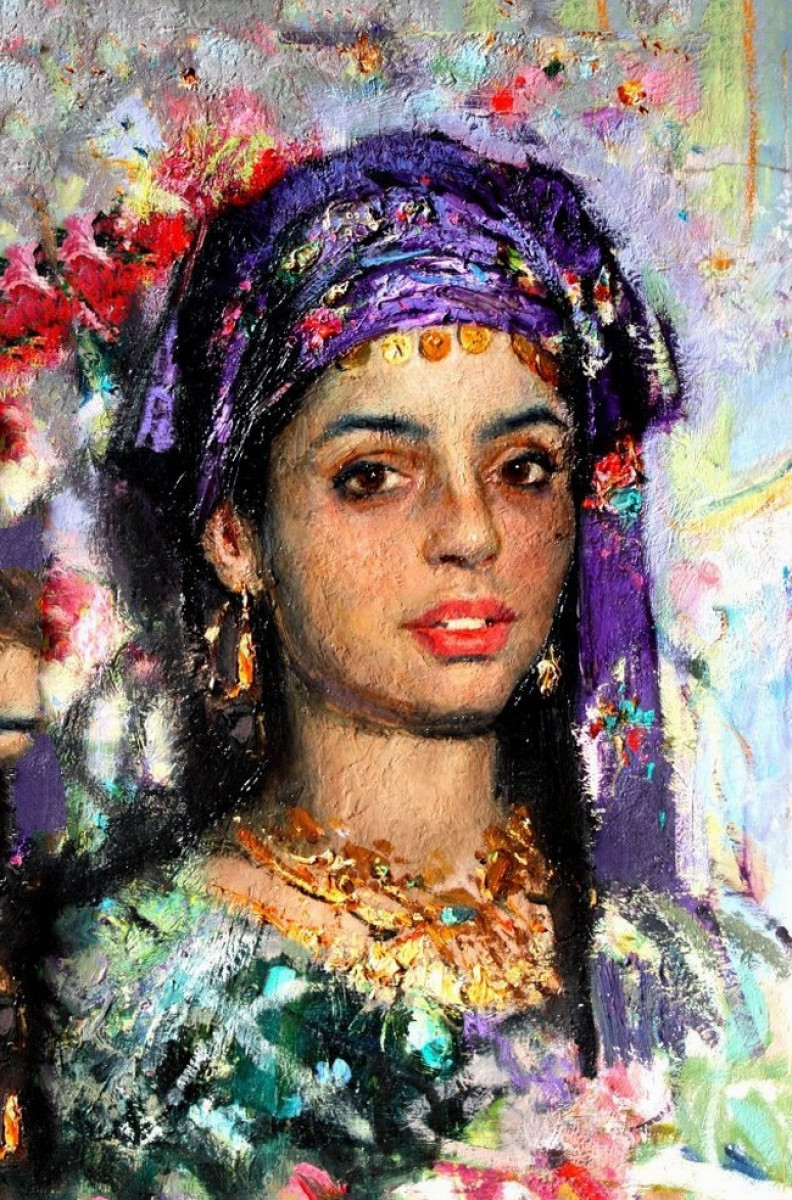
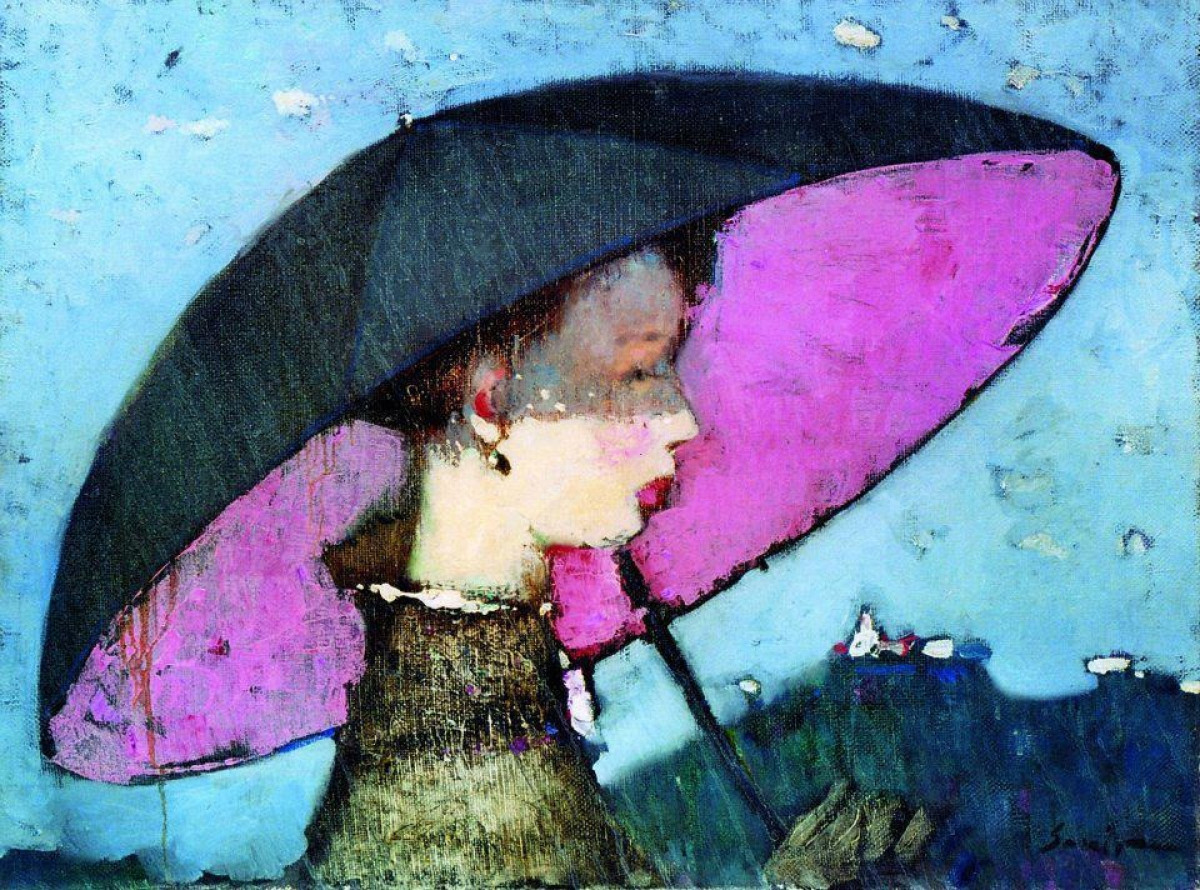
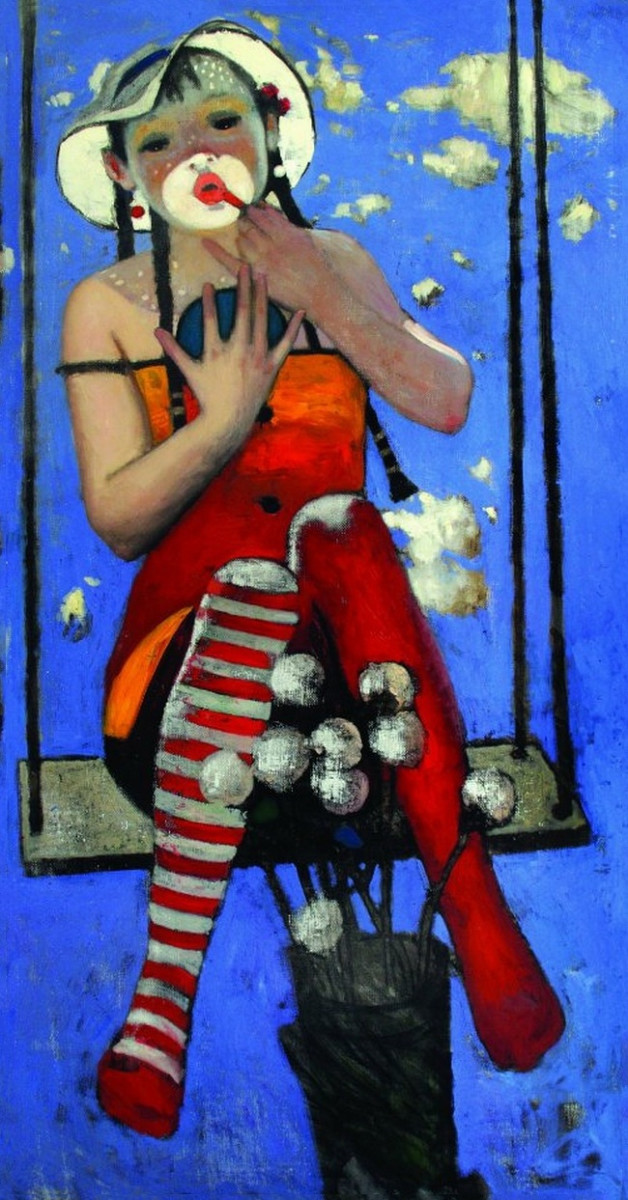
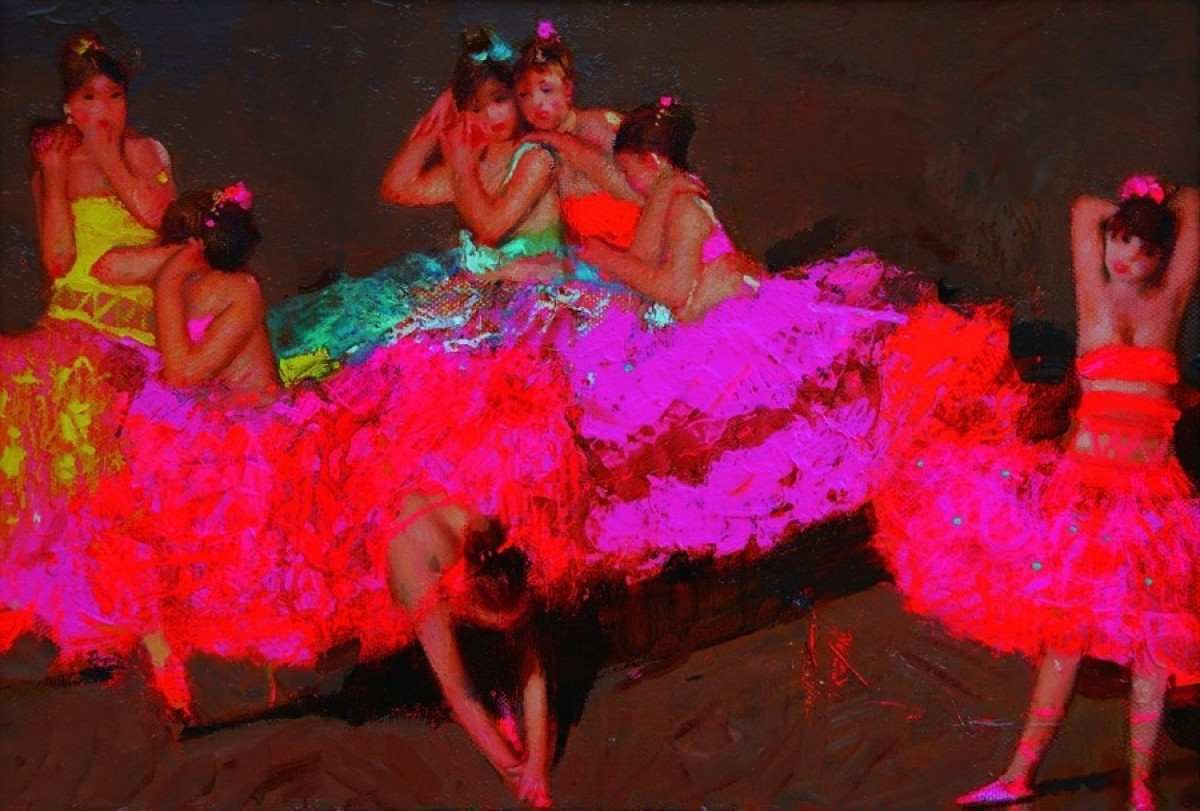
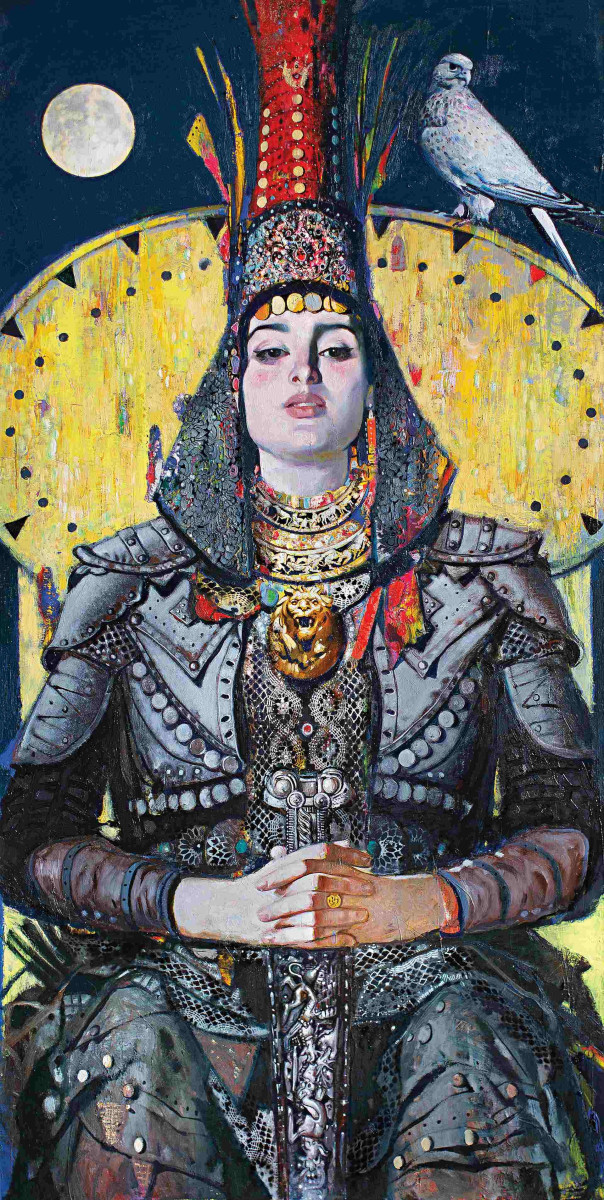
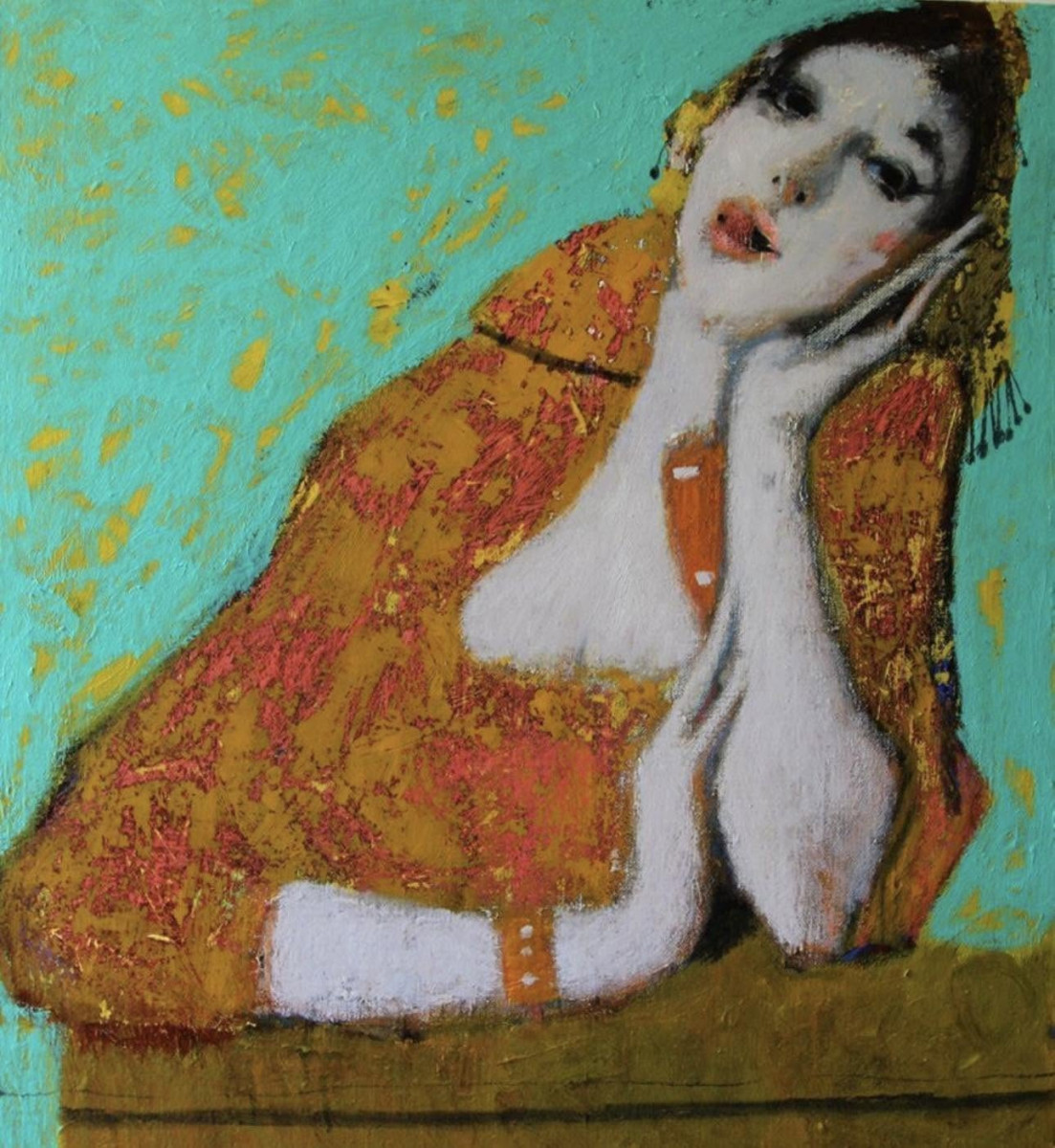
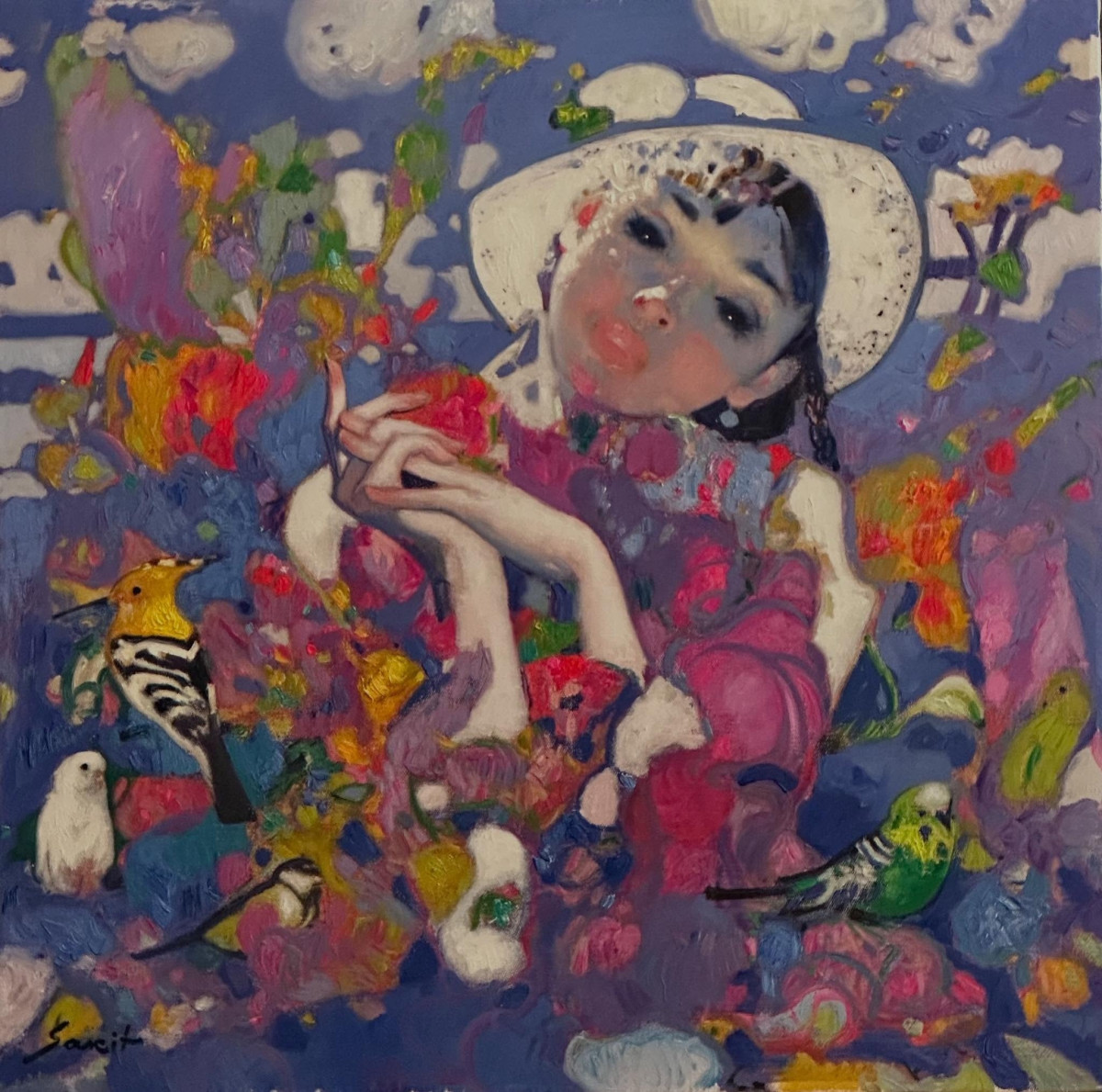
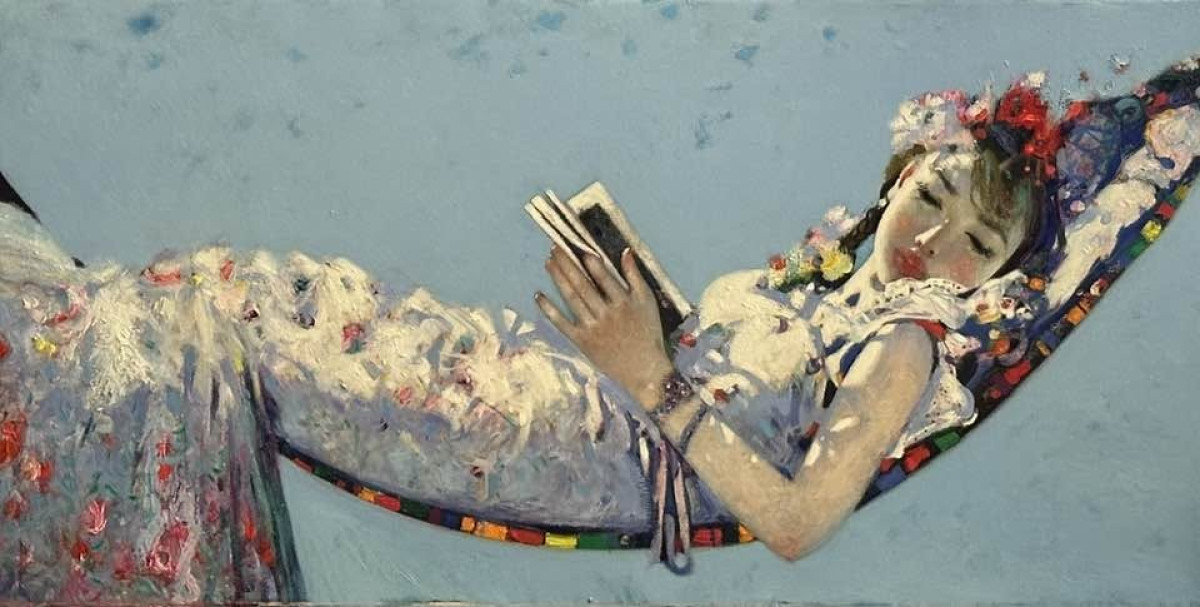
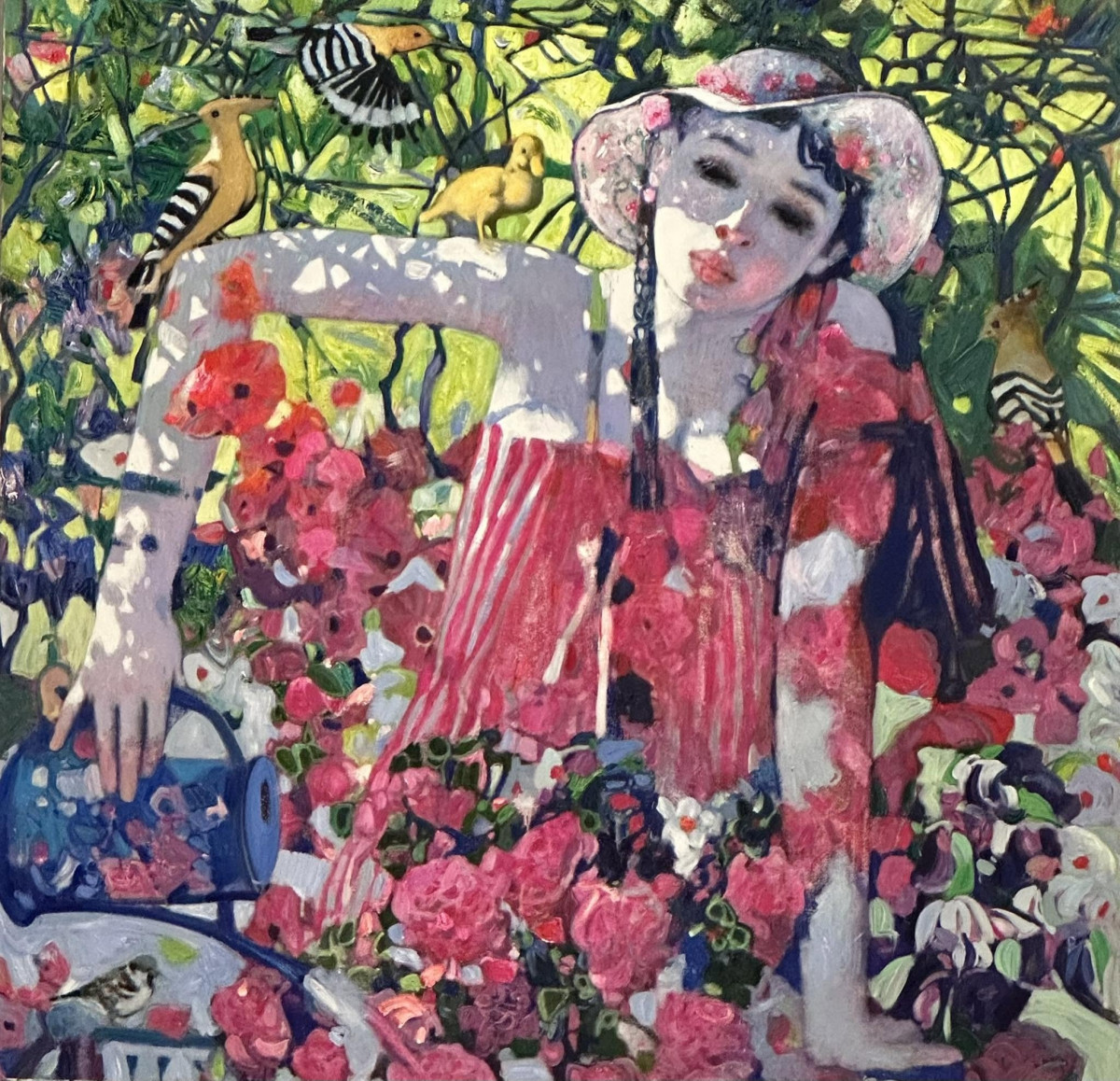
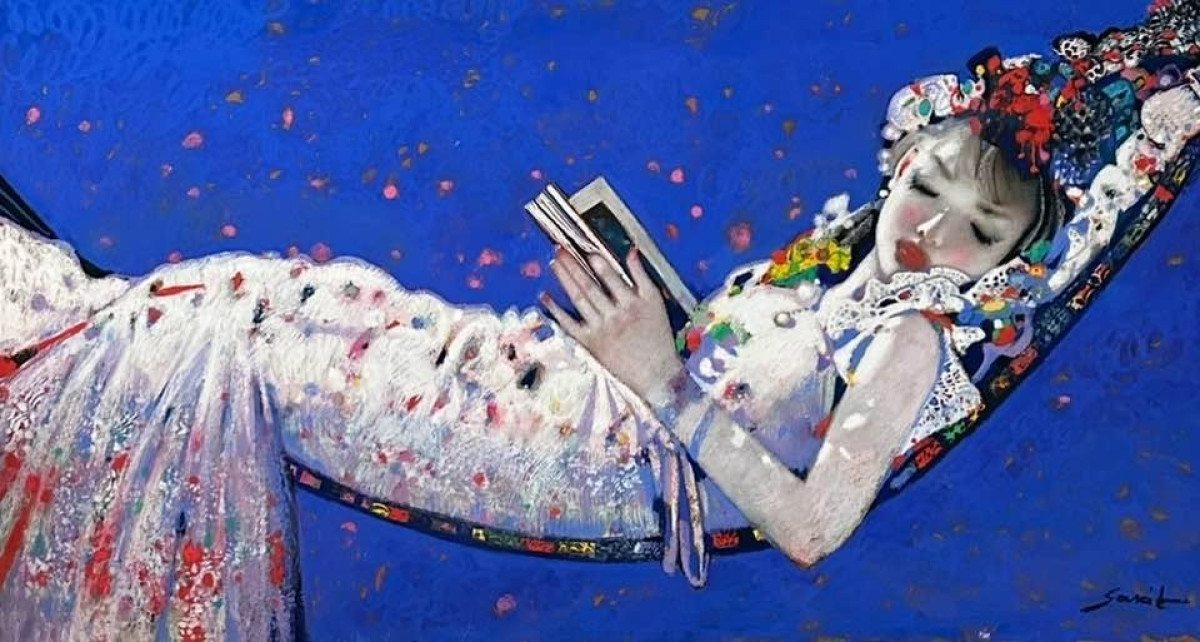
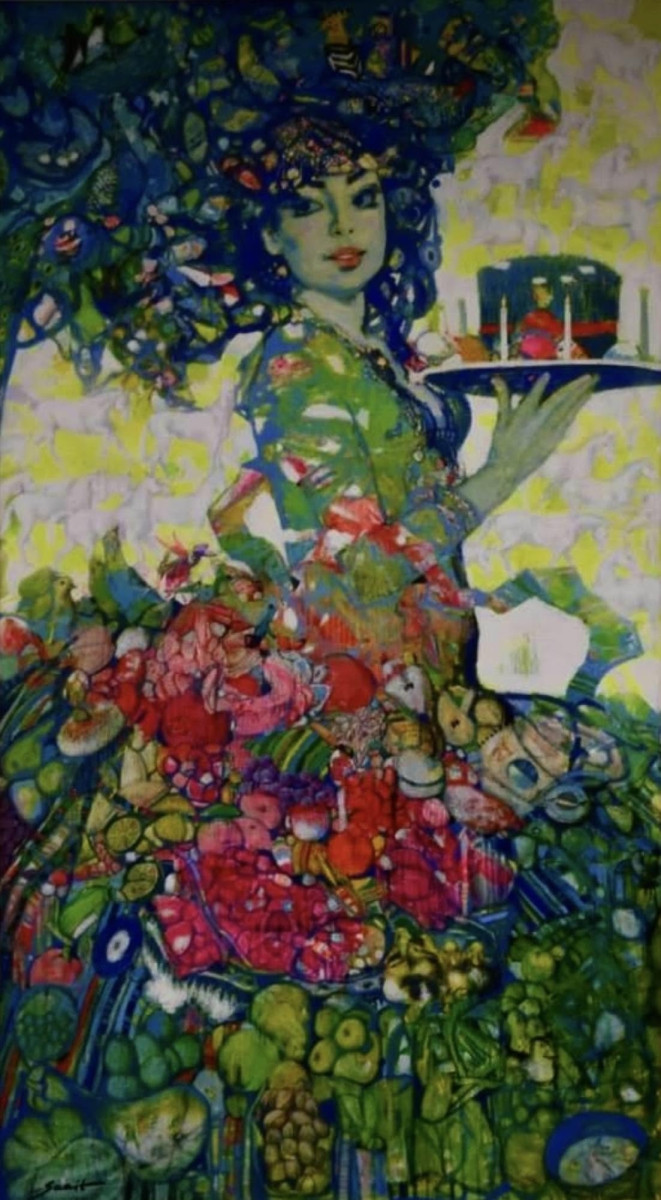
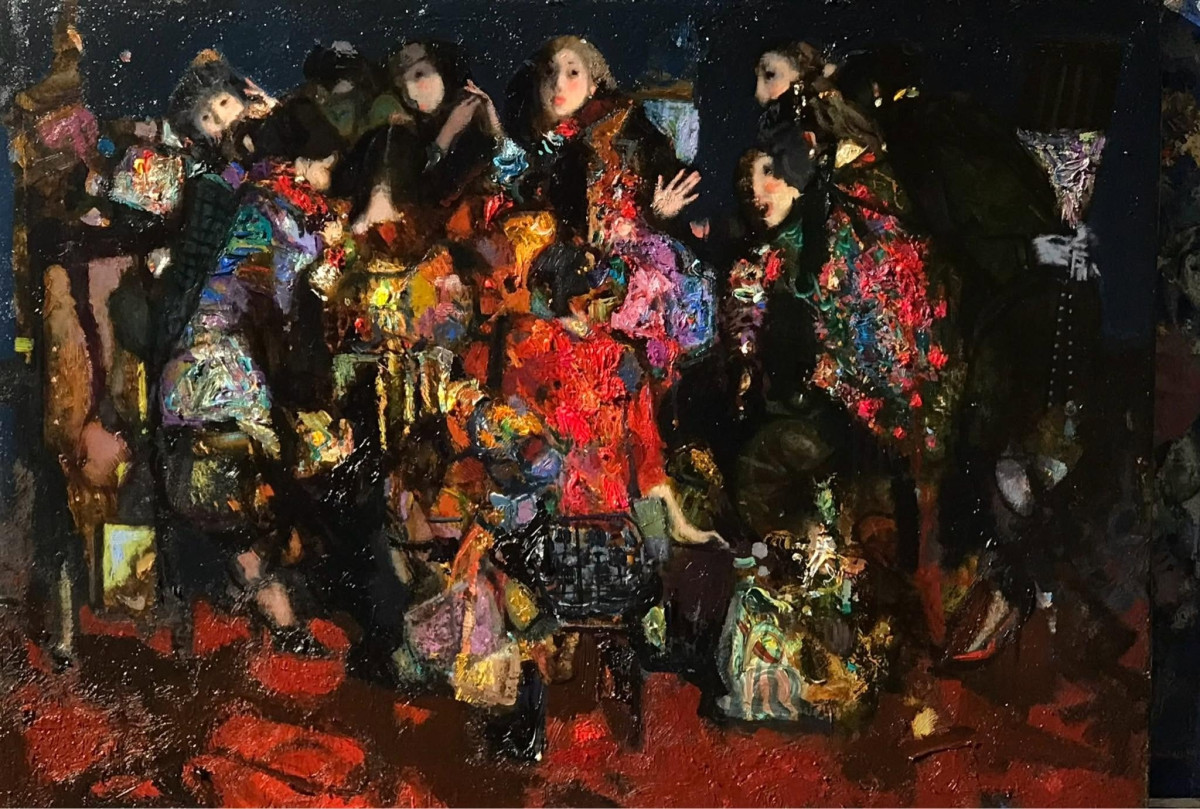
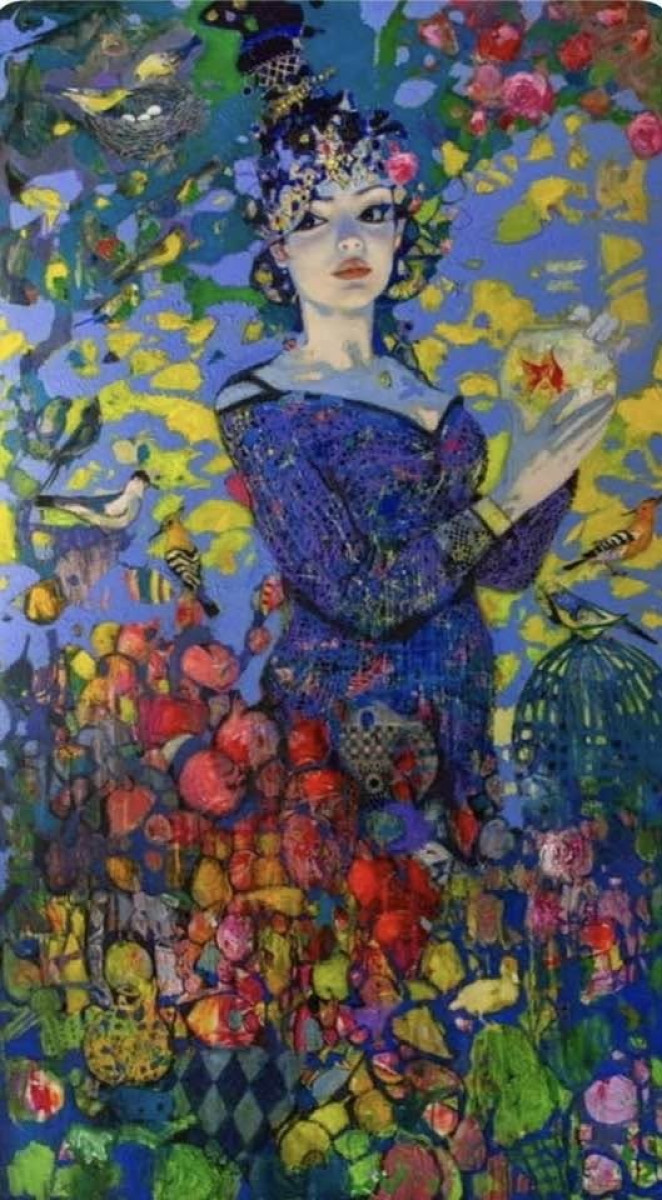
Portraiture occupies a significant position in Mammadov's artistic practice. The human figure is integrated into a carefully constructed visual environment in which clothing, headwear, jewellery and spatial details contribute to the overall character of the composition. These elements function not merely as descriptive details but as essential components of the subject's identity and the painting's atmosphere. The intensity of colour, expressive handling of surface and carefully considered compositional rhythm give his portraits a distinctive visual presence. The individual is thus presented not only through personal features but also within a broader aesthetic context.
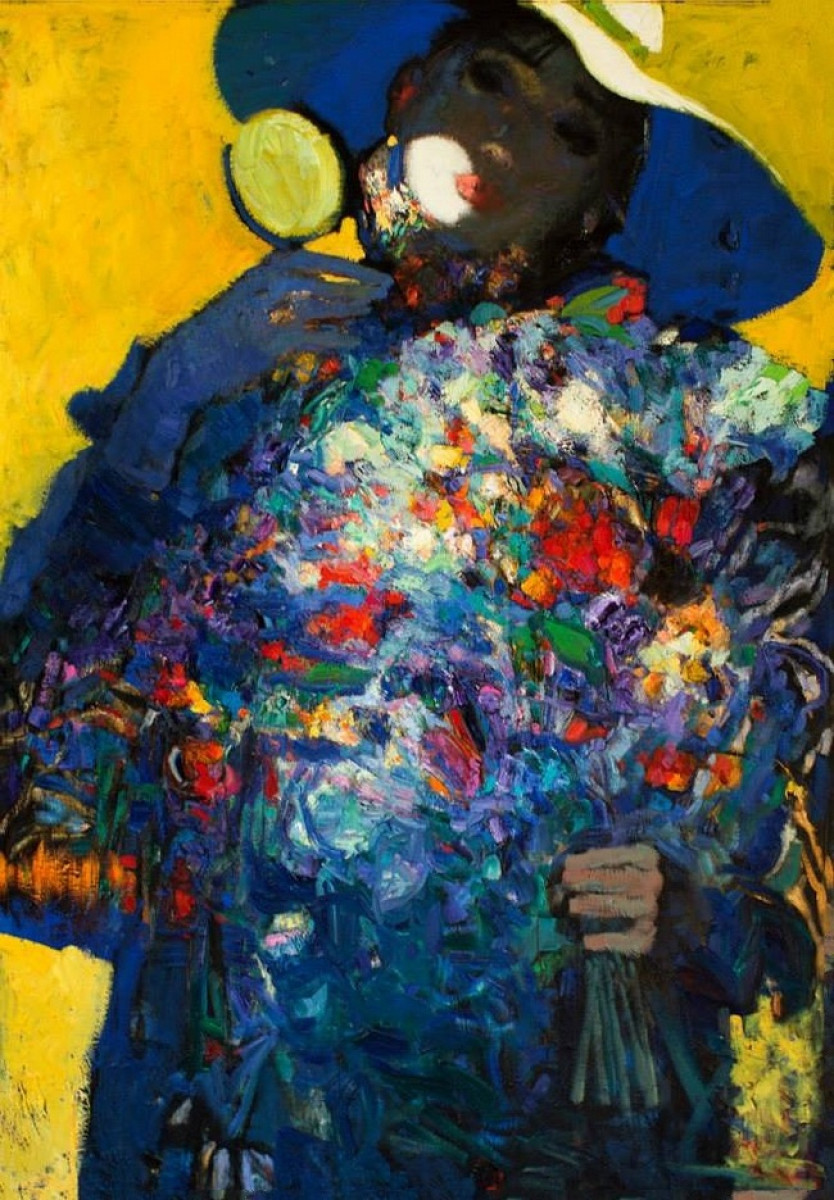
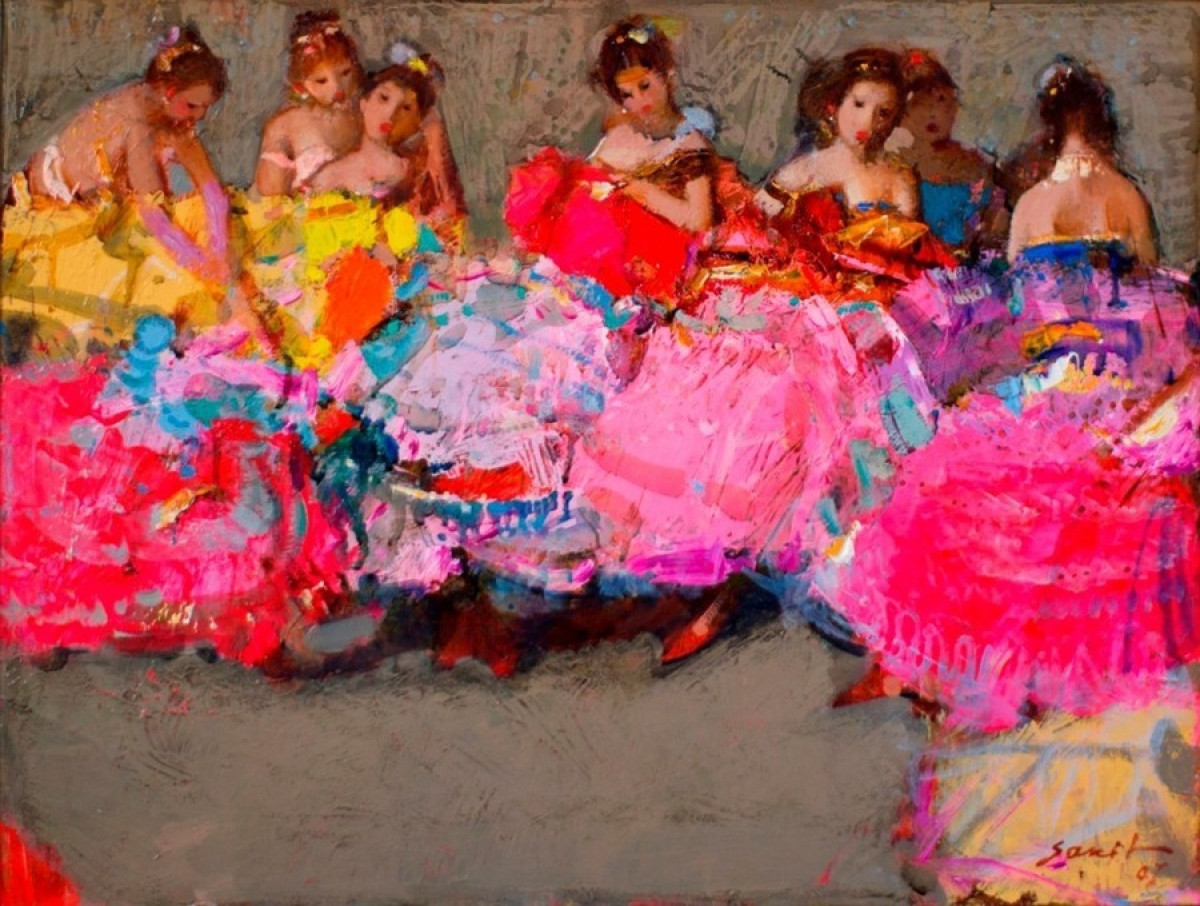
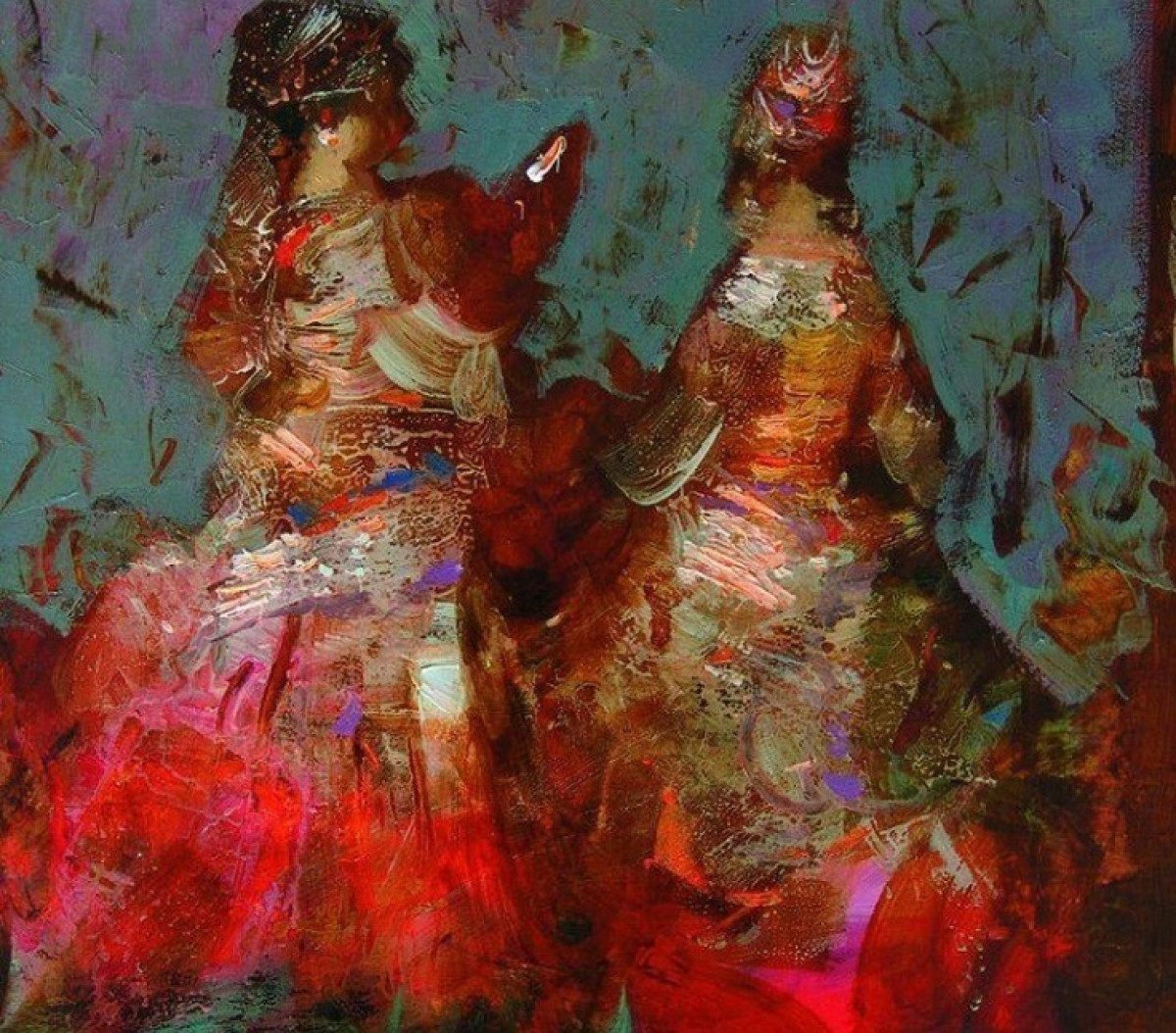
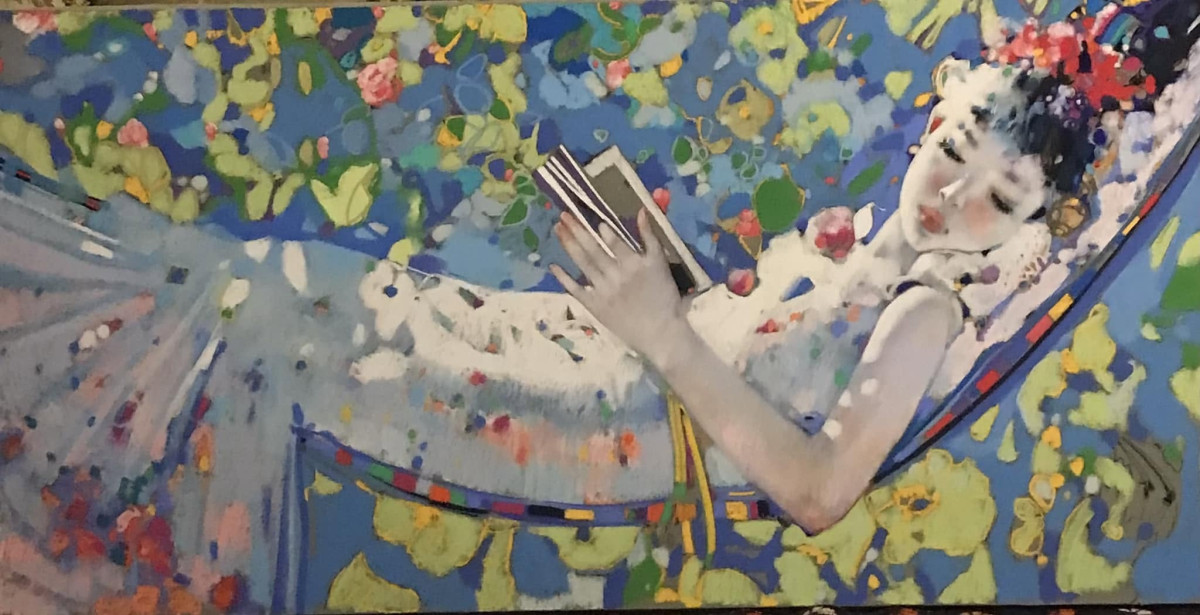
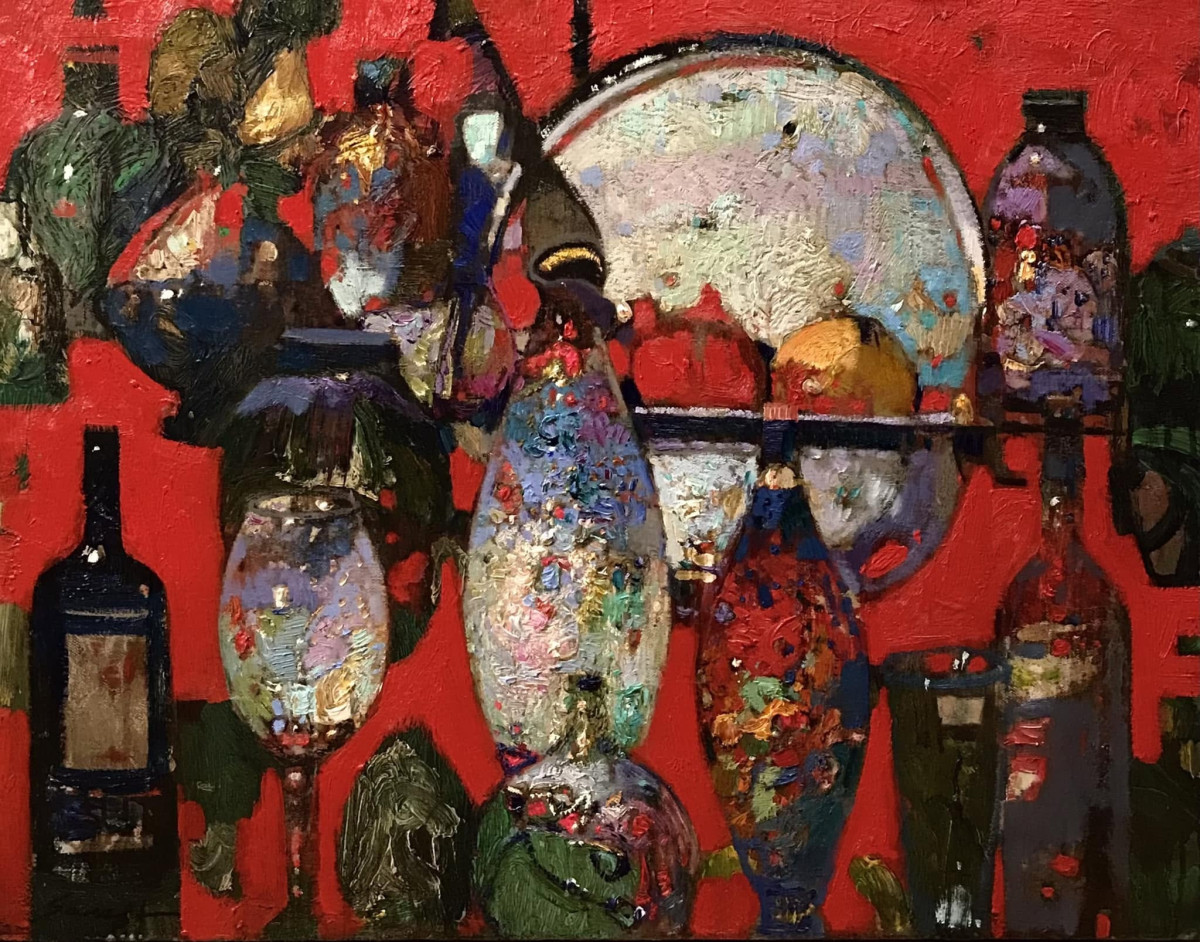
An important aspect of Mammadov's practice is his personal aesthetic concept, which he calls “Opalism”. Inspired by the shifting colours and light-reflecting qualities of opal, the concept expresses his individual approach to colour and visual perception. Colour becomes more than a means of representation: it functions as a central force through which light, emotion and the artistic meaning of the image interact. Vivid transitions, complex tonal relationships and expressive surface treatment create a distinctive visual unity. Opalism is therefore best understood as the artist's own creative concept and an expression of his individual stylistic exploration.
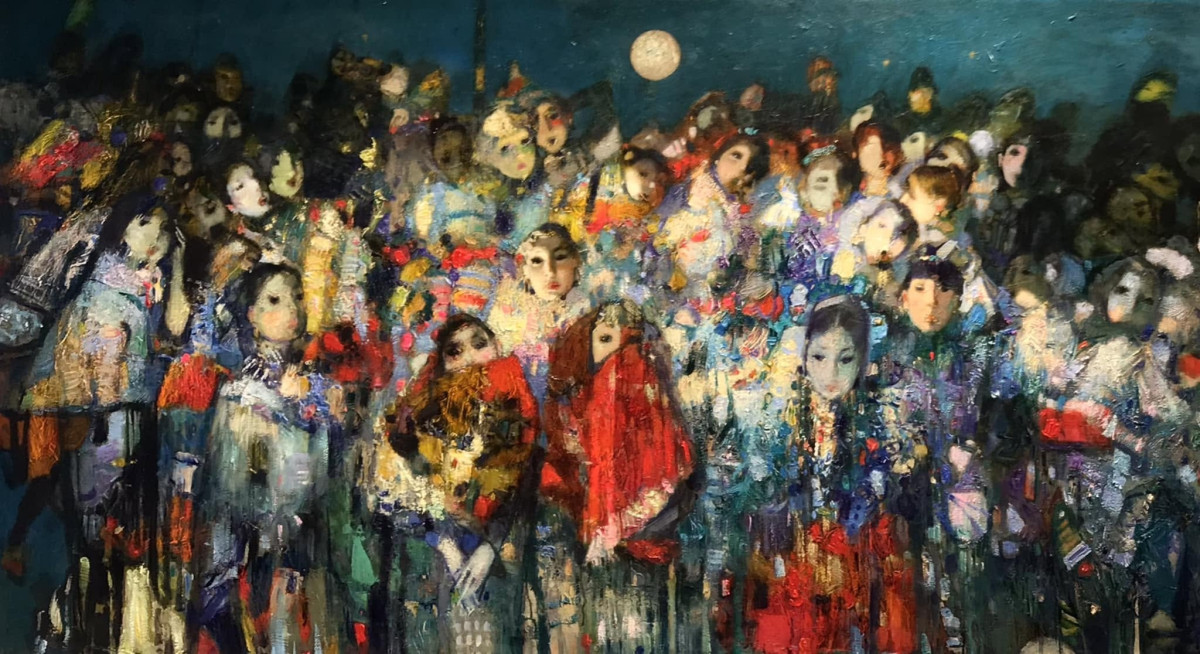
In his historical and thematic compositions, Mammadov turns to national memory, cultural traditions and collective experience. Works such as “Qizilbash”, “Bearers of the Khoncha”, “Jidir Duzu” and “Spring Maiden” bring cultural and historical imagery into a new visual dimension through colour, movement and composition. Rather than simply illustrating the past, these works reinterpret historical and cultural motifs through the perspective of contemporary artistic imagination.
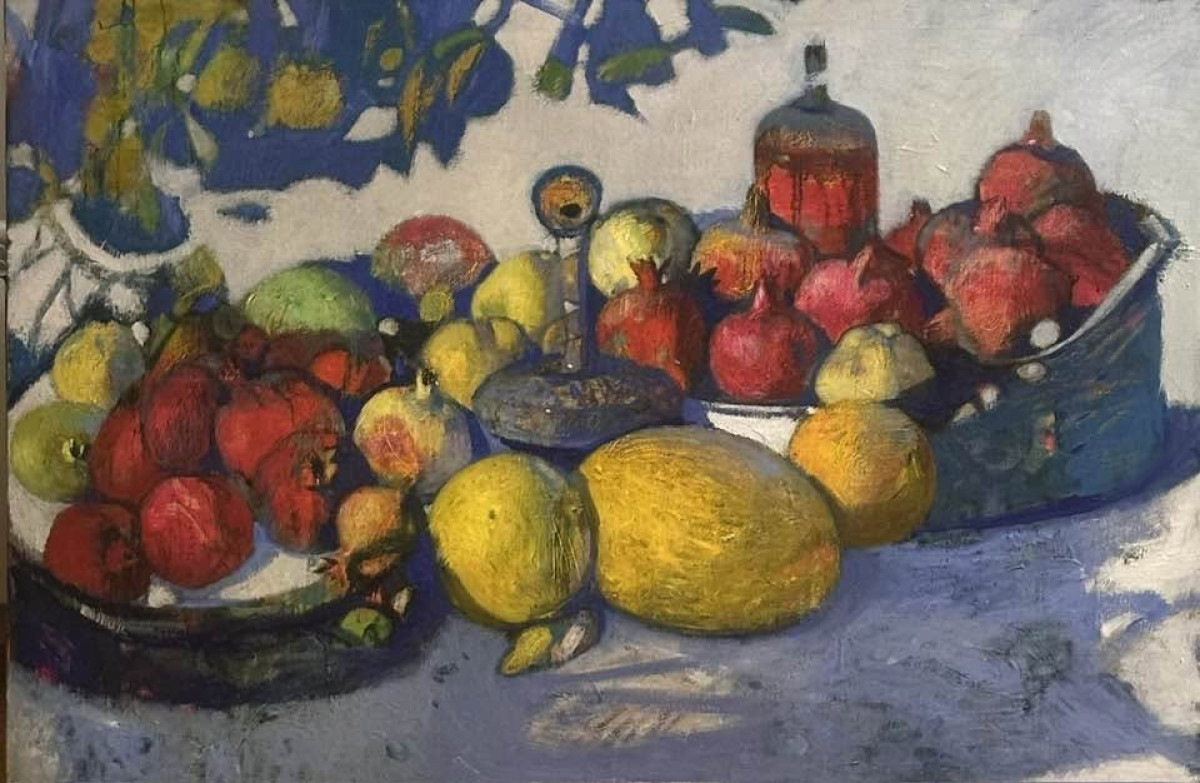
A notable place in his oeuvre is occupied by “My Uninterpreted Dreams”, a seven-part polyptych executed in pastel. This multi-panel composition allows the artist to explore relationships between colour, line and imagery on a broader scale. The integration of individual panels into a unified artistic structure defines the work's compositional coherence. In his still lifes and thematic paintings, the arrangement of objects, colour relationships and treatment of light likewise become essential elements in shaping the visual meaning. “Aktrisler” (1998) is another example of his interest in the human figure and the world of the stage.
Mammadov's work has been presented in exhibitions in various countries, bringing his artistic language into an international context. Following his first exhibition in Saint Petersburg in 1984, his paintings appeared in a range of international projects. In 2009, a solo exhibition was held at the European Parliament in Brussels as part of the Days of Azerbaijani Culture. In 2013, the Heydar Aliyev Center presented “The World of Colours”, an exhibition featuring 55 of his works. In 2019, the Tophane-i Amire Culture and Arts Centre in Istanbul hosted his exhibition “Opalism”. The inclusion of his works in the Luciano Benetton Collection's “Imago Mundi” project also contributed to the international presentation of his artistic practice.
Sakit Mammadov's art is grounded in an individual creative system that brings together the emotional and aesthetic potential of colour, the human image, cultural memory and personal imagination. In his painting, representation extends beyond the visible world to become a means of expressing inner experience, associations and artistic thought. His distinctive visual language occupies a recognisable place in contemporary Azerbaijani painting, expanding its expressive possibilities through a particular understanding of colour and image.
Art Space Gallery MEDIA