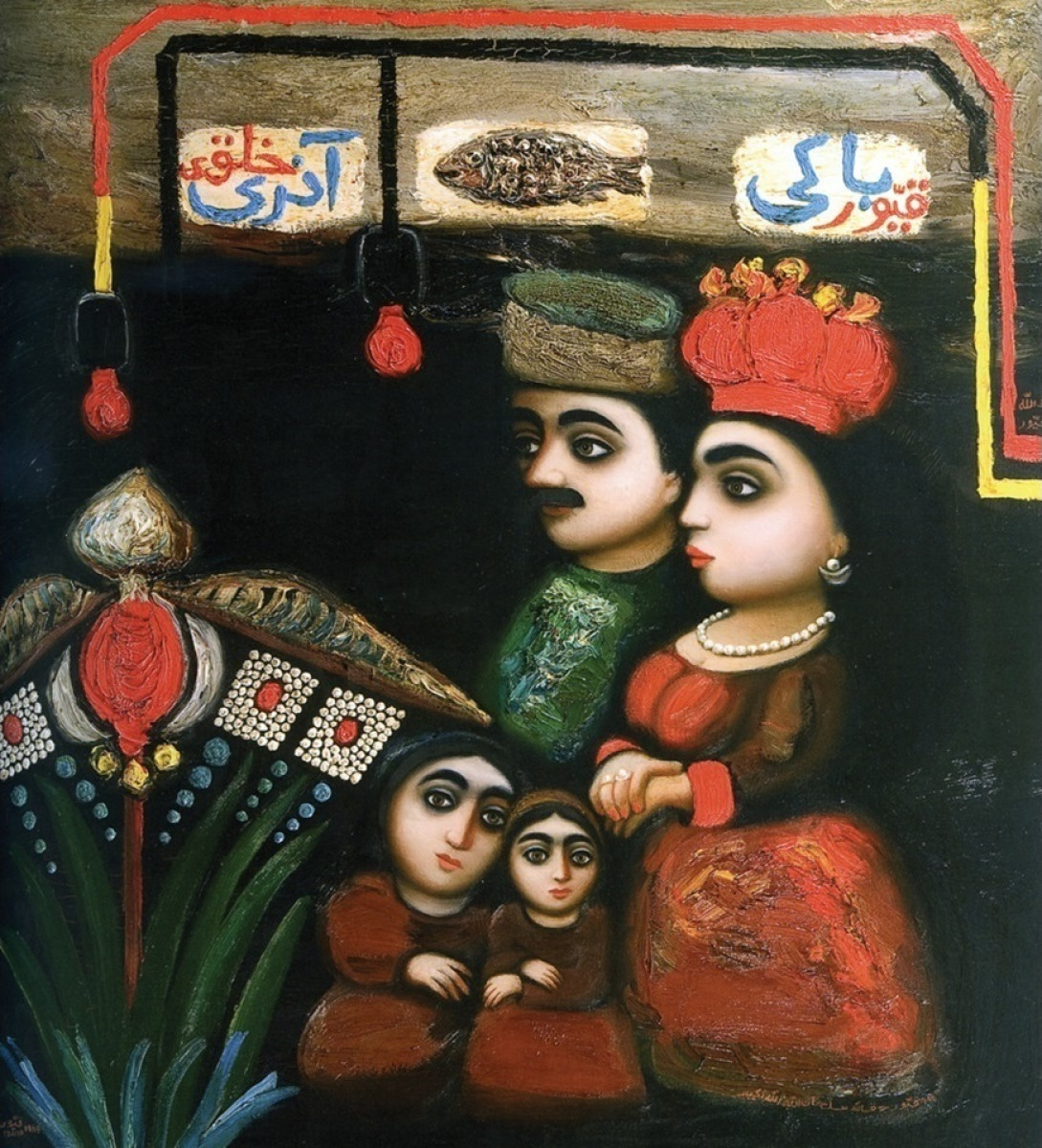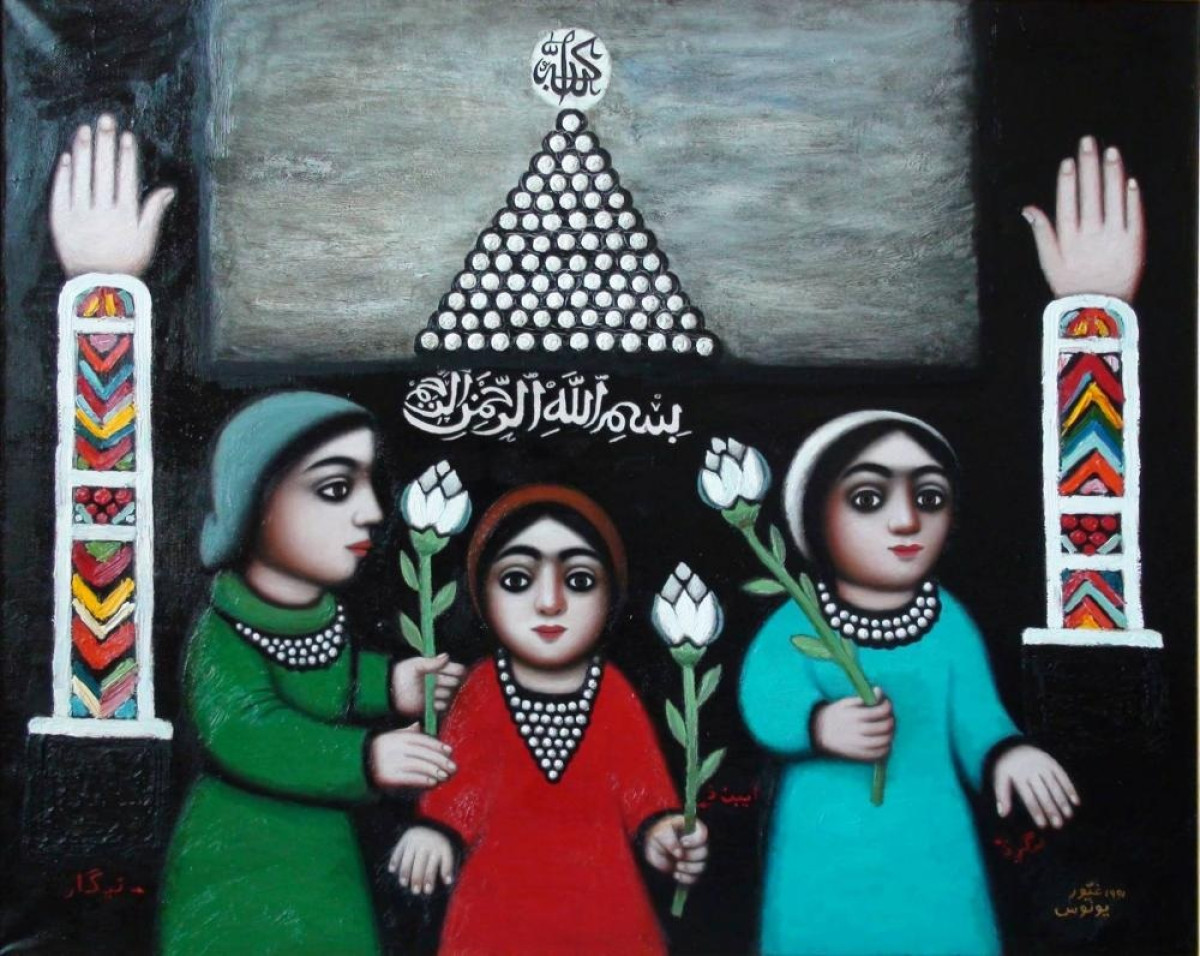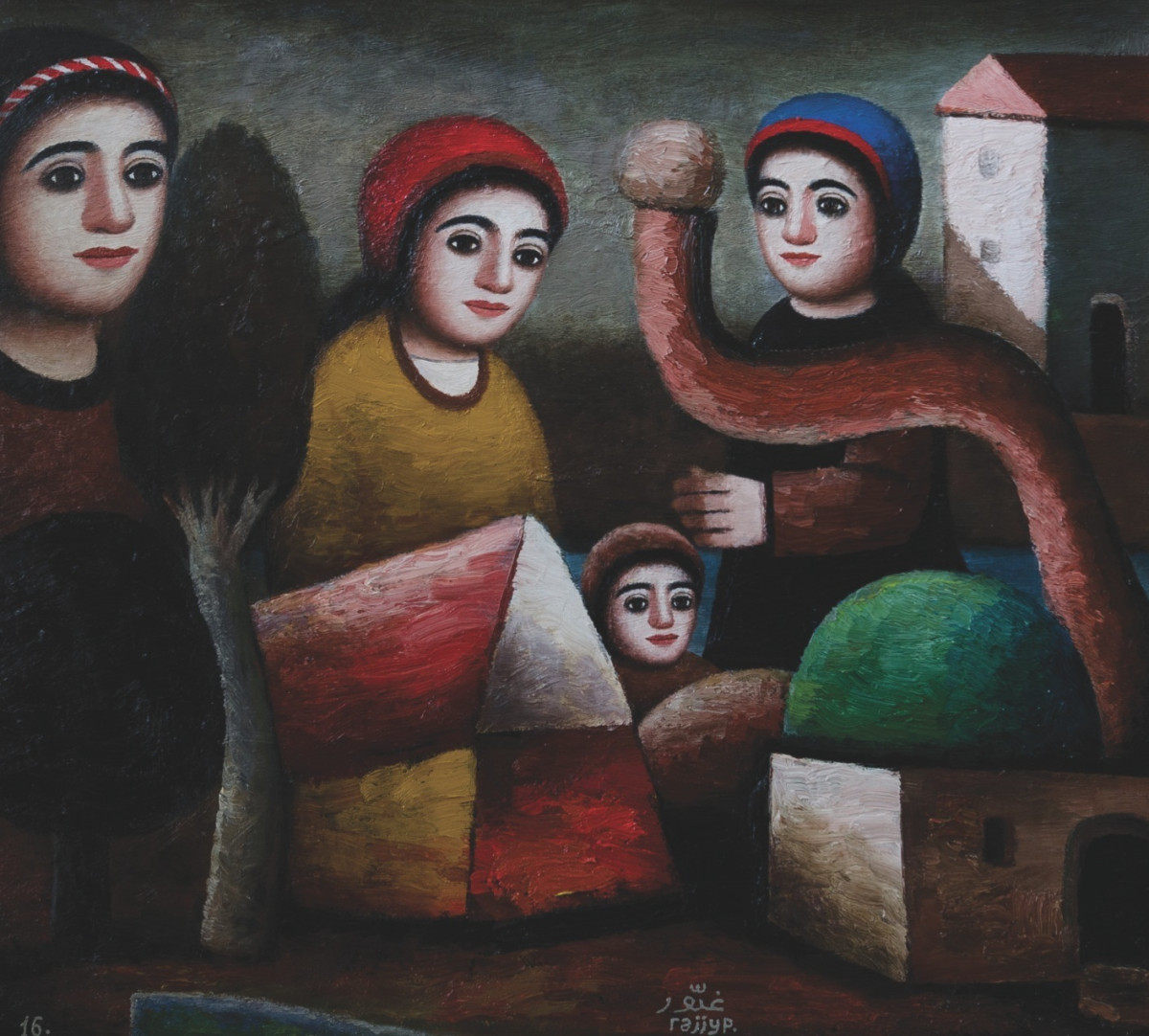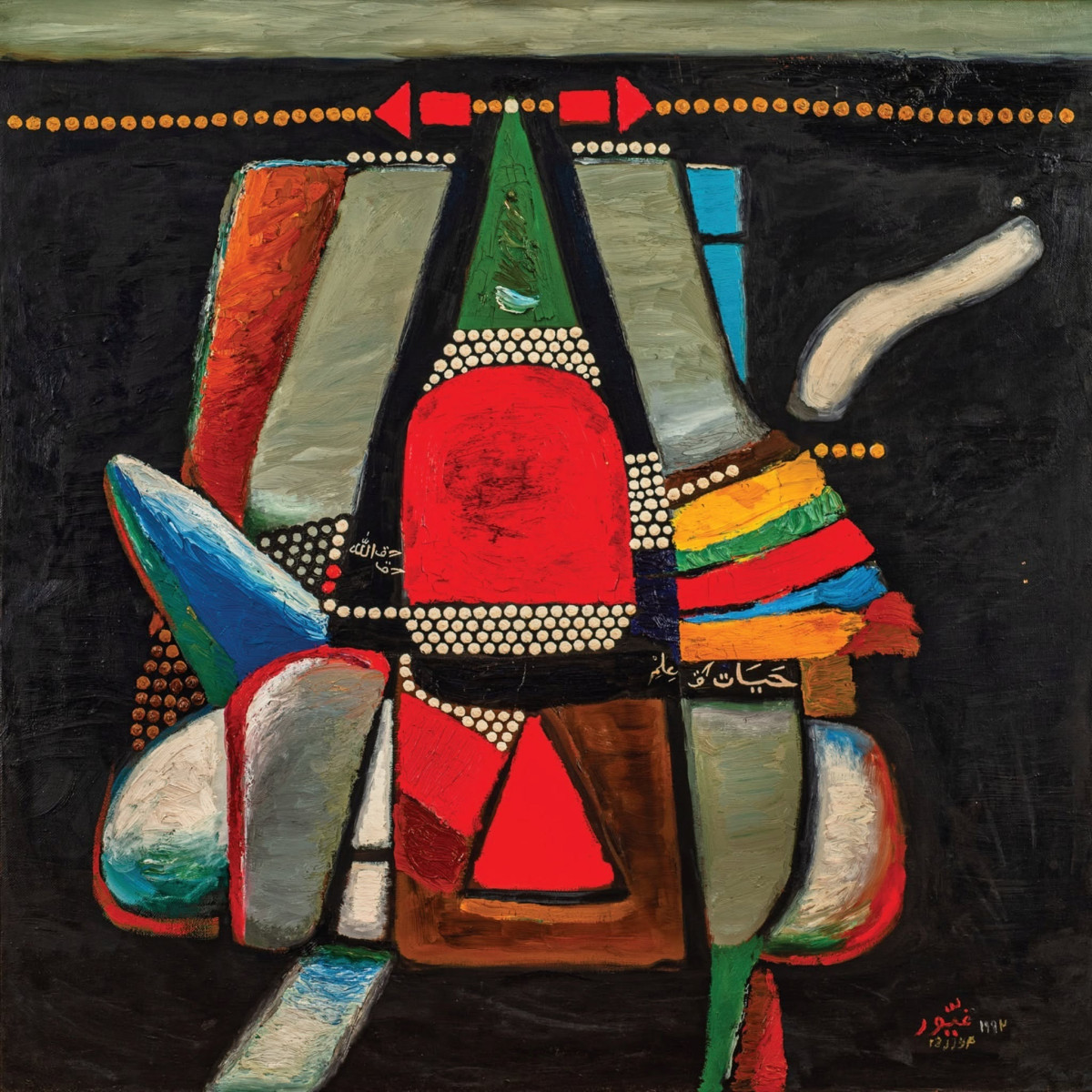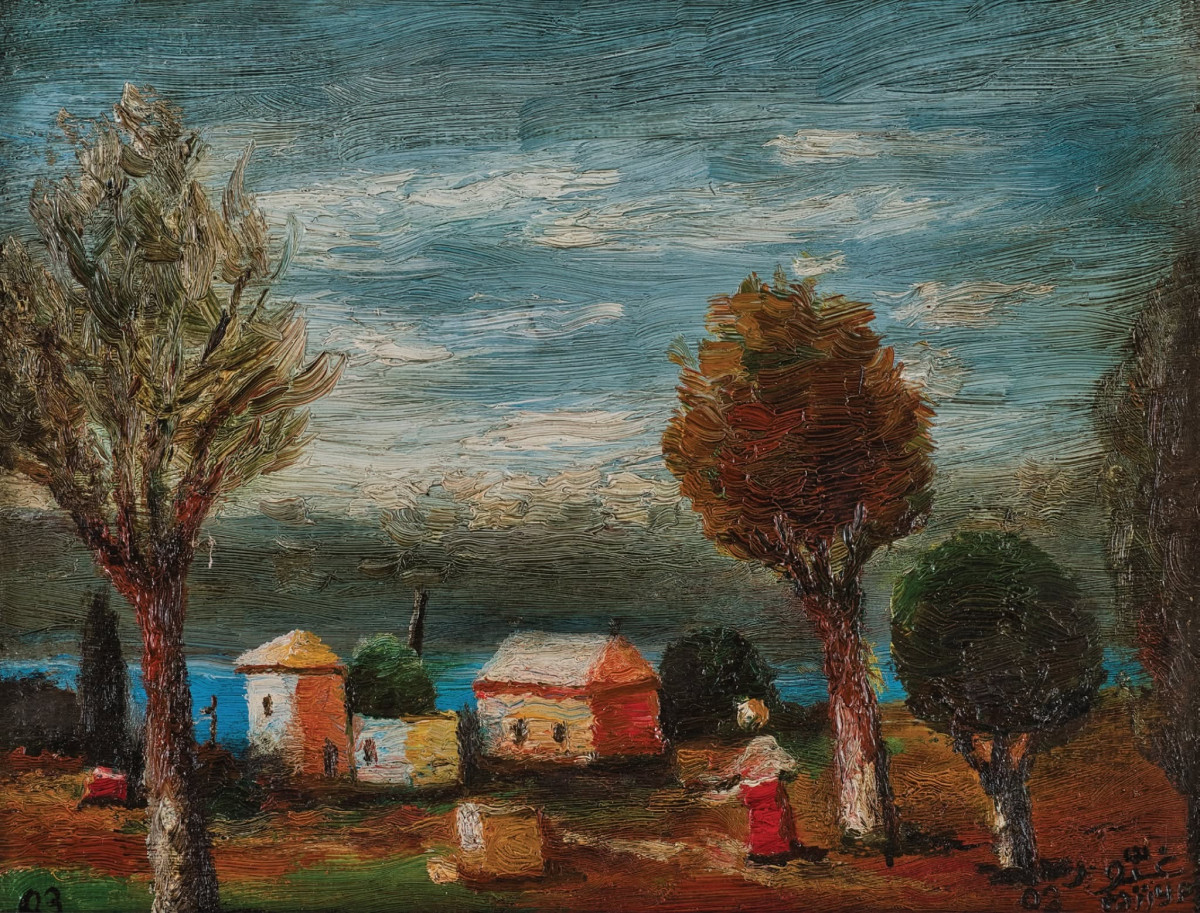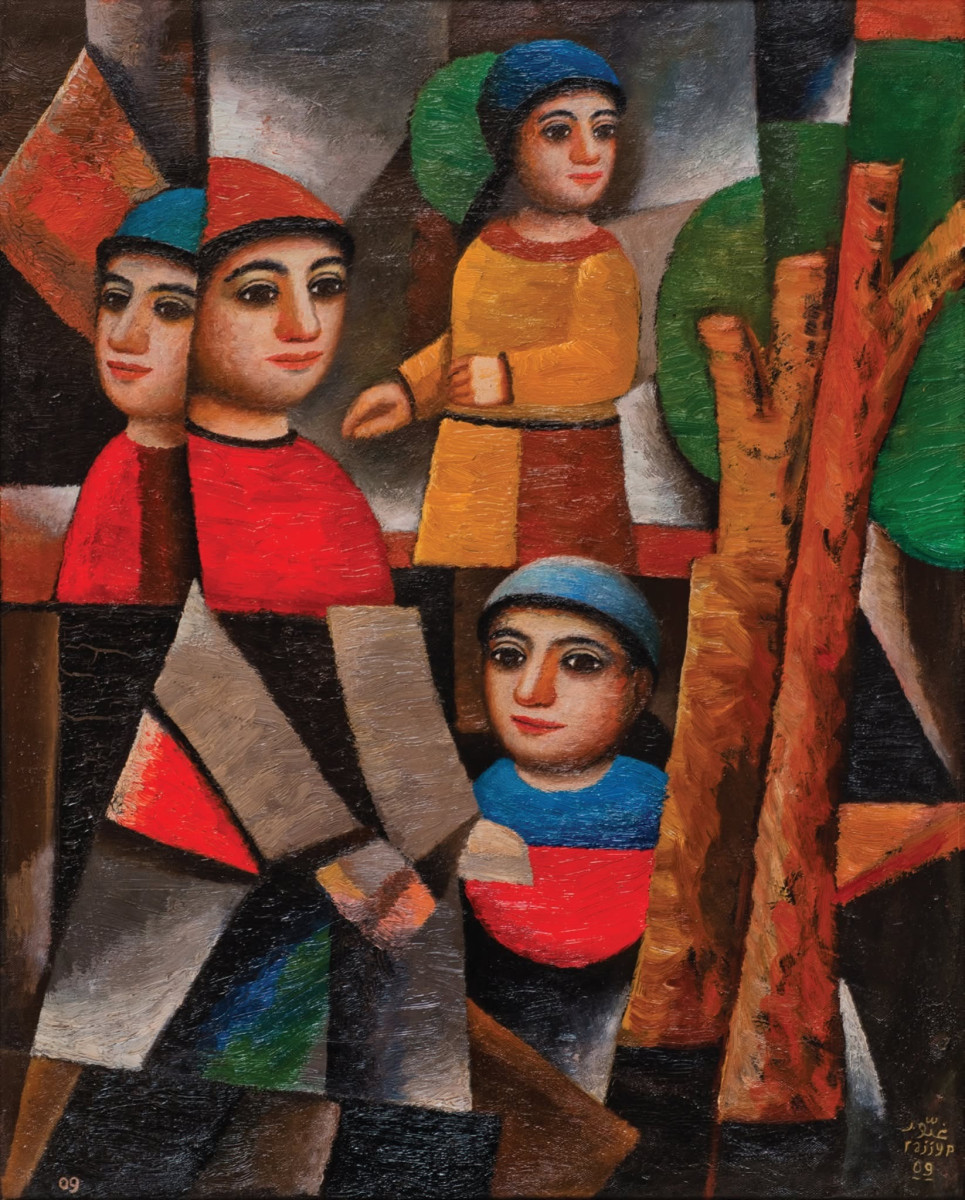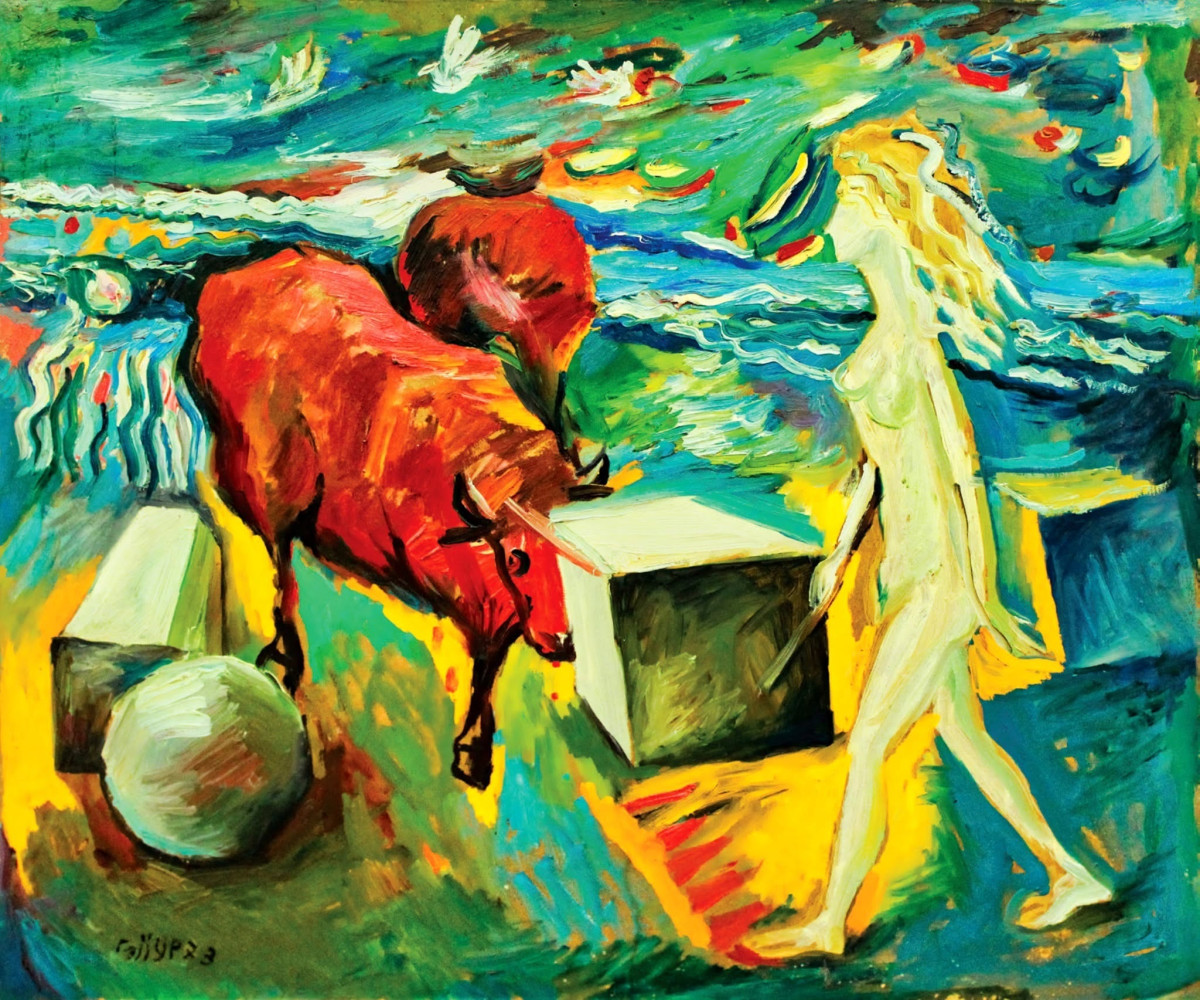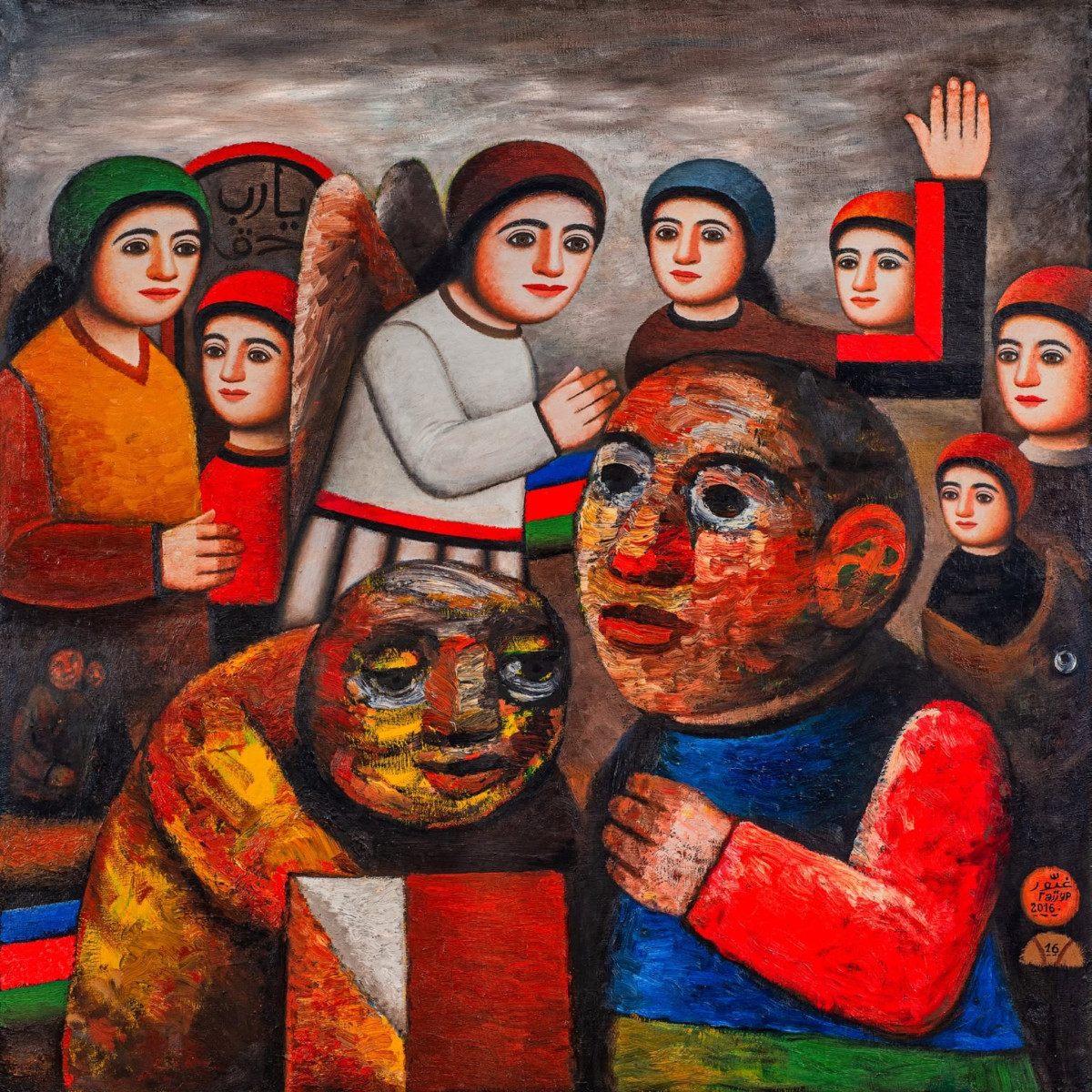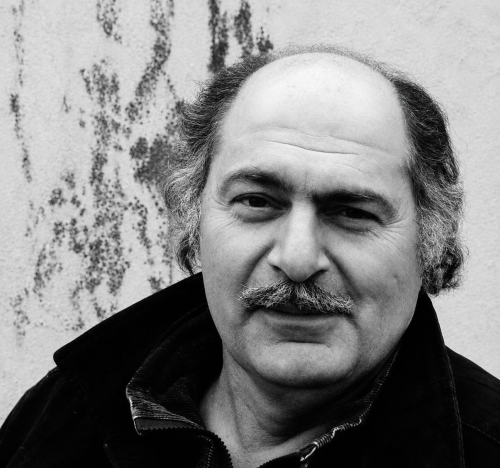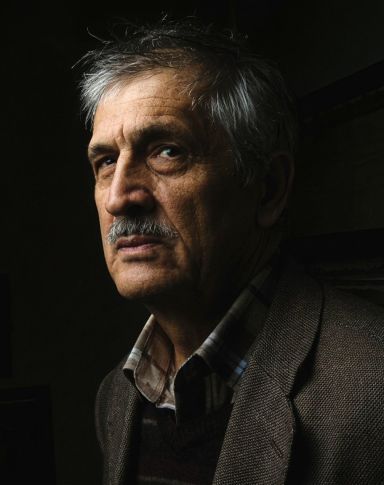
Gayyur Habil oglu Yunusov, known professionally as Gayyur Yunus, was born on 26 March 1948 in Amirjan, Baku. An individual voice in Azerbaijani painting, he studied at the Azim Azimzade Baku Art School from 1967 to 1971 and continued his education at the Tbilisi State Academy of Arts, graduating in 1977. He began participating in exhibitions in 1972 and became a member of the Artists' Unions of Azerbaijan and the Soviet Union in 1980. His artistic formation was closely connected with the cultural environment of Amirjan and his family and artistic relationship with Sattar Bahlulzade. Yunus received the Humay Award in 1995, was named Honoured Artist of Azerbaijan in 2002 and People's Artist of Azerbaijan in 2015. In 2011, he was awarded the Tərəqqi Medal.
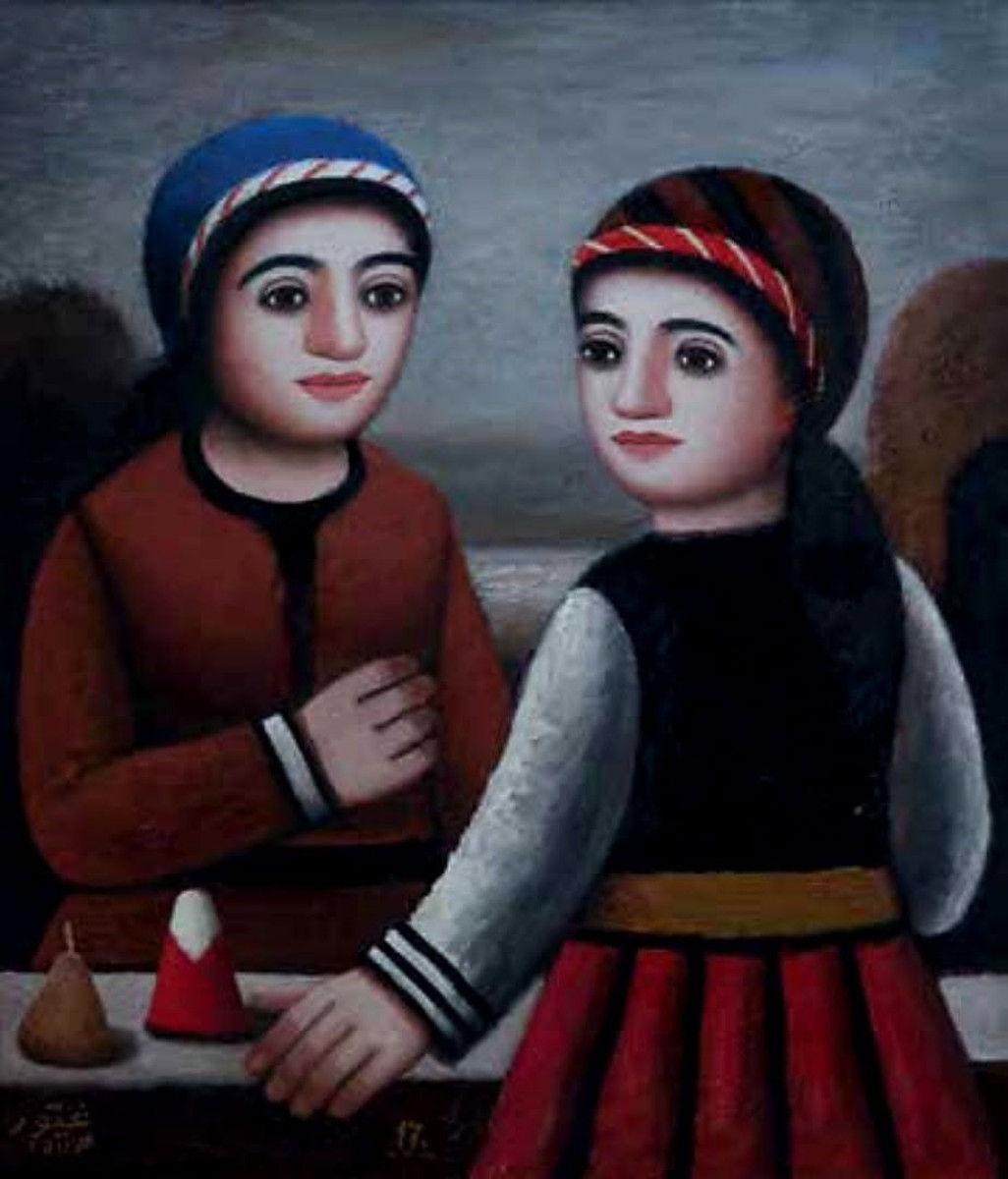
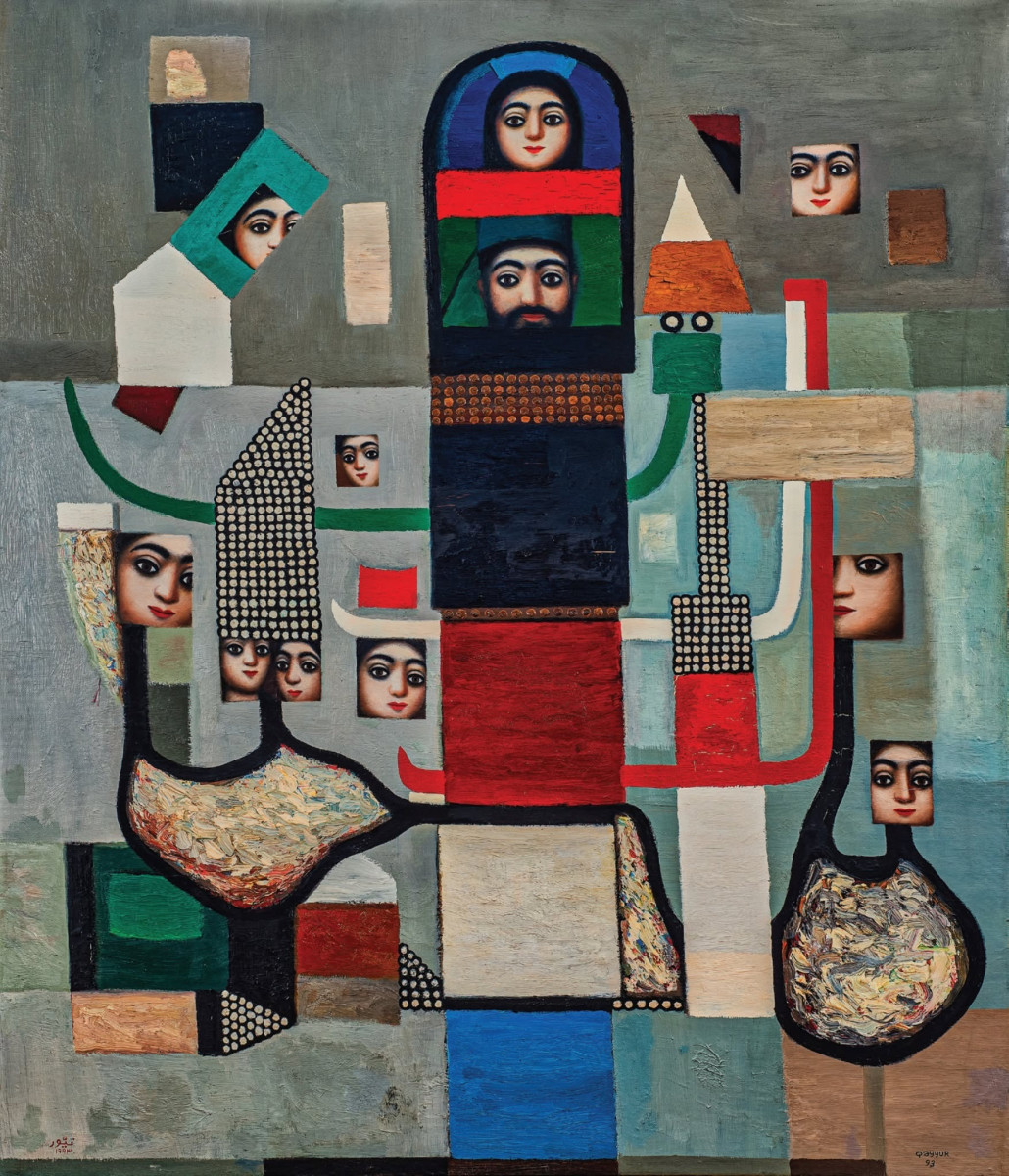
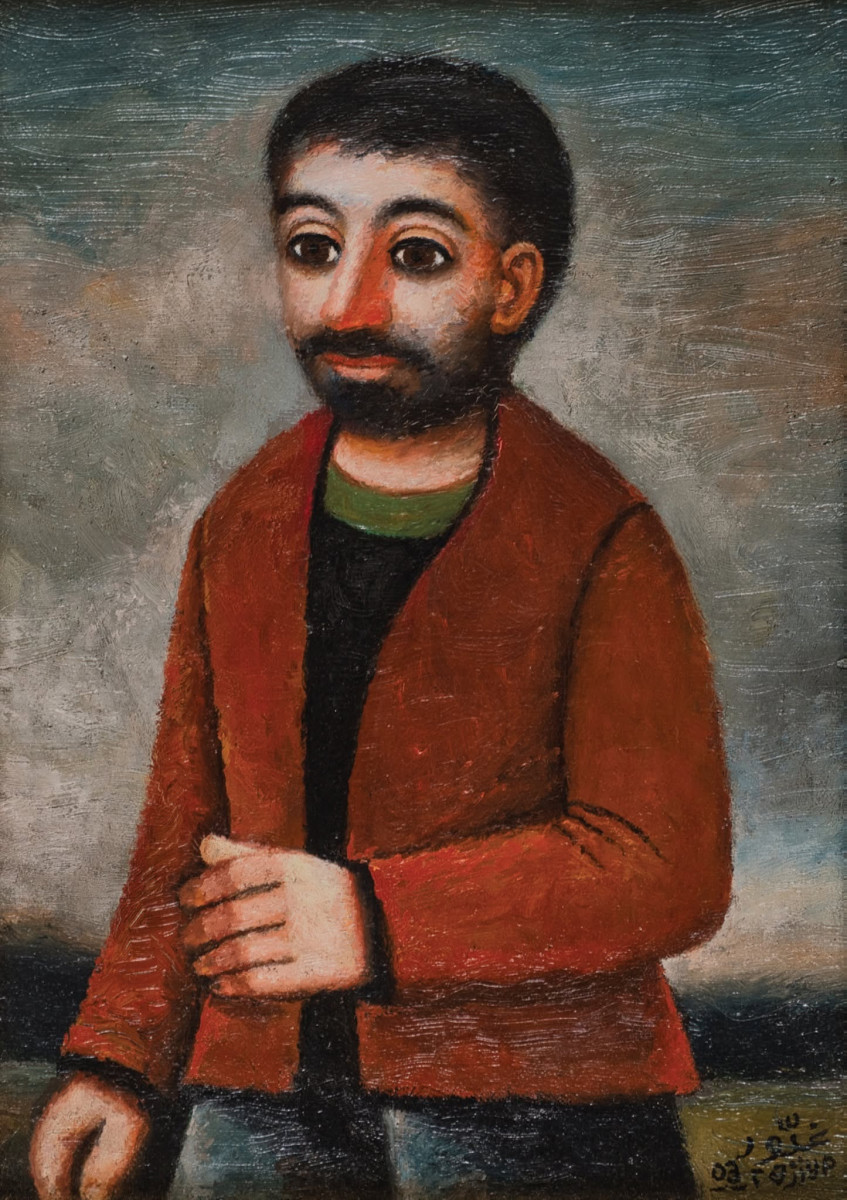
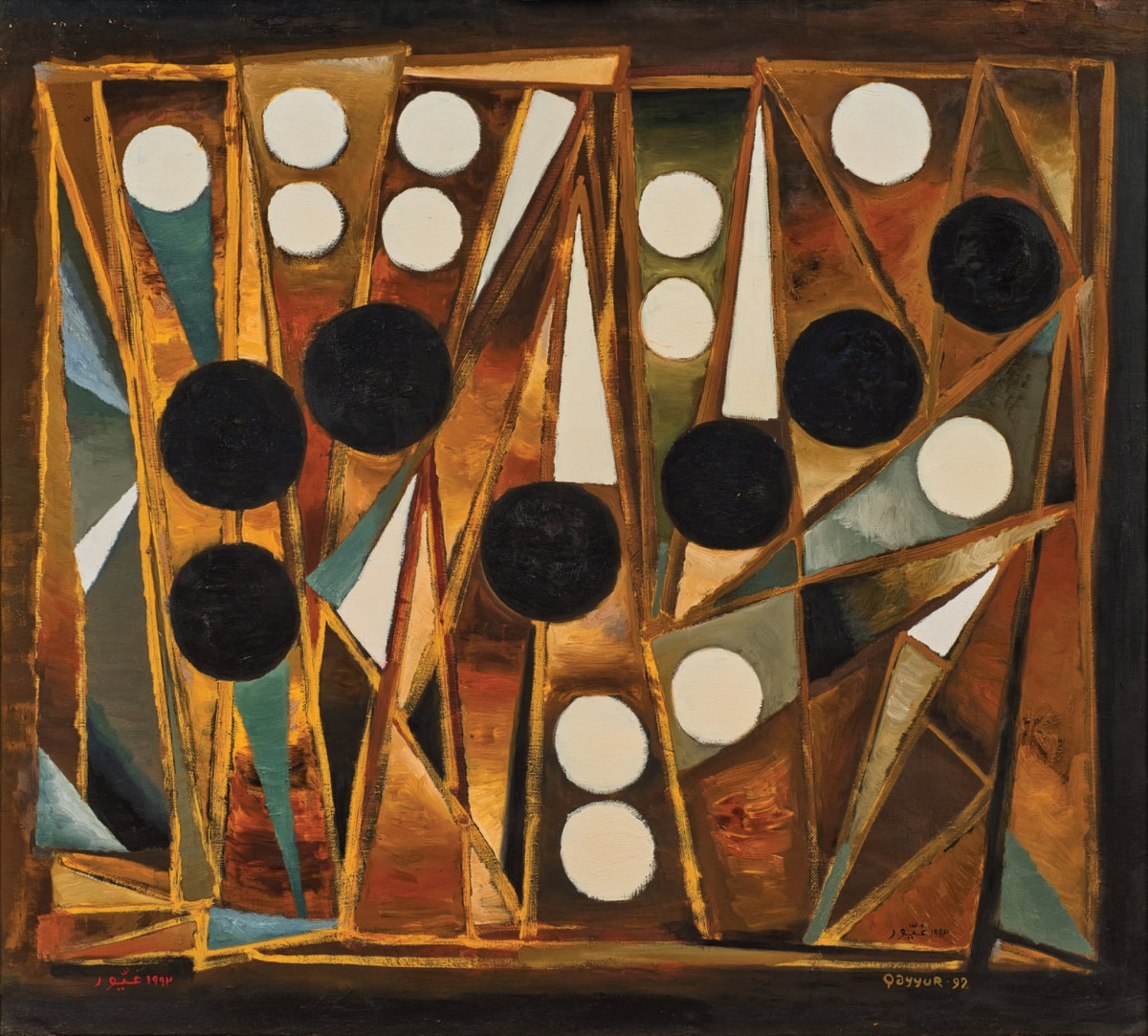
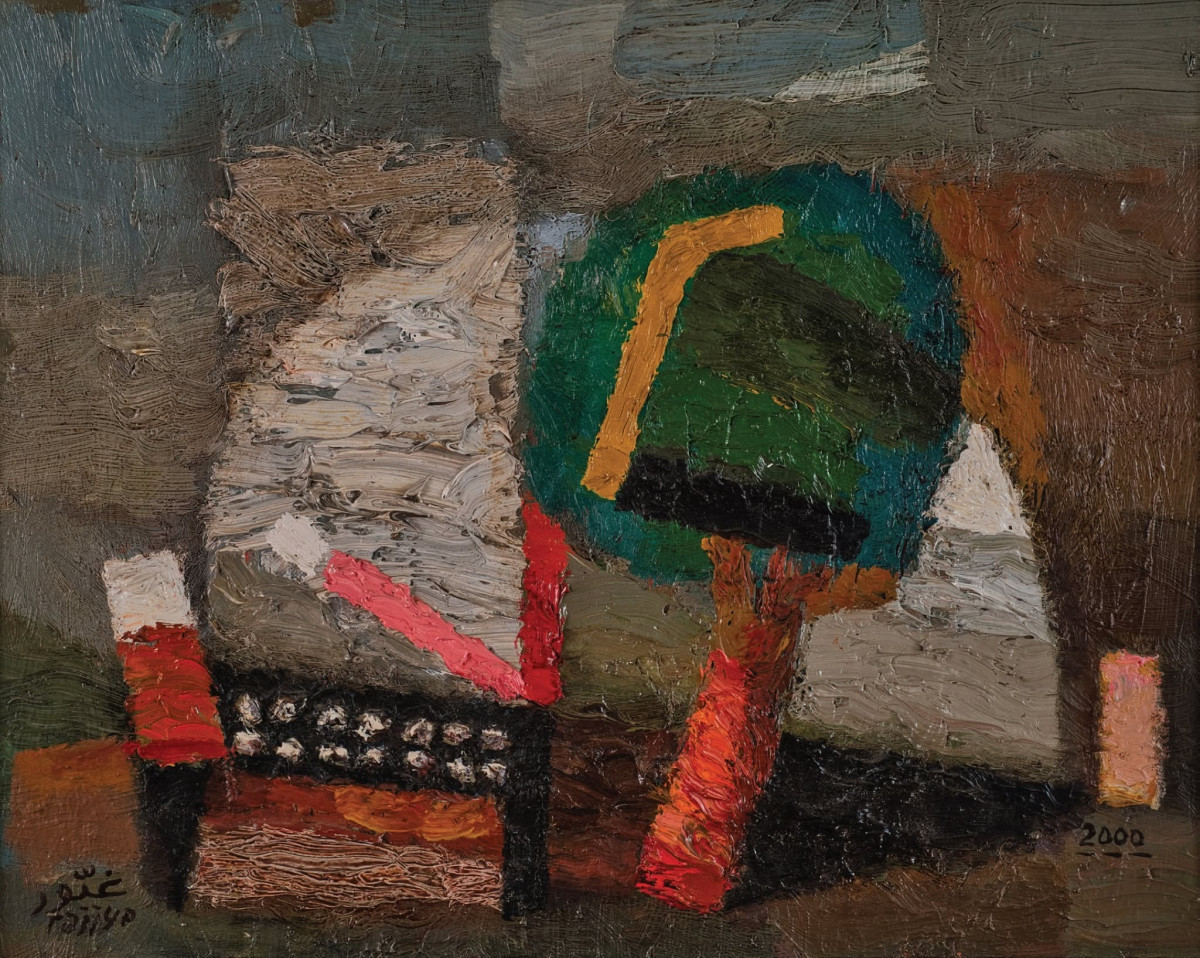
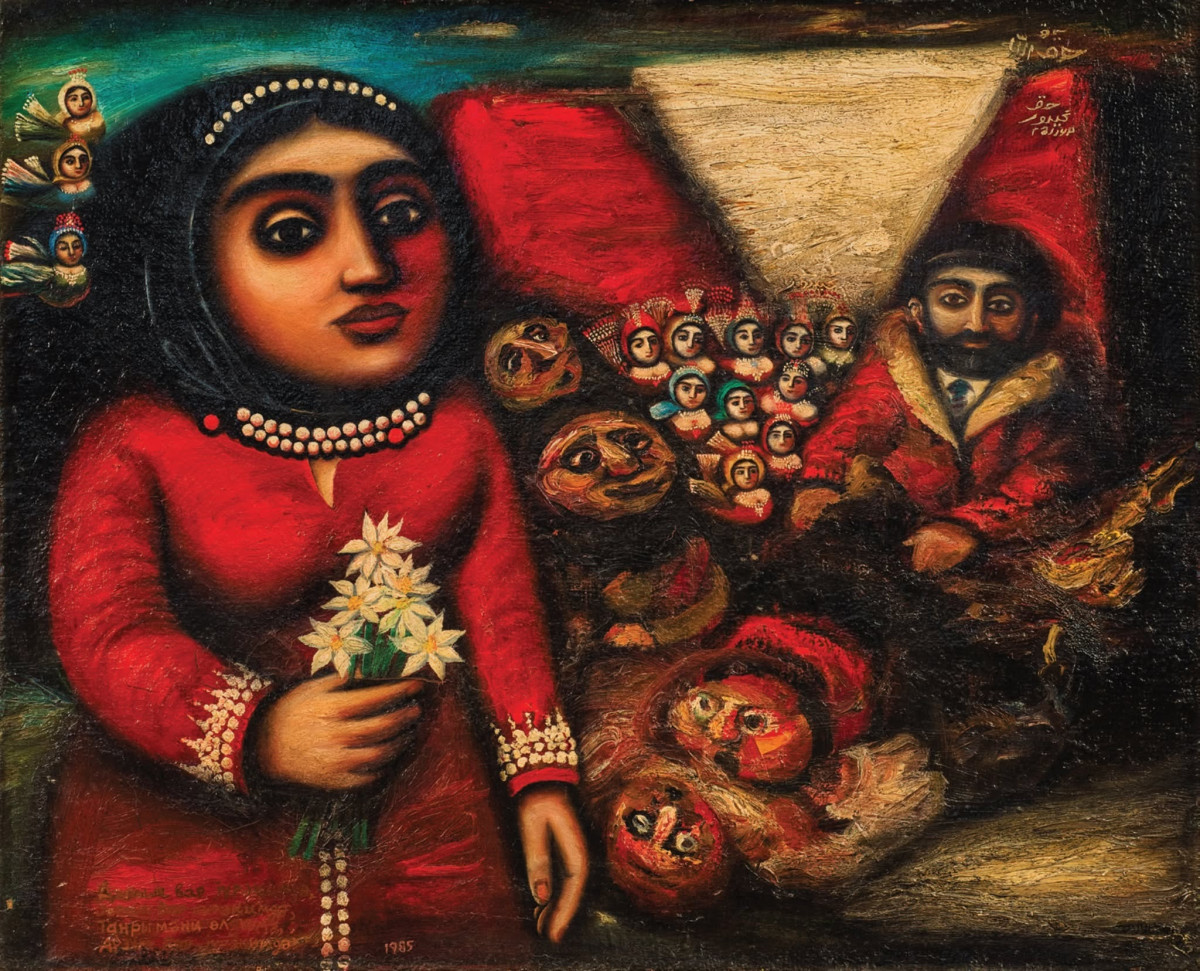
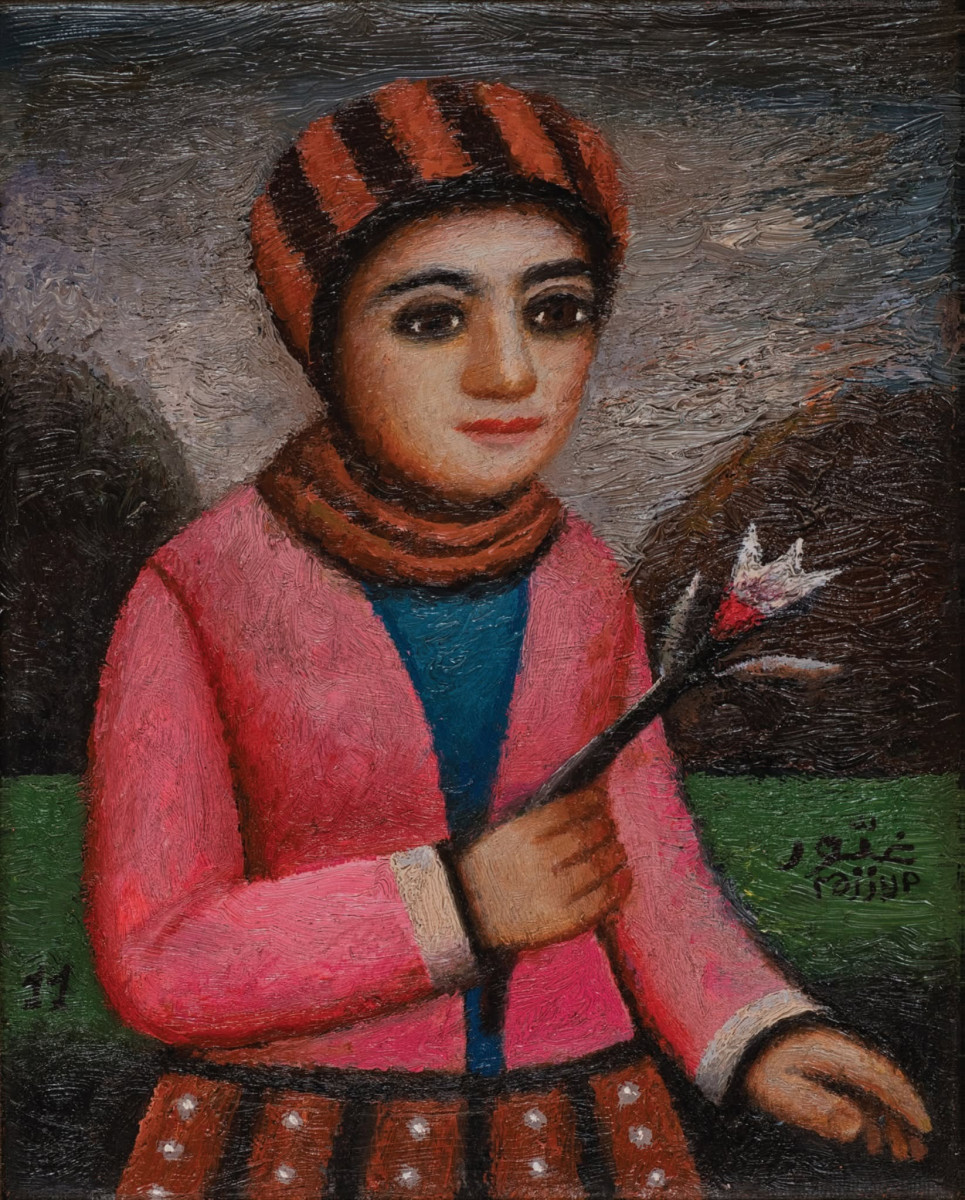
The distinctive character of Yunus's painting lies in his relationship with Eastern visual traditions. Rather than treating historical heritage as a collection of fixed forms to be reproduced, he approaches it as a source of individual artistic expression. Elements of Eastern portraiture, ornamental thinking and symbolic representation can be observed throughout his work. Certain visual affinities with portrait painting of the historical Qajar period also invite consideration of his art within the broader context of Eastern aesthetics. These affinities, however, should not be interpreted as evidence that his work belongs to a single historical school. His artistic language is better understood as an individual synthesis of diverse cultural influences.
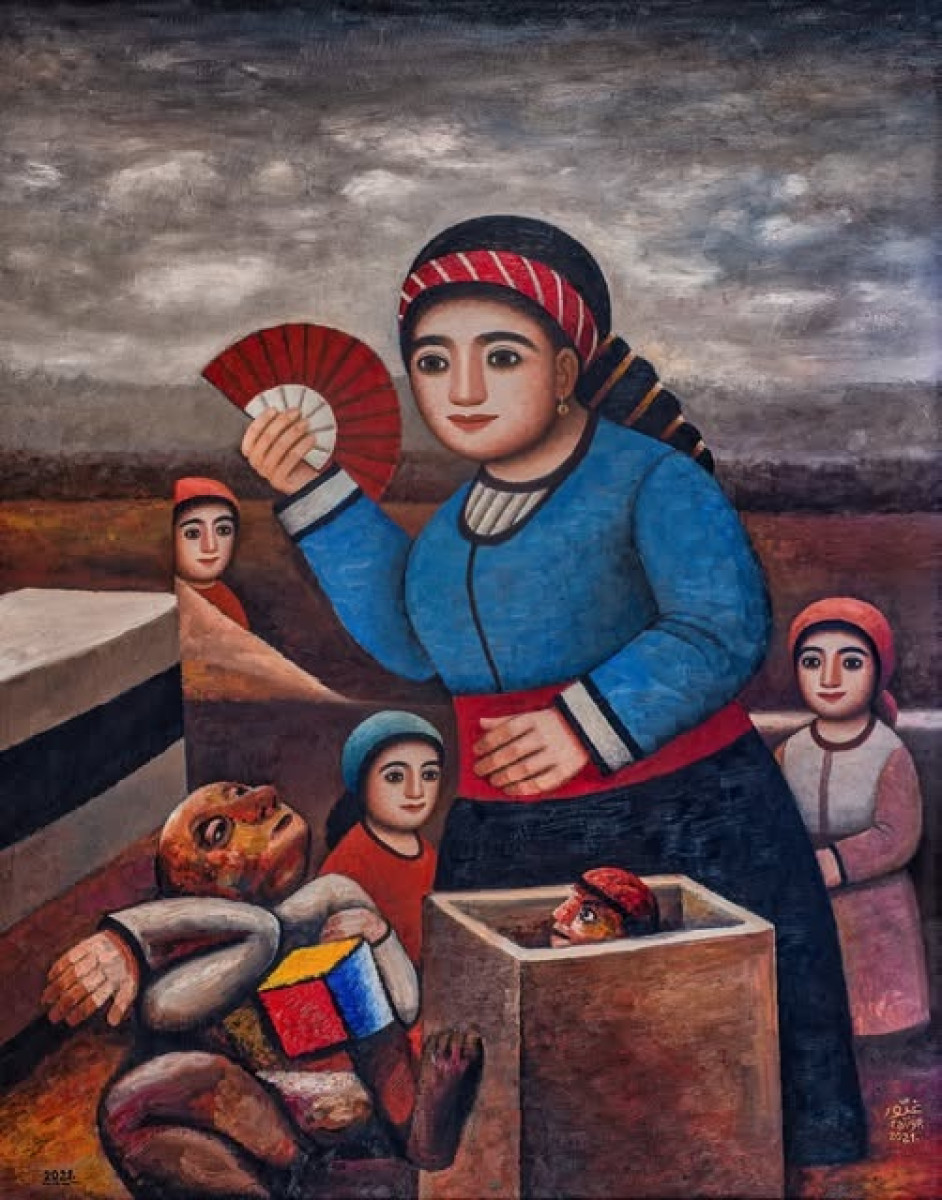
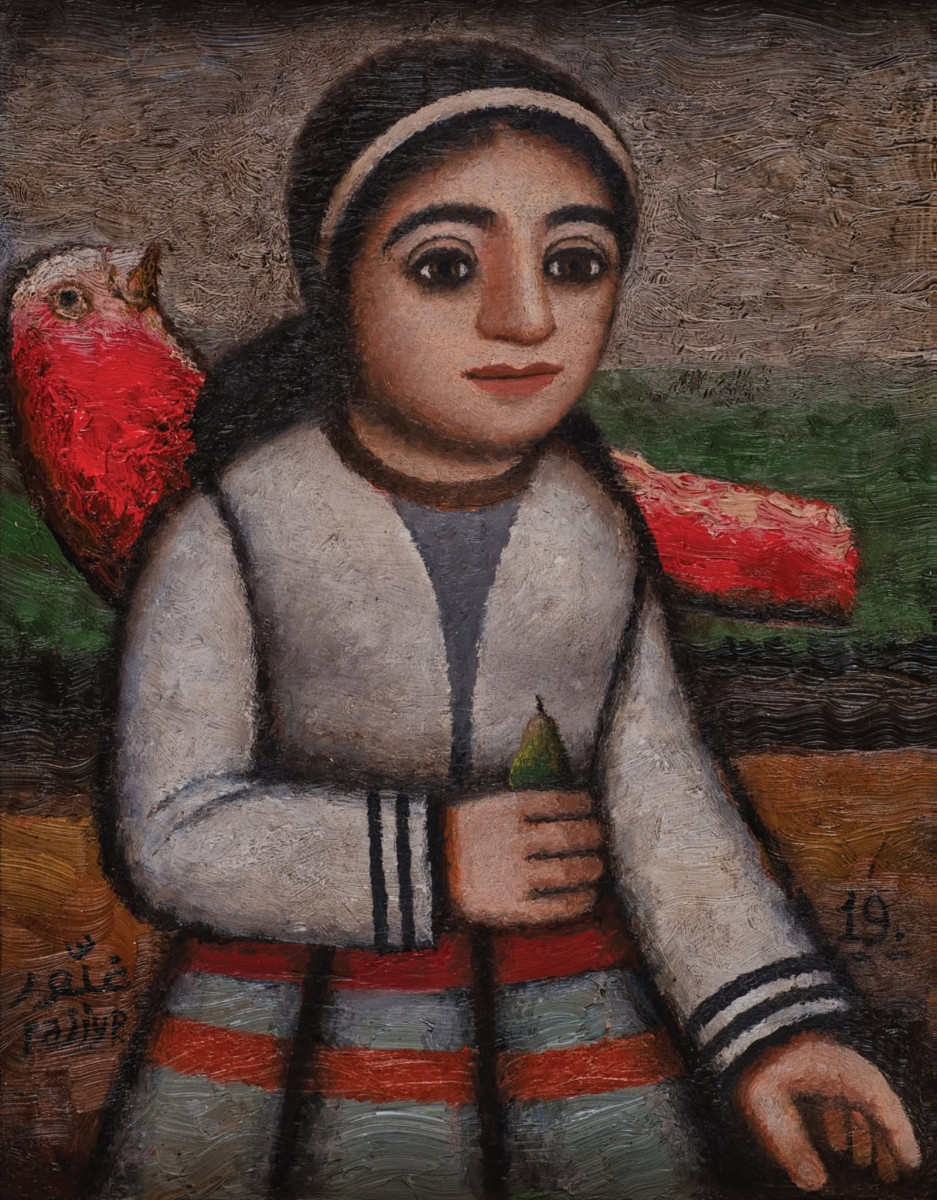
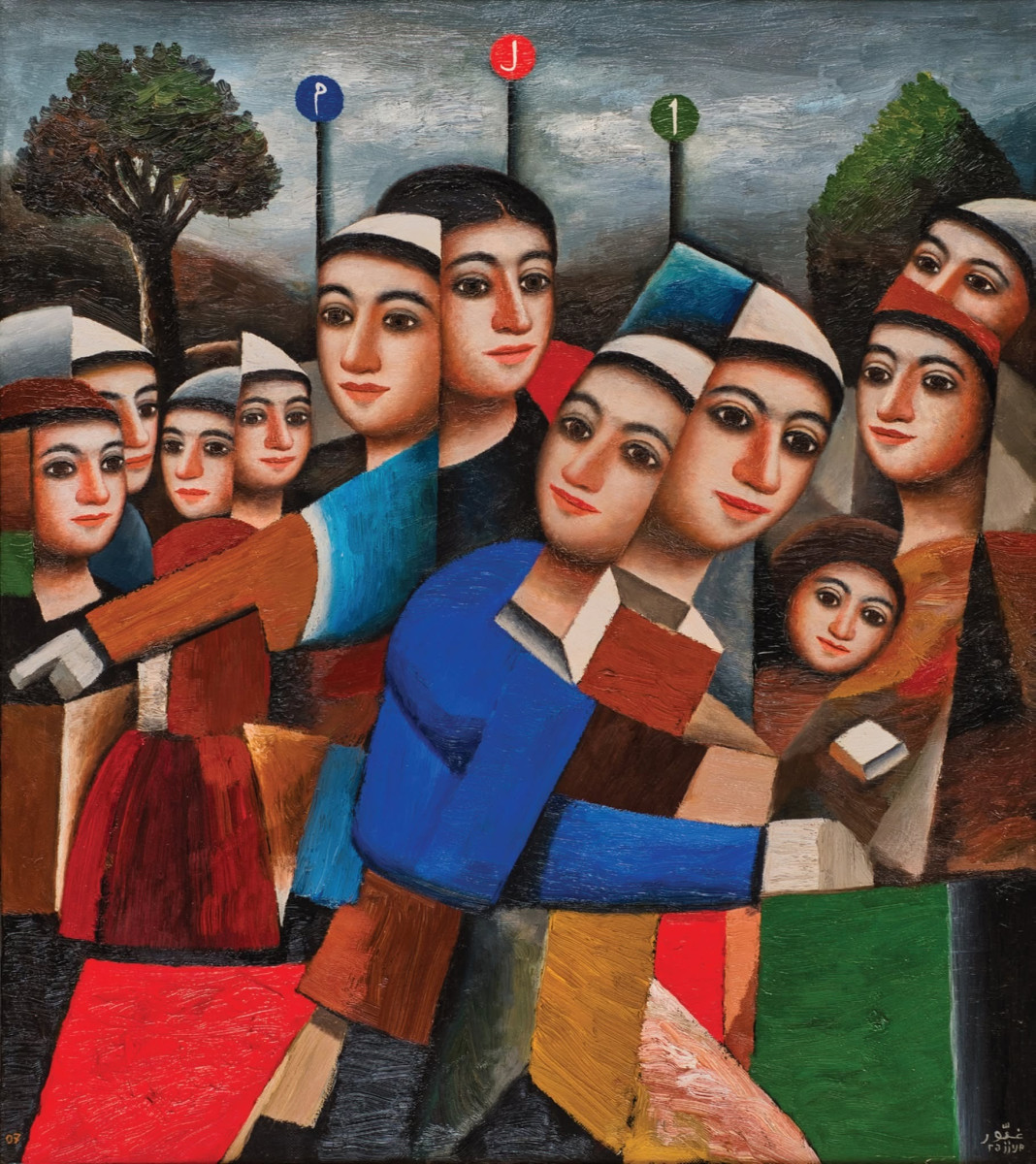
The female figure is among the most recognisable elements of Yunus's artistic world. His portraits extend beyond physical likeness, presenting the human face as a site of spiritual presence and cultural identity. The composure of the figures, the expressive character of their gazes and the carefully considered relationship between costume and composition contribute to an ideal of beauty rooted in restraint, dignity and inner harmony. These representations can also be understood as an exploration of the Azerbaijani woman's place within collective cultural memory.
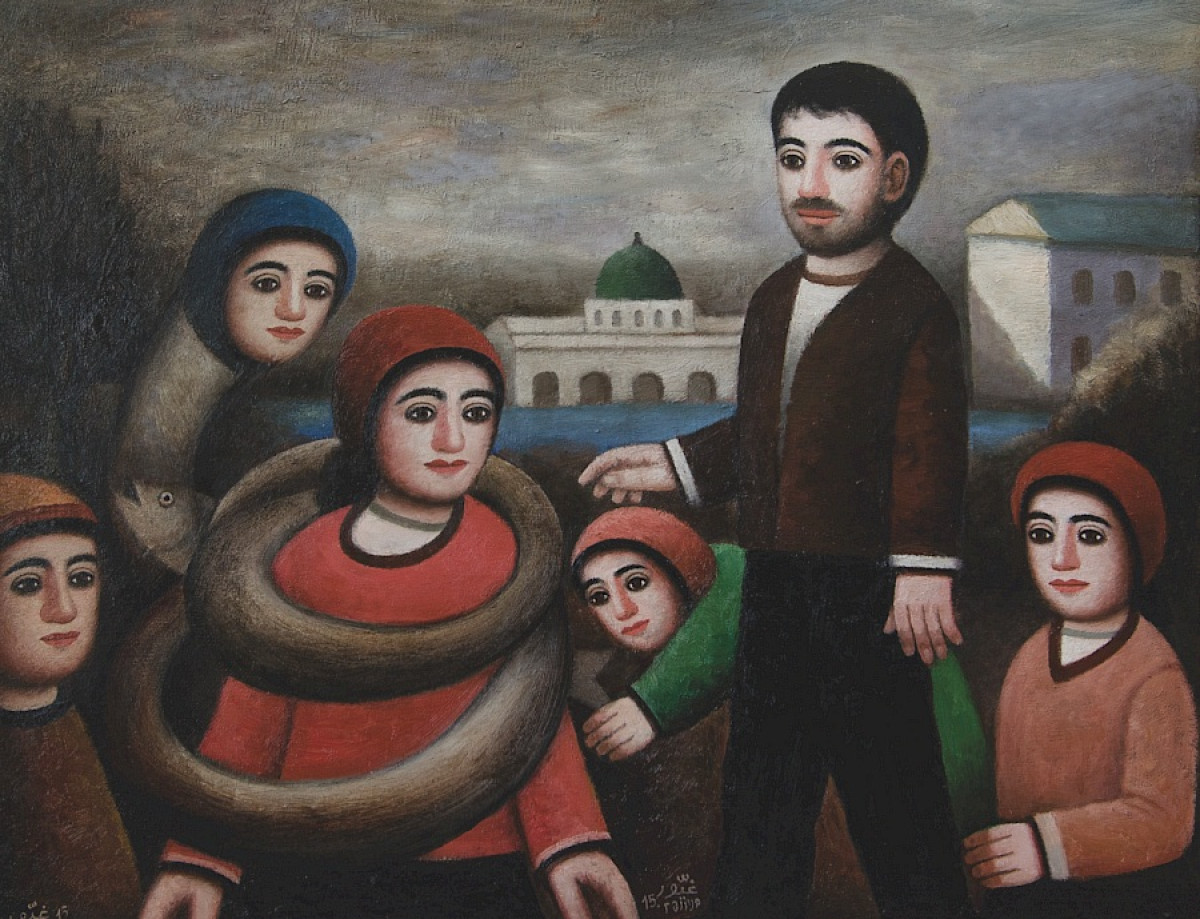
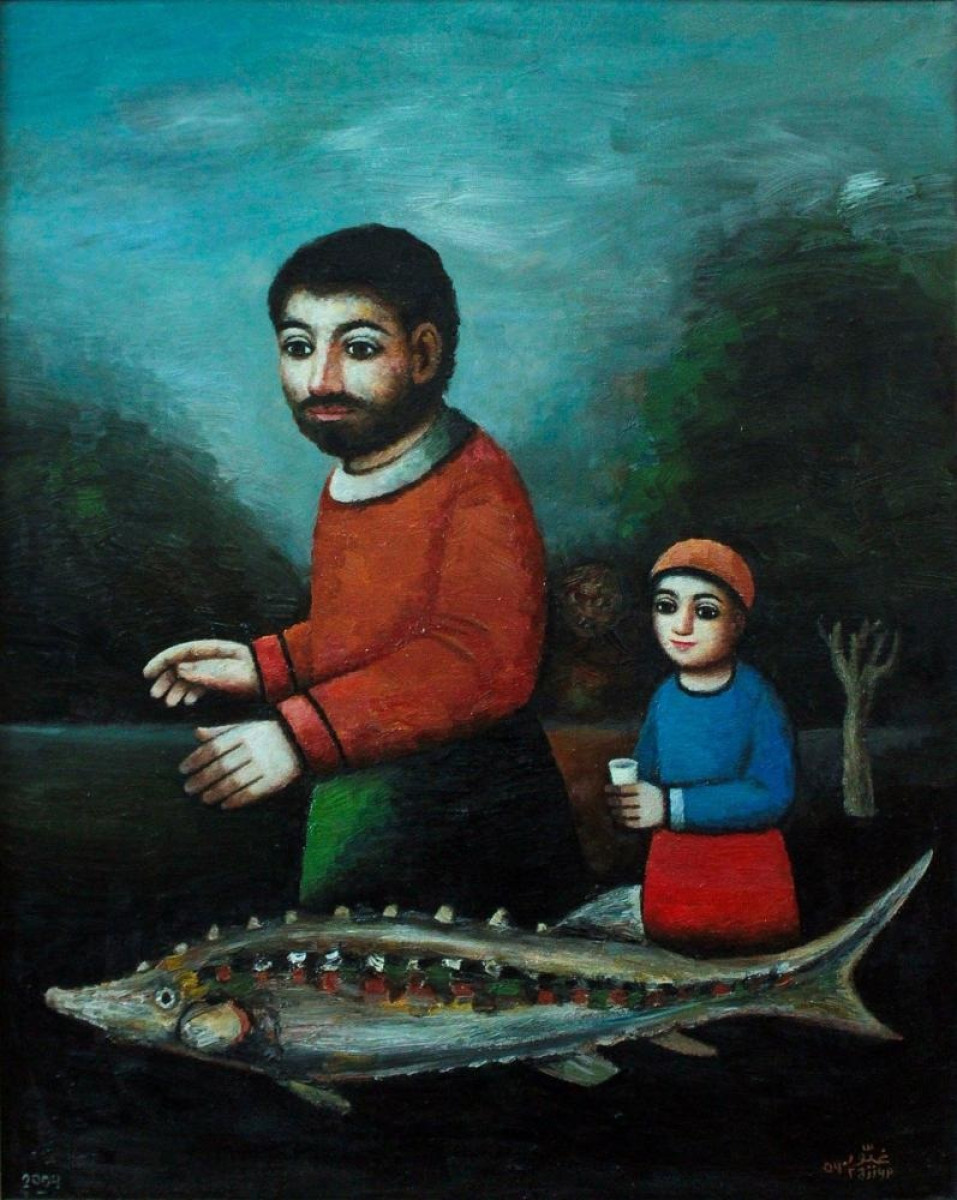
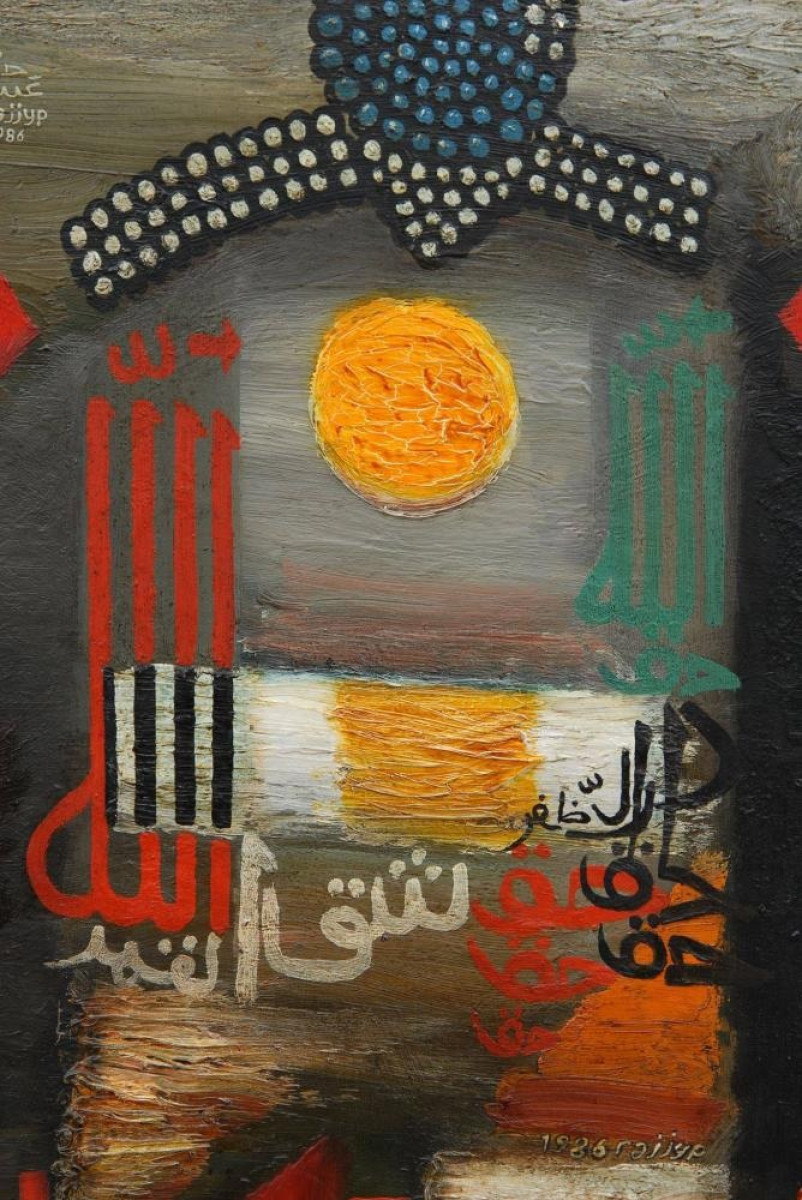
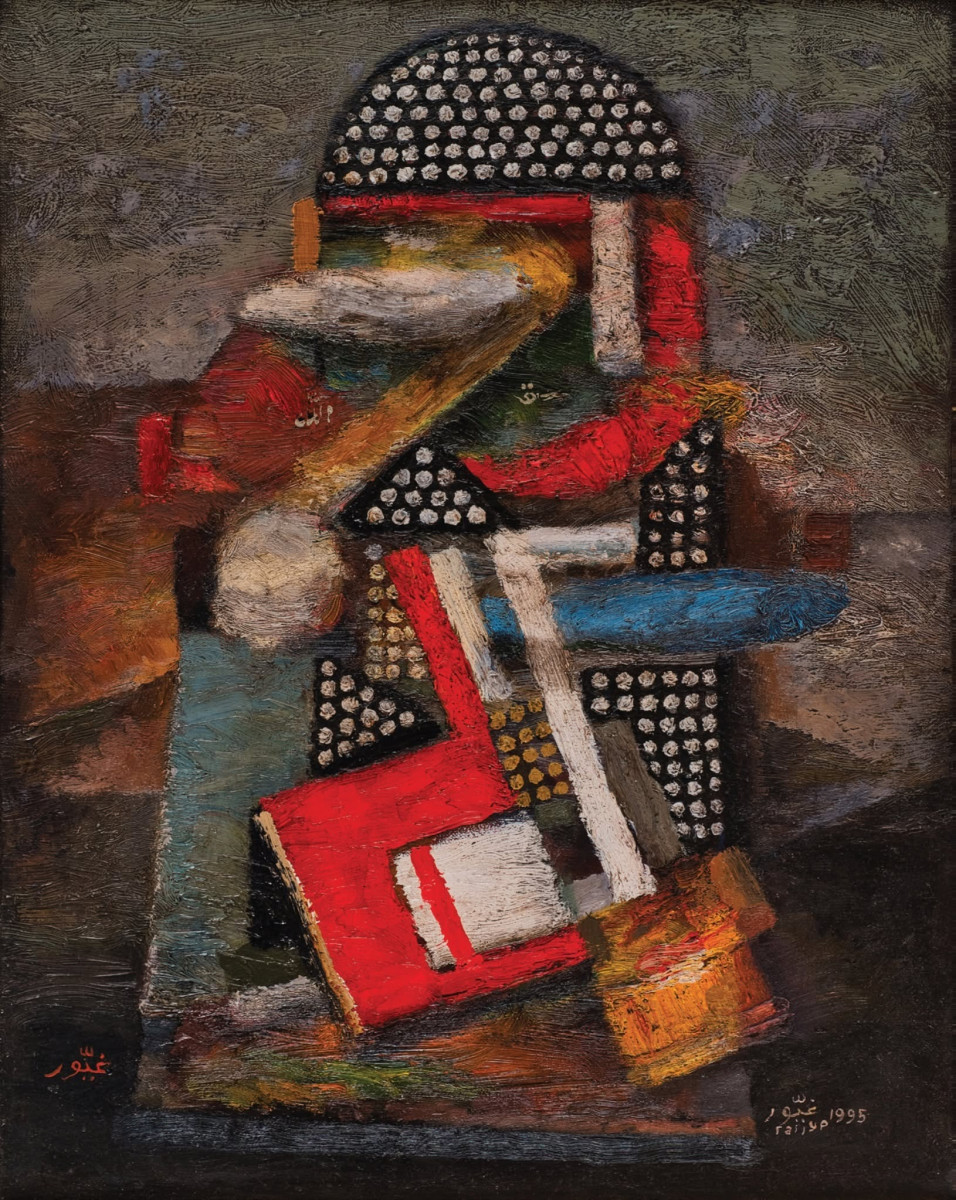
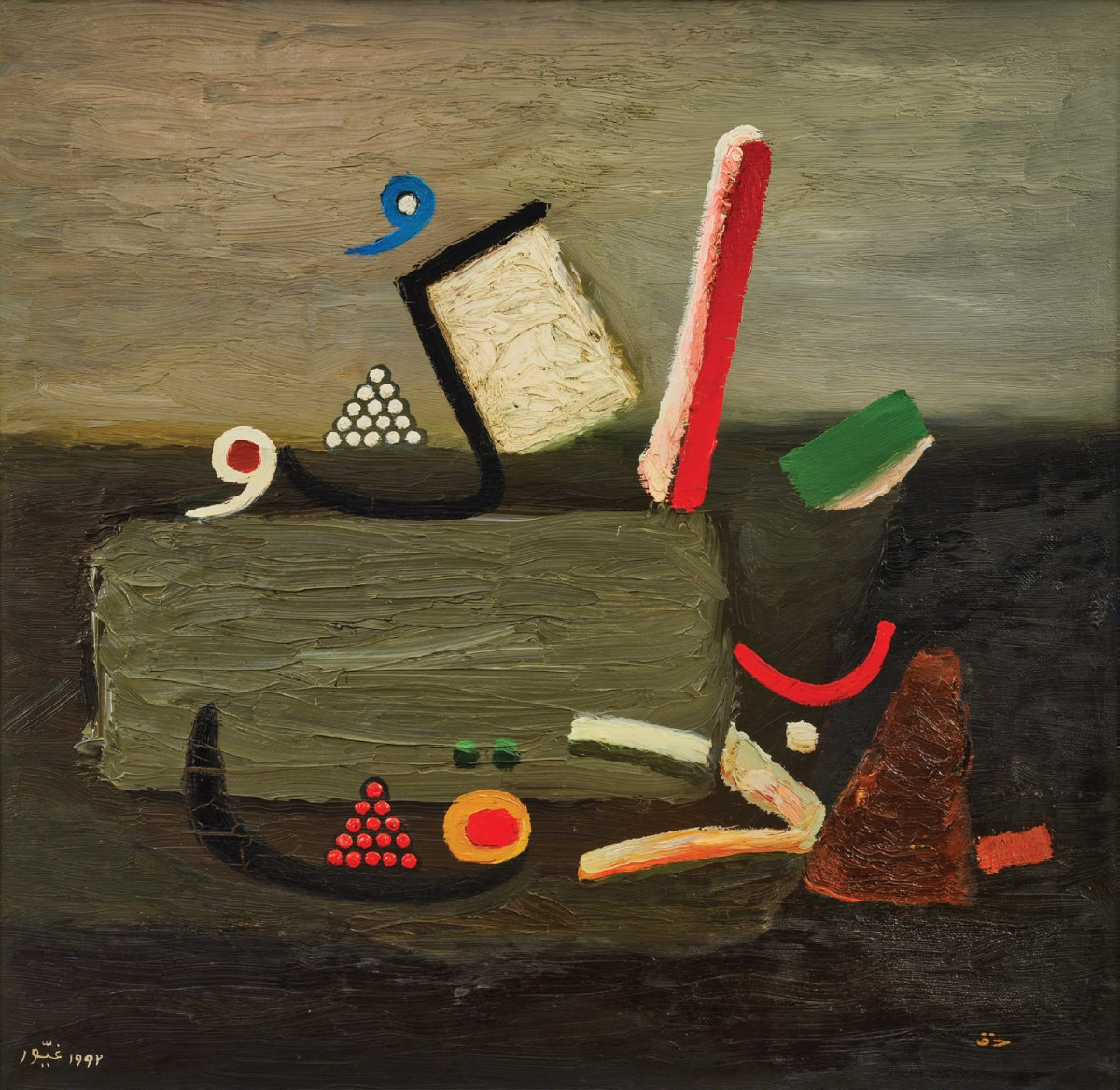
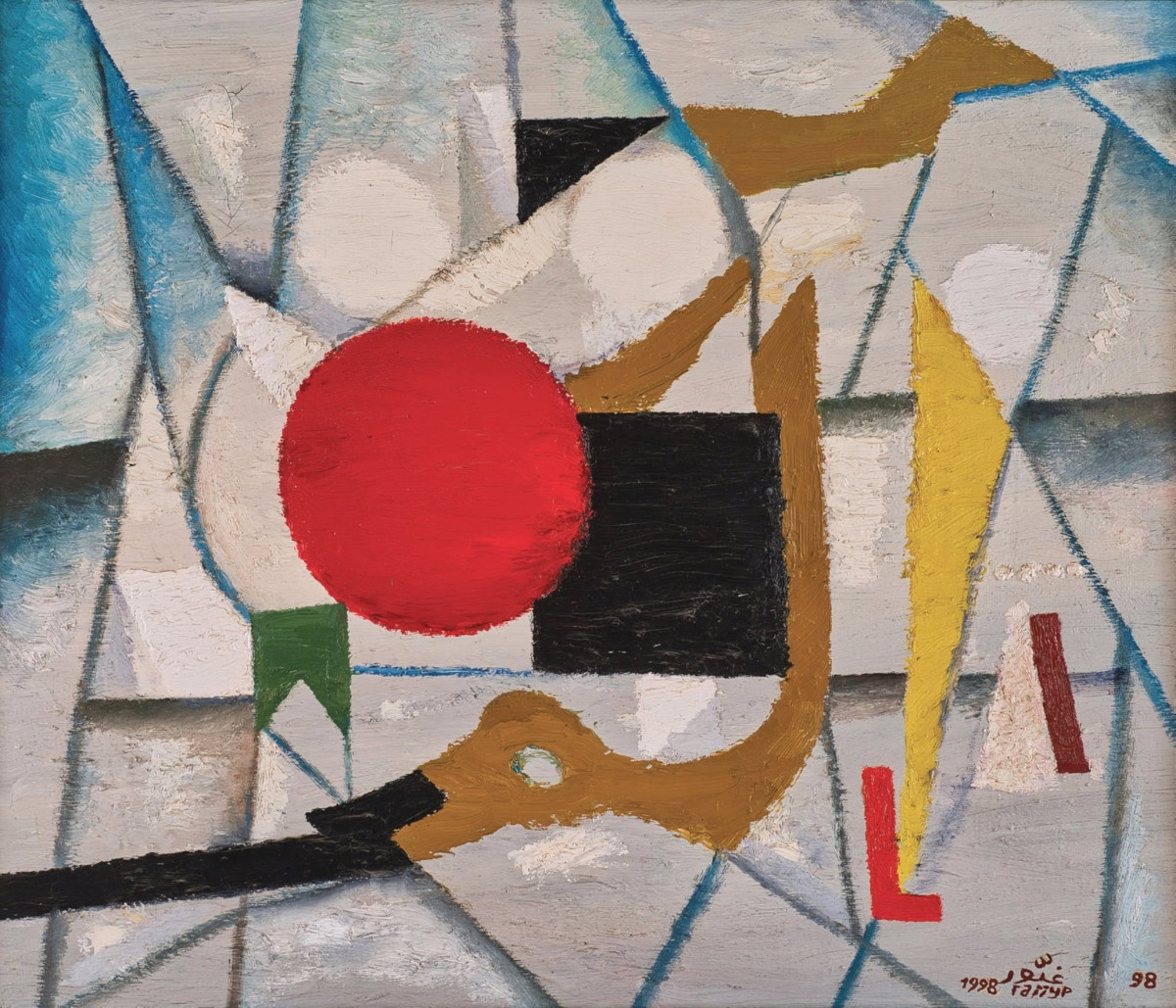
Symbolism is fundamental to the organisation of his compositions. Birds, fish, flowers, fruit and calligraphic inscriptions establish relationships between the central figure and the surrounding pictorial space. Arabic script, often incorporating religious expressions, introduces another dimension into the visual narrative. These elements are not merely ornamental additions; they create associations through which the painting acquires intellectual and spiritual depth. The relationship between figure, background and symbolic detail invites the viewer to look beyond the immediately visible image.
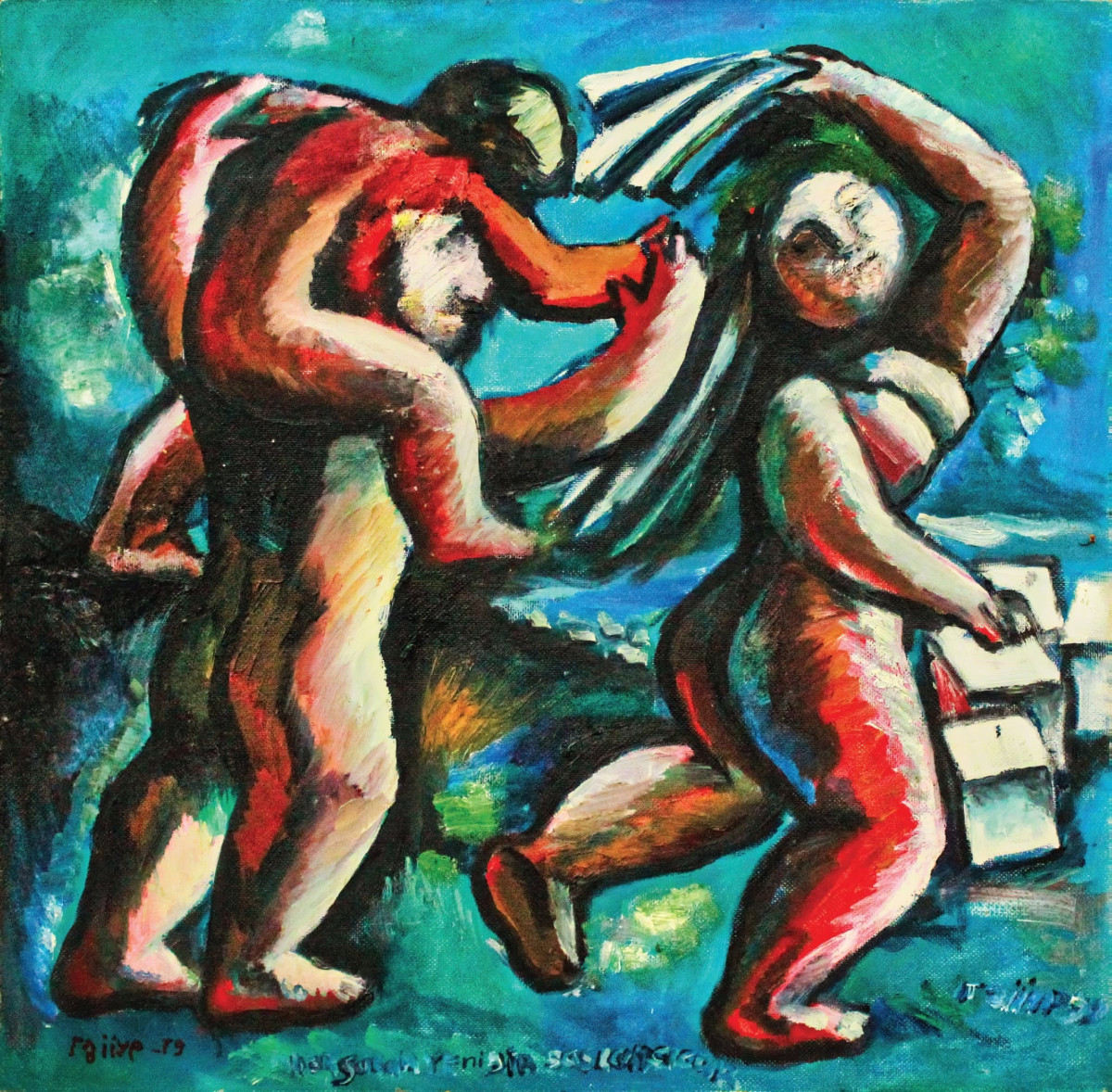
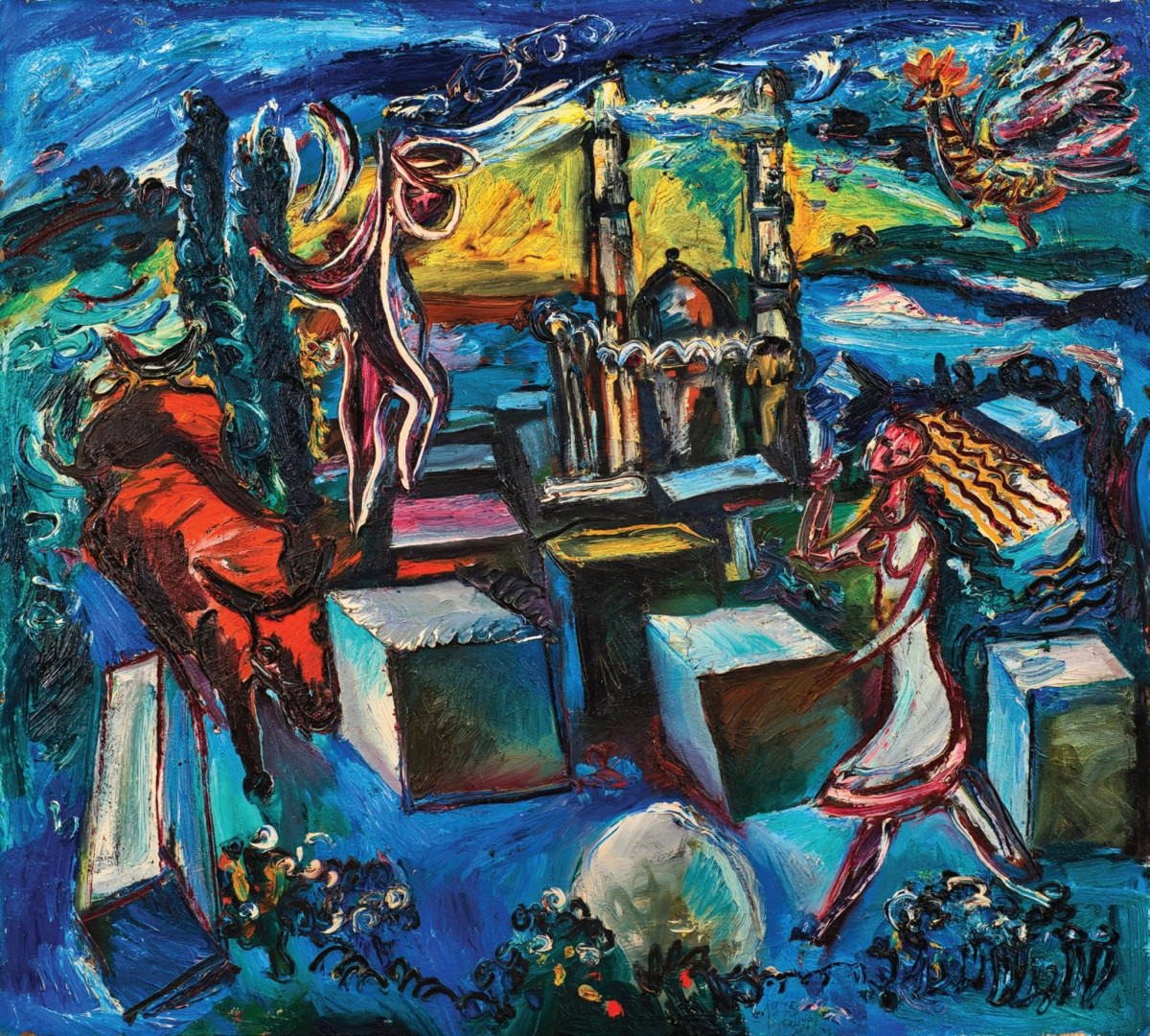
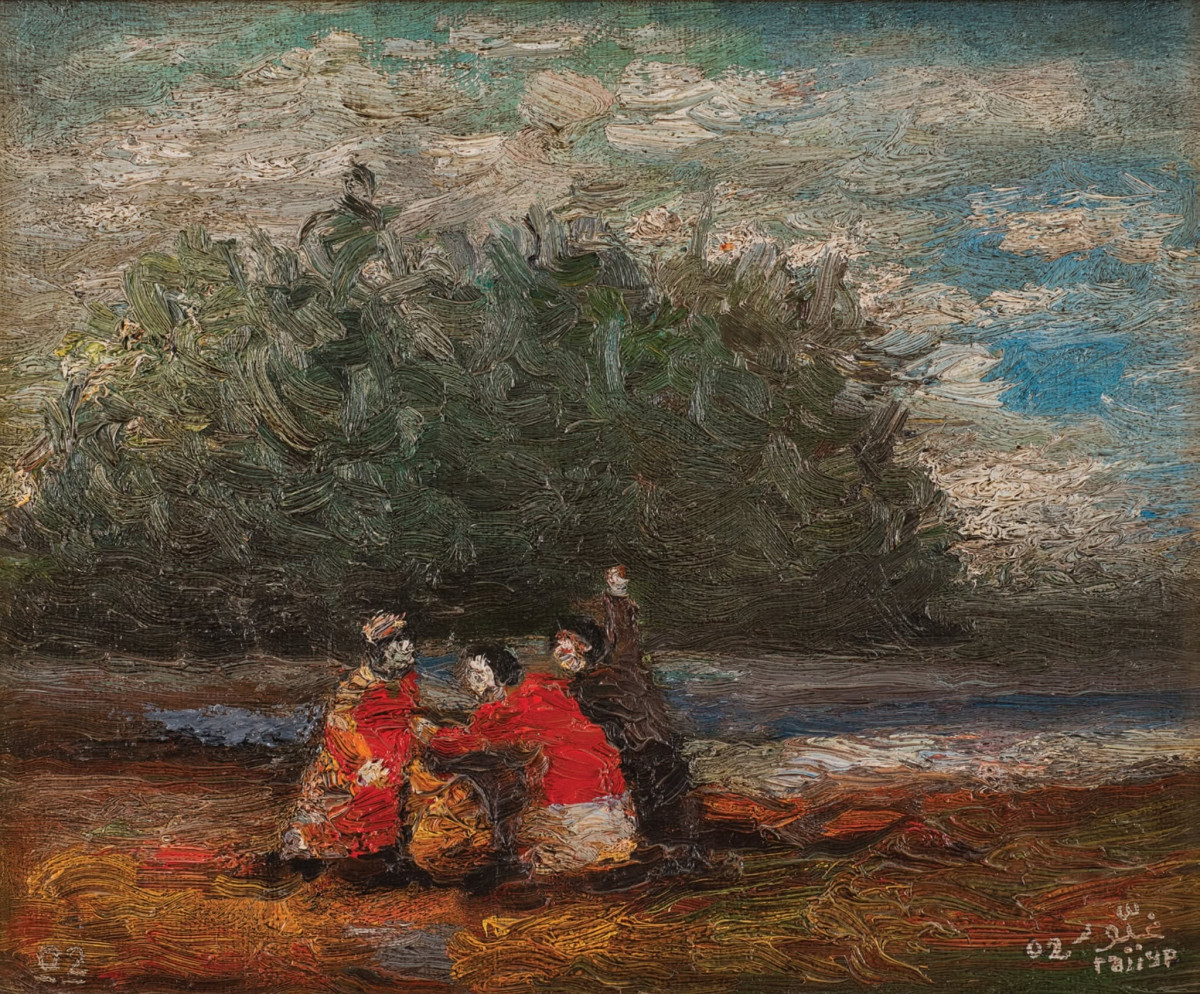
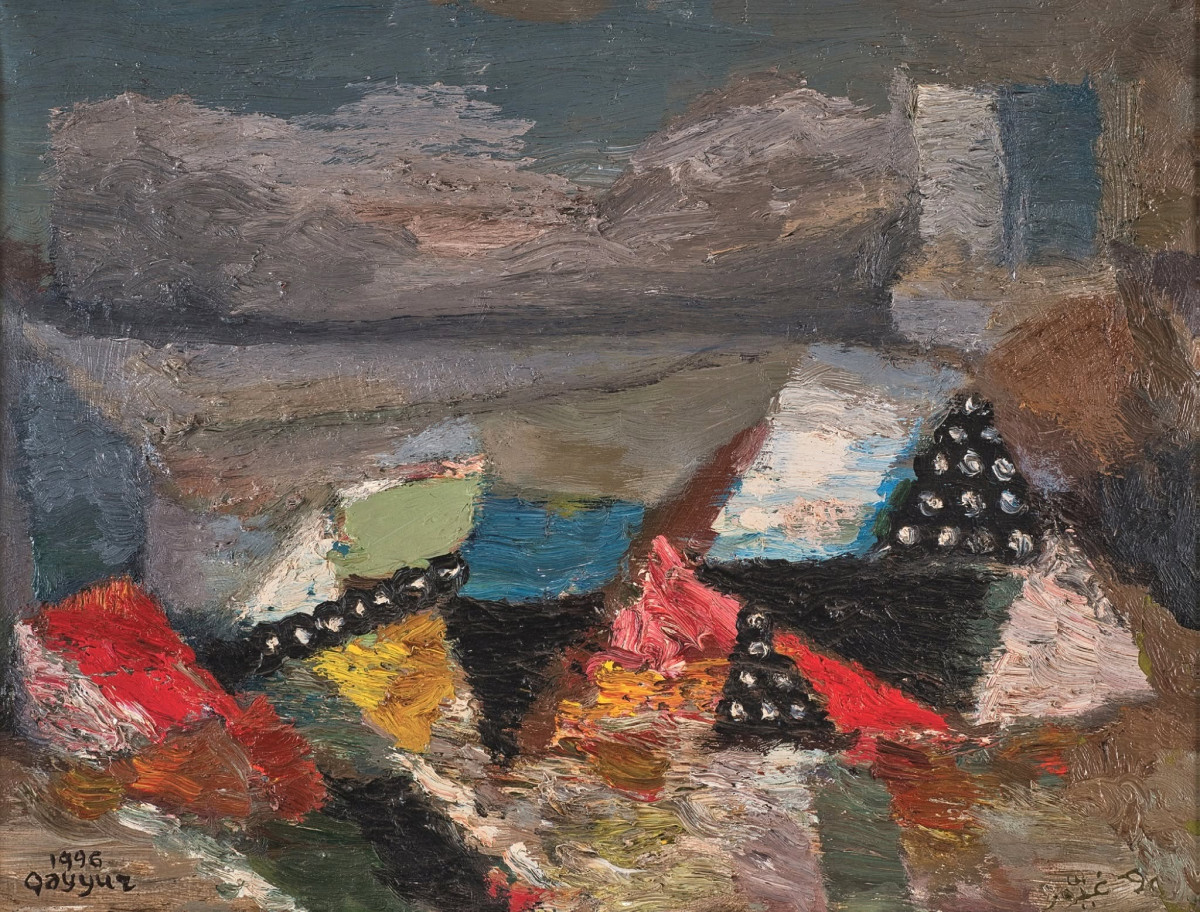
Works such as The Moon's Splitting (1986), People of Baku (1989), Nargiz, Nigar and Aybaniz (1991), Father, Daughter and Fish (2004) and Amirjan Landscape (2006) demonstrate the breadth of his thematic interests. Other significant subjects include Leyli and Majnun, Light in the Desert, The Road to the Mosque, The People of Tabriz and Eastern Woman. Literary heritage, religious thought, family relationships and regional identity converge in these works, forming a visual language in which personal imagination remains closely connected to historical memory.
Yunus's artistic practice also encompasses graphic art, an important dimension of his creative development. His individual exhibition at the Sattar Bahlulzade Central Exhibition Hall in Baku in 2010 presented his work to a wider audience. In 2018, his participation in YARAT's exhibition examining Azerbaijani painting from the 1960s to the 1980s placed his work within a broader account of the country's modern artistic development. His anniversary exhibition, The Wealth of the Right Hand, held at the Museum of Modern Art in Baku in 2024, presented 72 paintings and graphic works, including creations from the preceding five years.
Yunus's artistic significance lies in his ability to establish a personal dialogue between historical continuity and contemporary visual expression. The cultural environment of Amirjan, Islamic visual traditions, Eastern aesthetics and the memory of Azerbaijani cultural heritage are not separate references in his work; they form an interconnected artistic worldview. His contribution to Azerbaijani painting can therefore be understood as an individual interpretation of cultural inheritance, transformed into a distinctive language of form, symbolism and spiritual reflection.
Art Space Gallery MEDIA