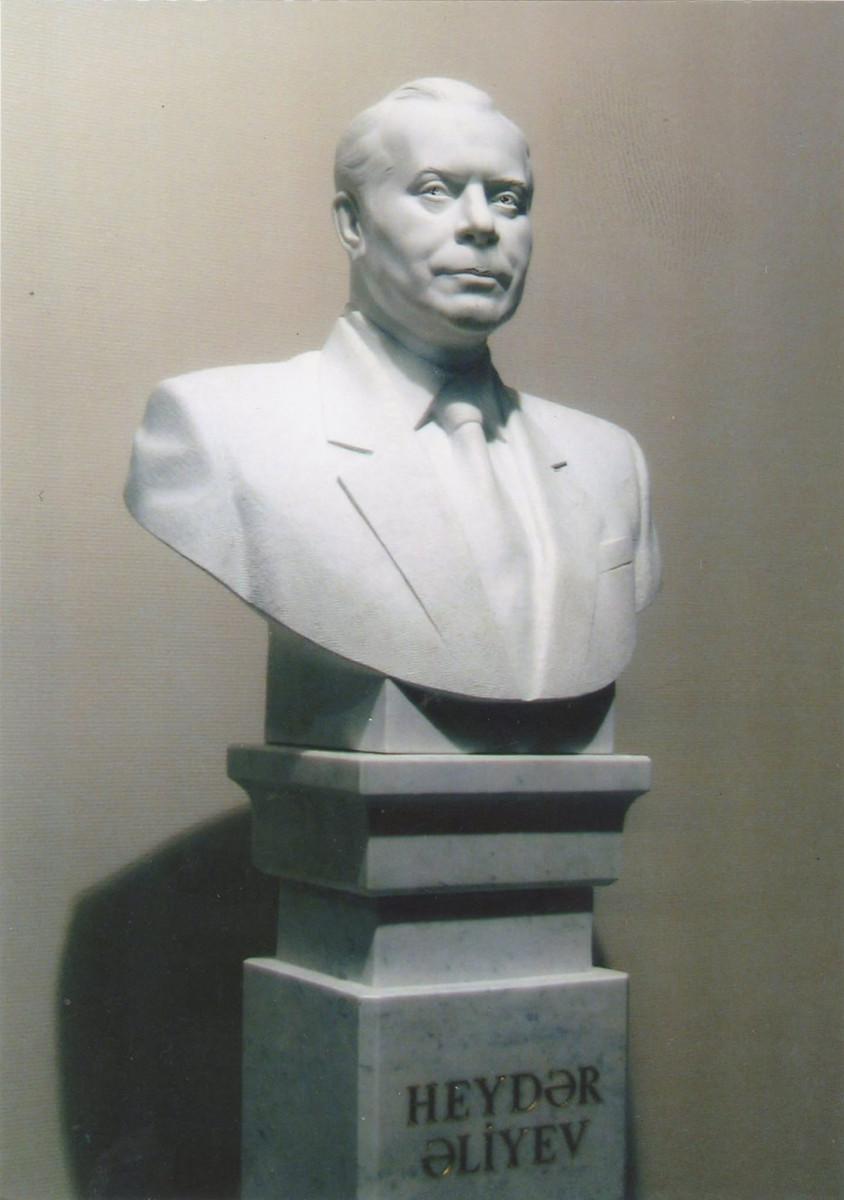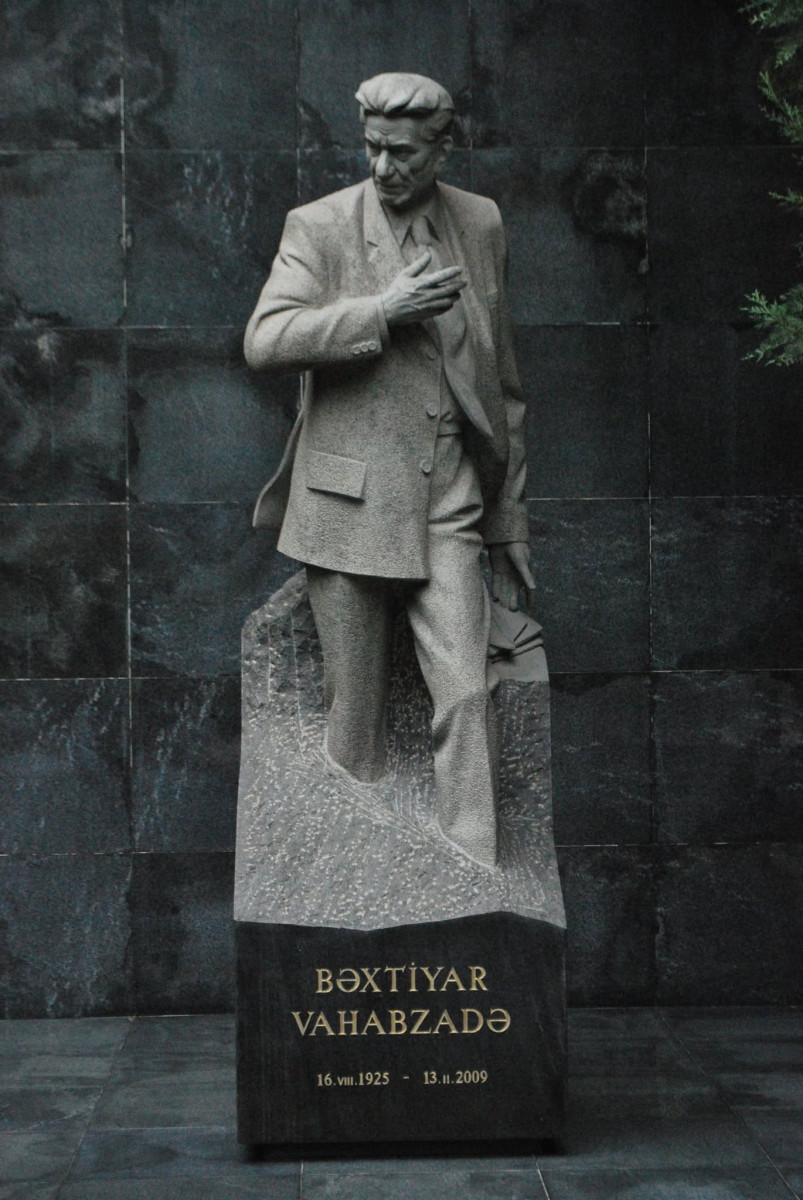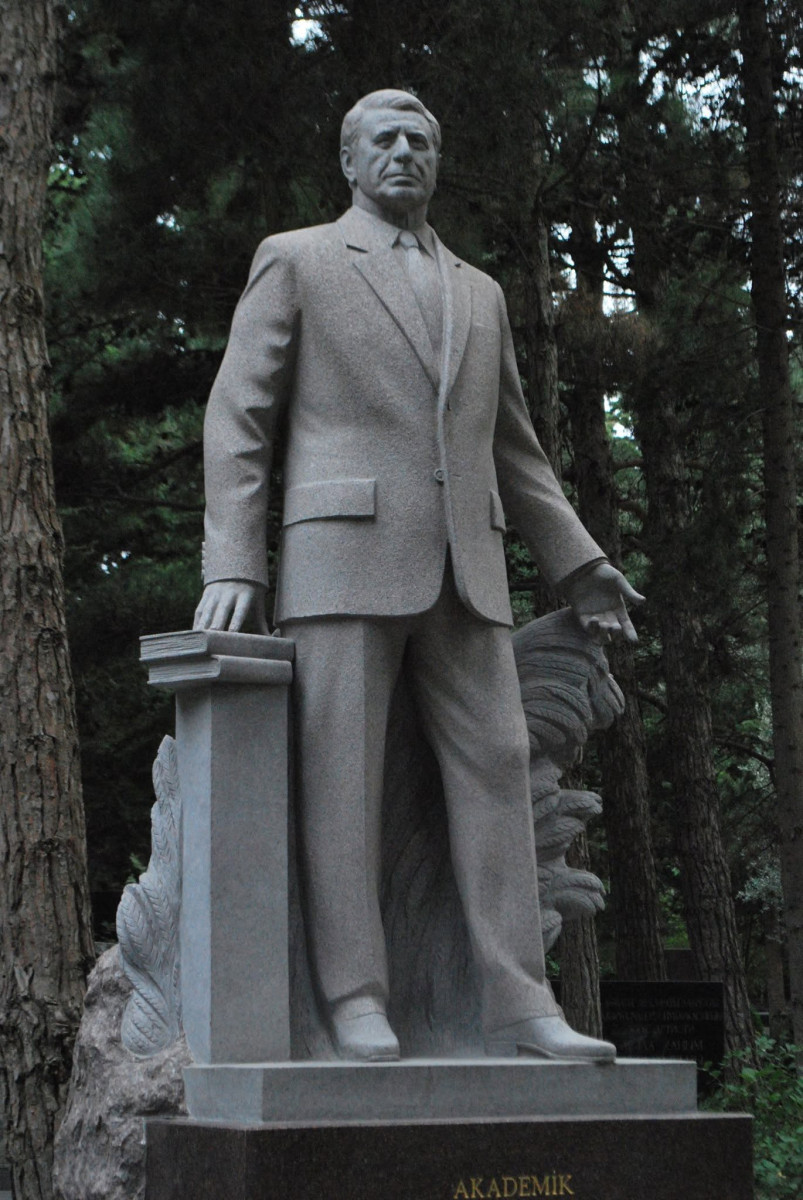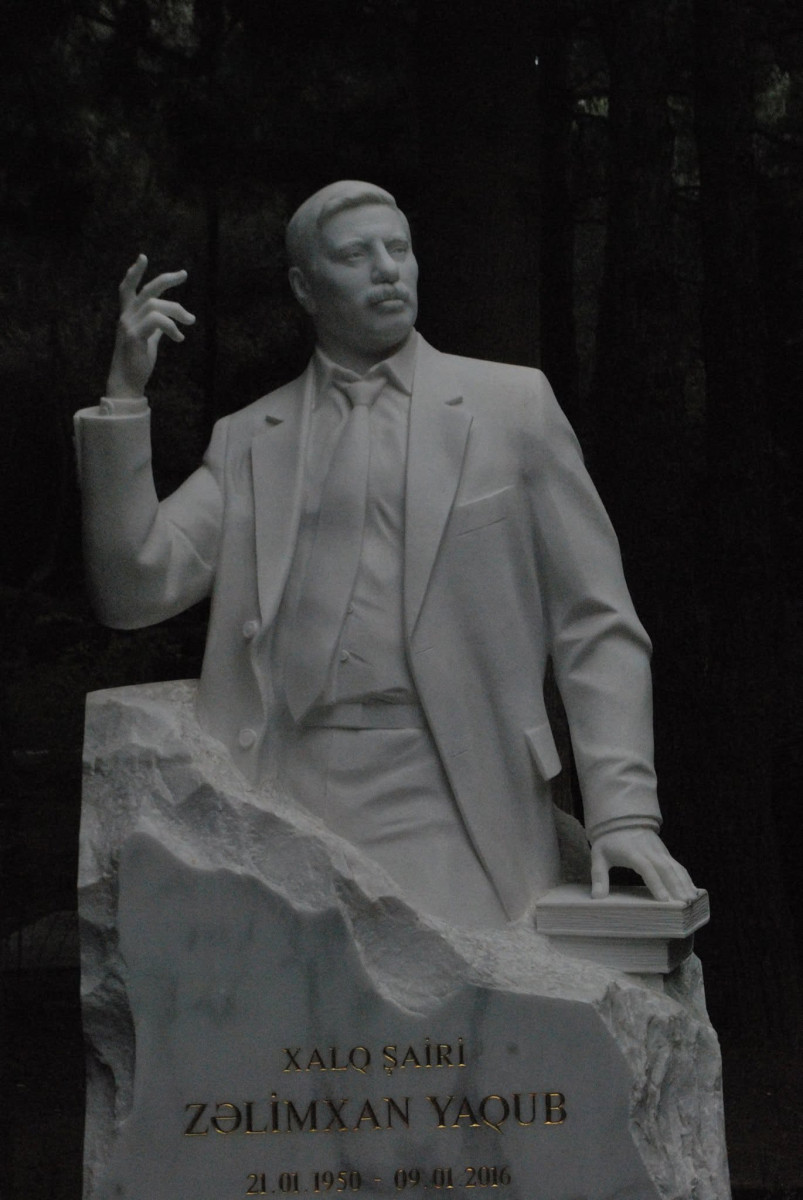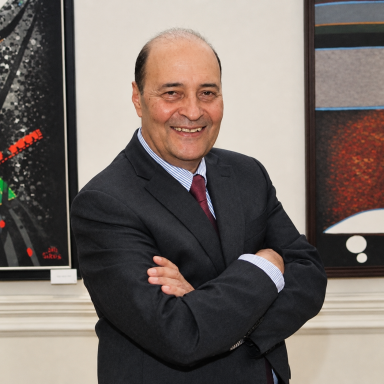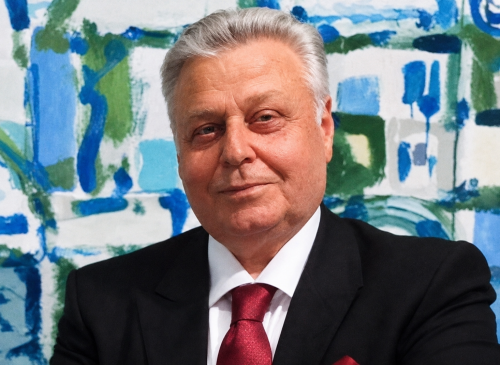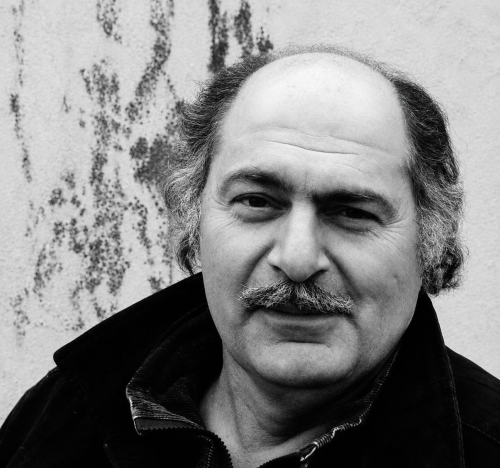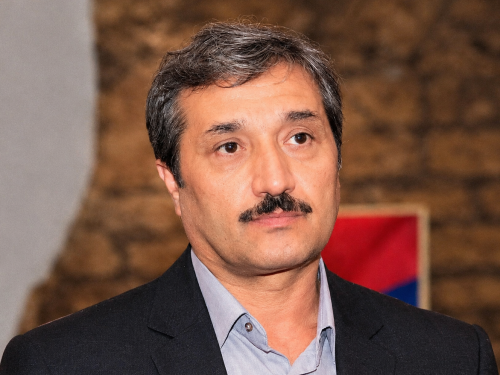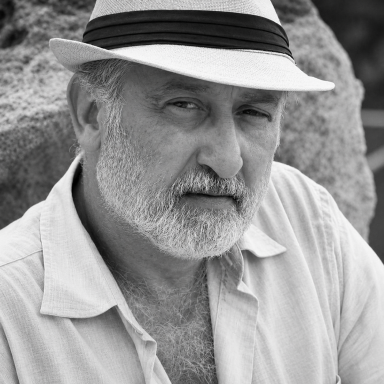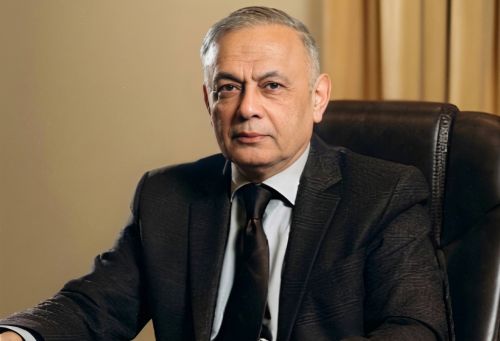
Born in Baku on 10 August 1958, Natig Kamal oghlu Aliyev is an Azerbaijani sculptor whose practice encompasses monumental, memorial and small-scale sculpture. He studied at the Azim Azimzade State Art School from 1974 to 1978 before continuing his education at the V. I. Mukhina Leningrad Higher School of Art and Industry, graduating with distinction in 1983. He became a member of the Union of Artists of the USSR in 1986 and was awarded the honorary titles of Honoured Artist of Azerbaijan in 2002 and People's Artist of Azerbaijan in 2005. His distinctions include the Republic Youth Award (1989), the Sultan Muhammad Award (2000) and the Zirvə Award (2008). In 2008, he was elected an honorary foreign member of the Russian Academy of Arts, and in 2018 received Azerbaijan's Shohrat Order. Alongside his artistic practice, Aliyev has pursued an extensive academic career, becoming rector of the Azerbaijan State Academy of Fine Arts in 2023.
Aliyev's sculptural language is shaped by an enduring interest in the relationship between individual identity, physical form and collective memory. His work moves between the intimate scale of studio sculpture and the public dimensions of monumental art. Rather than treating portraiture as a straightforward exercise in physical resemblance, he approaches the human figure as a vehicle for character, professional identity and historical presence. This distinction becomes particularly significant when his sculptures are encountered within architectural and urban environments.
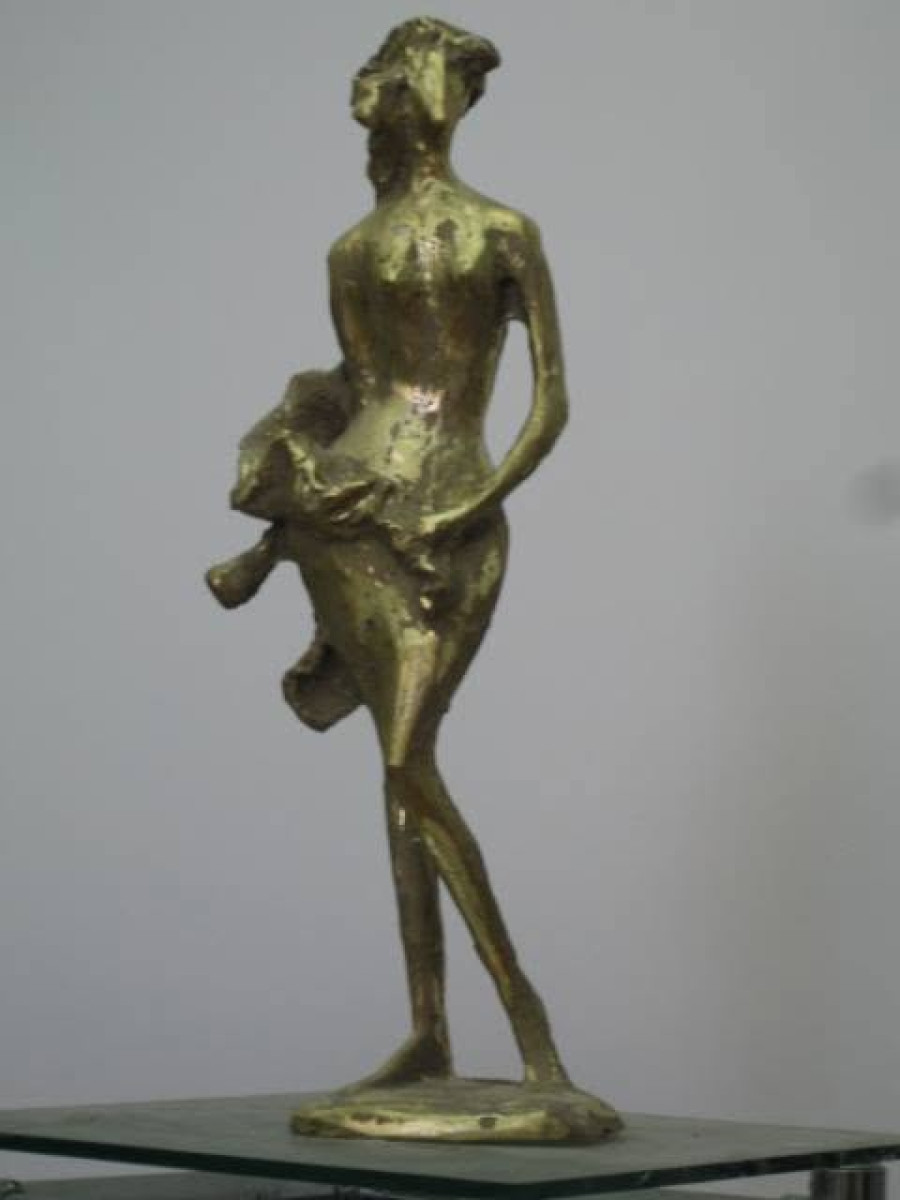
His studio works, including Eve, At the Shore and Contemplation, reveal an interest in the expressive potential of volume and material. Bronze, granite, plaster and brass offer different possibilities for modelling, surface treatment and the articulation of form. Material selection, in this context, becomes an integral part of the sculptural concept rather than a merely technical decision. The resulting diversity allows the artist to move between contemplative compositions and more expansive figurative structures.
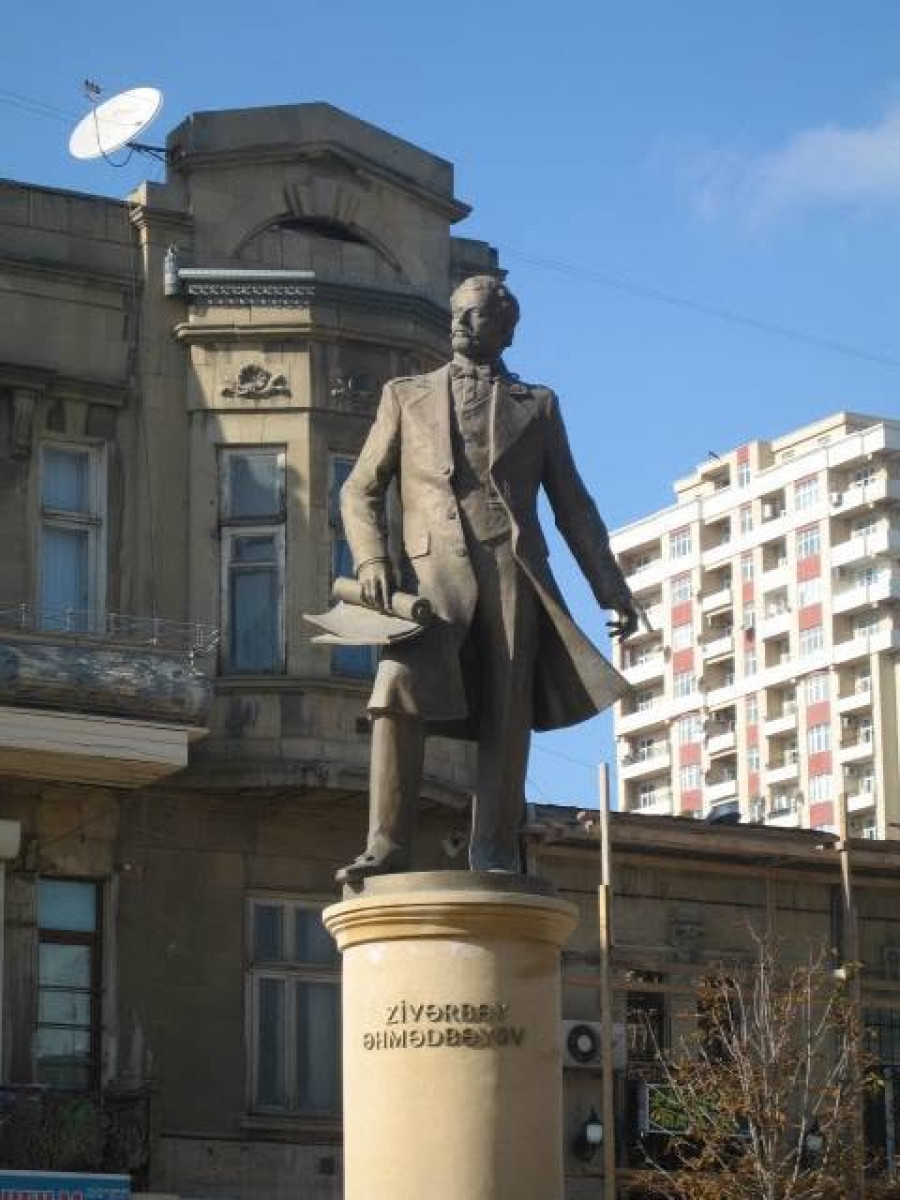
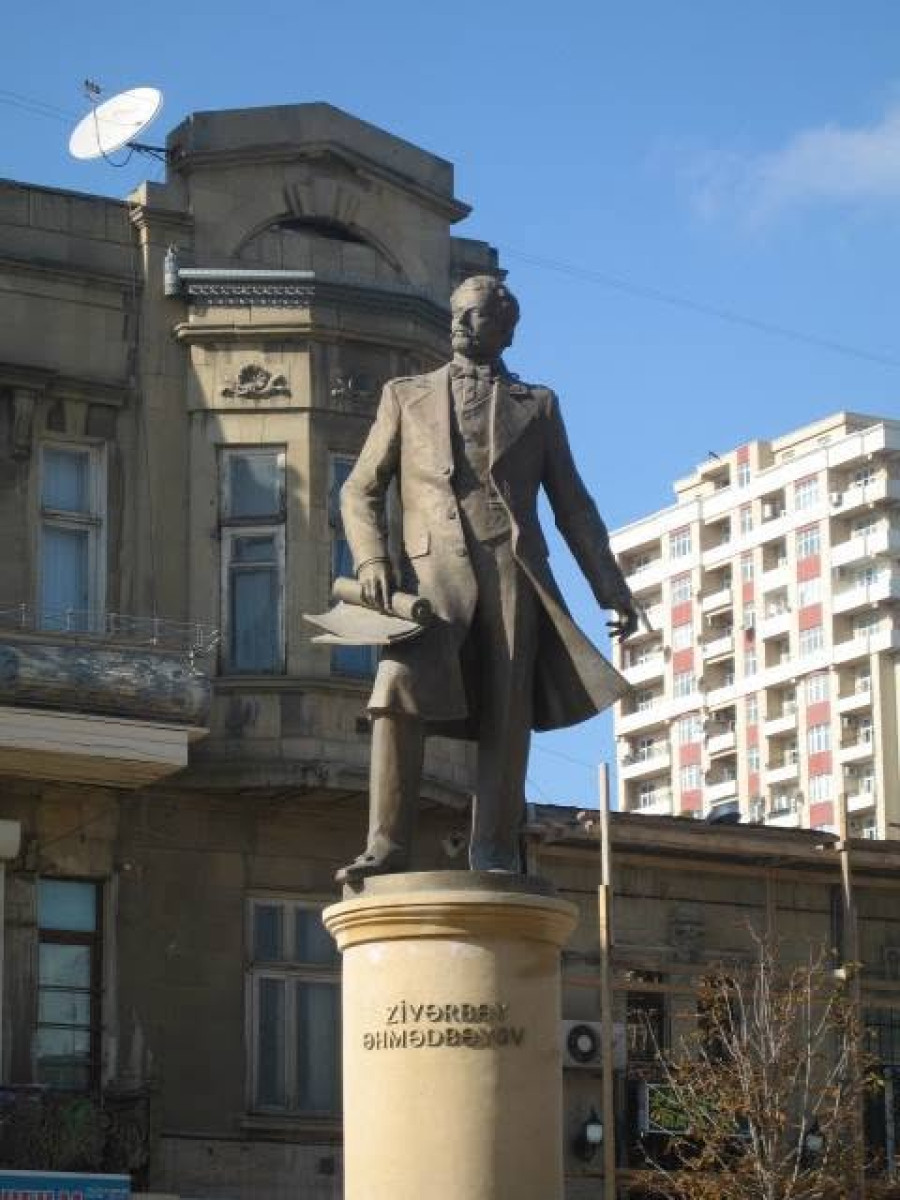
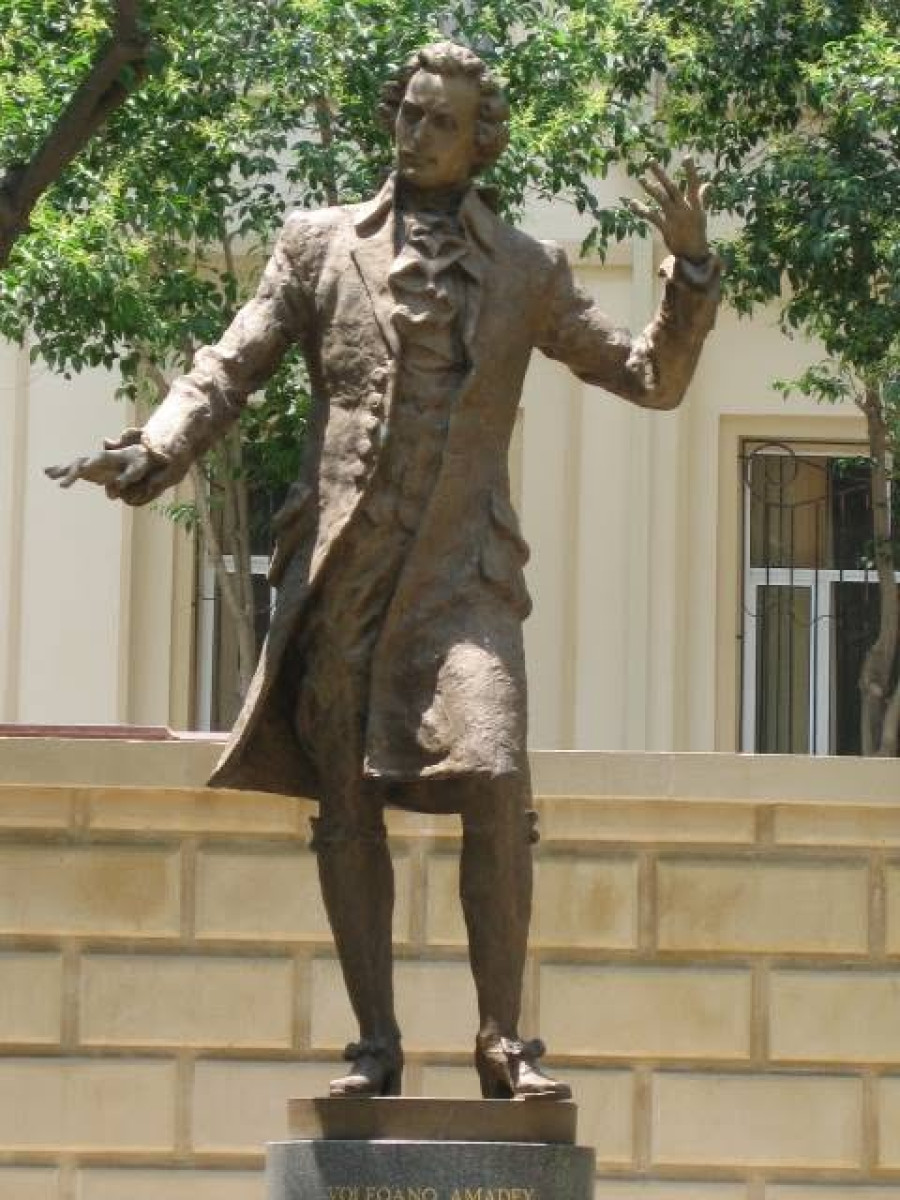
The monument to architect Ziver bey Ahmadbeyov in Baku offers an especially revealing example of Aliyev's approach to public sculpture. The figure's gesture towards the city plan connects the architect's individual identity with his professional legacy and the urban environment shaped by his work. The monument therefore operates on two interconnected levels: as a representation of a historical personality and as a visual reference to the development of the city itself. A different expressive register appears in the sculpture dedicated to Romanian composer George Enescu. The violin and the position of the figure's hands introduce a sense of inward reflection, translating the creative experience of a musician into sculptural language.
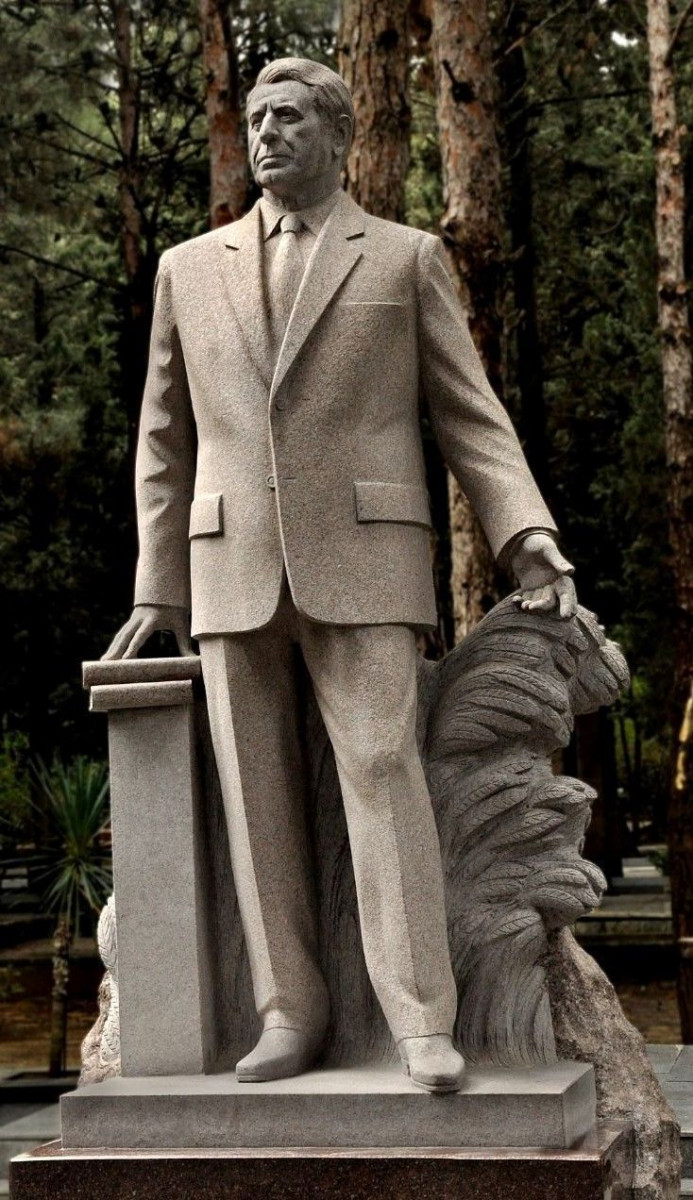
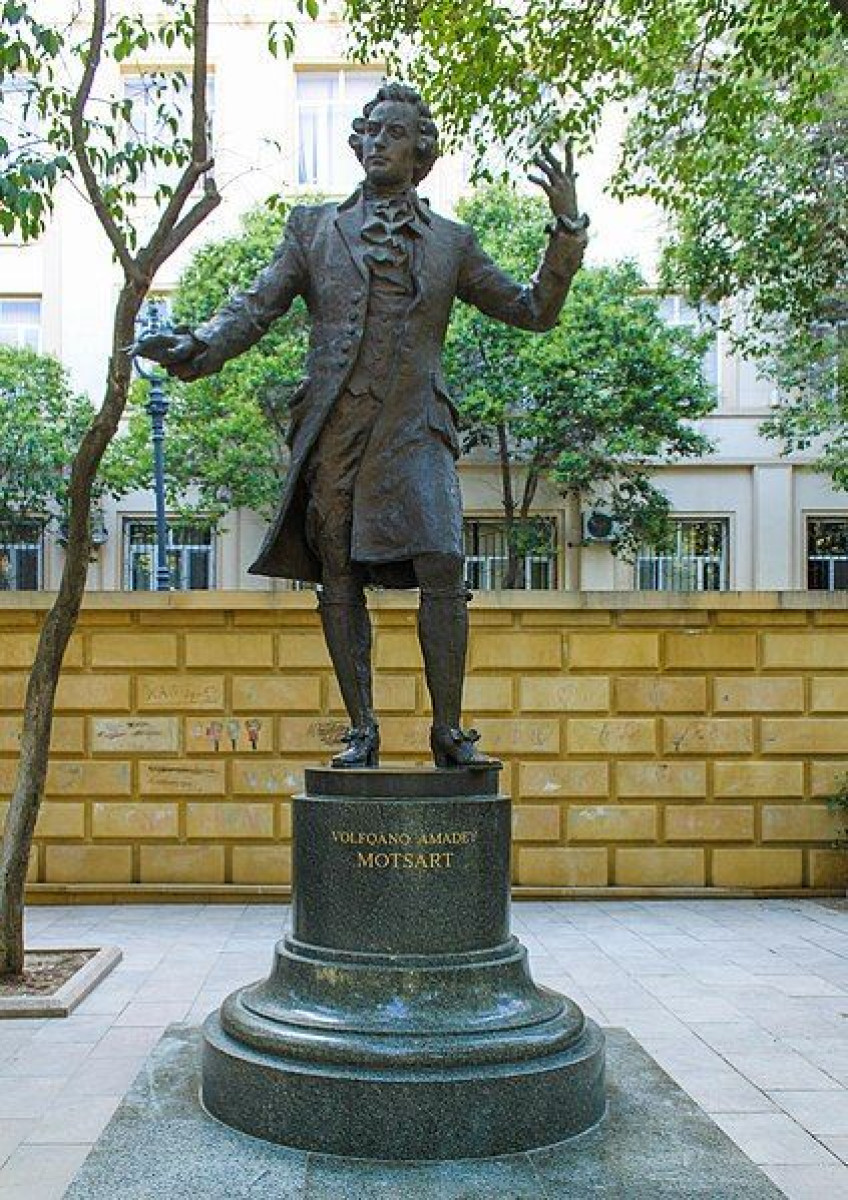
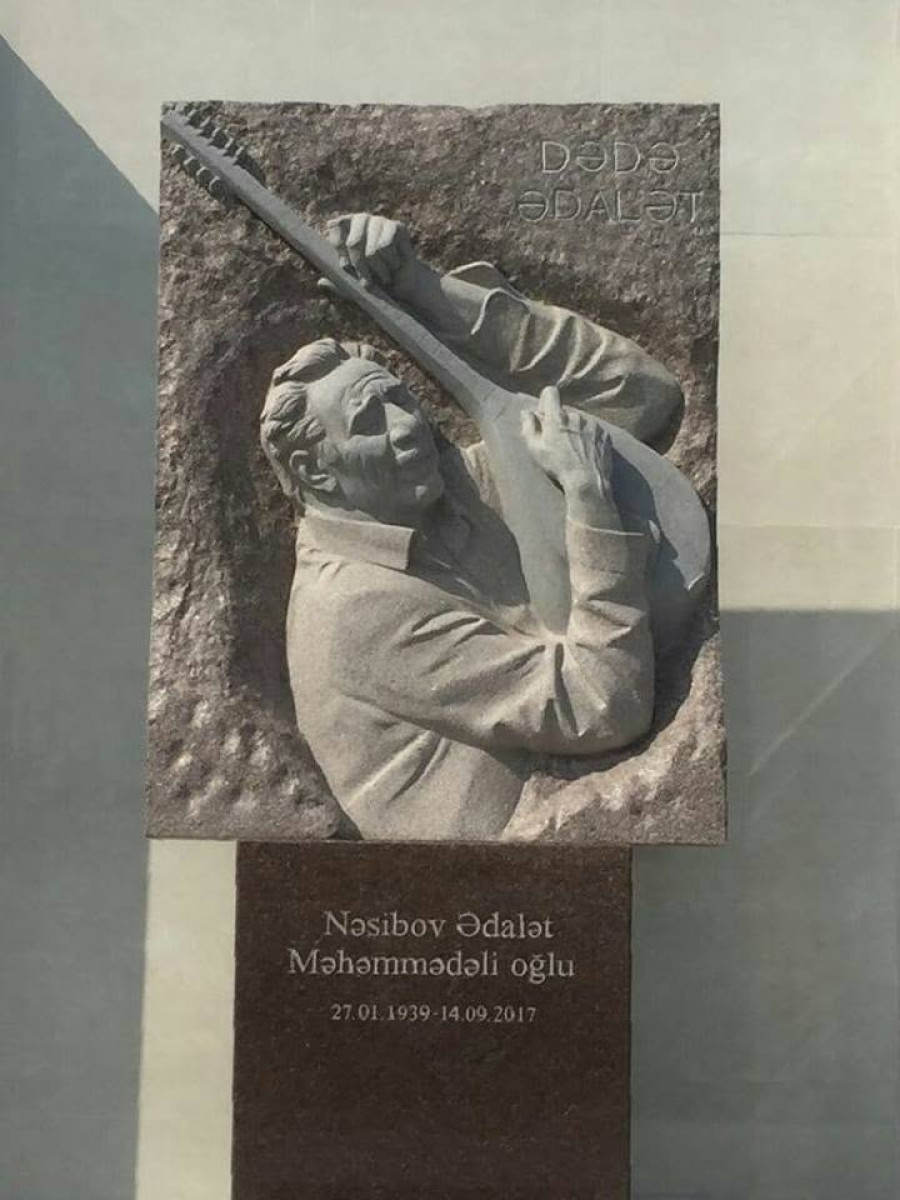
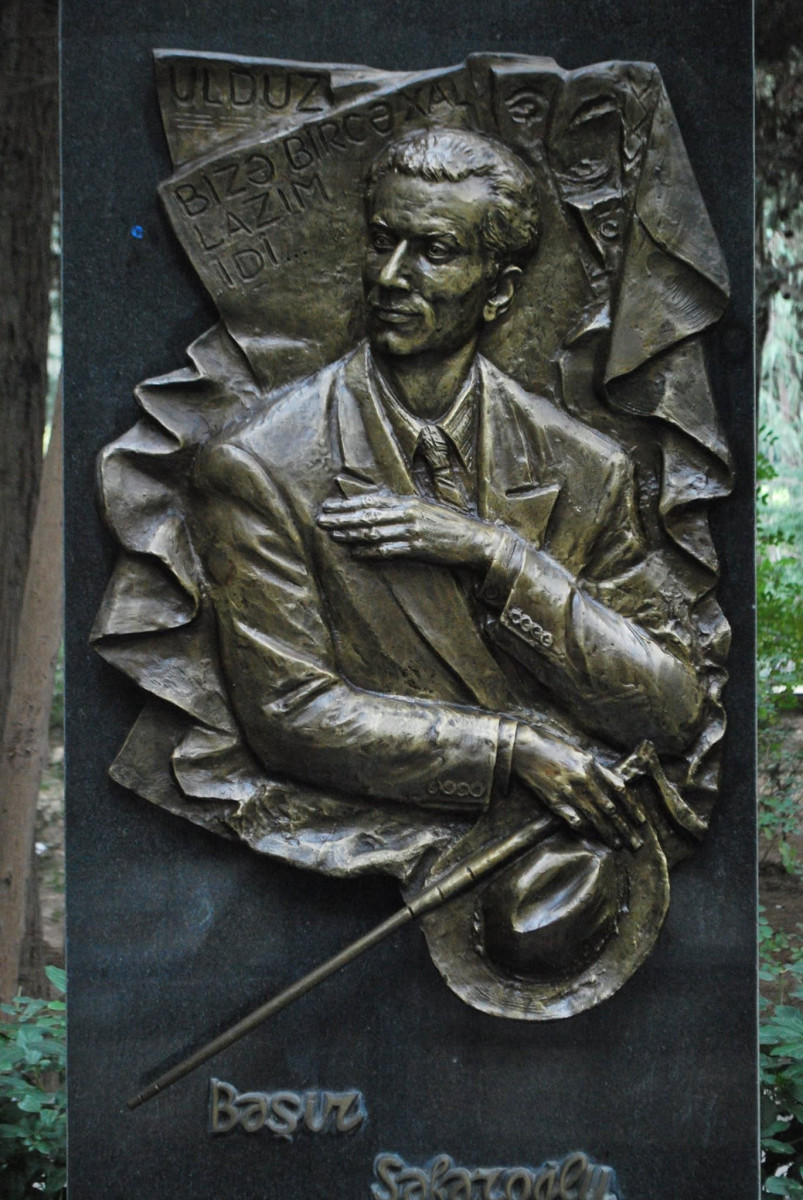
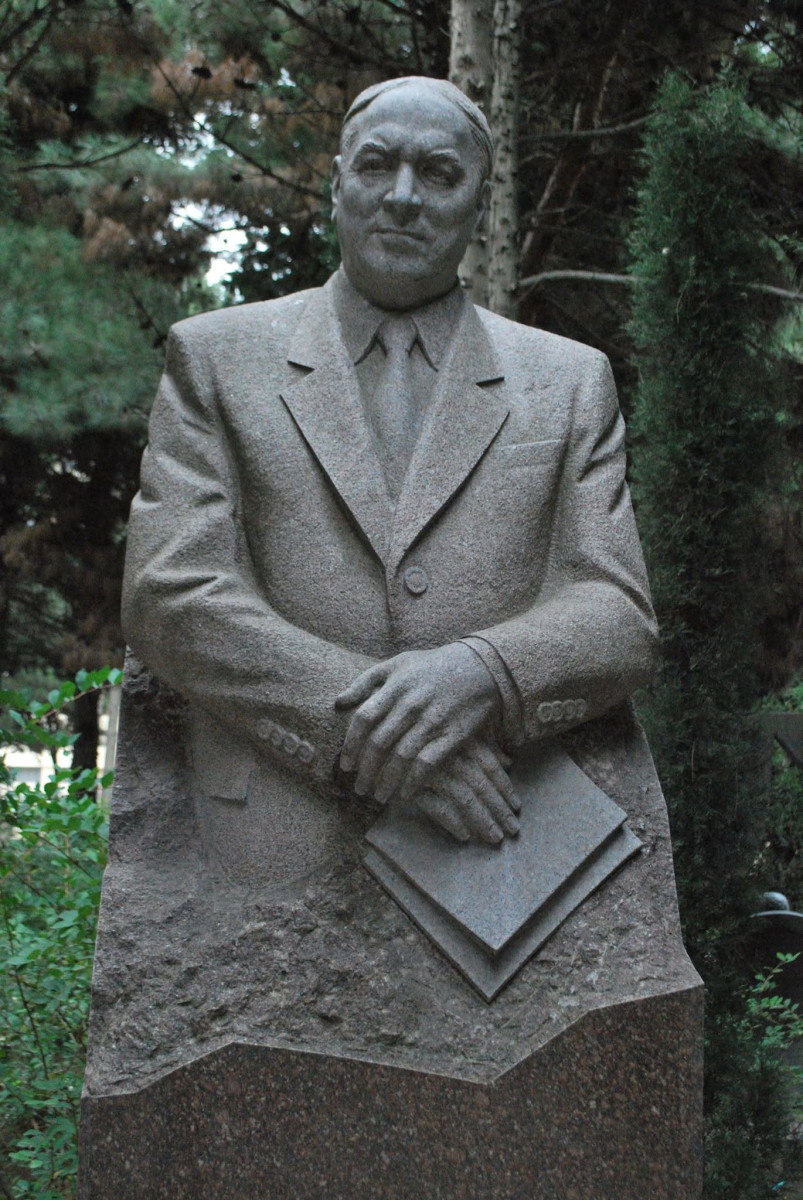
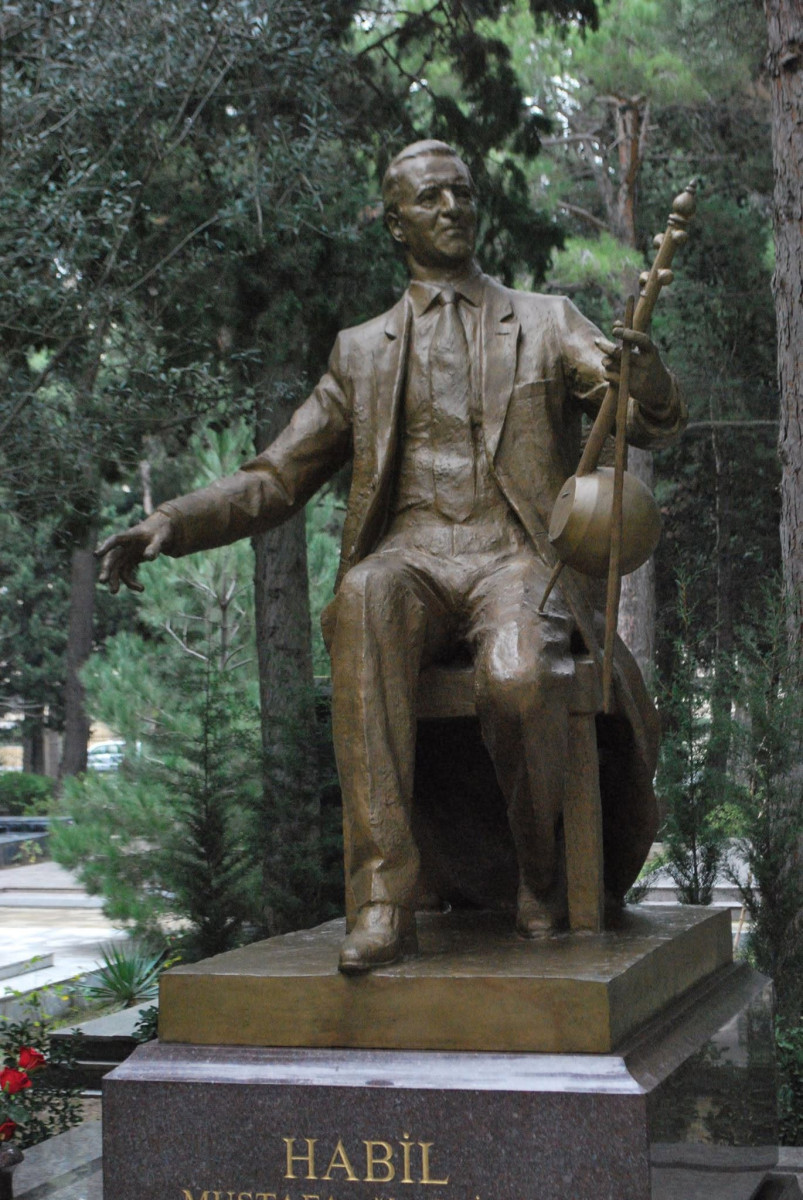
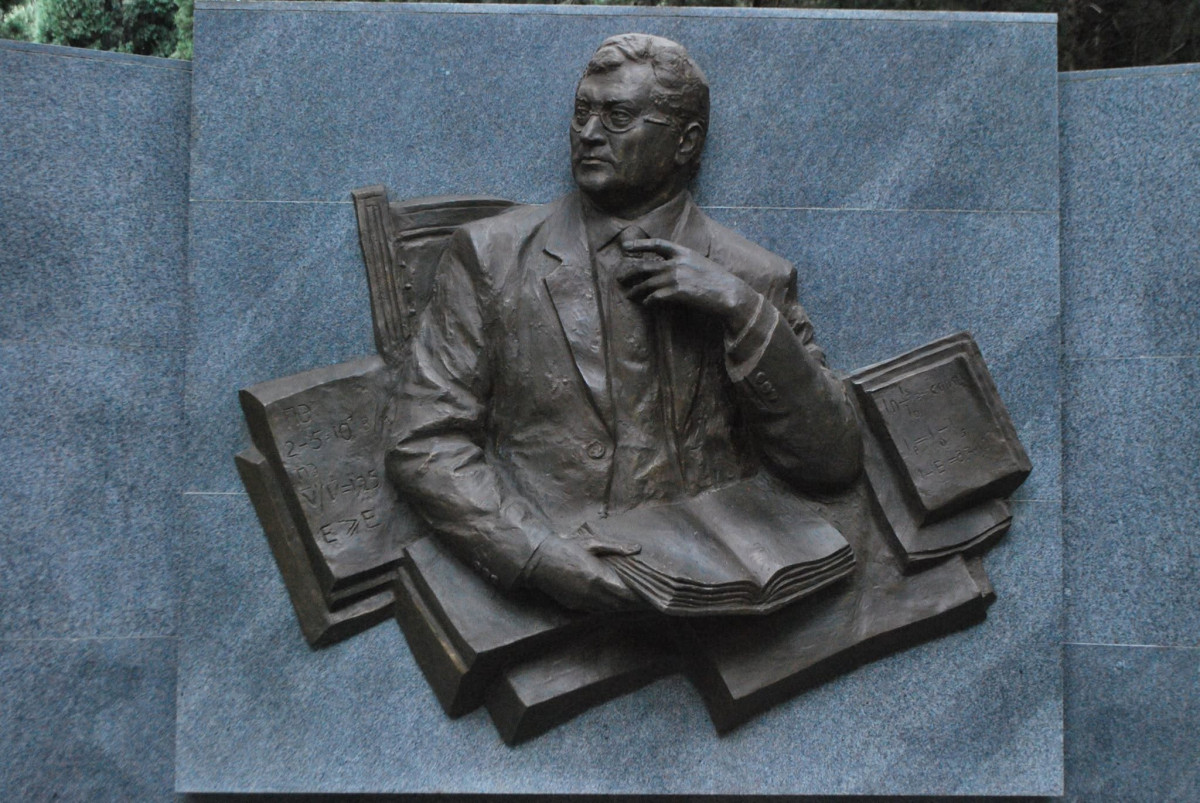
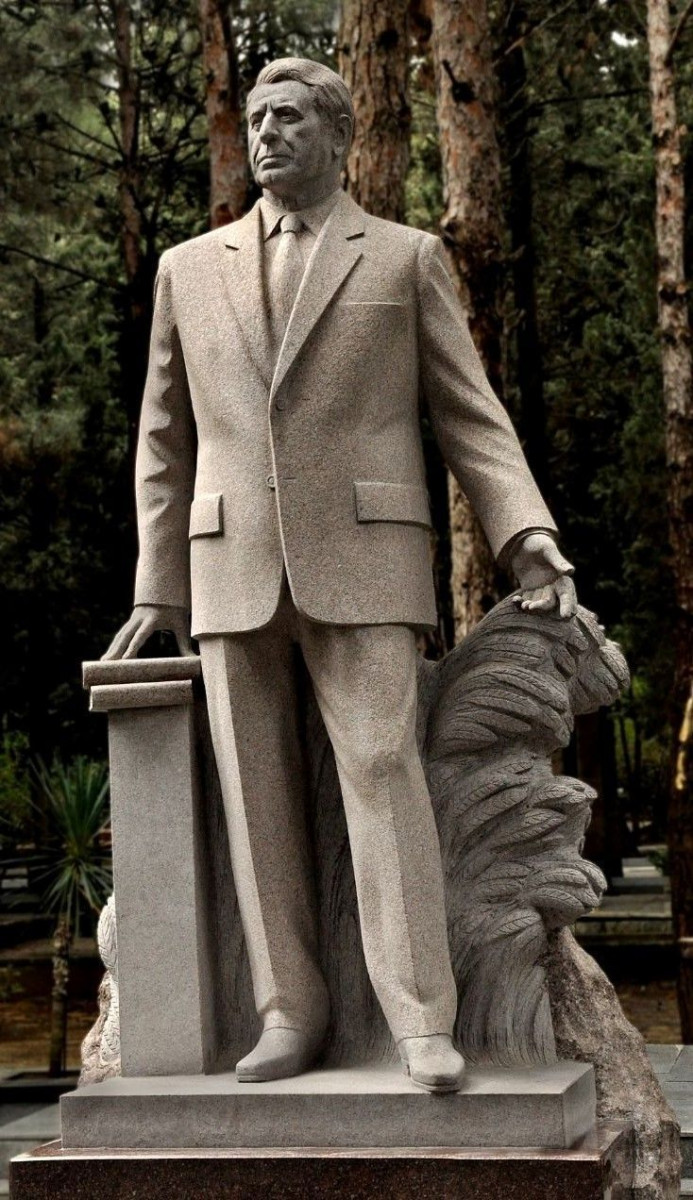
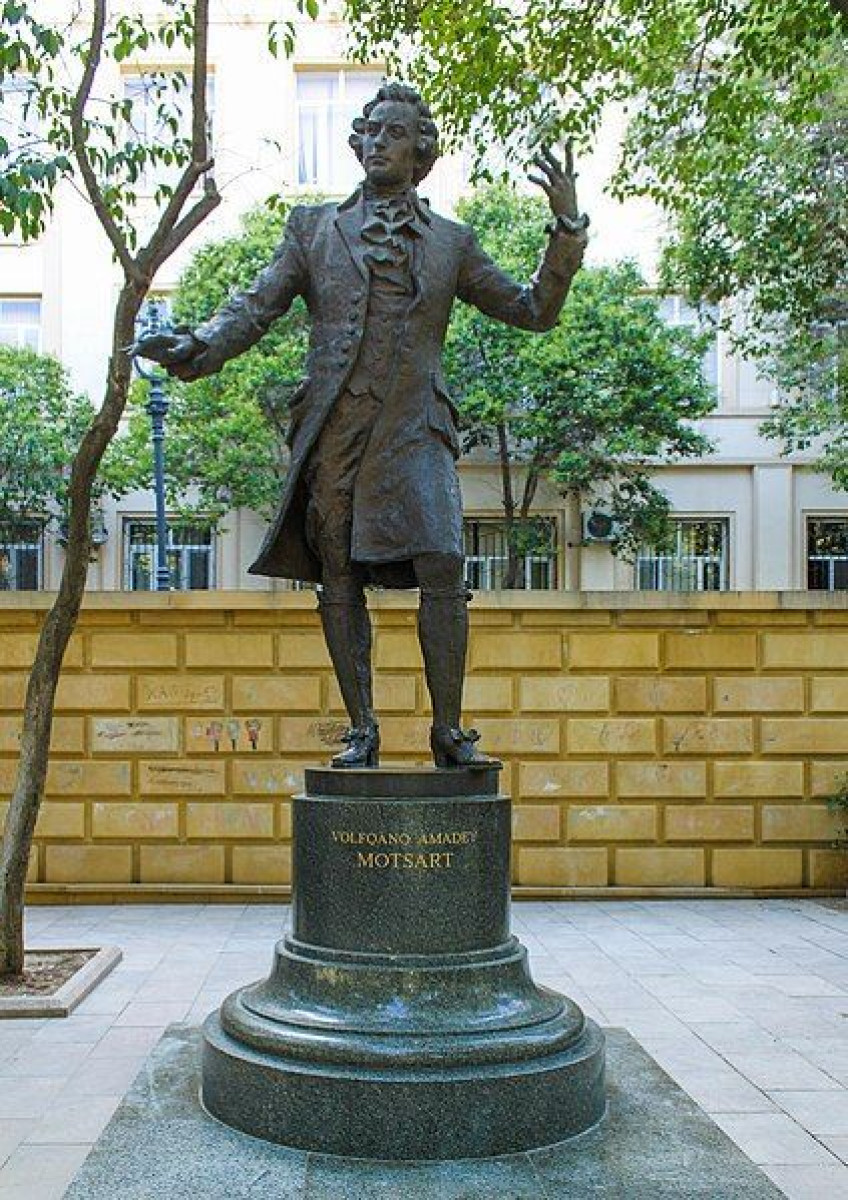
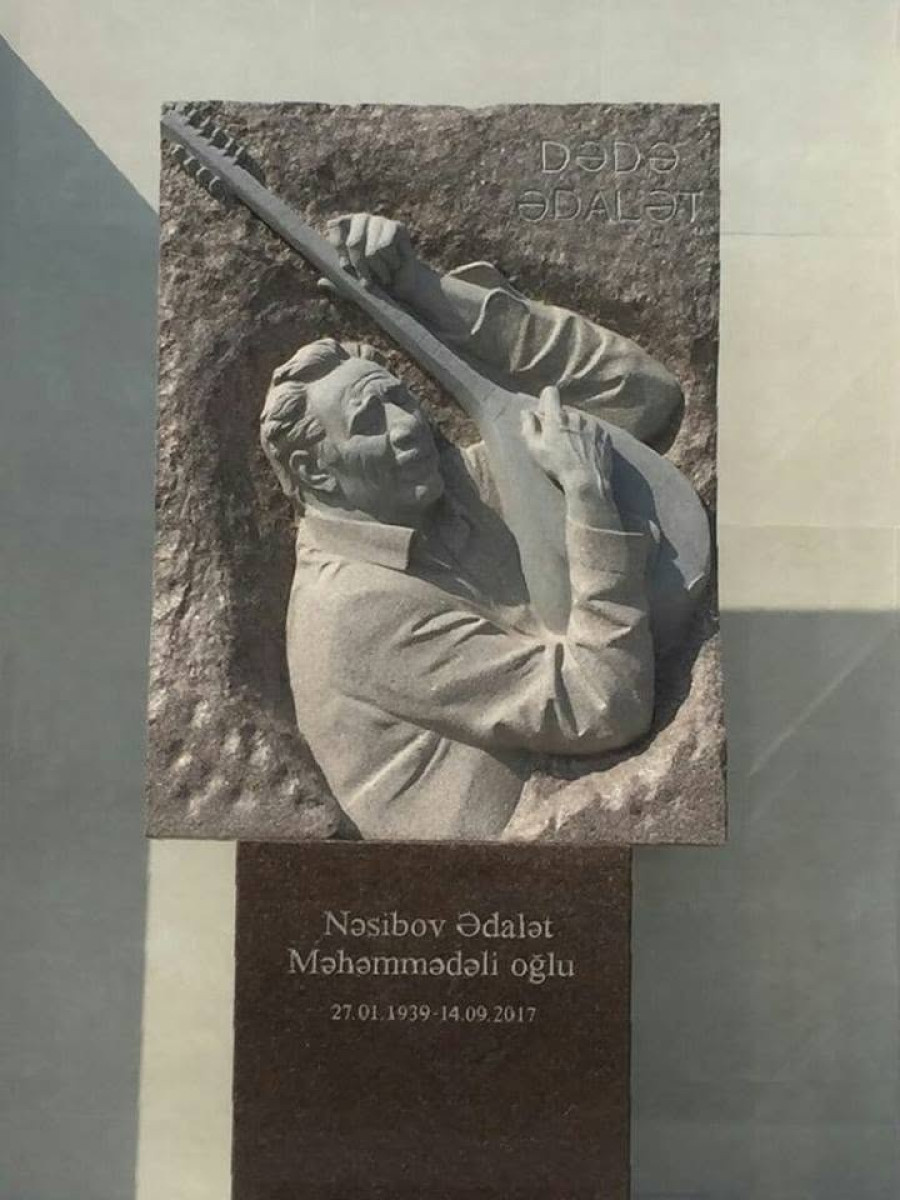
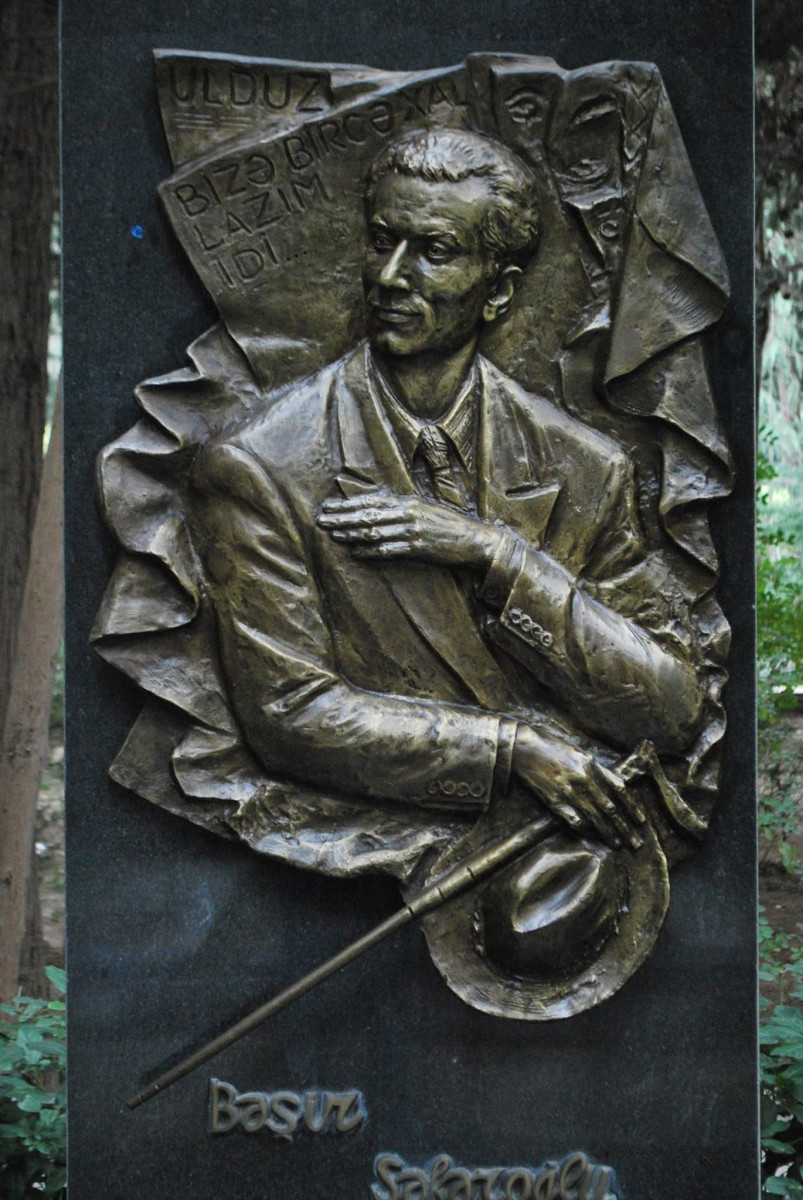
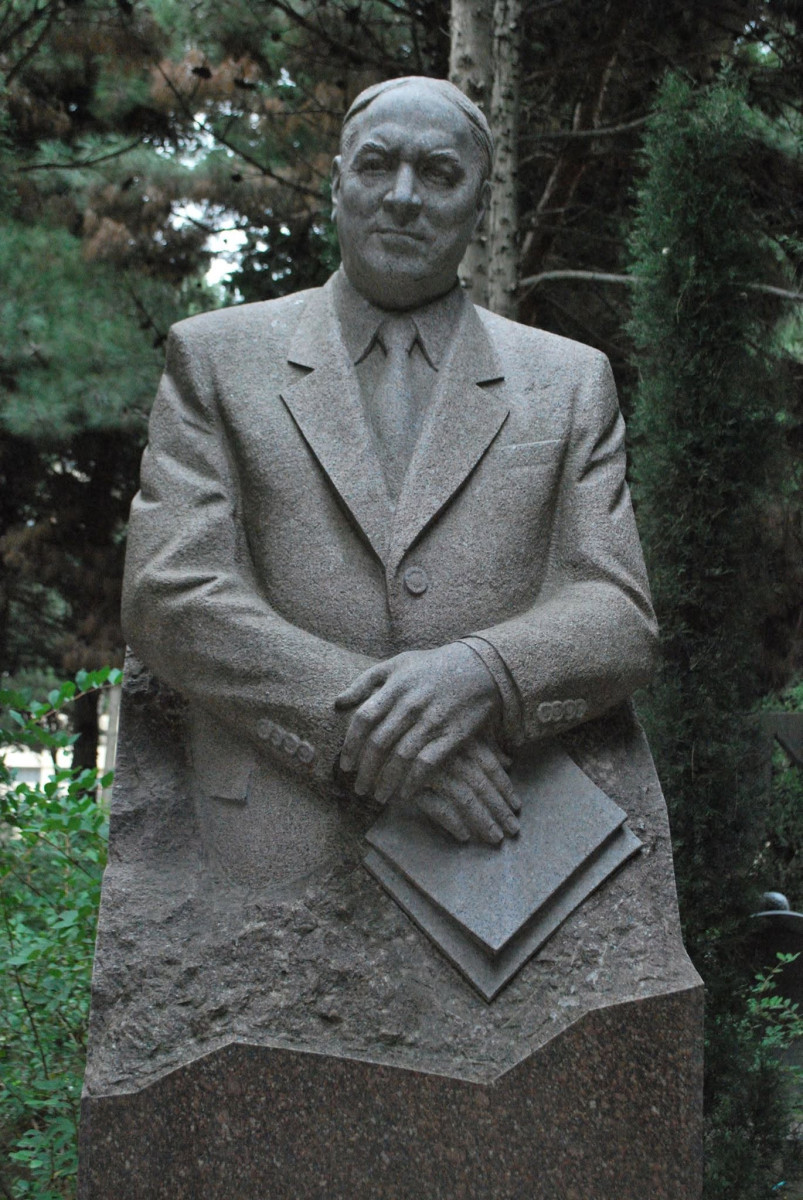
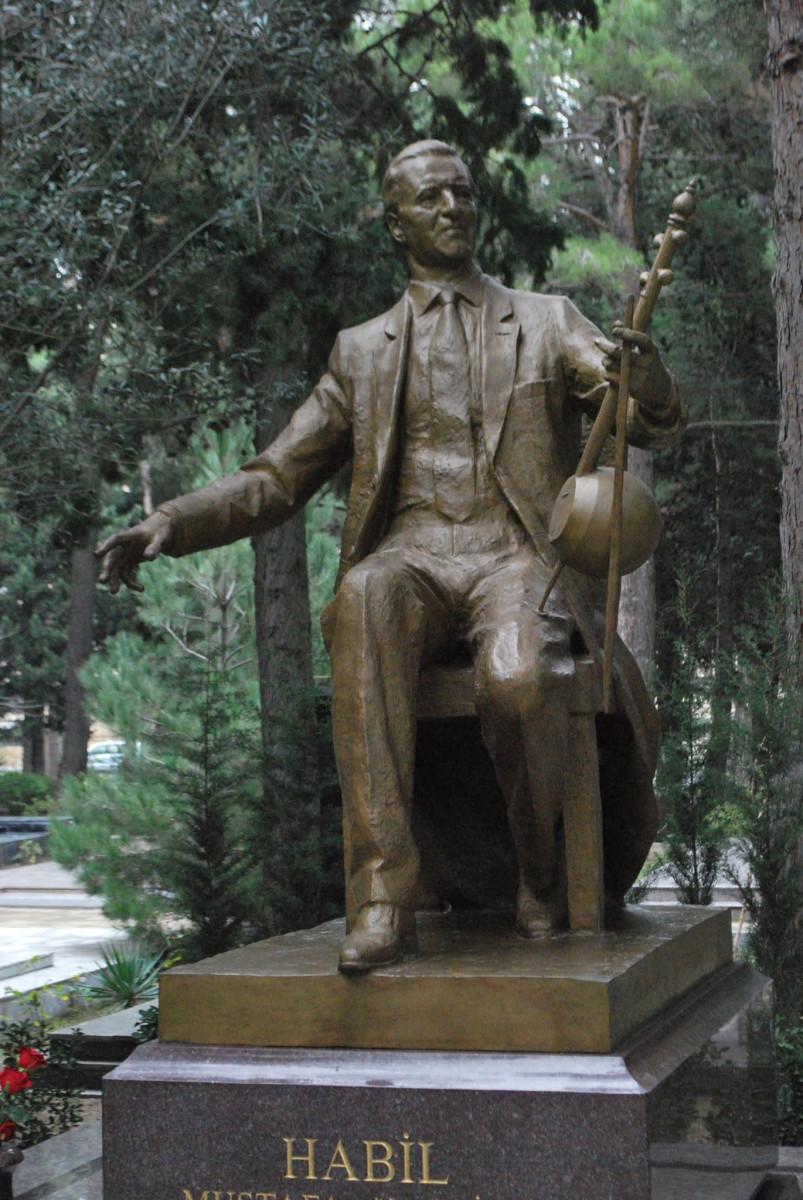
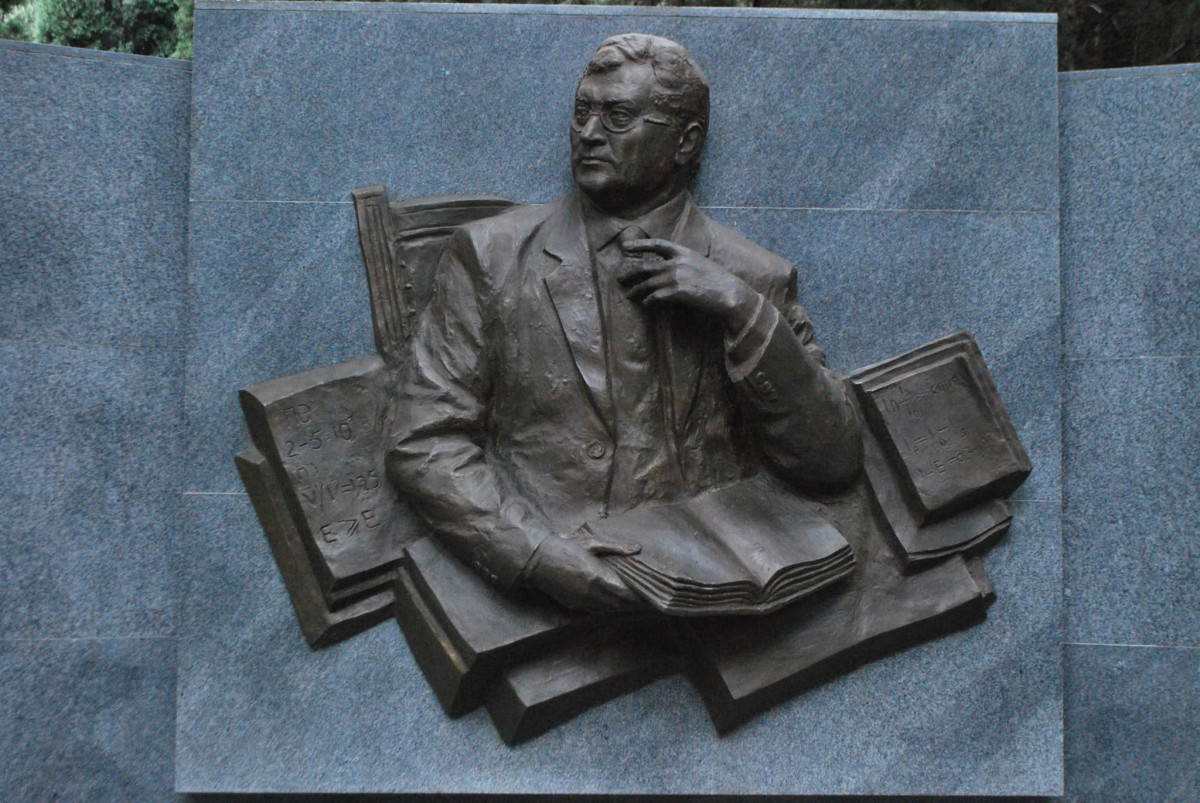
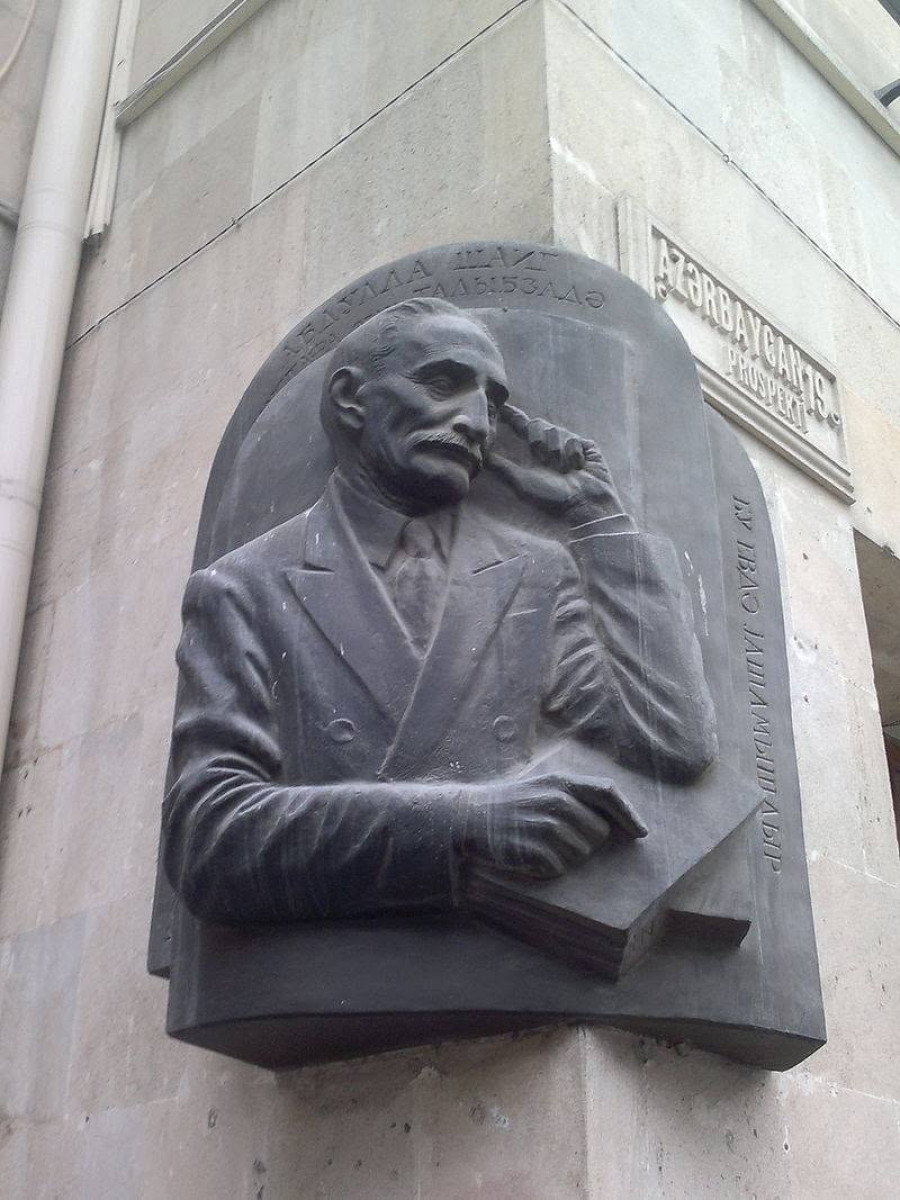
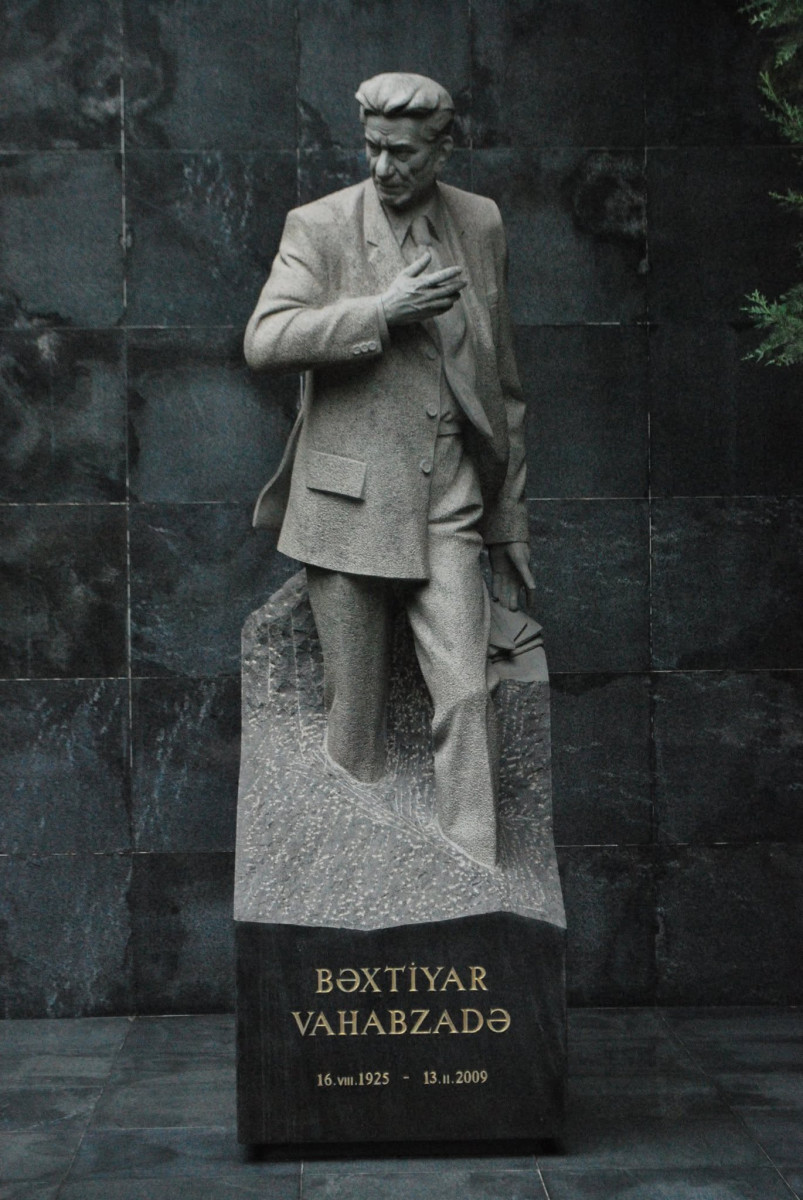
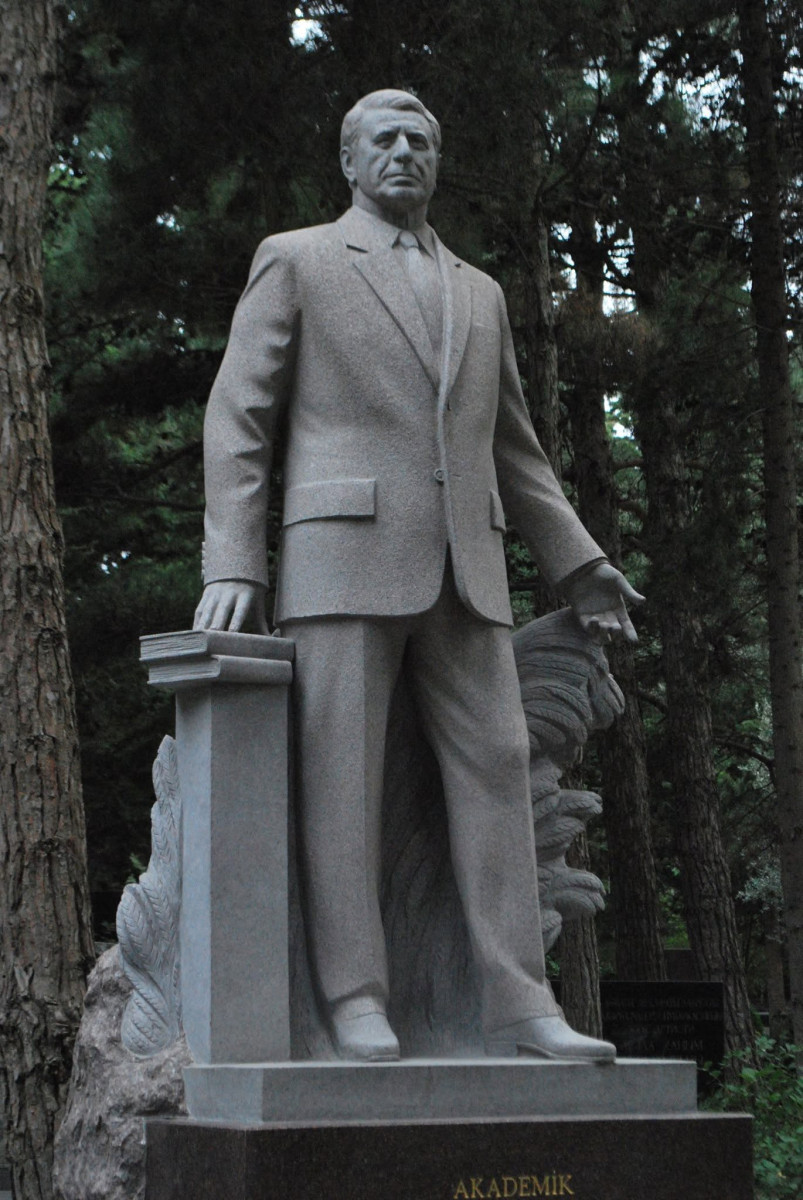
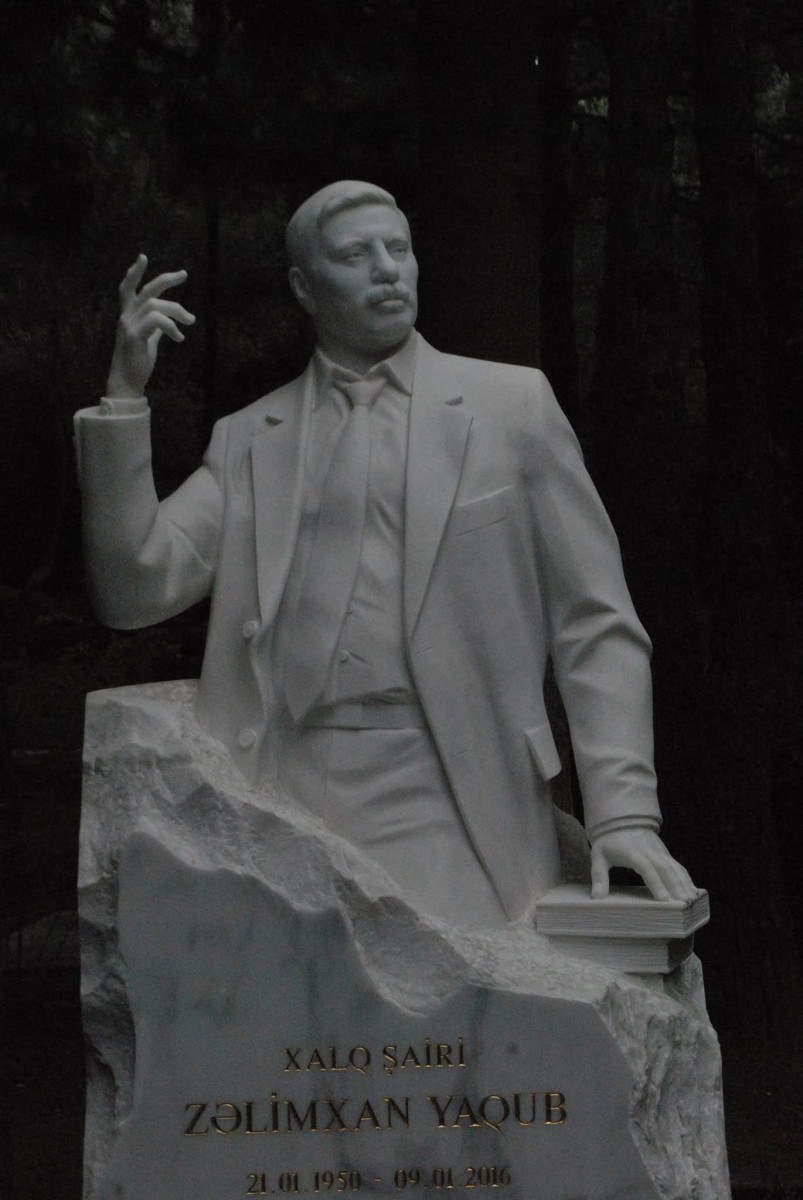
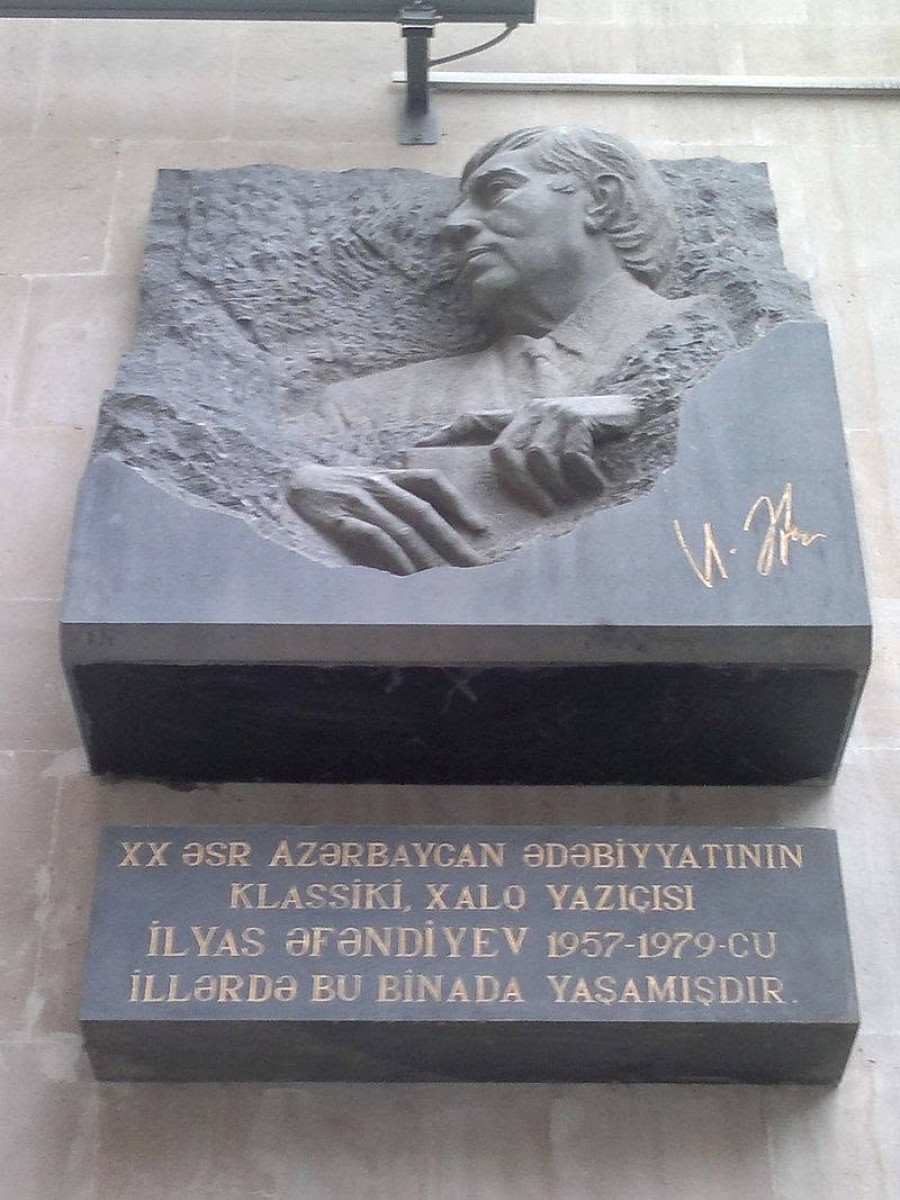
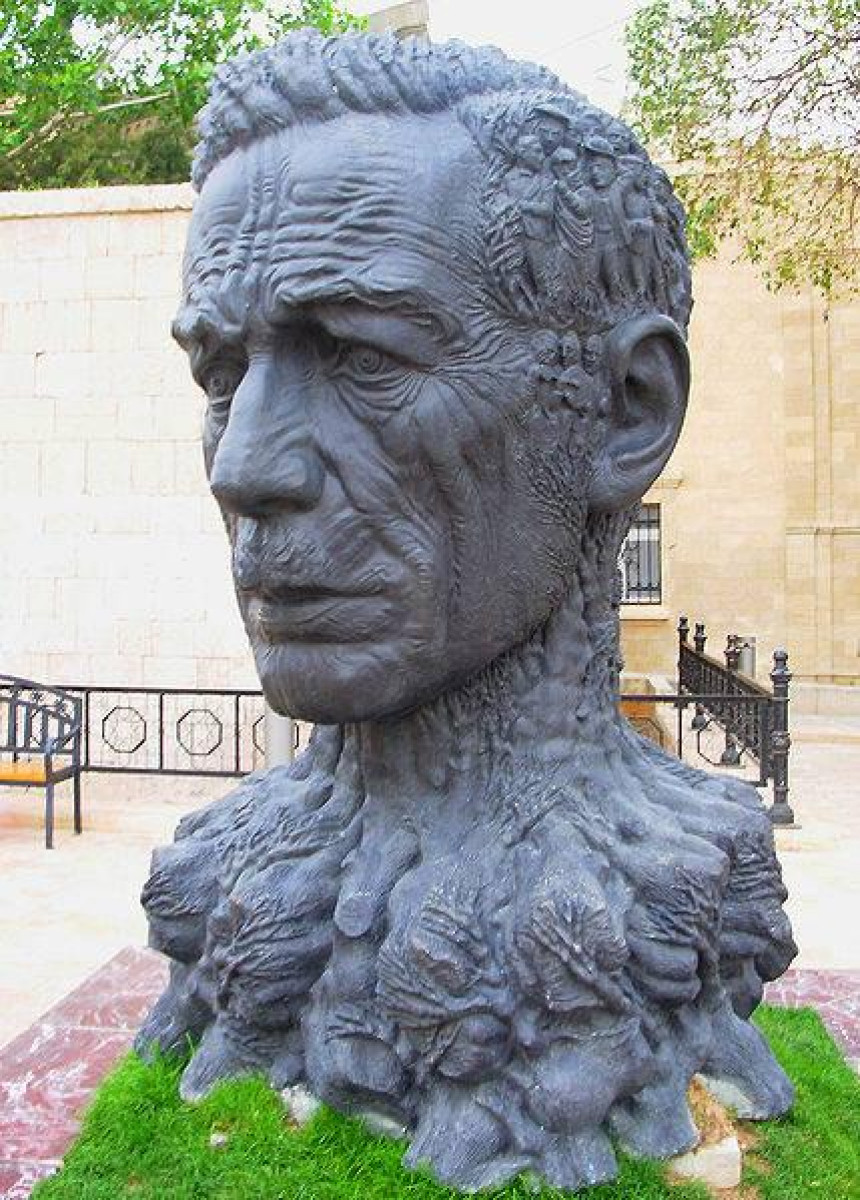
Aliyev's memorial practice extends this relationship between personality and cultural memory. His works dedicated to writers, composers, architects and public figures form part of the commemorative landscape of Azerbaijan. Memorial sculptures honouring Ilyas Afandiyev, Jabir Novruz, Hagigat Rzayeva and Mirvarid Dilbazi demonstrate the breadth of this activity. Such works are not simply records of individual biographies; they also contribute to the ways in which cultural figures remain present in the shared spaces of contemporary society.
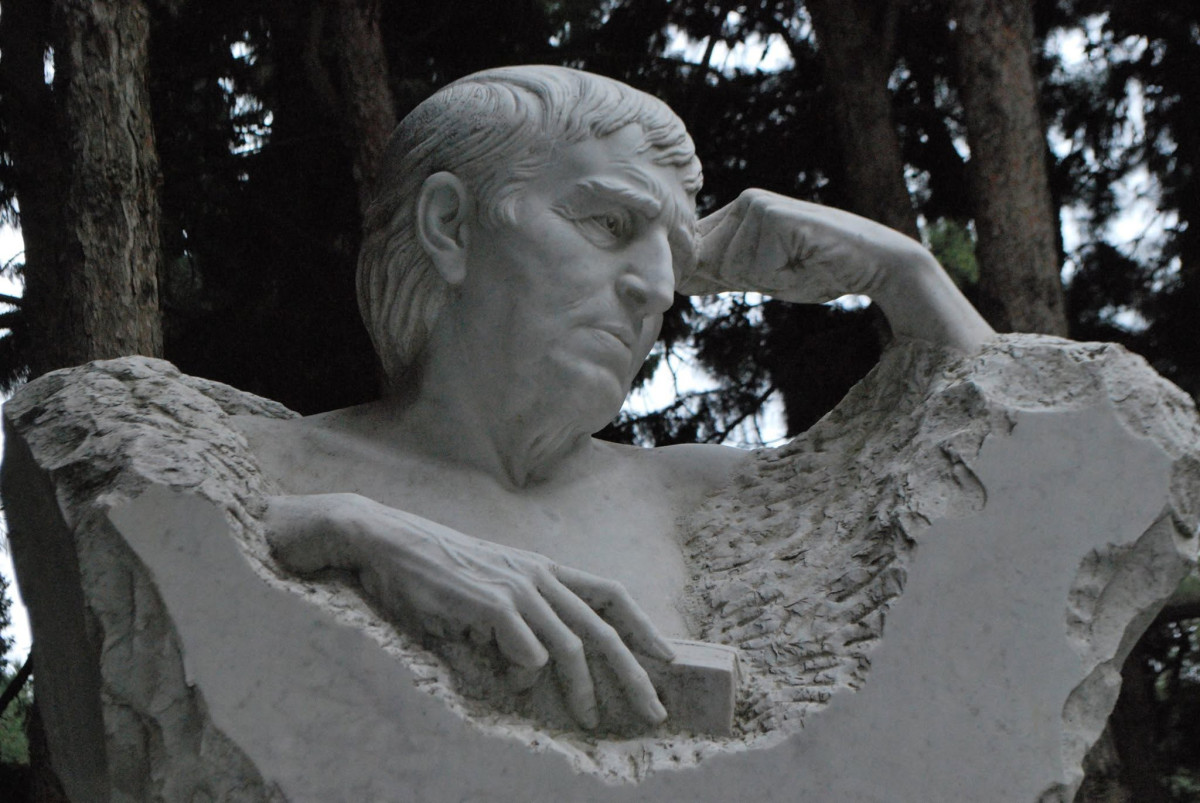
The memorial dedicated to the poet Musa Yaqub offers another perspective on the relationship between material and expression. Executed in granite, the sculpture addresses the challenge of conveying psychological movement through a material associated with substantial weight and physical resistance. The tension between the solidity of stone and the expressive character of the figure illustrates one of the central questions of Aliyev's practice: how can an apparently static form communicate an inner state of movement?
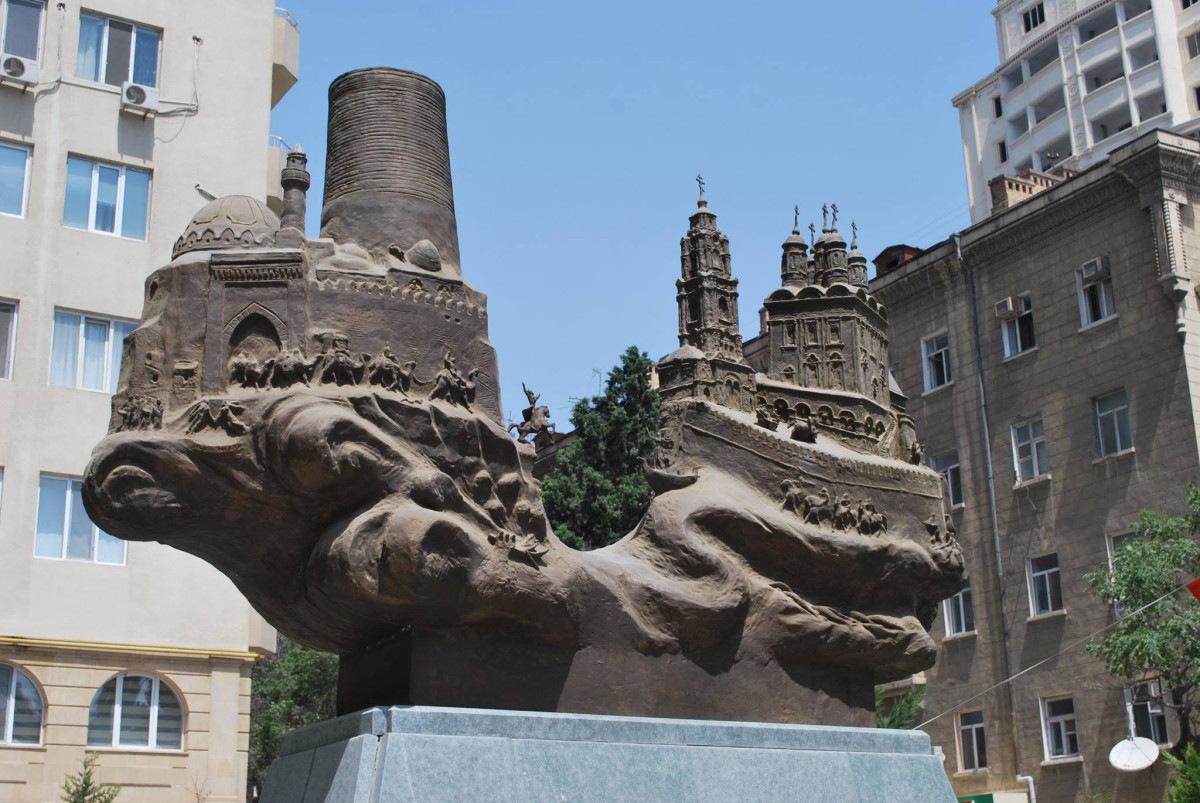
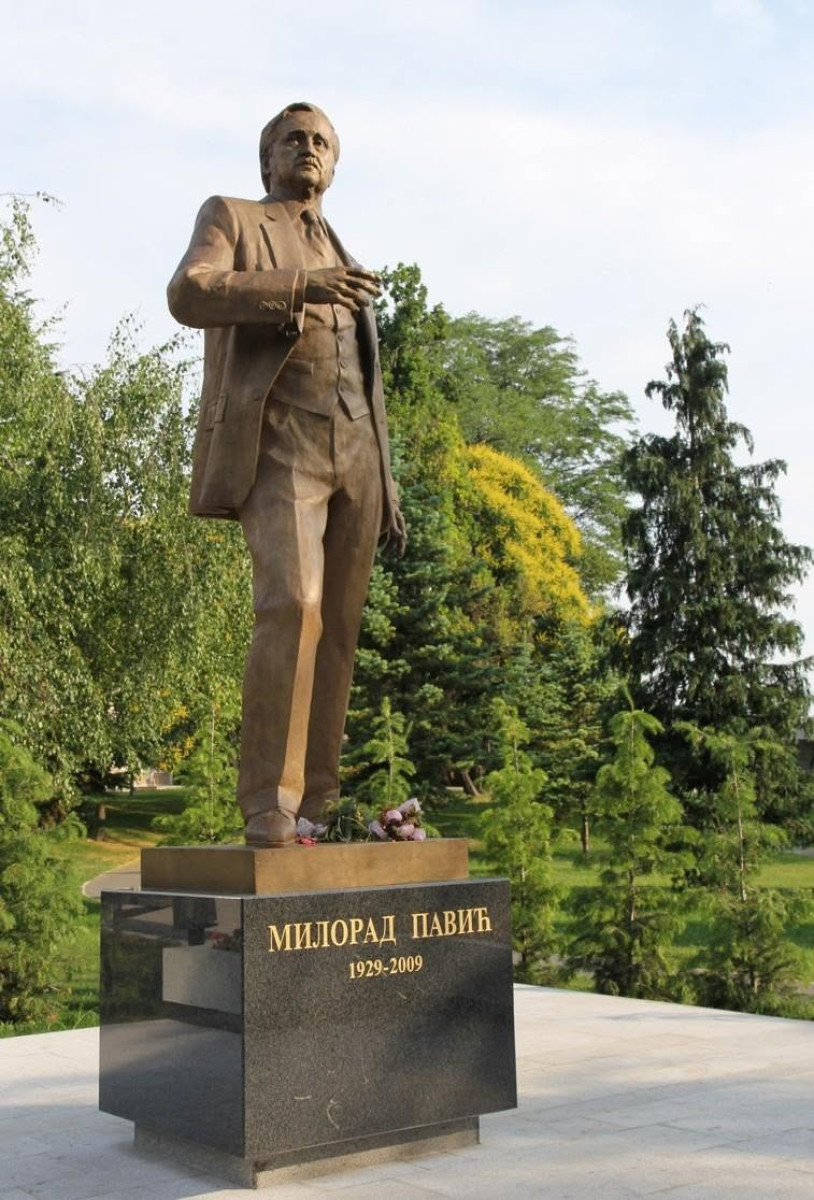
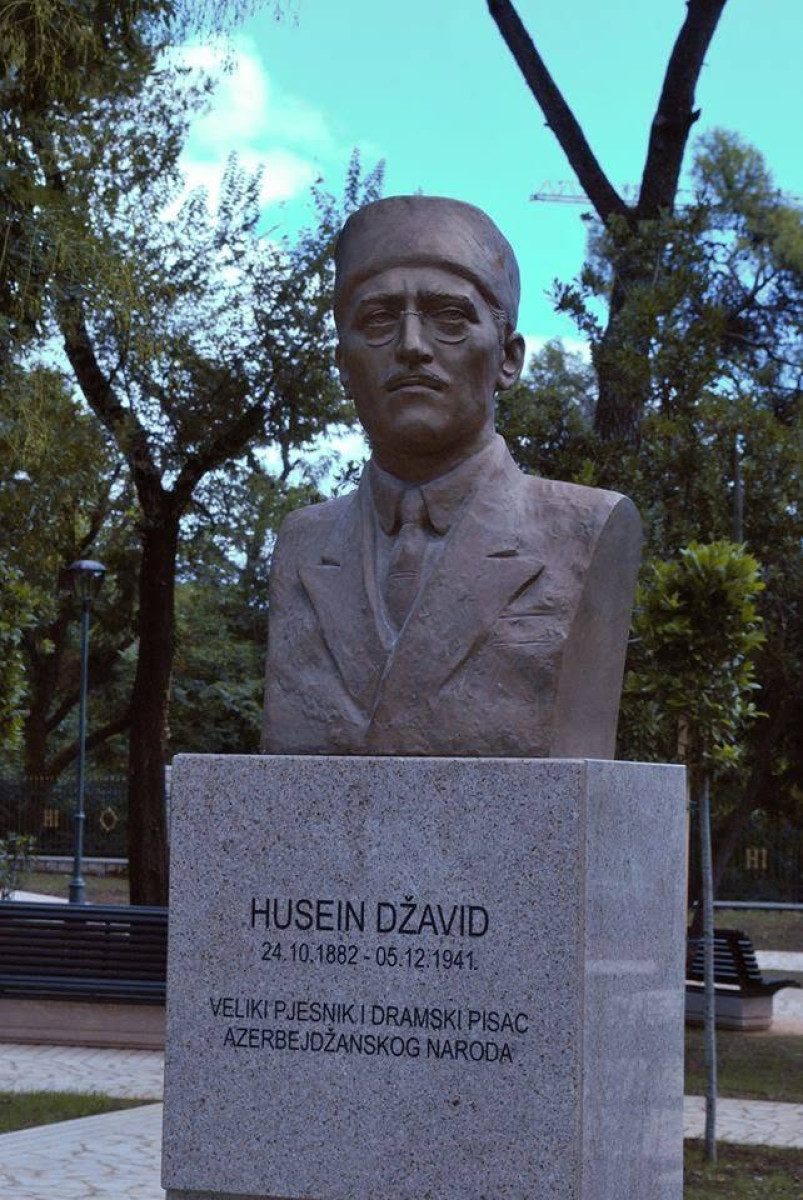
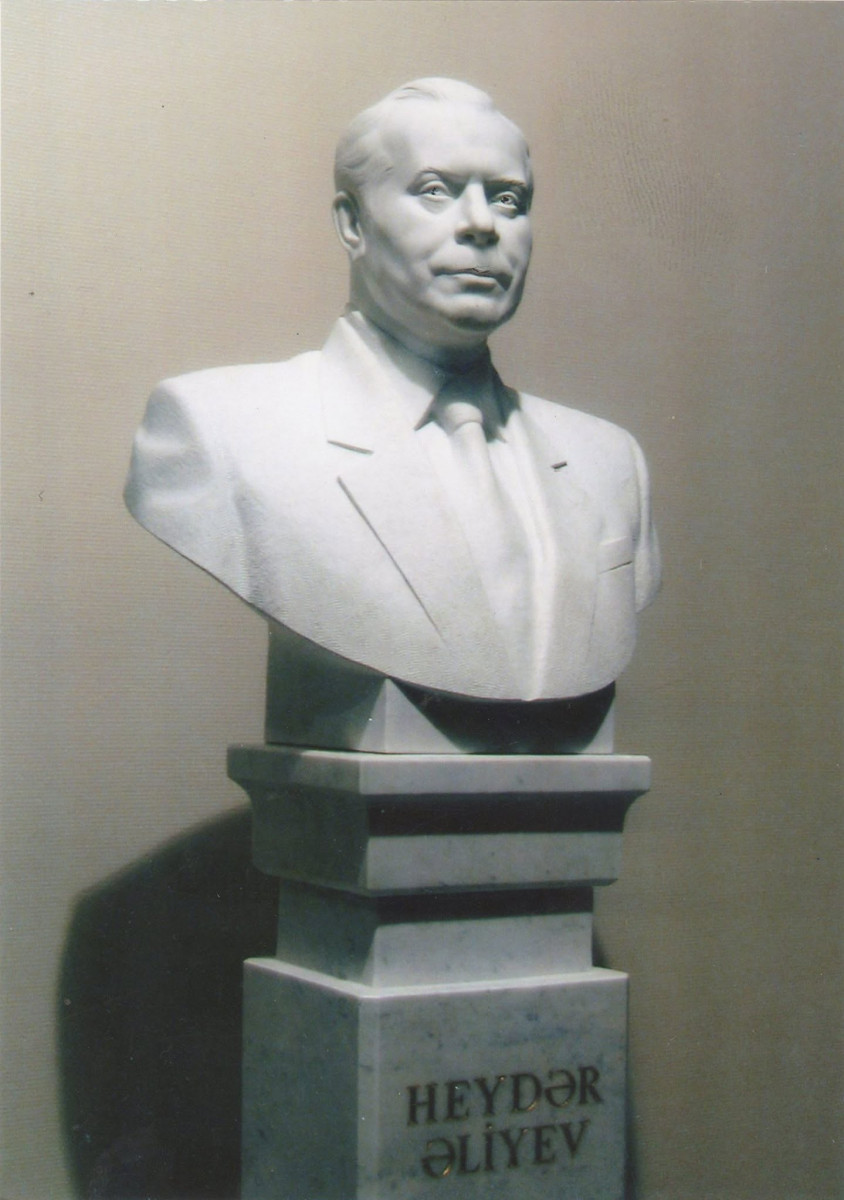
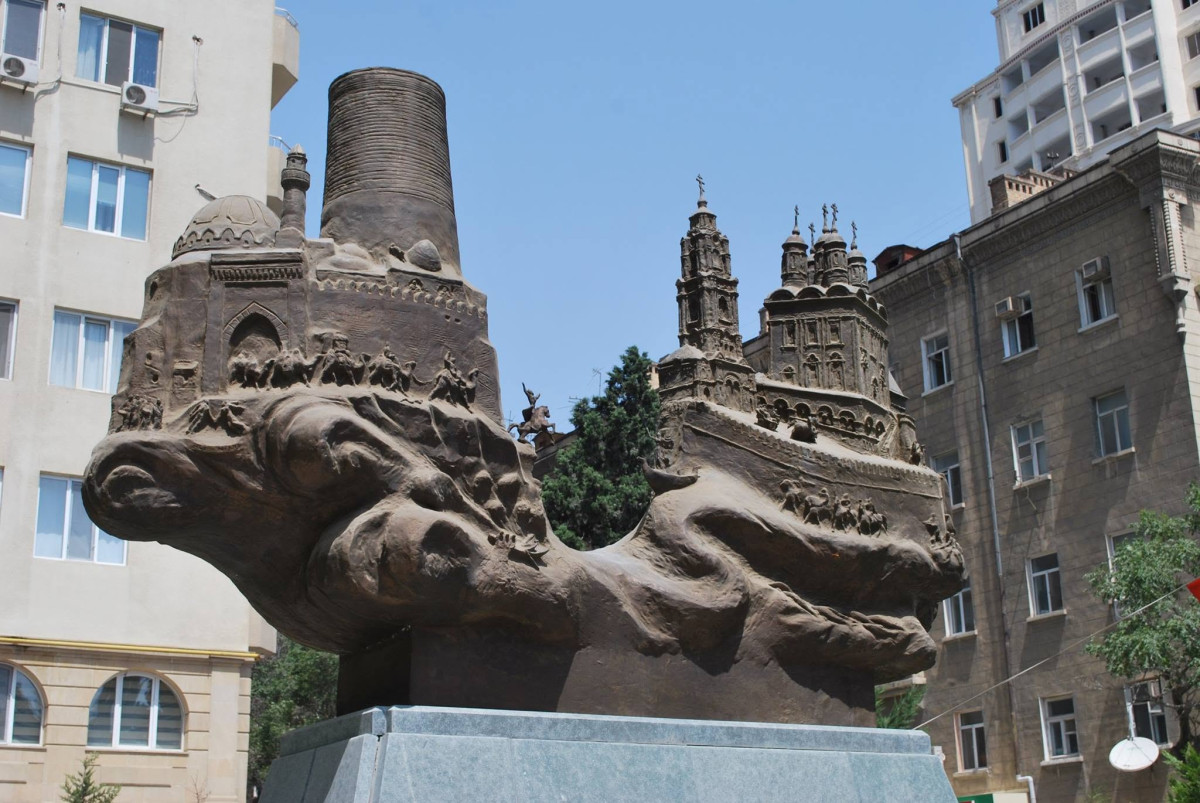
His international monumental projects extend this artistic inquiry beyond Azerbaijan. Sculptures and memorials in Kyiv, Tbilisi, Astrakhan, Belgrade, Novi Sad, Mexico City, Sarajevo and Podgorica place Azerbaijani sculptural practice within diverse urban and cultural contexts. Among these works are monuments dedicated to Heydar Aliyev, Uzeyir Hajibeyli, Milorad Pavić and Huseyn Javid. The Khojaly memorials in Mexico City and Sarajevo are particularly significant in their engagement with historical remembrance. Through their placement in public spaces beyond Azerbaijan, these works connect national historical memory with an international audience.
Equally important is Aliyev's contribution to art education. His academic career and leadership of the Azerbaijan State Academy of Fine Arts establish a connection between individual artistic experience and the institutional transmission of sculptural knowledge. His professional legacy consequently extends beyond the physical presence of his monuments. It also concerns the continuing study of form, material, public space and the visual representation of historical identity. Within contemporary Azerbaijani sculpture, Aliyev's work provides a substantial field for examining how monumental art can preserve cultural memory while remaining an active component of the modern urban environment.
Art Space Gallery MEDIA