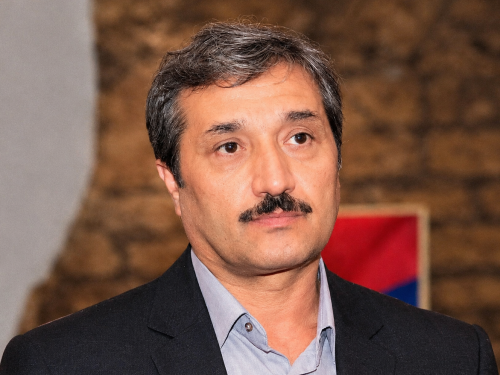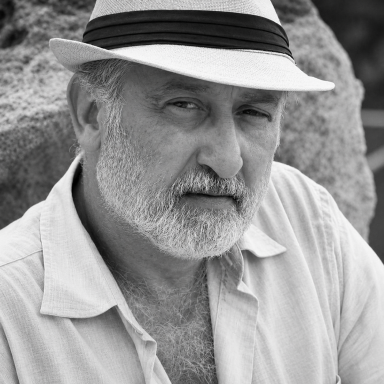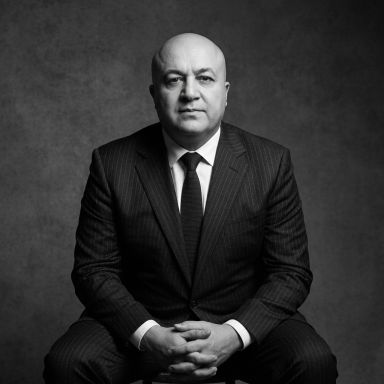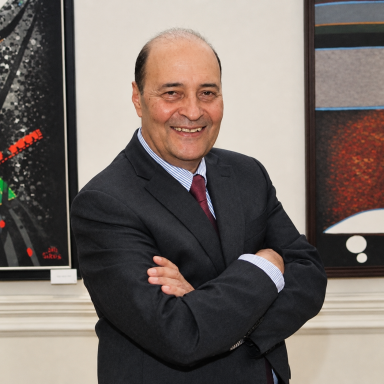
Born in Baku on 22 January 1944, Sirus Yadulla oglu Mirzazade is a distinguished representative of Azerbaijani visual art, whose practice encompasses monumental art, easel painting and graphic art. He graduated from the Azim Azimzade Art School in 1966 and the Moscow Higher Art and Industrial School in 1972. In the same year, he became a member of the Union of Artists of Azerbaijan. He received the Humay Award in 1996, was awarded the honorary title of Honoured Artist of Azerbaijan in 2002, and was named People's Artist of Azerbaijan in 2018. Alongside his artistic practice, he has also pursued an academic career as a professor at the Azerbaijan State Academy of Fine Arts. His work brings together different stages in the development of Azerbaijani art.
The monumental dimension of Mirzazade’s art is particularly significant. His work in mosaic, fresco and stained glass demonstrates his ability to organise large-scale compositions through colour, rhythm and expressive form. Among his notable projects are the mosaic panel Happiness (1975), created in collaboration with Rashid Heydarzade, Arif Alasgarov and Elkhan Tairov, and Workers’ Hands (1978), produced with the participation of Rashid Heydarzade and Arif Alasgarov. These works reflect an artistic approach in which the relationship between the individual, collective experience and the surrounding environment becomes an essential part of the visual narrative.
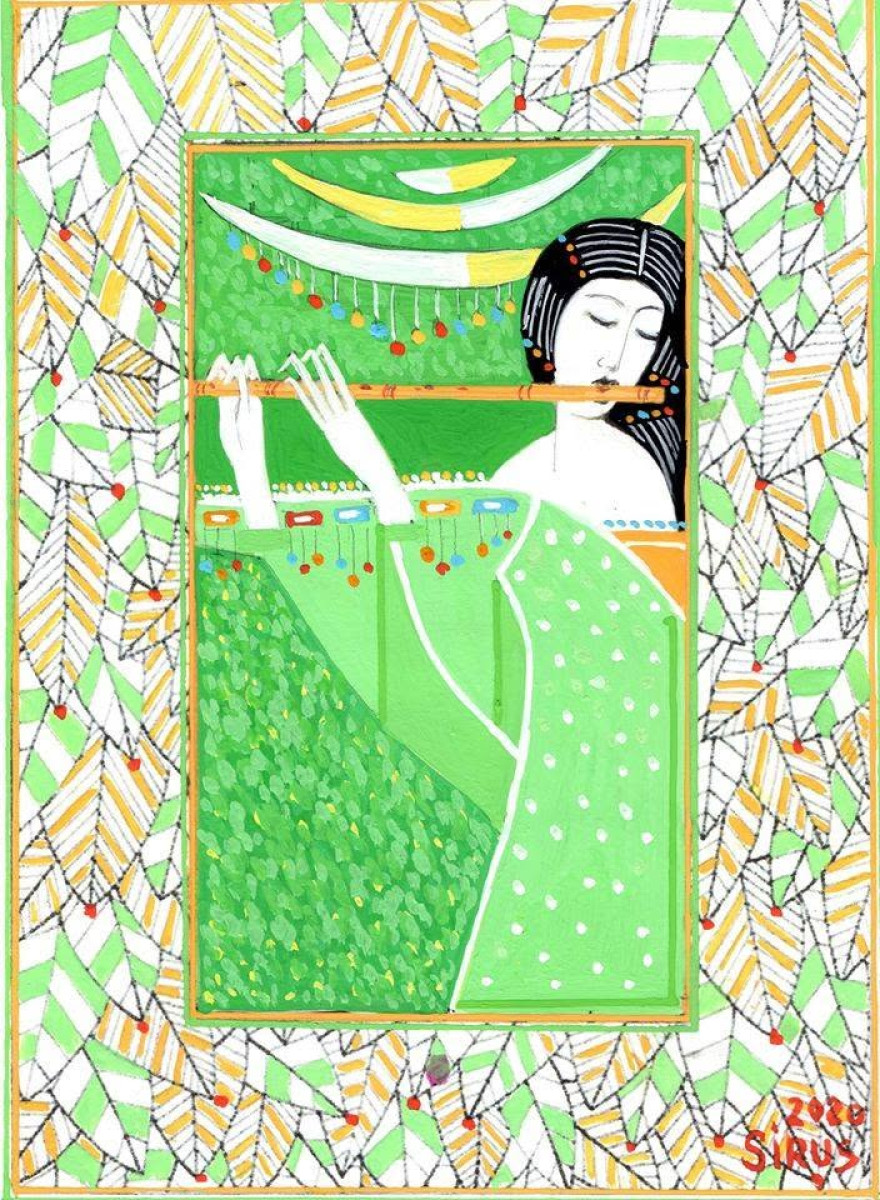
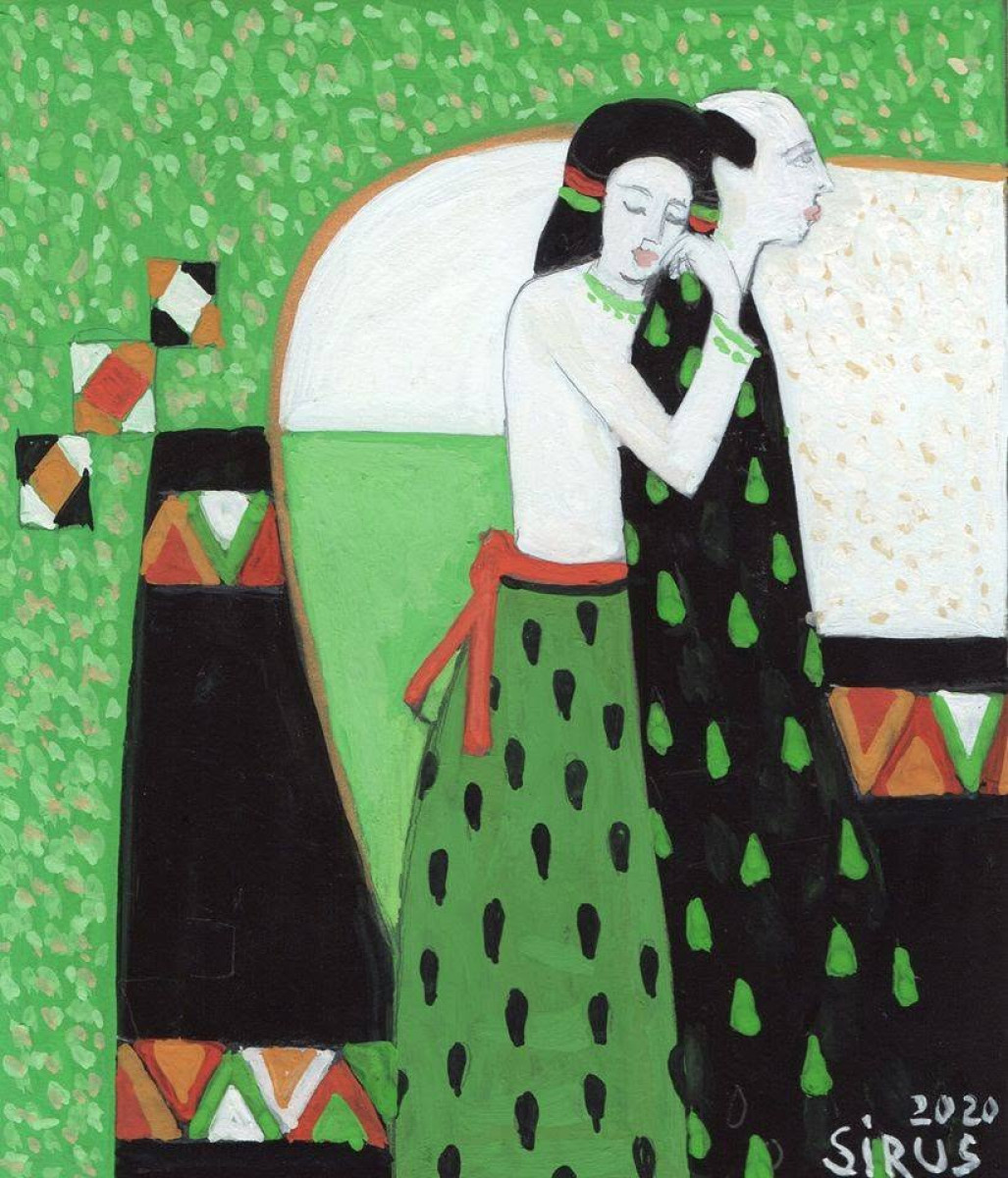
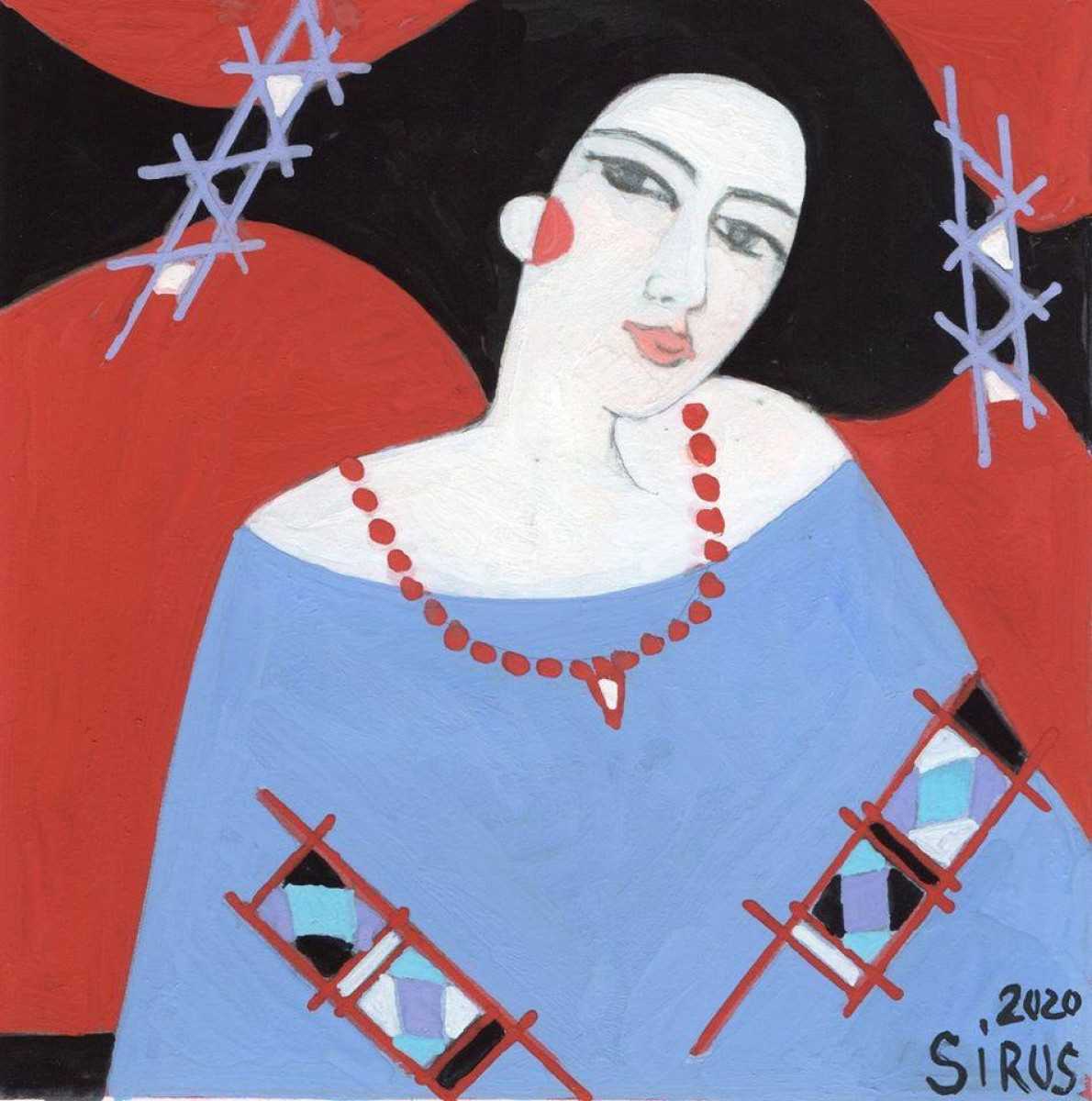
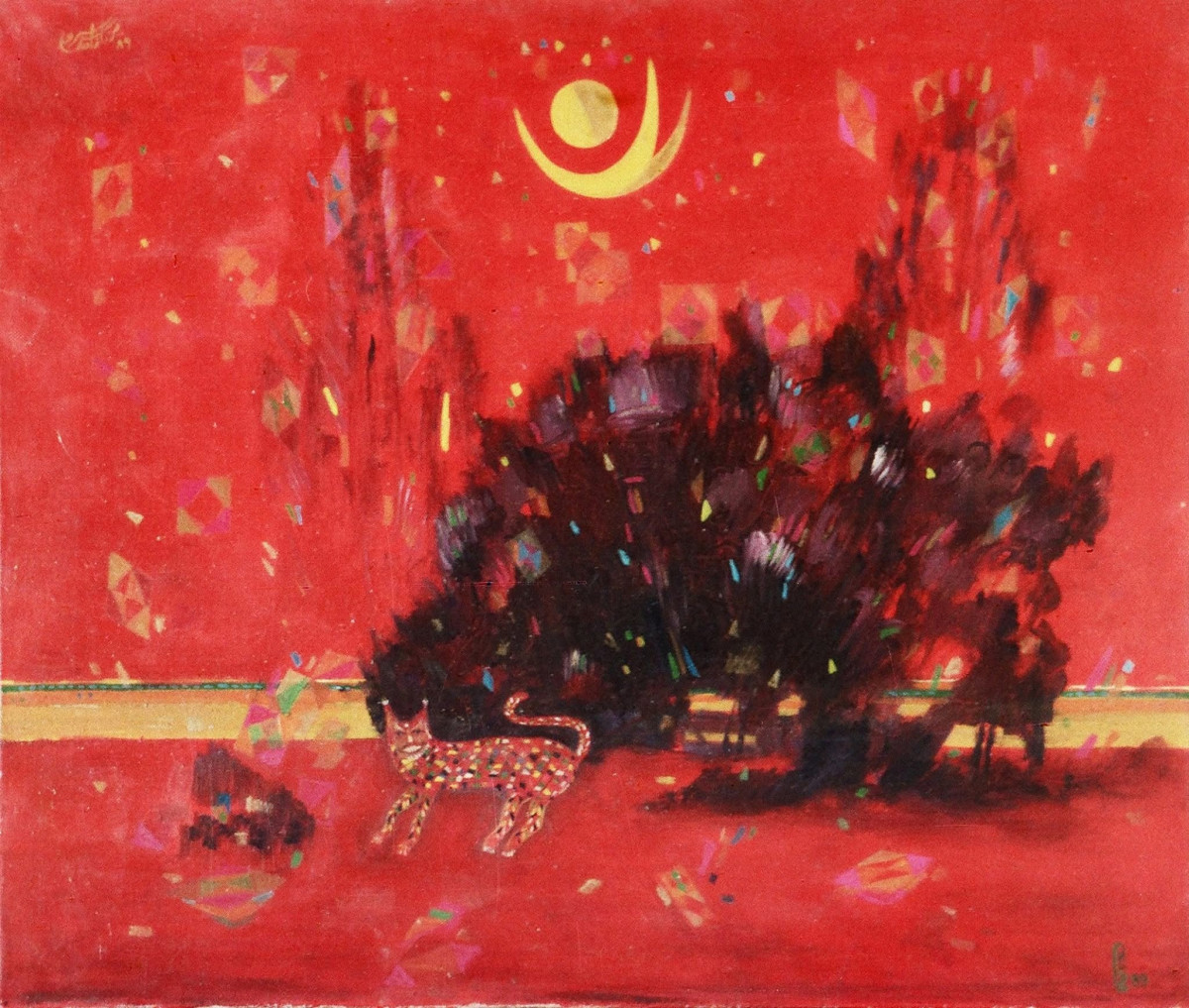
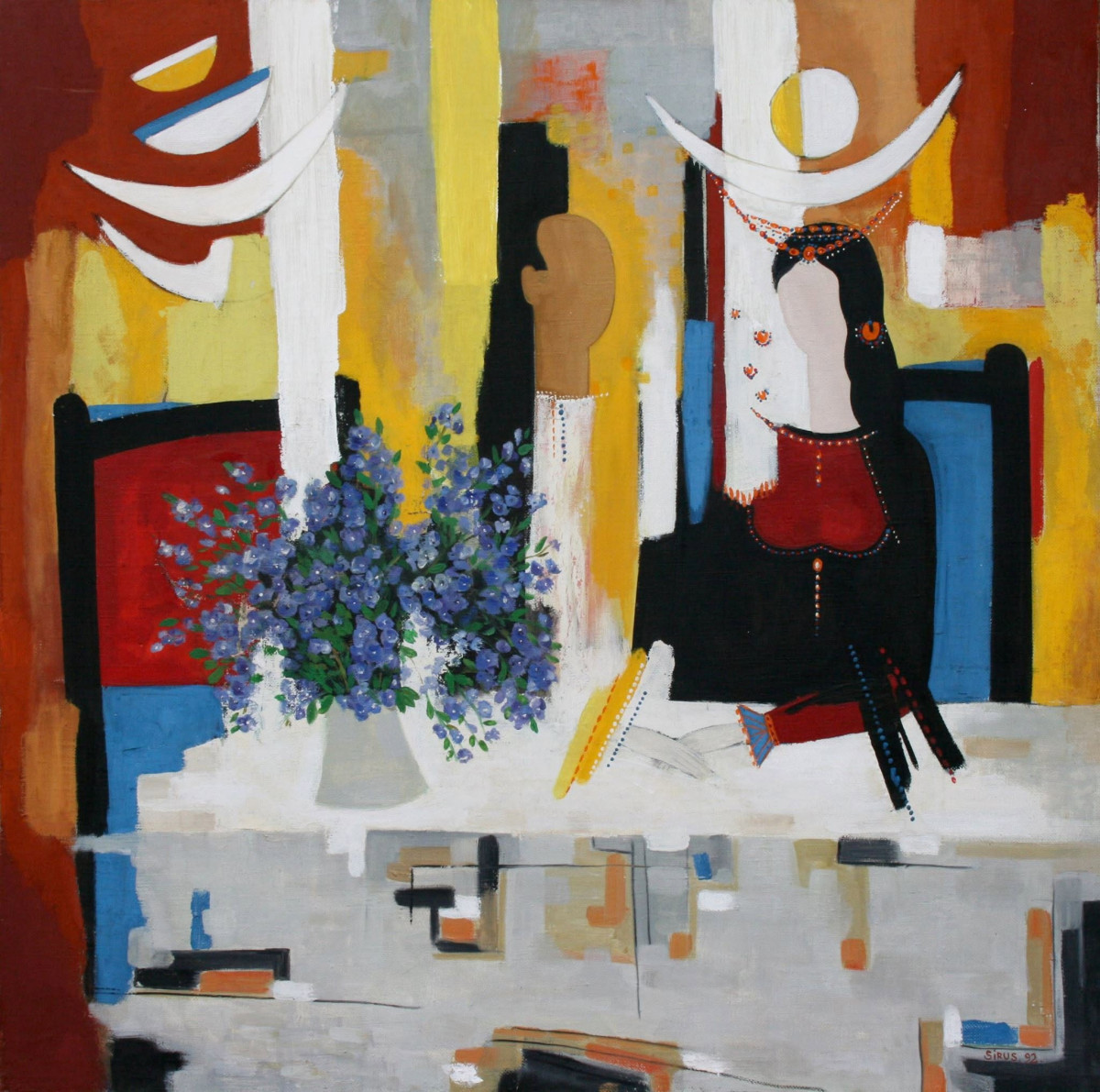
From the late 1980s onwards, easel painting assumed an increasingly important place in his creative practice. The transition from monumental compositions to paintings of a more intimate scale did not mean abandoning the principles of monumental thinking. Rather, Mirzazade carried their structural clarity, decorative richness and expressive colour into a different artistic form. His compositions often convey a sense of spatial flatness and rhythmic organisation, while colour functions not merely as a means of representation but as an independent element of emotional and visual expression.
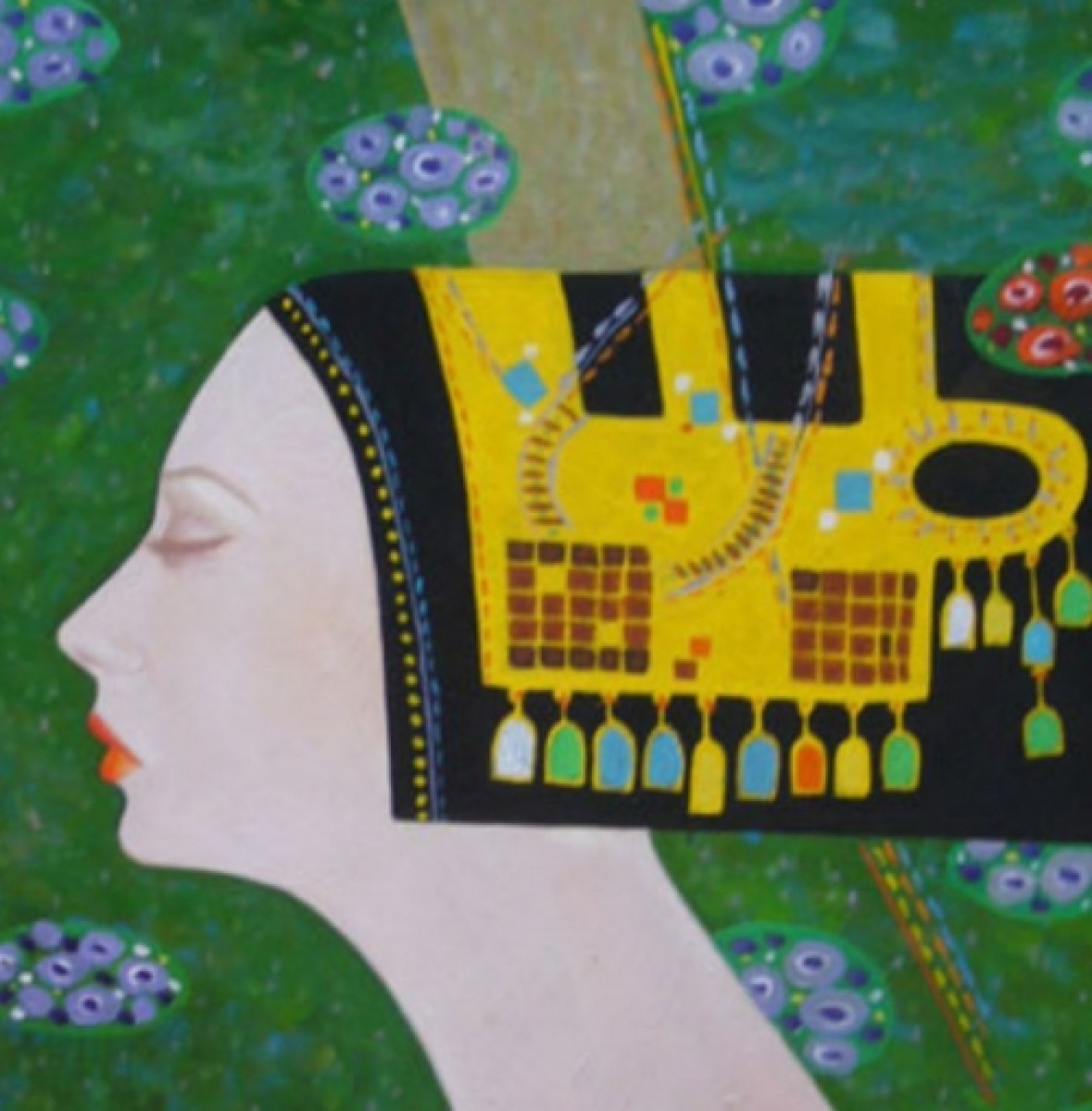
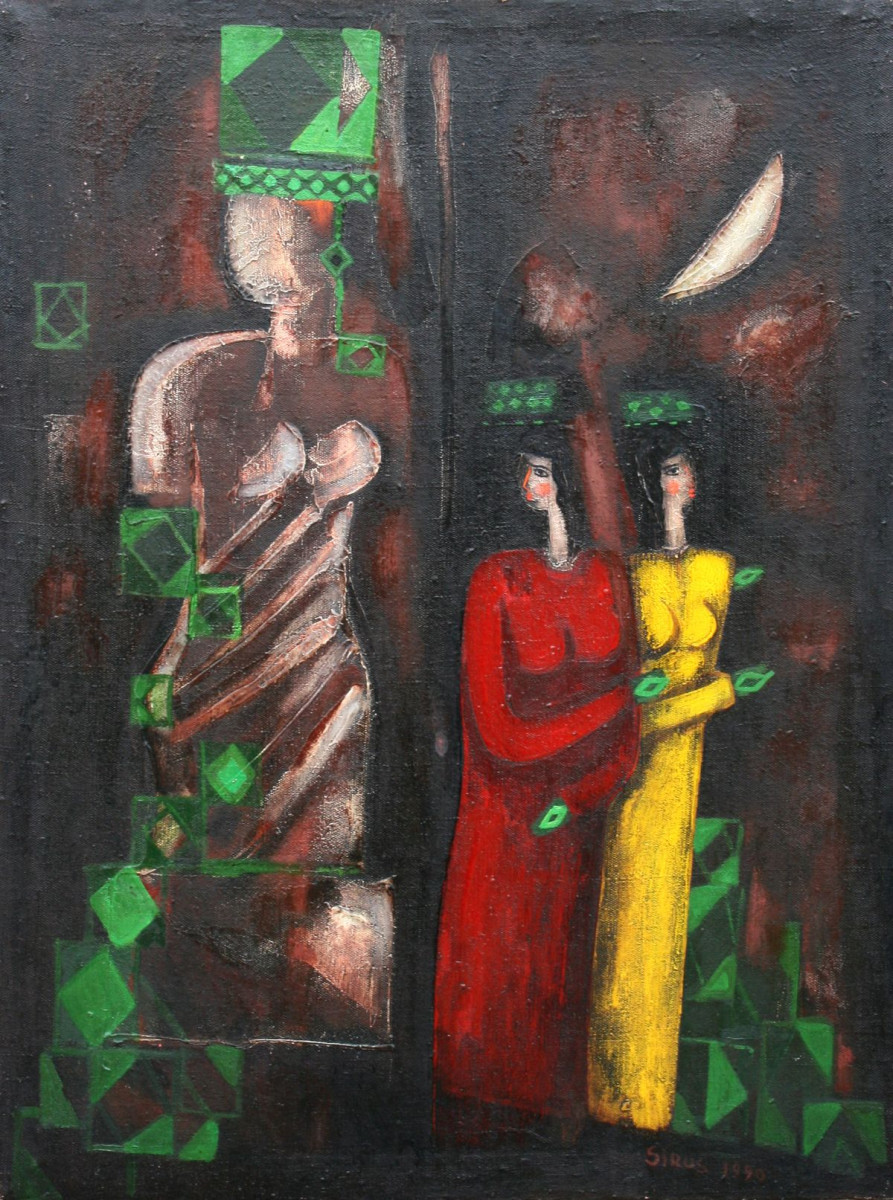
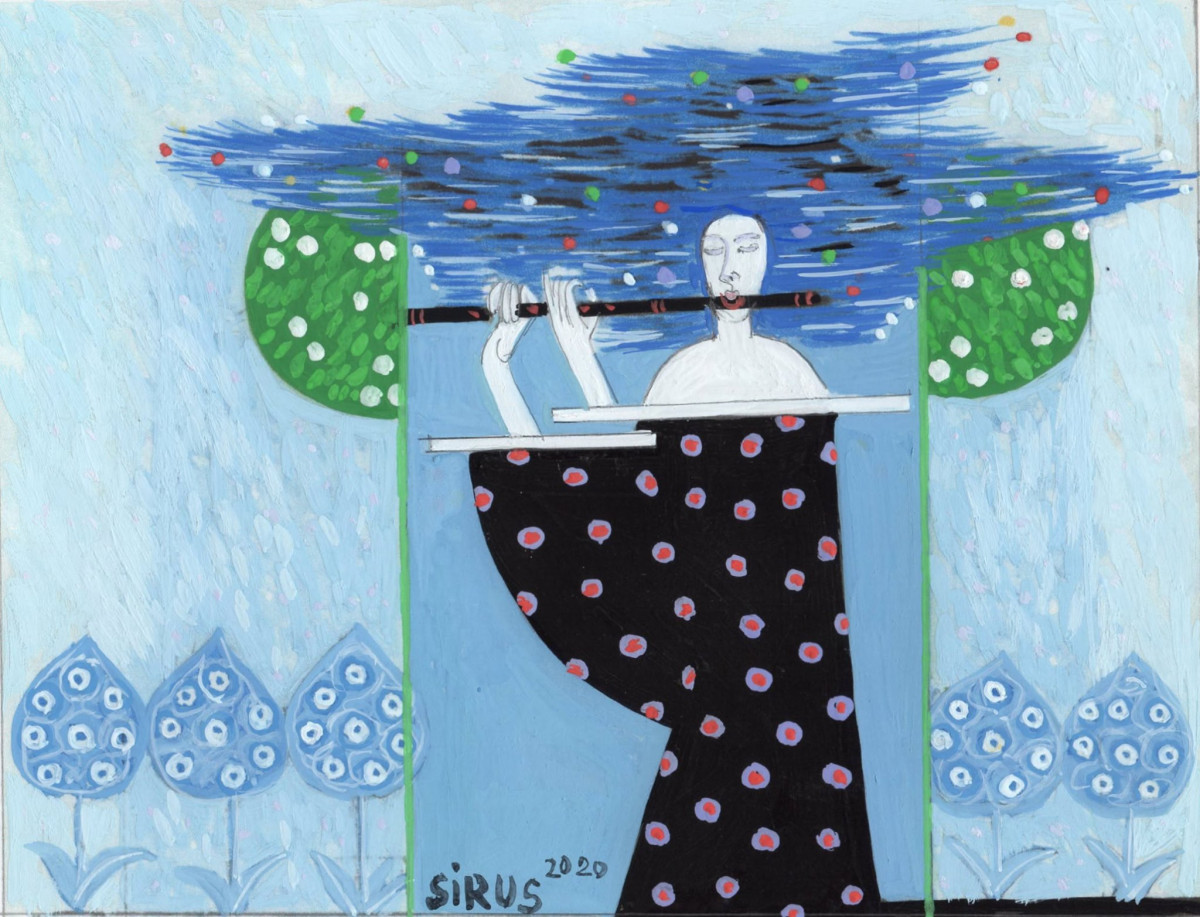
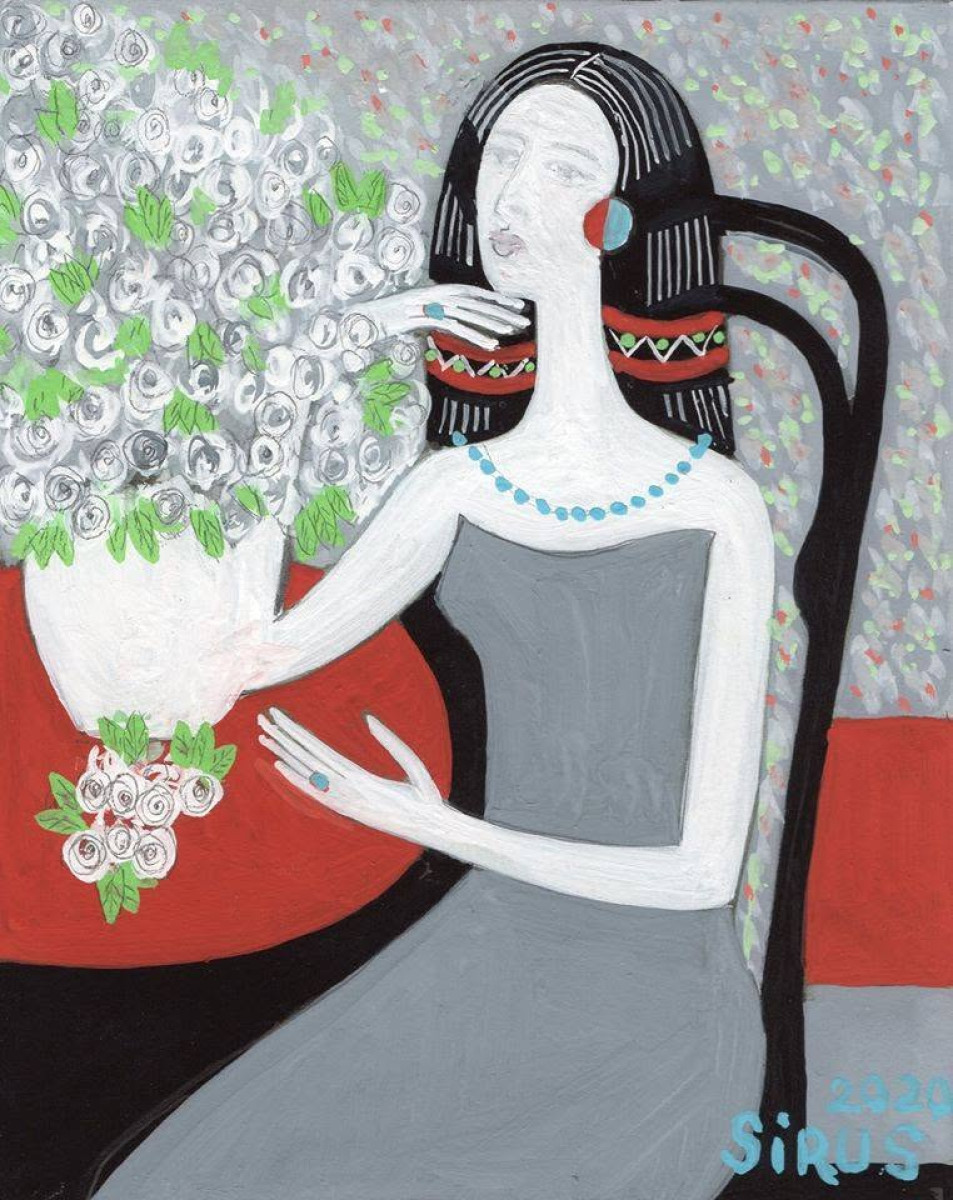
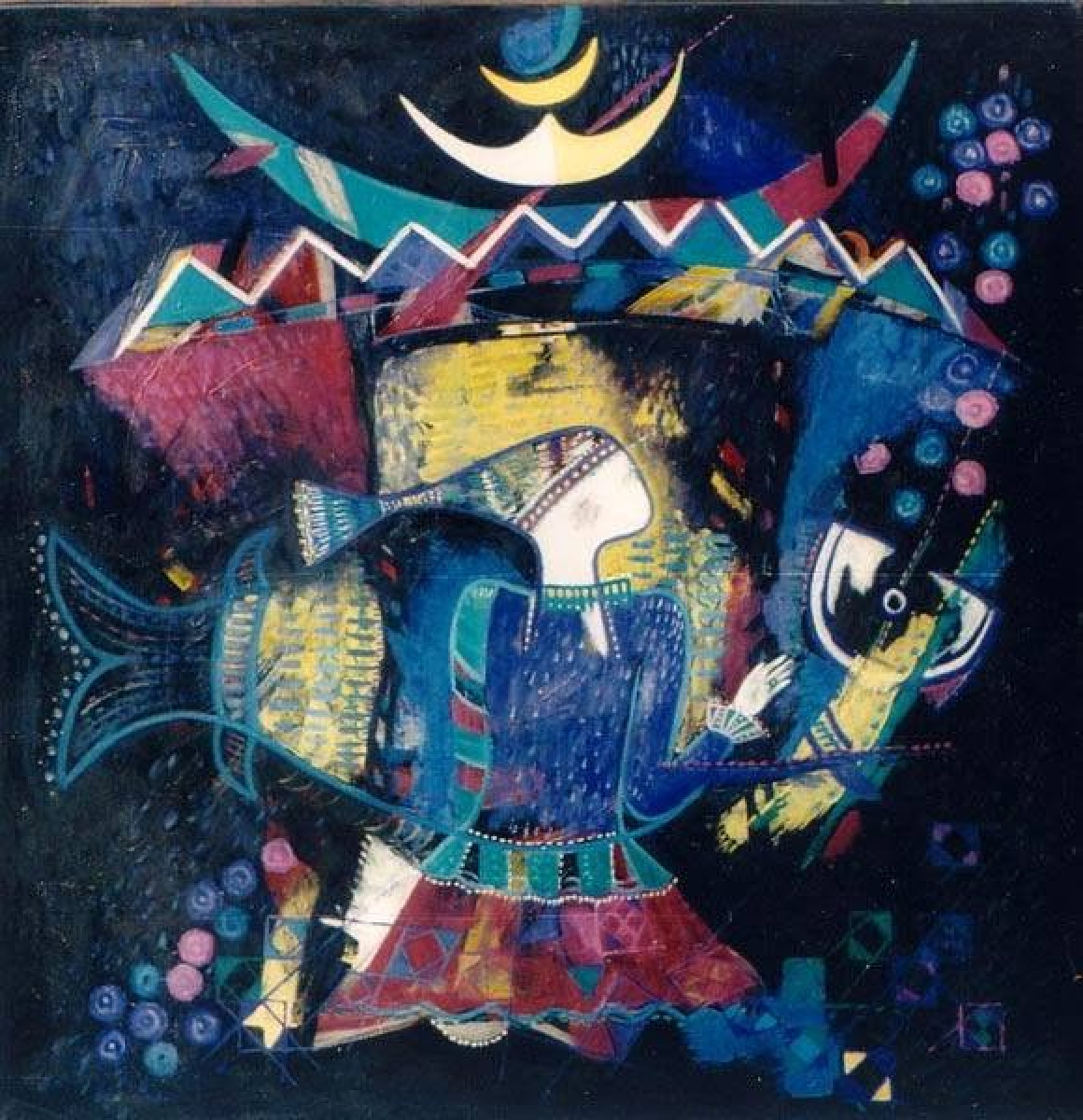
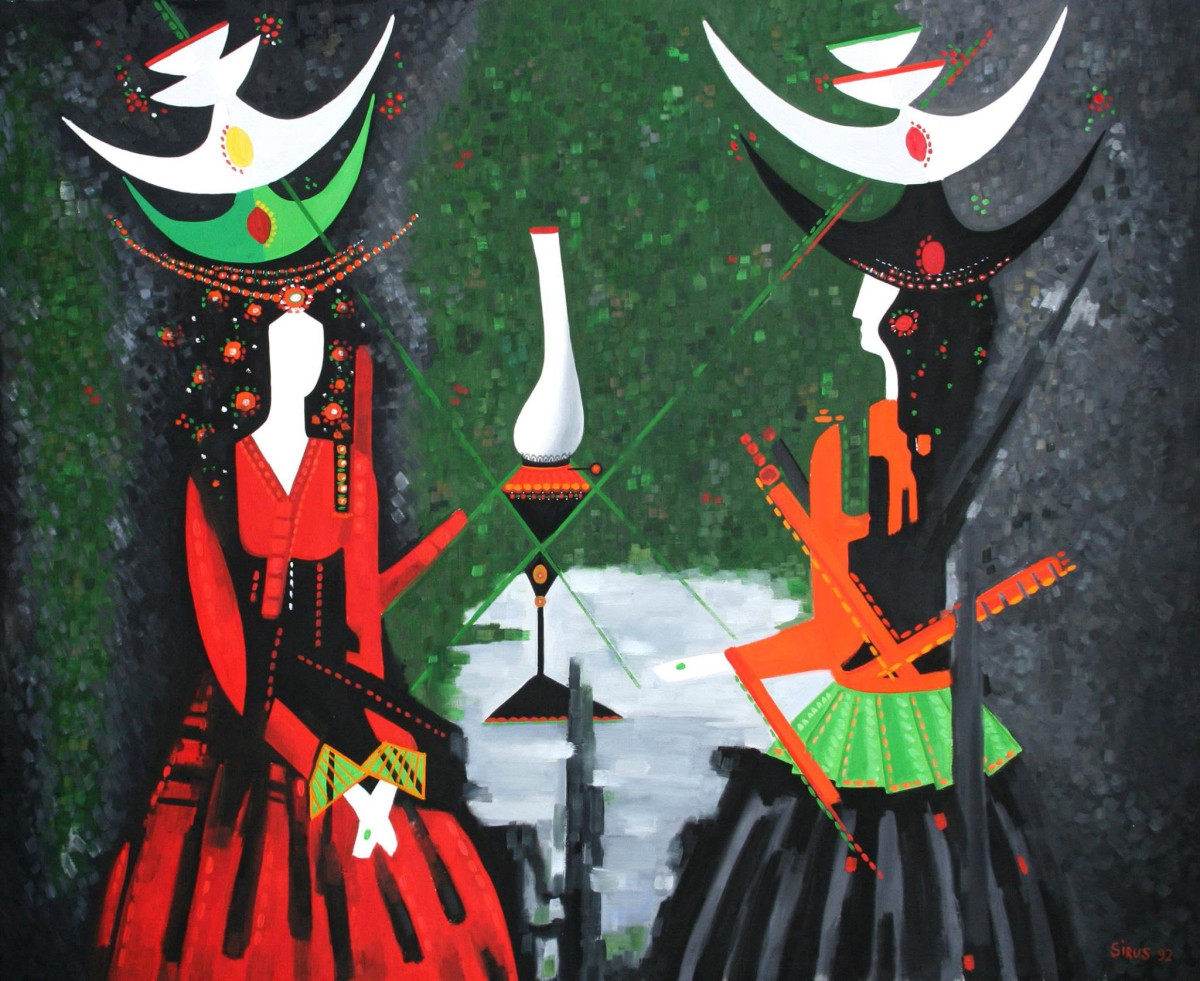
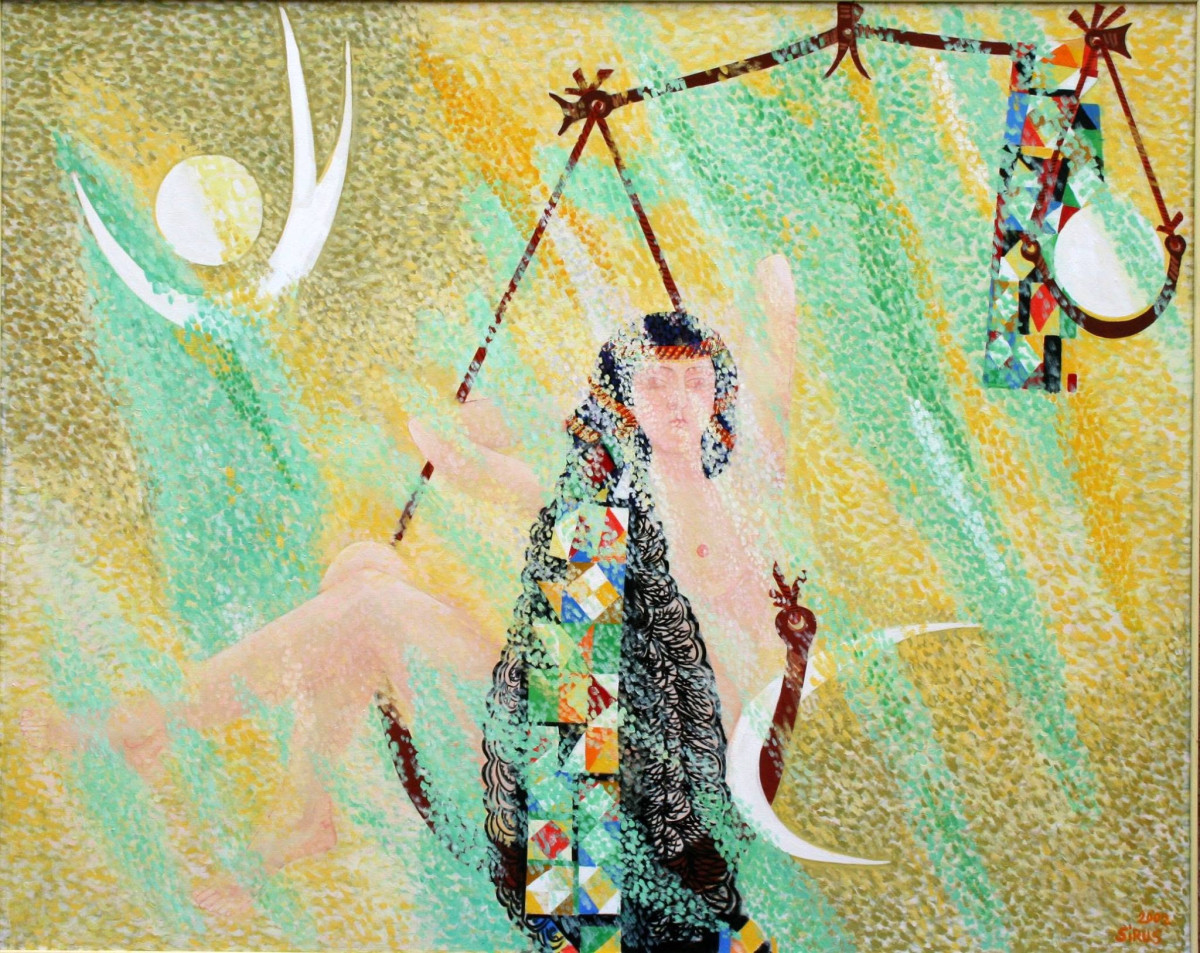
The artist’s visual language draws upon several layers of cultural memory, including the traditions of Azerbaijani and Eastern miniature painting, ornamental forms, carpet motifs, mugham and mythological imagery. These references are not simply reproduced as historical quotations; they are reinterpreted within a contemporary pictorial language. The result is an artistic world in which the heritage of the past becomes part of an individual and recognisable visual expression. His work Suzan’s Dream (1983), dedicated to his daughter, offers an intimate dimension of this practice, while the Adam and Eve series explores themes of human existence, memory and symbolic experience.
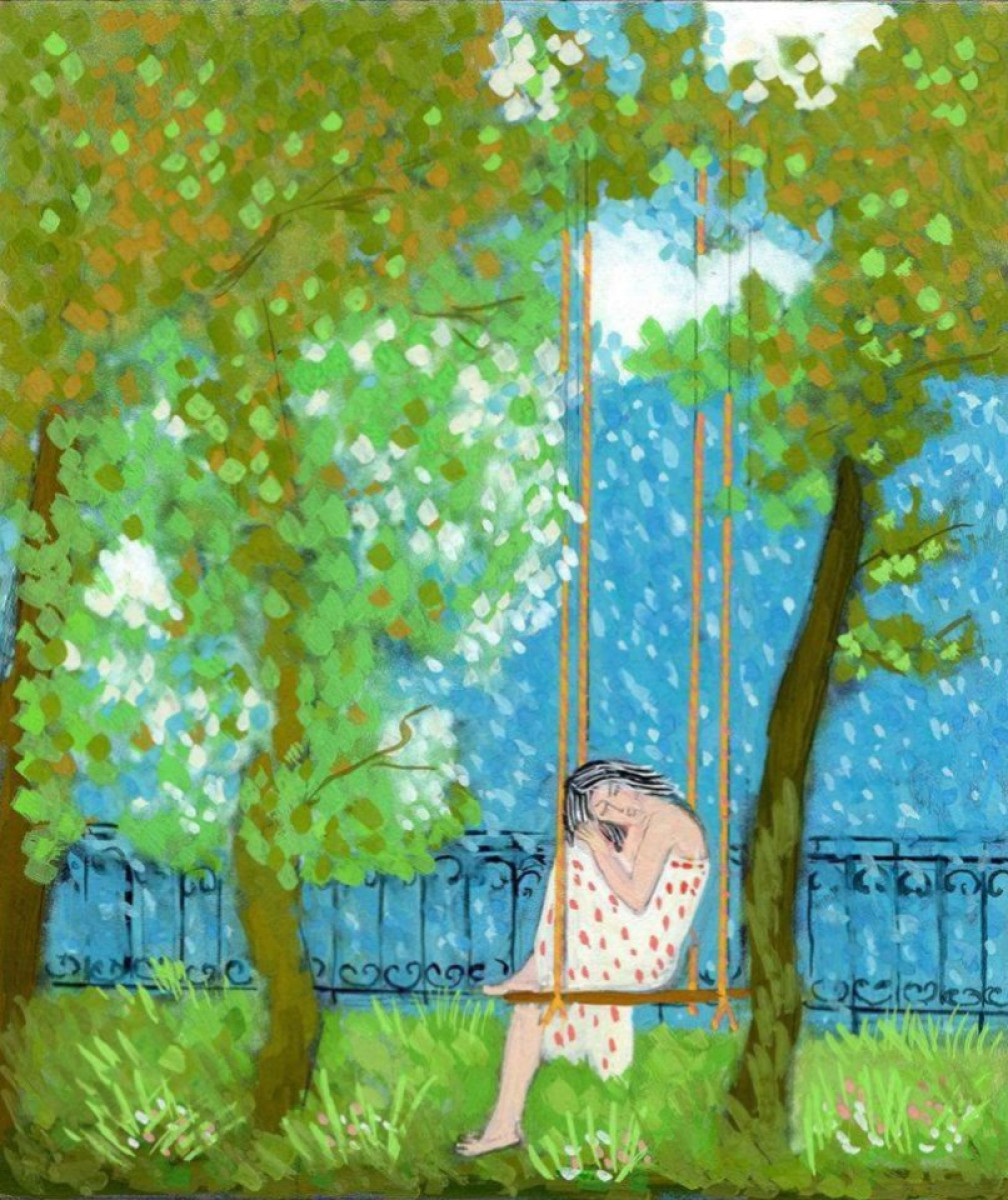
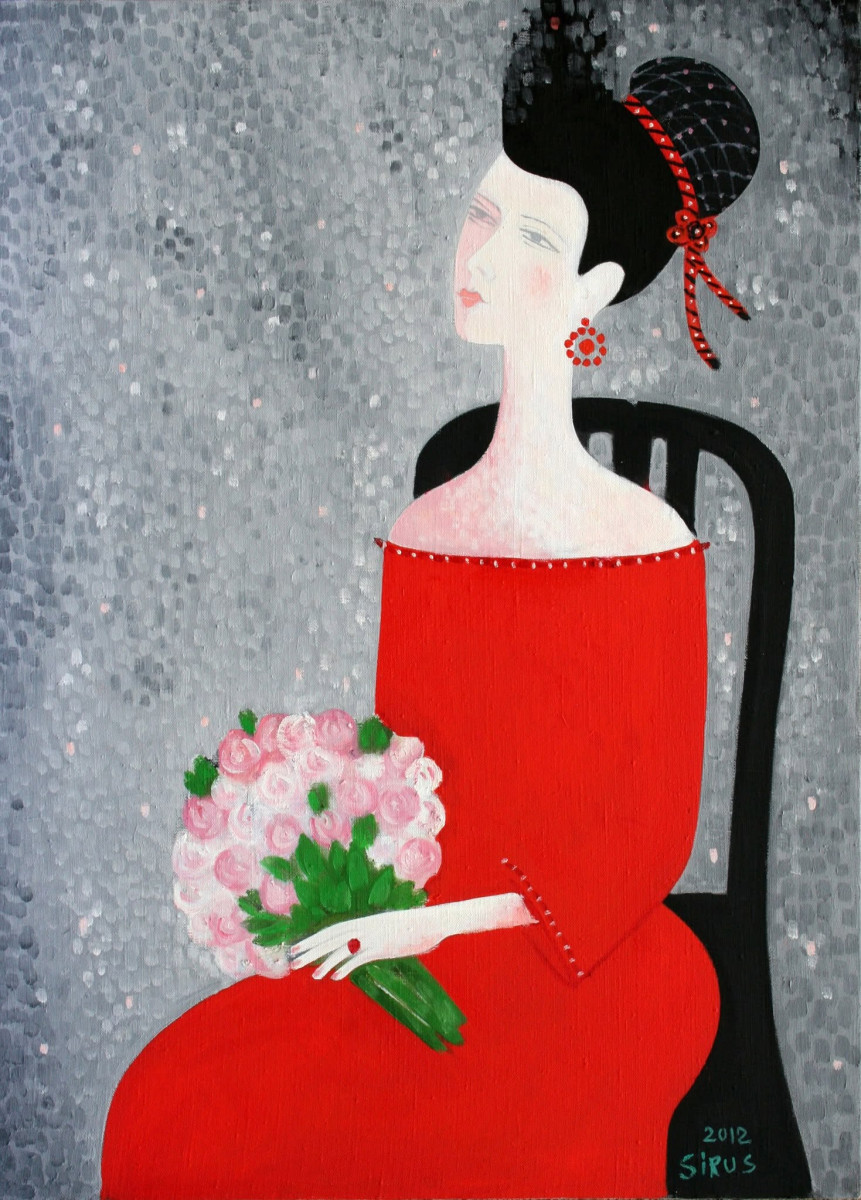
The human figure, particularly the female image, occupies a central place in many of Mirzazade’s compositions. His paintings often combine the familiar details of everyday life with an atmosphere of dream, recollection and poetic contemplation. Works such as Jasmine, A Red Morning, In Dreams, In Sweet Reveries and By the Light of a Lamp reveal the artist’s interest in the emotional and symbolic potential of colour, gesture and composition. Rather than relying on narrative detail, he creates visual spaces in which mood, rhythm and cultural associations shape the viewer’s experience.
Mirzazade’s artistic career has been presented through exhibitions in Azerbaijan and abroad. His exhibitions in Baku and Moscow in 1987, followed by presentations in France and Türkiye in 1995, formed part of his wider engagement with the international art environment. In 2014, the Azerbaijan National Museum of Art organised an exhibition marking the artist’s seventieth anniversary, bringing together more than eighty paintings and approximately sixty graphic works. In 2025, the museum presented On the Wings of Dreams, an exhibition that included around one hundred paintings and graphic works, alongside photographs and documentation related to his monumental projects.
The significance of Sirus Mirzazade’s art lies in the continuity he has established between monumental composition and the intimate language of easel painting. His work demonstrates how national artistic traditions, cultural memory and the visual vocabulary of the East can be reinterpreted through an individual contemporary approach. By bringing together ornament, symbolism, expressive colour and a distinctive sense of composition, Mirzazade has developed a visual language that occupies a recognisable place within the history of Azerbaijani art.
Art Space Gallery MEDIA