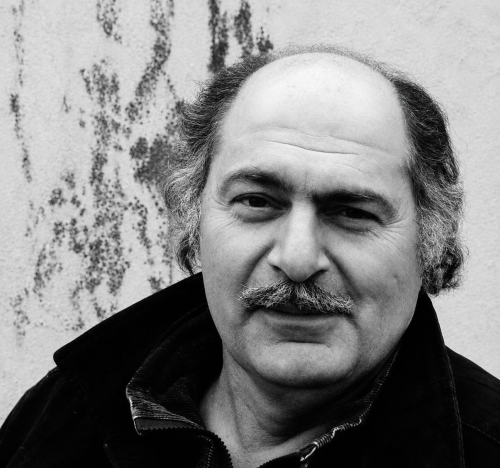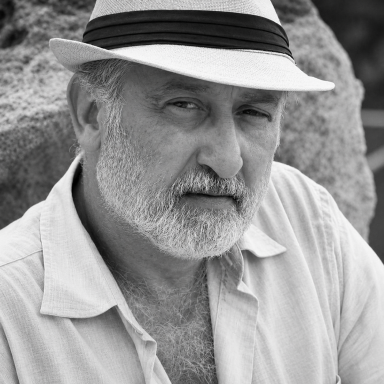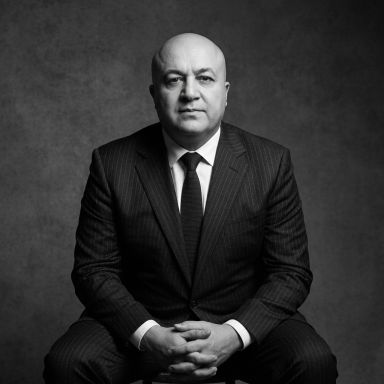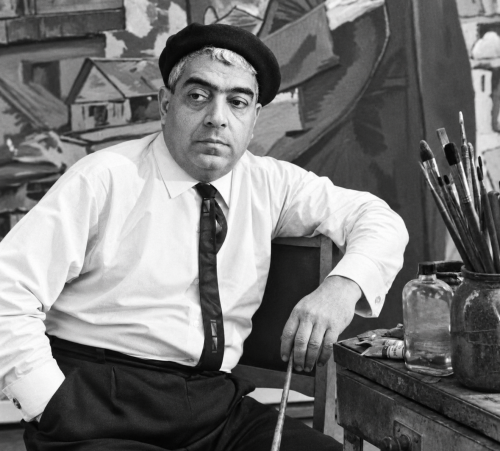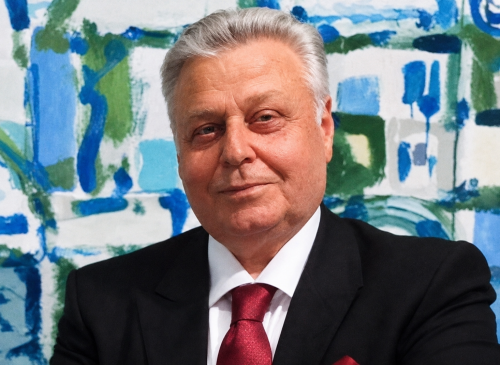
Born in Baku on 3 January 1943, Arif Möhübəli Azizov, known as Arif Aziz, is among the Azerbaijani artists whose practice has developed the possibilities of painting alongside graphic design. After his initial studies at the Azim Azimzade Art School, he specialised in graphic design at the Moscow Higher School of Art and Industry named after Count Stroganov between 1966 and 1971. From 1971, he pursued a long career in art education and became a member of both the Azerbaijan Artists’ Union and the Azerbaijan Designers’ Union. In 1992, he was awarded the honorary title of Honoured Art Worker. In 2018, he received the Shohrat Order and was named People’s Artist of Azerbaijan.
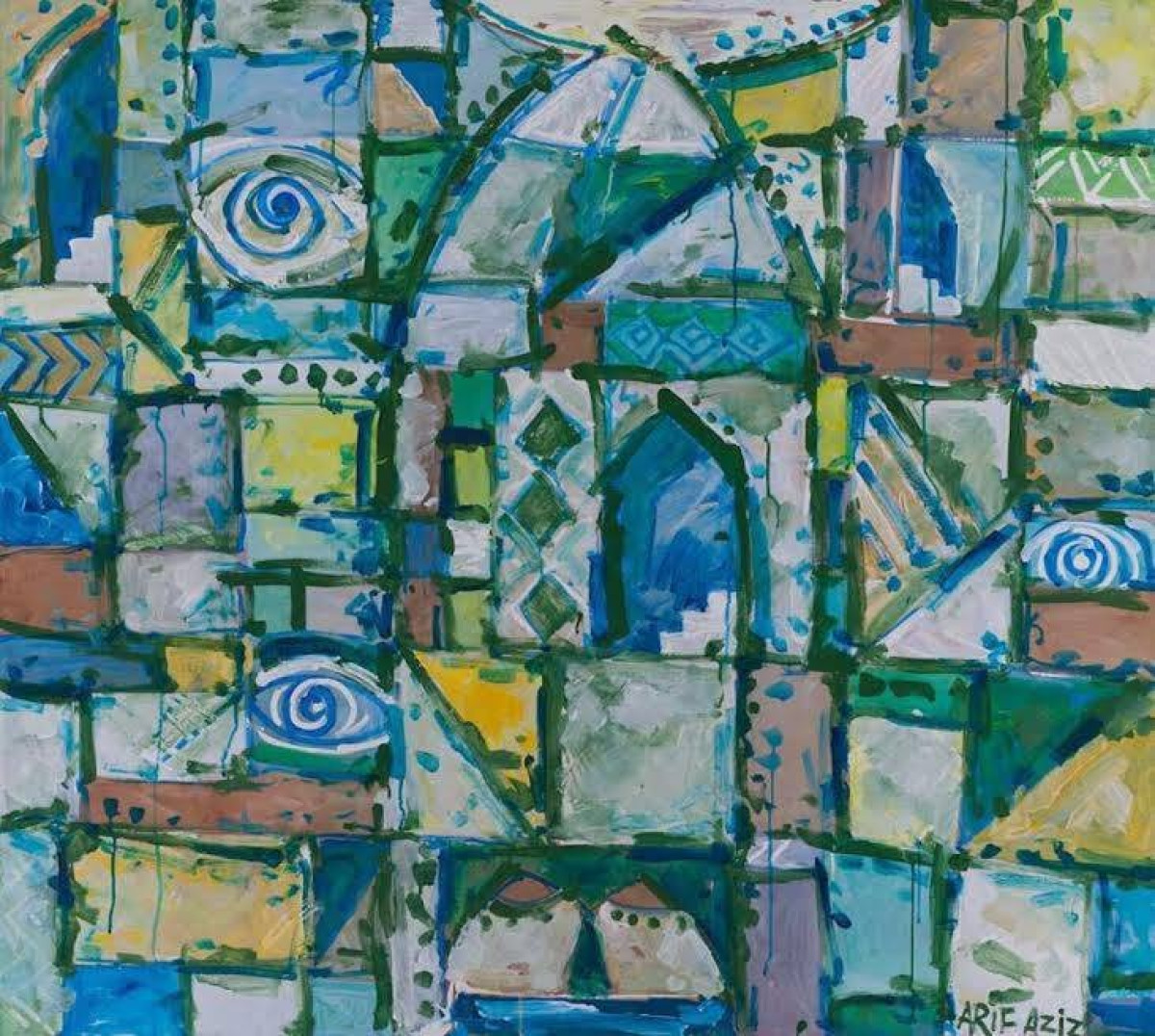
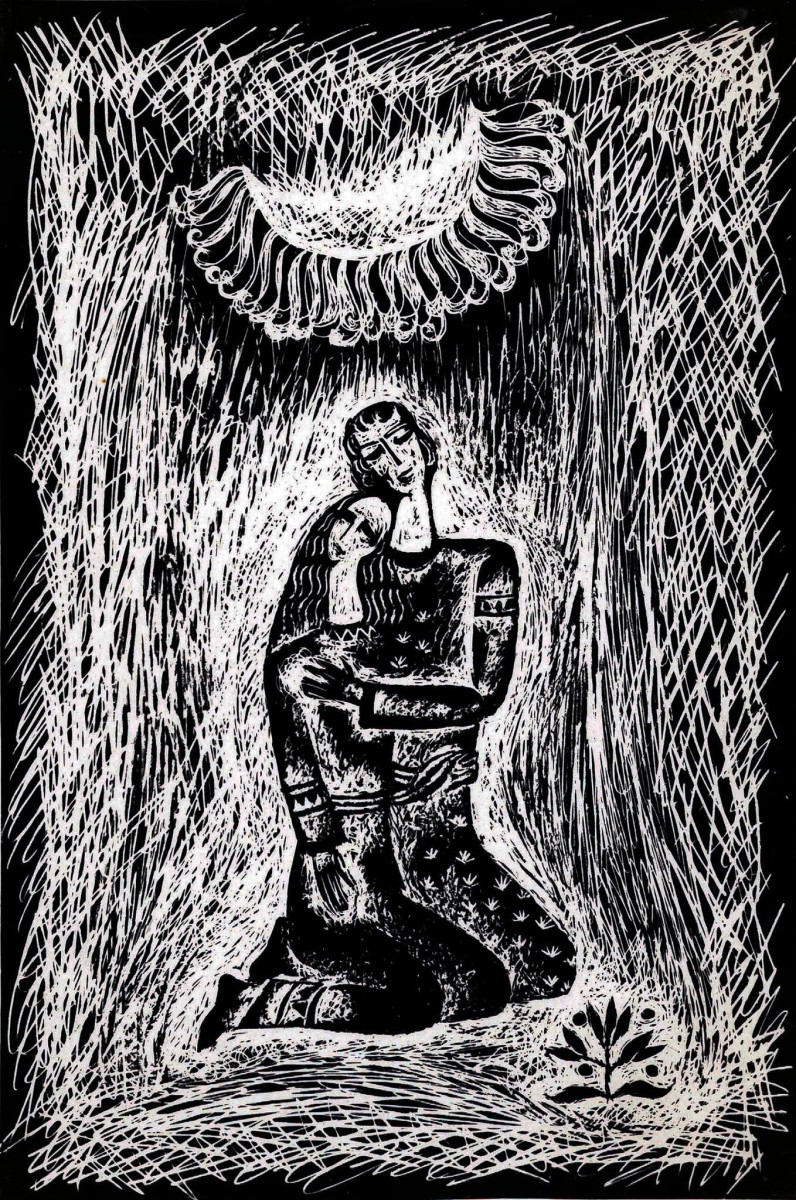
To consider Aziz’s artistic career solely within the history of painting would leave an essential dimension of his creative thinking unexplored. Graphic design, poster art, book illustration, ex libris, theatre design and decorative-applied art are not simply separate professional disciplines in his practice; they represent different possibilities of visual expression. His experience across these fields places particular emphasis on structure, rhythm and the expressive function of visual signs. The impact of an artwork emerges not only from its subject, but also from the relationships through which that subject is constructed and presented.
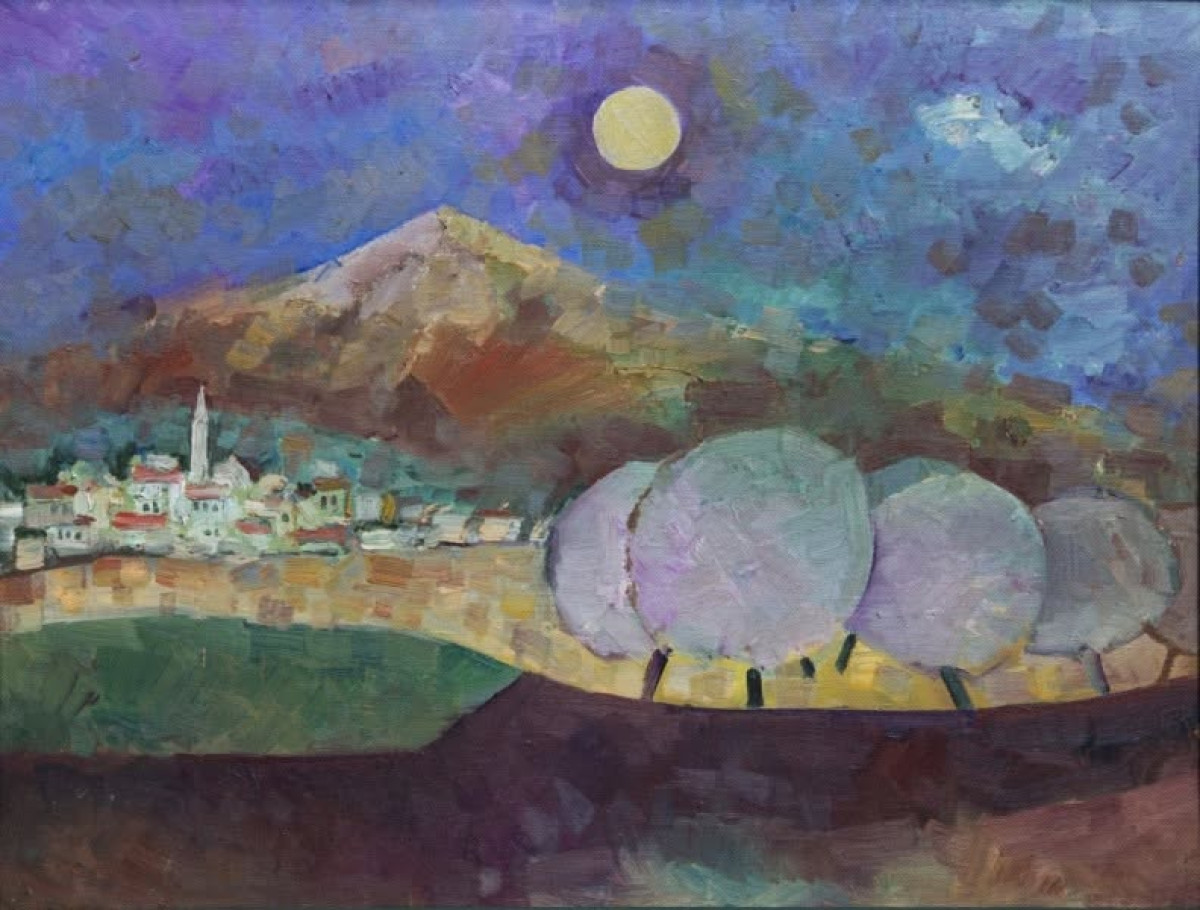
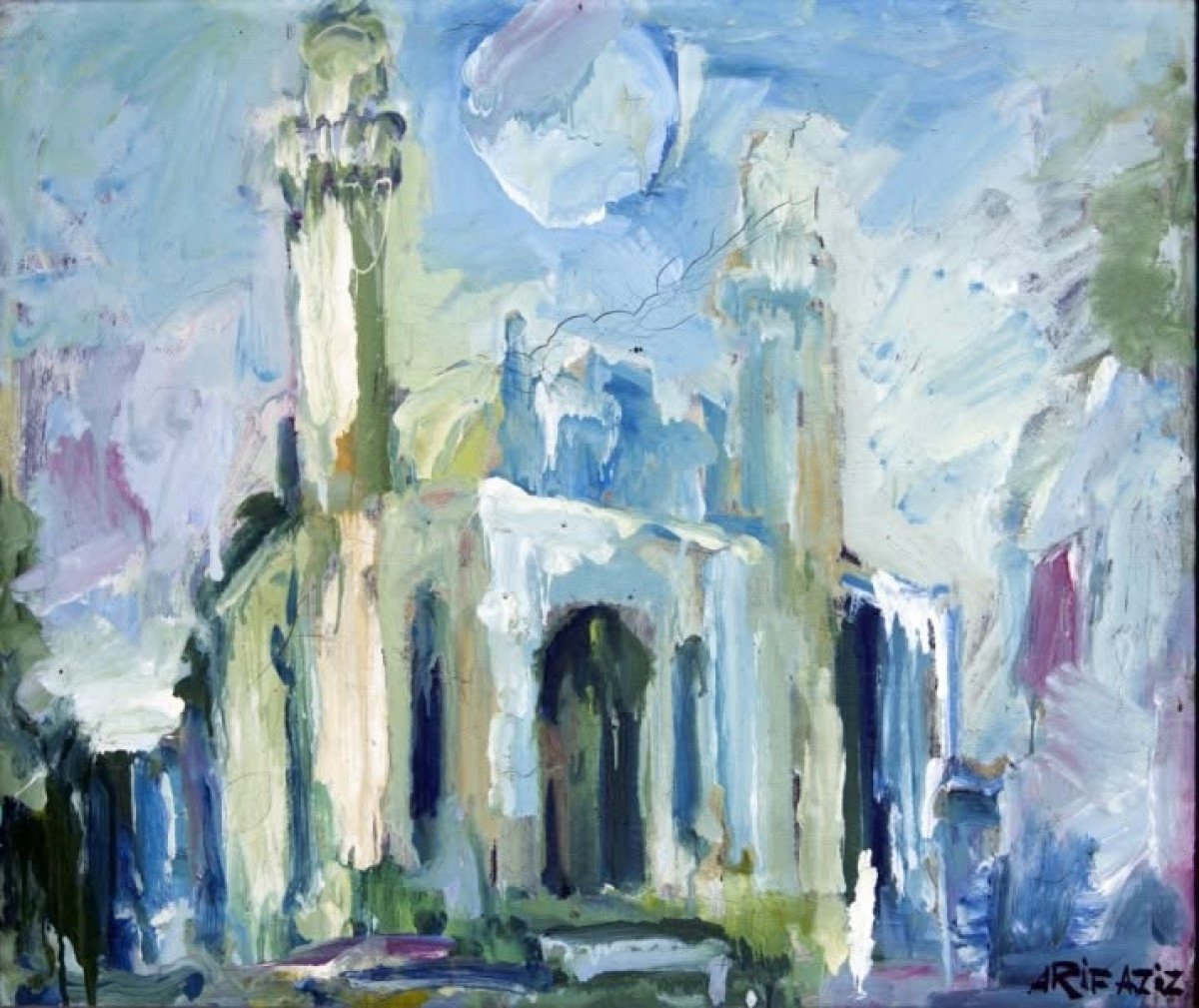
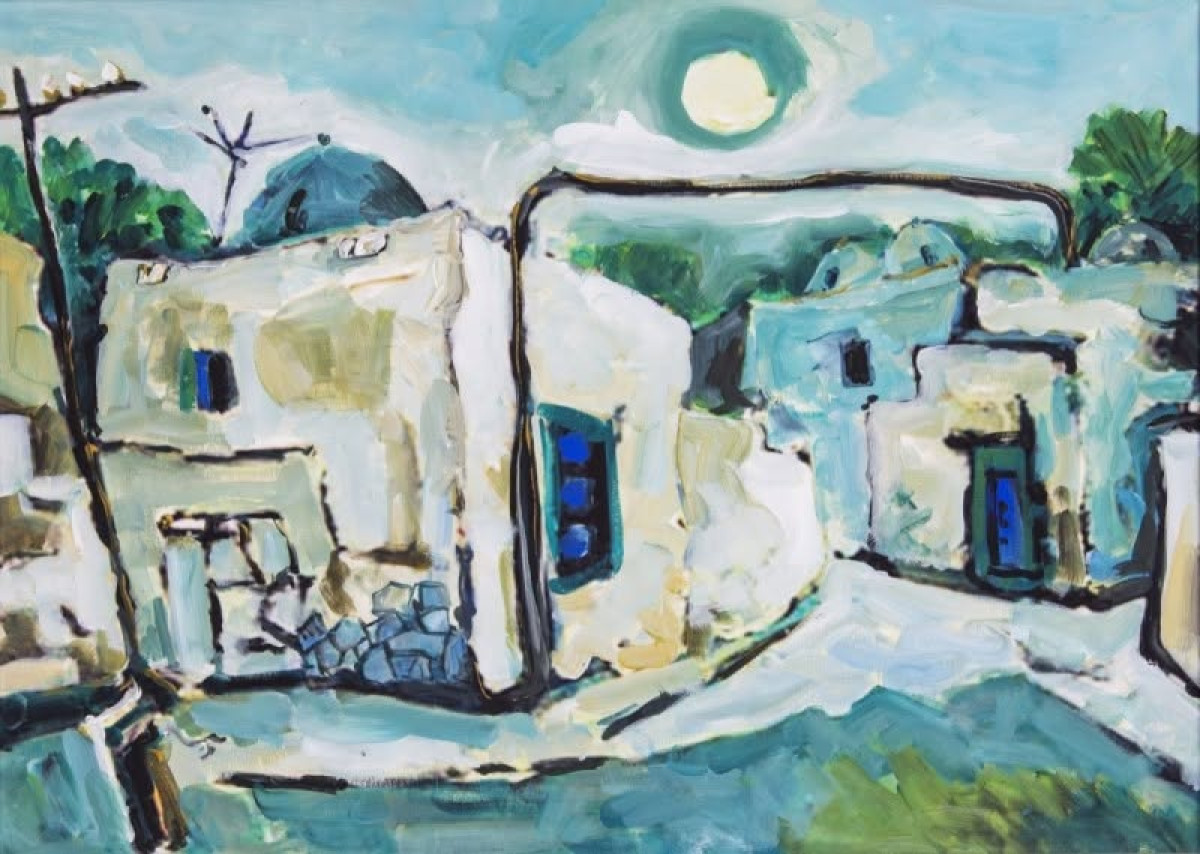
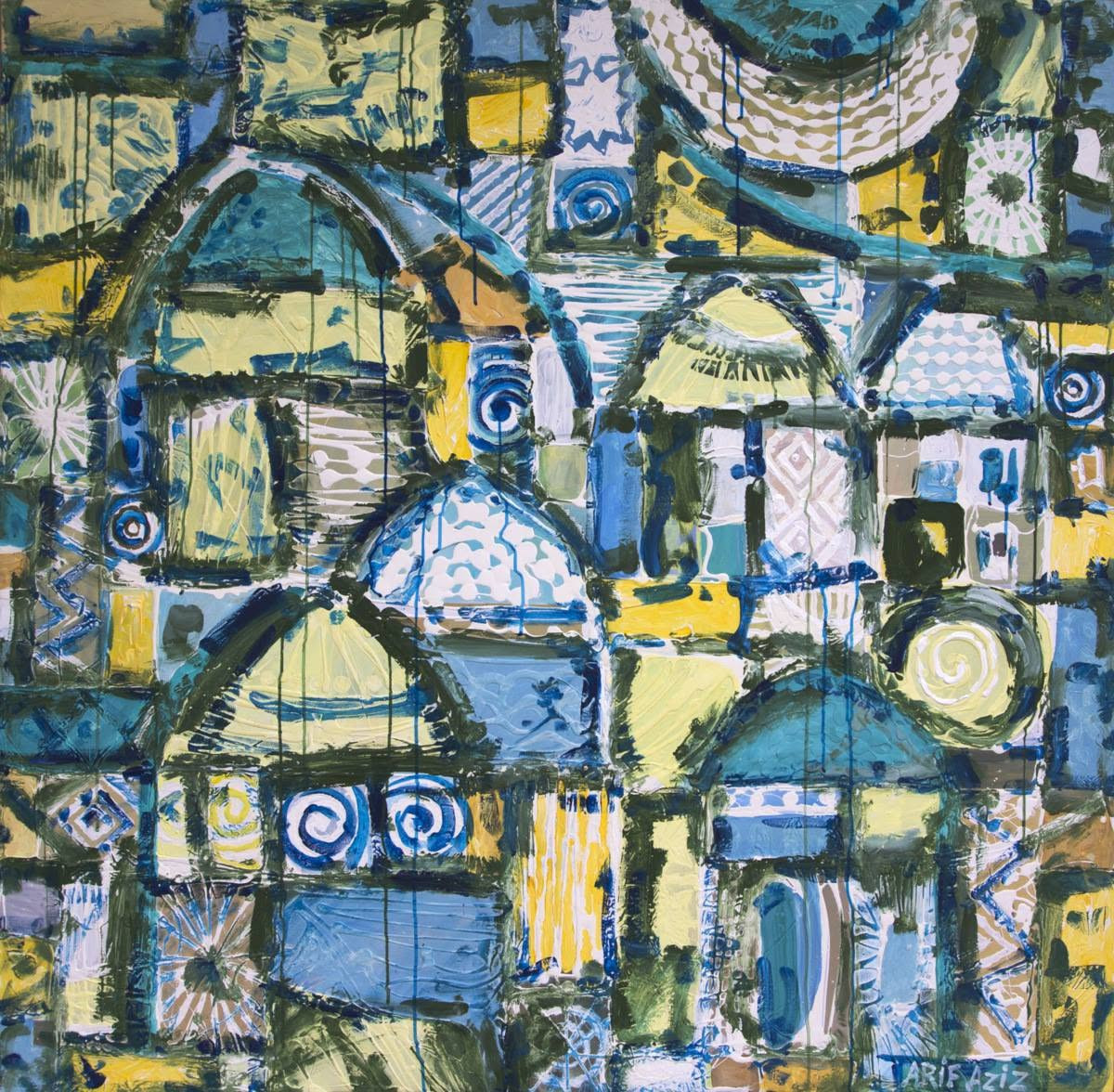
The Absheron Peninsula and Baku occupy a significant place in Aziz’s artistic world, yet his engagement with these subjects extends beyond geographical representation. The Old City, Gobustan, Gala, the Caspian Sea and the landscapes of Absheron become carriers of cultural and spatial memory. Works such as “Icherisheher. Mosque”, “My Azerbaijan”, “Ancient City”, “Pir” and “Gobustan” reveal an approach in which the national environment is understood as more than a collection of familiar views. Architecture, nature and historical traces interact as elements of a shared visual memory. The austere landscape of Absheron, its stone structures and the imagery associated with the sea appear in his art both as recognisable motifs and as elements of broader artistic generalisation.
His journeys to Senegal marked an important expansion of his creative geography. In the Senegal series, people, everyday life and places from a different cultural environment enter the centre of his artistic attention. The significance of these works lies not merely in the introduction of new subjects. As the artist’s field of observation broadens, so too do the expressive possibilities of colour and imagery. His engagement with Azerbaijani themes therefore does not become a closed visual system; encounters with other cultures contribute to the development of a wider artistic perspective.
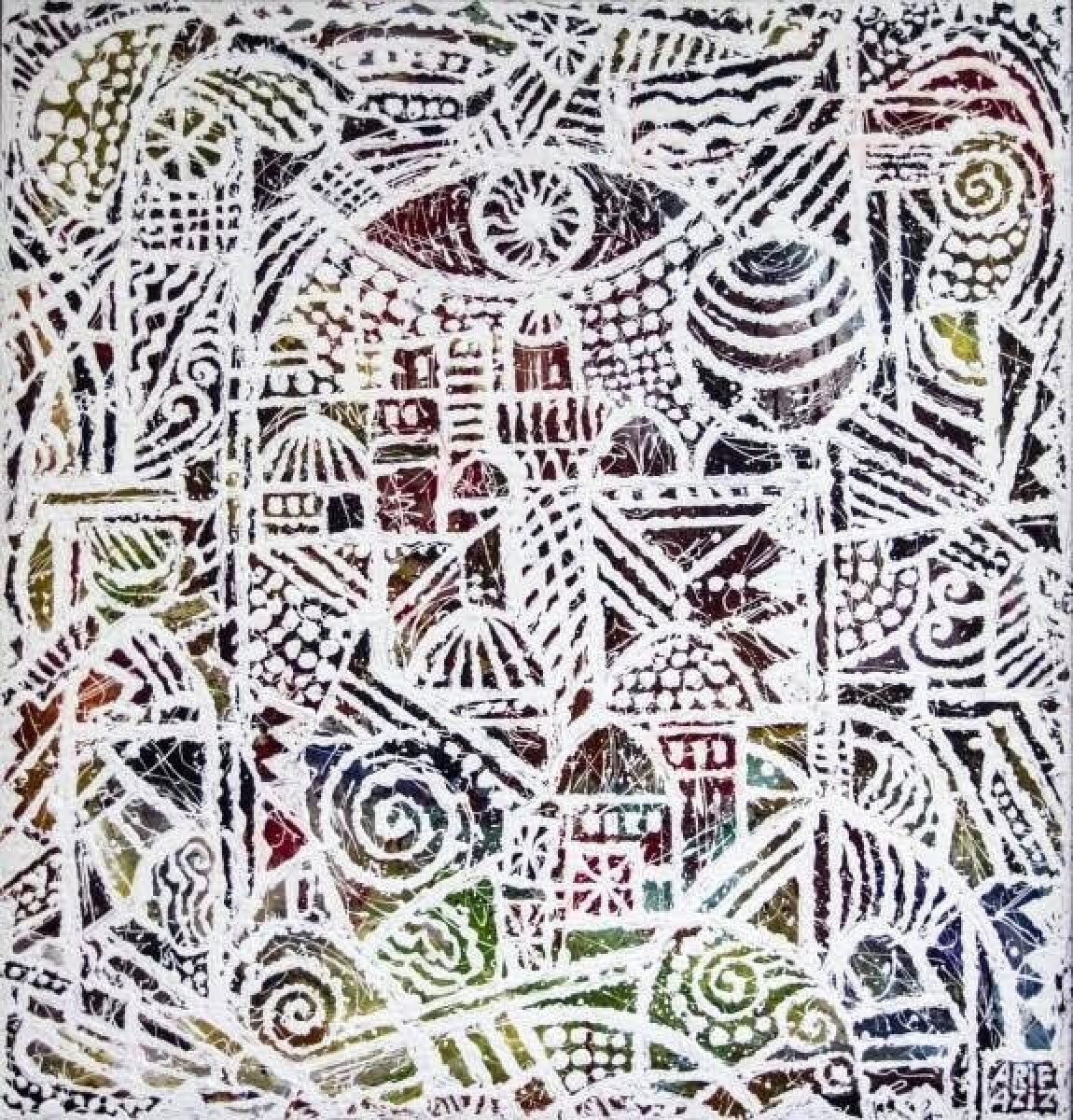
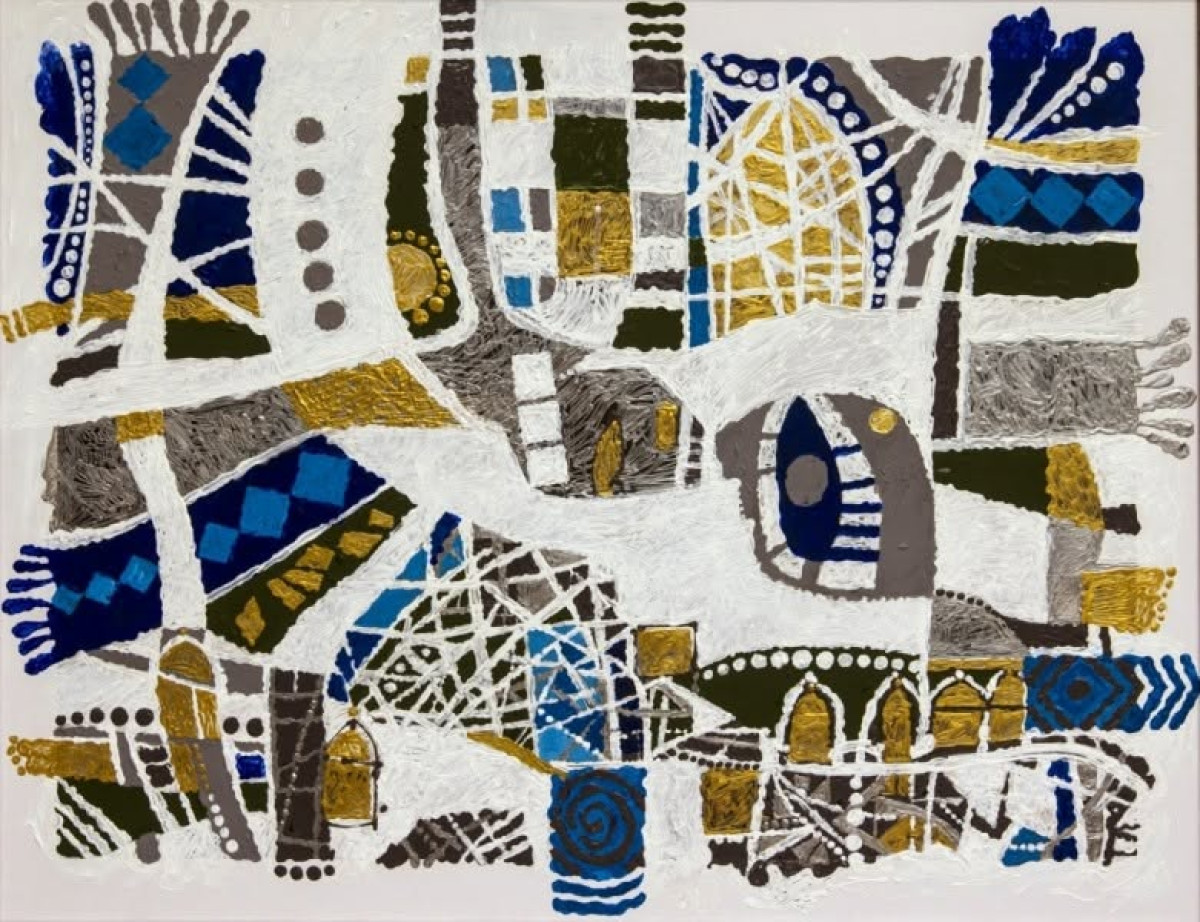
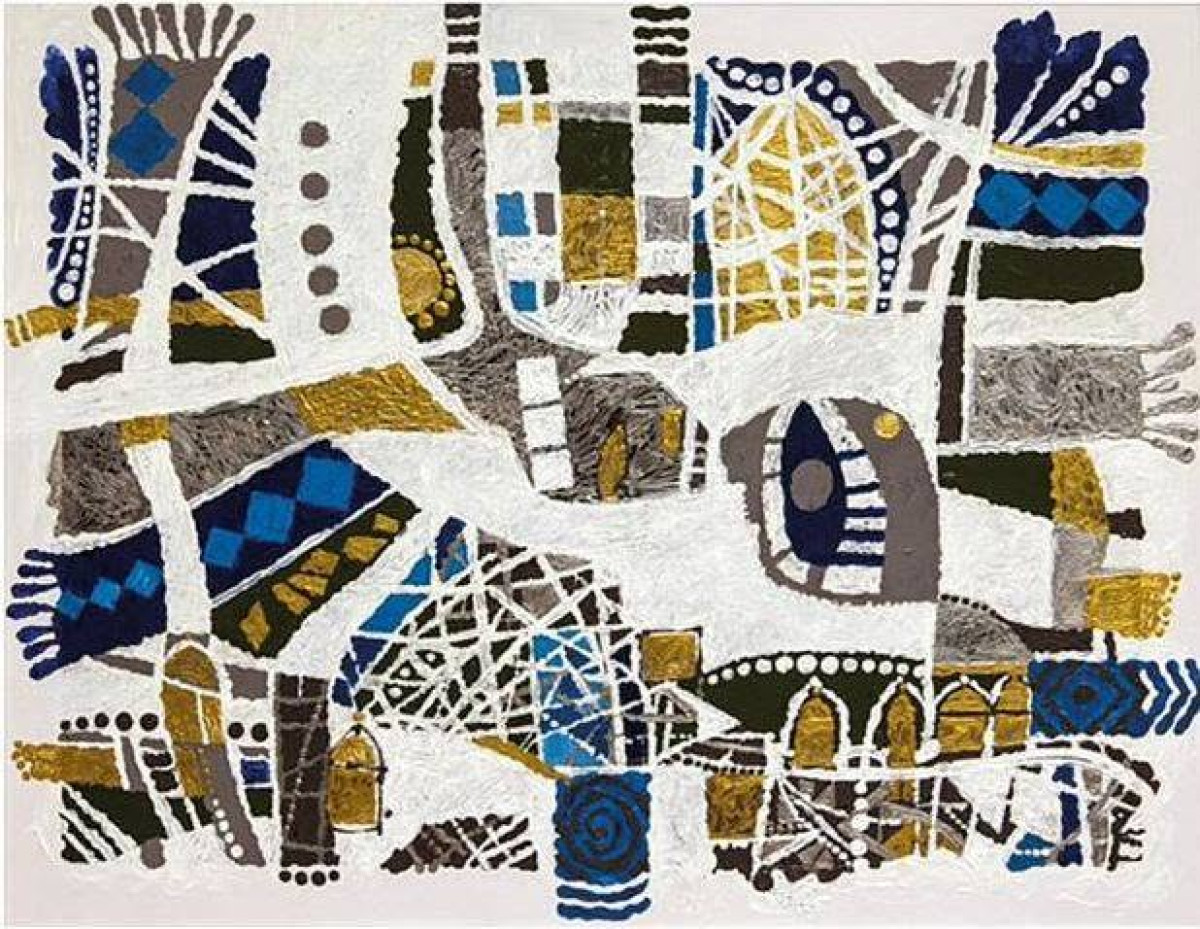
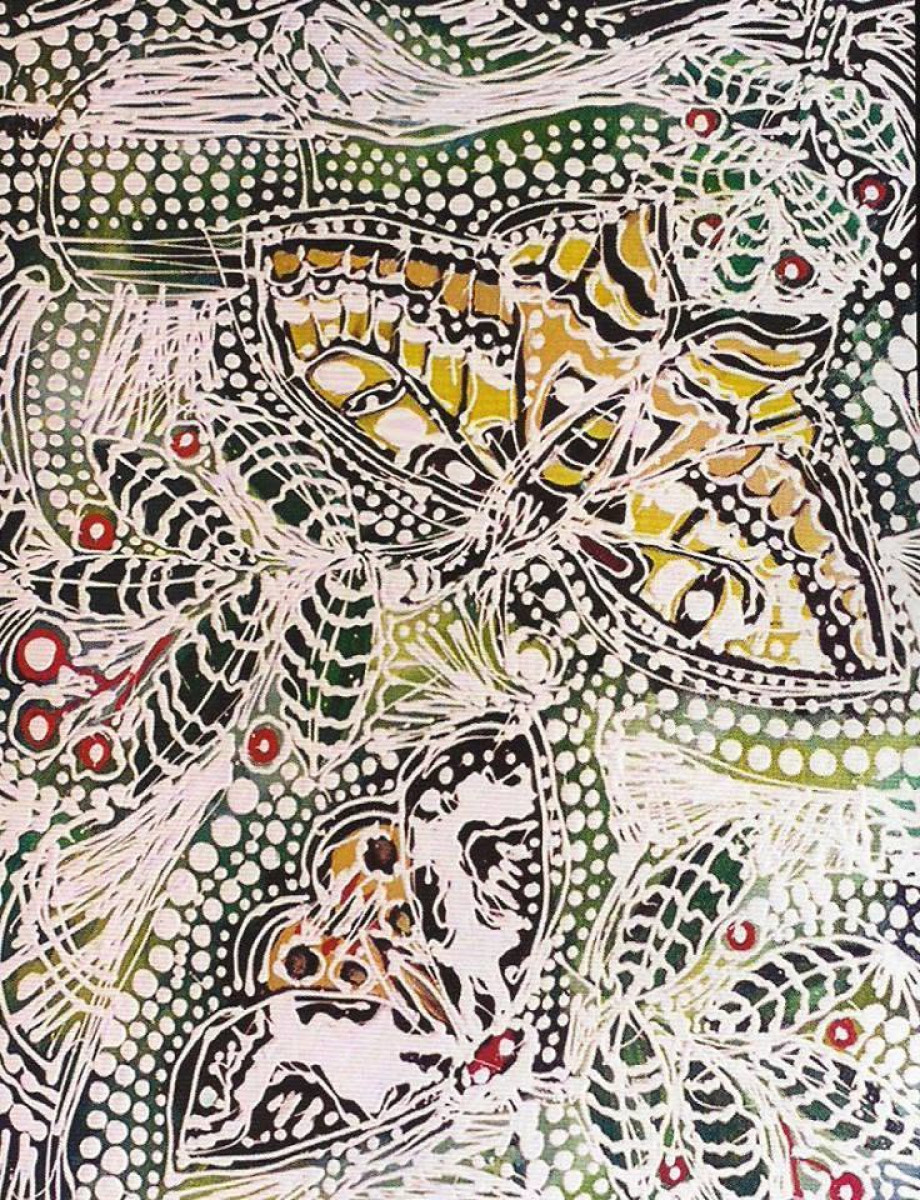
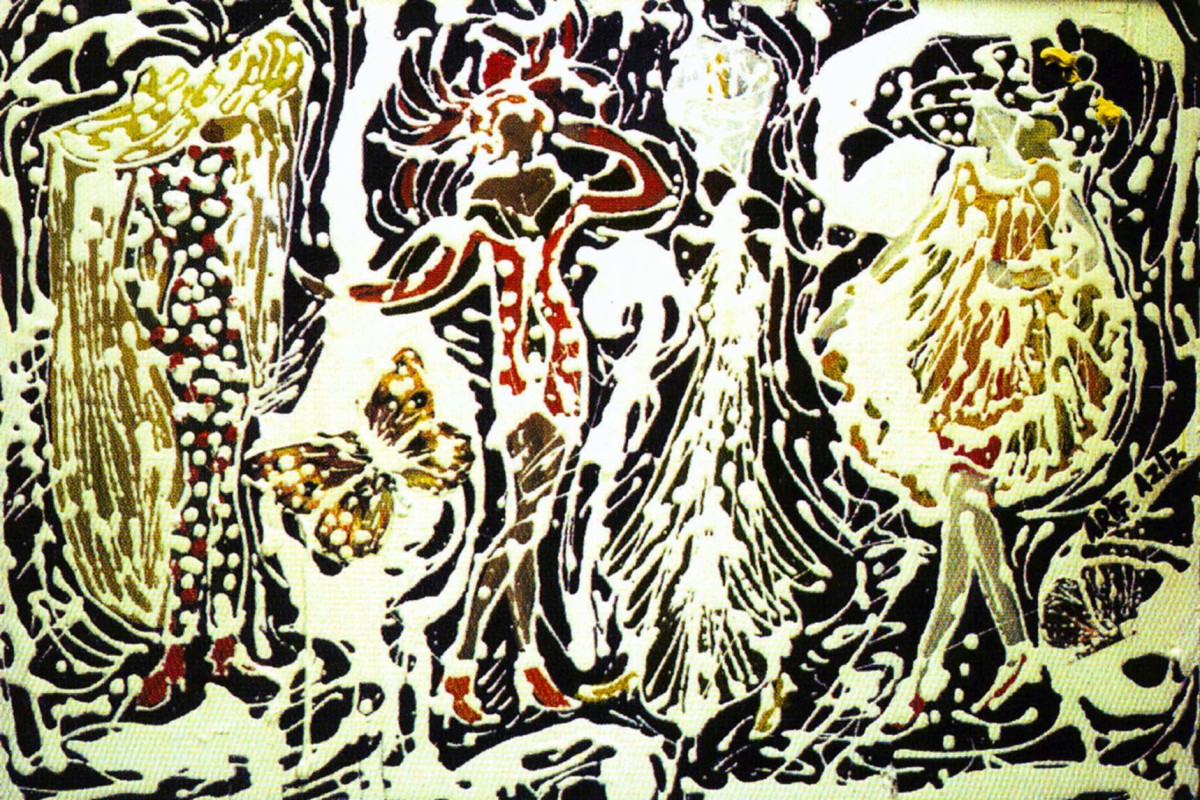
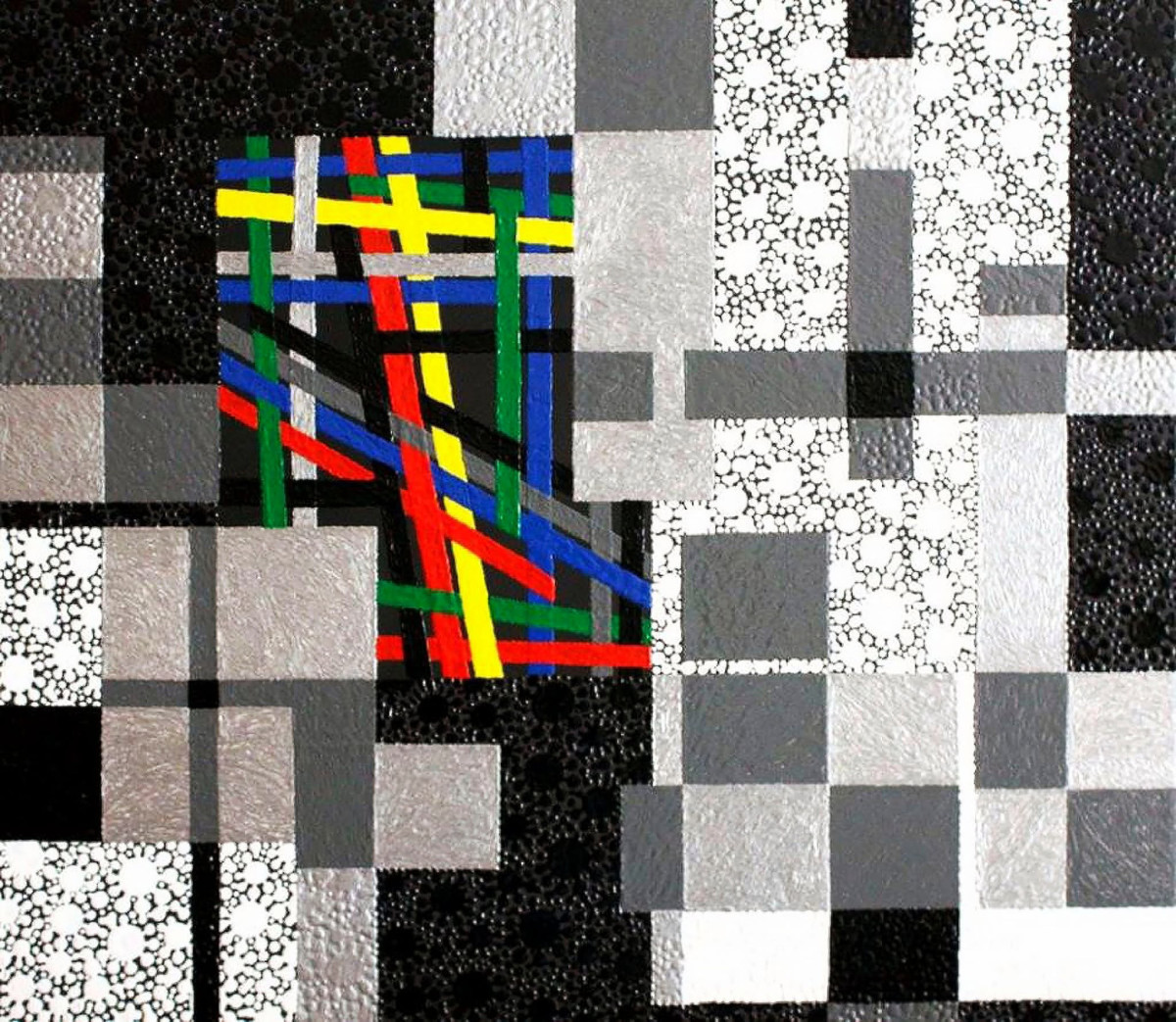
One of the notable directions in the later period of Aziz’s practice is the so-called “White Period”. In these works, the conventional organisation of pictorial space is reconsidered, while colour, line and form assume increasingly independent expressive roles. White functions not simply as one element of the palette, but as an active visual environment that transforms the perception of other colours and forms. Relationships between emptiness and density, stillness and movement, simplification and rhythmic tension become central to the composition. The 2019 exhibition “Beyaz Köprü”, presented in Istanbul, introduced this artistic direction to a wider audience.
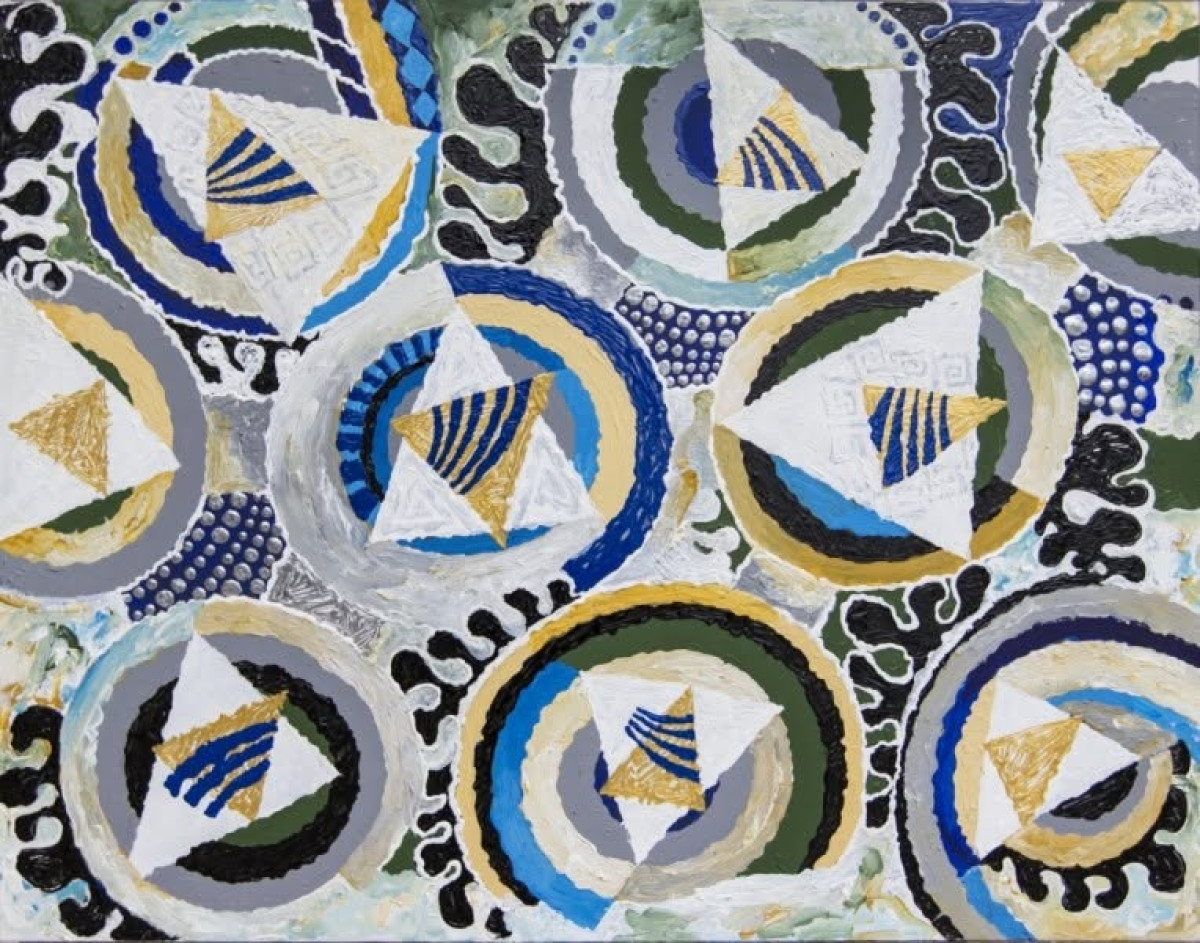
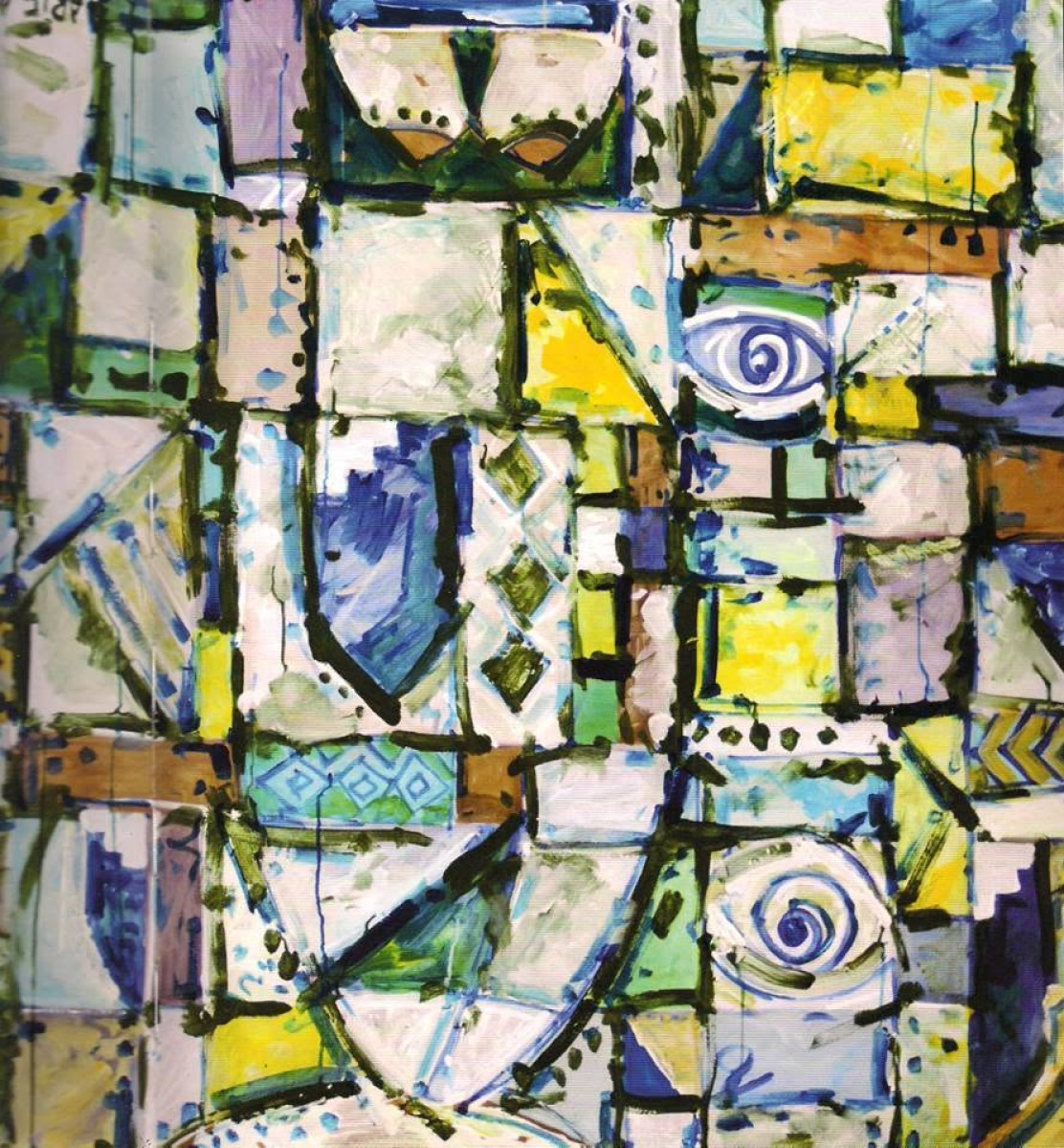
Aziz’s international exhibition history includes the 2015 exhibition “Arif Aziz – Art from Azerbaijan” at Kunsthalle Messmer in Germany, demonstrating the presentation of his work beyond Azerbaijan. Yet the significance of his artistic legacy cannot be measured by geographical reach alone. More revealing is the relationship he establishes between different visual disciplines: the precision of graphic design strengthens his compositional thinking in painting; national motifs coexist with explorations of contemporary form; and abstraction brings the internal structure of an image into focus rather than relying solely on its subject matter.
Arif Aziz’s artistic journey offers an important perspective on the dialogue between tradition and modern visual thought in Azerbaijani art. His contribution should be considered not only through the works he created across different disciplines, but also through his sustained teaching practice and his ability to carry graphic thinking into diverse areas of artistic expression. In his work, cultural memory is not a fixed visual formula, but a living artistic source continually re-examined through changing forms and modes of expression.
Art Space Gallery MEDIA