National and cultural motifs, the Absheron landscape and an individual sensibility for colour
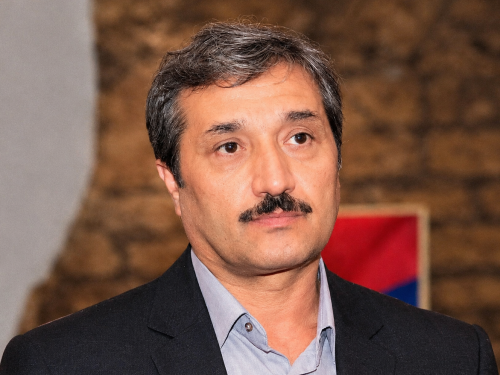
Malik Aliaga oglu Mammadkhanov was born on 11 February 1962 in the Yeni Surakhani settlement of Baku. His interest in art began to take shape during his school years. While in the sixth grade, he started attending drawing classes at the Pioneers’ House, where he studied under Islam Muzaffarov. In 1986, he graduated from the Faculty of Fine Arts and Graphics of the Azerbaijan State Pedagogical Institute. This education marked an important stage in his professional development as a visual artist. Mammadkhanov’s artistic practice is primarily associated with painting and graphic art. His works place particular emphasis on national themes, the natural environment of Absheron and visual elements of folk art.
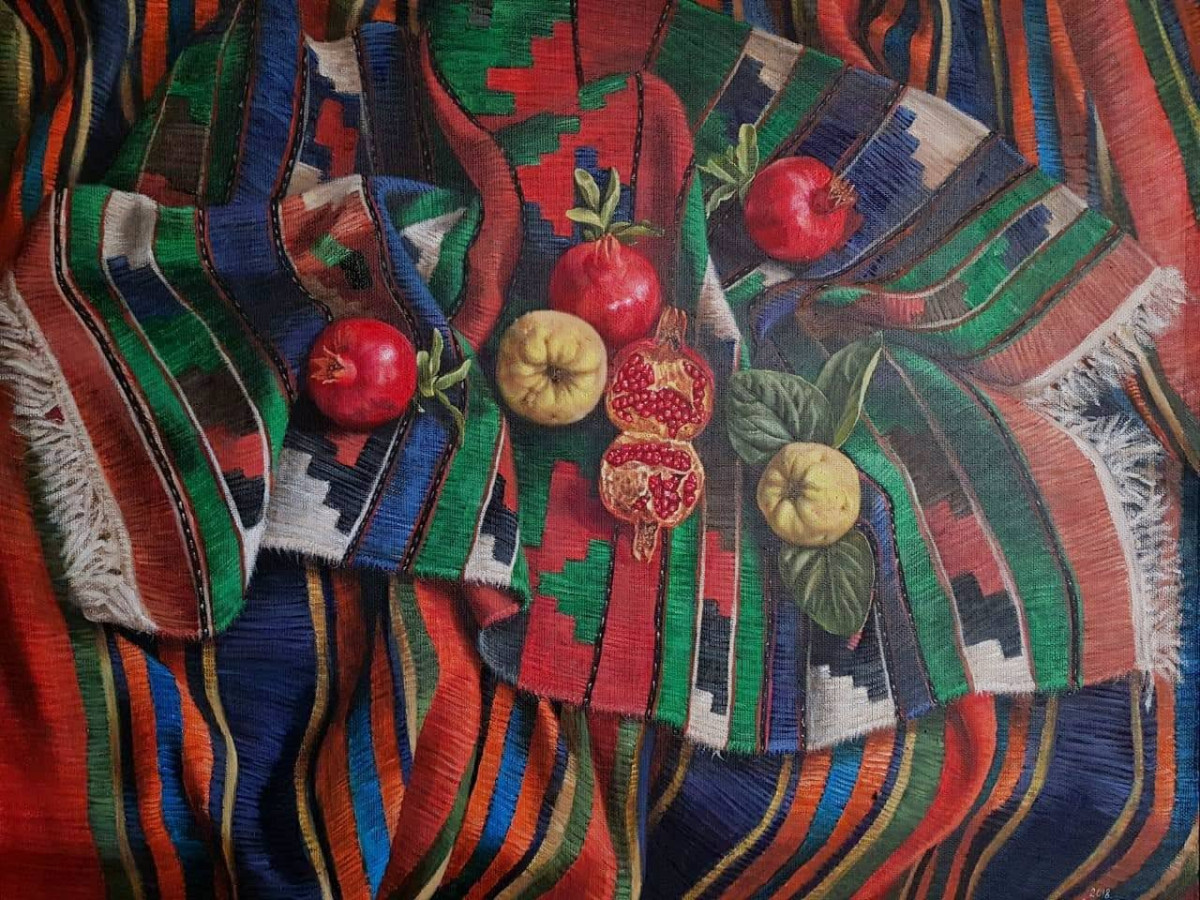
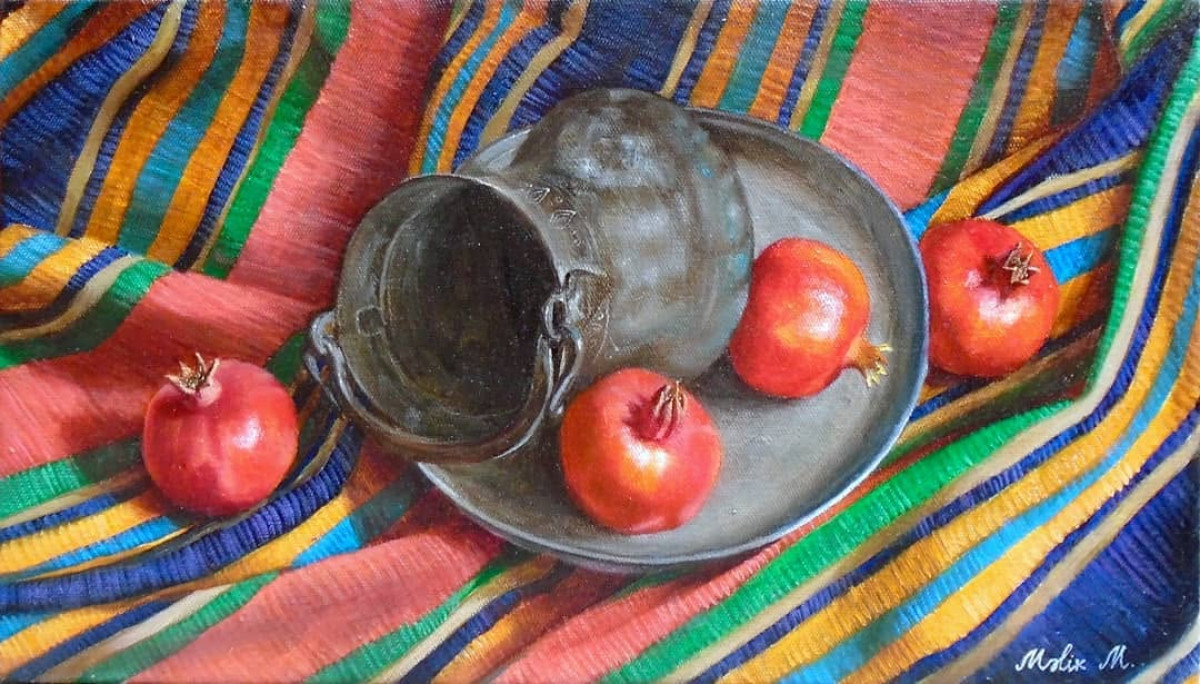
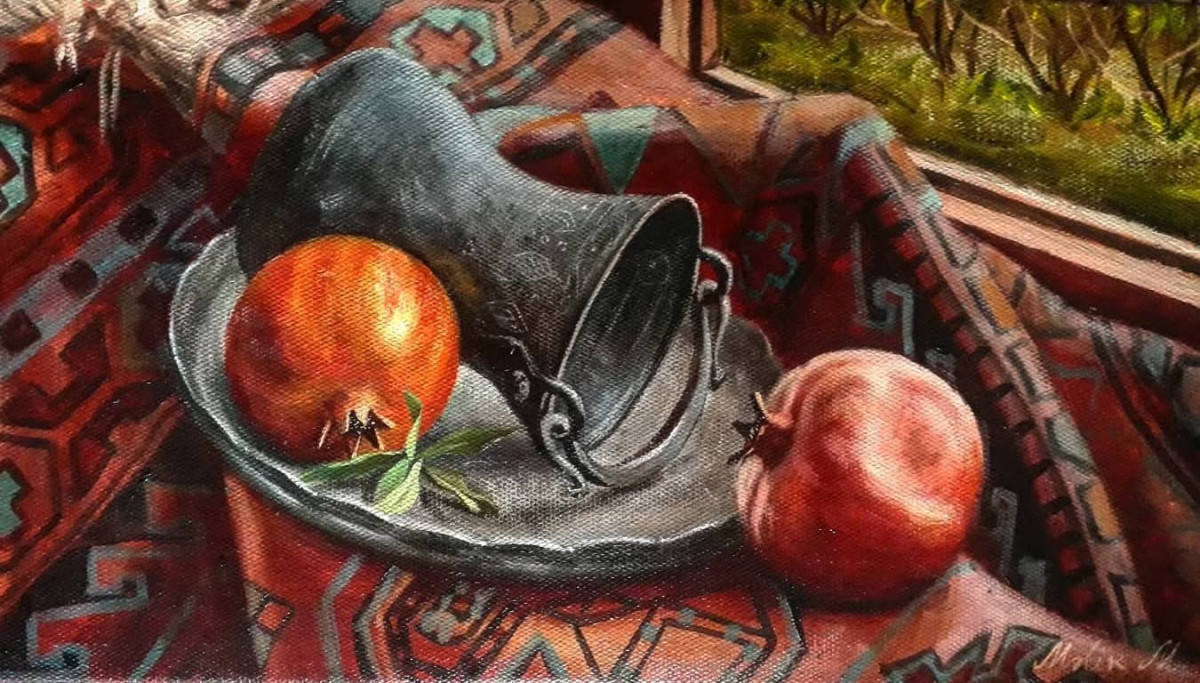
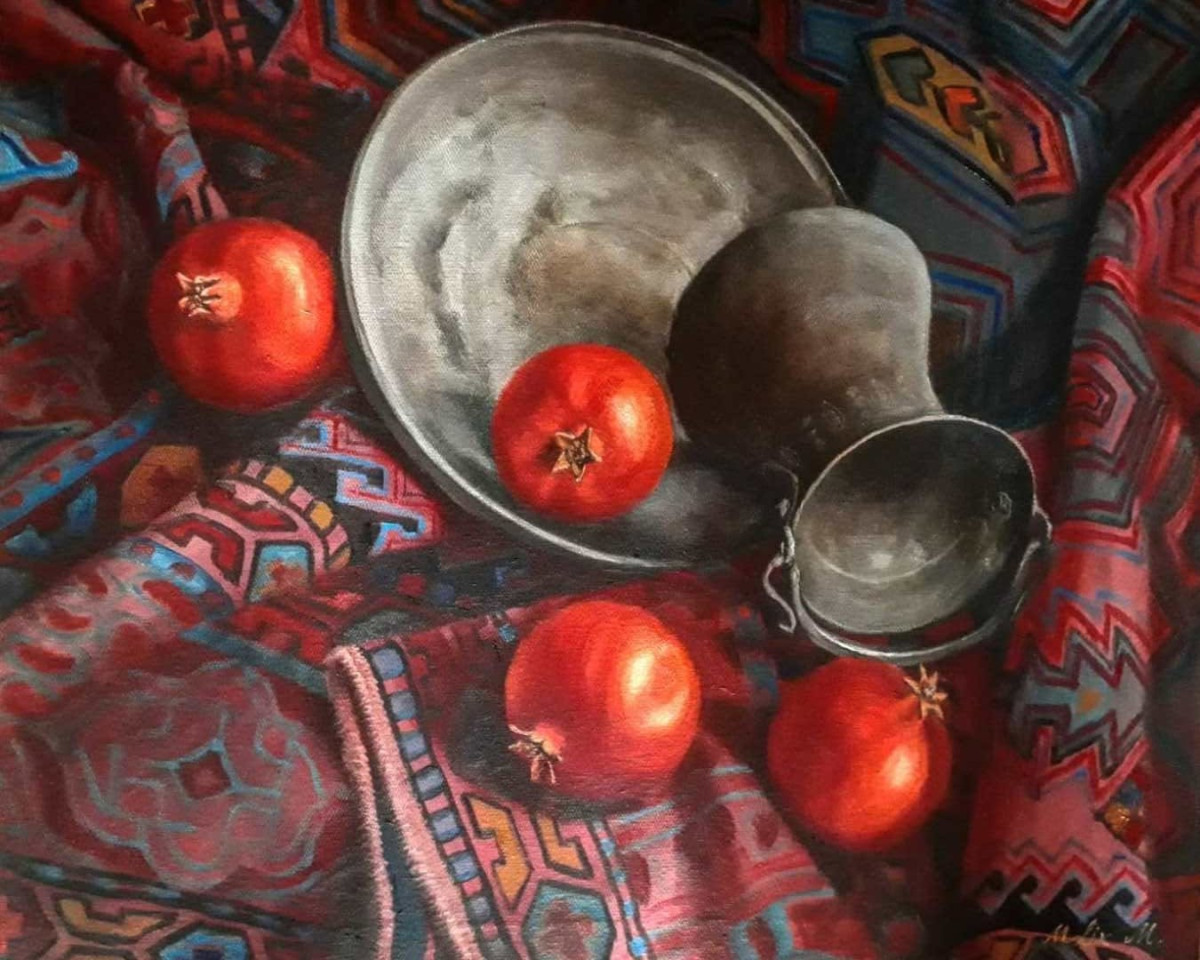
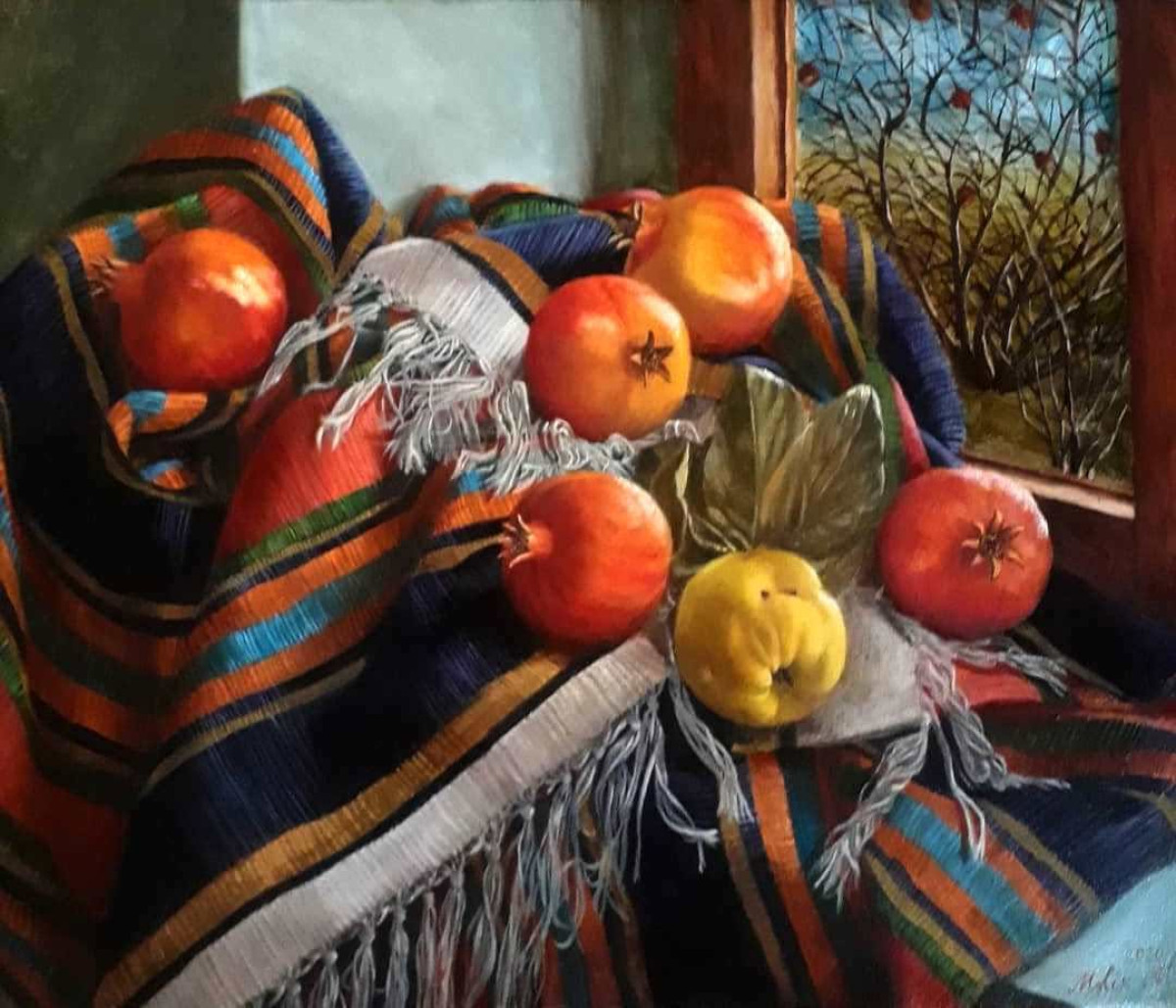
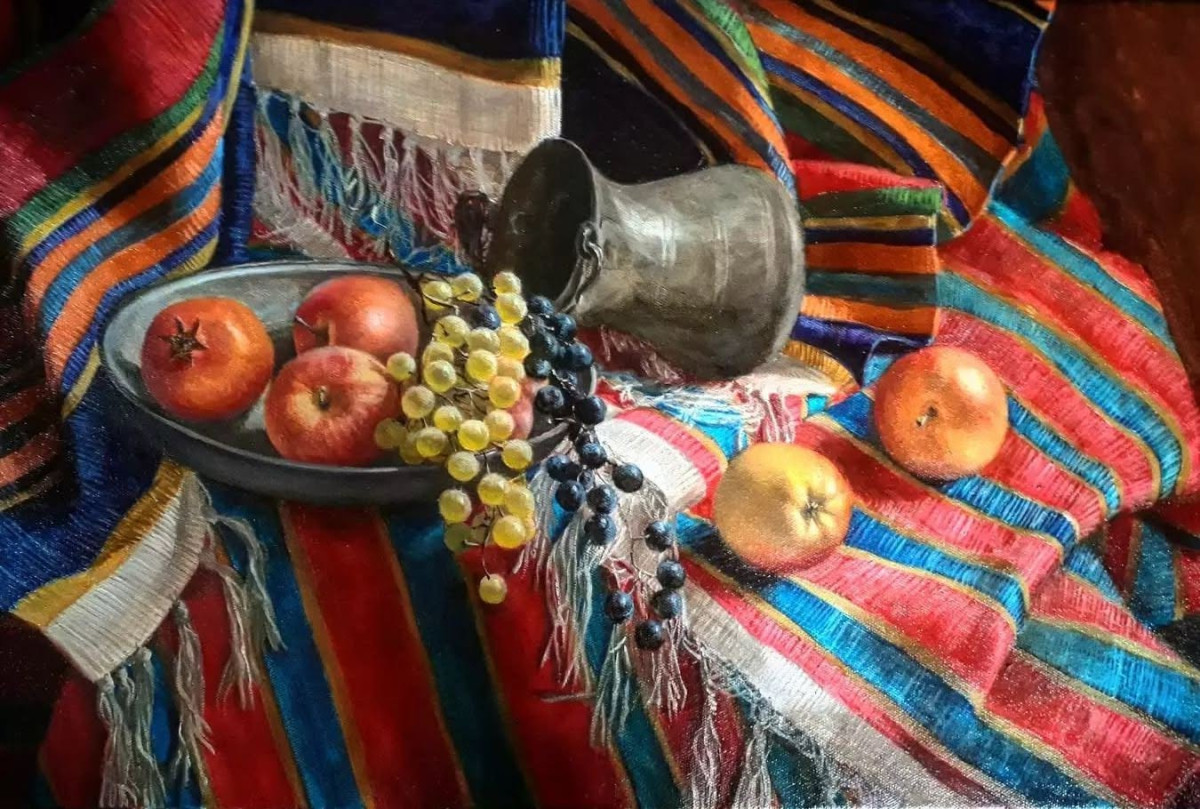
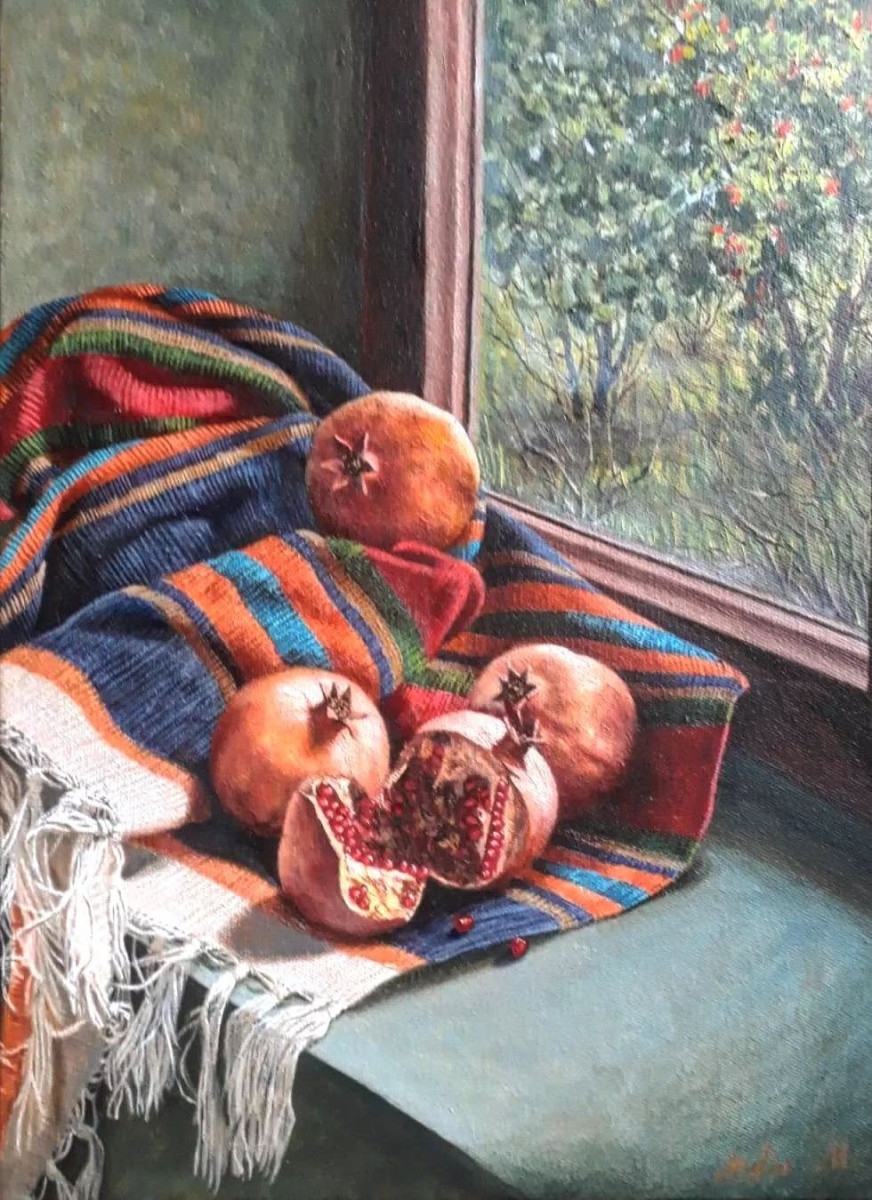
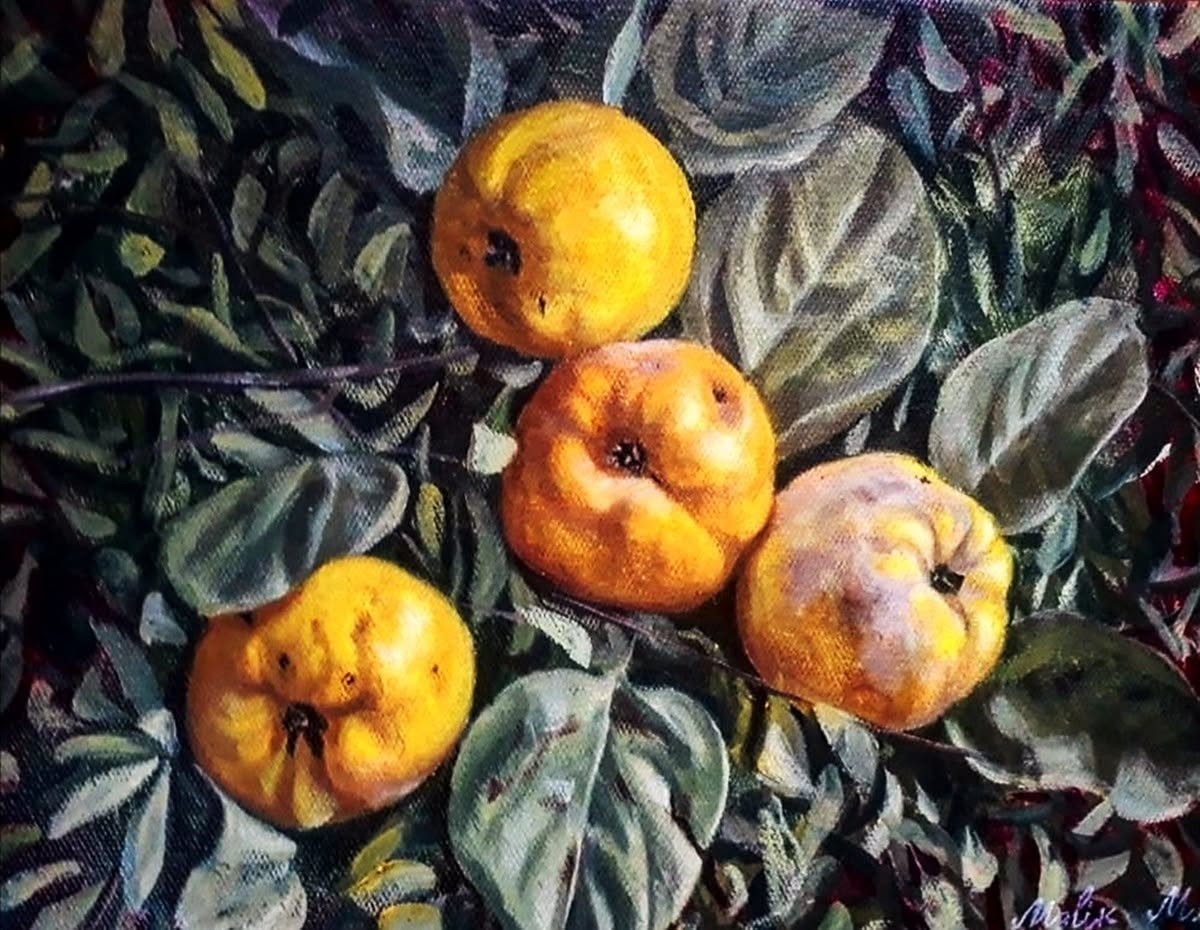
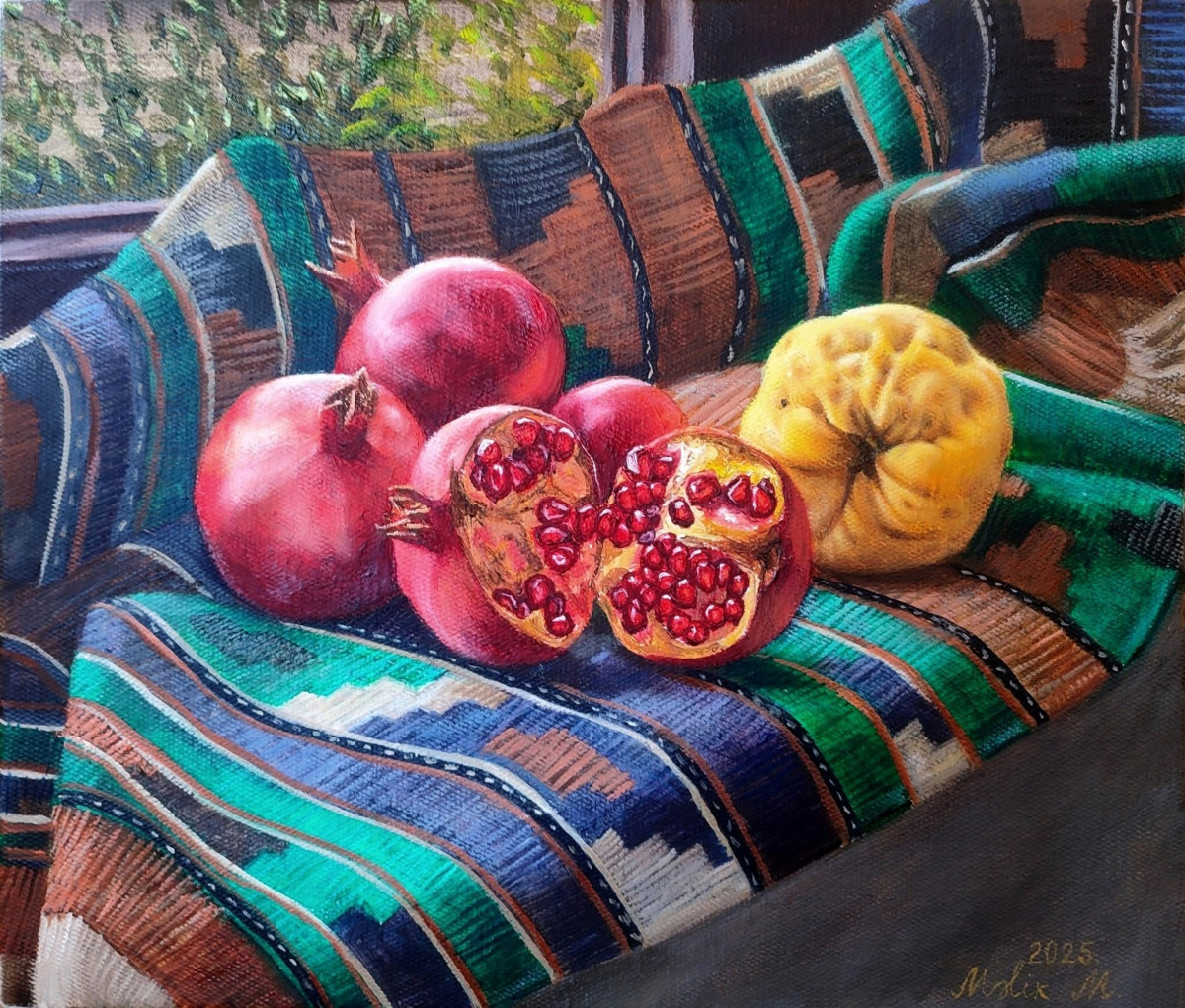
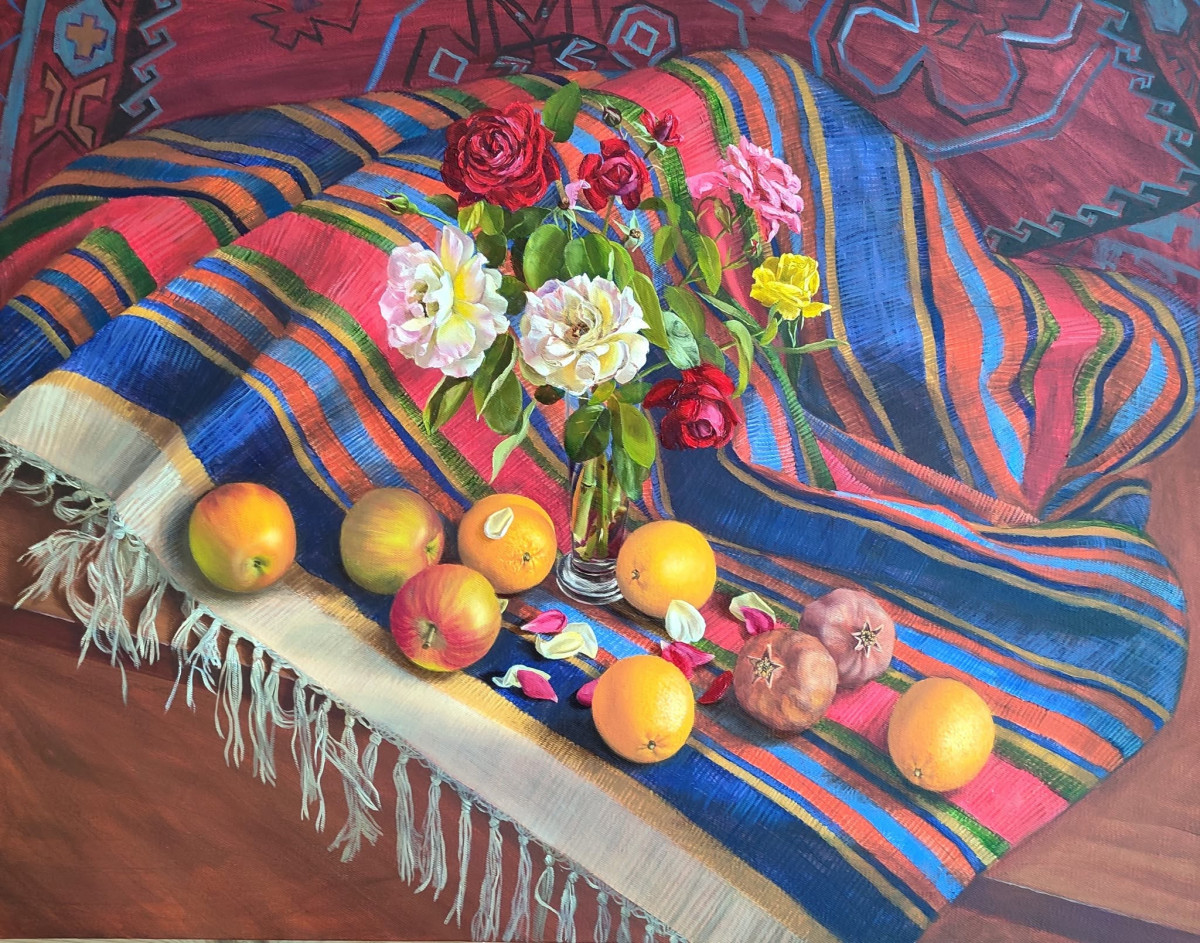
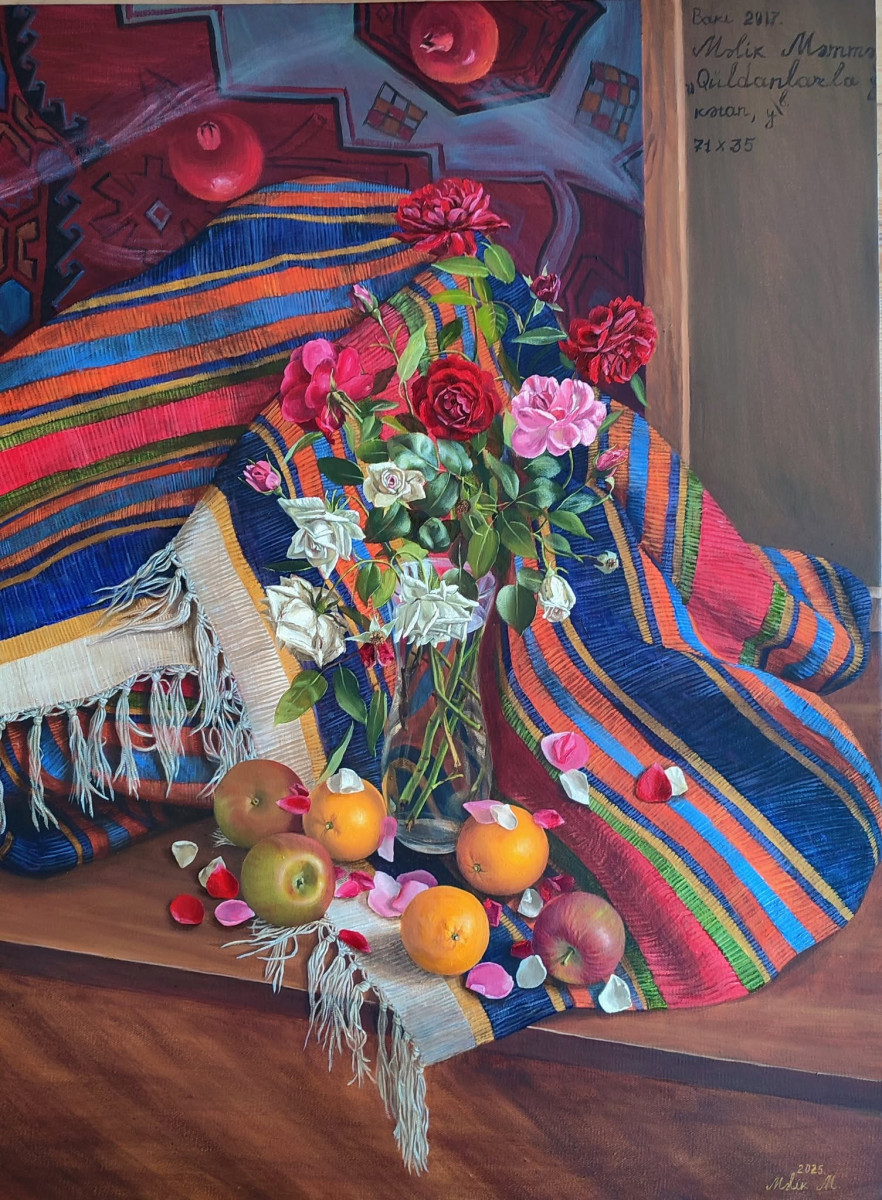
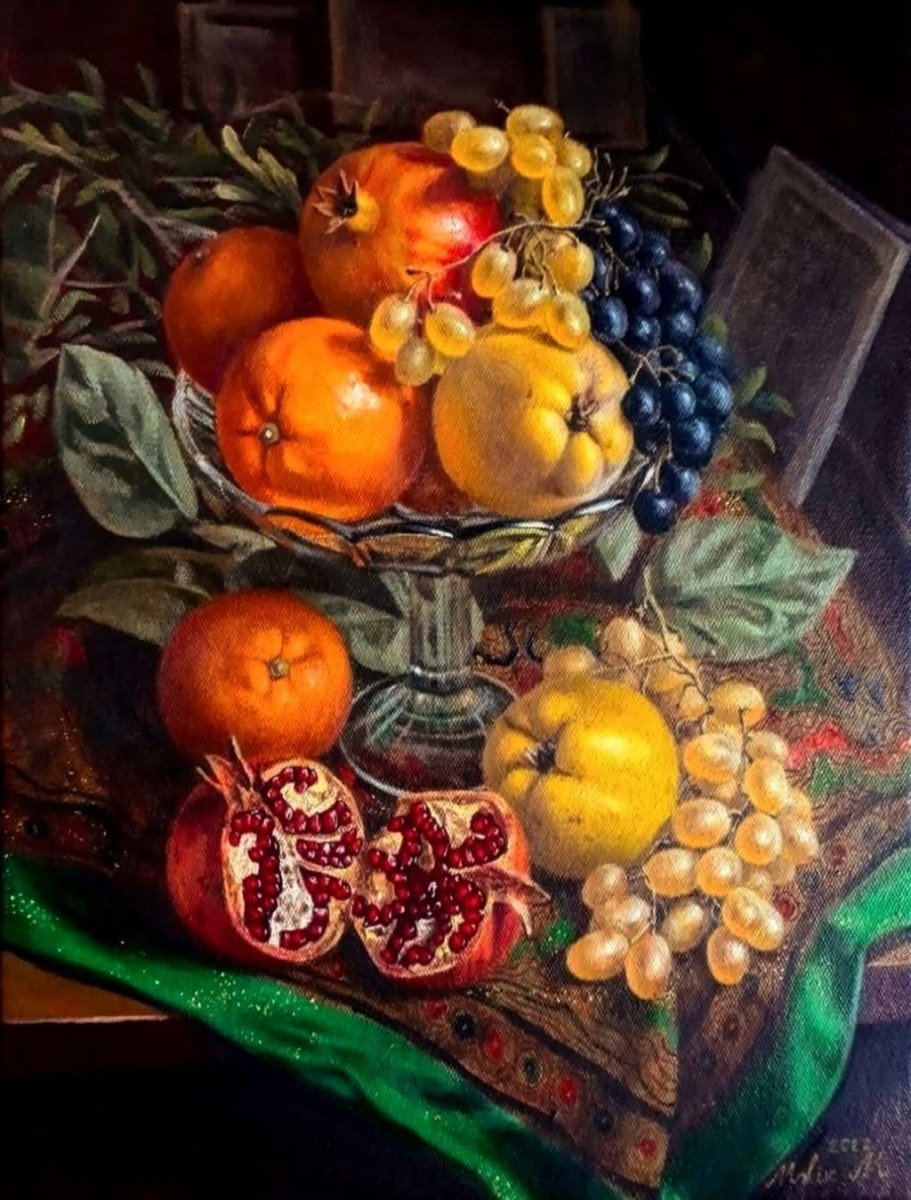
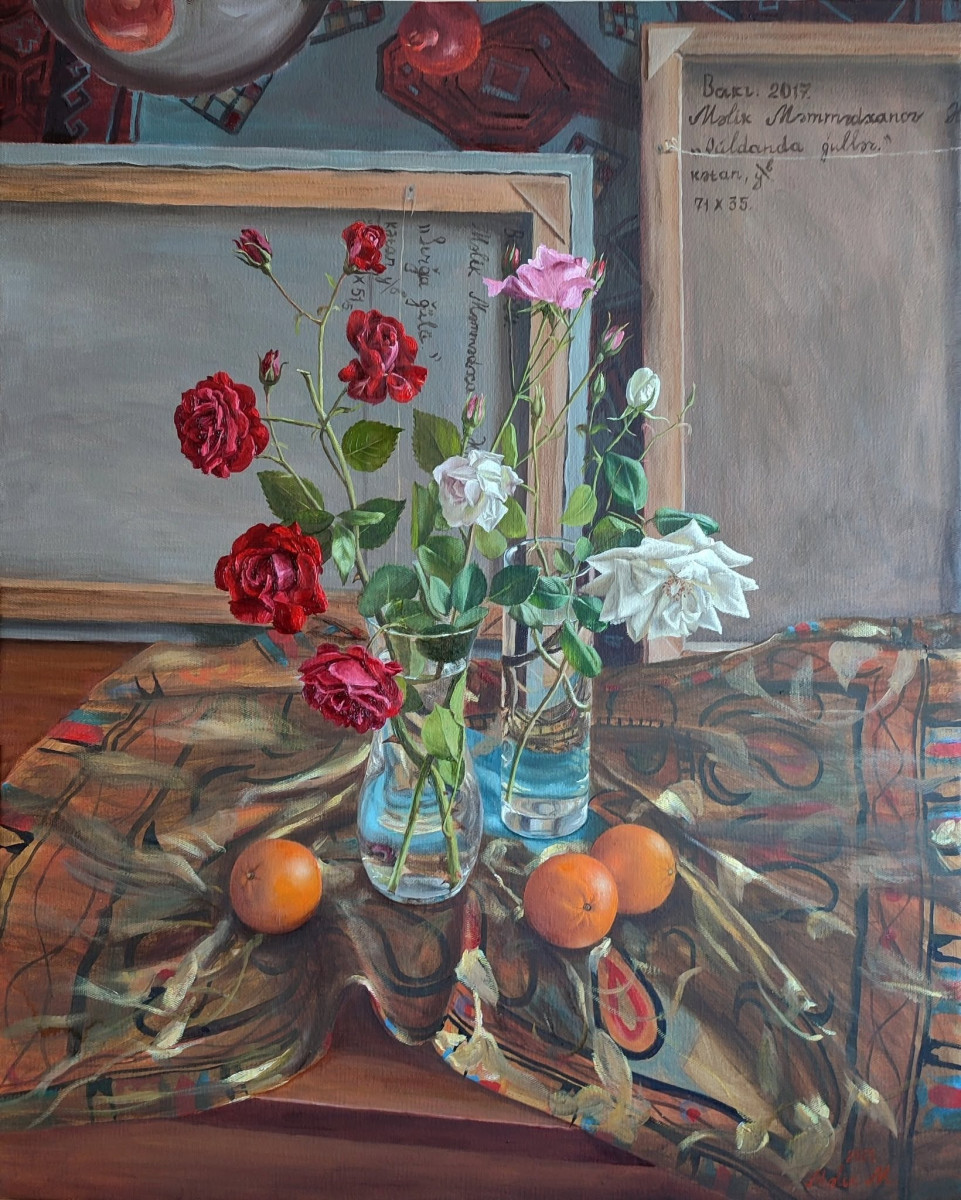
Still life and the representation of objects from traditional everyday life occupy a notable place in the artist’s work. Pomegranates, grapes, fish and various household objects become central motifs in his compositions. The pomegranate, in particular, is one of the recurring subjects in Mammadkhanov’s art. It can be interpreted not only as a natural element but also as a symbolic image deeply rooted in national cultural memory. The artist relates the form and volume of objects, their surface qualities and colour relationships to the overall structure of the composition. This approach allows familiar objects of everyday life to move beyond mere representation and acquire an independent artistic and expressive value.
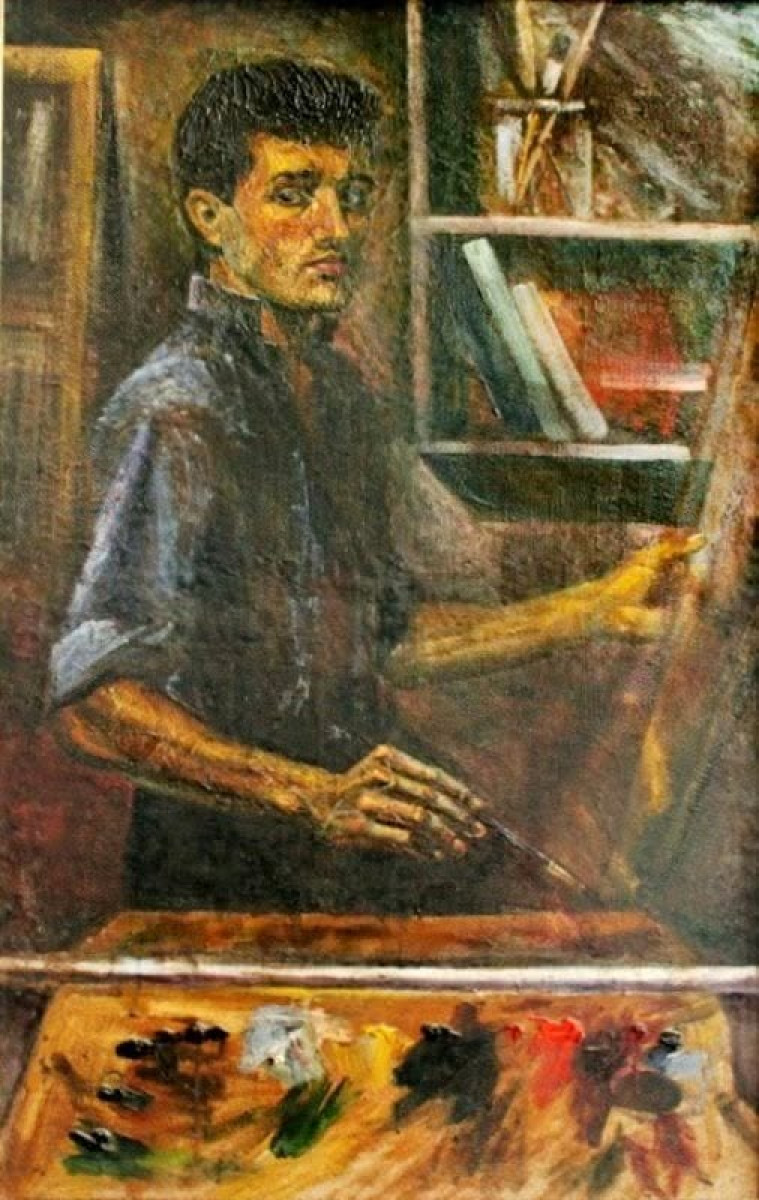
In Mammadkhanov’s paintings, the relationship between light and shadow, the harmony of colour tones and the representation of the material qualities of objects play an important role. The surface of a pomegranate, the structure of a bunch of grapes, the form of a fish and the textures of various objects reveal the artist’s powers of observation and approach to visual representation. In his graphic works, the expressive potential of line, precision of depiction and the ability to convey the individual characteristics of a subject are particularly noteworthy. His portraits, in particular, demonstrate his interest in the human figure and his ability to employ different visual means. Although painting and graphic art offer distinct technical possibilities, they complement one another in his work through observation and the artistic interpretation of imagery.
The artist’s exhibition career has included individual and group presentations held over several decades. According to the biographical profile published on the Facebook page “Emircanli Artists”, his solo exhibitions were held in 1982, 2015 and 2018. On 17 January 2018, his works were presented at the Vajiha Samadova Exhibition Hall of the Azerbaijan Artists’ Union. In 2021, his solo exhibition entitled “Congratulations on Your Victory, Azerbaijan” featured 25 works reflecting national motifs, as well as portraits of the leaders of two brotherly countries. In 2023, as part of the “Autumn in Nabran” project, he created plein-air studies alongside other artists. On 30 April 2026, another solo exhibition of his works was held at the Vajiha Samadova Exhibition Hall. These presentations demonstrate the continuing presence of national themes, portraiture and depictions of nature in his artistic practice.
In Malik Mammadkhanov’s art, national and cultural memory, images of the Absheron landscape and the plastic expression of objects emerge as interconnected artistic directions. One of the notable features of his work is the reinterpretation of familiar everyday motifs through individual observation and a distinctive sensibility for colour. His recurring use of the pomegranate motif establishes a connection between national visual memory and his individual artistic language. A more comprehensive study of the artist’s legacy requires the chronological cataloguing of his works, the verification of their technical characteristics, and the systematic preservation of exhibition records and existing archival materials. Such documentation would make it possible to trace the development of his artistic career and assess his place in the history of contemporary visual art on a more substantial basis.
Art Space Gallery MEDIA