An individual artistic vision shaped by light, space and observations of human life
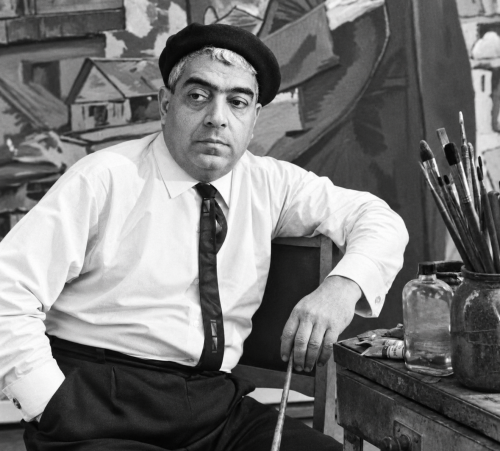
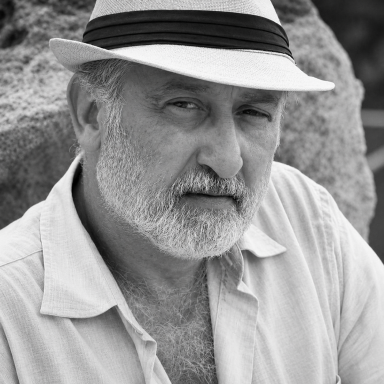
Museyib Amirov was born in Baku in 1963 into the family of artist Arif Amirov. In 1979, he graduated from the A. Azimzade Azerbaijan State School of Art, and in 1987 from the M. A. Aliyev Azerbaijan State Institute of Arts and Culture. Since 1996, he has been a member of the Union of Artists of Azerbaijan. At different periods, he taught in the Experimental Drawing class at the Azerbaijan State Academy of Fine Arts. In 2007, he was awarded the honorary title of Honoured Artist of Azerbaijan.
Alongside his family background, the traditions of Azerbaijani painting played an important role in shaping Amirov’s artistic outlook. The artistic environment in which his creative vision developed was enriched by the work of such painters as Rasim Babayev, Sanan Gurbanov, Kamaladdin Ahmad, Ashraf Murad, Javad Mirjavadov and Gennady Brizhatyuk. Nevertheless, Amirov’s pictorial language is better understood not simply as an extension of a particular school, but as the result of his individual approach to subject matter, colour and pictorial space.
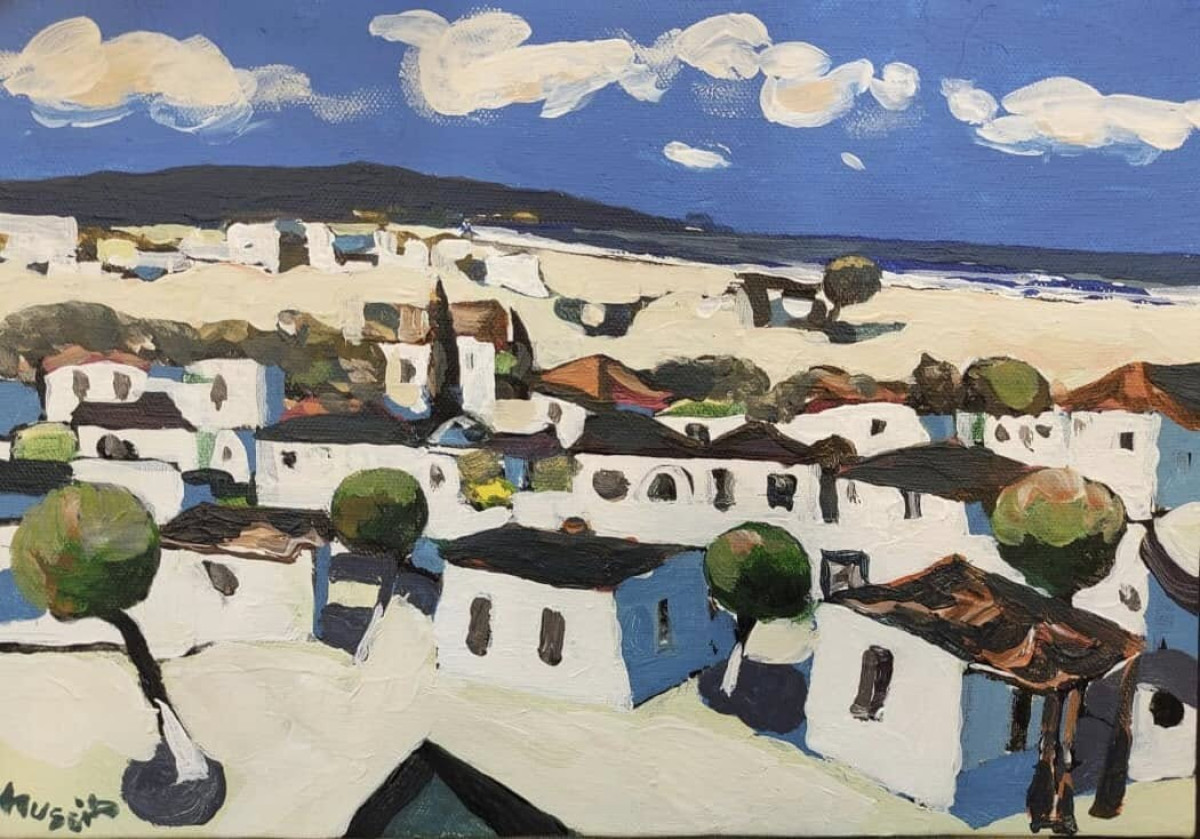
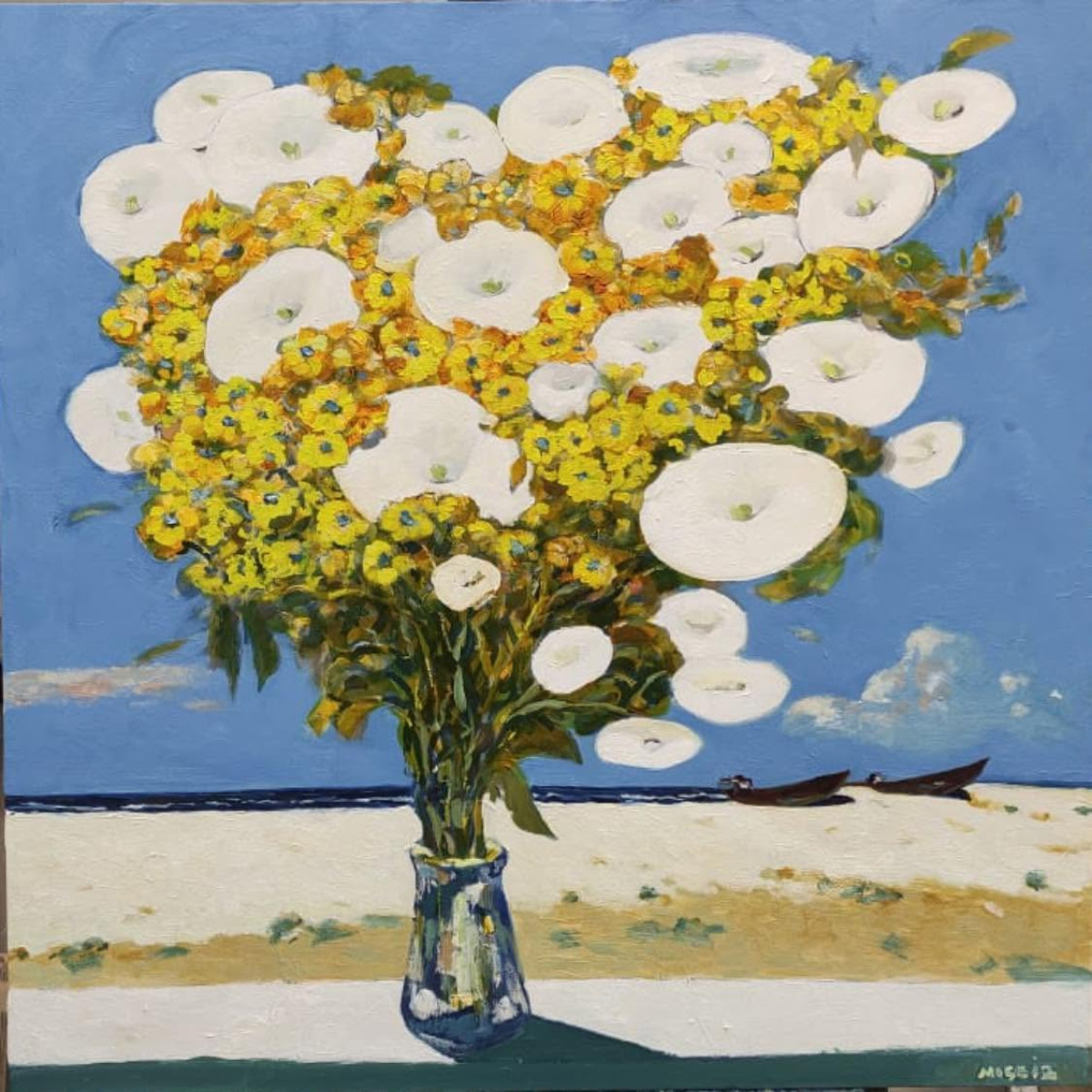
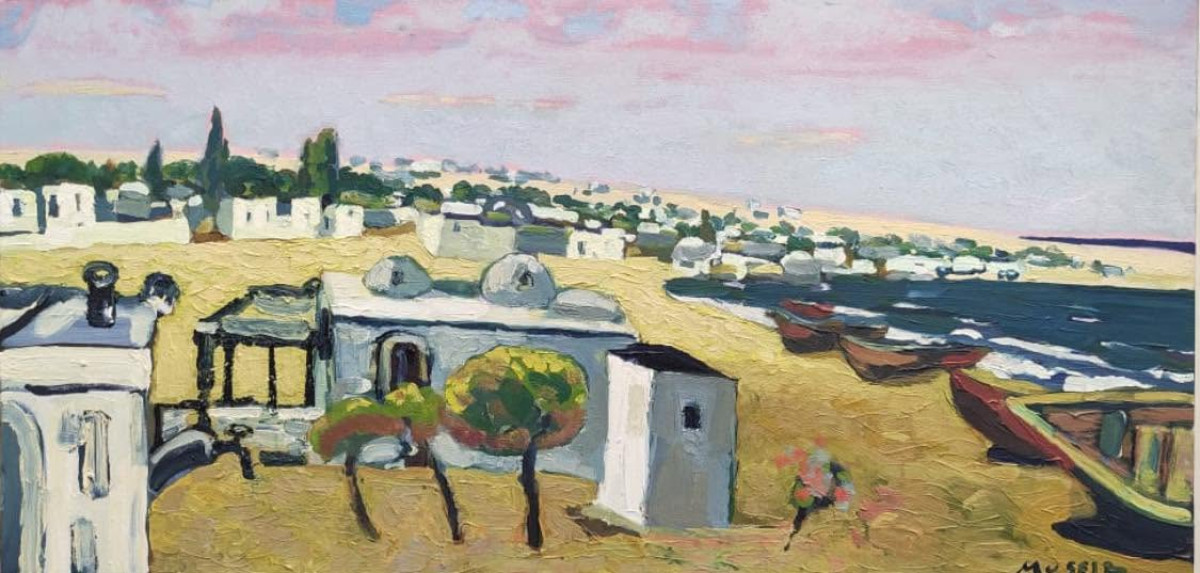
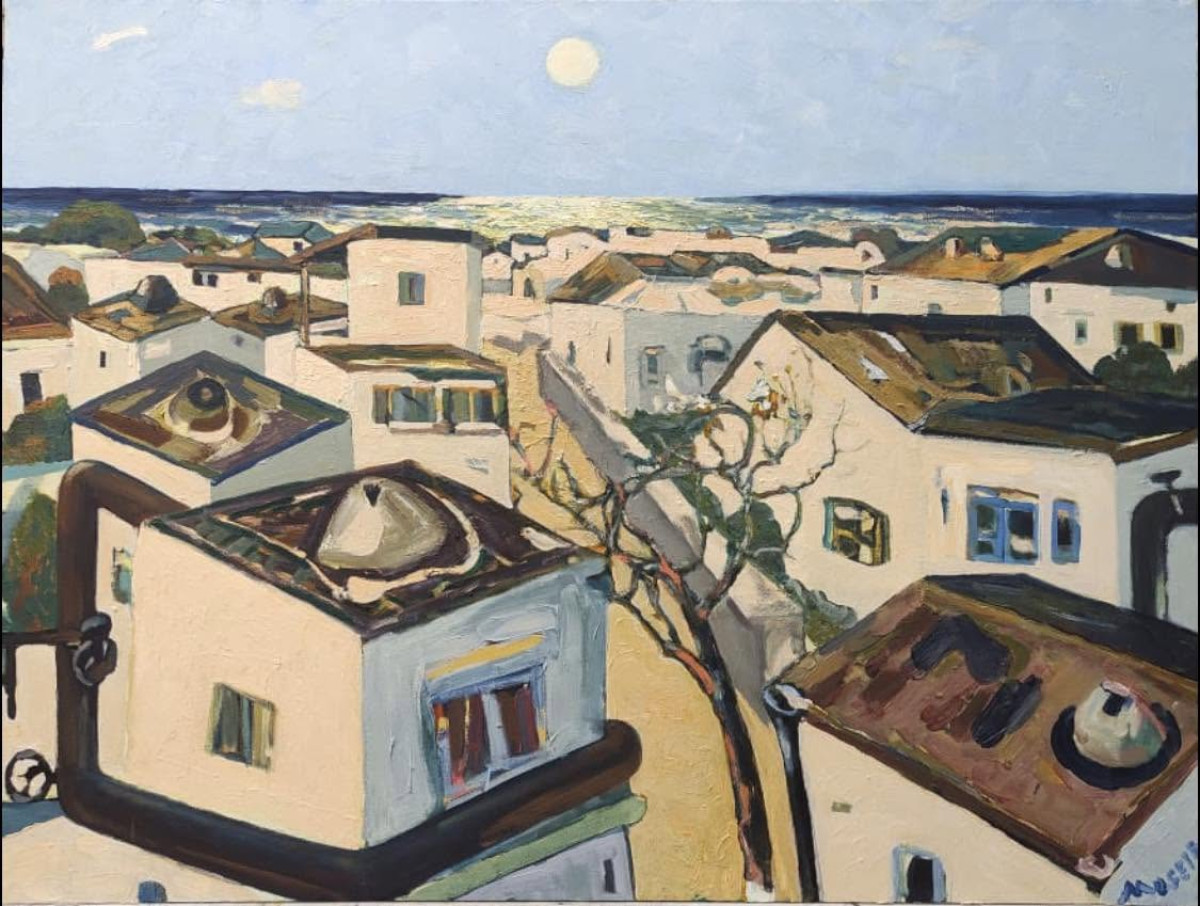
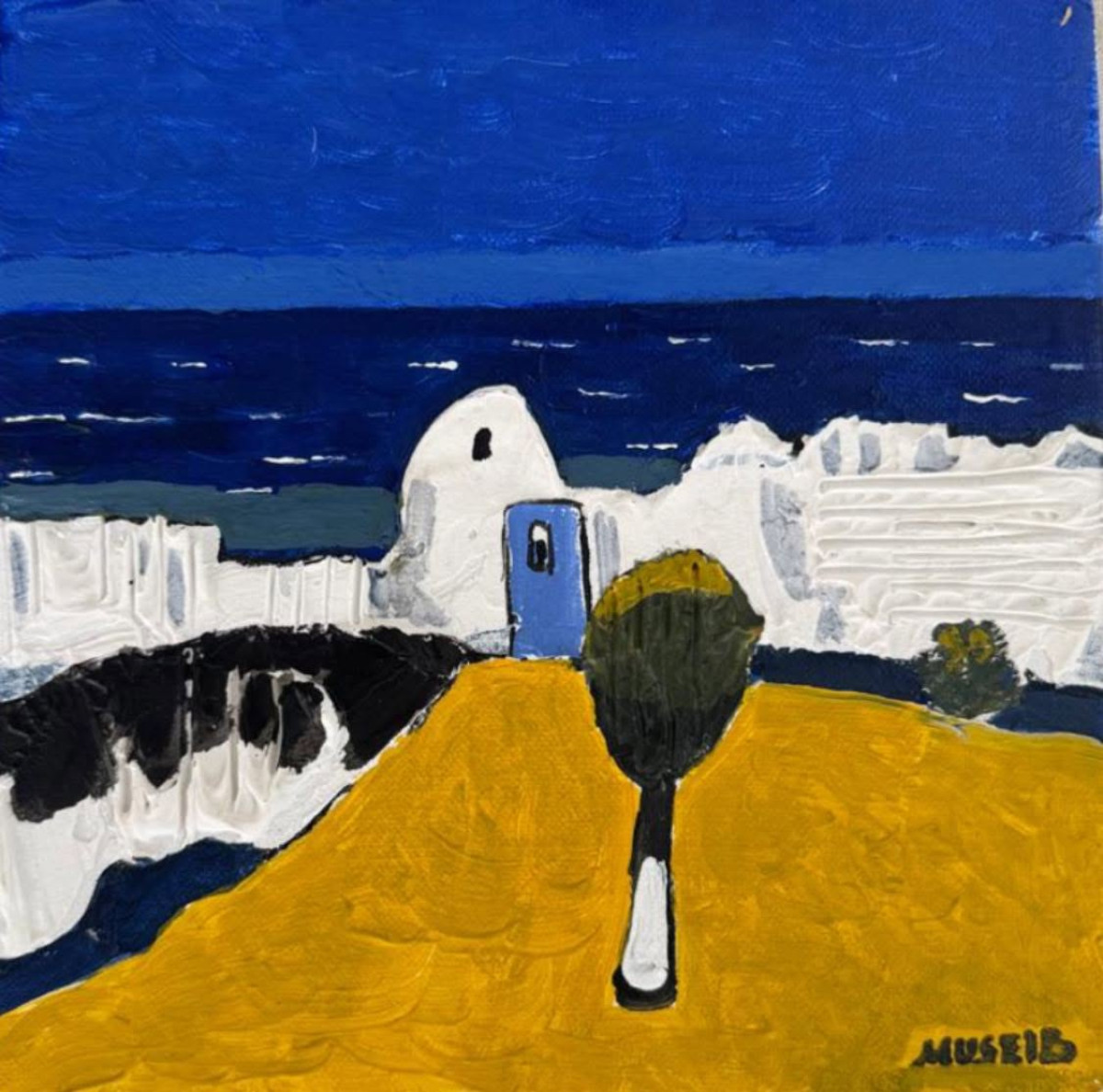
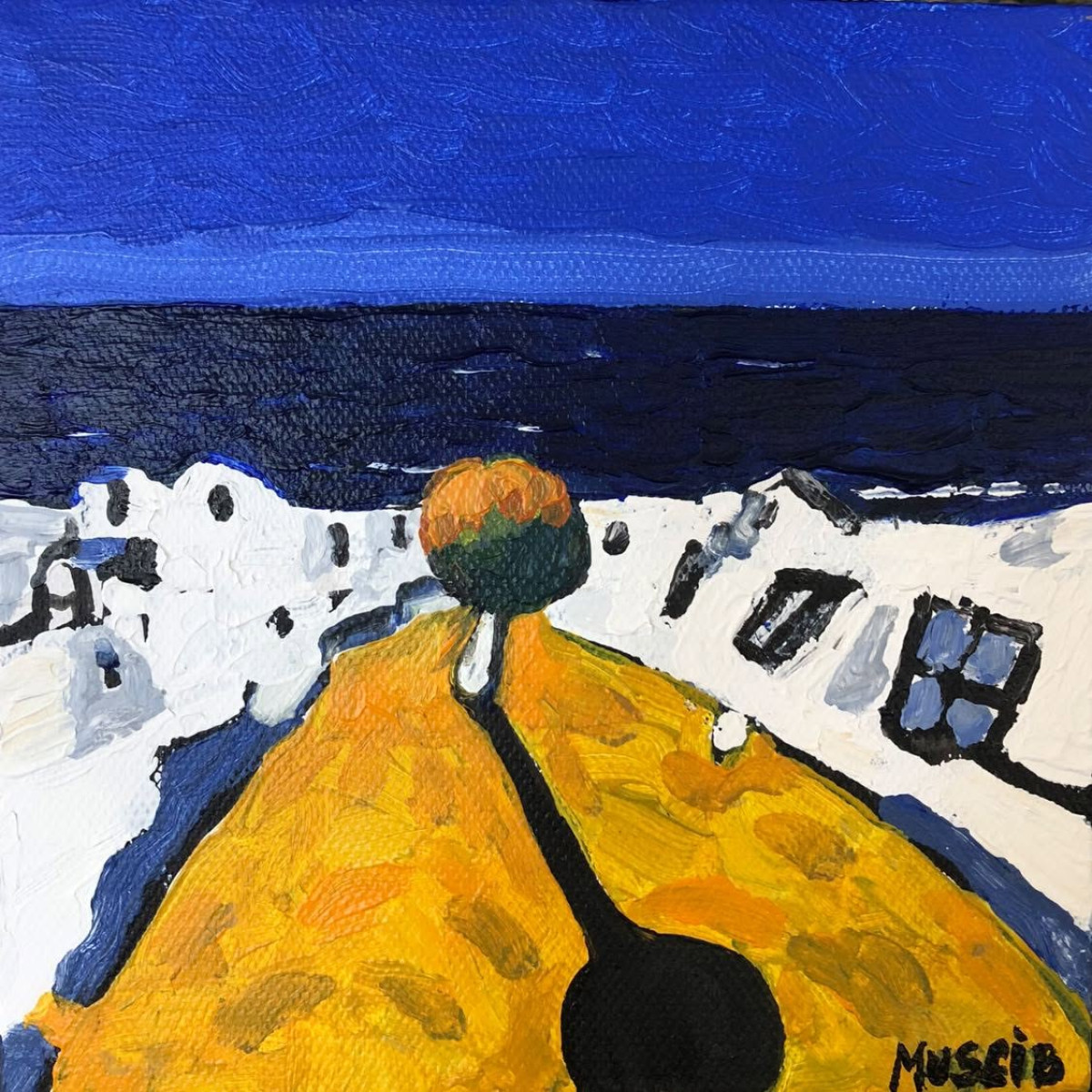
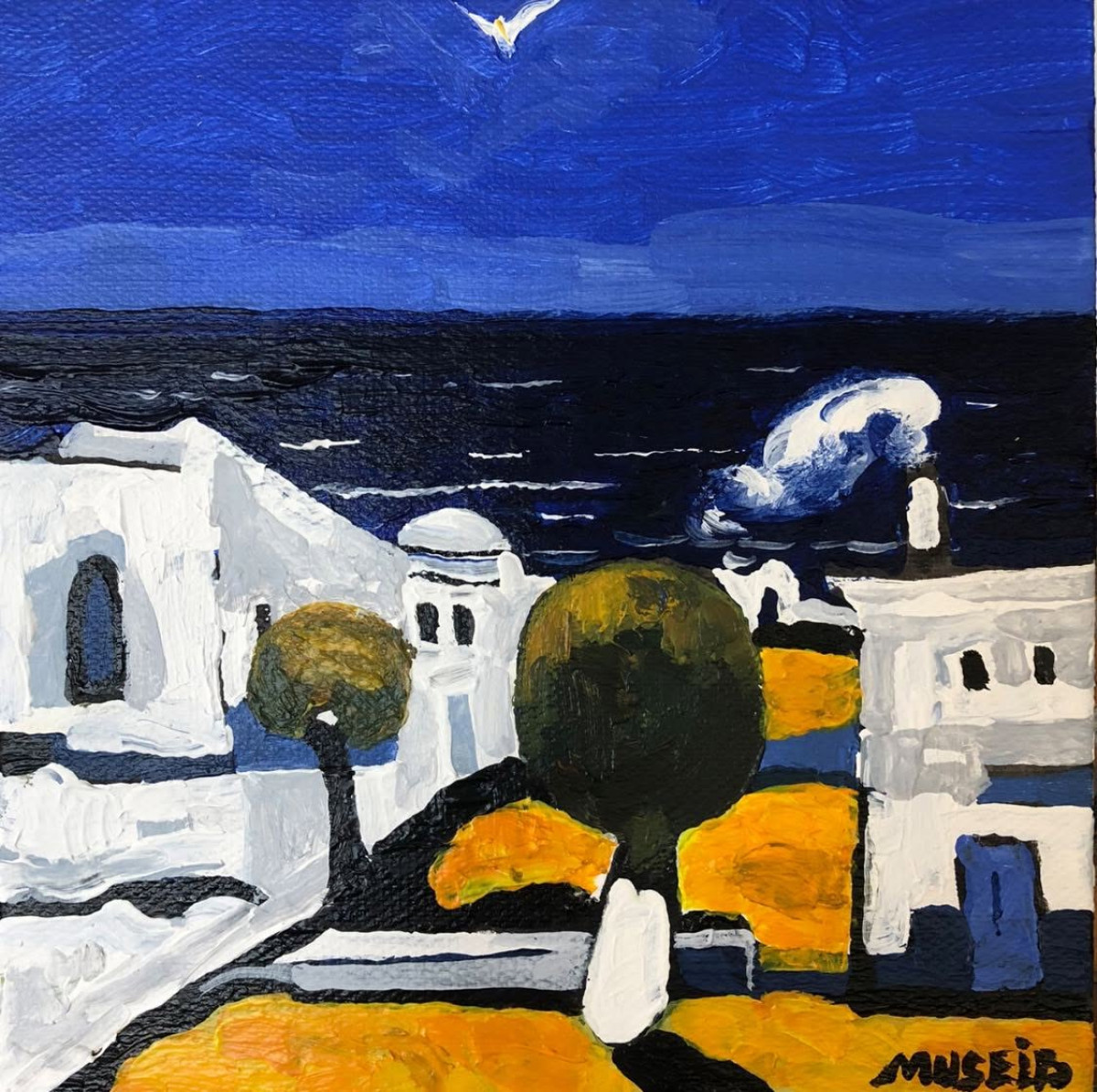
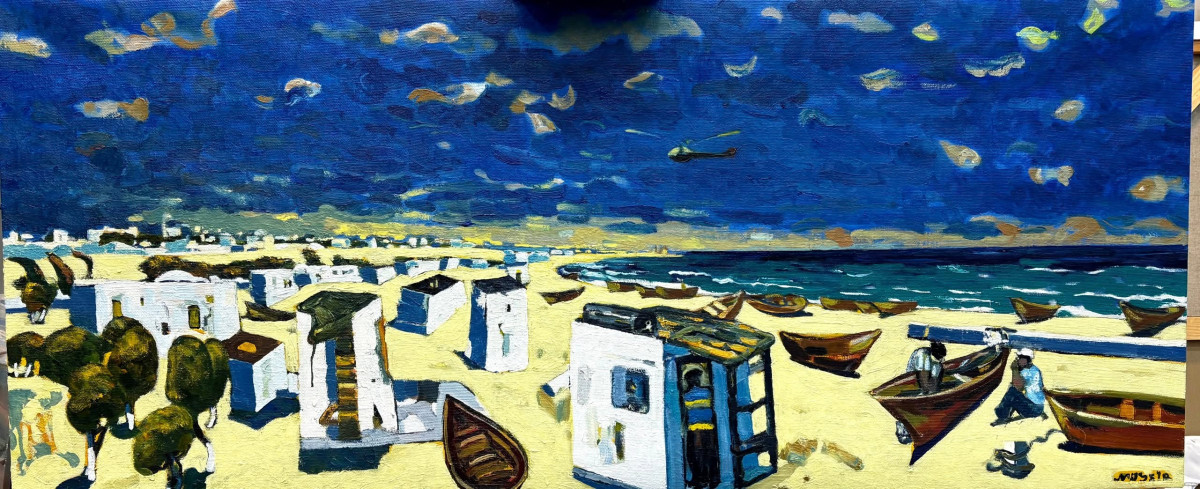
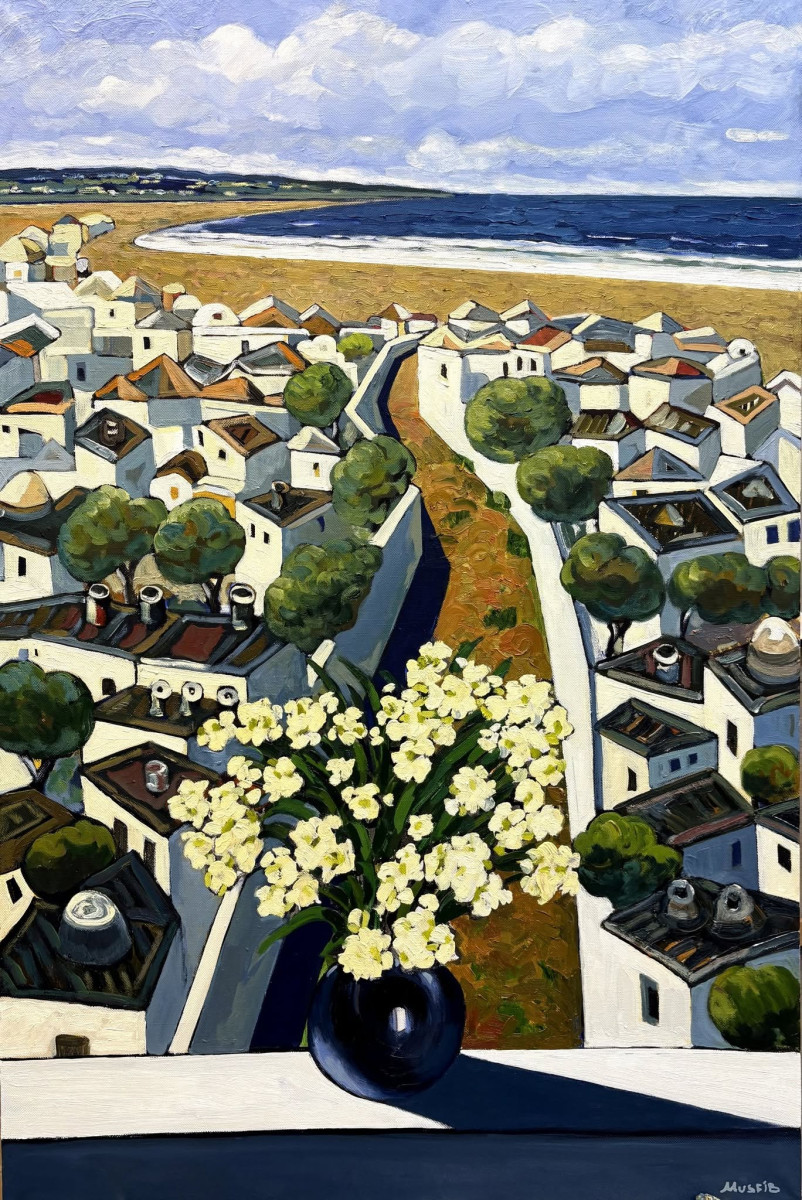
The Absheron Peninsula occupies a distinctive place in Amirov’s artistic practice. For the artist, this landscape is not merely a subject to be depicted, but a means of expressing personal memories and an environment shaped by lived experience. White houses, sunlit shores, beaches and scenes from everyday life become images of a familiar place preserved in memory. In works such as Absheron, The Beach and Evening by the Sea, composition, light and colour bring the emotional character of the landscape to the foreground. In some paintings, the absence of human figures directs attention away from narrative events and towards the atmosphere of the setting itself. Sunlight, pale surfaces and the quiet rhythm of the coastal landscape transform the artist’s observations into a more universal visual expression. Thus, Absheron emerges in Amirov’s work both as a real geographical environment and as a visual embodiment of personal memory.
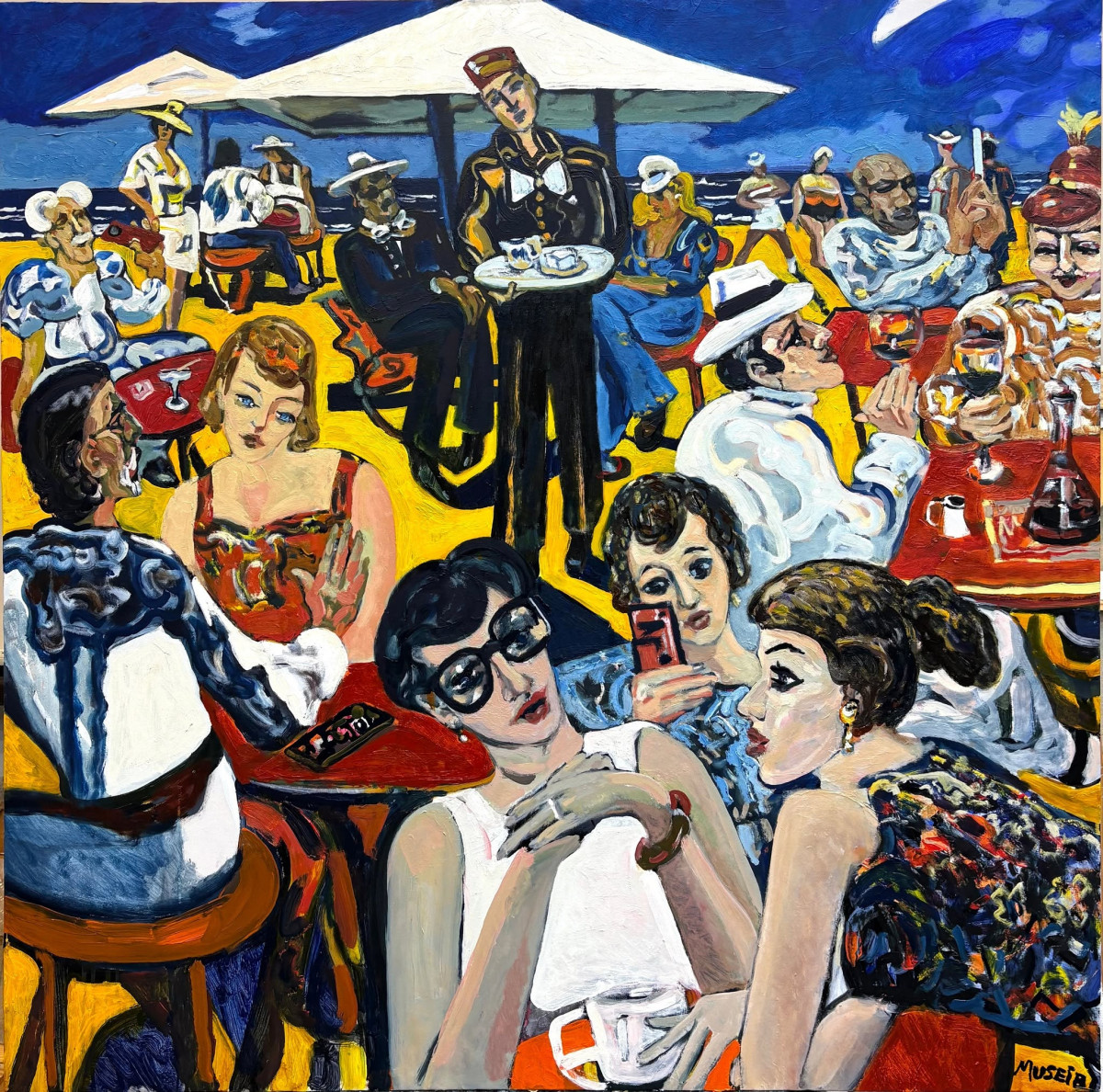
The depiction of everyday life and human relationships forms another important dimension of Amirov’s art. His painting The Peddler is a notable example. The sea, a ship, people at leisure and a working street vendor are brought together within a single setting. The contrast between recreation and labour lends the composition a social dimension. The prominent placement of the central vendor figure establishes its importance within the painting, while the freely rendered facial features and body proportions shift attention away from individual portrait likeness towards a more generalised human image. By connecting an ordinary episode of daily life with questions of social position and labour, the artist transforms a familiar scene into a broader artistic observation. The interplay of warm and cool colours, the arrangement of figures and the structure of the beach environment create a unified visual composition. Colour does not merely define the outward appearance of the scene; it also shapes the painting’s internal rhythm and emotional tension.
Museyib Amirov’s works have been presented in a number of international exhibitions. His participation in Grands et Jeunes d’Aujourd’hui in Paris in 2003, the Baku–Paris: 20 Artists exhibition in 2004, and an exhibition of contemporary Azerbaijani artists at the IMF Gallery in Washington marked significant stages in his international exhibition career. In 2012–2013, his works were included among examples of contemporary Azerbaijani art presented in the Fly to Baku. Contemporary Art from Azerbaijan project, which travelled to cities including Vienna, Rome, Moscow, Berlin, Paris and London. In 2014, a solo exhibition of the artist’s work was held at YAY Gallery, followed in 2015 by the exhibition Bax at the Baku Museum of Modern Art. Another important presentation of his work took place from 24 April to 19 May 2019 at the Zurab Tsereteli Art Gallery of the Russian Academy of Arts in Moscow. Entitled The Blues of the Solar Wind, the exhibition brought together approximately one hundred paintings and graphic works created over different periods, some of which were presented to the public for the first time.
The Absheron landscapes, beach scenes and human figures in Amirov’s art represent different dimensions of a coherent artistic vision. In his work, place is connected with personal memory, everyday life with social observation, and colour with emotional expression. A defining feature of his practice is his individual perspective on familiar surroundings. He presents Absheron not merely as a geographical location, but as a landscape shaped by human experience, recollection and changing patterns of life. This quality makes his work significant within the context of individual expression and artistic observation in contemporary Azerbaijani painting.
Art Space Gallery MEDIA