The path from academic traditions to individual expression
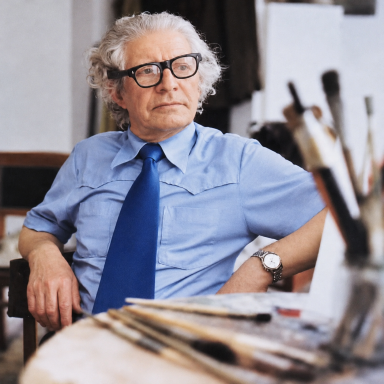
Born on 26 October 1925 in Baku, Ashraf Murad (Ashraf Murad oglu Muradov) began his art education in 1941 at the Azim Azimzade State Art School, where he studied under the distinguished painter of Azerbaijan, Mikayil Abdullayev. After graduating in 1946, he continued his studies in Leningrad at the I. E. Repin Institute of Painting, Sculpture and Architecture, completing his studies in the Faculty of Painting with honours in 1954. His subsequent artistic career was distinguished by a search for individual artistic expression and a modernist approach.
From academic training to individual artistic exploration
Ashraf Murad’s academic education played an important role in shaping his artistic outlook. Having thoroughly mastered the traditions of classical painting, he later combined this knowledge with his own individual artistic vision. The changes observed throughout his artistic journey were not limited to technical experimentation; they also reflected a desire to perceive humanity, society and the surrounding world from a different perspective.
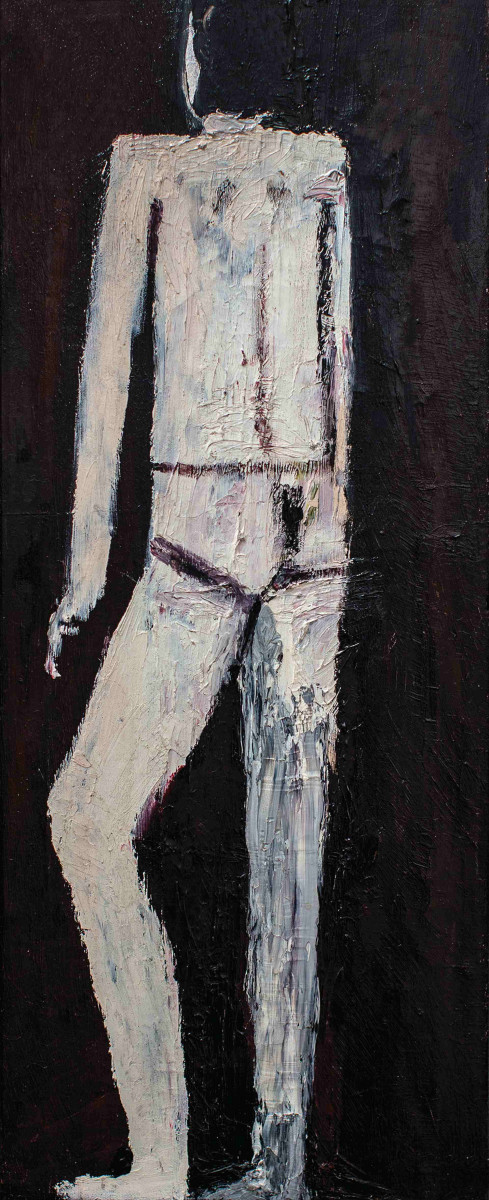
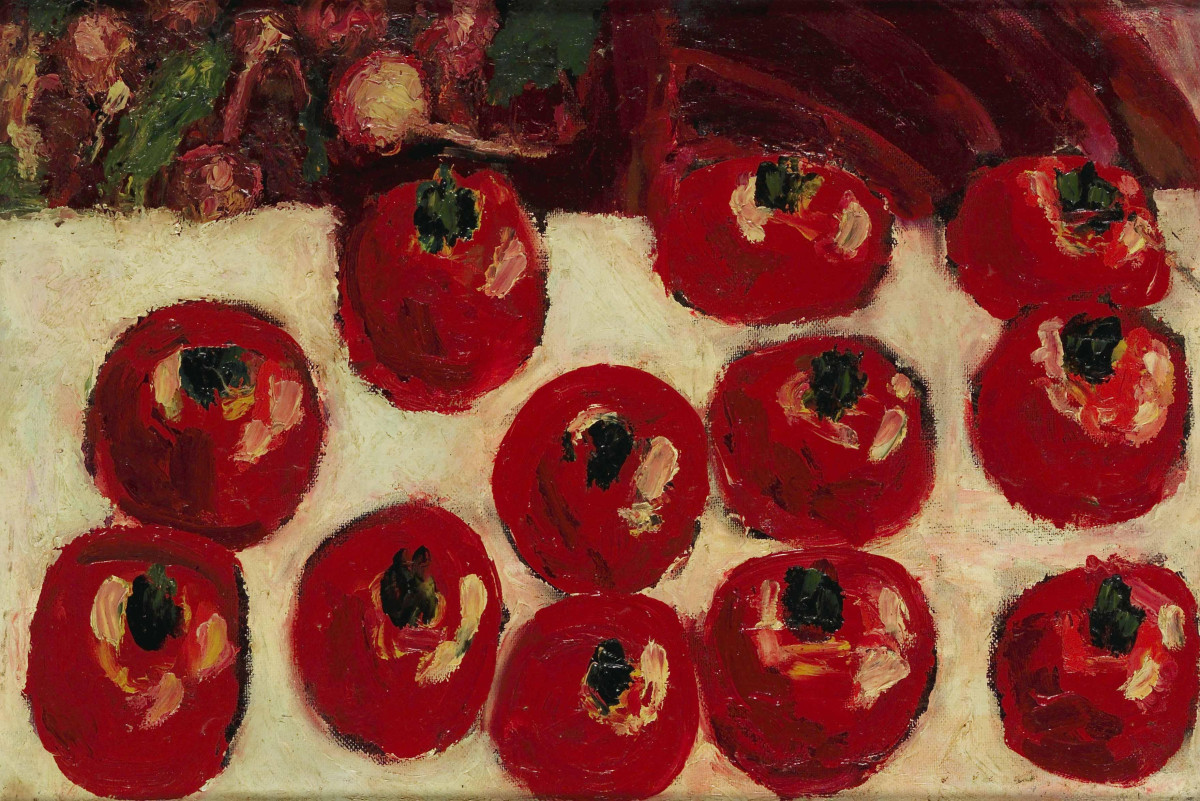
From the 1960s onwards, freer compositional structures, expressive colour relationships and individual modes of expression increasingly came to the forefront of his works. This approach became one of the defining features that distinguished his art from the academic conventions of the period.
Artistic style: expressive colour and psychological imagery
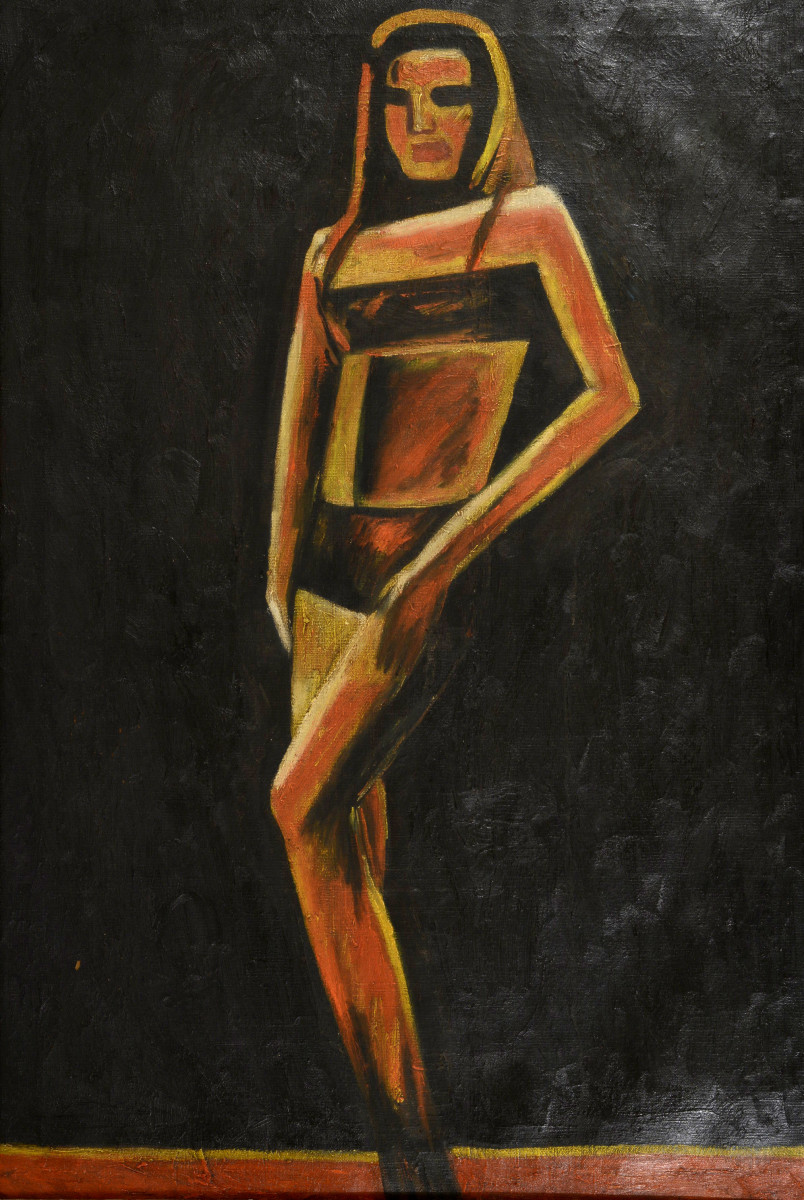
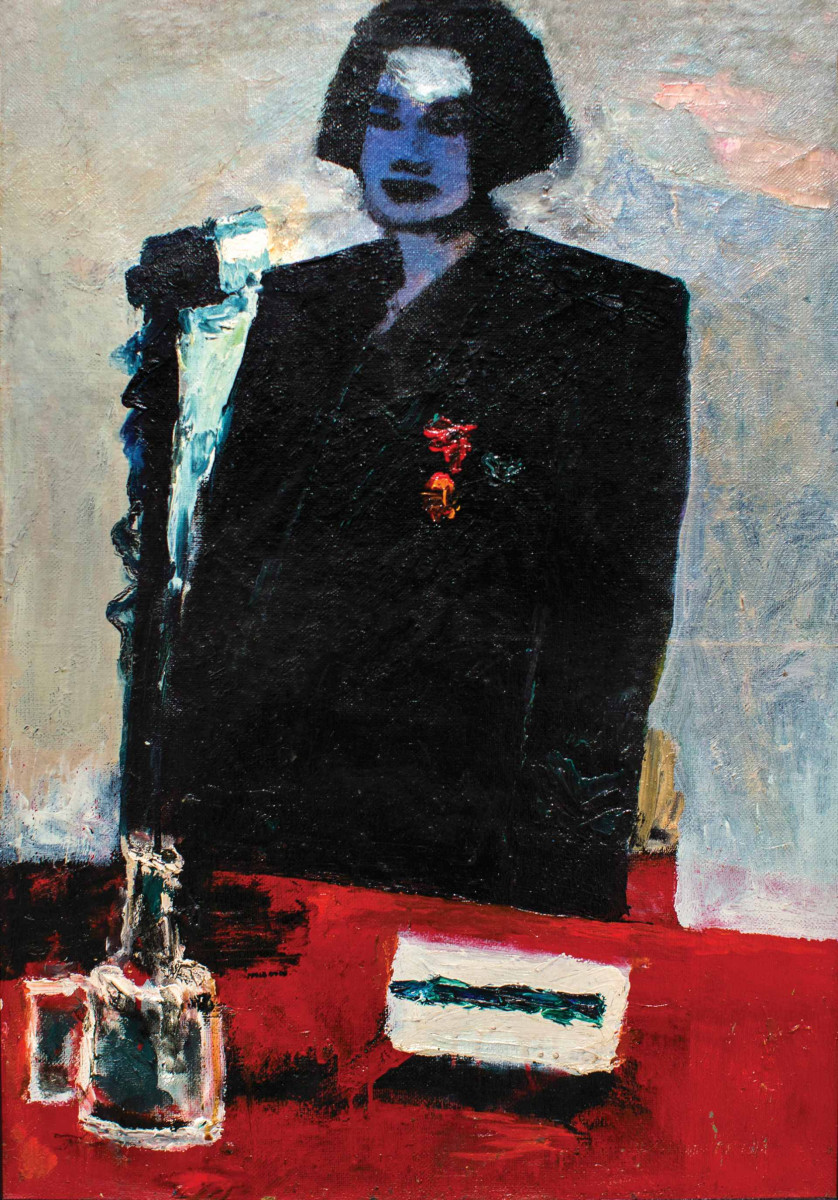
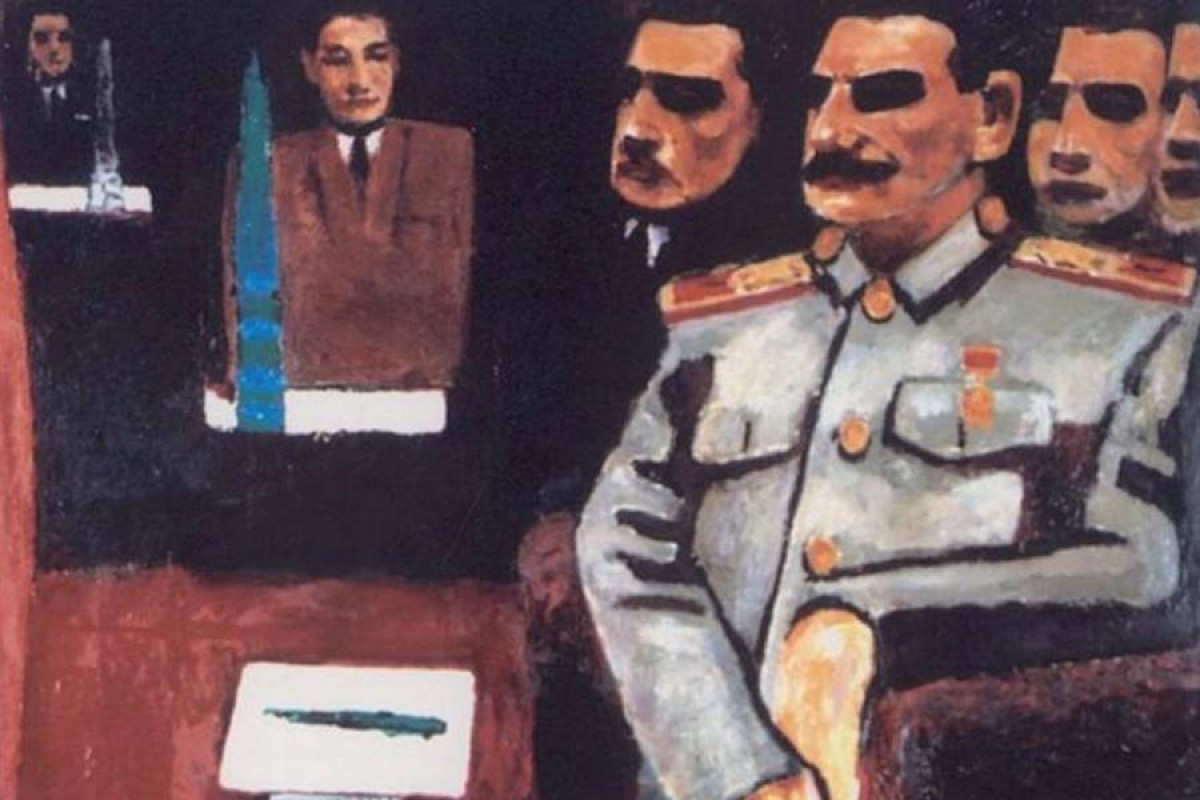
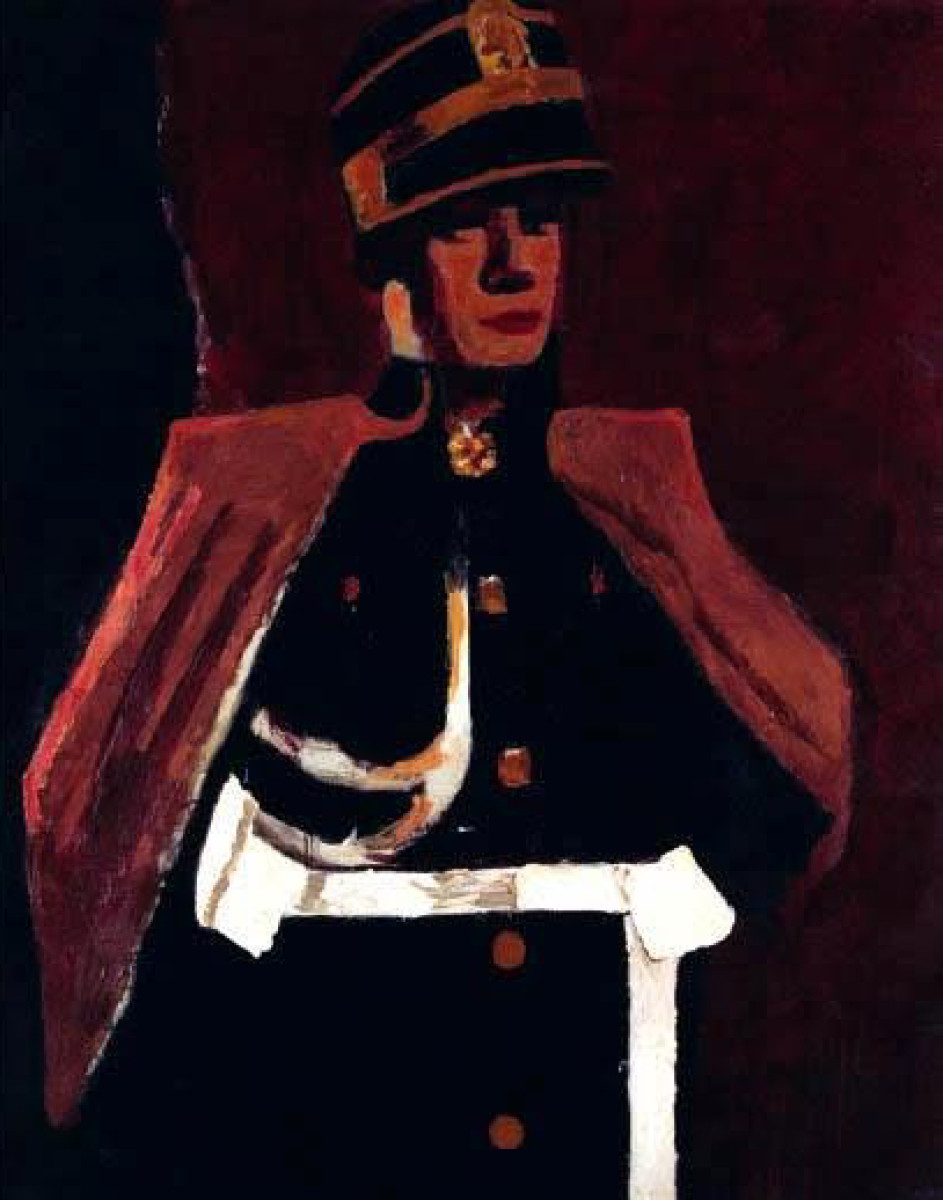
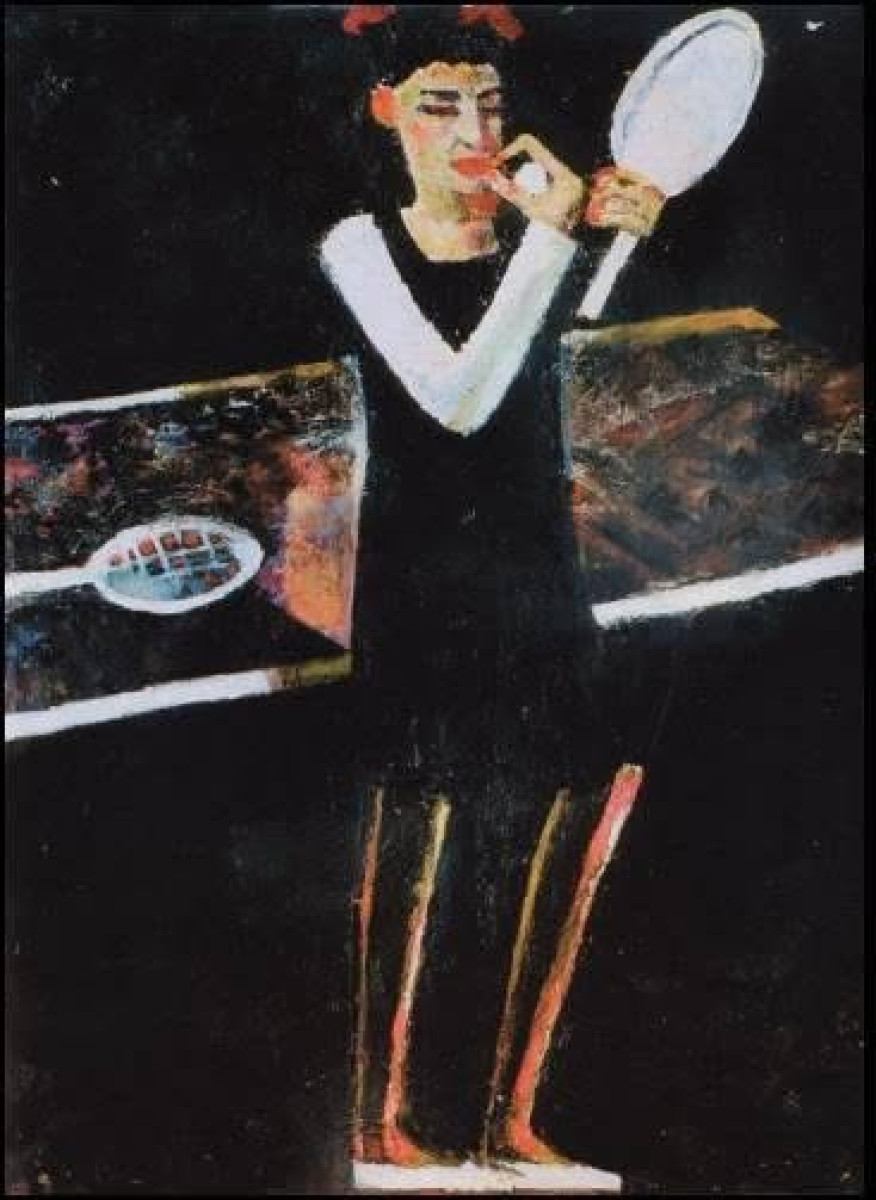
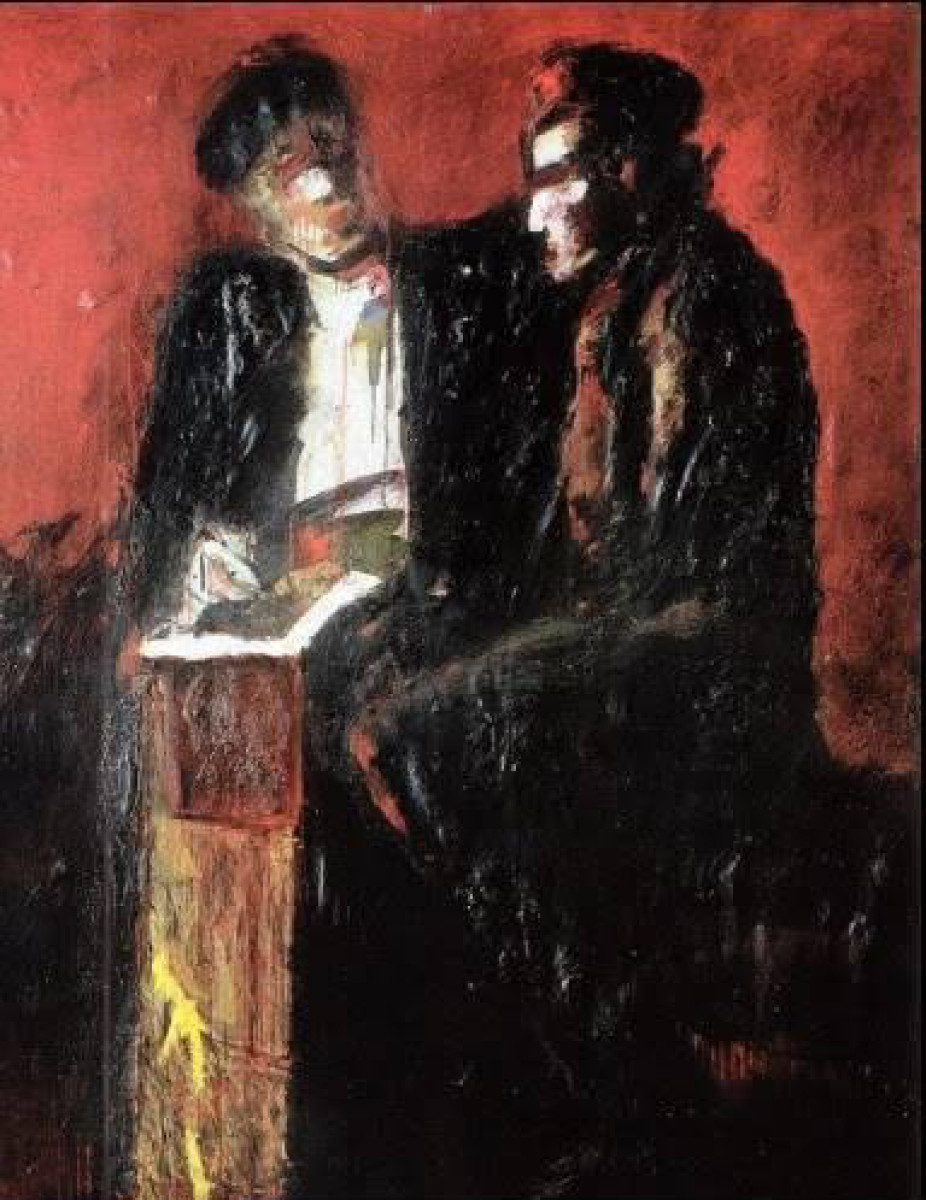
In Ashraf Murad’s painting, colour serves not merely as a means of representation but also as an important vehicle of emotional and psychological meaning. The contrasts between colours, the free treatment of forms and the unconventional structure of his compositions reveal the inner tension and depth of thought embodied in his images.
In his portraits, the human face acquires a meaning that extends beyond physical resemblance. Through expression, gaze and colour treatment, the inner world, emotional state and psychological characteristics of the individual come to the forefront. This approach demonstrates the importance of personal observation and subjective artistic vision in his work.
Significant works and thematic diversity
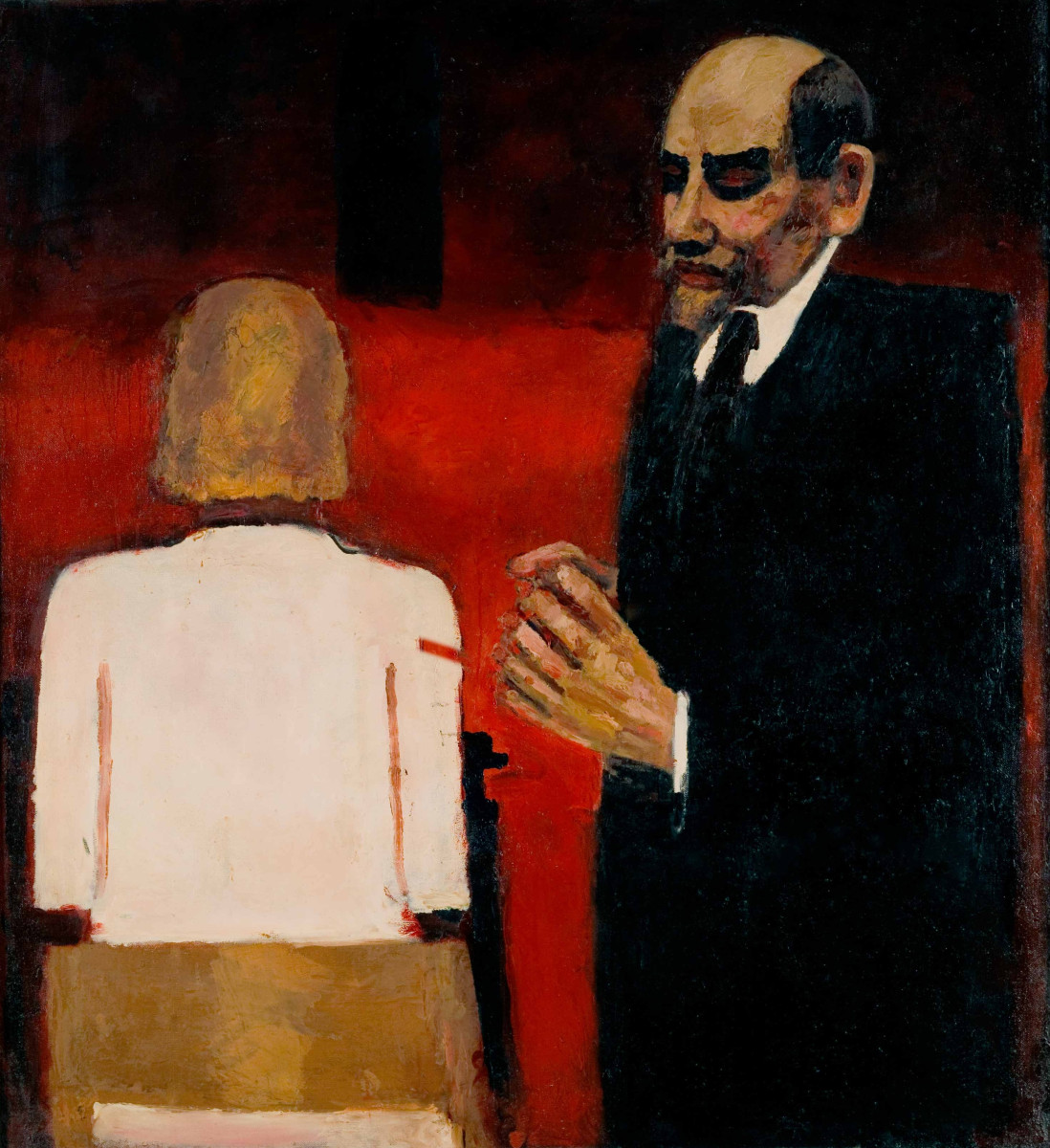
Portraiture, everyday scenes, human relationships and musical subjects occupy an important place in Ashraf Murad’s artistic legacy. When exploring different themes, the artist goes beyond the outward appearance of the subjects he depicts, seeking to convey their emotional and spiritual content.
The painting “Musicians” (1973) is one example of his engagement with musical themes and his individual approach to the artistic treatment of figures. “Father and Son”, in turn, draws attention to human relationships and the bonds between generations. The relationship between subject matter and artistic form in these works offers insight into the essential characteristics of his creative thinking.
Viewed as a whole, his body of work reveals the artist’s sustained interest in the inner world of the individual, social relationships and the contradictions of life.
The aesthetic framework of the era and creative independence
Ashraf Murad’s artistic career is particularly noteworthy against the background of the aesthetic transformations that took place in the second half of the twentieth century. During this period, the official artistic environment was marked by complex relationships between established principles of representation and more independent forms of artistic expression.
Murad’s individual style, expressive use of colour and approach that moved beyond conventional compositional norms distinguished his work. These characteristics demonstrate the importance of creative independence and personal artistic conviction in his practice.
His works not only reflect the aesthetic characteristics of a particular period but also preserve the individual worldview expressed through his distinctive artistic language.
Exhibitions and the rediscovery of an artistic legacy
Interest in Ashraf Murad’s work continued after his death. One of the significant steps towards presenting his paintings to a wider public and reassessing his artistic legacy was an exhibition organised in 1984.
The retrospective exhibition entitled “Ashraf Murad: Love and Protest”, held in 2019, introduced different aspects of his artistic practice to a new audience and renewed attention to his individual style and artistic legacy. Such exhibitions are important not only for presenting the artist’s works but also for examining them within their historical, aesthetic and cultural contexts.
Ashraf Murad’s artistic position in modernist painting
Ashraf Murad’s artistic legacy demonstrates the significance of individual artistic expression, emotional approaches to colour and freedom in composition. In his work, academic training and modernist exploration interact, providing the foundation for the development of his distinctive artistic language.
His legacy represents a valuable subject of study for understanding the aesthetic transformations of twentieth-century painting, the individual position of the artist and the pursuit of artistic freedom. Over time, Ashraf Murad’s works continue to offer new layers of meaning to younger generations of viewers and art researchers.
Ashraf Murad died in Baku on 11 March 1979.
Art Space Gallery MEDIA