In the contemporary world, the presentation and promotion of art have entered a new phase. Although traditional galleries continue to retain their significance, digital platforms have become an essential part of the international art landscape. Today, professionally presenting artists' creative work in the digital space, reaching wider audiences with their artworks, and introducing cultural heritage through modern technologies are of particular importance.
Globally recognised platforms such as Artsy, Saatchi Art and Singulart establish connections between artists and collectors, creating opportunities for contemporary art to gain international recognition. Projects such as Google Arts & Culture and Art Basel Online Viewing Rooms demonstrate the extensive potential of the digital environment for presenting both contemporary artistic production and the world's cultural heritage.
One of the key advantages of a digital gallery is its ability to present an artist not merely through individual artworks, but through the entirety of their creative journey. Biographical information, education, exhibitions, technical details of artworks, high-quality images and art-historical publications all contribute to shaping an artist's creative identity. Such a comprehensive presentation enables a deeper understanding of artworks, enhances artists' visibility and helps document their creative legacy for future generations.
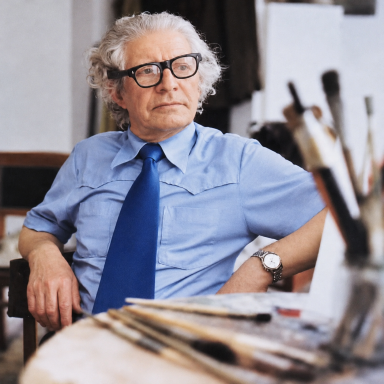
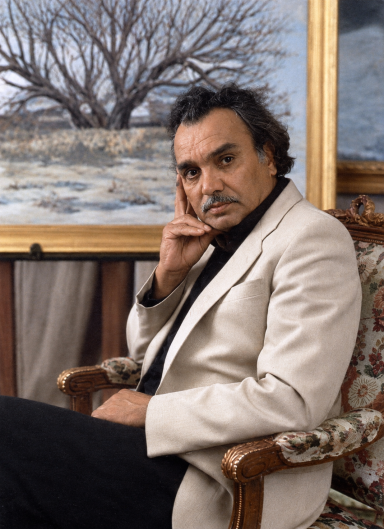
This approach is equally important for promoting classical artistic heritage. The works of distinguished Azerbaijani artists such as Mirza Gadim Iravani, Bahruz Kangarli, Azim Azimzadeh, Sattar Bahlulzadeh, Tahir Salahov, Mikayil Abdullayev, Toghrul Narimanbekov and Nadir Abdurrahmanov represent an invaluable part of our national cultural memory. Presenting their lives, artistic journeys, works and contributions to Azerbaijani art in a comprehensive, reliable and professional manner within the digital environment helps ensure that this heritage is passed on to future generations.
Carpet weaving, miniature painting, decorative and applied arts, traditional ornaments and folk art are among the distinctive artistic treasures of Azerbaijani culture. Promoting these traditions through digital means creates opportunities to introduce national art to international audiences while preserving its historical and aesthetic values. Cultural heritage is not merely a legacy of the past; it is a living value that shapes our present and must be transmitted to future generations.
Another significant advantage of digital platforms for artists is their ability to transcend geographical boundaries. Through a properly structured and professionally curated presentation, artists' works can attract the attention of art enthusiasts, curators and collectors in different countries. According to the Art Basel and UBS Global Art Market Report 2026, global online art sales amounted to USD 9.2 billion in 2025. This represented 15% of the total art market, highlighting the significance of digital sales channels within the international art landscape.
A digital gallery does not replace the traditional exhibition experience; rather, it complements it and creates additional opportunities for art to reach broader audiences. High-quality visual presentation, accurate information, copyright protection and a professional curatorial approach are essential requirements for achieving this.
In this context, Art Space Gallery is a platform dedicated to promoting the creative work of Azerbaijani artists, preserving national artistic heritage in the digital environment and bringing Azerbaijani art to international audiences. Its primary mission is to introduce classical artistic heritage and contemporary creativity, highlight artists' creative journeys, promote national cultural values and encourage greater interest in art. This work represents an important contribution to keeping culture alive, preserving artistic memory and transmitting Azerbaijani art to future generations.
Culture endures not merely through preservation, but through being kept alive, brought to public attention and passed on to future generations. Digital tools represent one of the important opportunities of our time for fulfilling this mission. The ultimate objective is to serve the preservation, promotion and advancement of art and cultural heritage.