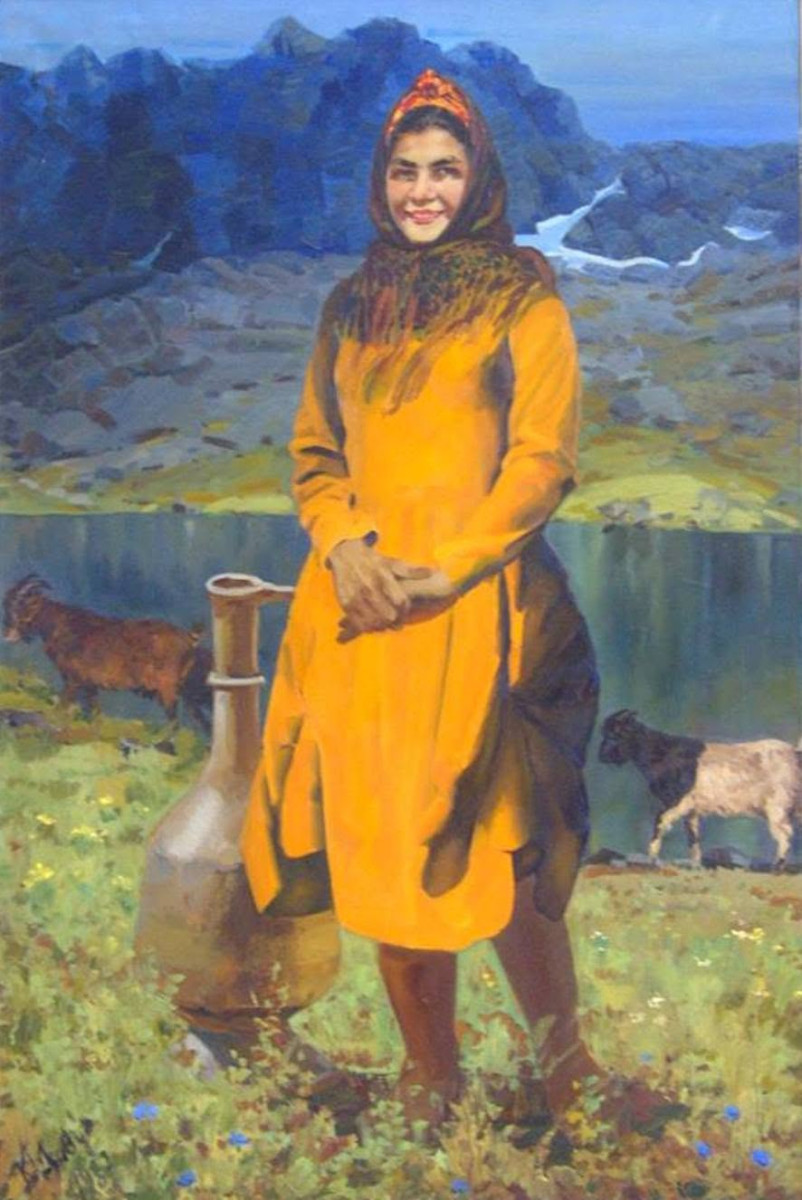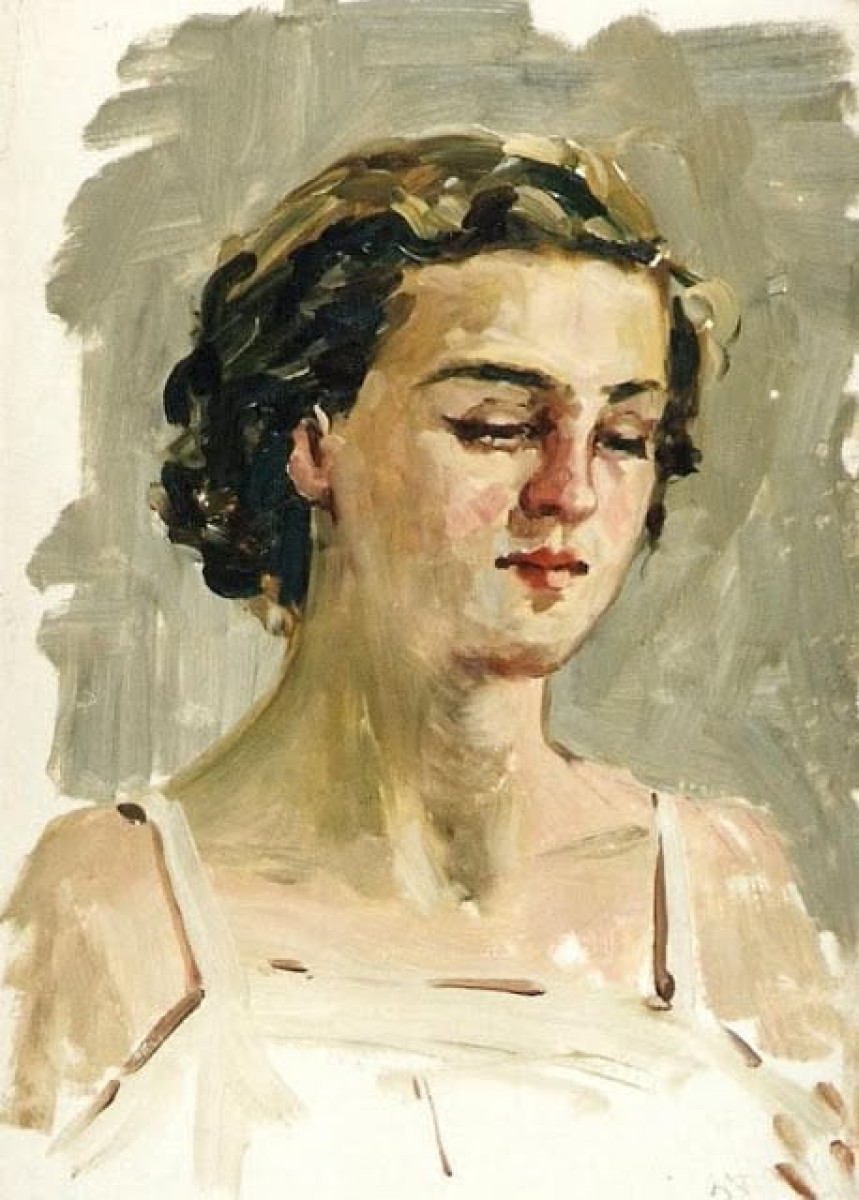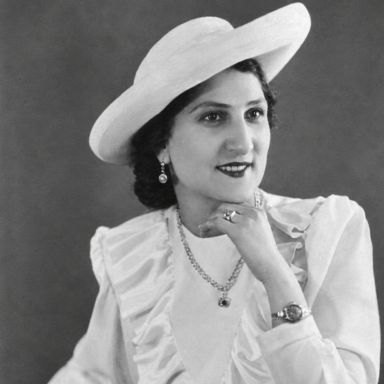
Born on 29 November 1919 in Charjuy, Turkmenistan, Gullu Haji Naim Mustafa gizi Mustafayeva was originally from Shamakhi, Azerbaijan. In 1927, she moved to Baku with her family, where she studied at the Azerbaijan State Art Technical School named after Azim Azimzade. After graduating in 1938, she embarked on her independent artistic career. In recognition of her contributions to the arts, she was awarded the honorary title of Honoured Artist in 1973 and the title of People's Artist of the Republic of Azerbaijan in 1992. Through her works in portraiture, narrative composition, landscape and still life, she established a distinctive place in twentieth-century Azerbaijani painting.
The Formation and Main Directions of Her Artistic Career
Gullu Mustafayeva's artistic career unfolded during a period when national painting traditions were developing and new artistic explorations were expanding in Azerbaijani visual arts. Working across various genres, she demonstrated the breadth of her creative abilities. Her artistic legacy encompasses narrative compositions devoted to historical and literary subjects, portraits of prominent personalities, depictions of children and landscapes.
Mustafayeva paid particular attention to portraying human character, inner qualities and the surrounding environment. Azerbaijani history and literature, everyday life, people from different professions and diverse human experiences broadened the thematic scope of her work.
The Artistic Interpretation of Historical and Literary Subjects
Works inspired by classical Azerbaijani literature and historical figures occupy a significant place in the artist's oeuvre. Among her notable narrative compositions are The Search at Mirza Fatali Akhundov's House (1938), Nizami Listening to an Elderly Ashug (1941) and Majnun's Death at Leyli's Grave (1952).
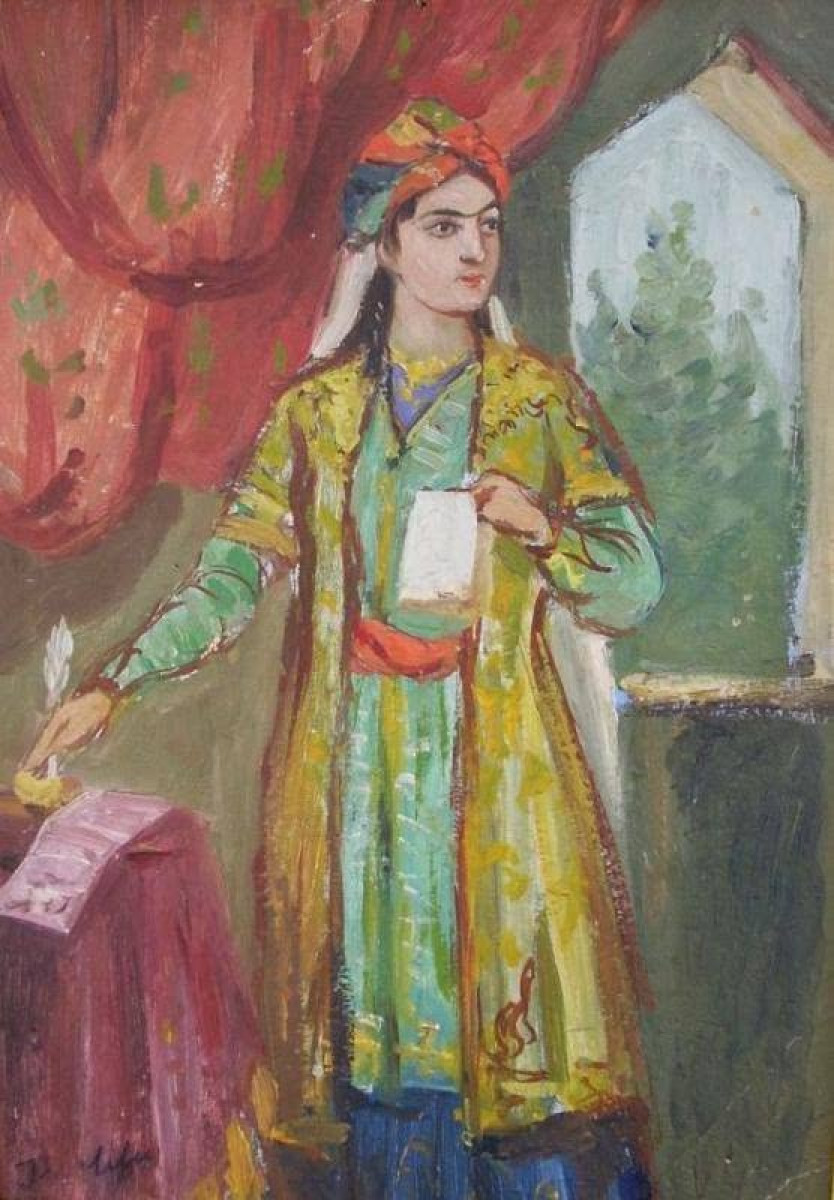
Created in 1947, Portrait of Mahsati Ganjavi is one of the important works demonstrating the artist's approach to portraying historical figures. Depicting the twelfth-century Azerbaijani poet, Mustafayeva sought to convey the atmosphere of the historical period, including the characteristics of its clothing and surroundings through artistic means. The portrait, reflecting the poet's character and the aesthetic features of her era, is regarded as one of the distinguished works in the artist's legacy.
Portraiture and the Character of the Individual
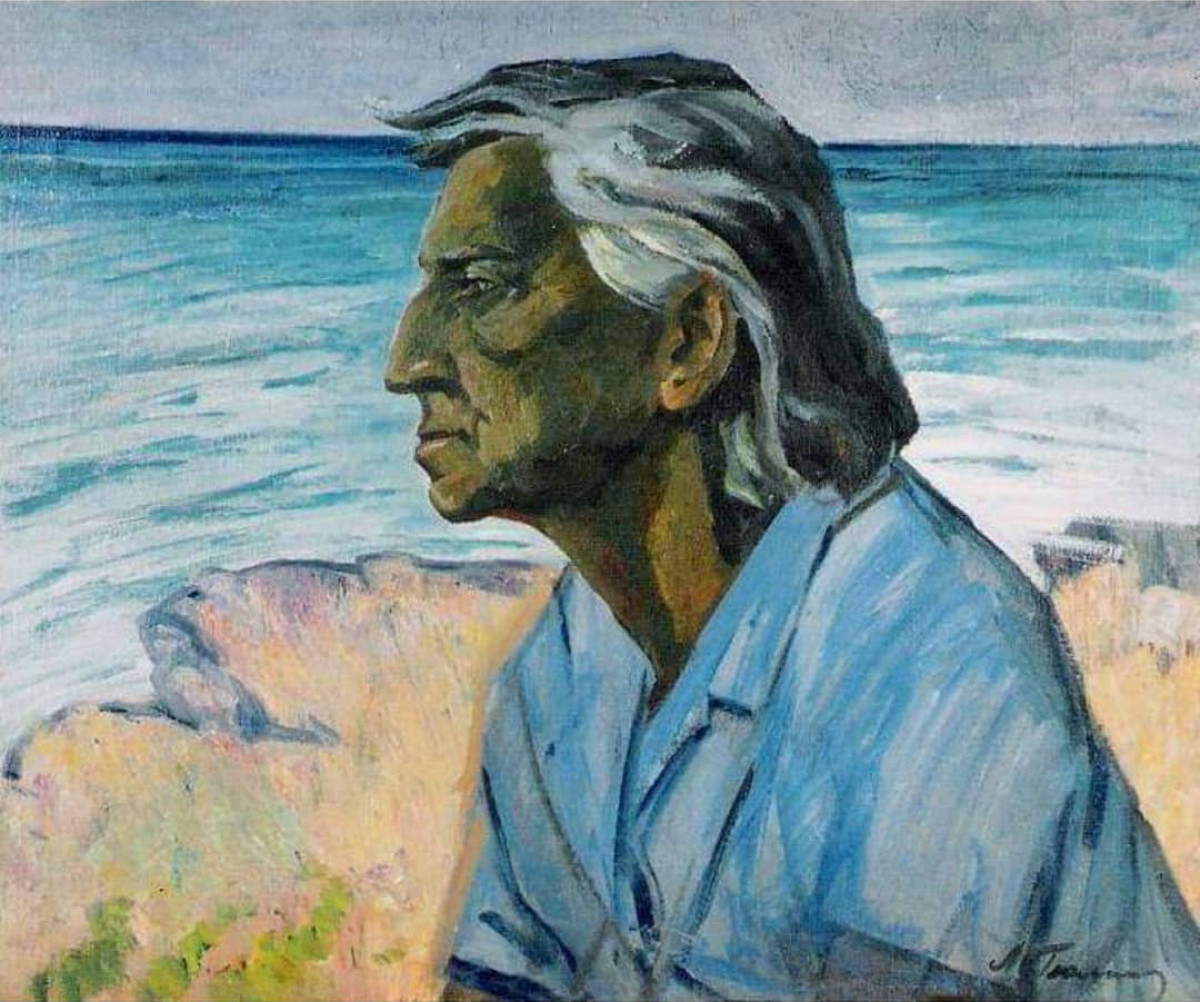
Portraiture represents one of the leading directions in Gullu Mustafayeva's artistic practice. She created portraits of labour heroes, prominent figures in science and the arts, and representatives of various professions. Alongside the external features of her subjects, she paid particular attention to expressing their individual characters and inner qualities.
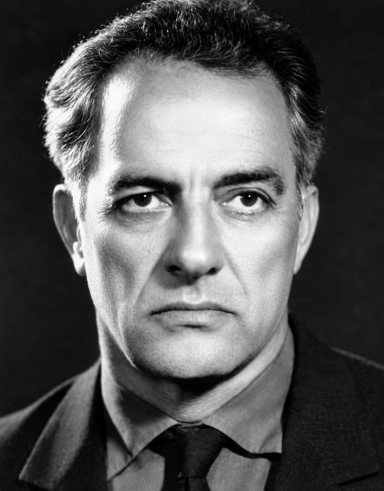
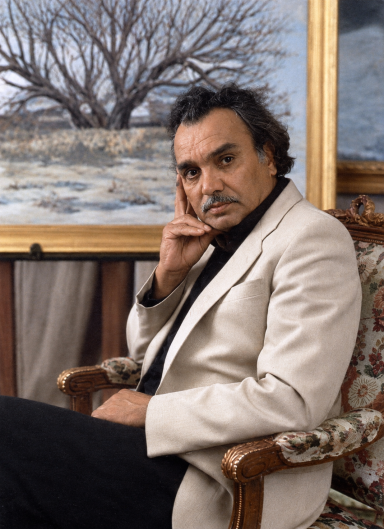
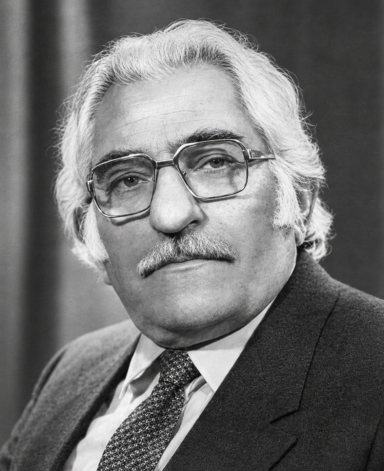
Her portrait gallery includes Basti Baghirova, Hero of Socialist Labour; People's Artist Sattar Bahlulzade; and doctors of medical sciences Umnisa Musabeyova and Zahra Salayeva. Her portraits of writers Suleyman Rahimov and Abdulla Shaig, as well as artist Maral Rahmanzade, are also notable examples of this direction. Her interest in individuals from diverse artistic and professional backgrounds reflects the breadth of her approach to the human image.
“Our Children” — The Artistic Expression of Childhood
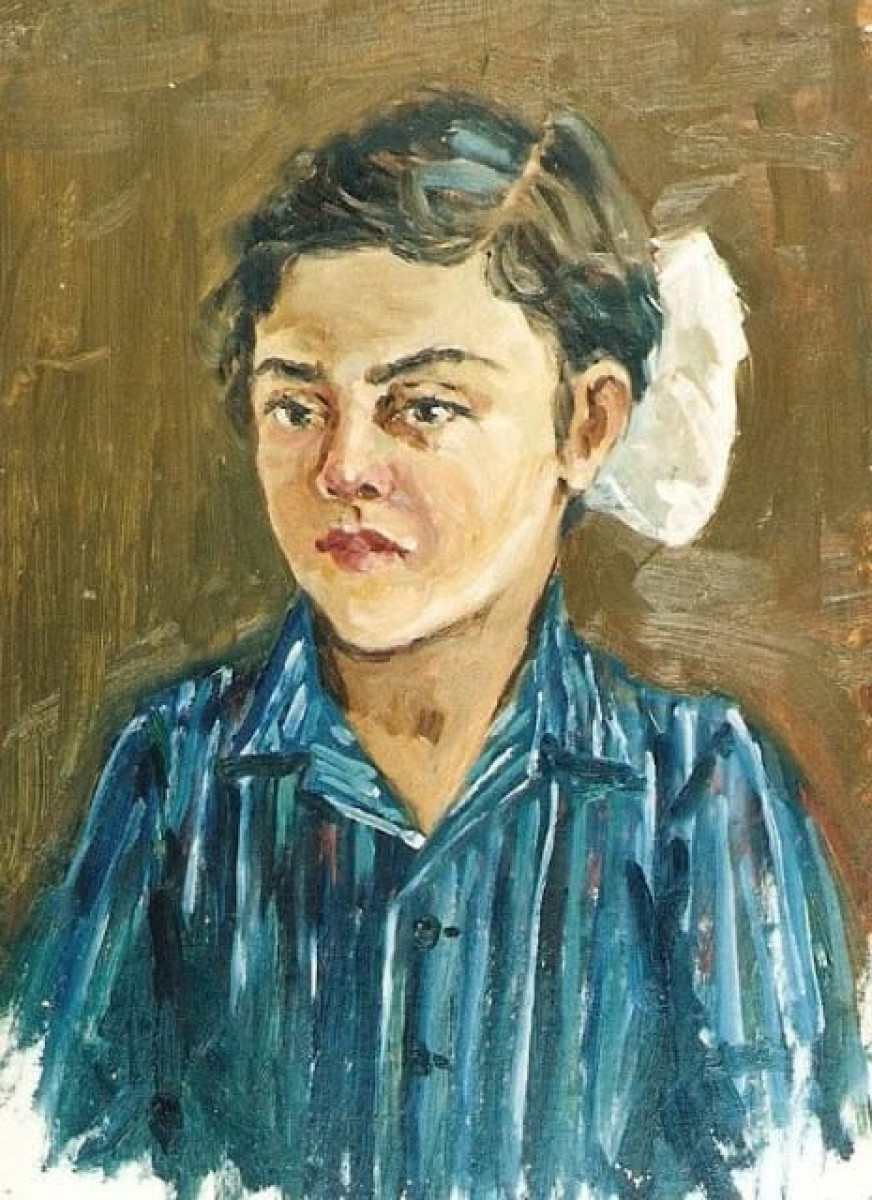
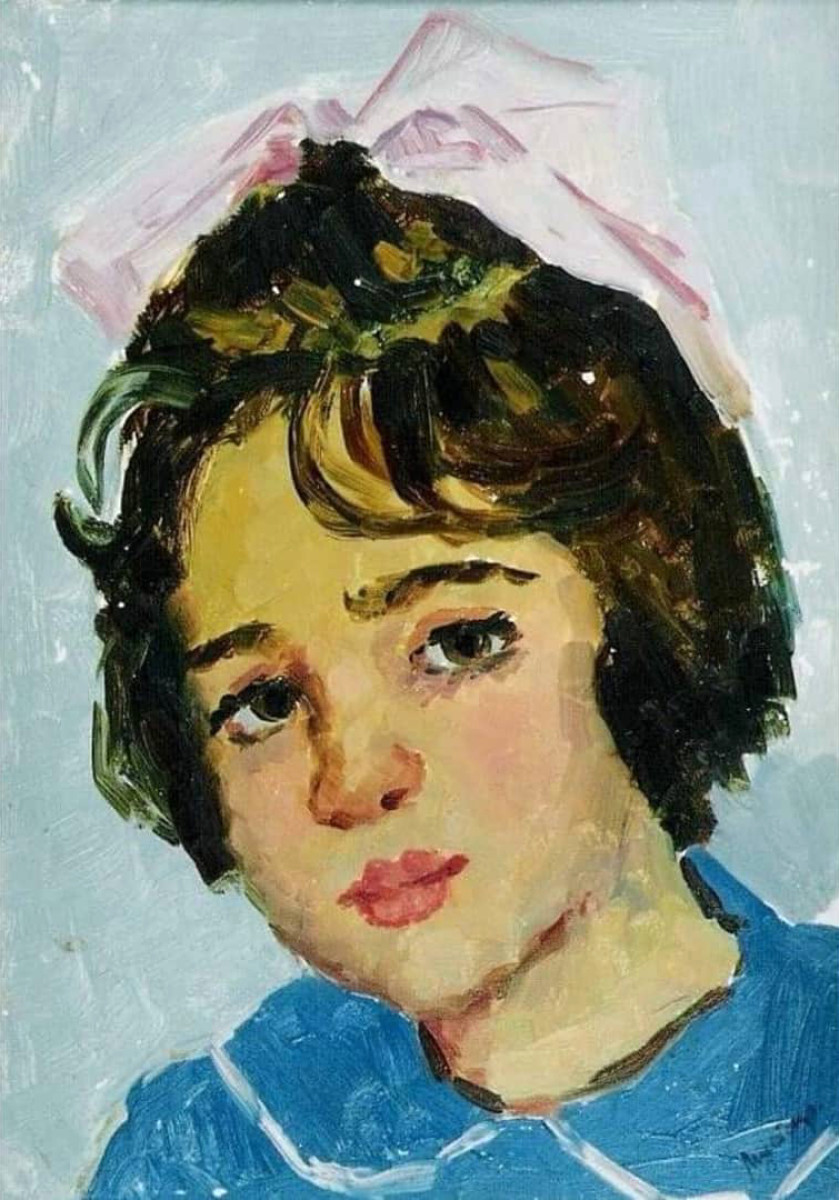
The series Our Children occupies a special place in Gullu Mustafayeva's oeuvre and is considered one of the most characteristic directions of her artistic legacy. In this series, the artist created portraits of children of different ages, capturing their individual features, expressions, inner emotions and character traits.
Rahila (1960), Aytan (1964), Sevinj Playing the Violin (1965) and Gulshan (1975) are among the notable works in this series. They demonstrate the artist's sustained and sensitive engagement with the world of childhood over several decades.
One of the defining characteristics of Mustafayeva's children's portraits is her preservation of each subject's individuality. Rather than presenting children as generalized images, she portrayed them as individuals with their own emotions, thoughts and distinctive personalities. Expressing the sincerity and inner richness of childhood, this series became an important artistic direction in her oeuvre.
Landscape Painting and International Travels
Alongside portraiture and narrative compositions, Gullu Mustafayeva was also active in landscape painting. In works devoted to different parts of Azerbaijan, she depicted the landscapes of the country's cities and regions. Landscape of Khachmaz (1944), Landscape of Shusha (1948) and Buzovna. Study (1968) are among the recognised examples of this direction.
The artist's creative journeys abroad also played an important role in broadening her thematic interests. During her travels to France in 1960, Tunisia in 1961 and Hungary in 1962, she observed urban environments, people and everyday experiences that subsequently found expression in a number of her works.
Paris, Opera House and Eiffel Tower reflect her impressions of France; The Arab Girl Latifa is associated with her journey to Tunisia; and A Street in Budapest reflects her impressions of Hungary. These works reveal the artist's interest in the urban environments, people and everyday life of different countries.
Exhibitions and Artistic Legacy
Gullu Mustafayeva's works were presented at solo exhibitions held in Baku in 1960, 1962, 1965, 1971, 1975 and 1979. These exhibitions provided an opportunity to introduce a broad audience to works created during different periods of her artistic career.
Her works are preserved in the National Museum of Art of Azerbaijan, the National Museum of Azerbaijani Literature named after Nizami Ganjavi and the Azerbaijan State Art Gallery. Her artistic legacy is significant for understanding the development of portraiture, narrative composition and landscape painting in Azerbaijani art.
Gullu Mustafayeva died in Baku on 18 May 1994. Through her engagement with historical and literary subjects, her portraits of diverse personalities, her landscapes and, in particular, her Our Children series, she occupies a distinctive place in Azerbaijani visual arts. Her artistic legacy constitutes an important chapter in the history of national painting.
Art Space Gallery MEDIA