Life and Artistic Formation
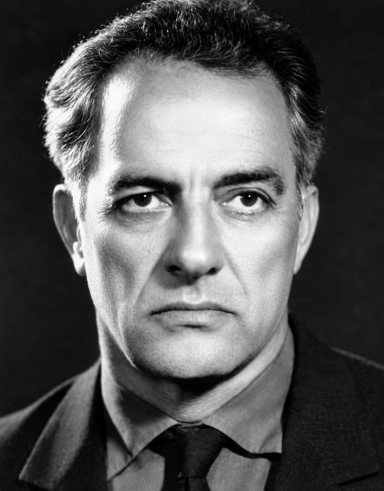
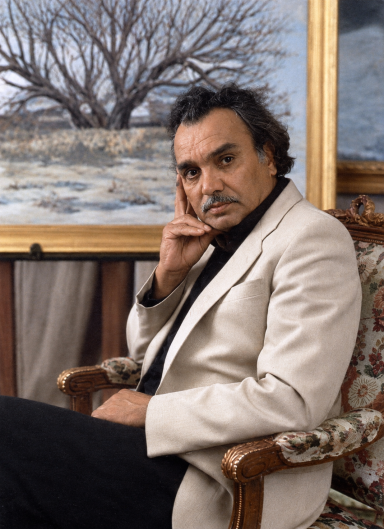
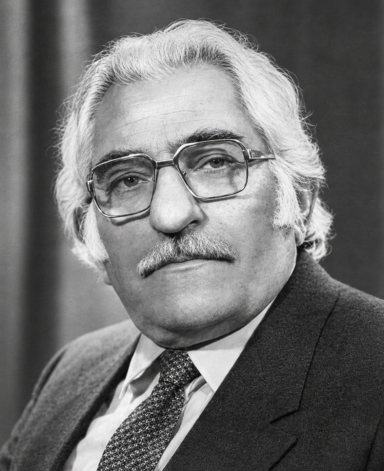
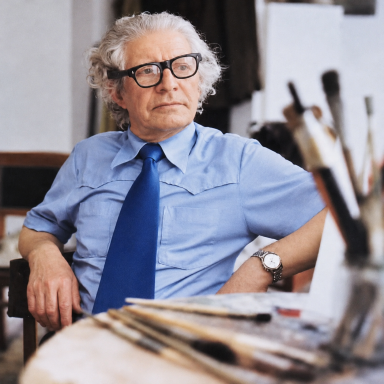
Huseyn Alirza oglu Aliyev was born on 22 April 1911 in the village of Jomardli, in the historical region of Zangazur. From 1927 to 1932, he studied at the Baku Art Technical School, continuing his education between 1932 and 1935 through a three-year specialised course at the Leningrad Institute of Painting, Sculpture and Architecture. In 1976, he was awarded the honorary title of Honoured Artist of the Azerbaijan SSR, followed in 1982 by the title of People’s Artist. Some academic sources, however, give 1977 as the year in which he received the title of Honoured Artist.
Press Graphics and the Depiction of Public Life
An important stage in Huseyn Aliyev’s artistic career was closely connected with the Azerbaijani press. His first graphic works appeared in the satirical magazine “Molla Nasreddin” in 1929. In subsequent years, his work in caricature and satirical illustration developed further. These works addressed social contradictions, everyday events and human relationships through the expressive language of graphic art.
From 1935, Aliyev worked at the editorial office of the newspaper “Kommunist”, where he directed its artistic design for many years. The portraits, illustrations and thematic compositions he created for the newspaper connected his practice with the social and cultural life of his time. Press graphics became one of the principal fields in which he developed his powers of observation, concise visual expression and ability to create distinctive images.
Portraiture and the Images of Historical Figures
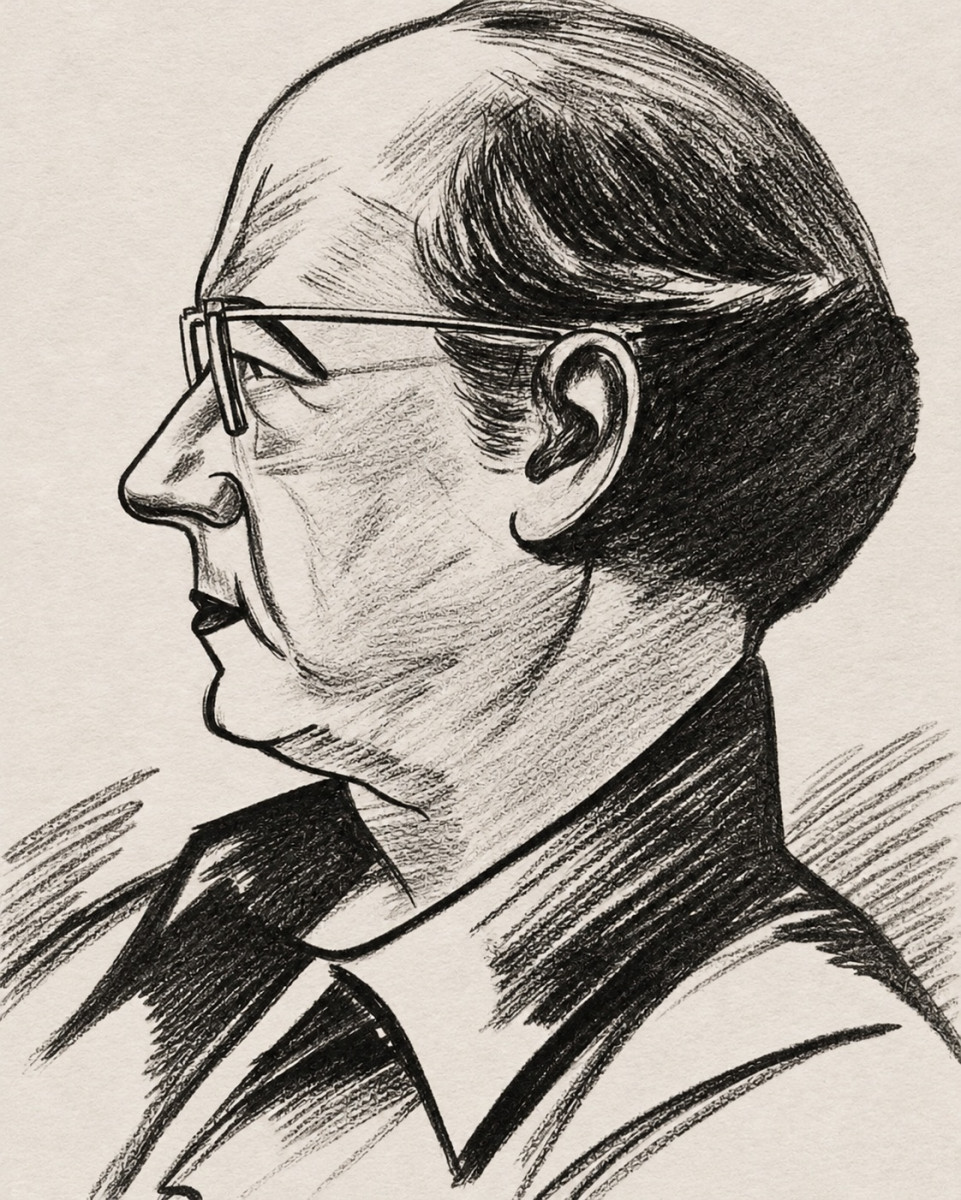
Portraiture occupies a significant place in Huseyn Aliyev’s artistic legacy. He turned to prominent figures of Azerbaijani literature and culture, seeking to convey their individual features, inner character and historical significance.
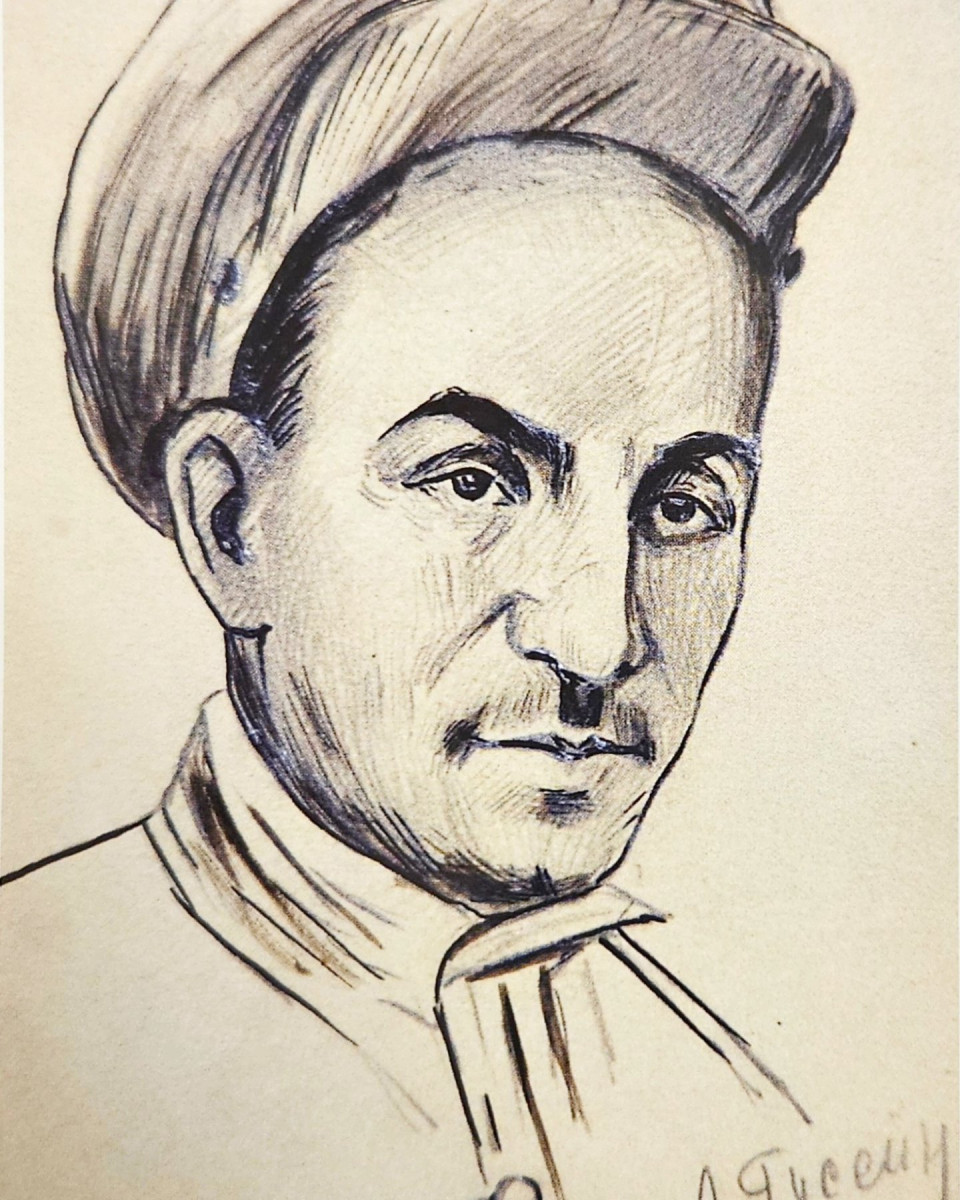
His portrait of Mirza Fatali Akhundzade was among the notable works of his early career and received first prize in a republican competition. Portraits of Jalil Mammadguluzadeh, Jafar Jabbarli, Mirza Alakbar Sabir, Abdurrahim bey Hagverdiyev and Muhammad Fuzuli also reflect his engagement with the cultural and historical memory of Azerbaijan.
In these works, portraiture extends beyond the representation of physical likeness. It becomes a means of revealing character and inner substance. Grounded in the realist tradition, his approach preserves the individuality of each subject while bringing their cultural and public significance into focus.
Landscape Painting and the Memory of Place
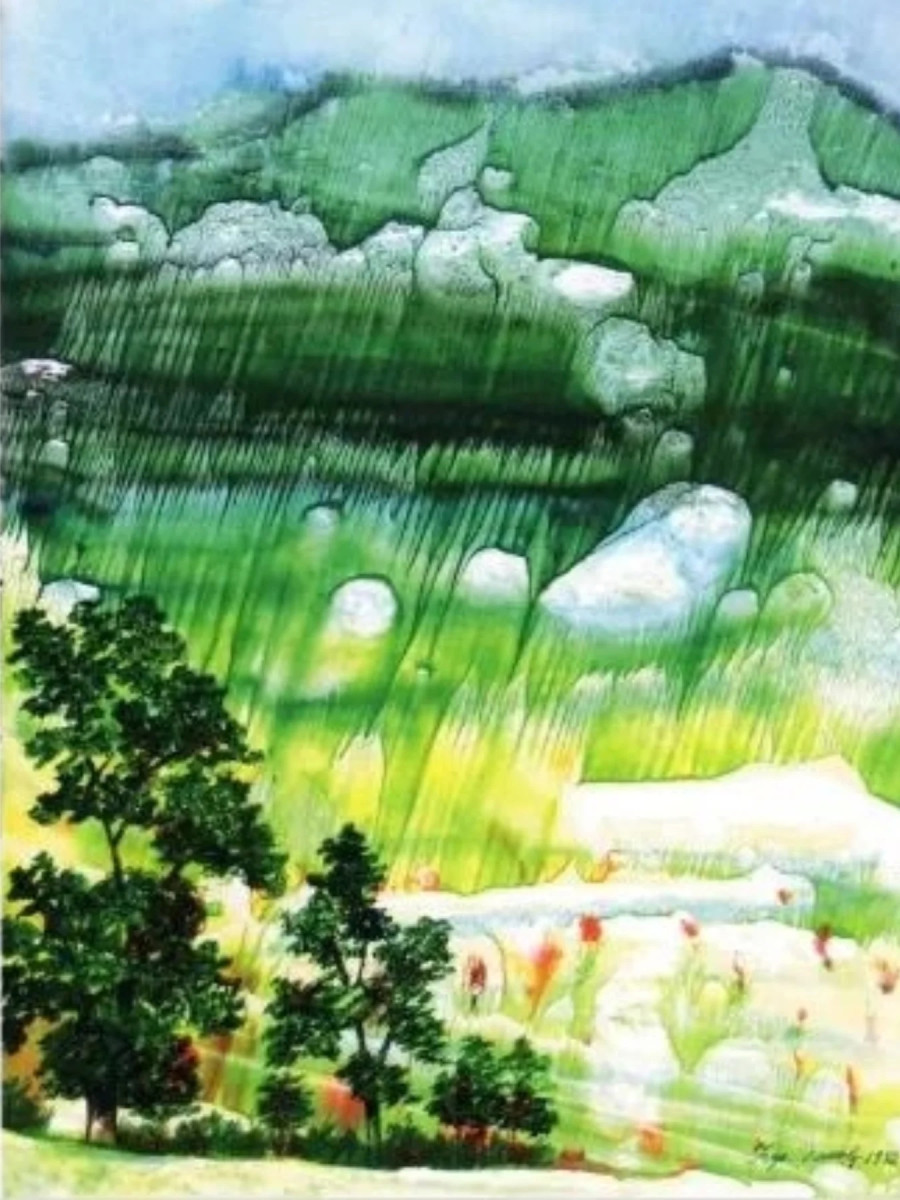
Landscape painting holds a distinctive emotional and artistic position in Huseyn Aliyev’s oeuvre. The mountainous scenery of Zangazur, views of Jomardli, and the mountains, forests and waterways of different regions of Azerbaijan form the principal subjects of his landscapes.
Works such as “Mountains of Zangazur”, “Urud Fortress”, “Shaki Waterfall”, “Landscape of Jomardli”, “Winter in the Forest”, “Autumn” and “Morning in Lachin” present nature not merely as a geographical setting, but also as a vessel of personal memory and emotional experience. His attachment to his native land is particularly perceptible in the landscapes of Zangazur, where quiet observation, lyrical atmosphere and harmonious colour relationships define the visual language.
The interplay of light and colour, the depth of space and the changing states of nature are among the principal expressive elements of his landscapes. Rather than simply reproducing what he sees, Aliyev translates the impressions of nature into the language of painting. This approach gives his works a distinctive lyricism and inner dynamism.
Watercolour and the Expressive Possibilities of Monotype
Watercolour occupies an important place in Huseyn Aliyev’s artistic practice. The transparency, fluidity and subtle transitions characteristic of the medium allowed him to enhance the poetic quality of his landscapes. Through the relationships between colour layers and the interplay of light and shadow, he conveyed the changing moods of nature.
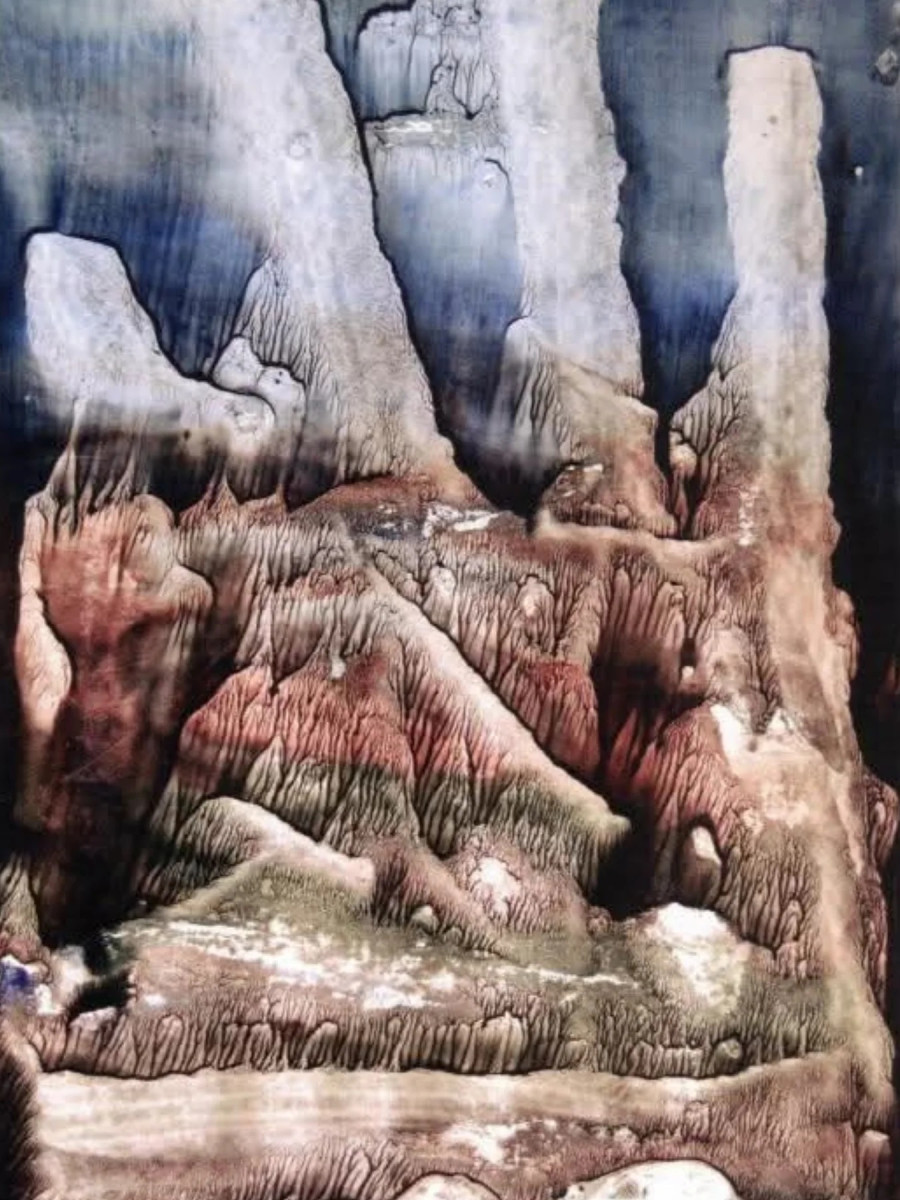
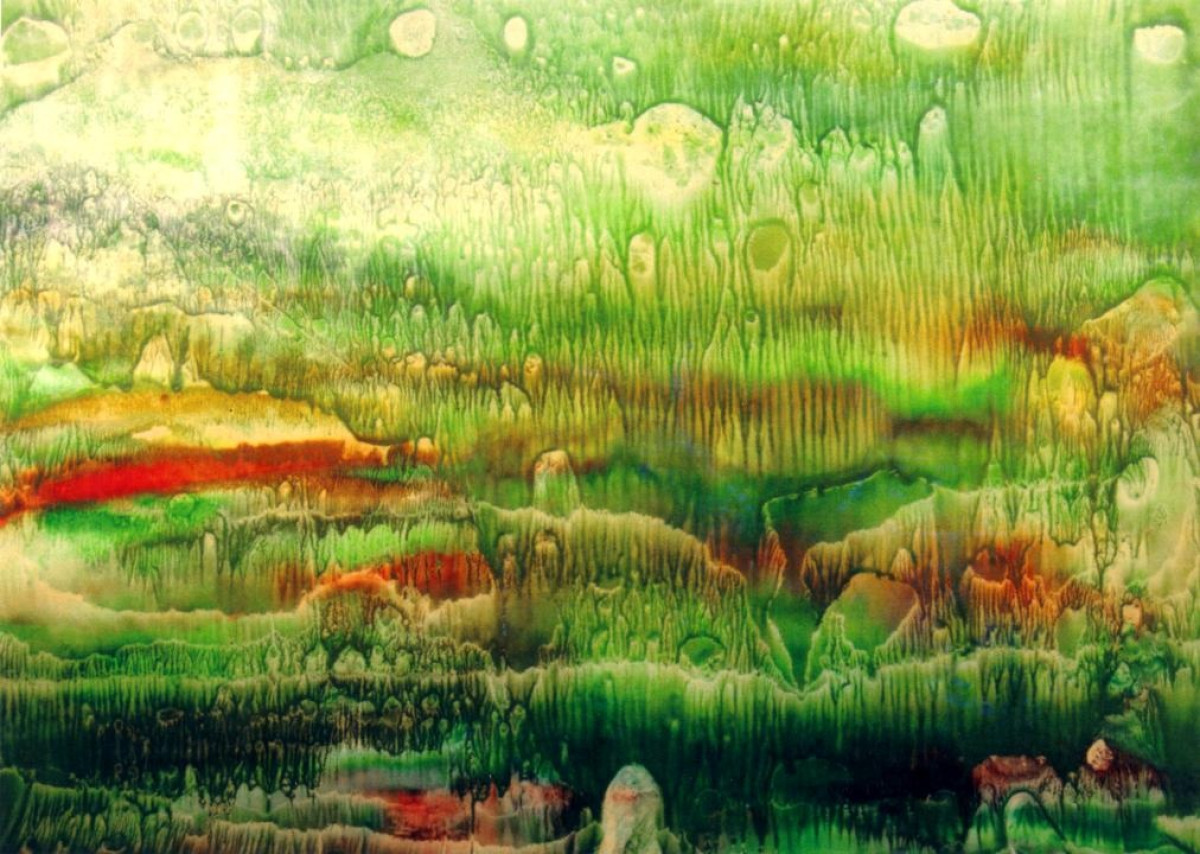
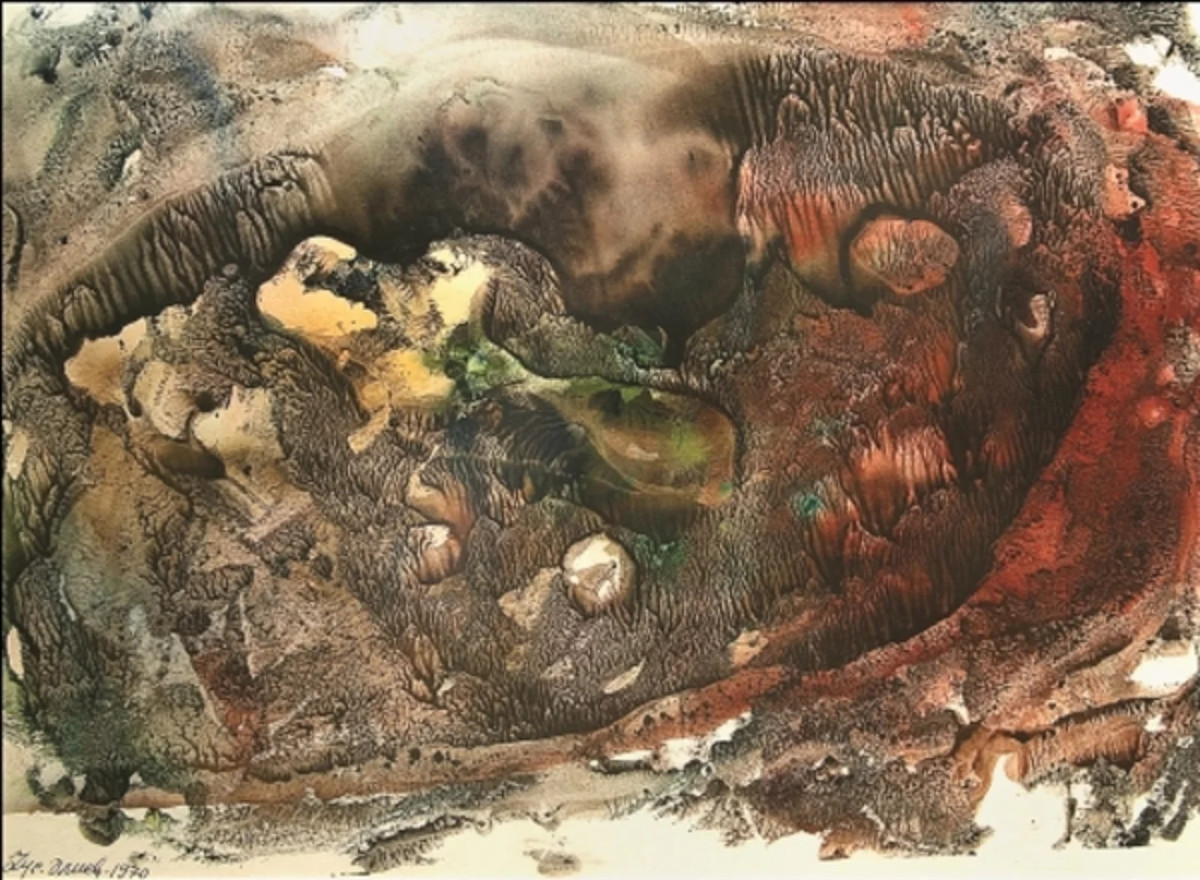
Another notable aspect of his practice was his exploration of monotype. This technique offers distinctive possibilities through accidental traces, colour fields and surface textures, allowing them to become elements of artistic composition. In his monotypes, Aliyev employed the free movement of colour and simplified forms to express a more subjective and emotional response to the landscape.
These experiments demonstrate that his artistic vision was not confined to the principles of realist representation. He remained receptive to diverse technical approaches and modes of expression. His watercolours and monotypes reveal different dimensions of his colour sensibility, compositional thinking and artistic observation.
The Artistic Significance of His Legacy
Huseyn Aliyev’s work occupies an important place in Azerbaijani visual art, particularly in the relationship between painting and graphic art. Through portraiture, landscape, caricature and thematic compositions, he developed a multifaceted artistic legacy based on a wide range of visual approaches.
His career, extending over more than half a century, contributed to the development of Azerbaijani press graphics as well as the enrichment of national painting traditions. Realist observation, lyrical sensibility and explorations of colour converge in a coherent artistic vision. His legacy reflects both the social and cultural life of his era and the artist’s personal memories and aesthetic outlook.
Huseyn Alirza oglu Aliyev died in Baku on 25 May 1991.
Art Space Gallery MEDIA