The Formation of an Artistic Path
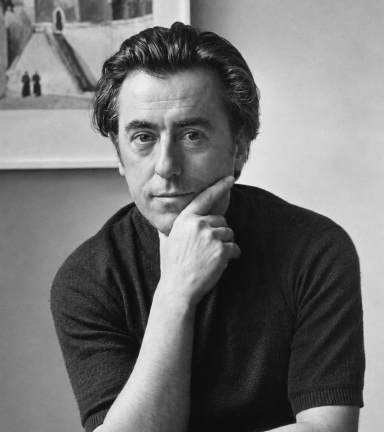
Fuad Hasan oglu Abdurrahmanov was born on 11 May 1915 in Nukha, present-day Shaki, Azerbaijan. Between 1929 and 1932, he studied at the Azerbaijan State Art Technical School, followed by studies at the Ilya Repin Institute of Painting, Sculpture and Architecture in Leningrad from 1935 to 1939. The guidance of the prominent sculptor Matvey Manizer played an important role in his artistic development.
Individual Character in Portrait Sculpture
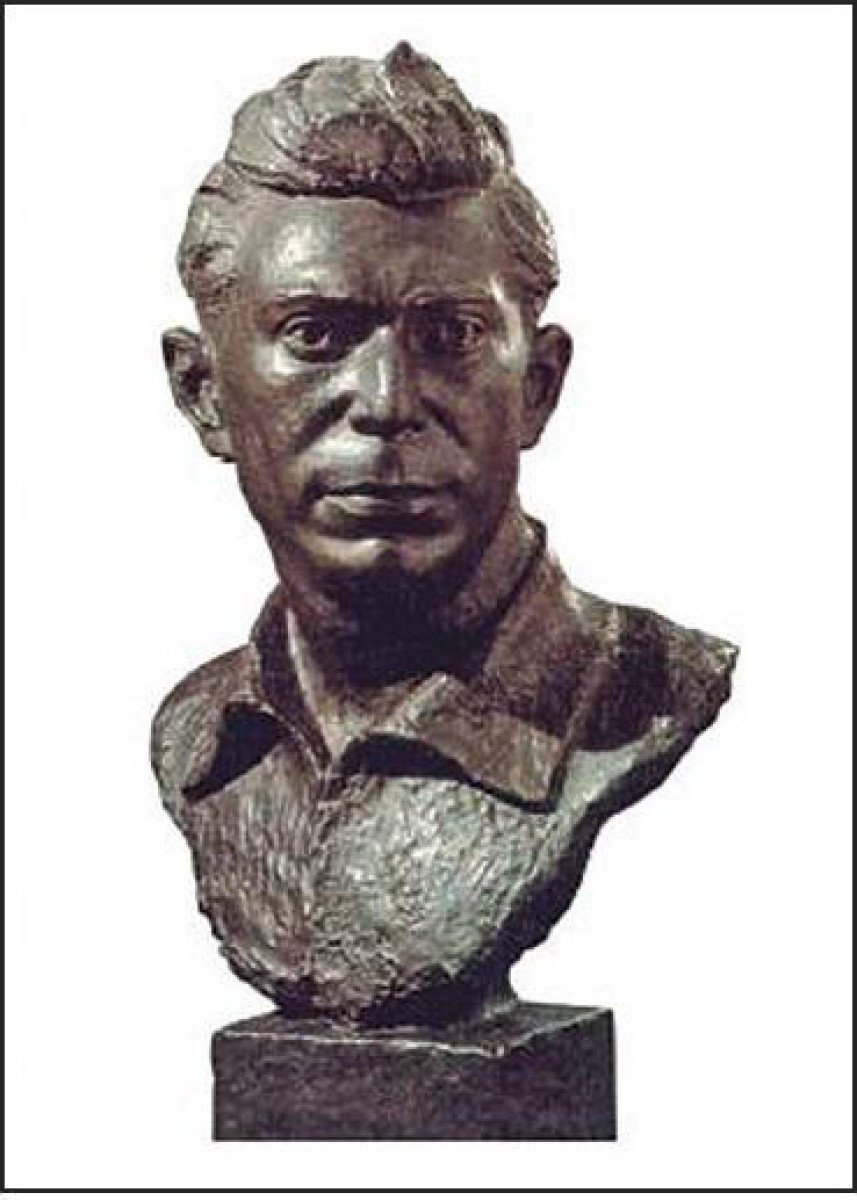
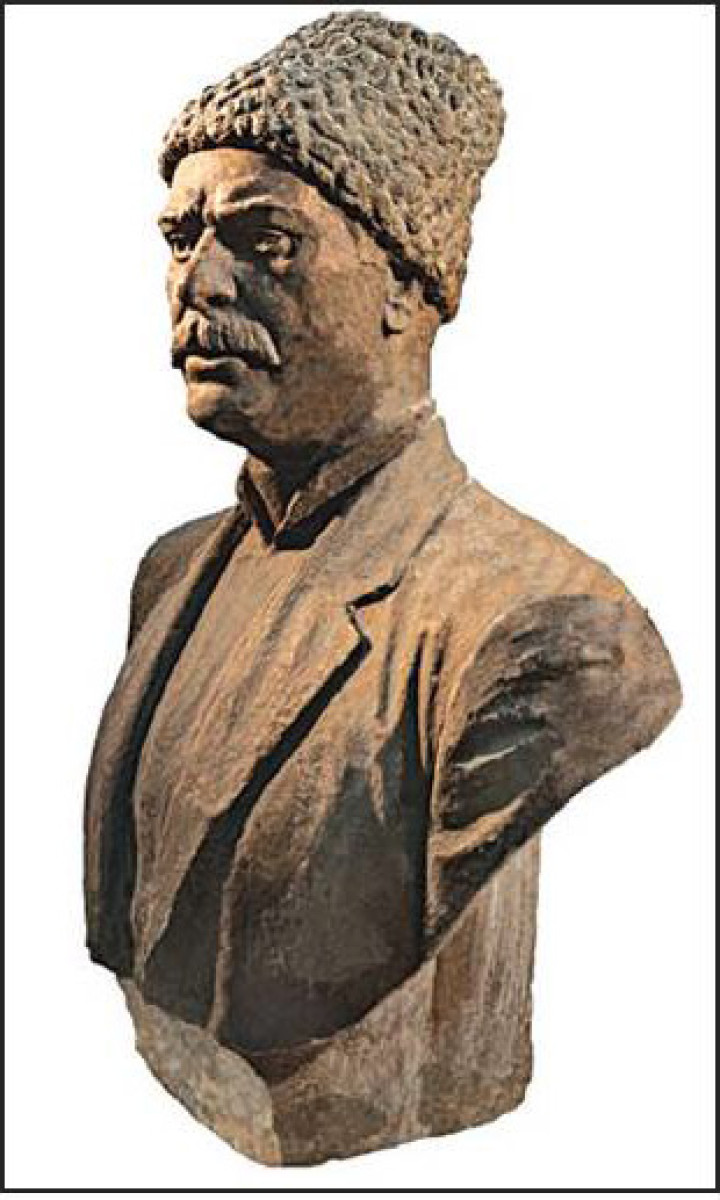
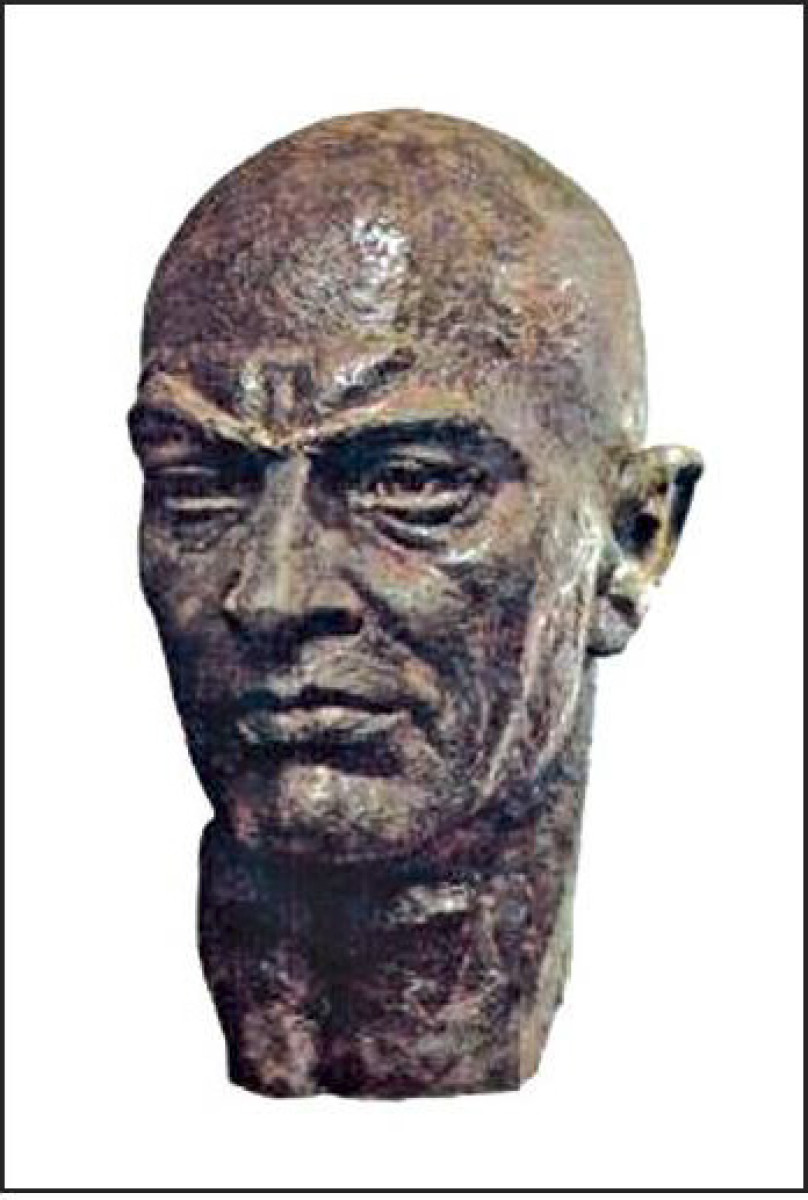
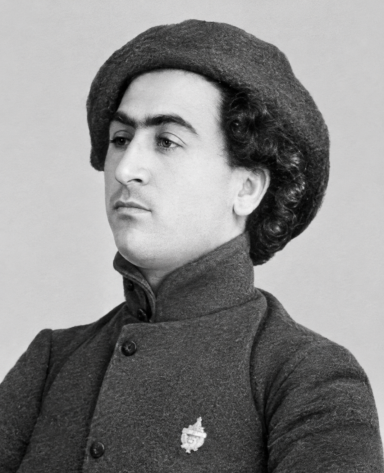
Abdurrahmanov began his artistic career in the genre of portraiture. His busts of Abdurrahim bey Hagverdiyev, Mirza Fatali Akhundzadeh, Uzeyir Hajibeyli and Asaf Zeynalli reflect his interest in the prominent figures of Azerbaijani culture. Alongside physical likeness, these works reveal an emphasis on individual character and the inner qualities of each personality.
Archer (1934) and Young Ashug (1939) are among the characteristic works of his early period. His sculpture of the poet Muhammad Fuzuli, created in 1939 for the loggia of the Nizami Ganjavi National Museum of Azerbaijani Literature, represents one of his early approaches to monumental sculpture.
Monuments to Nizami Ganjavi and Monumental Vision
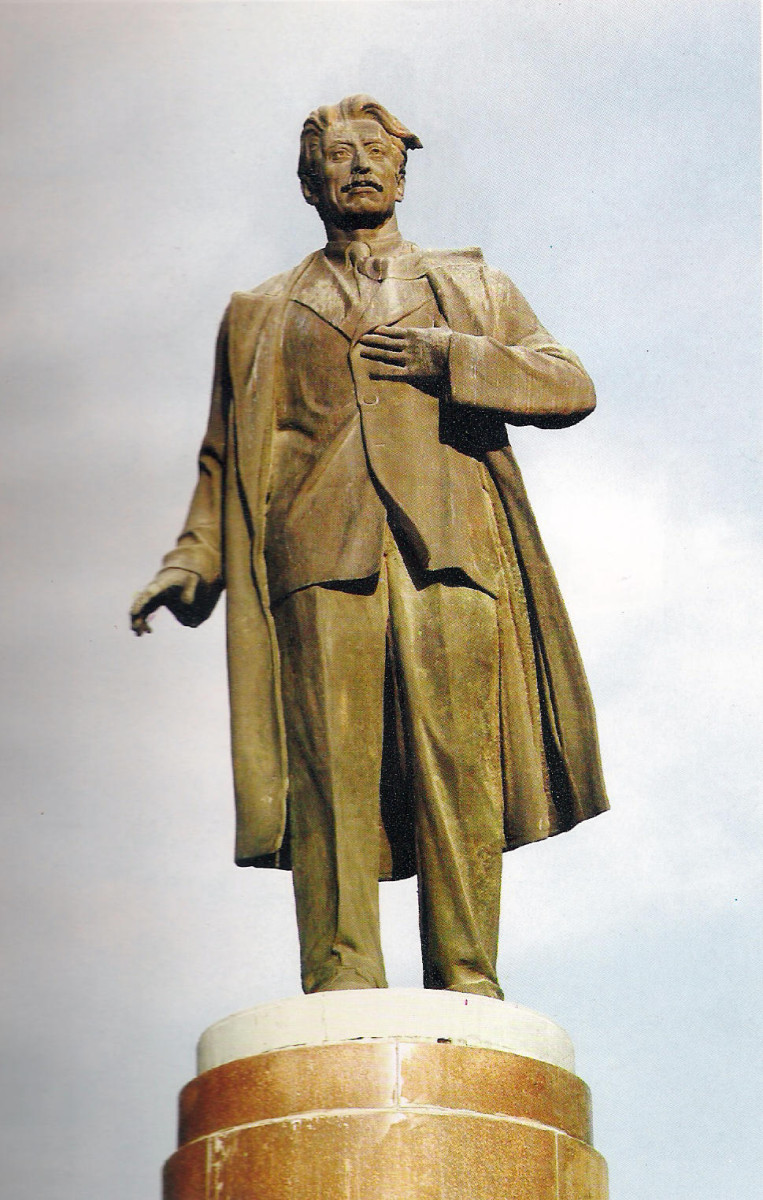
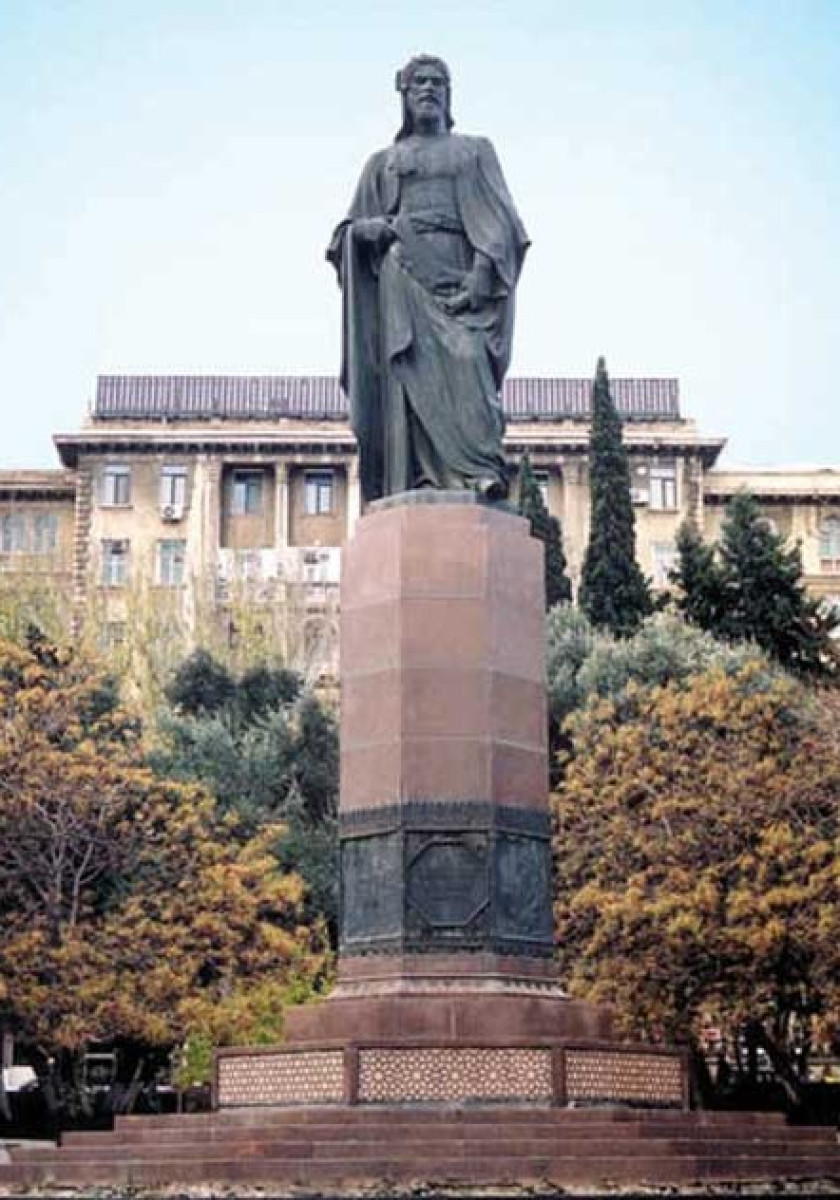
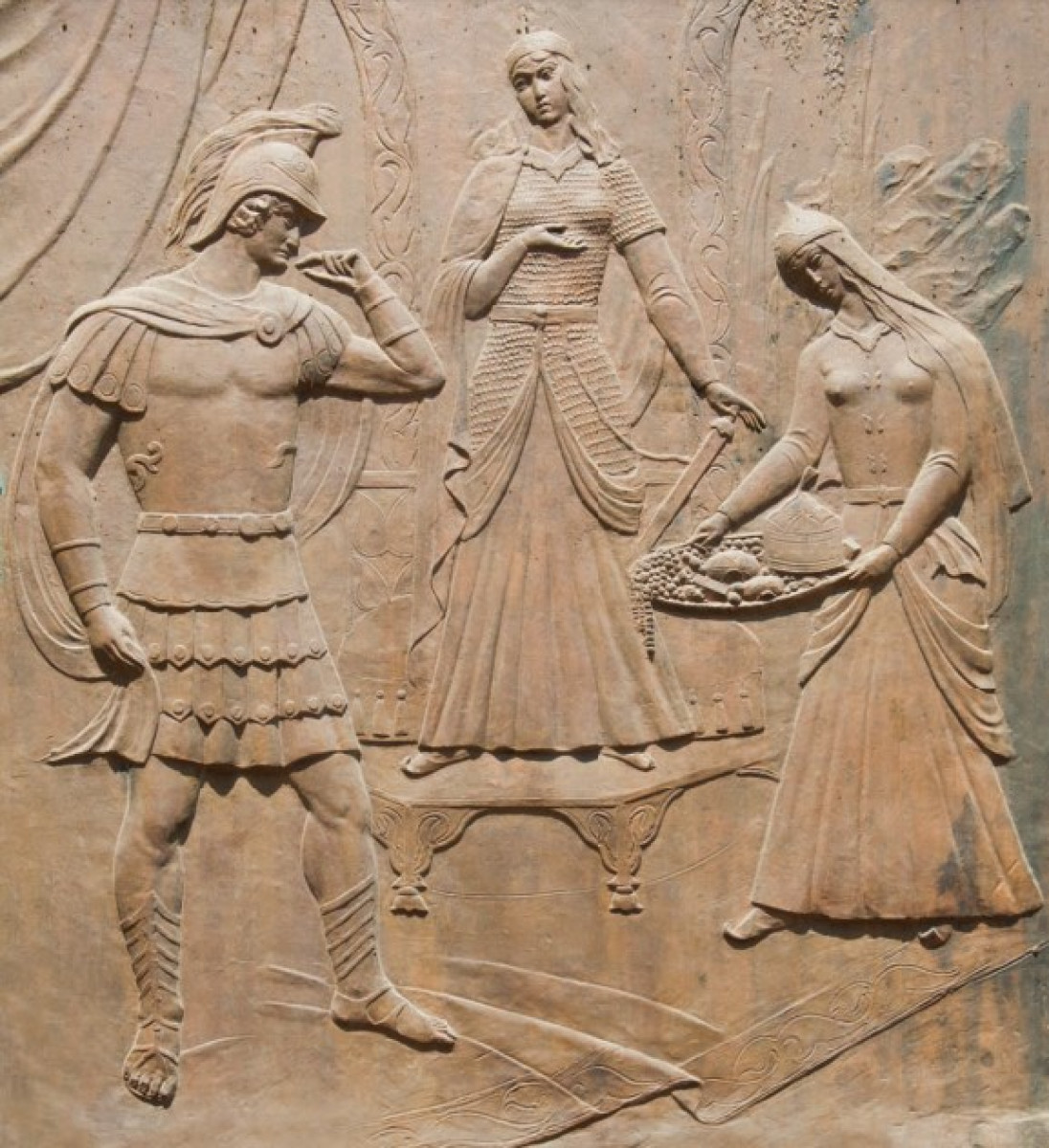
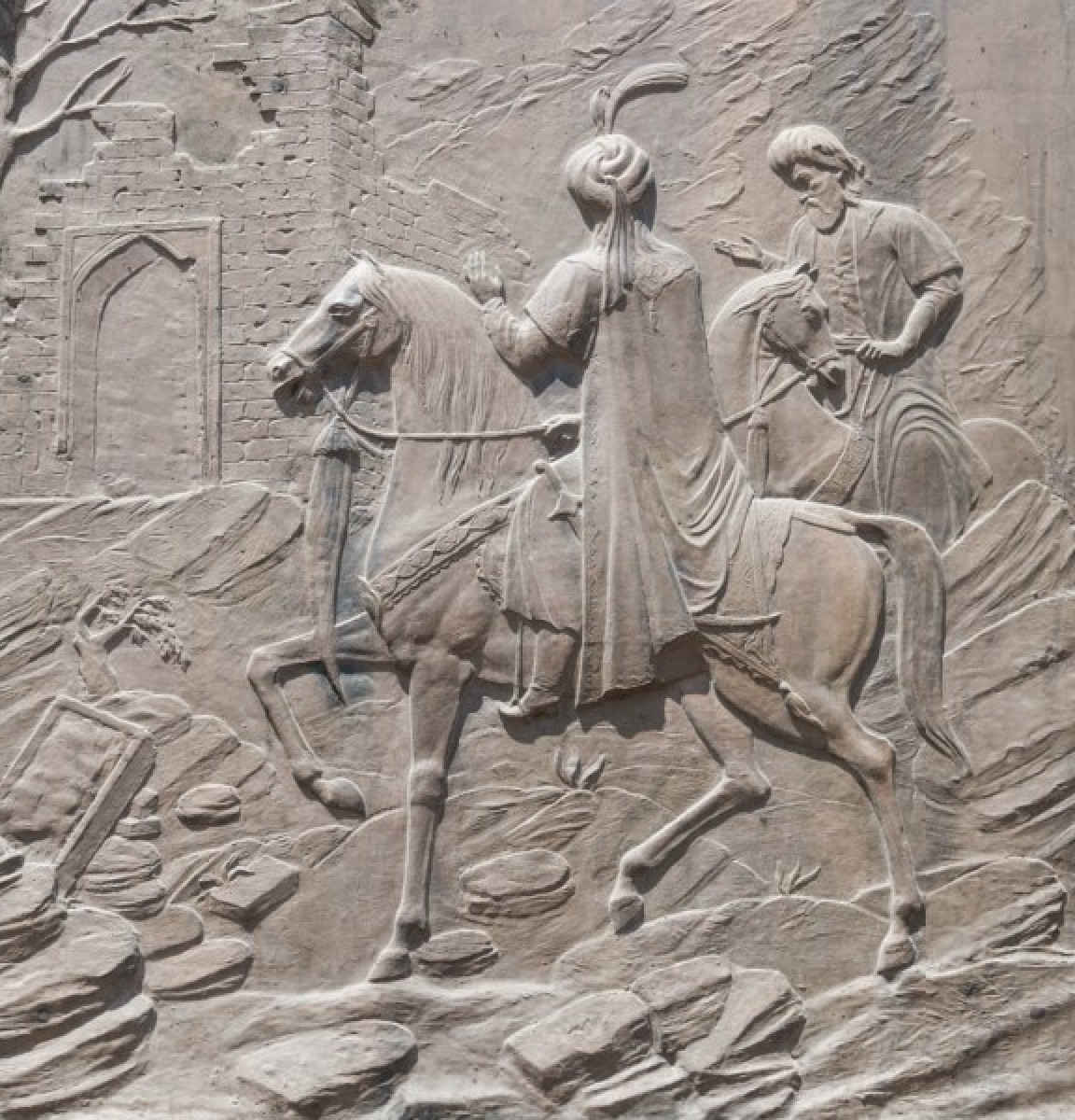
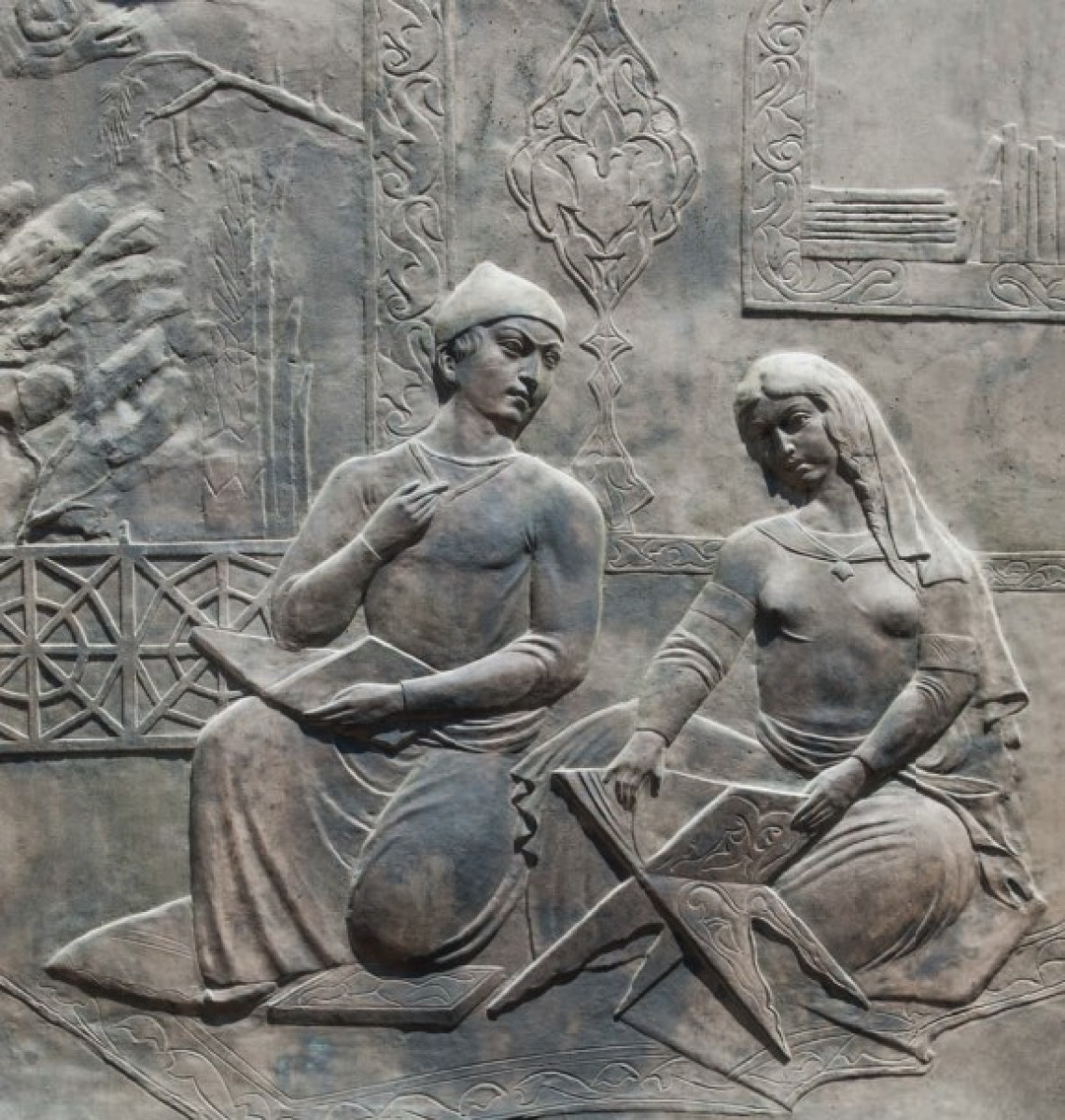
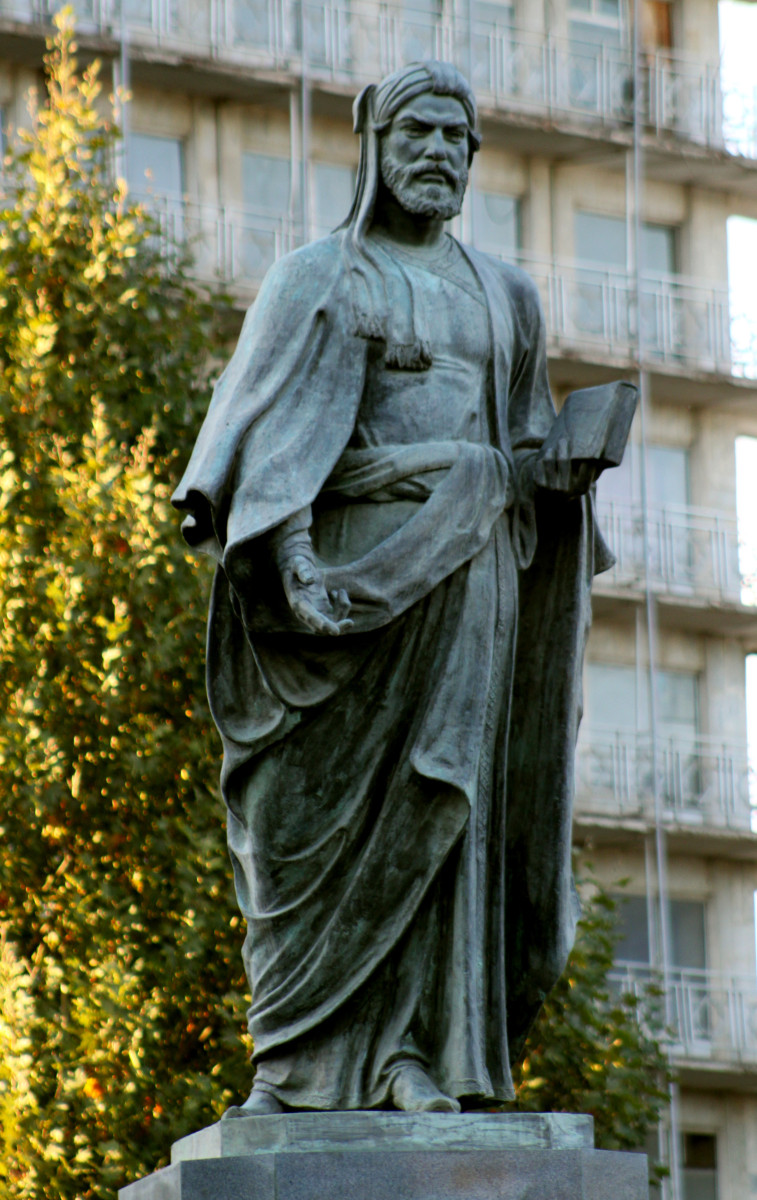
The image of Nizami Ganjavi occupies a special place in Abdurrahmanov’s monumental oeuvre. The monuments to Nizami erected in Ganja in 1946 and in Baku in 1949 are significant examples of Azerbaijani monumental sculpture. For the Ganja monument, the sculptor received the USSR State Prize in 1947.
In these works, the poet’s image extends beyond individual portraiture. His place in historical and cultural heritage is expressed through monumental form and its relationship with public space. The monuments demonstrate how literary heritage can become part of collective memory through sculpture.
The Language of Sculpture in Social Themes
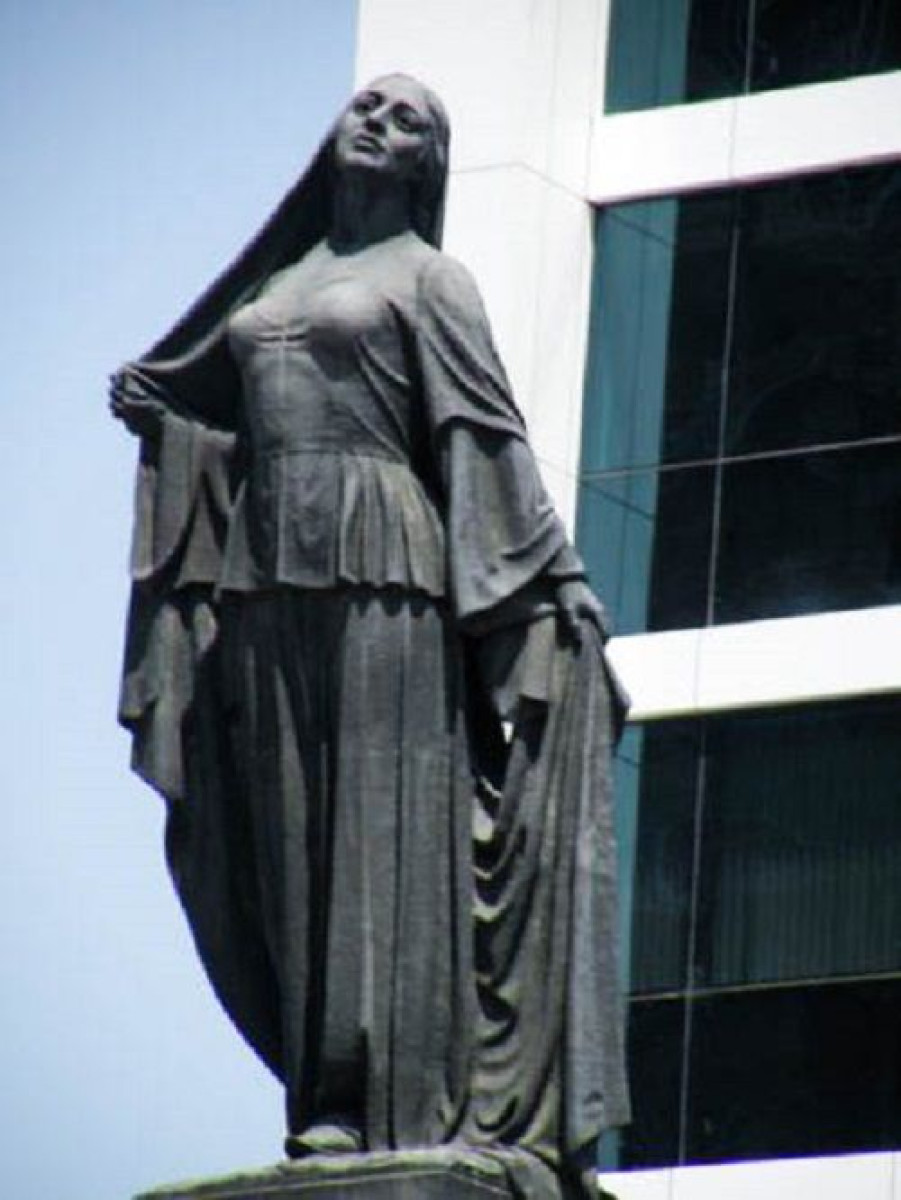
Shepherd (1950) is one of Abdurrahmanov’s notable works addressing the theme of labour. For the plaster version of this sculpture, he was awarded the USSR State Prize in 1951. Azerbaijani Woman (1951), Freedom (1957) and Free Woman (1960) present his approach to the human figure and social themes through different sculptural solutions.
In these compositions, posture, volume and plastic form play a central role in conveying the subject. The artist connects the meaning of each theme with the expressive possibilities of sculpture.
International Monumental Work
Abdurrahmanov’s monumental practice extended beyond Azerbaijan. His participation in the creation of monuments to Sukhbaatar and Choibalsan in Ulaanbaatar, and to the Tajik poet Rudaki in Dushanbe, reflects his involvement in international projects. He also participated in the creation of a monument dedicated to Ibn Sina in Bukhara, which was unveiled in 1975, after the sculptor’s death.
These projects demonstrate how the historical and cultural figures of different nations were represented in public spaces through monumental art.
Teaching Activity and Artistic Legacy
From 1942 to 1948, Fuad Abdurrahmanov taught at the Azerbaijan State Art School named after Azim Azimzade. In 1943, he was awarded the title of Honoured Art Worker of the Azerbaijan SSR, followed by the title of People’s Artist in 1956. In 1949, he was elected a corresponding member of the USSR Academy of Arts. He received the USSR State Prize in 1947 and 1951 and was awarded the Order of the Badge of Honour twice.
Abdurrahmanov’s oeuvre establishes an artistic connection between portrait sculpture and monumental form. His works represent an important part of the history of Azerbaijani sculpture in the twentieth century and provide valuable insight into the sculptural interpretation of historical personalities and social themes.
Fuad Abdurrahmanov died in Baku on 15 June 1971.
Art Space Gallery MEDIA