BIOGRAPHY AND EDUCATION
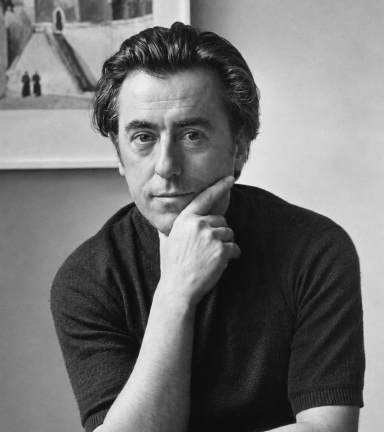
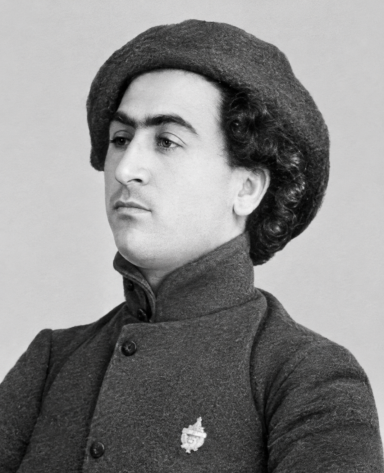
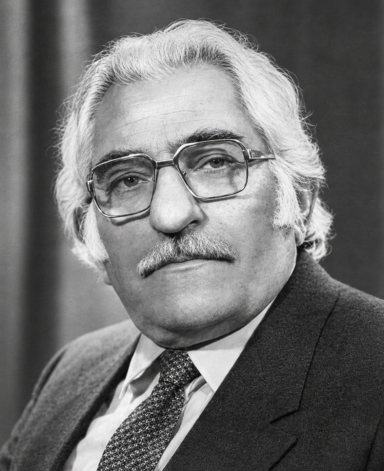
AGA MEKHDIYEV was born on 21 March 1920 in Lahij, Ismayilli district, Azerbaijan. In 1938, he graduated from the Azerbaijan Art Technical School named after Azim Azimzade. His artistic practice encompassed easel painting, portraiture, landscape, still life and multi-figure compositions.
Everyday life, labour and the human figure occupy an important place in his early work. Paintings such as A Family of Literate People, At the Old Oil Fields, At the Editorial Office of the Gudok Newspaper and The Little Shepherd reflect an approach to painting grounded in direct observation and realist representation. Landscape (1946) is among the notable works associated with his early period.
THEMATIC AND GENRE DIVERSITY
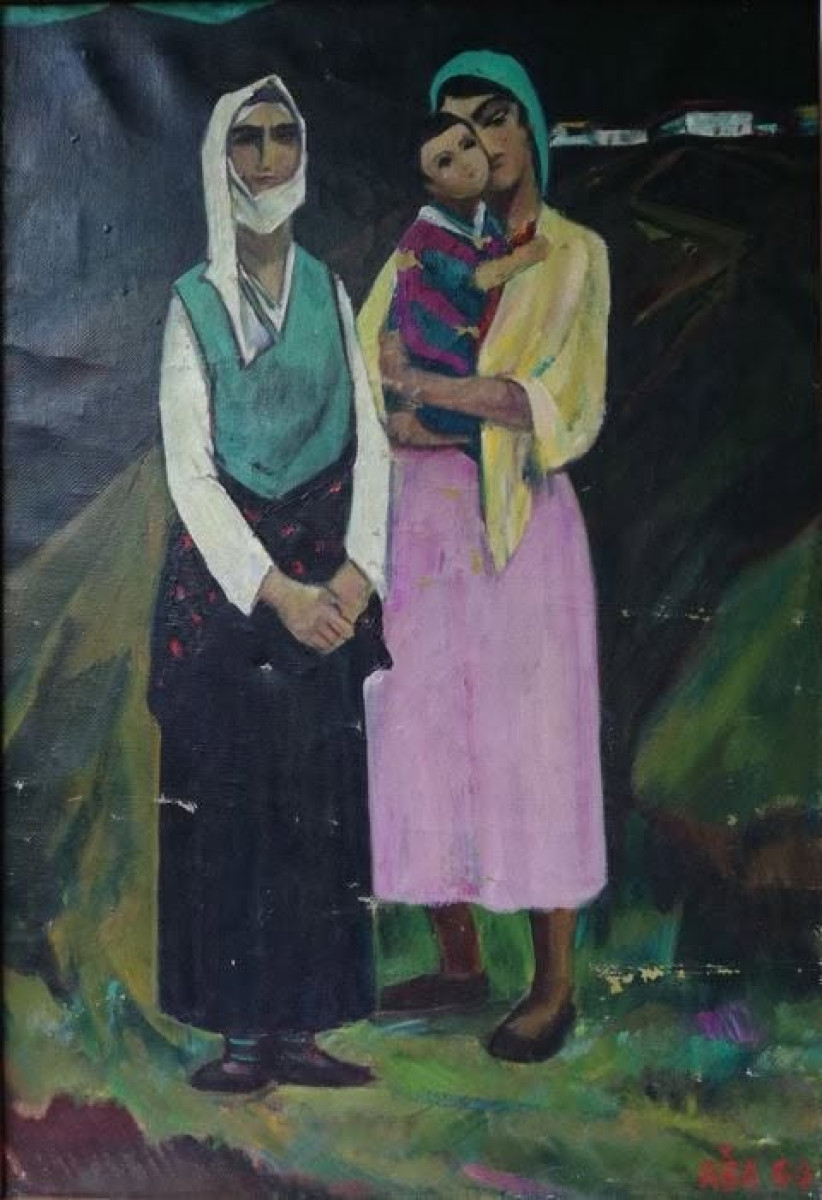
Human experience, nature, labour and traditional Azerbaijani life occupy a central place in MEKHDIYEV’s oeuvre. Working across several genres, he sought distinctive compositional and chromatic solutions for each subject.
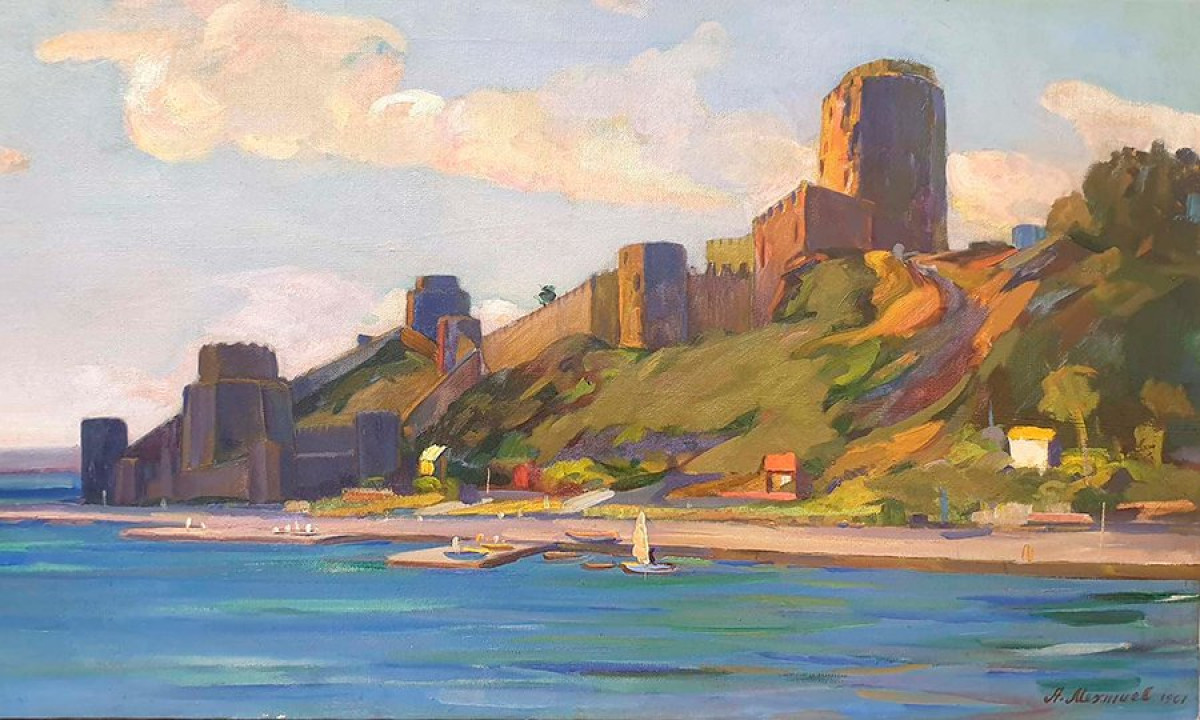
A journey to Turkey in the early 1960s introduced a new thematic dimension to his work. His depictions of Istanbul, the Bosphorus, Izmir and Ankara bring together urban settings, architecture and observations of nature. Istanbul in the Mist (1960), The Bosphorus after the Rain (1960) and Towards Evening. Istanbul (1961) are notable examples from this series.
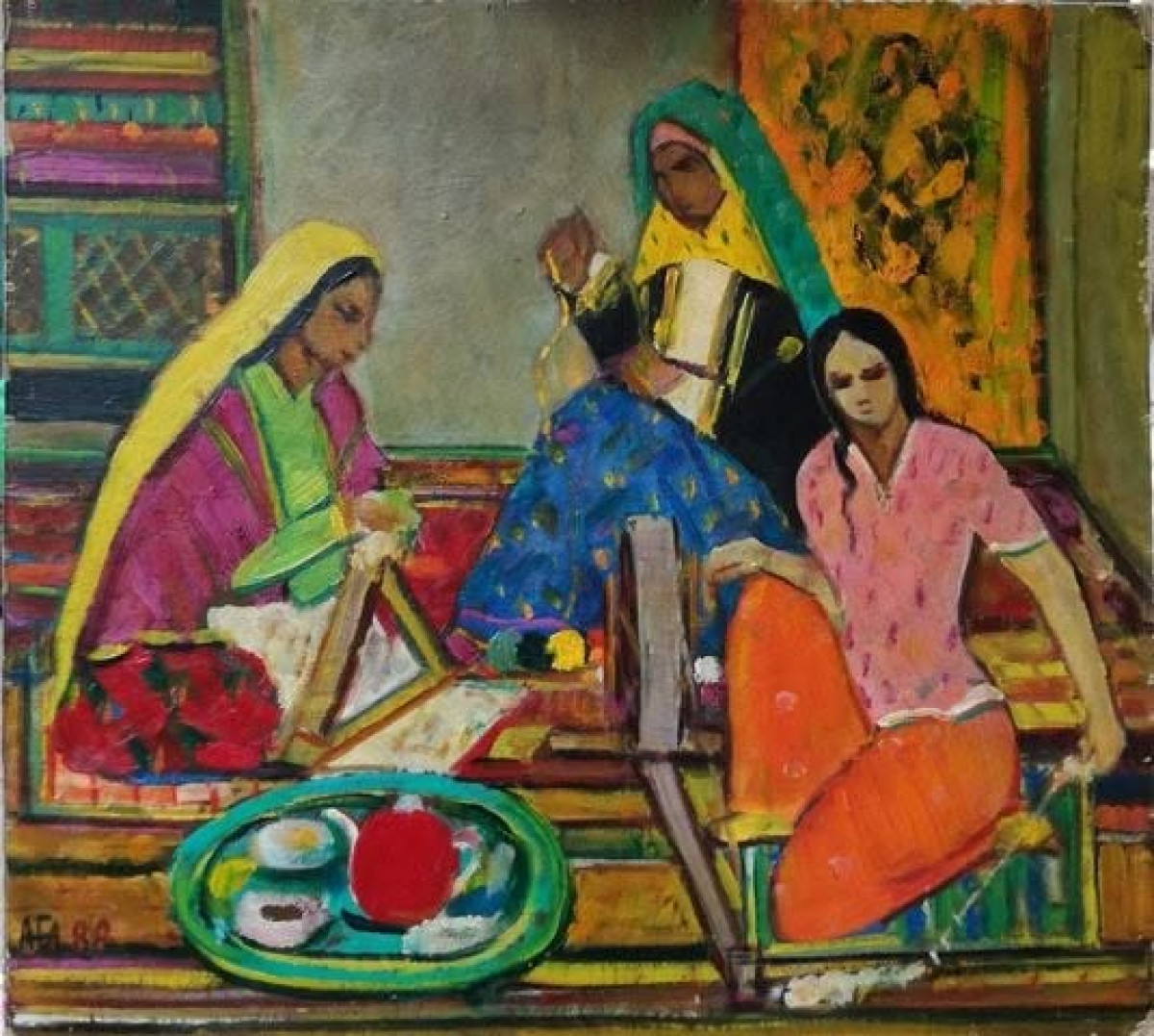
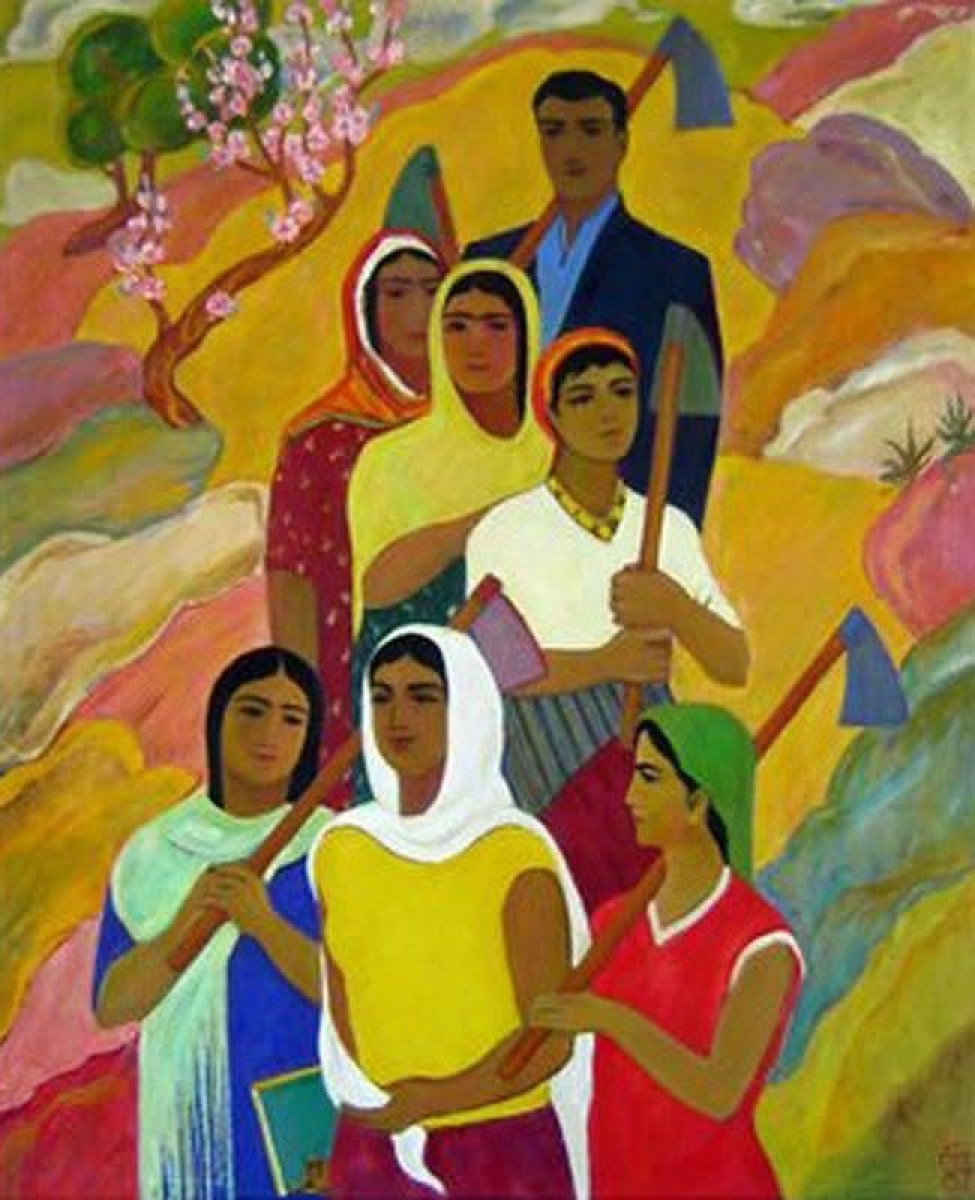
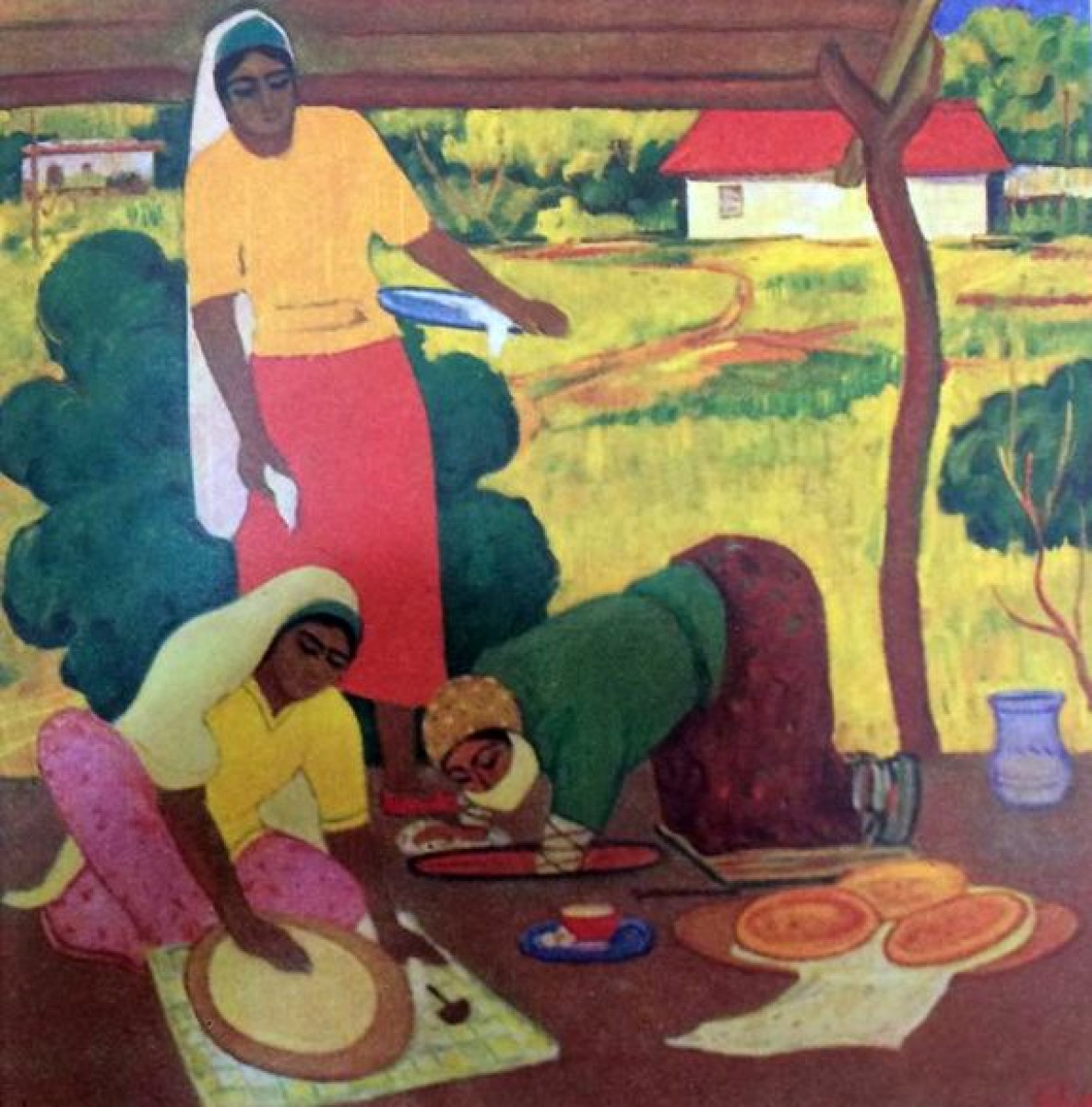
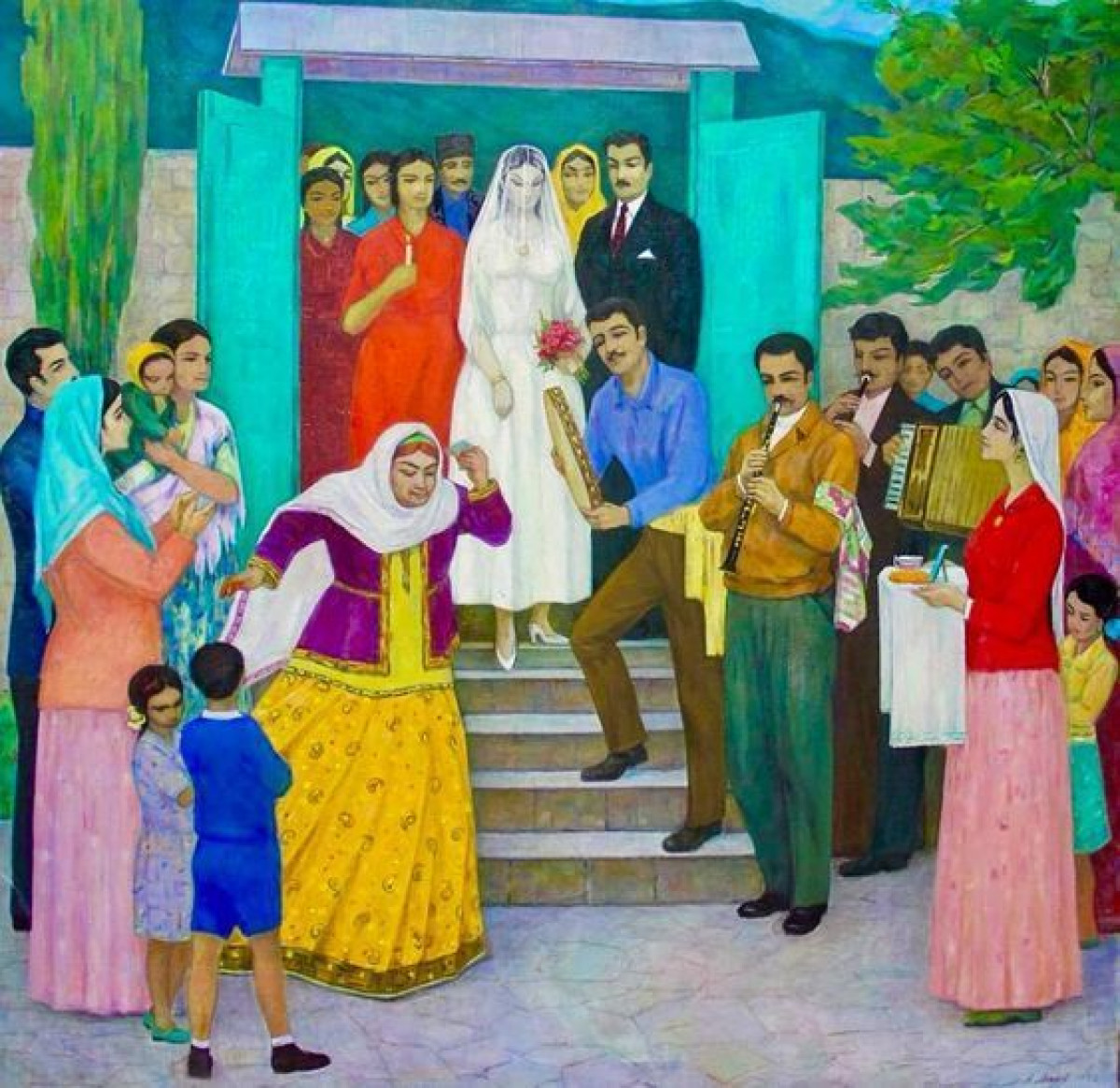
During the 1970s and 1980s, themes of folk life, labour and traditional customs became increasingly prominent. Expectation (1975), Folk Celebration (1976), On the Veranda (1977), At the Summer Pasture (1977), Women of Lahij (1979), The Carpet Weaver (1979) and Pomegranate Harvest (1984) are among the works that represent this direction.
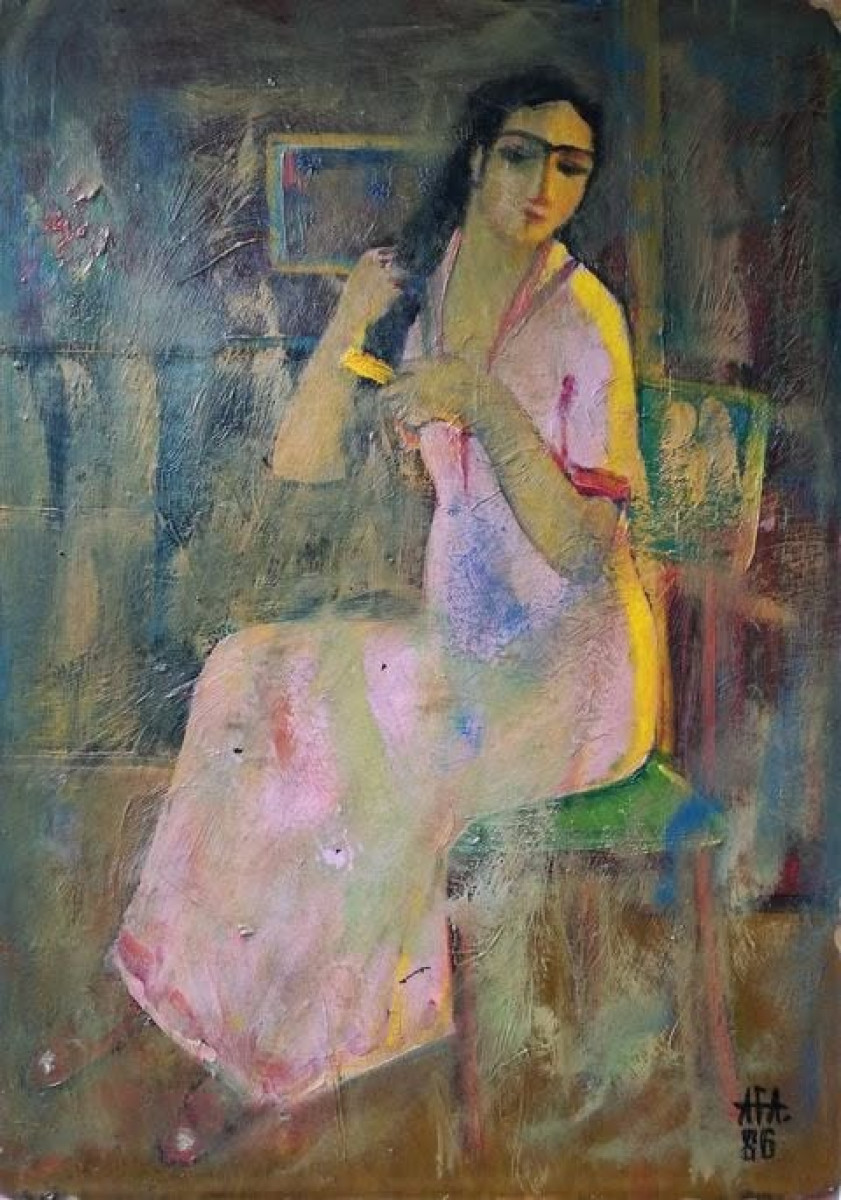
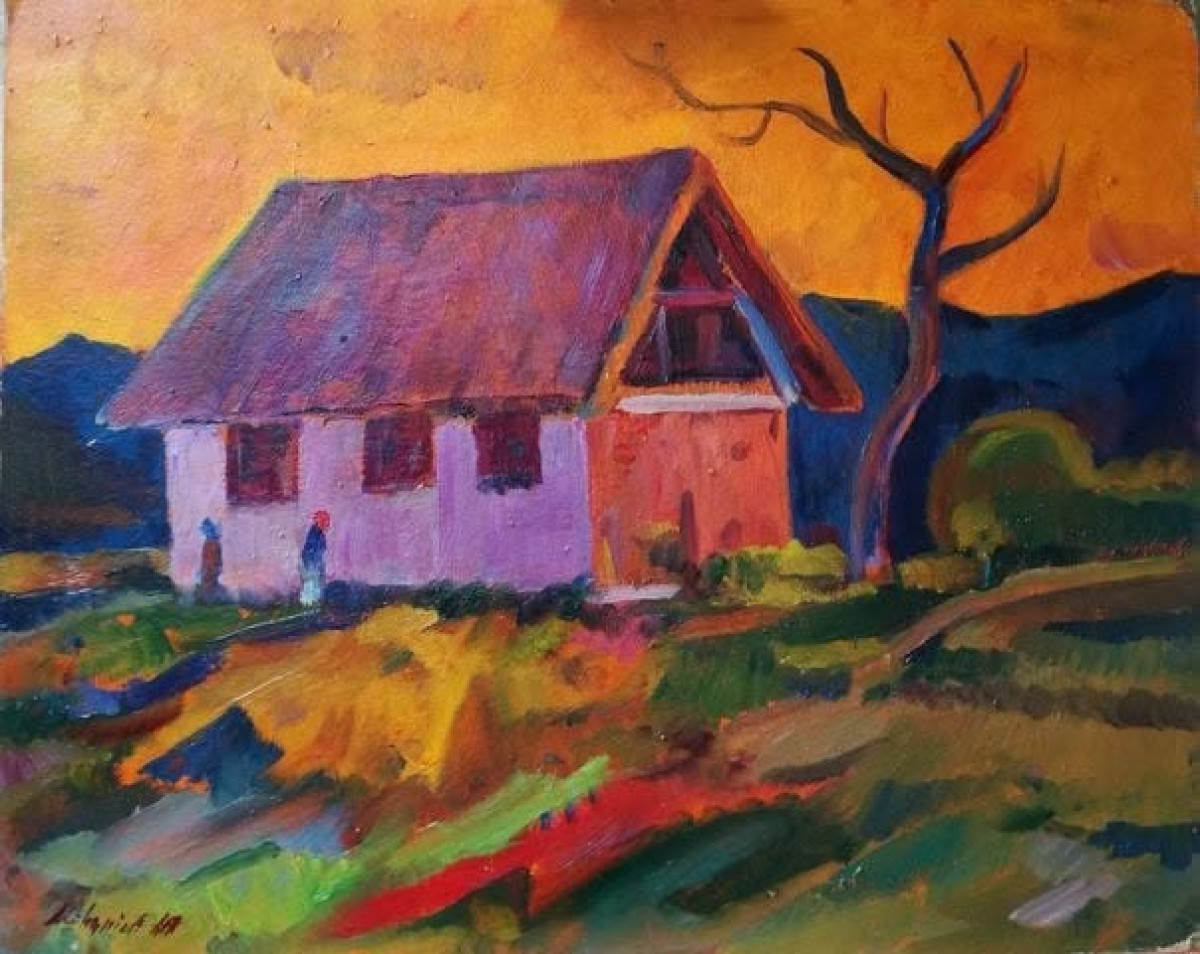
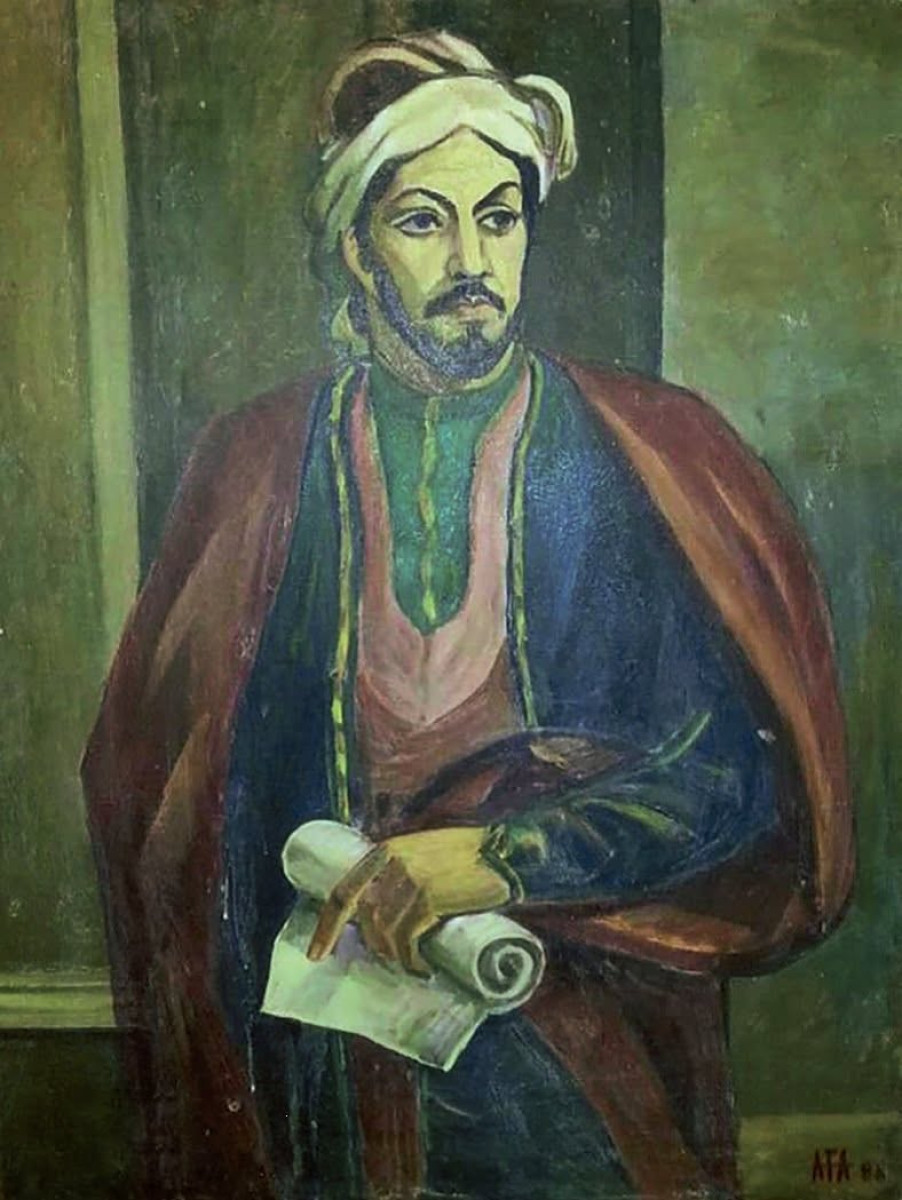
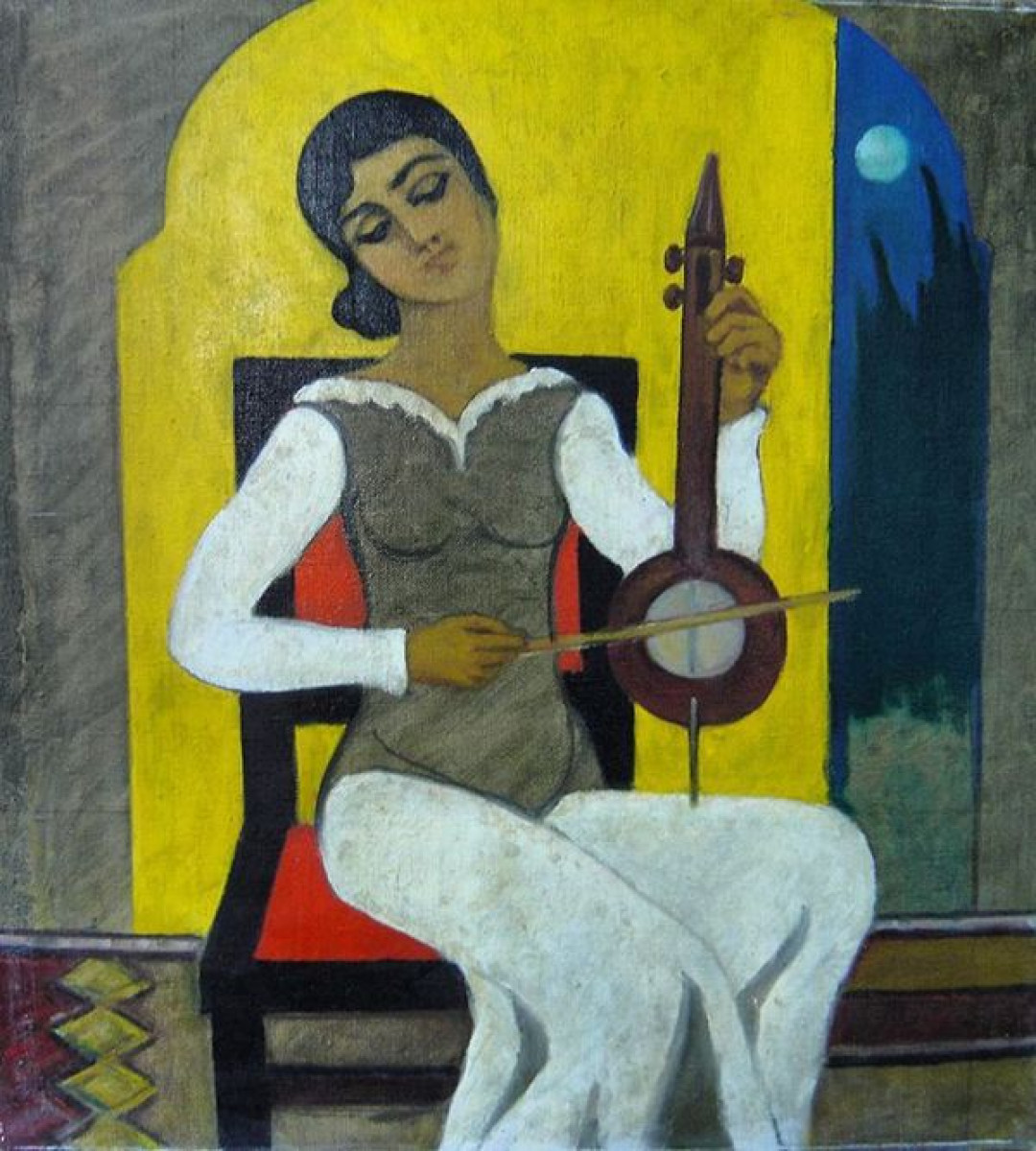
His portraits include Girl’s Image (1980), Portrait of a Shepherd (1982), Two Moons (1984) and The Kamancha Player (1984). In landscape painting, Boats (1966), Sultriness (1977), Scorching Day (1977), The Crossing (1978) and Absheron (1979) demonstrate his distinctive perception of nature and sensitivity to colour.
ARTISTIC STYLE AND NATIONAL TRADITIONS
One of the defining characteristics of MEKHDIYEV’s painting is the synthesis of national artistic traditions with an individual approach to composition. The aesthetic principles of Azerbaijani miniature painting, decorative expression and a distinctive organisation of pictorial space are particularly evident in his work.
In certain compositions, the artist moves away from the illusion of depth created by conventional linear perspective, arranging figures and objects across a more decorative pictorial plane. Their scale is determined not solely by spatial distance but also by their thematic and compositional significance. This approach can be understood as a creative reinterpretation of miniature painting principles within his individual artistic language.
Colour plays a fundamental role in the structure of MEKHDIYEV’s compositions. The interplay of warm and cool tones, clearly defined colour fields and a rich palette lend his paintings emotional depth and decorative coherence. The relationship between direct observation and stylised expression is a characteristic feature of his artistic identity.
HISTORICAL MEMORY AND SOCIAL THEMES
Historical memory and social events also form an important part of MEKHDIYEV’s artistic legacy. The Year 1937 (1987), which addresses the subject of political repression, is particularly significant. The work demonstrates that his artistic interests extended beyond everyday life and landscape to encompass historical events and collective memory.
EXHIBITIONS AND HONOURS
In 1944, MEKHDIYEV became a member of the USSR Union of Artists. His solo exhibitions were held in Baku in 1961, 1970, 1981 and 1988. His paintings were also presented at exhibitions in various countries and entered museum, gallery and private collections.
In 1988, he was awarded the honorary title of Honoured Artist of the Azerbaijan SSR. On 11 June 2002, by presidential decree, he was awarded the title of People’s Artist of Azerbaijan.
THE SIGNIFICANCE OF HIS ARTISTIC LEGACY
The oeuvre of AGA MEKHDIYEV holds an important place in Azerbaijani painting through its individual interpretation of national artistic traditions. His depictions of everyday life, labour, nature and historical memory are distinguished by carefully structured compositions, a distinctive approach to pictorial space and a rich sense of colour.
A defining aspect of his legacy is that his engagement with national traditions was not limited to the repetition of established forms. Instead, he reinterpreted them through his own artistic experience, bringing the aesthetics of miniature painting into dialogue with modern pictorial expression. The relationship between decorative structure and realist observation remains one of the distinctive aspects of his contribution to twentieth-century Azerbaijani painting.
AGA MEKHDIYEV died in Baku on 15 May 2003.
Art Space Gallery MEDIA