Life and Artistic Education
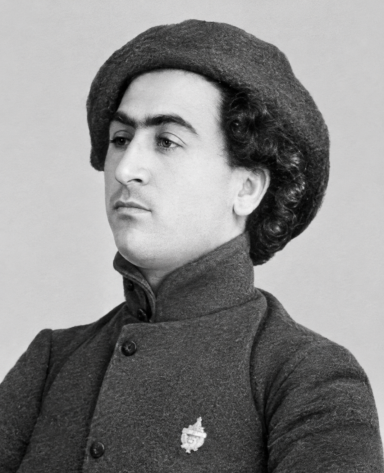
Bahruz Shiralibey oglu Kangarli was born on 22 January 1892 in Nakhchivan. One of the prominent figures in Azerbaijani fine art, he studied at the School of Painting and Sculpture affiliated with the Society for the Encouragement of Fine Arts in Tiflis from 1910 to 1915. Among his teachers was the renowned artist Oskar Schmerling.
Although Kangarli’s artistic career spanned only seven years, he produced a substantial body of work across a range of genres and subjects. Portraiture, landscape painting, graphic art, satirical drawings and theatrical design constitute the principal areas of his creative practice.
Portraiture and Individual Character
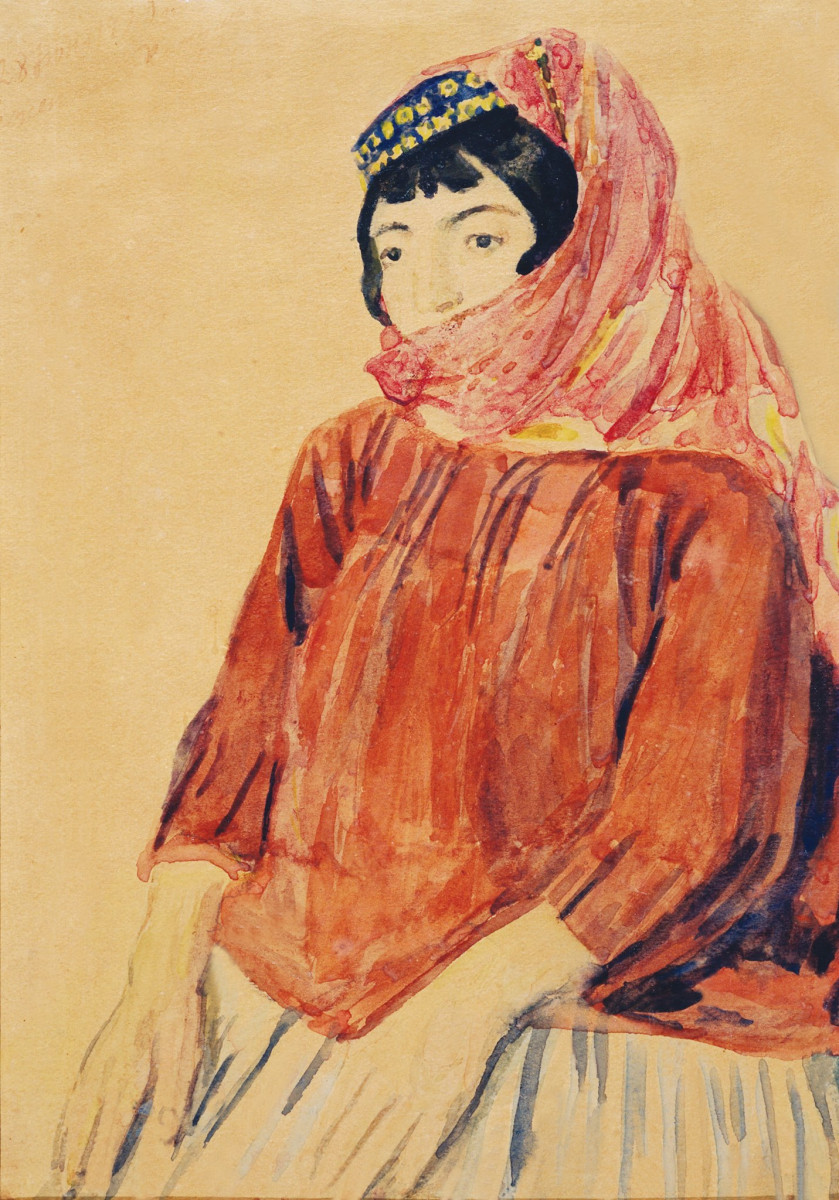
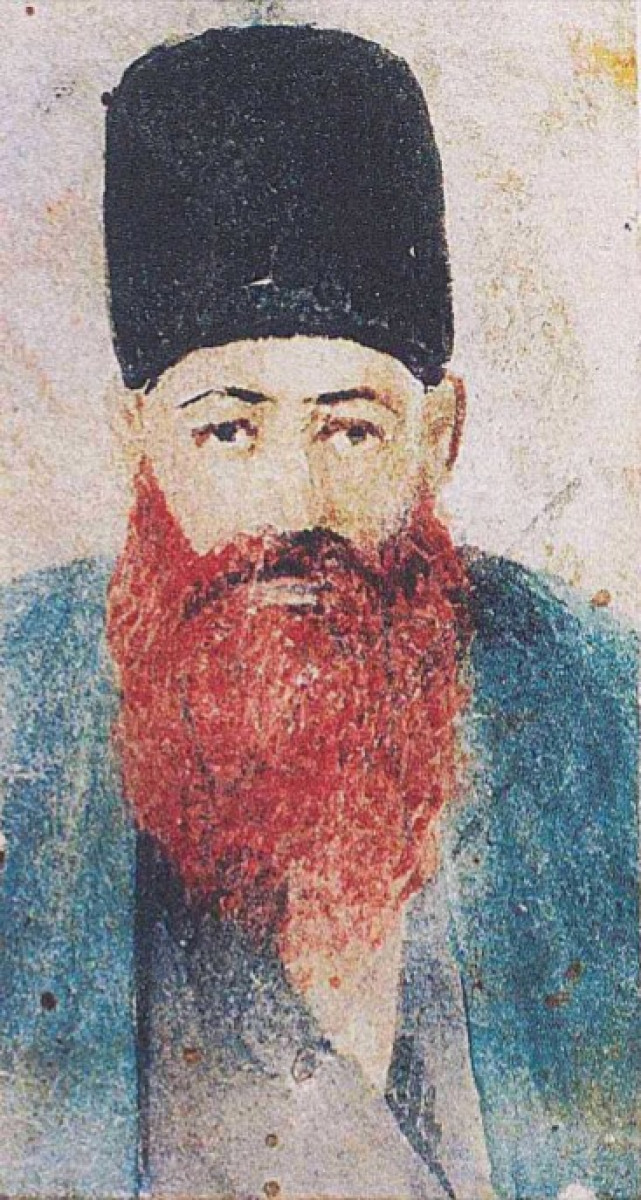
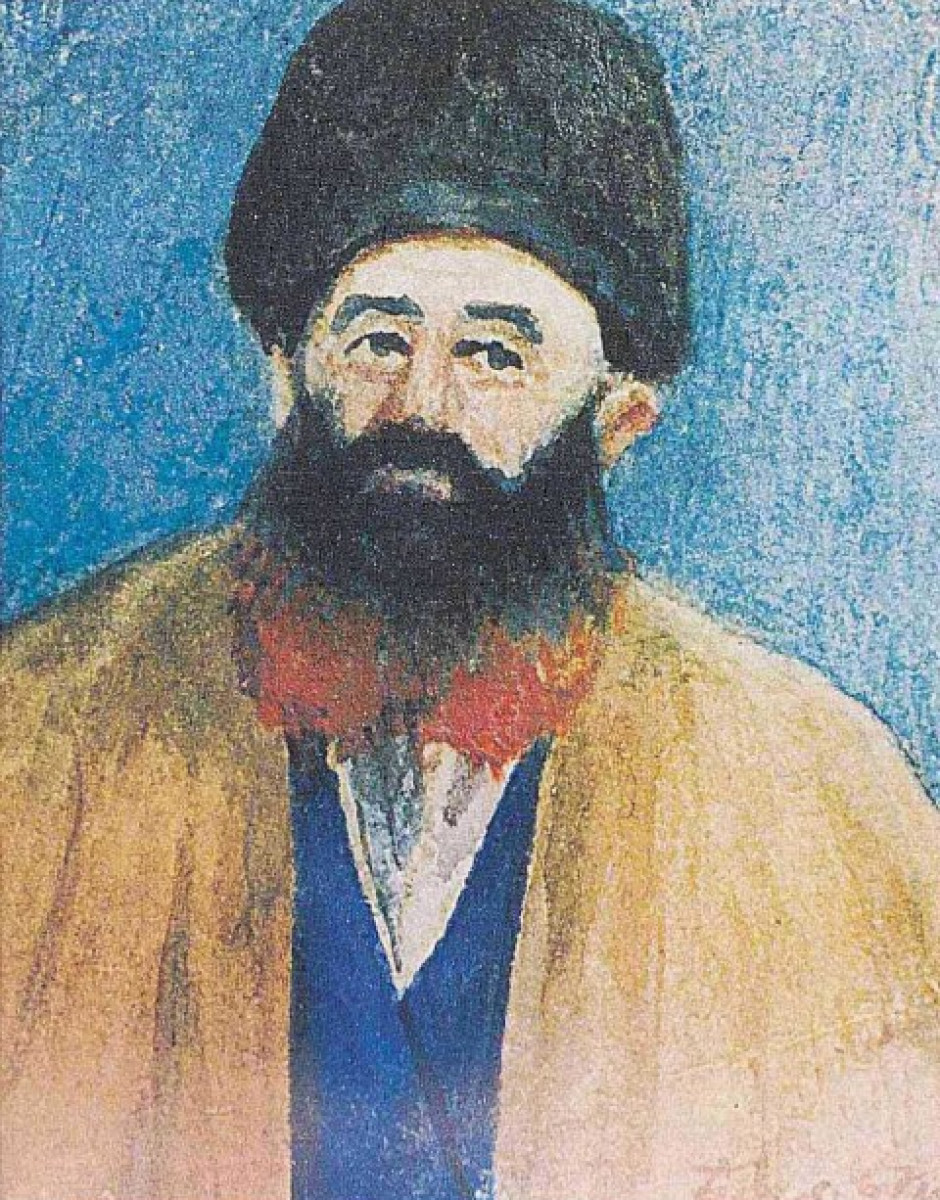
Portraiture occupies a central place in Kangarli’s oeuvre. His approach was grounded in realist observation and an attentive rendering of individual characteristics. Beyond physical likeness, the artist sought to convey the personality and inner disposition of his sitters through visual expression.
Among the notable examples in this field are Portrait of Asad Agha Kangarli, Portrait of Nazli Khanum Tahirova, Portrait of Mirza Mahammad Zamanbayov, Portrait of Mirza Heydar Nasirbayov and Portrait of Karbalayi Heydar. The representation of individuals from different professions and social backgrounds reflects the breadth of Kangarli’s interest in human character.
The Refugees Series — The Artistic Interpretation of a Historical Subject
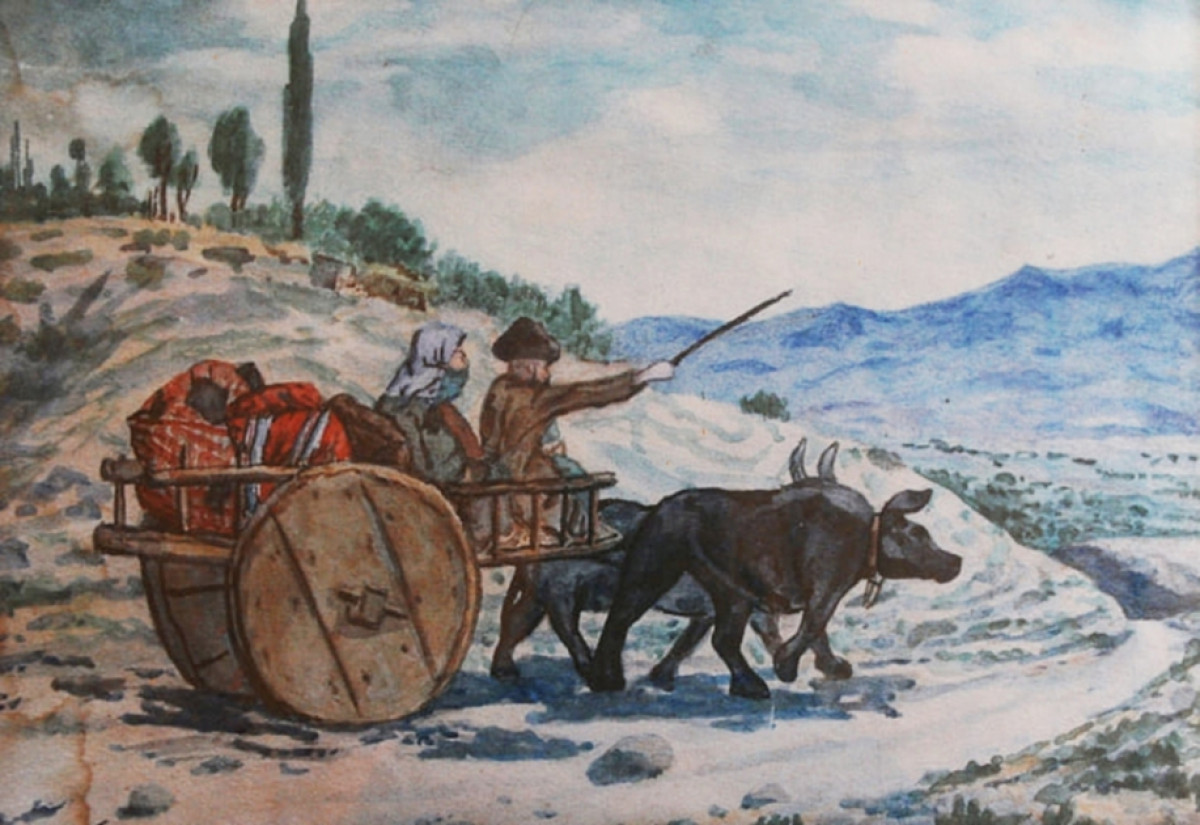
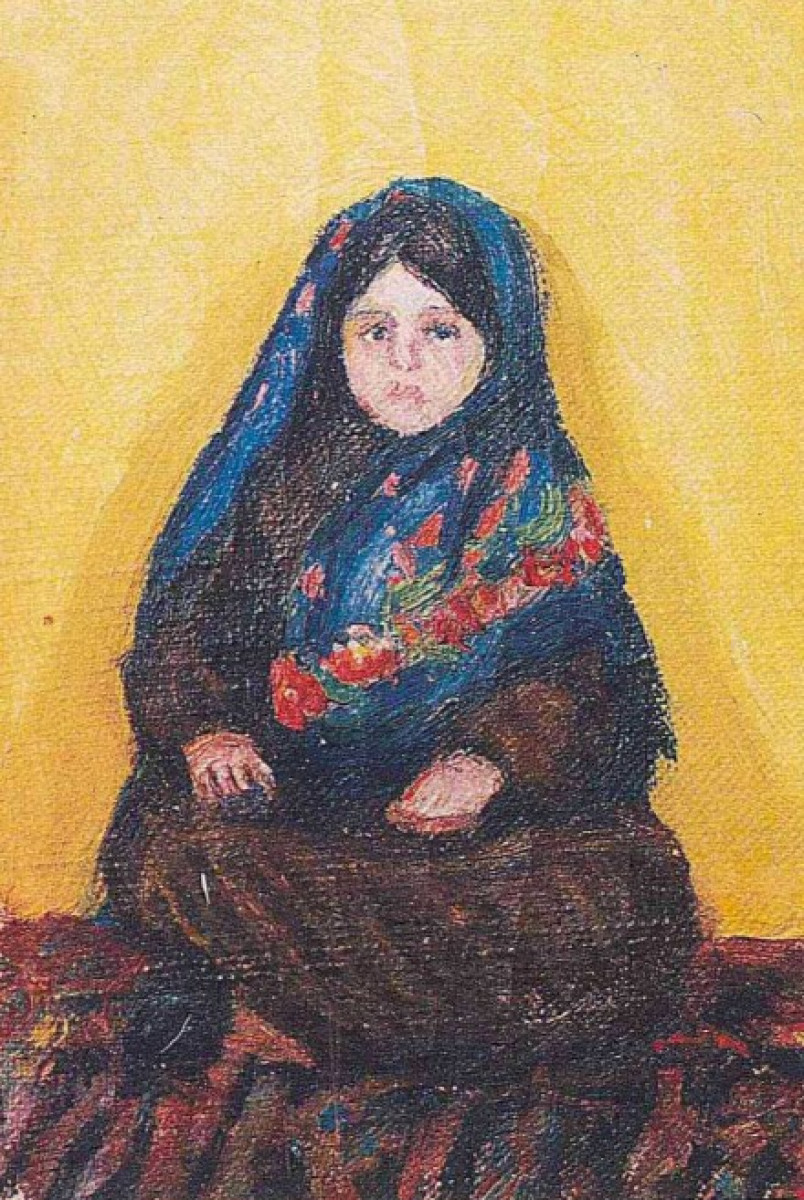
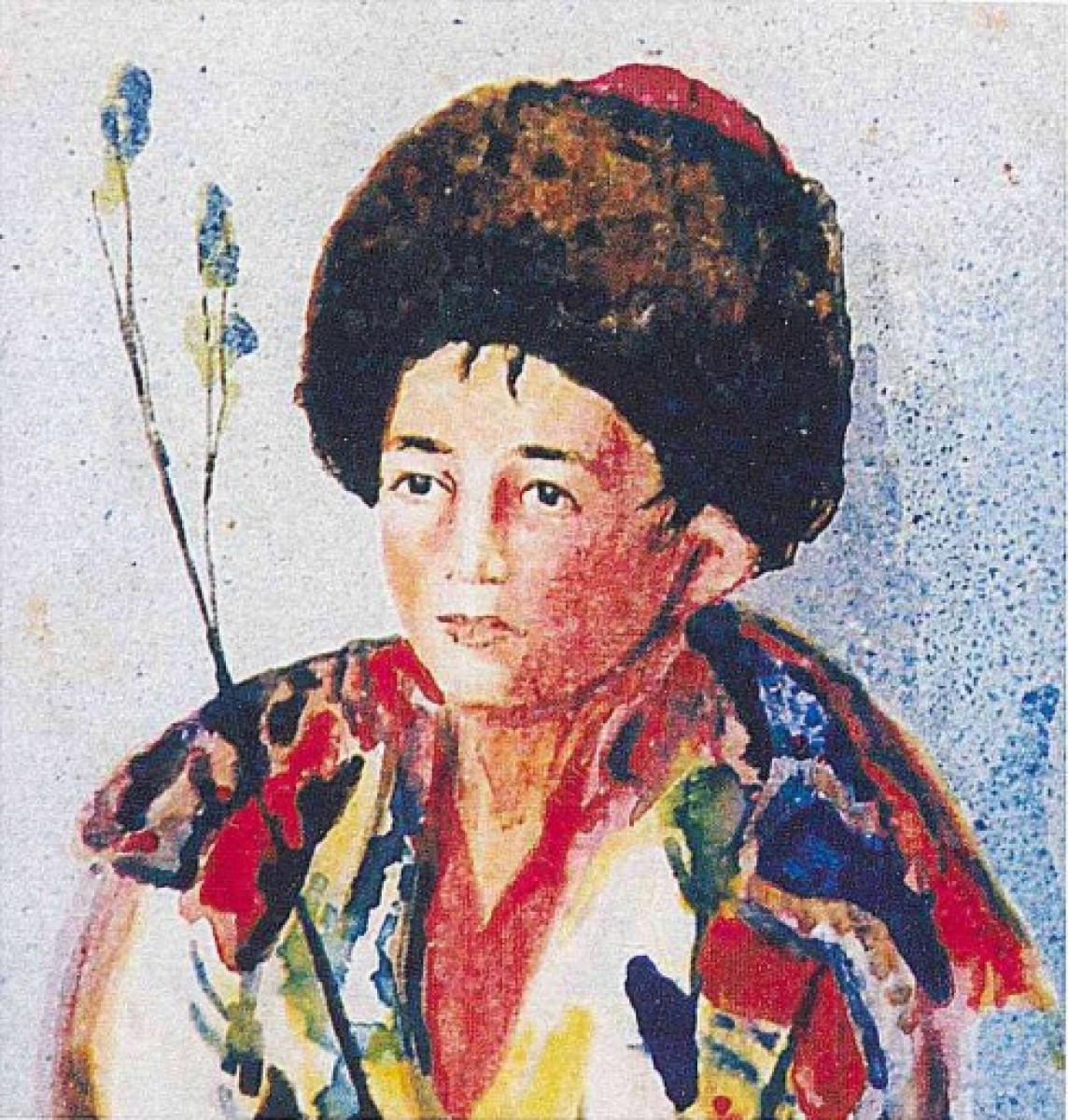
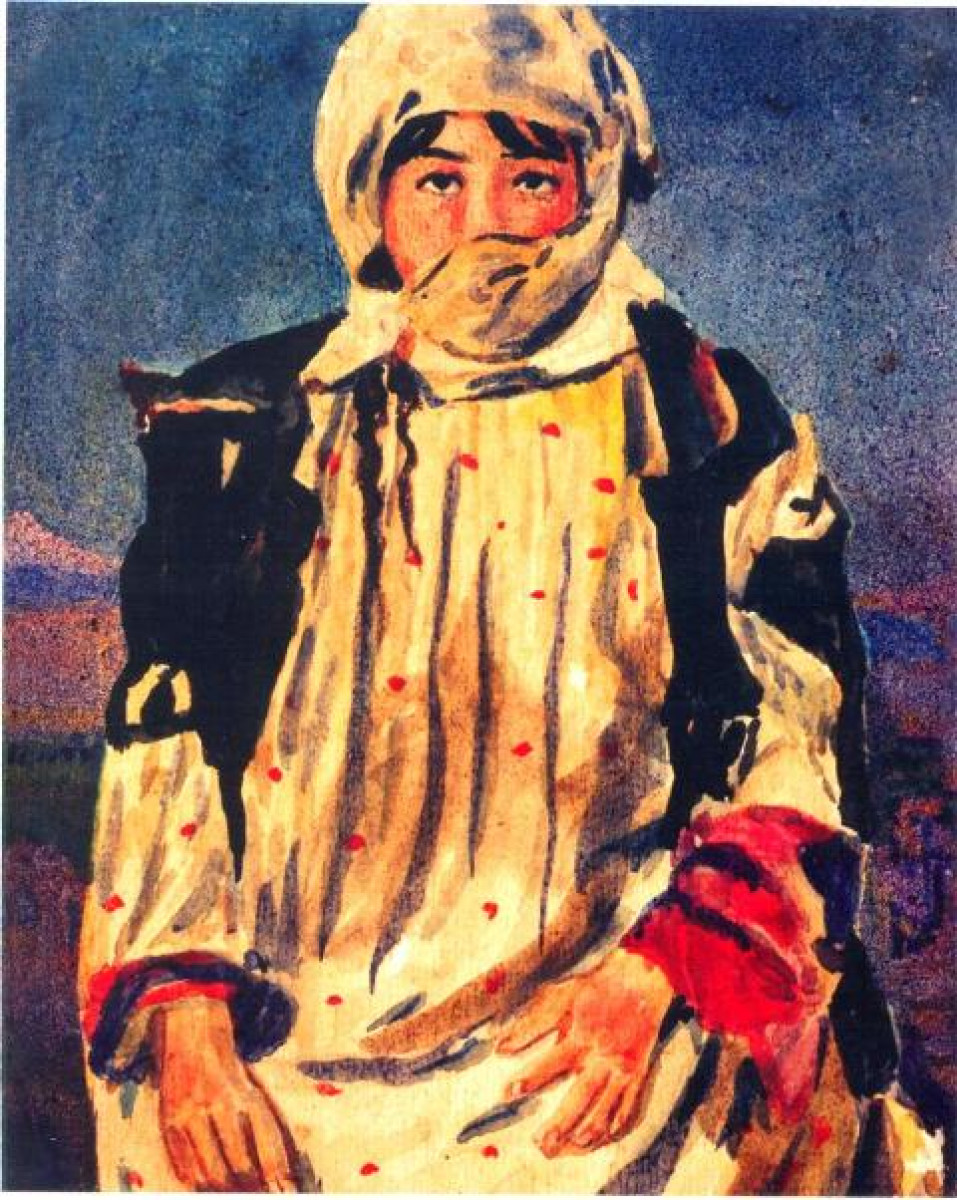
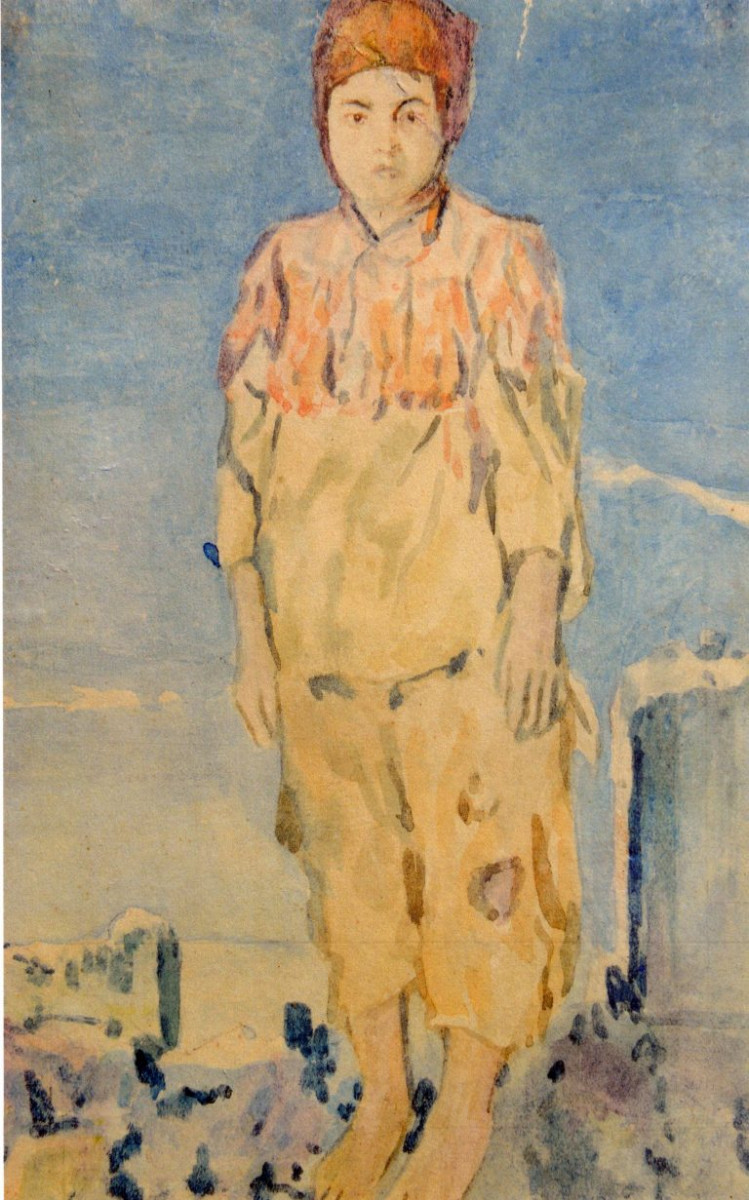
Created between 1918 and 1920, the Refugees series holds a distinctive place in Kangarli’s artistic legacy. It depicts people who were displaced from their homes and sought refuge in Nakhchivan. The series includes works such as Refugee Girl, Refugee Boy, Refugee Woman and Homeless Family.
The artist’s engagement with this subject is significant for its visual documentation of the human consequences of historical events. Through individual faces, clothing and expressions, Kangarli draws attention to the difficult circumstances experienced by those portrayed. The documentary value of these works is complemented by their artistic qualities.
Landscapes and Architectural Depictions
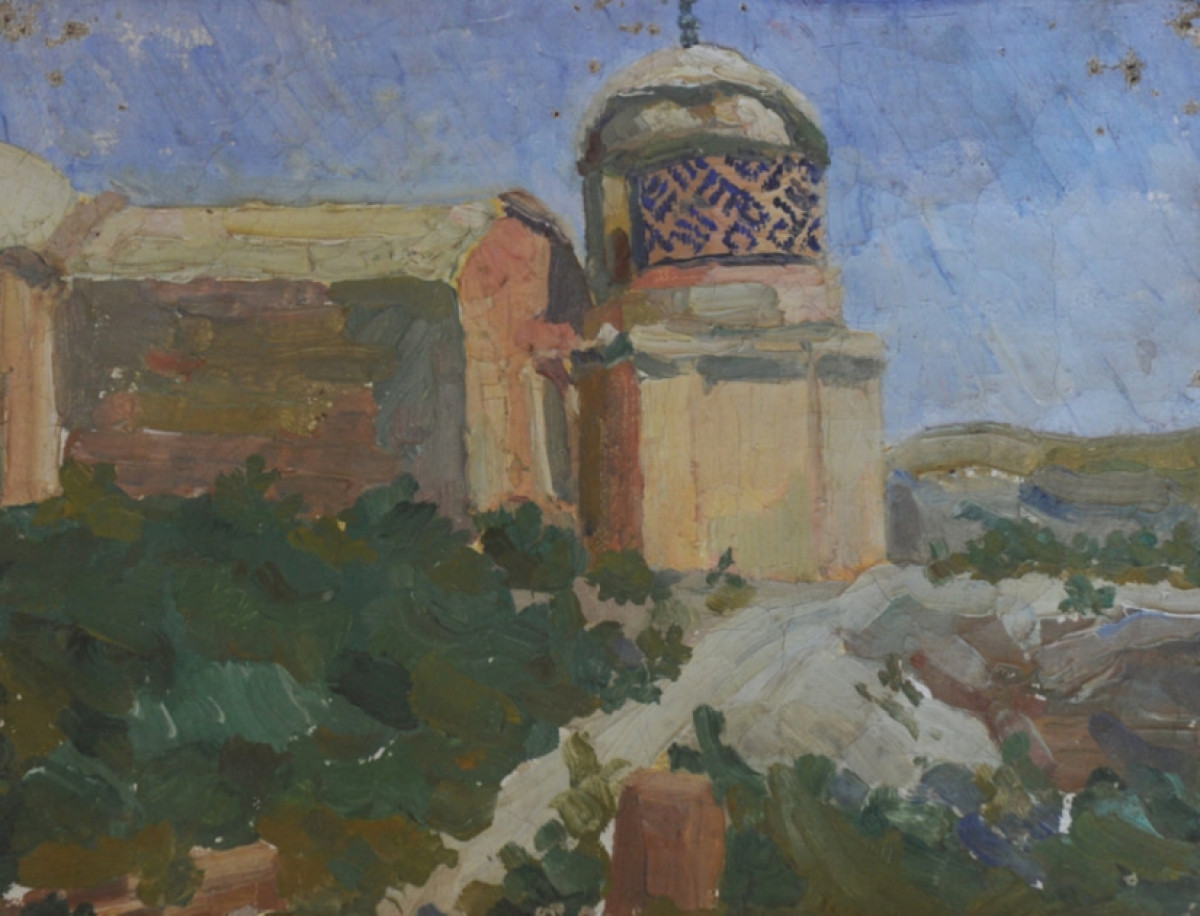
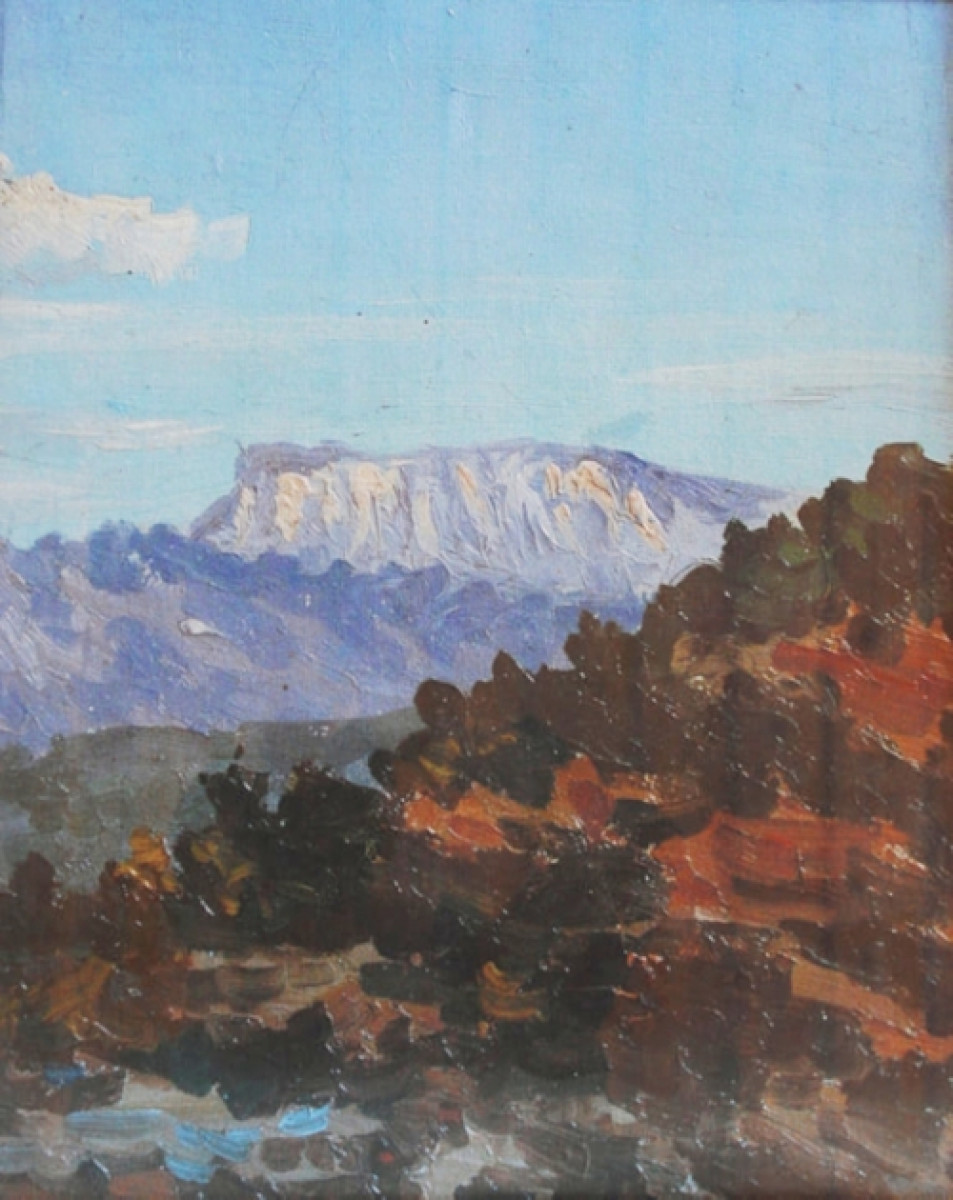
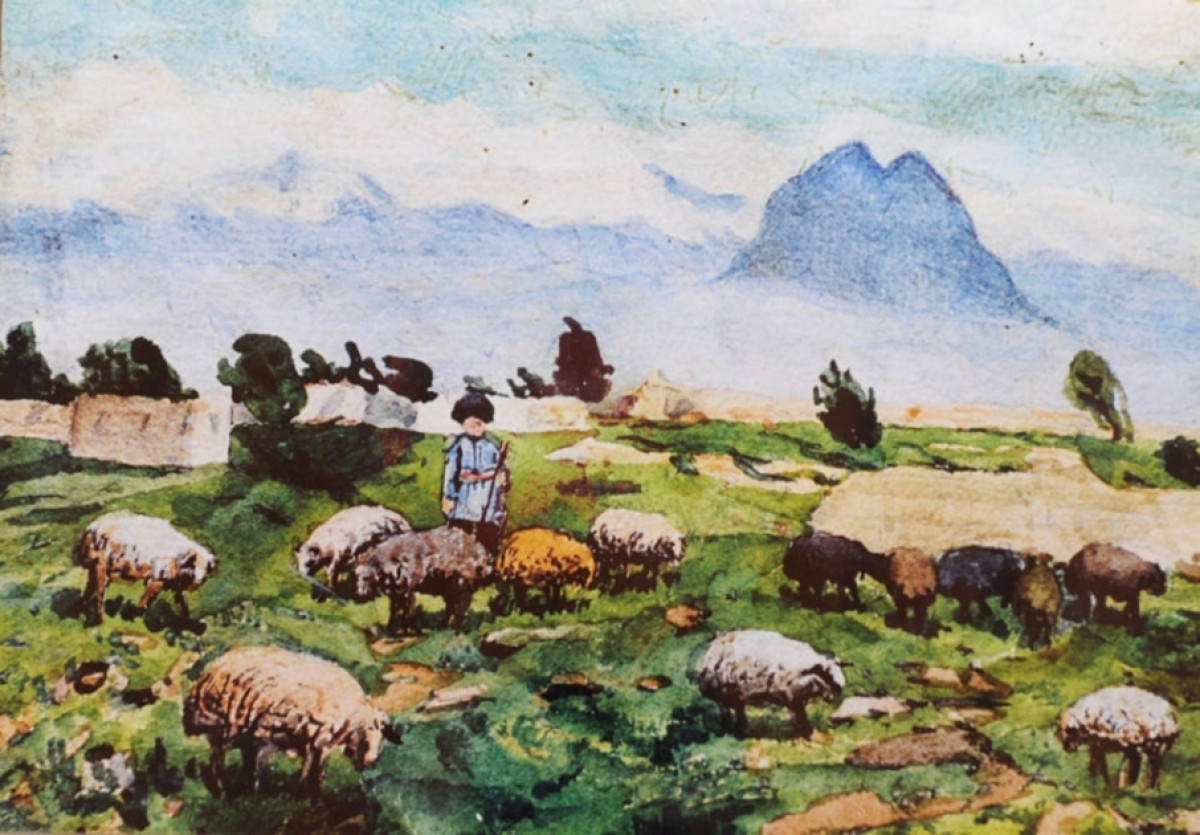
Landscape painting is one of the principal directions in Kangarli’s oeuvre. The natural environment of Nakhchivan, its mountains, settlements and historical monuments feature prominently in his works.
Waterfall, Mountainous Landscape, Mount Ilan in Moonlight, At Sunset, Mount Ararat, Old Fortress, Gateway in the Village of Aliabad, Road to the Village of Yamkhana and Mount Ashabi-Kahf are among the works that characterise his landscape practice. Momine Khatun Mausoleum demonstrates his interest in architectural heritage.
These works present natural and architectural subjects through a realist approach rooted in direct observation. The artist’s sensitivity to colour and compositional structure preserves the distinctive character of the places he depicts.
Graphic Art, Satirical Drawings and Theatre Design
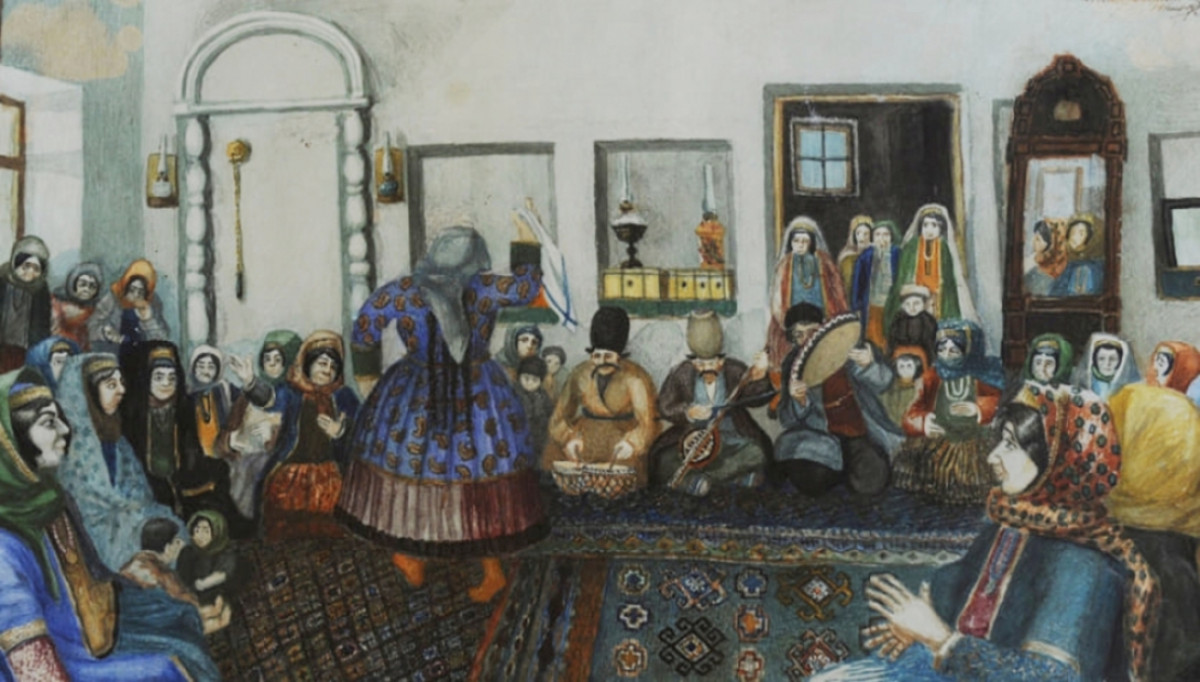
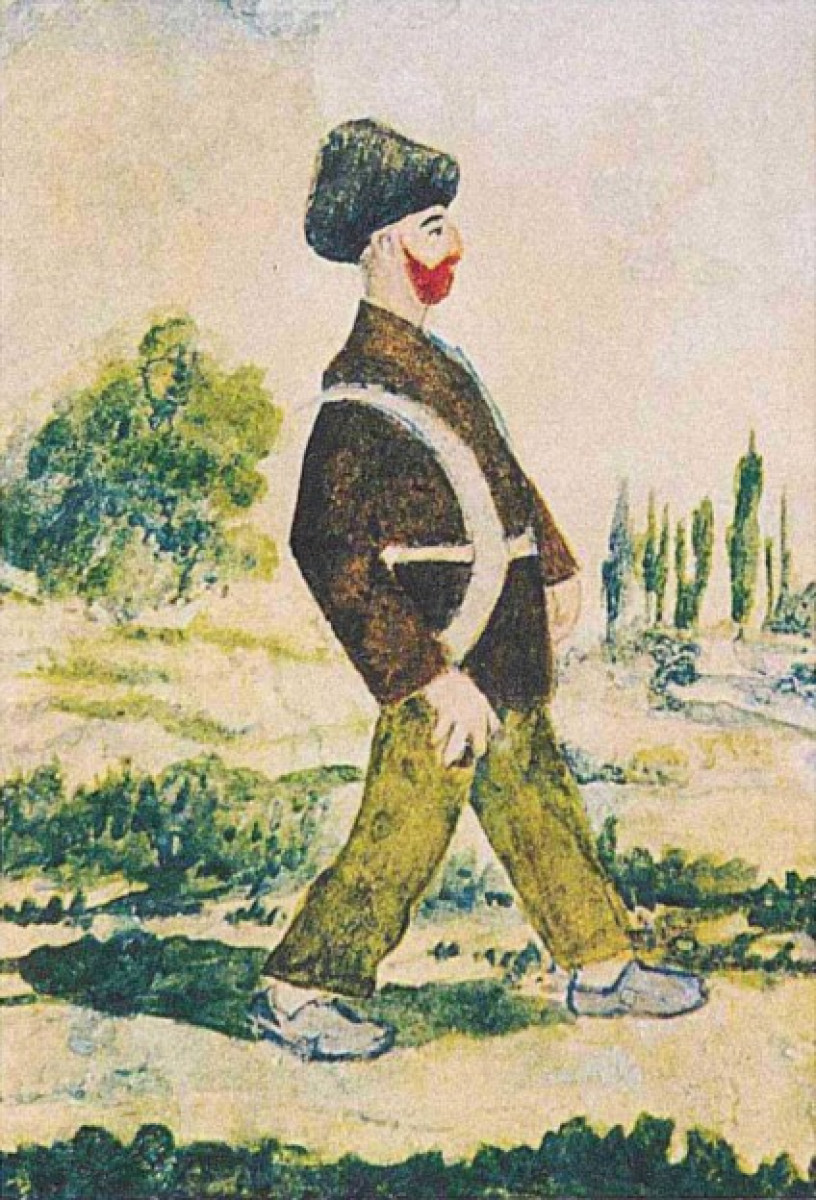
Kangarli’s creative practice extended beyond portraiture and landscape painting. He also produced genre scenes, satirical drawings and graphic works. Pieces such as Old Man, Wedding and Matchmaking reflect his interest in everyday life.
He also contributed to the development of national theatre. During the 1910s, he worked on stage designs and costume sketches for Nakhchivan theatre productions of Jalil Mammadguluzadeh’s The Dead, Mirza Fatali Akhundov’s Haji Gara and Abdurrahim bey Hagverdiyev’s Peri-Jadu. This activity demonstrates his versatility across different fields of visual art.
Exhibitions and Artistic Legacy
An exhibition organised in Nakhchivan in June 1914 was an important occasion for presenting Kangarli’s works to the public. At a major exhibition held in Azerbaijan in 1921, more than 500 of his works were displayed.
Sources estimate the overall volume of Kangarli’s artistic output at approximately 2,000 works. This figure refers to the estimated total body of his creative production and should not be confused with the number of works that have survived or are currently held in museum collections.
His works are preserved in the Azerbaijan National Museum of Art, the Nakhchivan State History Museum, the State Historical Museum in Moscow and private collections. The Bahruz Kangarli Museum in Nakhchivan plays a particularly important role in the study and promotion of his legacy. The museum was established on 22 May 2001 and opened on 18 June 2002. According to information published by the Ministry of Culture of the Nakhchivan Autonomous Republic, it houses more than 1,300 exhibits, including 61 original works by the artist.
The Significance of His Artistic Legacy
Bahruz Kangarli’s work holds an important place in the development of realist easel painting in Azerbaijan, particularly in the fields of portraiture and landscape. His portraits capture the individual characteristics of people of his time; his landscapes reflect the natural and architectural environment of Nakhchivan; and the Refugees series gives artistic form to the human consequences of historical events.
His legacy provides valuable material for understanding Azerbaijani society in the early twentieth century, the cultural environment of Nakhchivan and the expanding possibilities of realist expression in fine art. Across different genres, Kangarli’s works reveal his powers of observation, sensitivity to subject matter and distinctive artistic approach.
Bahruz Kangarli died in Nakhchivan on 7 February 1922. Despite his short life, his productive artistic career secured him a distinctive place in the history of Azerbaijani fine art.
Art Space Gallery MEDIA