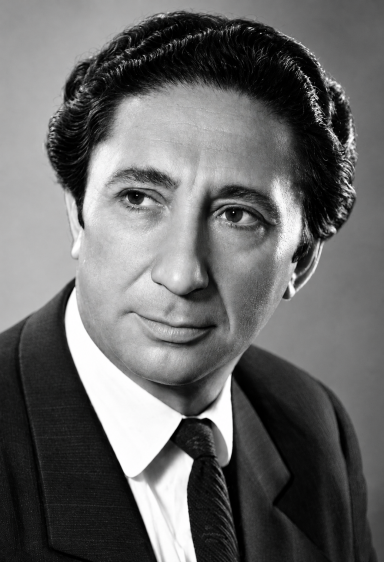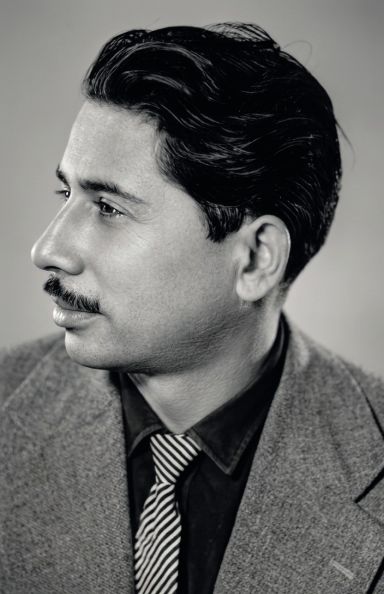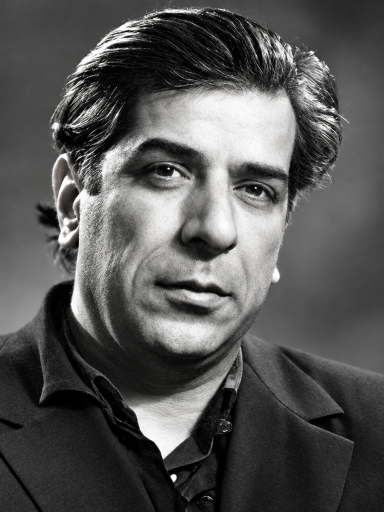
Latif Mirabdulbagi oglu Feyzullayev was born in Baku on 13 October 1918. A recognised representative of Azerbaijani painting, he was awarded the honorary title of Honoured Art Worker. His artistic legacy encompasses the lives of Caspian oil workers, Absheron landscapes, historical subjects and portraiture.
In 1939, Feyzullayev enrolled at the Azerbaijan State Art Technical School named after Azim Azimzadeh. He subsequently continued his studies at the painting faculty of the V. I. Surikov State Art Institute in Moscow, drawing on the artistic experience of masters such as Mochalsky, Pokarzhevsky and Igor Grabar. During his student years, he participated in republican exhibitions with works including Gachag Nabi and Gatyr Mammad. He graduated from the institute in 1949 and returned to Baku.
The War Years and Artistic Formation
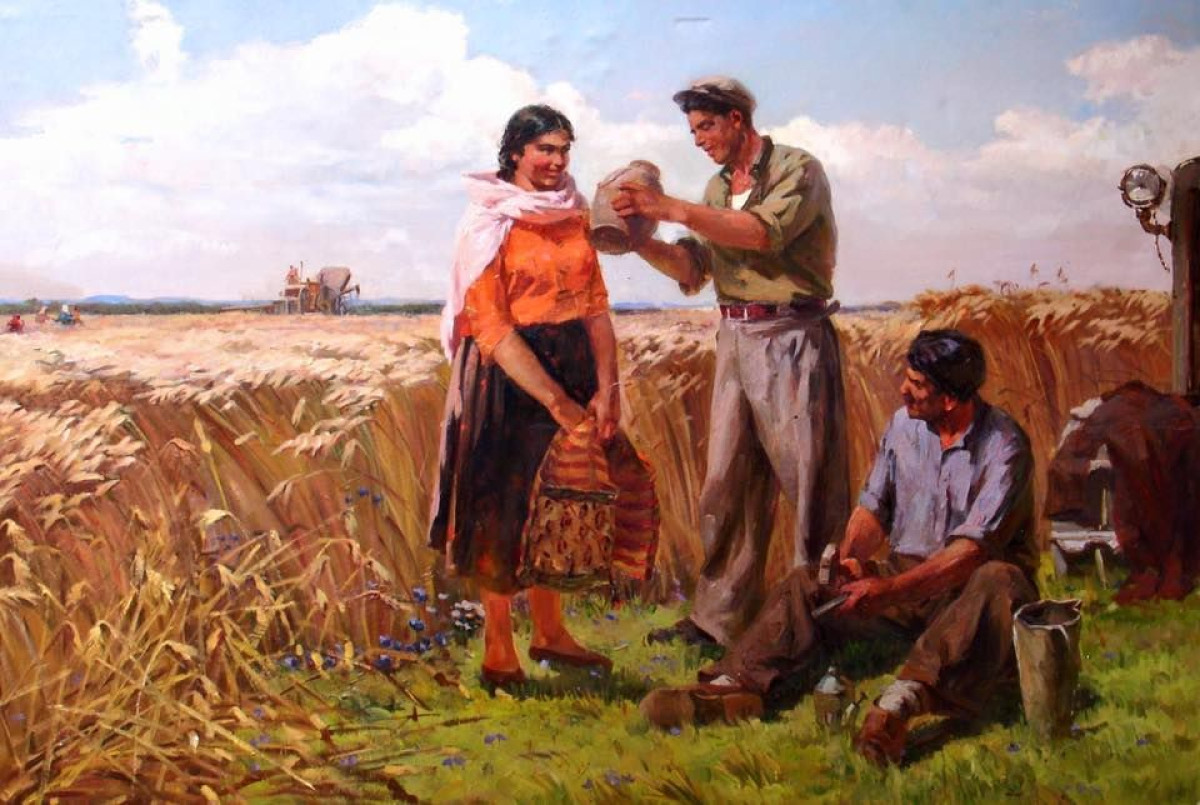
The Second World War influenced Feyzullayev’s education and early career. After returning to Baku, he taught at the Art Technical School named after Azim Azimzadeh and produced works on military-patriotic themes, as well as propaganda posters. In 1944, he returned to Moscow to resume his studies, completing his higher art education in 1949.
In the post-war period, the lives of working people and historical subjects became prominent themes in his work, reflecting his engagement with the social realities of his time.
Caspian Oil Workers — The Romanticism of Industrial Life
The expansion of oil production in the Caspian Sea and the development of Oil Rocks marked a new phase in Azerbaijan’s industrial history in the mid-twentieth century. Feyzullayev explored these changes through depictions of oil workers, offshore working conditions and industrial structures.
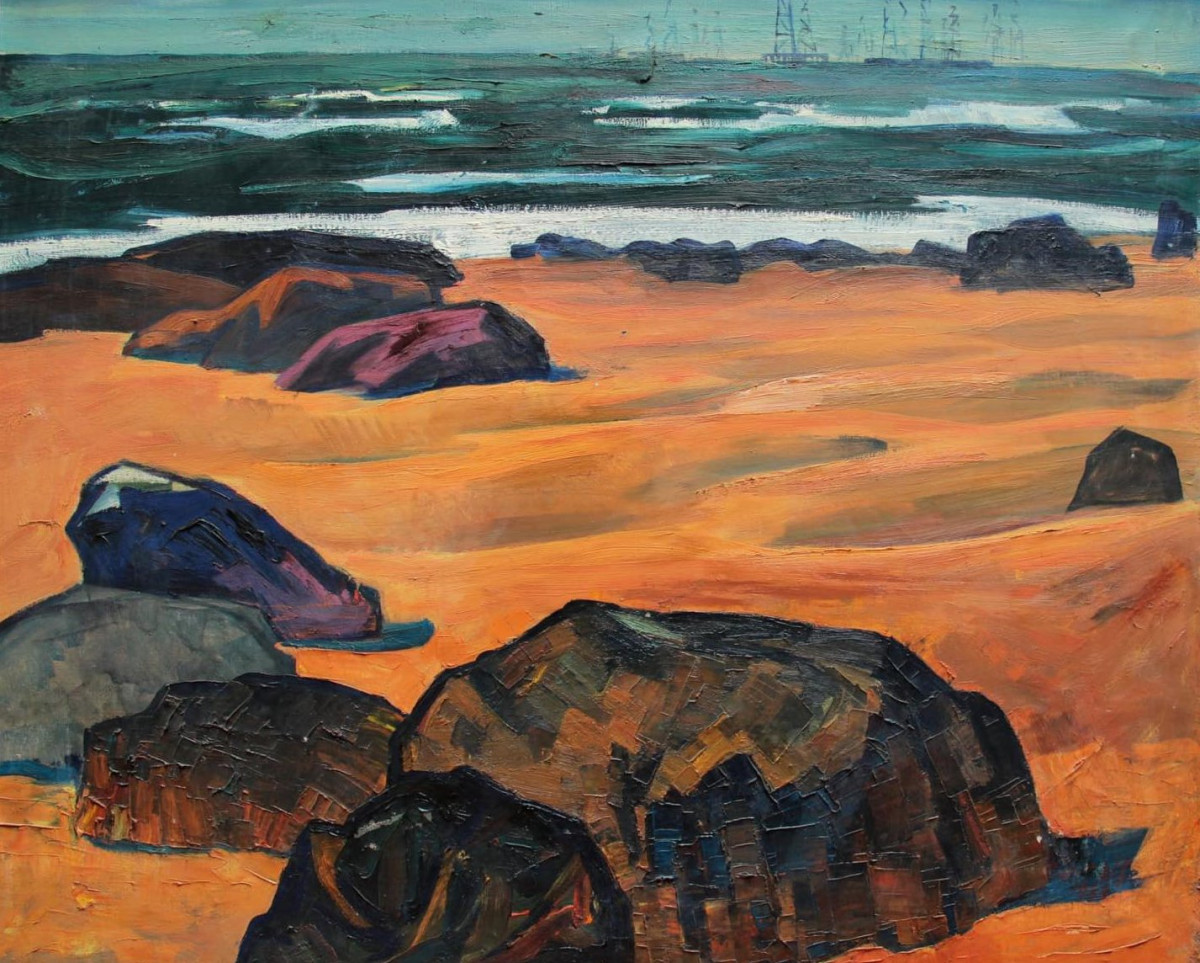
Shift (1951), Windy Day (1957), Before the Storm (1959) and Gusher (1962) are among his works devoted to the oil industry. In these paintings, industrial environments and human labour are expressed through the visual language of Azerbaijani painting. The interaction between the natural conditions of the Caspian and the industrial landscape is a defining feature of this body of work.
Absheron Landscapes — Light, Colour and the Character of Place
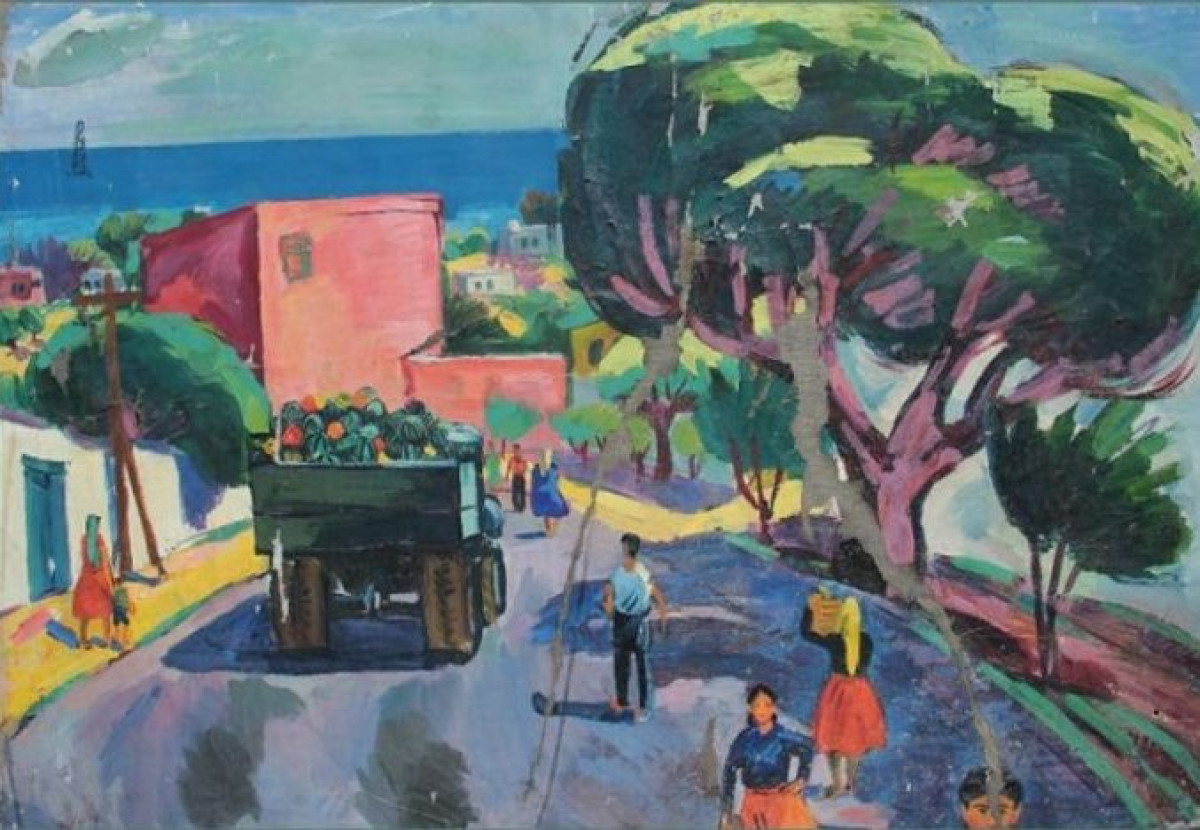
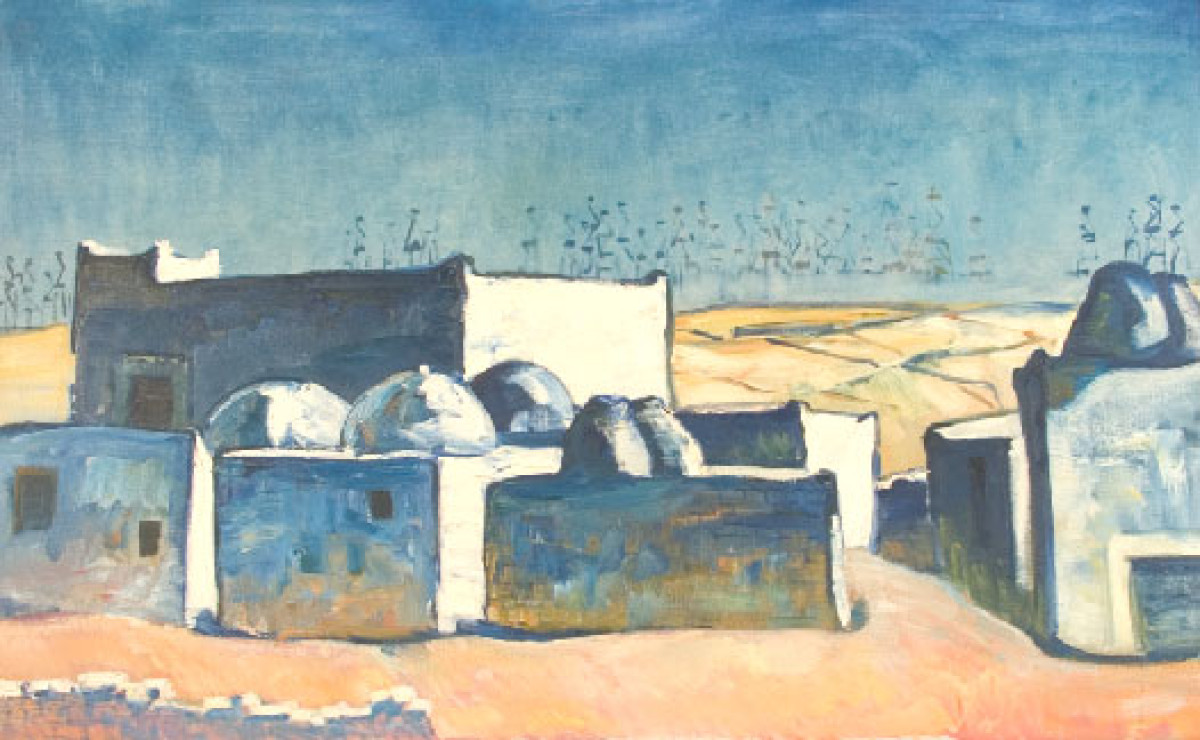
The landscape of Absheron represents one of the principal directions of Feyzullayev’s artistic practice. Spring in Absheron, Oil Derricks, Summer, Absheron Sands, Rocks and Absheron Gardens are among the works associated with his landscape painting.
These paintings capture the peninsula’s dry terrain, open spaces, coastal scenery and distinctive light through carefully articulated colour relationships. Vivid colour and strong contrasts are characteristic features of his landscape work. Absheron thus became an important subject through which Feyzullayev expressed the visual identity of his native environment.
Portraiture — The Individuality of the Human Figure
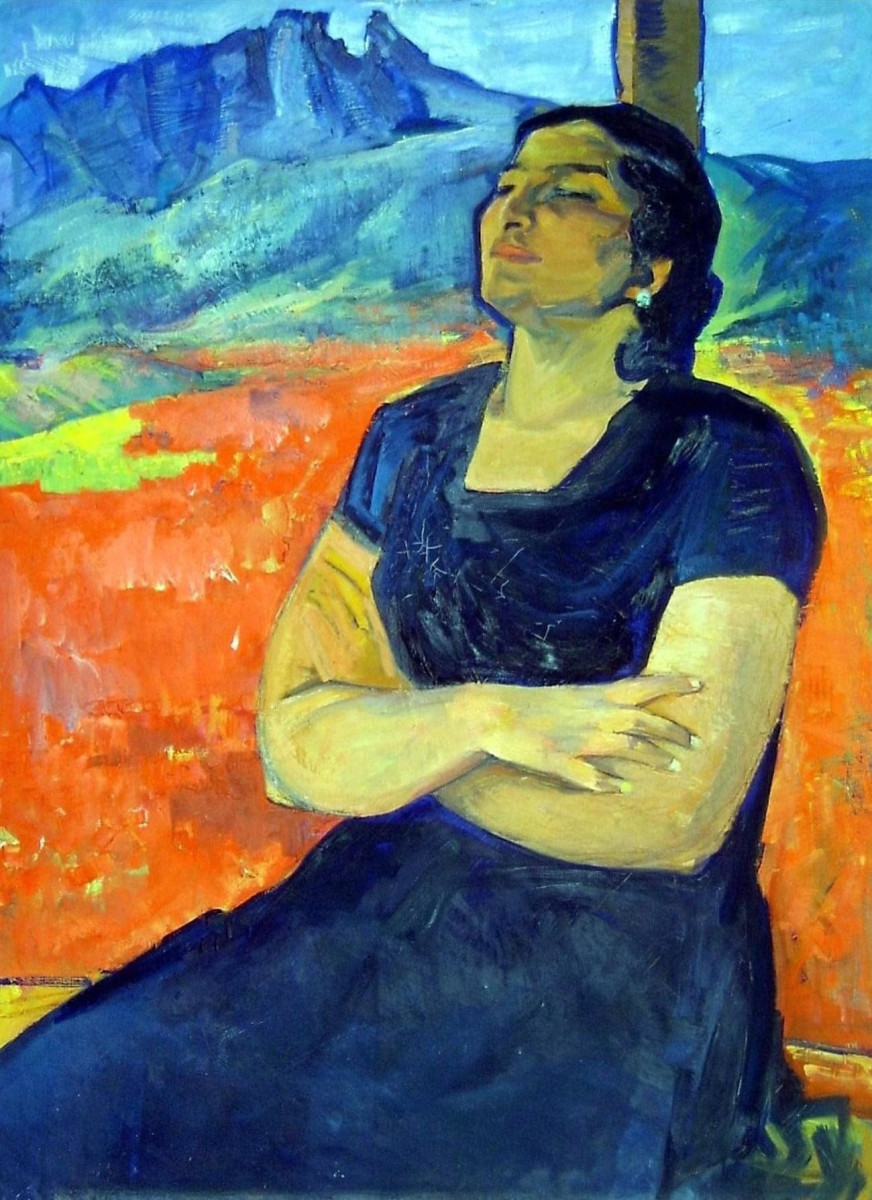
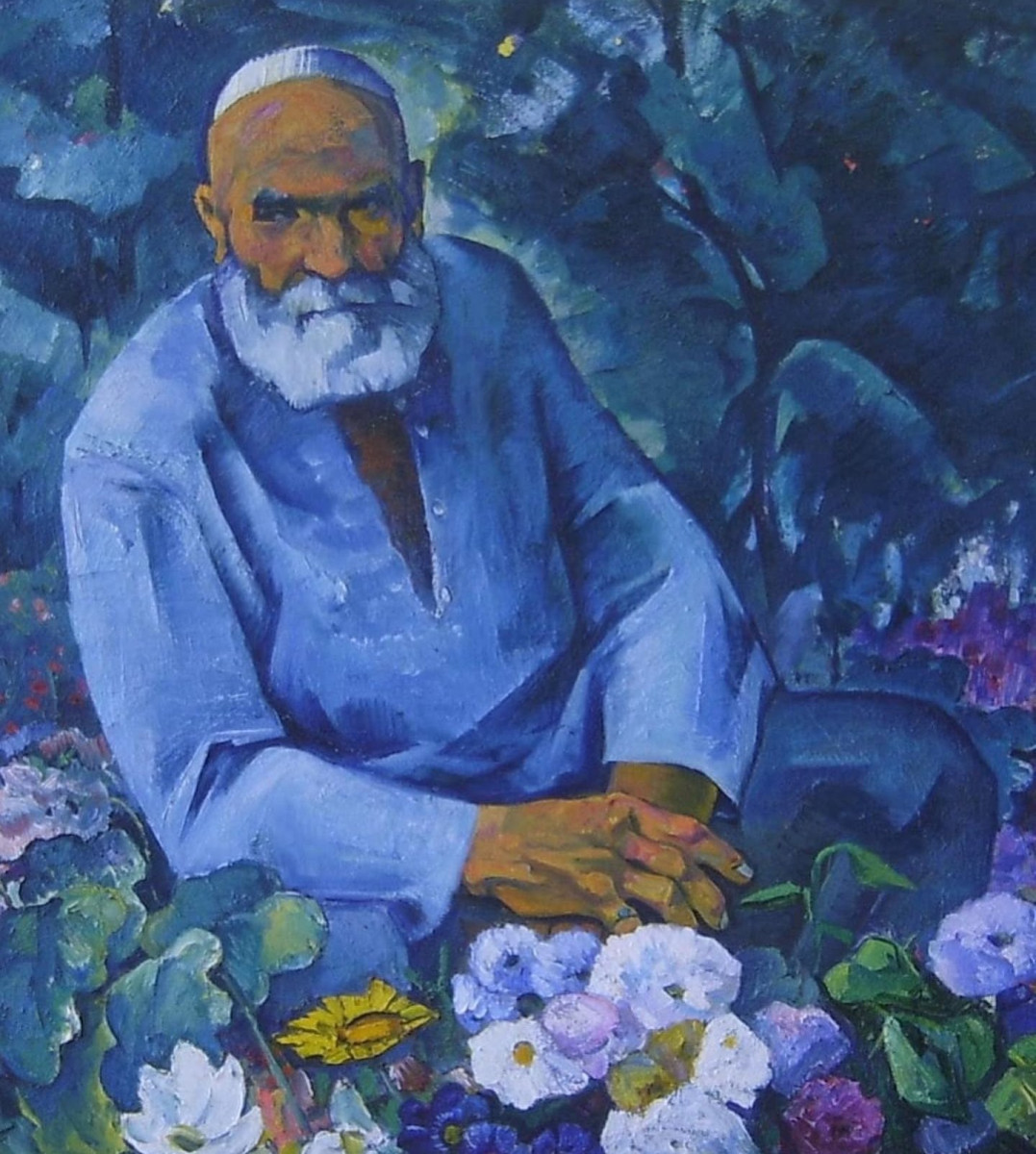
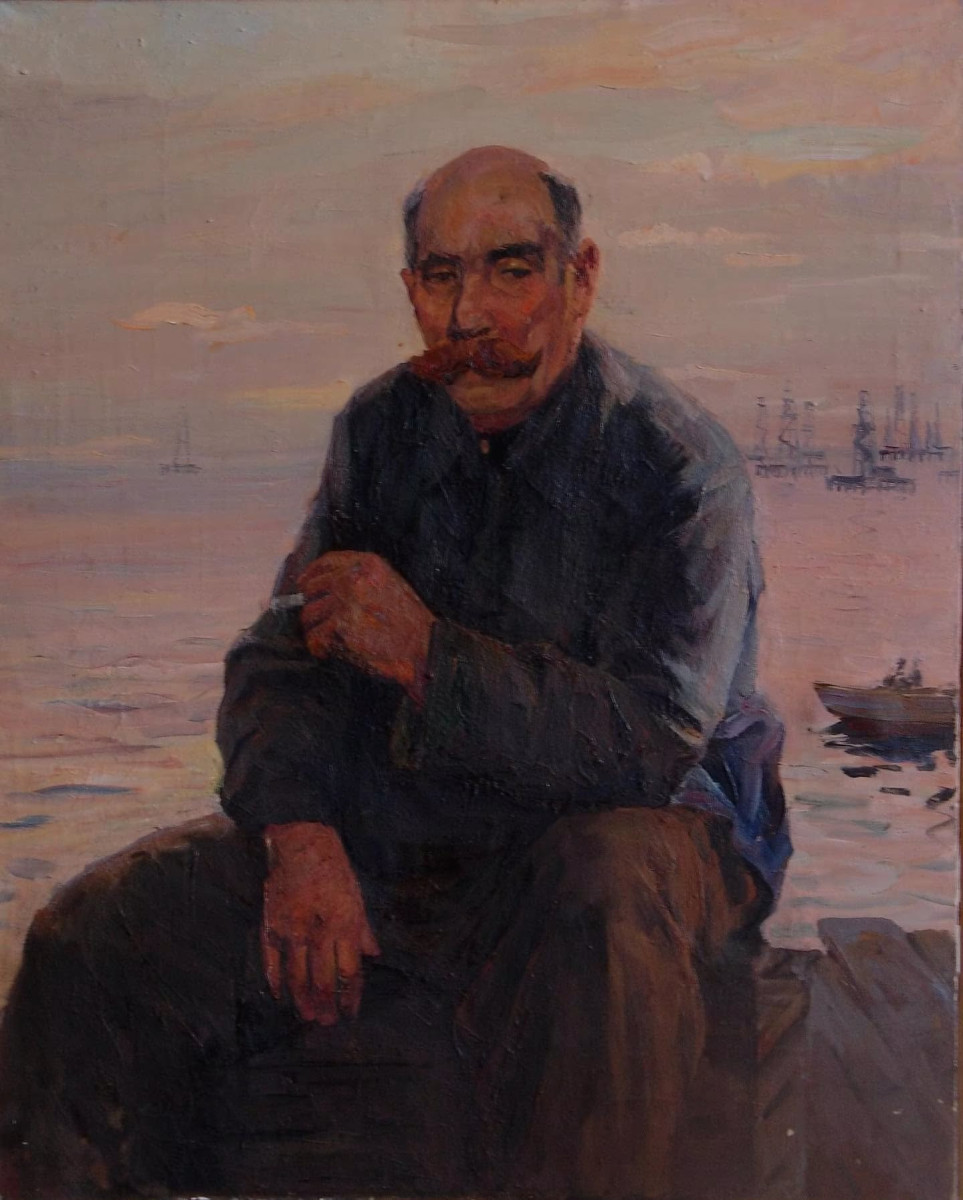
Feyzullayev’s portraits encompass people from different professional and social backgrounds. Portrait of the Artist Vajiha Samadova, Oil Worker Gulbala Aliyev, Fatima, Old Man, Guest of Absheron and Strong Man are among the works associated with this genre.
The depiction of an oil worker in portraiture connects this aspect of his practice with his broader interest in industrial life. The working person appears in his art both within industrial compositions and as the principal subject of an individual portrait.
Latif Feyzullayev and Vajiha Samadova
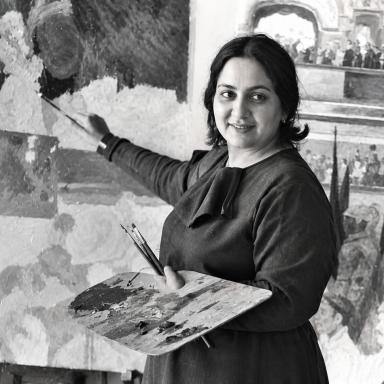
Latif Feyzullayev married Vajiha Samadova, one of Azerbaijan’s prominent painters, in Moscow in 1944. Both artists made significant contributions to the development of Azerbaijani painting in the twentieth century and worked across several genres.
Feyzullayev’s portrait of Samadova reflects both their personal connection and his interest in portraiture. In 2018, works by both artists were presented in the exhibition A Tandem of Love, held in Cannes, France, as part of Azerbaijani cultural events organised by the Heydar Aliyev Foundation.
Teaching and Exhibitions
Feyzullayev also contributed to art education through his teaching at the Art Technical School named after Azim Azimzadeh. In the 1960s, he undertook an artistic trip to Bulgaria and presented works resulting from the visit in an exhibition.
Published biographical accounts record solo exhibitions in Baku in 1961 and 1969, and in Moscow in 1973. These exhibitions demonstrate that his work was presented in different artistic settings.
The Significance of His Artistic Legacy
Latif Feyzullayev’s contribution to Azerbaijani painting is distinguished by his depictions of industrial life, working people and the landscape of Absheron. His paintings of oil workers, landscapes, portraits and historical subjects reveal the breadth of his artistic interests.
His legacy remains significant for the study of how industrialisation was represented in twentieth-century Azerbaijani art and for understanding the distinctive characteristics of Absheron landscape painting.
Latif Feyzullayev died in Baku on 25 March 1987.
Art Space Gallery MEDIA