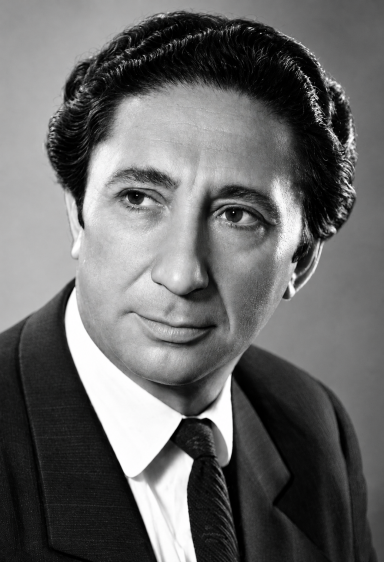
Life and Early Artistic Development
Jalal Maharram oglu Garyaghdi (1914–2001) was a prominent Azerbaijani sculptor and People's Artist of the Azerbaijan SSR. Born in Shusha, he was the nephew of the celebrated mugham singer Jabbar Garyaghdioglu.
Garyaghdi studied at the Baku Art School and subsequently continued his artistic training at the Tbilisi Academy of Arts. Sources differ regarding the precise chronology of his education. During the 1930s, he worked as a newspaper artist and taught art. Initially engaged in portraiture and relief sculpture, he later became a notable figure in Azerbaijani monumental sculpture.
Monumental Sculpture and Public Space
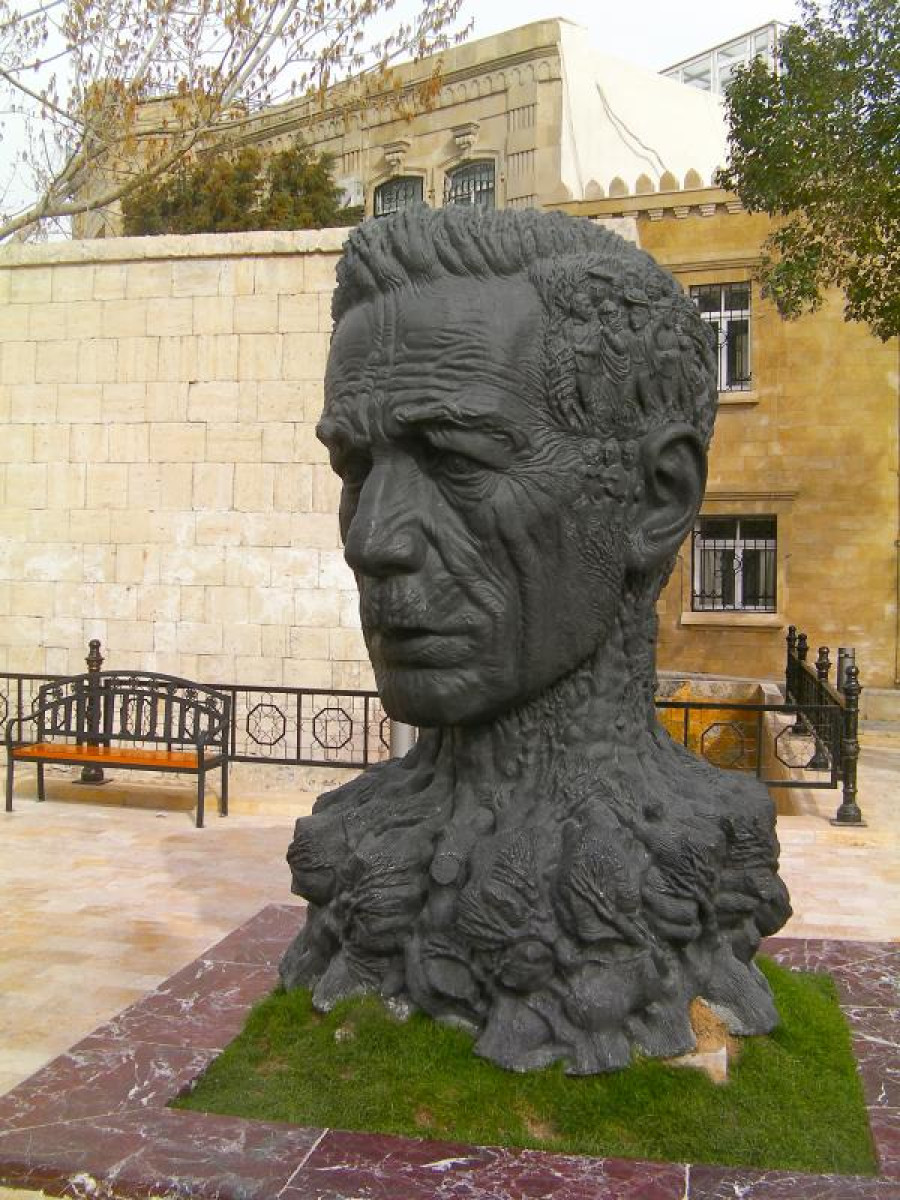
Monumental and decorative sculpture occupies a central place in Garyaghdi’s artistic legacy. His works are distinguished by compact compositions, expressive sculptural forms and a distinctive national character.
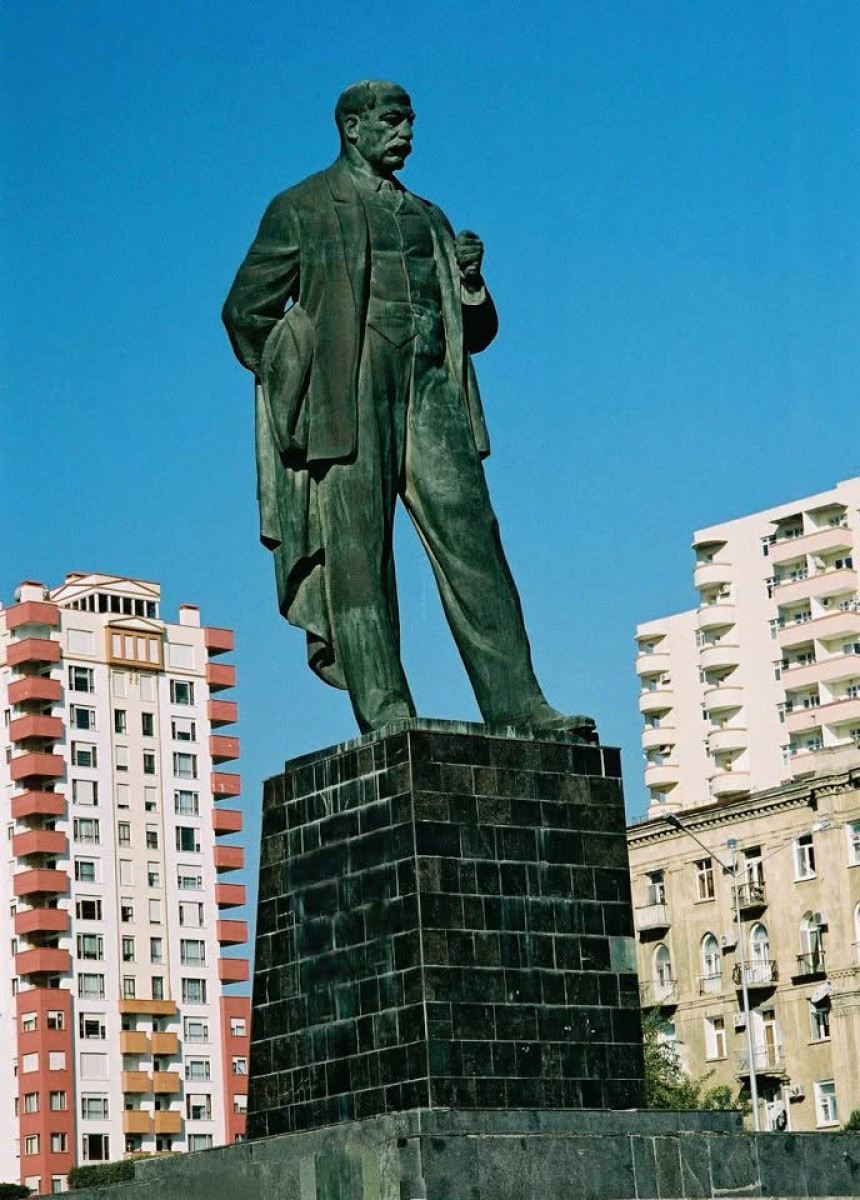
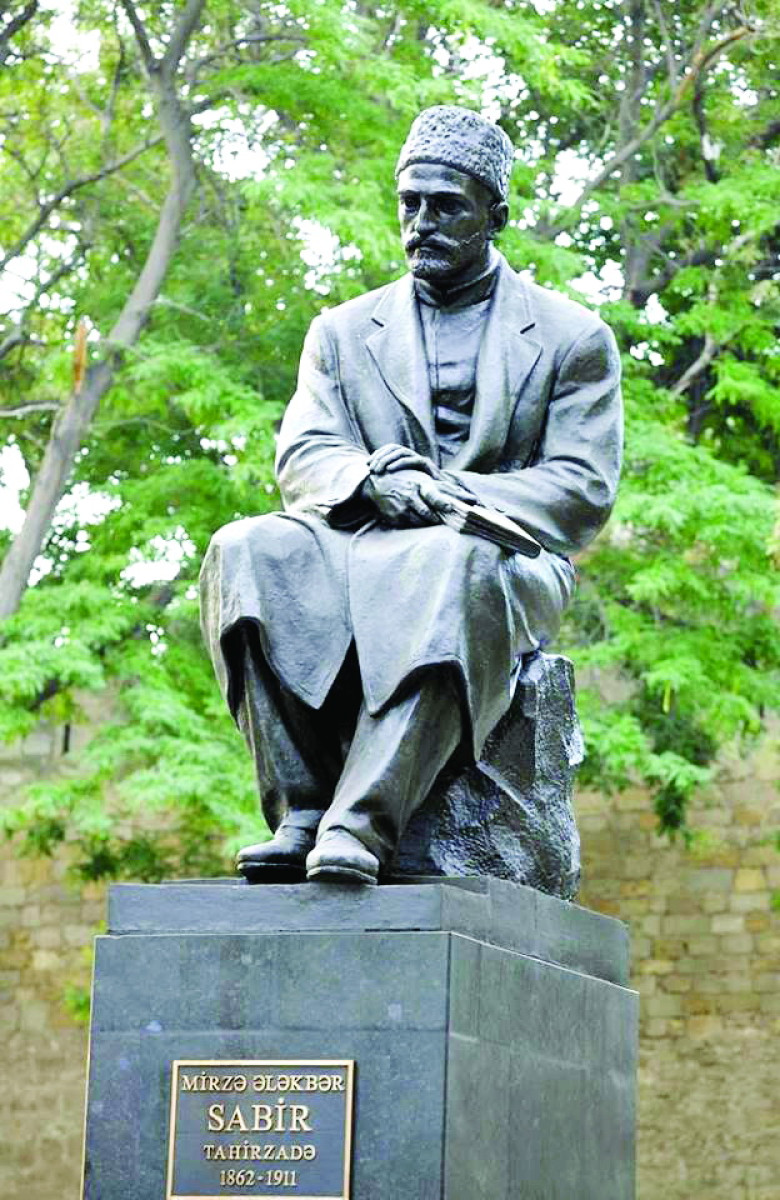
The monument to Mirza Alakbar Sabir, erected in Baku in 1958, is among the significant works of his monumental practice. Associated with architects A. Ismayilov and G. Alizade, the monument presents the poet through a restrained composition and expressive modelling. Its relationship with the surrounding urban environment contributes to the work’s presence in public space.
Other notable works include the monument to Nariman Narimanov in Baku and the monument to Hazi Aslanov in Lankaran. These sculptures translate historical figures into monumental forms that become part of the public memory of Azerbaijani cities.
Portraiture and Memorial Sculpture
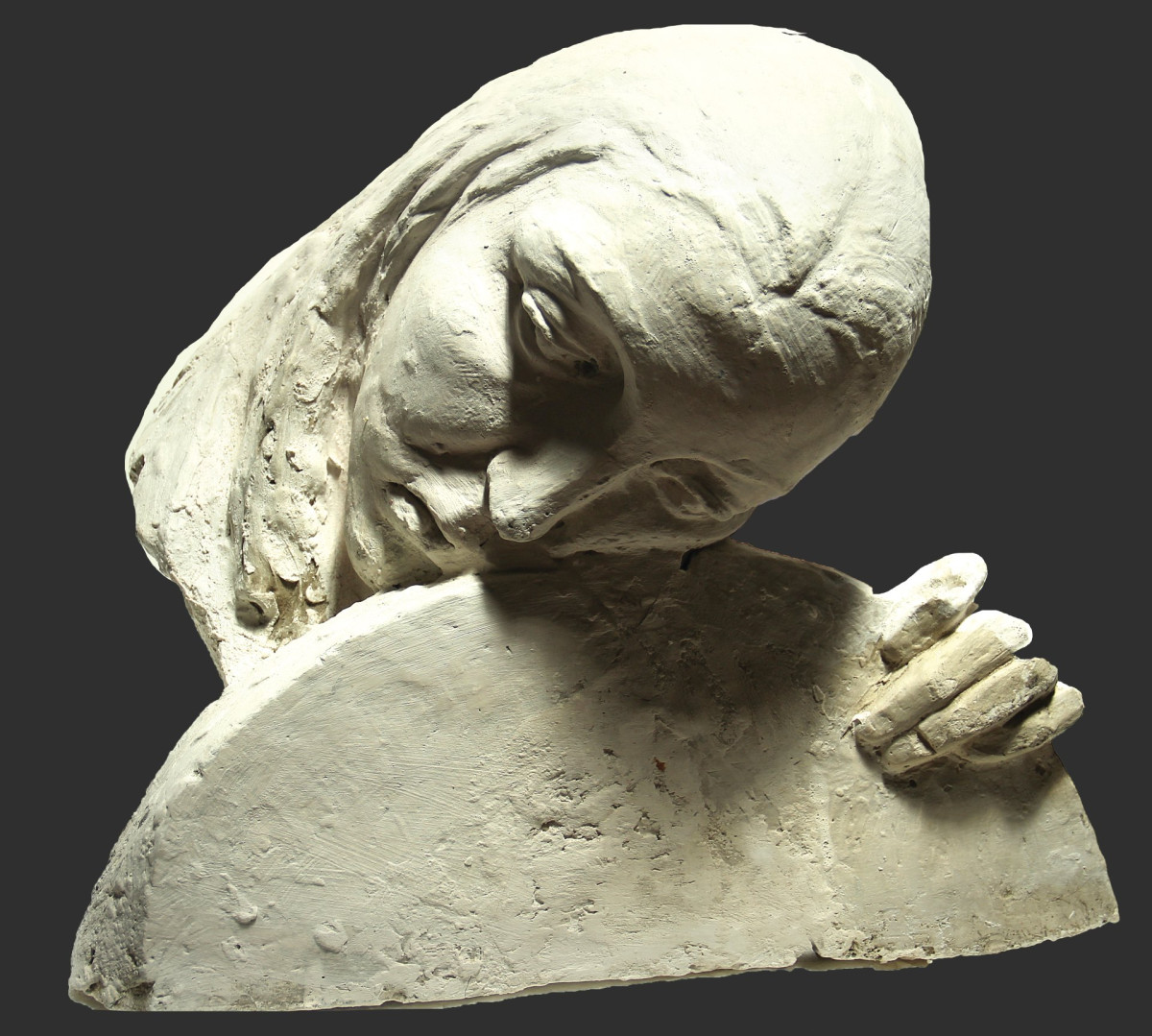
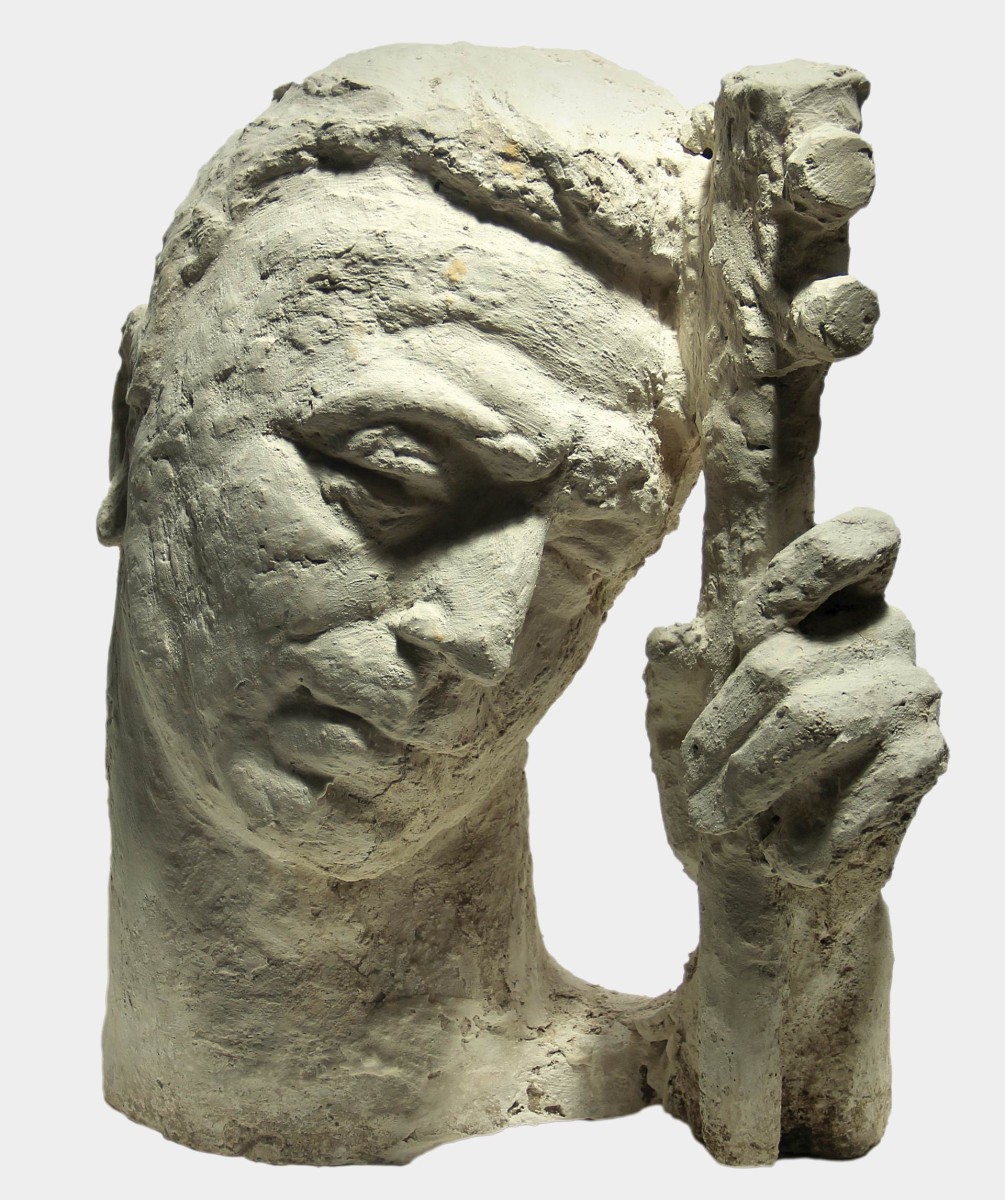
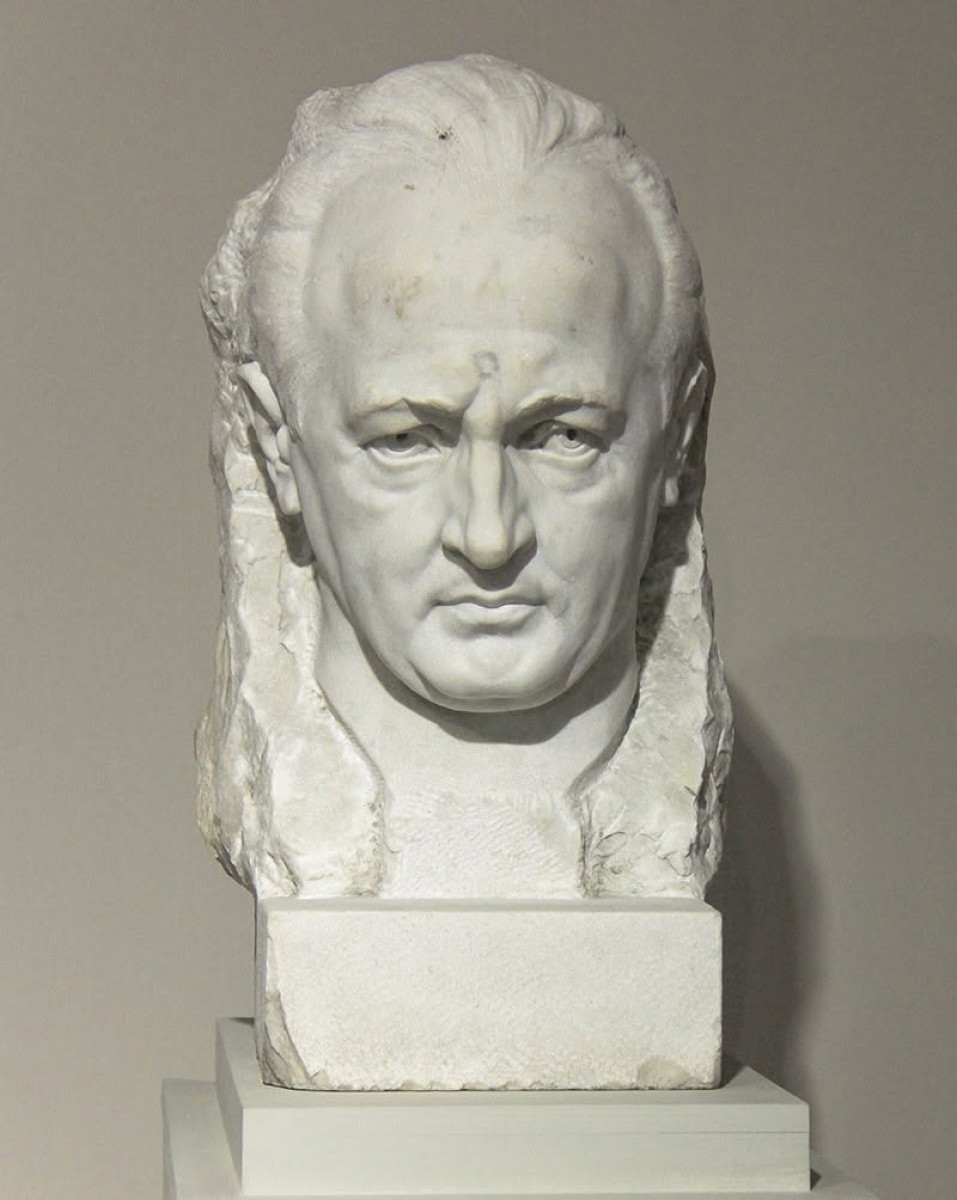
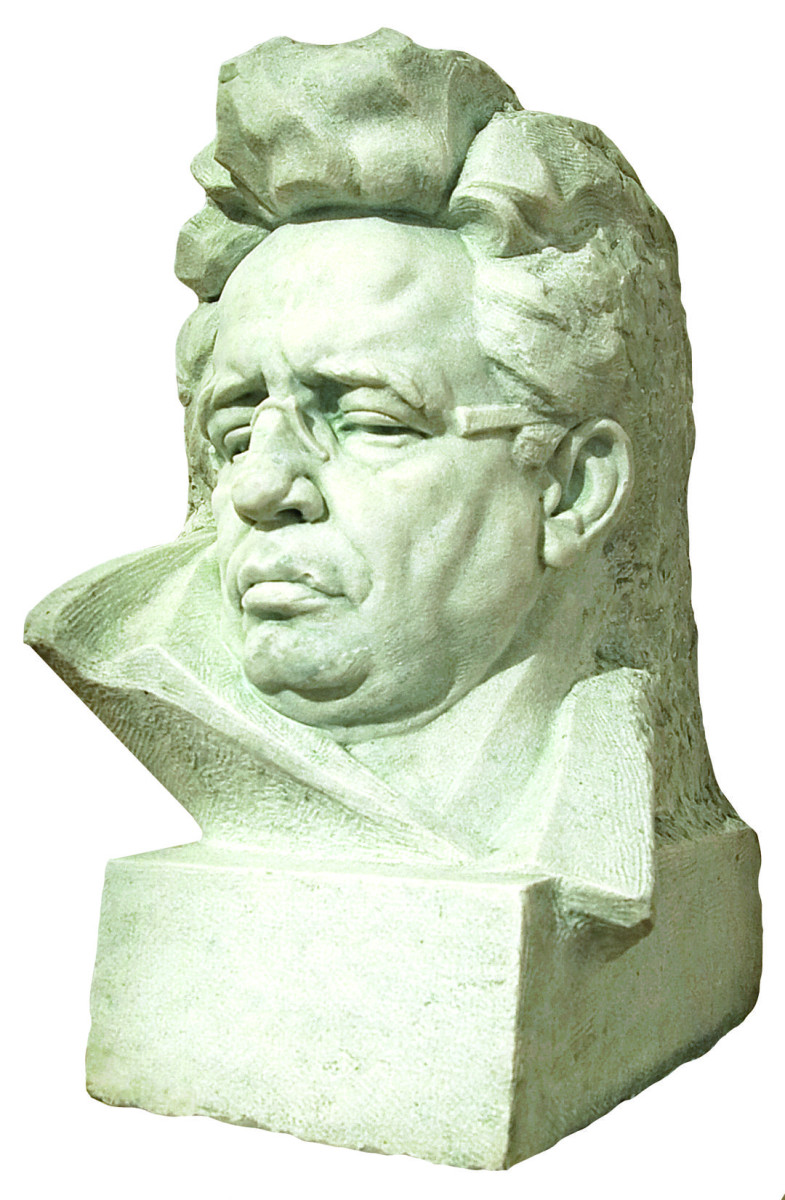
Portraiture represents another important dimension of Garyaghdi’s practice. He created busts of prominent figures in Azerbaijani music, including Gara Garayev, Fikrat Amirov, Bulbul, Niyazi and Jahangir Jahangirov. His portrayals of military figures such as Hazi Aslanov and Adil Guliyev reflect his engagement with themes of heroism and historical memory.
His memorial works include monuments and funerary sculpture associated with the poet Samad Vurgun, as well as the monument to scientist Yusif Mammadaliyev in Ordubad. Relief compositions such as Koroglu of Our Time, Farhad Breaking the Mountain and In the Old Oil Fields explore labour, heroism and social life through the expressive possibilities of relief sculpture.
Artistic Language and Sculptural Vision
Garyaghdi’s work is characterised by compositional unity, expressive modelling and attention to the individual features of his subjects. His portraits seek not only to establish physical likeness but also to convey character through the treatment of form and facial expression. In his monumental works, the relationship between the figure, its setting and the overall balance of the composition is particularly significant.
His practice developed within the traditions of Soviet monumental art and the public commissioning system of the period. This historical context is essential to understanding his work. At the same time, the formal qualities of his sculpture, the range of genres he explored and his individual treatment of subjects are central to assessing his contribution to Azerbaijani art.
Honours and Artistic Legacy
In 1954, Garyaghdi was awarded the title of Honoured Art Worker of the Azerbaijan SSR. In 1960, he received the title of People's Artist of the Azerbaijan SSR. Alongside his artistic practice, his teaching contributed to the development of sculpture education in Azerbaijan.
His monuments, portraits and relief compositions reflect the diversity of twentieth-century Azerbaijani sculpture. Garyaghdi’s work remains significant to the study of the country’s sculptural heritage and the preservation of artistic memory in public space.
Jalal Garyaghdi died in Baku on 1 January 2001.
Art Space Gallery MEDIA