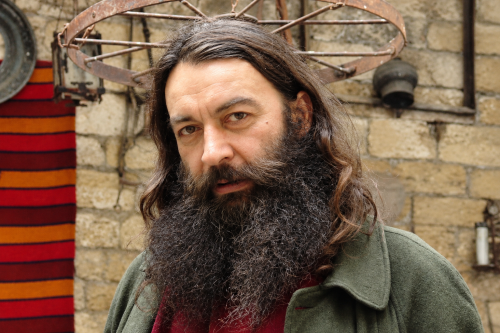
Early Life and Artistic Formation
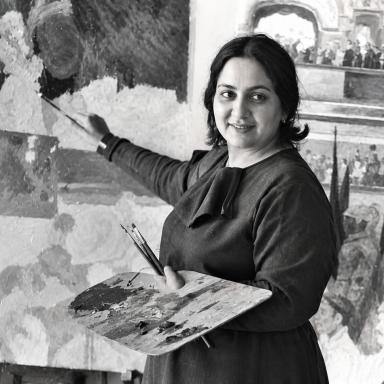
Ujal Hagverdiyev was born in Baku on 9 June 1960, into the family of painter Hasan Hagverdiyev. From 1975 to 1979, he studied at the Azim Azimzade Azerbaijan State Art School, followed by studies at the Faculty of Art and Graphics of the Azerbaijan Pedagogical Institute from 1979 to 1984.
In 1985, he joined the youth section of the Union of Artists of Azerbaijan and began participating in republican and All-Union exhibitions in 1987. From 1988 to 1991, he held a scholarship from the USSR Academy of Arts. In 1997, he became a member of the Union of Artists of Azerbaijan. These milestones mark significant stages in his professional development and exhibition career.
Cultural Traditions and Artistic Exploration
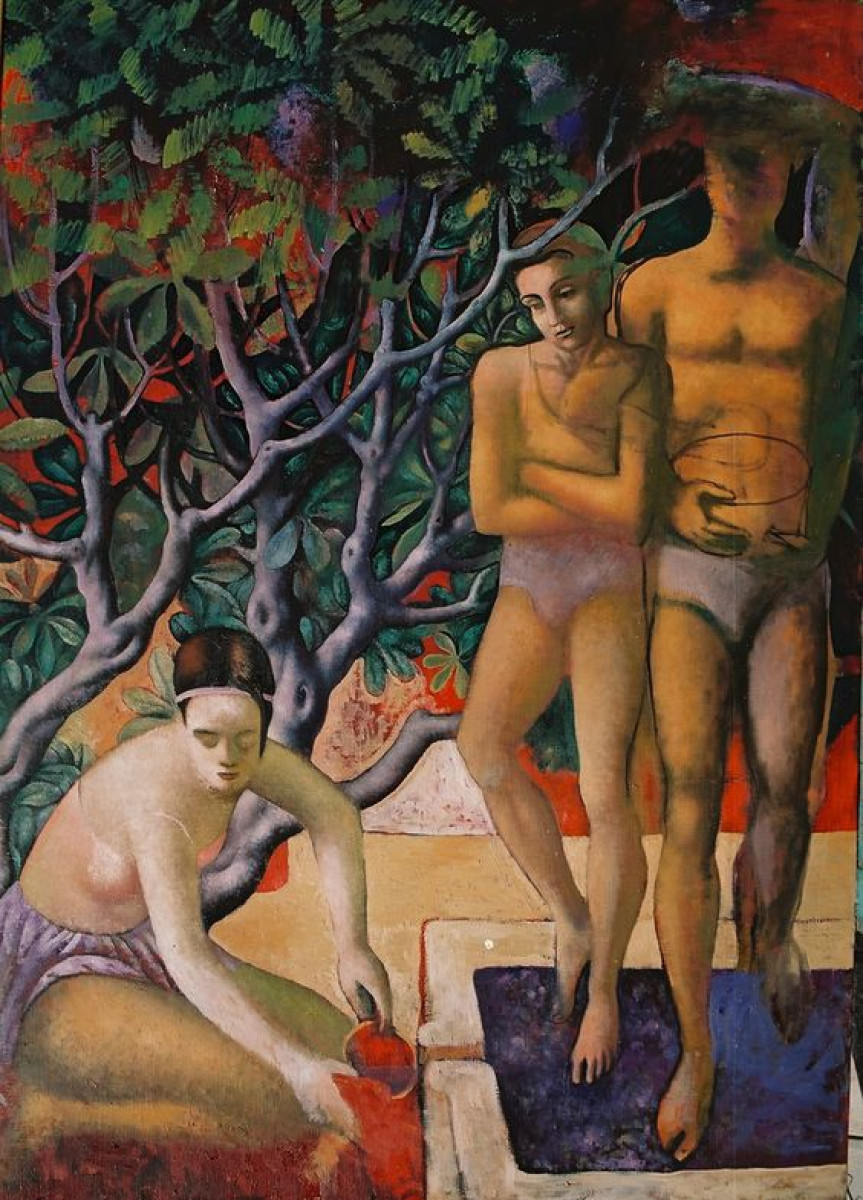
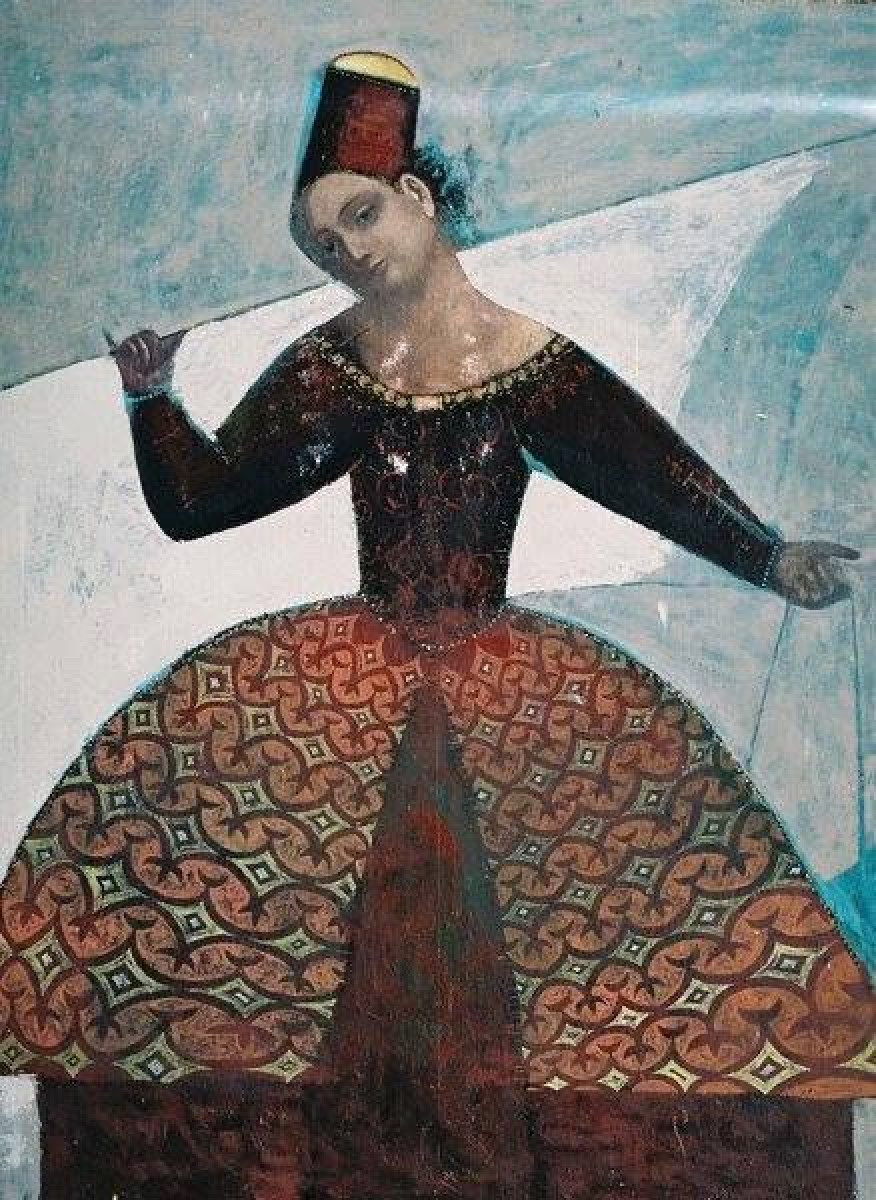
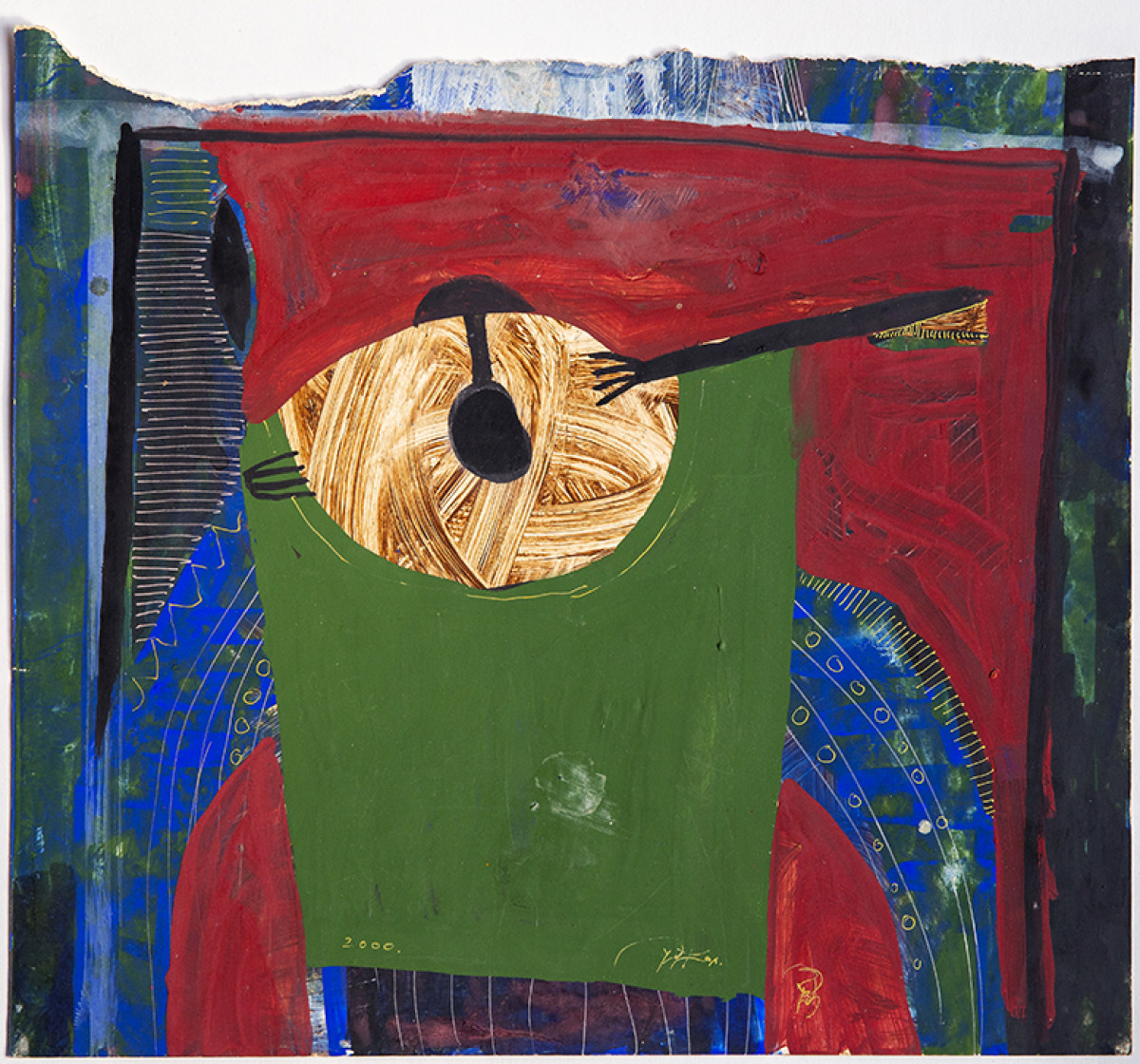
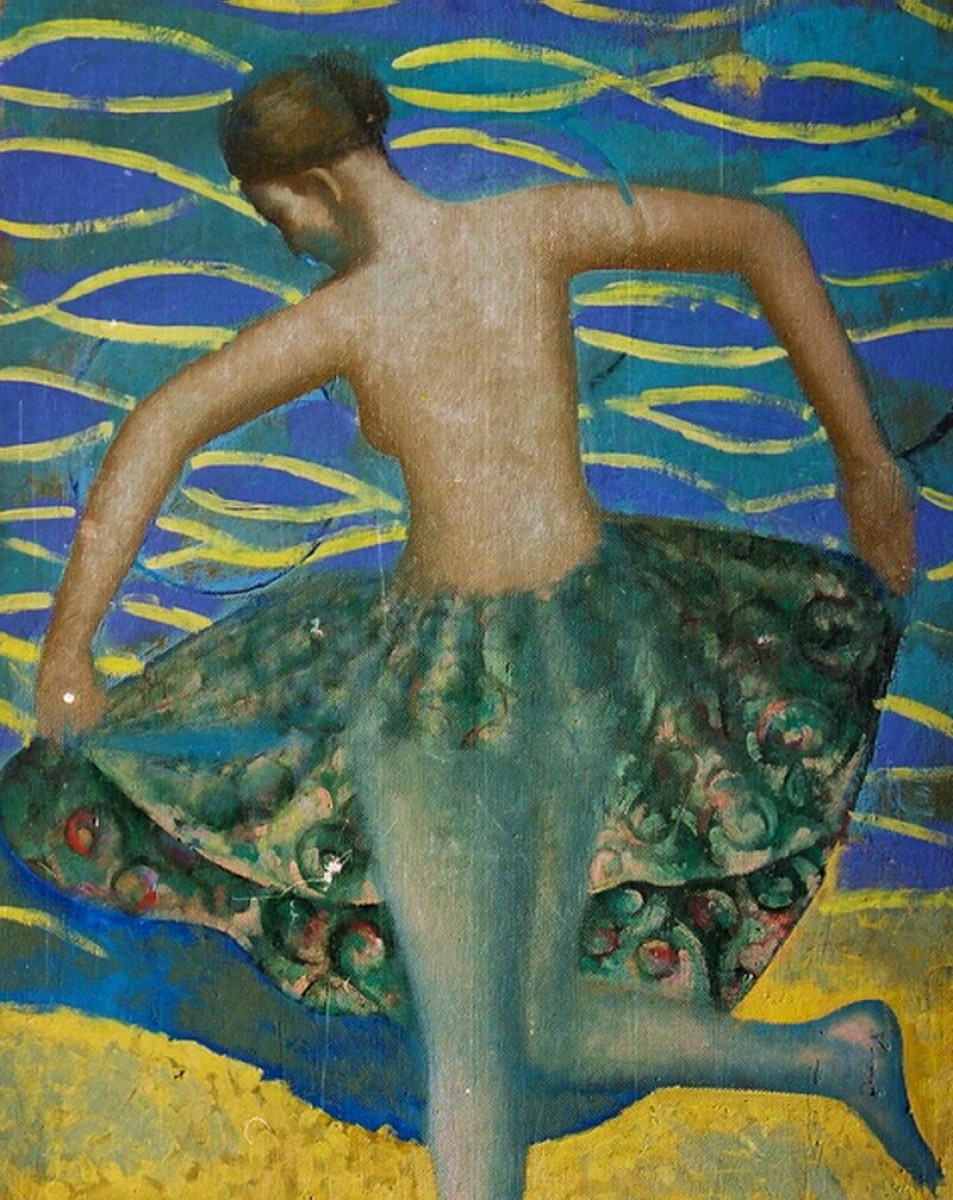
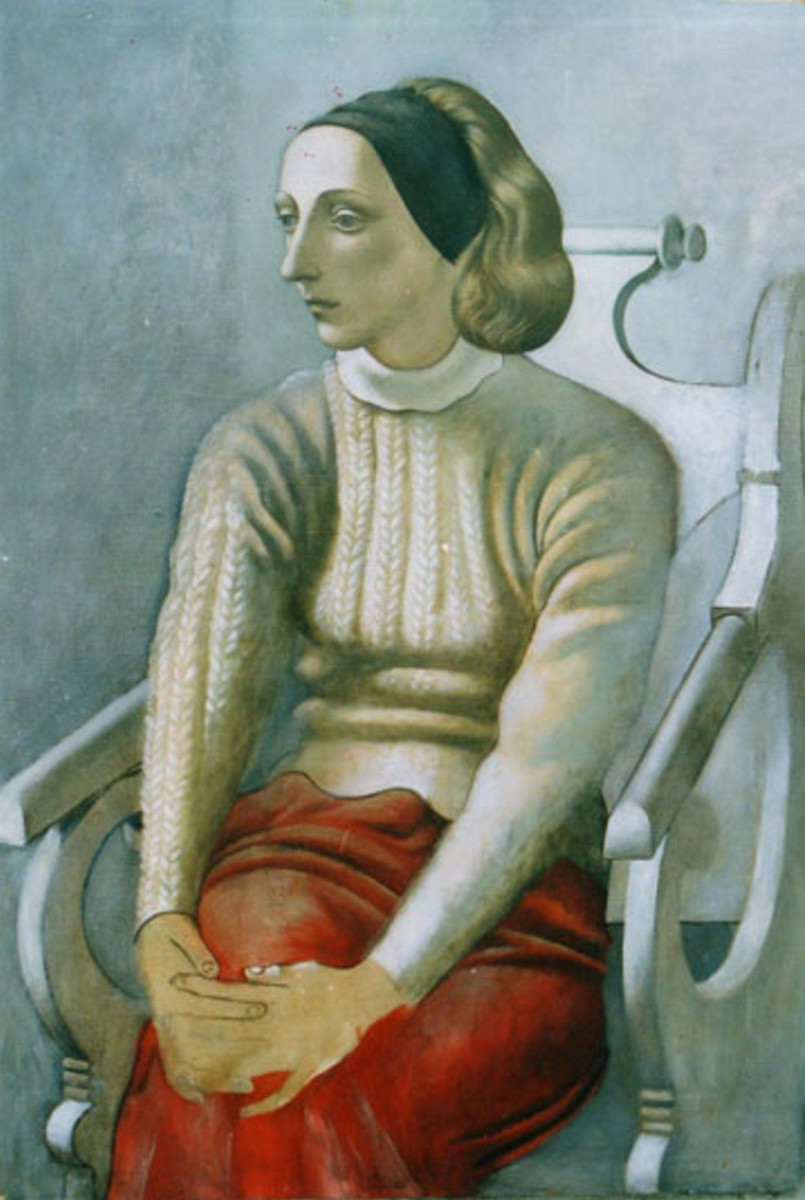
Hagverdiyev’s work reveals an engagement with visual traditions drawn from different historical periods and cultures. Ancient Greek and Roman art, biblical narratives, Byzantine frescoes, icon painting and various currents of European modernism formed part of his artistic frame of reference. The aesthetics of Eastern art also occupied an important place in his creative explorations.
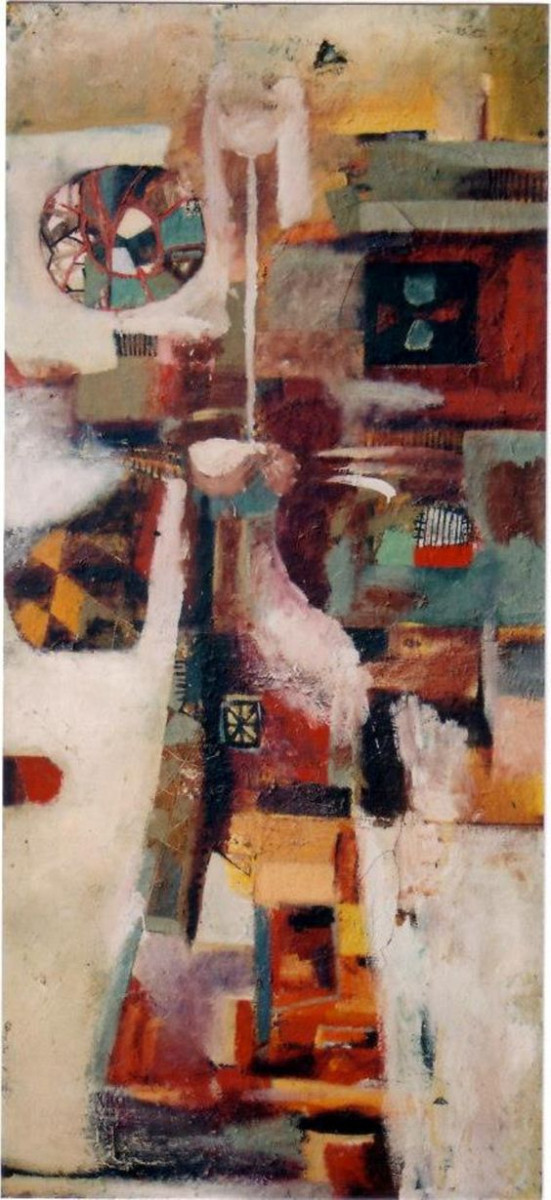
These diverse sources make it difficult to define his work within a single stylistic category. Understanding how different artistic traditions interact in his paintings requires attention to composition, colour relationships, the construction of imagery and symbolic elements. Such an approach offers a deeper understanding of the distinctive qualities of his artistic vision.
Thematic Diversity and the World of Images
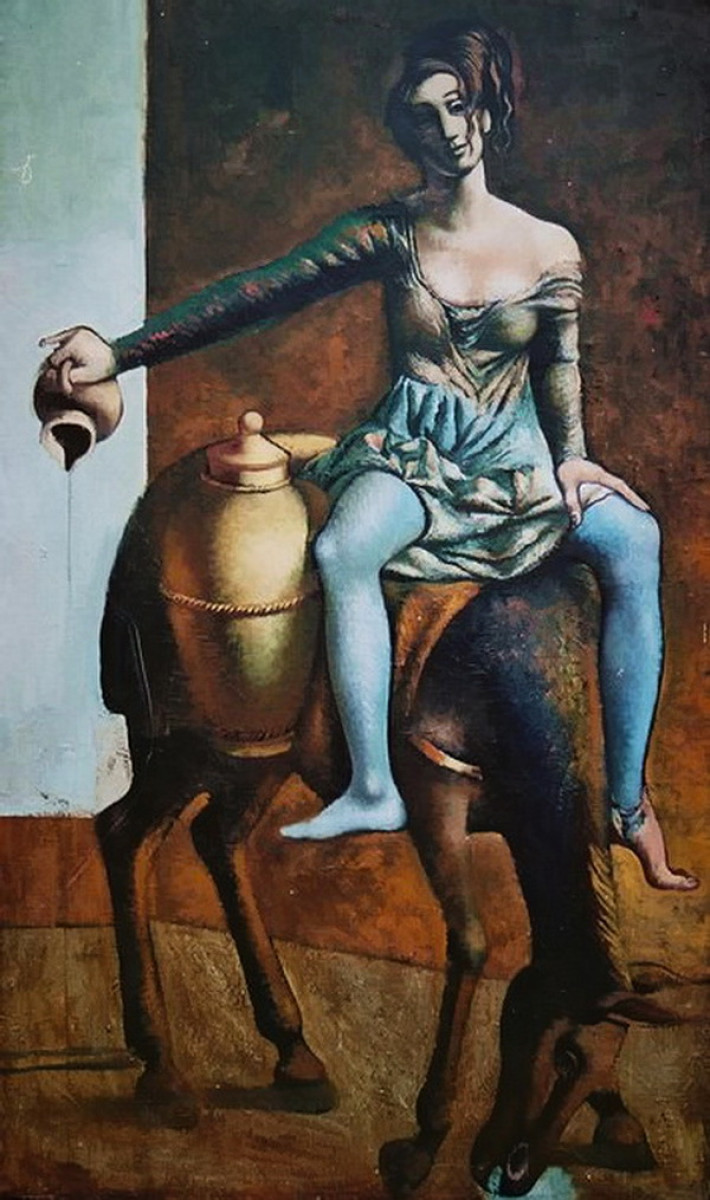
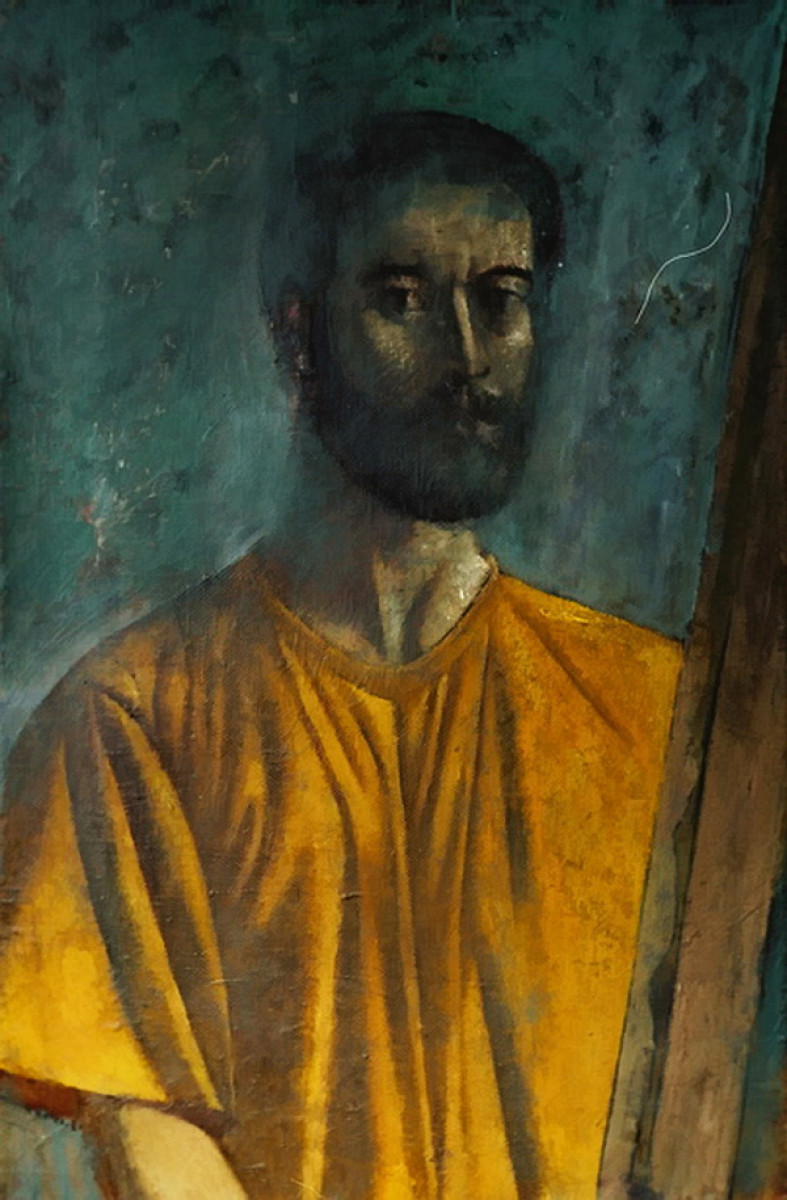
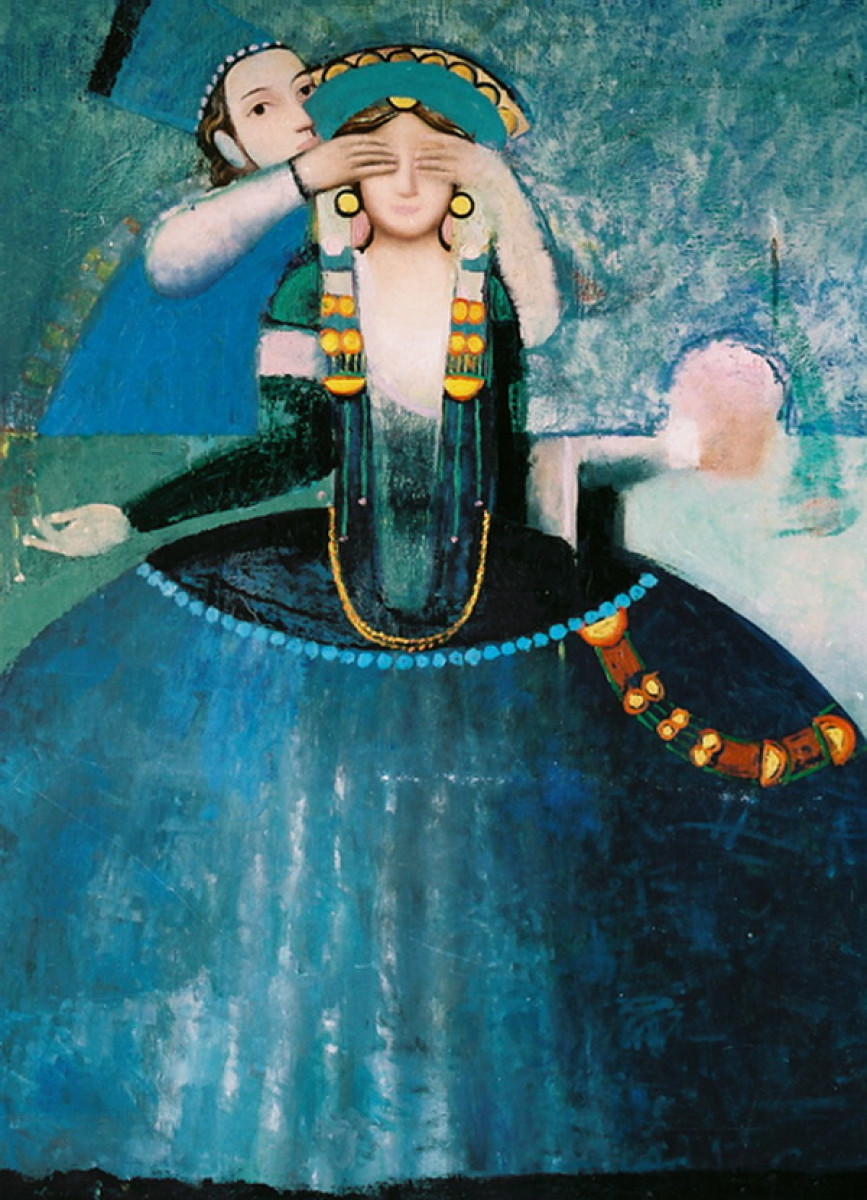
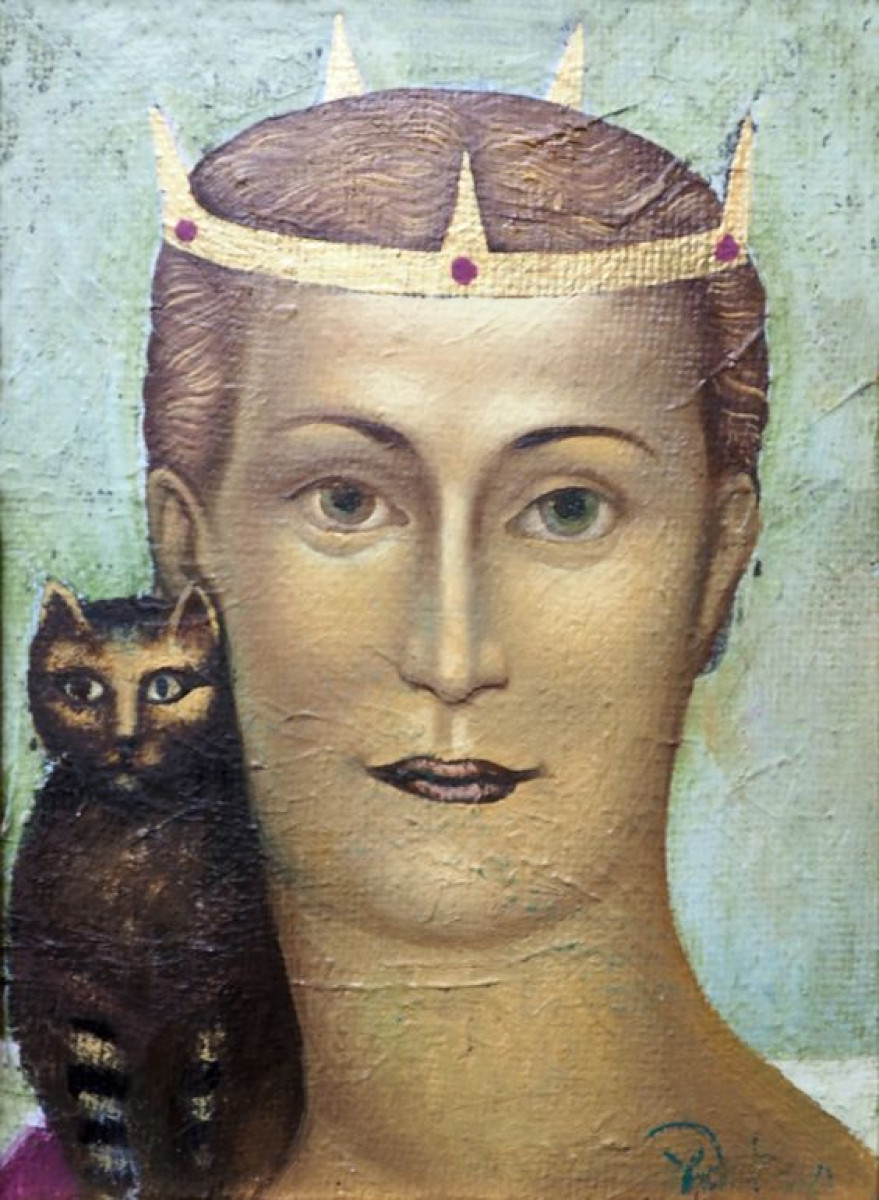
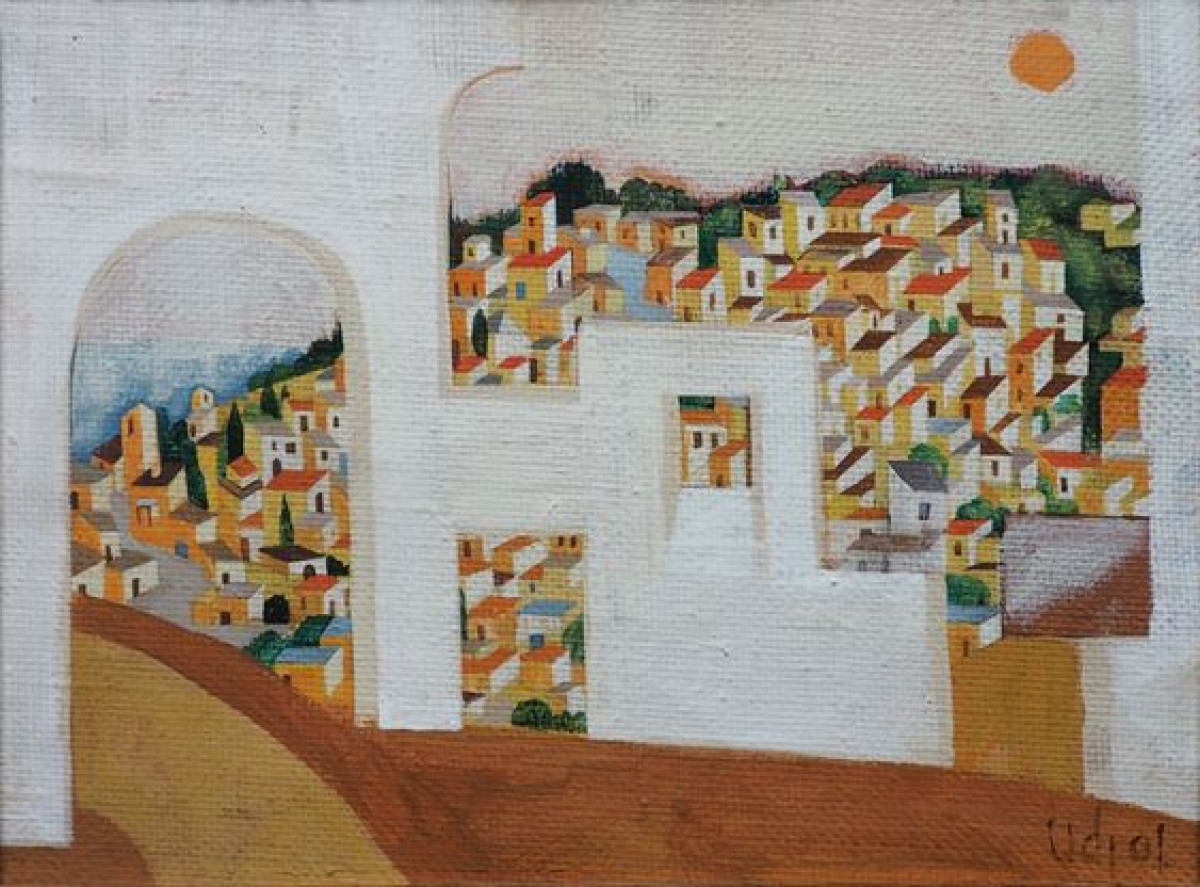
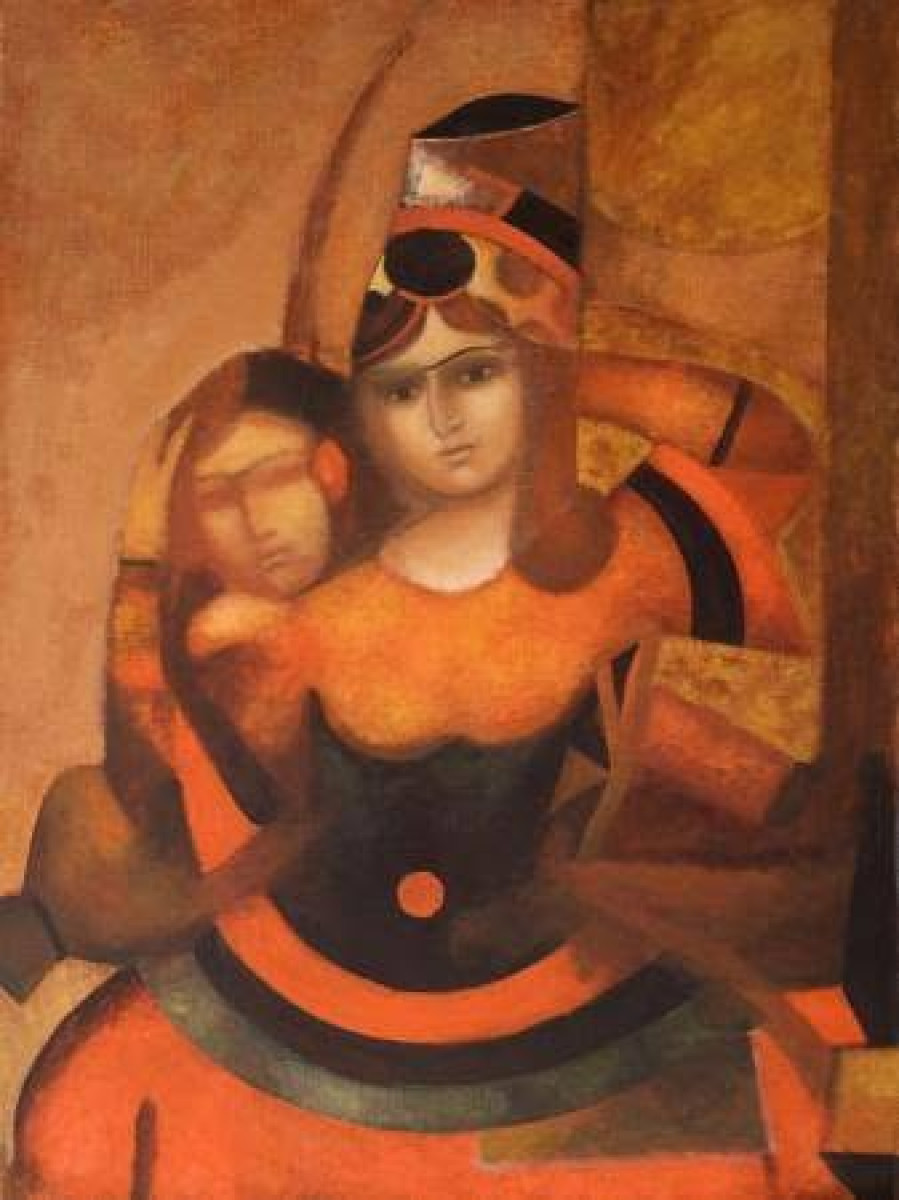
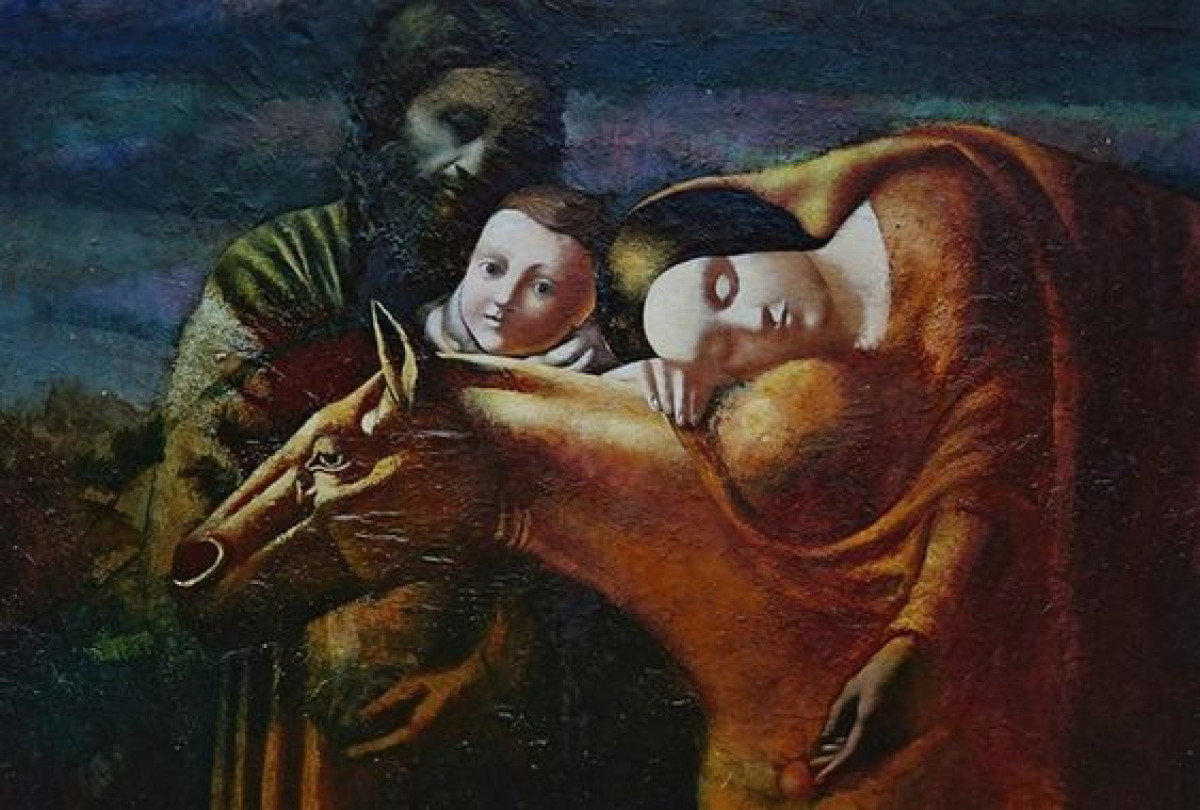
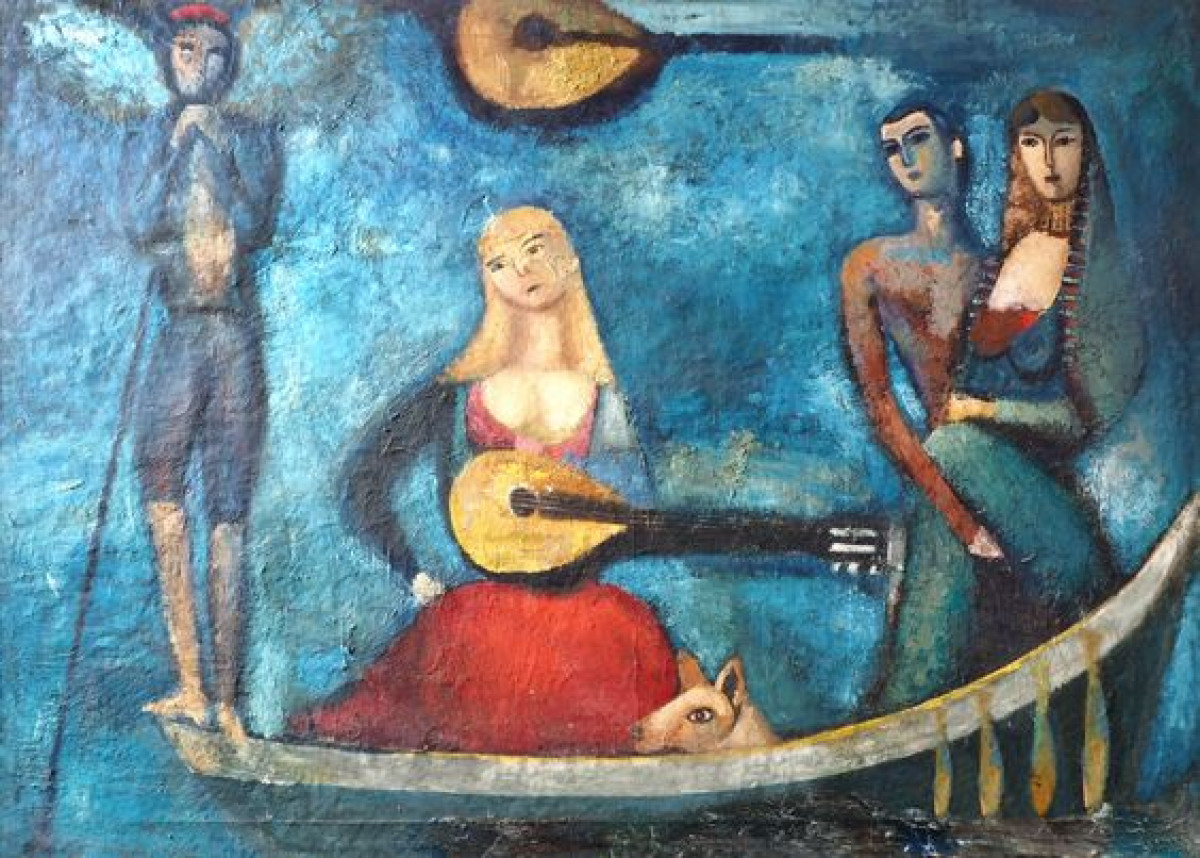
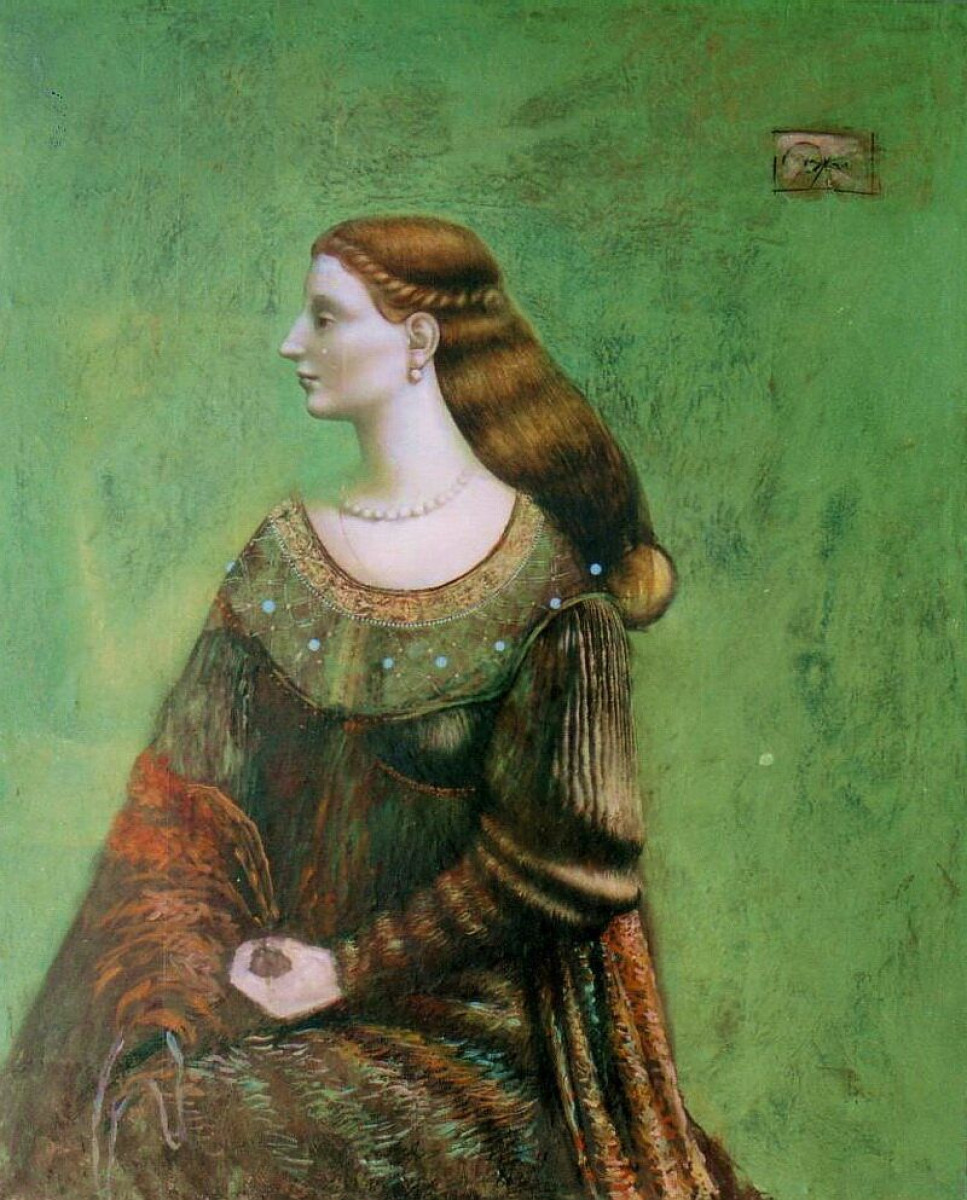
The titles of Hagverdiyev’s works reflect the breadth of his interests. Saint Jerome, Madonna and The Flight into Egypt engage with religious imagery, while Eastern Motifs and Eastern Beauties turn towards representations of the East. In the Studio, City and A Walk by the Lake explore everyday life and spatial settings. The work titled Jazz indicates that music also formed part of his thematic range.
Madonna, dated 1995, is an oil painting on canvas measuring 60 × 50 cm. Saint Jerome, also executed in oil on canvas, measures 139 × 188 cm. As published sources differ regarding the latter work’s date, no definitive year is assigned here.
The coexistence of religious narratives and scenes from everyday life resists any narrow classification of Hagverdiyev’s art. Exploring the relationships between these works requires consideration not only of their subject matter but also of composition, the treatment of figures, colour relationships and symbolism.
Monumental Painting and Sacred Space
Between 2000 and 2004, Hagverdiyev worked on the artistic decoration and wall paintings of the Church of Archangel Michael in Baku. This undertaking represents an important dimension of his practice: monumental painting, in which the image extends beyond the independent canvas and becomes directly connected with architecture and the function of a sacred space.
Following the artist’s death, the unfinished work was continued by his wife, the artist Yelena Hagverdiyeva. This chapter of his career highlights the importance of studying his monumental works both as artistic achievements and as a legacy preserved and continued by another artist.
The Labyrinth Group and the Expansion of Artistic Practice
Hagverdiyev was involved in the activities of the Labyrinth creative group, with which he received the Humay Award in 2000. His participation in a land-art project in 1998–1999 further demonstrates that his practice extended beyond conventional easel painting.
Land art foregrounds the relationship between artistic expression, the natural environment and the surrounding landscape. Hagverdiyev’s involvement in this field documents his interest in alternative modes of artistic expression. A more detailed assessment of this period would benefit from further examination of the project’s individual works and surviving documentation.
The Contemporary Presentation of His Legacy
In 2022, a retrospective exhibition titled Communication in Existence was devoted to Hagverdiyev’s work. Approximately 250 paintings and graphic works from public and private collections were presented alongside sketches, notebook entries, poems, photographs and personal belongings.
The exhibition made it possible to approach his legacy not only through completed artworks but also through materials connected with his creative process. The precise dating of works, comparative study of different periods and documentation of his monumental projects remain important avenues for future research.
The Significance of an Individual Artistic Vision
Ujal Hagverdiyev’s work is significant for the study of the relationship between Azerbaijani painting and a diverse range of artistic traditions and modes of expression. Religious imagery, Eastern motifs, scenes of everyday life and monumental painting constitute distinct yet interconnected dimensions of his artistic world.
The significance of his work cannot be measured solely by the breadth of its subject matter or influences. The central question is how these sources were transformed into individual artistic solutions. This perspective allows Hagverdiyev’s legacy to be considered more precisely within the development of Azerbaijani art in the late twentieth century.
Ujal Hagverdiyev died in Baku on 18 December 2004.
Art Space Gallery MEDIA