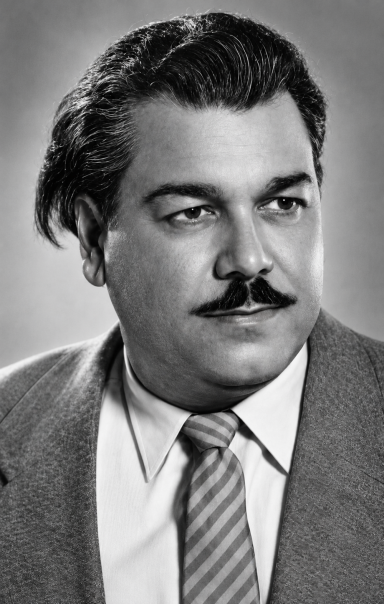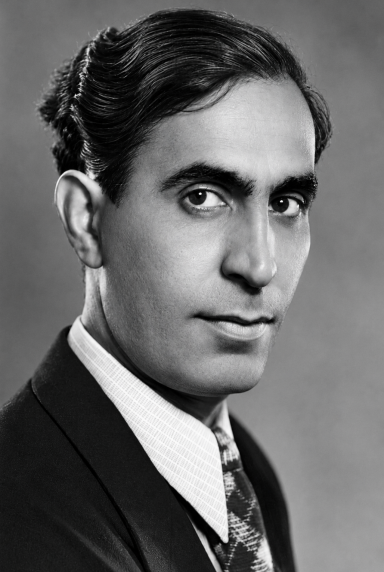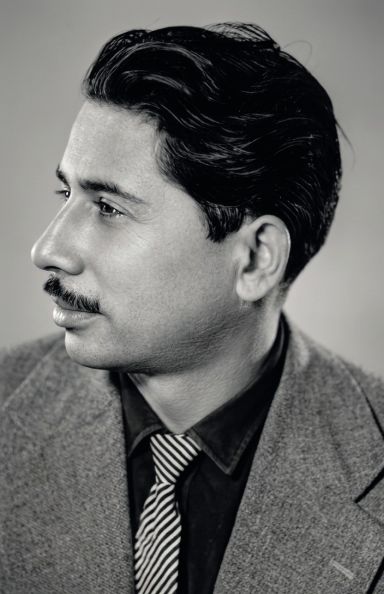
Life and Education
Ayyub Aliaga oglu Mammadov was born in Baku on 24 January 1921. He studied at the Azim Azimzade Azerbaijan State Art School from 1936 to 1941 and began teaching specialised subjects at the same institution in 1940, while still a student. He served in the Second World War from 1942 to 1945. In 1946, he was admitted to the Union of Artists of the USSR and continued his studies at the V. I. Surikov Moscow State Art Institute, graduating in 1952.
Principal Directions of His Art
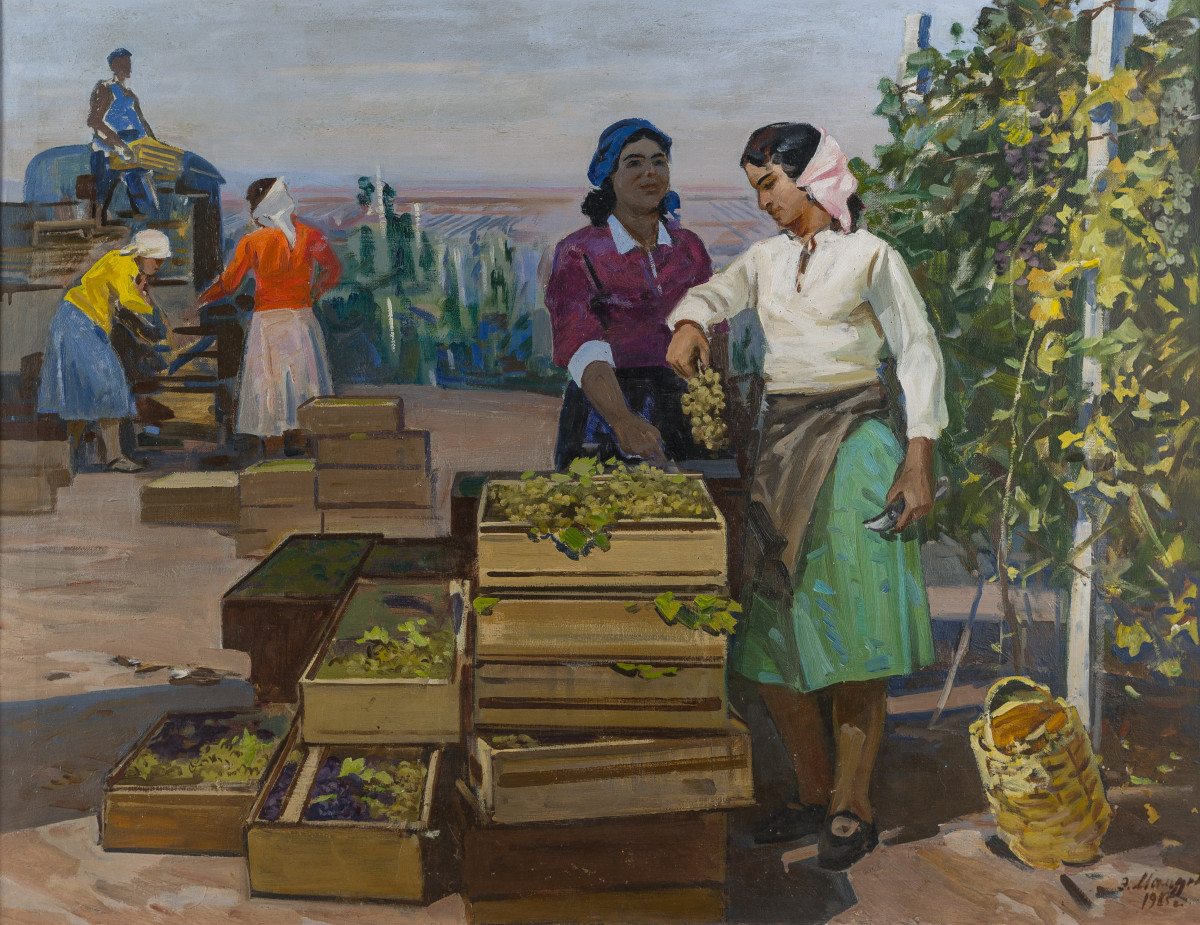
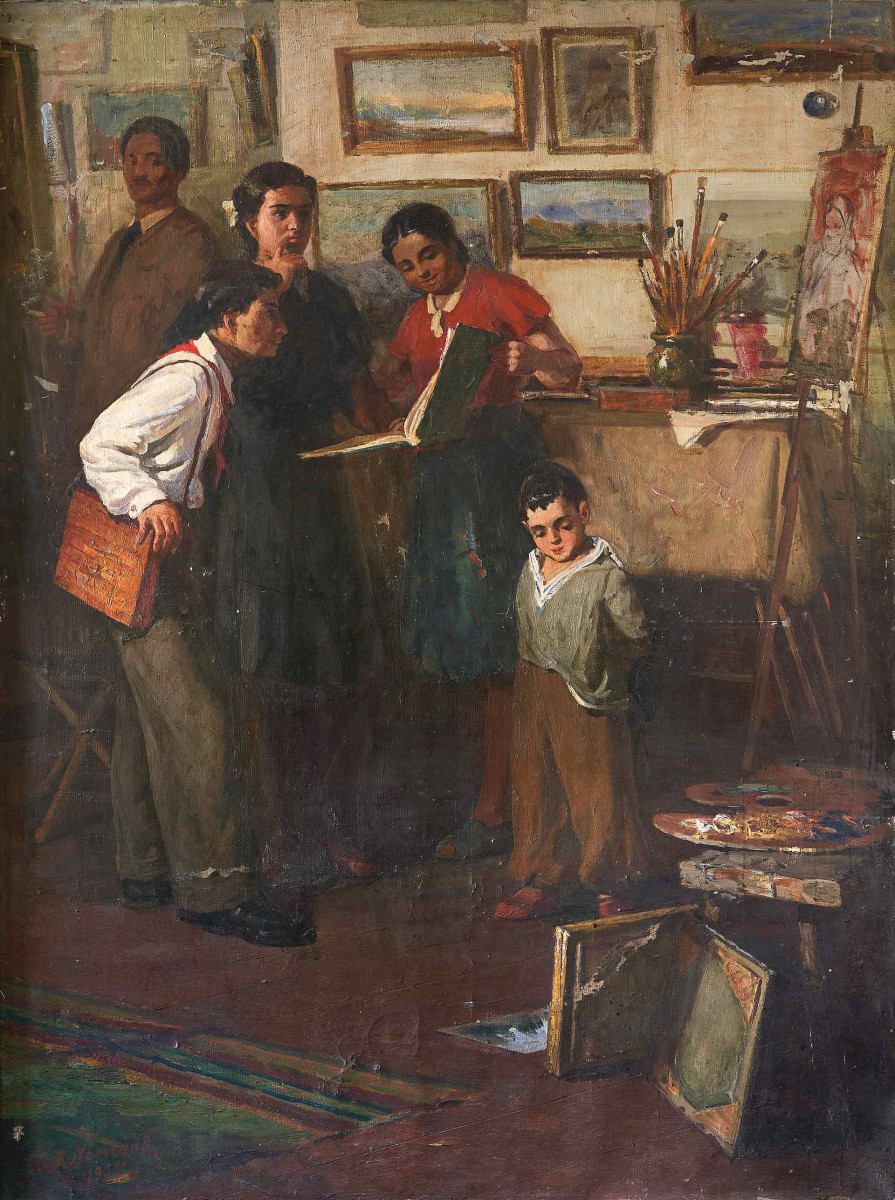
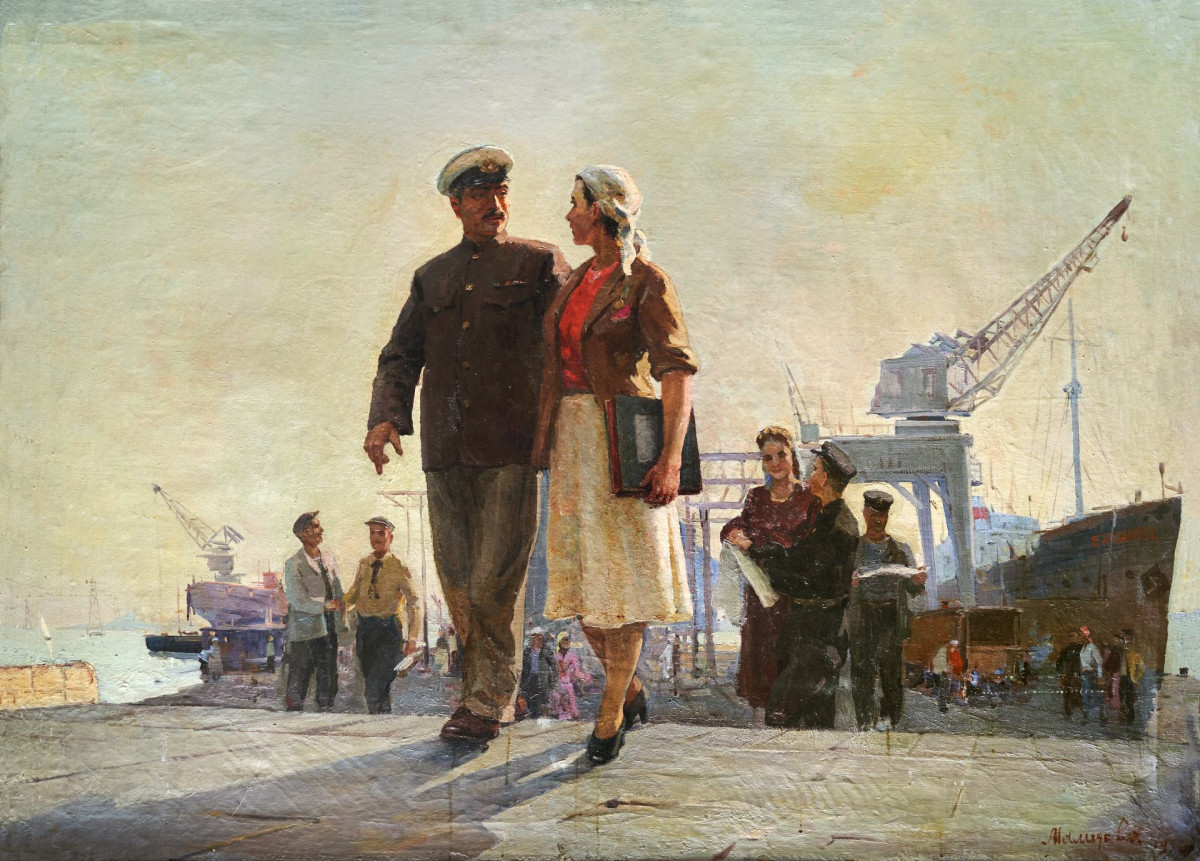
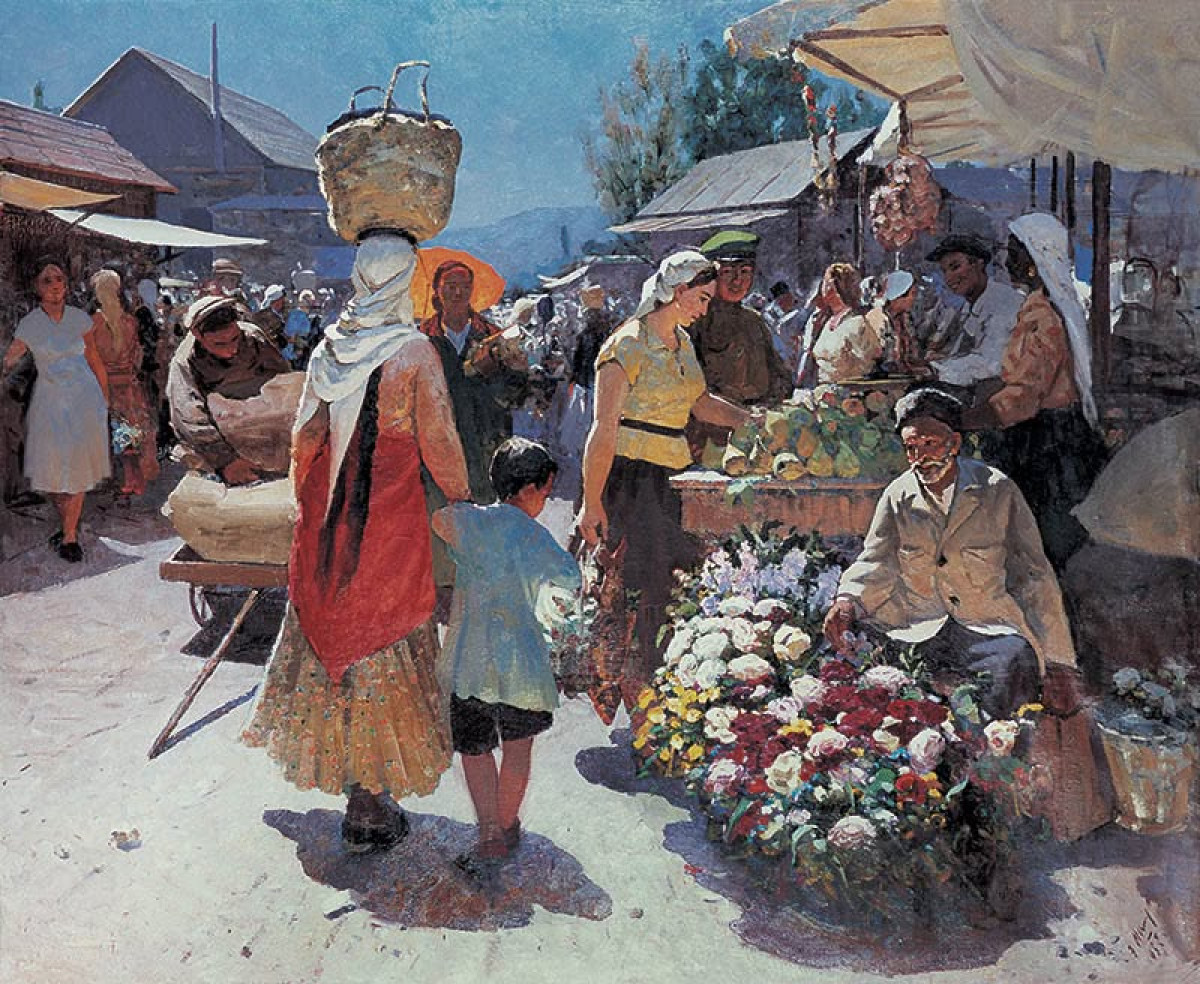
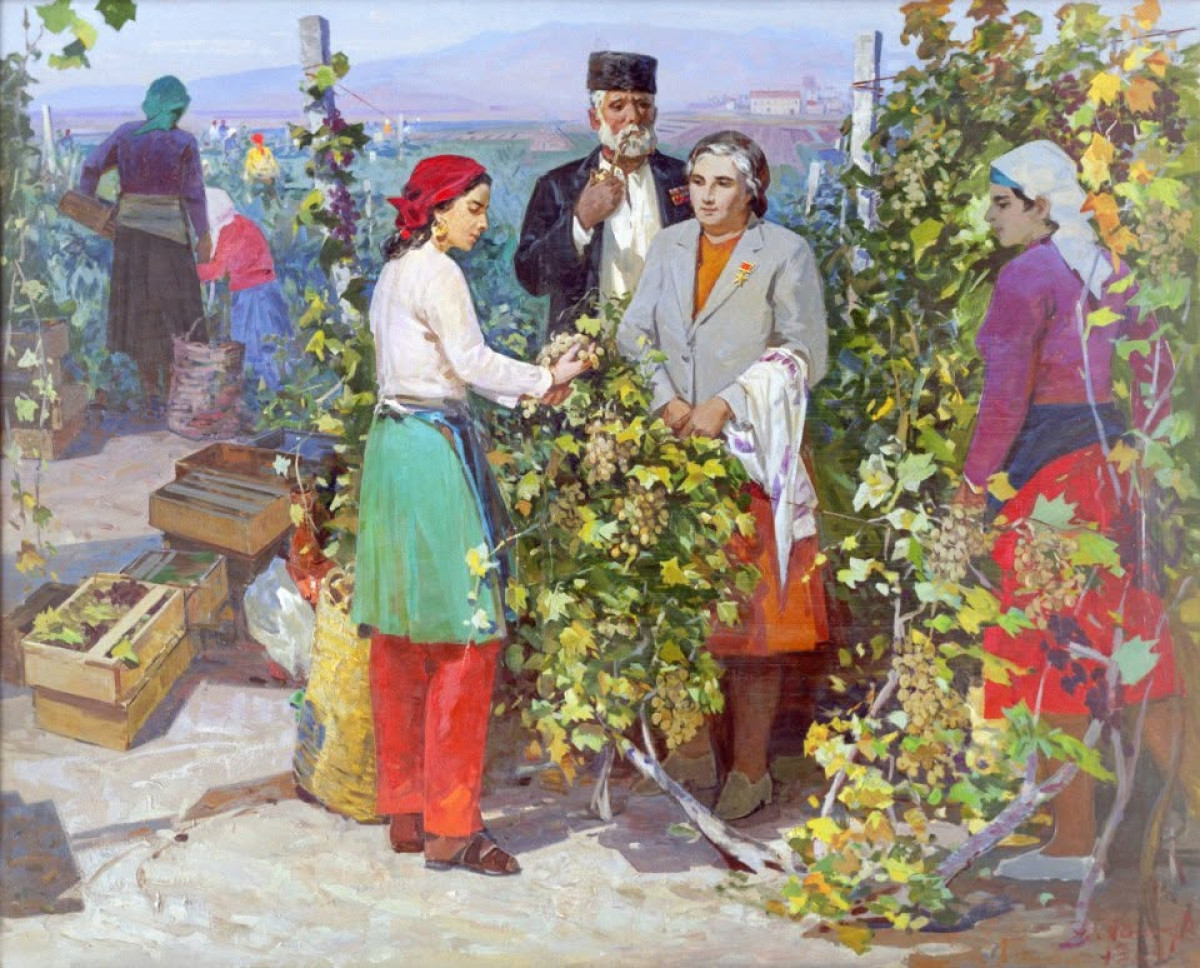
Recognised as a Merited Art Worker of the Azerbaijan SSR, Mammadov worked in thematic composition, portraiture and landscape painting. His artistic interests encompassed the human figure, the theme of labour, historical subjects and the visual interpretation of Azerbaijani settings.
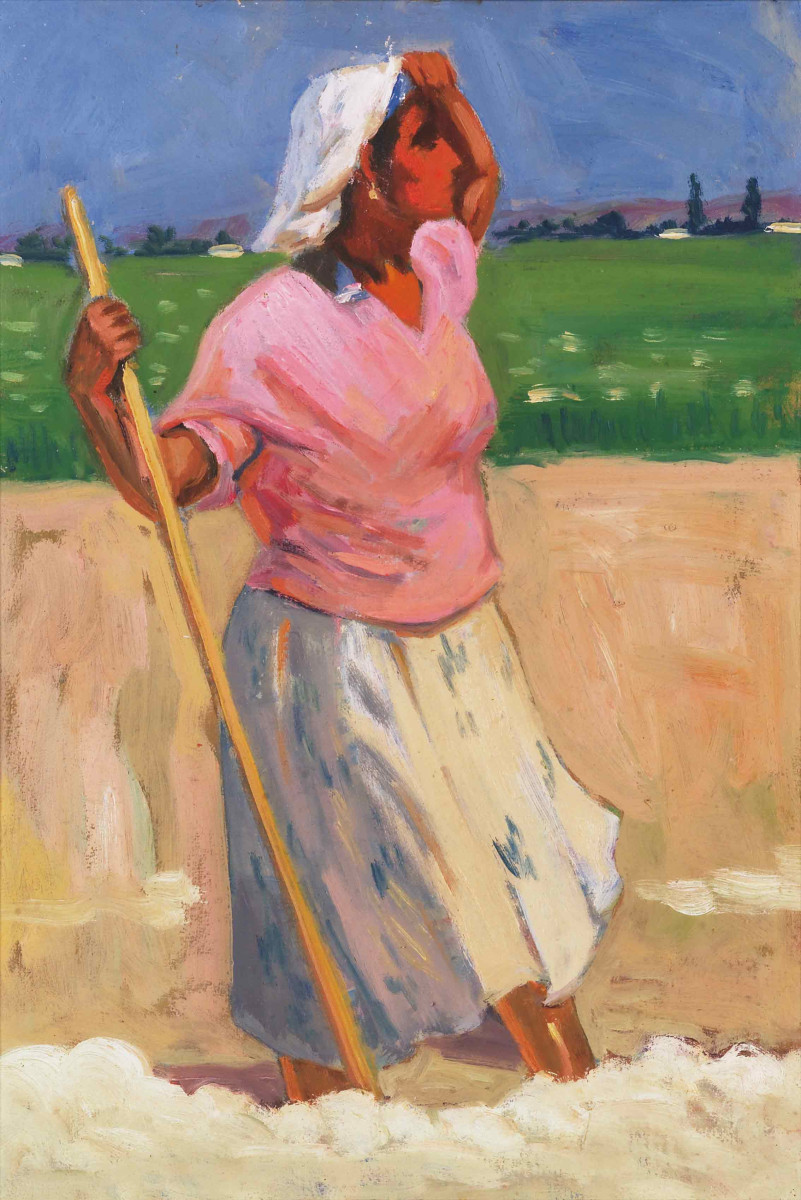
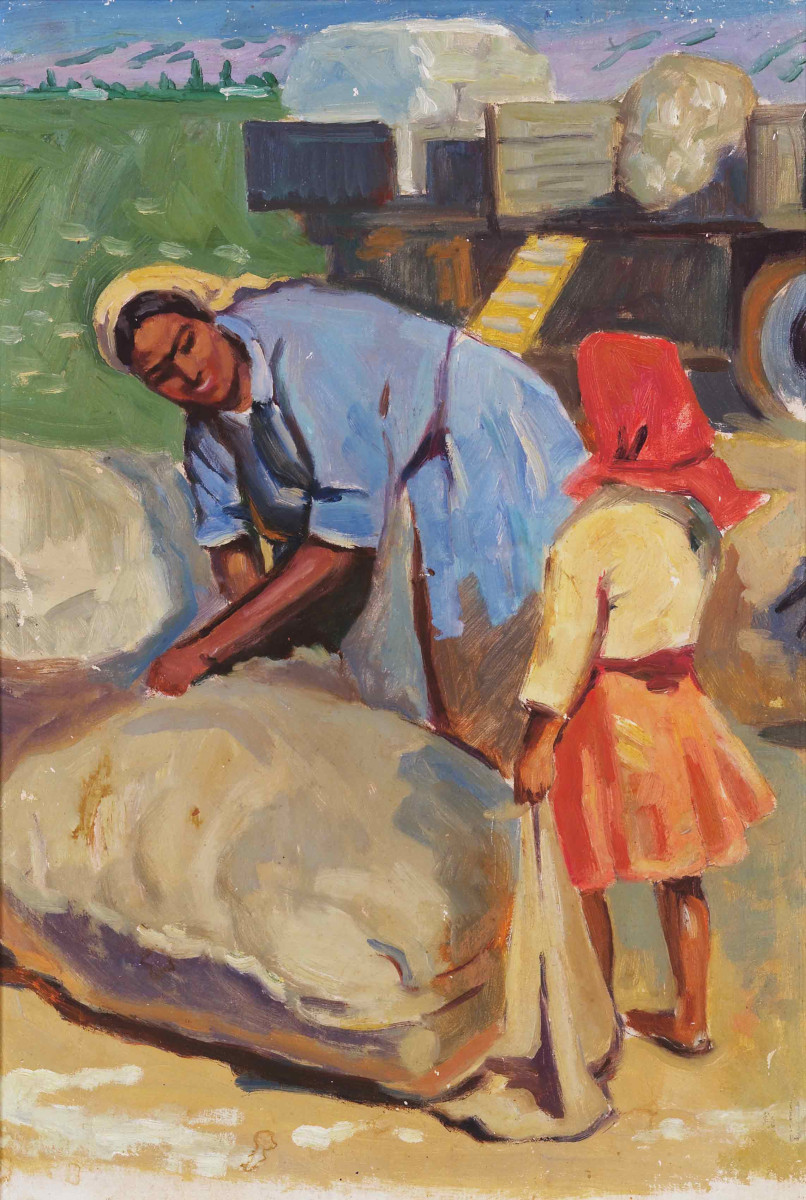
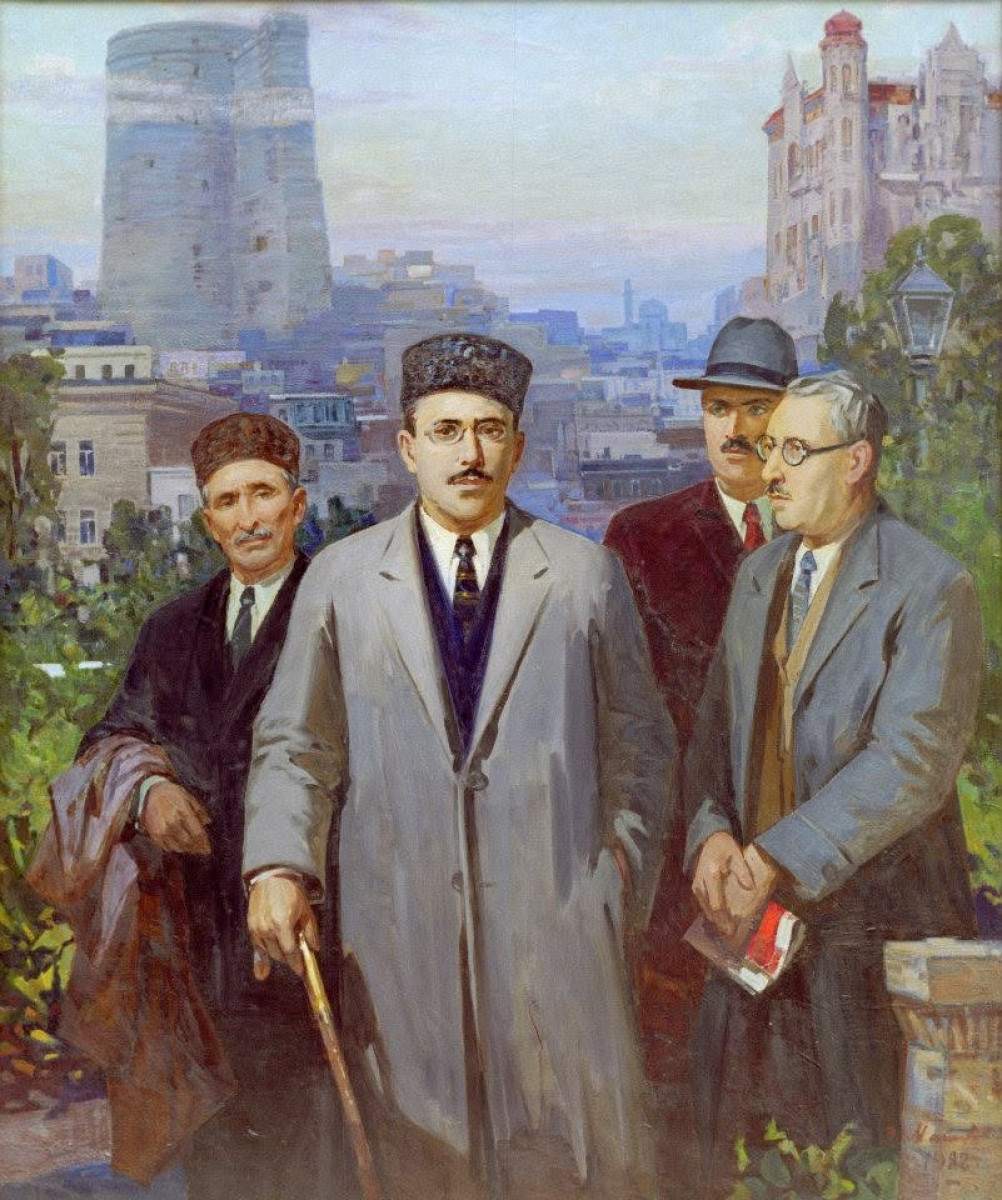
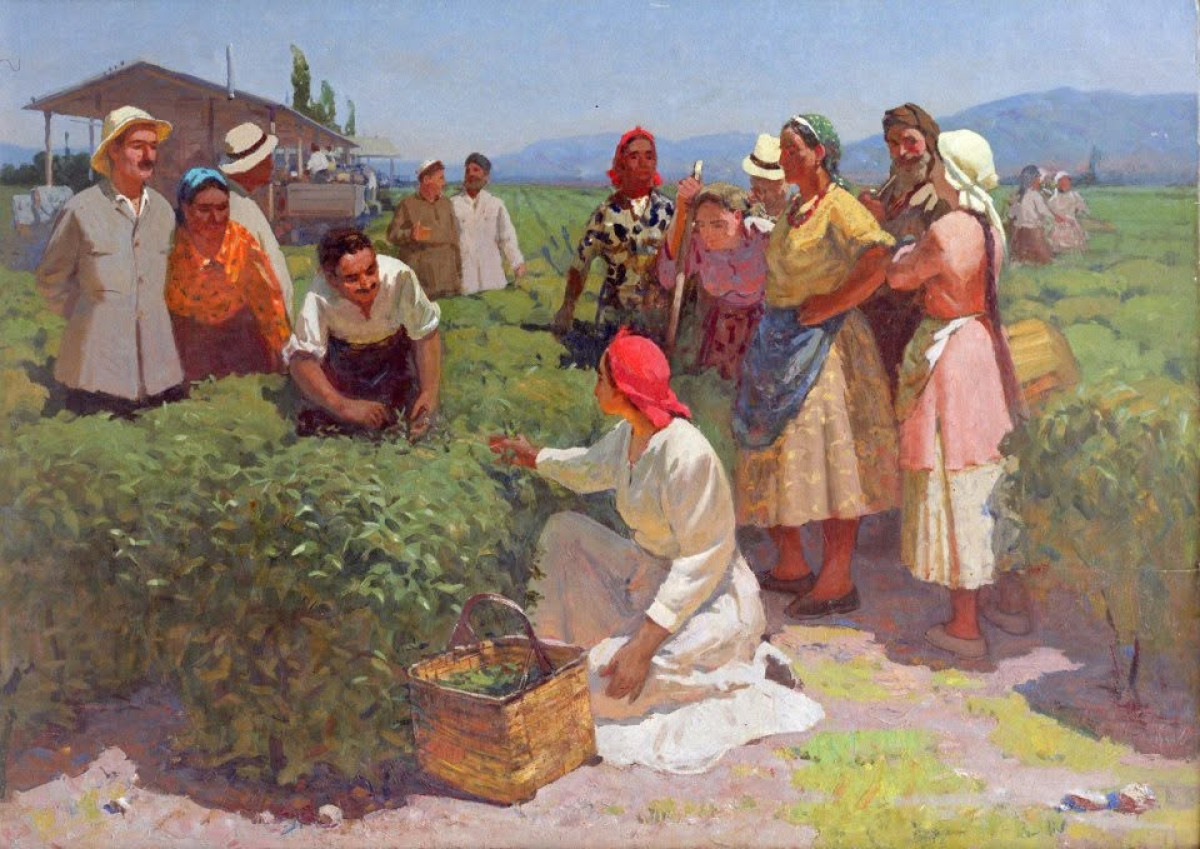
His 1952 diploma work, Exchange of Experience between Azerbaijani and Uzbek Cotton Growers, reflects his engagement with the theme of labour. His portrait subjects included G. Baghirov, Mahmud Eyvazov, Hazi Aslanov and Mehdi Huseynzade. These works demonstrate his interest in presenting individual figures within broader social and historical contexts.
Landscape Painting and the Azerbaijani Setting
Baku, the Absheron Peninsula and other regions of Azerbaijan feature among the subjects associated with Mammadov’s landscape painting. Titles such as Baku at Dawn, Snow in Baku Towards Evening and Baku: A May Morning point to his interest in the urban environment, natural phenomena and changing light. His work Shamakhi, listed in a gallery catalogue, further reflects his engagement with the landscapes of Azerbaijan.
His landscapes merit consideration as painted interpretations of the country’s urban and natural environments. A fuller understanding of his individual style requires closer examination of the compositional structure, colour relationships and treatment of light in the works themselves.
Historical Subjects and Artistic Interpretation
Mammadov’s interest in historical themes is evident in The Meeting of Atropates and Alexander the Great. The composition presents figures associated with the history of the region through the language of painting. Art historian Anar Ibrahimov has also discussed the work in a published commentary.
The choice of historical subject matter reflects Mammadov’s interest in interpreting the past through visual imagery. The artistic interpretation of the composition, however, should be distinguished from the historical verification of the event it depicts.
Teaching Career and Artistic Legacy
Mammadov’s professional life extended beyond his own artistic practice into art education. He taught for many years at the Azim Azimzade Art School and served as its director from 1965 to 1975. This work forms an important part of his contribution to the development of art education in Azerbaijan.
His artistic legacy encompasses portraiture, landscape painting and historical compositions, offering valuable material for the study of twentieth-century Azerbaijani art. A more comprehensive assessment of his oeuvre would benefit from systematic research using museum inventories, original exhibition catalogues and archival records.
Ayyub Mammadov died in Baku on 27 August 1994.
Art Space Gallery MEDIA